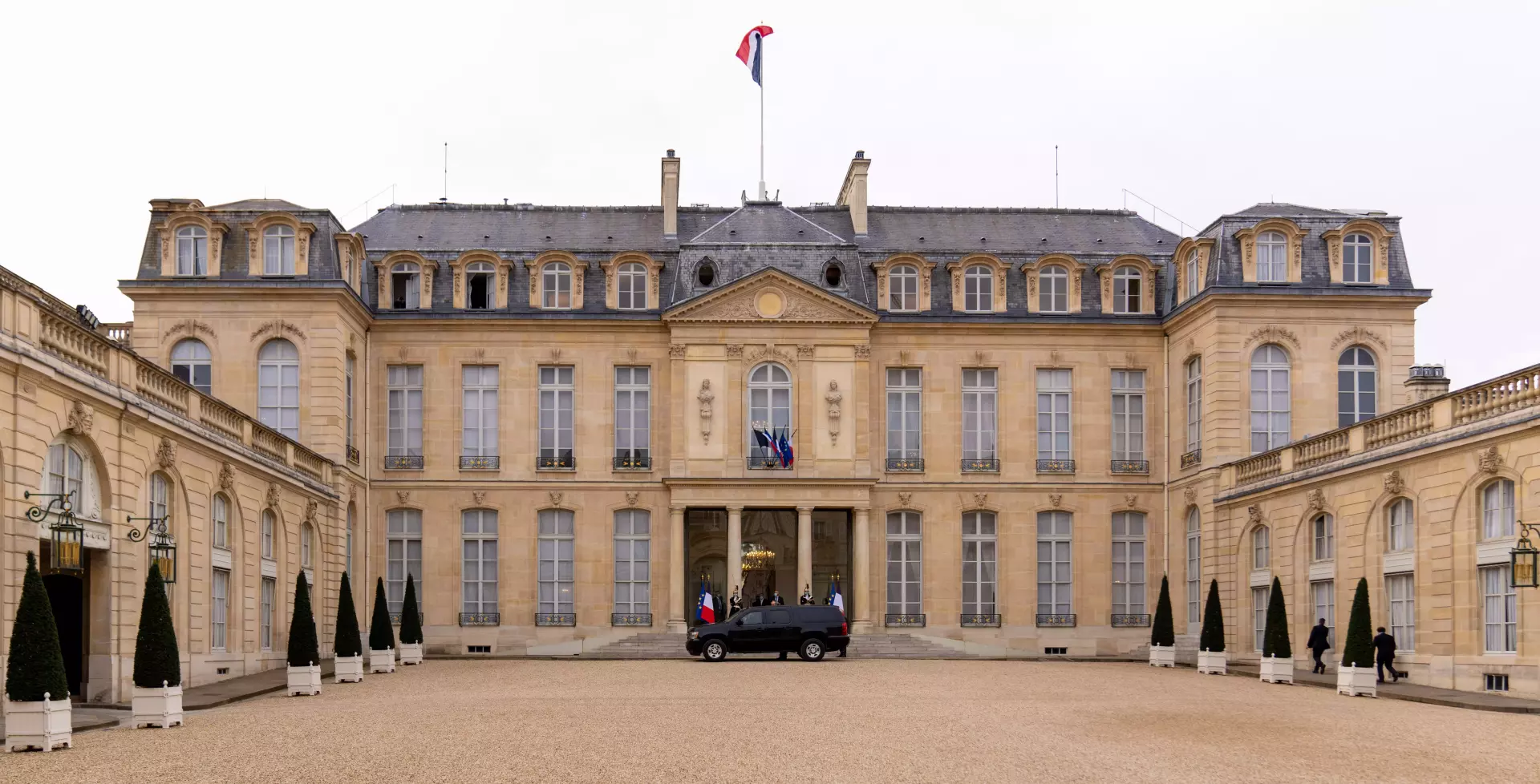
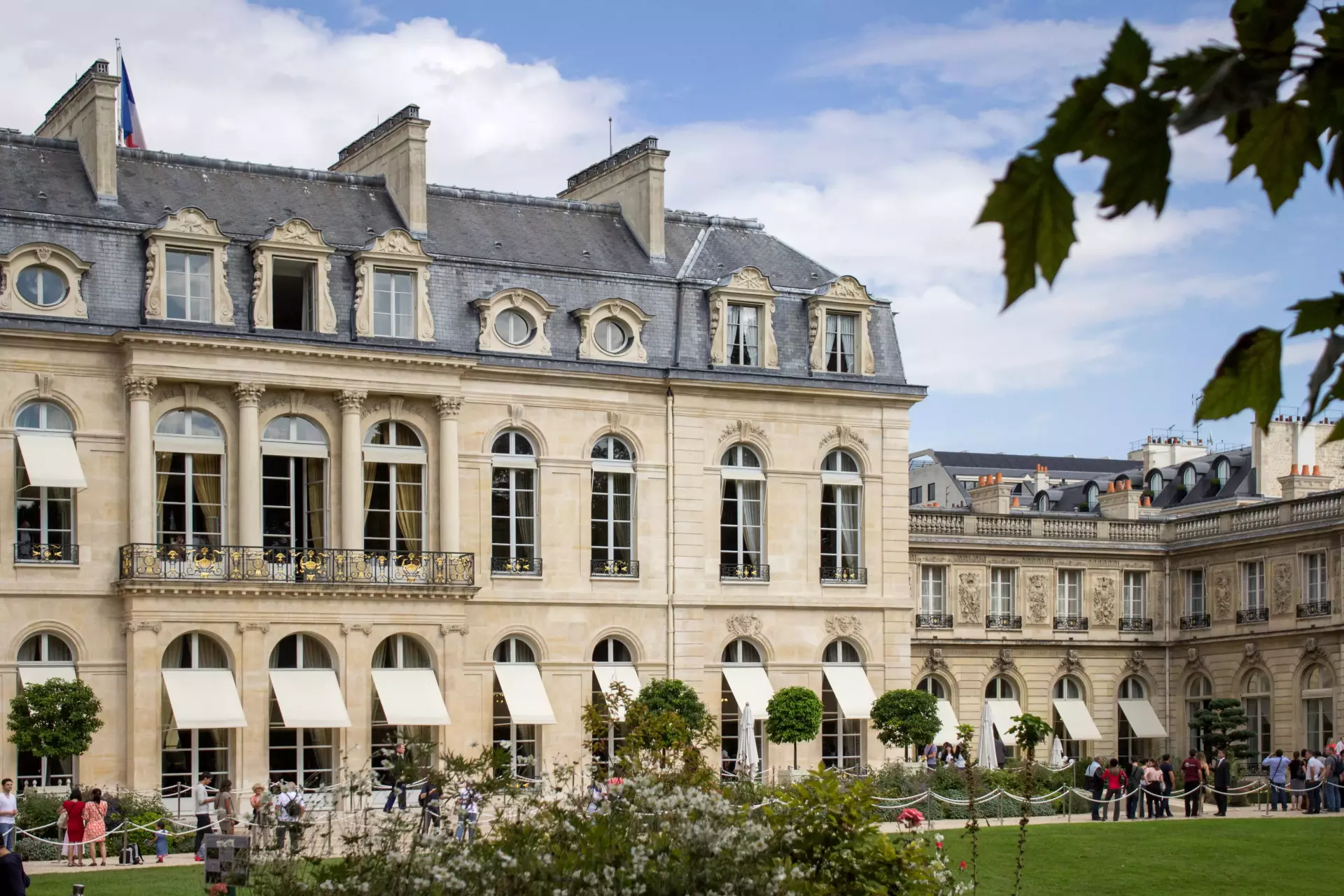
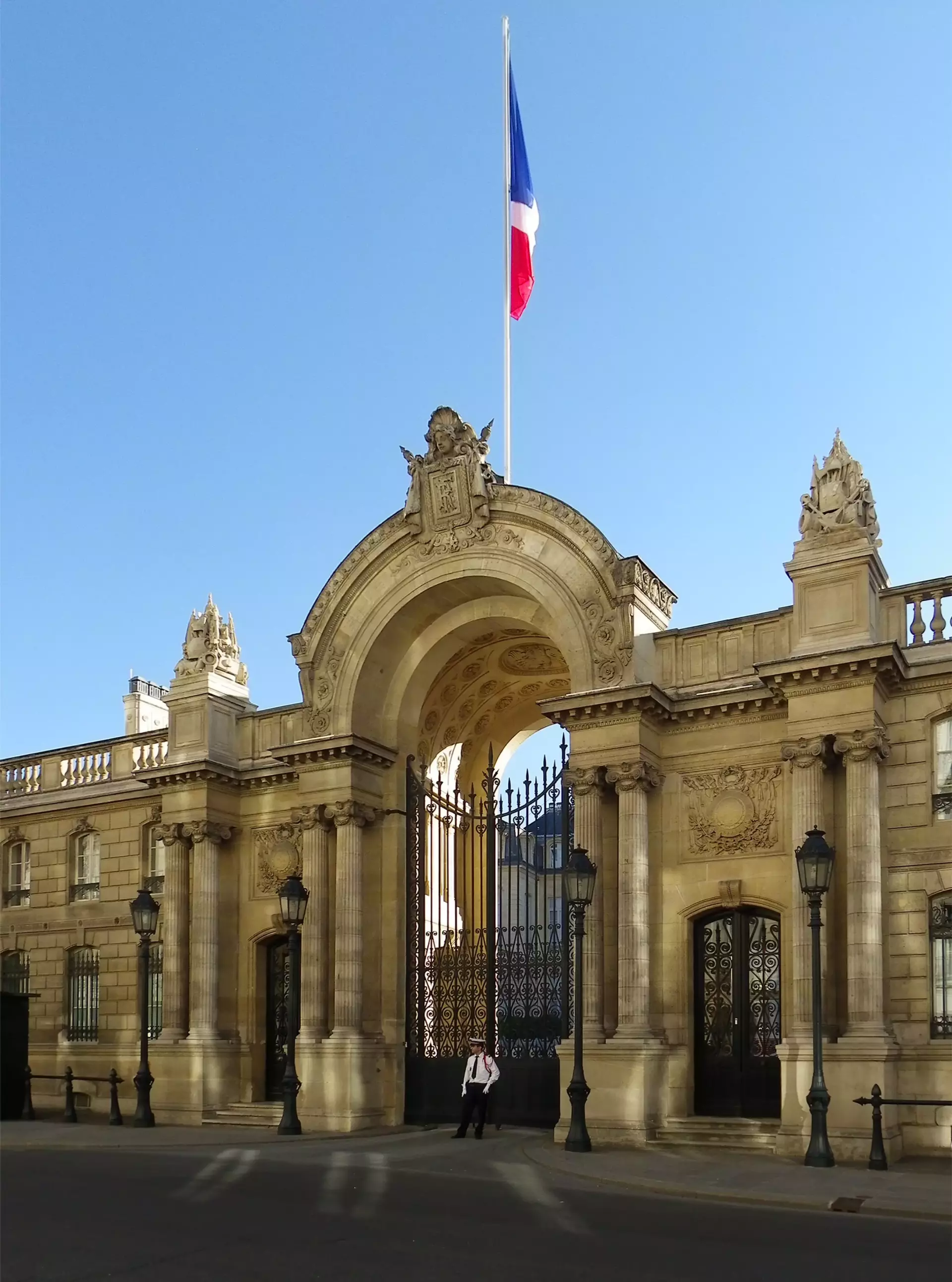
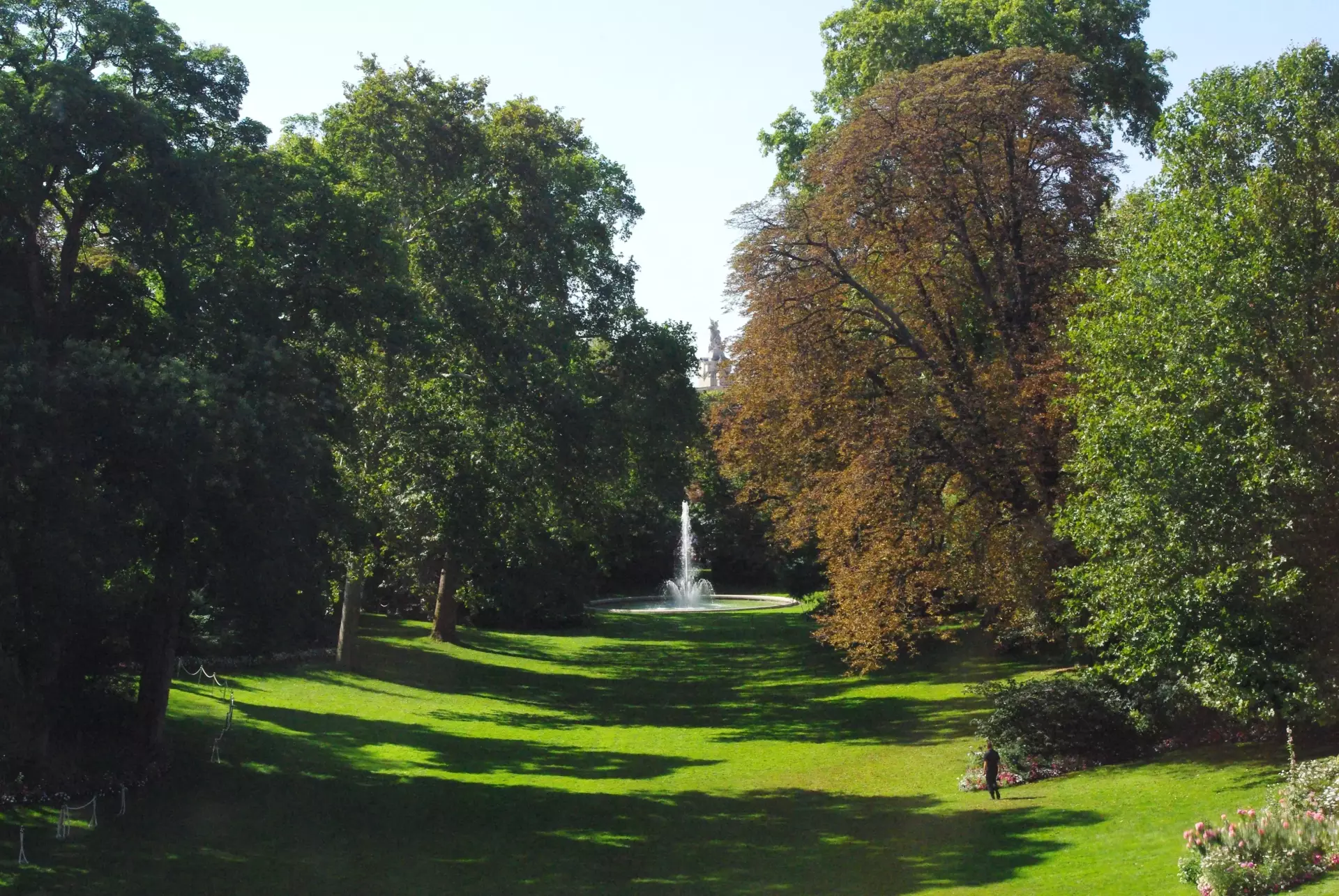
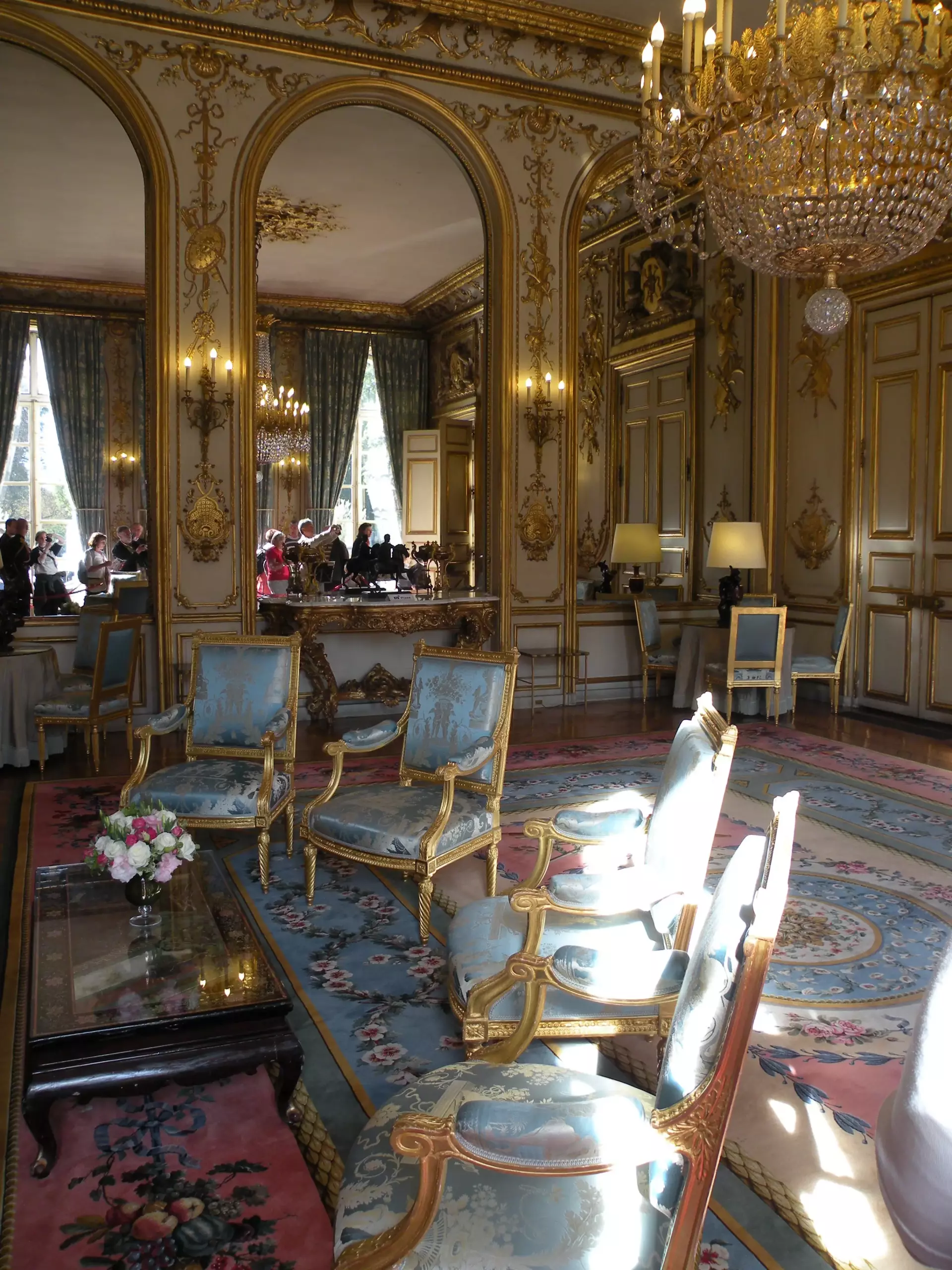
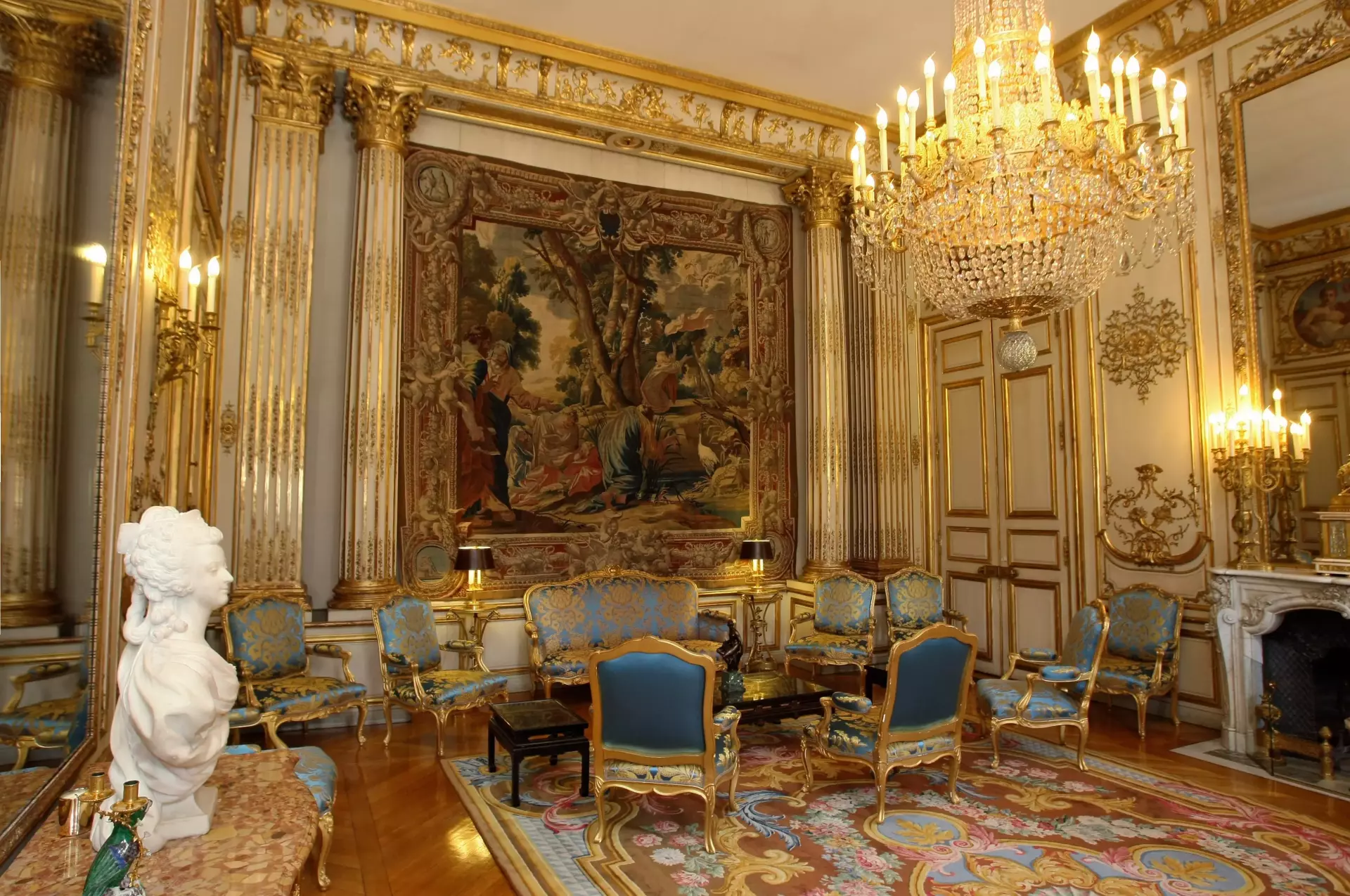
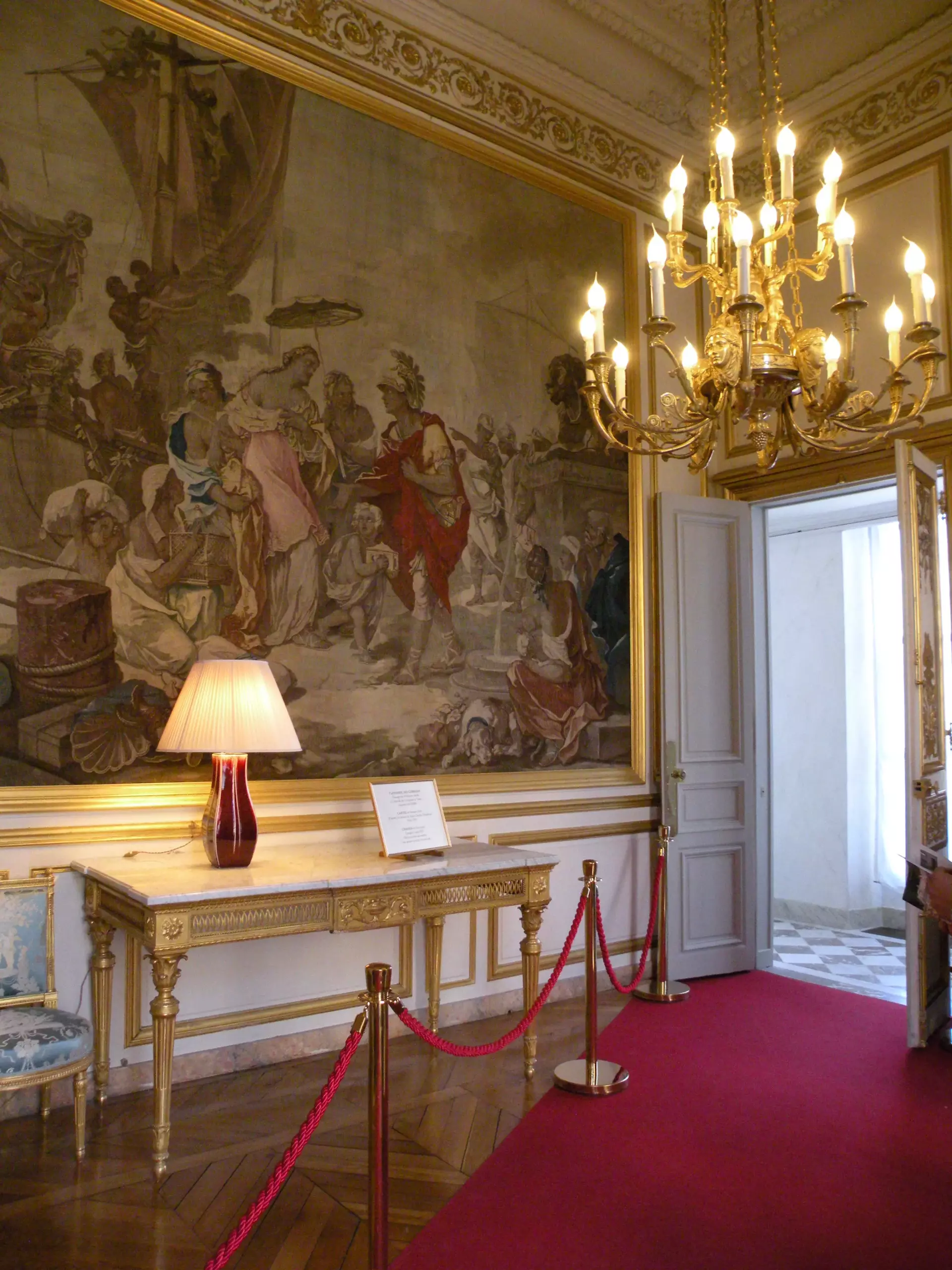
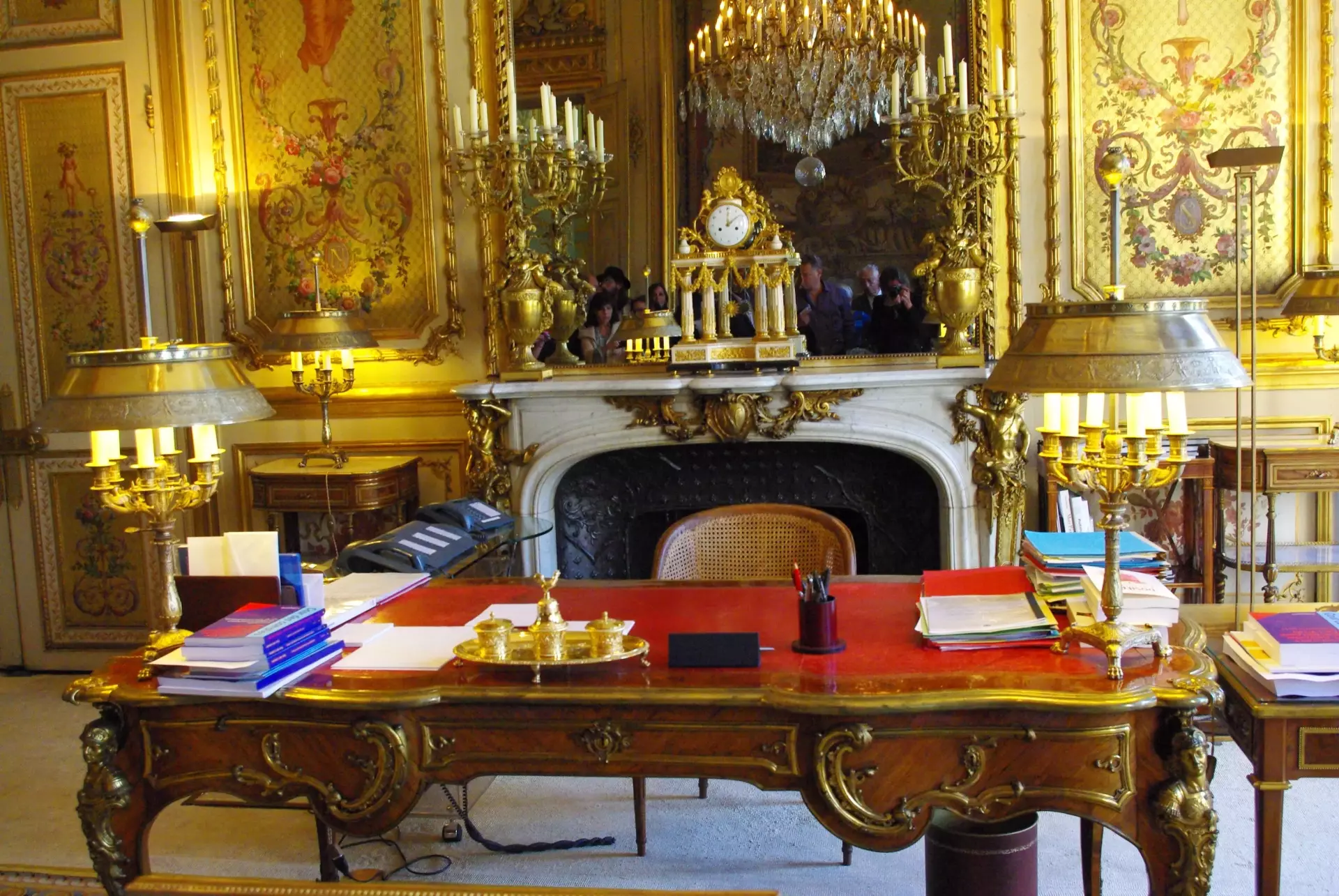
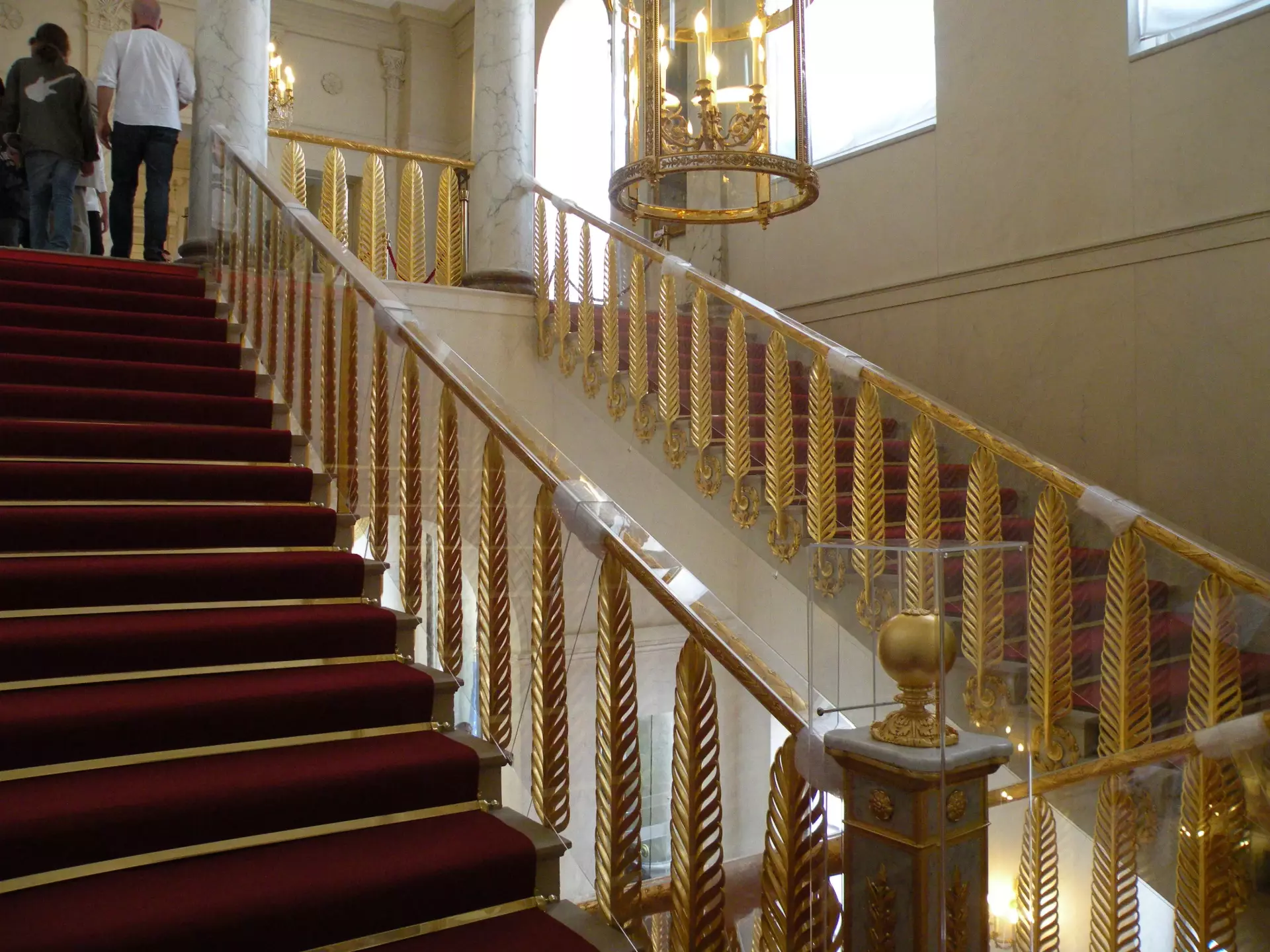
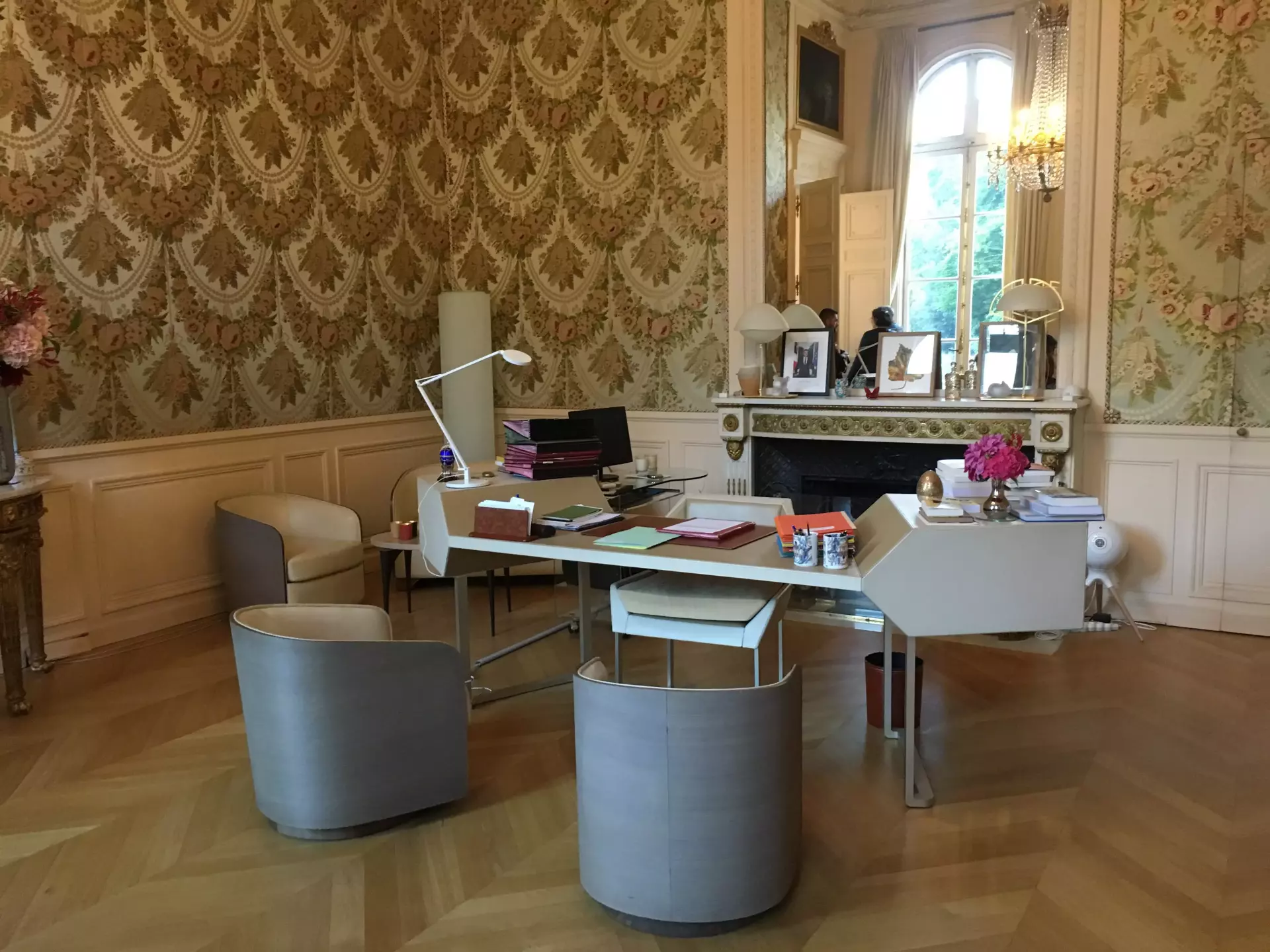
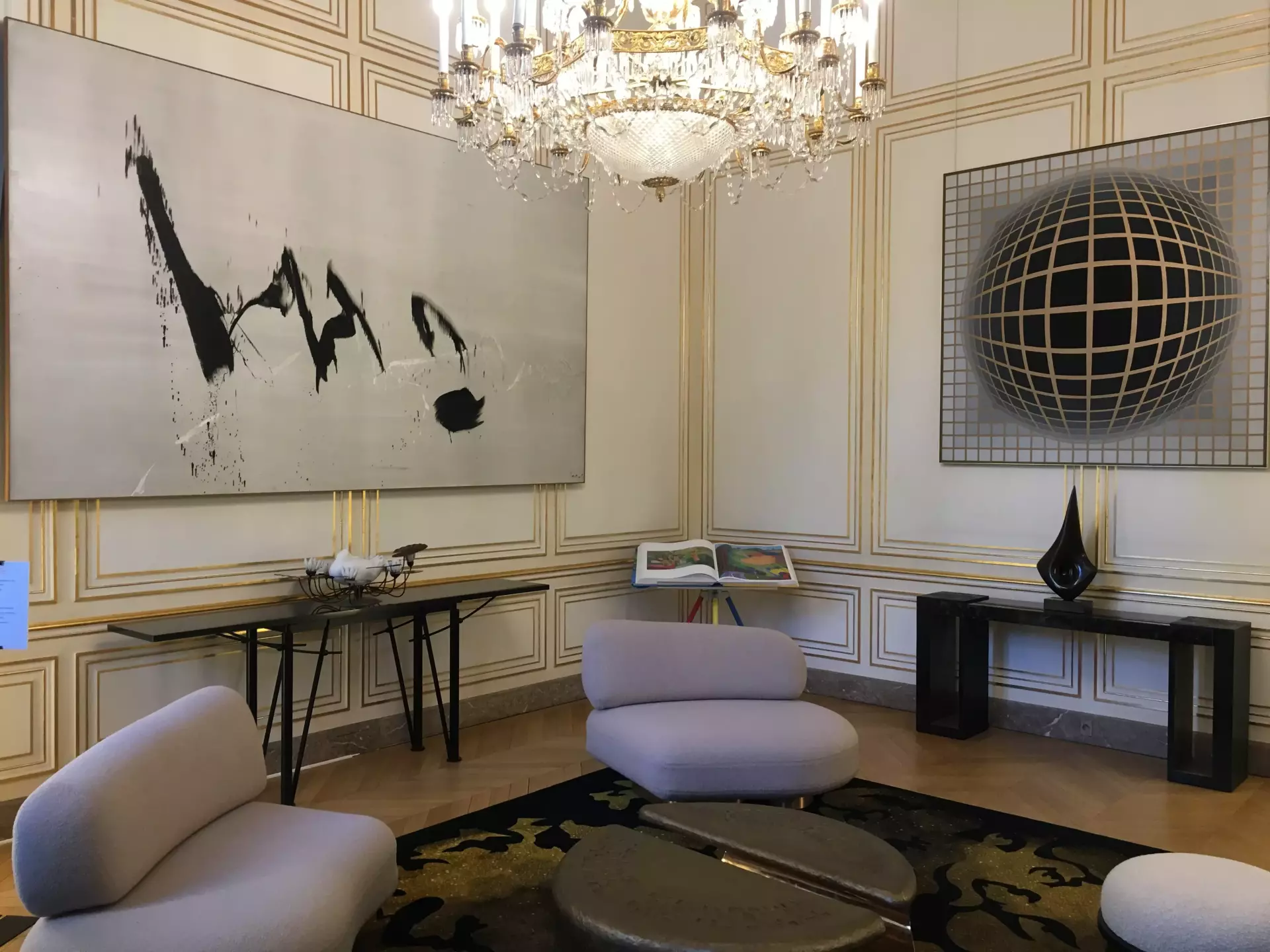
The Élysée Palace has served as the official home of the President of France since 1848. This grand building dates back to the early 18th century and sits close to the famous Champs-Élysées in Paris’s 8th arrondissement. Its name, Élysée, comes from the Elysian Fields in Greek mythology, a place reserved for the spirits of heroes and the blessed dead.
Inside the palace, the President’s office is located alongside the meeting room where the Council of Ministers gathers. These historic rooms have witnessed many important decisions shaping the country’s future. The palace’s elegant design and rich history make it a significant landmark in Paris.
Although the Élysée Palace is not usually open to the public, it occasionally welcomes visitors during France’s National Heritage Days, which typically take place over a weekend in mid-September. On these rare occasions, people can explore the rooms where French history is made.
When important foreign dignitaries visit, they are received at the nearby Hôtel de Marigny. This impressive residence is used especially for official state visits, adding to the ceremonial life of the French capital.
Source - https://en.wikipedia.org/wiki/%C3%89lys%C3%A9e_Palace
Enter Bastille station through any entrance or on any train and then make your way to the Bobigny/Pablo Picasso-bound platform. All that's left of the fortress whose front steps used to lead up from place de la Bastille are some foundation stones which you can see while waiting for a north bound train on this metro platform. There are maps and explanations showing where the fortress used to be relative the place and surroundings (basically the location of the old front steps are now occupied by Café des Phares).
The house of the symbolist painter has now become a museum to his life and work.
Opened in January 2005, the Holocaust Memorial comprises a major documentation centre and a wall bearing 76,000 names of Jews deported from France to the Nazi camps between 1942-1944. Includes an archive of a million artefacts, including 55,000 photographs. Excursions are run from the memorial to French internment camp sites such as Drancy.
Contained within two historic houses (hotels), the museum explores the history of Paris through objects in over 140 separate rooms.
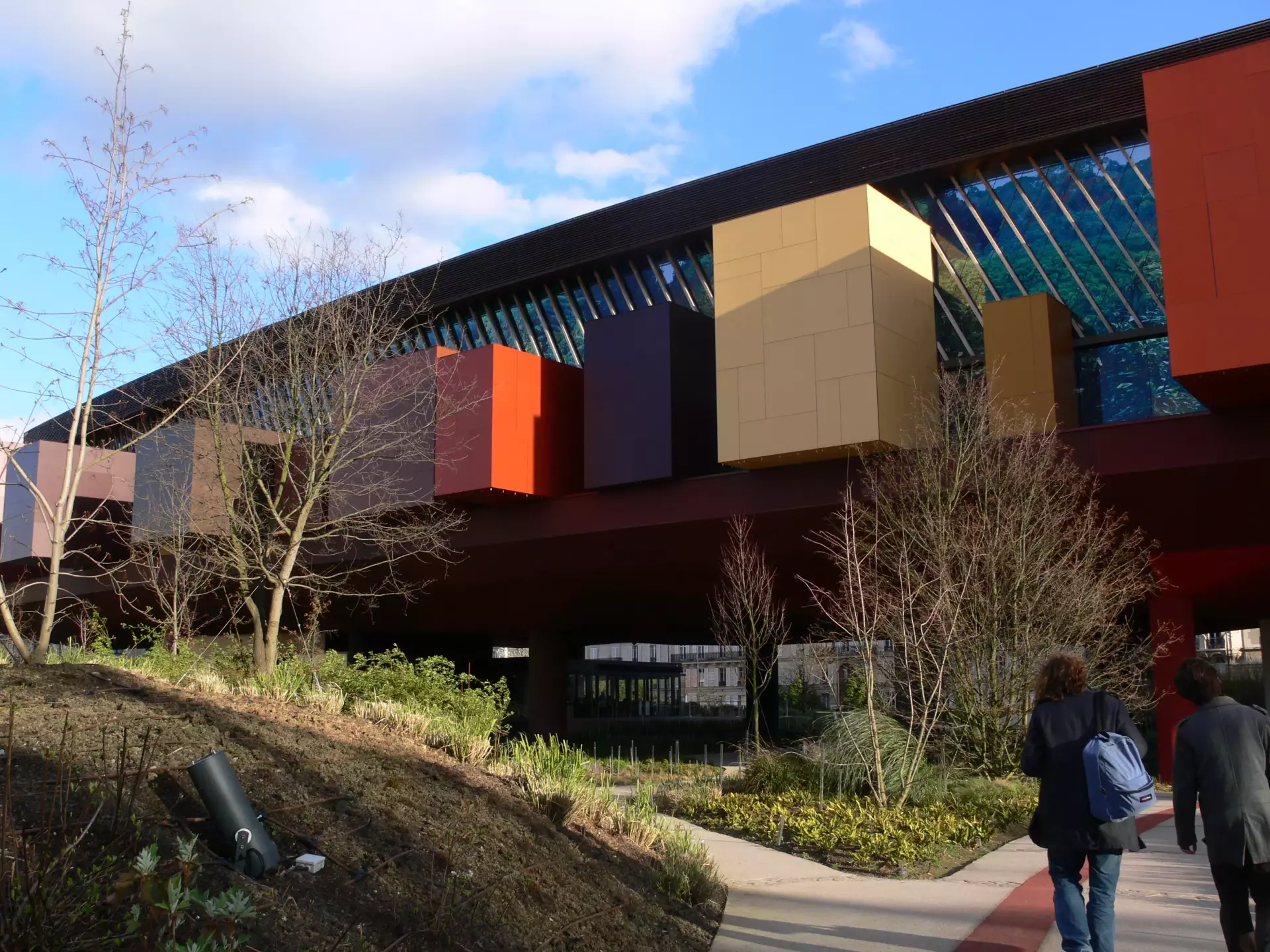
One of the largest collections outside Asia of Southeast Asian, Indian, Afghan, Chinese, Japanese, and Korean art.
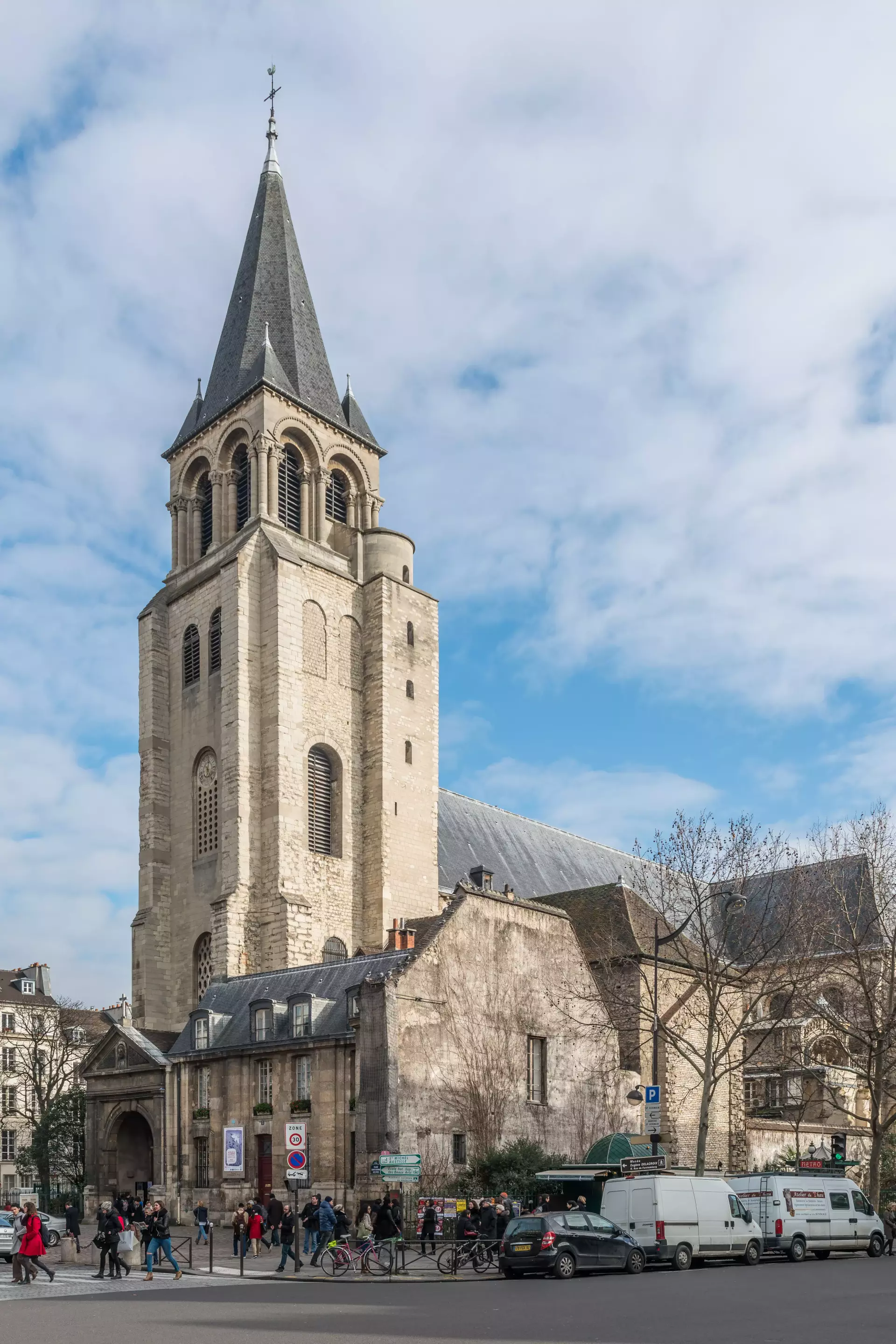
A controversial church serving as de facto headquarters of the arch-traditionalist Society of Saint Pius X, who occupied the church in 1977 and have ignored subsequent eviction orders.
Housed in a 15th-century abbey, alongside 1st century Gallo-Roman baths, the museum has an extensive collection of medieval art and artifacts. Highlights include the medieval "Lady and the Unicorn" tapestries, a papal golden rose, and the original heads from the facade of Notre Dame.
Built in 1717, the windmill is now part of a restaurant of the same name, and is easily visible from the street.
The Pasteur Museum is housed in the apartment where the great scientist spent the last 7 years of his life. Hardly touched since that time, the museum is full of personal memorabilia and scientific instruments. Pasteur is buried on the grounds in a flamboyant mosaic-decorated mausoleum. The museum was closed to individual visitors for security reasons after the 13th November 2015 Paris terrorist attacks.
This iconic triumphal arch forms the focus of the main east-west road axis of Paris, running between the Louvre and the Grande Arche de la Défense in the west. The monument was commissioned by Napoleon in 1806 as a tribute to his victories as Emperor of France - it was finally completed in 1836, long after his death. 50 m (150 ft) high and 45 m wide, the Arc de Triomphe is decorated with battle scenes and martial sculptures that includes La Marseillaise by Rude. The Tomb of the Unknown Soldier was placed beneath the arch in 1920, where an eternal flame burns in tribute to the French dead of both World Wars. The arch is surrounded by a large roundabout, aptly known as l'Etoile - 'the star' - with 12 thoroughfares leading off from it. Visitors can purchase a ticket to climb to the top of the arch, from where magnificent views spread out over western Paris. Admission to a small museum devoted to the history and meaning of the monument is included. The central island and the arch are accessed by an underground passage. Do not attempt to negotiate by foot the busy multi-lane road that rings the Arc de Triomphe, which many Parisian drivers seem to consider their own personal speedway.
Famous people who stayed here include Marie de Rohan, intriguer during the Fronde; Jeanne Baptiste d'Albert de Luynes, future mistress of a duke of Savoy; Marie Angélique de Fontanges, mistress of Louis XIV, died here giving birth to his child who also died. Today its main cloister (illustration) forms part of the modern Hôpital Cochin.
Soaring stained glass windows beaming ample light onto the rich primary colours of the tile mosaics on the floor, this photogenic church was built by the French kings to house the relics of the Crown of Thorns. Make sure you go on a sunny day, as the highlight of this small chapel in Rayonnante Gothic style are the large stained-glass windows which soar up to near the vaulted ceiling. Also of interest is the extremely ornate lower level. If it happens to be rainy or cloudy, give Sainte-Chapelle a miss, as the play of coloured lights on the floor is well worth the wait for a sunnier day. As the chapelle is inside the Courts of Justice, there will thus be a security check.
This charming museum is owned by the French Académie des Beaux-Arts. Its main collection areas, the result of several large donations, include: First Empire art and furnishings; illuminated manuscripts; and Impressionist art, including the largest Monet collection in the world and works by Renoir, Manet, Morisot, Caillebotte and Gauguin.
Private collection of French, Italian, Dutch masterpieces in a typical XIXth century mansion.