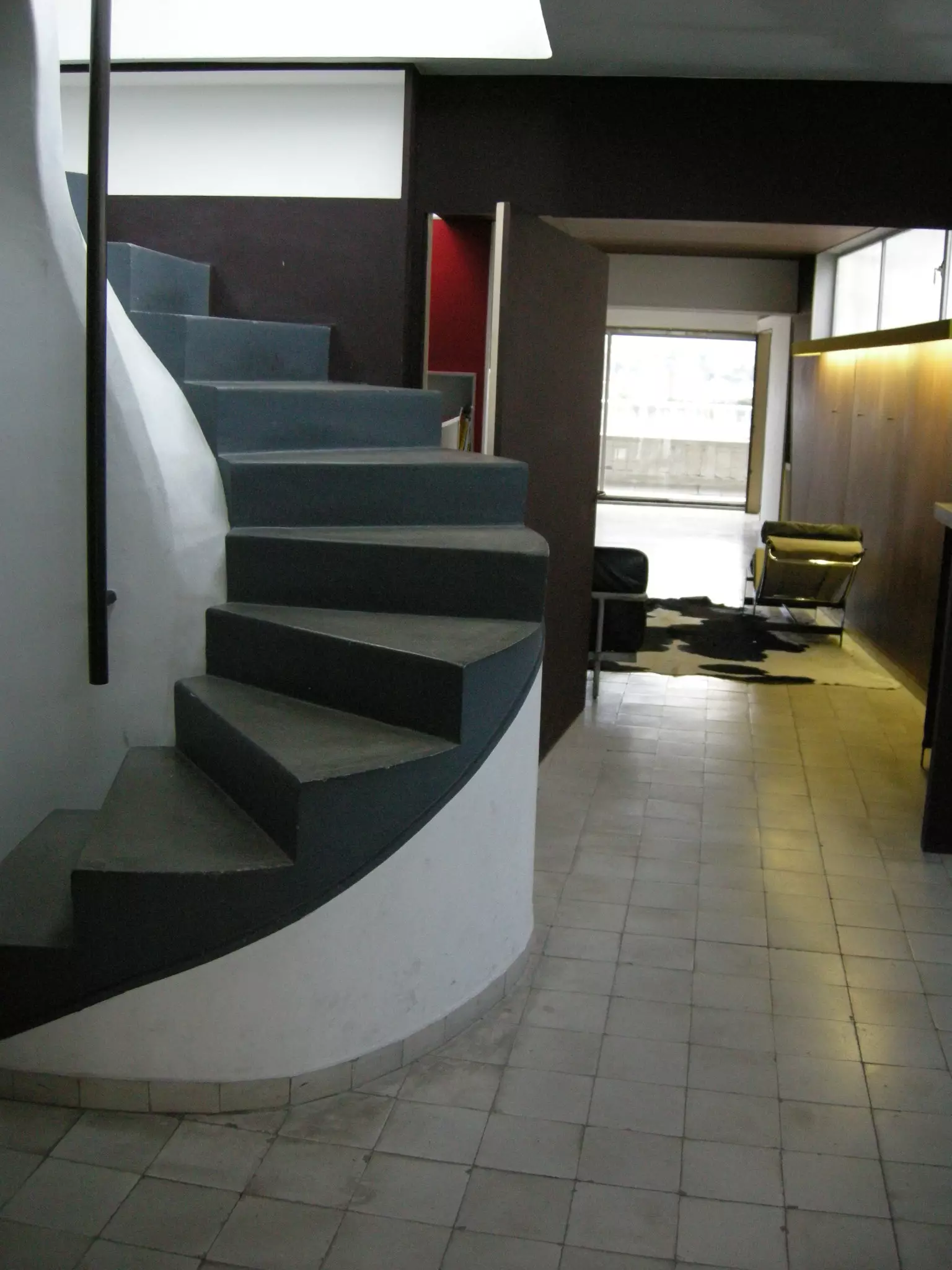
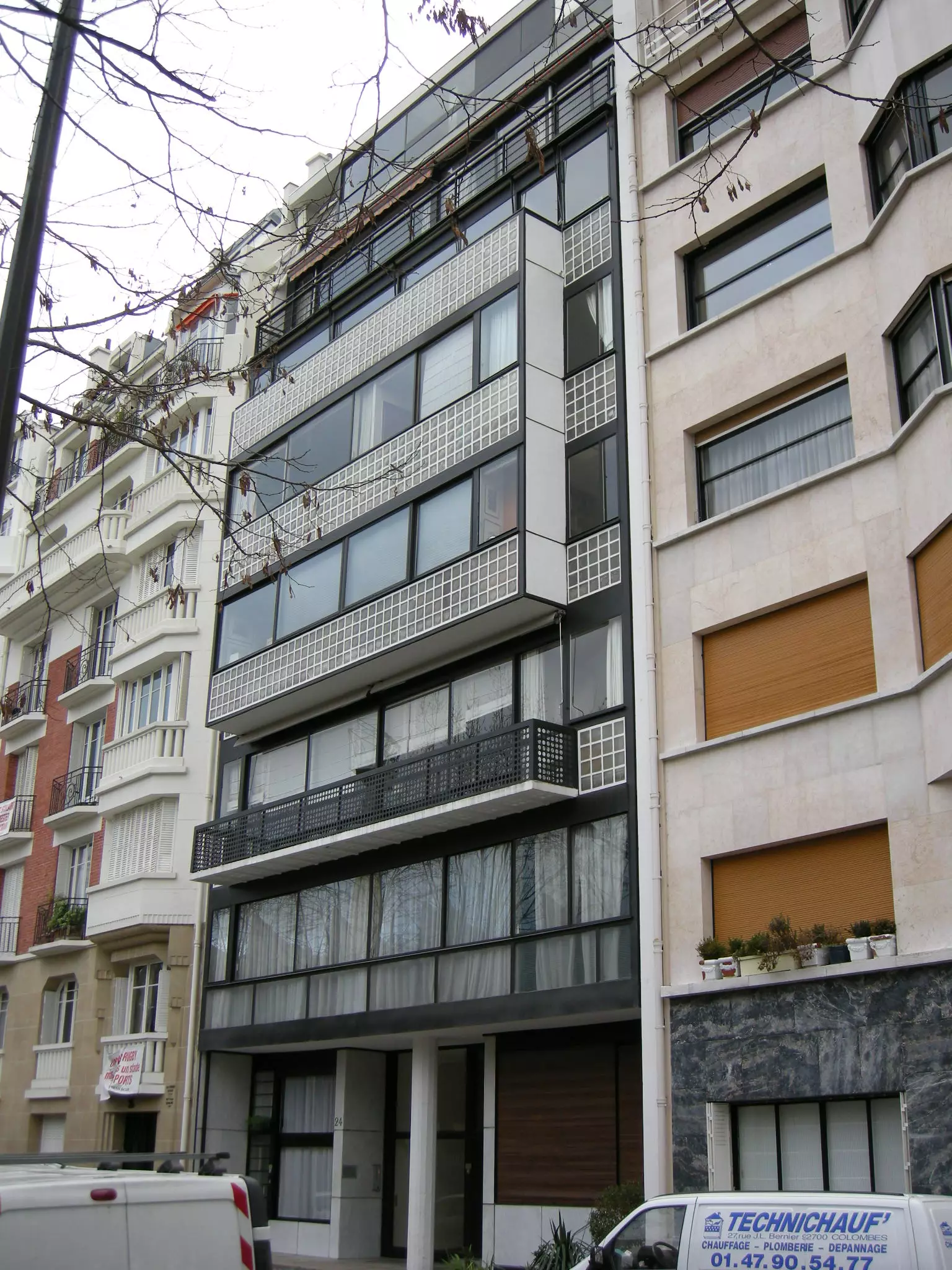
Immeuble Molitor is an eight-storey apartment building constructed between 1932 and 1934. This striking residential block stands as a notable example of early modernist architecture in Paris. Its clean lines and geometric forms reflect the innovative design ideas of the era.
The building was designed during a time of great change in architecture, when designers were moving away from traditional styles and exploring new materials and methods. Immeuble Molitor features a façade that makes use of glass and concrete, emphasizing simplicity and function over ornate decoration. Large windows allow natural light to flood the interiors, a hallmark of modernist design.
Immeuble Molitor continues to draw attention for its historical and architectural significance. The building represents an important moment in the development of urban living spaces, where comfort, innovation, and style came together in a striking new form.
Source - https://en.wikipedia.org/wiki/Immeuble_Molitor
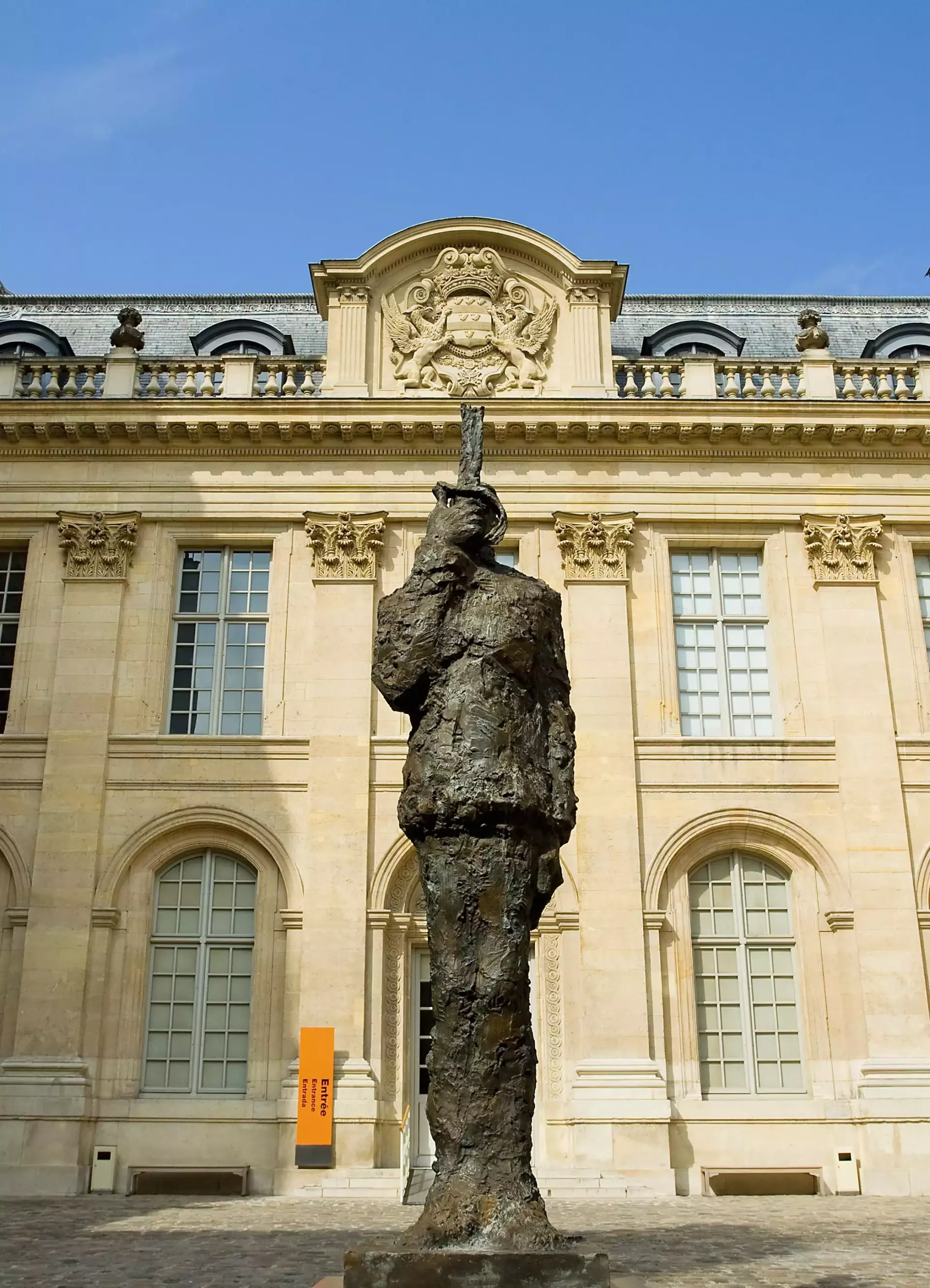
The largest French museum of Jewish art and history
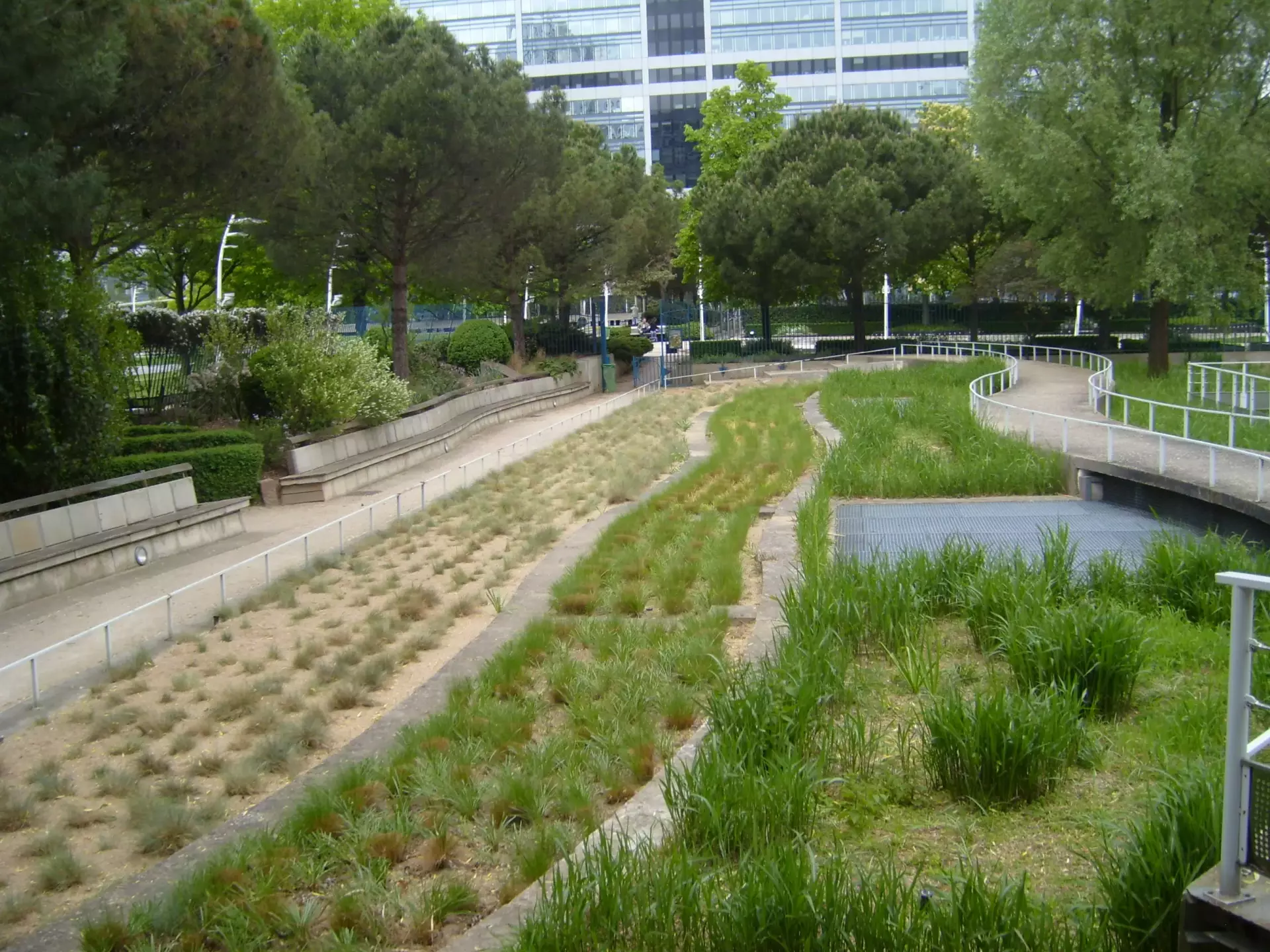
Suspended above the train tracks this garden is surprisingly calm and chilled-out.
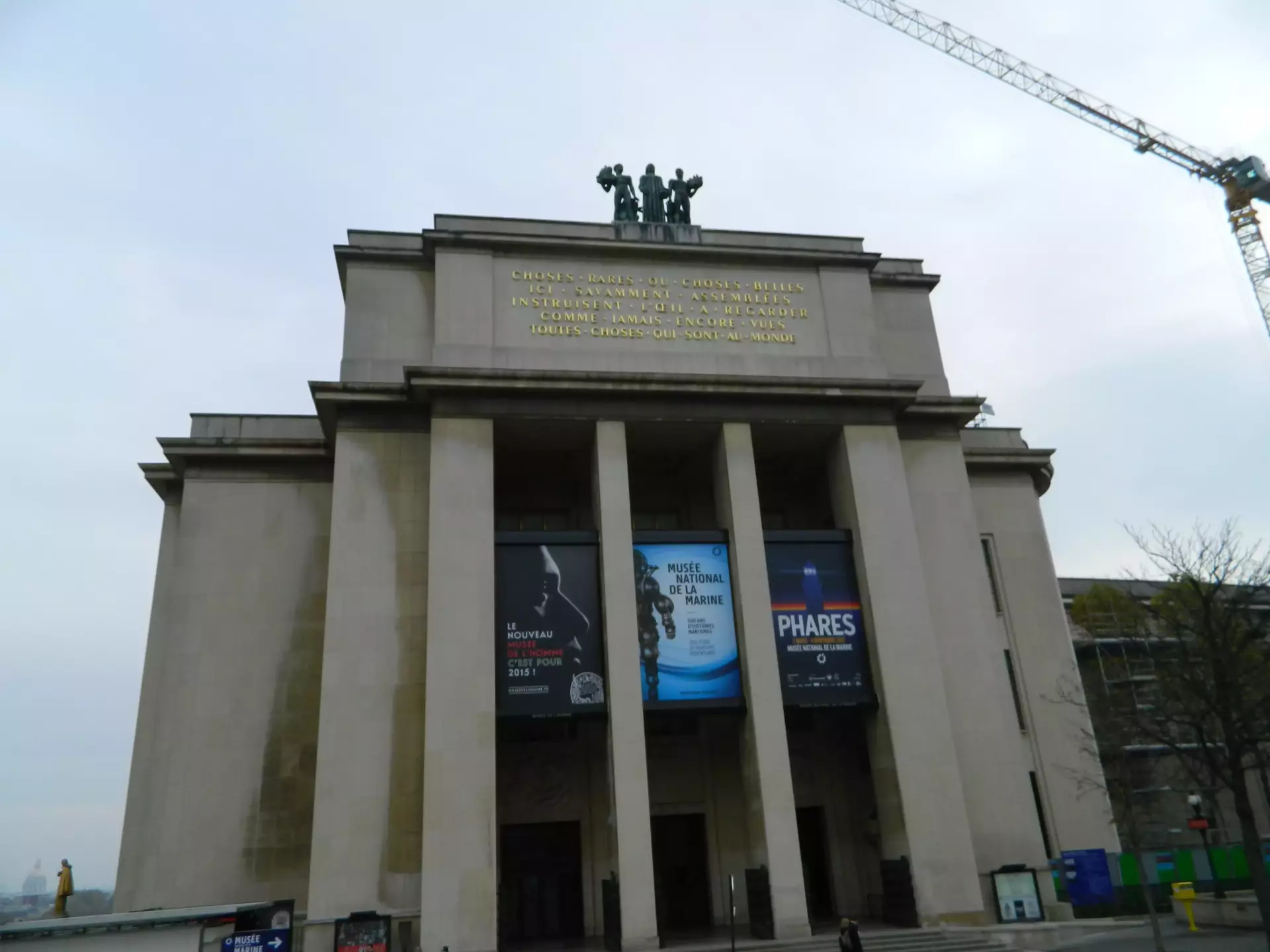
Recently reconstructed, the Paris branch of the National Maritime Museum, one of the three museums in the Palais du Chaillot, cannot accommodate any full-size ships, but has a wide range of smaller artifacts, artworks and models, covering both the Navy and commercial shipping.
A sculpture by Auguste Rodin in memory of the French novelist Honoré Balzac. The artwork is sometimes considered the first truly modern sculpture.
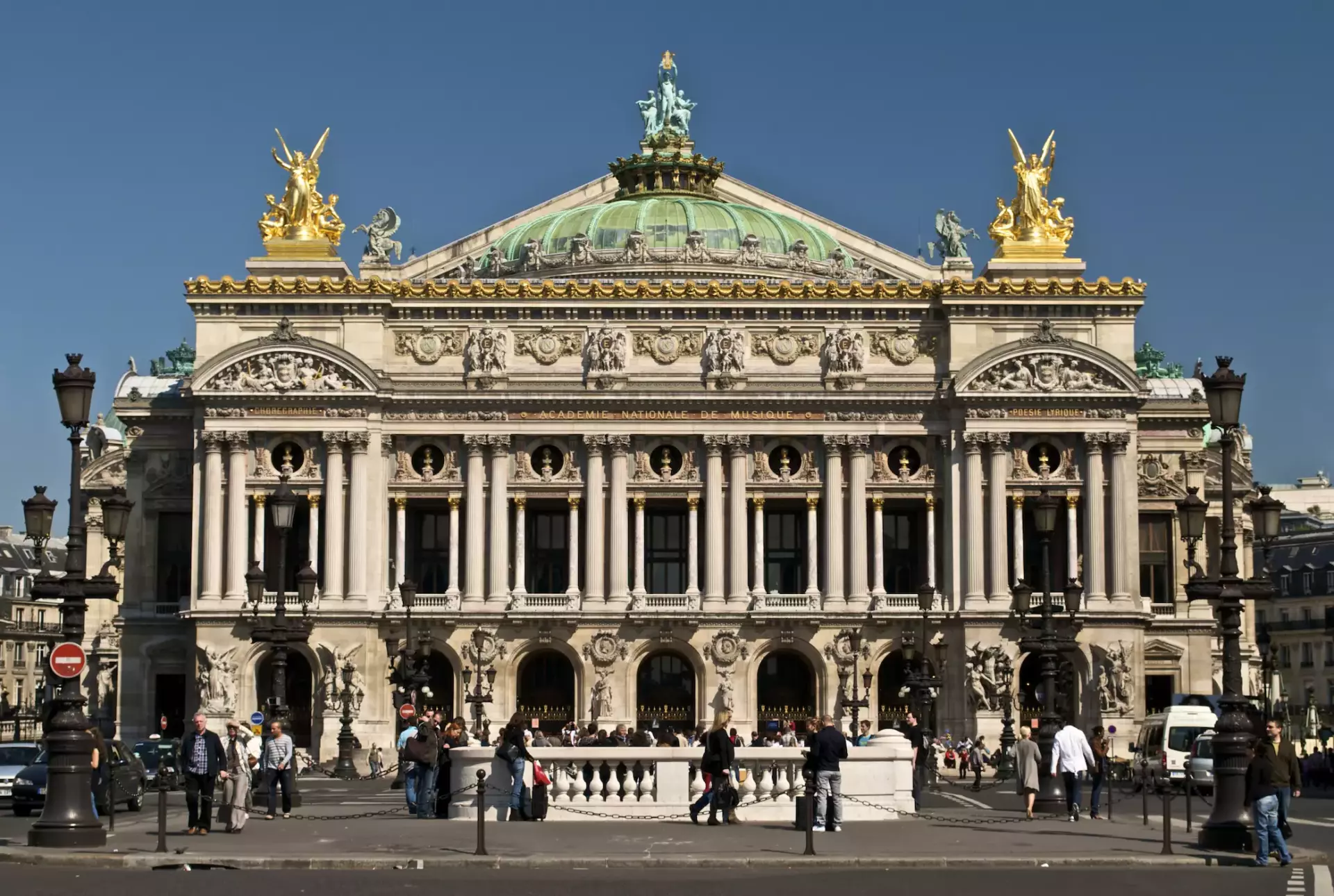
The magnificent setting of The Phantom of the Opera, the inside is as opulent as the outside. However, since the opening of the Opera Bastille (12th) in 1989, the Palais Garnier has been reserved mostly for dance performances, particularly ballet.
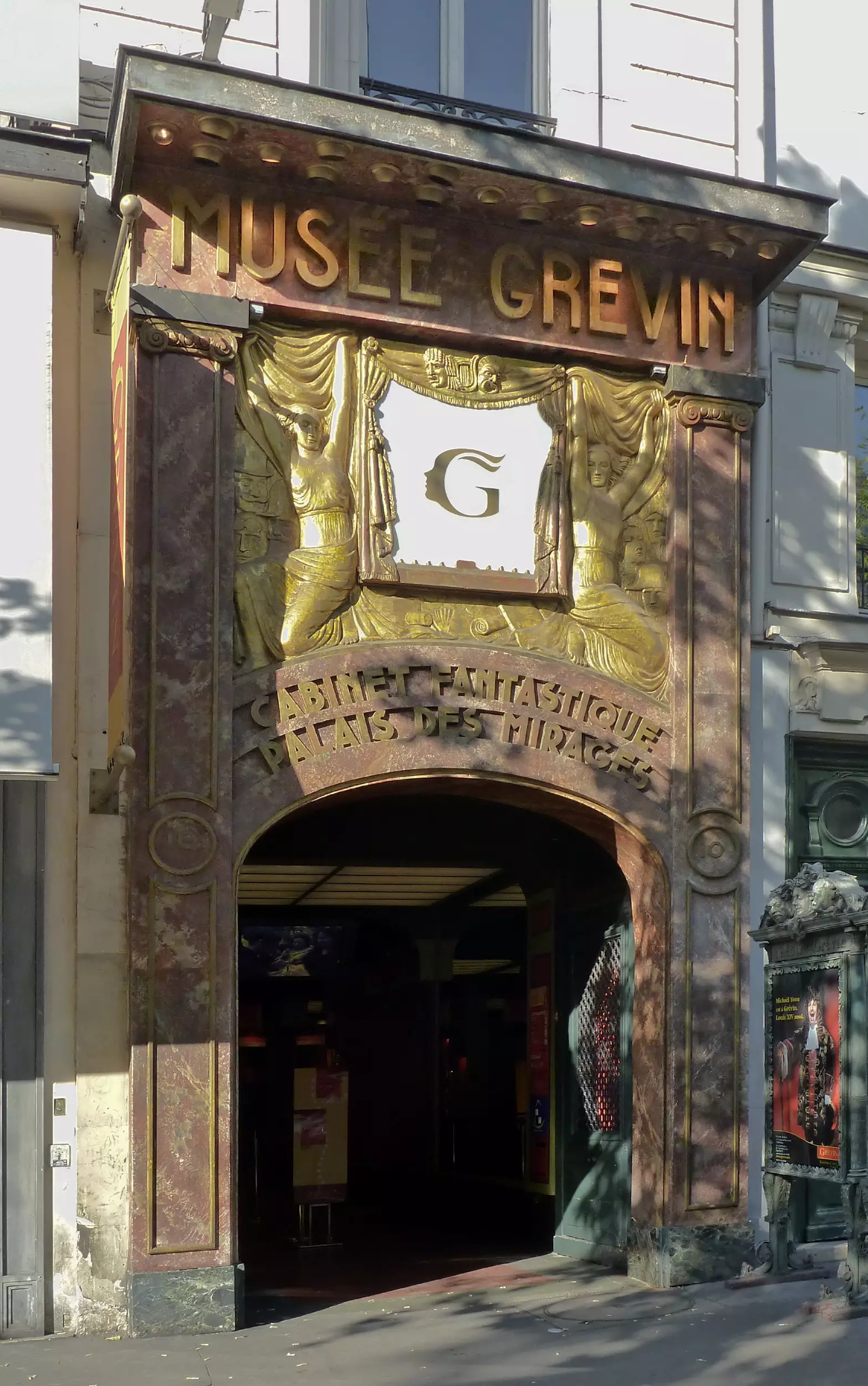
The Musée Grévin is a waxwork museum with some 500 characters arranged in scenes from the history of France and modern life.
Contained within two historic houses (hotels), the museum explores the history of Paris through objects in over 140 separate rooms.
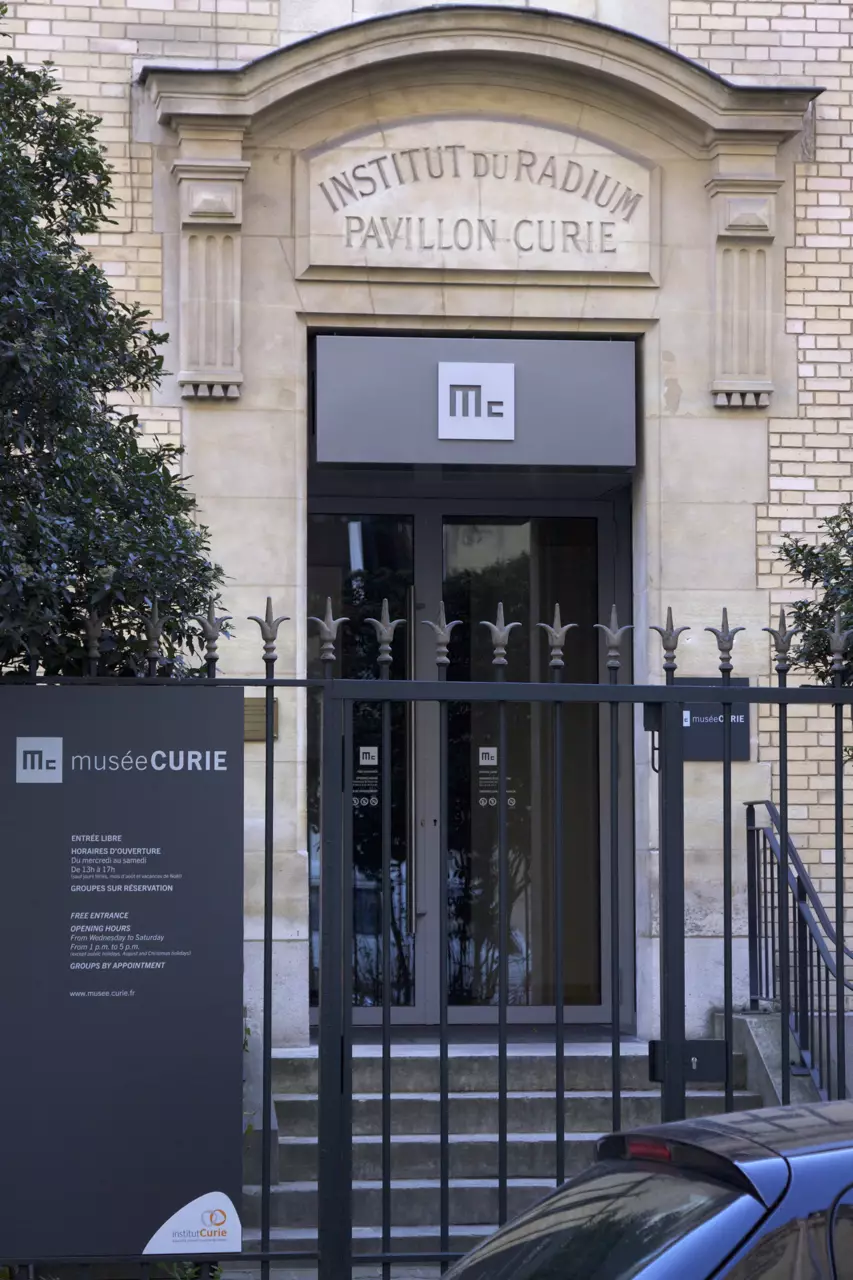
This charming scientific museum preserves the offices and laboratories of Pierre and Marie Curie, pioneers in the discovery of radioactivity. Their instruments, equipment, and furniture is arranged as it was during their critically important research. Guided tours in English available.
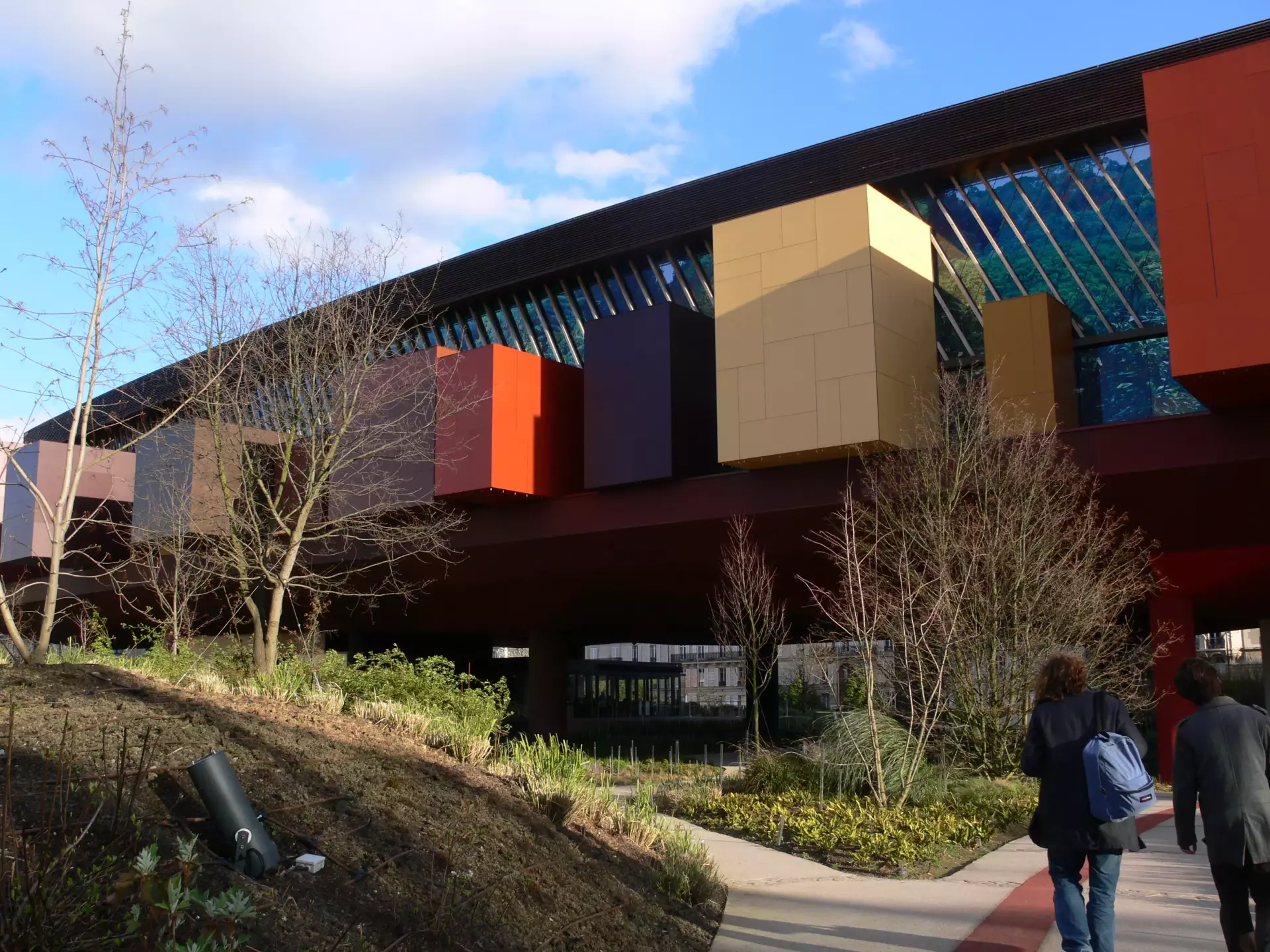
Opened in 2006, this is the newest and the most modern of Paris' great museums, housing an outstanding collection of tribal art, with a particular emphasis on France's former (and present) territories in Oceania and Africa. The museum is large and you can easily spend half a day browsing, especially if you pause to explore the multimedia presentations.
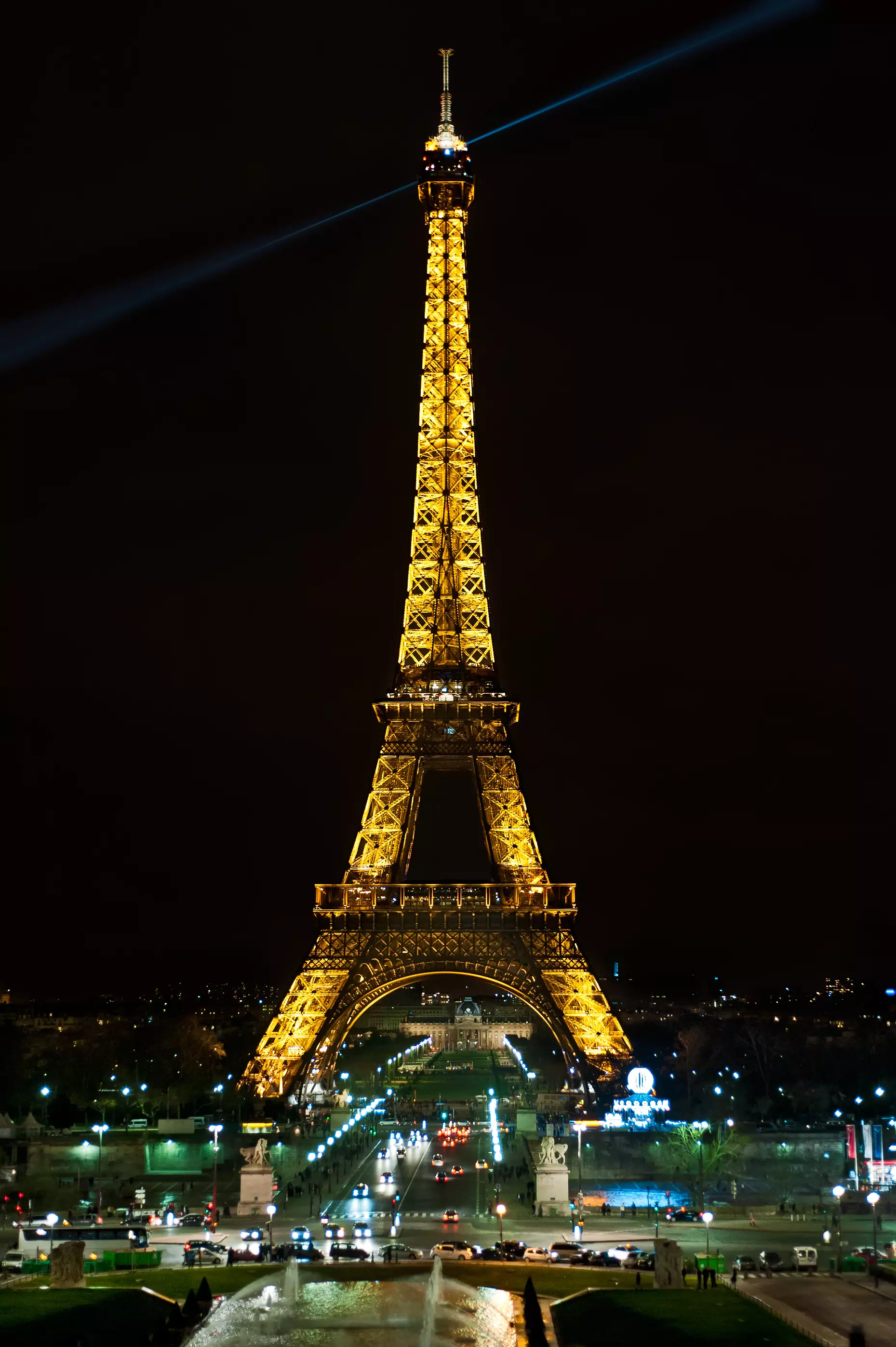
A symbol of Paris and one of the most famous landmarks in the world. Built by Gustave Eiffel in 1887-1889, the tower was almost torn down in 1909 and only saved due to its use as a telegraphy antenna. The queues can be very long. The tower allows online reservations at its website. You can select a date and time frame. If you miss the time on your ticket, you have lost your money. The north, west, and east pillars have elevators that go to the first and second floors; the south pillar has stairs that can be climbed to the second floor. To reach the top floor, an additional elevator ride is required, and the wait for this can be very long as well. Disabled visitors are not allowed beyond the second floor due to safety concerns. Taking the Métro as far as Ecole Militiare and then strolling up the Champ de Mars is a lovely way to arrive at the tower. Another phenomenal approach is to exit the Metro at Trocadero and see the Eiffel Tower from the other side of the Ecole Militaire.
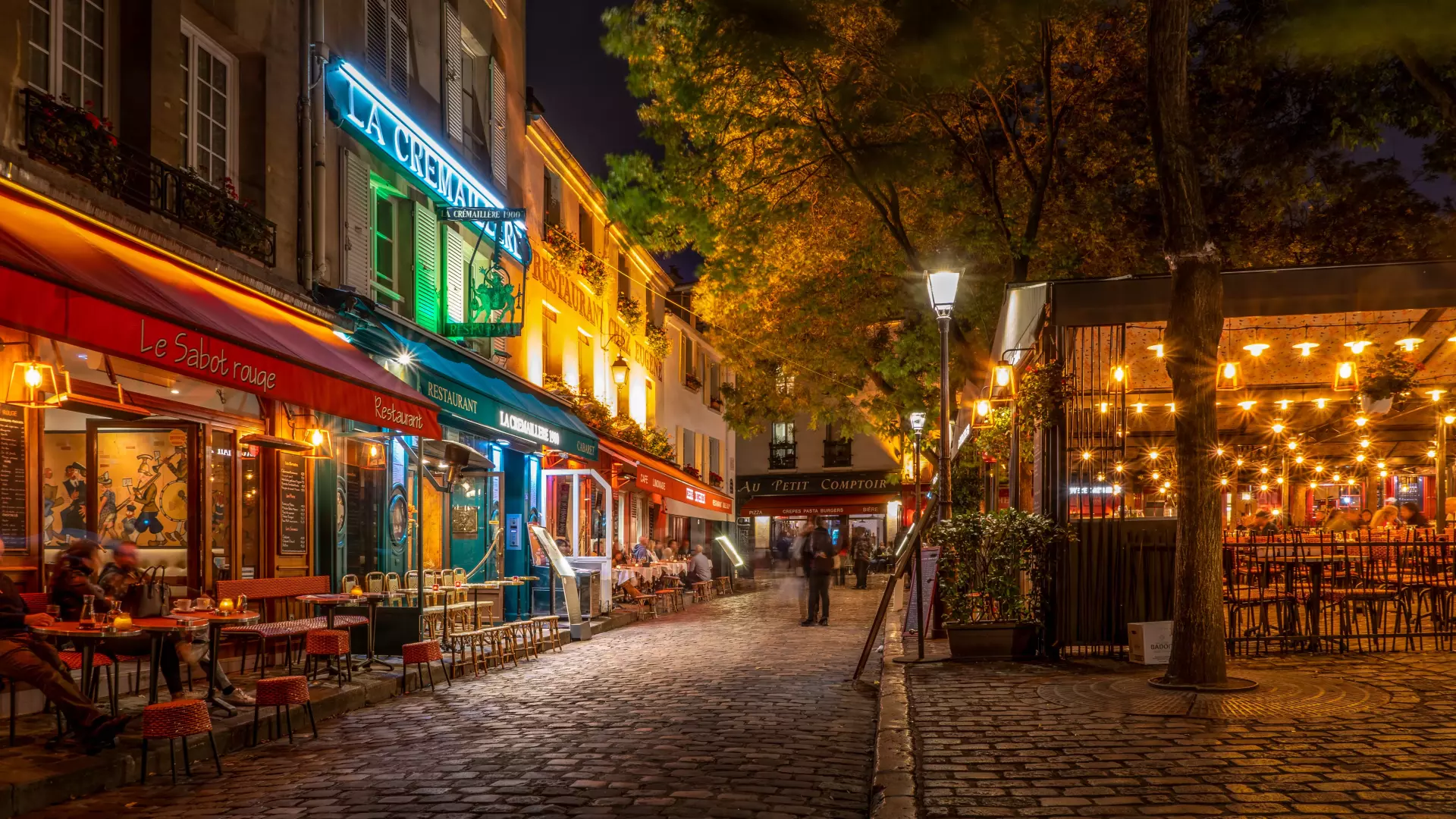
Numerous artists paint portraits of tourists and also sell their paintings.
The building has a freely accessible rooftop which allows for a beautiful bird's-eye view of the northern half of Paris.
The burial place of existentialist philosopher Jean-Paul Sartre, feminist Simone de Beauvoir (both of whom lived nearby); musician Serge Gainsbourg; artist Man Ray; the poets Charles Baudelaire, Guy de Maupassant, Charles Sainte-Beuve, and Marguerite Duras; the founders of the Theatre of the Absurd Samuel Becket and Eugene Ionesco; the sculptors Constantin Brancusi and Ossip Zadkine; the composers Camille de Saint-Saens and César Franck; the actors Maria Montez and Jean Seberg; the French officer Alfred Dreyfus; the founder of the Larousse encyclopedia, Pierre Larousse; the industrialist André Citroen, and many others.
If the queues at the Eiffel Tower are just too much for you and your time is limited, consider a trip up the Montparnasse Tower. This is an office building with an observation and shopping area on the 56th floor, where the elevators stop, and an open viewing area on the roof. Arguably the view is better than from the Eiffel Tower: you are not so high up so things are more visible, and you can see the Eiffel Tower!
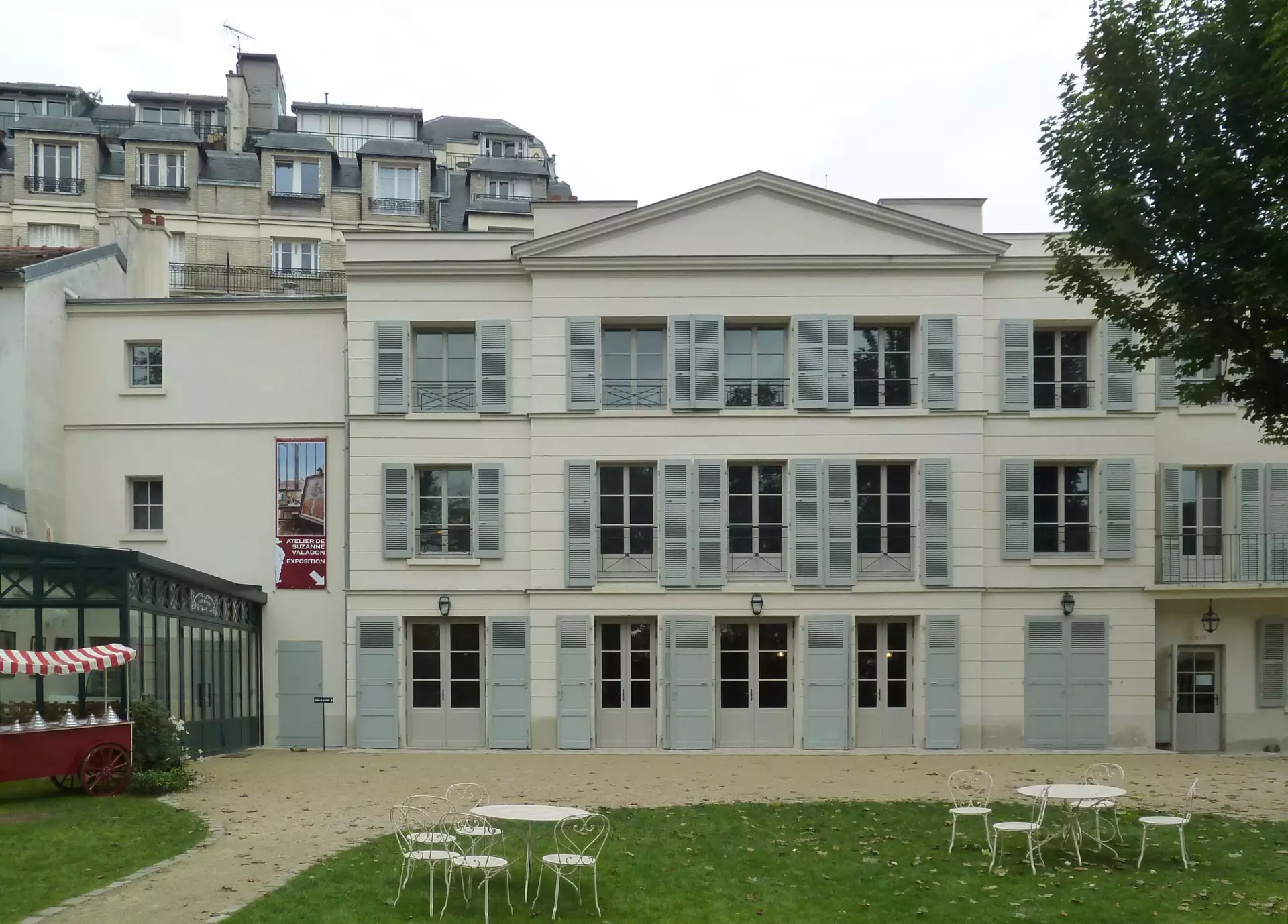
The museum is located in a 17th century house with a garden, and features the history and culture of Montmartre. Several famous artists had lived in the house including Renoir.
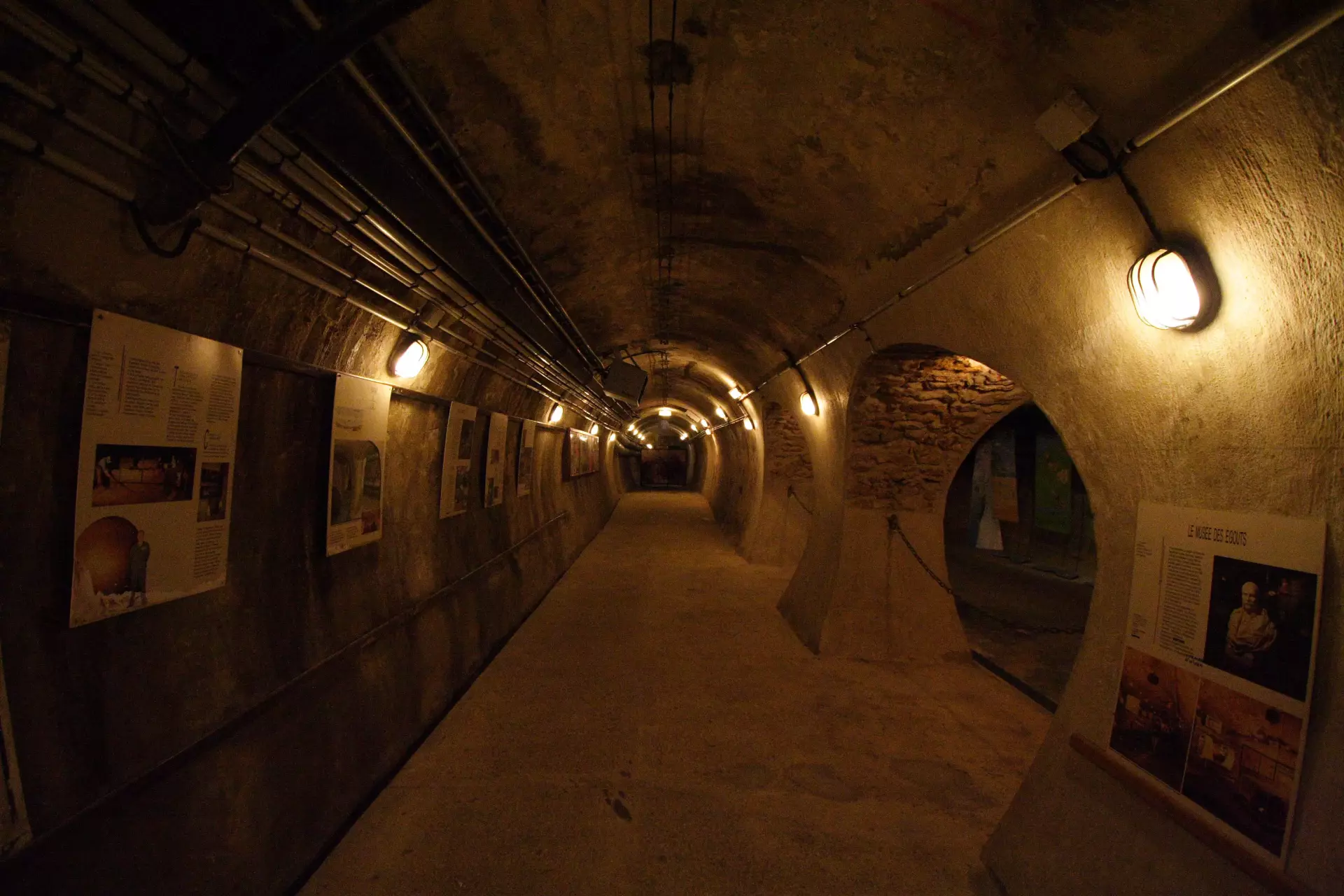
For an interesting take on Paris, check out the underground sewers of Paris. See swords found in the sewers over the years and get an appreciation for what it takes to keep Paris running.
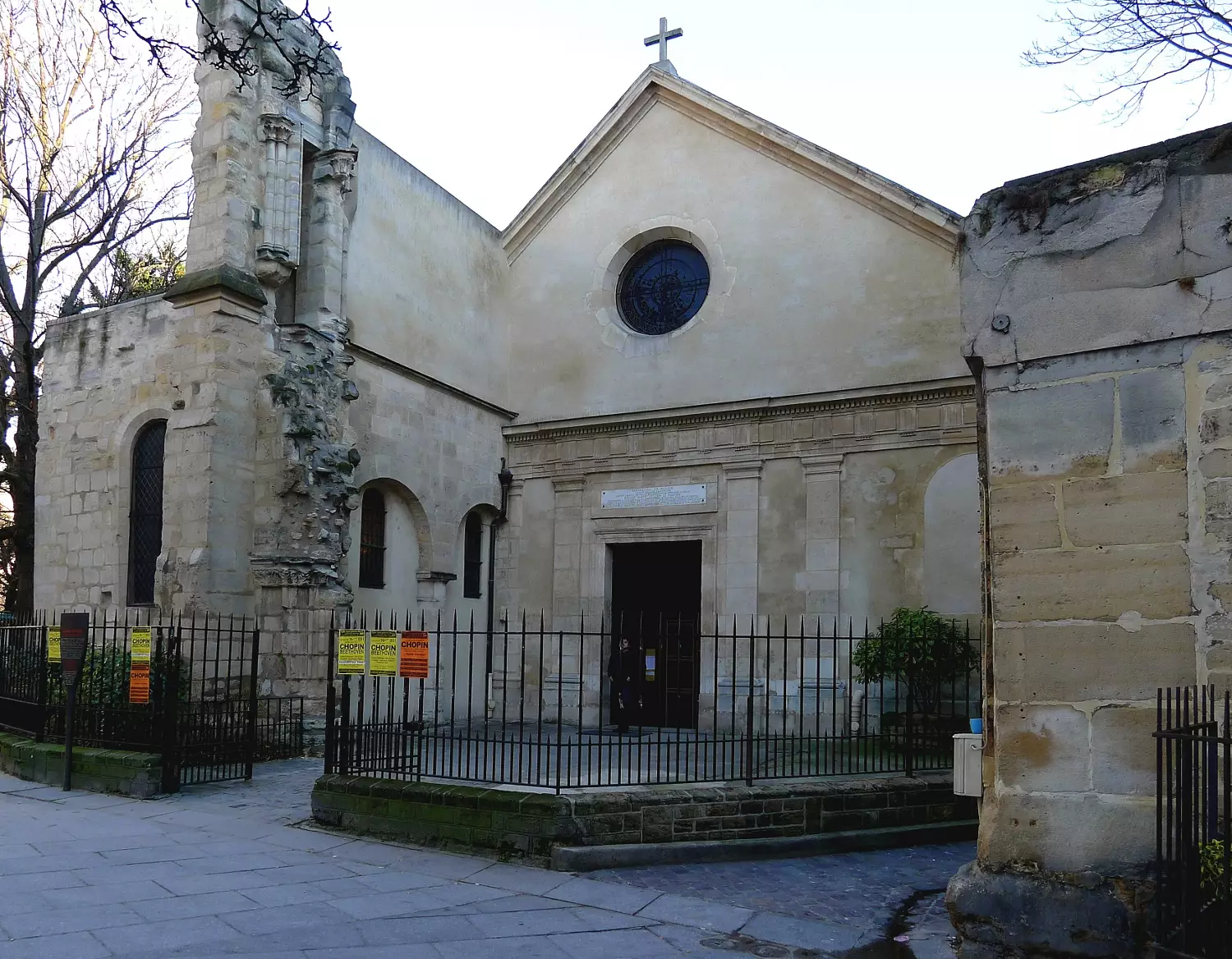
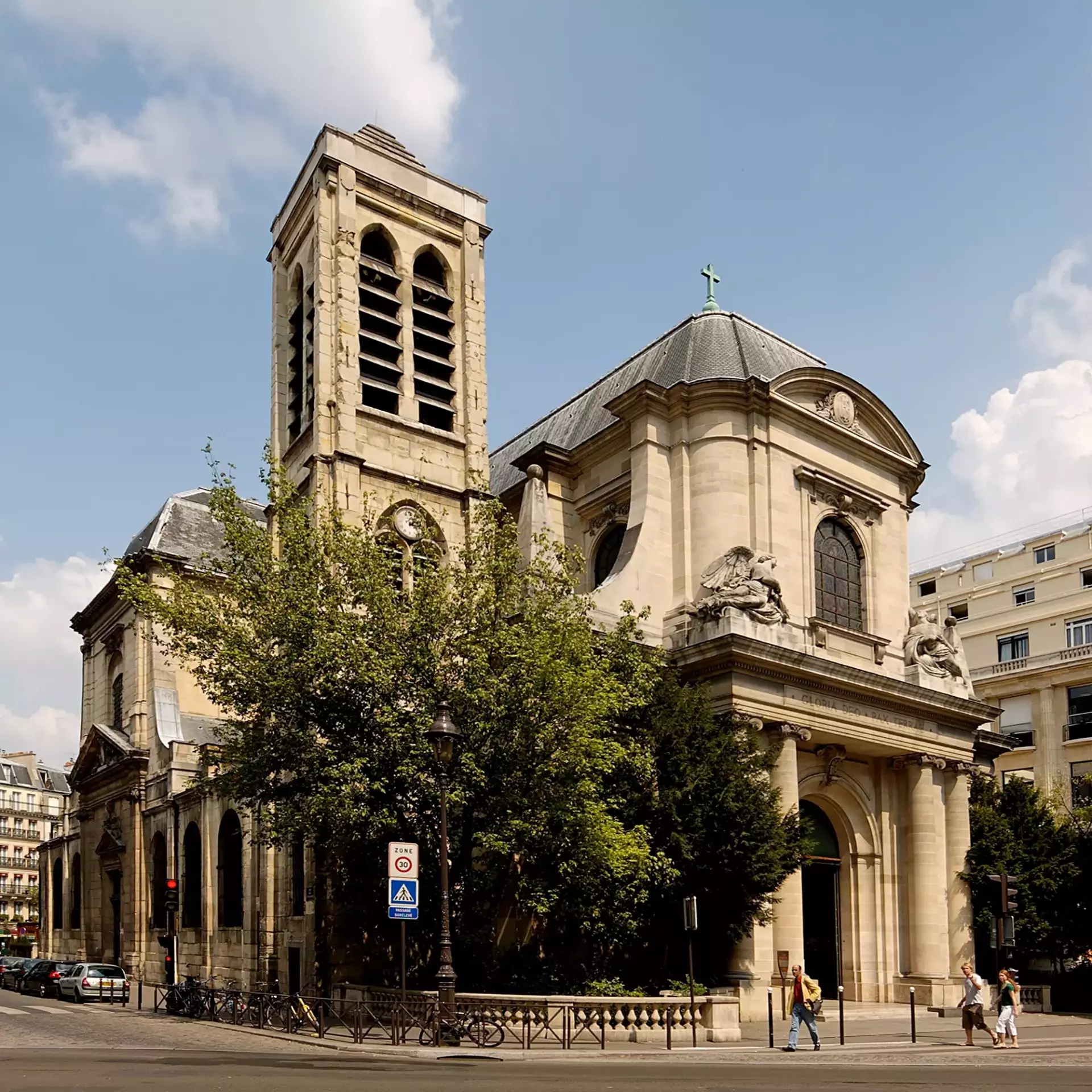
A controversial church serving as de facto headquarters of the arch-traditionalist Society of Saint Pius X, who occupied the church in 1977 and have ignored subsequent eviction orders.