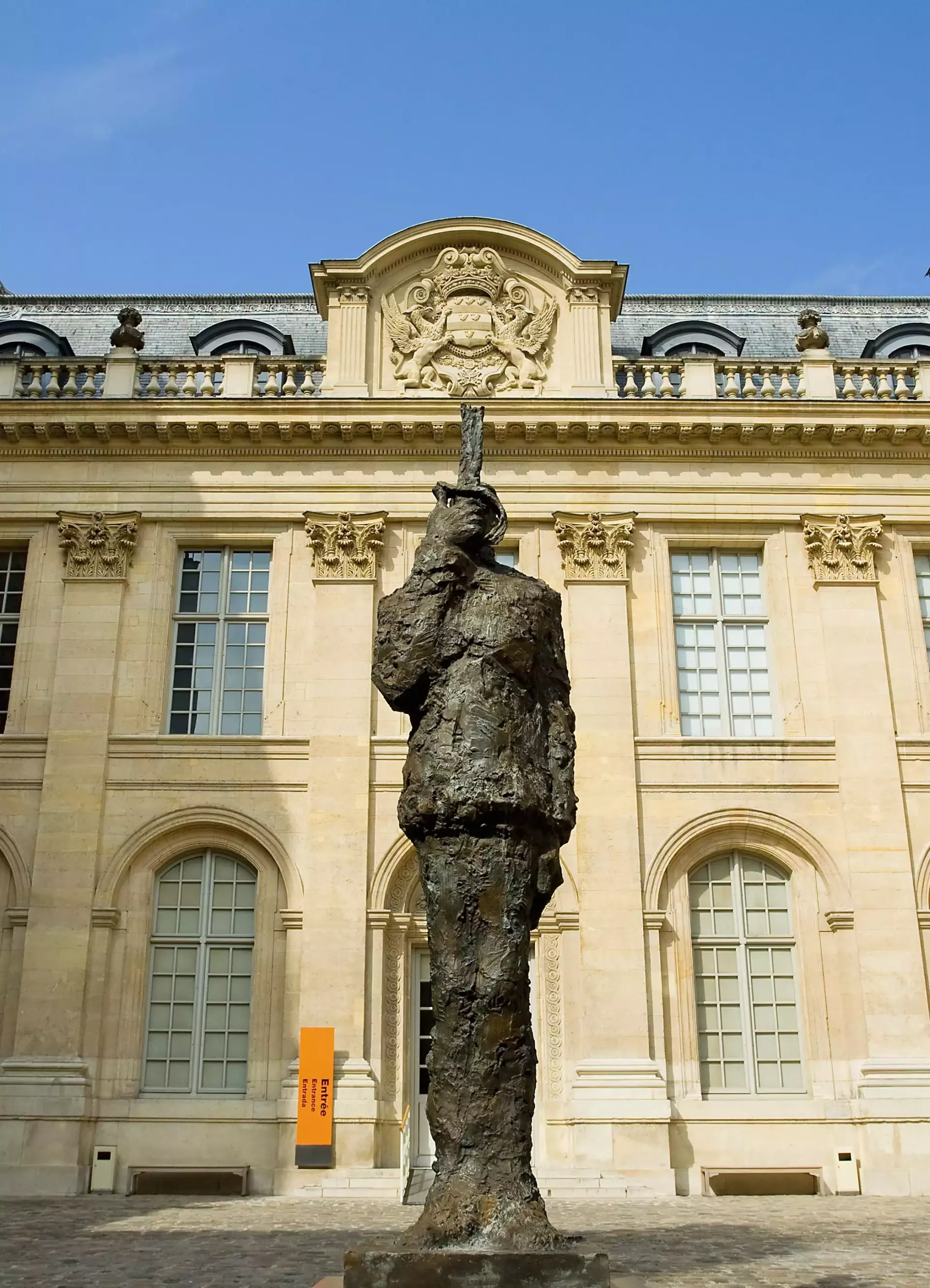
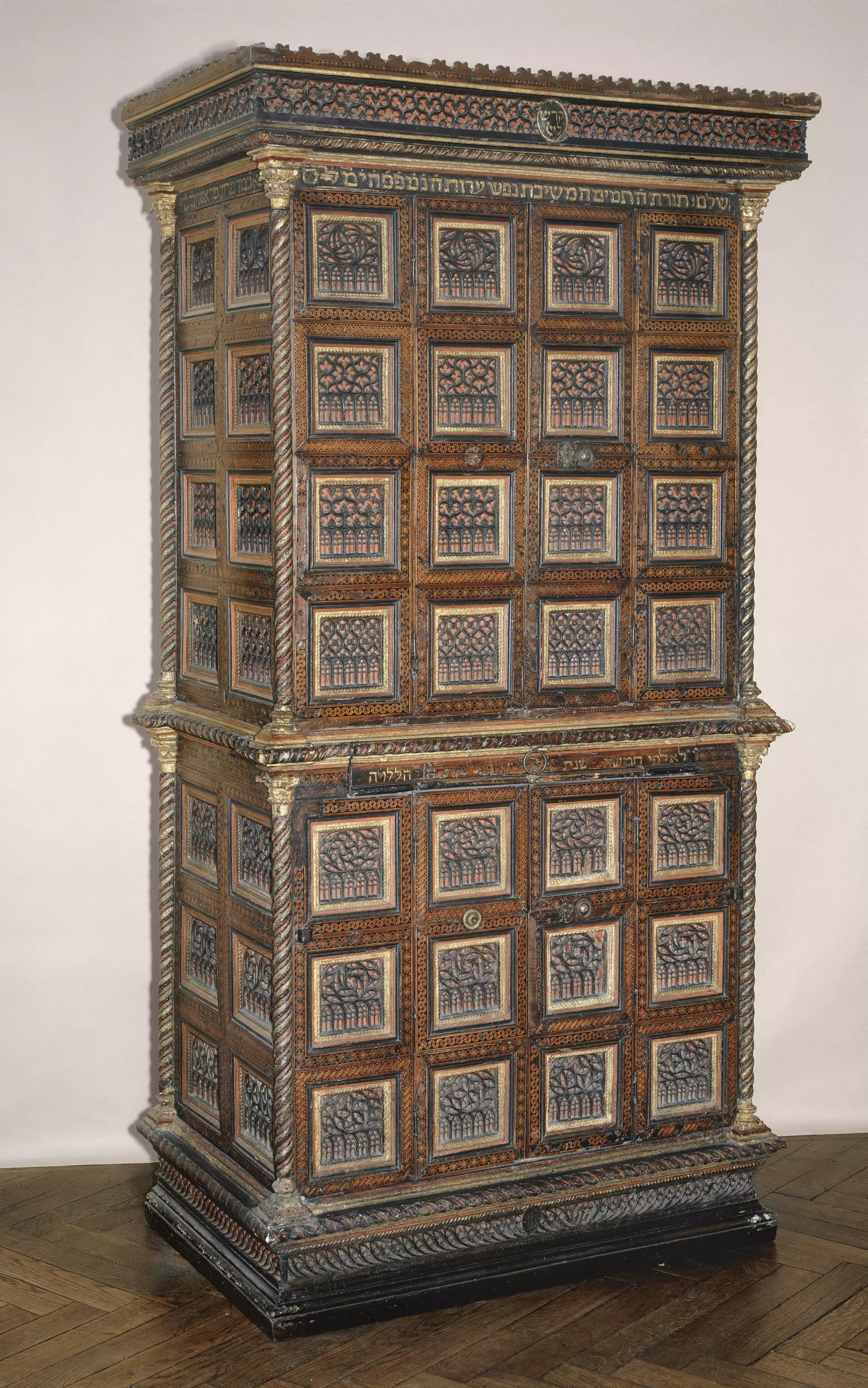
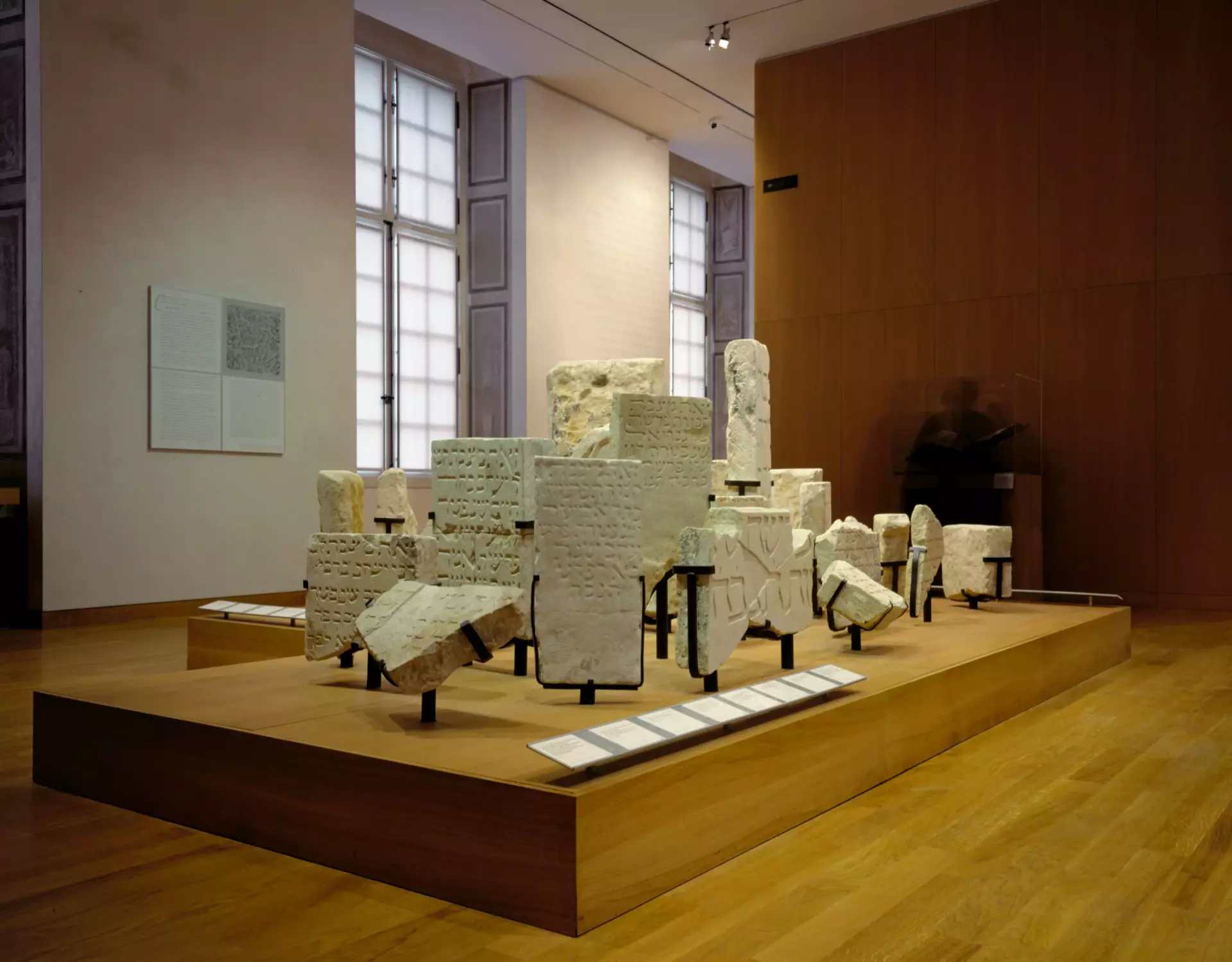
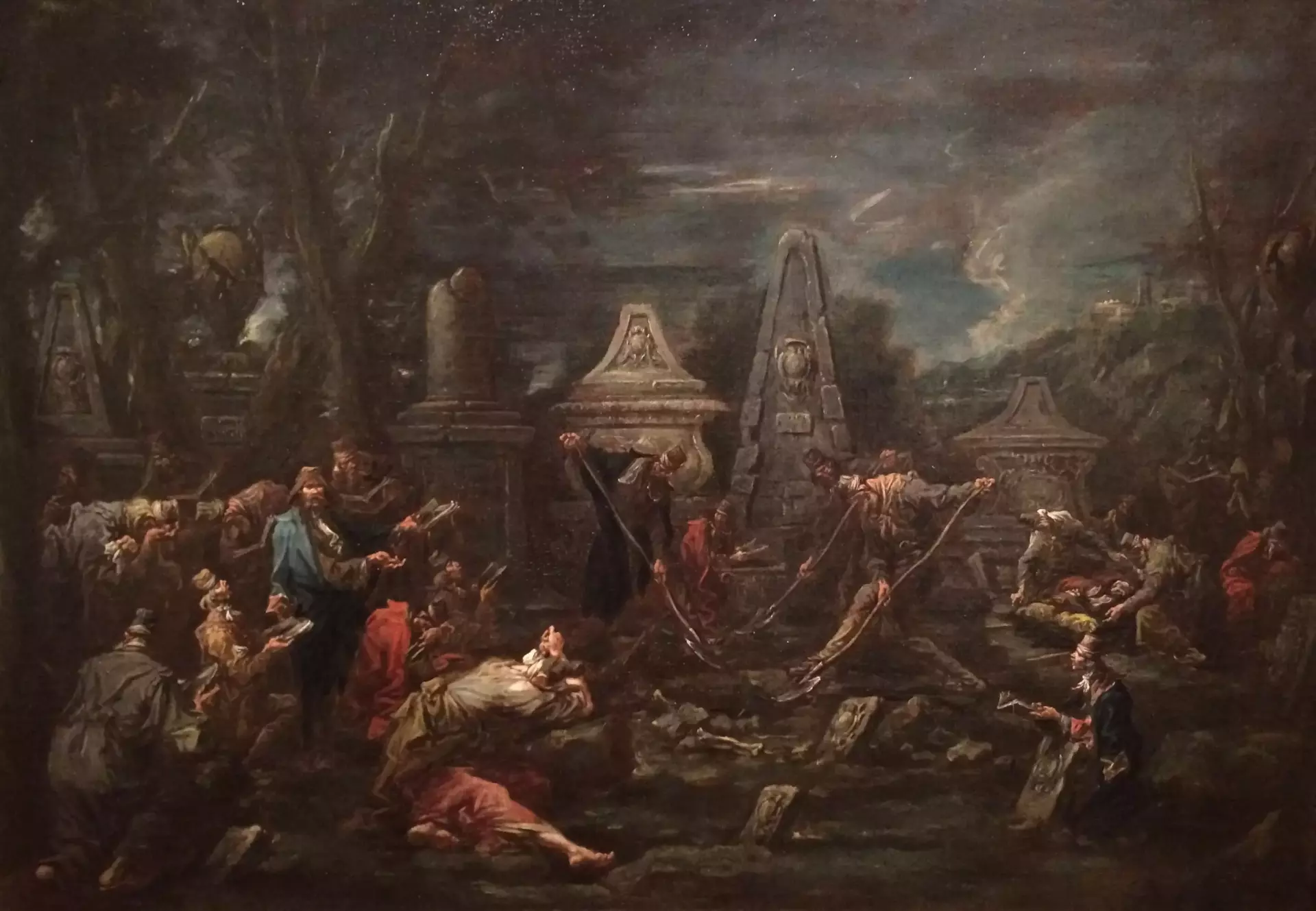
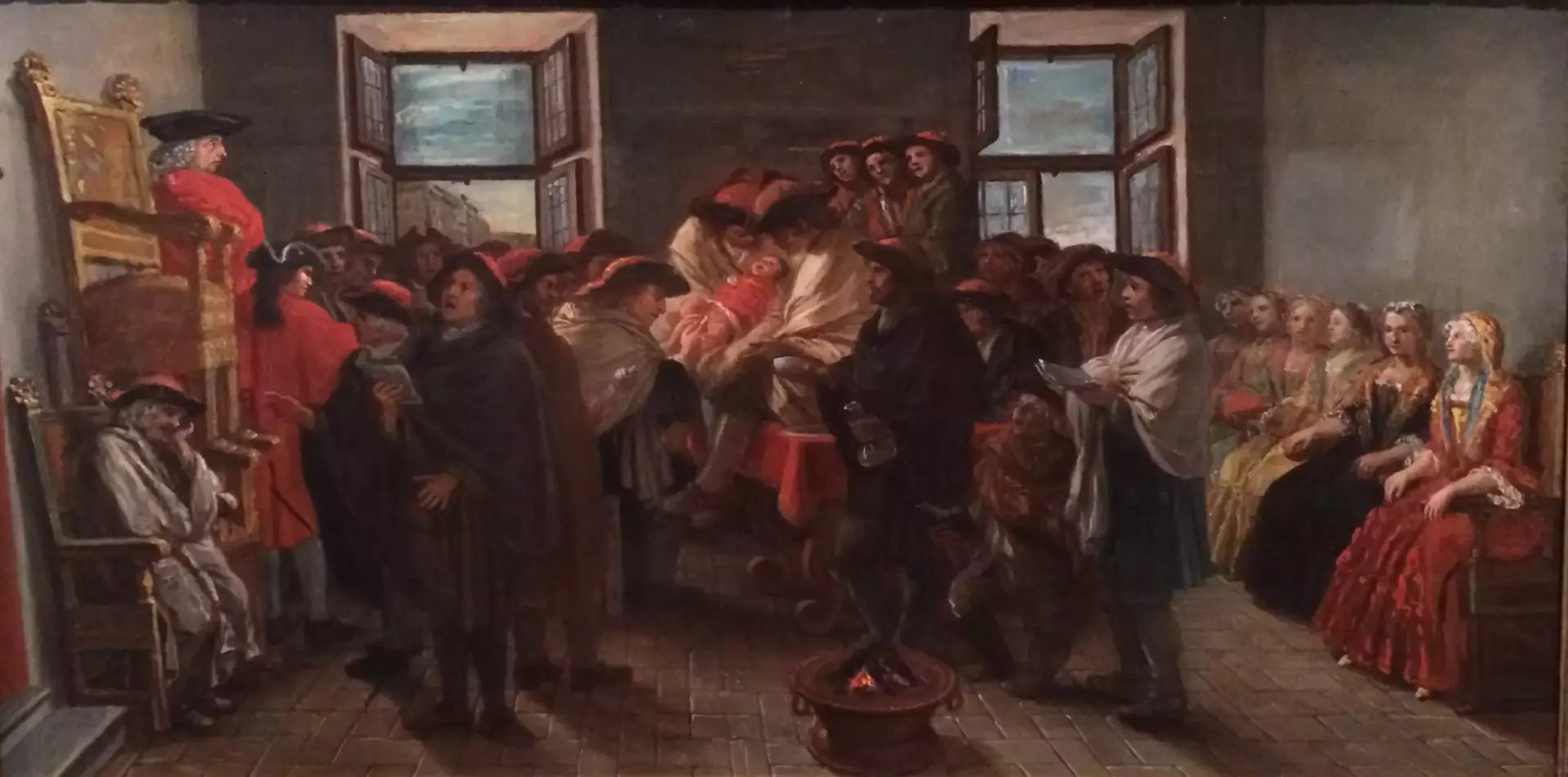
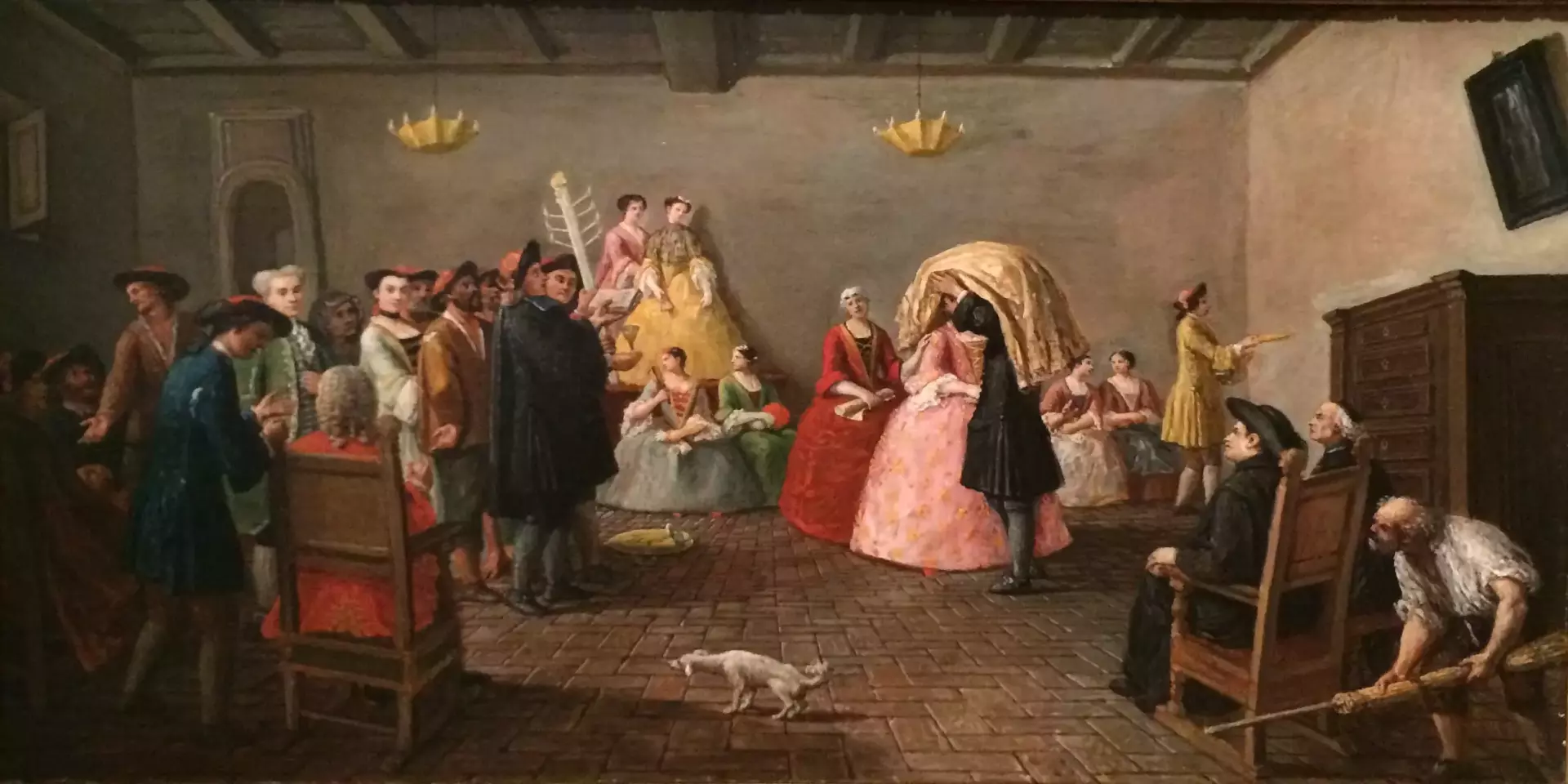
The Musée d'Art et d'Histoire du Judaïsme is the largest museum in France dedicated to Jewish art and history. Located in the historic Marais district of Paris, the museum presents a rich and detailed look at Jewish culture from the Middle Ages to today.
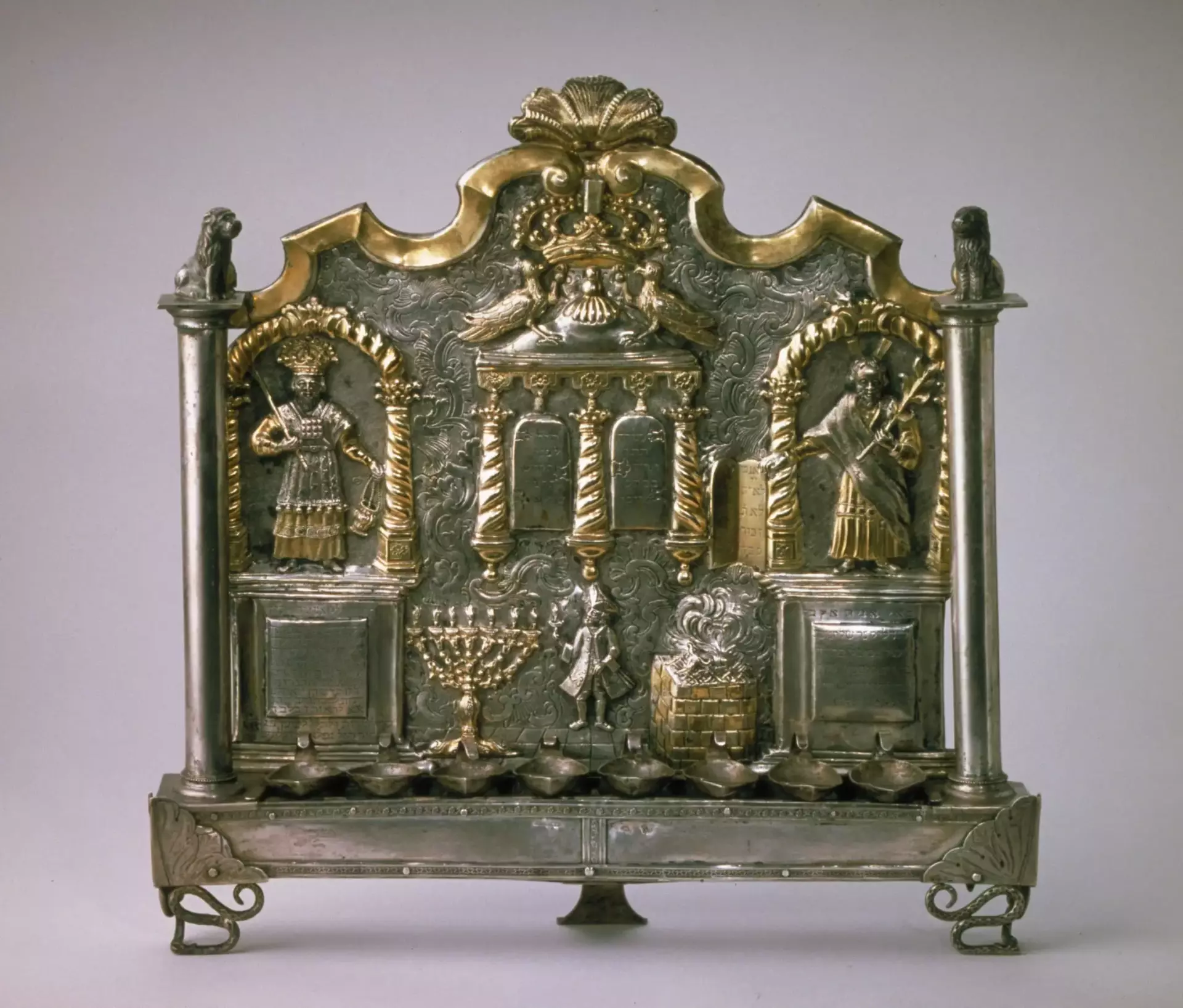
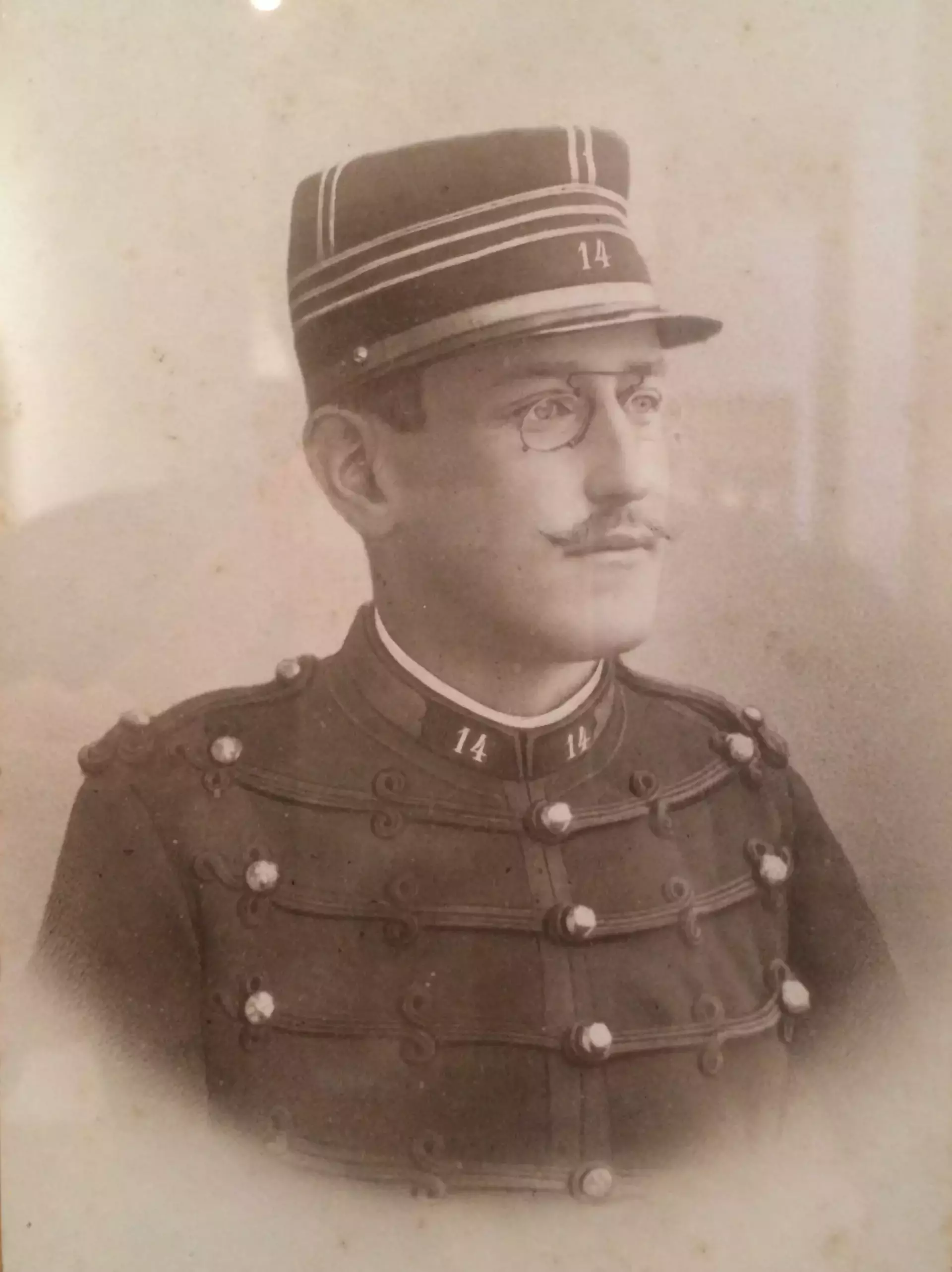
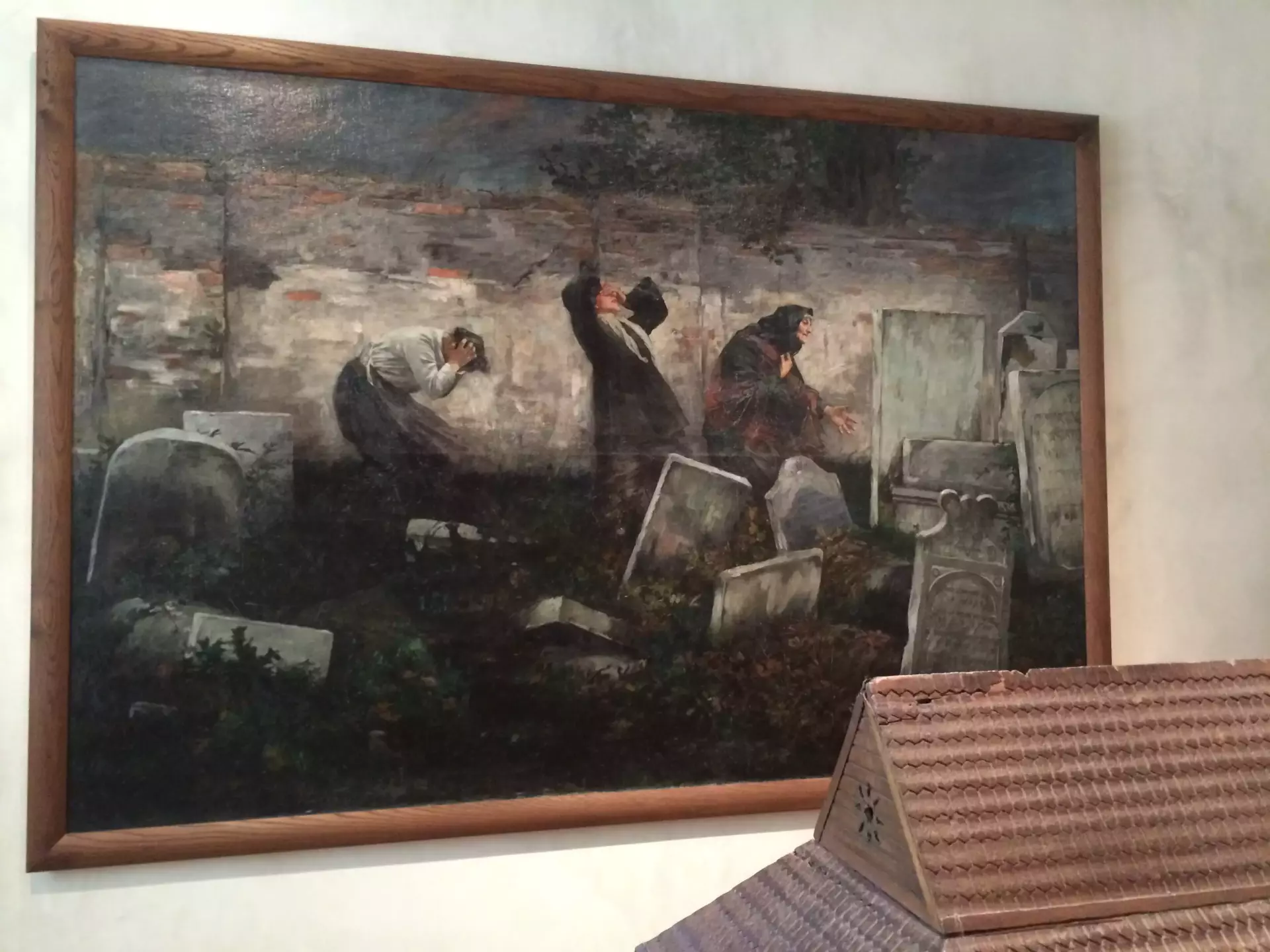
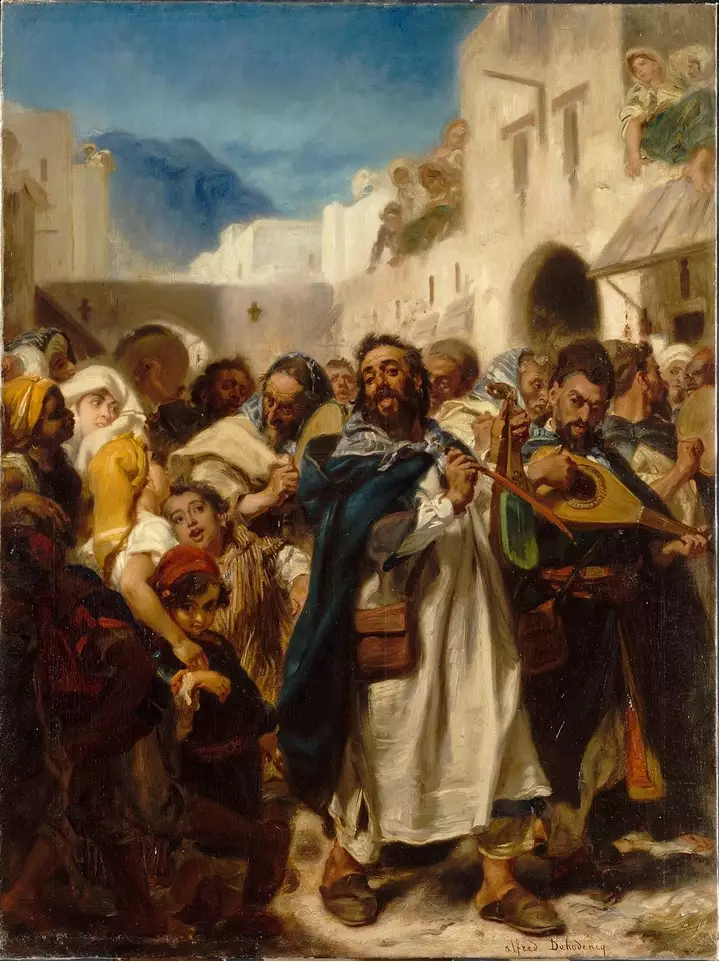
Inside the museum, visitors can explore a wide variety of objects and works of art that trace the history of Jewish communities in France and across Europe. The collections include religious artifacts, manuscripts, textiles, paintings, and historical documents. Each item tells a unique story about Jewish life, traditions, and contributions to art, music, and literature.
The museum is housed in the Hôtel de Saint-Aignan, a grand 17th-century mansion. This historic building adds a special atmosphere to the exhibitions, as visitors move through elegant rooms filled with centuries-old treasures. The museum’s location in the Marais, an area long associated with Parisian Jewish life, offers a meaningful connection to the community’s heritage.
Alongside its permanent collections, the Musée d'Art et d'Histoire du Judaïsme hosts temporary exhibitions, educational workshops, film screenings, and lectures. These activities invite people of all ages and backgrounds to learn more about Jewish culture and the many ways it has shaped French and European history.
Source - https://en.wikipedia.org/wiki/Mus%C3%A9e_d%27Art_et_d%27Histoire_du_Juda%C3%AFsme
The sleaze of boulevard de Clichy between place Pigalle and place Blanche can provide a moment of distraction. Be warned if you are male it is better to do this in the company of a female fellow traveller, as the clubs often send the girls outside to attempt to physically drag passing men off of the street. These strip clubs are big ripoffs. They tempt you with a free drink for €10 entry; once in the girl who starts dancing orders a couple of drinks (Red Bull) and then before you realise you are presented with a bill ranging from €500-700. They have these big bouncers who threaten/manhandle you till you arrive at some settlement with them. The whole of Pigalle is a rip off, best avoided. The police know about these places but nothing is done.
One of Paris's best kept secrets, painted by Monet numerous times. It is a very elegant centre of green in the middle of cosmopolitan Paris. Make sure you check out the statues, entrance rotunda and the surrounding mansions. Thanks to Haussmann himself this precious slice of parkland was reserved for the enjoyment and leisure of the people of Paris. It is unusual in France due to its casual, informal "English" style planning, and is a contrast to other Parisian parks such as the classically laid out and formal Luxembourg Gardens and the Tuileries. Randomly placed throughout the park are scaled-down architectural replicas including an Egyptian pyramid, Dutch windmill, and a Chinese fort. Free Wi-Fi in the park.
Guimard's own home, built in 1909-12. It is less decorated than Castel Béranger, but still beautifully shaped. Privately owned and not open to the public.
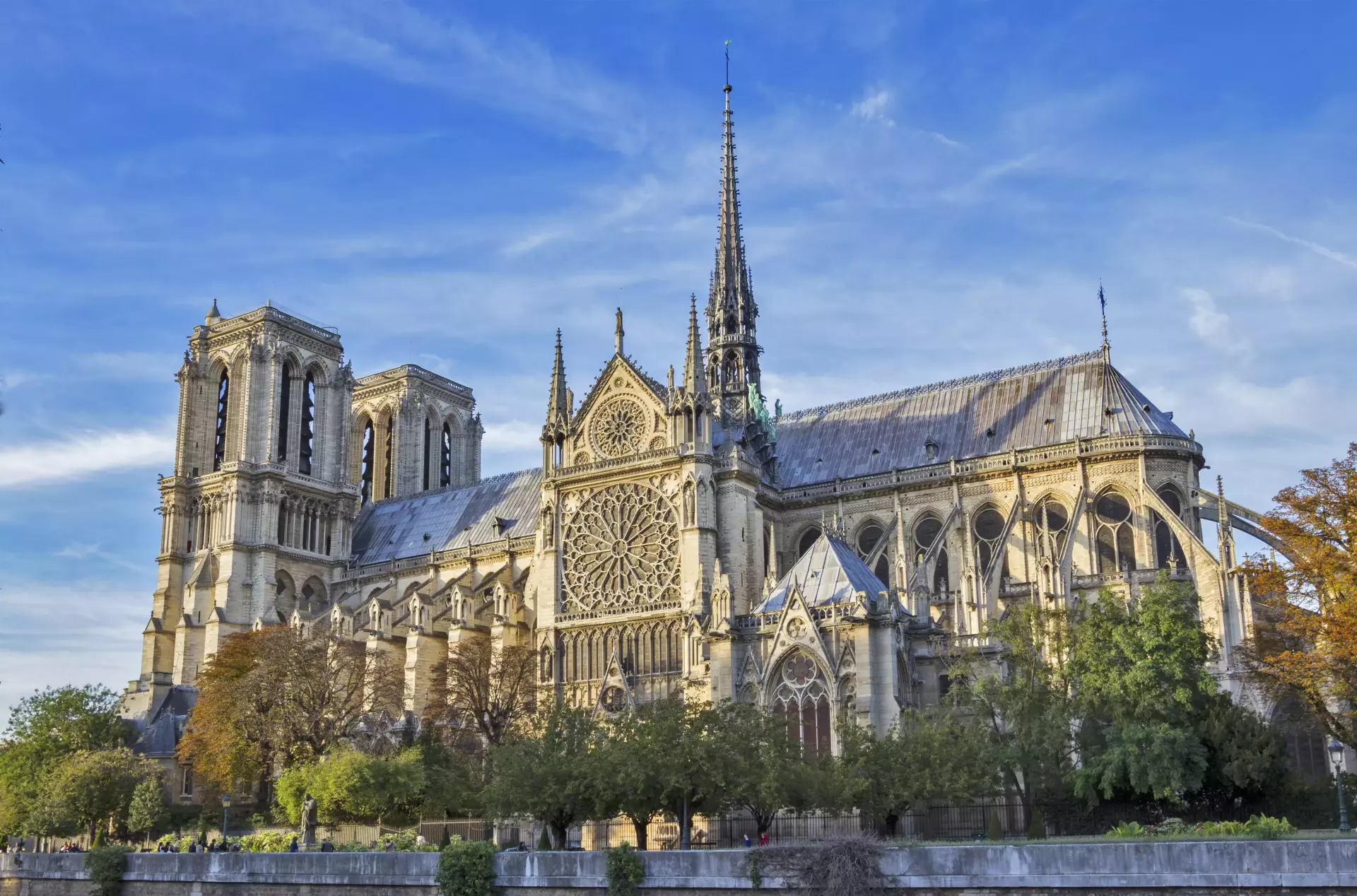
The early Gothic Cathédrale de Notre Dame (Our Lady) has a 12th century design but wasn't completed until the 14th. Still it is a good example of the development of the style, though the west or main portal is a bit unusual in its rigidity. A April 2019 fire caused severe damage, but after extensive renovation the cathedral was reopened to the public in December 2024.
Housed in a 15th-century abbey, alongside 1st century Gallo-Roman baths, the museum has an extensive collection of medieval art and artifacts. Highlights include the medieval "Lady and the Unicorn" tapestries, a papal golden rose, and the original heads from the facade of Notre Dame.
An indoor sports arena that seats around 17,000 for sports and slightly over 20,000 for major concerts; formerly known as Palais des Omnisports de Paris-Bercy and Bercy Arena. Home to numerous concerts and major sporting events, most notably the Paris Masters tournament on the ATP World Tour in men's tennis.
Numerous artists paint portraits of tourists and also sell their paintings.
A former fortress and royal residence at the edge of the city, alongside the Bois de Vincennes. Most of the building is open to public.
The northwest corner of the Bois de Boulogne is occupied by the oldest operating amusement park in the world, the Jardin d'Acclimatation, which is mainly known for offering a wide range of amusements which are appropriate even for very small children. They have miniature roller-coasters for children as small as three years, and the usual range of pony rides etc.
Housed in a former Beaux-Arts railway station (completed in 1900 for the Exposition Universelle, later saved from demolition and converted to its present use), the rambling, open-plan museum is home to the works of the great artists of the 19th century (1848-1914) - Impressionists, post-Impressionists, and the rest - that were formerly displayed in the l'Orangerie. This is perhaps the most spectacular collection of European impressionism in the world—breath-taking rooms full of Manet, Renoir, Monet, Van Gogh, and many others. Impressionist represent the biggest draw, but there is much more to explore.
Mainly used as a concert hall and venue for fashion shows today, the Cirque d'Hiver was built in 1852, as the name would suggest, as a winter venue for circuses.
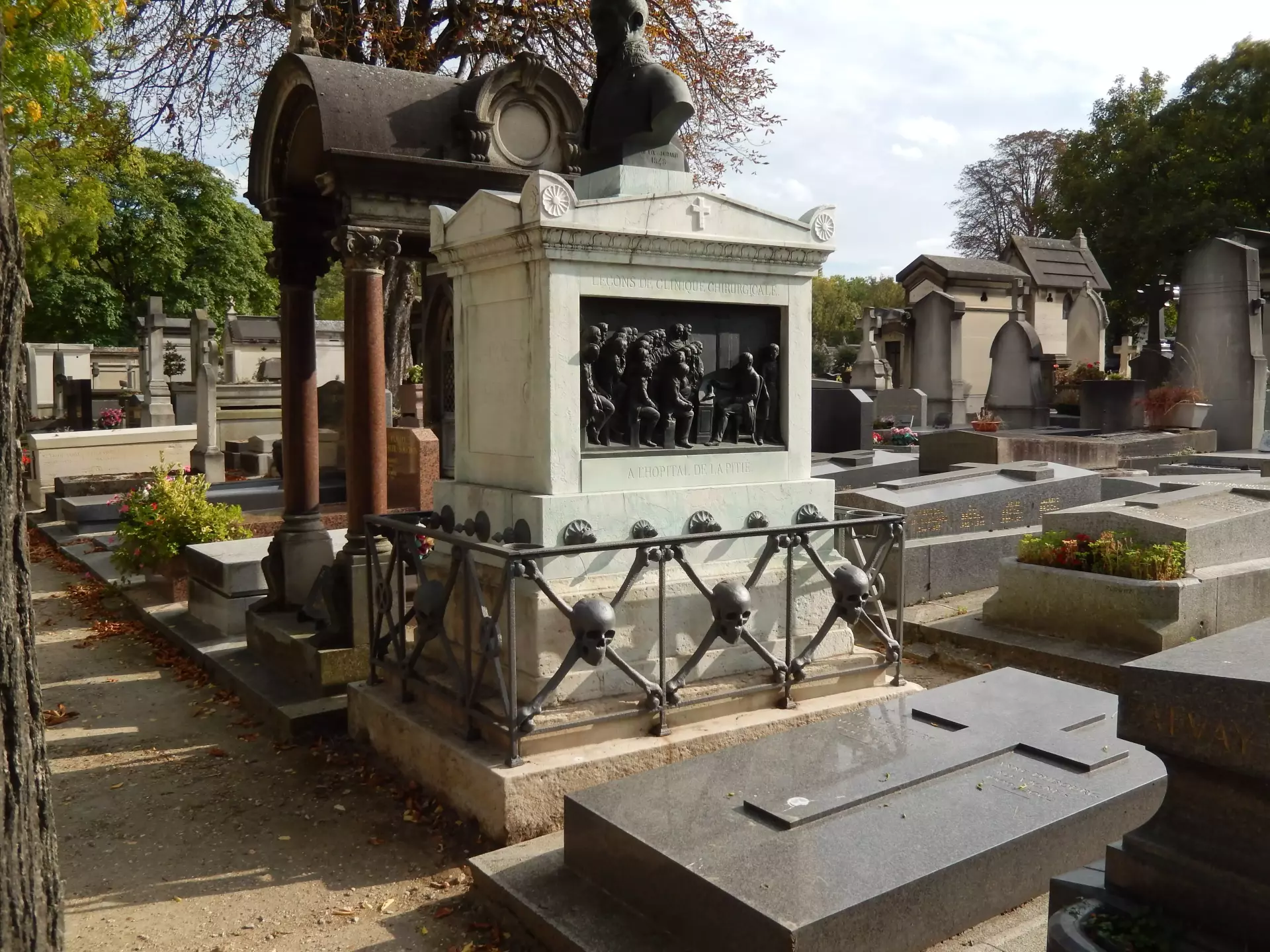
There are a number of famous occupants, but the real reason to visit this cemetery is to see the ornate tombstones, sculptures, and other sometimes macabre, sometimes touching memorials Parisians have left here for their dead.
If the queues at the Eiffel Tower are just too much for you and your time is limited, consider a trip up the Montparnasse Tower. This is an office building with an observation and shopping area on the 56th floor, where the elevators stop, and an open viewing area on the roof. Arguably the view is better than from the Eiffel Tower: you are not so high up so things are more visible, and you can see the Eiffel Tower!
The house in which the famous French novelist Victor Hugo once lived.
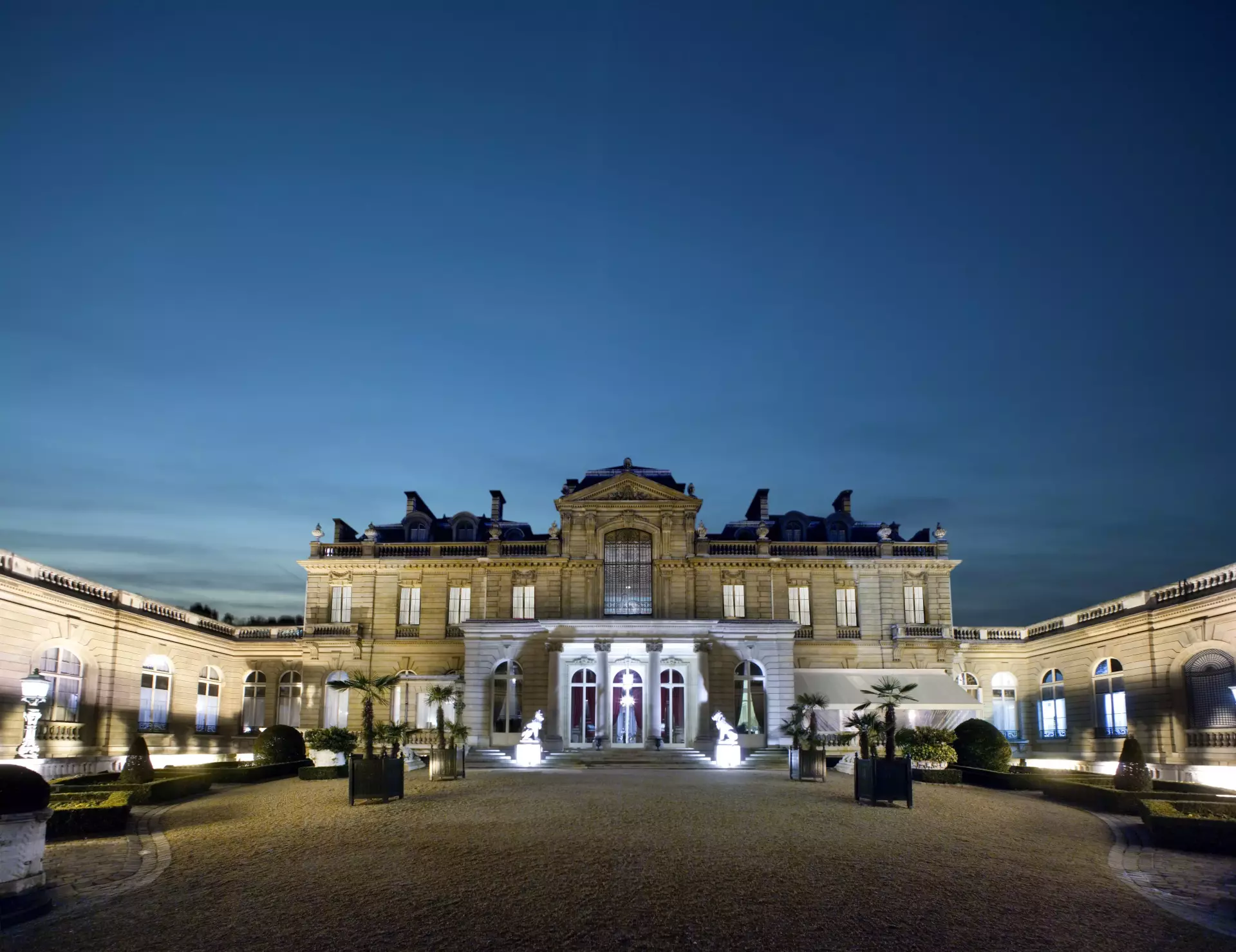
Private collection of French, Italian, Dutch masterpieces in a typical XIXth century mansion.
Those who are unfamiliar with conceptual art sometimes don't know quite what to expect, or how to approach it. Such travellers should rest assured that the curators at the Pompidou Centre have assembled a marvellous introduction consisting of mostly approachable works which delight, amuse, and entertain. The art is far from the only reason for a visit, as the building also contains a vast public library and a fine restaurant (run by the Costes brothers) on the roof. In fact the place is literally surrounded by some of the nicest pavement cafés in the city, in its superb location between the car-free above ground part of Forum Les Halles and the Marais art district.
A must for anyone interested in the history of the American Revolution. This small cemetery includes three mass graves from the French Revolution, plus a section that includes many of France's most noble families that lost members during the French Revolution and consequently have a continuing right to be buried there. In the farthest right hand corner is the tomb of General Lafayette, the friend and fellow soldier of George Washington. Beside him is his beloved wife plus other members of her family, the de Noailles, who were almost completely wiped out during the French Revolution because of their closeness to the Court. Since 1834 the American flag has apparently flown continuously over his grave, even during the German occupation of Paris during World War II. Well worthy of a visit.
Considered one of the most colourful Parisian parks, a local favourite, the Parc Montsouris was opened in 1878, having been designed by Alphand for Baron Haussmann. A large man-made lake and waterfalls are surrounded by long stretches of gently sloping lawns. Bronze statues are to be found studding the grounds, amongst the 1,400 trees, including such exotic varieties as the giant sequoia and the ginkgo. The park is featured in the film Cléo de 5 à 7. It is popular among families (there are two playground areas for children) and students.
The foundation opened its doors in May 2003. It preserves Henri Cartier-Bresson and Martine Franck’s archives. Exhibition of photographs, paintings, sculptings, and illustrations.