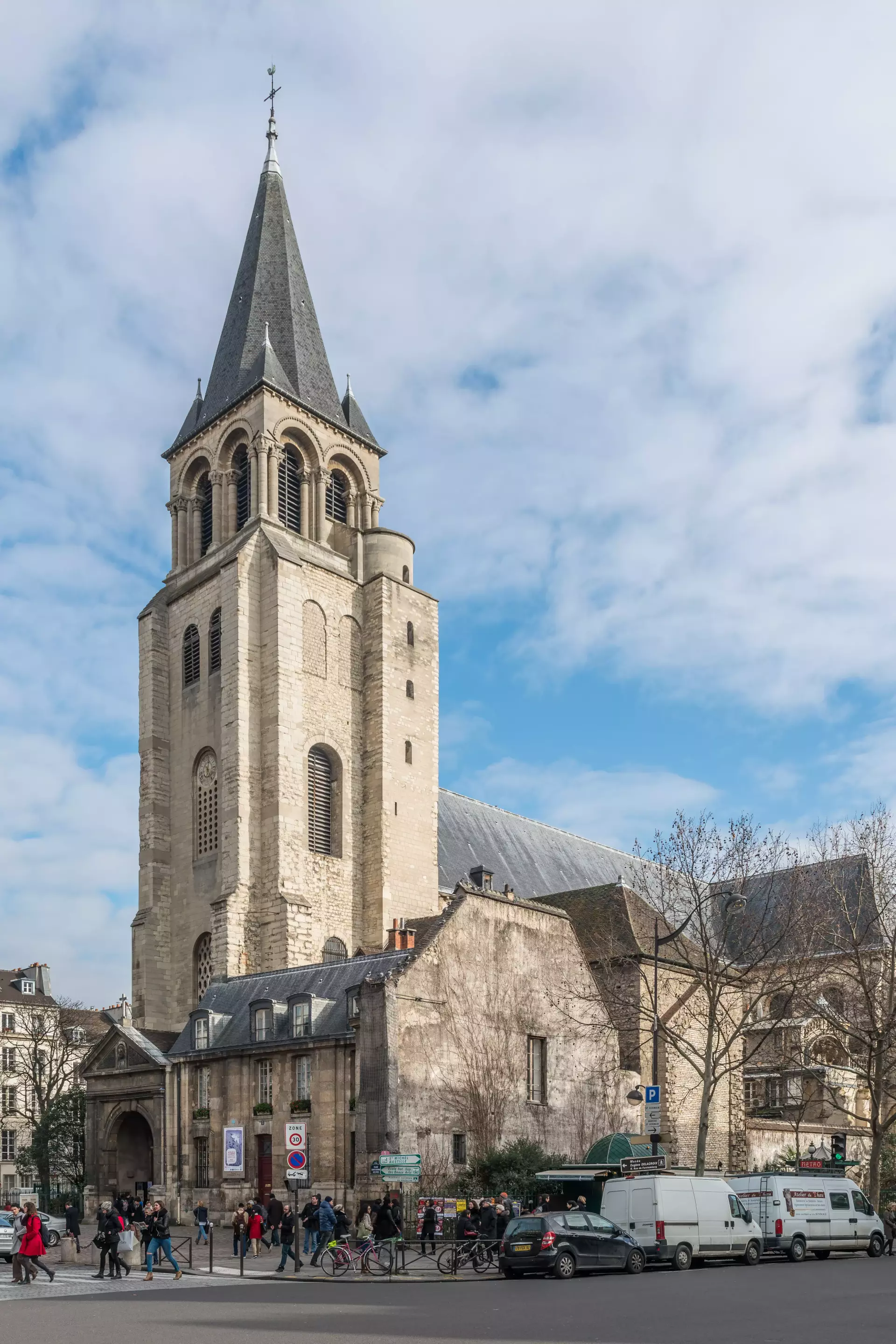
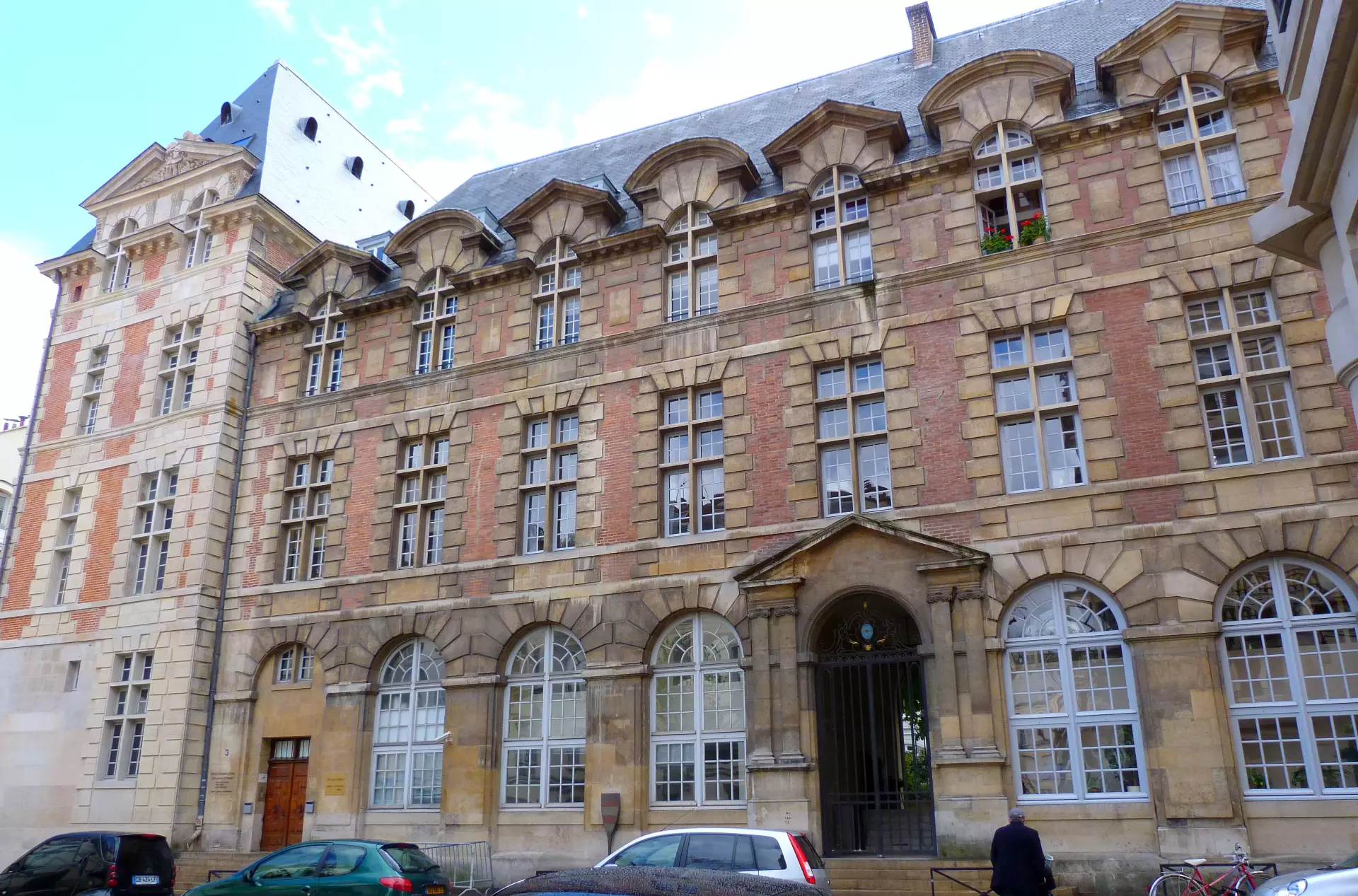
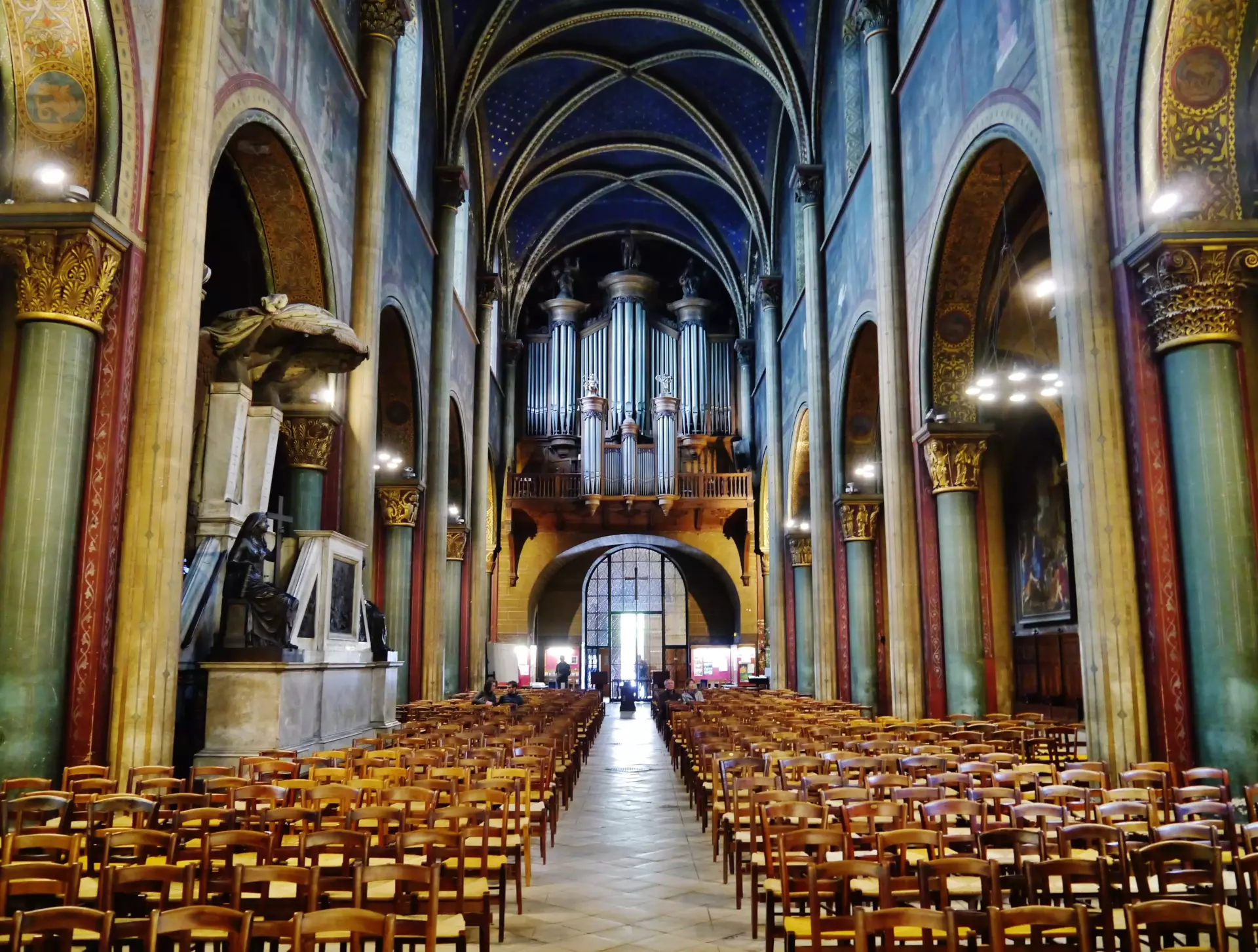
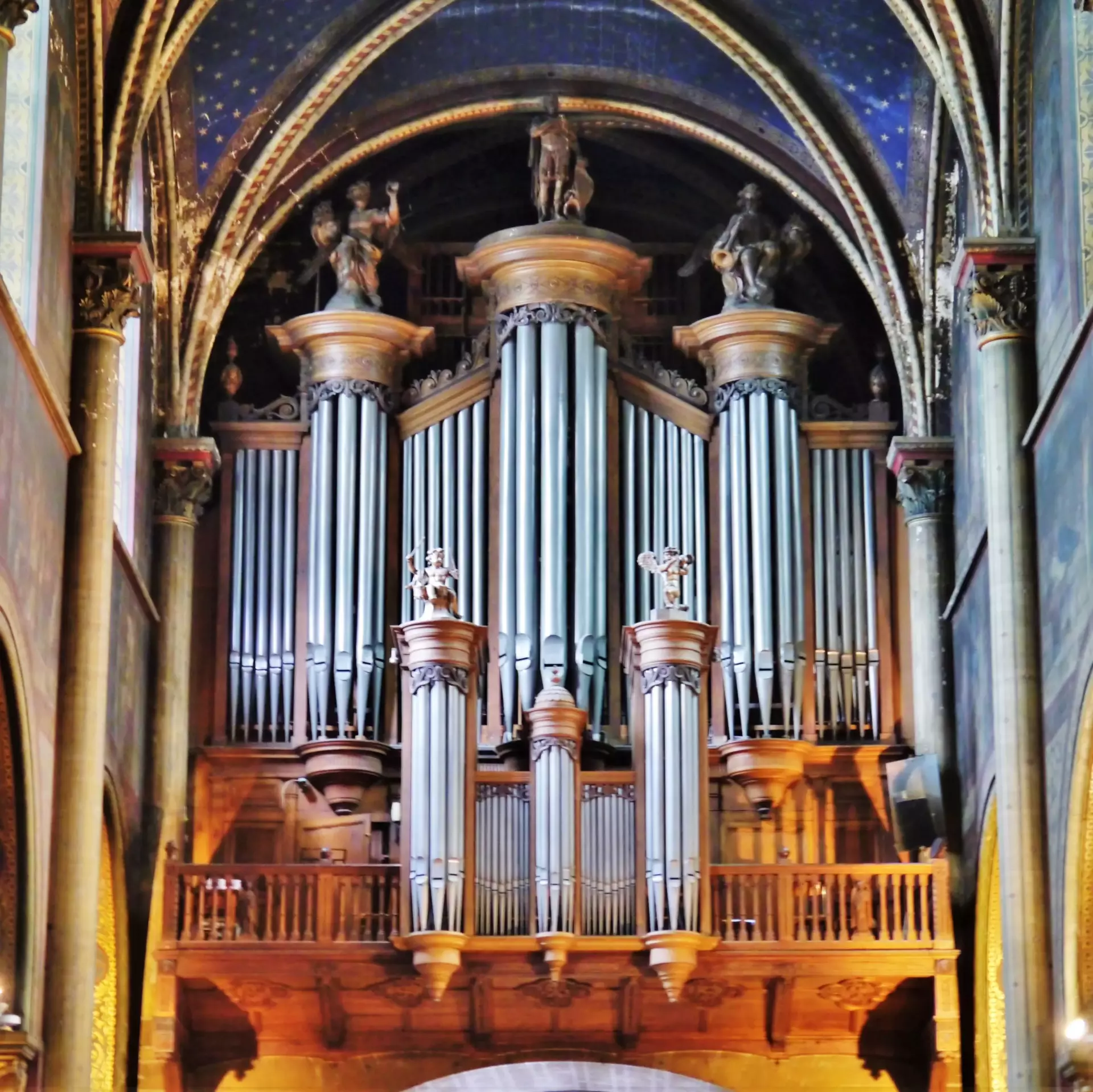
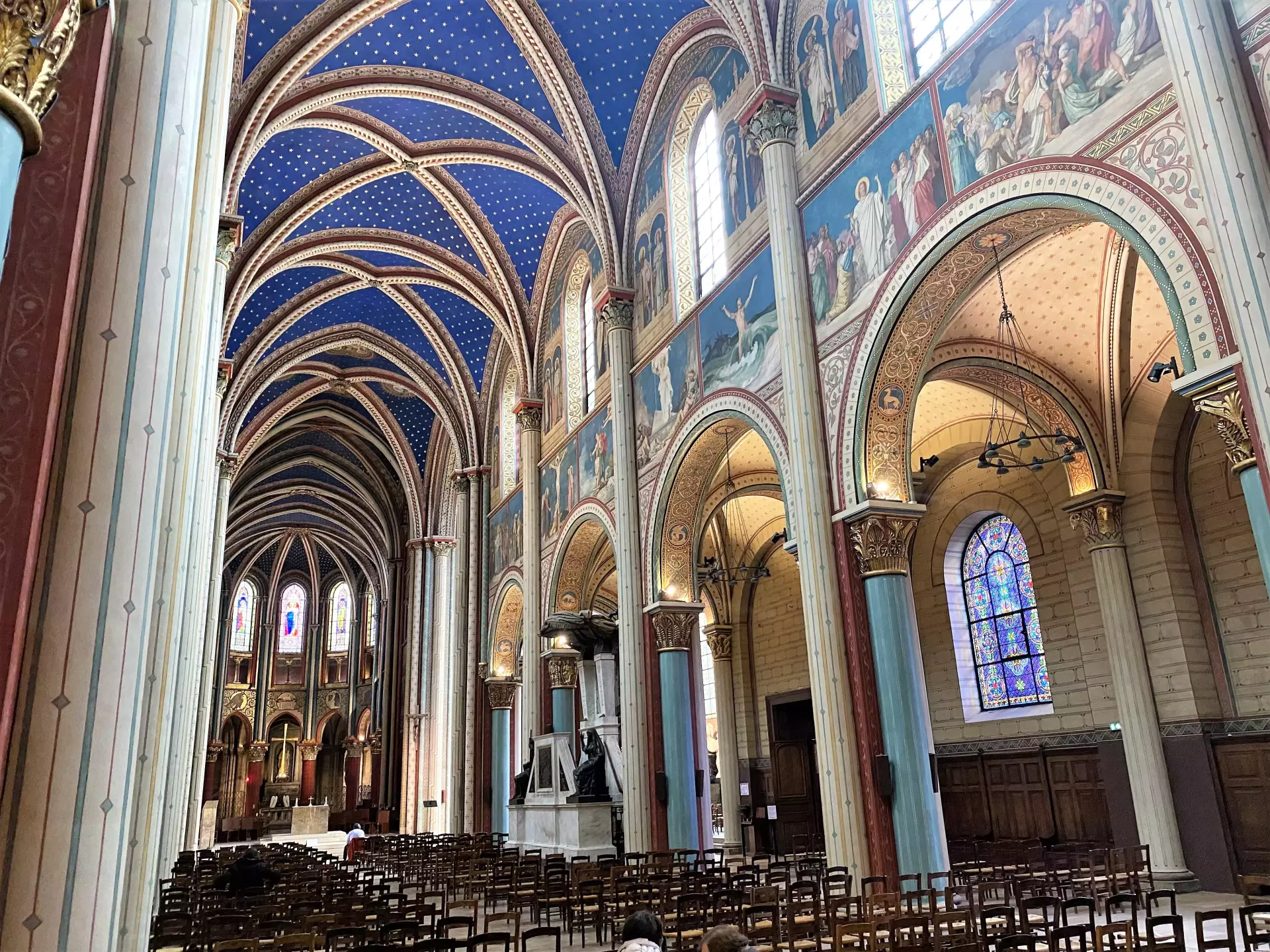
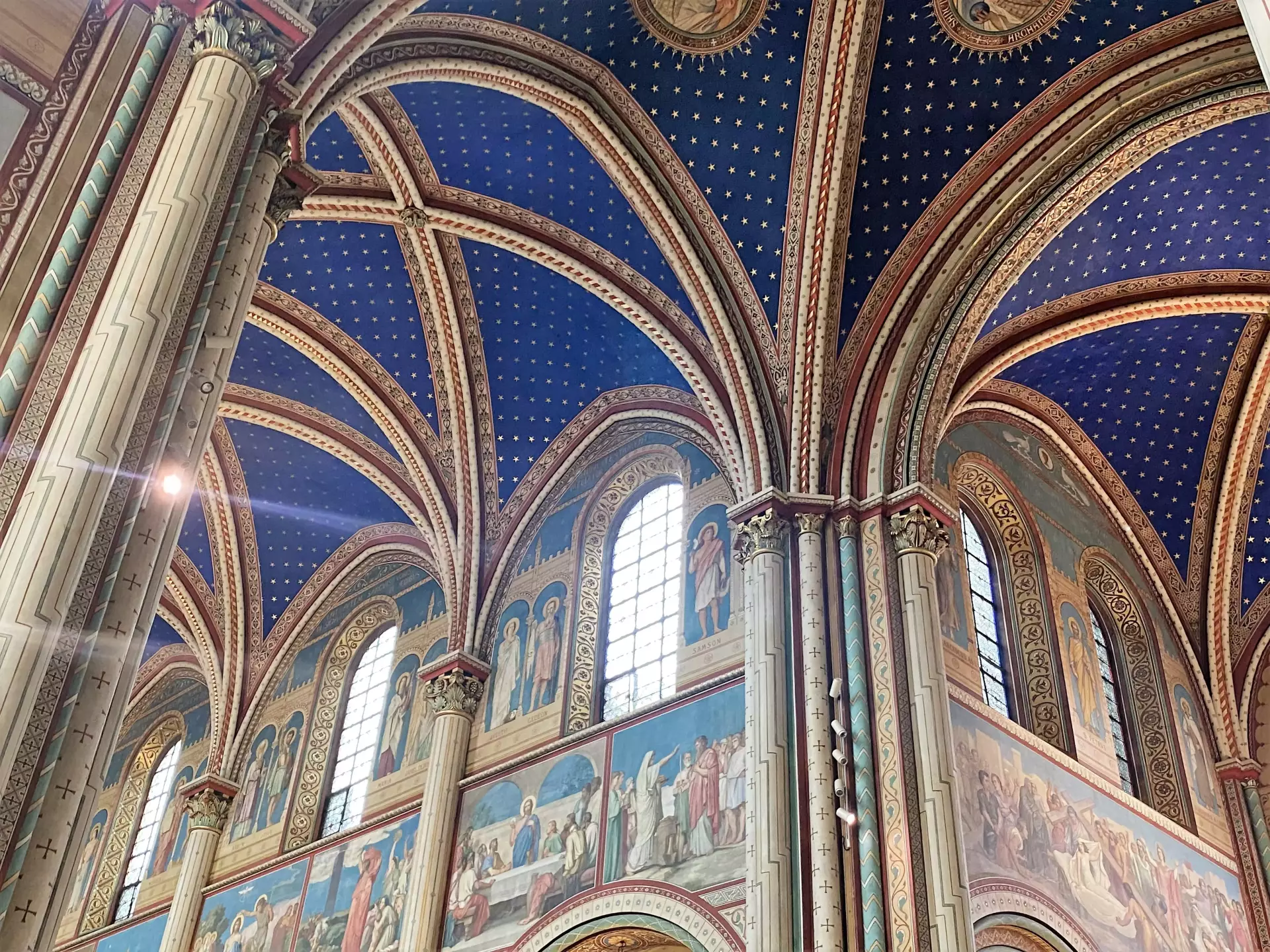
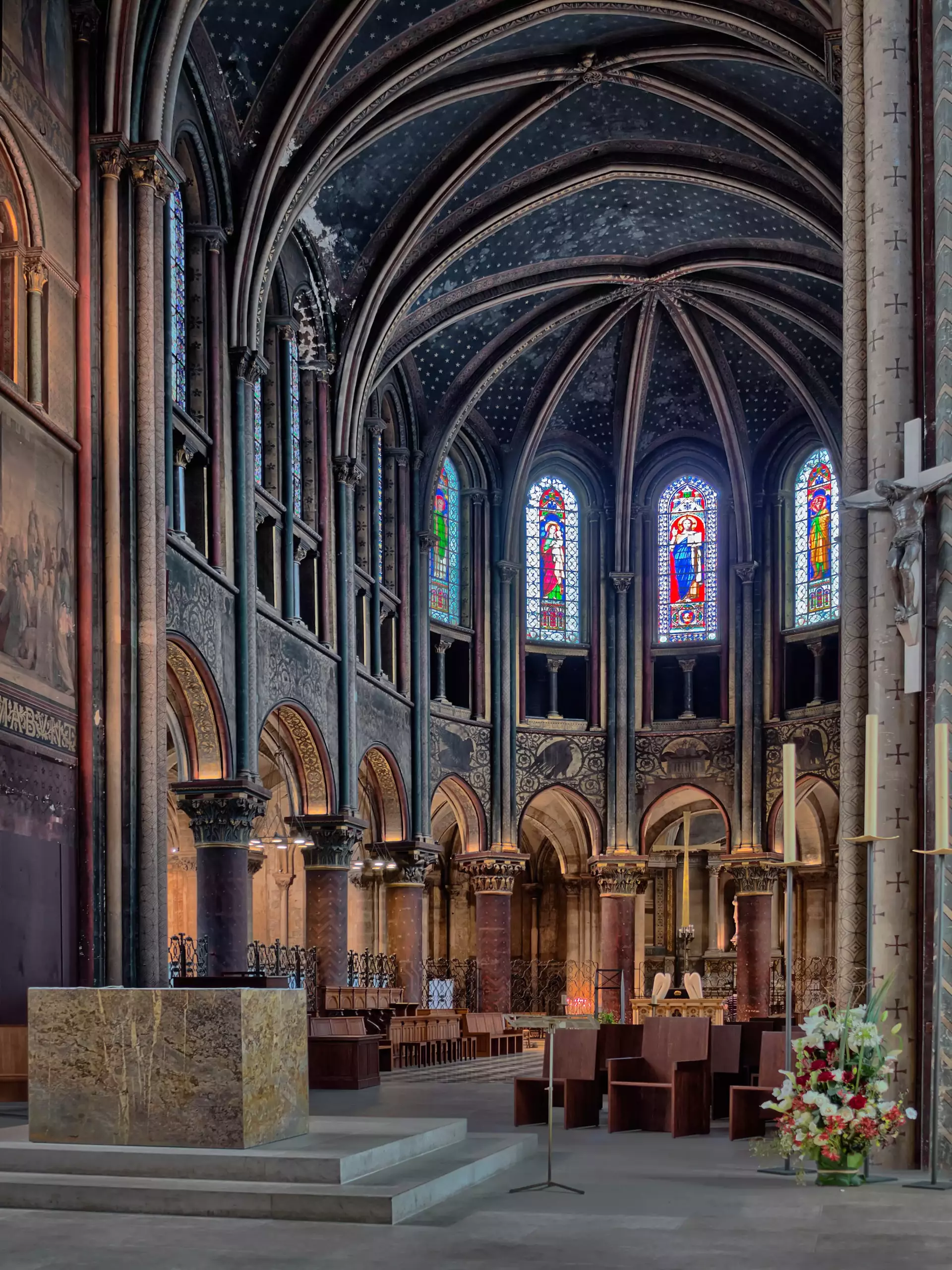
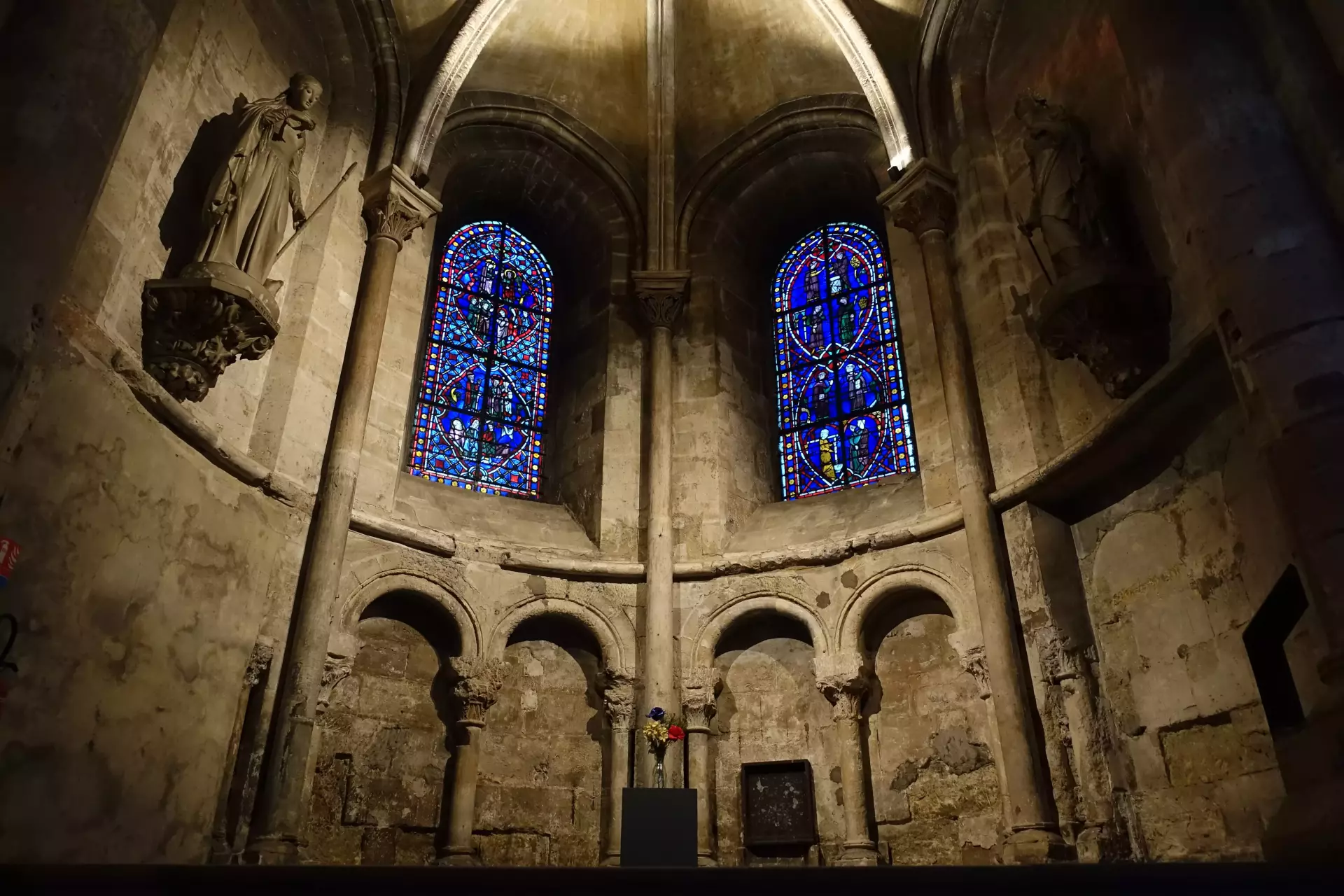
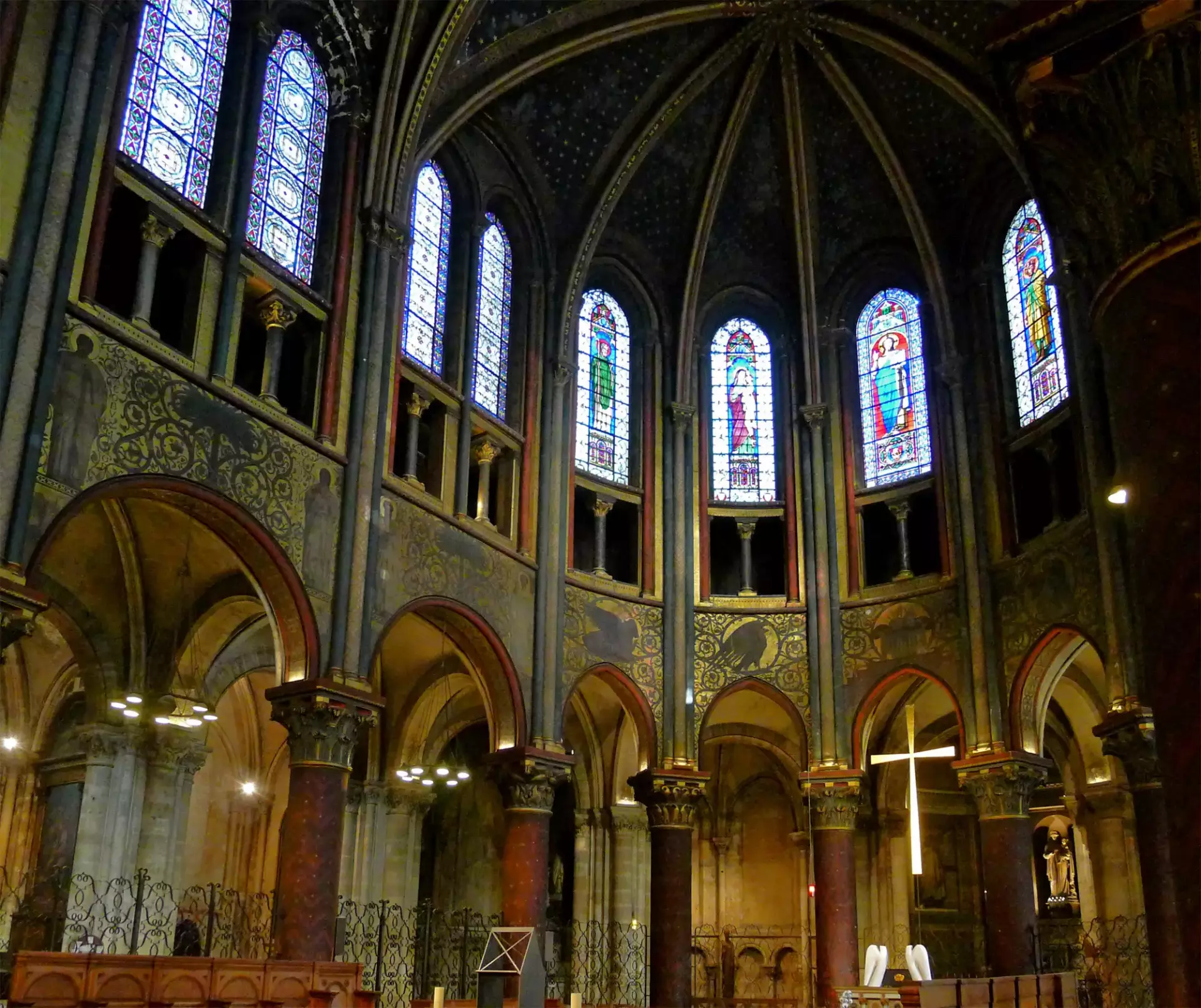
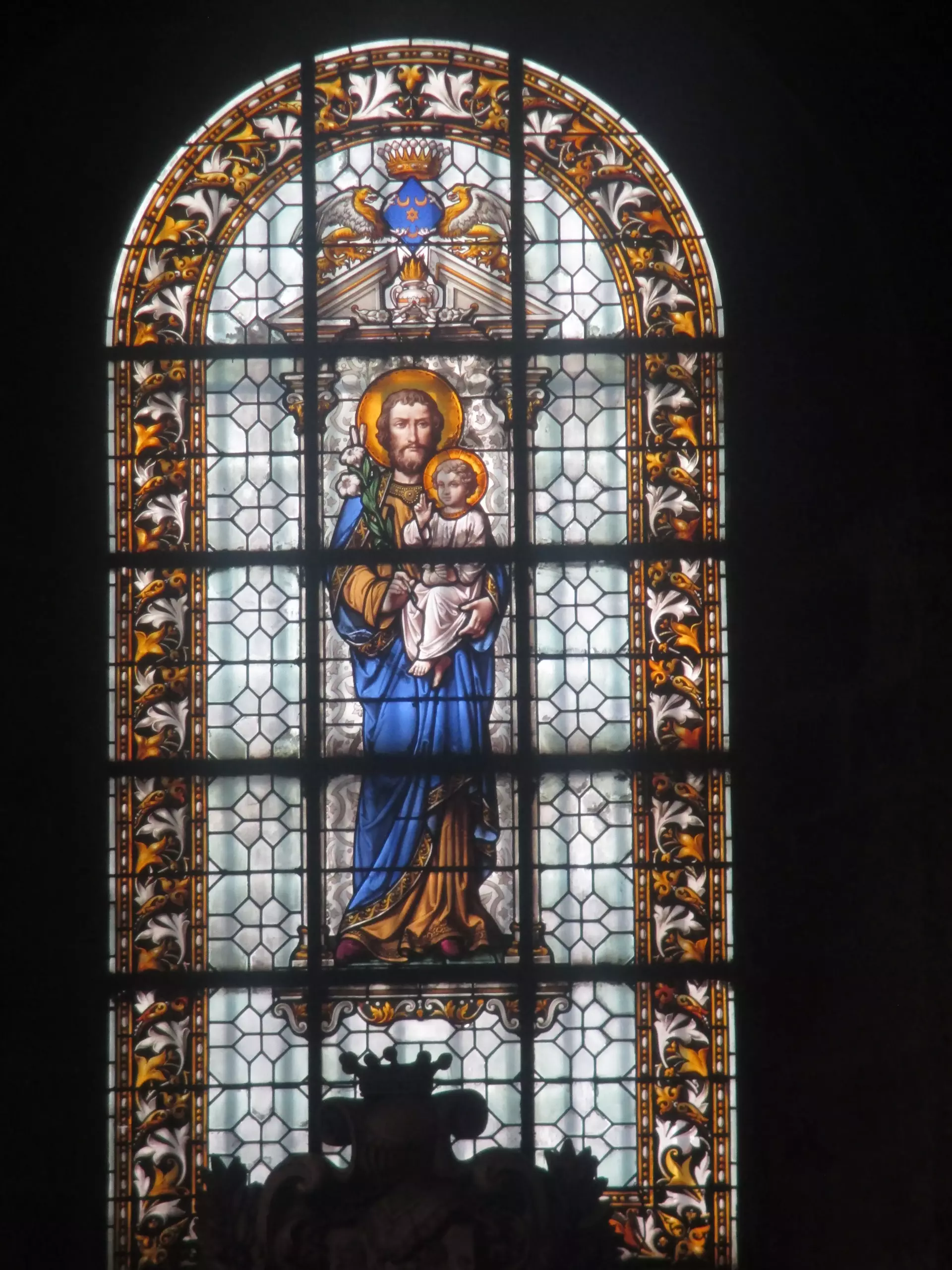
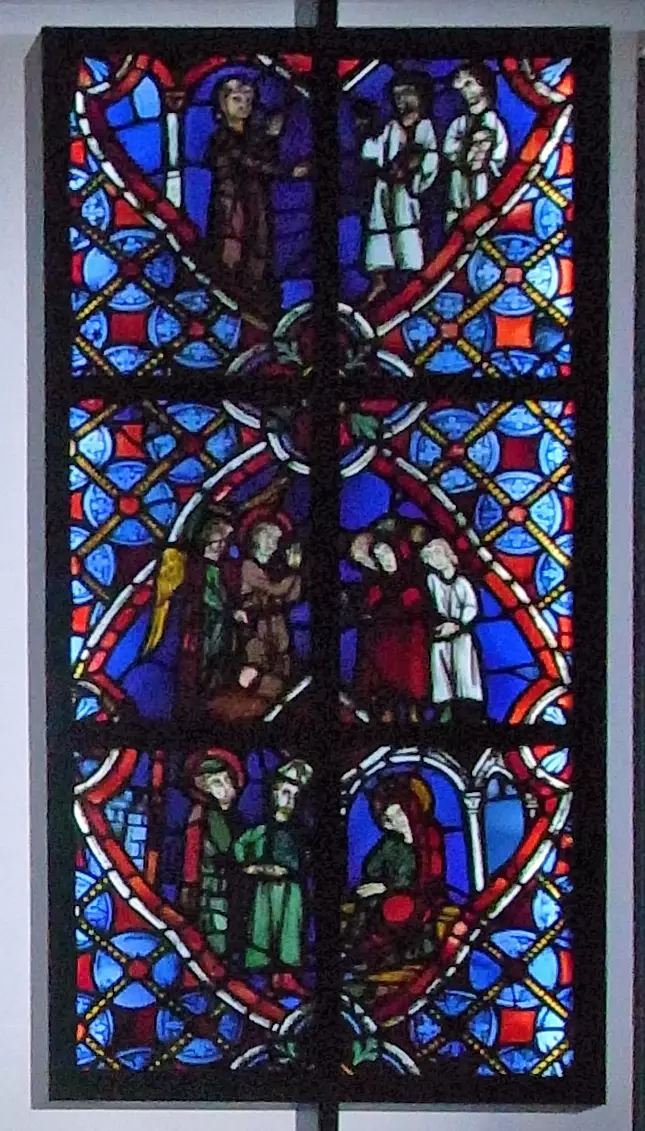
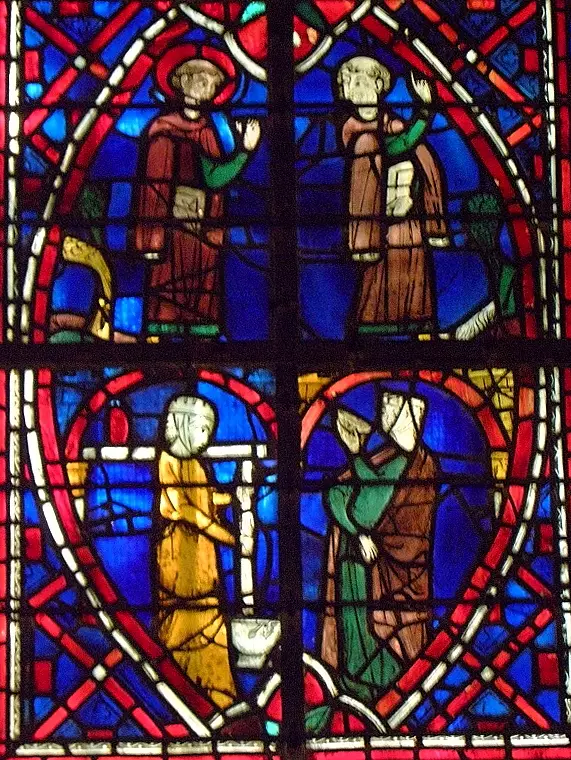
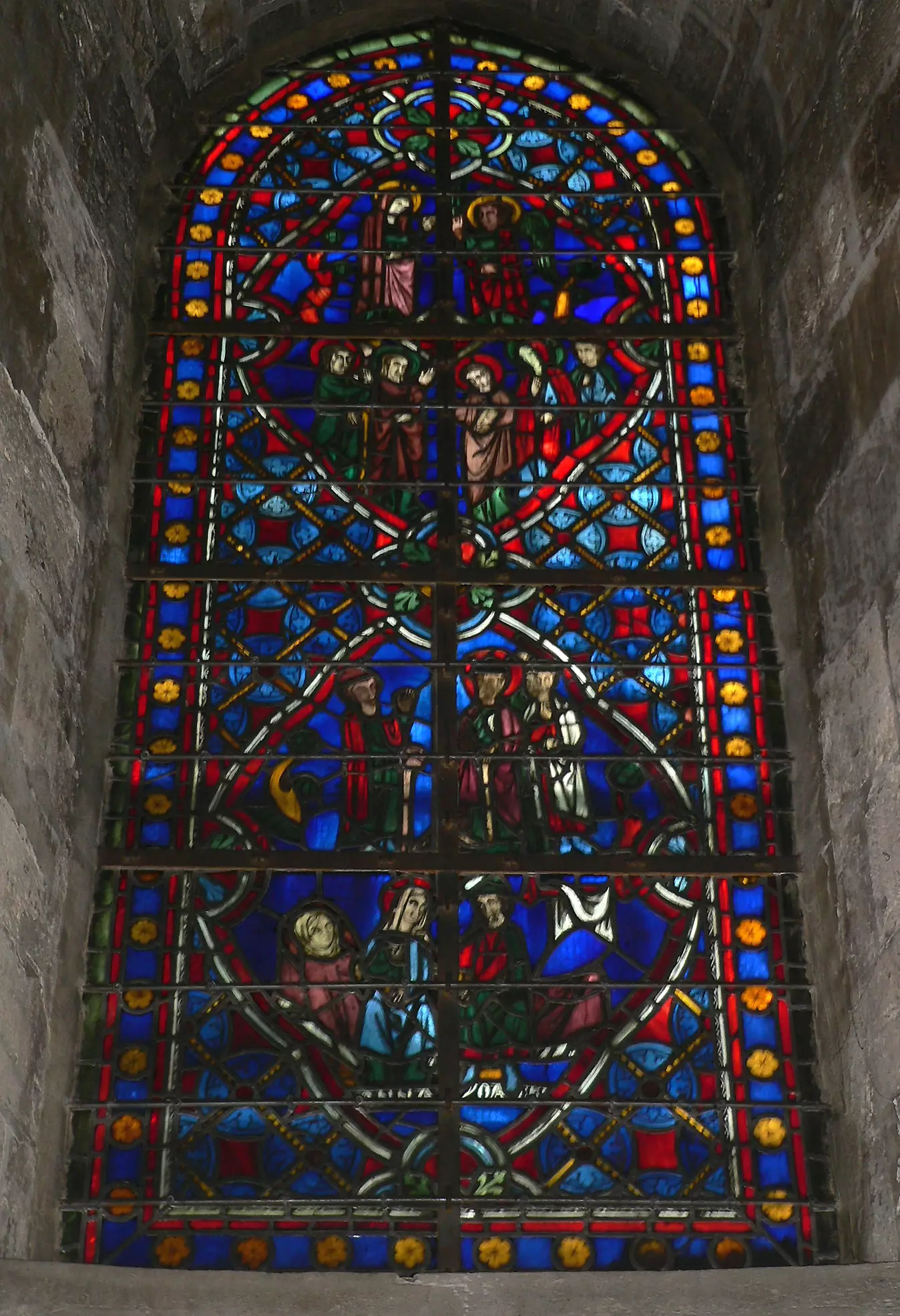
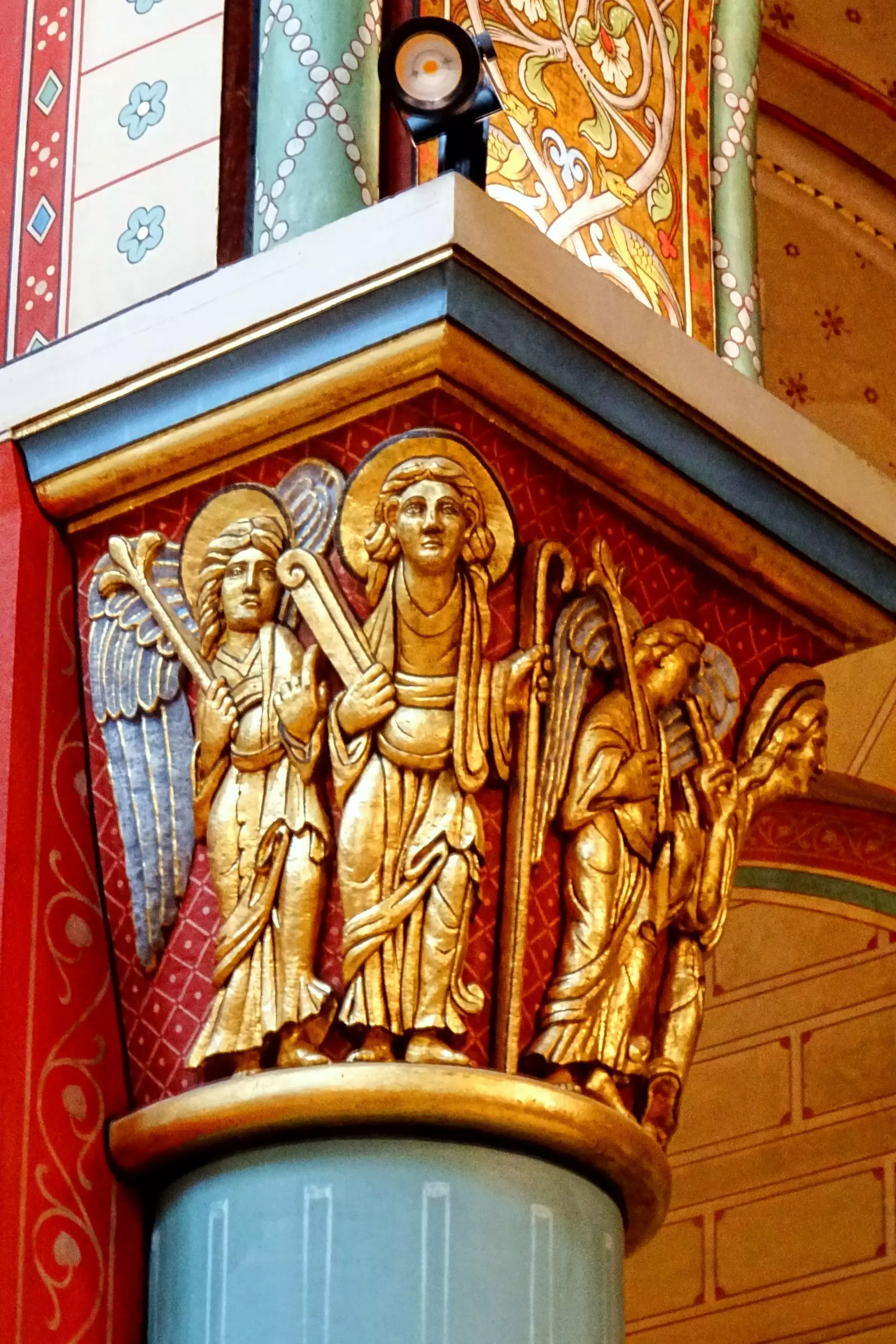
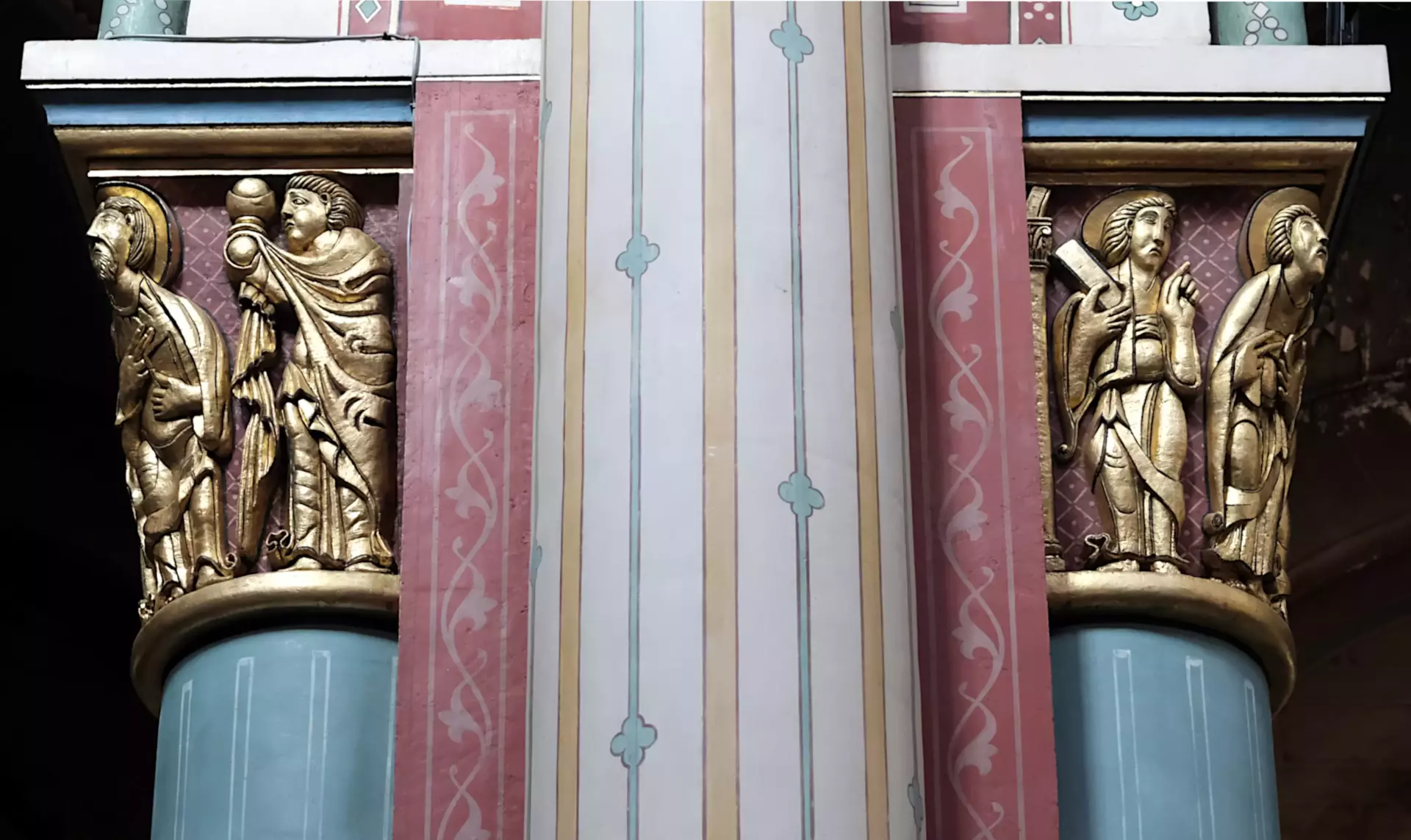
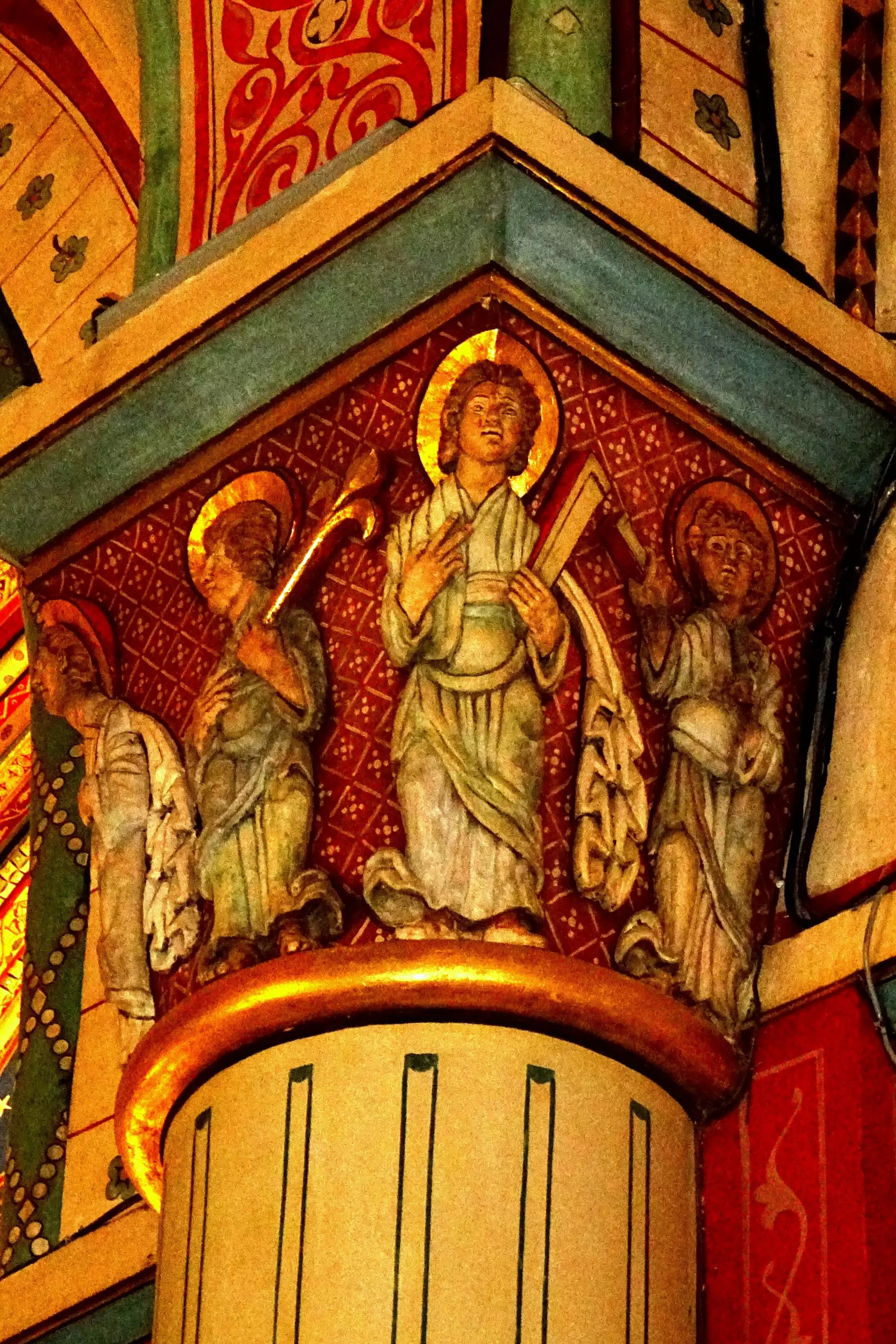
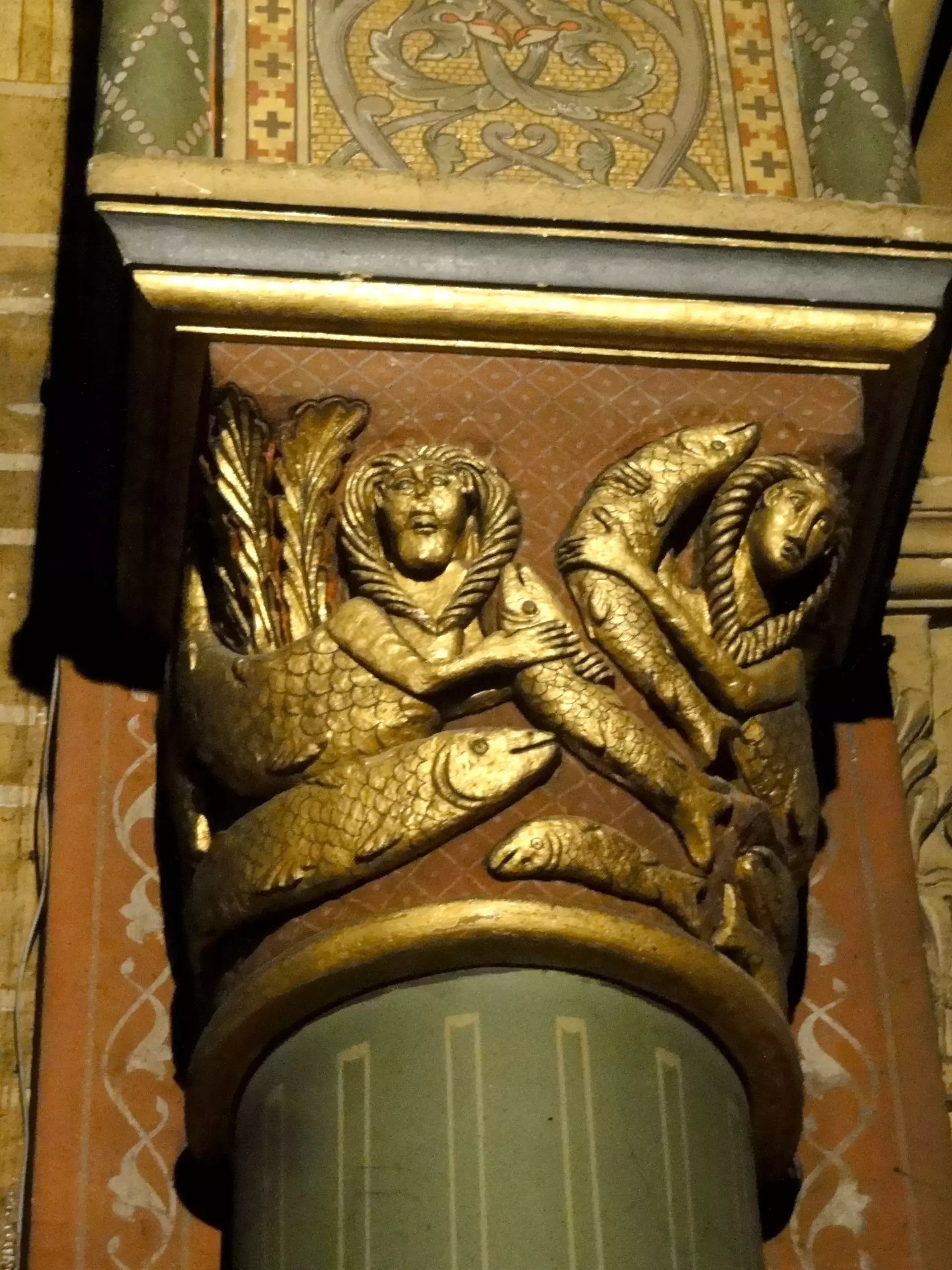
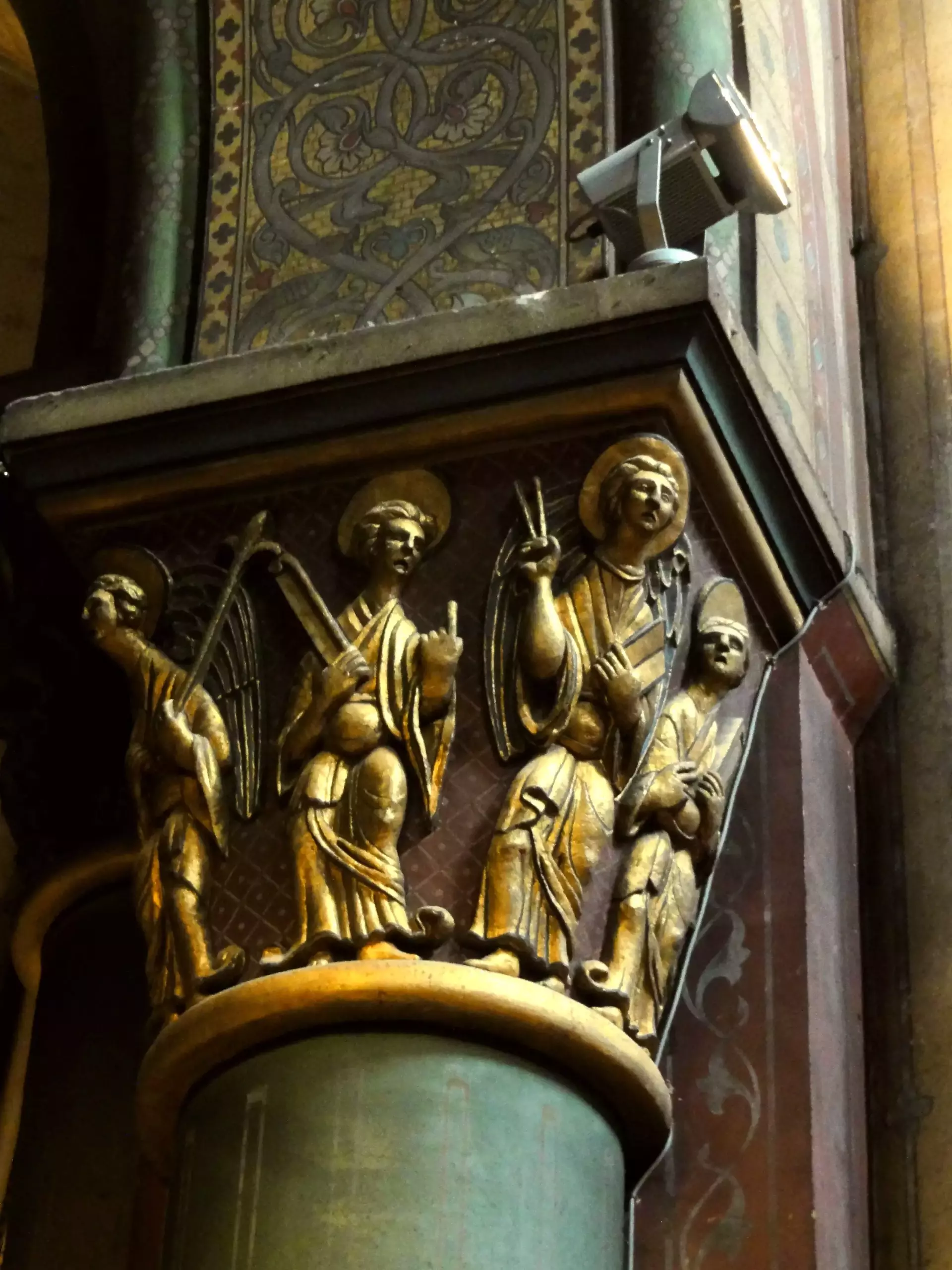
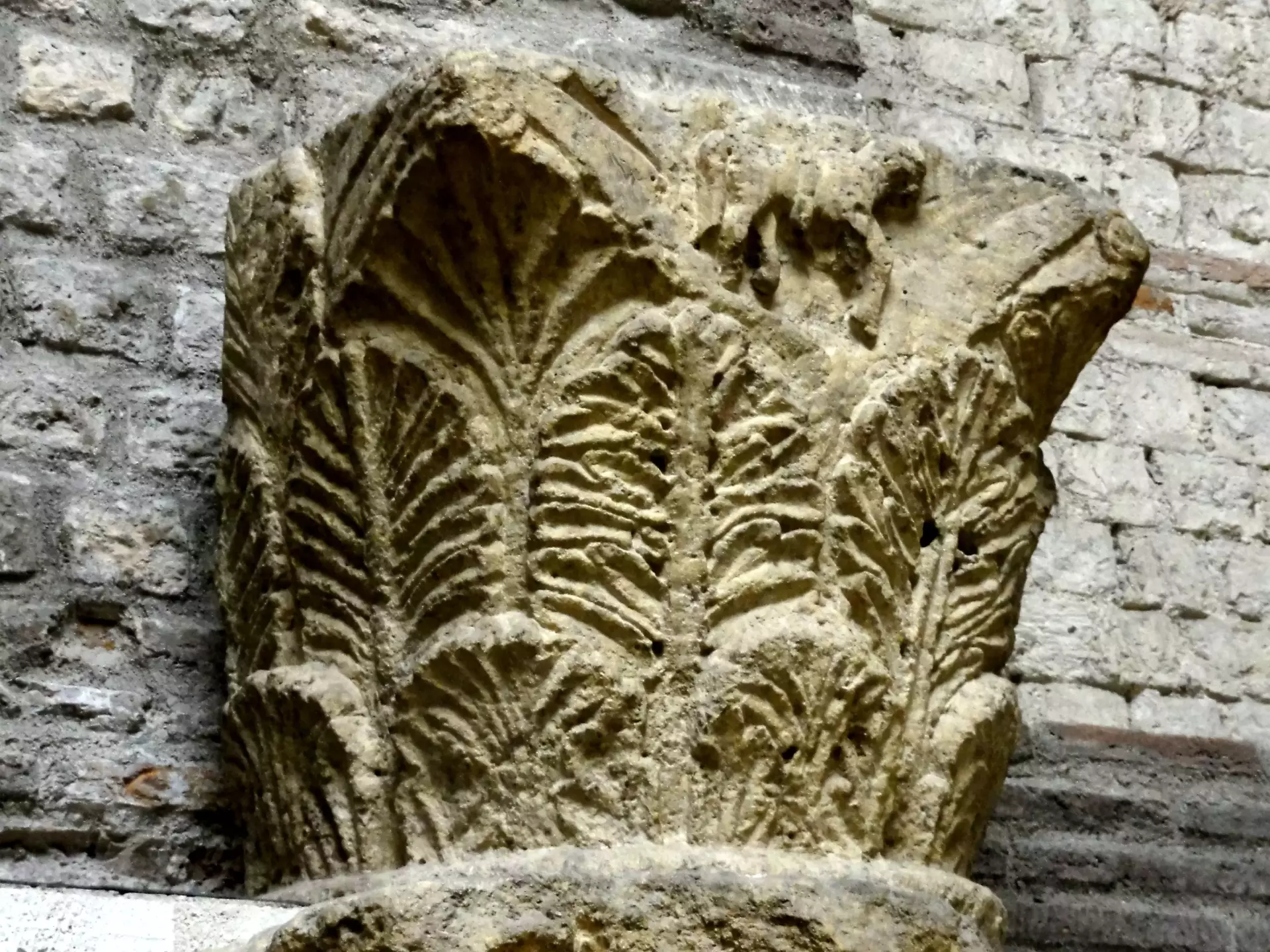
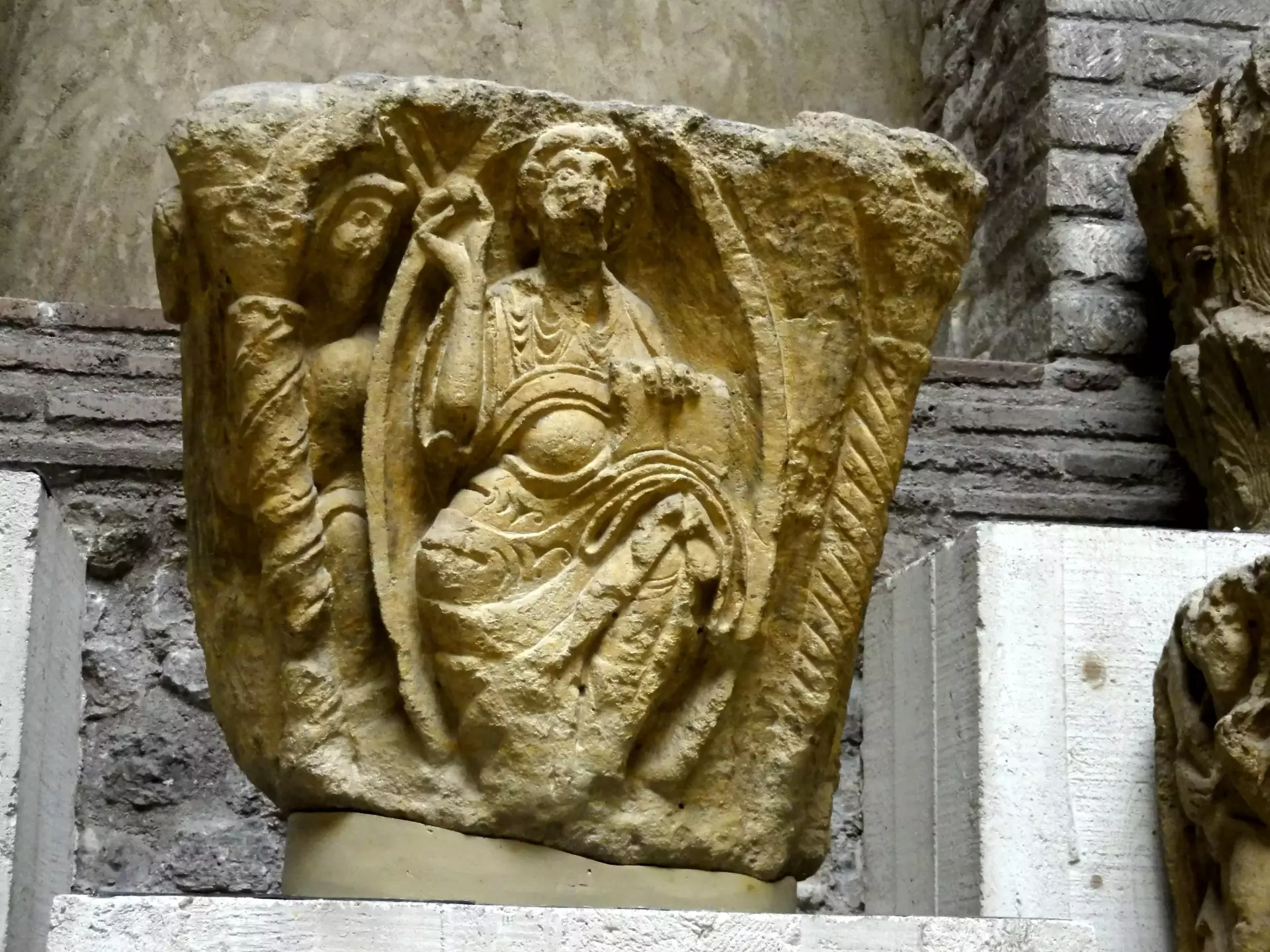
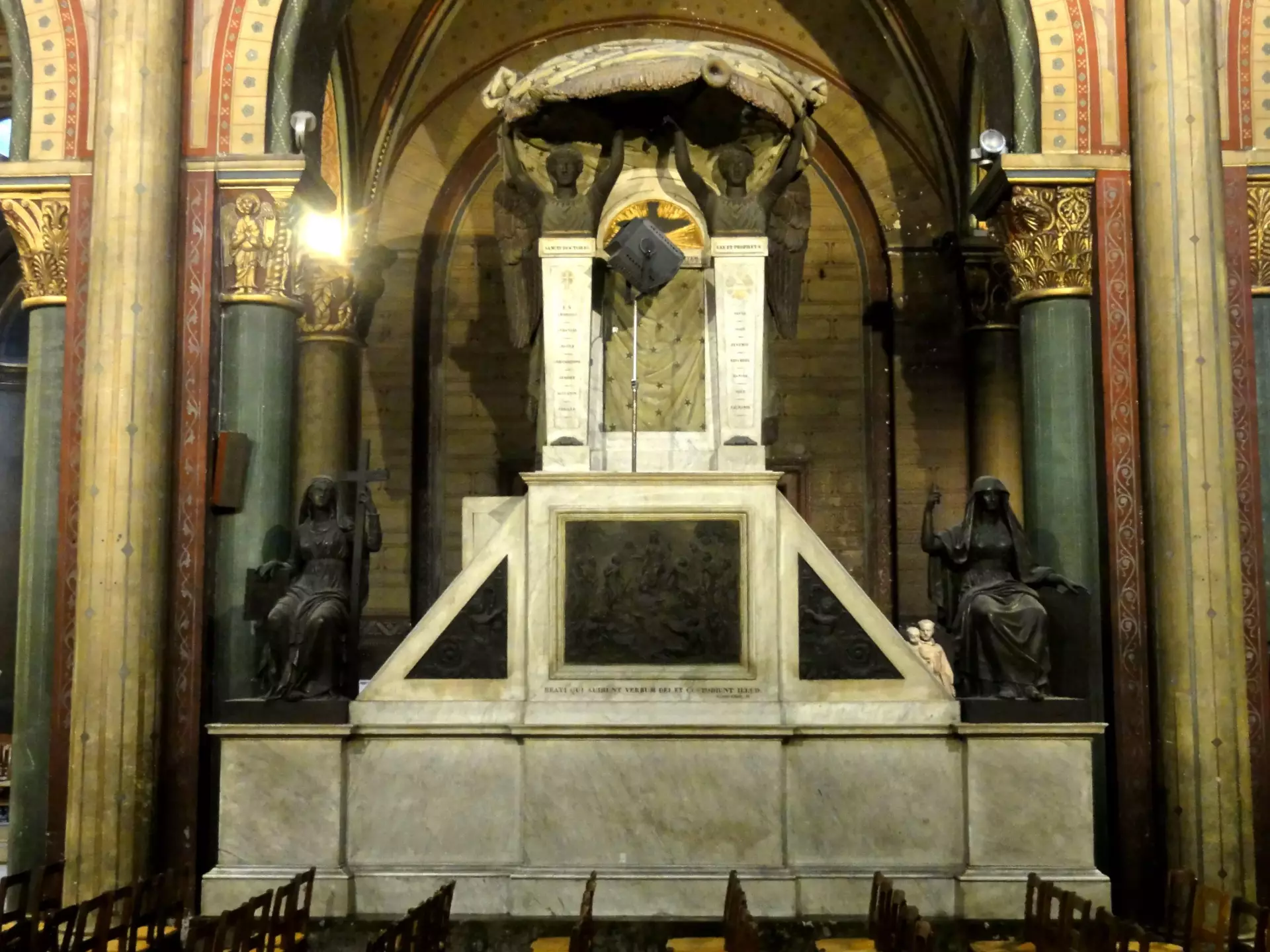
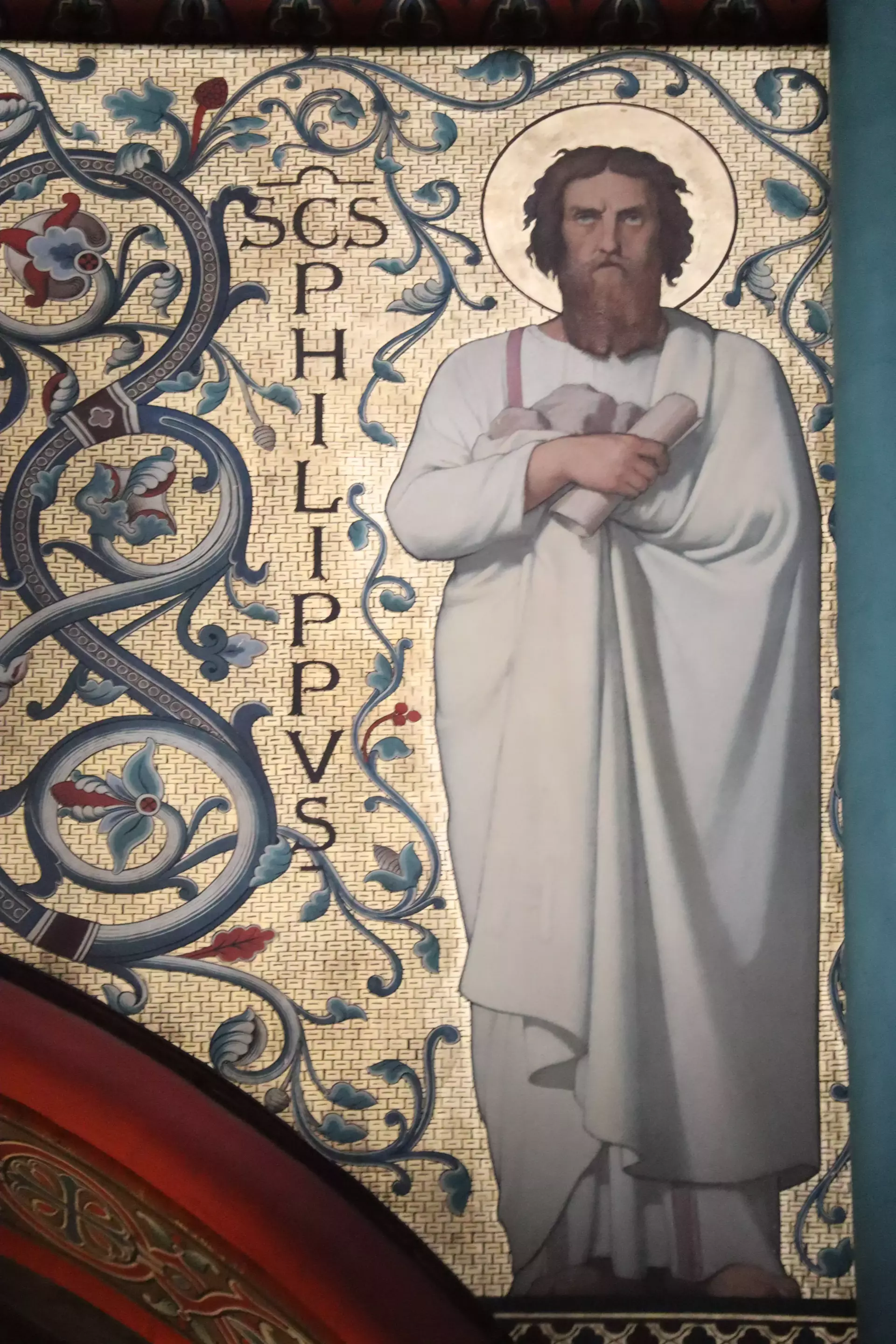
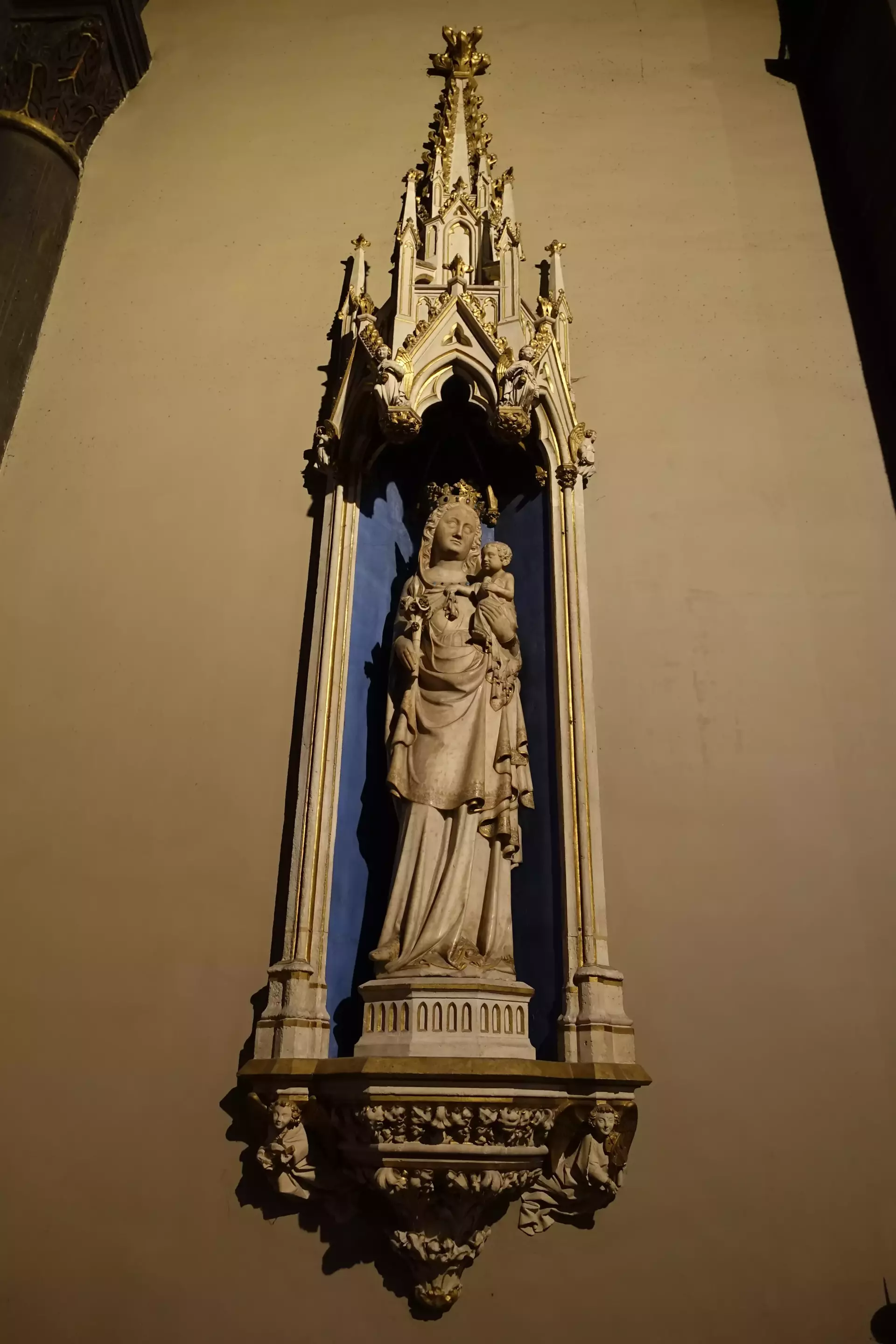
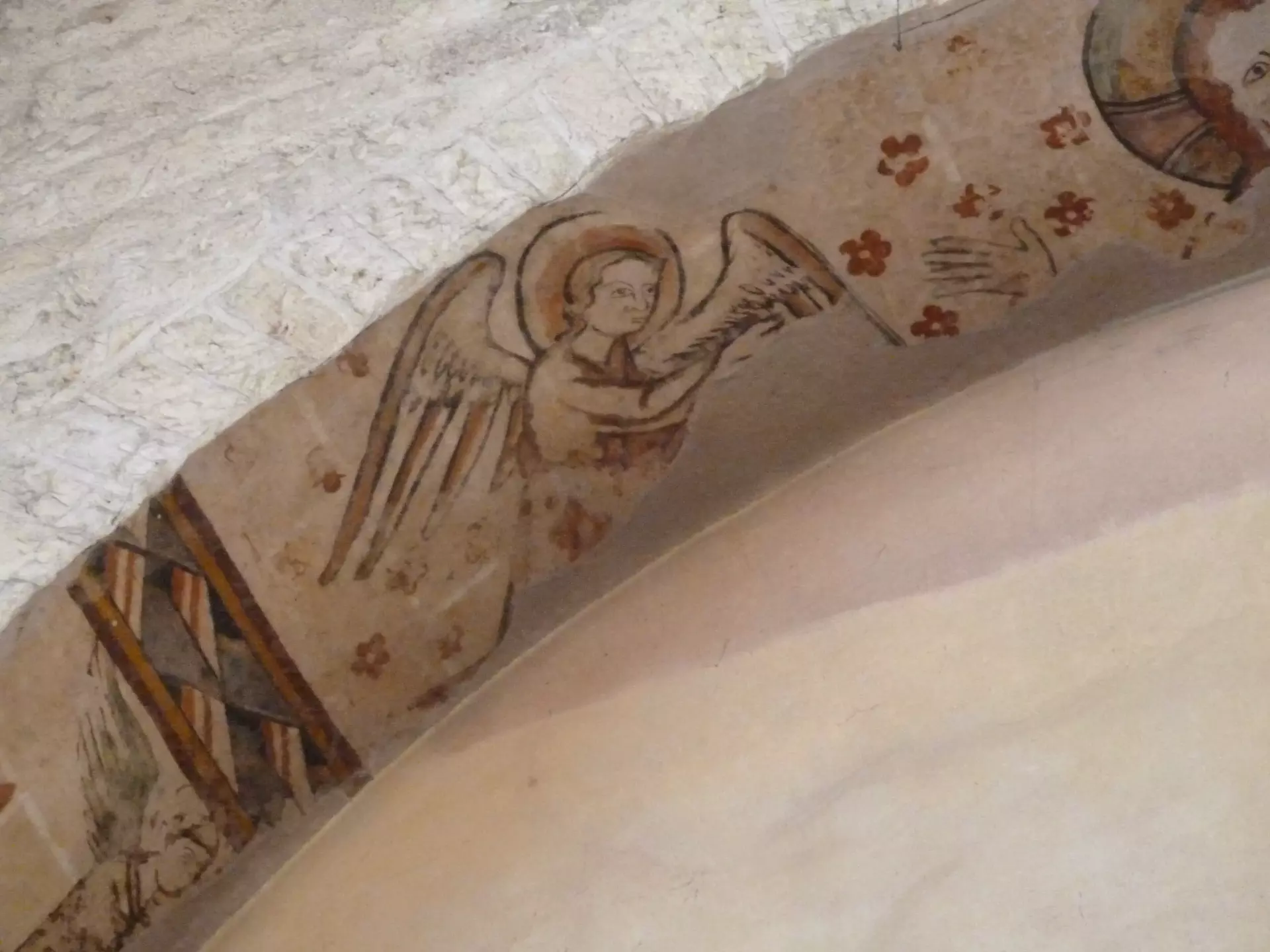
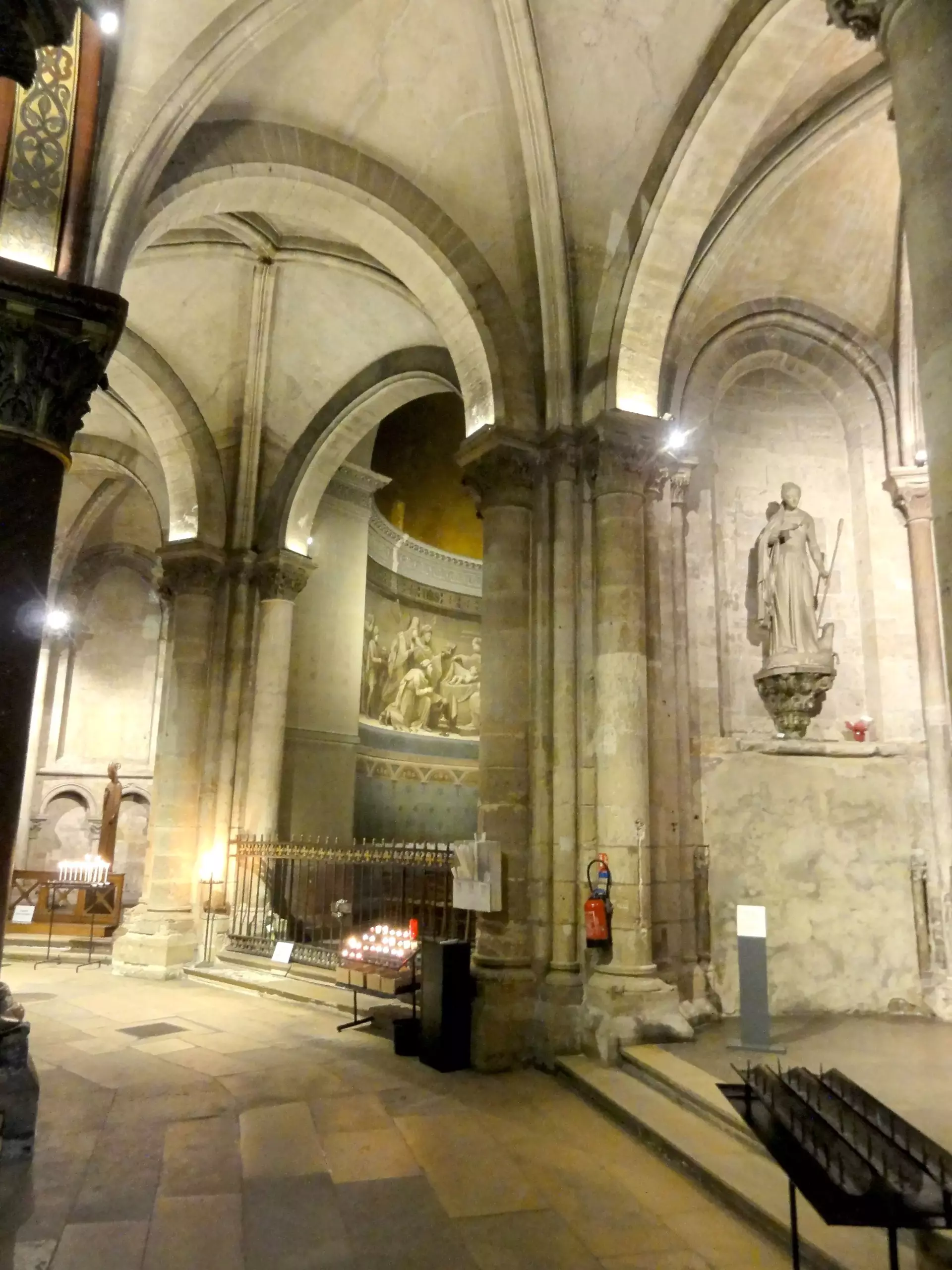
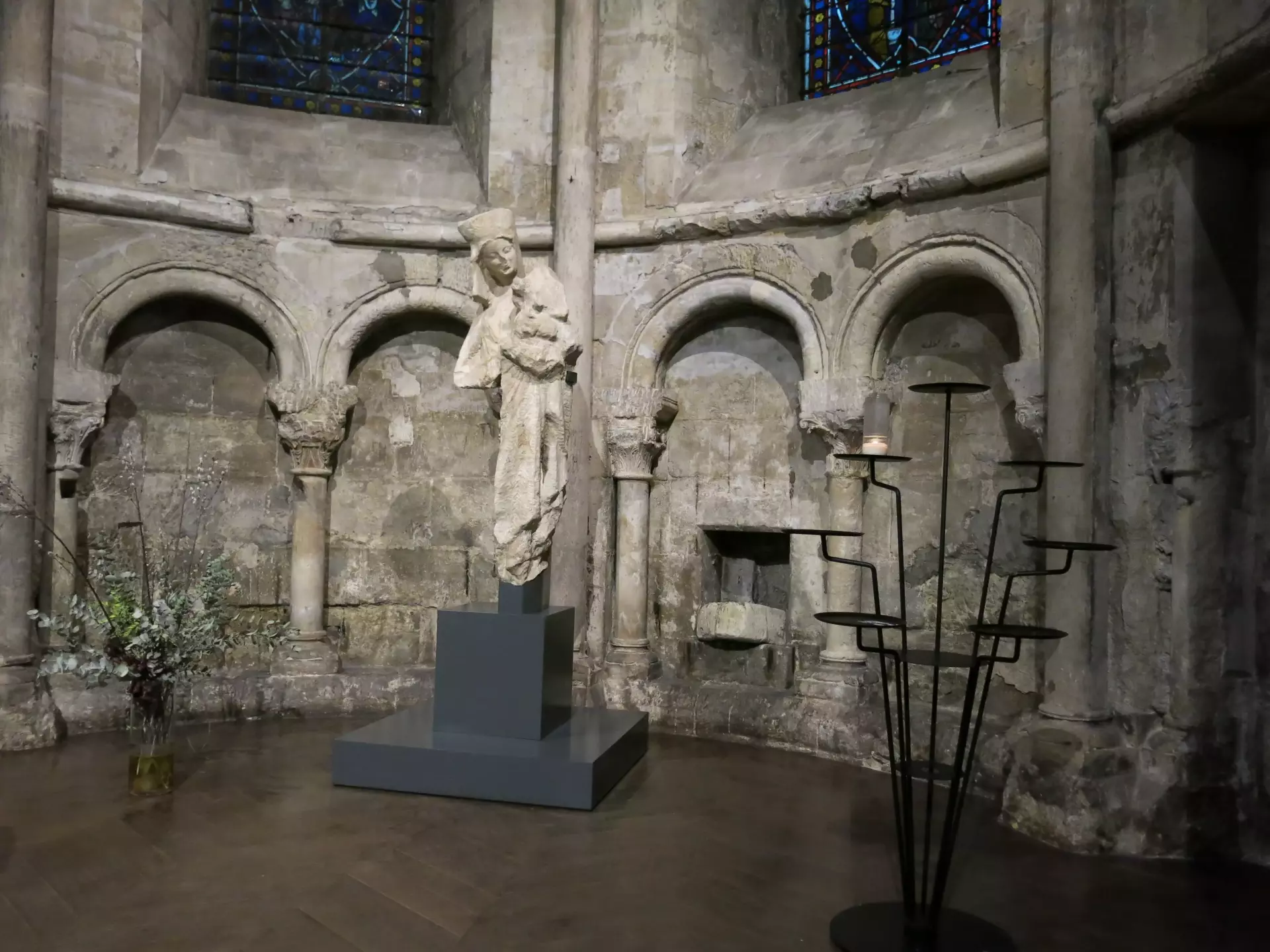
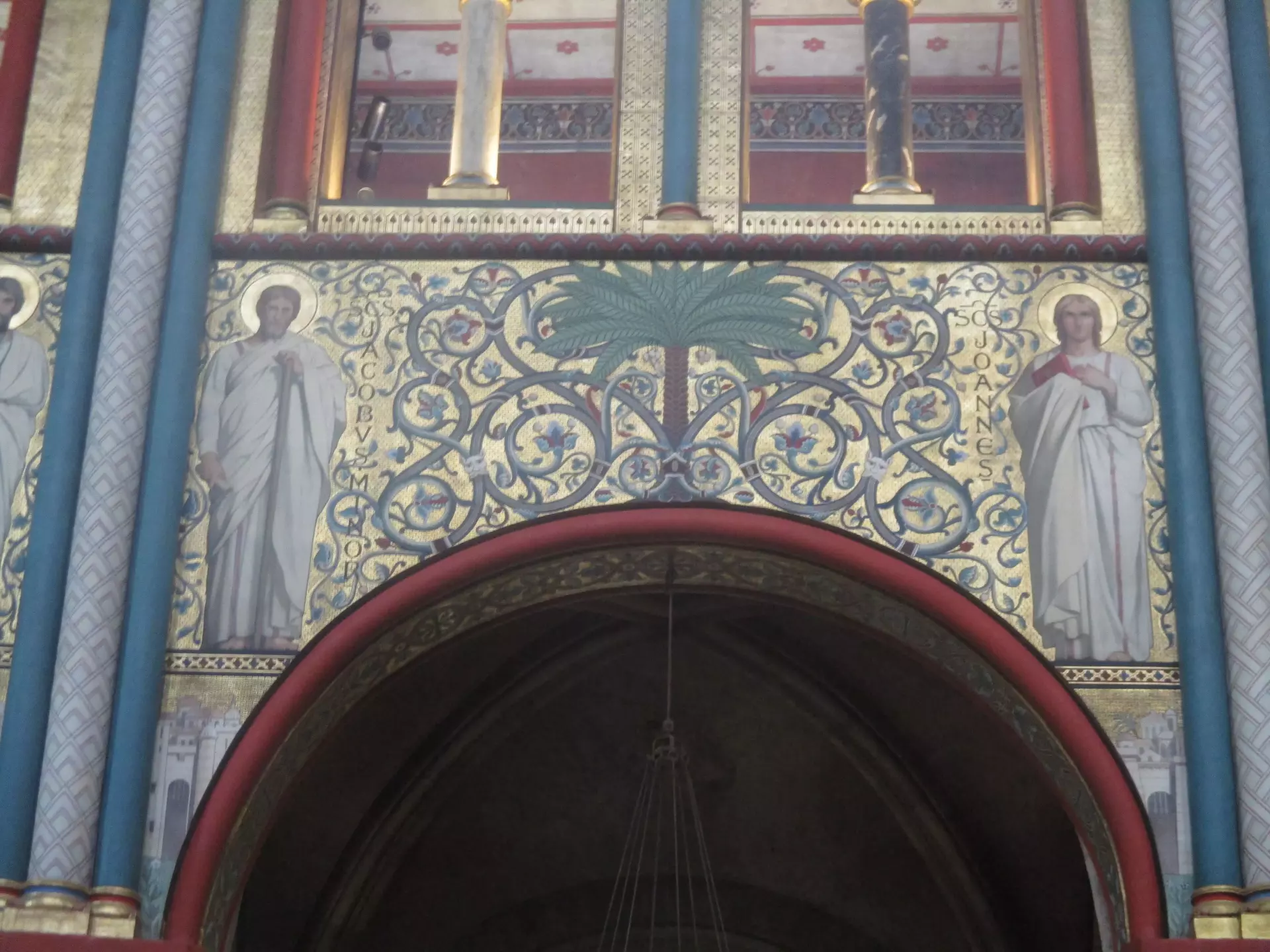
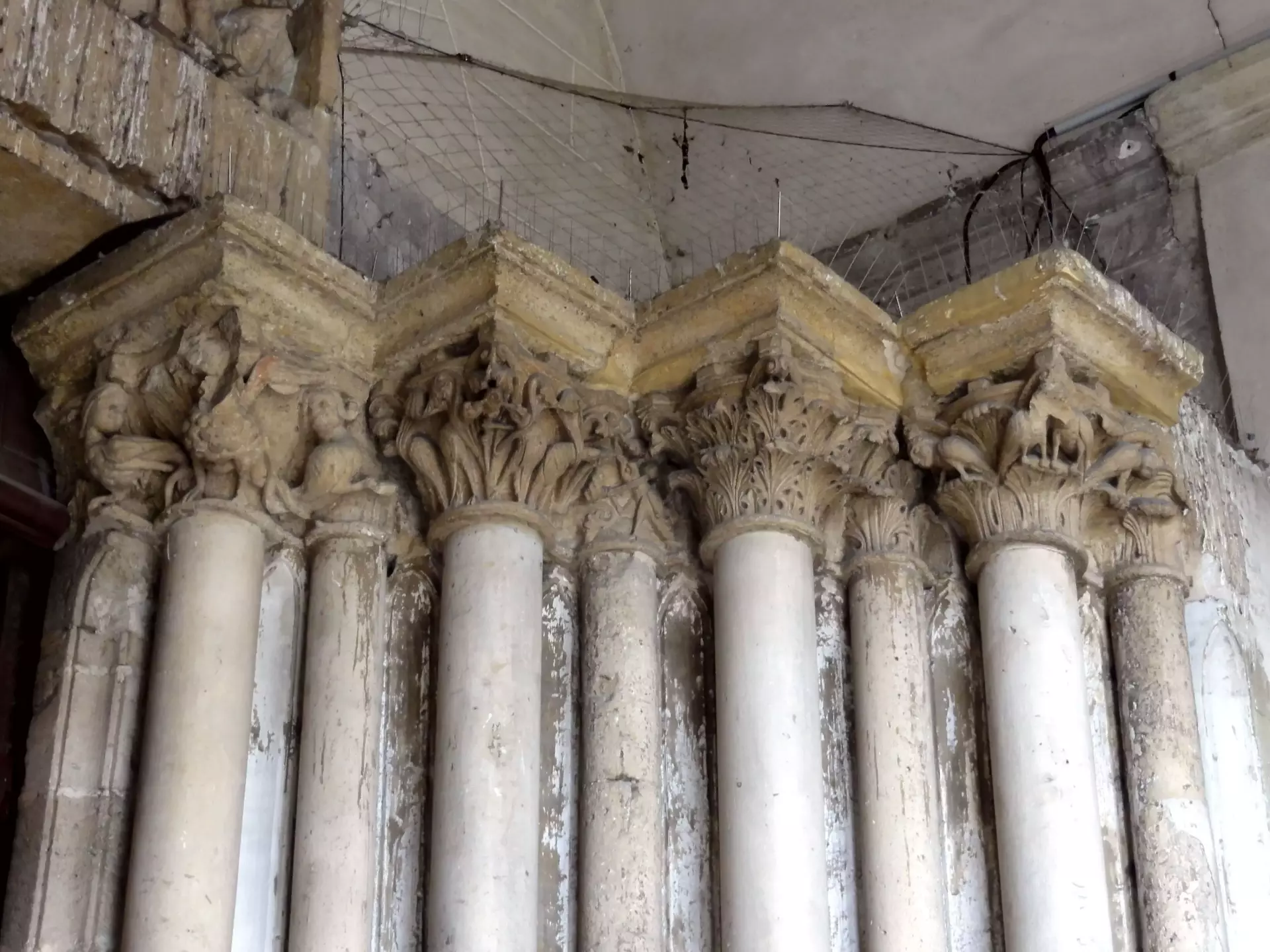
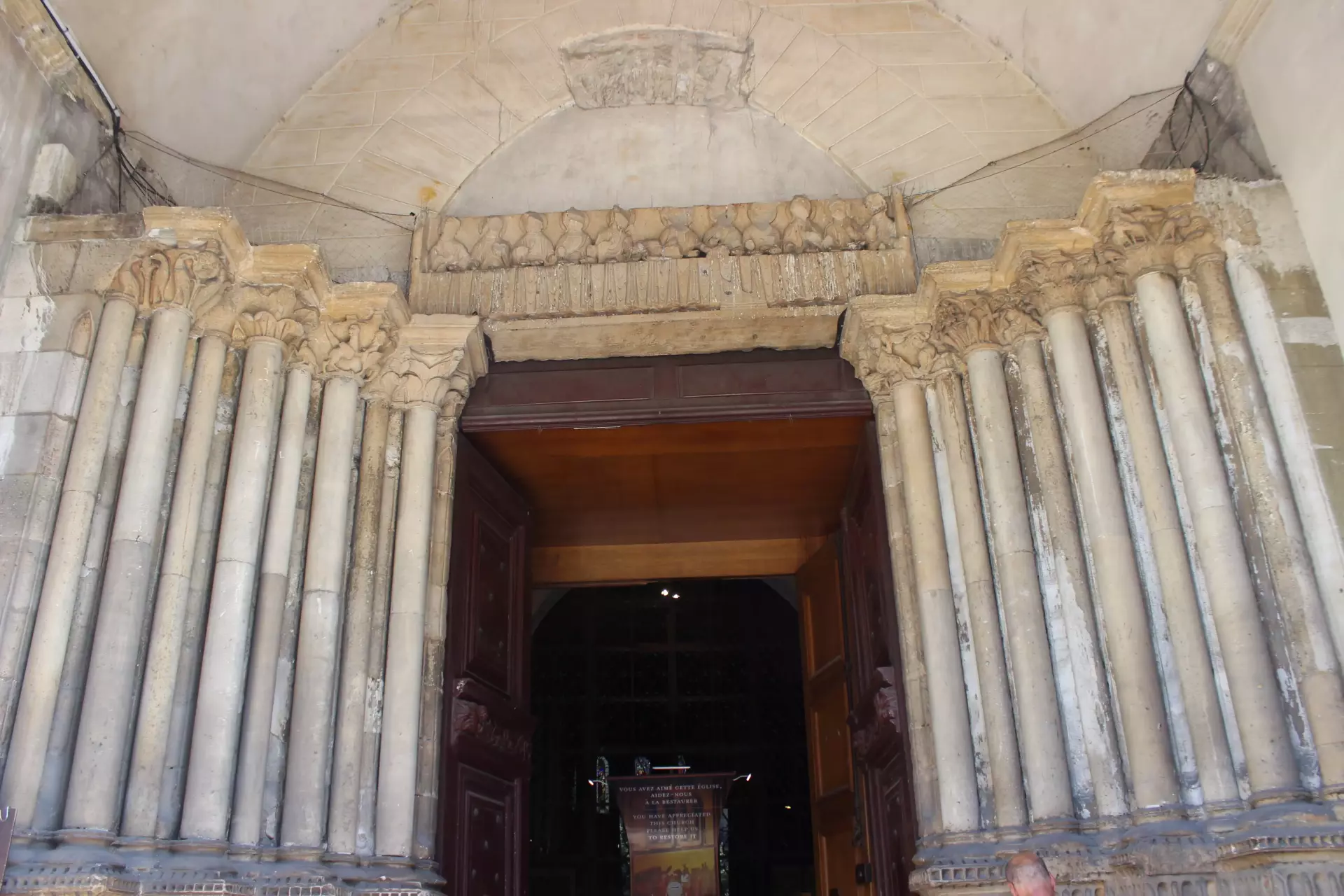
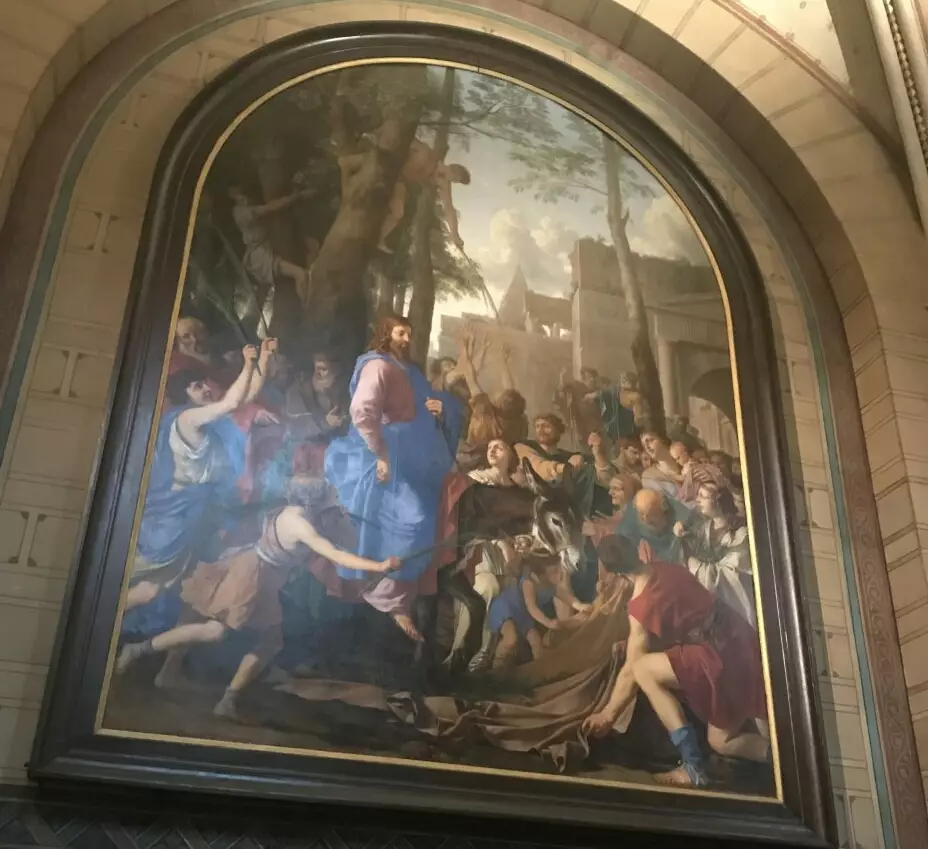
The Abbey of Saint-Germain-des-Prés stands as the oldest church in Paris, with origins dating back to the year 542. It was founded by King Childebert and has witnessed centuries of dramatic history. While its foundations are ancient, most of the church seen today was built in the 11th century, during its time as the heart of a powerful Benedictine abbey.
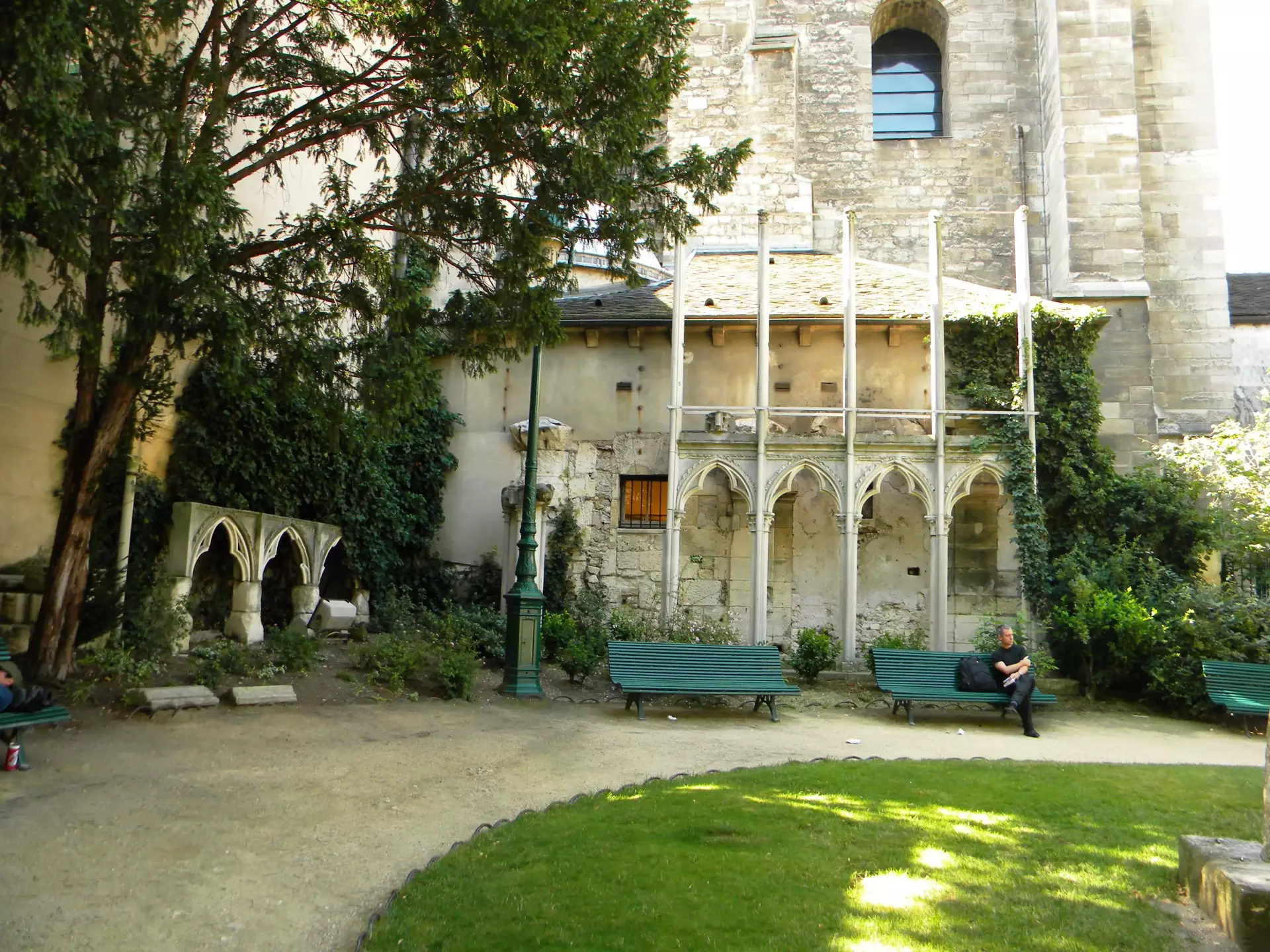
The French Revolution brought significant upheaval to the abbey. In 1794, the monastic community was dissolved, and many of the surrounding buildings were destroyed by fire. Just two years earlier, in September 1792, tragedy struck nearby when a mob killed 318 priests, marking one of the Revolution’s darkest episodes.
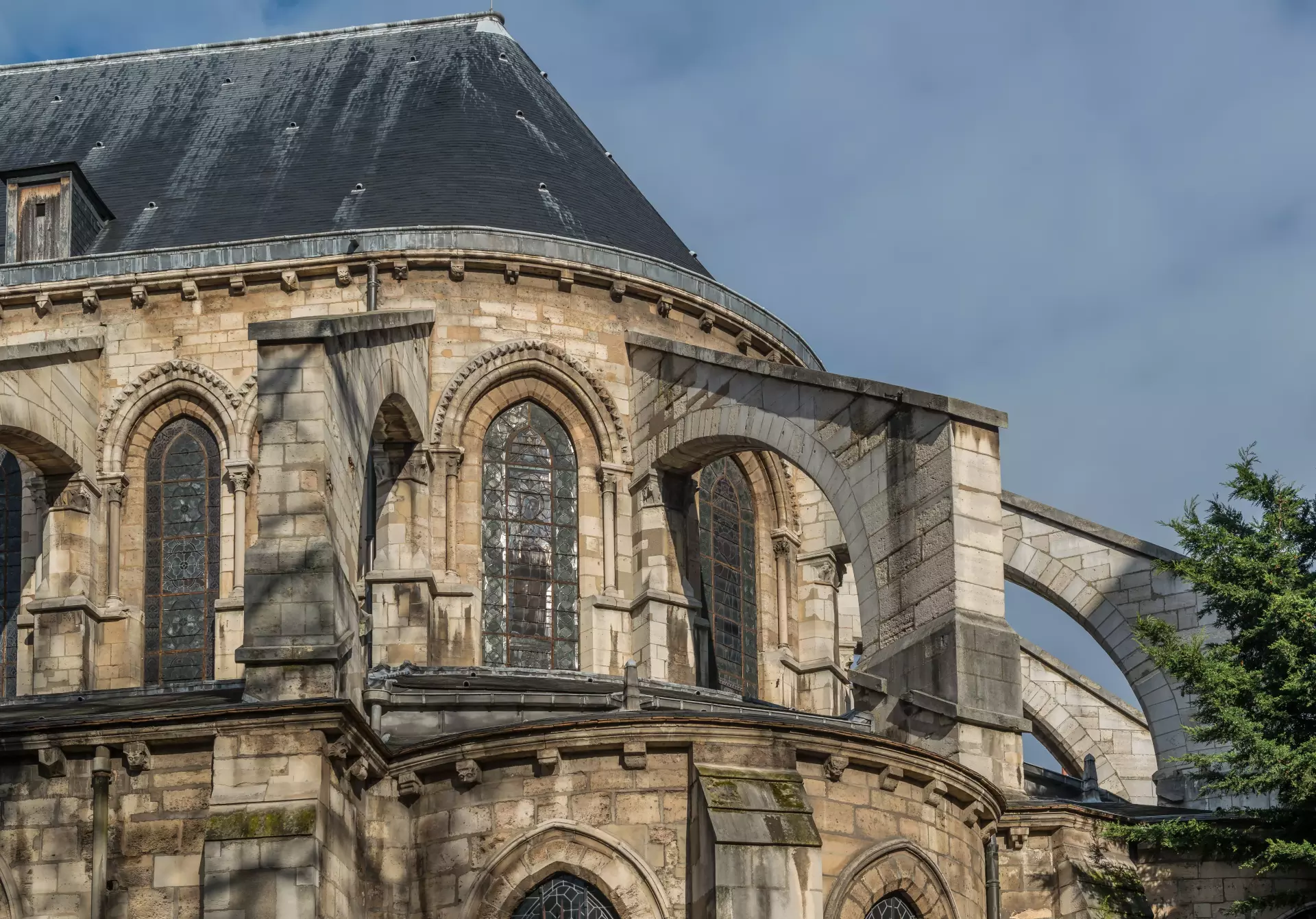
Over time, the church has undergone various restorations, especially in the 19th century. This has helped preserve its unique combination of architectural styles: ancient marble columns from the 6th century, Gothic vaults, and Romanesque arches all stand together under one roof. The blend of styles tells the story of the church’s long and varied past.
The Abbey of Saint-Germain-des-Prés is also known for being the burial site of several famous individuals. Among those laid to rest within its walls are the philosopher René Descartes, poet Nicolas Boileau, and King John Casimir of Poland, who served as abbot of the monastery before his death in 1669.
Source - https://en.wikipedia.org/wiki/Saint-Germain-des-Pr%C3%A9s_(abbey)
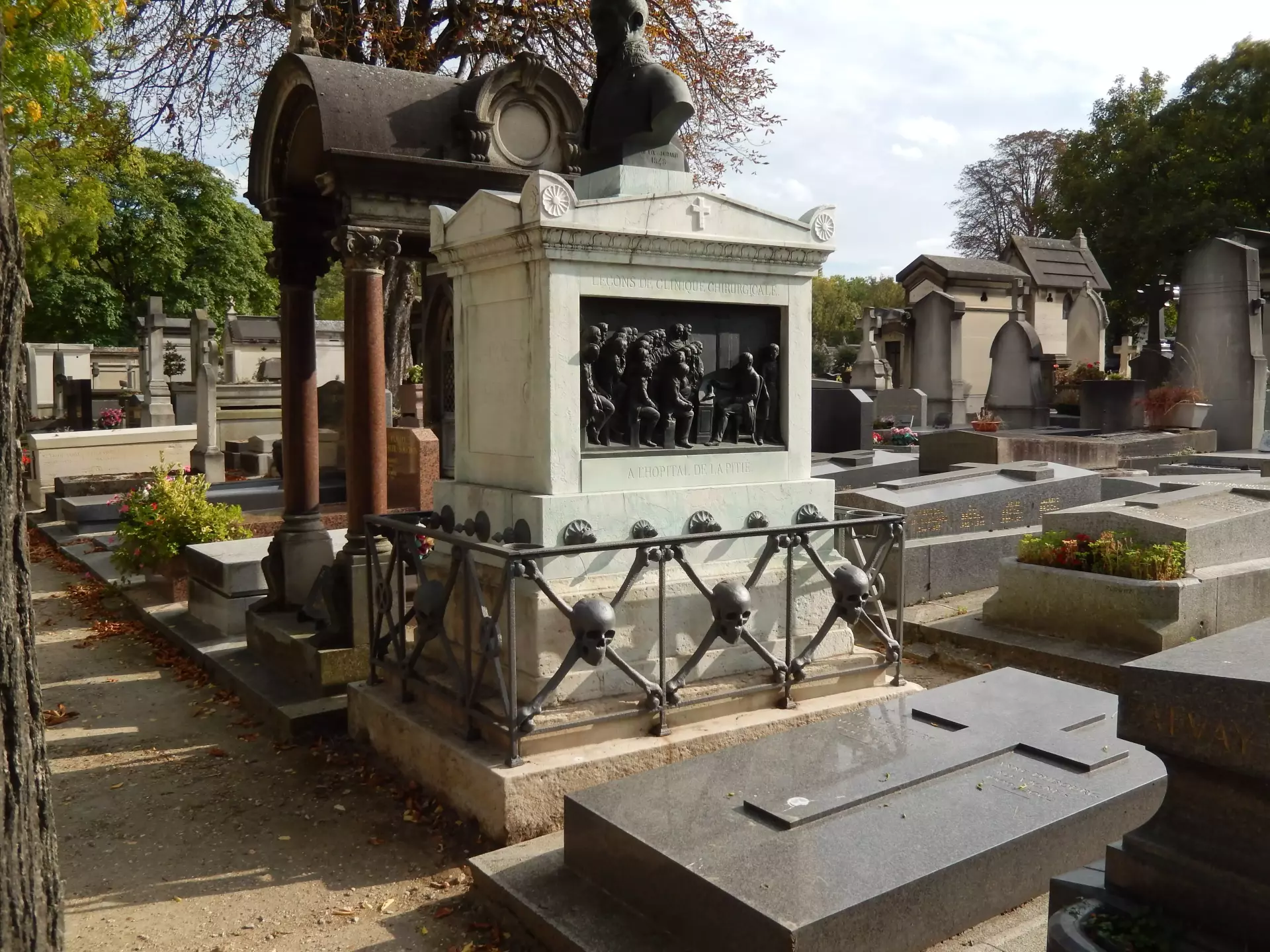
Contained within two historic houses (hotels), the museum explores the history of Paris through objects in over 140 separate rooms.
Try to visit the cabinet des Médailles.
The official residence of the President of France since 1848. Dating to the early 18th century, it contains the office of the President and the meeting place of the Council of Ministers. It is located near the Champs-Élysées in the 8th arrondissement of Paris, the name Élysée deriving from Elysian Fields, the place of the blessed dead in Greek mythology. Not open to the public, except occasionally during the annual National Heritage Days (usually a weekend in mid-September). Important foreign visitors are hosted at the nearby Hôtel de Marigny, a palatial residence.
St. Geneviève was responsible for saving Paris from the Huns in 451 and her shrine in the church has been a popular place of pilgrimage ever since. The church as it stands dates from between 1492 and 1626 and is a mix of Gothic and Renaissance architectural styles. A unique feature is the Renaissance rood screen, the sole survivor in the city.
The magnificent setting of The Phantom of the Opera, the inside is as opulent as the outside. However, since the opening of the Opera Bastille (12th) in 1989, the Palais Garnier has been reserved mostly for dance performances, particularly ballet.
Great perspective on the Eiffel Tower and Left Bank from Place du Trocadéro in between the two buildings of the palais. Former location of the Palais du Trocadéro. It accommodates three museums, an aquarium, and the Theatre Nationale du Chaillot.
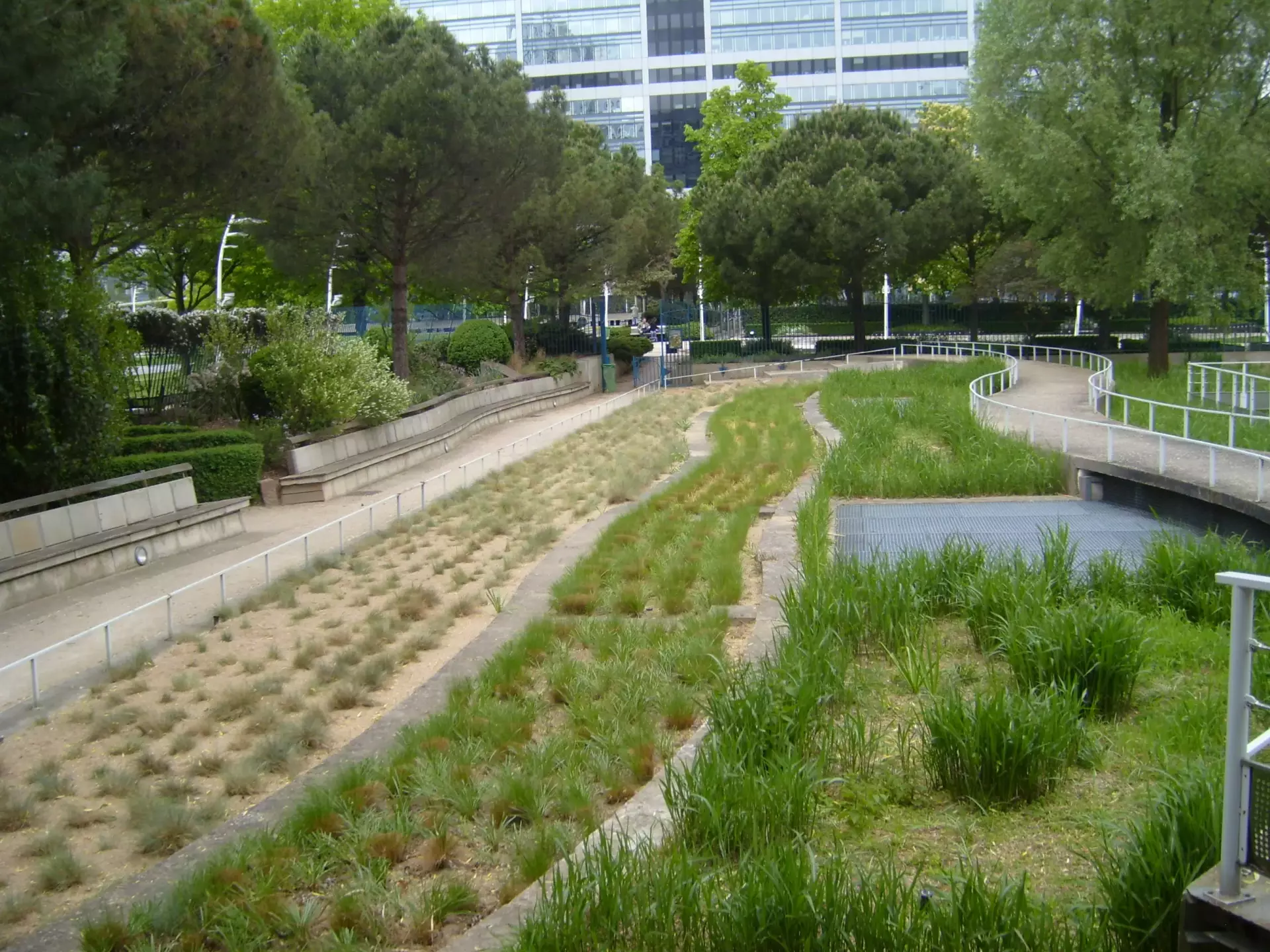
Between the River Seine and the rail yards attached to Gare de Lyon and Gare de Bercy is a green space which would seem pretty huge if the 12th weren't also the home of the Bois de Vincennes. The park is a good place to hang out waiting for the line to form for sporting events and concerts at AccorHotels Arena.
A sculpture by Auguste Rodin in memory of the French novelist Honoré Balzac. The artwork is sometimes considered the first truly modern sculpture.
One of the best-known and most beautiful churches in Paris, in the guise of a Corinthian order classical temple. Construction started in 1764, although the church was not finally consecrated until 1845. The Madeleine has a lavish interior of marble and gold.
It was conceived by Louis XV as a grand neo-classical church honouring St. Geneviève, the patron saint of Paris. After the Revolution, the building was converted into a mausoleum for the great philosophers, military, artists, scientists, and heroes of the French Republic. Occupants of the crypt include Voltaire, Rousseau, Victor Hugo, Zola, the Curies, and Alexandre Dumas (reinterred here in 2002). The view from the dome (206 steps) is marvellous. Check tour departure times at the information desk. A fascinating reconstruction of Foucault's pendulum also hangs within the Panthéon.
The Palais de Tokyo is Paris's largest specialist contemporary art exhibition venue, owned and operated by the national government. The building dates to 1937 and also includes the Museum of Modern Art of the City of Paris.
Built adjoining the now-lost royal palace of the Tuileries, these gardens lying immediately west of the Louvre offer a central open space for Parisians and visitors with semi-formal gardens (an outdoor gallery for modern sculpture), various cafés, ice cream and crépe stalls, and a summer fun fair. The gardens are frequently home to a giant Ferris wheel and enclose the Musée de la Orangerie and the Jeu de Paume.
The largest French museum of Jewish art and history
Private collection of French, Italian, Dutch masterpieces in a typical XIXth century mansion.
Visitable only by reservation and then only one Saturday every month. A richly decorated palace built for Marie de Medici in the early 17th century, which is now the French Senate. For those interested in seeing a Parisian monument normally unavailable to the public, or for those interested in the inner workings of the French Government. The large Luxembourg Garden is open to the public year-round. The garden is home to the Medici fountain, a children's playground, and vintage toy boats for hire that children push around in the Grand Bassin duck pond (a 90-year tradition).
The C.I.U.P. is a student quarter established in 1925, providing homes for about 10,000 students, scientists, and artists from 120 countries. It has 40 houses attributed to individual nations. The individual houses organise top quality cultural and political events. Among the most remarkable buildings are the Fondation Deutsch de la Meurthe, the Heinrich Heine House (Maison Heinrich Heine - Fondation de l'Allemagne), the Swedish Student House (Maison des Etudiants Suédois), and the Swiss Pavilion (Pavillon Suisse) which was built in 1933 on plans of Le Corbusier.