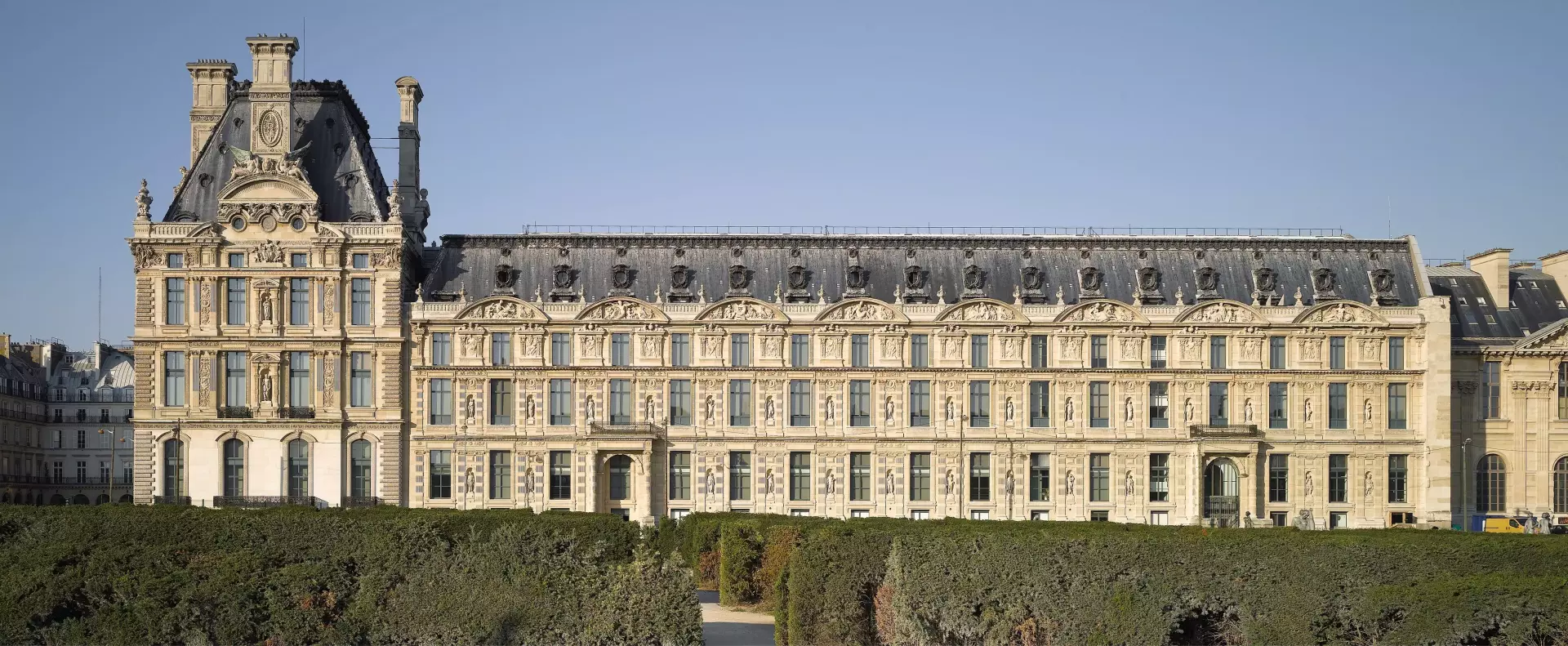
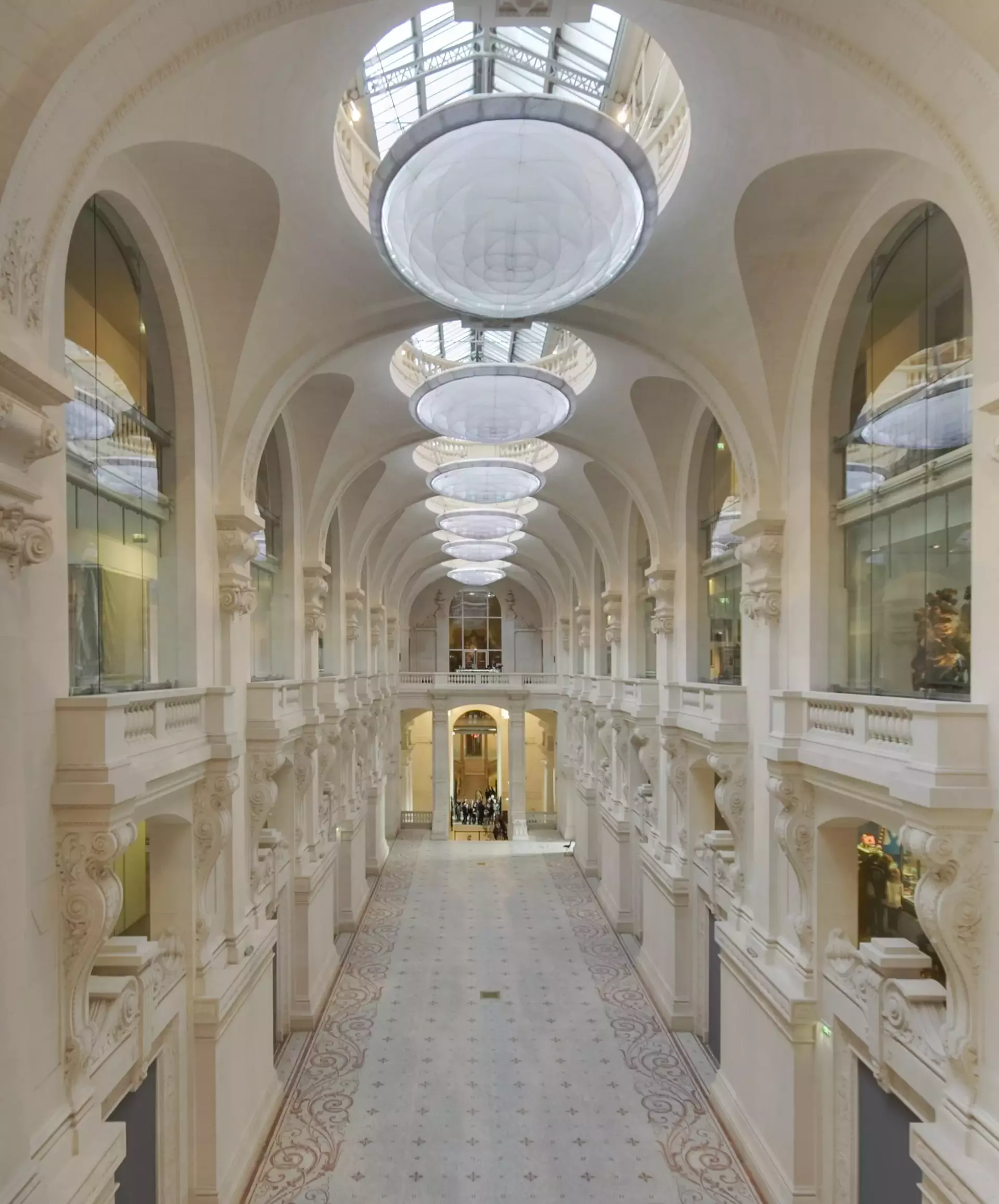
The Musée des Arts Décoratifs stands as a tribute to the French art of living. This museum is located within a beautifully restored 19th-century wing of the Louvre, shining once again in its Beaux-Arts grandeur.
Inside, visitors find galleries and carefully recreated period rooms that display the evolution of French interior decoration. The museum’s collection highlights eight centuries of style and taste, offering a journey through the history of French design. From ornate furnishings to elegant decorative objects, each room tells a story about changing trends in art, culture, and everyday life in France.
Source - https://en.wikipedia.org/wiki/Mus%C3%A9e_des_Arts_D%C3%A9coratifs,_Paris
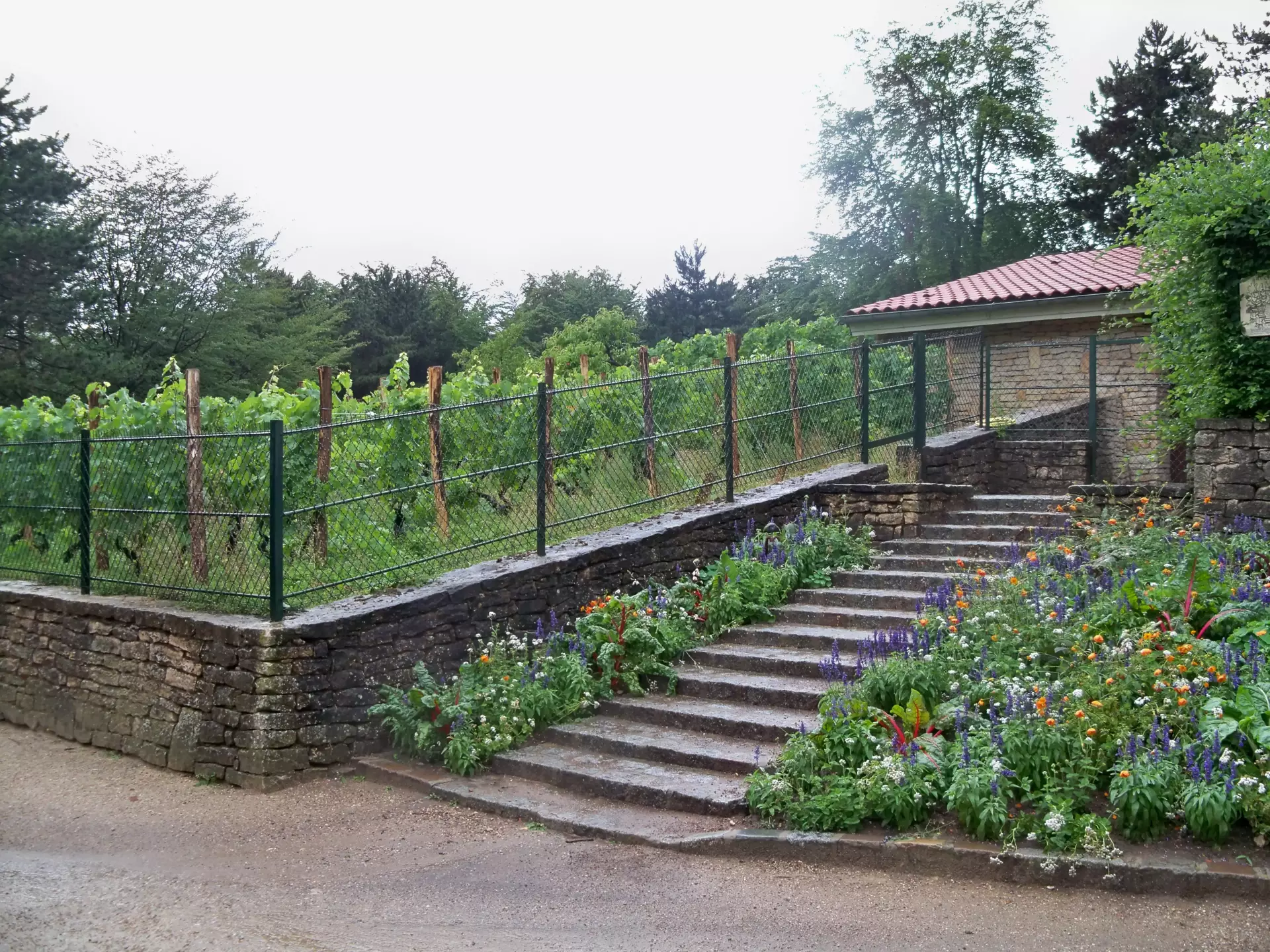
For a taste of the French countryside, a visit to Bercy Village brings to life the spirit of market shopping inside Paris.
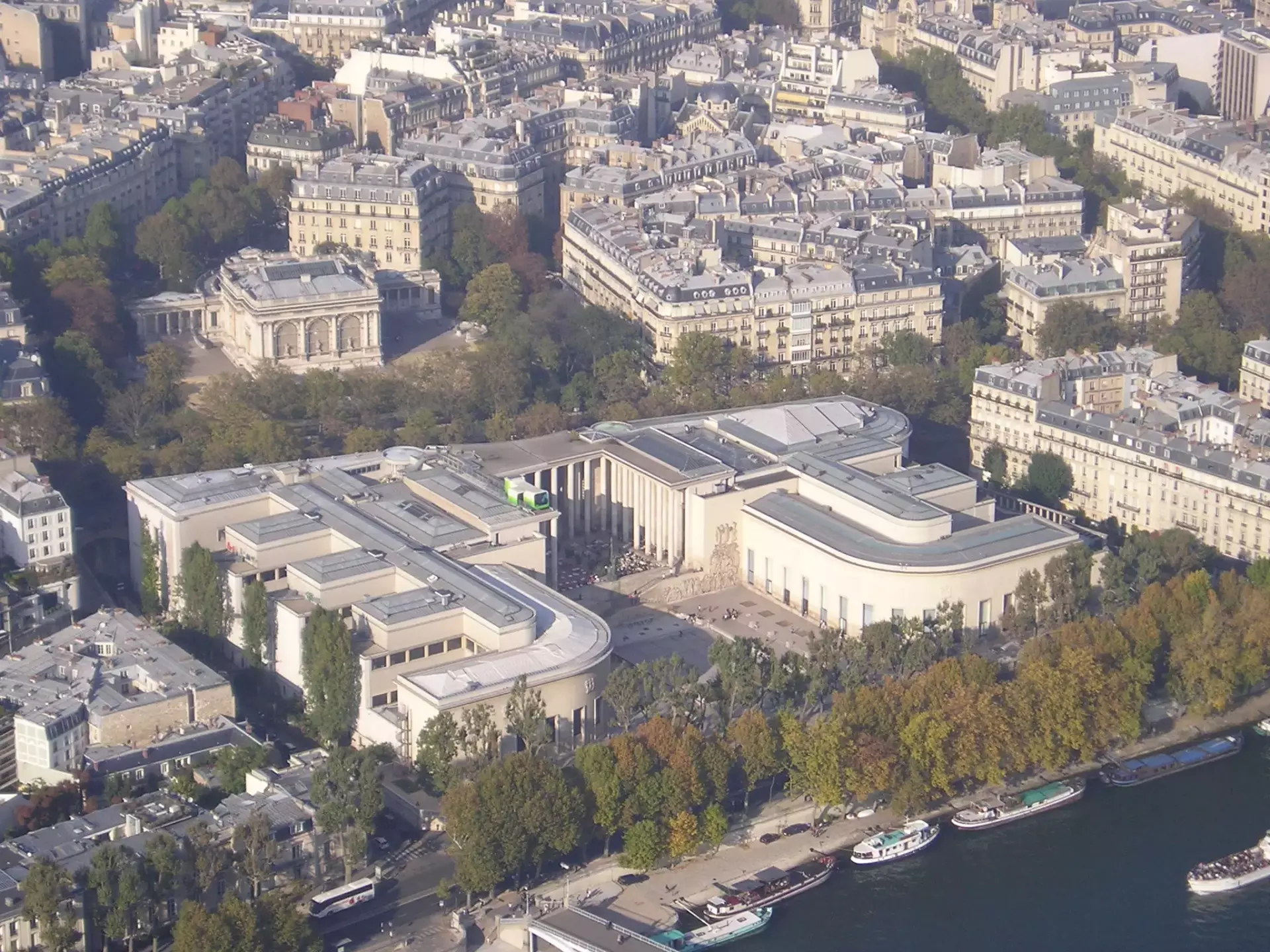
The Palais de Tokyo is Paris's largest specialist contemporary art exhibition venue, owned and operated by the national government. The building dates to 1937 and also includes the Museum of Modern Art of the City of Paris.
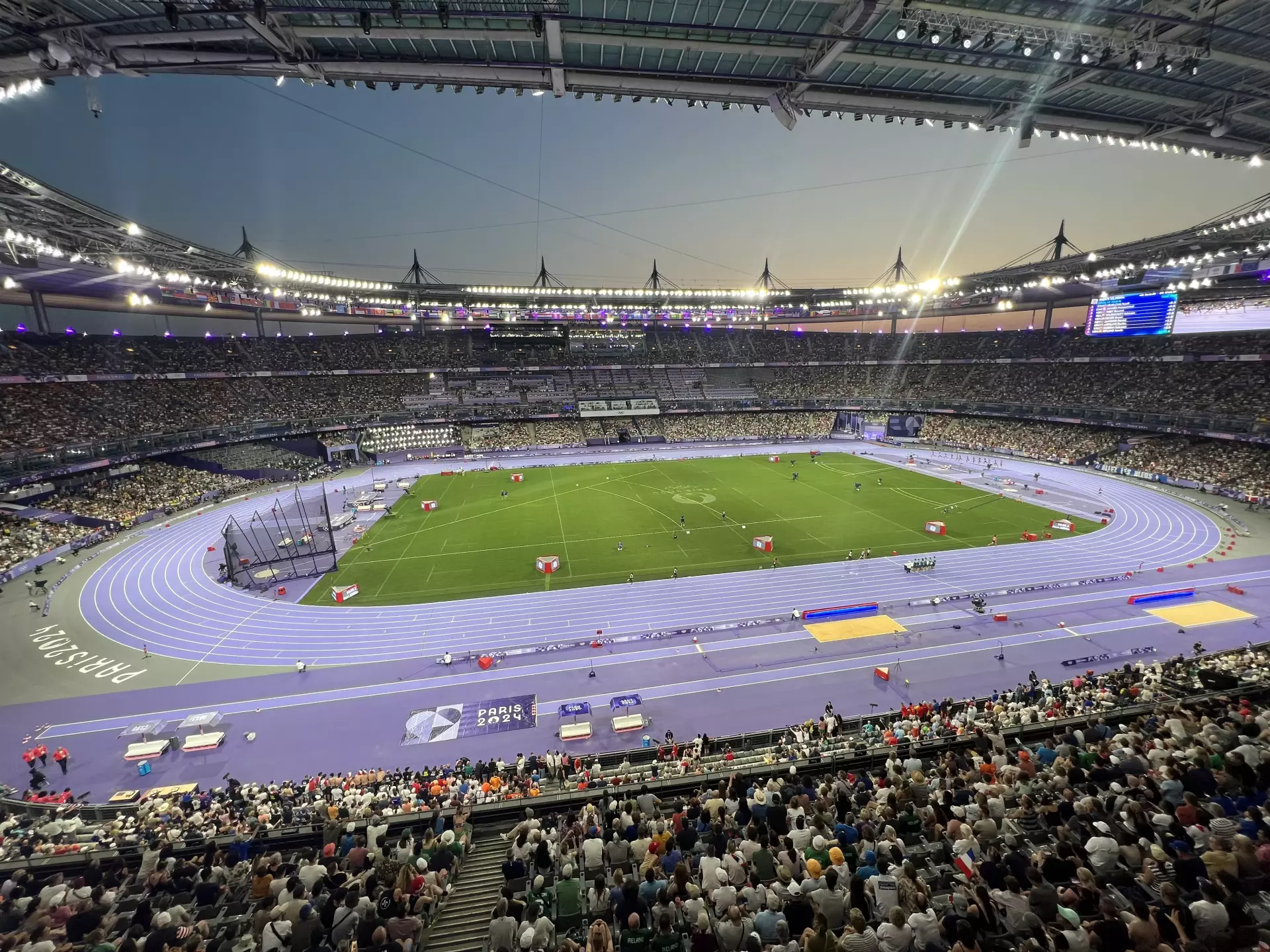
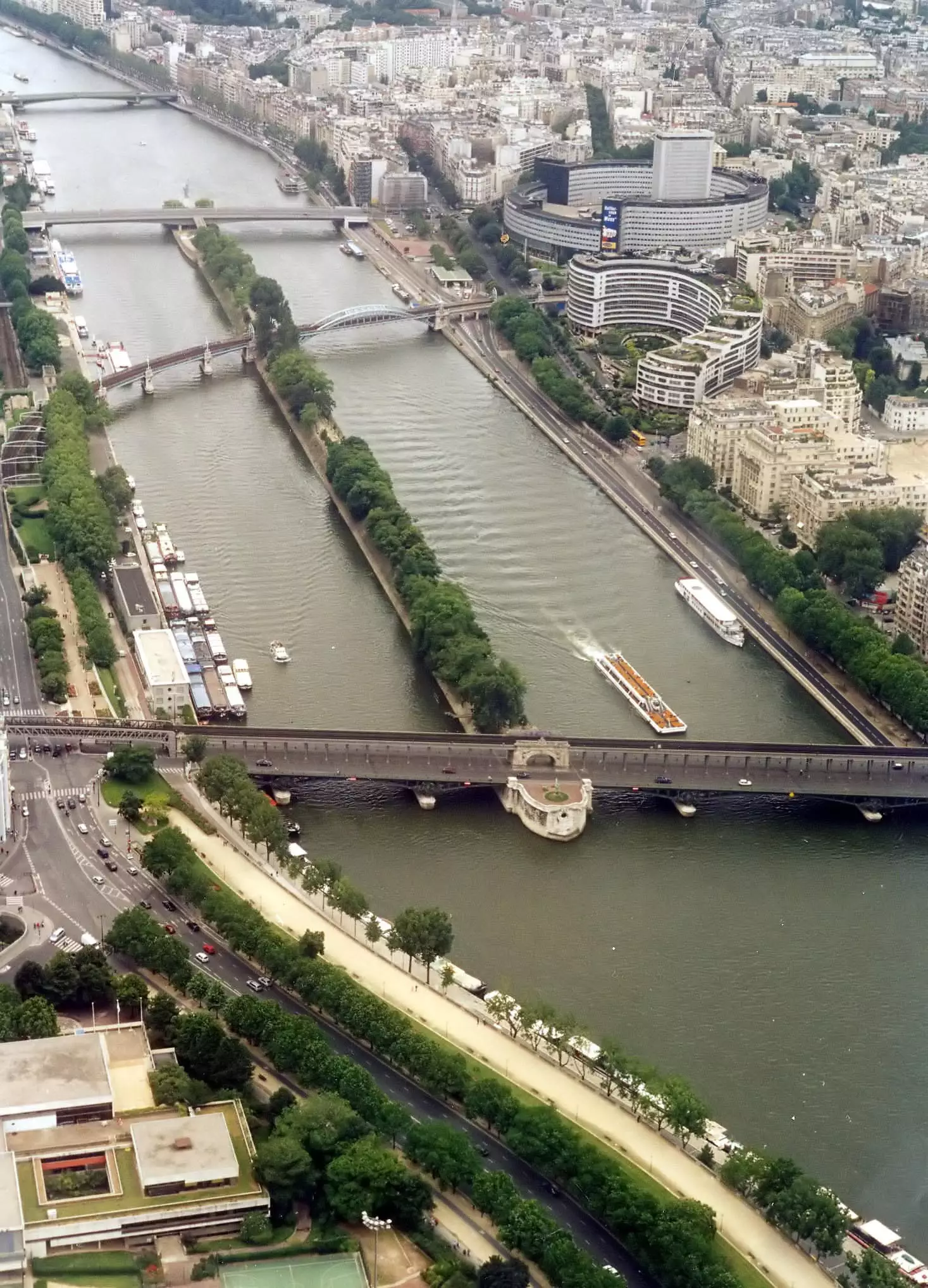
The Stade Charlety is a massive multi-sport arena, hosting football (soccer), tennis, rugby and squash matches.
This charming scientific museum preserves the offices and laboratories of Pierre and Marie Curie, pioneers in the discovery of radioactivity. Their instruments, equipment, and furniture is arranged as it was during their critically important research. Guided tours in English available.
Soaring stained glass windows beaming ample light onto the rich primary colours of the tile mosaics on the floor, this photogenic church was built by the French kings to house the relics of the Crown of Thorns. Make sure you go on a sunny day, as the highlight of this small chapel in Rayonnante Gothic style are the large stained-glass windows which soar up to near the vaulted ceiling. Also of interest is the extremely ornate lower level. If it happens to be rainy or cloudy, give Sainte-Chapelle a miss, as the play of coloured lights on the floor is well worth the wait for a sunnier day. As the chapelle is inside the Courts of Justice, there will thus be a security check.
The burial place of existentialist philosopher Jean-Paul Sartre, feminist Simone de Beauvoir (both of whom lived nearby); musician Serge Gainsbourg; artist Man Ray; the poets Charles Baudelaire, Guy de Maupassant, Charles Sainte-Beuve, and Marguerite Duras; the founders of the Theatre of the Absurd Samuel Becket and Eugene Ionesco; the sculptors Constantin Brancusi and Ossip Zadkine; the composers Camille de Saint-Saens and César Franck; the actors Maria Montez and Jean Seberg; the French officer Alfred Dreyfus; the founder of the Larousse encyclopedia, Pierre Larousse; the industrialist André Citroen, and many others.
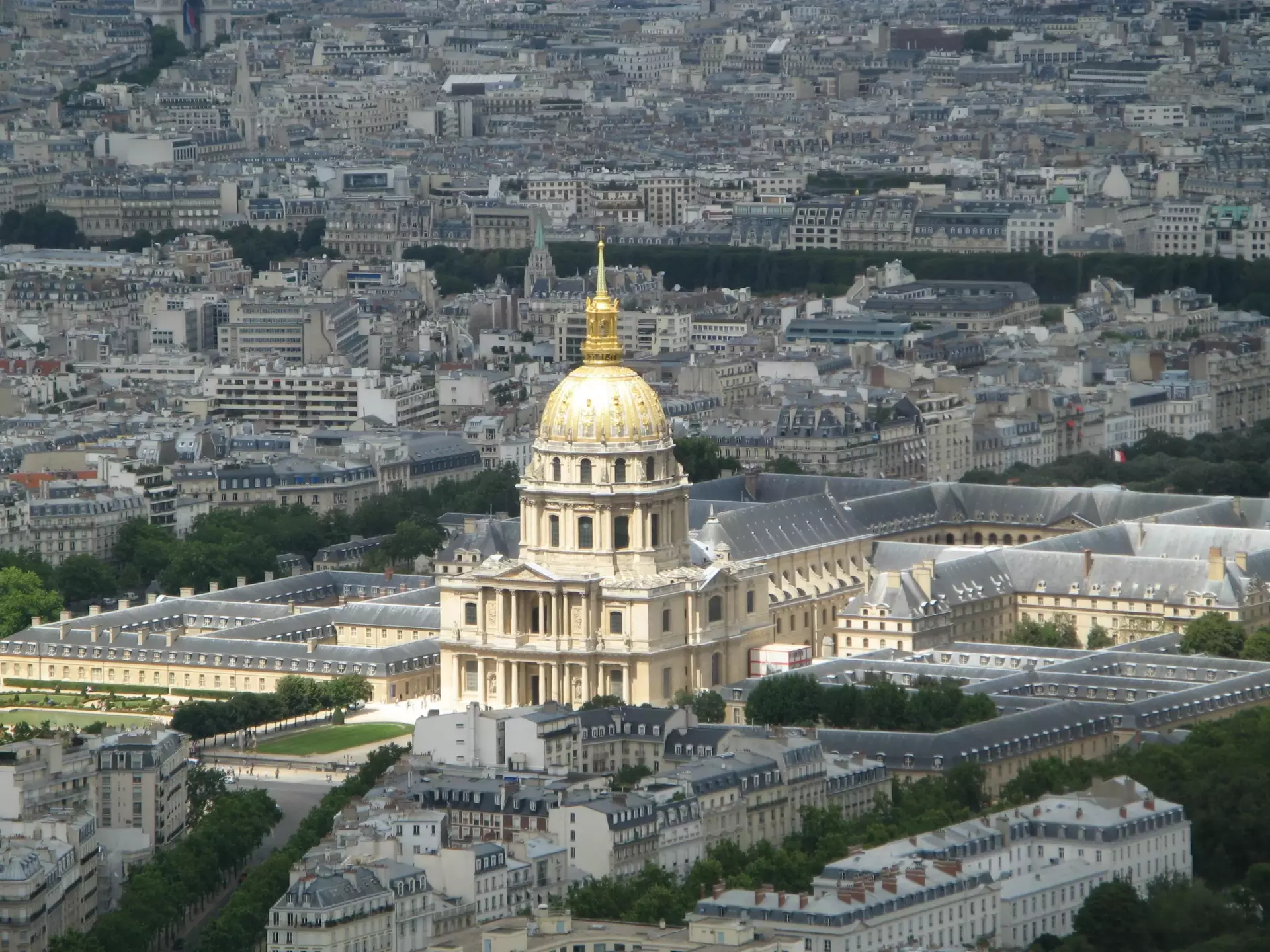
This museum is in the historic Invalides complex and presents the history of the French Army. It is co-located with Napoleon Bonaparte's tomb (entry to which is included in the ticket price). Most of the exhibitions are very old fashioned, and the coverage of the First World War is surprisingly limited. A highlight is the Musée des Plans-Reliefs, which displays painstakingly accurate models of French fortresses and includes its own shop.
A former fortress and royal residence at the edge of the city, alongside the Bois de Vincennes. Most of the building is open to public.
There are a number of famous occupants, but the real reason to visit this cemetery is to see the ornate tombstones, sculptures, and other sometimes macabre, sometimes touching memorials Parisians have left here for their dead.
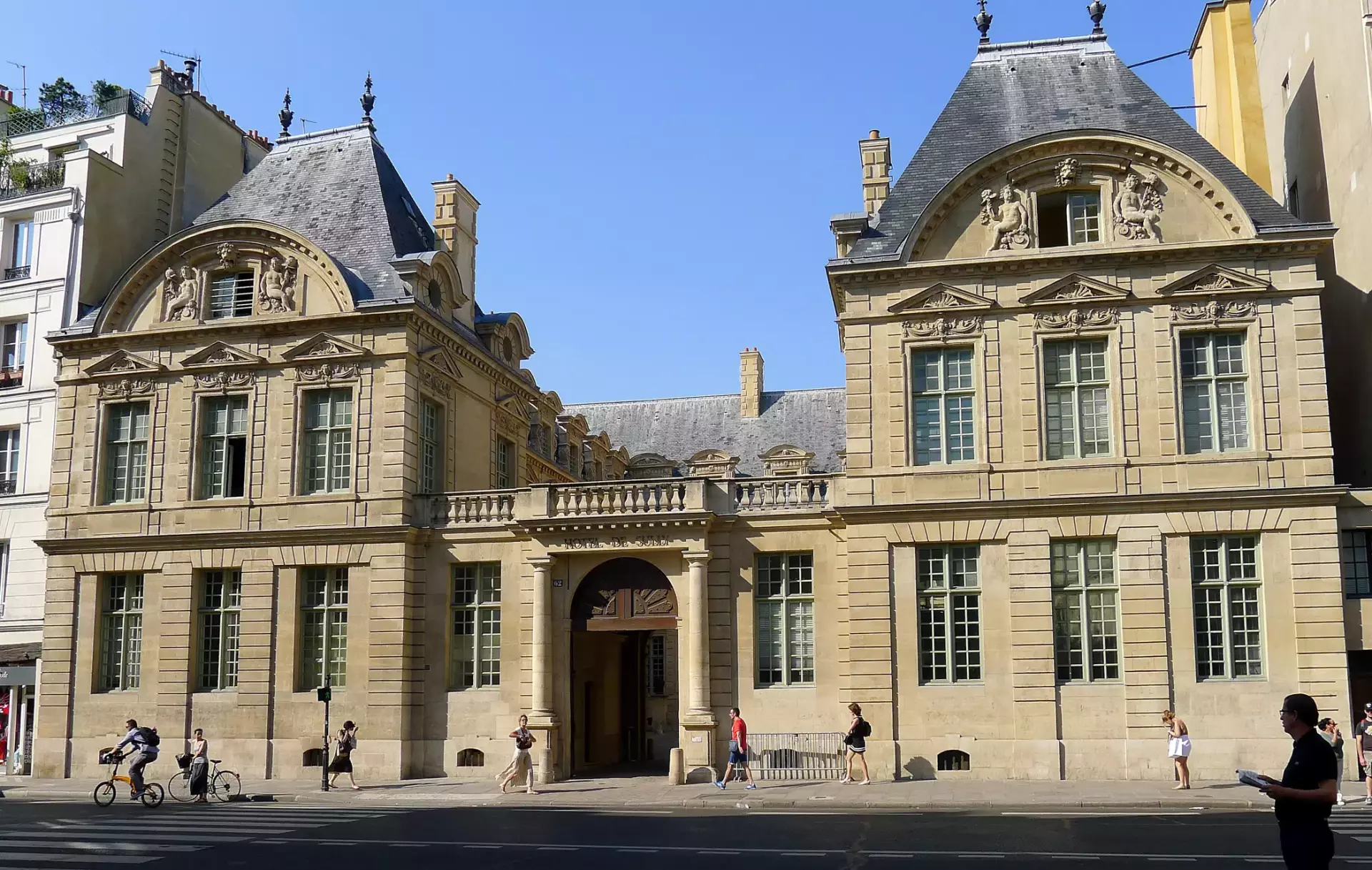
The oldest planned square in Paris, and what many tourists as well as locals consider the heart of the Marais area.
Try to visit the cabinet des Médailles.
This charming museum is owned by the French Académie des Beaux-Arts. Its main collection areas, the result of several large donations, include: First Empire art and furnishings; illuminated manuscripts; and Impressionist art, including the largest Monet collection in the world and works by Renoir, Manet, Morisot, Caillebotte and Gauguin.
The City of Architecture and Heritage, accommodated in the Palais du Chaillot, is a museum and gallery of French architecture. The centrepiece is the spectacular Hall of Casts, a collection of full-size plaster casts of facades, towers, doorways and windows of great buildings from all over France. Architecture of the late 19th, 20th, and 21st centuries is represented by additional galleries of models and images.
Paris's international exhibition centre (the 4th largest in Europe) has millions of visitors annually.
The Paris Botanical Garden, founded as the royal medicinal garden in 1626 by King Louis XIII's doctor, contains over 10,000 species. The grounds also include a small zoo known as La Ménagerie, and the Muséum National d'Histoire Naturelle, which includes the Grande Galerie de l'Evolution (where you can see thousands of naturalized animals from all over the world) and the 'Galerie de paléontologie et d'anatomie comparée' (same thing, but with skeletons).
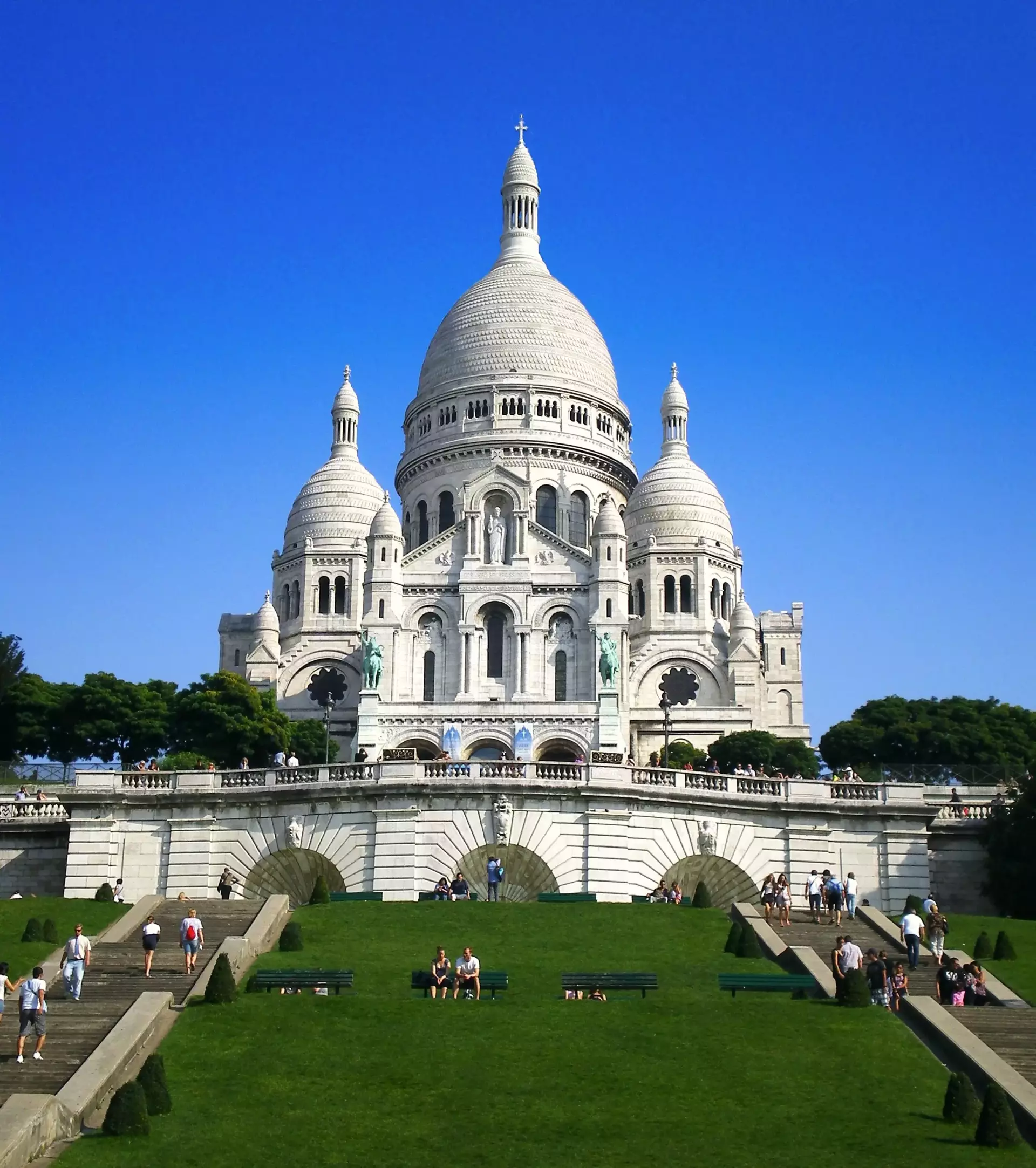
This wedding cake-white church rises visibly above the north part of Paris. The striking building, with its towers and white onion dome (83 m high), was built between 1875-1914 on the birthplace of La Commune, officially as an act of penitence for the sins committed during the civil war in which thousands of Communards were executed, as well as for the previous bloodshed of the 1870 Franco-Prussian war. A number of prominent businessmen put up the money, and a dizzying combination of architects worked to put together the mock Romano-Byzantine extravaganza. Consecration followed in 1919. The view over Paris from the dome and from the square before it (200 m above sea level) is unsurpassed, apart from that enjoyed at the Eiffel Tower (50 km on a clear day). For the athletic traveller there are stairs from several directions to the top of the hill; otherwise there is also a funicular which runs every few minutes during the daytime from Place St. Pierre. Follow the signs that say "Funiculaire De Montmartre". Beware that the guards don't like it if they catch you taking pictures inside and will even yell "No photo!" and chase you down if they see you with a camera. Be warned: along the lower steps leading up to church, groups of mostly young African men gather and reach toward you with a small string, offering to loop it round your finger. In case it happens, pull back your hand, brush them off and move on. They might claim that "This is for the church." In case your feel that things go sideways, raise your voice to get people's attention and ask them call the police.
Those who are unfamiliar with conceptual art sometimes don't know quite what to expect, or how to approach it. Such travellers should rest assured that the curators at the Pompidou Centre have assembled a marvellous introduction consisting of mostly approachable works which delight, amuse, and entertain. The art is far from the only reason for a visit, as the building also contains a vast public library and a fine restaurant (run by the Costes brothers) on the roof. In fact the place is literally surrounded by some of the nicest pavement cafés in the city, in its superb location between the car-free above ground part of Forum Les Halles and the Marais art district.