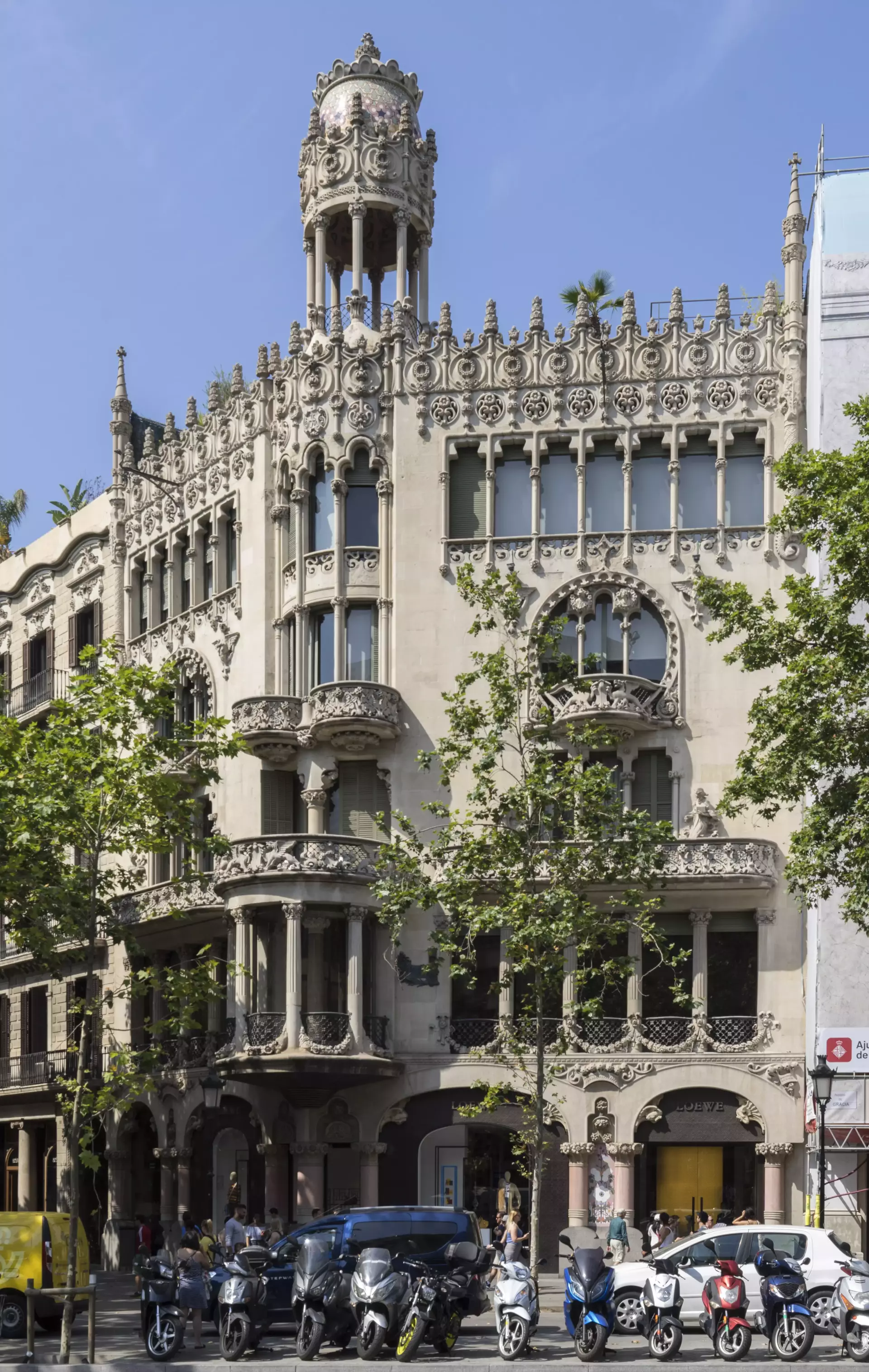
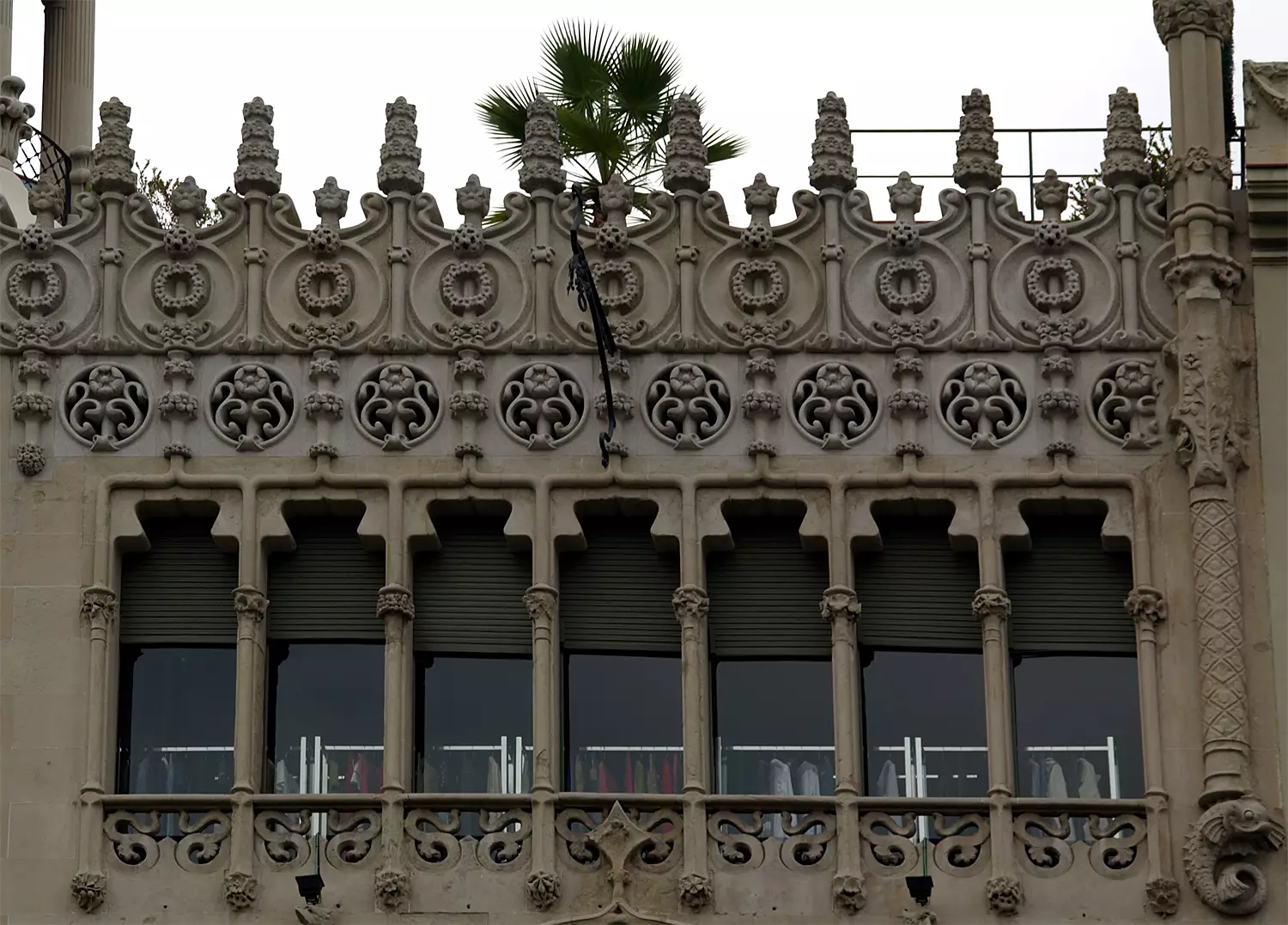
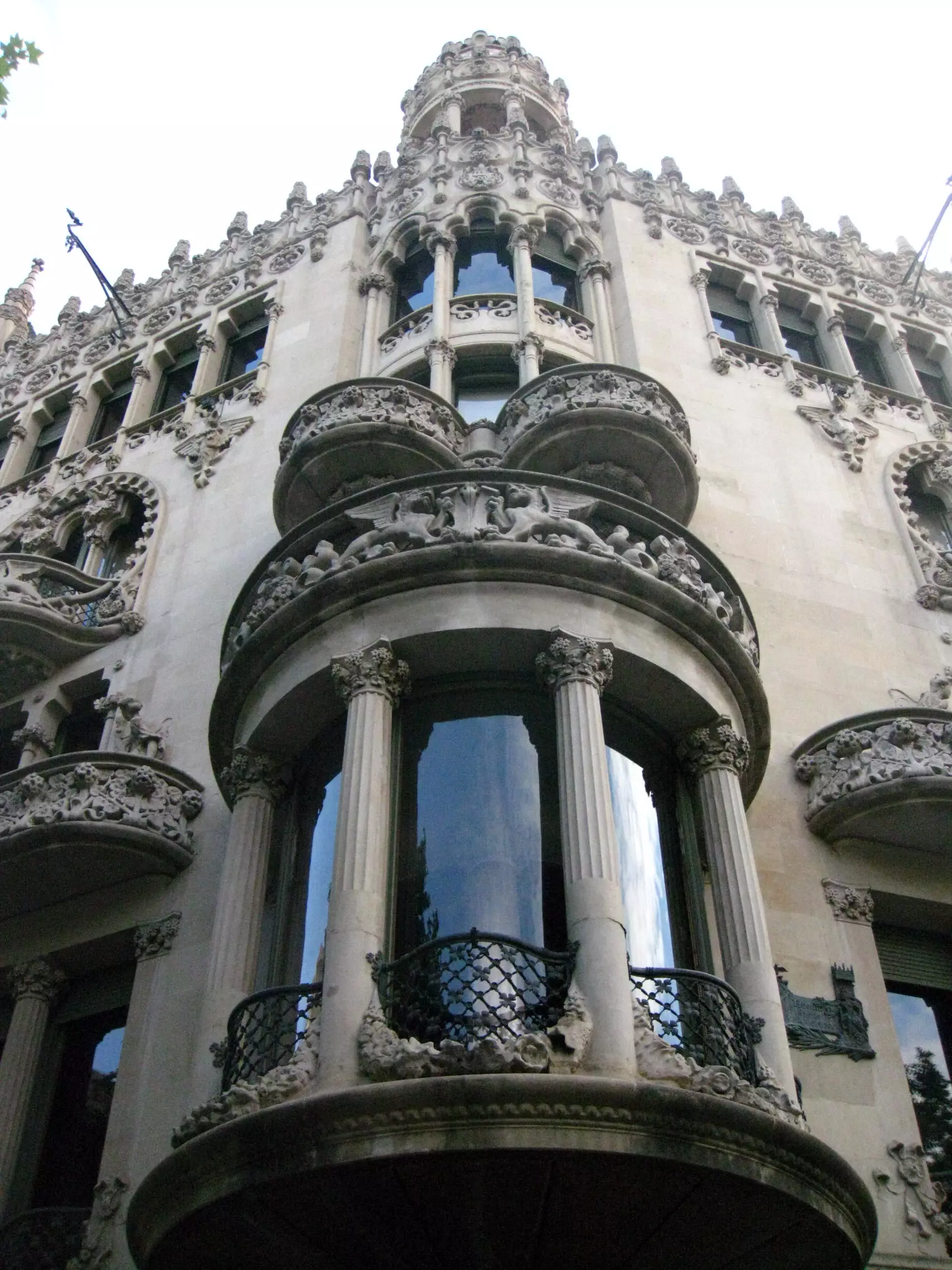
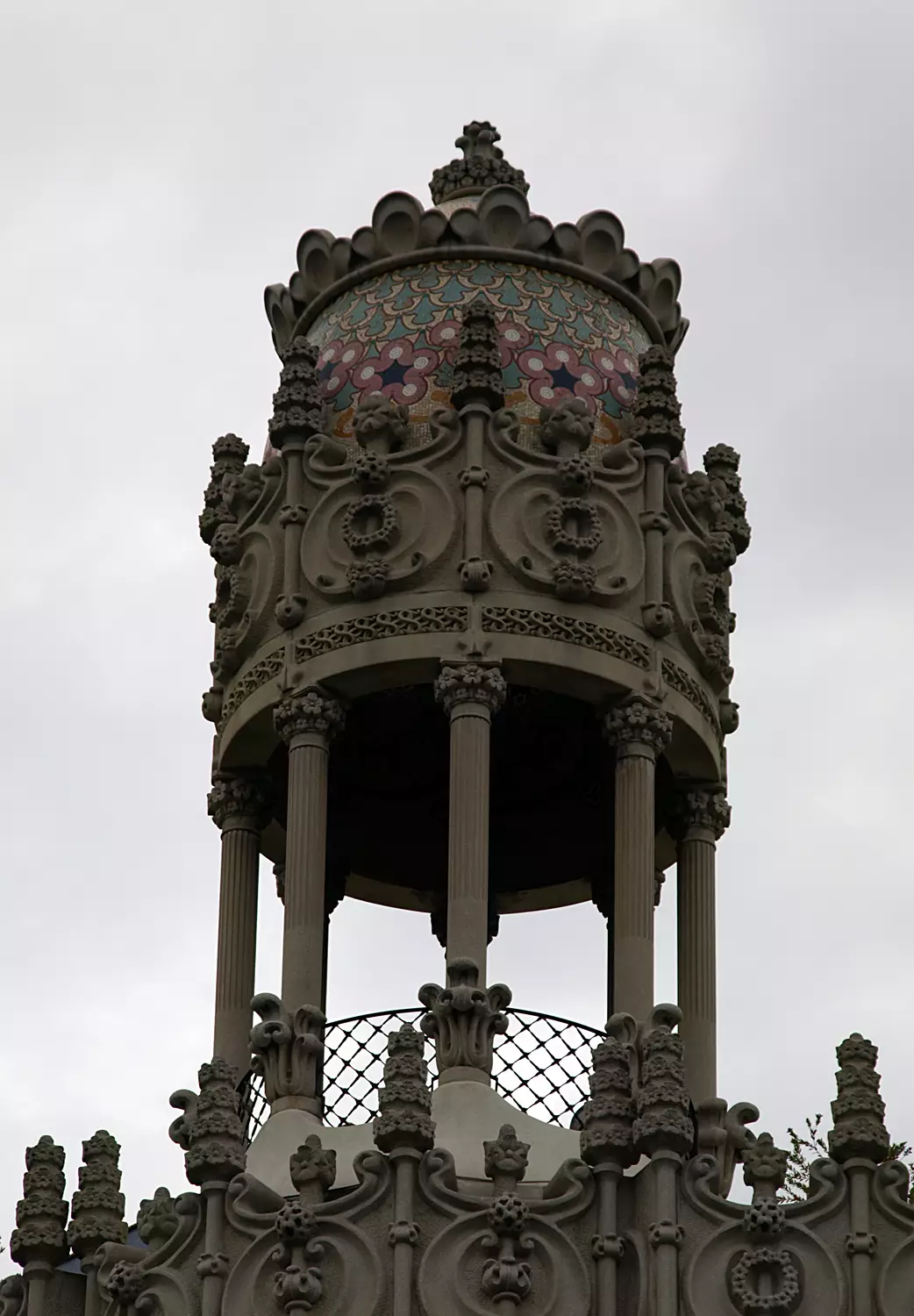
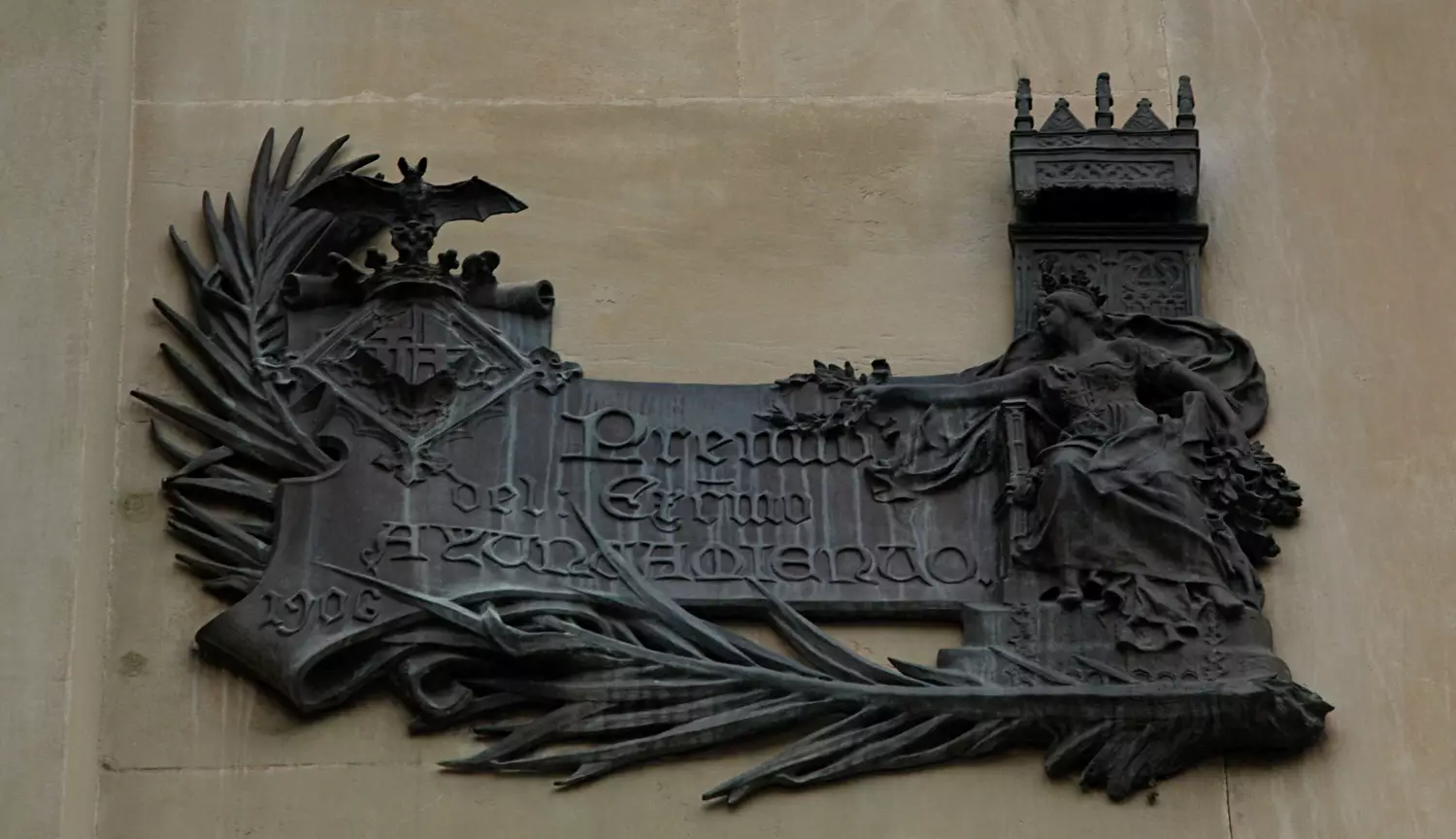
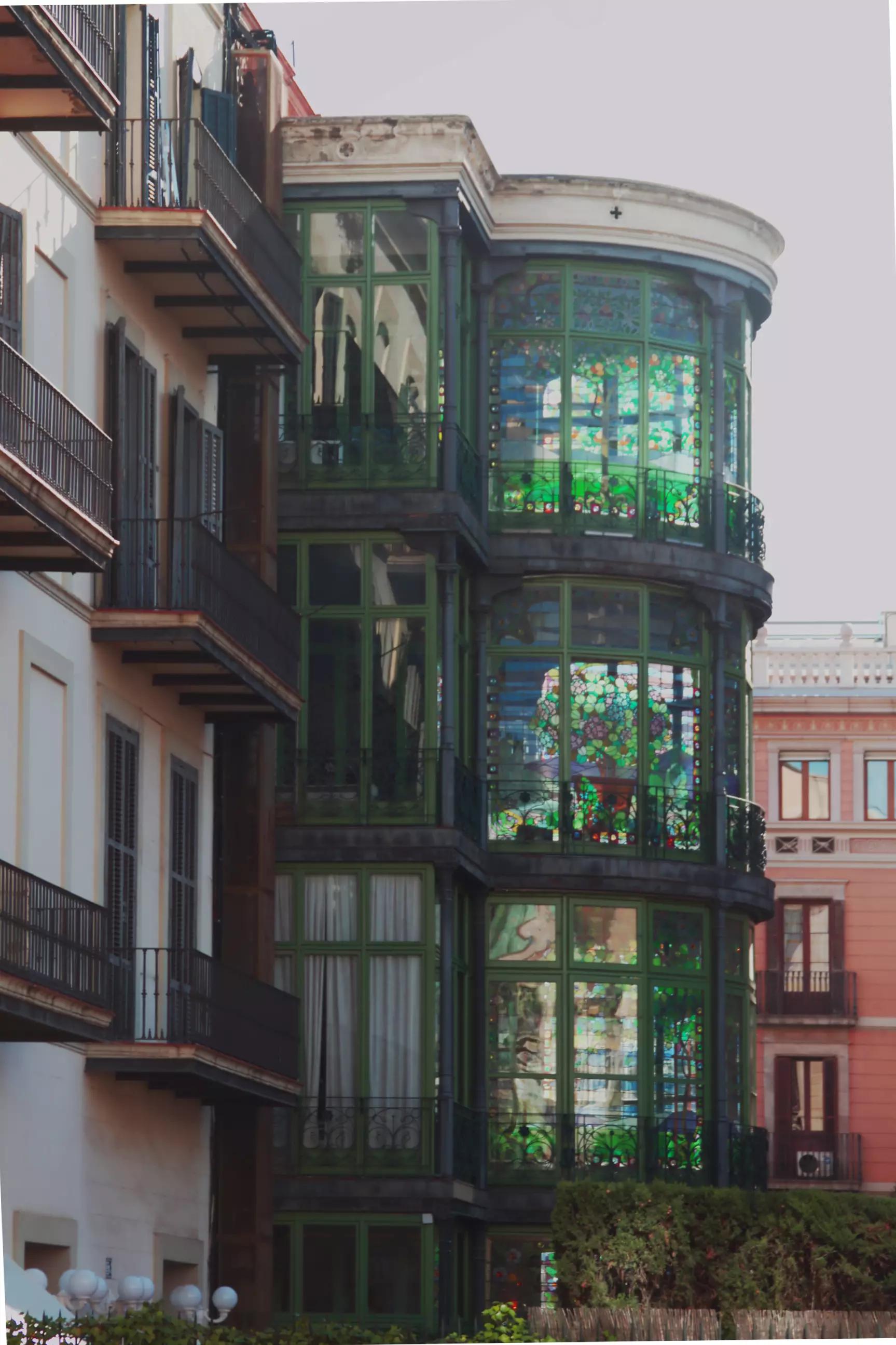
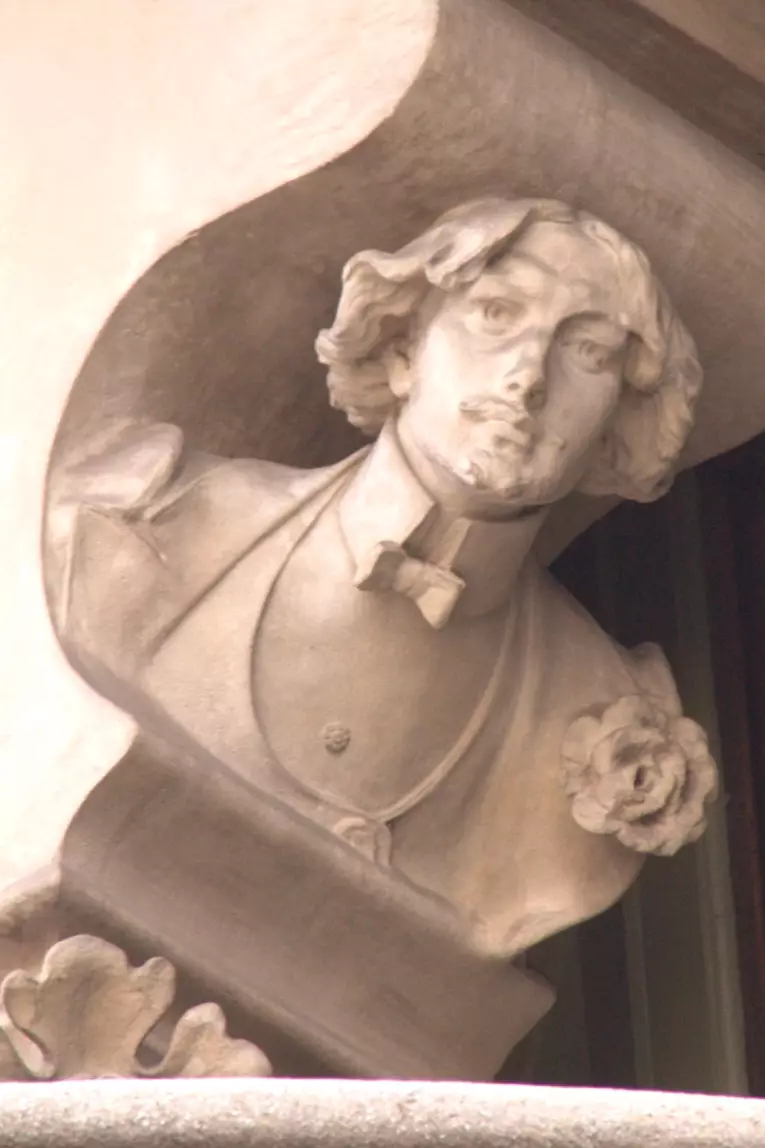
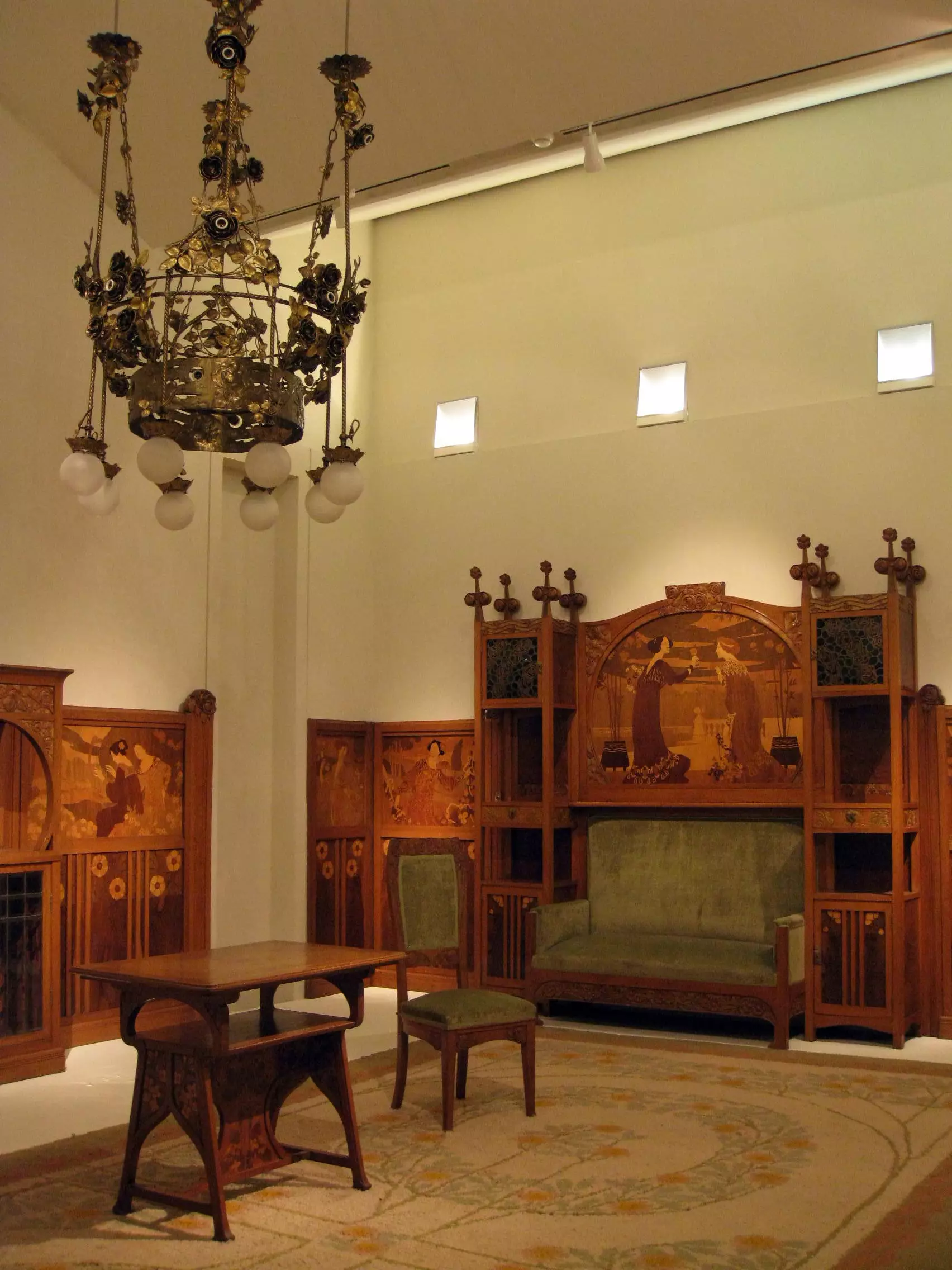
In the bustling city of Barcelona, amidst the grandeur of the Eixample district, stands an architectural masterpiece - Casa Lleó Morera. This building is a shining example of how architecture can be both functional and a work of art. Designed by the renowned Catalan architect Lluís Domènech i Montaner, it captures the essence of Catalan Modernisme, a style that flourished in the late 19th and early 20th centuries.
Casa Lleó Morera is located on the famous Paseo de Gracia, a street known for its elegance and architectural wonders. This street is home to many of Barcelona's most iconic buildings, each telling its own story through intricate designs and unique facades. Walking down this avenue feels like stepping into an open-air museum, where history and art blend seamlessly with the modern cityscape.
The facade of Casa Lleó Morera is adorned with exquisite decorations, from floral motifs to intricate sculptures. The attention to detail is breathtaking, with every element contributing to the harmonious design. The building's interior is equally impressive, featuring stained glass windows, detailed mosaics, and finely crafted woodwork that reflect the artistry of the era.
This architectural gem is a testament to the skill of the artisans who brought Domènech i Montaner's vision to life. The craftsmanship displayed in Casa Lleó Morera highlights the collaboration between architects and craftsmen during the Modernisme movement, emphasizing the importance of artistry in everyday structures.
Casa Lleó Morera is more than just a building; it is a symbol of a cultural and artistic revolution. It stands as a lasting legacy of the Modernisme movement, showcasing how architecture can transcend functionality to become a form of artistic expression. This building continues to inspire awe and admiration, drawing visitors from around the world to witness its beauty.
Source - https://en.wikipedia.org/wiki/Casa_Lle%C3%B3_Morera
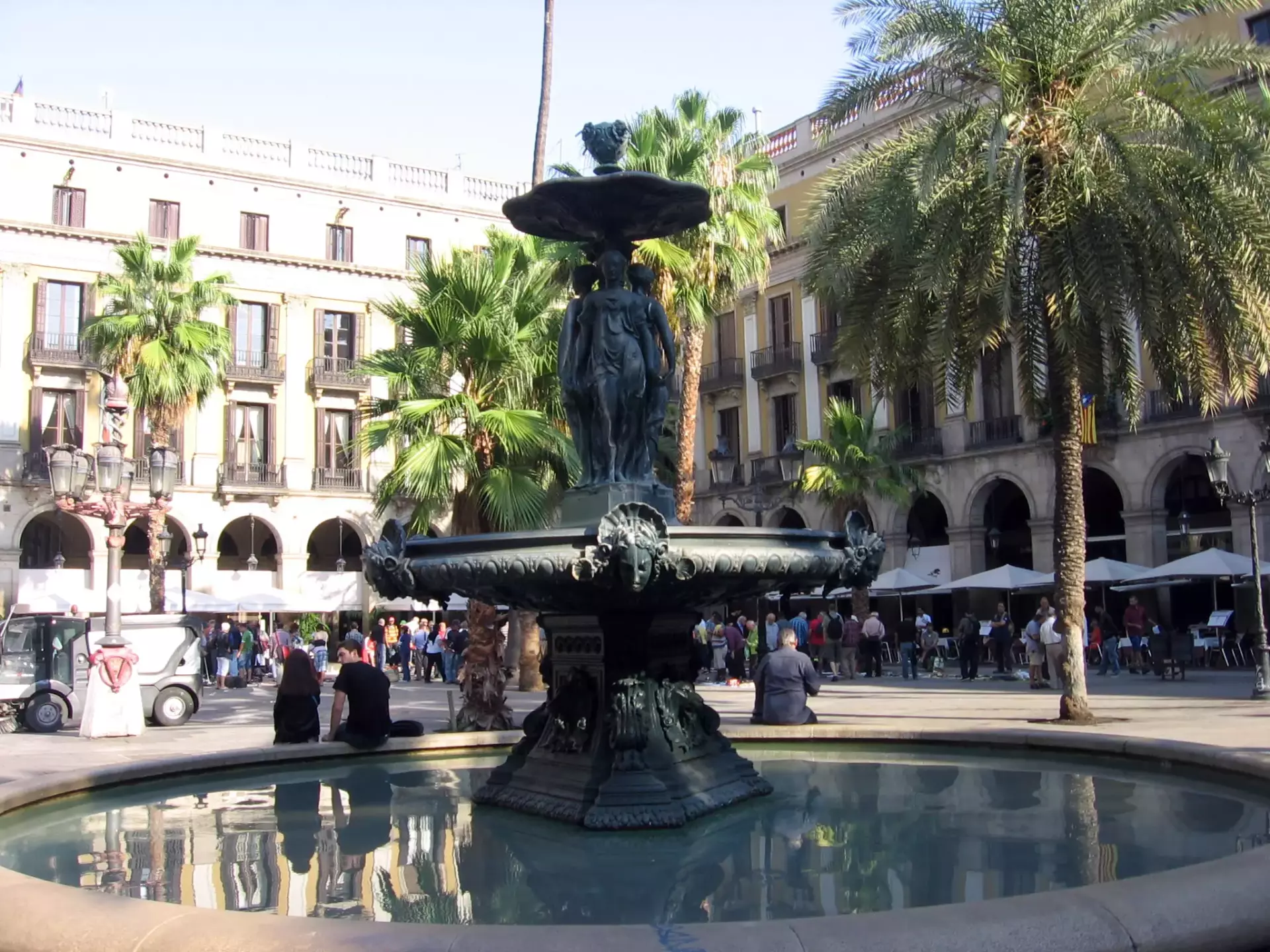
Connecting many of the major streets in the city, the Plaça is a central location and a hub of activity. It is a favourite meeting spot for locals and a transit hub for the tourist buses. There are many fountains, statues and gardens around the plaza, and a number of benches to just sit and take it all in.
One of the most unusual landmarks in this otherwise ultra-modern area is this 19th-century (finished in 1882) brick water tower. Standing 62 metres tall, it is now overshadowed by neighbouring residential, office and hotel towers and easy to miss unless you know where to look for it.
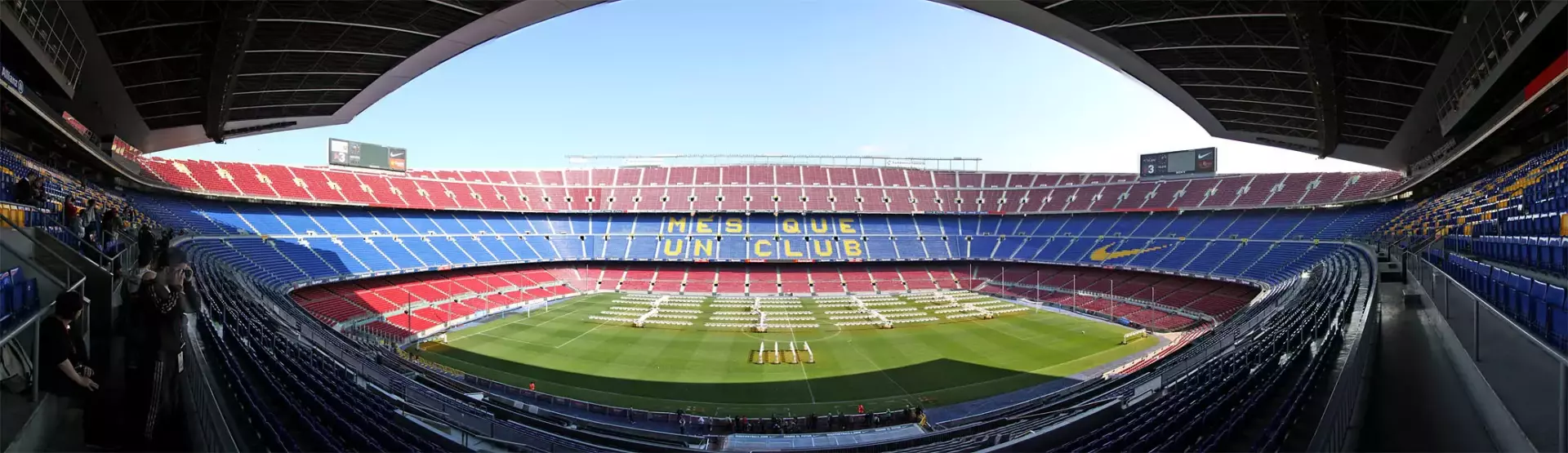
If you're a football fanatic, then you can't miss a visit to this football temple, the home ground for Barcelona's biggest and most popular team and one of Europe's greatest footballing 'cathedrals'. During the Franco era, FCB was the only way that oppressed Catalans could vent their anger against his dictatorship. Because of that, it became and still is a symbol of Catalan identity. Camp Nou is the biggest stadium in Europe with a capacity of 98,600 people, with shops and a museum of the club's history. Match tickets start at about €42 and games hardly ever completely sell out, unless it is a match against the hated rivals Real Madrid (a match commonly dubbed El Clásico), one of the other top teams (Atlético Madrid, Valencia or Sevilla) or in the Champions League. With the quality in the current team, there are always a few goals, and it is nearly always a resounding win for Barça. For stadium tours check the entry below.
Urban park created from redeveloping industrial land. It covers 14 hectares and includes seven areas like a children's play area, a lake with sculptures and a central plaza.
Museum dedicated to the FC Barcelona. It occupies 3,500 m² and attracts 1.2 million visitors a year, ranking it second to the Museu Picasso, which attracts 1.3 million visitors, as the most visited museum in the city of Barcelona. All of the Barcas trophies and jerseys of many famous players of the team are exhibited. The museum can be visited by booking the Camp Nou Experience package, which includes also a stadium tour. The stadium tour is not fantastic and the audio guide is not really worth it either, but for a quick recent history of matches played there, consult the backs of the doors in the cubicles. Most have a lot of graffiti championing the team that played there. It is also unfortunate that the home team changing rooms are not open to the public, only the somewhat dated guest's team dressing rooms, which are not that impressive.
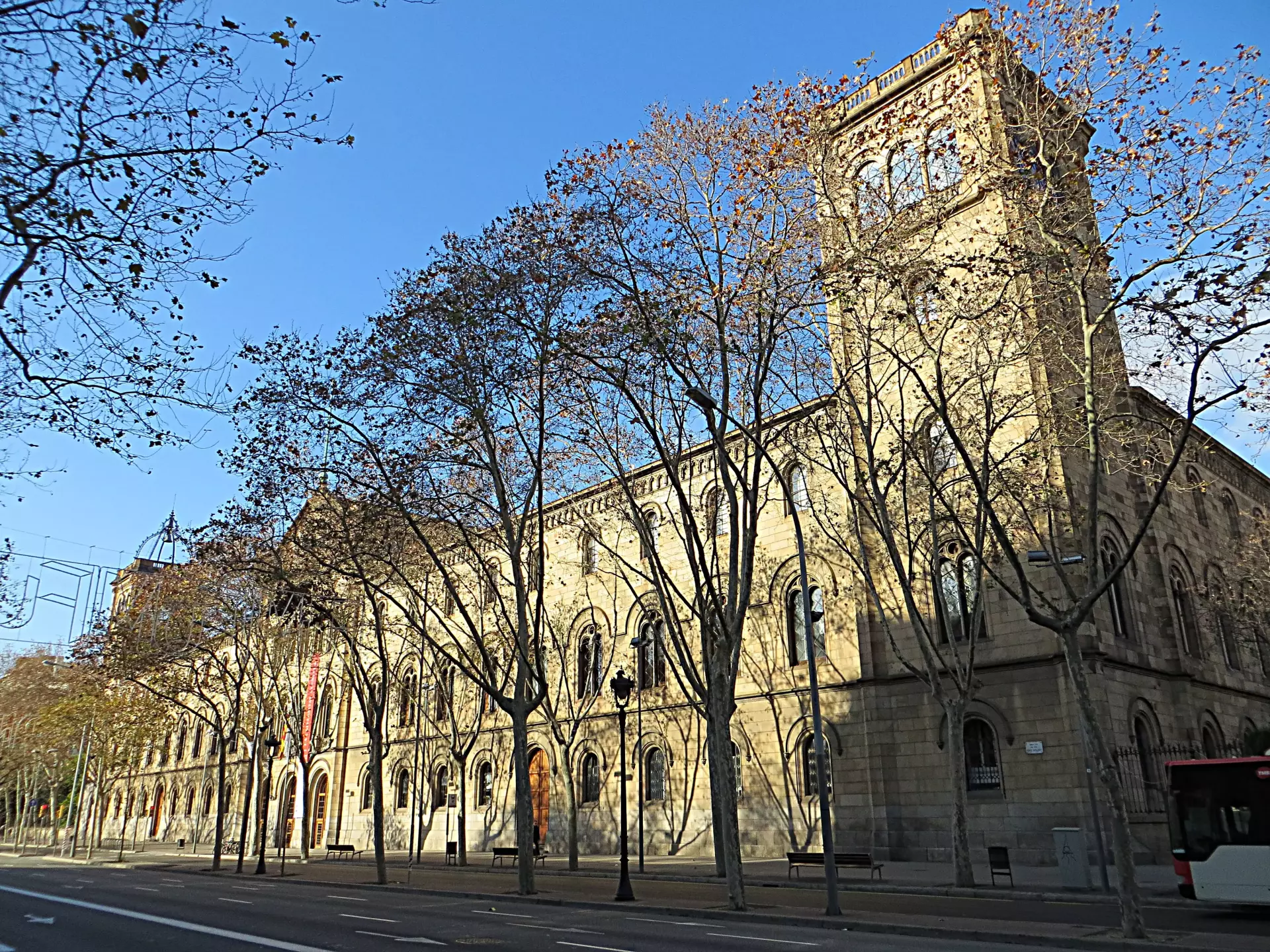
The university has many interesting buildings, libraries and courtyards.
Placa d'Espanya was created for the 1929 World Exhibition, on a site once used for public hangings. The fountain in the center of the square is a great attraction and plays music during the summer. Plaça Espanya is located at the base of Montjuic hill.
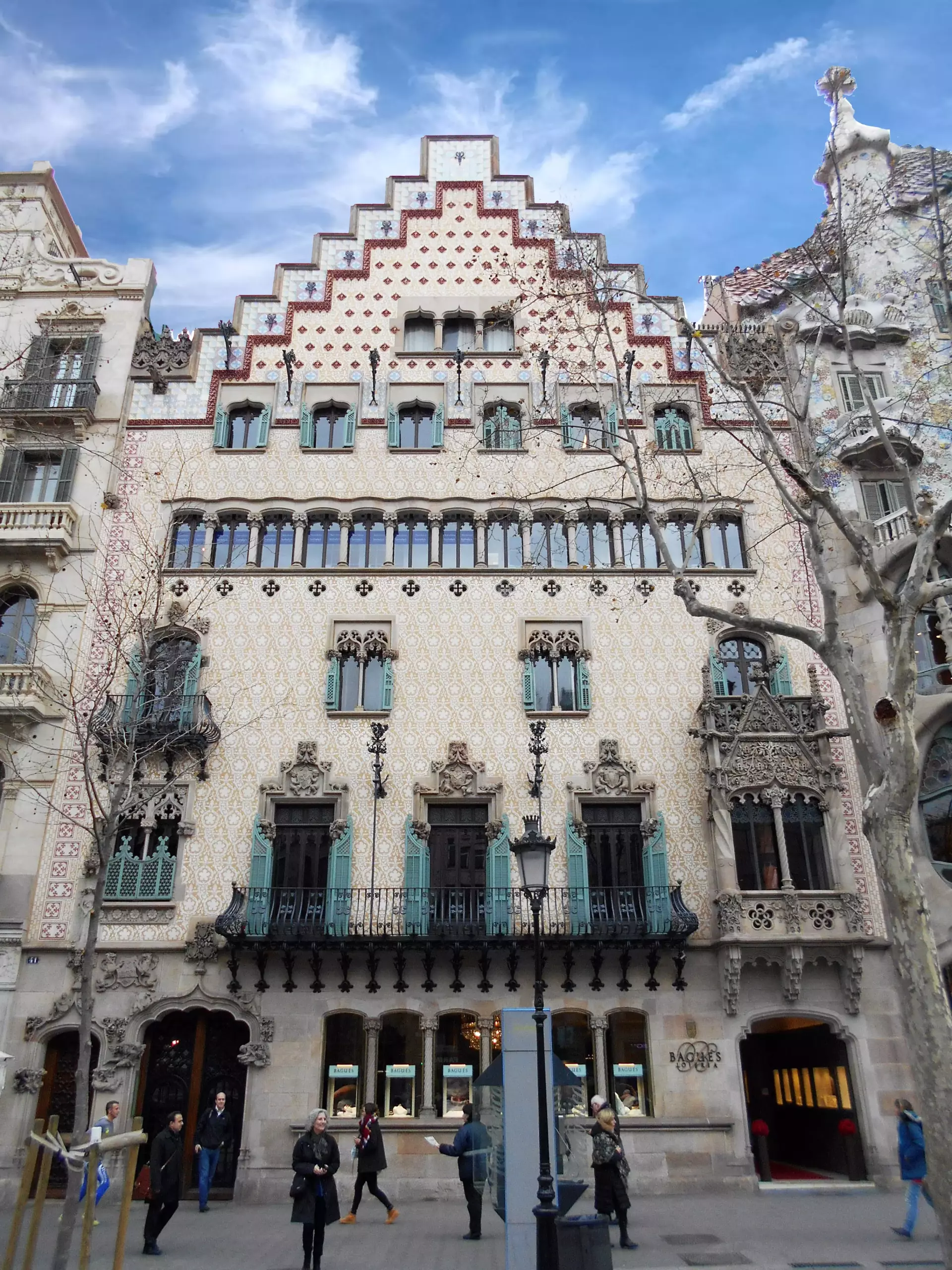
Designed by Puig i Cadafalch, the building is a fine work of Modernism. Check the detailed photos and explanation of facade sculptures. It also has a shop that sells fine chocolate (the Amatller family made its money out of cocoa).
Palace designed by Gaudí for the industrial tycoon Eusebi Güell. There is a basement and three levels of the palace to explore, the highest featuring a small exhibition. It is in a different style to Gaudi's apartment blocks La Pedrera and Casa Batlló, as well as being cheaper and less crowded than those sites. The rooftop of Palau Güell features the more standard Gaudi style chimneys, and views across El Raval.
A complex of two pavilions by Antonio Gaudi. 2024 closed for renovation.
Distinctive pink house that Gaudi lived in for nearly 20 years (although not designed by him). It features furniture designed by Gaudi and other objects relating to Gaudi's life. The gift shop has a large selection of Gaudi-themed souvenirs that are generally better quality than what's available in the normal tourist shops.
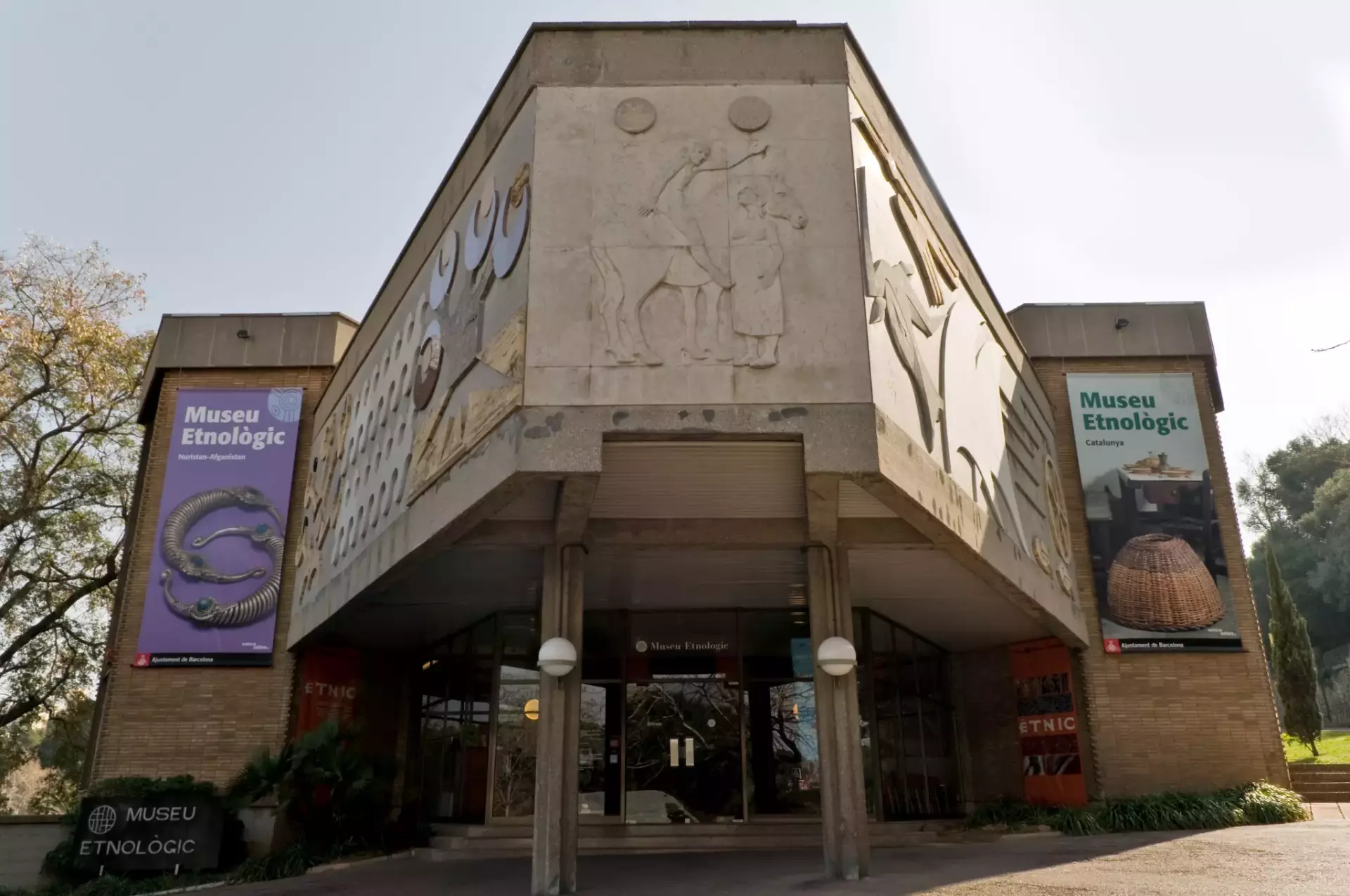
Situated on the Montjuic, it exhibits archaeological findings from Catalunia from different periods. Under 16 and 65+ free. €3 for others. Special discounts for other groups.
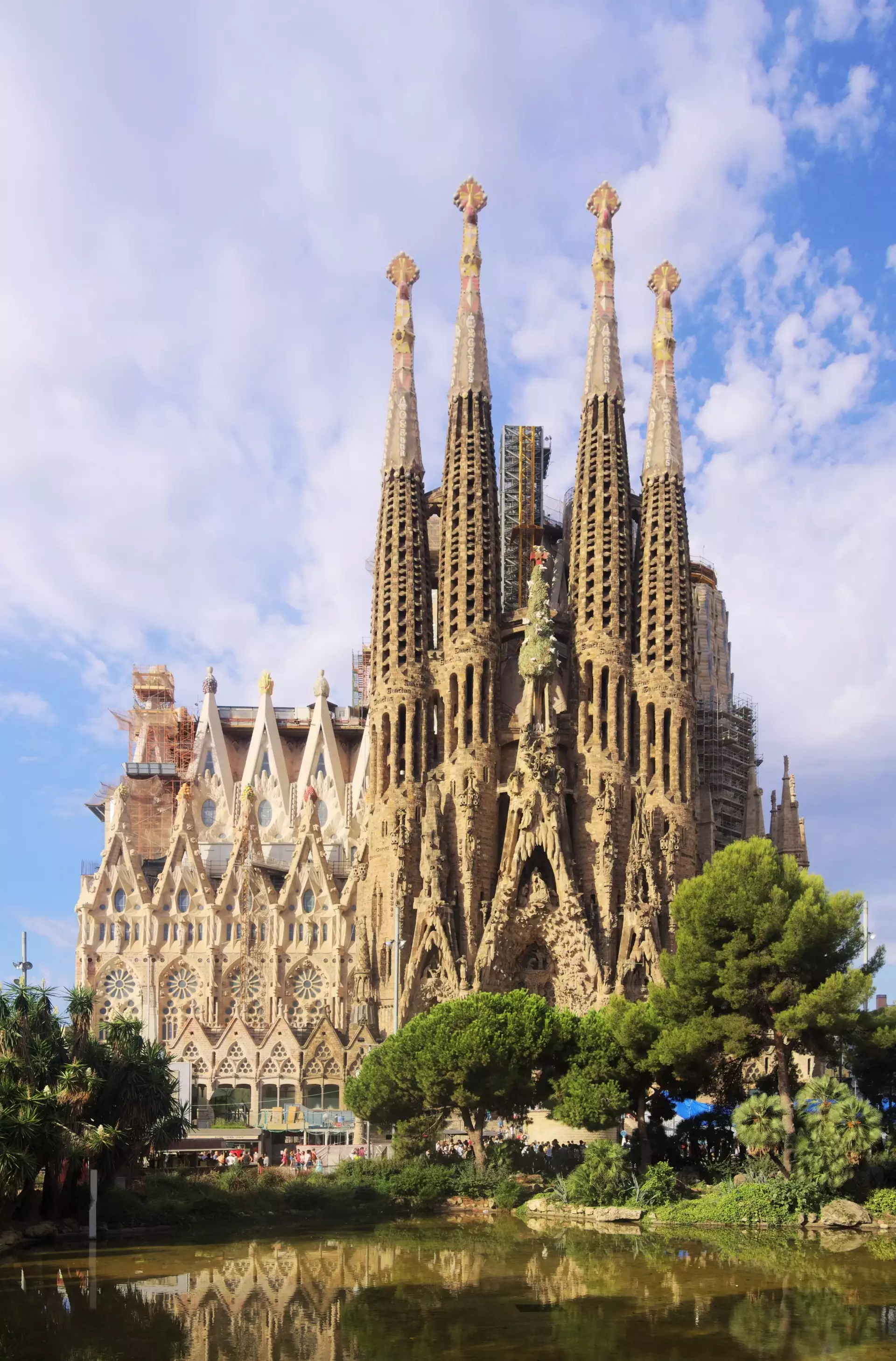
Barcelona's most popular and famous attraction, the Sagrada Família is a testament to Antonio Gaudi's modernist style and unlike any other church in the world. The texture and detail on the façades are intricate and incorporate forms seen in nature as much of Gaudi's work does. The inside is huge — it's estimated that it can hold 13,000 people — with vaulted ceilings and columns designed to be reminiscent of trees. The church is still under construction, but the central nave, apse and crypt are open. Seeing the Sagrada Família at night with lights on is impressive — this is the time when you understand why people say that it is built of bones.
Created in 1984 by the artist Antoni Tàpies to promote the study and knowledge of modern and contemporary art.
Has a lot of art from his first period, before the cubism, but almost none of his most famous works. Pictures are described only in Spanish, but overview texts for each period are available in English. Luggage over 30x30cm needs to be left at the checkroom and there's no liability for lost valuables.