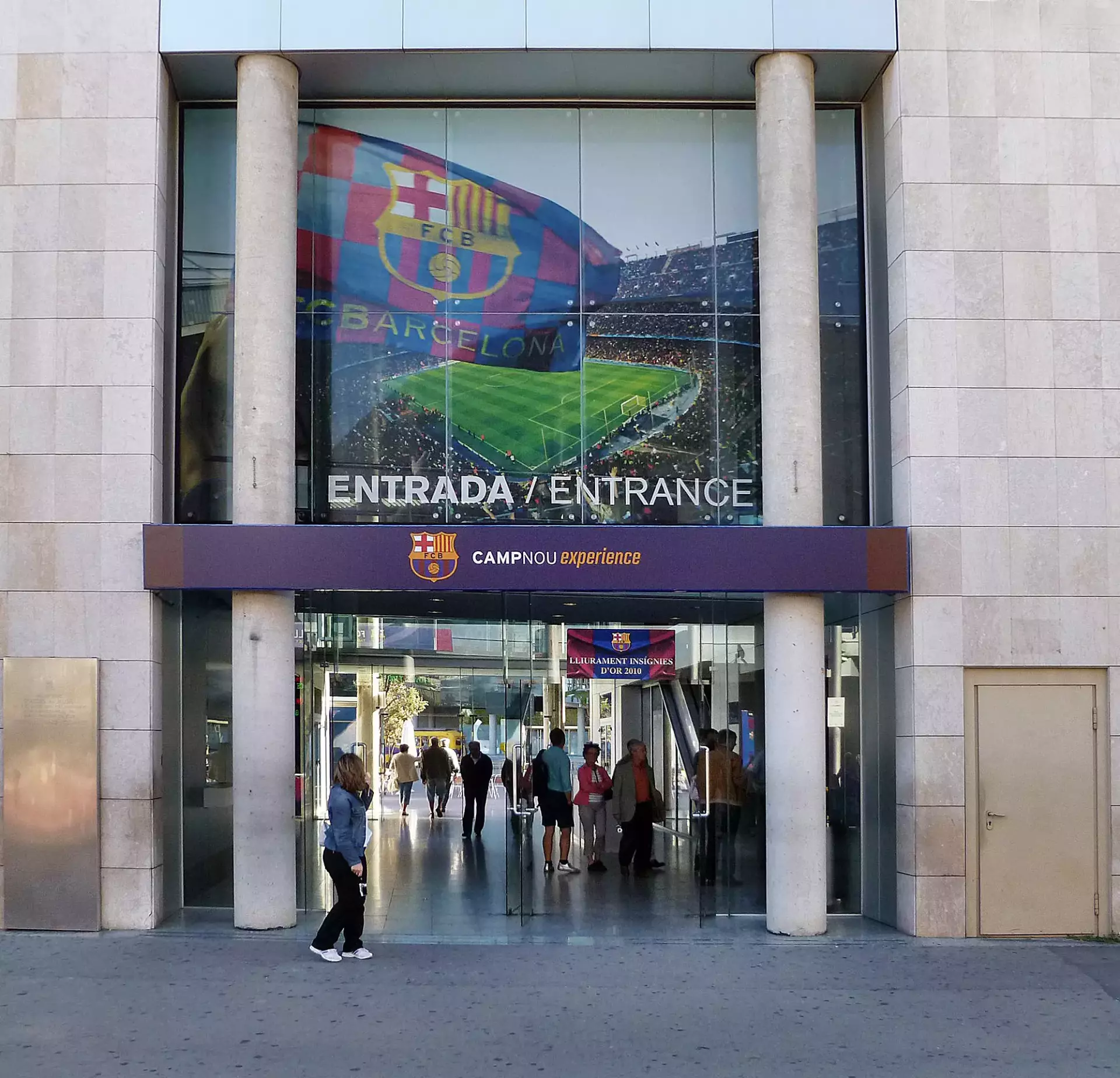
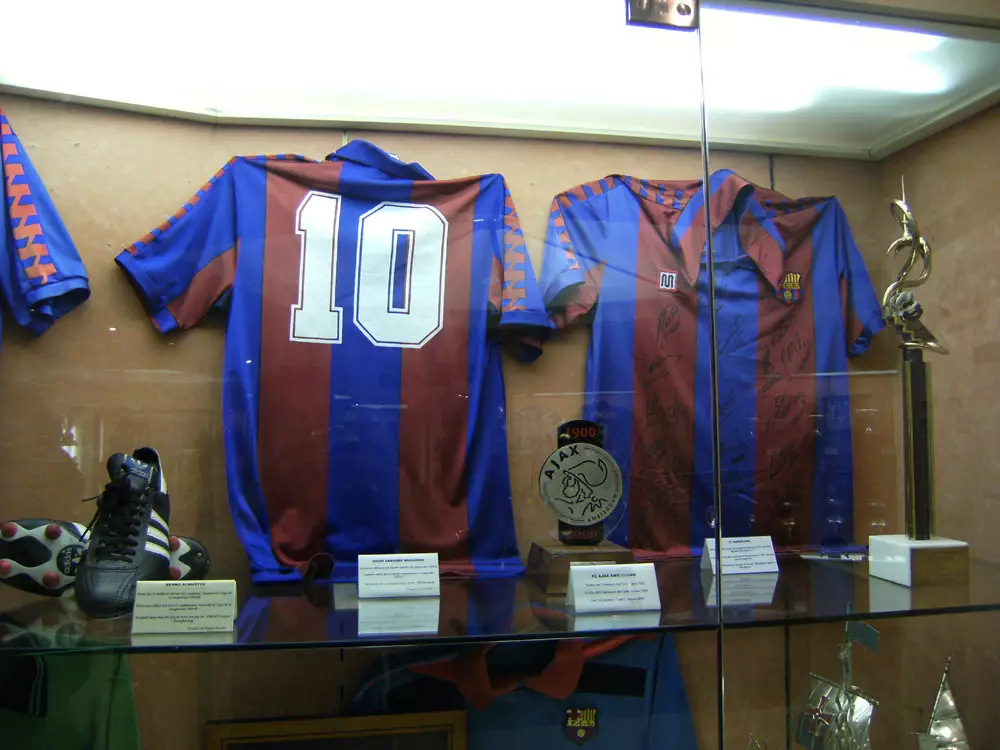
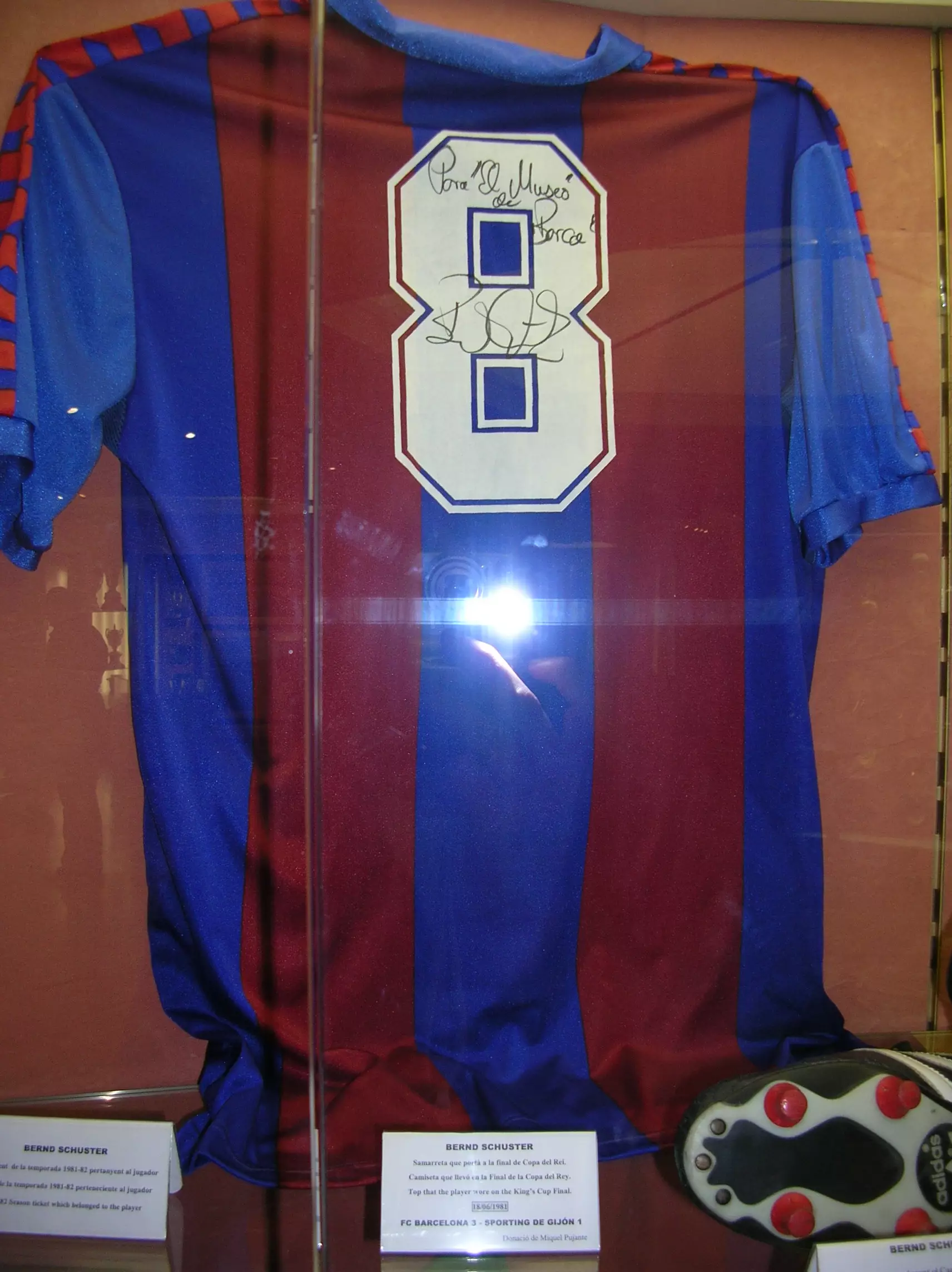
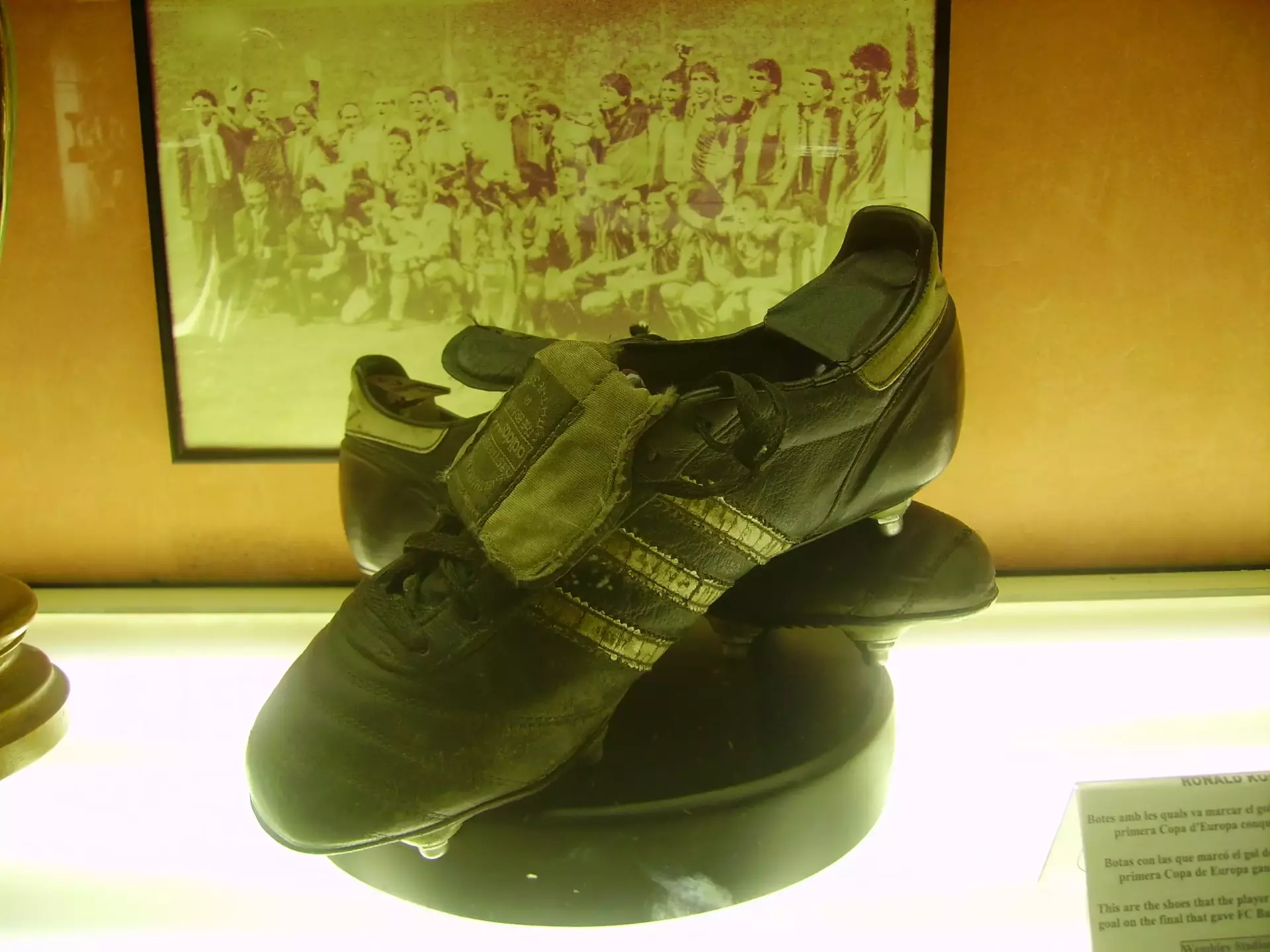
Barcelona is a city brimming with art, culture, and football fever. Among its many attractions is the Futbol Club Barcelona Museum, a place dedicated to the rich history of one of the world's most famous football clubs. Spanning 3,500 square meters, it draws a remarkable 1.2 million visitors annually, placing it just behind the Museu Picasso as the city's second most visited museum.
Inside the museum, fans find an impressive display of FC Barcelona's achievements. Trophies gleam under the lights, and jerseys of legendary players pay homage to the club's storied past. Each exhibit offers a glimpse into the moments that have defined the team, drawing visitors into the world of football greatness.
For a deeper dive into the FC Barcelona world, visitors can opt for the Camp Nou Experience package. This includes not only the museum visit but also a tour of the iconic stadium. While the stadium tour aims to captivate fans, some might find it less thrilling than expected. The audio guide, also part of the experience, may not add much value for those seeking in-depth insights.
Surprisingly, the backs of the cubicle doors provide an intriguing glimpse into the recent history of matches. Covered with graffiti, they often champion the teams that have played on the field, adding a quirky element to the tour.
A tour of the changing rooms reveals a contrast between the home and guest teams. Unfortunately, visitors can only access the guests' somewhat dated dressing rooms, which may not impress as much as the exclusive home team quarters, closed to the public.
Source - https://en.wikipedia.org/wiki/FC_Barcelona_Museum
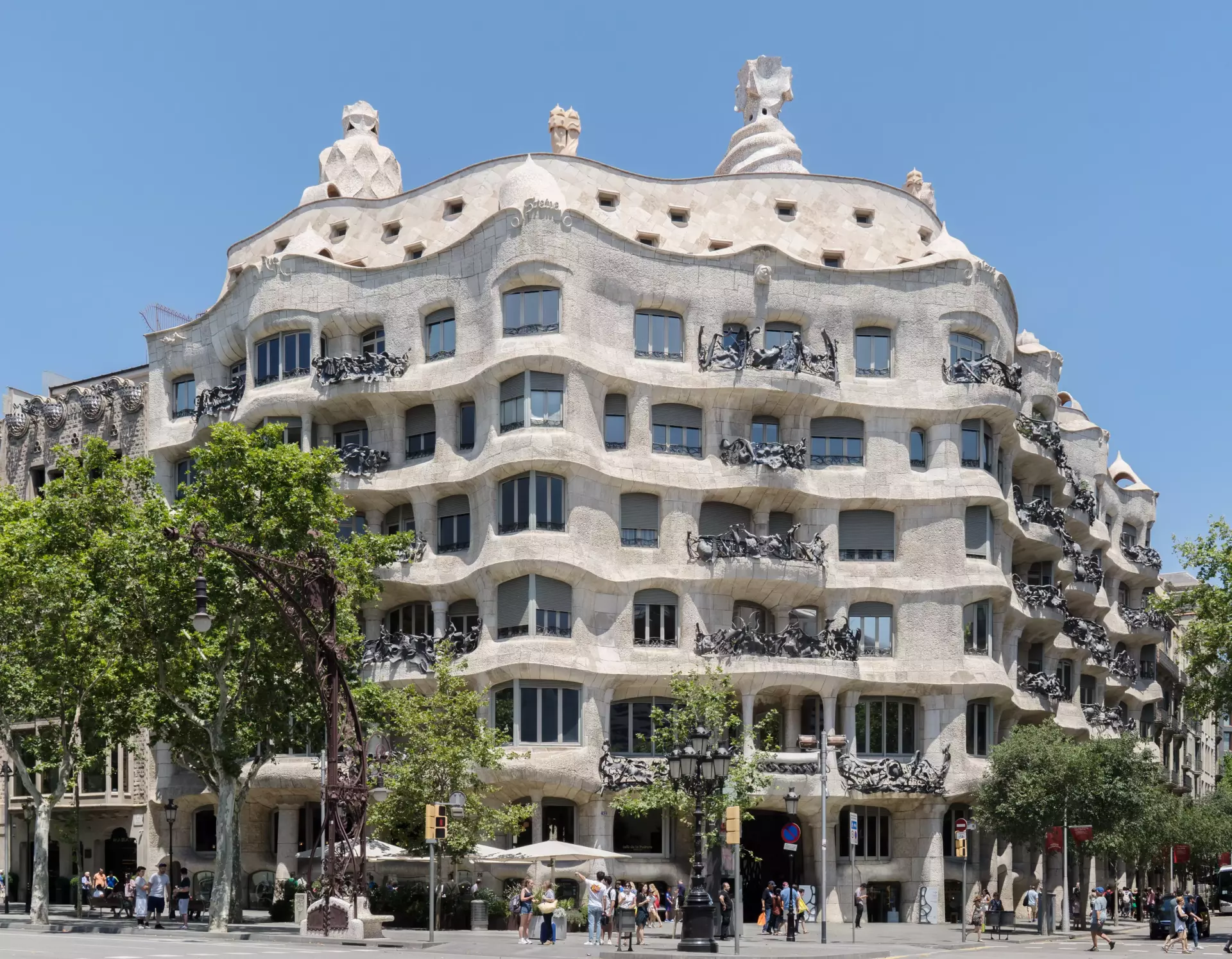
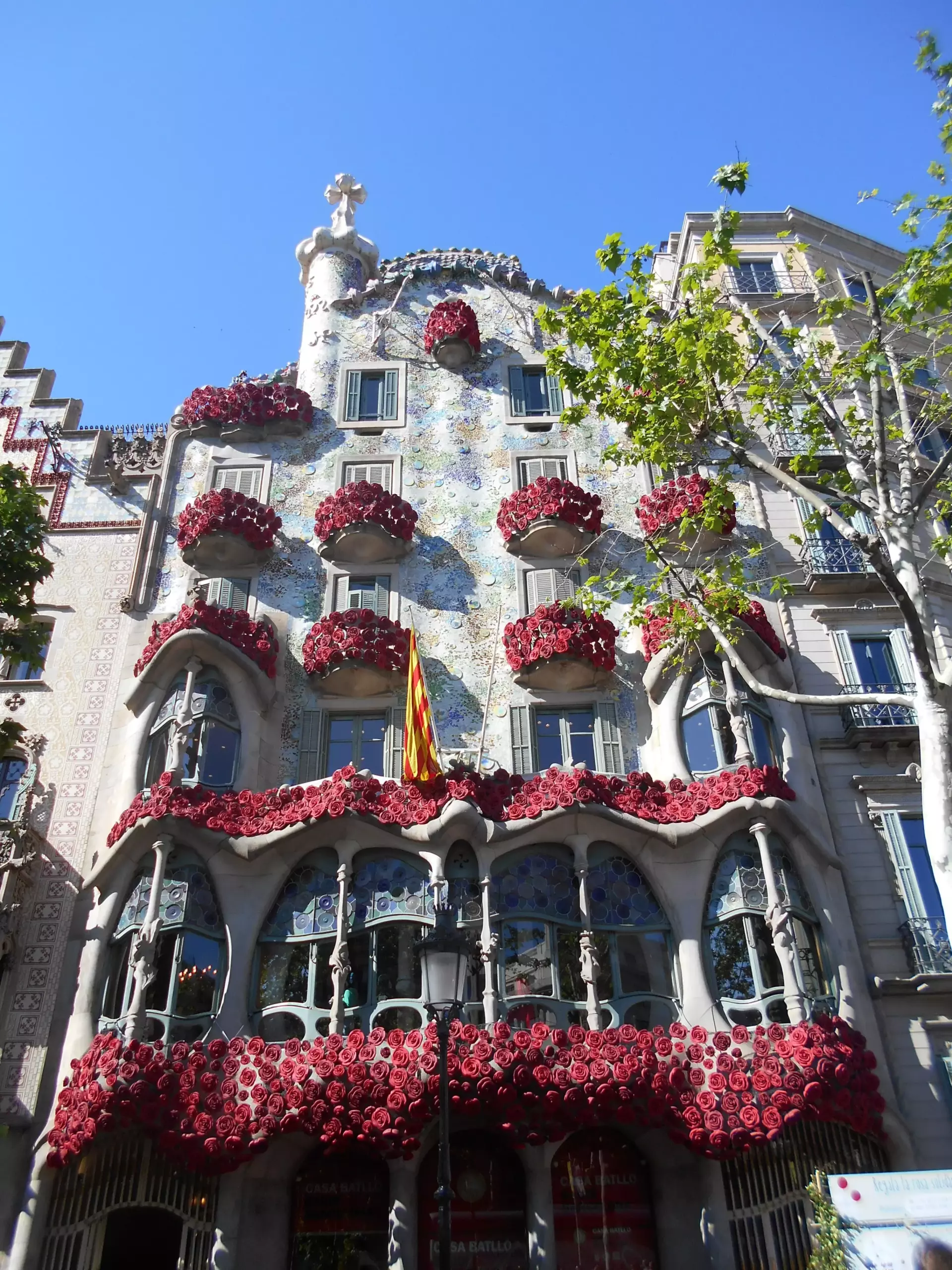
Distinctive pink house that Gaudi lived in for nearly 20 years (although not designed by him). It features furniture designed by Gaudi and other objects relating to Gaudi's life. The gift shop has a large selection of Gaudi-themed souvenirs that are generally better quality than what's available in the normal tourist shops.
Much to the dismay of Mickey Mouse aficionados, Disseny is Catalan for "design", not "Disney". The "Disseny Hub" houses the amalgamated museums focusing on applied arts and design, including Museu de les Arts Decoratives, Museu de Ceràmica, Museu Tèxtil i d'Indumentària and Gabinet de les Arts Gràfiques. The new building has an intricate, multi-level structure, with the protruding tower overhanging the Praca de les Glories roundabout.
Connecting many of the major streets in the city, the Plaça is a central location and a hub of activity. It is a favourite meeting spot for locals and a transit hub for the tourist buses. There are many fountains, statues and gardens around the plaza, and a number of benches to just sit and take it all in.
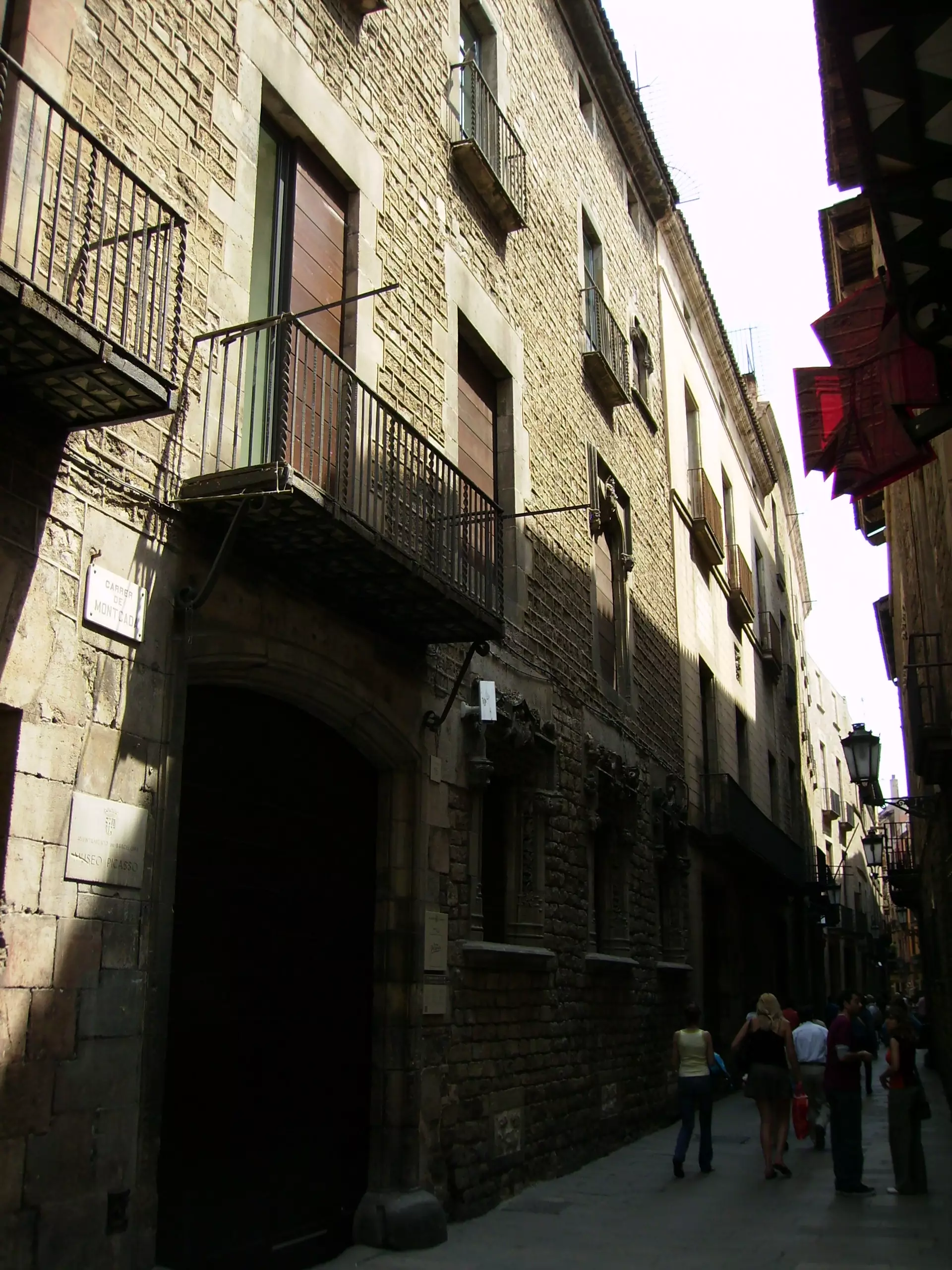
This street has the biggest collection of Gothic houses in Barcelona. In amongst these houses is the Picasso Museum, which is definitely worth a visit. There are also smaller museums along the street, and many tapas restaurants though they may be more expensive on this street.
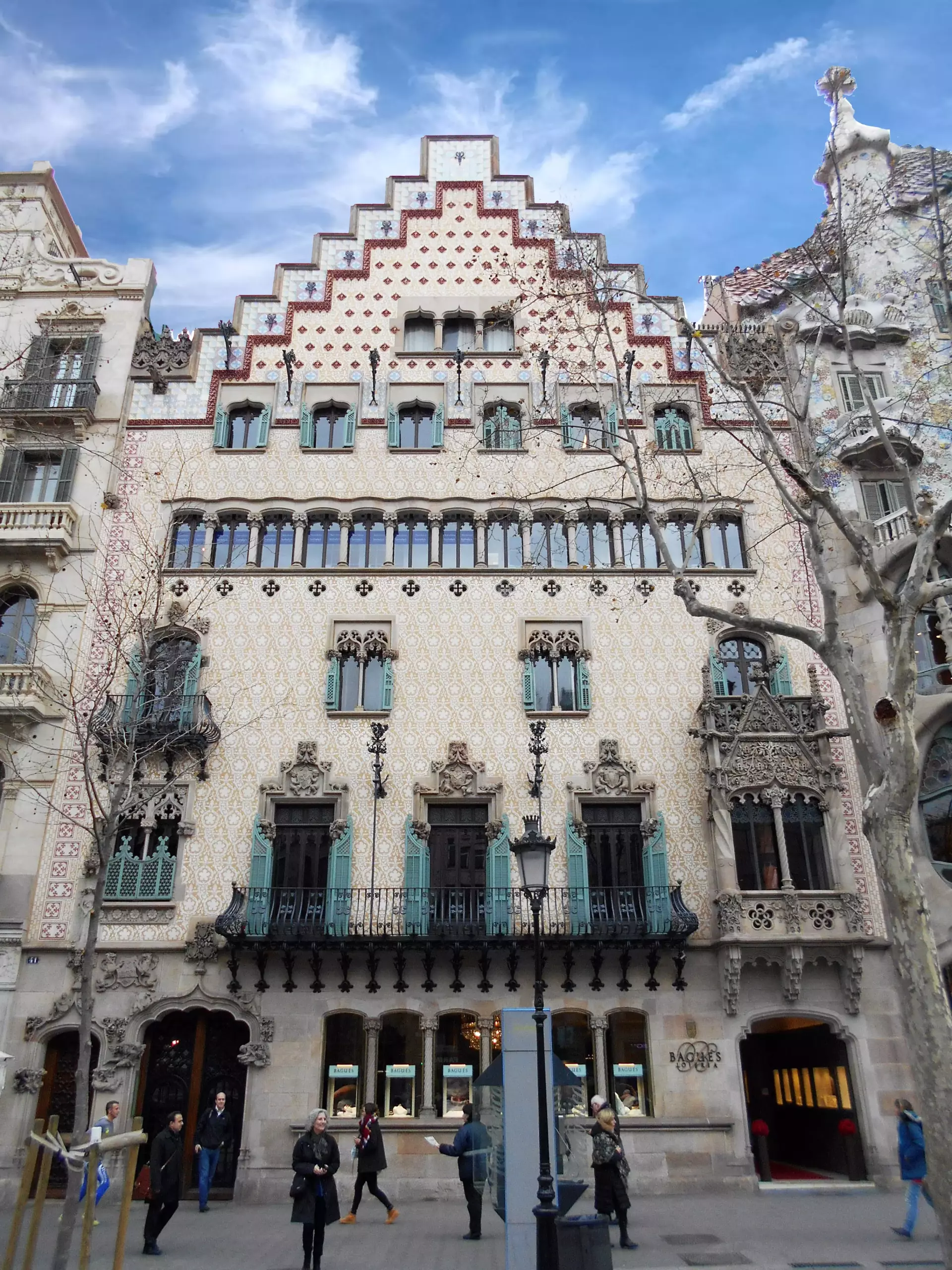
Designed by Puig i Cadafalch, the building is a fine work of Modernism. Check the detailed photos and explanation of facade sculptures. It also has a shop that sells fine chocolate (the Amatller family made its money out of cocoa).
Placa d'Espanya was created for the 1929 World Exhibition, on a site once used for public hangings. The fountain in the center of the square is a great attraction and plays music during the summer. Plaça Espanya is located at the base of Montjuic hill.
Provides a beautiful panorama view over the rest of the city. The Montjuic Castle is in the Montjuic hill. From the Montjuïc Castle, take the harbor cable car to Barceloneta for more splendid views.
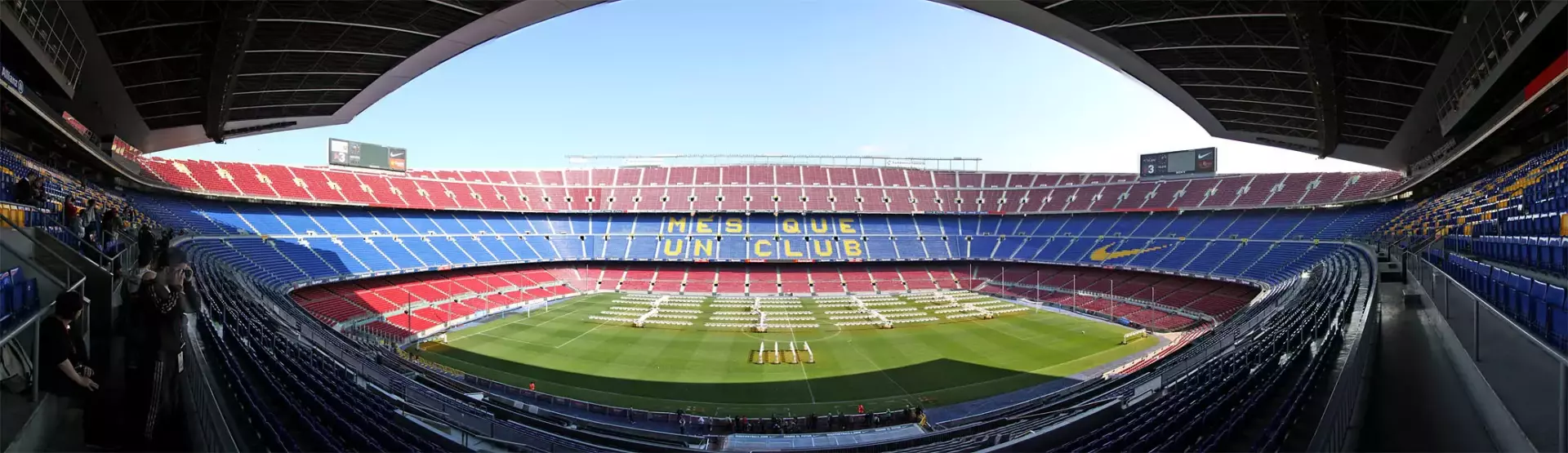
If you're a football fanatic, then you can't miss a visit to this football temple, the home ground for Barcelona's biggest and most popular team and one of Europe's greatest footballing 'cathedrals'. During the Franco era, FCB was the only way that oppressed Catalans could vent their anger against his dictatorship. Because of that, it became and still is a symbol of Catalan identity. Camp Nou is the biggest stadium in Europe with a capacity of 98,600 people, with shops and a museum of the club's history. Match tickets start at about €42 and games hardly ever completely sell out, unless it is a match against the hated rivals Real Madrid (a match commonly dubbed El Clásico), one of the other top teams (Atlético Madrid, Valencia or Sevilla) or in the Champions League. With the quality in the current team, there are always a few goals, and it is nearly always a resounding win for Barça. For stadium tours check the entry below.
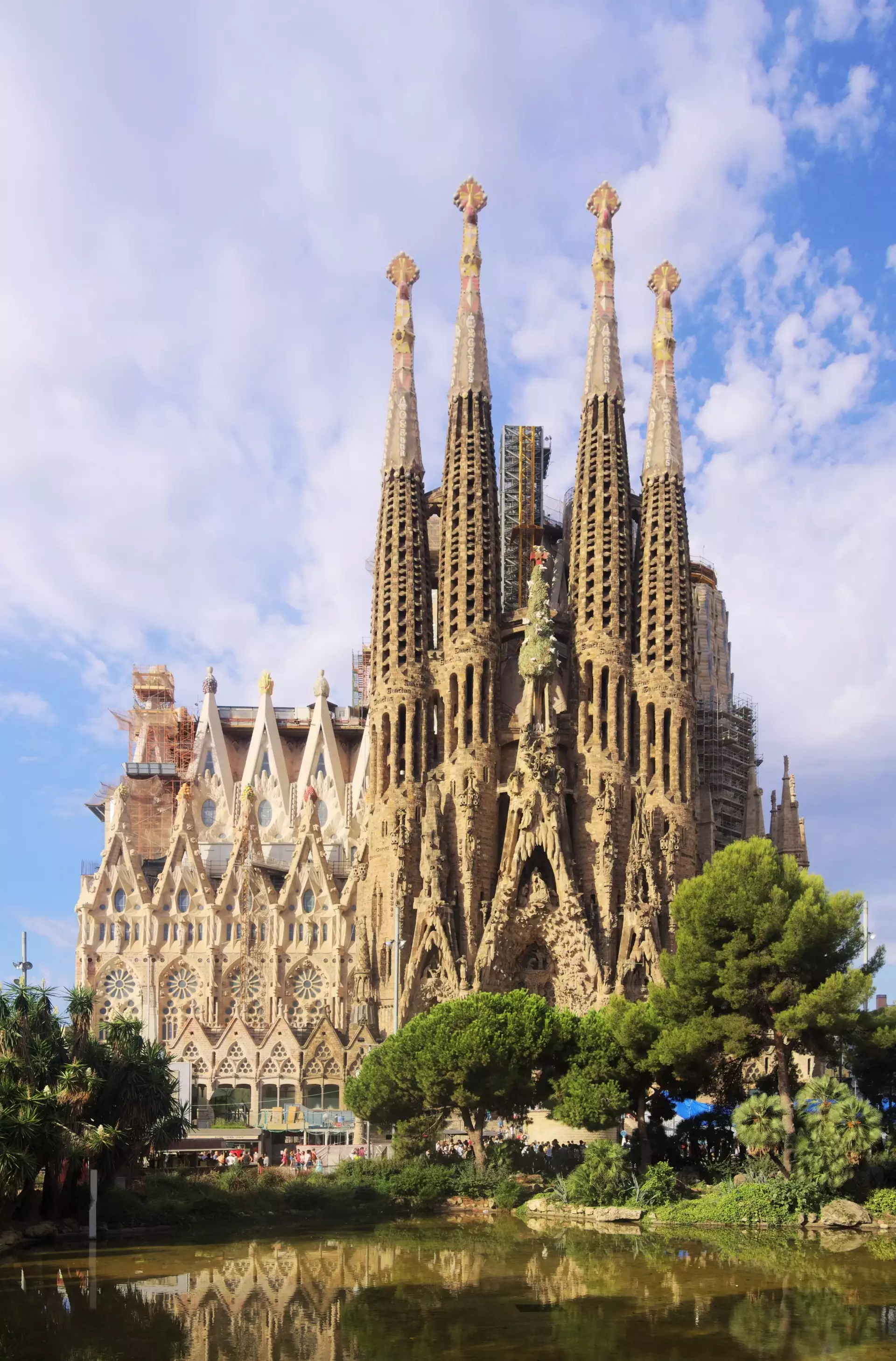
Barcelona's most popular and famous attraction, the Sagrada Família is a testament to Antonio Gaudi's modernist style and unlike any other church in the world. The texture and detail on the façades are intricate and incorporate forms seen in nature as much of Gaudi's work does. The inside is huge — it's estimated that it can hold 13,000 people — with vaulted ceilings and columns designed to be reminiscent of trees. The church is still under construction, but the central nave, apse and crypt are open. Seeing the Sagrada Família at night with lights on is impressive — this is the time when you understand why people say that it is built of bones.
Palace designed by Gaudí for the industrial tycoon Eusebi Güell. There is a basement and three levels of the palace to explore, the highest featuring a small exhibition. It is in a different style to Gaudi's apartment blocks La Pedrera and Casa Batlló, as well as being cheaper and less crowded than those sites. The rooftop of Palau Güell features the more standard Gaudi style chimneys, and views across El Raval.
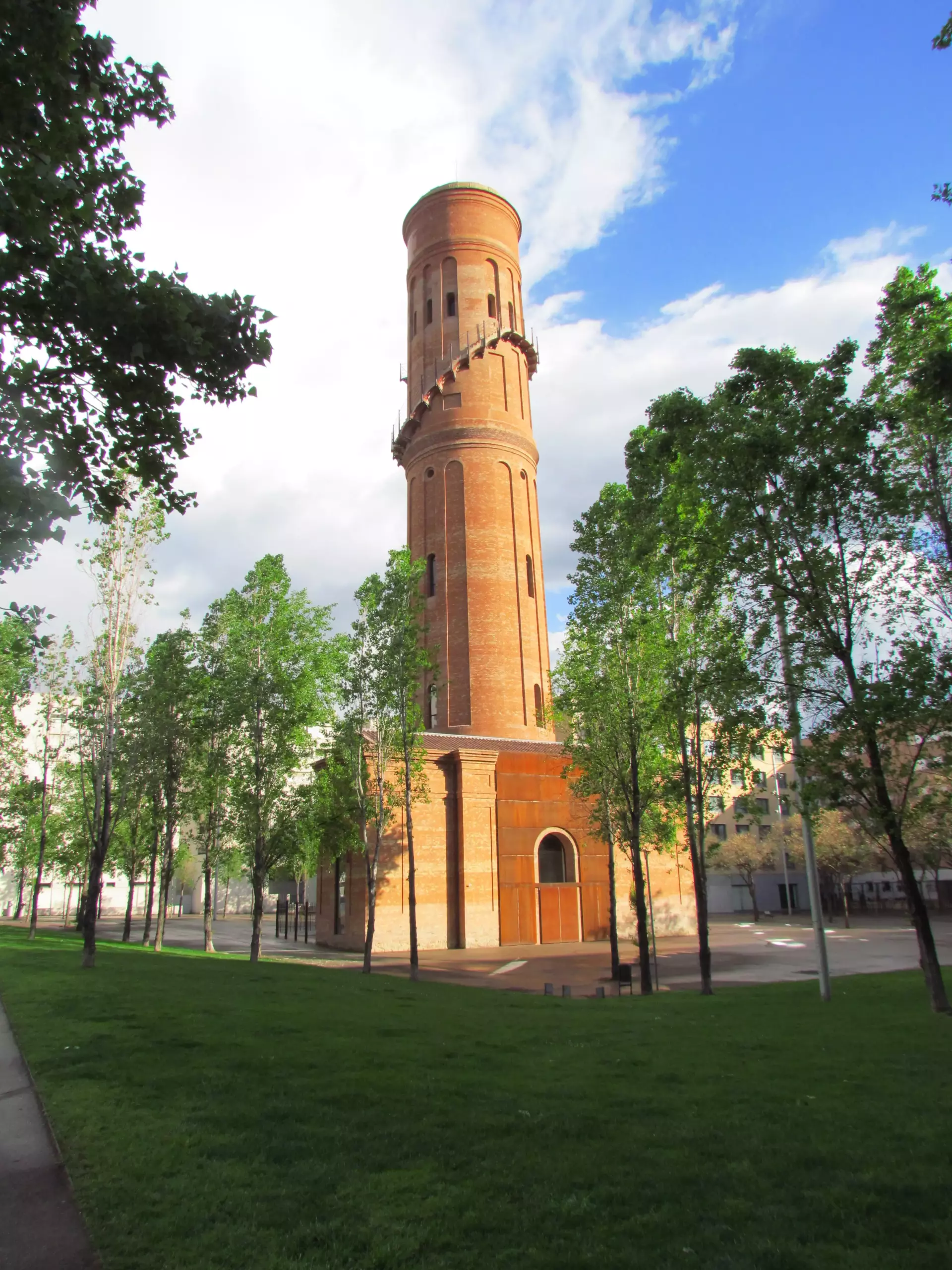
One of the most unusual landmarks in this otherwise ultra-modern area is this 19th-century (finished in 1882) brick water tower. Standing 62 metres tall, it is now overshadowed by neighbouring residential, office and hotel towers and easy to miss unless you know where to look for it.