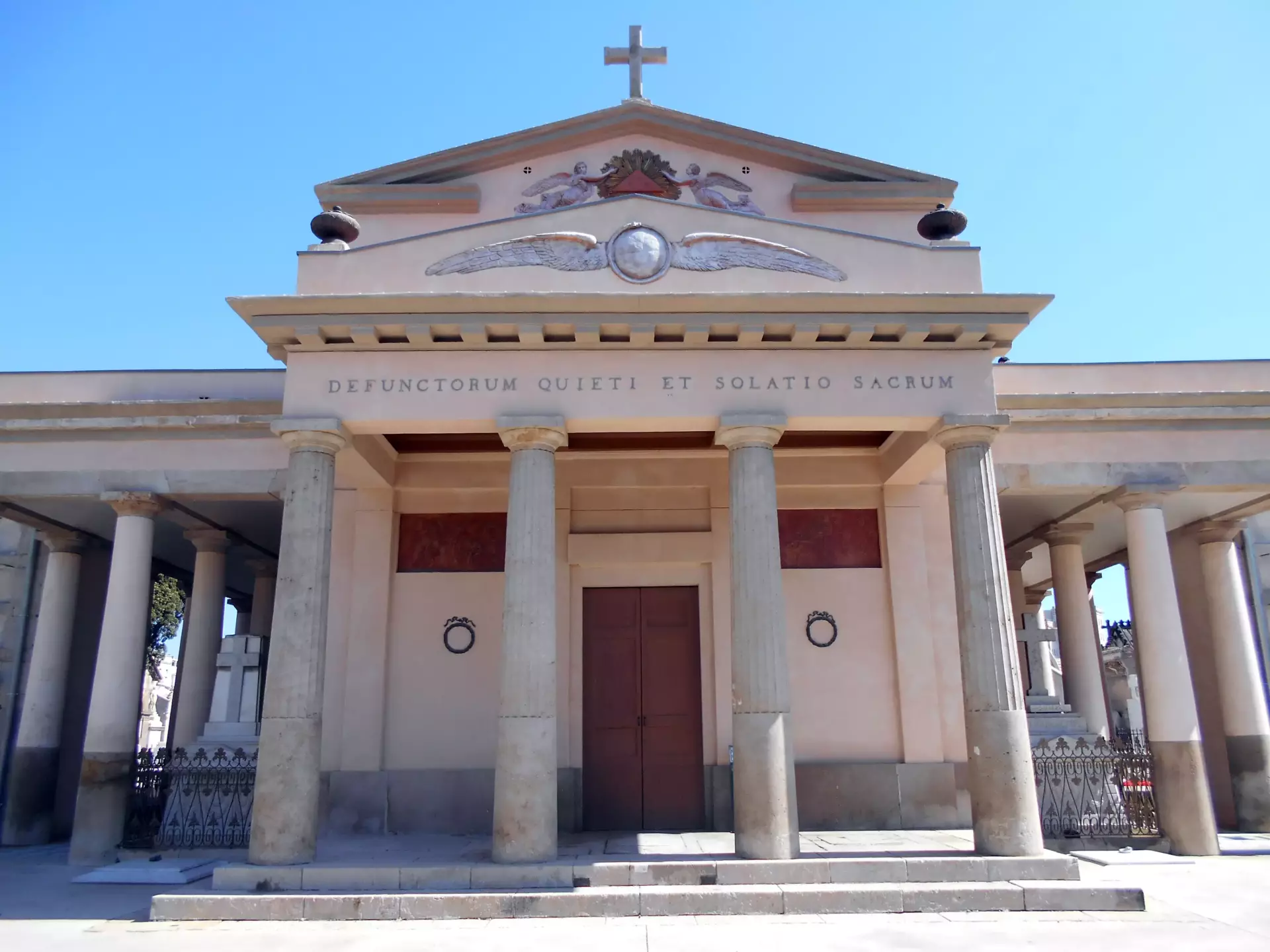
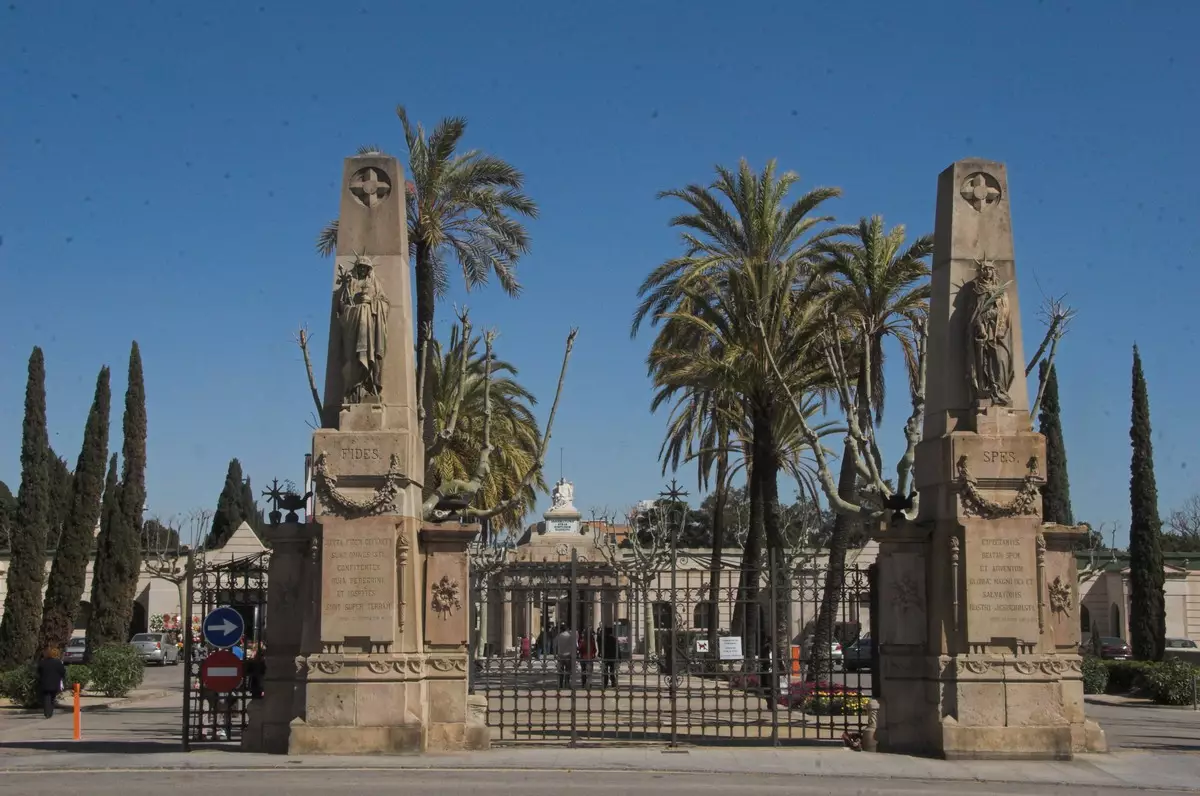
Barcelona, a city known for its vibrant culture and stunning architecture, holds a quieter slice of history in the Poblenou Cemetery. Established in the early 19th century, this cemetery is a resting place and an open-air museum all in one. It offers a peaceful escape from the city's hustle and bustle, inviting visitors to stroll through its serene pathways and explore its rich history.
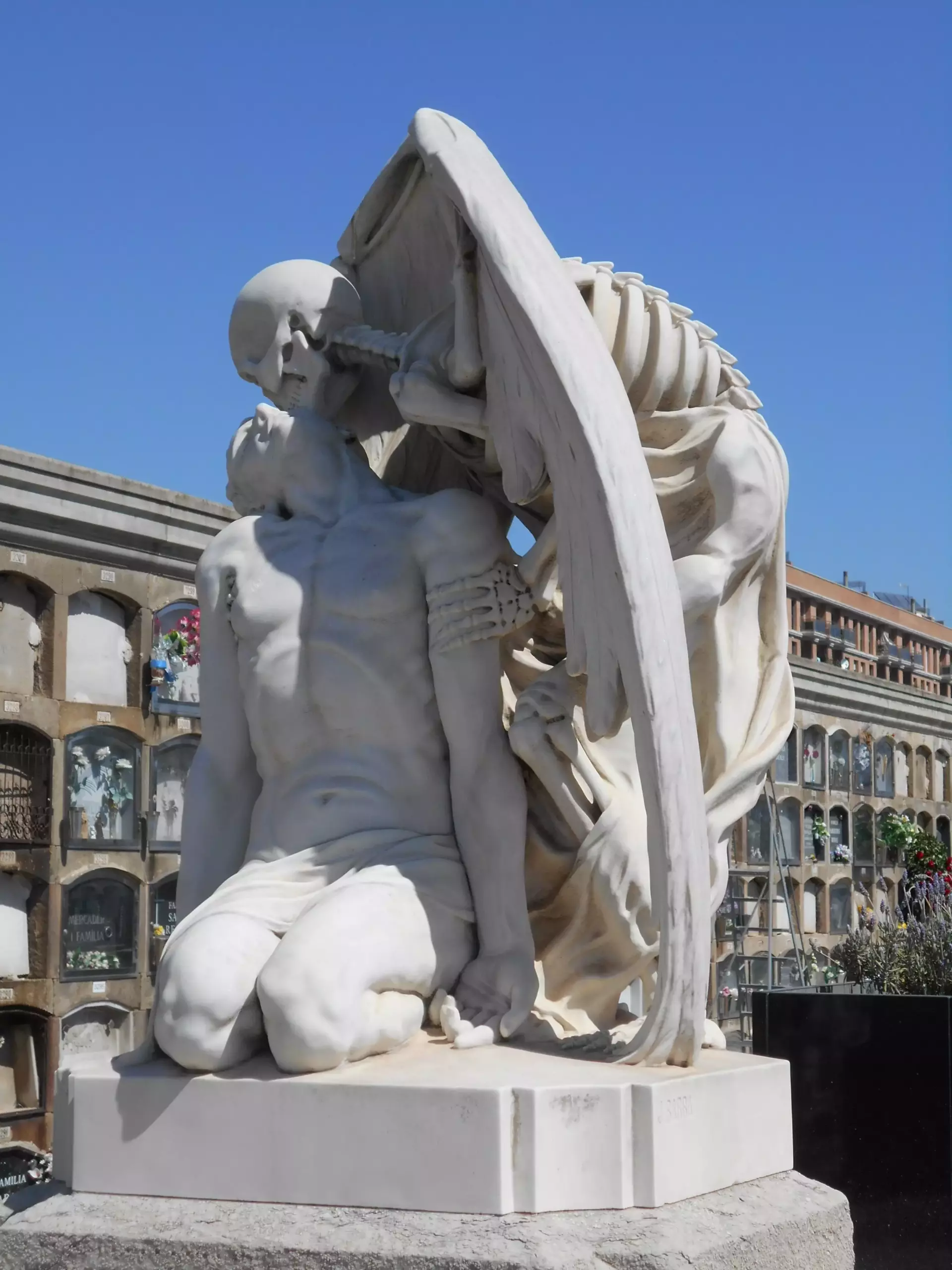
The cemetery is a treasure trove of art and architecture. It is home to an array of unique and expressive sculptures, tombs, and mausoleums. Each monument tells a story, reflecting the customs and artistic movements of the time. The cemetery's design, with its neoclassical style, is a testament to the craftsmanship of the era. It is a place where art and history converge, creating a captivating experience for those who wander through.
Within the cemetery's walls lie the graves of notable figures who played significant roles in Barcelona's history. Here, visitors can find the final resting places of artists, politicians, and influential citizens. Each gravestone provides a glimpse into the past, offering a connection to the stories of those who helped shape the city.
Poblenou Cemetery is not just about history and art. It is also a place of reflection and tranquility. The quiet atmosphere allows for a moment of pause, a chance to step away from the lively city streets and appreciate the calm surroundings. The cemetery offers a space for contemplation, where visitors can take a break and absorb the peaceful ambiance.
For those interested in learning more about the cemetery's history and its notable residents, guided tours are available. These tours provide insights into the cemetery's past, highlighting the stories behind the most significant graves and monuments. Occasionally, cultural events are held within the cemetery, further enriching the experience for those who visit.
Whether interested in art, history, or simply seeking a quiet retreat, Poblenou Cemetery opens a window into the past and offers a unique perspective on Barcelona's heritage.
Source - https://en.wikipedia.org/wiki/Poblenou_Cemetery
Much to the dismay of Mickey Mouse aficionados, Disseny is Catalan for "design", not "Disney". The "Disseny Hub" houses the amalgamated museums focusing on applied arts and design, including Museu de les Arts Decoratives, Museu de Ceràmica, Museu Tèxtil i d'Indumentària and Gabinet de les Arts Gràfiques. The new building has an intricate, multi-level structure, with the protruding tower overhanging the Praca de les Glories roundabout.
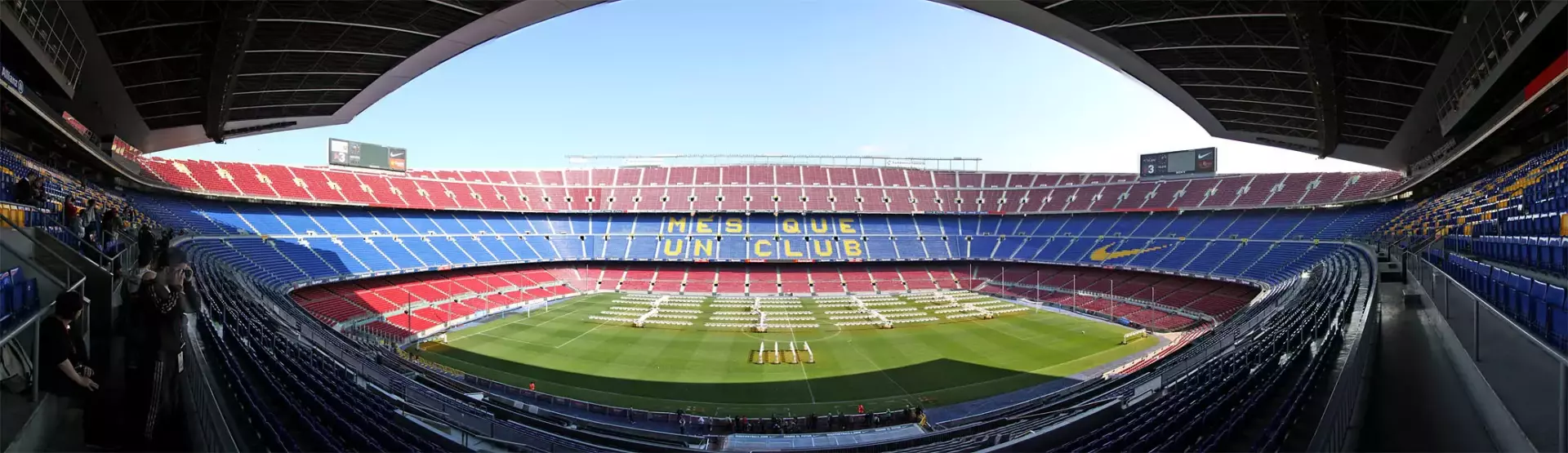
Museum dedicated to the FC Barcelona. It occupies 3,500 m² and attracts 1.2 million visitors a year, ranking it second to the Museu Picasso, which attracts 1.3 million visitors, as the most visited museum in the city of Barcelona. All of the Barcas trophies and jerseys of many famous players of the team are exhibited. The museum can be visited by booking the Camp Nou Experience package, which includes also a stadium tour. The stadium tour is not fantastic and the audio guide is not really worth it either, but for a quick recent history of matches played there, consult the backs of the doors in the cubicles. Most have a lot of graffiti championing the team that played there. It is also unfortunate that the home team changing rooms are not open to the public, only the somewhat dated guest's team dressing rooms, which are not that impressive.
Barcelona's most popular and famous attraction, the Sagrada Família is a testament to Antonio Gaudi's modernist style and unlike any other church in the world. The texture and detail on the façades are intricate and incorporate forms seen in nature as much of Gaudi's work does. The inside is huge — it's estimated that it can hold 13,000 people — with vaulted ceilings and columns designed to be reminiscent of trees. The church is still under construction, but the central nave, apse and crypt are open. Seeing the Sagrada Família at night with lights on is impressive — this is the time when you understand why people say that it is built of bones.
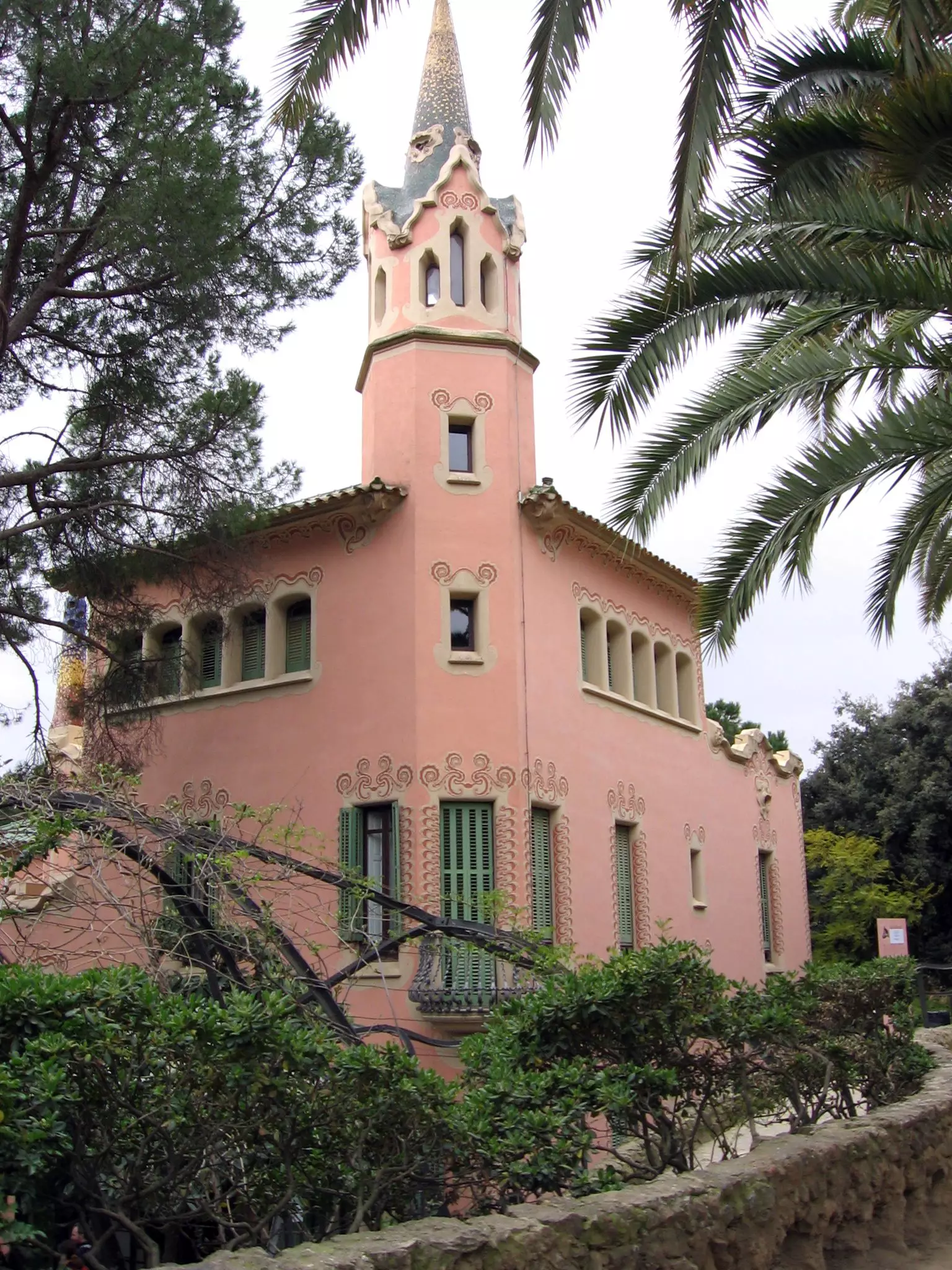
Distinctive pink house that Gaudi lived in for nearly 20 years (although not designed by him). It features furniture designed by Gaudi and other objects relating to Gaudi's life. The gift shop has a large selection of Gaudi-themed souvenirs that are generally better quality than what's available in the normal tourist shops.
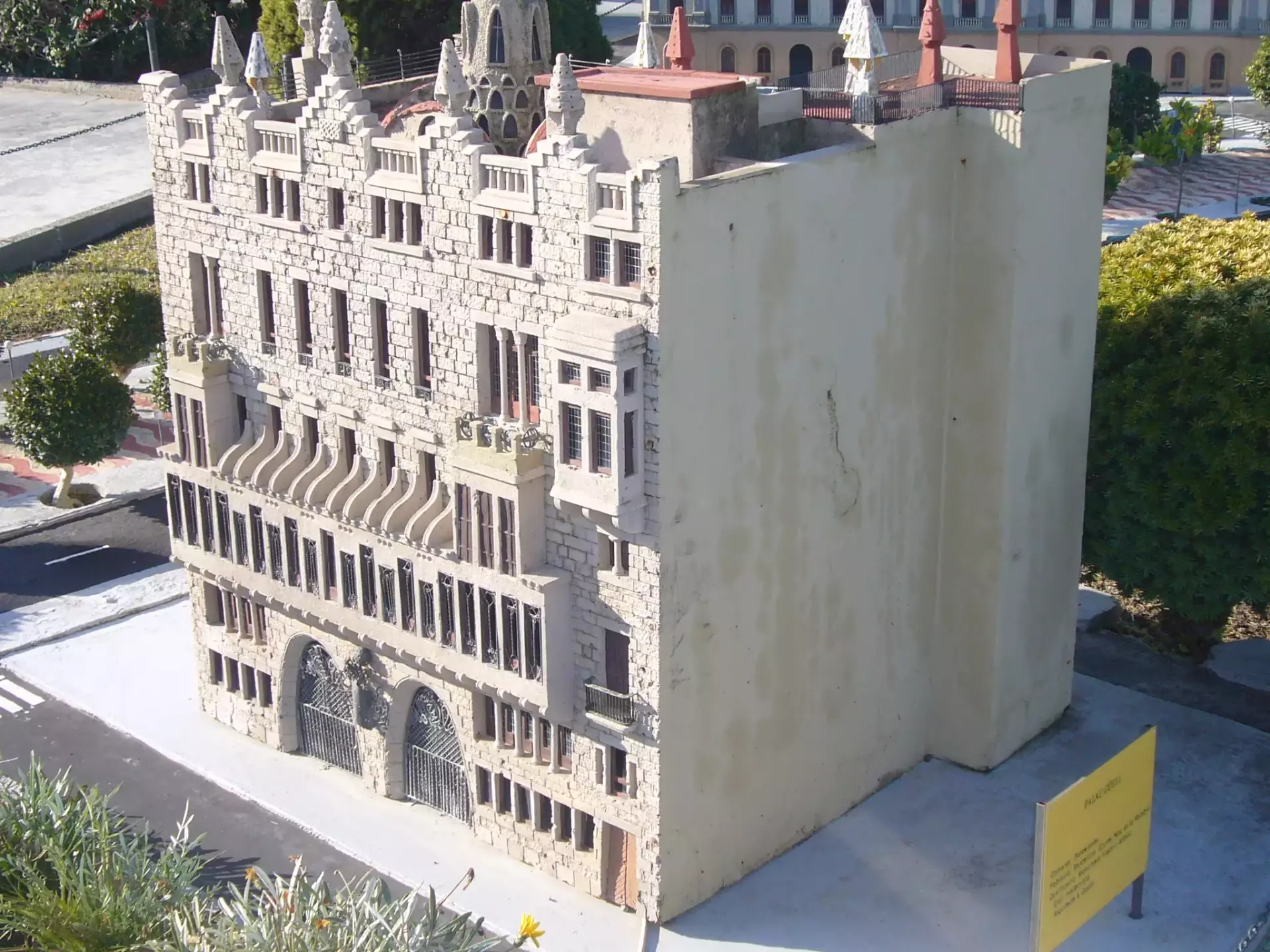
A fake village built in 1929, with replicas of characteristic buildings in Spain (like the Avila walls, the Vall-de-roures town hall, etc.). The village hosts the Fondation Fran Daurel, where you can enjoy an interesting Modern Art collection boasting Miró, Picasso, Tapiès and other, mostly Spanish and Catalan, contemporary artists. The audio tour is very worthwhile there. Also worth seeing - the flamenco show at Tablo de Carmen. You can also step into several of the workshops to see craftsmen at work such as glassblowers and leather workers.
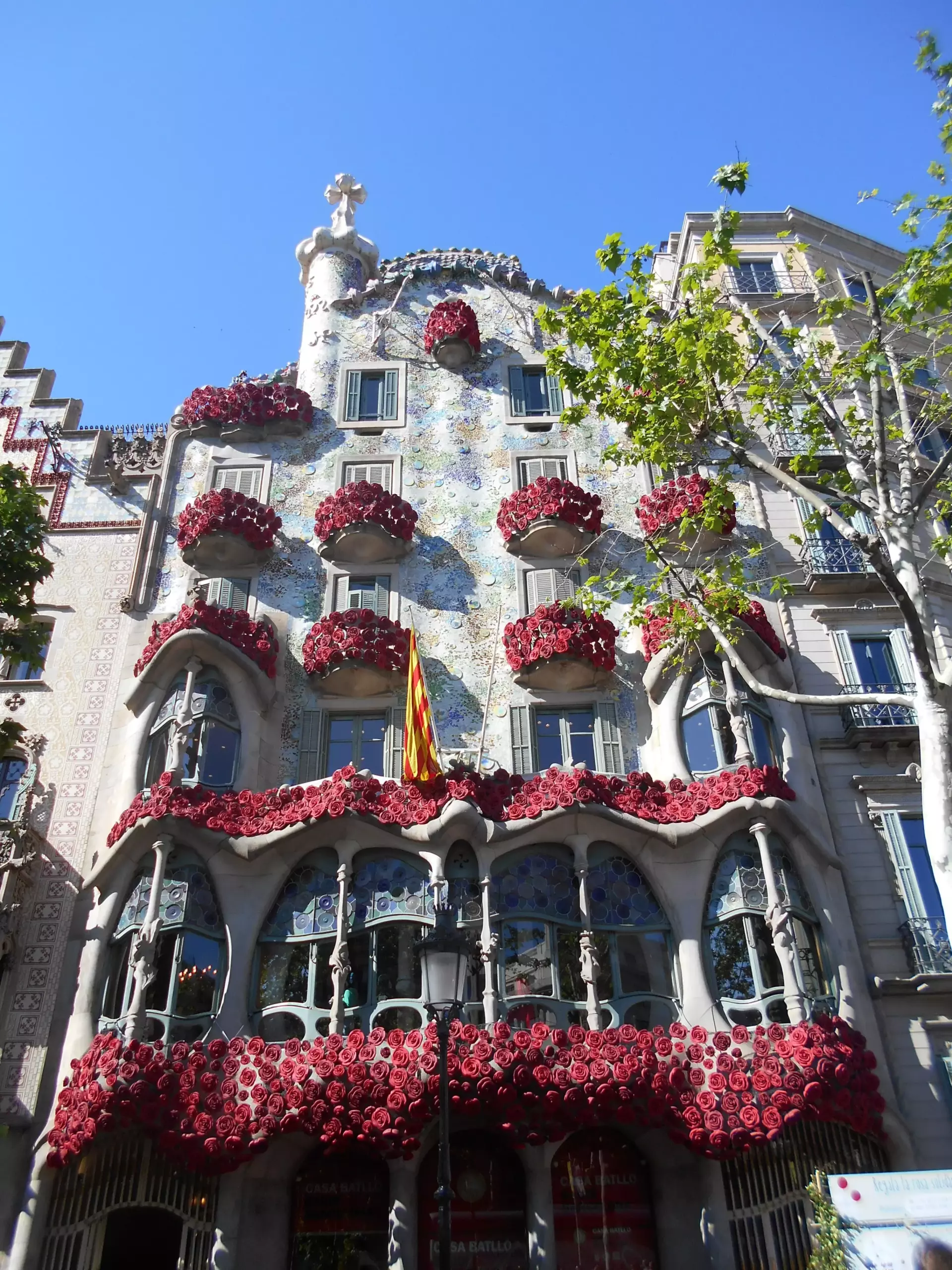
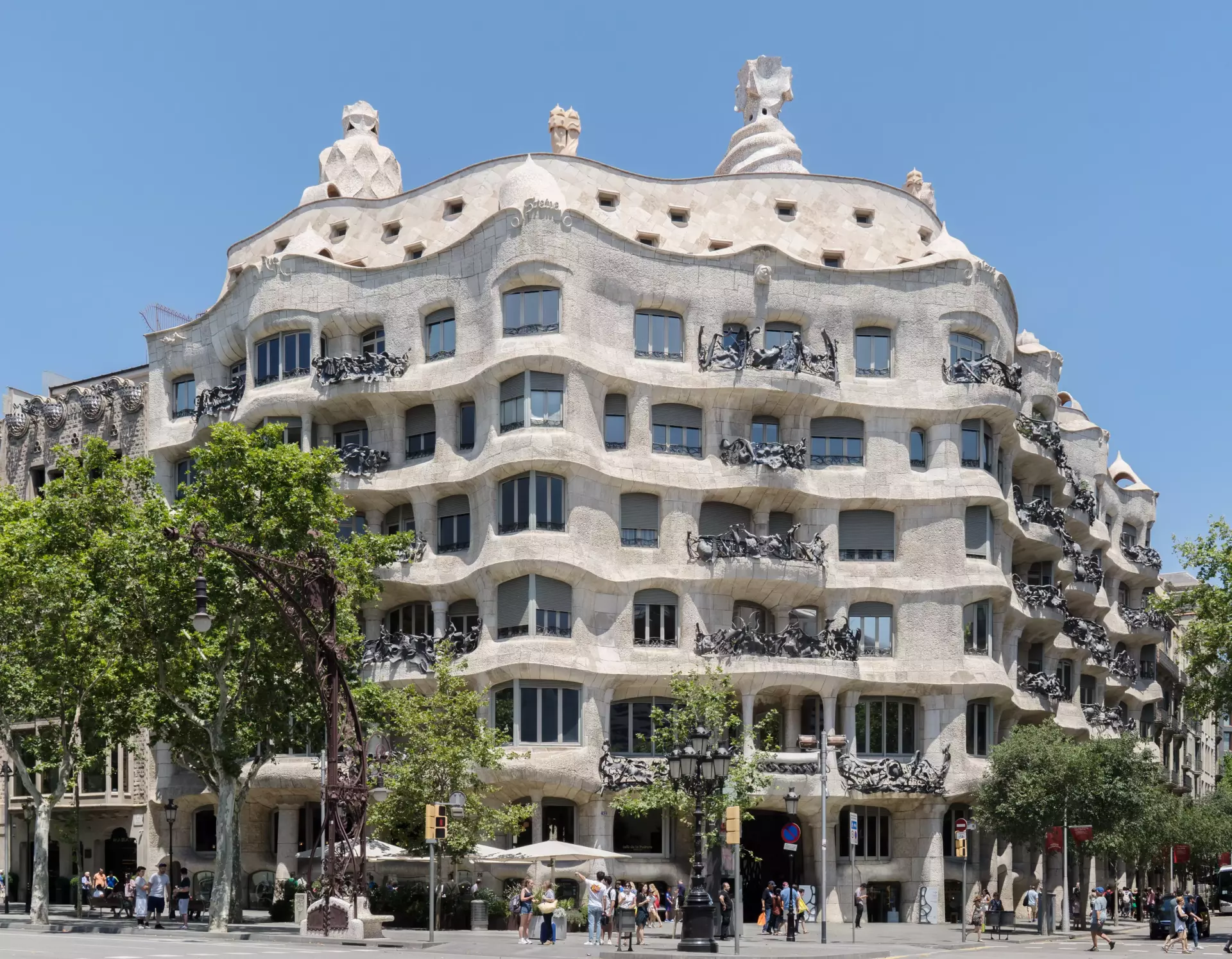
One of Gaudi's masterpieces, there is not one straight edge on the exterior and the structure is one of Gaudi’s most eccentric and enticing architectural creations. Tours of the interior and the incredible roof structures are available. Great views of the tall buildings (especially La Sagrada Familia) from the roof. Hosts a large exposition of Gaudi works, covering Sagrada Familia and Casa Batlio, not only La Pedrera itself. The exposition is a good place to start your exploration of Gaudi; it reveals many hidden details for the art novice.
The stadium and its surroundings built in 1927 and renovated for the 1992 Summer Olympics provides nice architectonic and city views. Since it's not too crowded outside sport events, it's usually a pretty calm place.
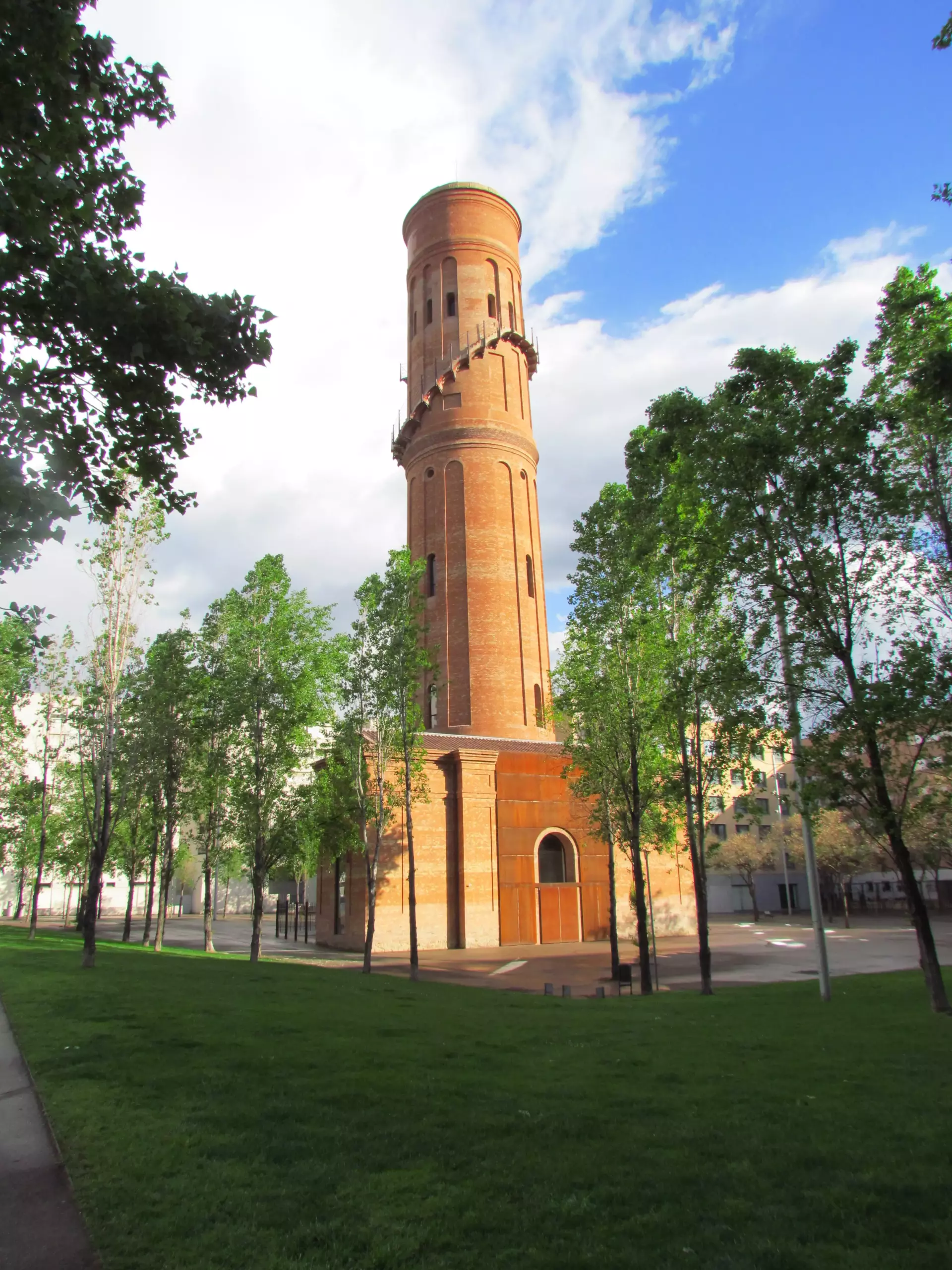
One of the most unusual landmarks in this otherwise ultra-modern area is this 19th-century (finished in 1882) brick water tower. Standing 62 metres tall, it is now overshadowed by neighbouring residential, office and hotel towers and easy to miss unless you know where to look for it.
The first building Gaudi built in Barcelona. It has been opened as a museum. It's possible to walk the whole monumental enclosure, including the garden and the interior of the building. In UNESCO World Heritage Sites list since 2005.
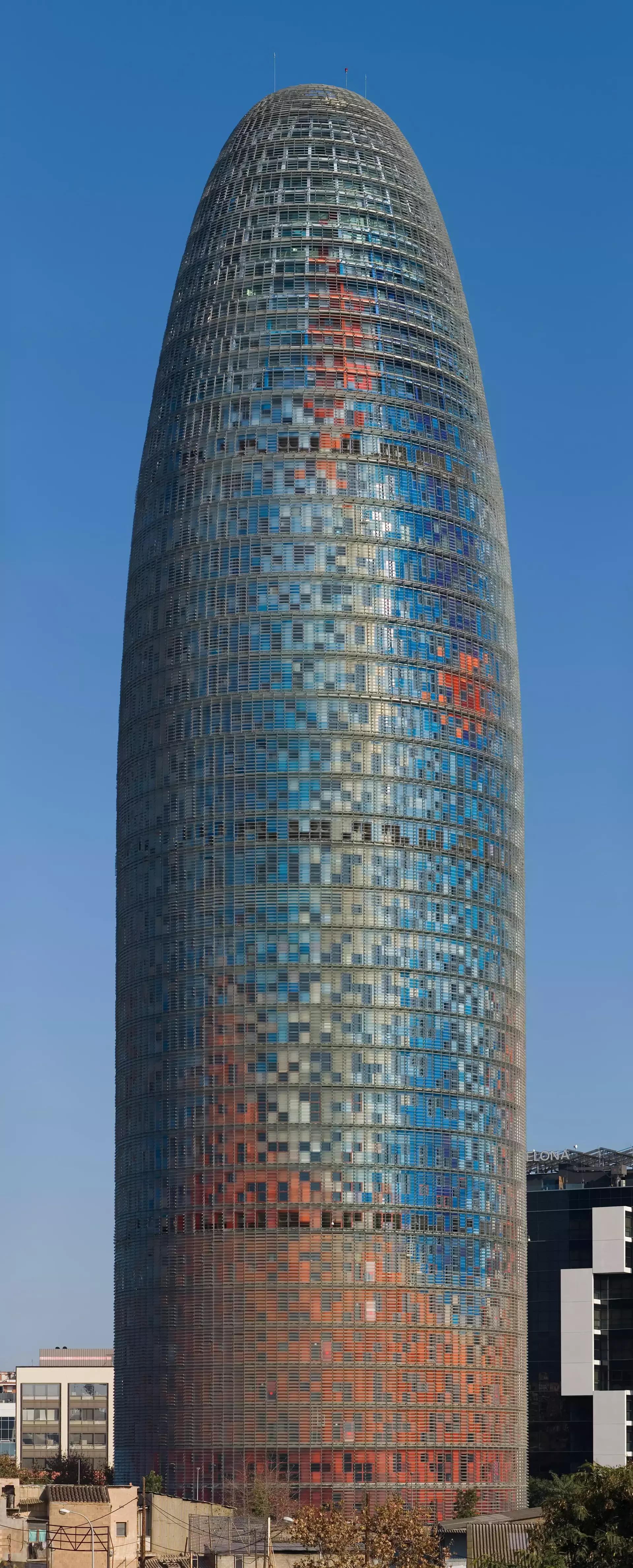
Formerly known as Torre Agbar. Distinctively-shaped office tower which stands out in the Barcelona skyline. It stands out even more Friday, Saturday and Sunday nights when it is lighted in several colours. The viewing platform on the 30th floor has views in all directions. Tickets start at €15 and come with a complimentary glass of cava and access to Hyperview Barcelona, an exhibit of the city’s real-time environmental data as an audiovisual installation, which is hosted in the tower’s lowest floor.
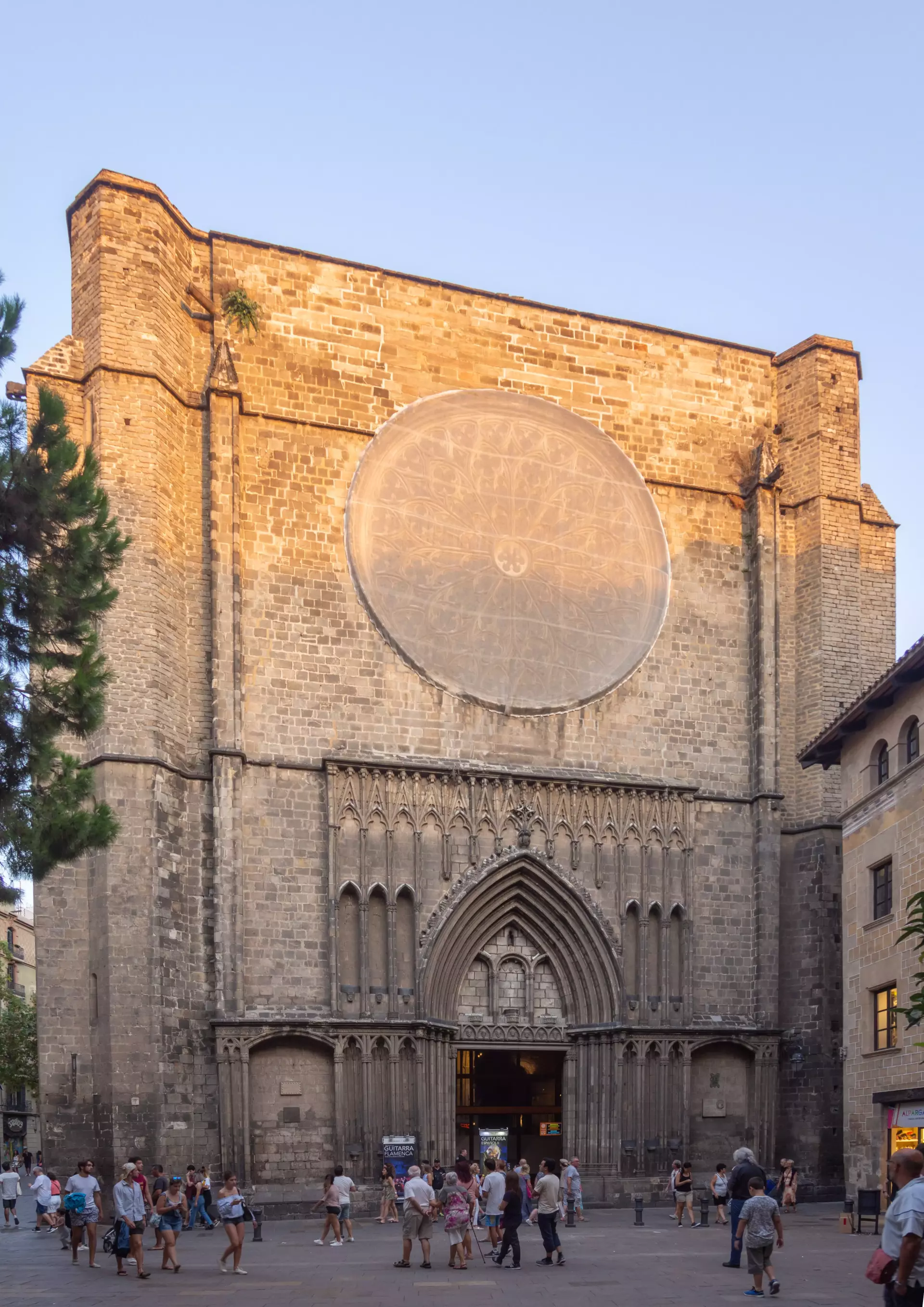
One of the most representative examples of Catalan Gothic architecture, it features a sombre but beautiful interior. The upsweeping verticality and lightness of the interior are especially surprising considering the blocky exterior surfaces. Built between 1329 and 1383, it was once was home to a Christian cult in the late 3rd century. The church is dedicated to Saint Mary of the Sea, since the quarter was dedicated to the jobs related to the sea, from sailors to harbor works, commerce, even coin exchange. The inside was burned during the civil war, but it is still very interesting. Next to the church, you can see a monument, called Fossar de les Moreres, which is the place where many fighters where buried after the Barcelona defeat in 1714, so it is an important monument for Catalan nationalism.
Urban park created from redeveloping industrial land. It covers 14 hectares and includes seven areas like a children's play area, a lake with sculptures and a central plaza.
Created in 1984 by the artist Antoni Tàpies to promote the study and knowledge of modern and contemporary art.
This former hospital is an architectural masterpiece that is now open for visitors. Inpatient wards (and most outpatient facilities) have been moved to a new building of Nou Hospital, but in terms of touring the area, that makes it all the easier. One of "small hidden features" is a network of underground passages where small carriages can be seen, you can get there near WCs on a central square, between Banc de Sang and Quiròfans.
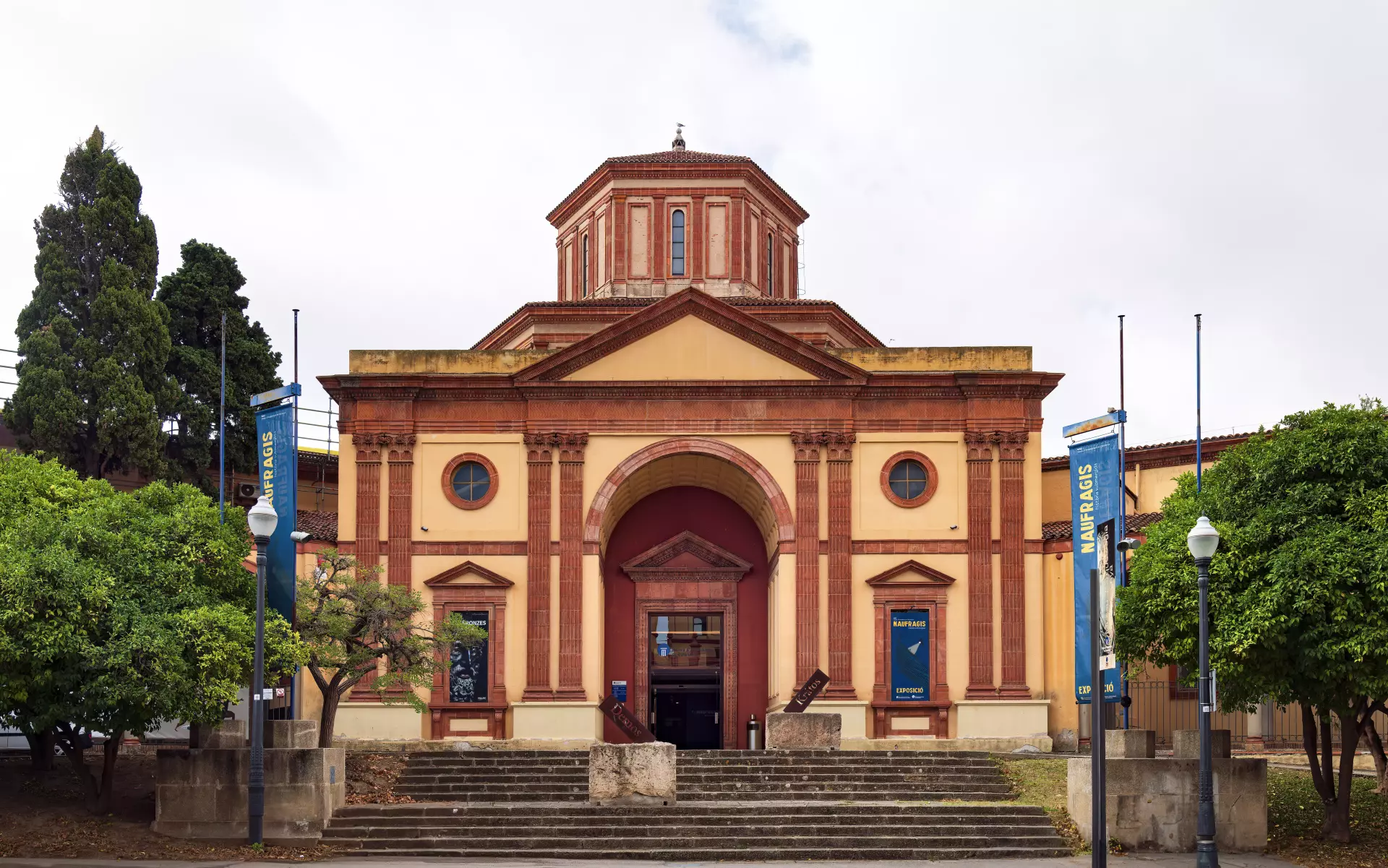
Has the single best collection of Romanesque art in the world, and a fine Gothic collection as well. Includes the Pantocrator from the Taüll Romanesque church. The building itself is also very beautiful.
Designed by Puig i Cadafalch, the building is a fine work of Modernism. Check the detailed photos and explanation of facade sculptures. It also has a shop that sells fine chocolate (the Amatller family made its money out of cocoa).