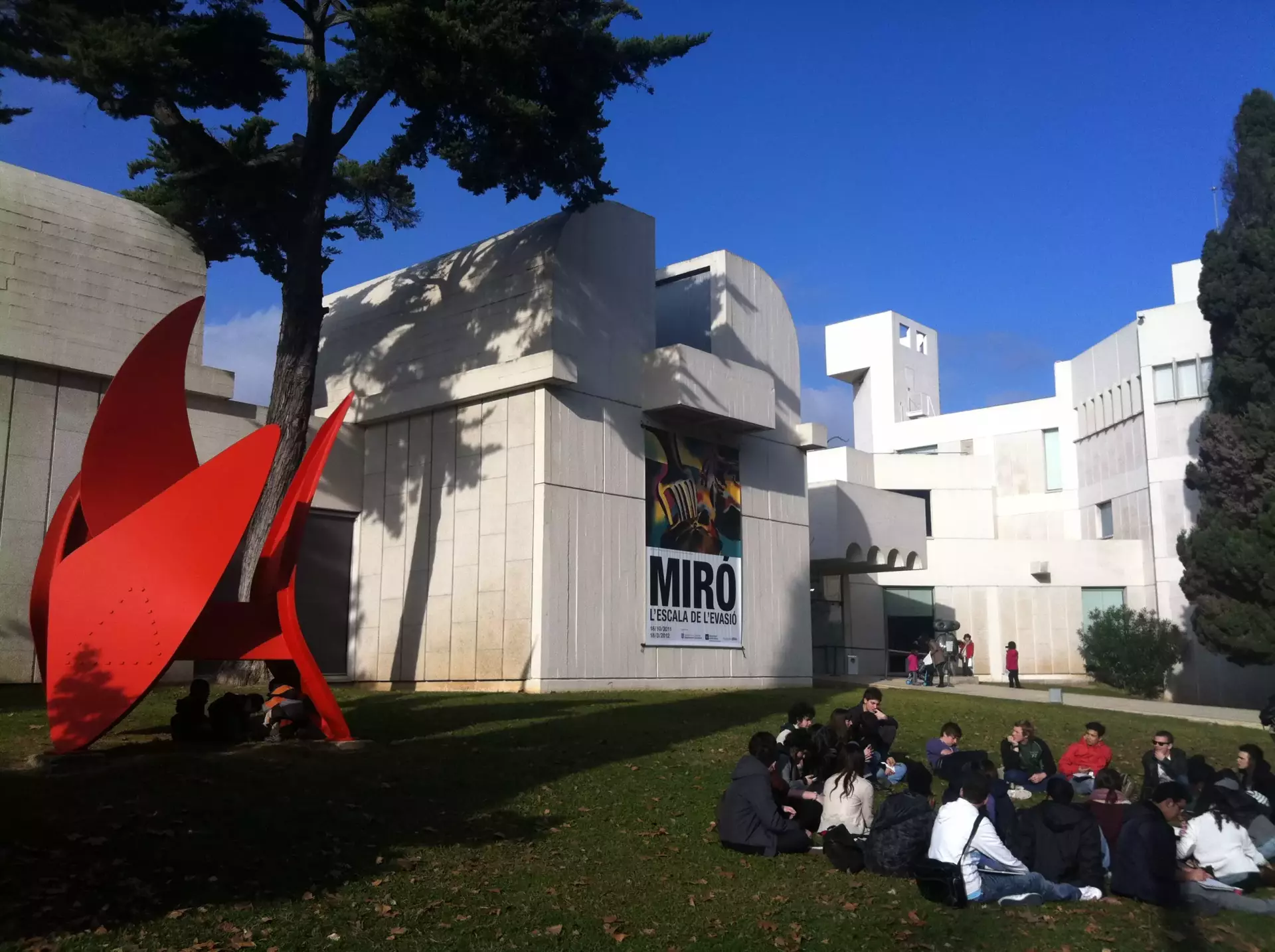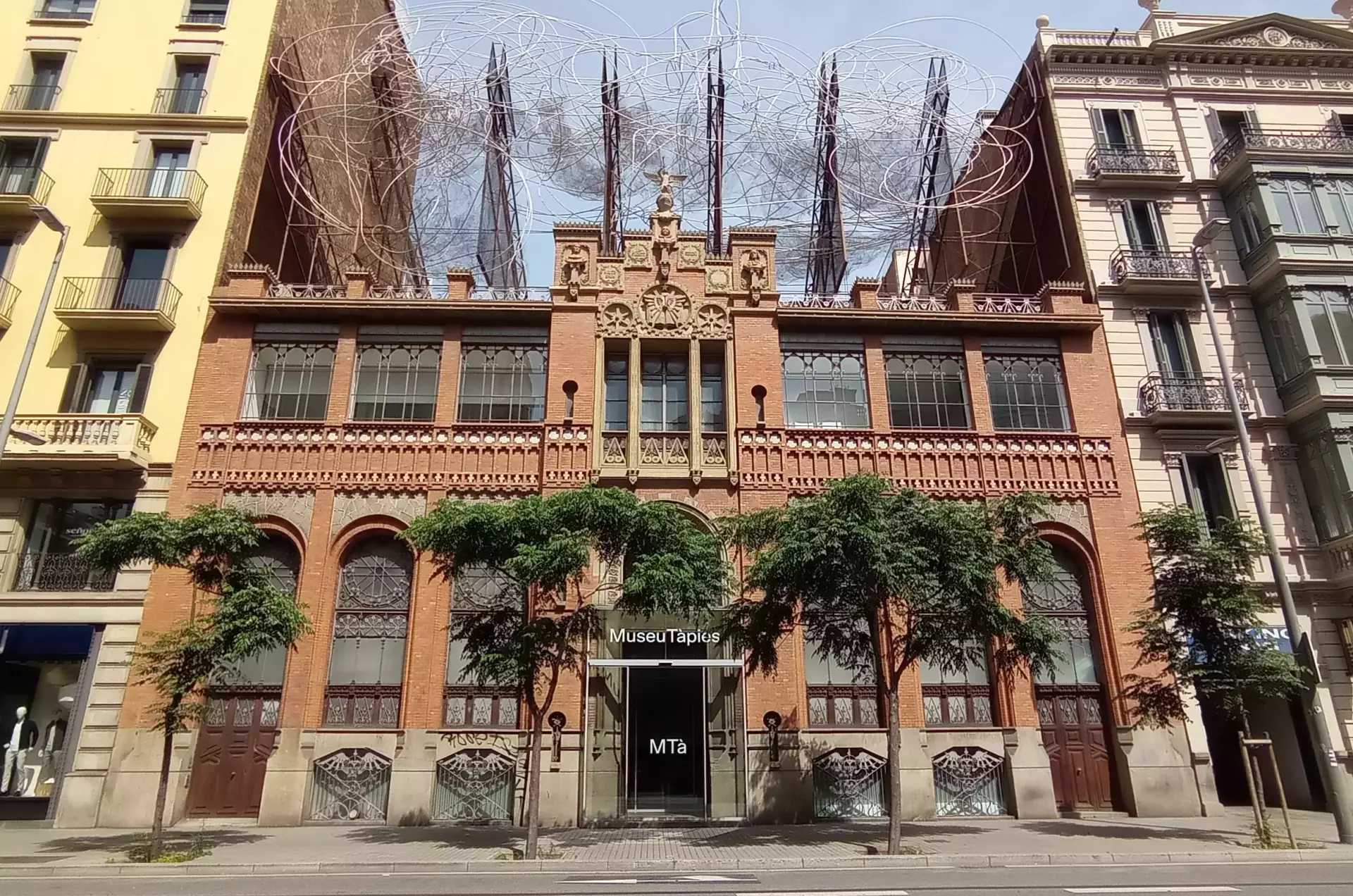
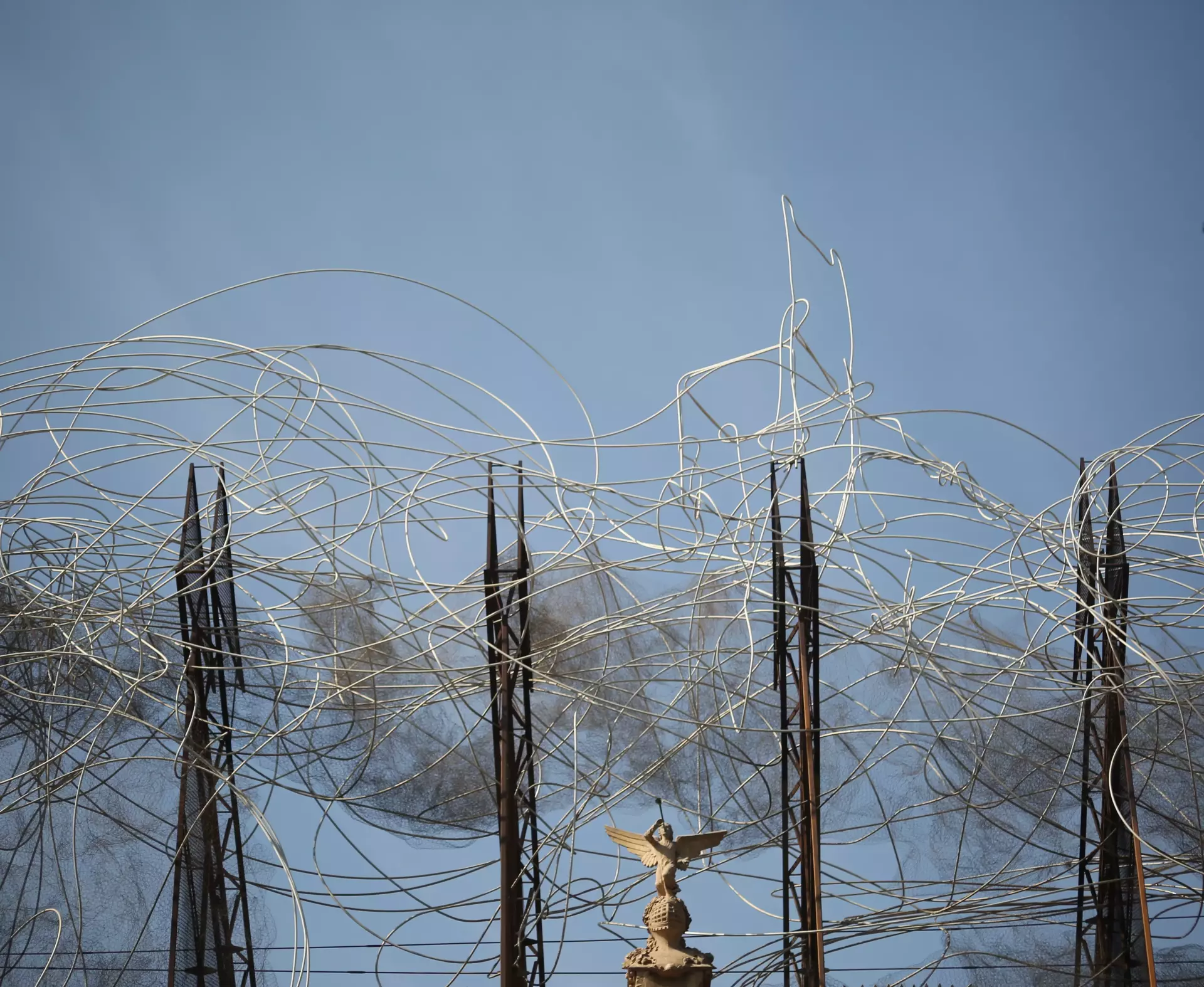
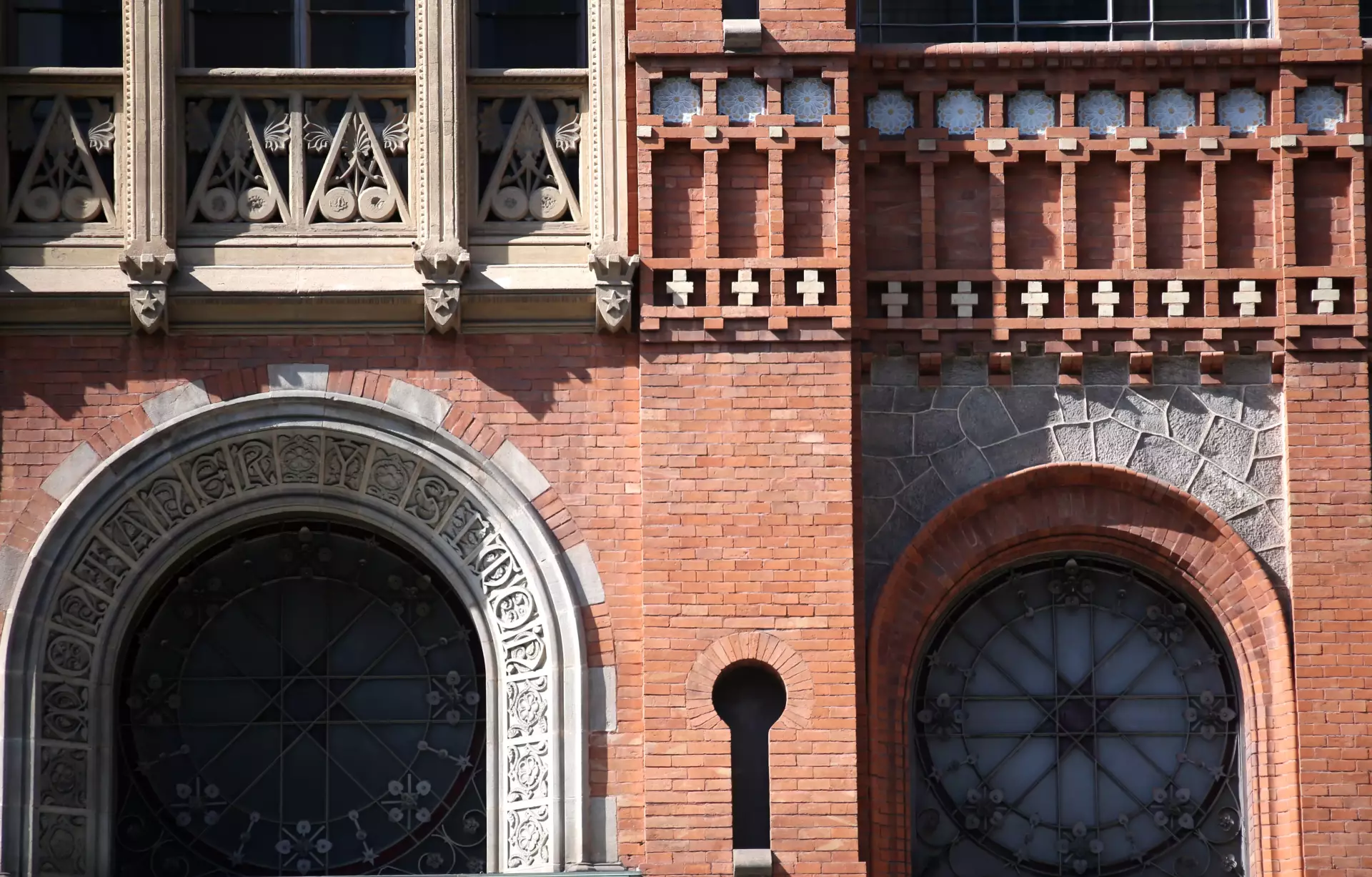
In 1984, the renowned artist Antoni Tàpies established an institution dedicated to fostering a deeper understanding and appreciation of modern and contemporary art. This initiative was named the Fundació Antoni Tàpies.
Antoni Tàpies, a leading figure in the art world, envisioned this foundation as a space where art lovers and scholars could explore the evolution of art through different eras. It serves as a center for art education, preserving Tàpies' artistic legacy while promoting ongoing dialogue about contemporary art's dynamic nature.
The foundation not only showcases Tàpies' works but also offers a platform for various exhibitions and cultural activities. Visitors can immerse themselves in a rich environment that celebrates artistic innovation and creativity.
Through workshops, lectures, and exhibitions, the Fundació Antoni Tàpies engages with the community, inviting art enthusiasts of all ages to participate in its programs. This engagement encourages a collaborative atmosphere where ideas are freely exchanged and artistic expression is celebrated.
Source - https://en.wikipedia.org/wiki/Museu_T%C3%A0pies
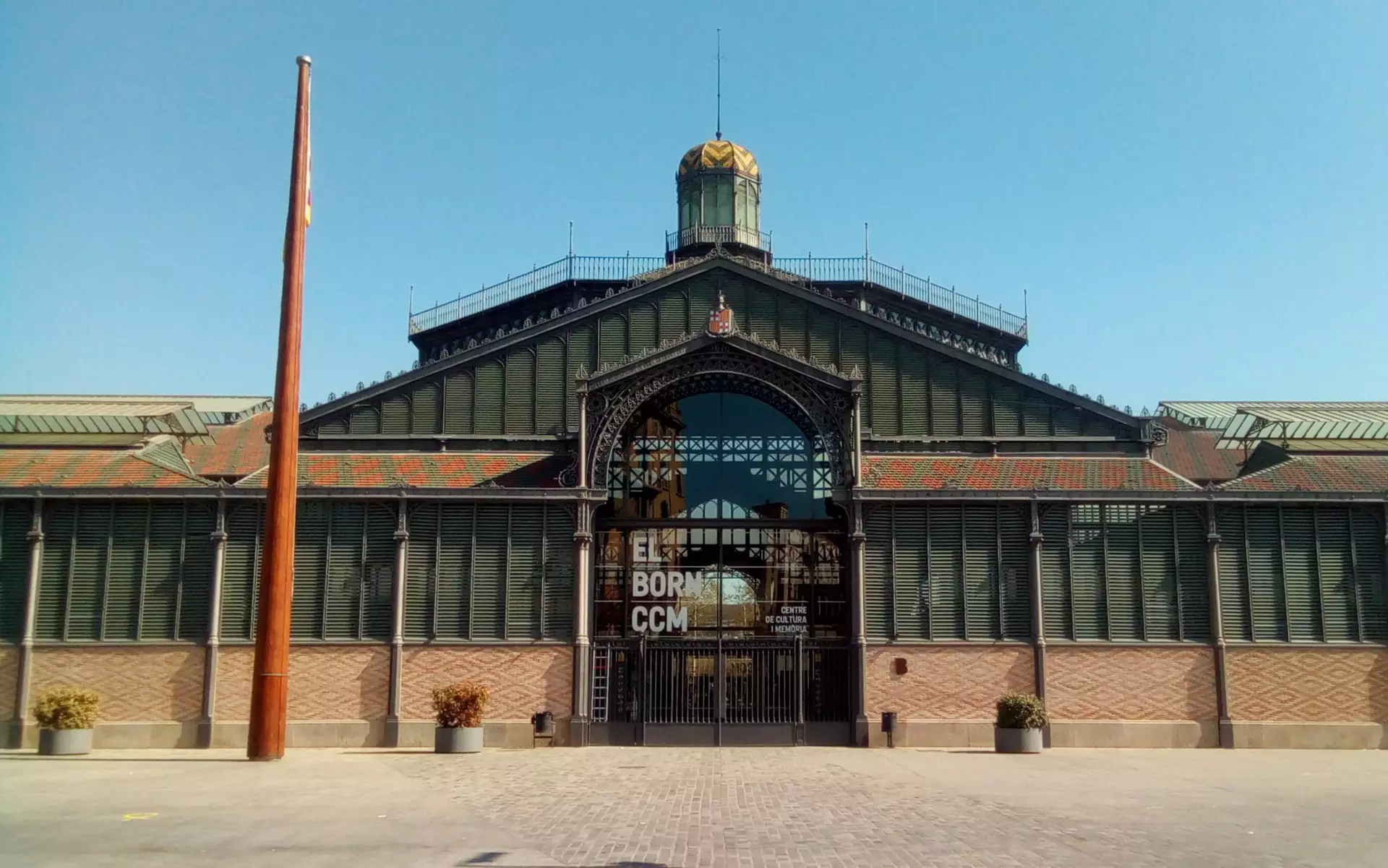
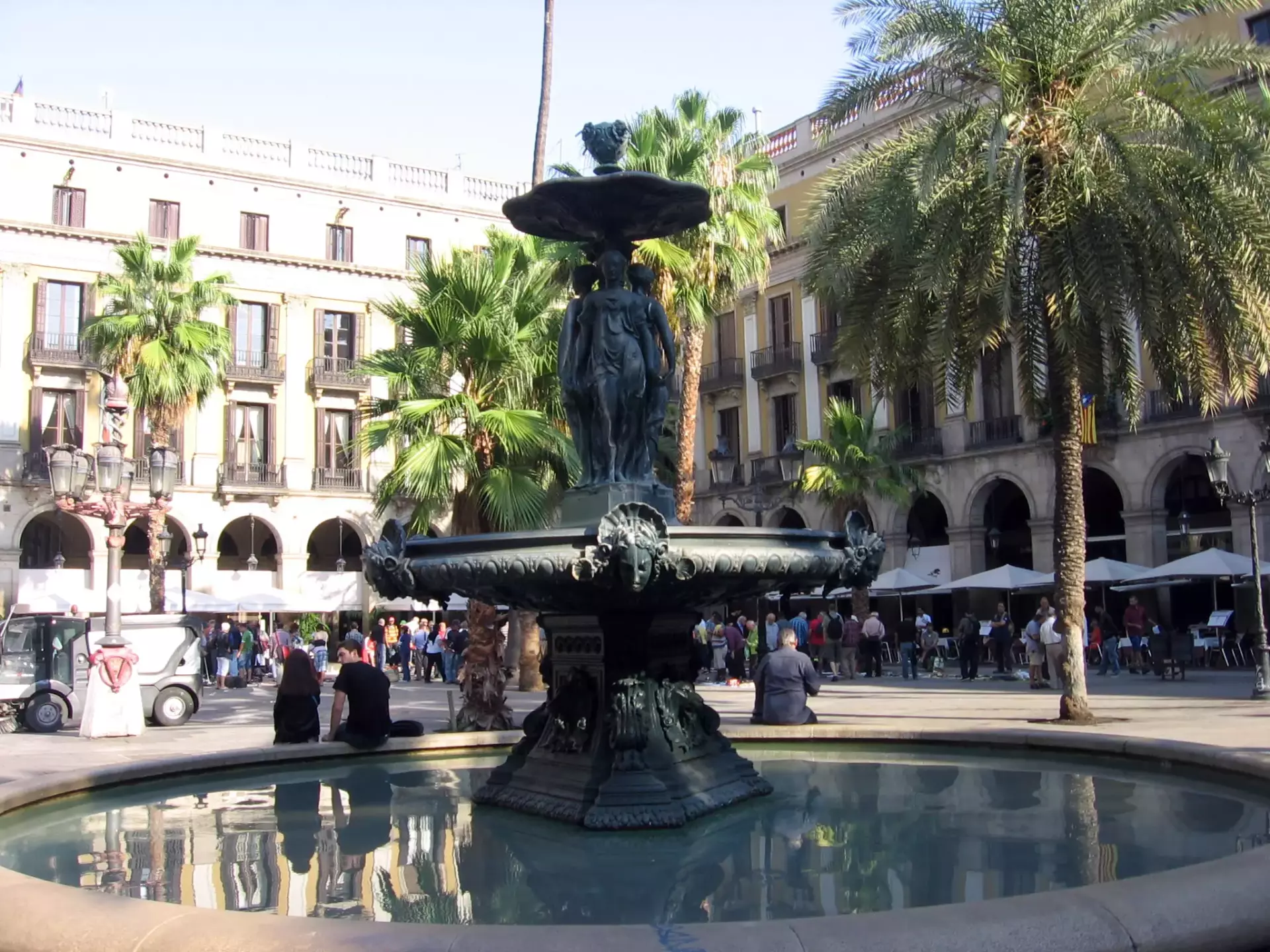
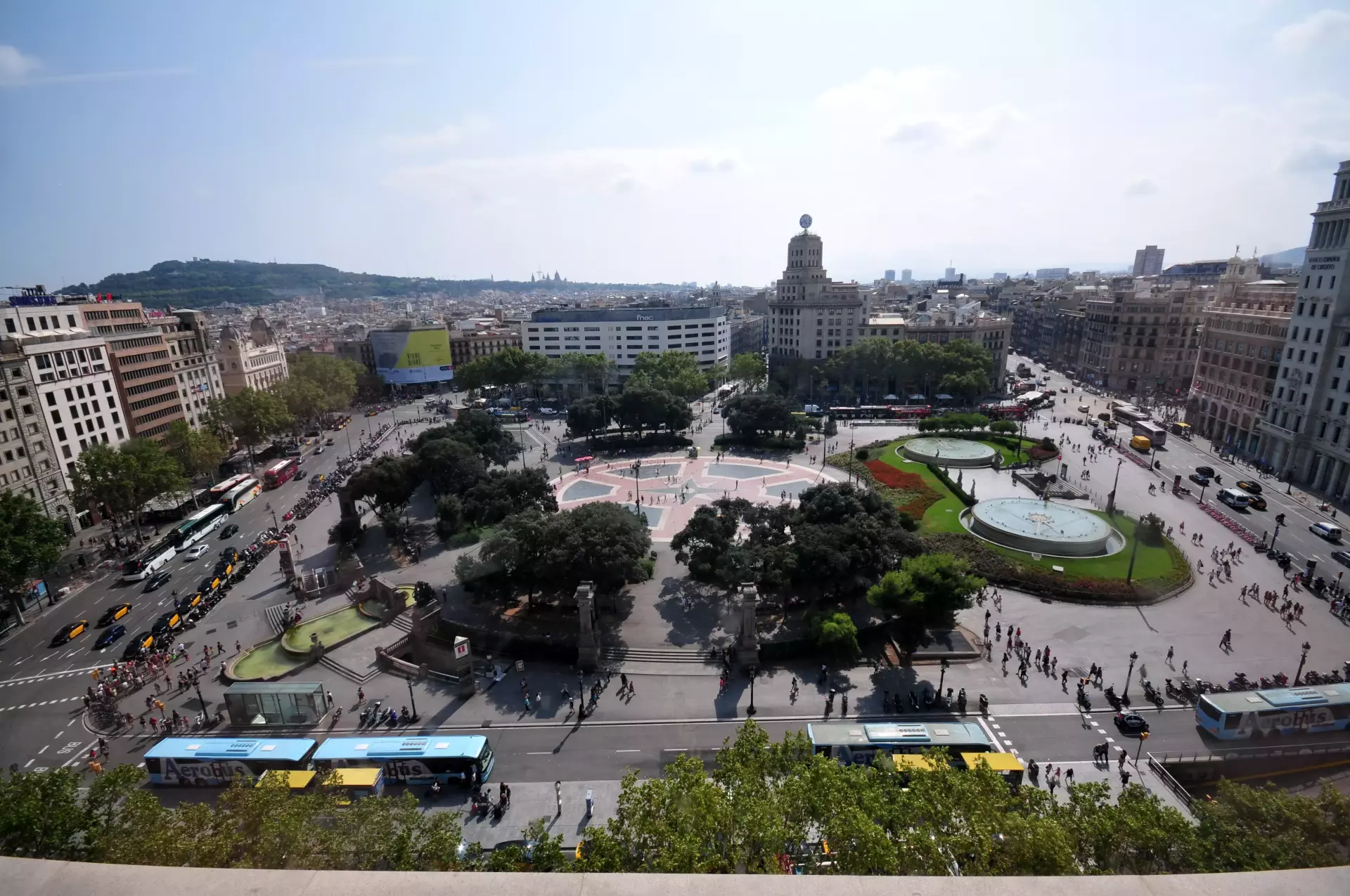
Connecting many of the major streets in the city, the Plaça is a central location and a hub of activity. It is a favourite meeting spot for locals and a transit hub for the tourist buses. There are many fountains, statues and gardens around the plaza, and a number of benches to just sit and take it all in.
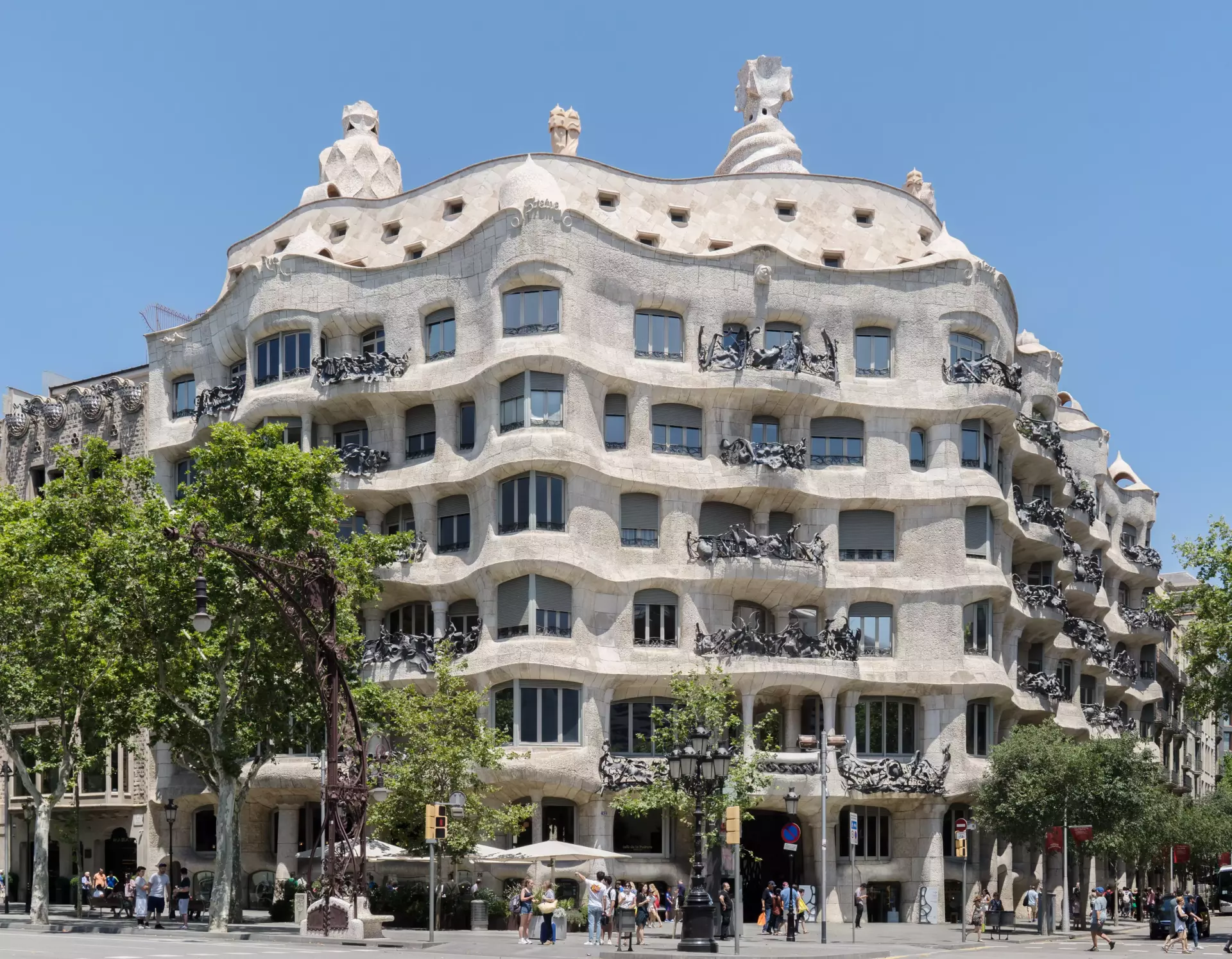
One of Gaudi's masterpieces, there is not one straight edge on the exterior and the structure is one of Gaudi’s most eccentric and enticing architectural creations. Tours of the interior and the incredible roof structures are available. Great views of the tall buildings (especially La Sagrada Familia) from the roof. Hosts a large exposition of Gaudi works, covering Sagrada Familia and Casa Batlio, not only La Pedrera itself. The exposition is a good place to start your exploration of Gaudi; it reveals many hidden details for the art novice.
A beautiful Gothic monastery near the university, there are a museum which depicts the monastery life, a church, and a marvelous chapel covered with medieval frescoes.
The university has many interesting buildings, libraries and courtyards.
Much to the dismay of Mickey Mouse aficionados, Disseny is Catalan for "design", not "Disney". The "Disseny Hub" houses the amalgamated museums focusing on applied arts and design, including Museu de les Arts Decoratives, Museu de Ceràmica, Museu Tèxtil i d'Indumentària and Gabinet de les Arts Gràfiques. The new building has an intricate, multi-level structure, with the protruding tower overhanging the Praca de les Glories roundabout.
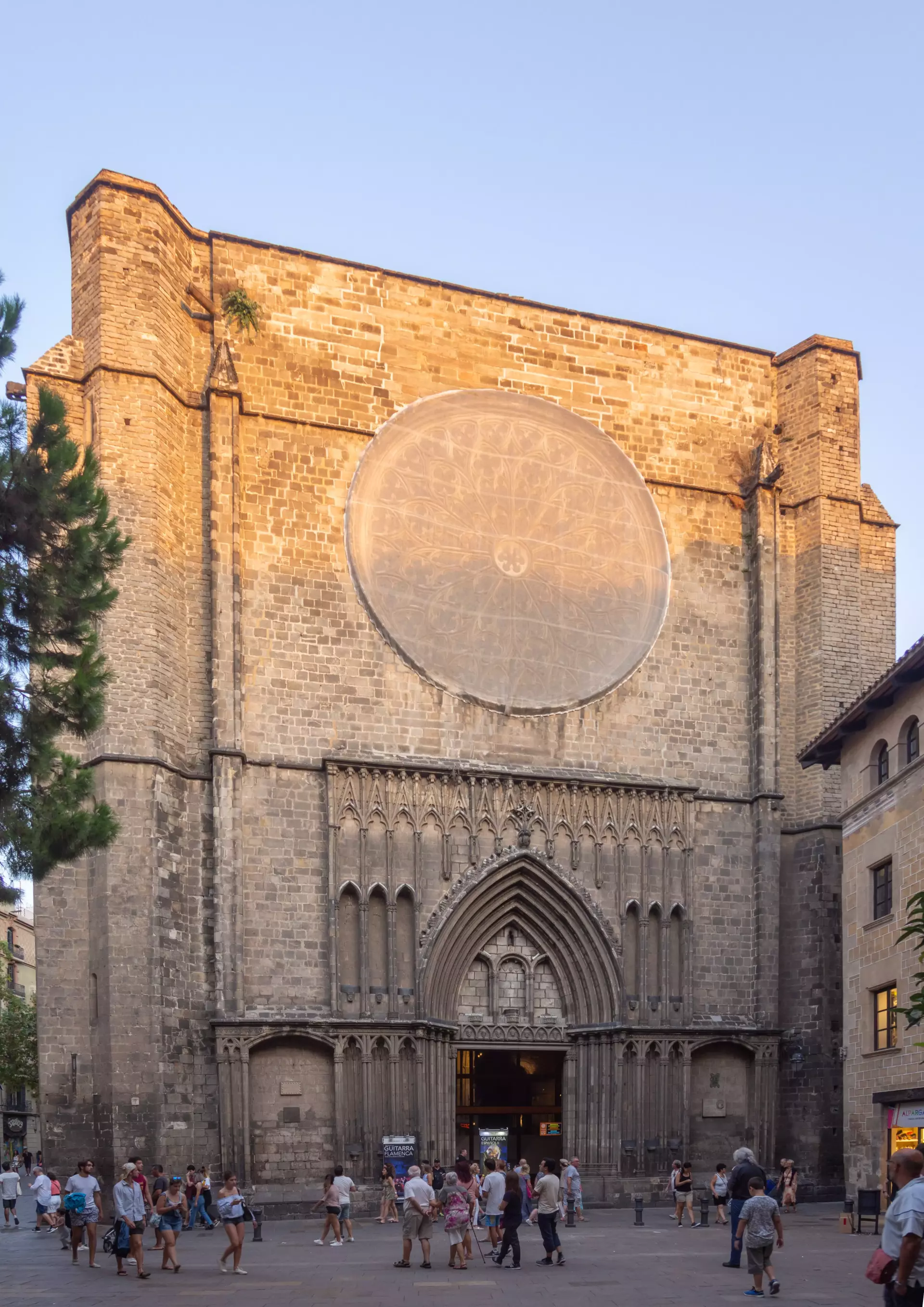
One of the most representative examples of Catalan Gothic architecture, it features a sombre but beautiful interior. The upsweeping verticality and lightness of the interior are especially surprising considering the blocky exterior surfaces. Built between 1329 and 1383, it was once was home to a Christian cult in the late 3rd century. The church is dedicated to Saint Mary of the Sea, since the quarter was dedicated to the jobs related to the sea, from sailors to harbor works, commerce, even coin exchange. The inside was burned during the civil war, but it is still very interesting. Next to the church, you can see a monument, called Fossar de les Moreres, which is the place where many fighters where buried after the Barcelona defeat in 1714, so it is an important monument for Catalan nationalism.
Palace designed by Gaudí for the industrial tycoon Eusebi Güell. There is a basement and three levels of the palace to explore, the highest featuring a small exhibition. It is in a different style to Gaudi's apartment blocks La Pedrera and Casa Batlló, as well as being cheaper and less crowded than those sites. The rooftop of Palau Güell features the more standard Gaudi style chimneys, and views across El Raval.
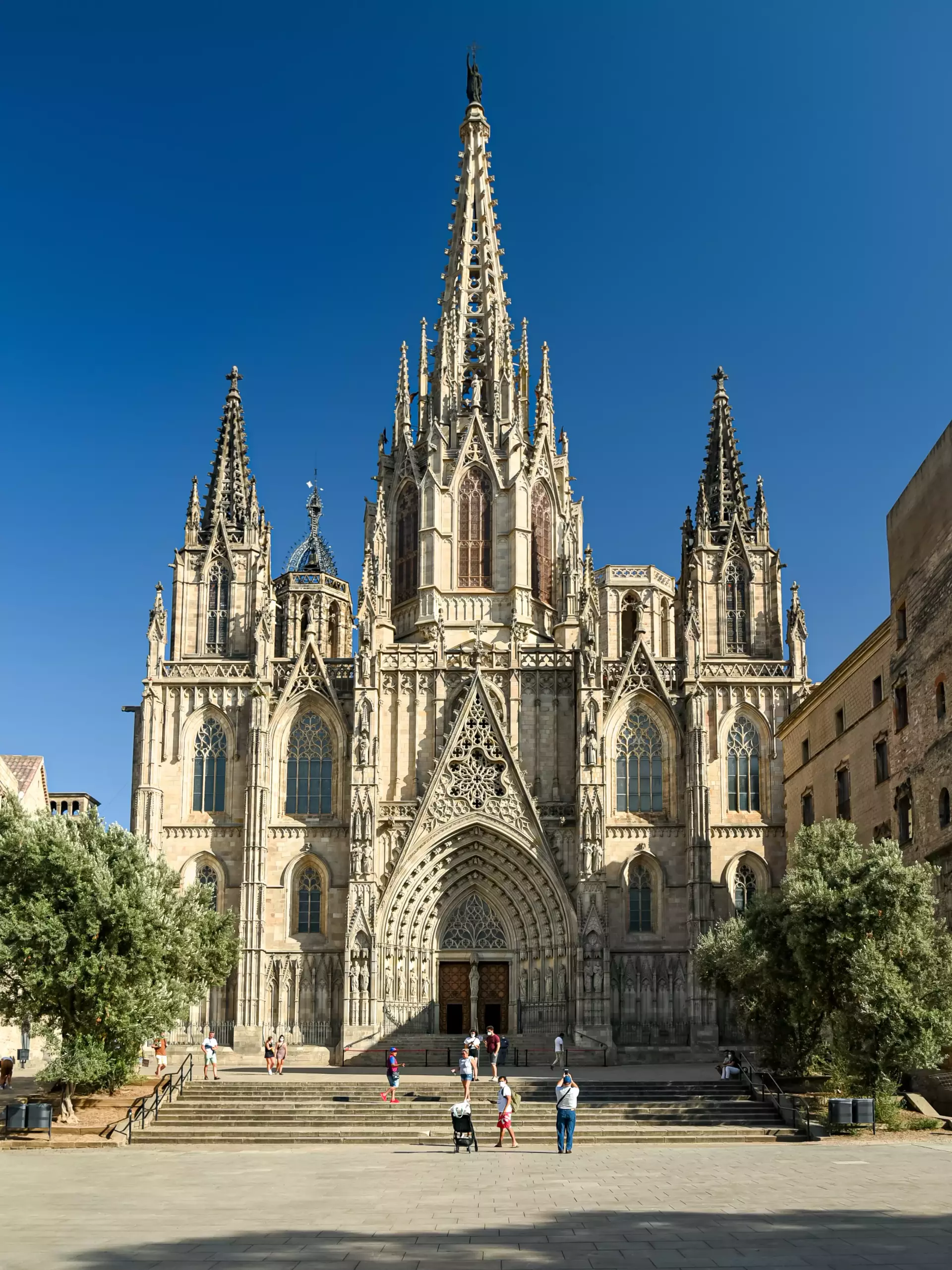
The main Gothic church in Barcelona. The cloister is maybe the most interesting part.
Although a botanic garden had been established in Barcelona as early as 1888, the current gardens date from 1999.
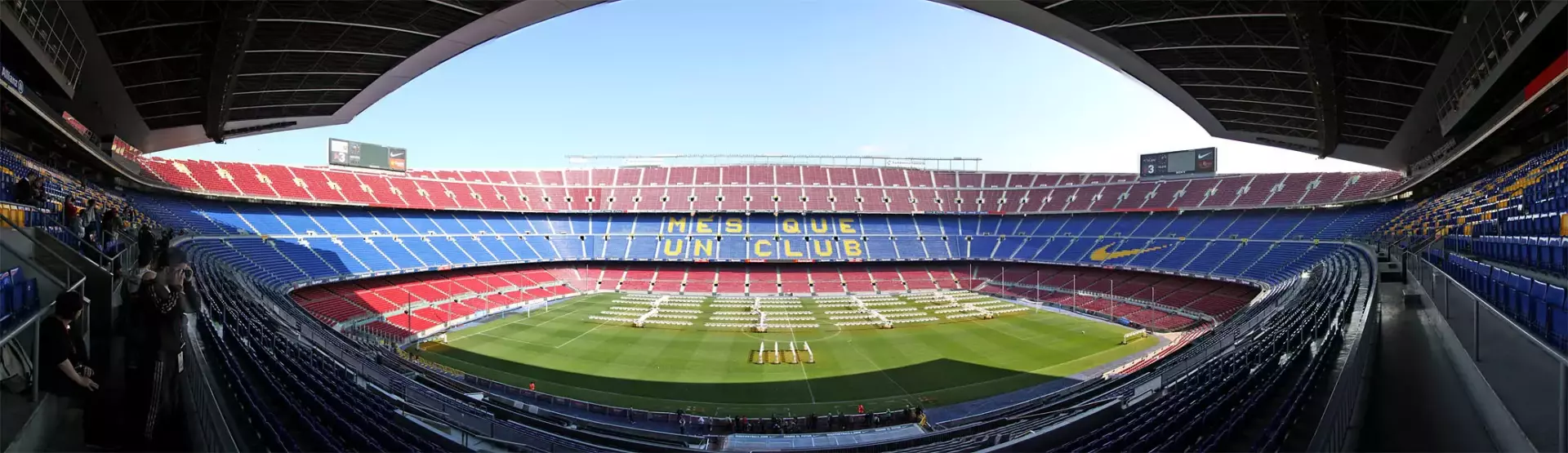
Museum dedicated to the FC Barcelona. It occupies 3,500 m² and attracts 1.2 million visitors a year, ranking it second to the Museu Picasso, which attracts 1.3 million visitors, as the most visited museum in the city of Barcelona. All of the Barcas trophies and jerseys of many famous players of the team are exhibited. The museum can be visited by booking the Camp Nou Experience package, which includes also a stadium tour. The stadium tour is not fantastic and the audio guide is not really worth it either, but for a quick recent history of matches played there, consult the backs of the doors in the cubicles. Most have a lot of graffiti championing the team that played there. It is also unfortunate that the home team changing rooms are not open to the public, only the somewhat dated guest's team dressing rooms, which are not that impressive.
Barcelona's most popular and famous attraction, the Sagrada Família is a testament to Antonio Gaudi's modernist style and unlike any other church in the world. The texture and detail on the façades are intricate and incorporate forms seen in nature as much of Gaudi's work does. The inside is huge — it's estimated that it can hold 13,000 people — with vaulted ceilings and columns designed to be reminiscent of trees. The church is still under construction, but the central nave, apse and crypt are open. Seeing the Sagrada Família at night with lights on is impressive — this is the time when you understand why people say that it is built of bones.