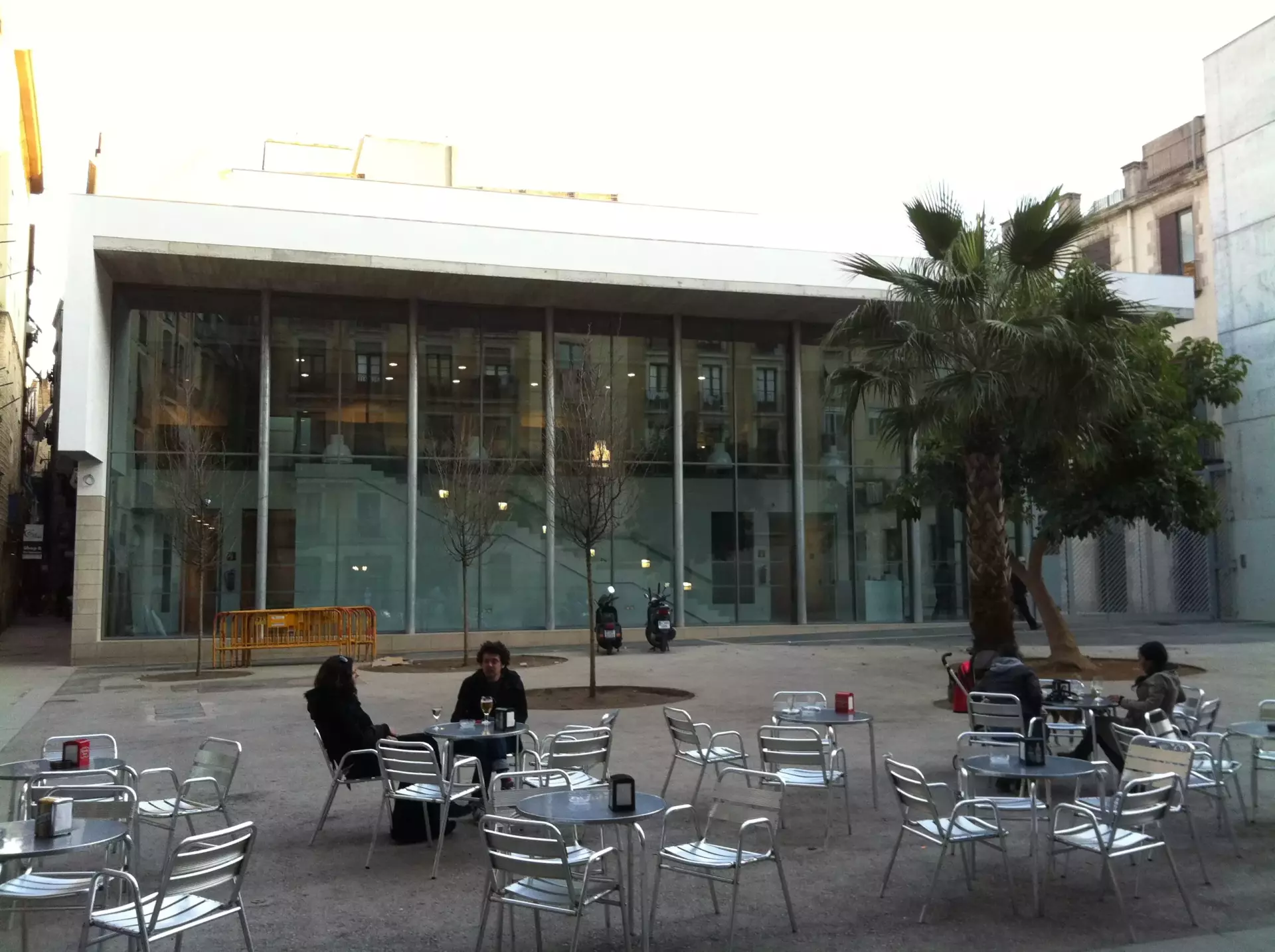
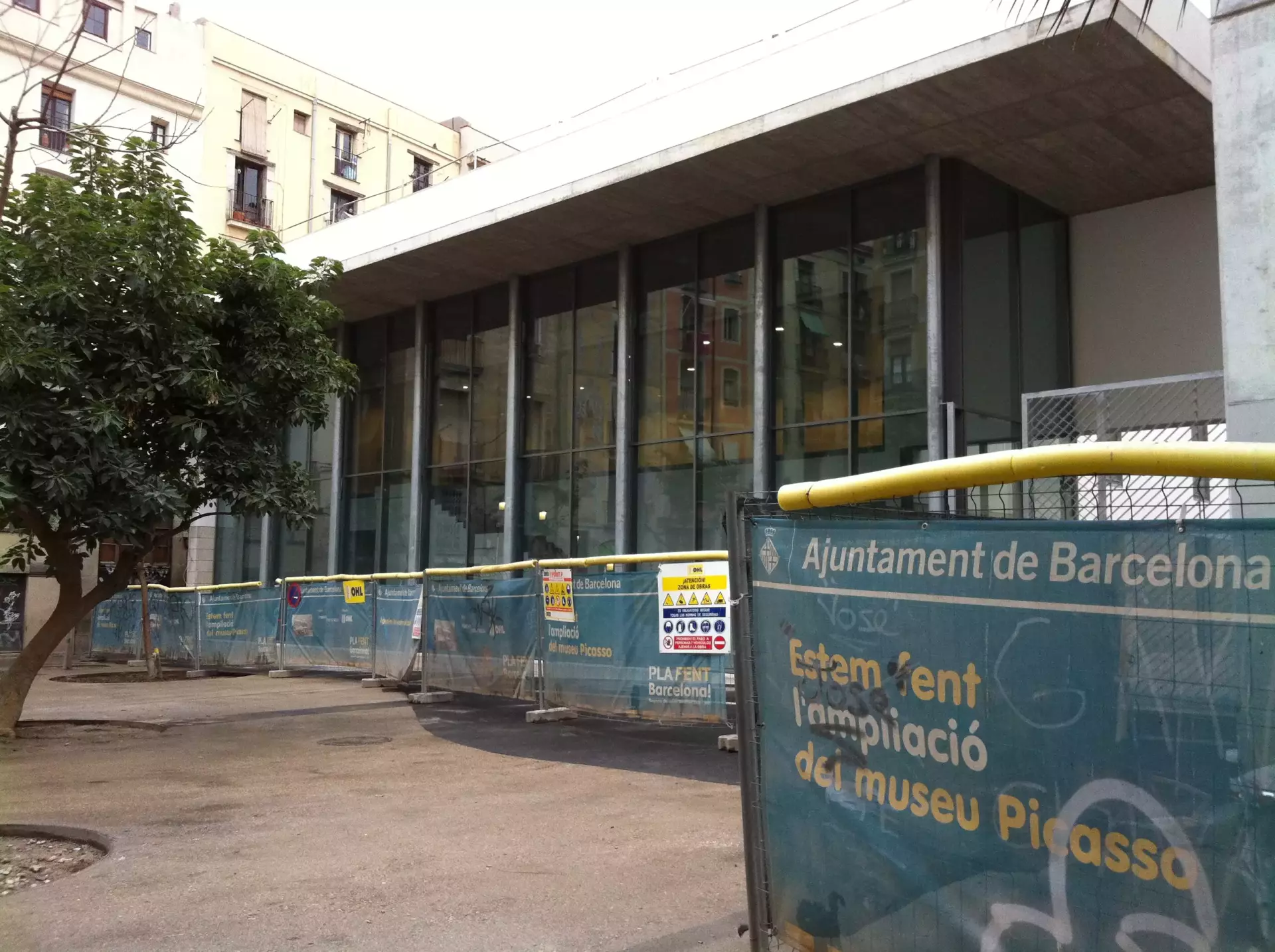
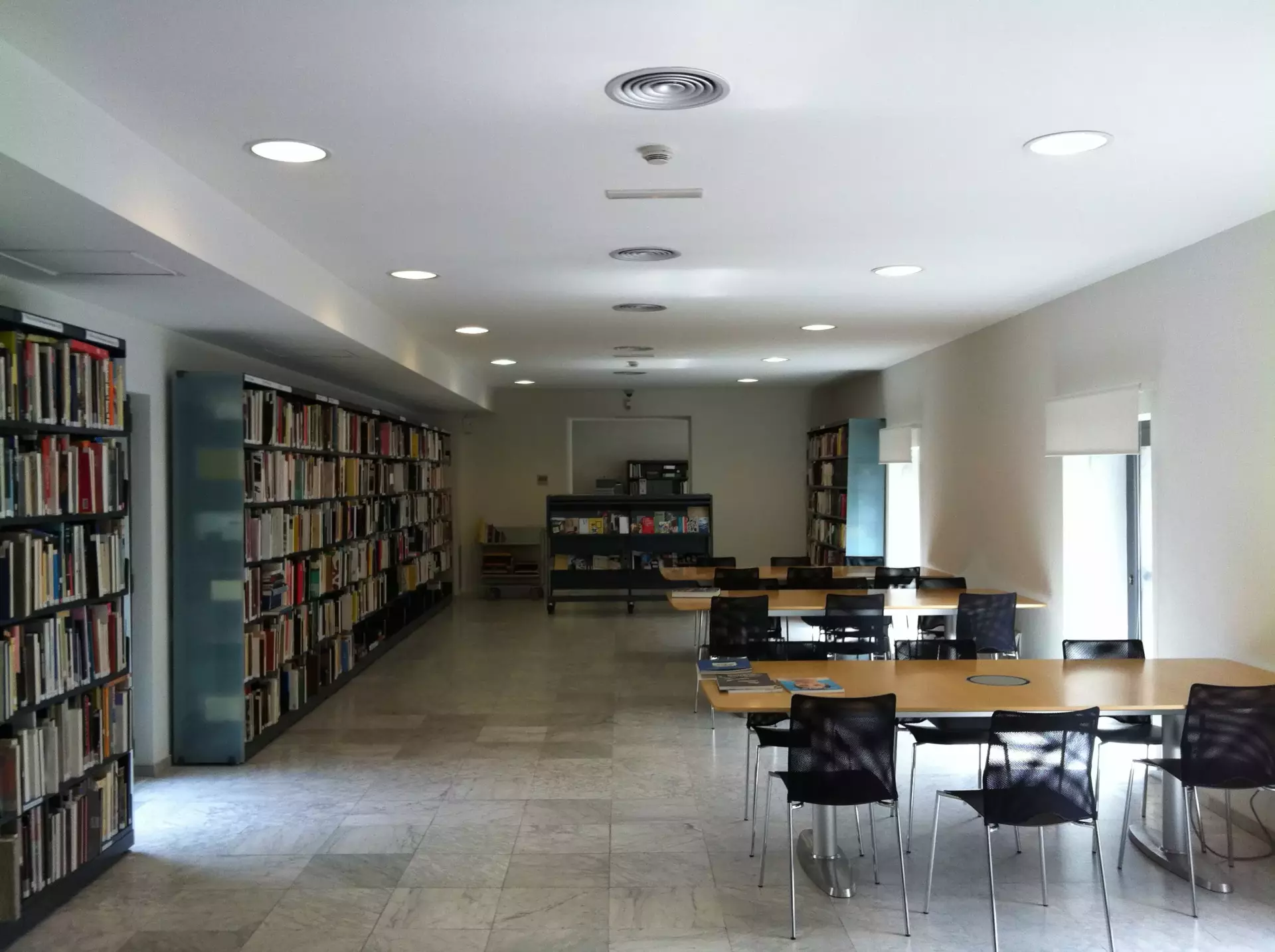
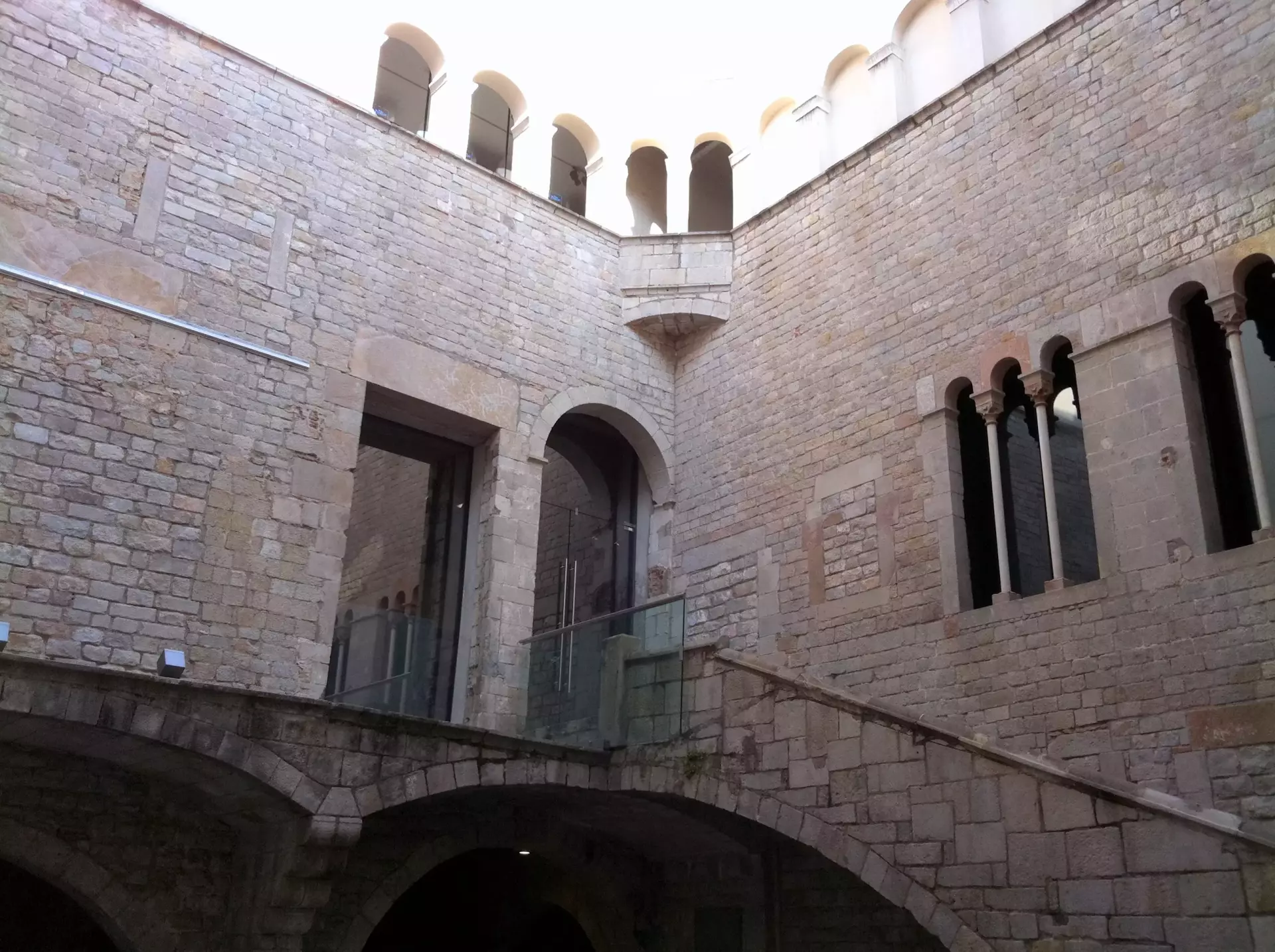
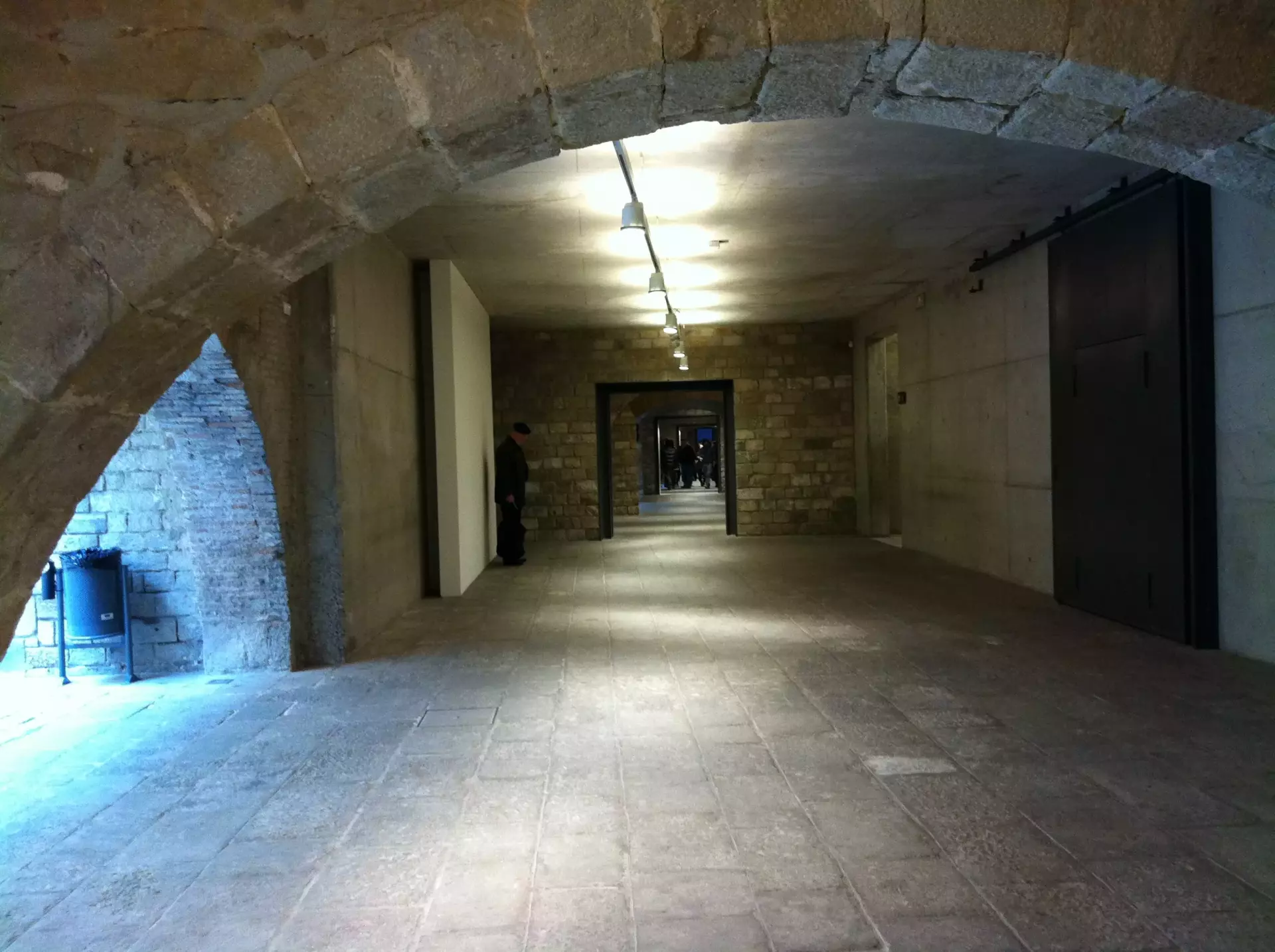
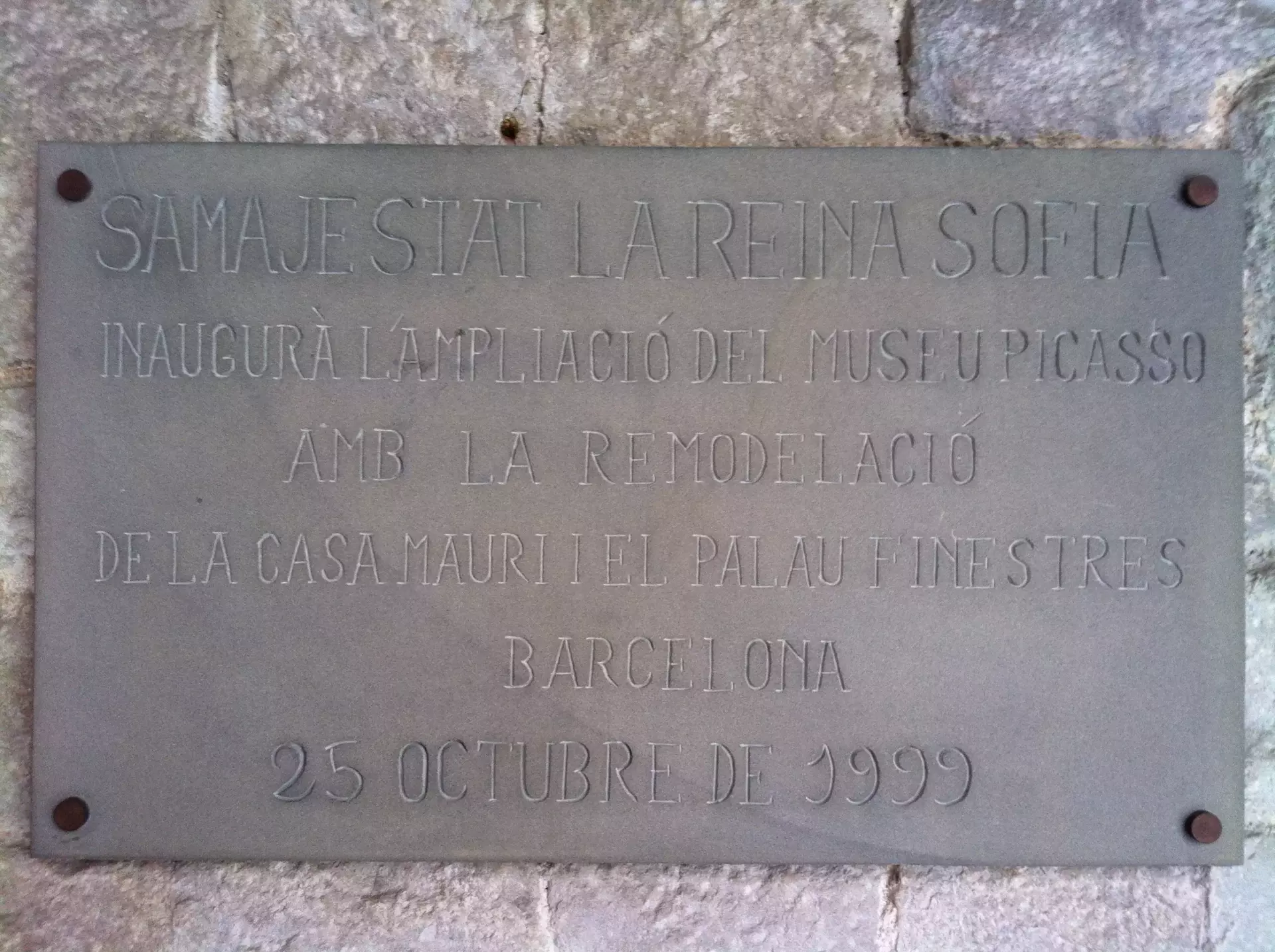
The Picasso Museum contains a vast collection of artworks from the artist's early period, offering a fascinating glimpse into his development before the advent of cubism. While it may lack many of Picasso's most renowned pieces, it provides valuable insight into his formative years and artistic evolution.
Visitors should be aware that picture descriptions are primarily in Spanish. However, overview texts for each period are conveniently available in English, making it easier for international guests to understand and appreciate the context of the exhibits.
For those planning a visit, it's important to note that any luggage exceeding 30x30cm must be stored at the checkroom. While this service is available, the museum does not hold liability for any valuables left behind, so it may be wise to keep important items with you.
Source - https://en.wikipedia.org/wiki/Museu_Picasso
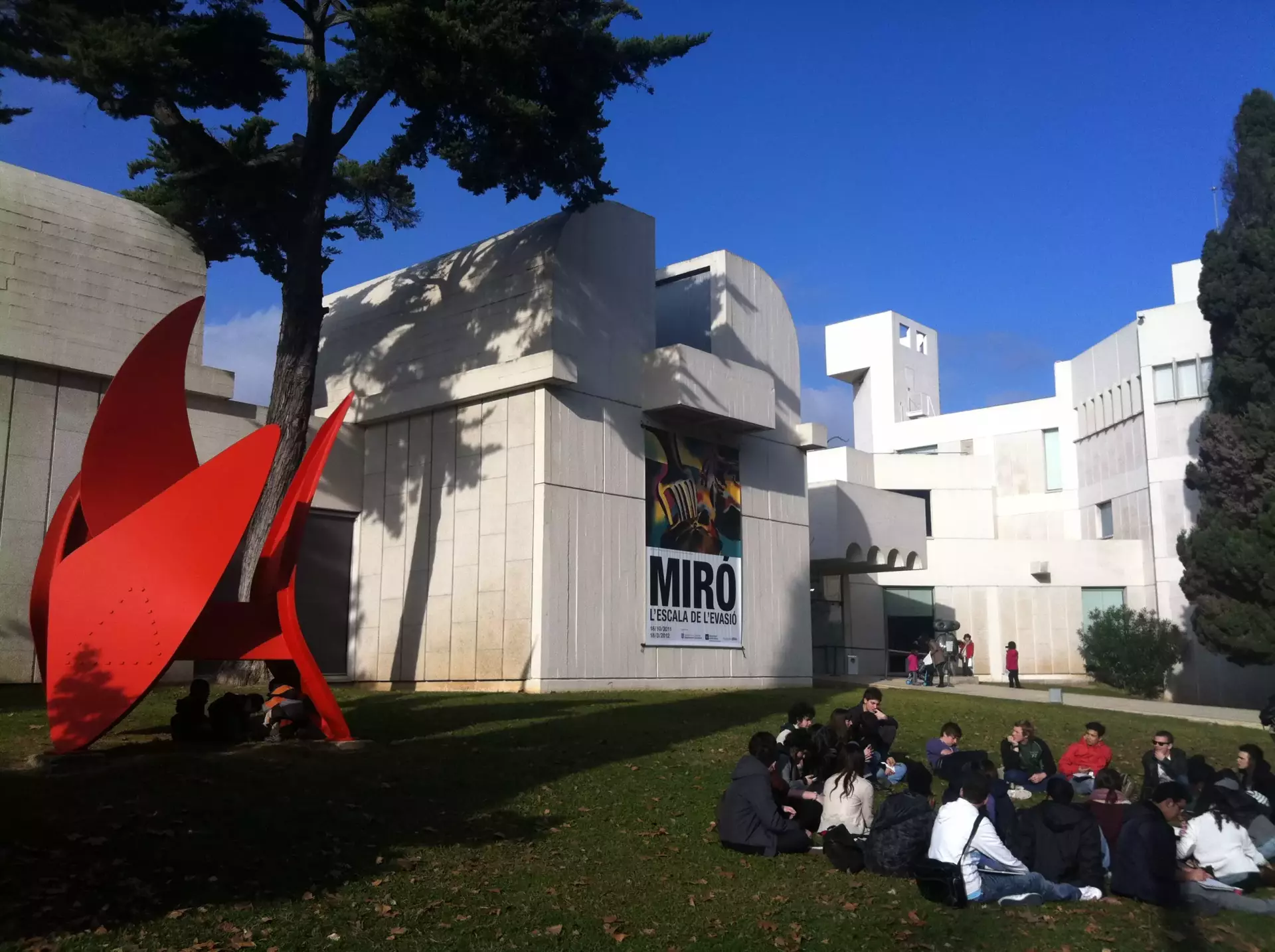
Created in 1984 by the artist Antoni Tàpies to promote the study and knowledge of modern and contemporary art.
Distinctive pink house that Gaudi lived in for nearly 20 years (although not designed by him). It features furniture designed by Gaudi and other objects relating to Gaudi's life. The gift shop has a large selection of Gaudi-themed souvenirs that are generally better quality than what's available in the normal tourist shops.
Designed by Puig i Cadafalch, the building is a fine work of Modernism. Check the detailed photos and explanation of facade sculptures. It also has a shop that sells fine chocolate (the Amatller family made its money out of cocoa).
This former hospital is an architectural masterpiece that is now open for visitors. Inpatient wards (and most outpatient facilities) have been moved to a new building of Nou Hospital, but in terms of touring the area, that makes it all the easier. One of "small hidden features" is a network of underground passages where small carriages can be seen, you can get there near WCs on a central square, between Banc de Sang and Quiròfans.
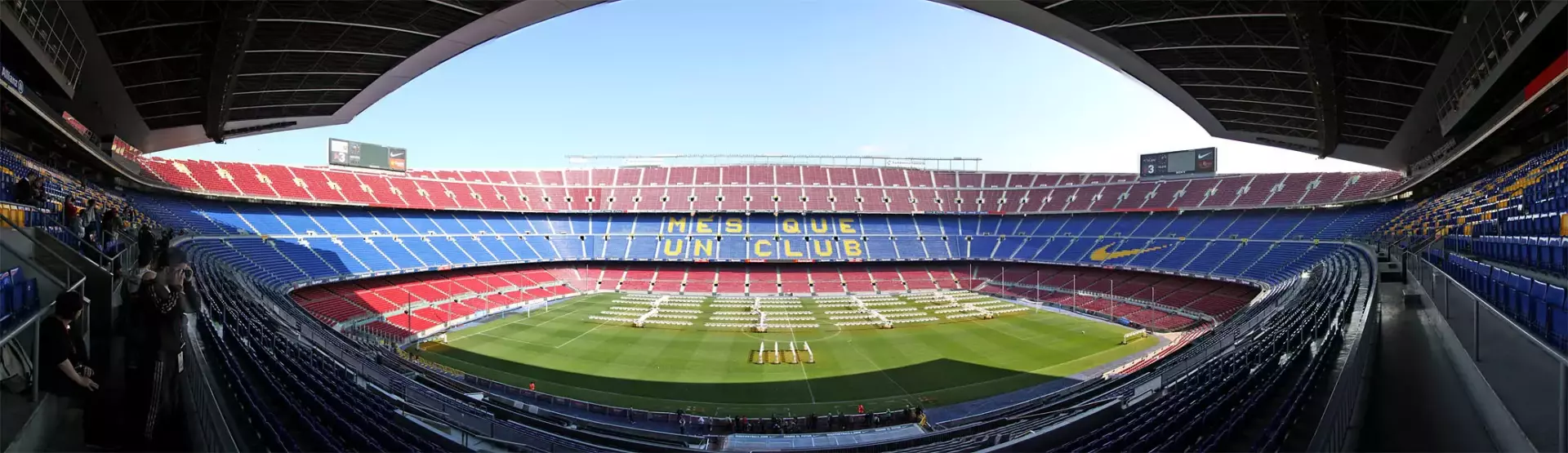
Museum dedicated to the FC Barcelona. It occupies 3,500 m² and attracts 1.2 million visitors a year, ranking it second to the Museu Picasso, which attracts 1.3 million visitors, as the most visited museum in the city of Barcelona. All of the Barcas trophies and jerseys of many famous players of the team are exhibited. The museum can be visited by booking the Camp Nou Experience package, which includes also a stadium tour. The stadium tour is not fantastic and the audio guide is not really worth it either, but for a quick recent history of matches played there, consult the backs of the doors in the cubicles. Most have a lot of graffiti championing the team that played there. It is also unfortunate that the home team changing rooms are not open to the public, only the somewhat dated guest's team dressing rooms, which are not that impressive.
Situated on the Montjuic, it exhibits archaeological findings from Catalunia from different periods. Under 16 and 65+ free. €3 for others. Special discounts for other groups.
The stadium and its surroundings built in 1927 and renovated for the 1992 Summer Olympics provides nice architectonic and city views. Since it's not too crowded outside sport events, it's usually a pretty calm place.
Palace designed by Gaudí for the industrial tycoon Eusebi Güell. There is a basement and three levels of the palace to explore, the highest featuring a small exhibition. It is in a different style to Gaudi's apartment blocks La Pedrera and Casa Batlló, as well as being cheaper and less crowded than those sites. The rooftop of Palau Güell features the more standard Gaudi style chimneys, and views across El Raval.
This street has the biggest collection of Gothic houses in Barcelona. In amongst these houses is the Picasso Museum, which is definitely worth a visit. There are also smaller museums along the street, and many tapas restaurants though they may be more expensive on this street.
Modernist design by Lluís Domènech i Montaner is a UNESCO World Heritage site, a masterpiece of Catalan's modernist architecture. This auditorium designed by Ramon Muntaner is the most important Modernist example in Ciutat Vella. It was the headquarters of the Orfeó Català, the oldest Catalan choir. The most beautiful part is the stalls with its fine detailing, although all the building is impressive. There are plenty of allegories about music and Catalonia, since the Orfeó Català is strongly bounded with the Catalan Renaixença, the romantic movement that tried to recuperate the Catalan history, language and traditions. It is also the best place in Barcelona to listen to symphonic music.
The museum displays high-performance sport competitions, recreational sports, sports in general and sports for disabled people. It shows how sport can promote values, educate, innovate and renew. The museum has a sport idols space with outstanding players.
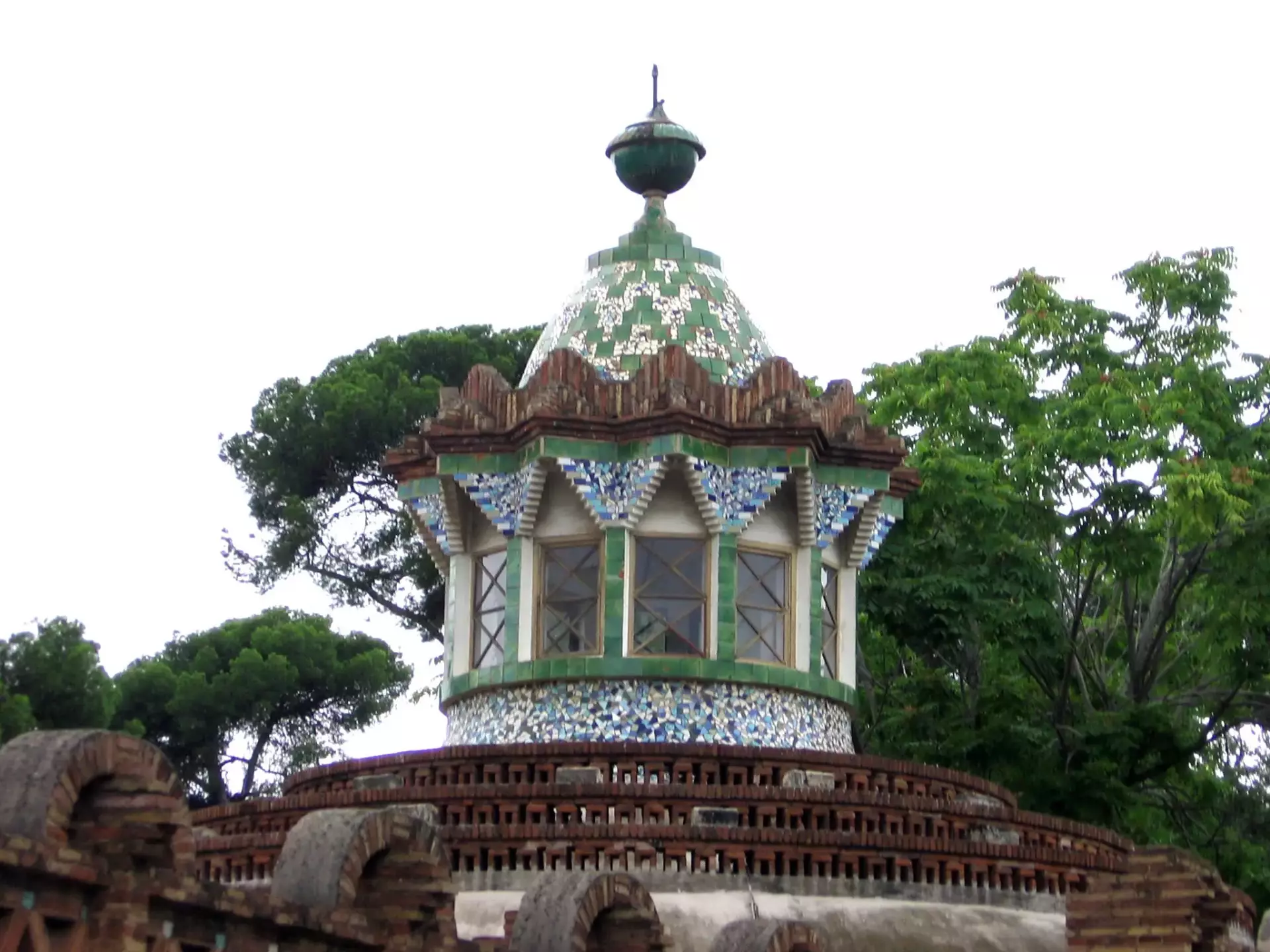
A complex of two pavilions by Antonio Gaudi. 2024 closed for renovation.
The main Gothic church in Barcelona. The cloister is maybe the most interesting part.
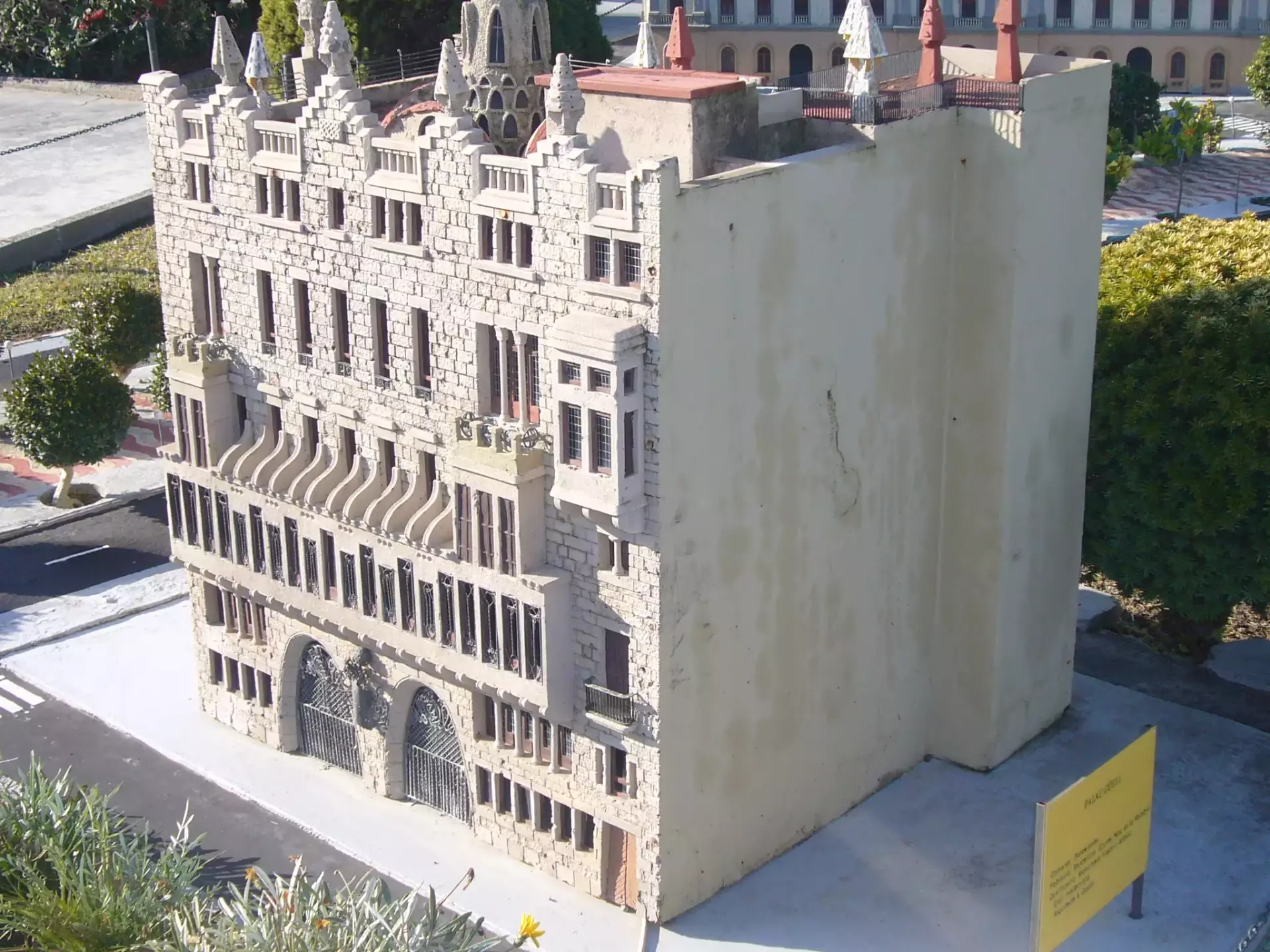
A fake village built in 1929, with replicas of characteristic buildings in Spain (like the Avila walls, the Vall-de-roures town hall, etc.). The village hosts the Fondation Fran Daurel, where you can enjoy an interesting Modern Art collection boasting Miró, Picasso, Tapiès and other, mostly Spanish and Catalan, contemporary artists. The audio tour is very worthwhile there. Also worth seeing - the flamenco show at Tablo de Carmen. You can also step into several of the workshops to see craftsmen at work such as glassblowers and leather workers.