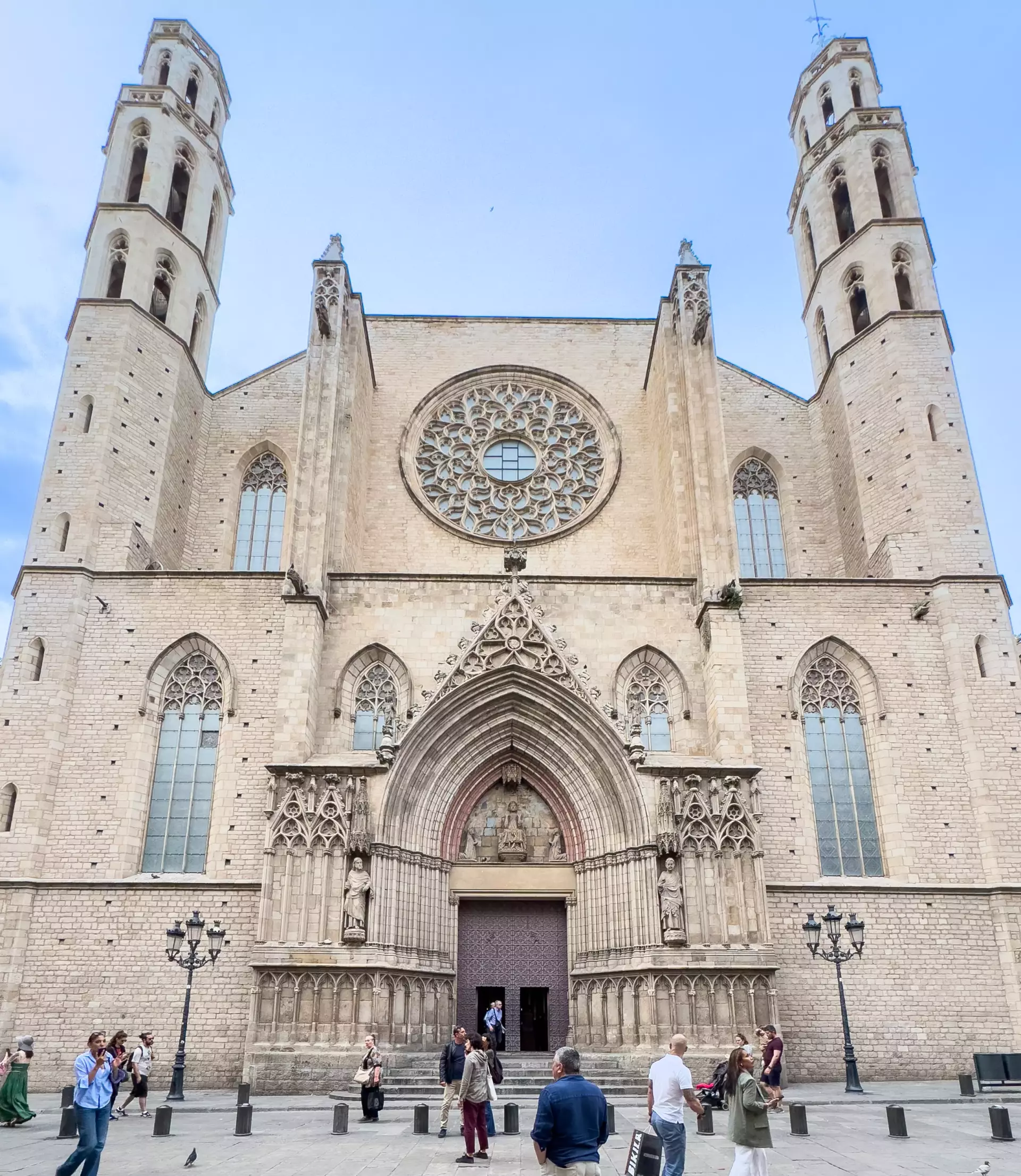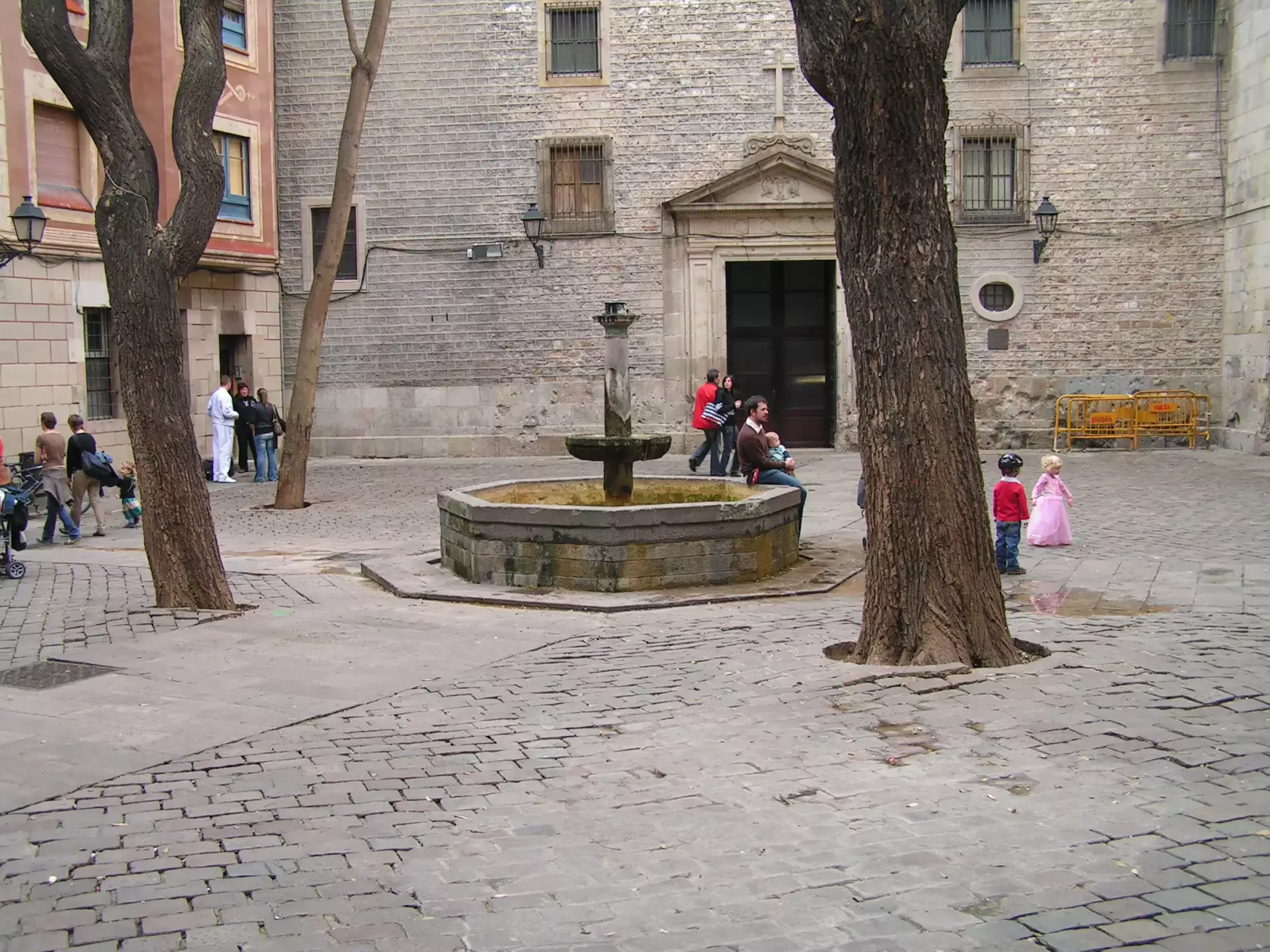
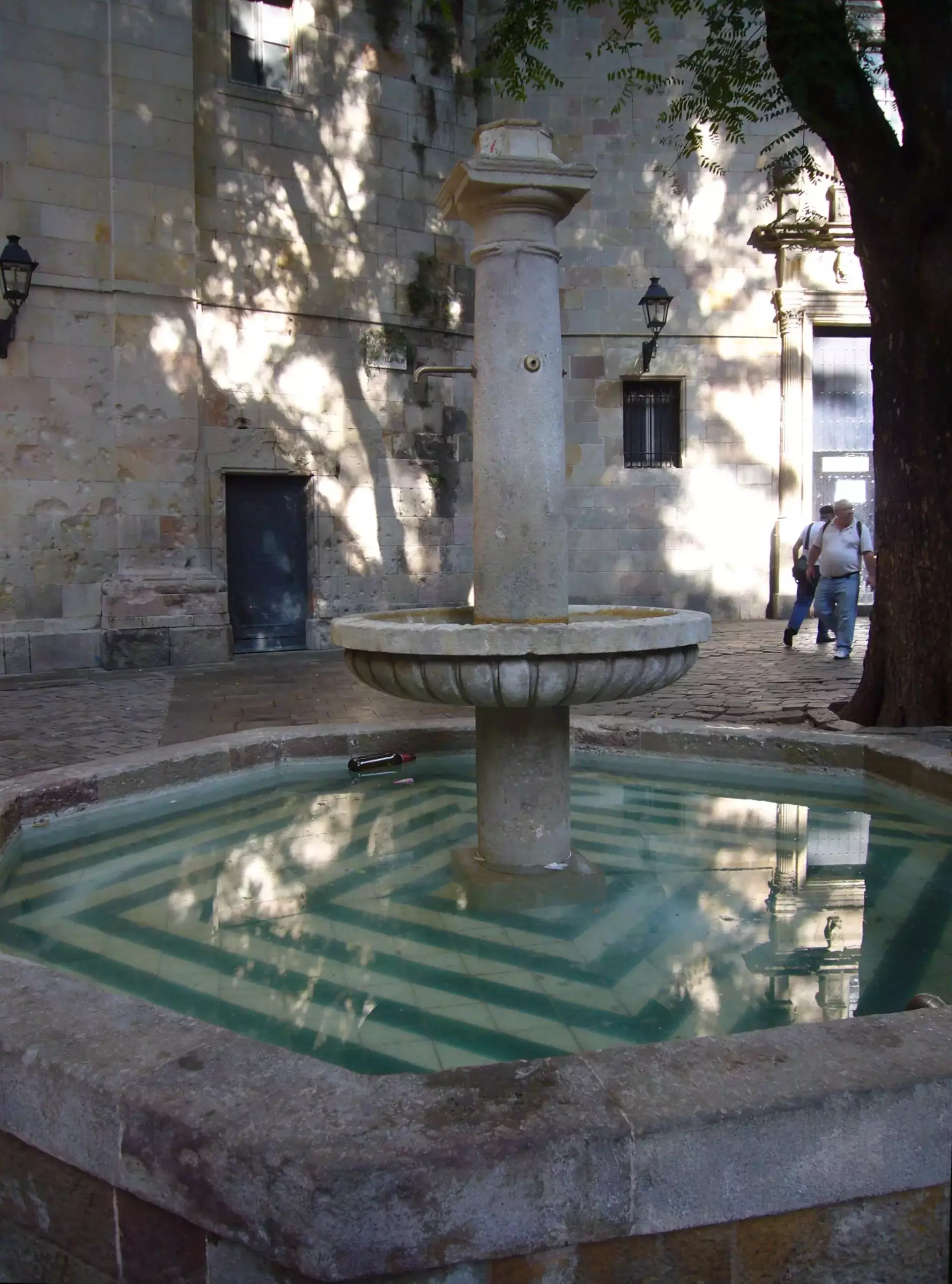
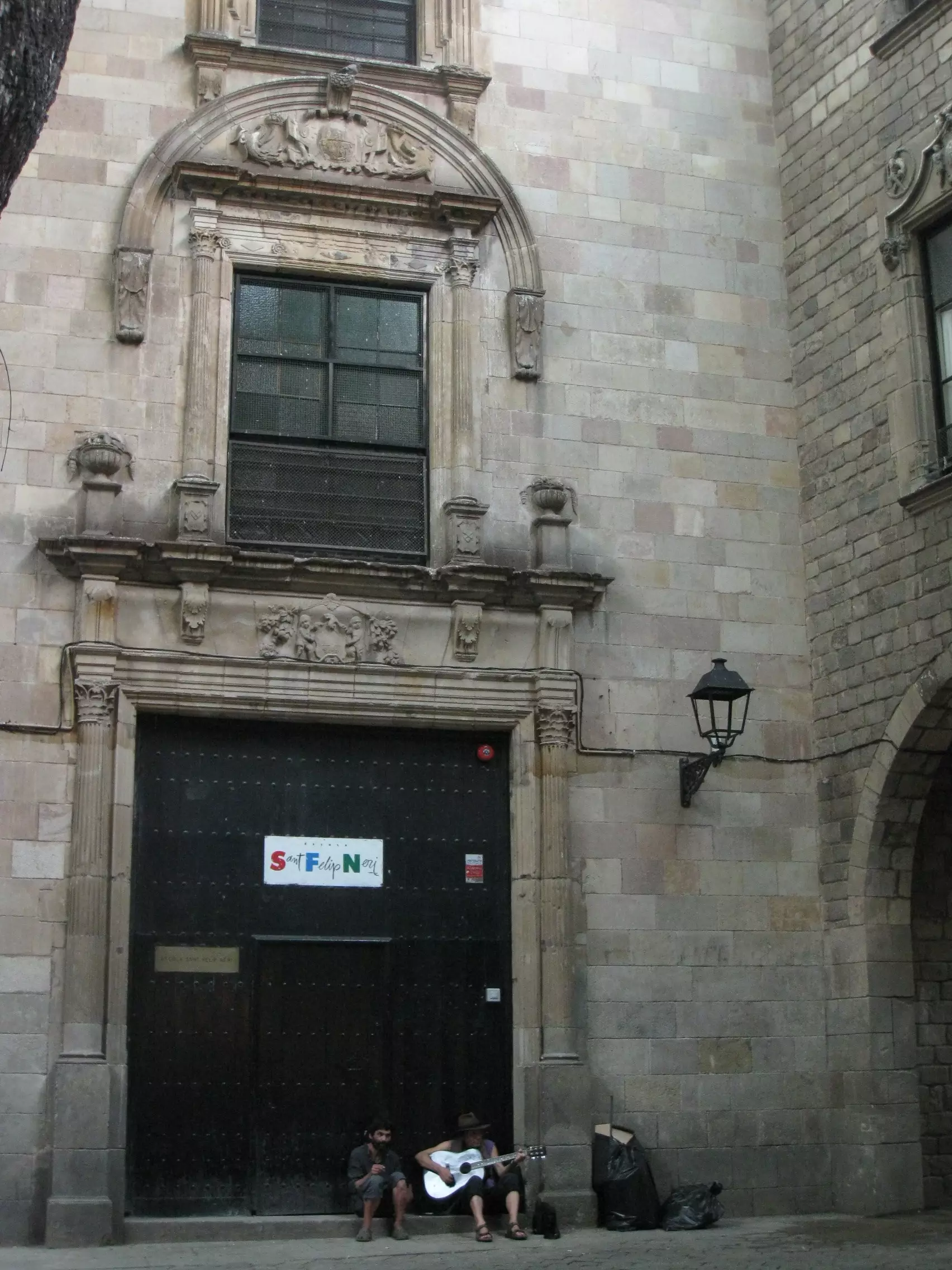
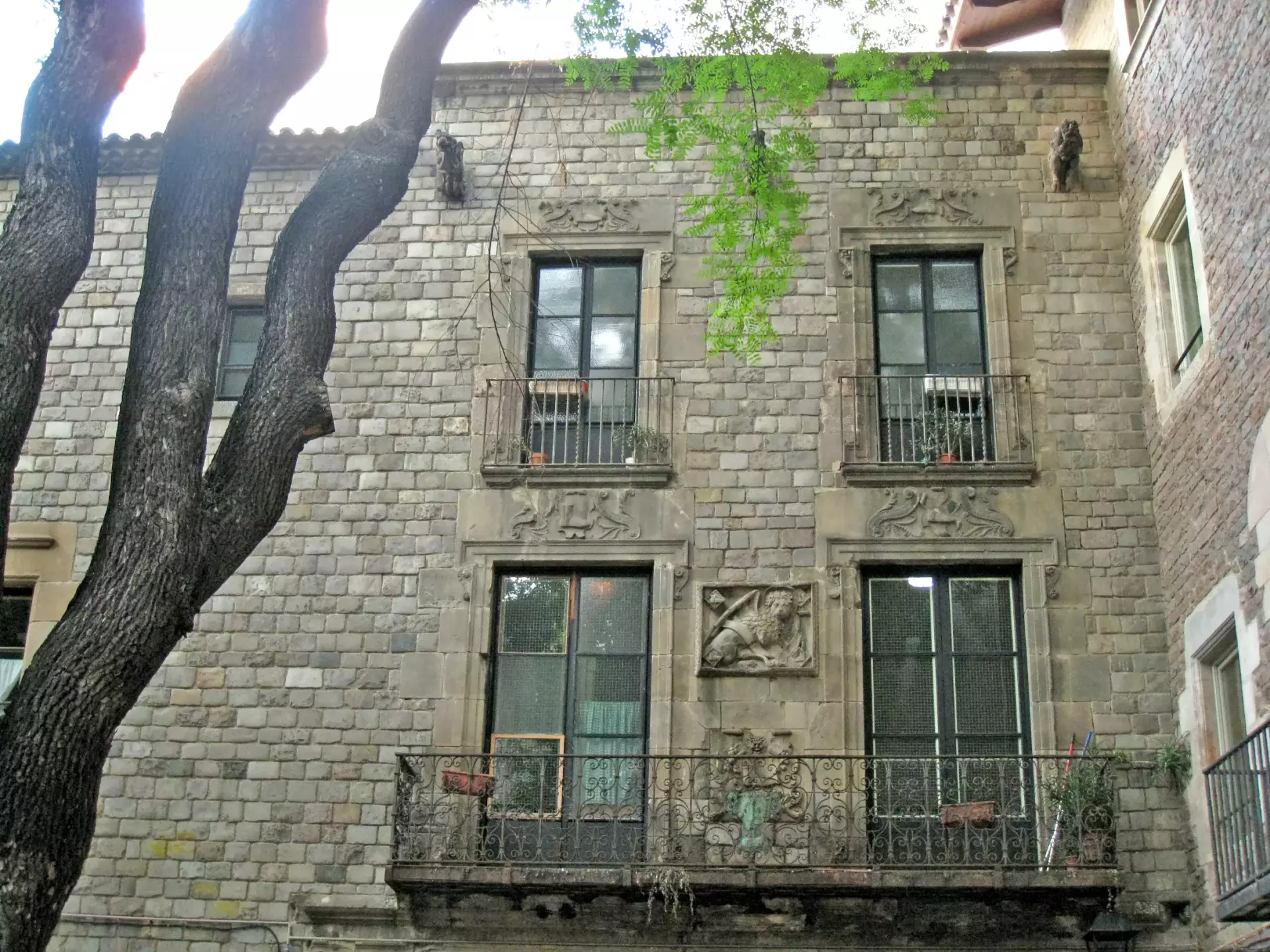
Barcelona is a city steeped in history, and one of its most enchanting spots is Plaça Sant Felip Neri. This quaint square is known for its romantic charm, with an atmosphere that seems to transport visitors back in time. Yet, this picturesque setting holds a somber secret—it rests upon what was once an old city cemetery.
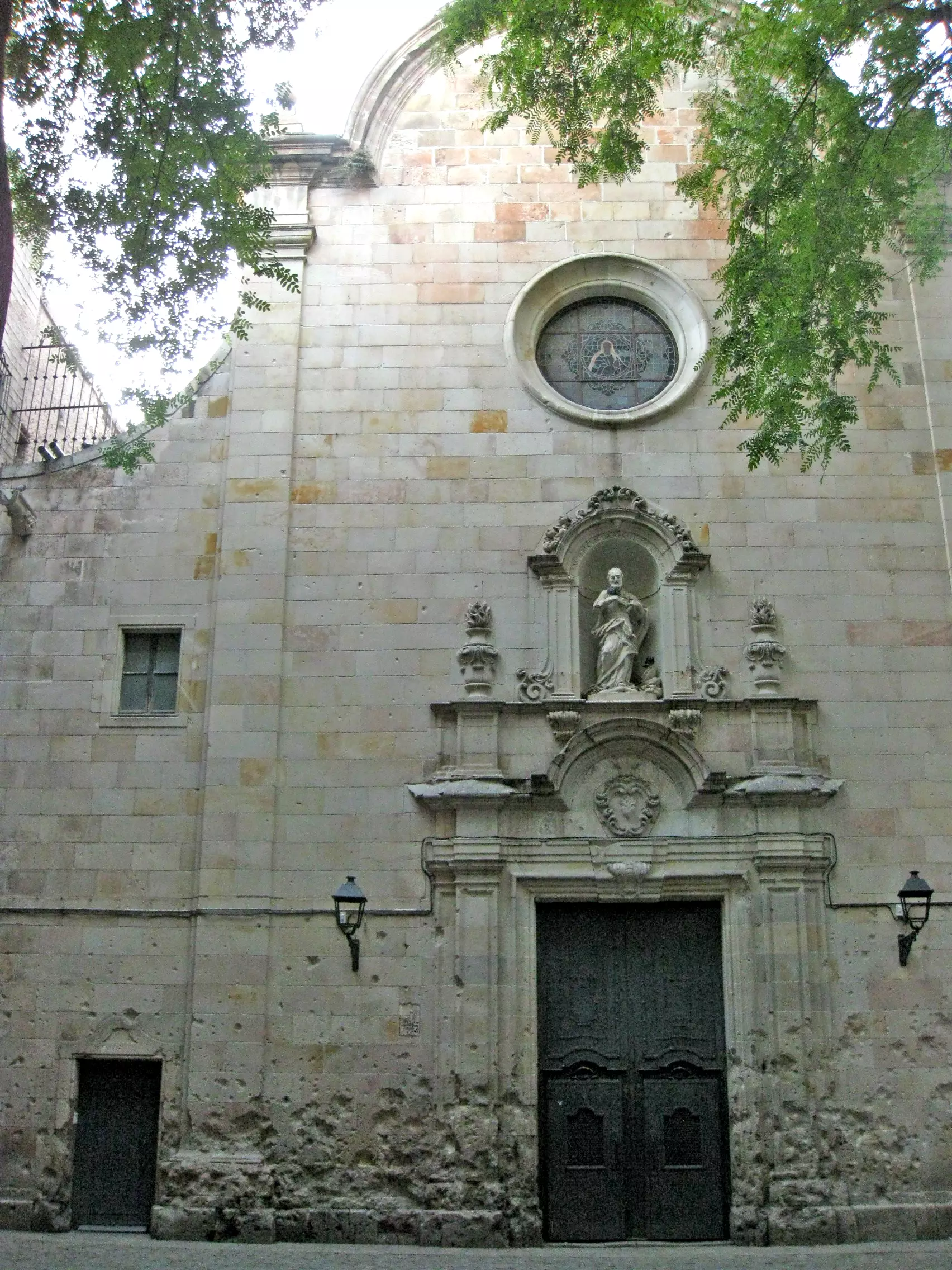
The square is home to the baroque church of Sant Felip Neri. It is accompanied by a 14th-century palace and a simple yet elegant fountain at its center. The church gained a tragic note in history when Antonio Gaudí, the renowned architect, was on his way to visit it. In a twist of fate, he was struck by a tram and passed away in 1928, adding another layer of meaning to this already historic site.
Visitors can reach the square by taking a narrow street next to the cathedral cloister. This path leads to a place where the past is palpable. The palace, part of this historic ensemble, was relocated from its original setting on Via Laietana during the 1920s, adding yet another chapter to its storied past.
A closer look at the church reveals marks left by history. The facade bears holes from a bomb dropped during the Spanish Civil War, serving as a poignant reminder of the city's turbulent past. These marks are not just physical scars but are symbols of resilience and the passage of time.
Exiting the square via another street leads visitors to Baixada de Santa Eulàlia. This street is linked to stories of Eulàlia, Barcelona's patron saint, who is said to have suffered torment here. Her story adds another layer of depth to the already rich historical tapestry of the area.
Plaça Sant Felip Neri is a place where beauty and history intertwine, offering a unique glimpse into the many stories that have shaped Barcelona over the centuries.
Source - https://en.wikipedia.org/wiki/Pla%C3%A7a_de_Sant_Felip_Neri
Designed by Puig i Cadafalch, the building is a fine work of Modernism. Check the detailed photos and explanation of facade sculptures. It also has a shop that sells fine chocolate (the Amatller family made its money out of cocoa).
Provides a beautiful panorama view over the rest of the city. The Montjuic Castle is in the Montjuic hill. From the Montjuïc Castle, take the harbor cable car to Barceloneta for more splendid views.
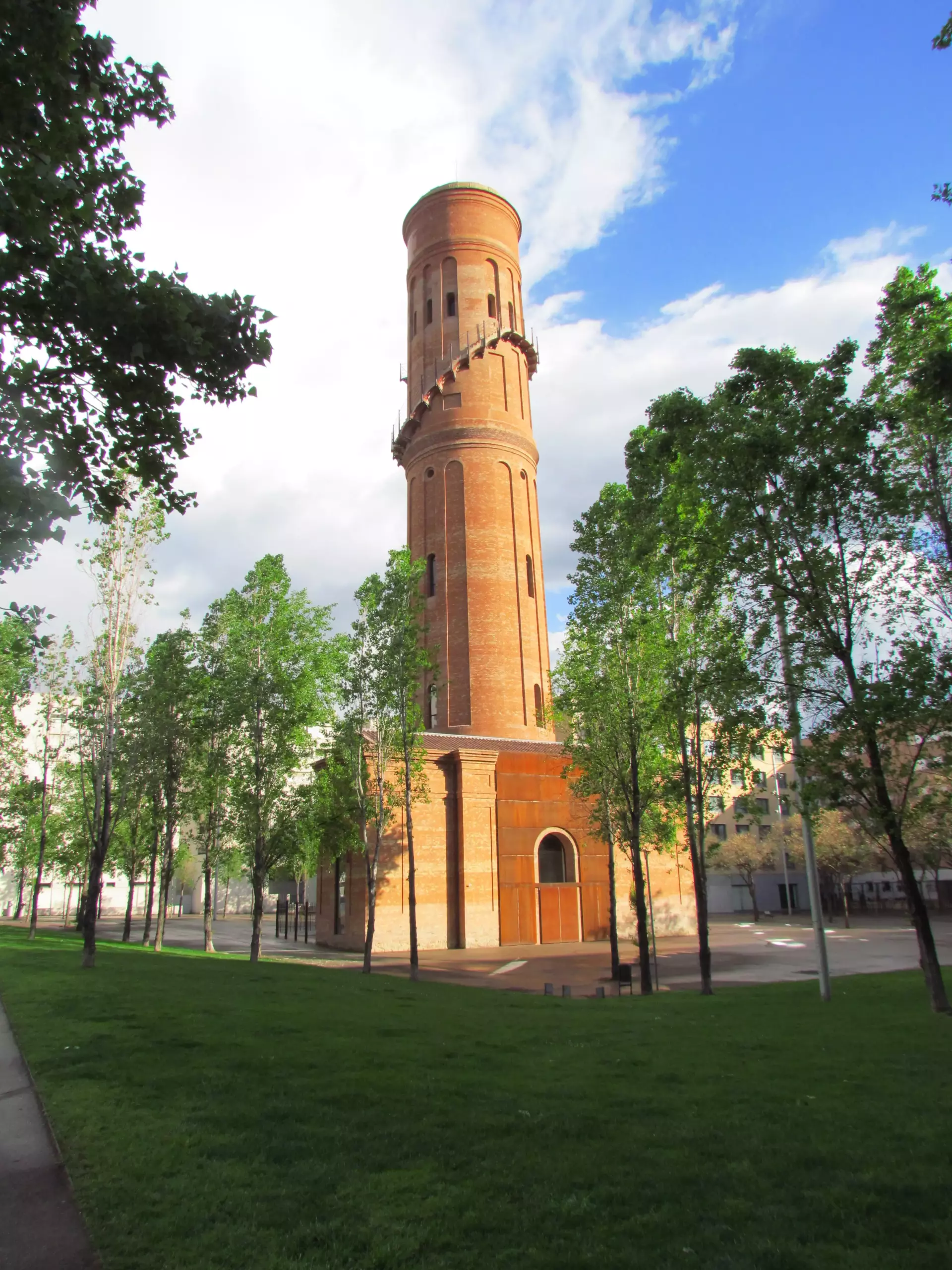
One of the most unusual landmarks in this otherwise ultra-modern area is this 19th-century (finished in 1882) brick water tower. Standing 62 metres tall, it is now overshadowed by neighbouring residential, office and hotel towers and easy to miss unless you know where to look for it.
A complex of two pavilions by Antonio Gaudi. 2024 closed for renovation.
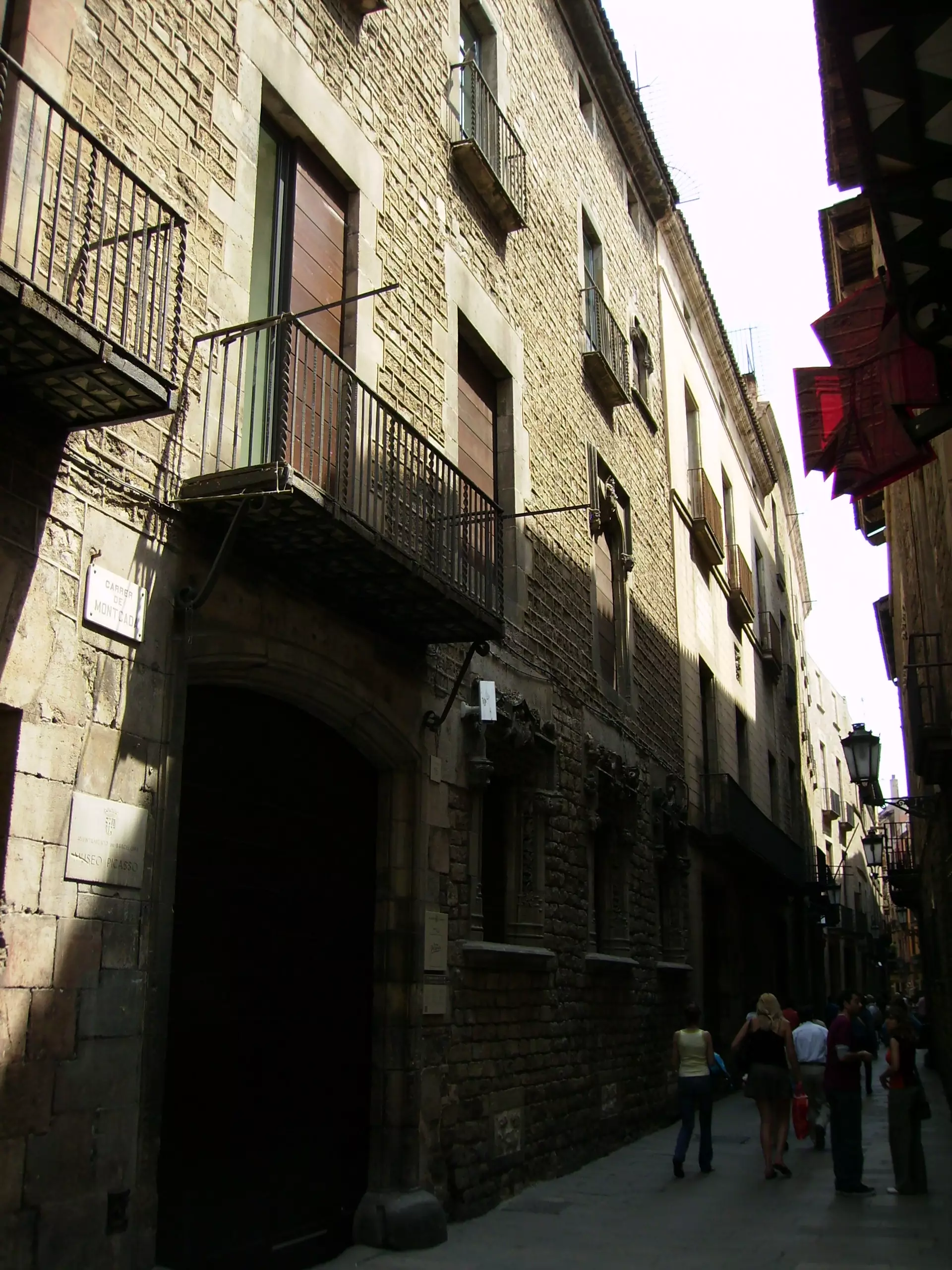
This street has the biggest collection of Gothic houses in Barcelona. In amongst these houses is the Picasso Museum, which is definitely worth a visit. There are also smaller museums along the street, and many tapas restaurants though they may be more expensive on this street.
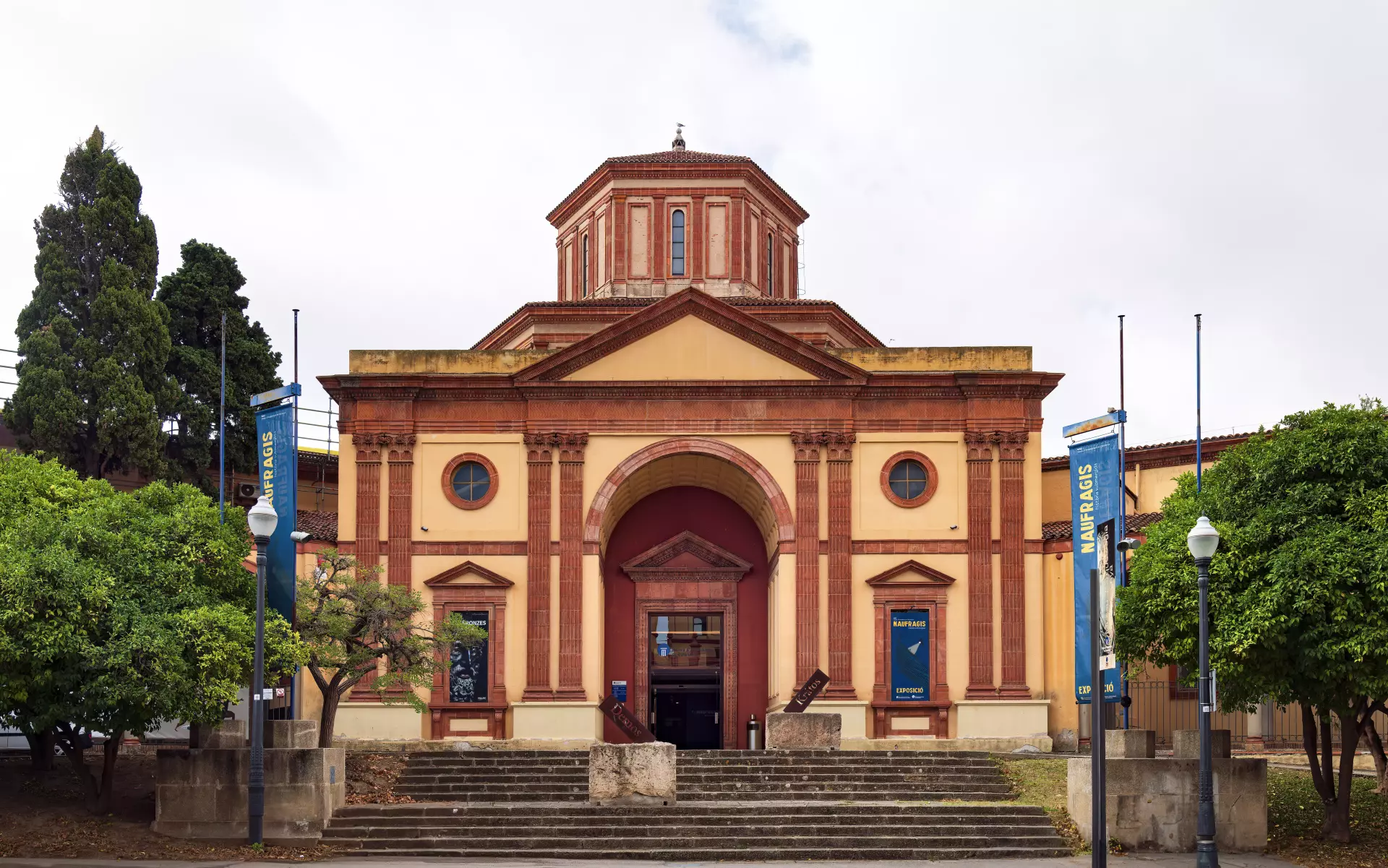
Situated on the Montjuic, it exhibits archaeological findings from Catalunia from different periods. Under 16 and 65+ free. €3 for others. Special discounts for other groups.
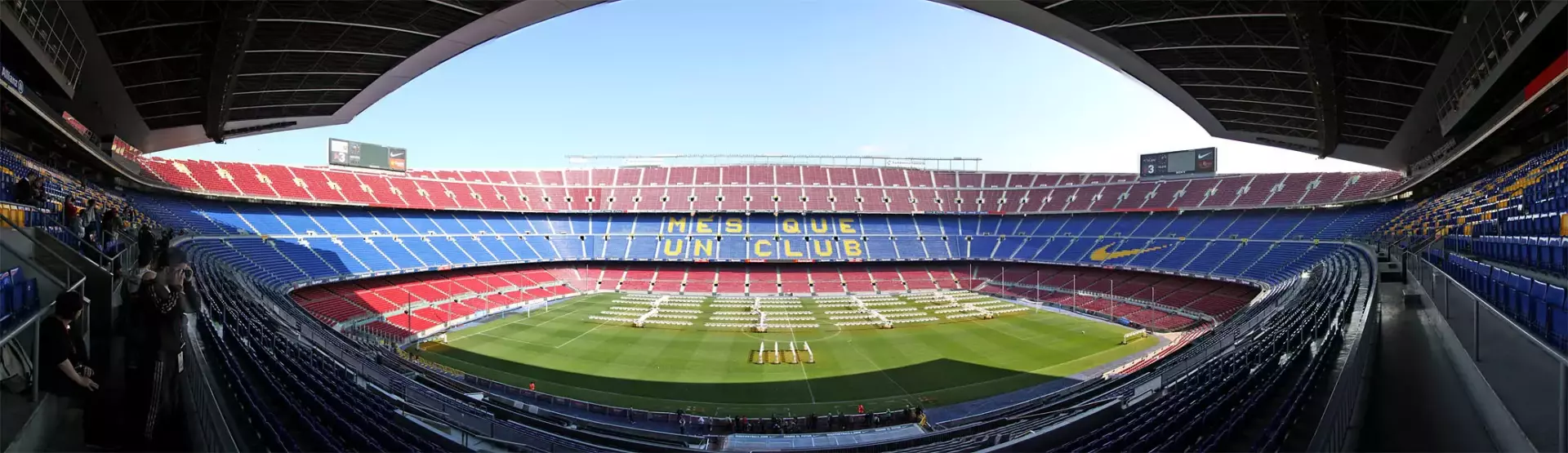
Museum dedicated to the FC Barcelona. It occupies 3,500 m² and attracts 1.2 million visitors a year, ranking it second to the Museu Picasso, which attracts 1.3 million visitors, as the most visited museum in the city of Barcelona. All of the Barcas trophies and jerseys of many famous players of the team are exhibited. The museum can be visited by booking the Camp Nou Experience package, which includes also a stadium tour. The stadium tour is not fantastic and the audio guide is not really worth it either, but for a quick recent history of matches played there, consult the backs of the doors in the cubicles. Most have a lot of graffiti championing the team that played there. It is also unfortunate that the home team changing rooms are not open to the public, only the somewhat dated guest's team dressing rooms, which are not that impressive.
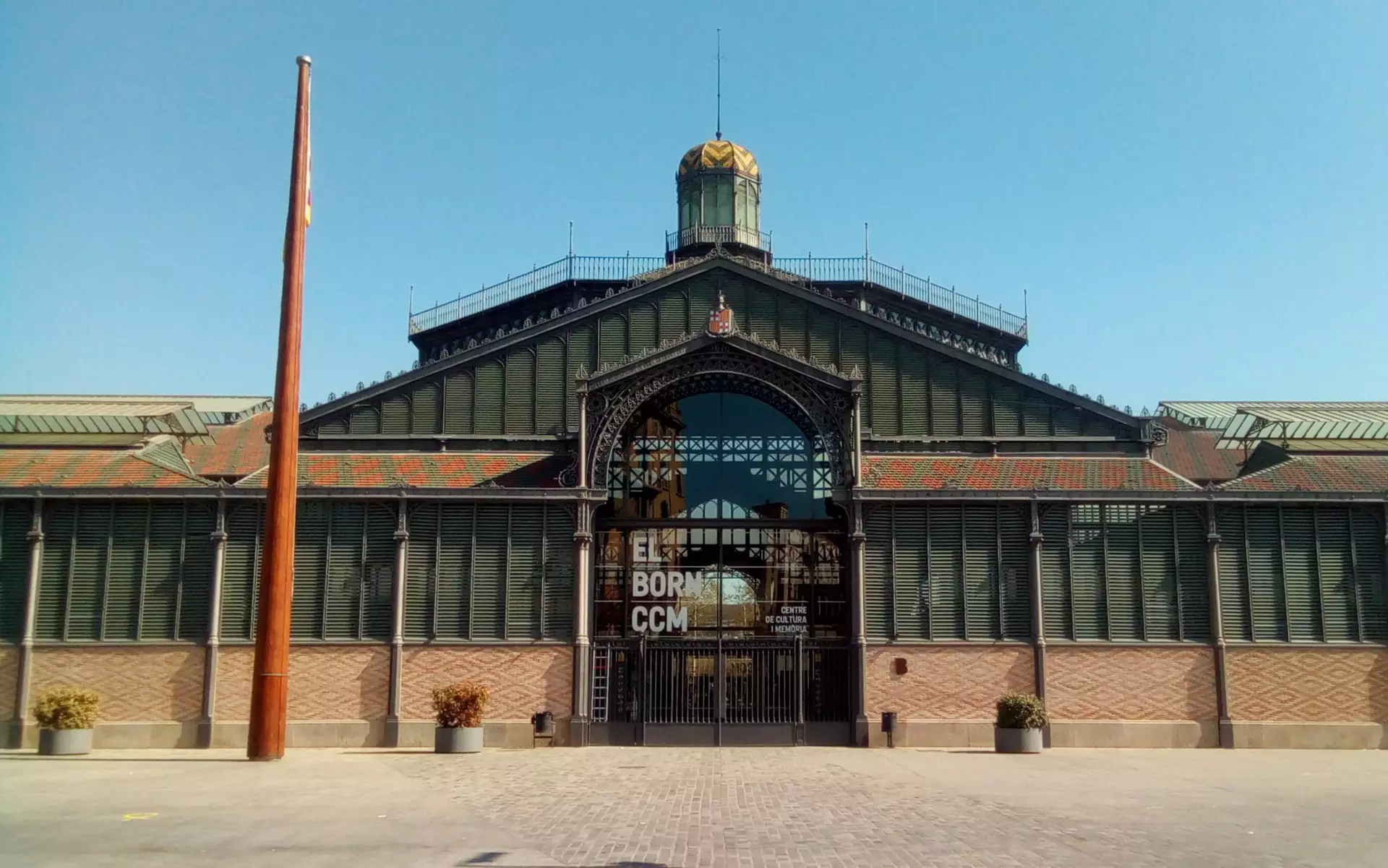
This market was the central market for Barcelona until 1973 and its closing marked the beginning of the neighborhood's decline before its current resurgence. While undergoing renovations, whole streets and homes that had been demolished by Phillipe V's orders were discovered and archaeologists who worked to transform the market in to a cultural centre and history museum. Entrance and street level is free, but to visit the ruins requires paying for a ticket.
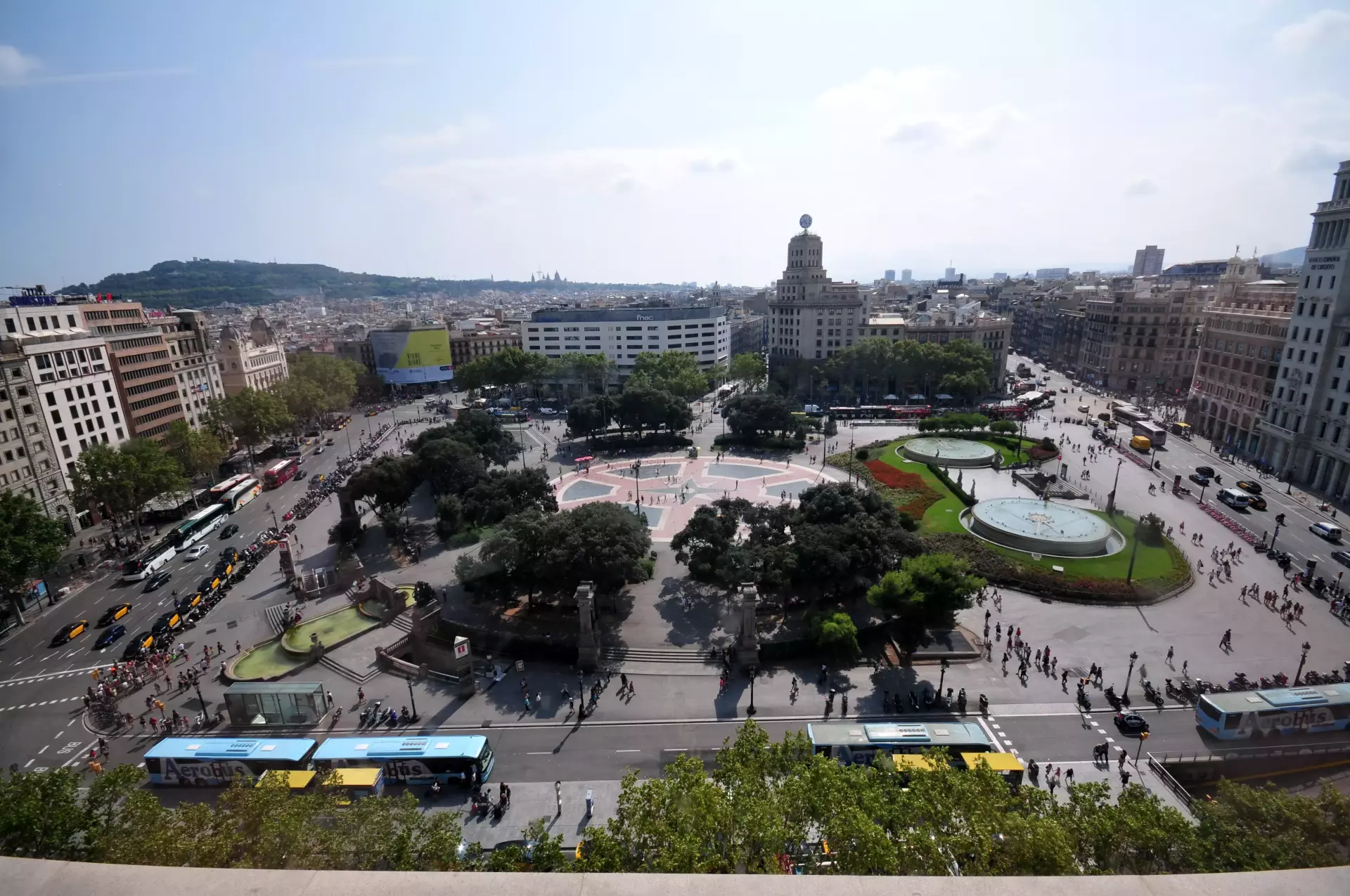
Connecting many of the major streets in the city, the Plaça is a central location and a hub of activity. It is a favourite meeting spot for locals and a transit hub for the tourist buses. There are many fountains, statues and gardens around the plaza, and a number of benches to just sit and take it all in.
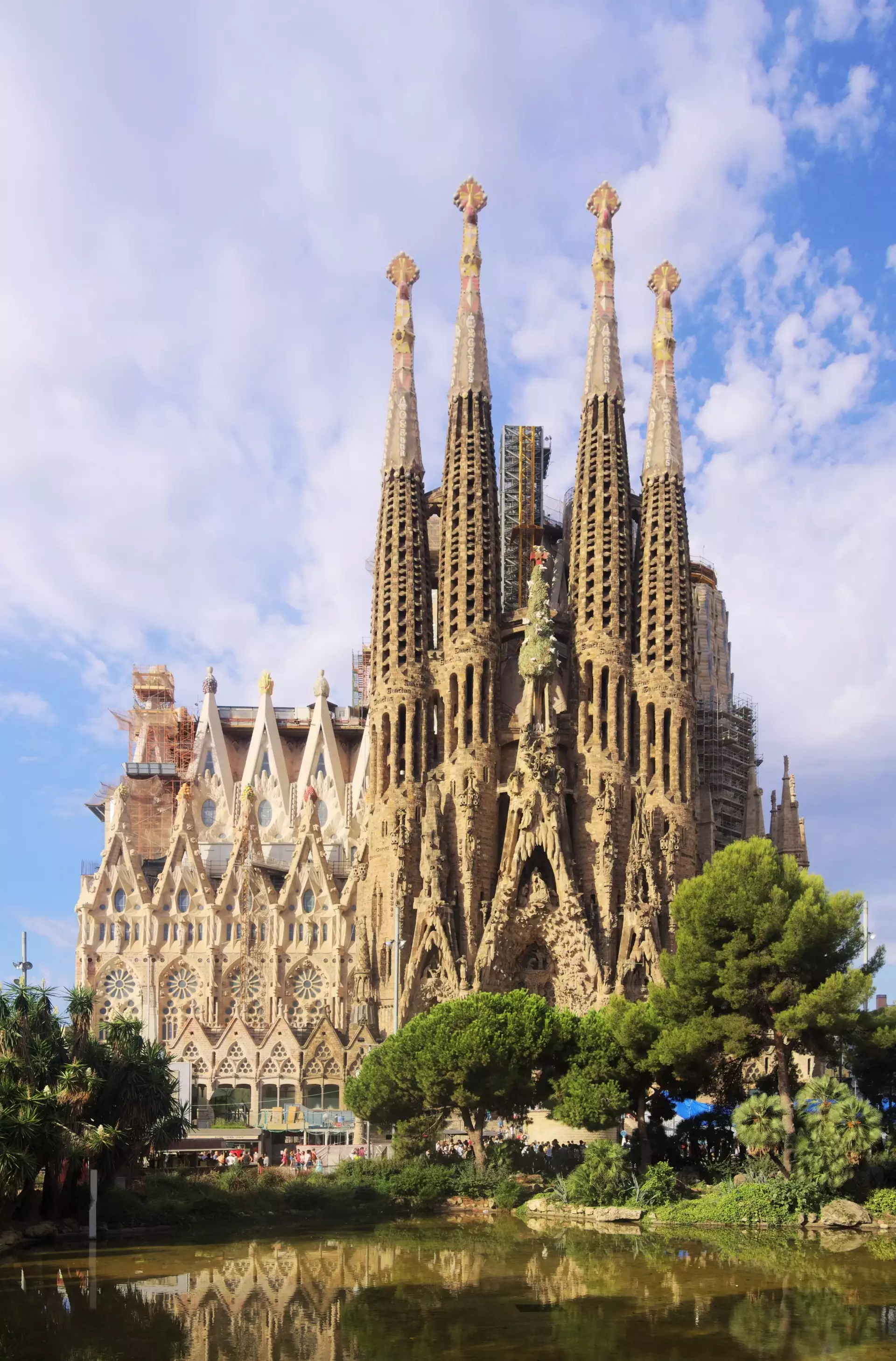
Barcelona's most popular and famous attraction, the Sagrada Família is a testament to Antonio Gaudi's modernist style and unlike any other church in the world. The texture and detail on the façades are intricate and incorporate forms seen in nature as much of Gaudi's work does. The inside is huge — it's estimated that it can hold 13,000 people — with vaulted ceilings and columns designed to be reminiscent of trees. The church is still under construction, but the central nave, apse and crypt are open. Seeing the Sagrada Família at night with lights on is impressive — this is the time when you understand why people say that it is built of bones.
The first building Gaudi built in Barcelona. It has been opened as a museum. It's possible to walk the whole monumental enclosure, including the garden and the interior of the building. In UNESCO World Heritage Sites list since 2005.
A fake village built in 1929, with replicas of characteristic buildings in Spain (like the Avila walls, the Vall-de-roures town hall, etc.). The village hosts the Fondation Fran Daurel, where you can enjoy an interesting Modern Art collection boasting Miró, Picasso, Tapiès and other, mostly Spanish and Catalan, contemporary artists. The audio tour is very worthwhile there. Also worth seeing - the flamenco show at Tablo de Carmen. You can also step into several of the workshops to see craftsmen at work such as glassblowers and leather workers.