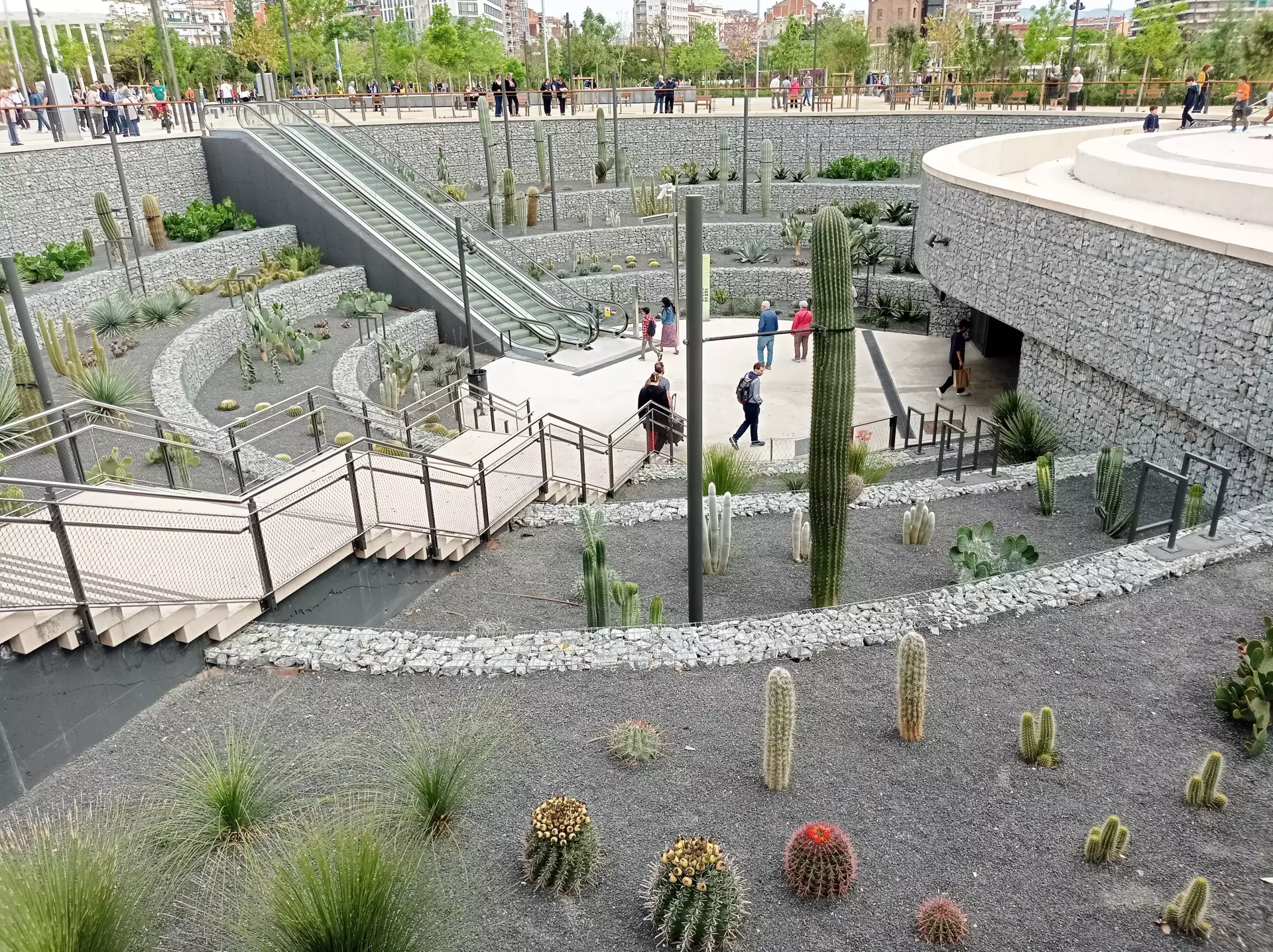
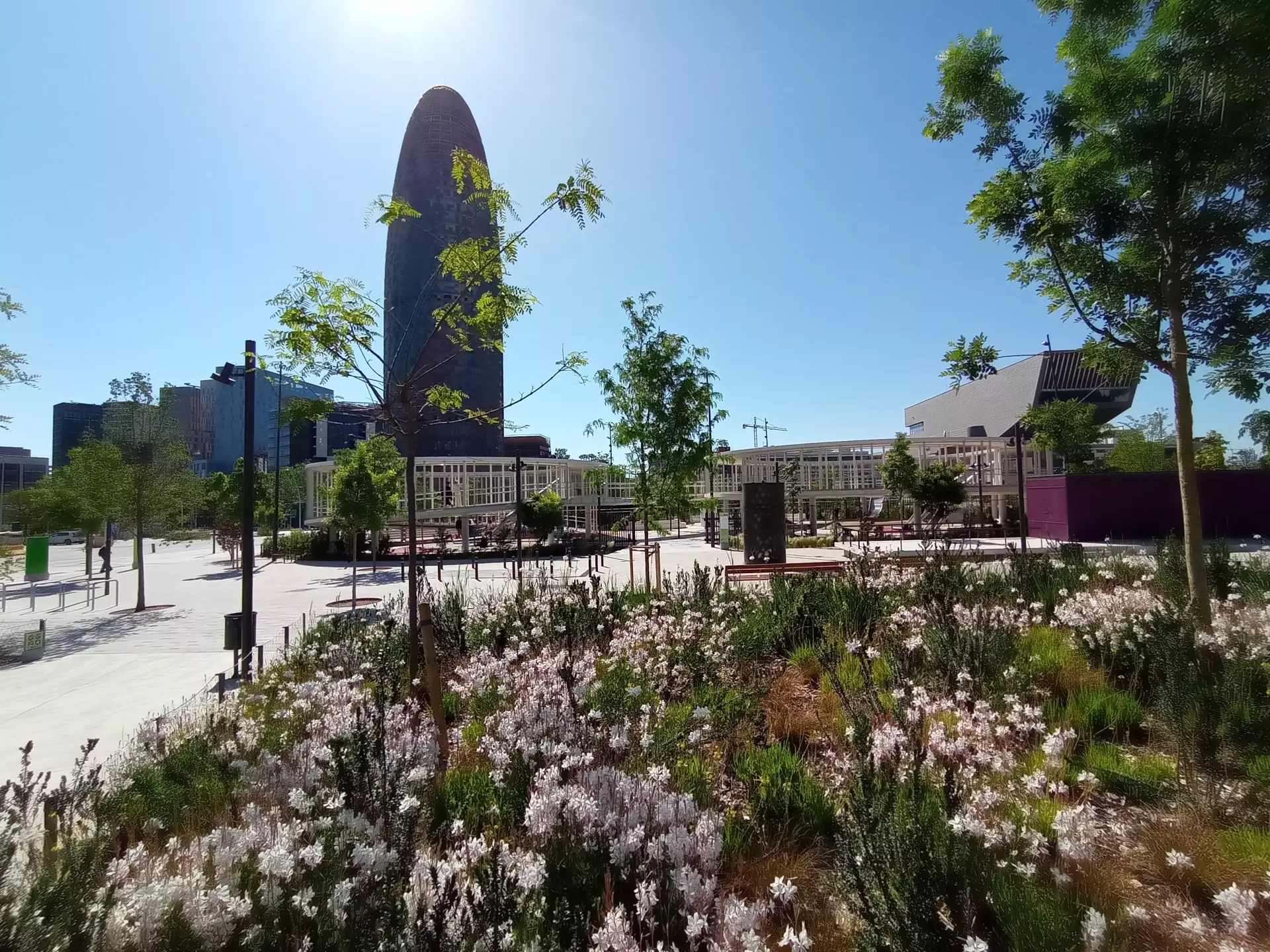
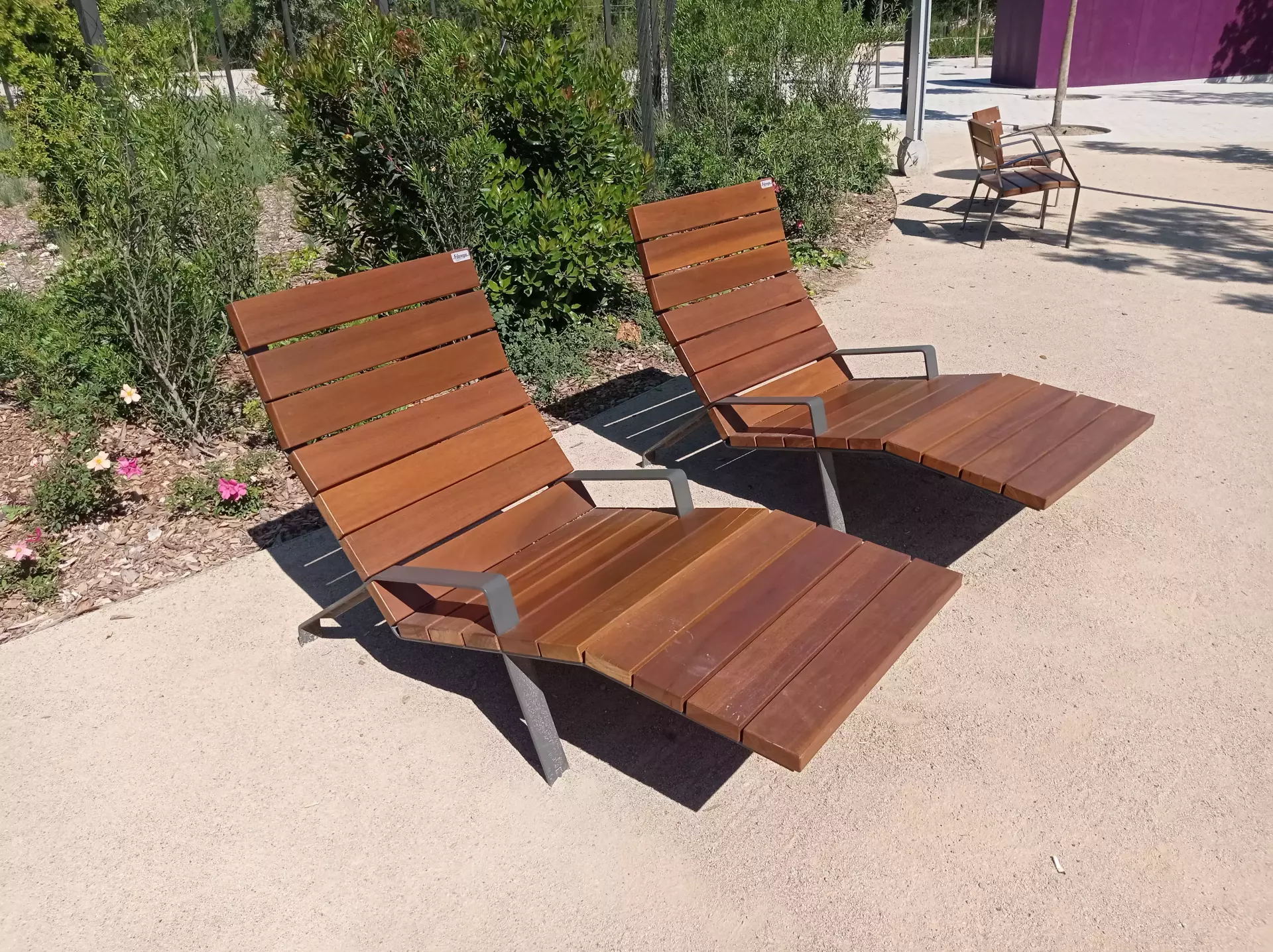
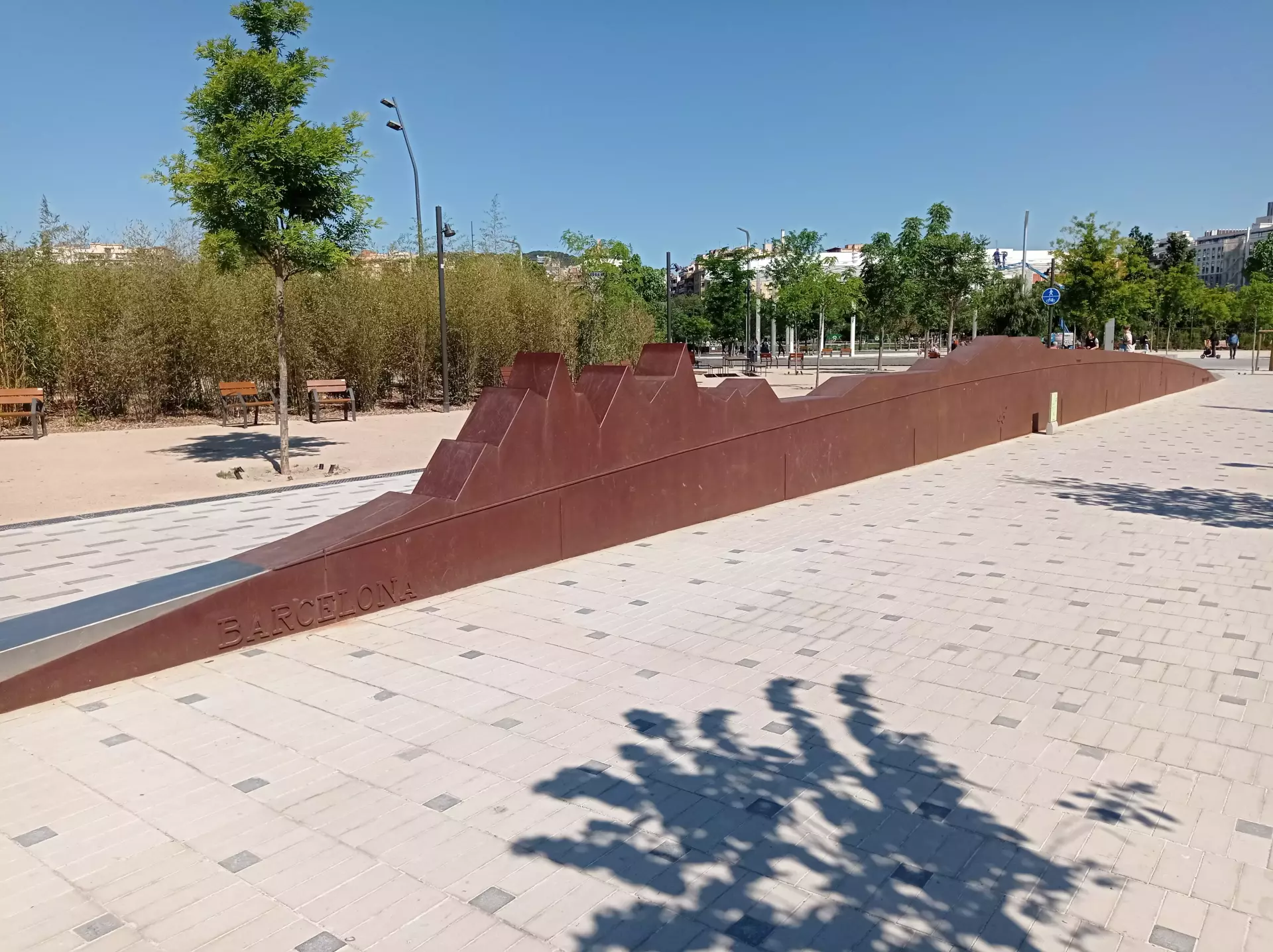
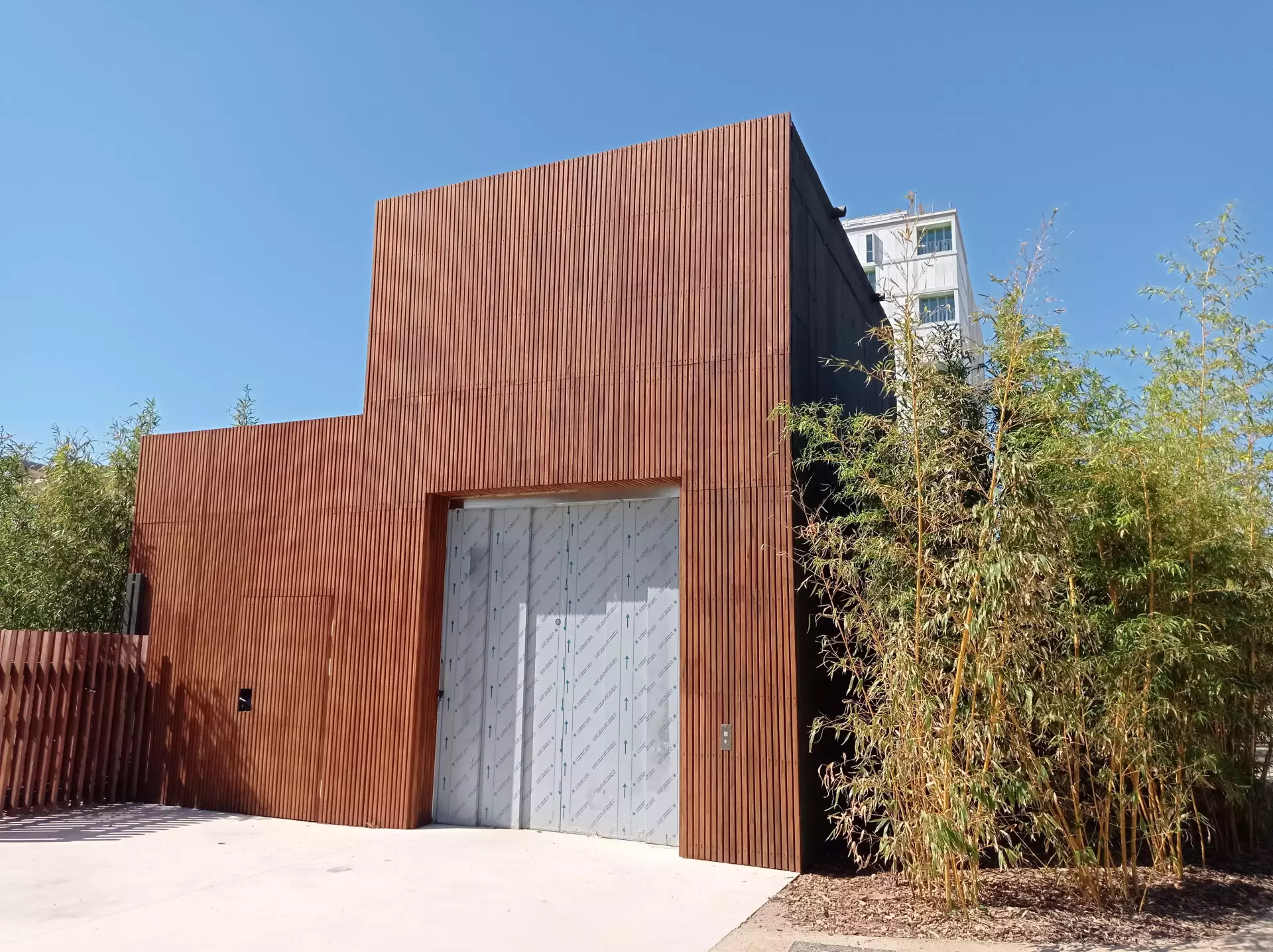
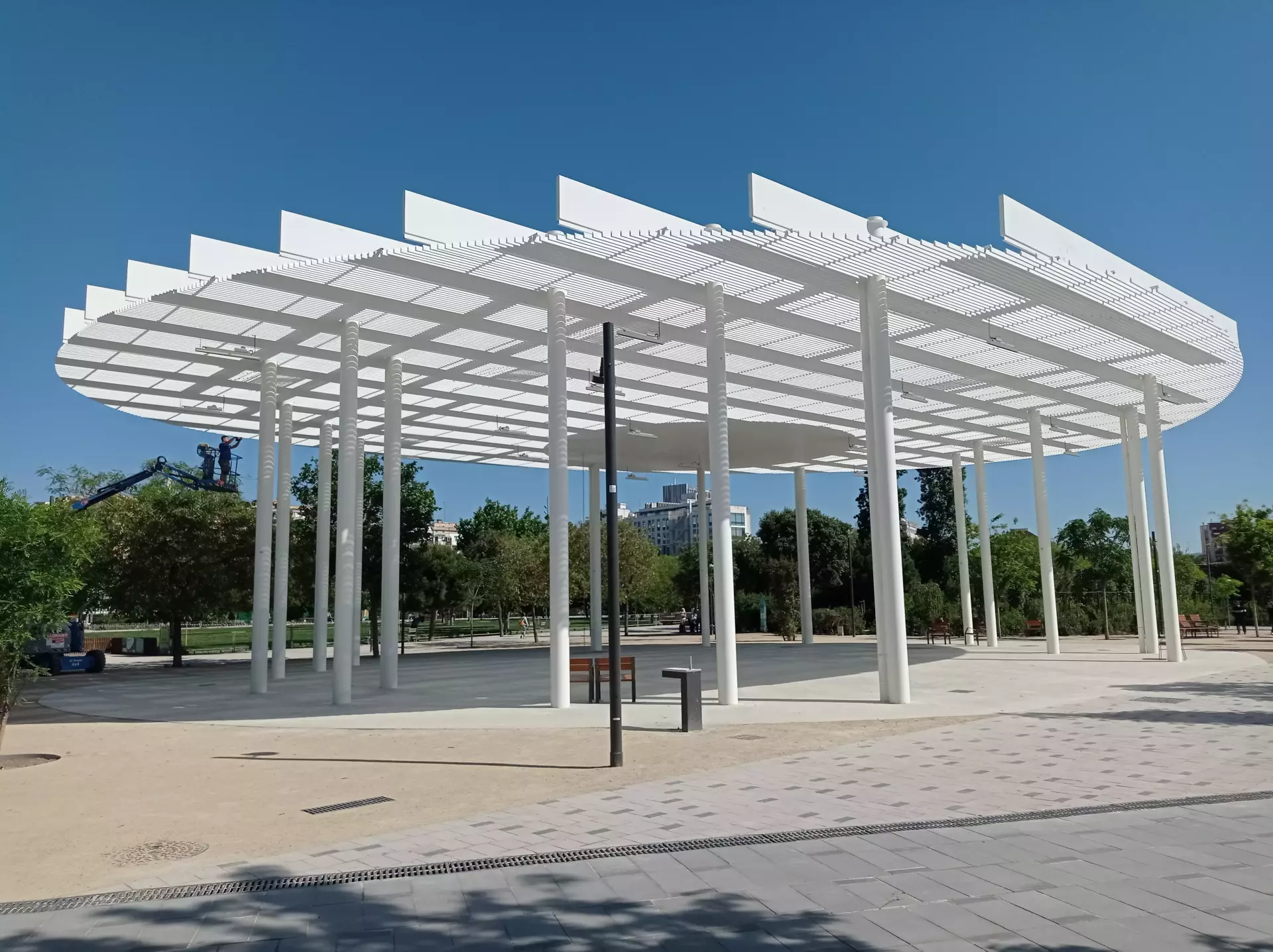
Imagine a place where vibrant urban life meets green serenity. Parc de les Glòries is just that kind of spot. Located in the bustling city of Barcelona, this park offers a refreshing escape from the city's lively streets. It’s a space where modern design blends seamlessly with nature, creating an inviting environment for both locals and tourists.
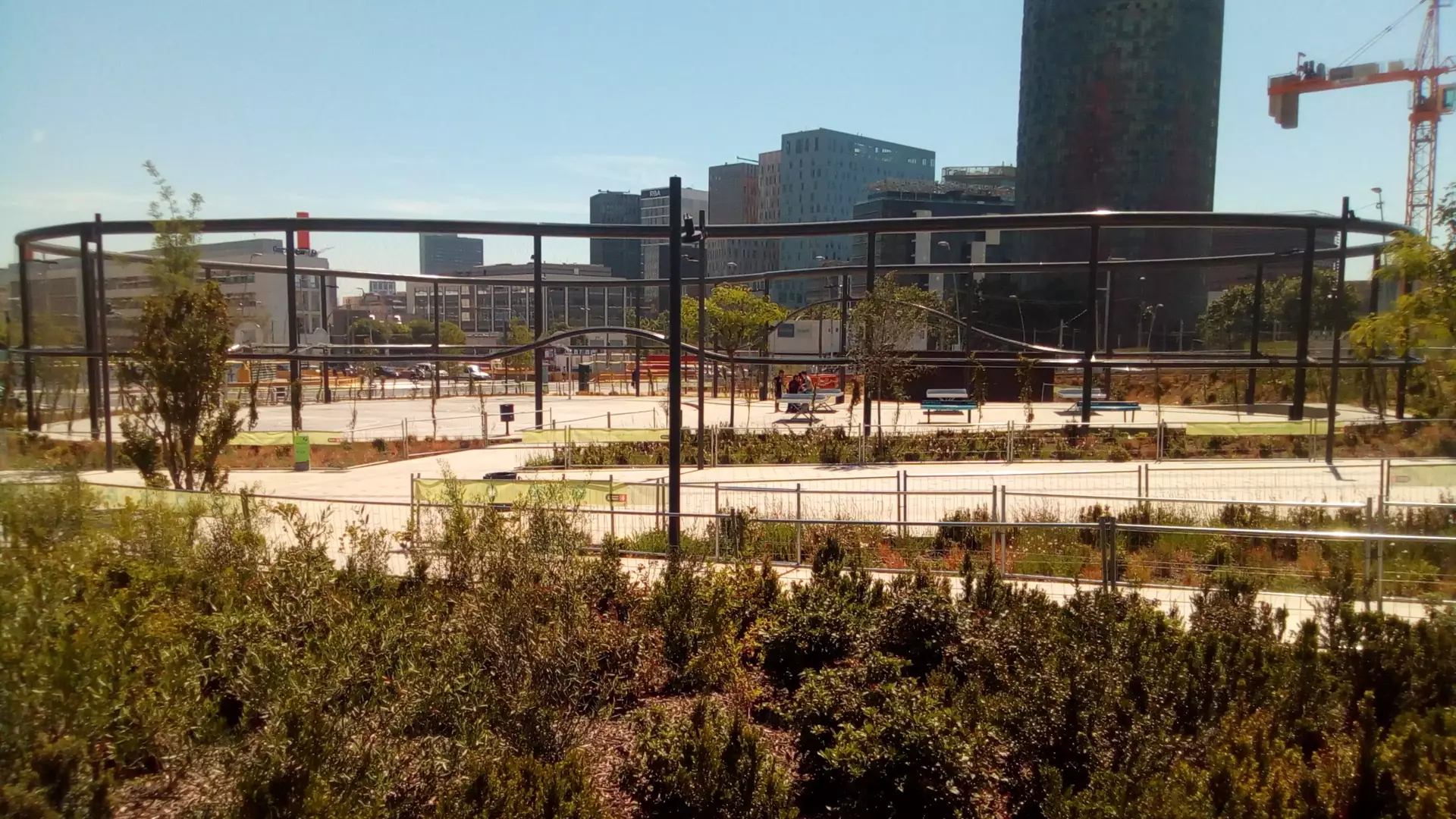
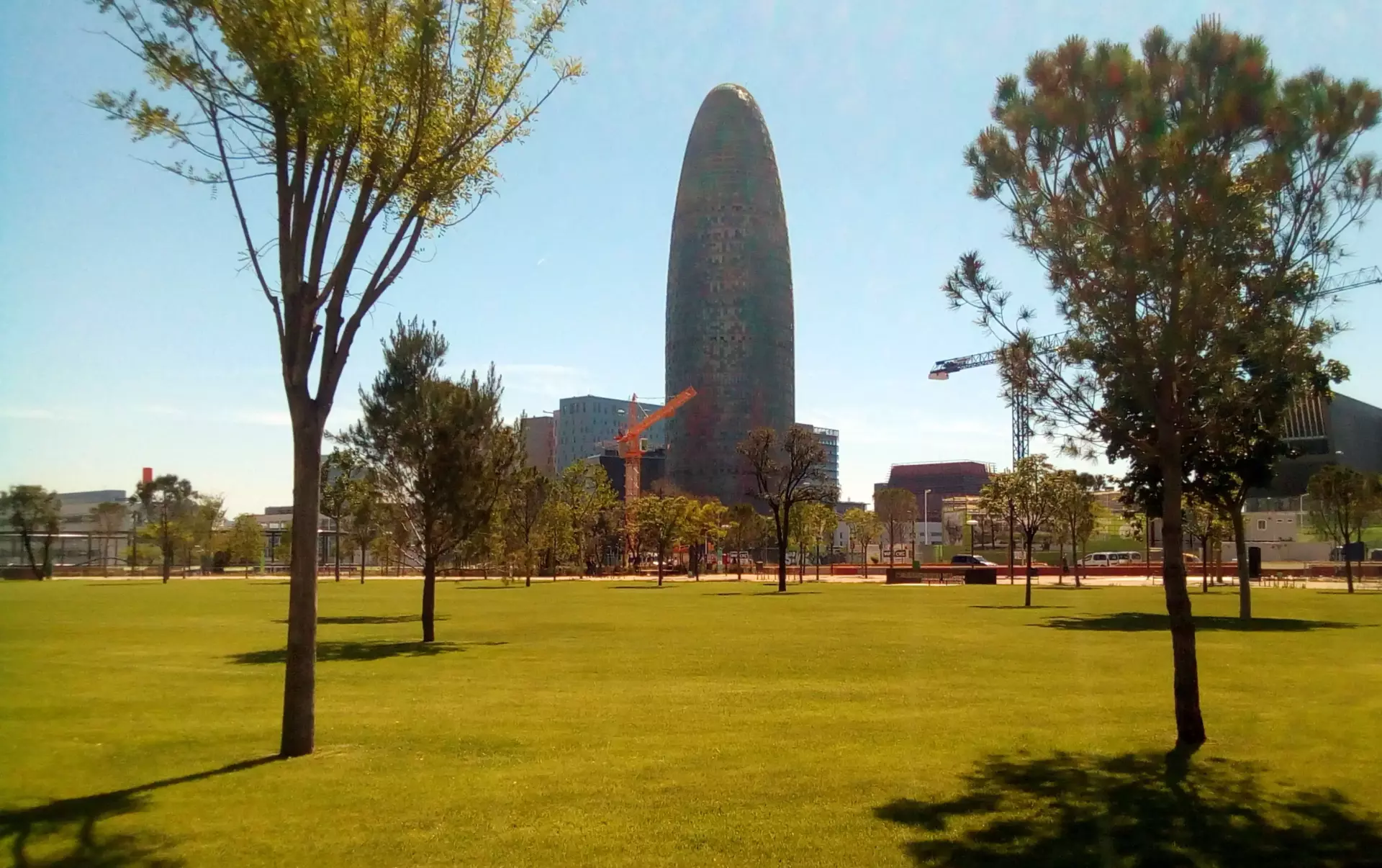
Parc de les Glòries stands out as an urban oasis. Its wide open spaces and lush greenery make it a perfect spot for relaxing or having a picnic. The park is designed to encourage visitors to linger, whether they're walking their dogs, jogging along its paths, or simply enjoying the scenery.
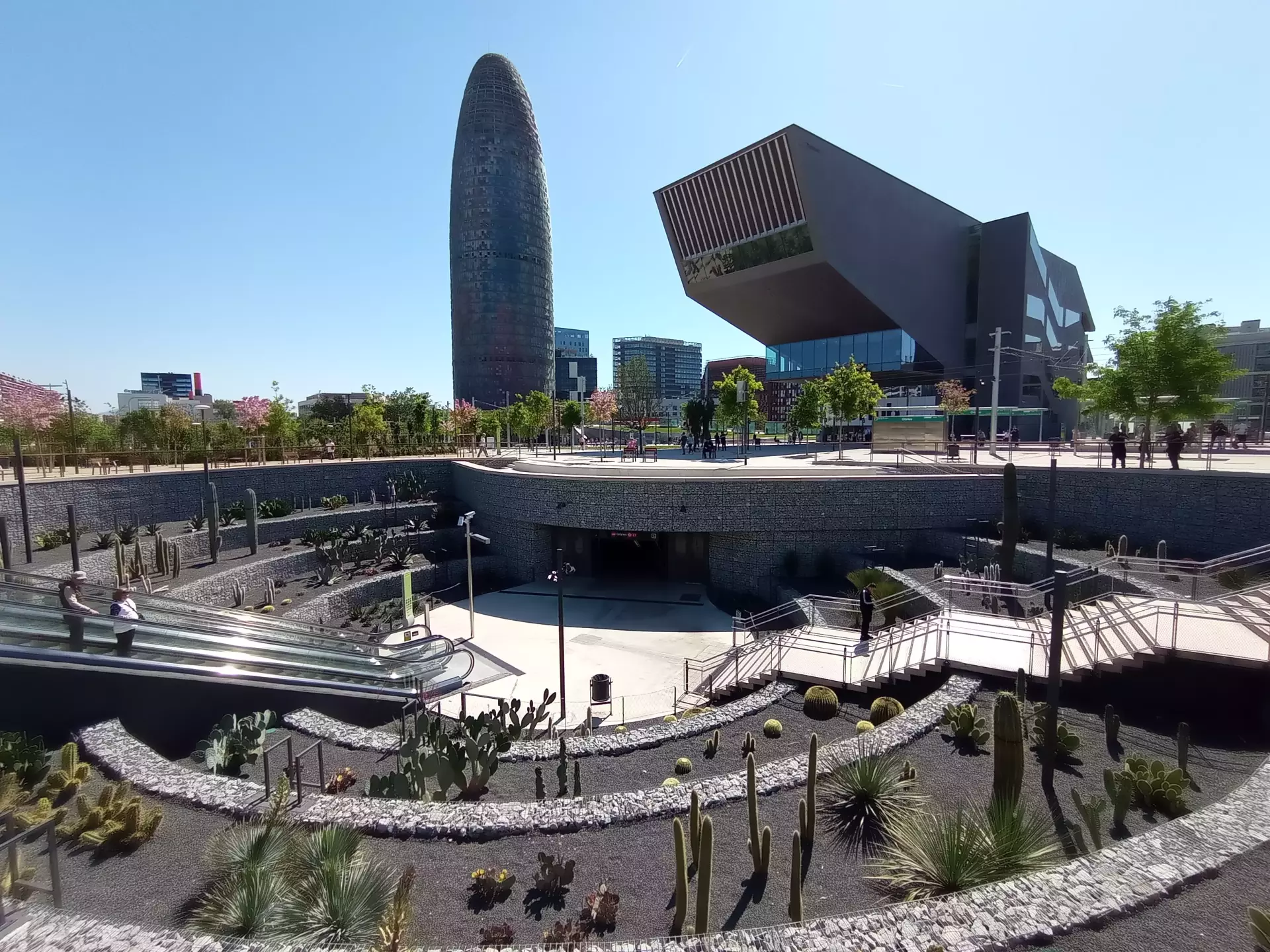
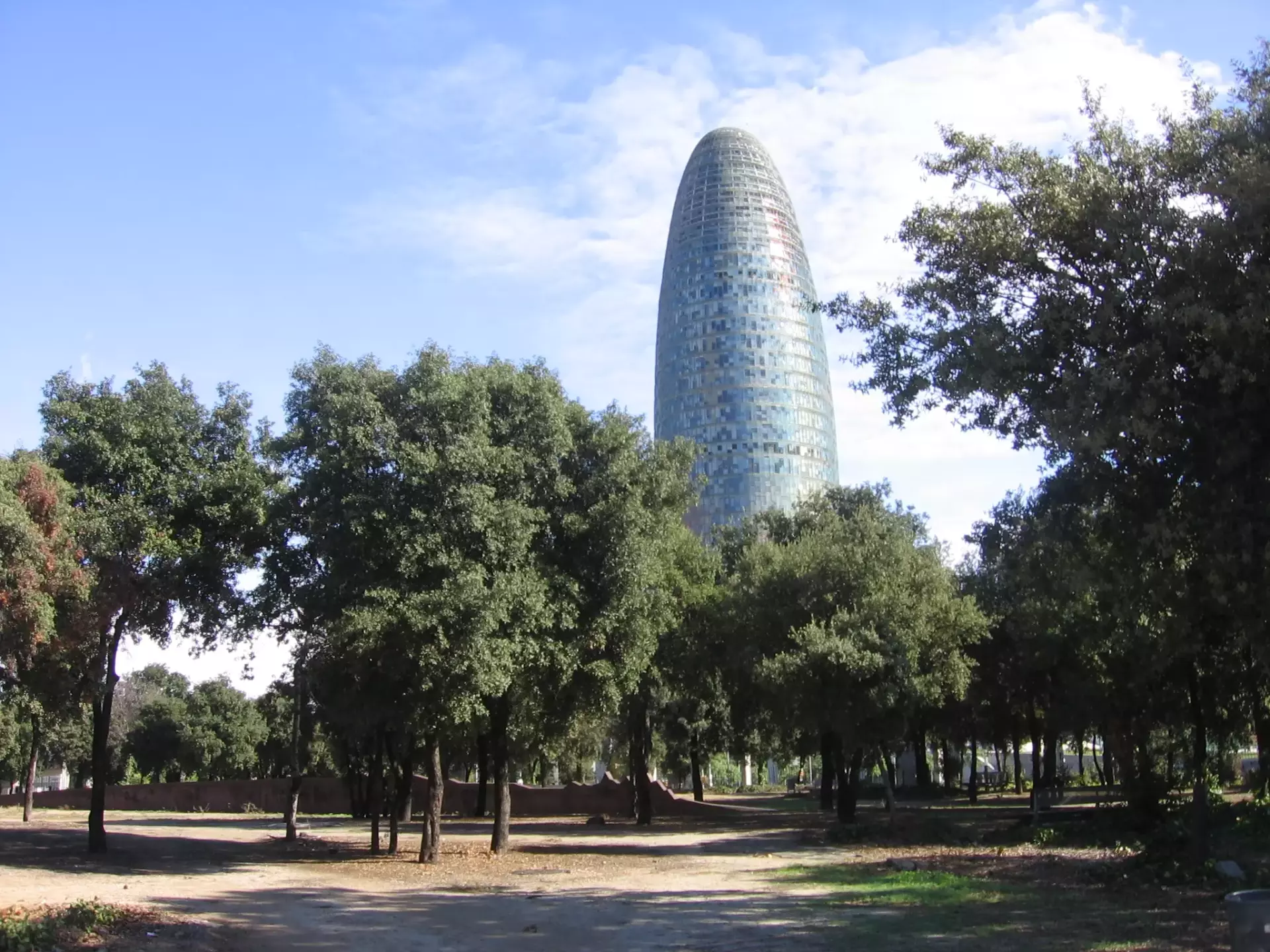
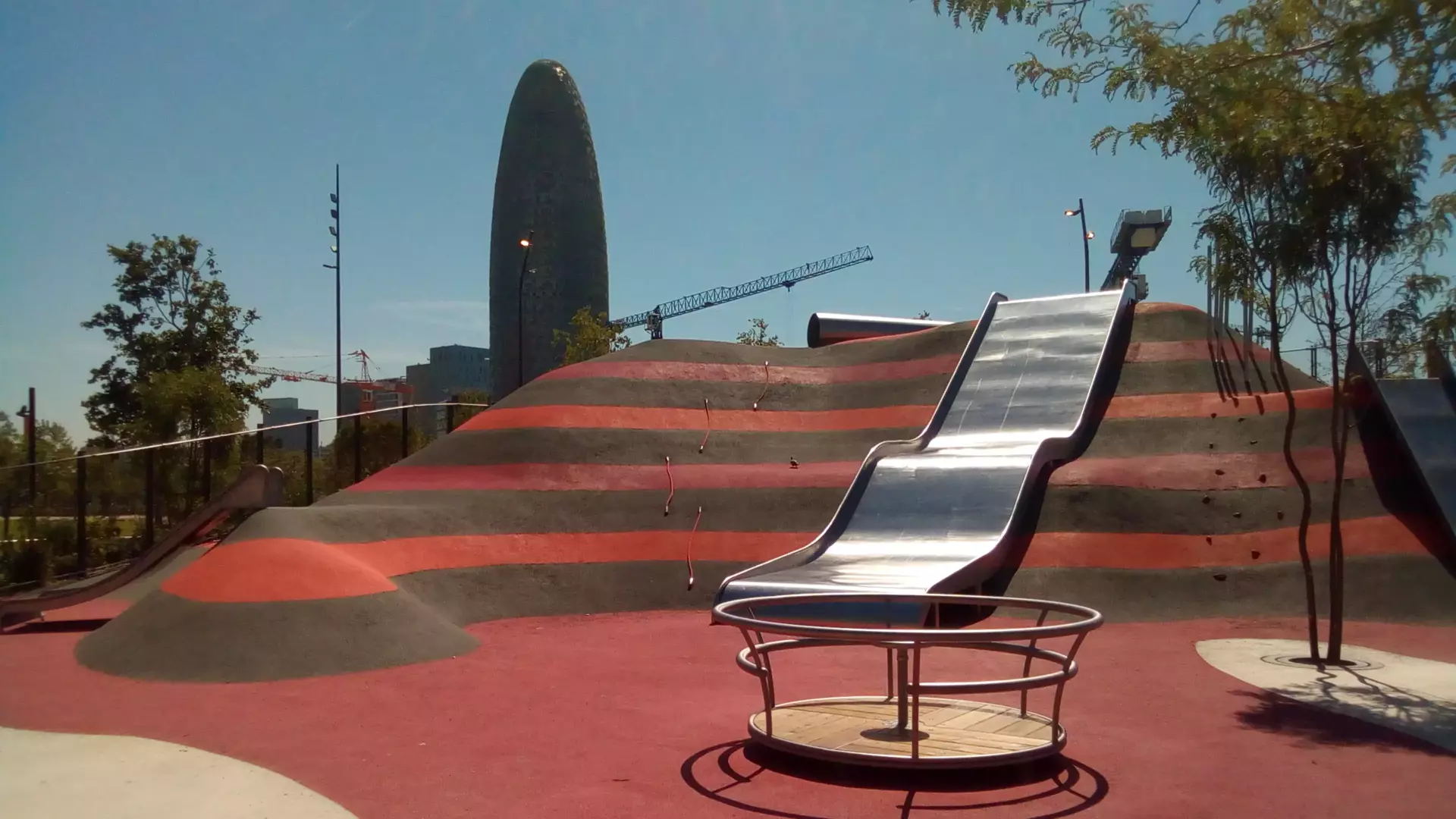
Beyond its natural beauty, the park is also known for its striking architecture. One of its most notable features is the towering Glòries Tower, a landmark that adds a unique silhouette to the city’s skyline. The contrast of modern structures against the backdrop of the park’s greenery creates a captivating visual experience.
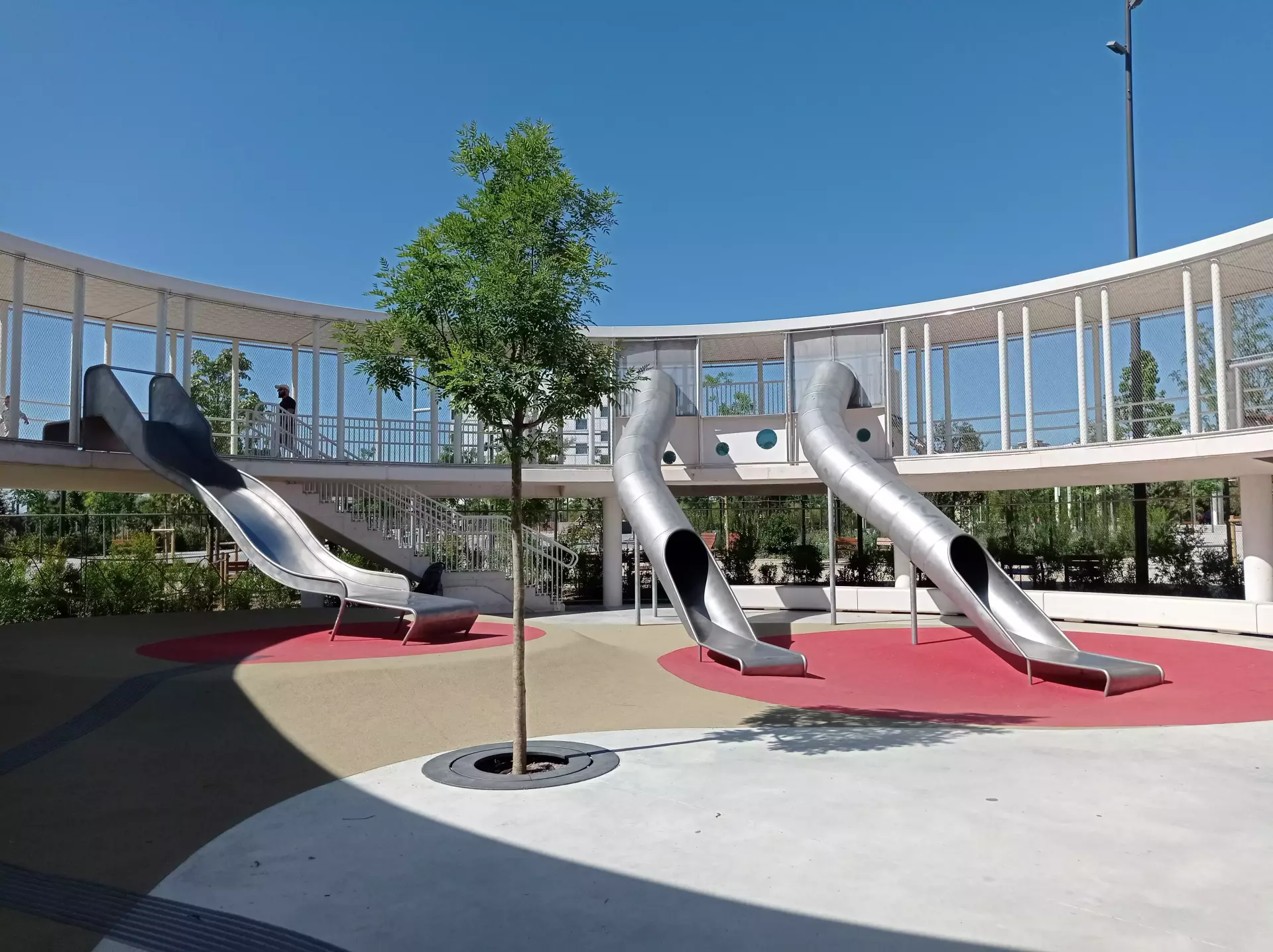
For families, Parc de les Glòries offers plenty of attractions to keep children entertained. The playgrounds are thoughtfully designed, allowing kids to explore and play safely. Additionally, there are interactive exhibits and art installations that capture the curiosity of young and old alike.
The park is also a hub for cultural activities. Throughout the year, it hosts various events, from open-air concerts to art fairs, making it a lively part of Barcelona’s cultural scene. Visitors can often find something new and exciting happening, adding to the park’s dynamic appeal.
Overall, Parc de les Glòries serves as a delightful retreat in the midst of the cityscape, offering both a peaceful escape and a vibrant cultural experience. Whether it’s for a leisurely stroll, a family outing, or to catch an event, this park provides something for everyone.
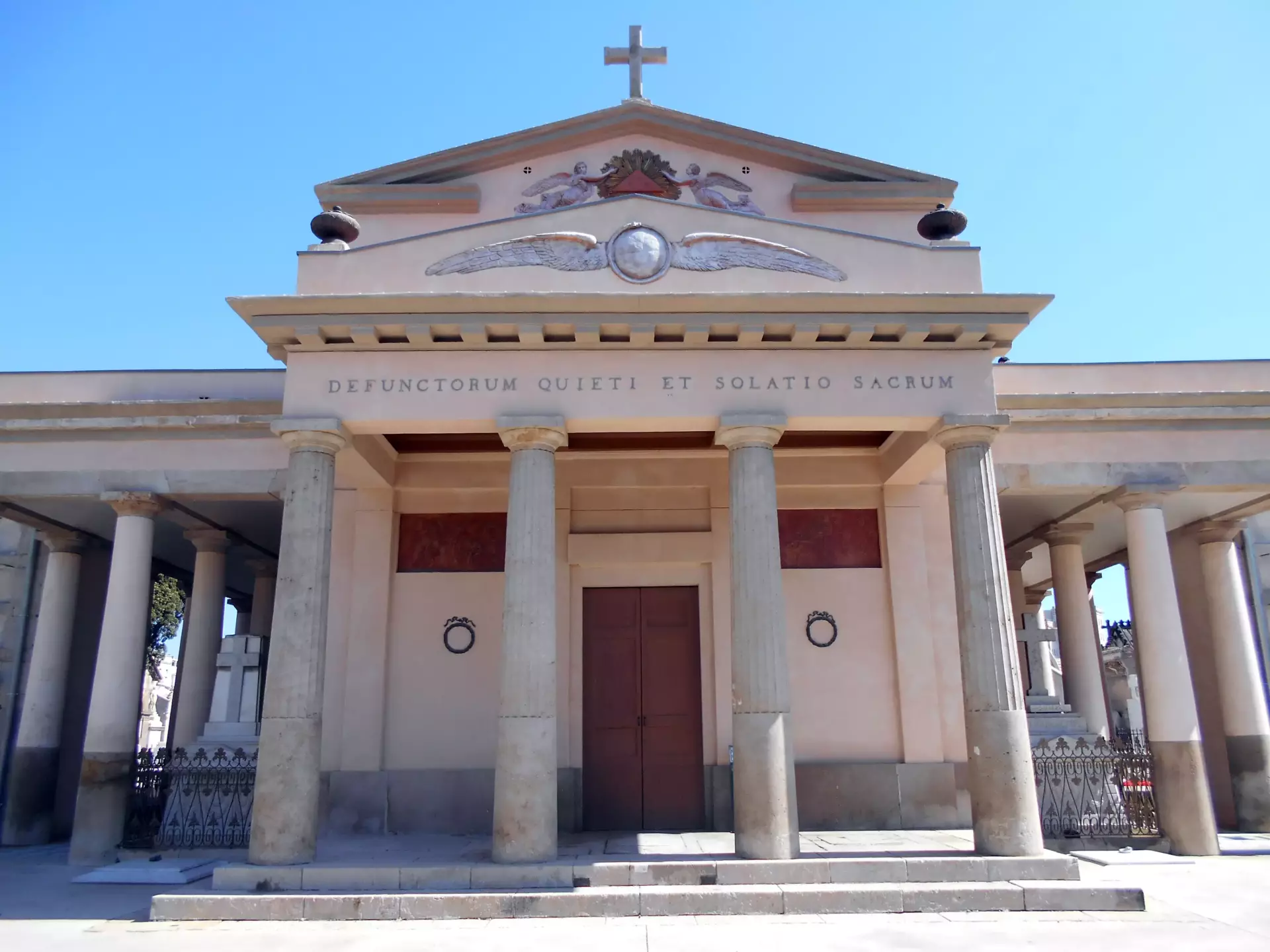
One of the most romantic squares in Barcelona, it hides a dark history in that it was built over the city's old cemetery. Barcelona's most famous architect, Antonio Gaudi, was on his way to visit the church there when he was run over and killed in 1928. There is a baroque church (Sant Felip Neri), a 14th-century palace and a fountain in the middle. To arrive, take the narrow street next to the cathedral cloister. The palace was moved from its original location in the street Via Laietana during the 1920s. If you look the front of the church, you can see some holes made by a civil war bomb. If you go out the square through the other street, you'll arrive to the street Baixada de Santa Eulàlia, where is said that the Barcelona's protector was tormented.
The museum displays high-performance sport competitions, recreational sports, sports in general and sports for disabled people. It shows how sport can promote values, educate, innovate and renew. The museum has a sport idols space with outstanding players.
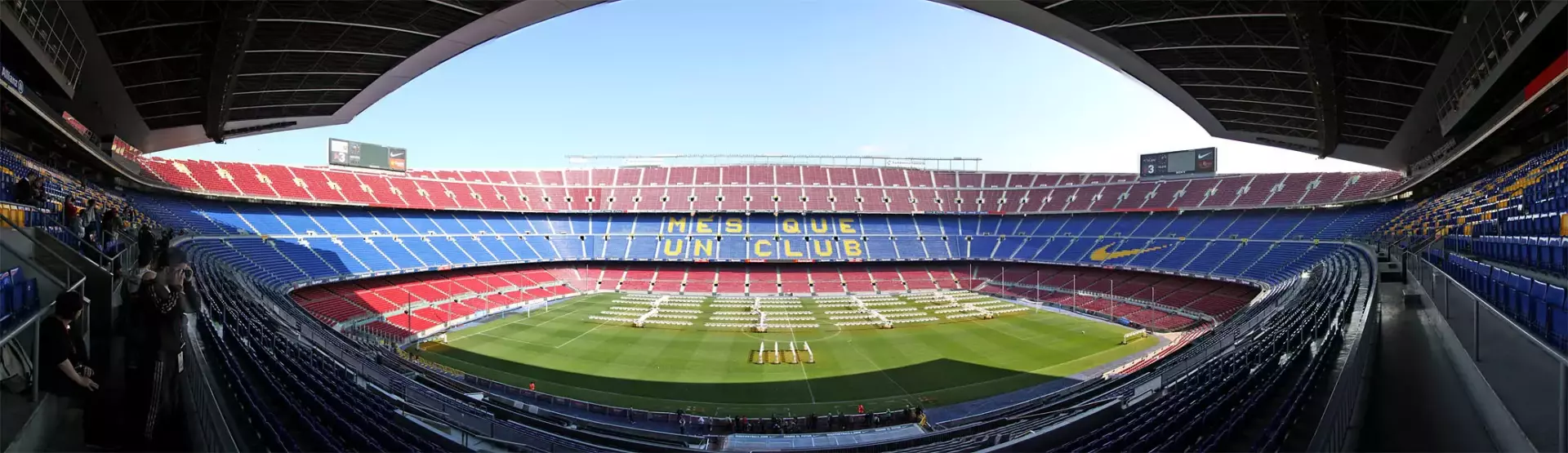
If you're a football fanatic, then you can't miss a visit to this football temple, the home ground for Barcelona's biggest and most popular team and one of Europe's greatest footballing 'cathedrals'. During the Franco era, FCB was the only way that oppressed Catalans could vent their anger against his dictatorship. Because of that, it became and still is a symbol of Catalan identity. Camp Nou is the biggest stadium in Europe with a capacity of 98,600 people, with shops and a museum of the club's history. Match tickets start at about €42 and games hardly ever completely sell out, unless it is a match against the hated rivals Real Madrid (a match commonly dubbed El Clásico), one of the other top teams (Atlético Madrid, Valencia or Sevilla) or in the Champions League. With the quality in the current team, there are always a few goals, and it is nearly always a resounding win for Barça. For stadium tours check the entry below.
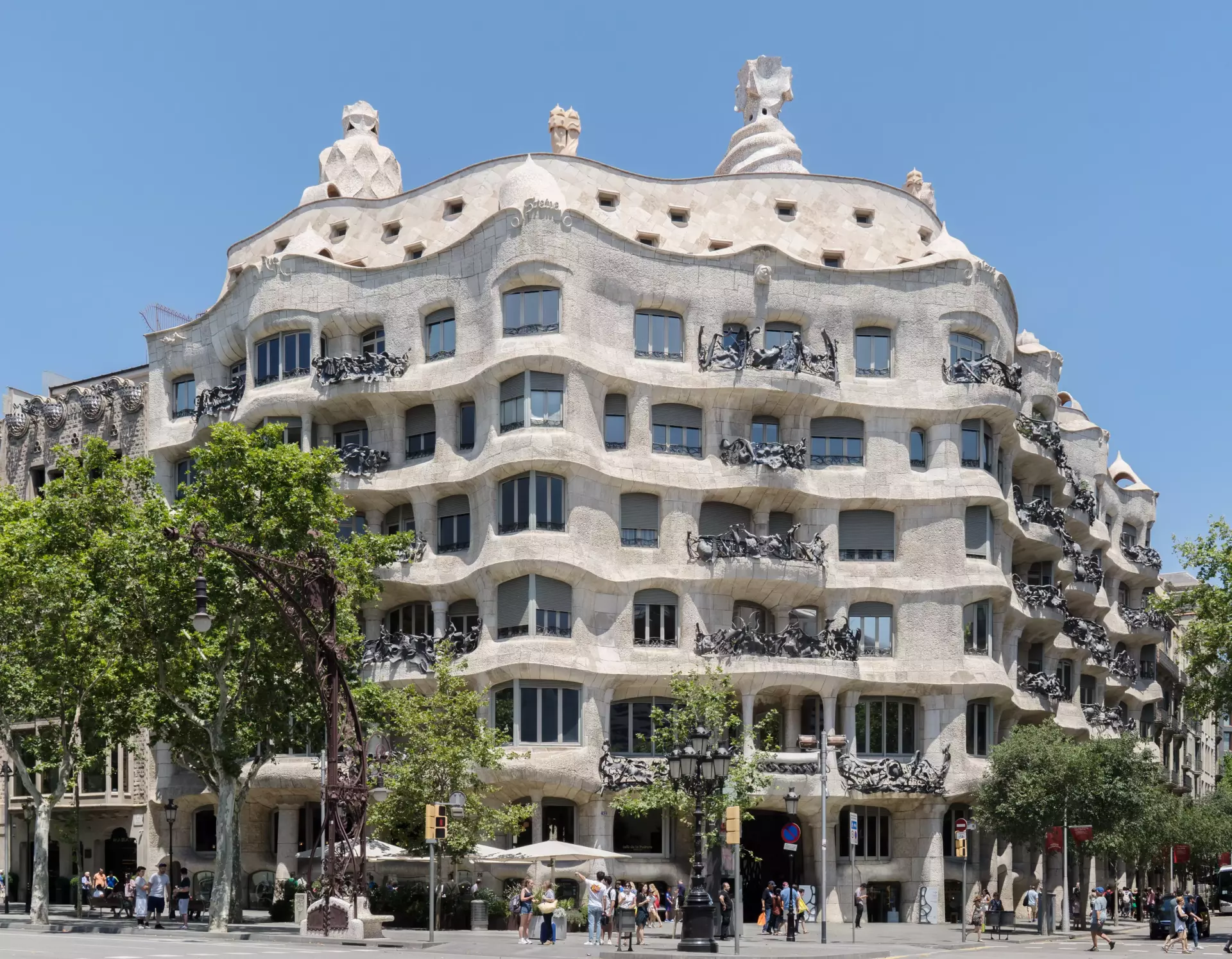
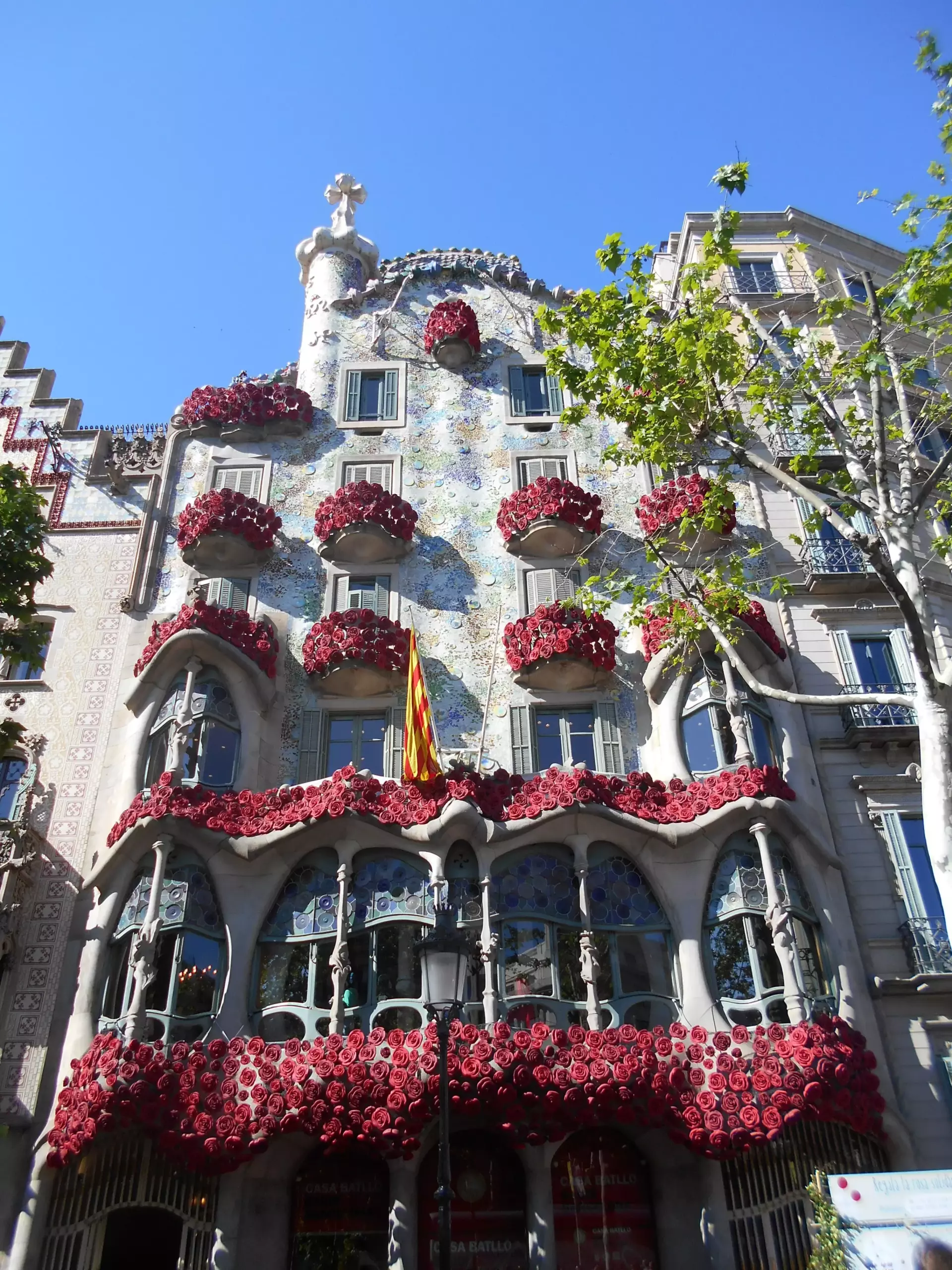
Palace designed by Gaudí for the industrial tycoon Eusebi Güell. There is a basement and three levels of the palace to explore, the highest featuring a small exhibition. It is in a different style to Gaudi's apartment blocks La Pedrera and Casa Batlló, as well as being cheaper and less crowded than those sites. The rooftop of Palau Güell features the more standard Gaudi style chimneys, and views across El Raval.
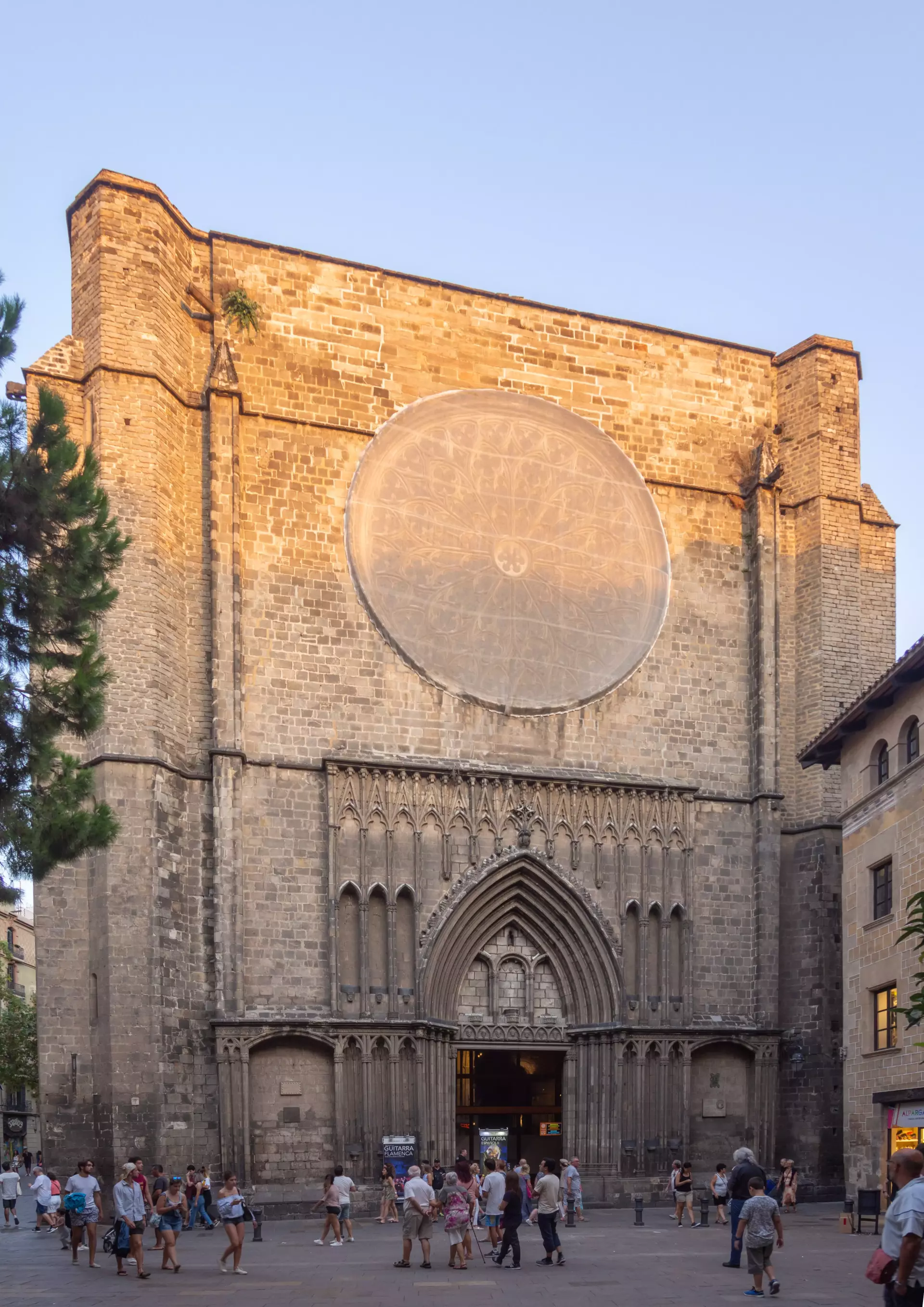
One of the most representative examples of Catalan Gothic architecture, it features a sombre but beautiful interior. The upsweeping verticality and lightness of the interior are especially surprising considering the blocky exterior surfaces. Built between 1329 and 1383, it was once was home to a Christian cult in the late 3rd century. The church is dedicated to Saint Mary of the Sea, since the quarter was dedicated to the jobs related to the sea, from sailors to harbor works, commerce, even coin exchange. The inside was burned during the civil war, but it is still very interesting. Next to the church, you can see a monument, called Fossar de les Moreres, which is the place where many fighters where buried after the Barcelona defeat in 1714, so it is an important monument for Catalan nationalism.
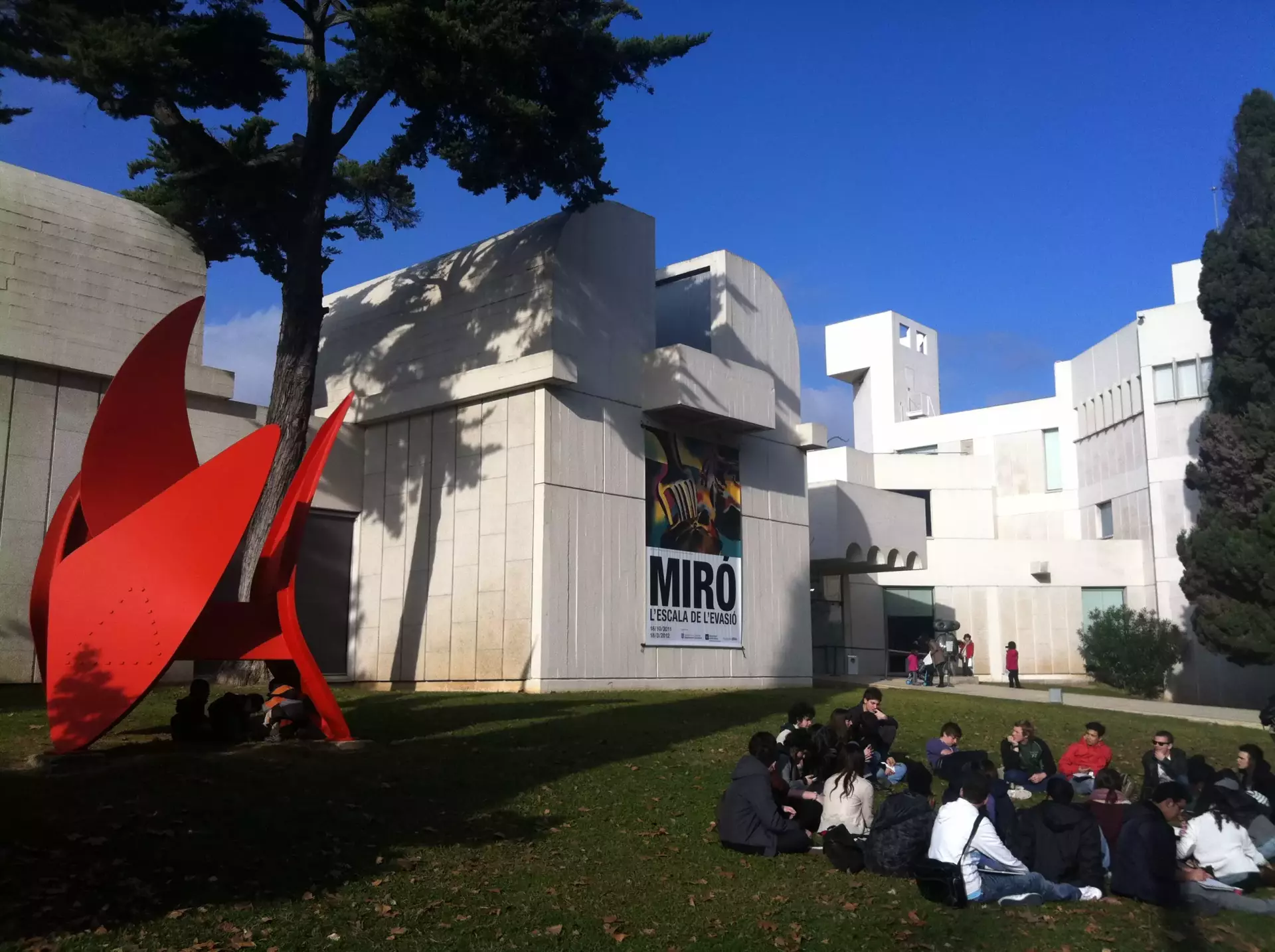
Has a lot of art from his first period, before the cubism, but almost none of his most famous works. Pictures are described only in Spanish, but overview texts for each period are available in English. Luggage over 30x30cm needs to be left at the checkroom and there's no liability for lost valuables.
Formerly known as Torre Agbar. Distinctively-shaped office tower which stands out in the Barcelona skyline. It stands out even more Friday, Saturday and Sunday nights when it is lighted in several colours. The viewing platform on the 30th floor has views in all directions. Tickets start at €15 and come with a complimentary glass of cava and access to Hyperview Barcelona, an exhibit of the city’s real-time environmental data as an audiovisual installation, which is hosted in the tower’s lowest floor.
This museum mainly exhibits exponents, which were imported by Catalan sailors as they explored the new world. Free on the first Sunday each month (11:00 to 15:00)
This market was the central market for Barcelona until 1973 and its closing marked the beginning of the neighborhood's decline before its current resurgence. While undergoing renovations, whole streets and homes that had been demolished by Phillipe V's orders were discovered and archaeologists who worked to transform the market in to a cultural centre and history museum. Entrance and street level is free, but to visit the ruins requires paying for a ticket.
Connecting many of the major streets in the city, the Plaça is a central location and a hub of activity. It is a favourite meeting spot for locals and a transit hub for the tourist buses. There are many fountains, statues and gardens around the plaza, and a number of benches to just sit and take it all in.
Placa d'Espanya was created for the 1929 World Exhibition, on a site once used for public hangings. The fountain in the center of the square is a great attraction and plays music during the summer. Plaça Espanya is located at the base of Montjuic hill.
Created in 1984 by the artist Antoni Tàpies to promote the study and knowledge of modern and contemporary art.