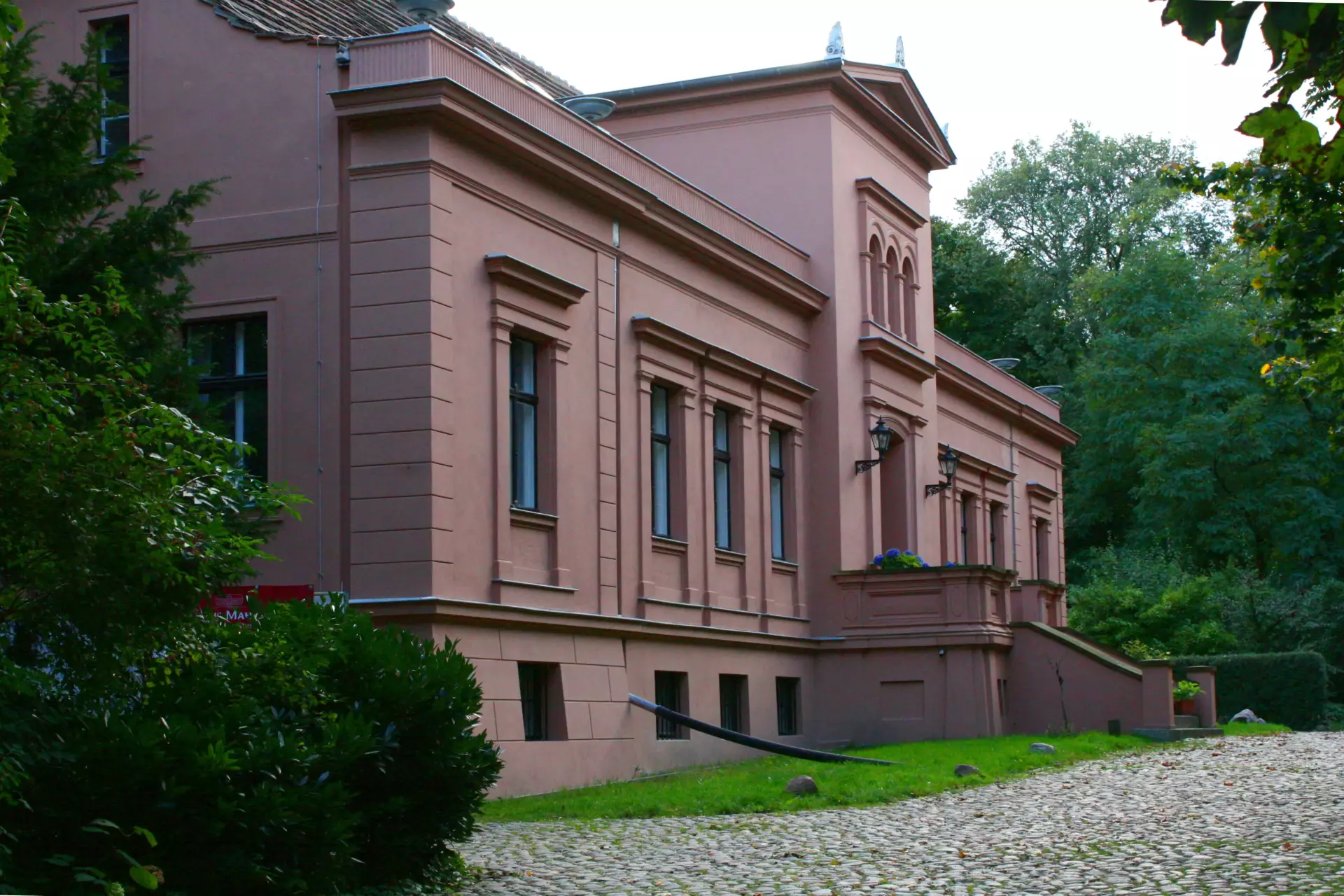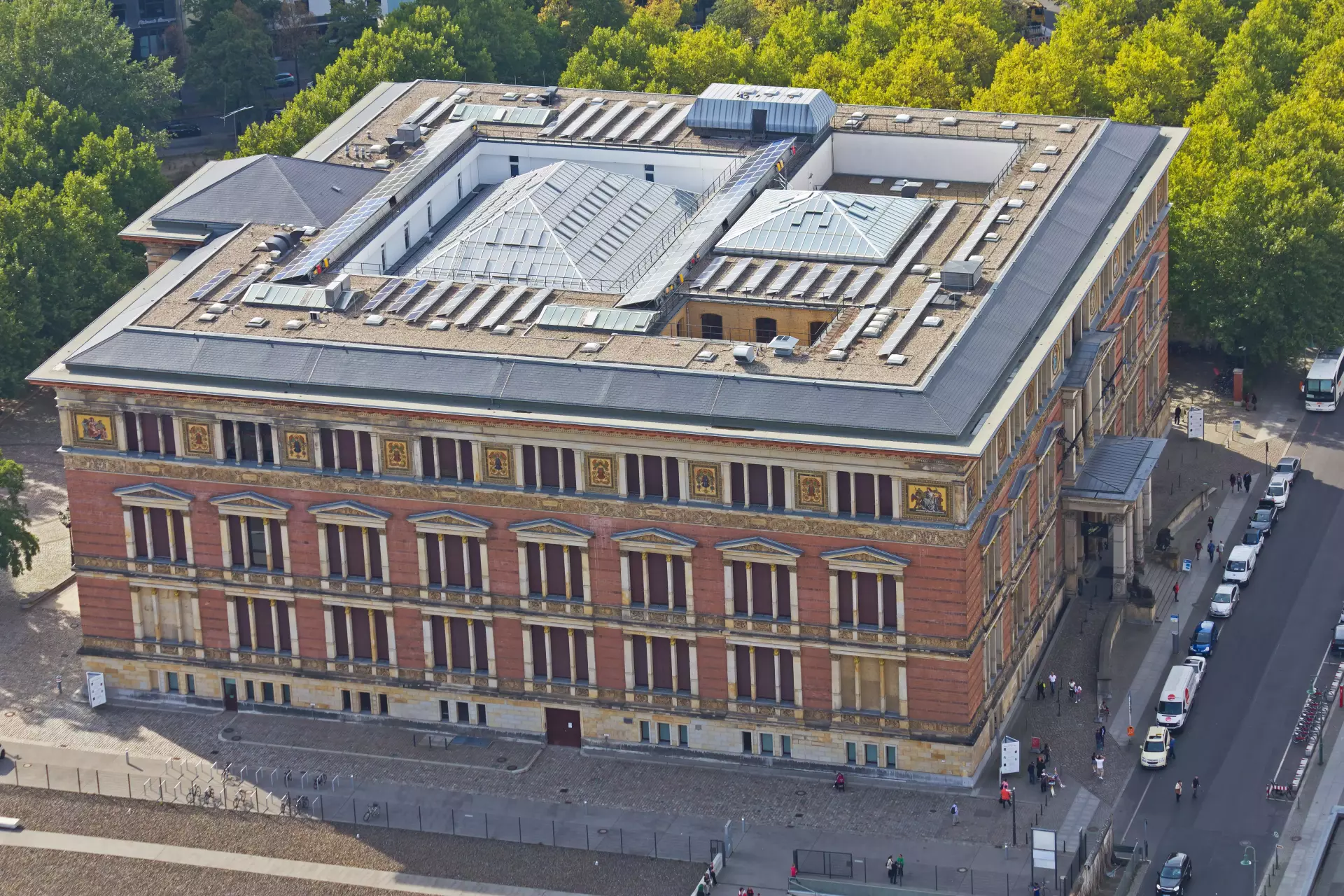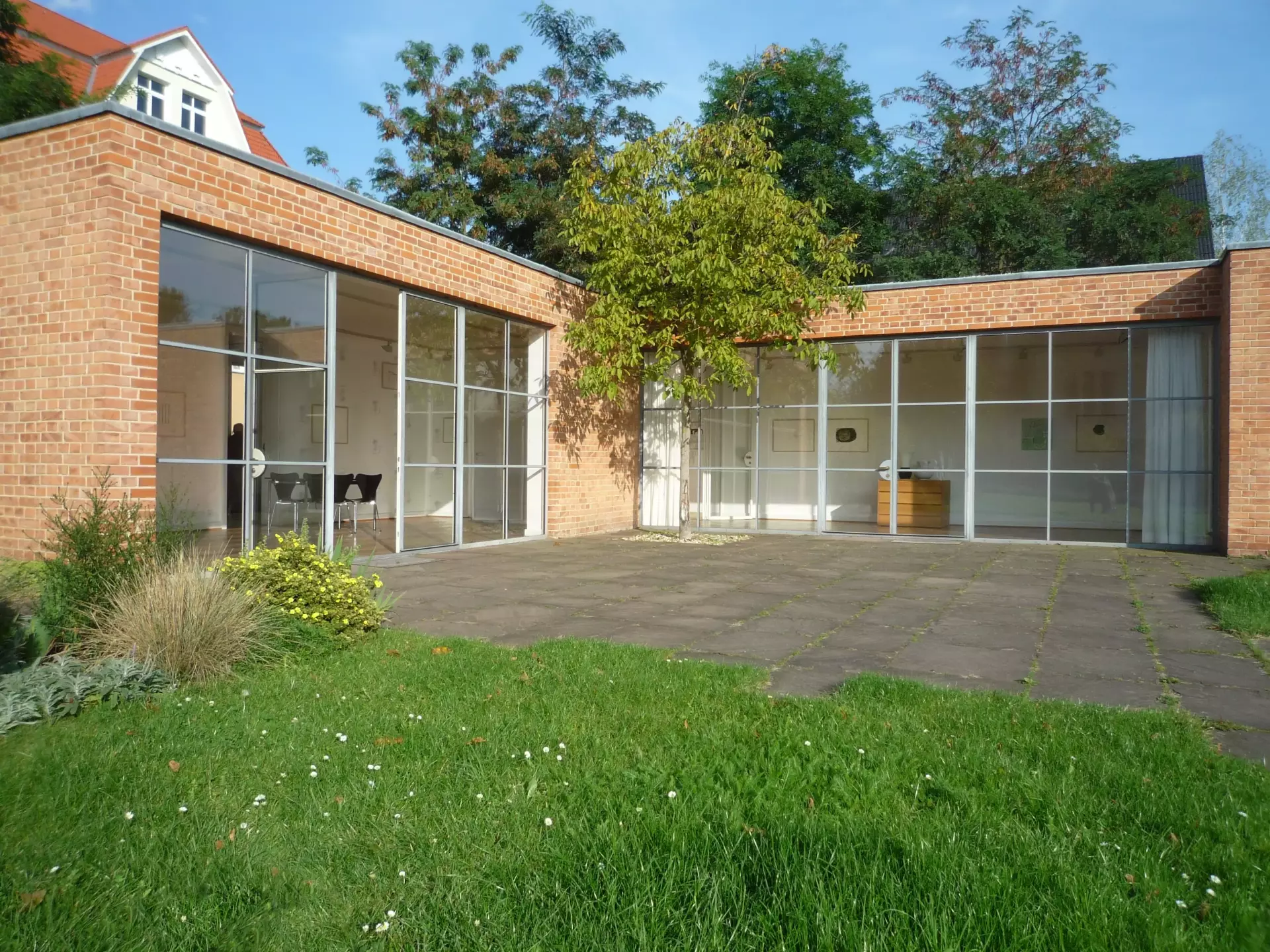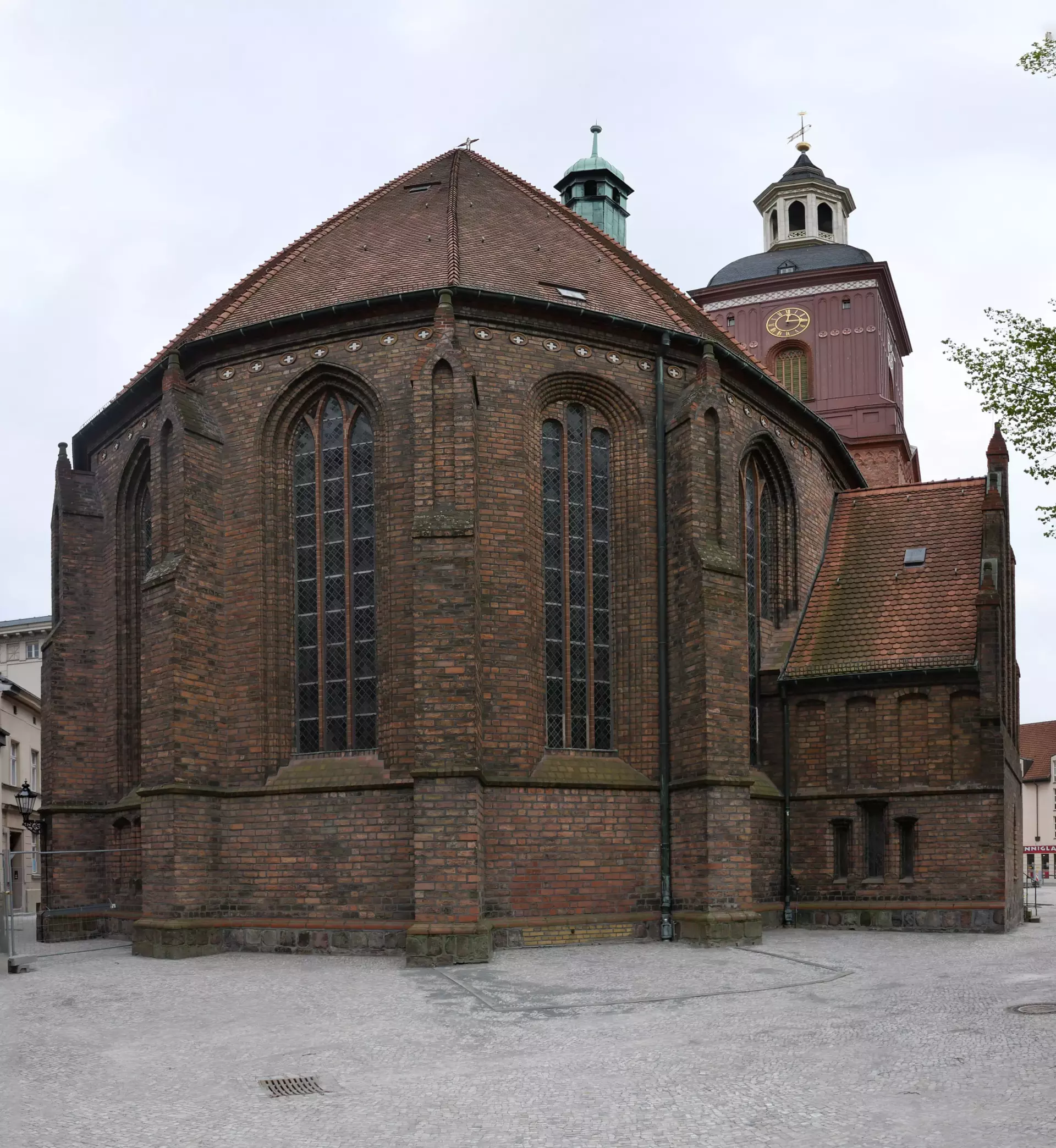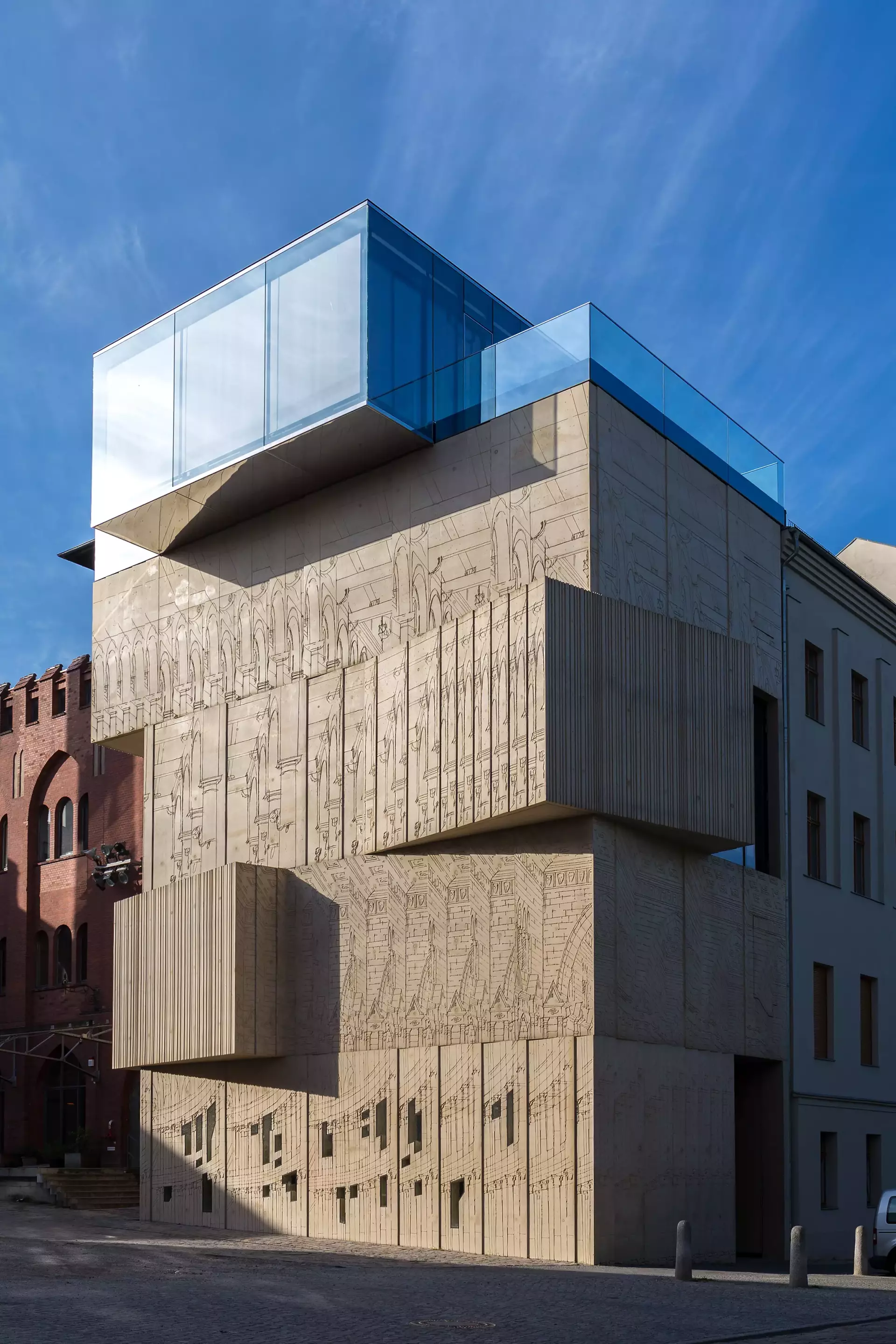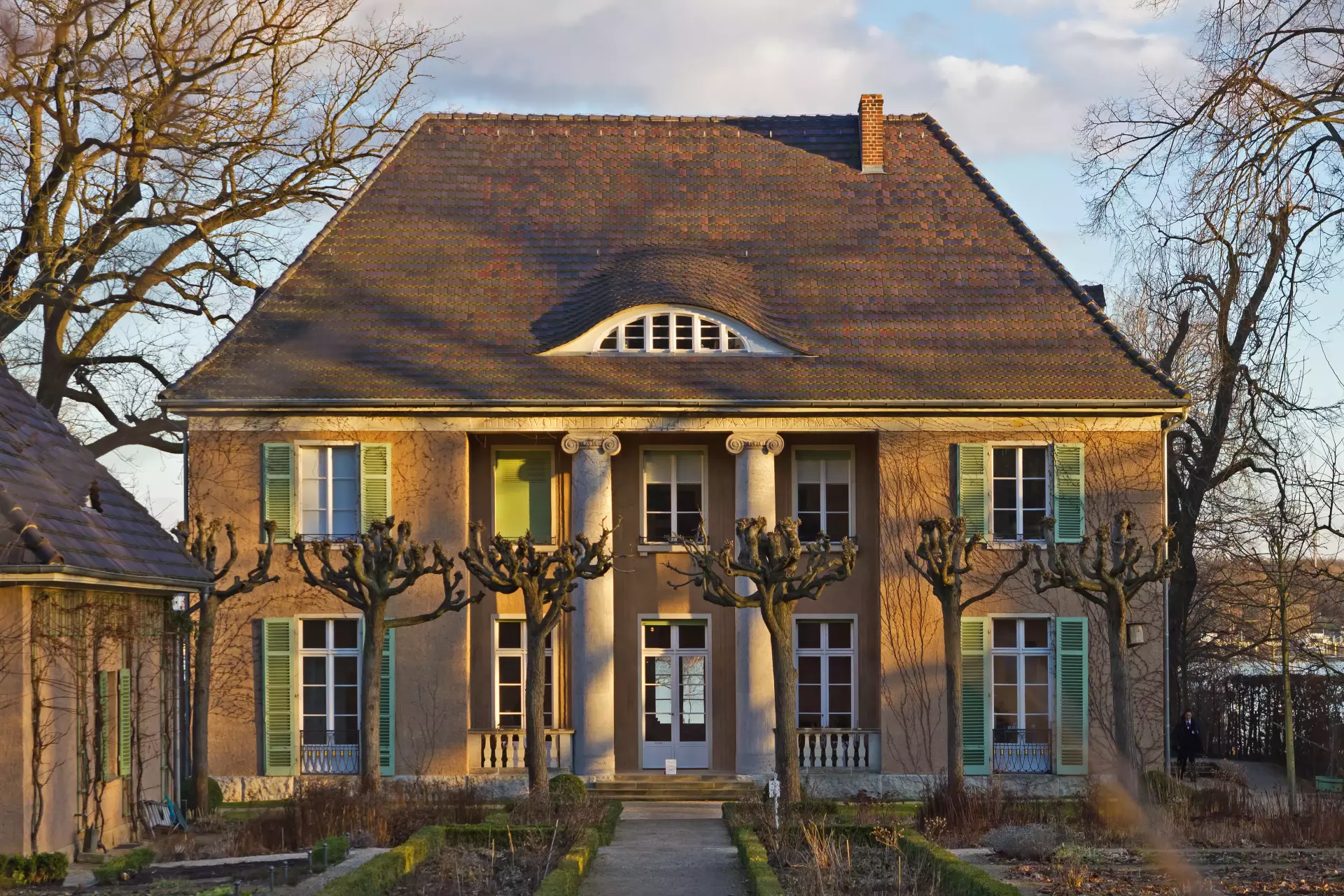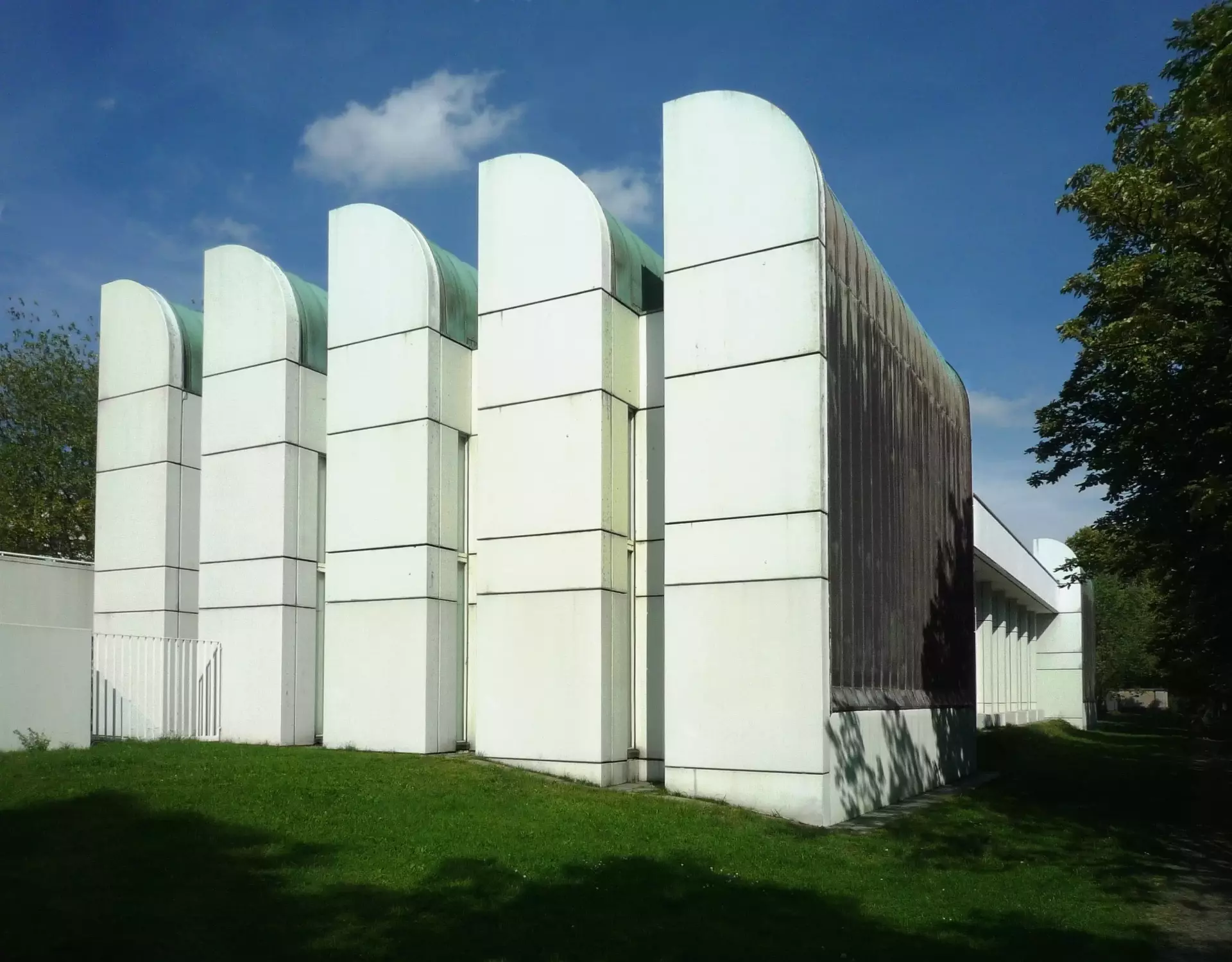
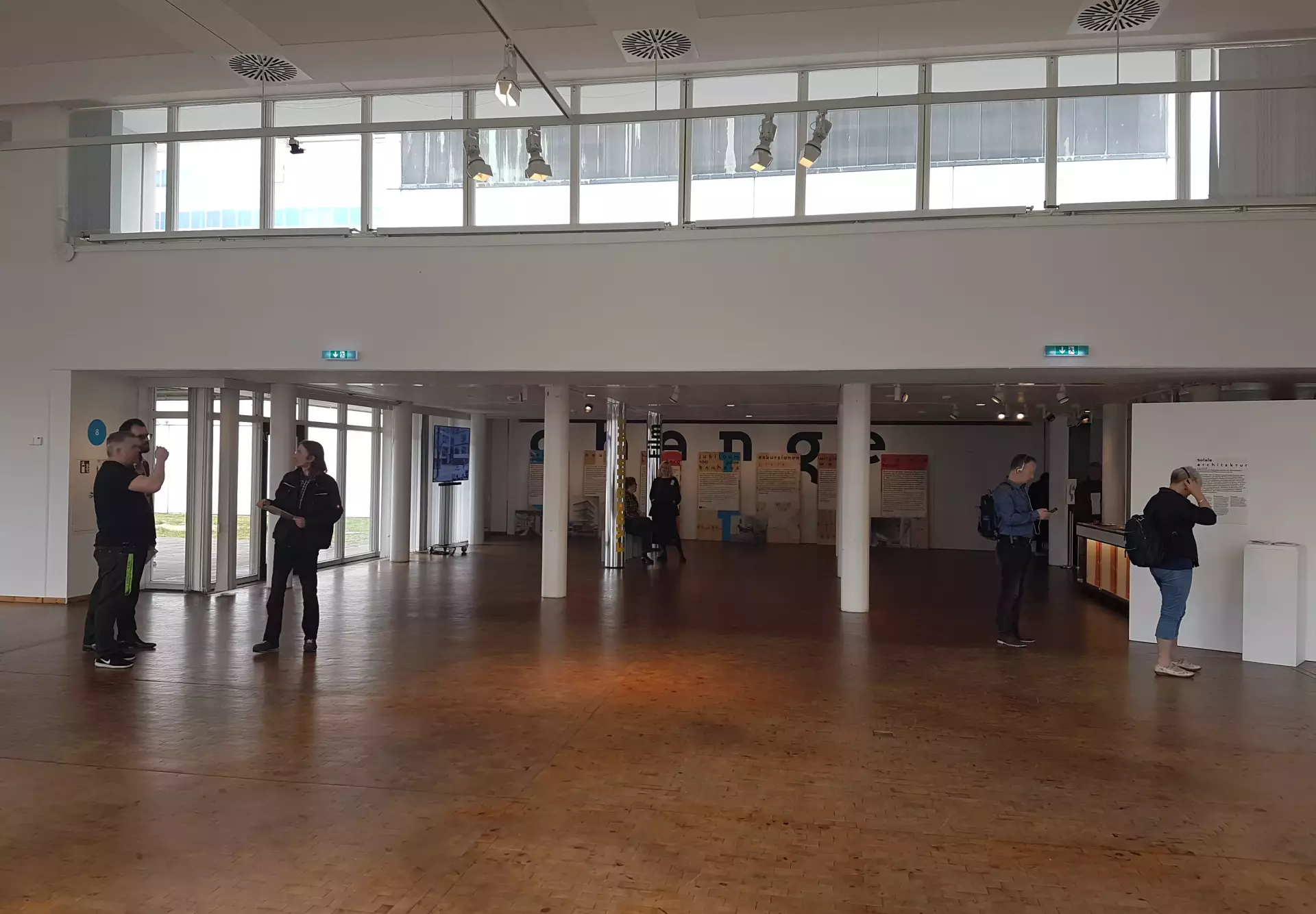
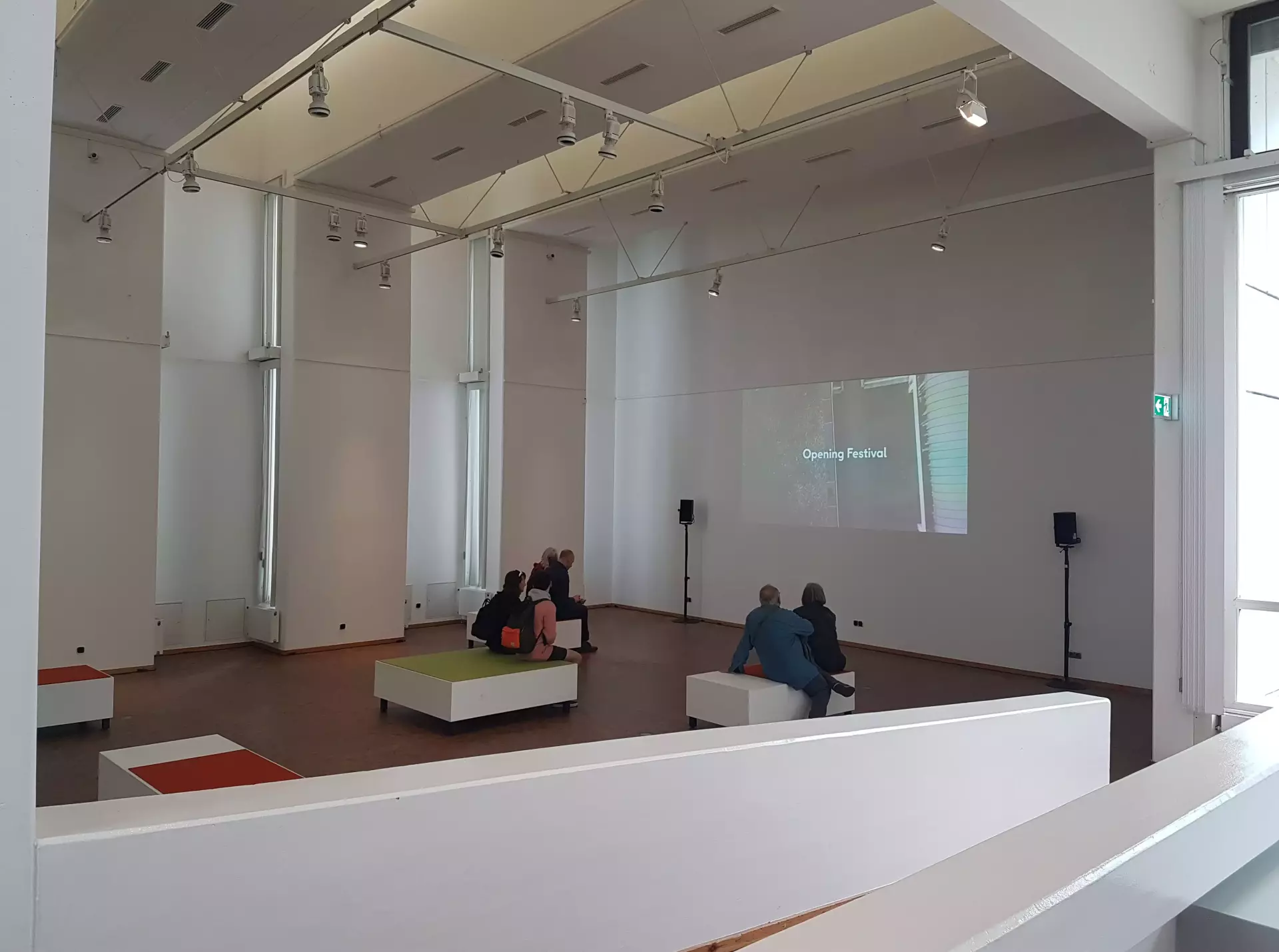
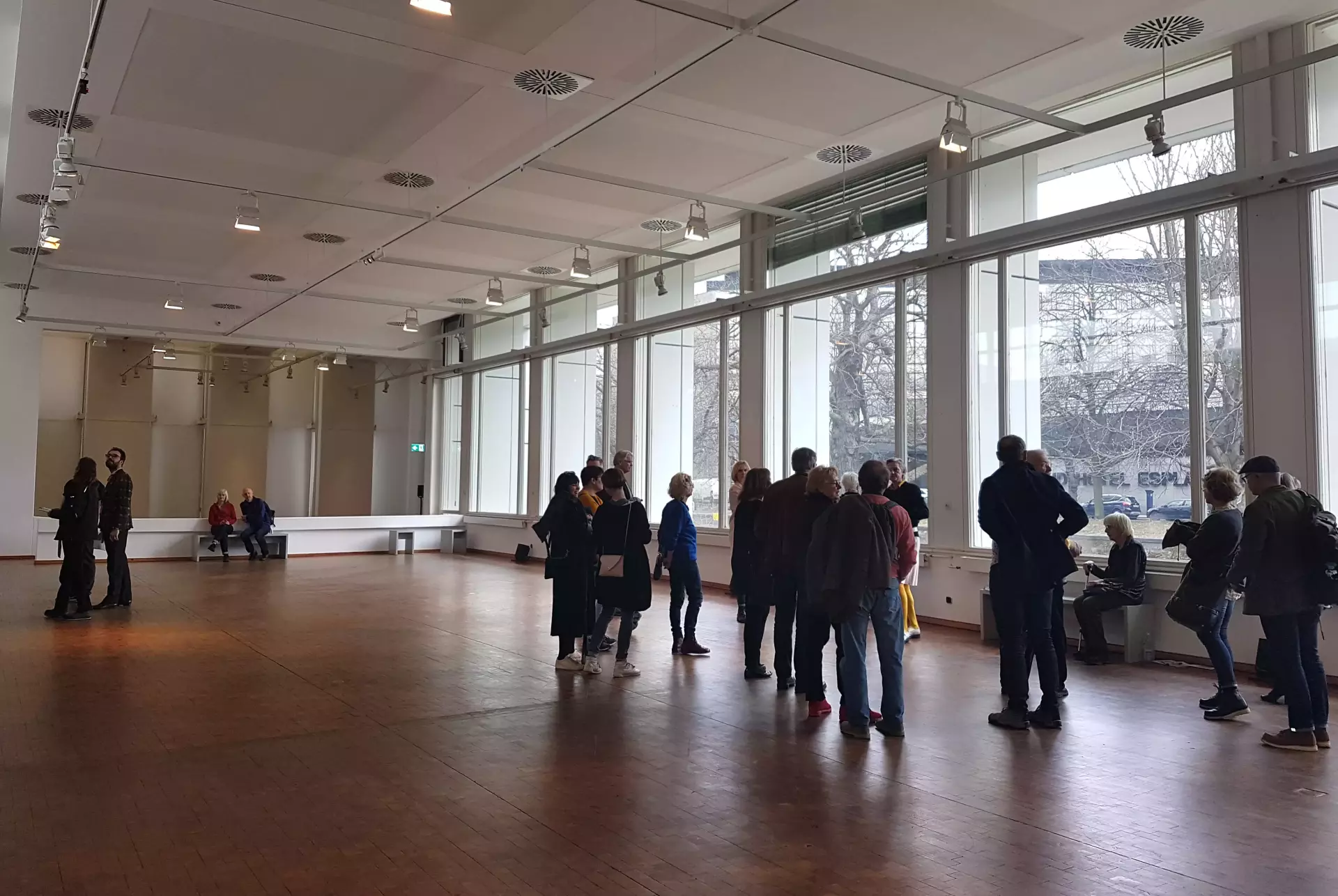
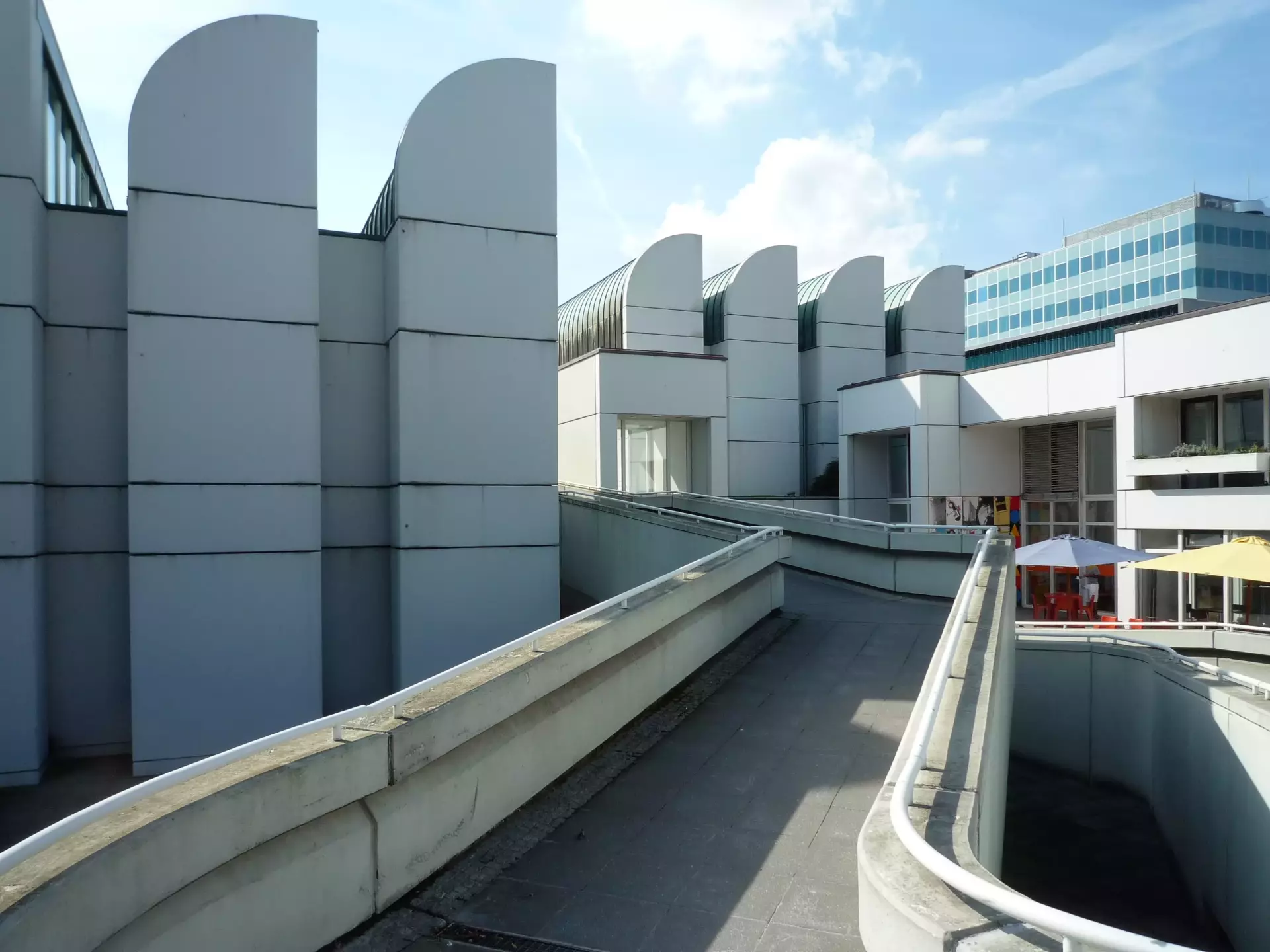
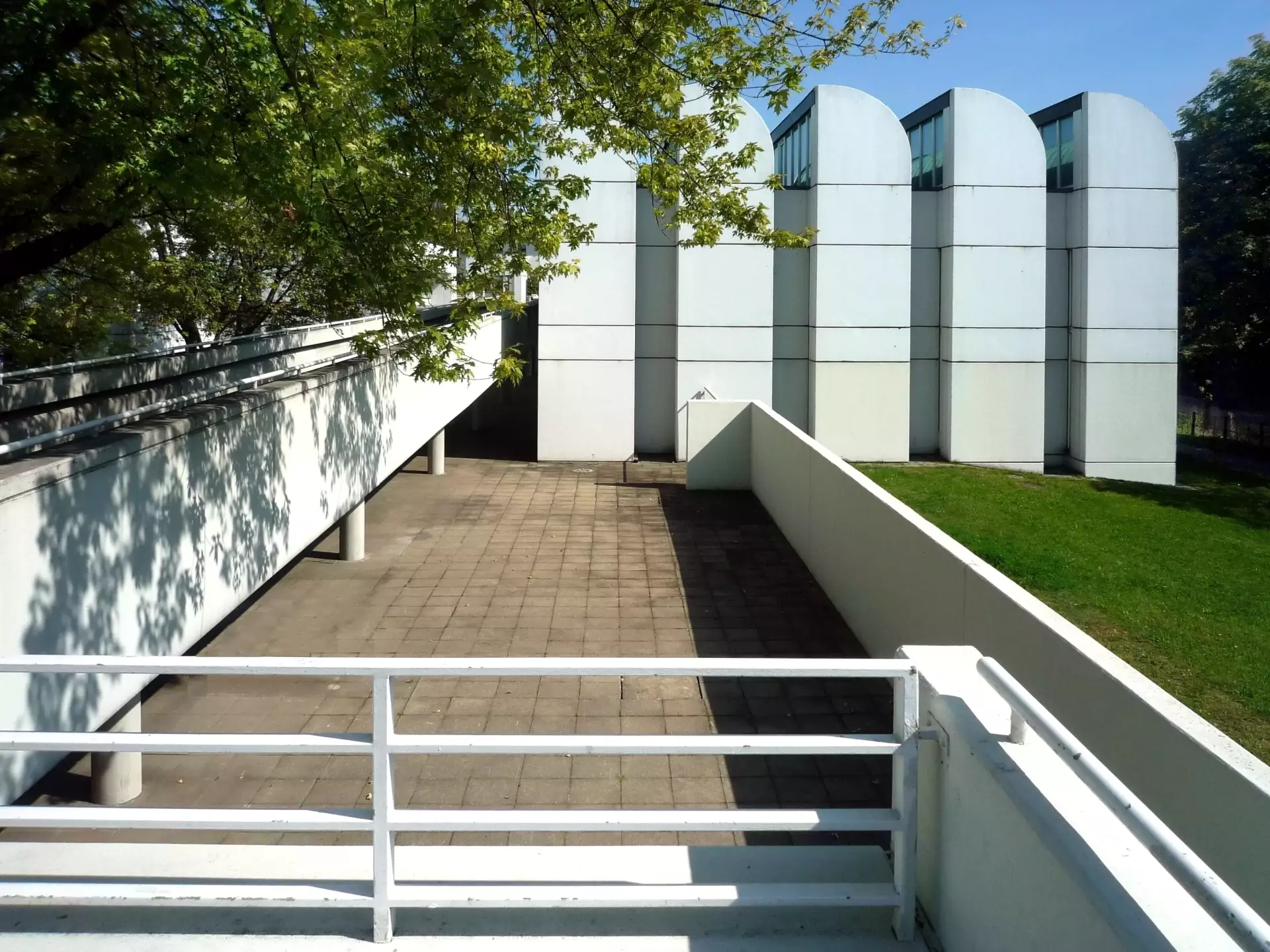
The Bauhaus-Archiv / Museum für Gestaltung is currently closed for renovations. During this time, a temporary Bauhaus-Archiv welcomes visitors at Knesebeckstraße 1–2 in Charlottenburg. The original building, a striking work by architect Walter Gropius, remains an essential reference point in the story of modern design and architecture.
Walter Gropius’s design gives the museum its distinctive profile and links it directly to the Bauhaus movement he helped shape. While the main site is being renewed, the temporary location keeps the collection in public view and continues its cultural program in a central Berlin neighborhood.
The institution brings together a museum, a specialized library, a cafe, and a shop. Exhibitions present ideas that have influenced architecture, furniture, graphics, and everyday objects. The library supports research with books, periodicals, and archival materials related to design history. The cafe offers a relaxed break between galleries, and the shop features publications and design-focused items connected to the Bauhaus tradition.
Source - https://en.wikipedia.org/wiki/Bauhaus_Archive
A domed church at Bebelplatz/Unter den Linden, the oldest (mid-18th century) and one of the biggest Catholic churches in Berlin. Interior was redesigned in a modern style in the 1950s, but there are still many treasure chambers in the basement.
Includes the Panoramapunkt, the viewing terrace located 101 metres above ground, accessible by Europe's fastest elevator.
Also known as "der hohle Zahn" (the Hollow Tooth), this church in Breitscheidplatz is a memorial to Kaiser Wilhelm, and one of Berlin's most famous landmarks. Thick walls and plain decor mark it as neo-Romanesque, but with what's left of the Gedächtniskirche, it's tough to distinguish it as any one style. Allied bombing left only one tower standing on 22 November 1943, but a new location for worship designed by Egon Eiermann was completed in December 1961 (it's the octagonal structure with blue stained glass windows). There is a small memorial museum beneath the tower filled with artifacts from the original church, which was built from 1891-95 to architect Franz Schwechten's specifications.Controversy arose after the war over the various options presented by the half-ruined cathedral - should it be torn down completely and rebuilt? Or should the destroyed sections be left standing as a memorial? The four major sections of the Kaiser-Wilhelm-Gedächtniskirche (central space, foyer, new tower and chapel) surround the ruined tower of the old church bridge and show the time gap between old and new. Mosaics and other remnants from the old church serve as a monument against war.
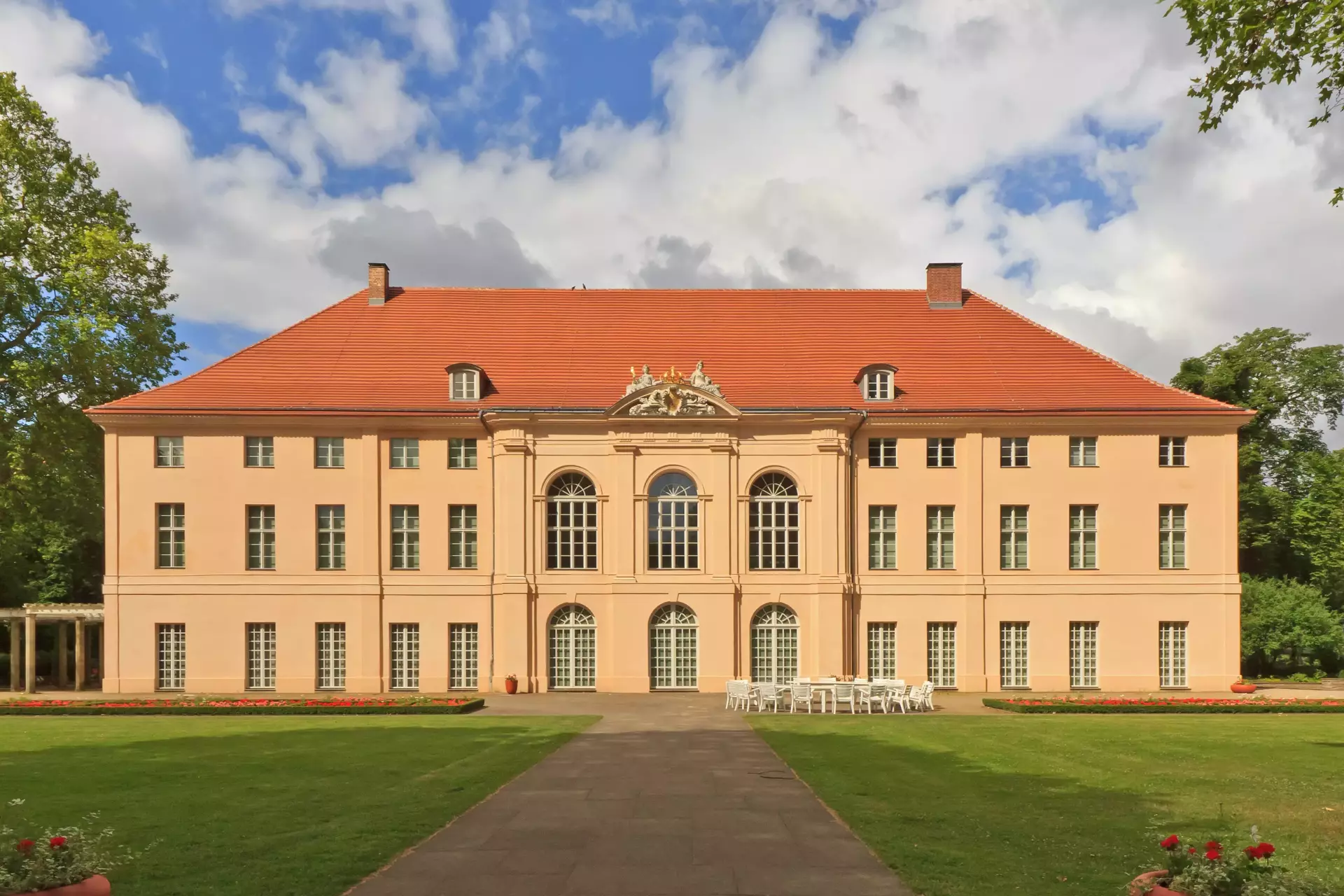
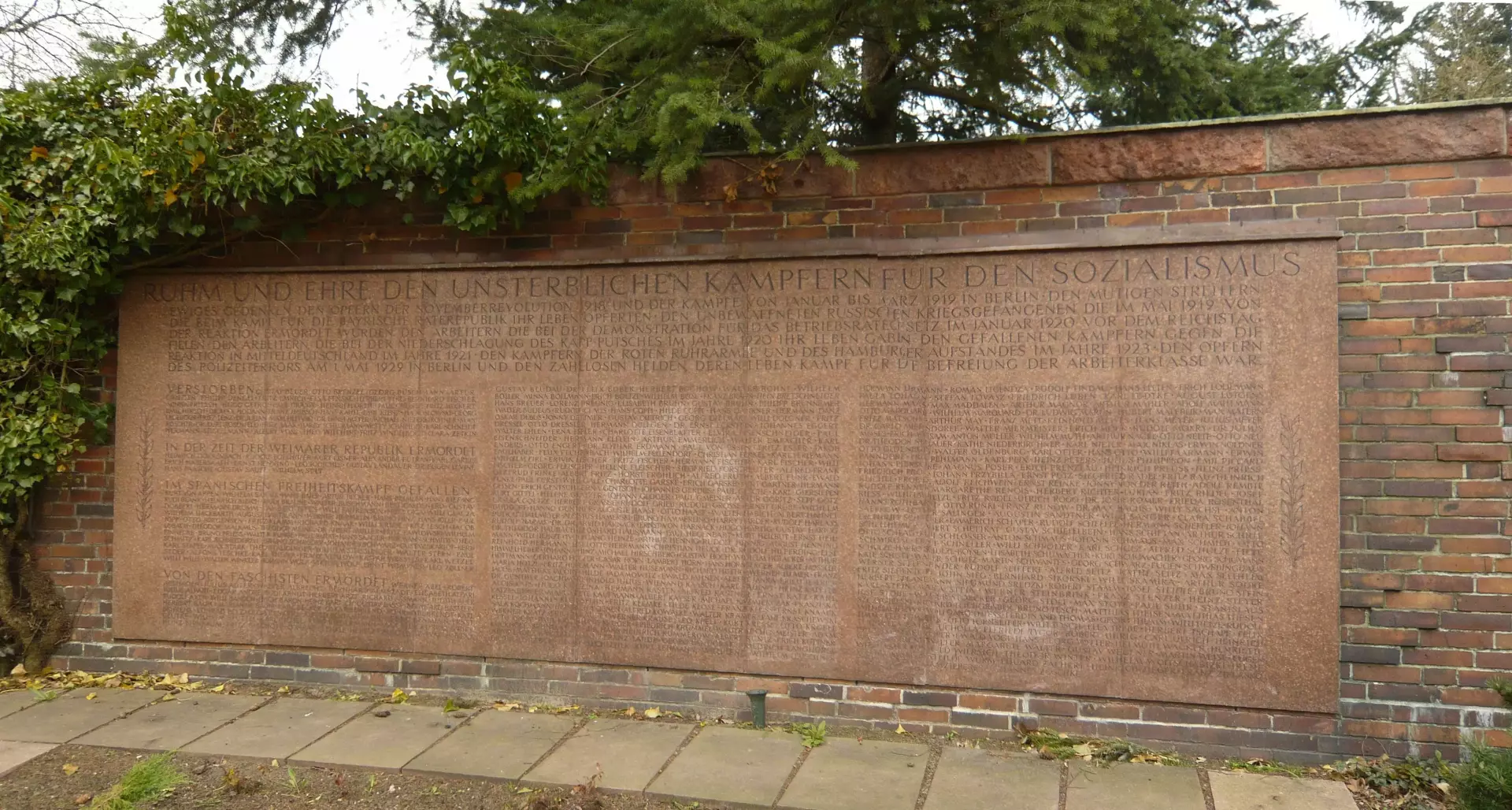
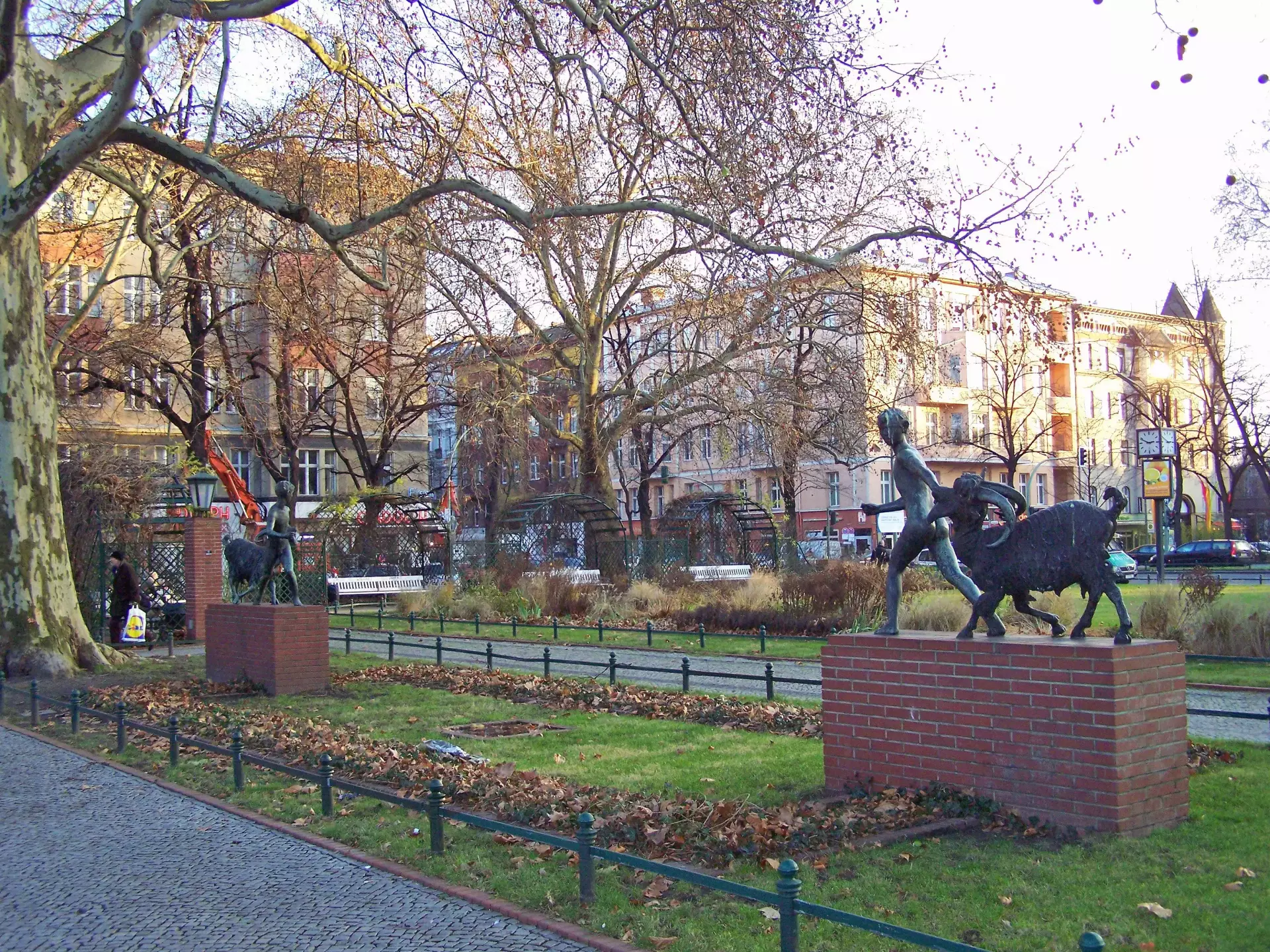
The Bayerischer Platz is the centre of the Bayerisches Viertel ("Bavarian district", with many streets named after Bavarian cities), which was destroyed a lot more during World War II (about 60%). Somewhere around there Albert Einstein lived once. You’ll find several memorial signs providing information about the Nazi regime's persecution of gays and Jews.
Experience the Stasi Secret Police Prison first-hand. Tours are compulsory. Some of the tours are done by former inmates.
This abandoned amusement park with its iconic large Ferris wheel opened in the German Democratic Republic in 1969. After its closing in 2002 the rotting theme park and its apocalyptic atmosphere became a target of international media coverage, amongst others by the New York Times. In 2016 it was announced that the venue will be restored and reopened as an art and culture park.
This heritage-protected public bathing beach which opened in 1907 is one of the largest inland lidos in Europe and has a 1275-m-long sand beach, a capacity for up to 30,000 guests and a popular nudist area.
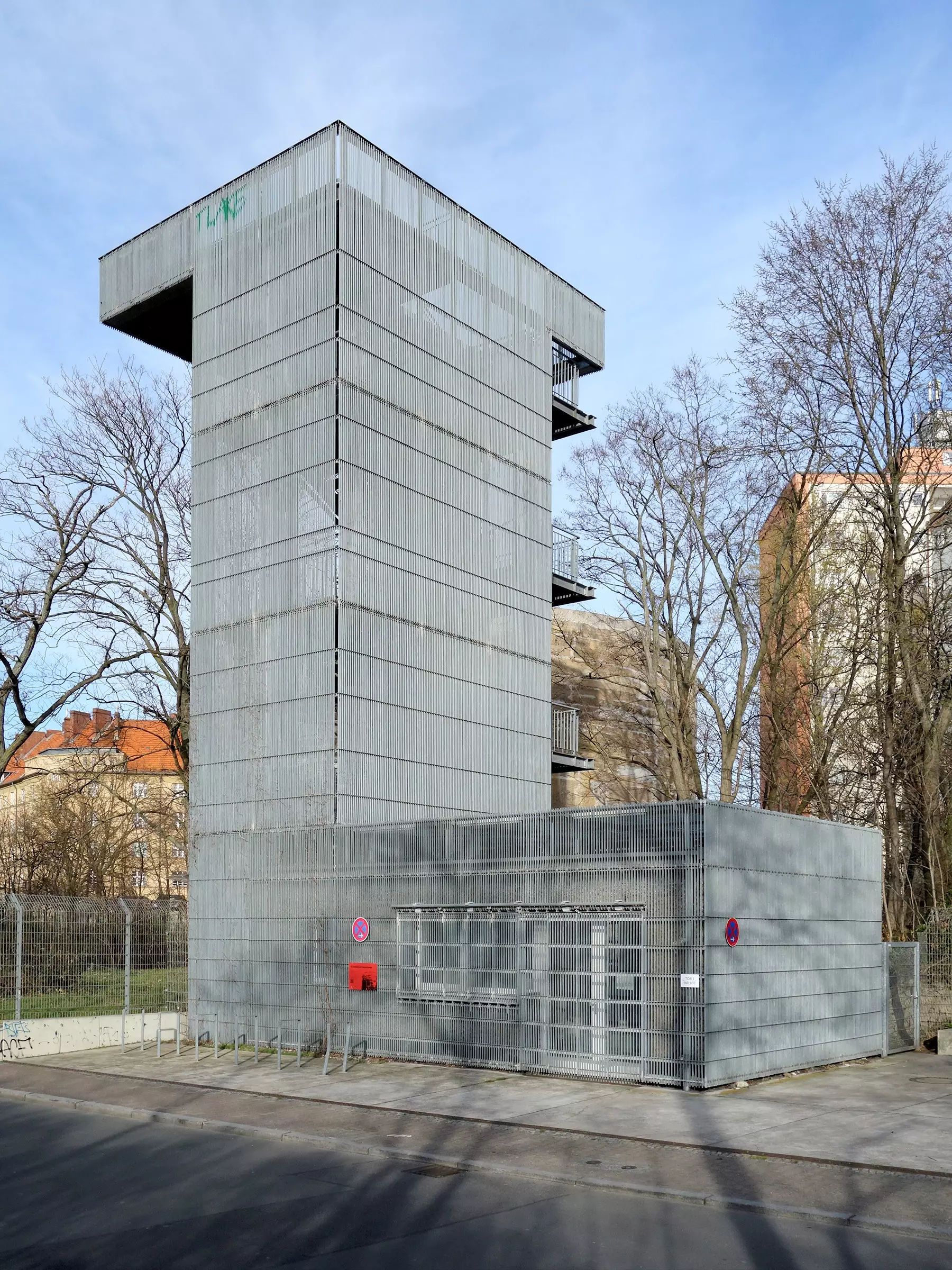
From 1941, 12,000 tons of concrete in a 15-m-high and 20-m-diameter cylinder were built to test the load-bearing capacity of the Berlin soils (turns out glacial sands are no good basis for gargantuan architecture) for Albert Speer's Germania buildings. Too massive for later blasting, this is one of the more bizarre remains of the Third Reich.
This heritage-protected 120-m-long pedestrian tunnel below the river Spree was the first ferro-concrete tunnel in Germany that has been built using pneumatic caissons. Two beaches can be accessed via the tunnel which are not far from its south entrance.
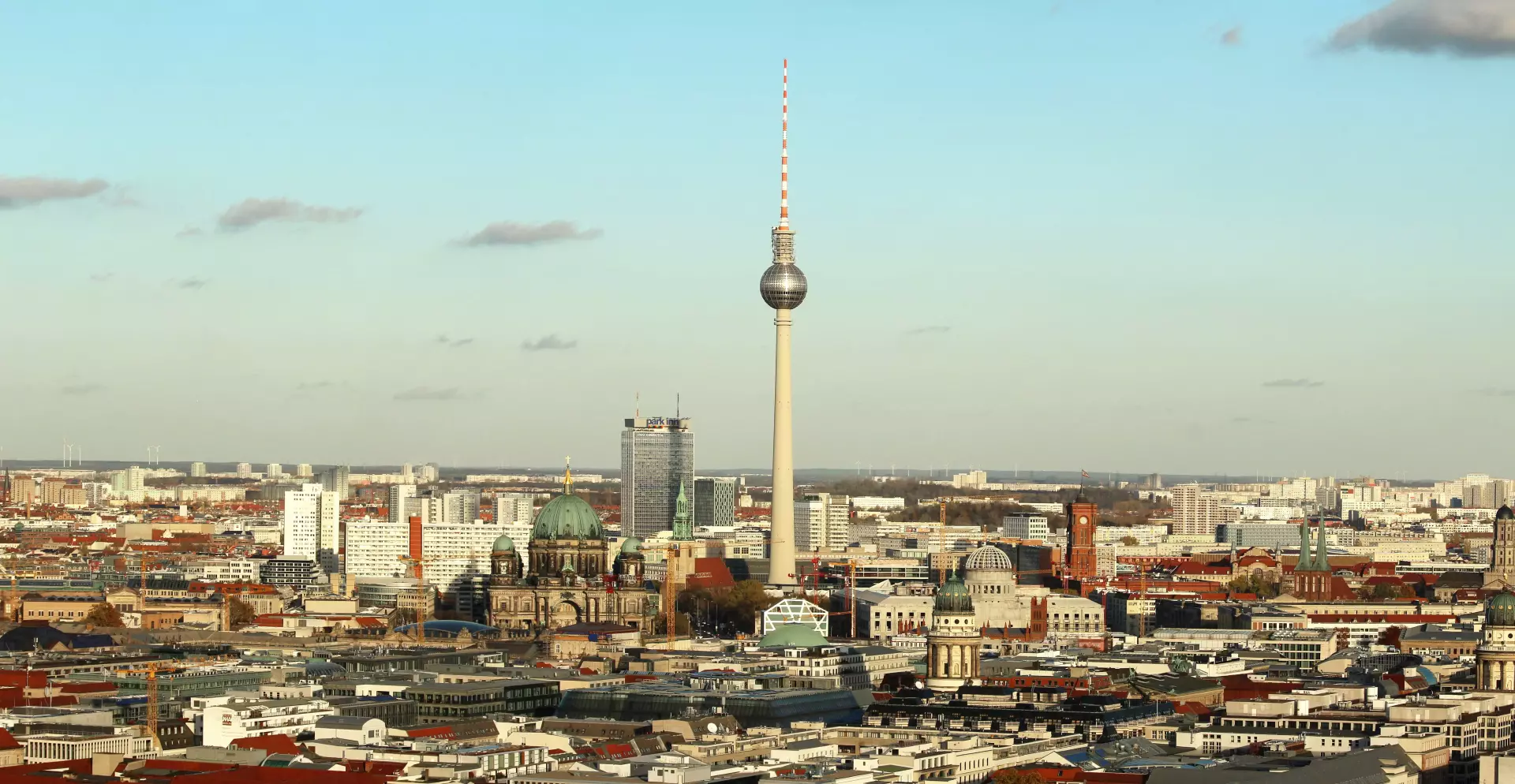
Small terrace on the top of the Park Inn, publicly accessible. Take the elevator to the 40th floor, and follow the signs up the stairs. Pay the attendant who also serves beer and coffee. Great views of the Fernsehturm. In the summer, consider base jumping off the roof with Jochen Schweizer. It is often closed in bad/windy weather, so look for a notice posted near the elevator that the terrace is closed.
Huge technical museum, on a former railroad depot, featuring from ancient water and wind mills to computer pioneer Konrad Zuse's inventions, a collection of old to new vehicles of all types -bicycles, boats, trains, etc - and the interactive Spectrum science center with various hands-on experiments. There's an actual C-17 "Candy Bomber" airplane hanging on its façade. The railroad and aeronautical sections are hard to beat.