Search ×
Home Berlin
Museum of Asian Art
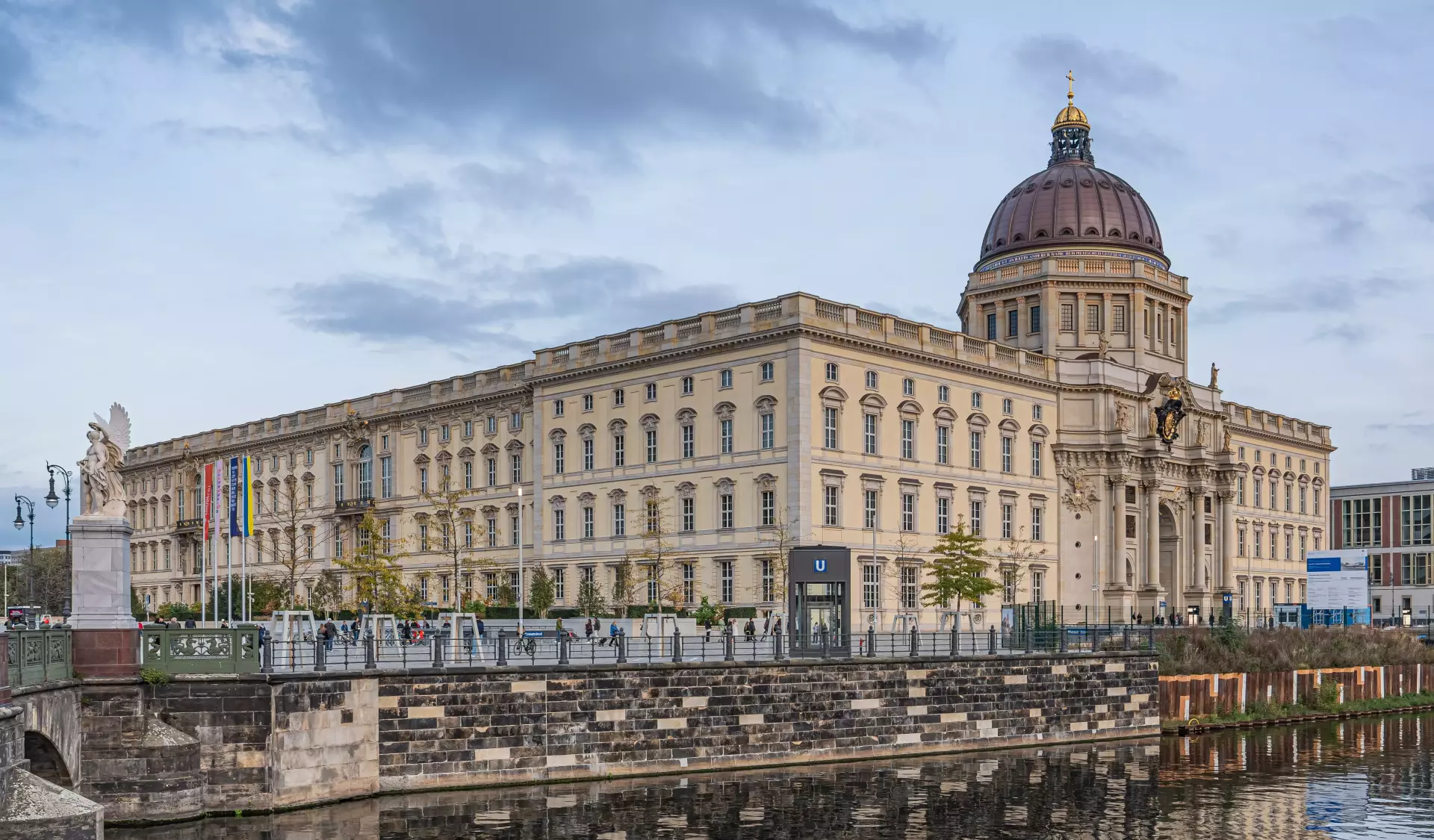
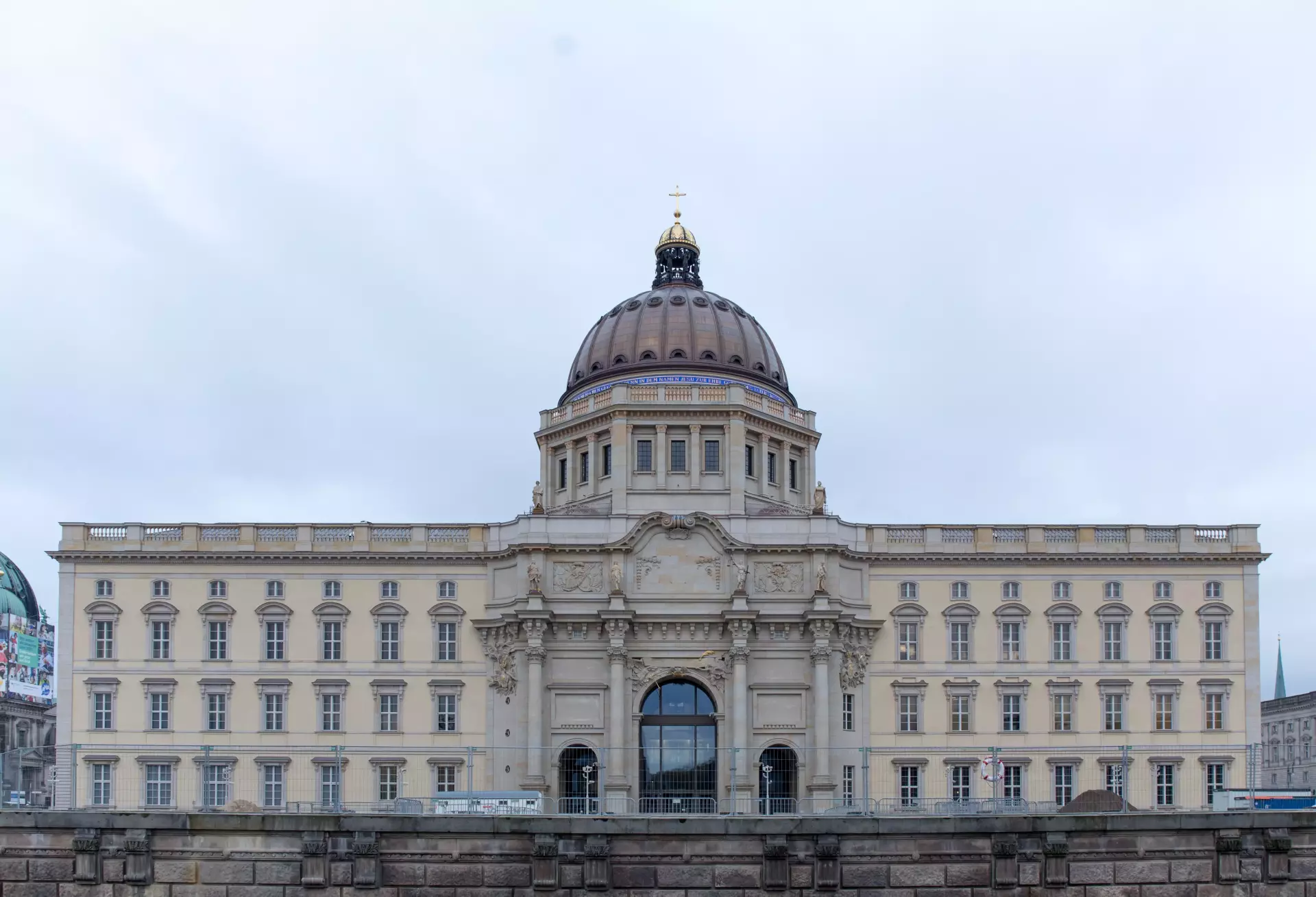
Replica of the City Palace in Berlin, Germany.
Humboldt Forum December 2020
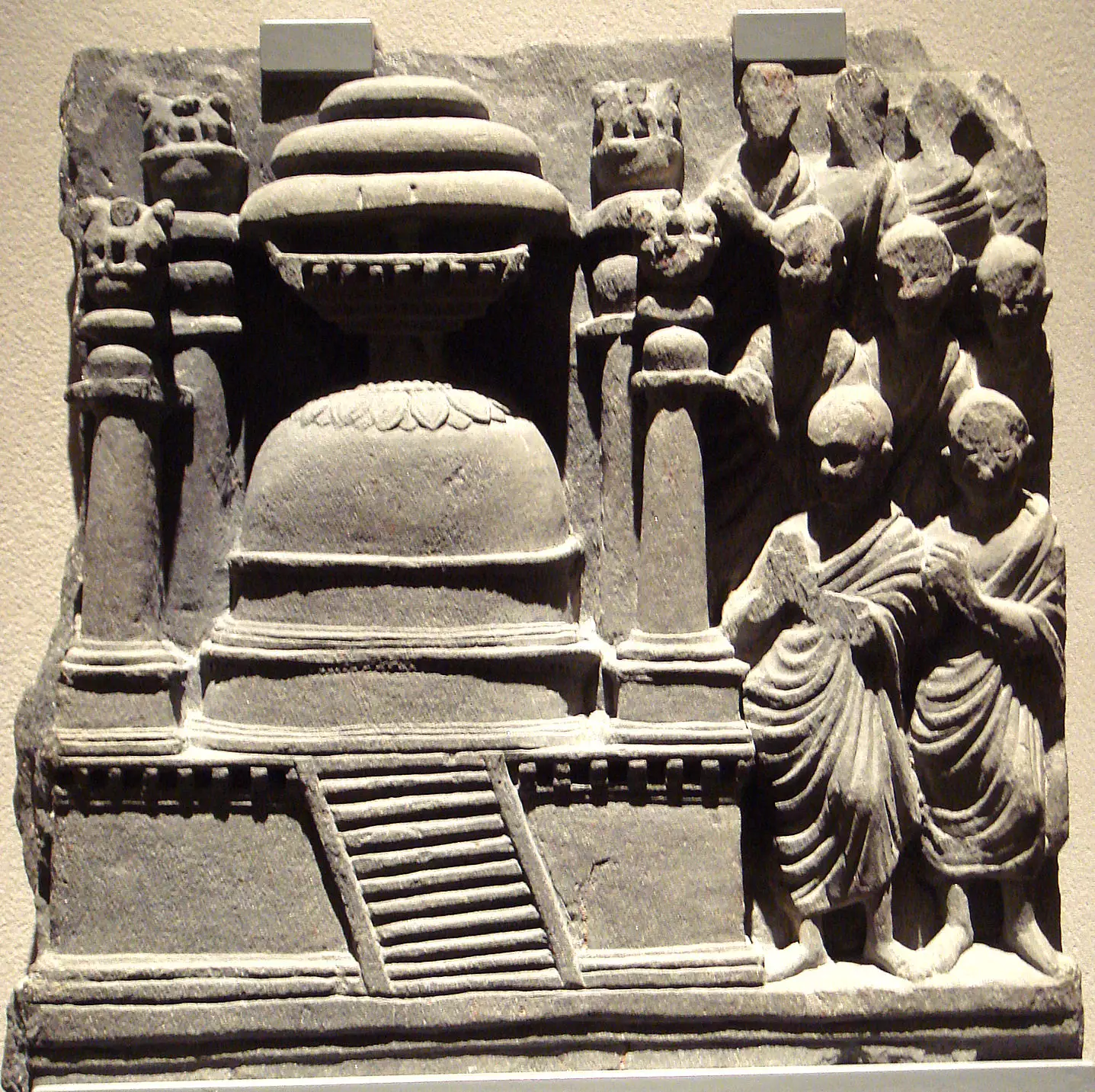
Stupa With Pillars, Gandhara, 2nd Century
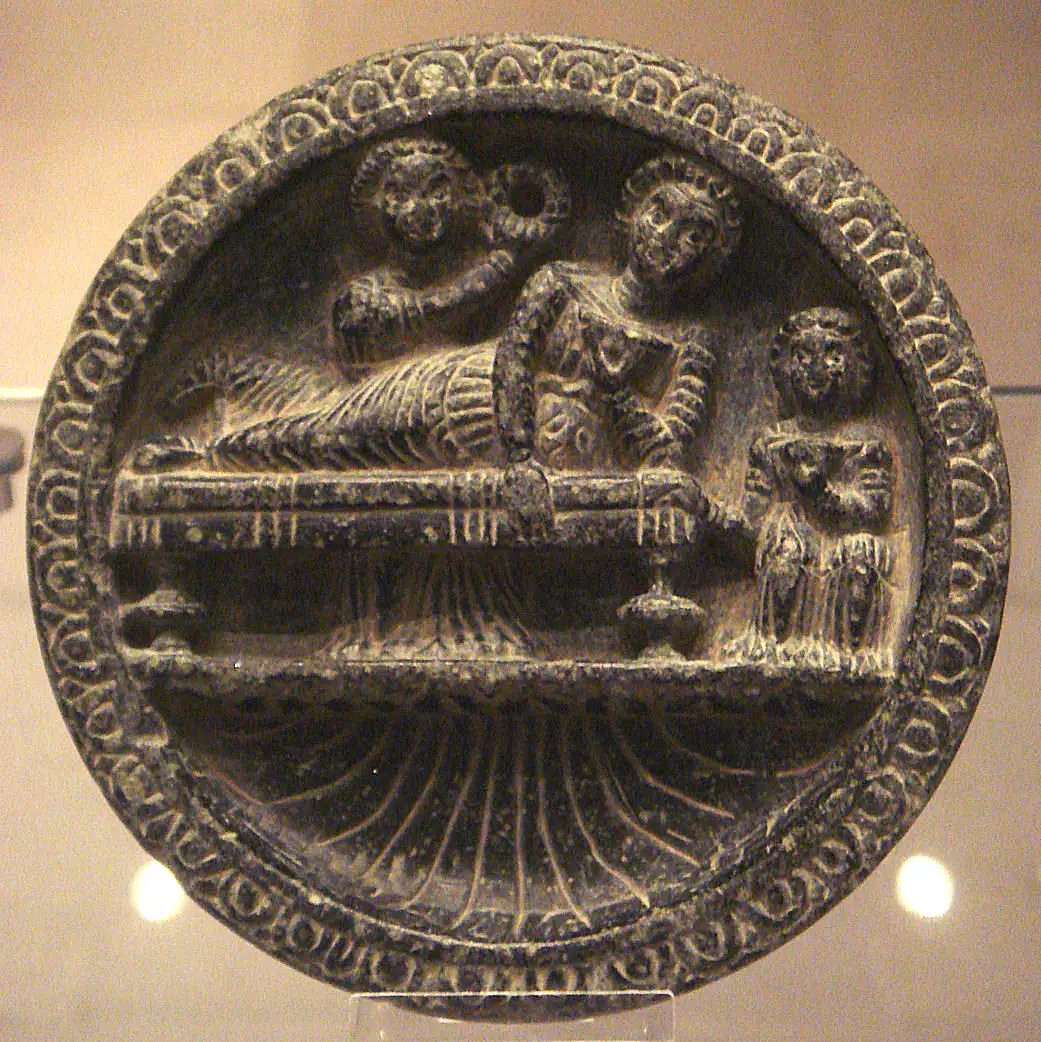
Gandhara toilet tray, 1st century.
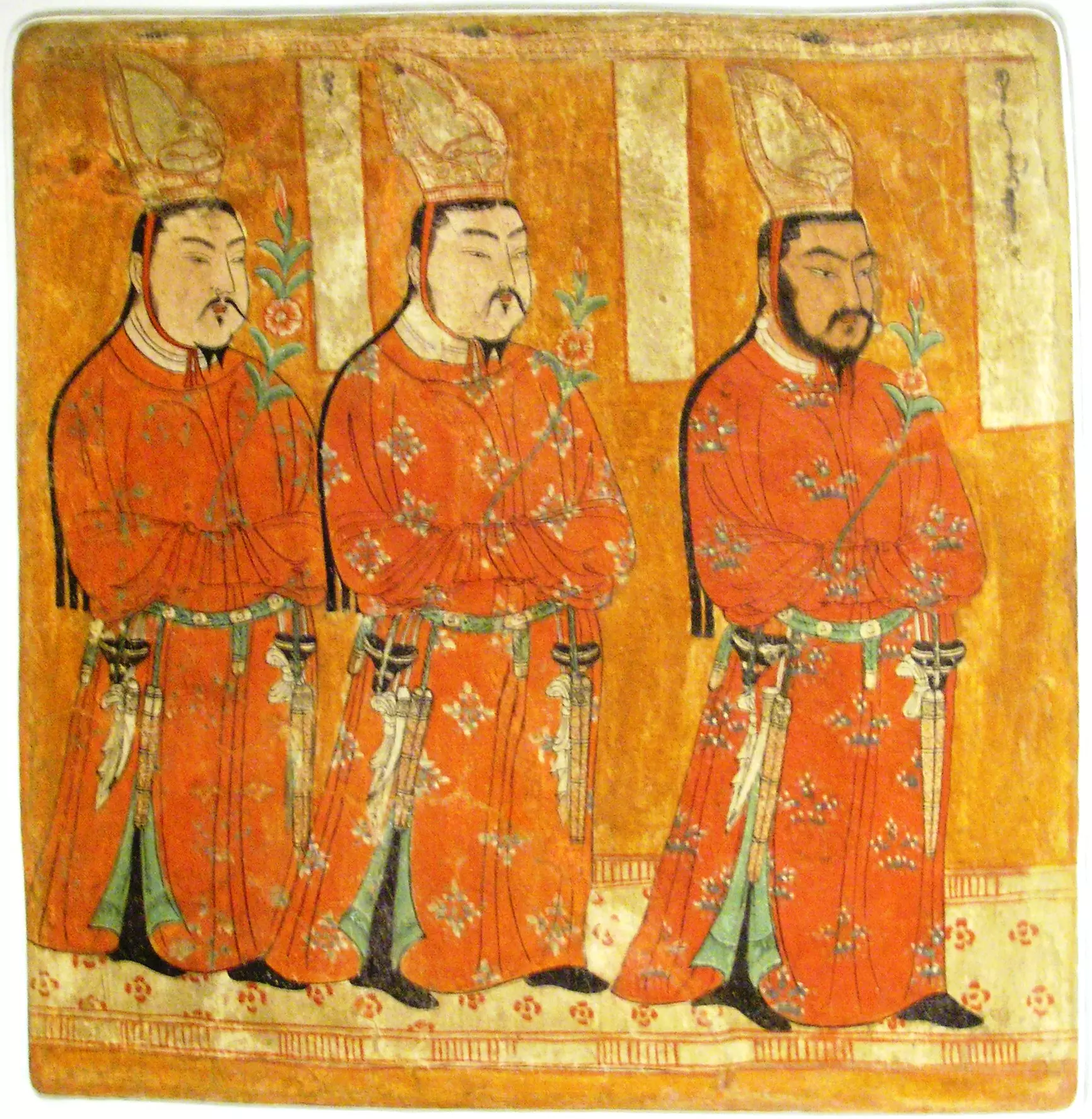
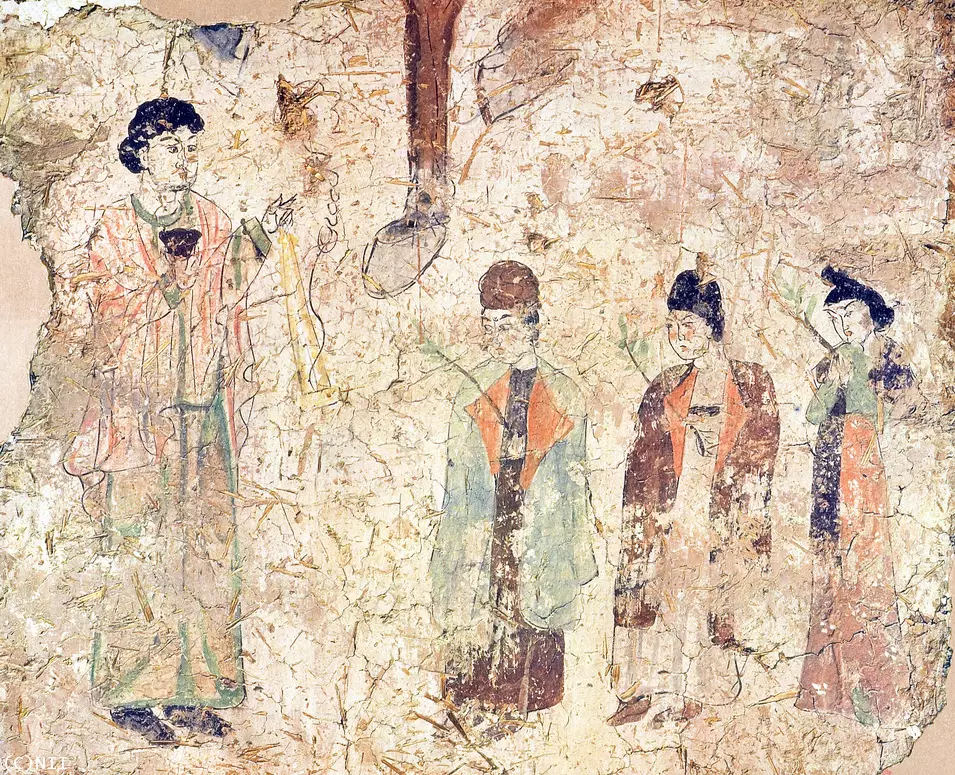
Uyghur princes wearing Chinese-styled robes and headgear. Bezeklik, Cave 9, 9th–12th century CE, wall painting, 62.4 × 59.5 cm. Located at the Museum für Indische Kunst, Berlin-Dahlem.
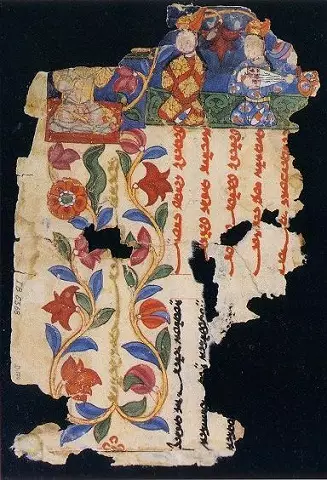
Leaf from an illuminated Manichaean codex “MIK III 6368,” verso. Museum of Indian Art, Berlin.
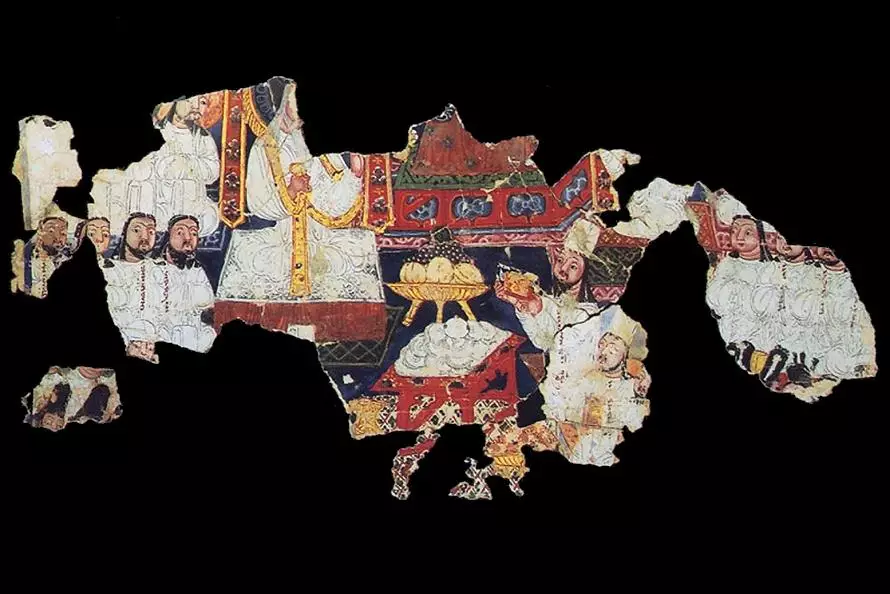
Manichaean ritual before an altar, from Turpan Manichaean Illuminated Codex. Museum für Indische Kunst (Berlin), MIK III 4979 verso. Bema Scene, full-page book painting shown from picture-viewing direction (H: 12.4 cm, W: 25.2 cm). Fragment of a Turpan Manichaean Illuminated Codex; SMPK, Museum für Indische Kunst (Berlin), MIK III 4979 verso.
Fragment of a Uyghur Manichaean service book illuminated with Two Plaintiffs from Judgment and Rebirth of Laity, leaf from a Manichaean book, Khocho, Temple α, ca. 8th–9th century. Manuscript painting, 8.2 × 11.0 cm. MIK III 4959.
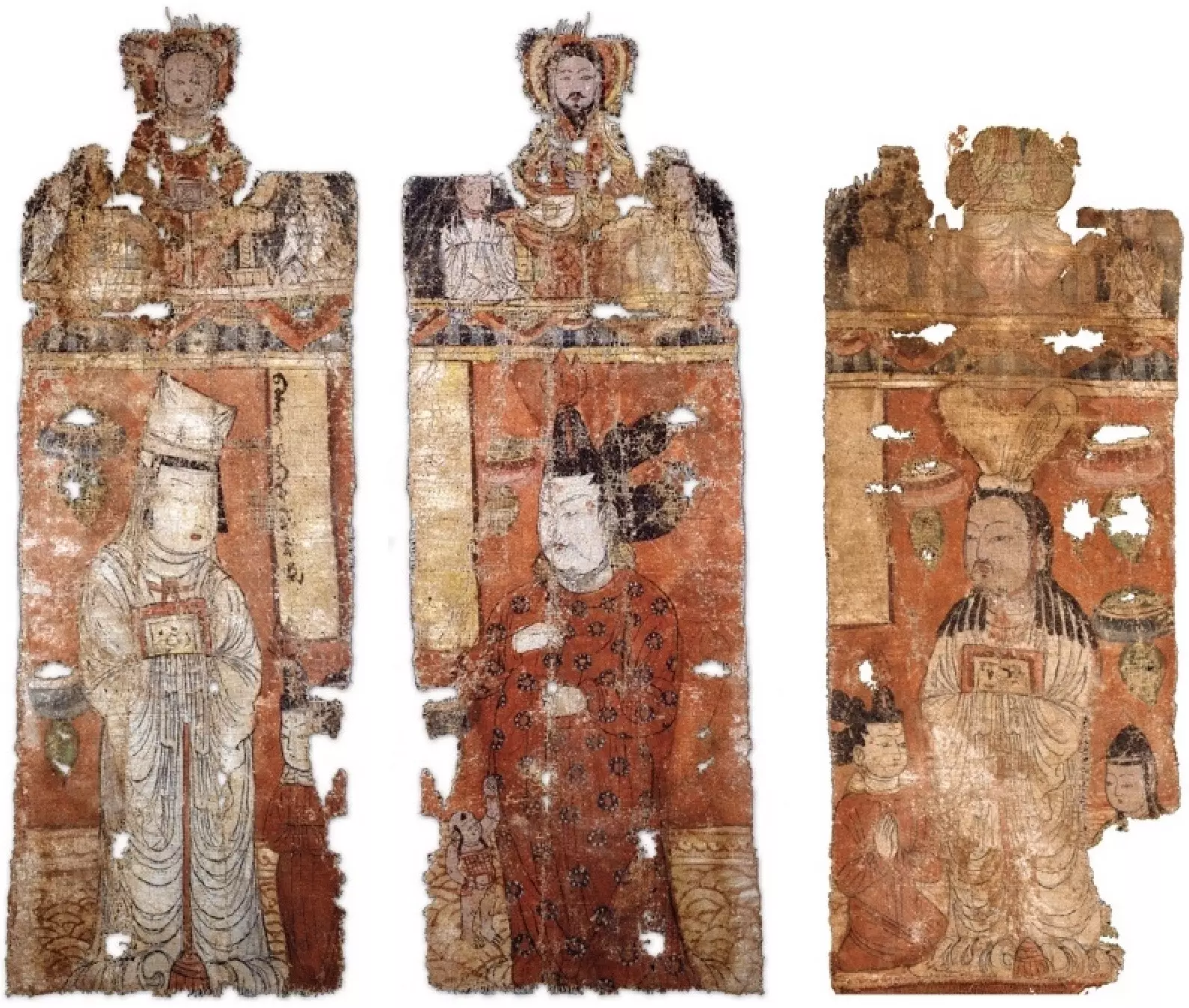
Two Manichaean banners, from left to right: MIK III 6286 side 1; MIK III 6286 side 2; MIK III 6283 side 1. The images depict Light Maiden Awaits the Righteous and Jesus Awaits the Righteous. An icon of the enthroned Light Maiden is depicted at the top of MIK III 6286 side 1; an icon of the enthroned Jesus is depicted at the top of MIK III 6286 side 2.
Mural probably depicting Palm Sunday discovered at a Nestorian Christian temple in Qocho, Chinese Turkestan, 7th–9th century. Now kept in the Museum of Asian Art, Berlin.
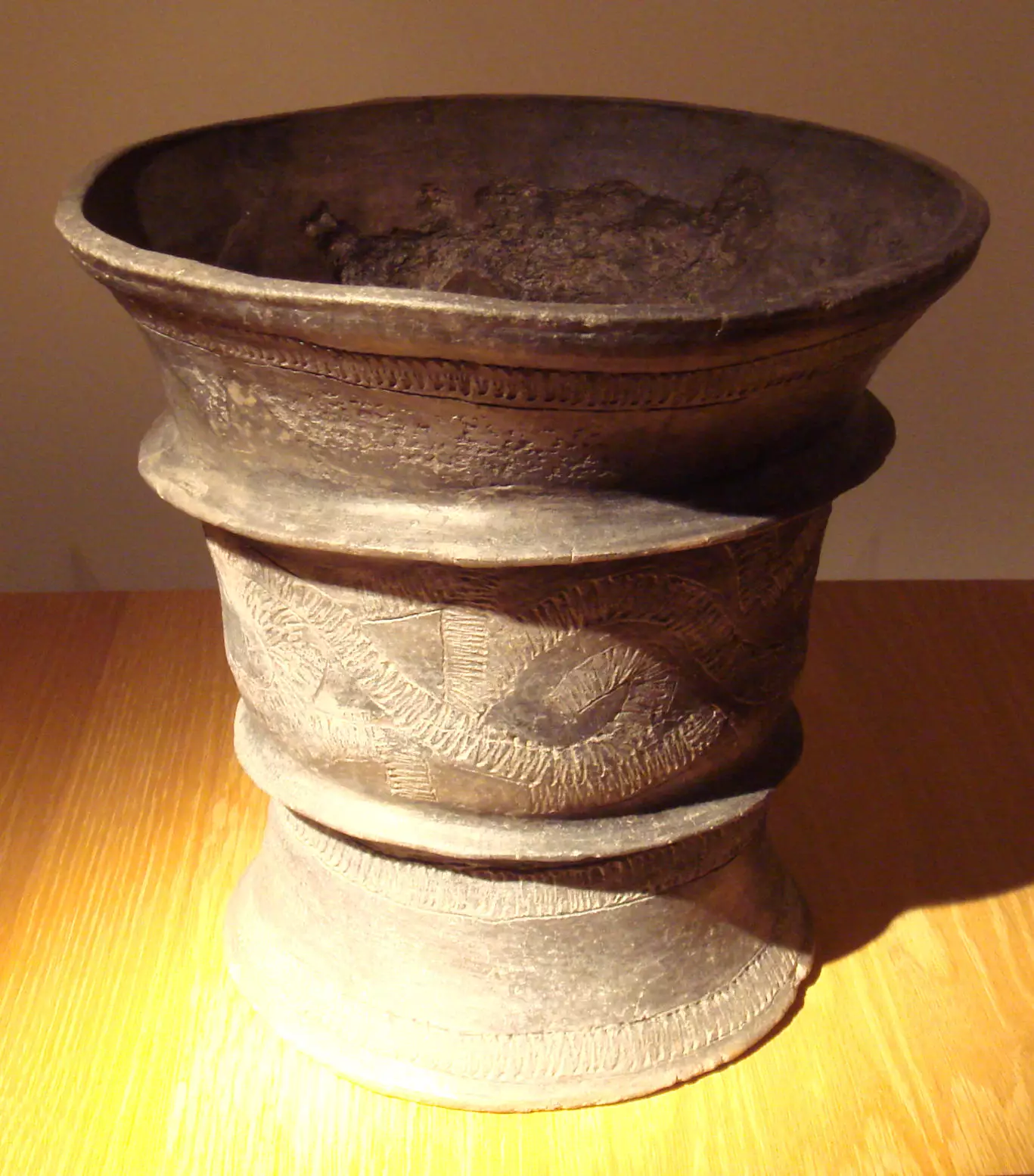
Black ceramic Ban Chiang Culture vase, Thailand, 1200–800 BCE.
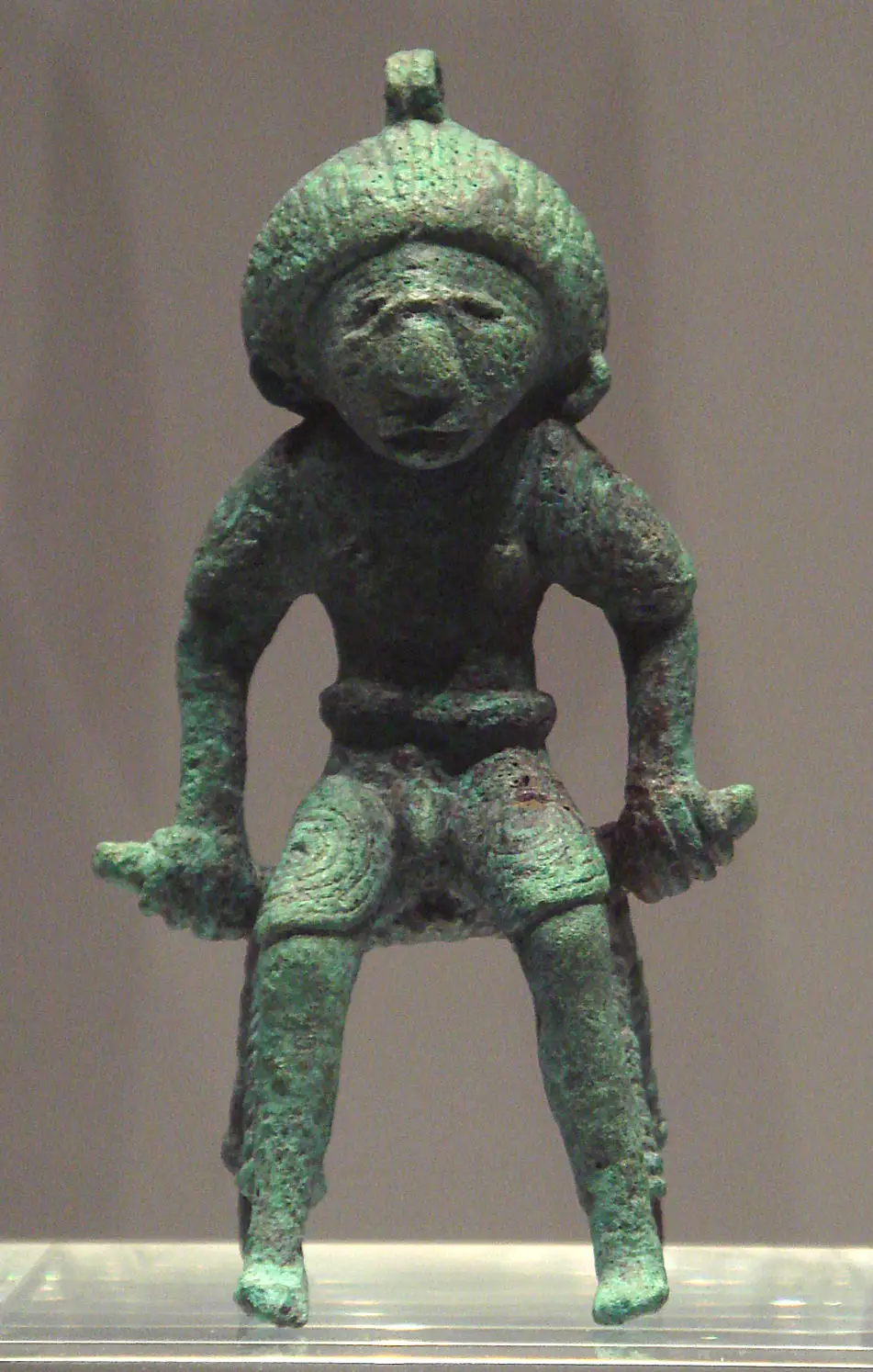
Bronze figurine, Dong Son culture, Thailand.
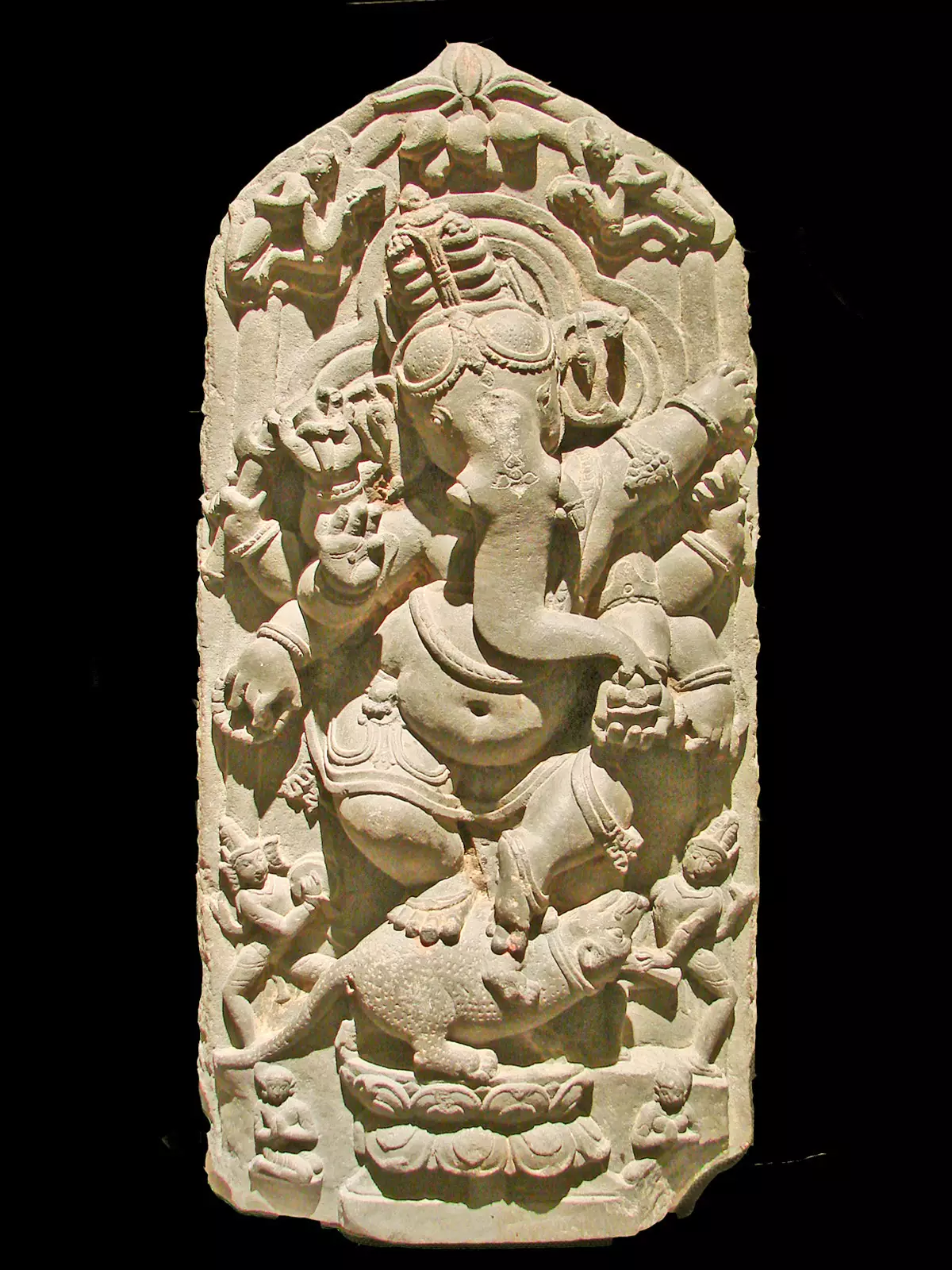
Dancing Ganesh (Ganesha) sculpture from North Bengal, 11th century AD, Asian Art Museum of Berlin (Dahlem), slate, 56.5 x 25.0 cm, Inv.-Nr. I, 5855.
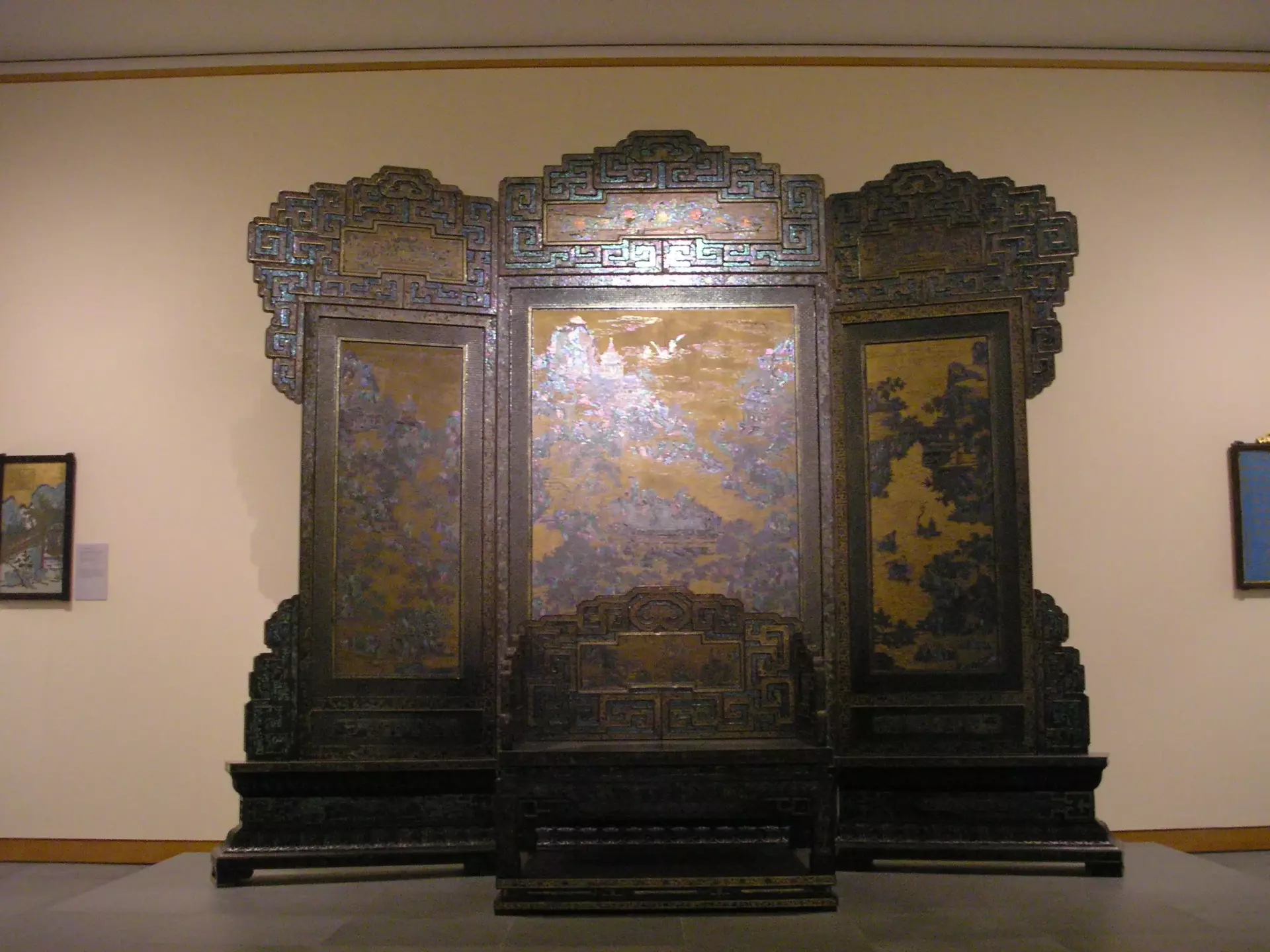
Imperial throne and three-fold screen. Rosewood with mother-of-pearl lacquer, gold and silver foil, and coloured lacquer. Qing Dynasty. Formerly Collection of Fritz Löw-Beer, New York. Located at the Museum für Ostasiatische Kunst, Berlin-Dahlem. The throne and the screen are from the imperial workshops at the beginning of the era of the Kangxi Emperor (1662–1722). The main theme of the decorations is the Taoist concept of the “Western Paradise,” which is ruled by the “Queen Mother of the West” (Xiwangmu). The screen shows scenes of mountains, valleys, seas, terraces, lakes, and palaces. Shown is the arrival of the Queen Mother, who is depicted riding a phoenix. The Eight Immortals are awaiting her arrival; they are shown on the screen and again on the throne itself.
Vishnu, South India, 8th/9th century CE, grey granite, 163 cm. Located in the Museum für Indische Kunst, Berlin-Dahlem.
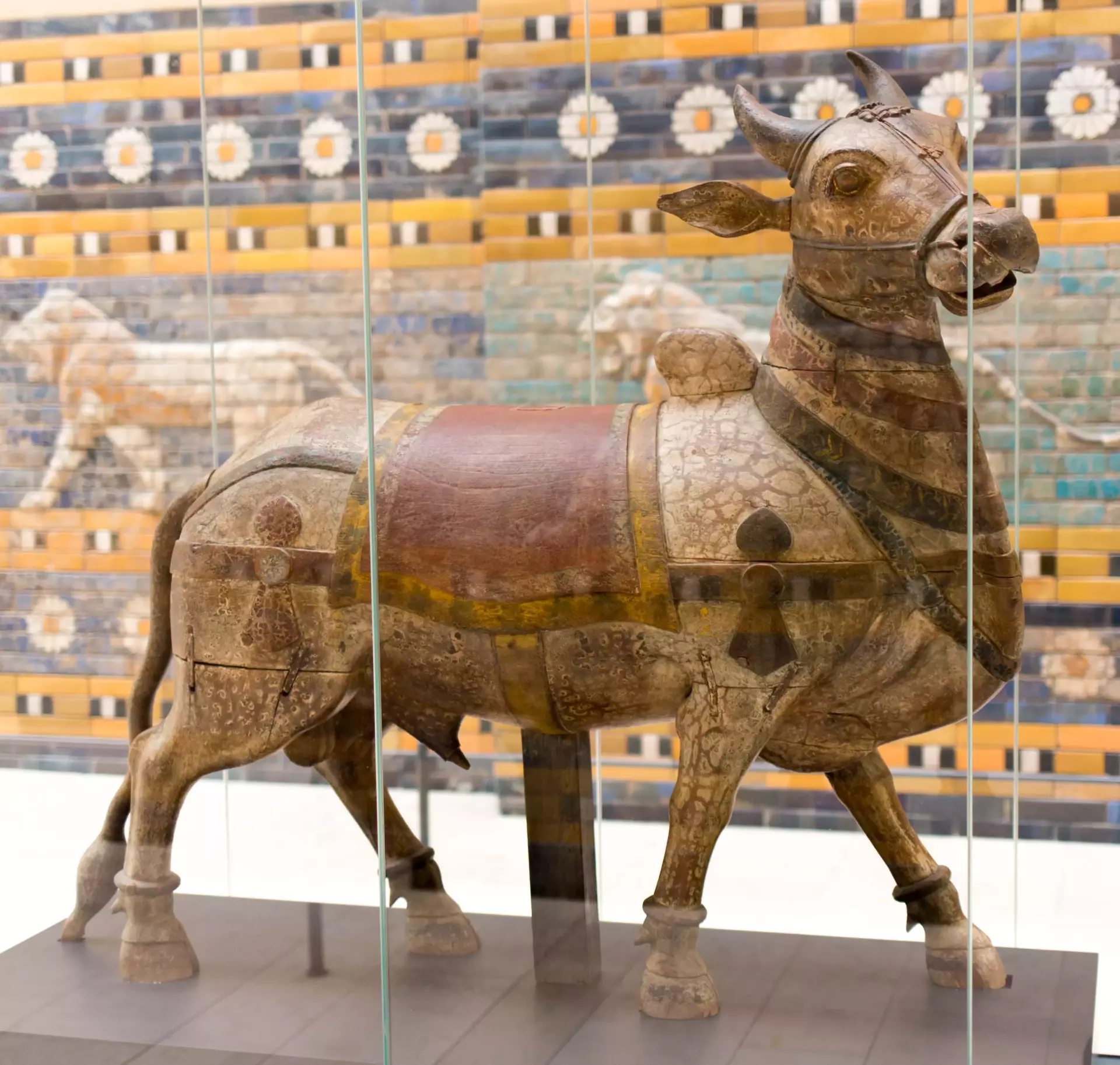
Nandi Museums for Asian Art (Berlin) #1 Humboldt Forum Highlights
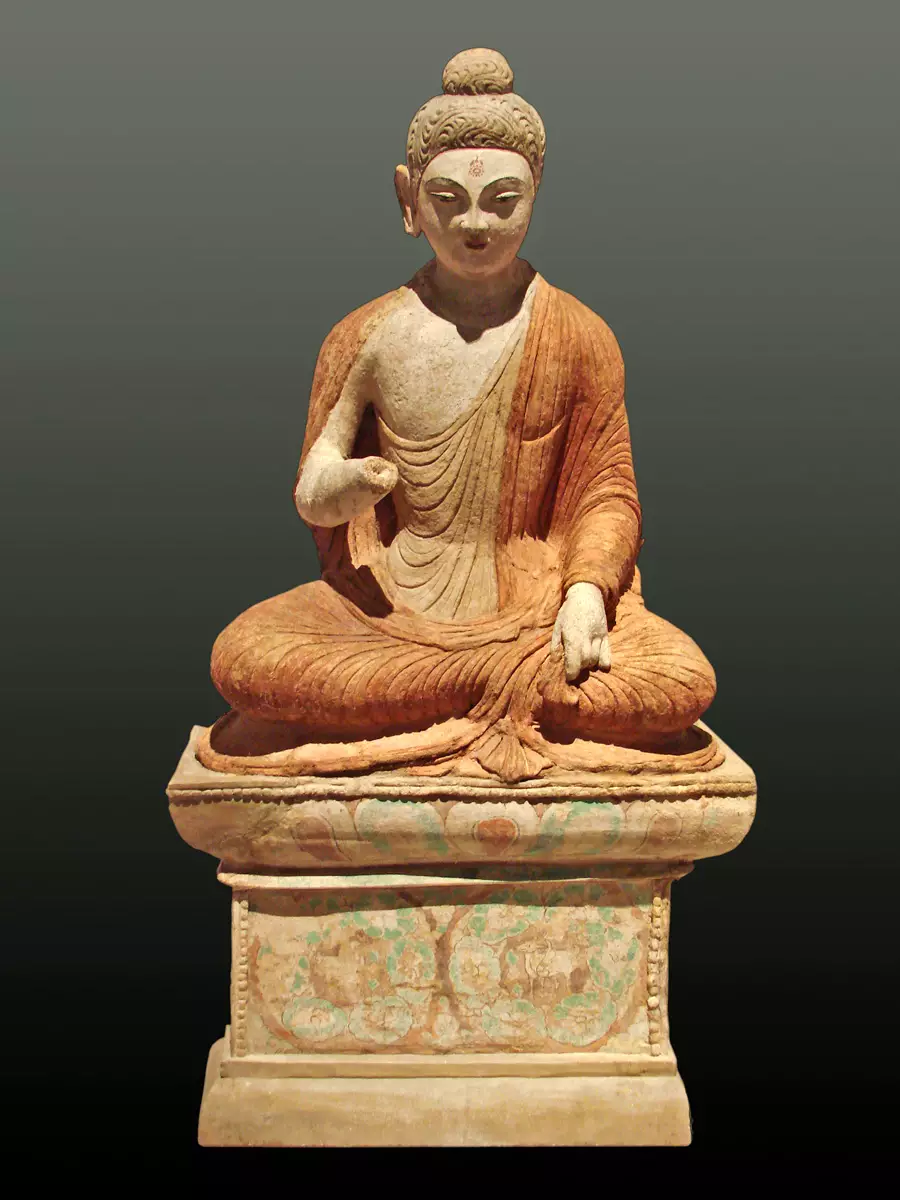
Buddha. The first sermon at Sarnath. Shorchuk, Kirin cave, 8th century (?). Archaeological site on the northern Silk Road, about 300 km southwest of Urumqi, Xinjiang. Painted clay. Museum of Asian Art (Dahlem, Berlin). Sarnath is a Buddhist city located about ten kilometers north of Varanasi in the Indian state of Uttar Pradesh. It is the place of the Buddha’s first sermon.

Museum of Asian Art

Berlin, Germany

The Museum of Asian Art brings together centuries of creativity from across the continent. Visitors move through calm galleries filled with sculpture, paintings, ceramics, textiles, and ritual objects. Soft lighting and clear displays allow close looks at fine details, from delicate brushwork to carved stone and metal.

East Asian Collections

The East Asian section explores artistic traditions from China, Japan, and Korea. Classic Chinese scrolls show landscapes with misty mountains and quiet rivers, while ink calligraphy highlights the beauty of a single stroke. Porcelain ranges from blue-and-white vases to celadon bowls with subtle glaze.

Japanese art includes woodblock prints with bold colors and crisp lines, alongside folding screens that tell seasonal stories. Everyday objects—lacquerware, tea utensils, and kimono textiles—show careful craftsmanship. Korean galleries feature serene Buddha figures, inlaid celadon ceramics, and folk paintings that mix charm with symbolism.

Indian Art and Sculpture

The Indian section spans ancient temple art to courtly paintings. Stone and bronze sculptures depict deities, guardians, and dancers with expressive poses and flowing drapery. Carvings reveal scenes from epic tales and temple life, rich with symbols and movement.

Miniature paintings from different regions bring royal courts, gardens, and myths to life with fine detail and glowing color. Textiles—silks, cottons, and embroideries—display intricate patterns and dyes. Metalwork and jewelry add sparkle, showing techniques passed down through generations.

Throughout the museum, labels offer clear context about materials, methods, and beliefs, helping connect the art to the cultures that created it. The layout encourages slow looking, with quiet corners for reflection and open spaces for larger pieces. Together, the East Asian and Indian galleries present a broad view of Asia’s artistic heritage and its many voices.

Source - https://en.wikipedia.org/wiki/Museum_of_Asian_Art
Developed by Reflex.com.ua
Contacts
  • info@reflex.com.ua
Social media