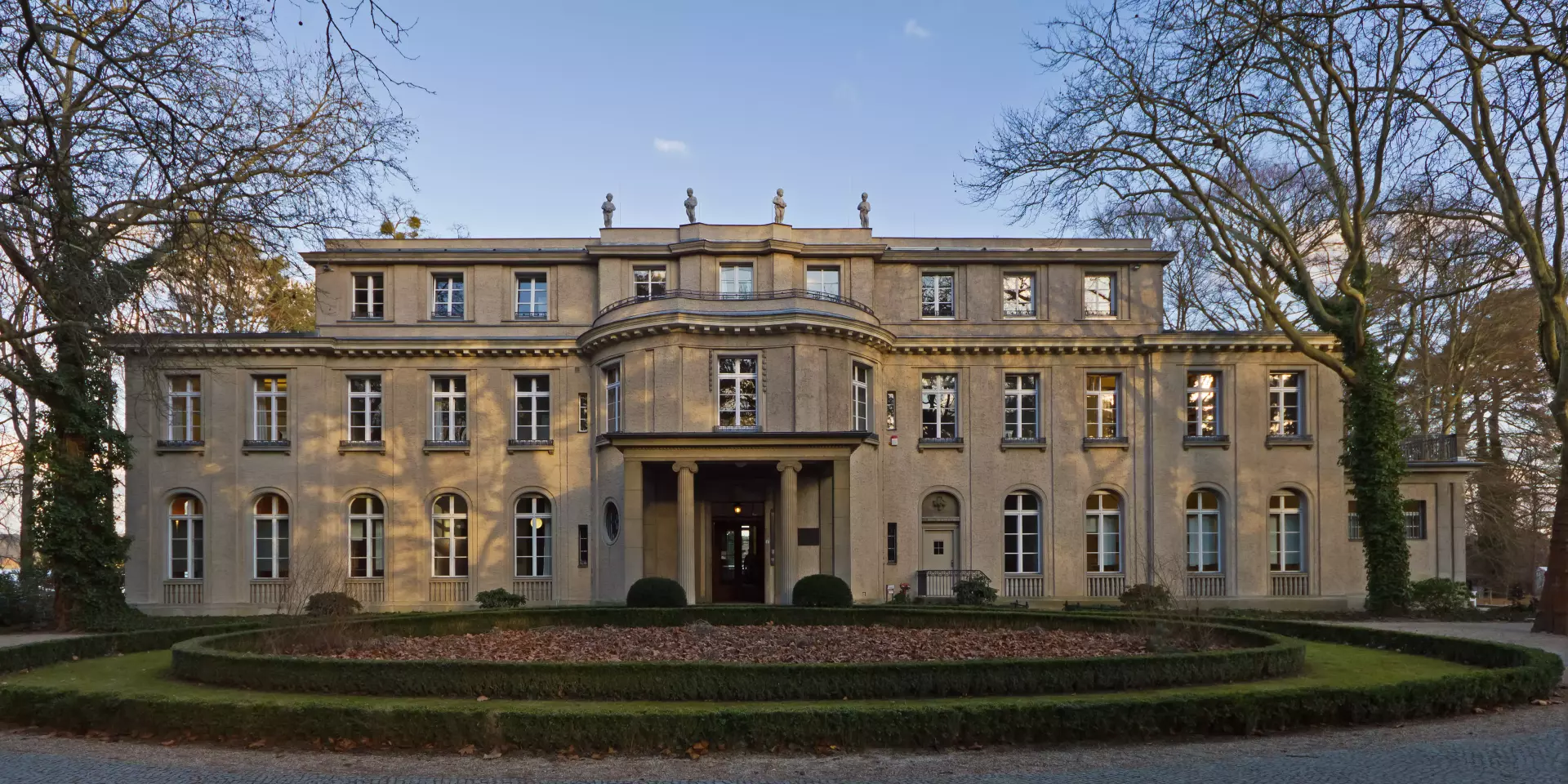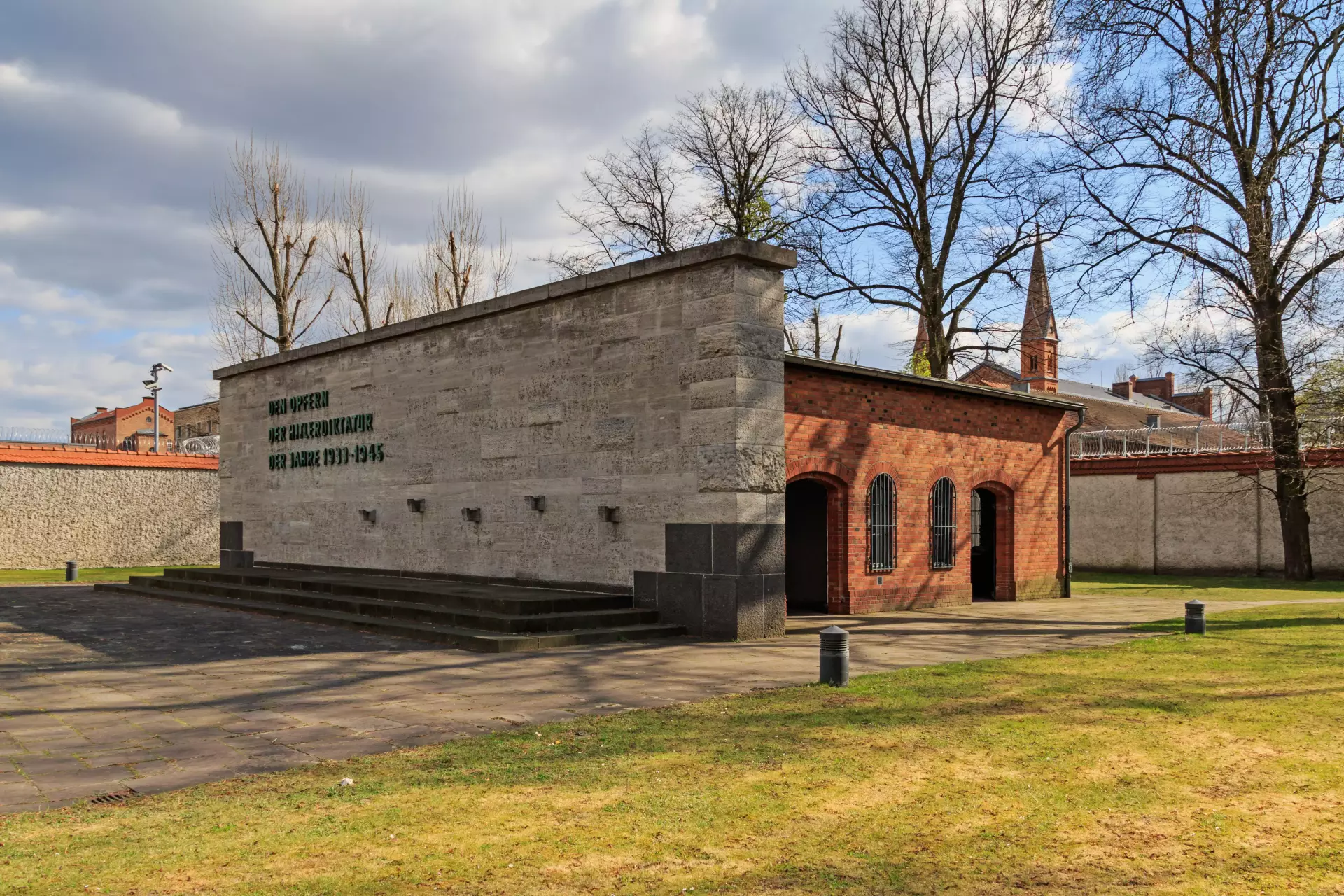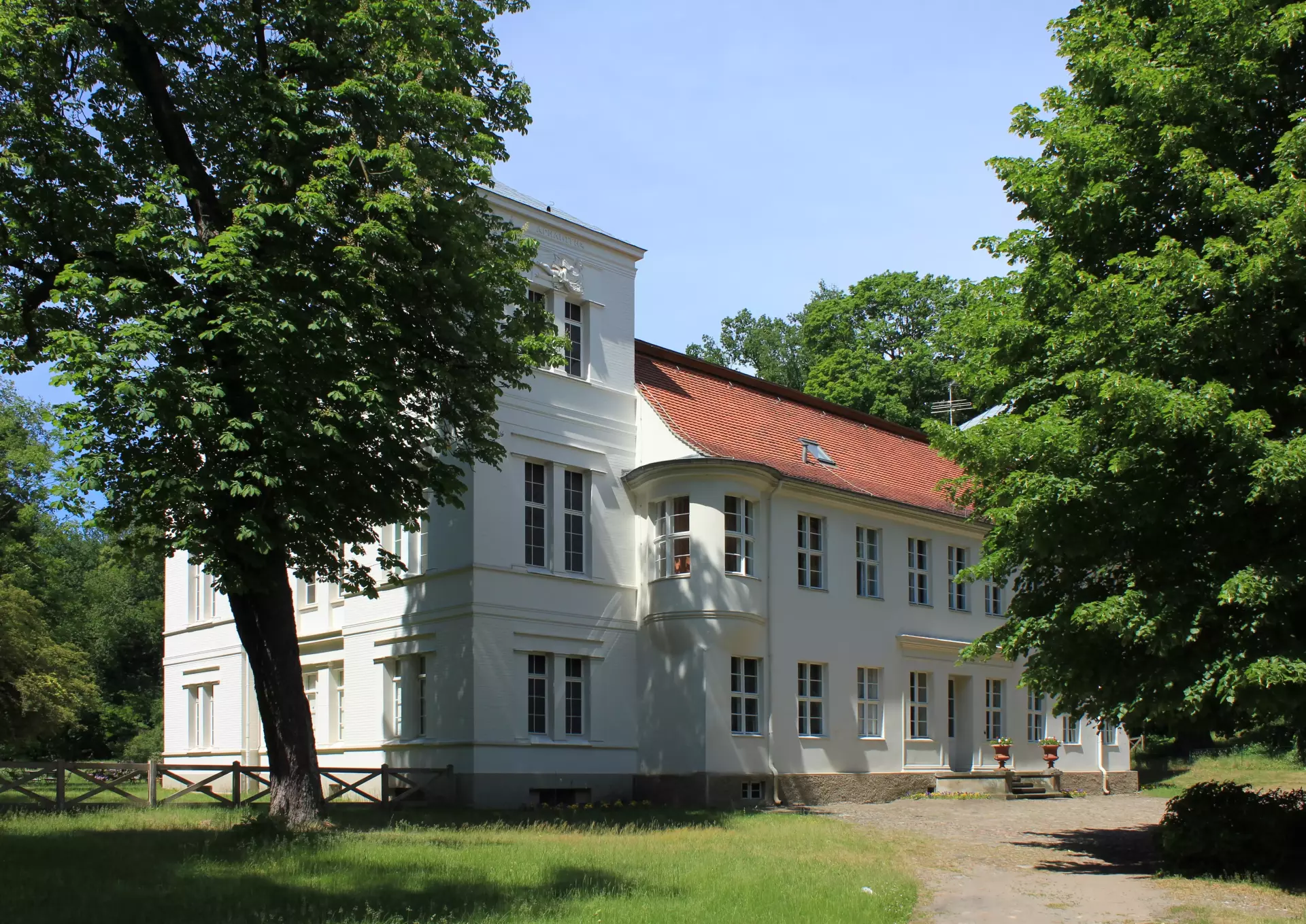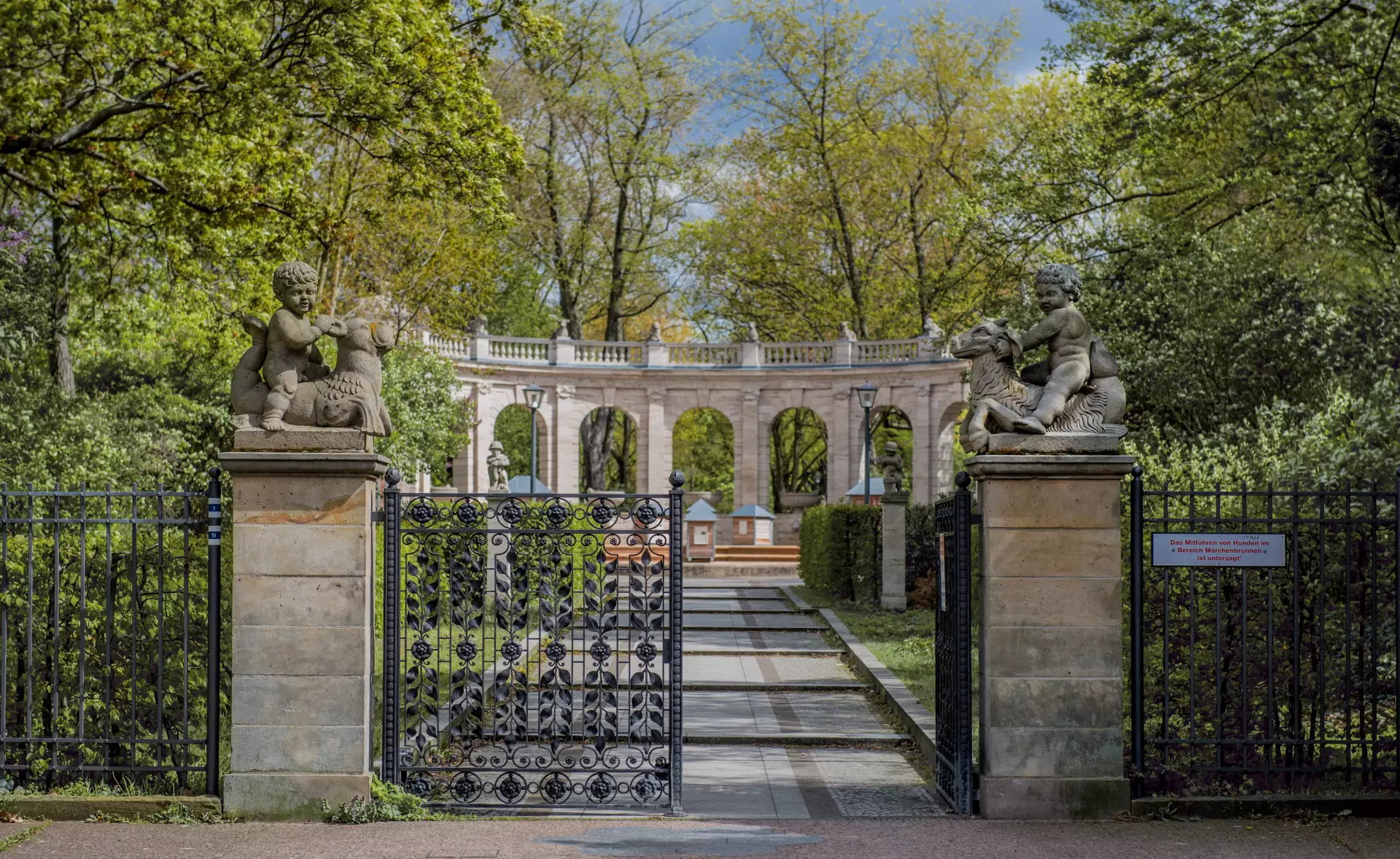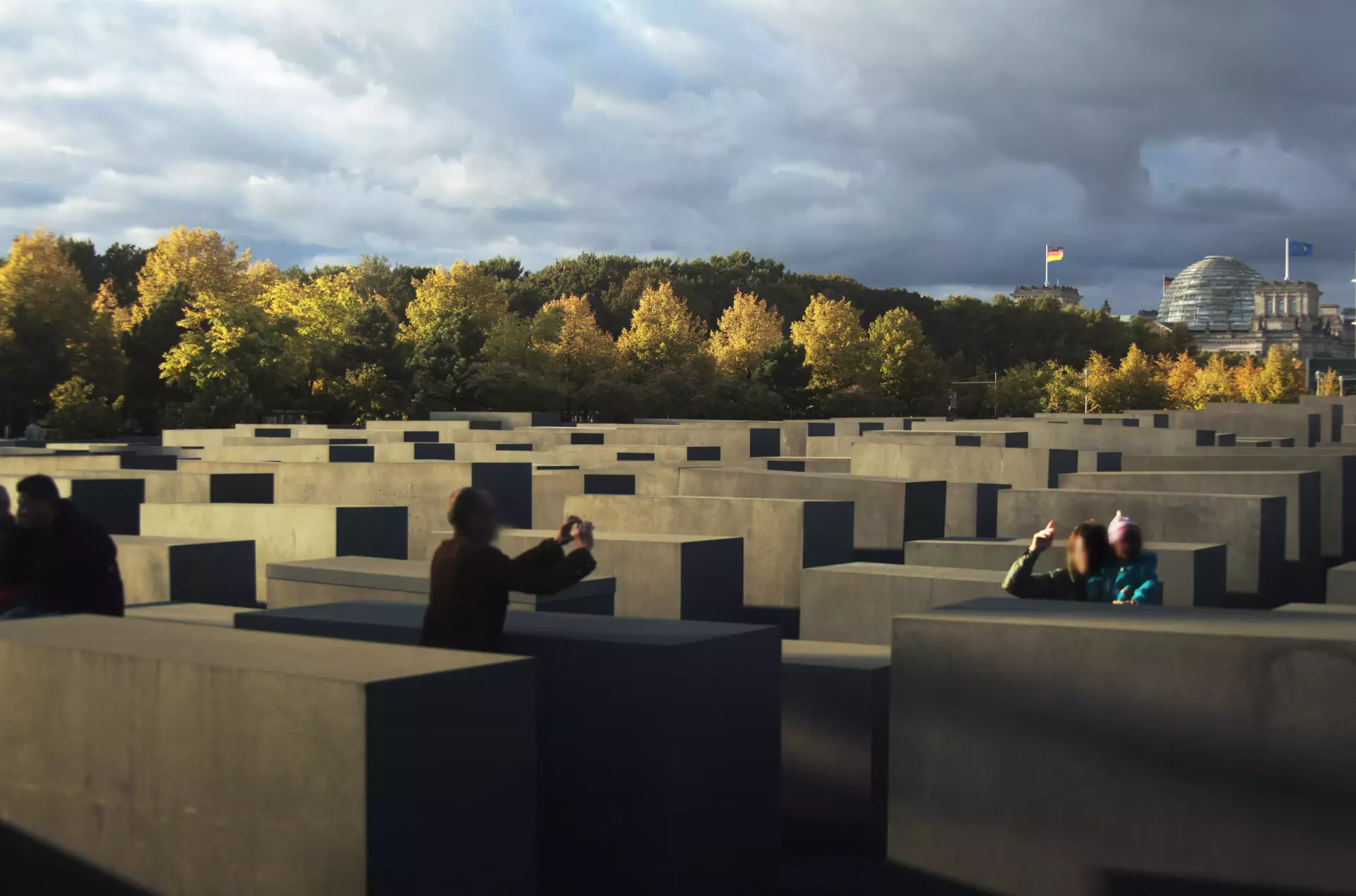

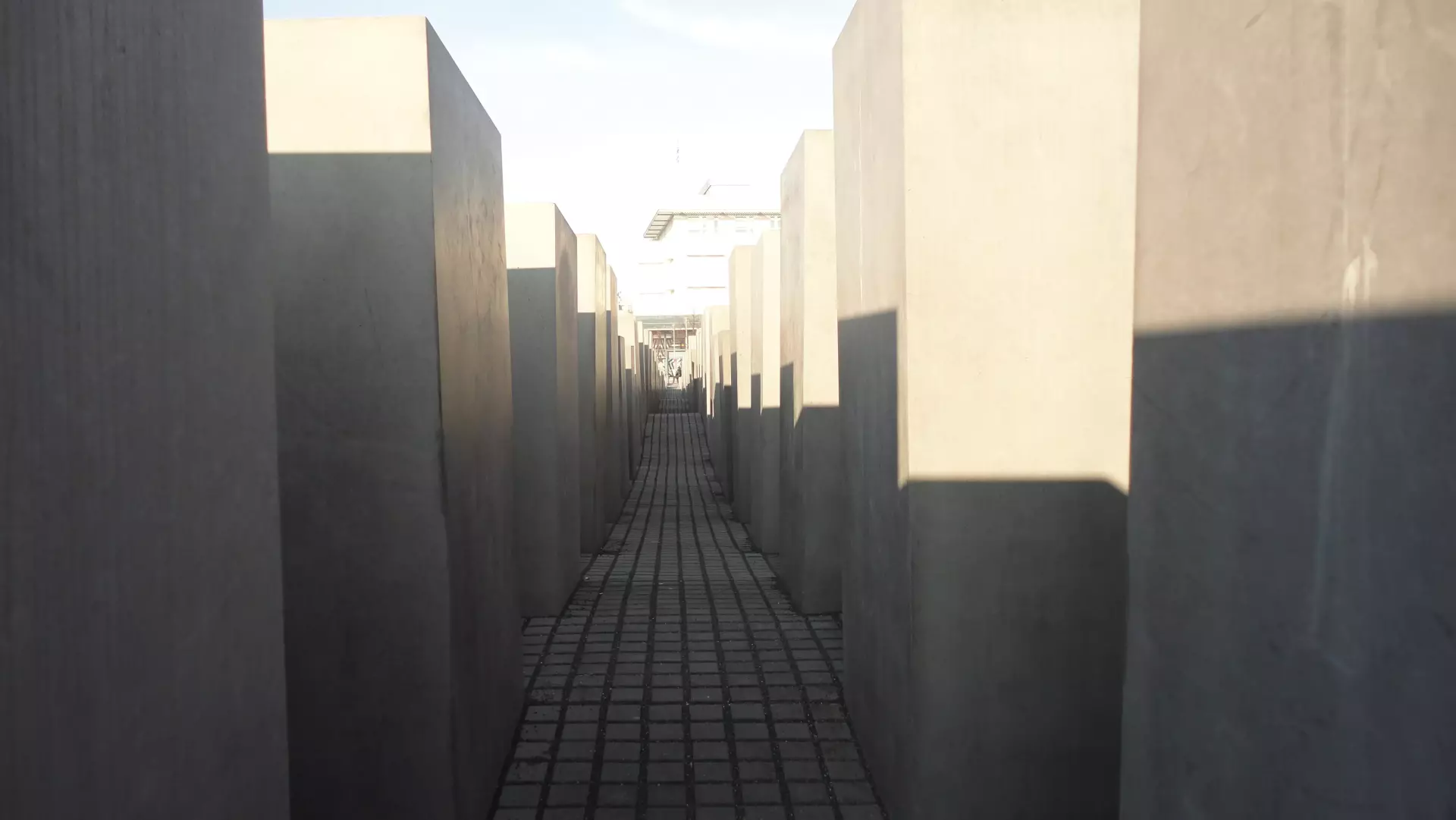
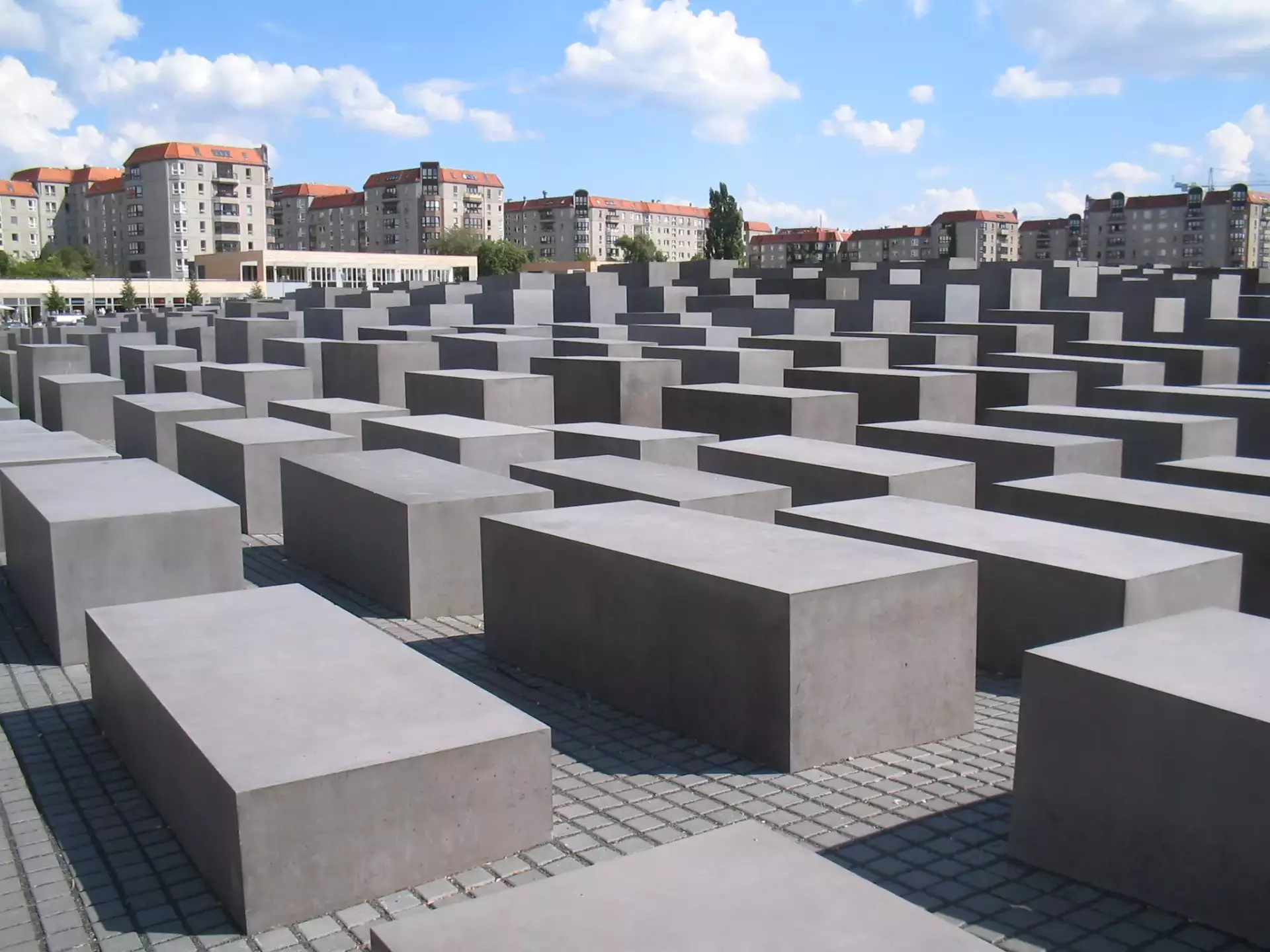
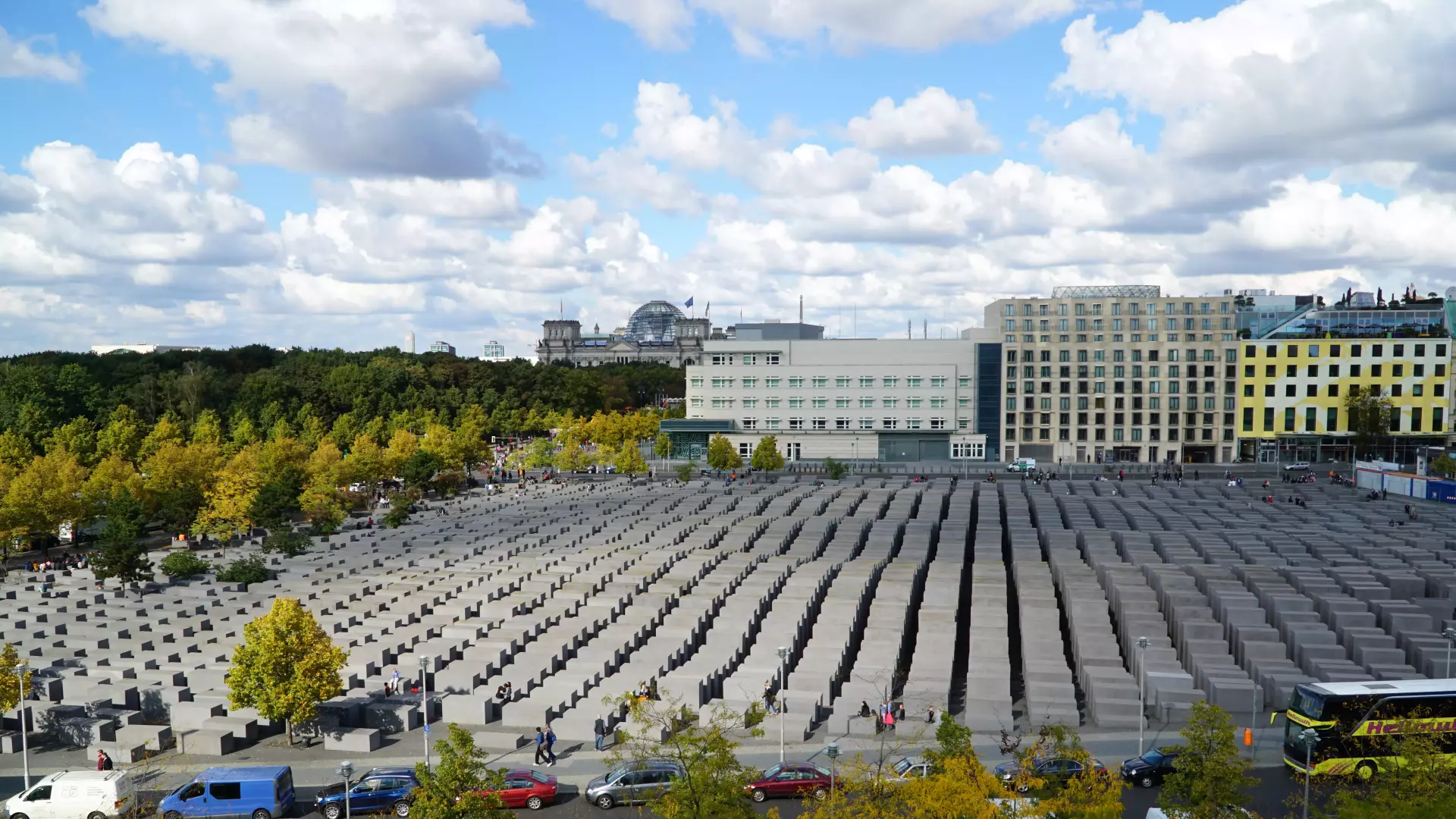
A vast Holocaust memorial designed by American architect Peter Eisenman stands a short walk from the Brandenburg Gate. Opened in spring 2005, it occupies an entire city block and presents an abstract field of grey concrete blocks that invites quiet reflection.
The memorial is made up of hundreds of rectangular blocks arranged in a grid. Along the outer edges, the blocks begin at ground level. Moving inward, they grow taller as the ground slopes downward, creating narrow corridors with shifting light and shadow. The changing heights and the undulating ground alter the sense of space from open and level to enclosed and disorienting.
Beneath the memorial, an information centre provides extensive details on the Holocaust and many of the people who were murdered. Entry is free. Priority is given to prebooked groups, so visitors may encounter a short queue at busy times.
Source - https://en.wikipedia.org/wiki/Memorial_to_the_Murdered_Jews_of_Europe
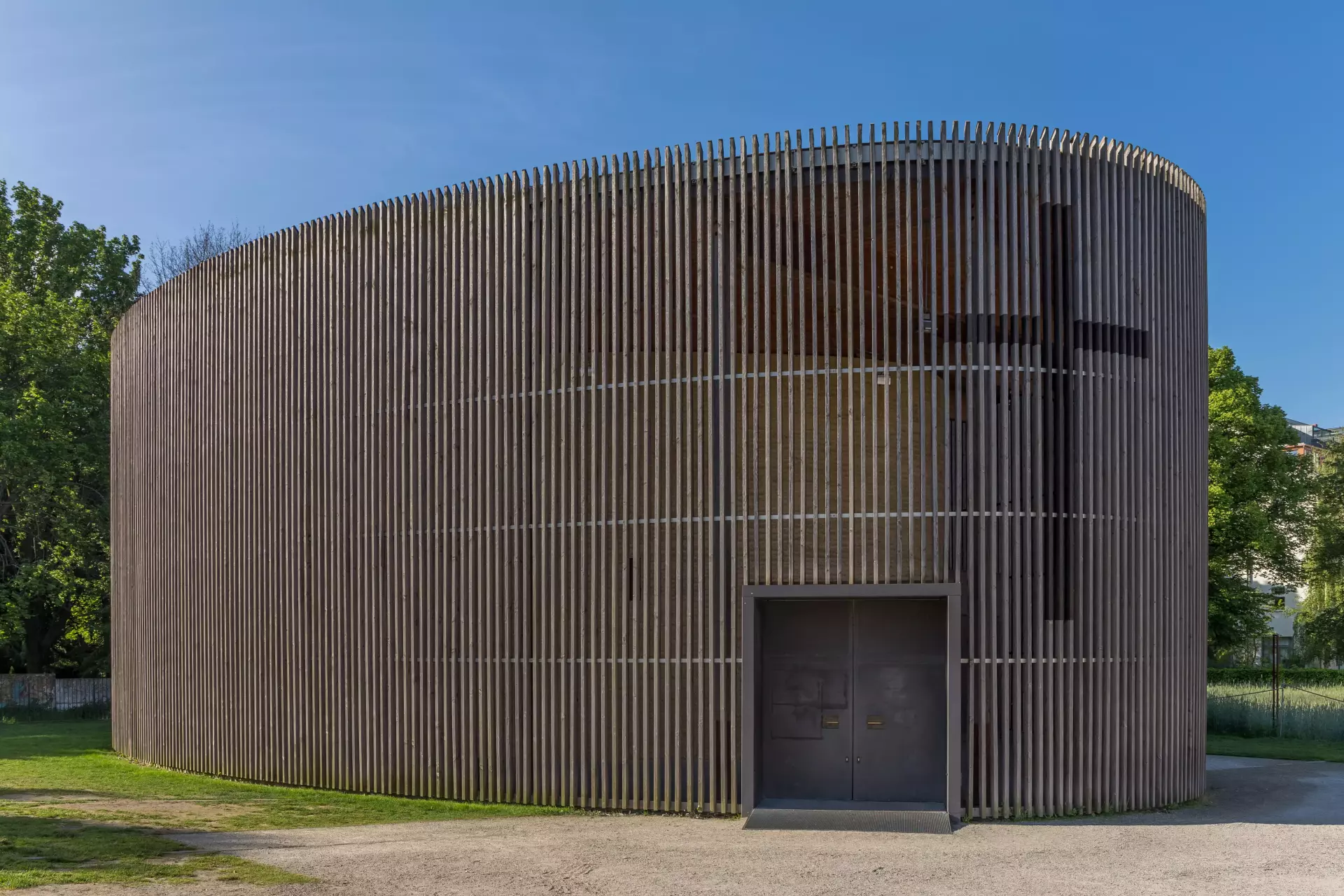
This chapel was built on the site of a church built in 1894 which sat on the "death strip" and was thus blown up by the GDR authorities in 1985. The chapel is the site of occasional memorial services for victims of the wall.
Also known as "Picasso und seine Zeit", this not so large, but precious museum hosts a very good collection of paintings and sculptures signed by Picasso, Klee, Matisse, Giacometti, and others from the first decades of the 20th century.
Places with markets on Wednesdays and Saturdays are popular with locals at Winterfeldplatz. Buy a coffee and browse amongst the stalls; this is a place to unearth hidden gems. Breakfast is served usually until 14:00-15:00.
This outdoor and indoor history museum documents the terror applied by the Nazi regime. It is on the site of buildings which during the Nazi regime from 1933 to 1945 were the headquarters of the Gestapo and the SS, the principal instruments of repression during the Nazi era.
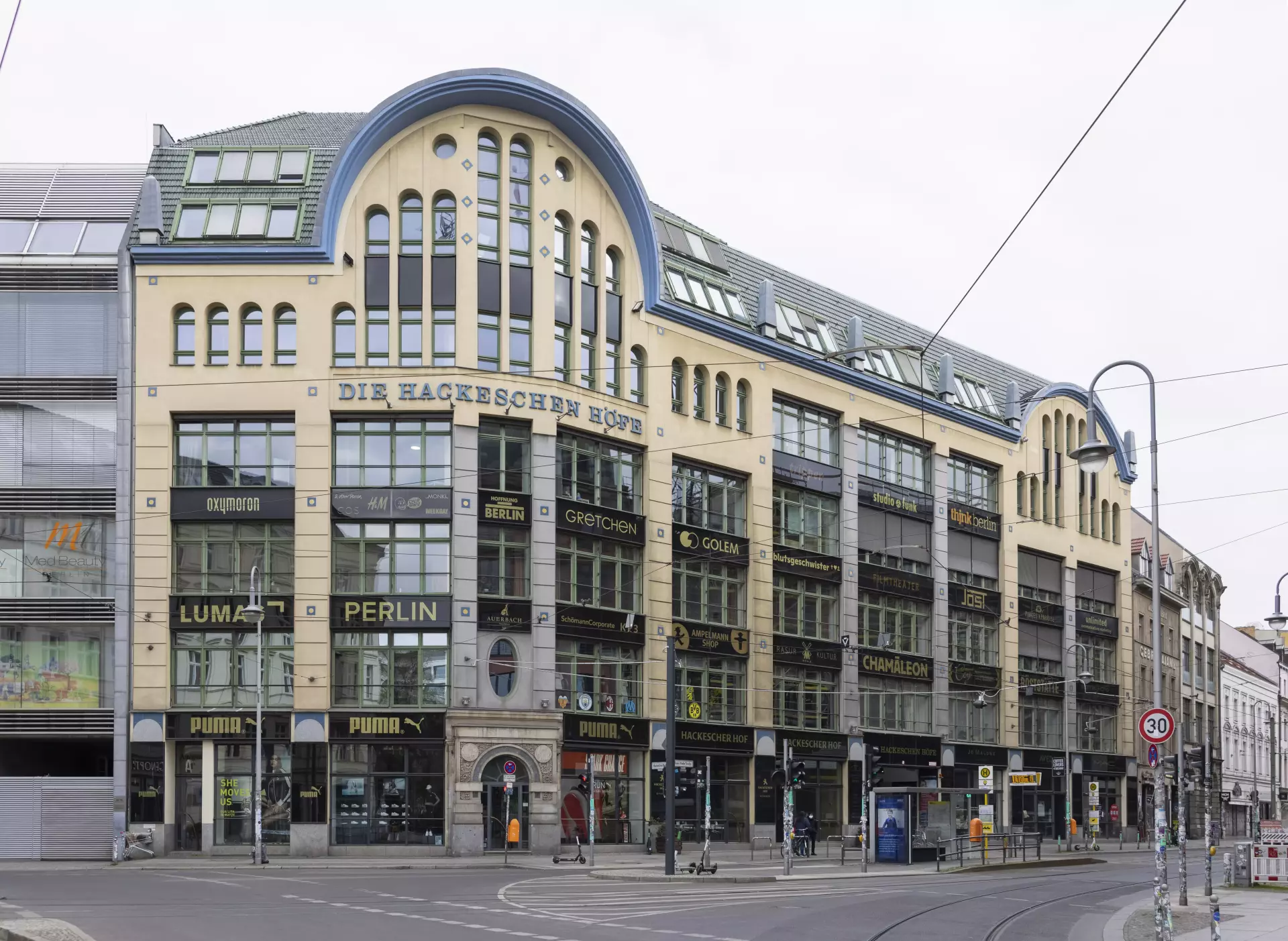
The complex consists of eight interconnected courtyards. Plenty of designer boutiques can be found here.
German historical museum covering everything from pre-history up to the present day. One can spend many, many hours here! The building from 1695/1730 was the Zeughaus (Arsenal) until 1876.
Features a nice fountain, stately old houses and a good night time hot spot. Many people hang out in the platz in good weather.
Designed by Hans Poelzig in 1929, it is the first self-contained broadcasting house in the world and it is still in use today.
This area was Gay Central during the Weimar Republic, and it is today. But of course all are welcome. There is a diverse mix of restaurants and stores, several of which are open till midnight or later every day. The U-Bahn station has a superstructure and towers that echo the appearance of the Art Nouveau Neues Schauspielhaus across the street, now the Metropol, where radical left-wing dramas used to be presented in the 20s and 30s, and it is lit in rainbow colors.
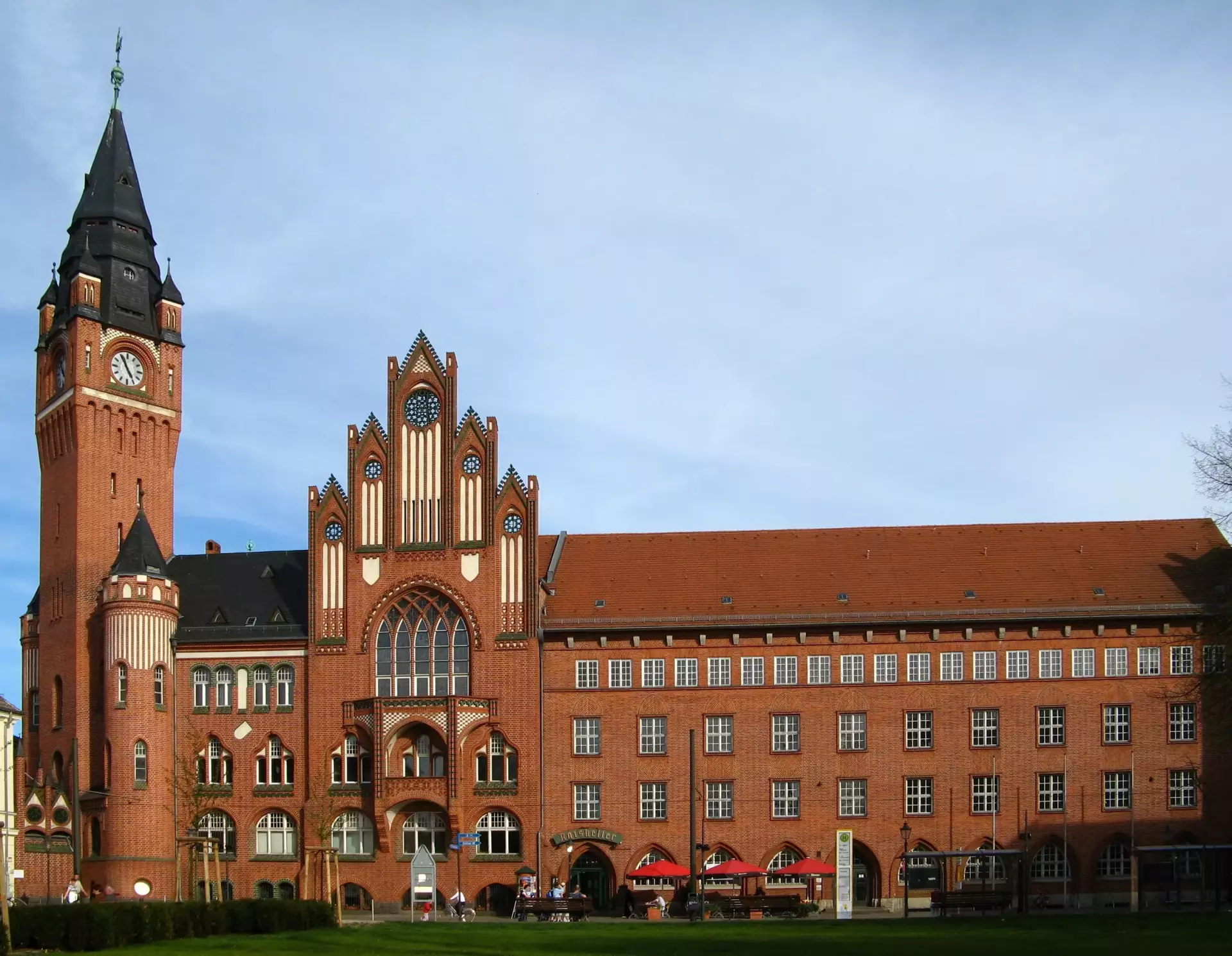
The district town hall was the main town hall for West Berlin during the Cold War. The freedom bell (a present from the American people) and several memorials from that time can be found here. On the main balcony in 1963 U.S. President John F. Kennedy made his famous statement, "All free men, wherever they may live, are citizens of Berlin, and, therefore, as a free man, I take pride in the words ‘Ich bin ein Berliner!’". On 10 November 1989 Helmut Kohl (chancellor (Bundeskanzler) 1982-1998) and Willy Brandt (former Bundeskanzler and mayor of Berlin) cheering the crowd as they saw the end of the Berlin Wall the night before. The town hall is an emotional place for most people in Berlin (especially West Berlin).
Huge technical museum, on a former railroad depot, featuring from ancient water and wind mills to computer pioneer Konrad Zuse's inventions, a collection of old to new vehicles of all types -bicycles, boats, trains, etc - and the interactive Spectrum science center with various hands-on experiments. There's an actual C-17 "Candy Bomber" airplane hanging on its façade. The railroad and aeronautical sections are hard to beat.
Designed by Daniel Libeskind with an excellent exposition on the Jewish life in Berlin and the impact of the Holocaust. You can easily spend a day here. There is a metal scanner and other security features you'd rather expect at an airport than a museum.
Museum established in 1888, with a collection of 3,500 instruments.
Jewish cemetery and lapidarium with old tombstones.