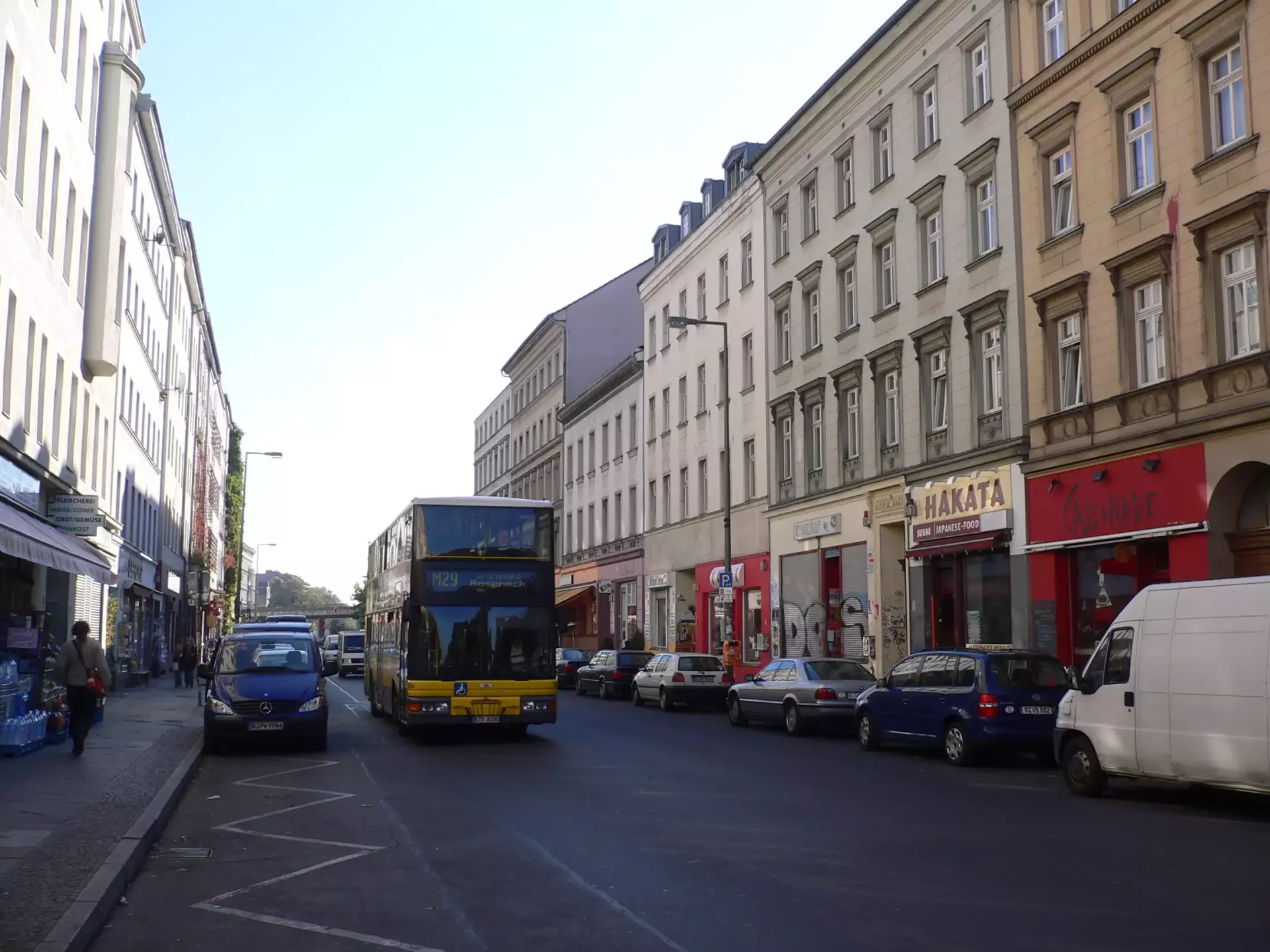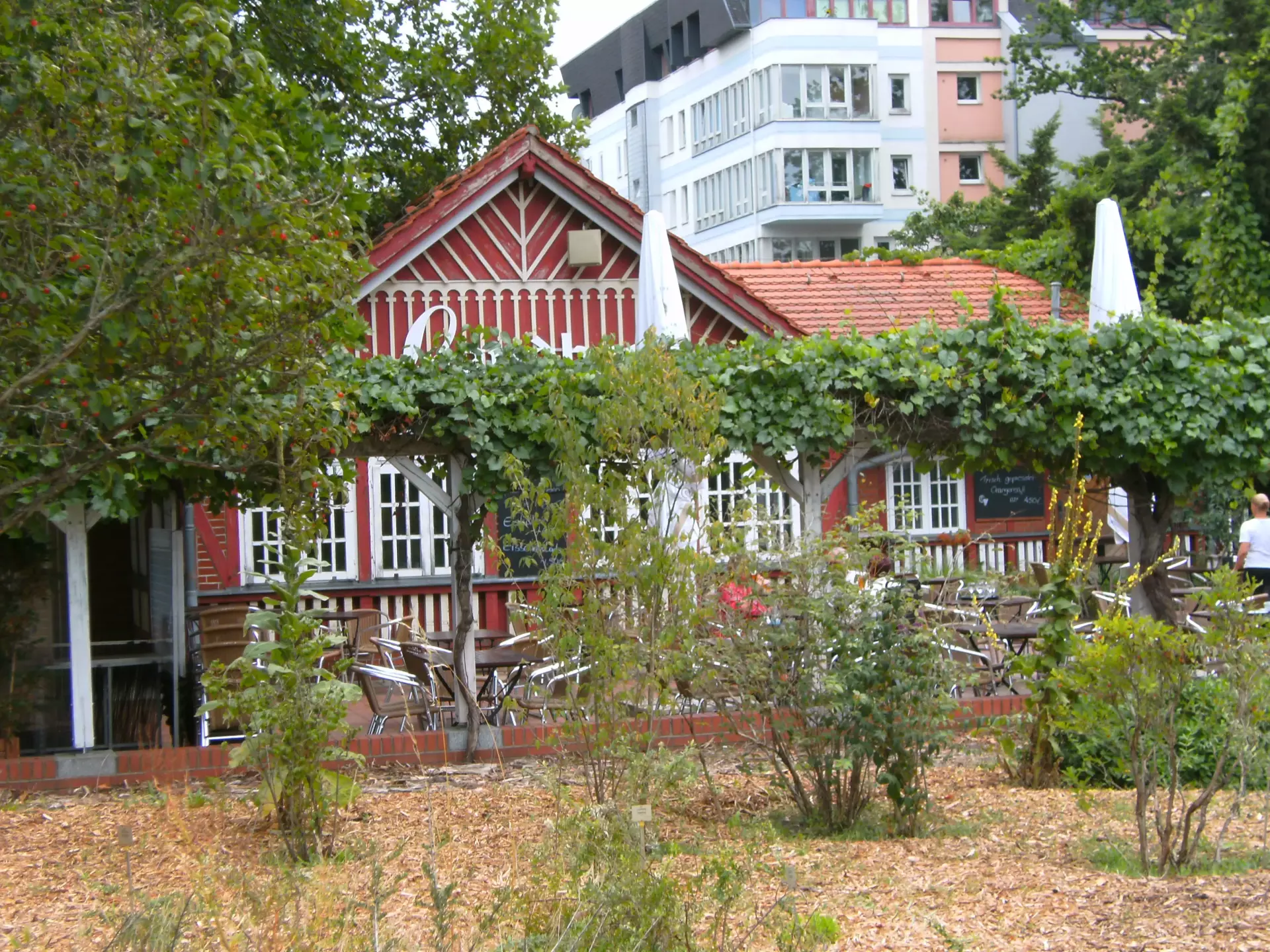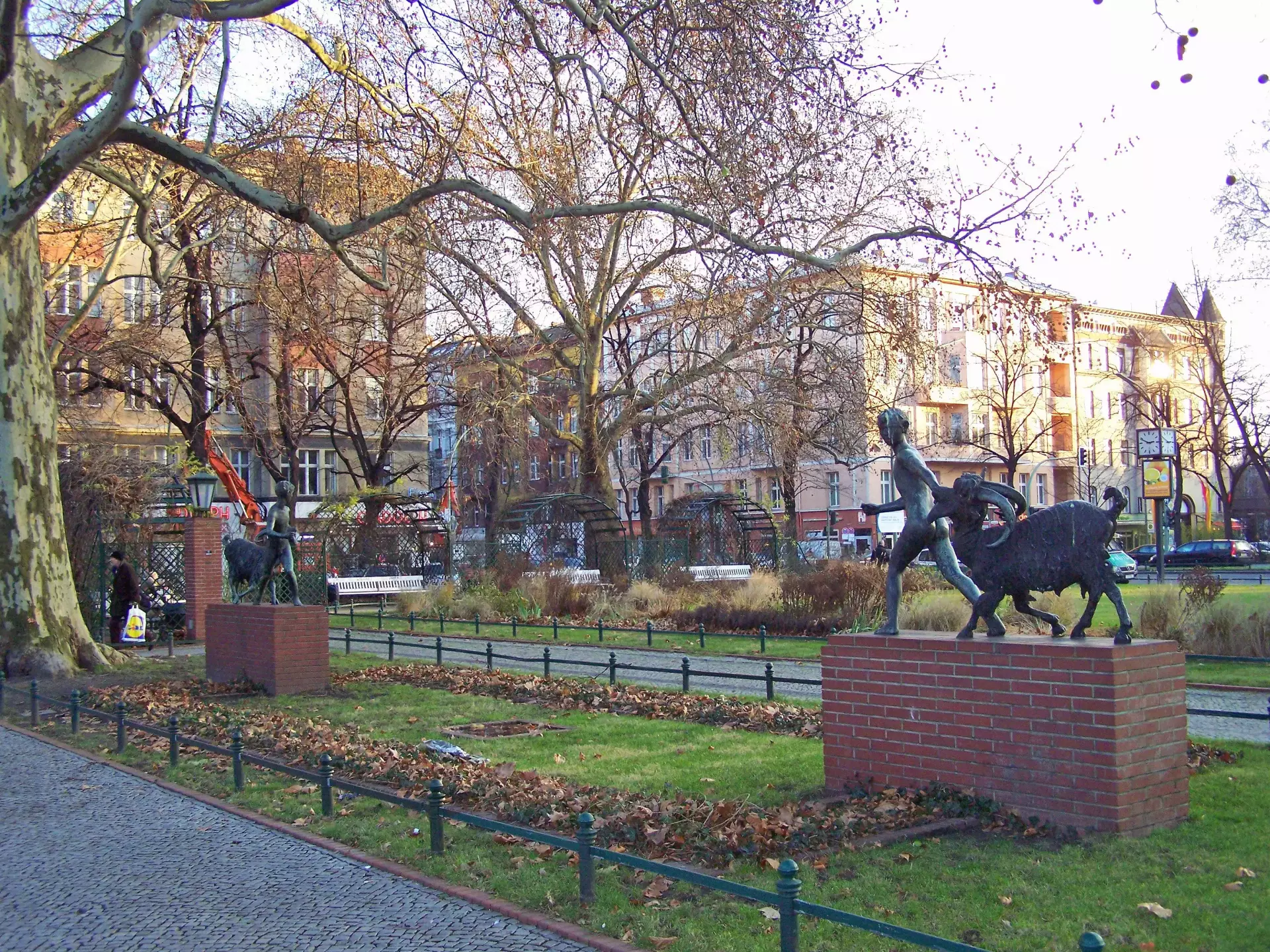
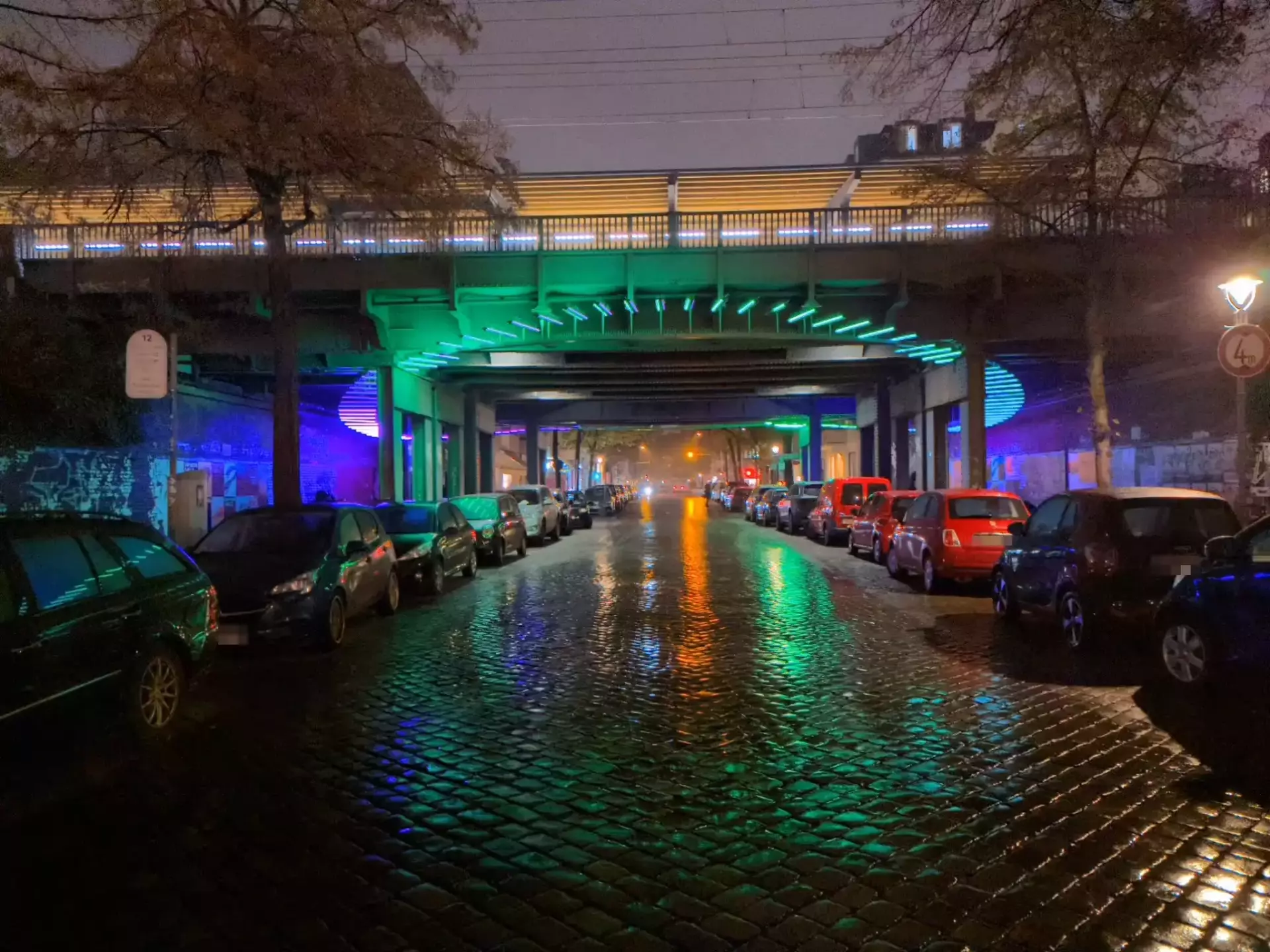
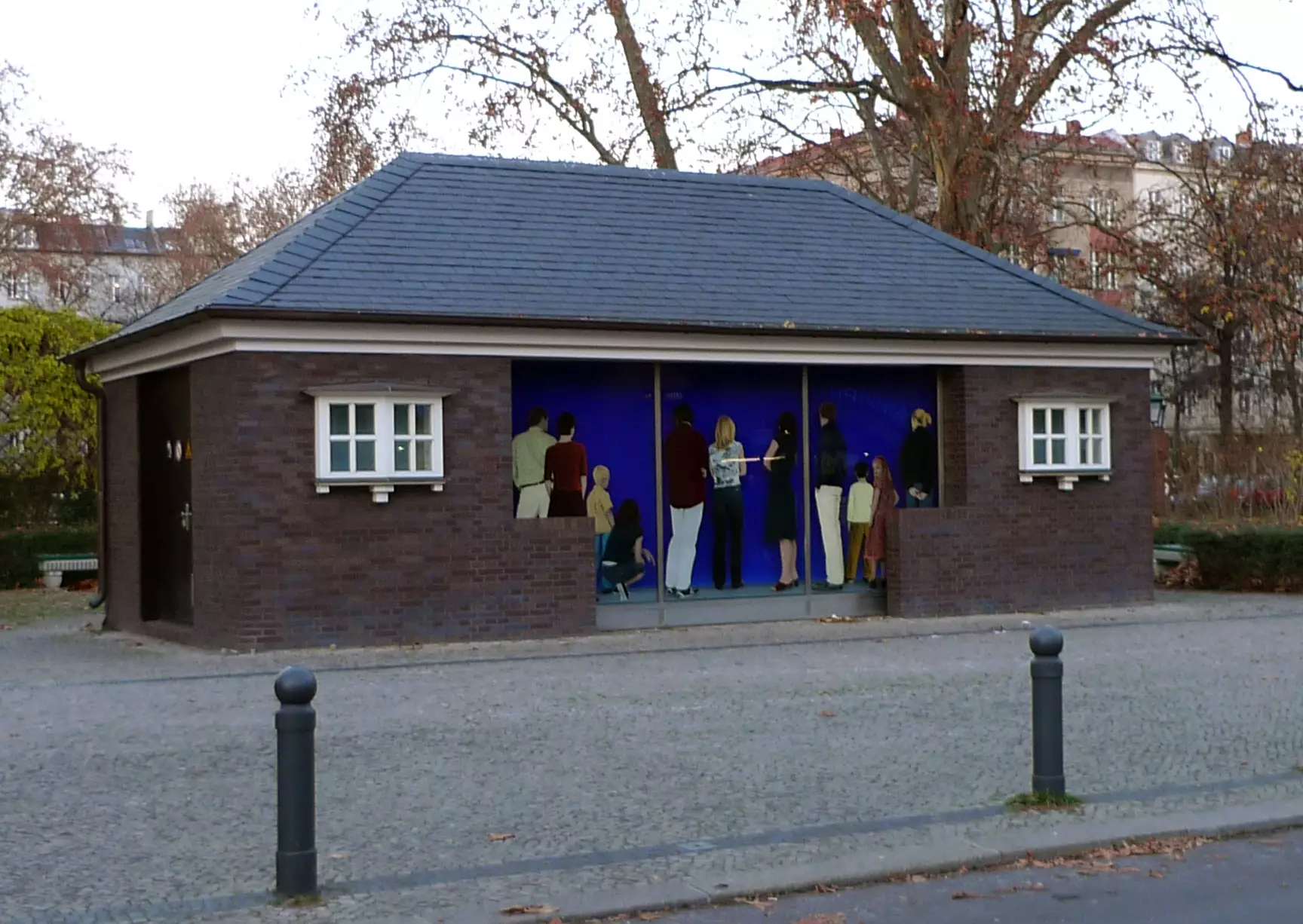
Savignyplatz is a small park in West Berlin that feels calm and relaxed, especially on sunny days. Benches and green spaces invite quiet breaks, while tall trees offer welcome shade. Locals and visitors often pause here to slow down and enjoy the open air.
The square is known for its easy atmosphere. People sit with a book, chat in small groups, or simply watch the neighborhood go by. It’s a natural spot to linger a little longer, letting the rhythm of the city move around the edges.
All around the park, cafés and restaurants line the surrounding streets. Outdoor tables fill up quickly when the weather is good, creating a steady buzz. A coffee enjoyed here becomes part of the scene, with steady foot traffic and regulars passing by throughout the day.
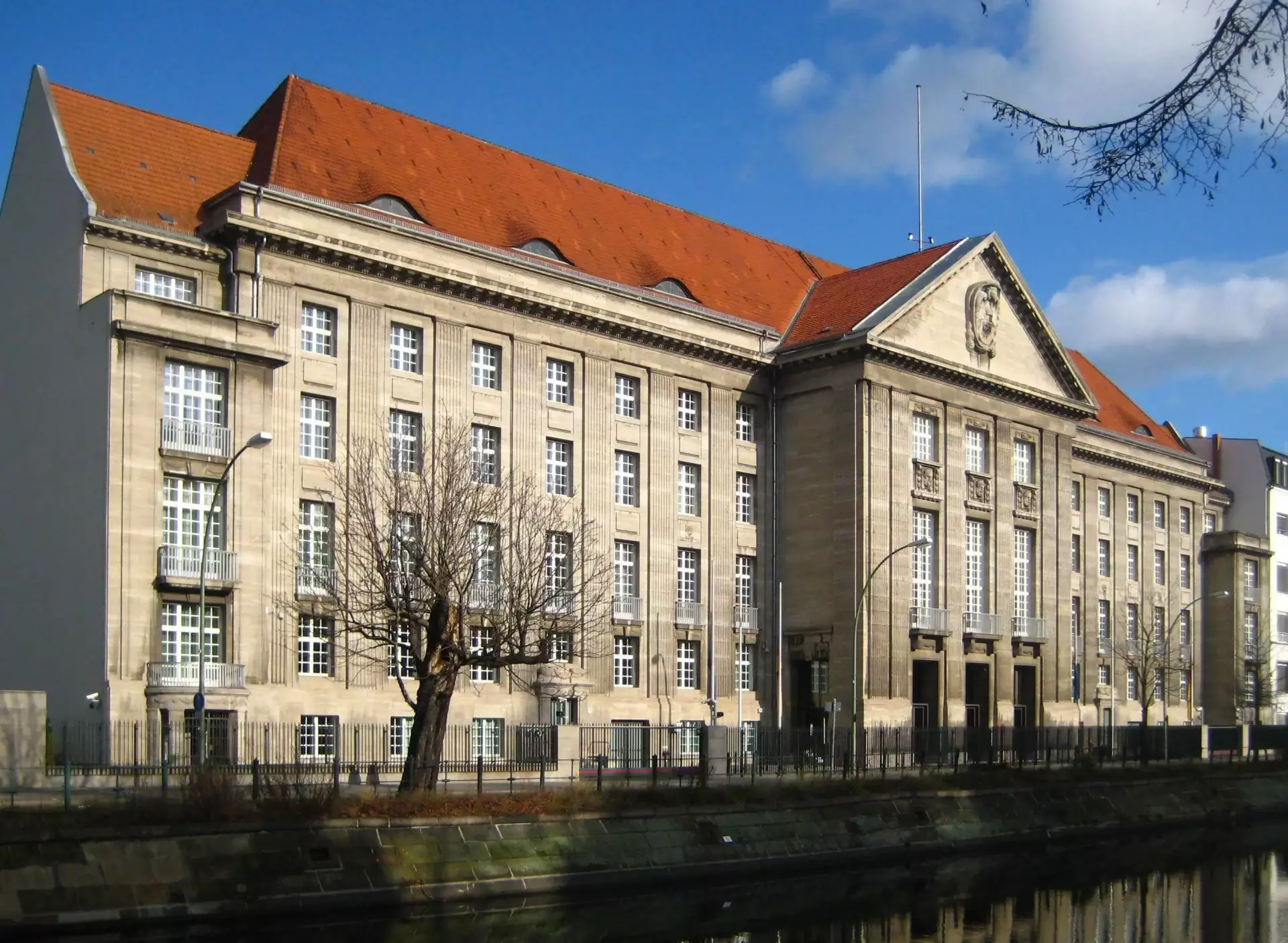
Exhibition of digital interactive entertainment culture. You can actually play almost all of the exhibits making it a more "hands on" museum than most.
Also known as "der hohle Zahn" (the Hollow Tooth), this church in Breitscheidplatz is a memorial to Kaiser Wilhelm, and one of Berlin's most famous landmarks. Thick walls and plain decor mark it as neo-Romanesque, but with what's left of the Gedächtniskirche, it's tough to distinguish it as any one style. Allied bombing left only one tower standing on 22 November 1943, but a new location for worship designed by Egon Eiermann was completed in December 1961 (it's the octagonal structure with blue stained glass windows). There is a small memorial museum beneath the tower filled with artifacts from the original church, which was built from 1891-95 to architect Franz Schwechten's specifications.Controversy arose after the war over the various options presented by the half-ruined cathedral - should it be torn down completely and rebuilt? Or should the destroyed sections be left standing as a memorial? The four major sections of the Kaiser-Wilhelm-Gedächtniskirche (central space, foyer, new tower and chapel) surround the ruined tower of the old church bridge and show the time gap between old and new. Mosaics and other remnants from the old church serve as a monument against war.
The Bierpinsel ("beer brush") is a building in Steglitz which resembles an observation tower and is famous for its pop-art appearance. The futuristic, landmarked building was built from 1972 to 1976 and has since been used as restaurant, night club, bar, radio station and art café.
Features a nice fountain, stately old houses and a good night time hot spot. Many people hang out in the platz in good weather.
Want to feel like one of the angels in Wim Wenders' classic film Der Himmel über Berlin (a.k.a. Wings of Desire)? Climb to the top of Gold-Else, as the statue of Victory on the top of the Victory Column is known. Just don't jump off if you're not actually an angel. Unfortunately there is no elevator, so be prepared for 285 steps to the platform at 50.7 m.Else was built to commemorate Prussian military prowess in the wars against Denmark (1864), Austria (1866) and France (1870-71), and moved to her present location by the Nazis. Five roads run into a traffic circle called Grosser Stern, in the centre of which is the Siegessäule. Else is visible from much of the city district known as Tiergarten. At the base of the statue are reliefs of war scenes representing the conflicts which this monument memorializes. The Allies forced Germany to take those panels down in 1945, but they were remounted in 1984 and 1987. It also served as a backdrop for a speech by then senator Obama in 2008, after his request to speak in front of Brandenburger Tor caused a political debate in Germany.
The main street of former East Berlin. It is a big avenue, featuring neoclassical East German buildings, fountains and lakes.
One of the most authentic and oldest villages (1247) in the outskirts of Berlin, it looks the same way it did some hundred years ago. Take S-Bahn 1 to Waidmannslust and then bus 222 to Alt-Lübars.
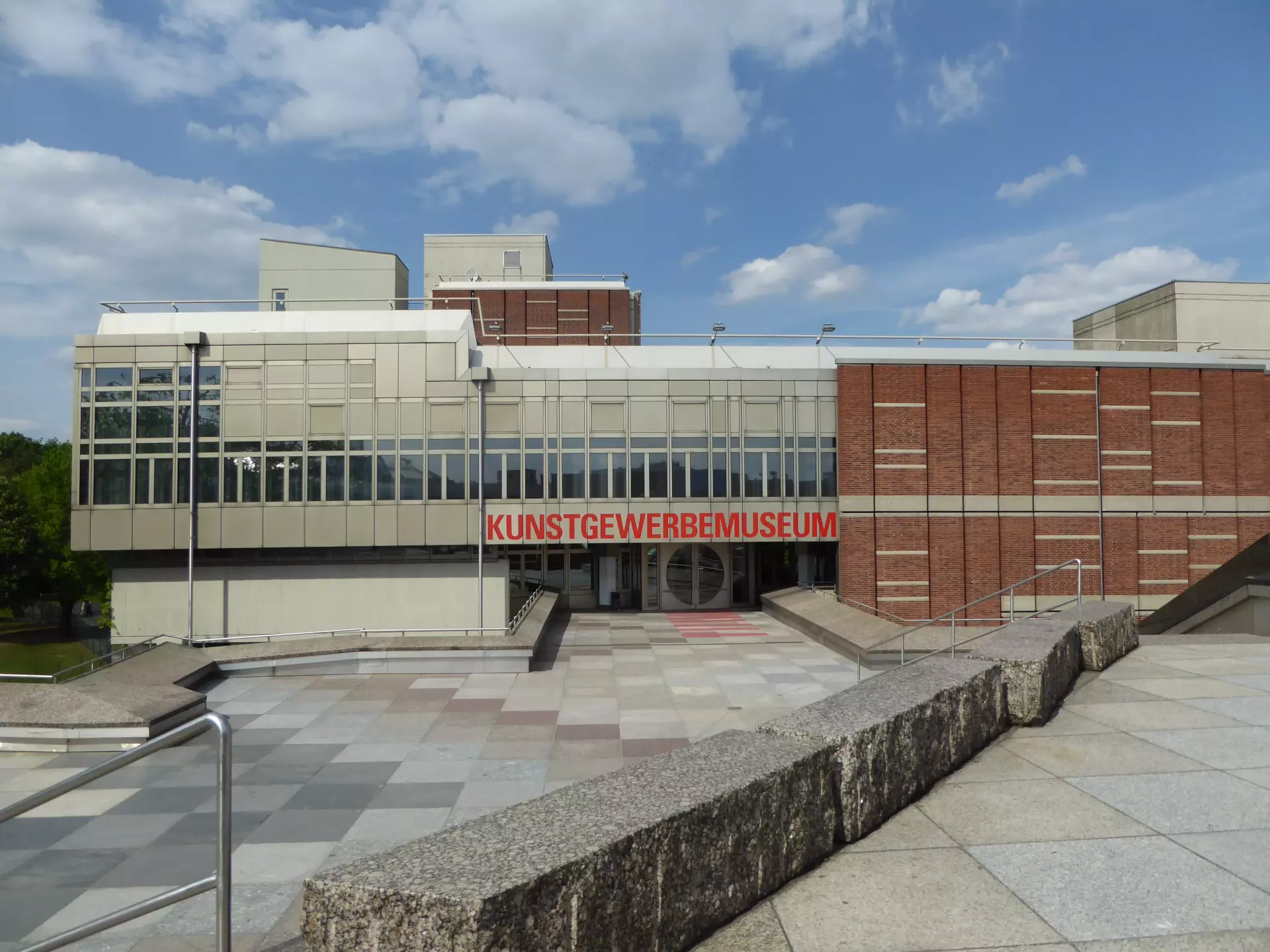
The oldest museum of its kind in Germany which, despite great losses during the World War II, still possesses one of the world's primary collections of European applied art. There are two sections to the collection: one located at the Kulturforum in Tiergarten, the other at Köpenick Palace.
Built by Hitler for the 1936 Olympic Games, this is one of the better examples of Nazi neoclassical architecture (laying claim to the legacy of Rome, fasces and all) and is still used for sporting events. At those Olympics, African-American athlete Jesse Owens won four gold medals, a party-spoiler for Aryan superiority. It's the home of soccer team Hertha BSC - they were relegated in 2023 and now play in 2. Bundesliga the second tier. In 2024 this stadium hosted games in the UEFA Euro Finals, including the final itself. For a glimpse of the Olympiastadion in its original state, seek out Leni Riefenstahl's movie Olympia - clips are shown in the Kinemathek and elsewhere.
It is the only hemp museum in Germany; you can see the history of hemp, the culture and use of it. You can see hemp grow. There is a cafe downstairs, with an open WiFi access. Everything going on here is legal - including the hemp growing under artificial light (a low THC strain grown with a special permit) - but they do not refrain from political commentary on the legal situation of cannabis in their exhibits.