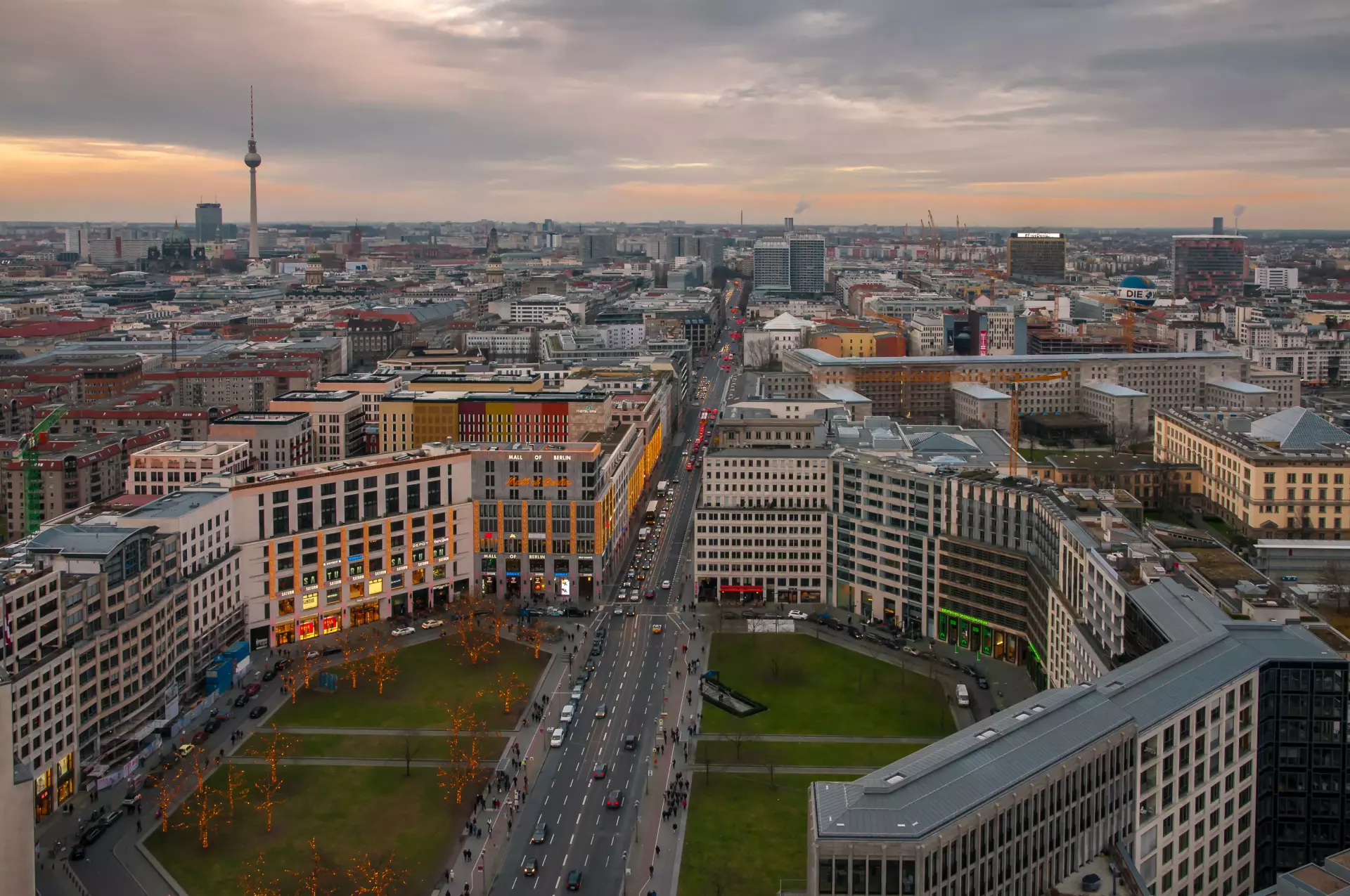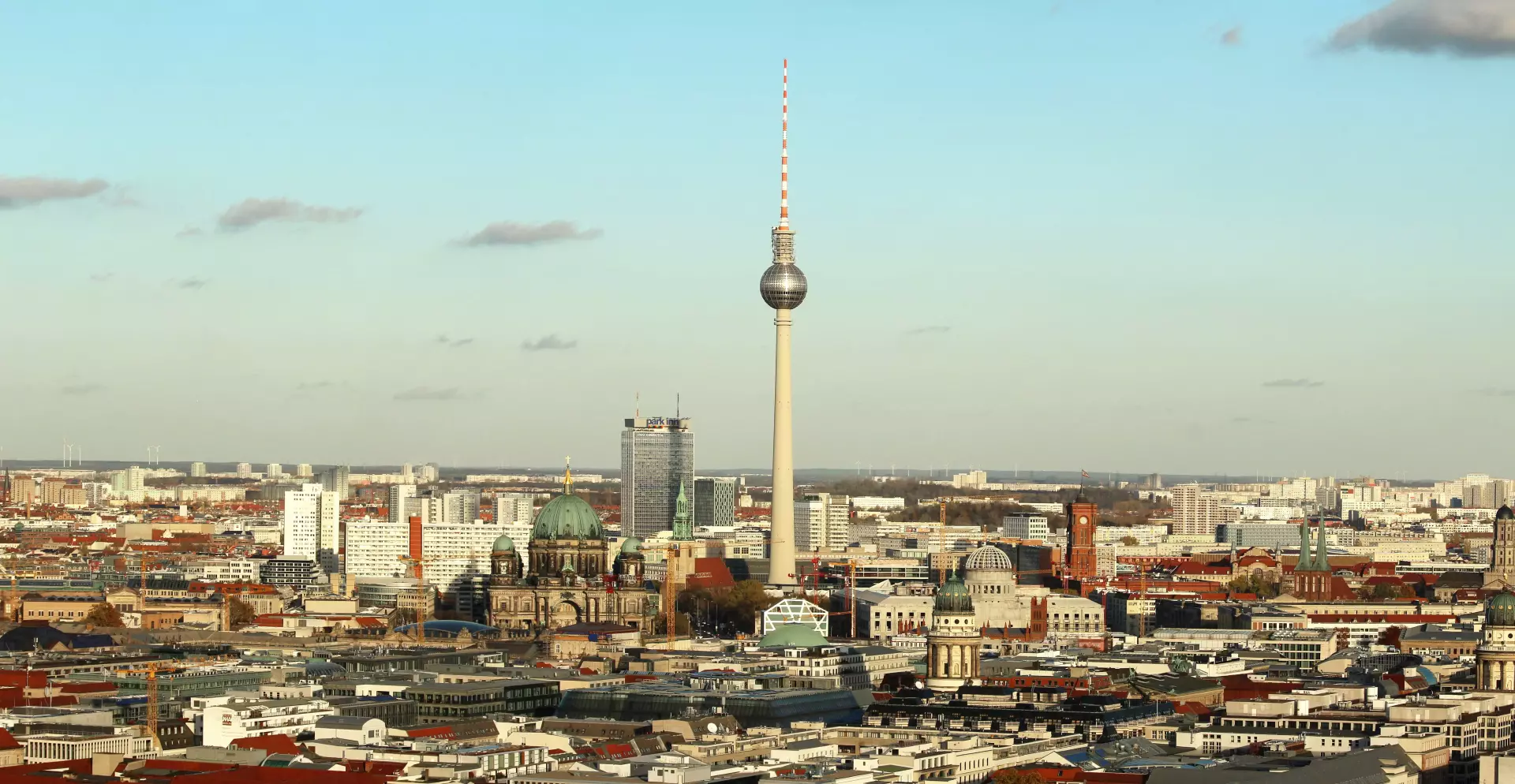
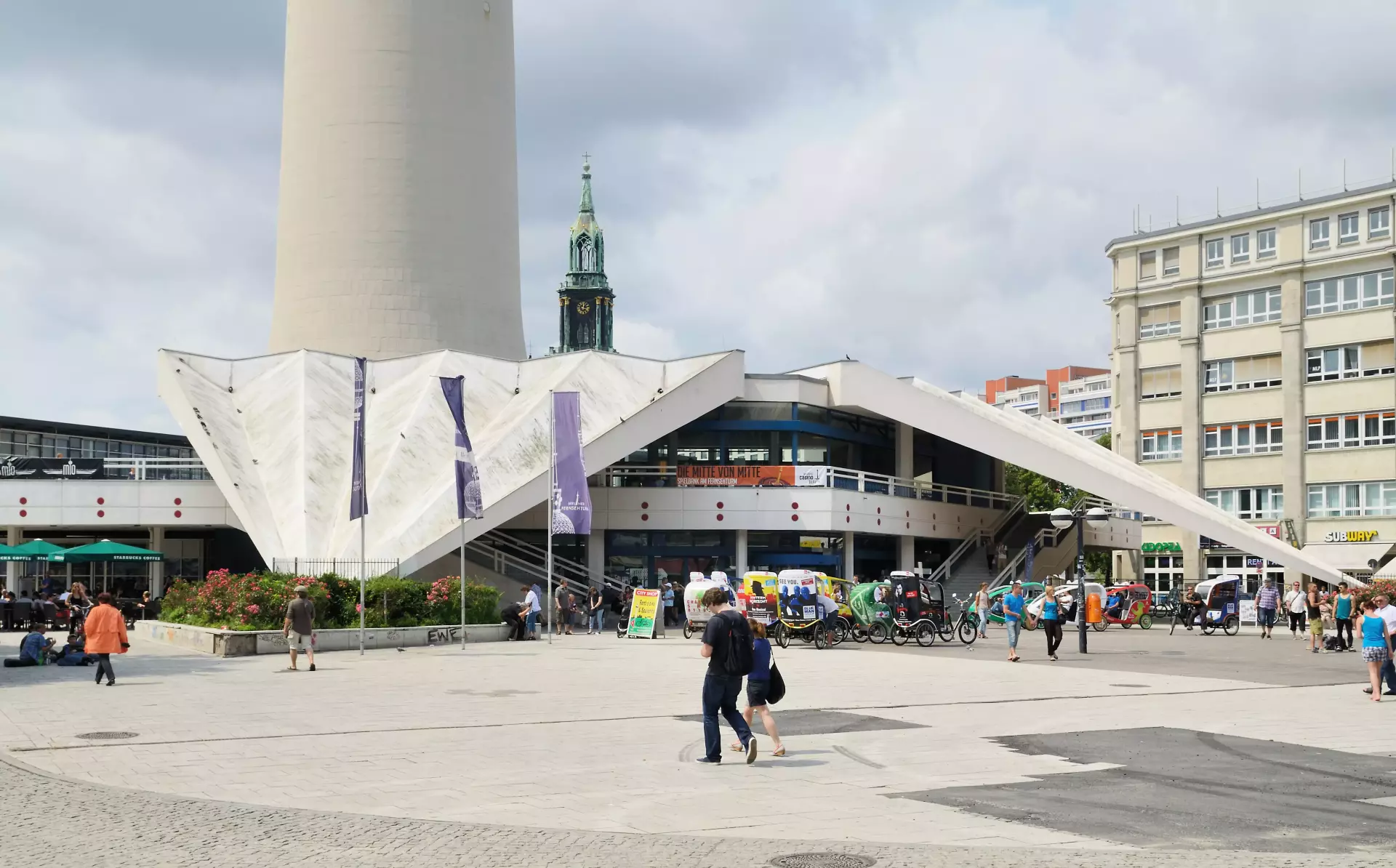
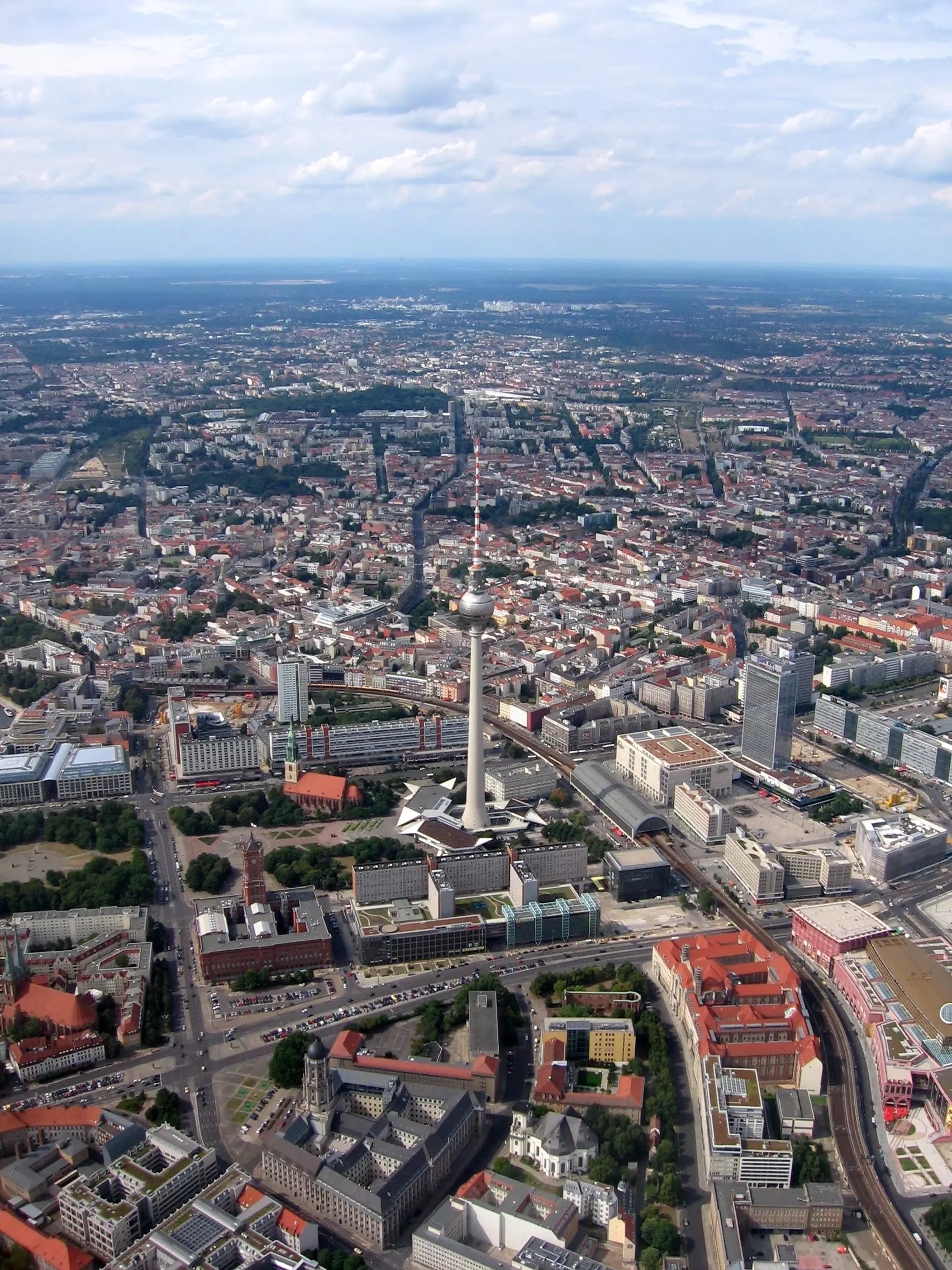
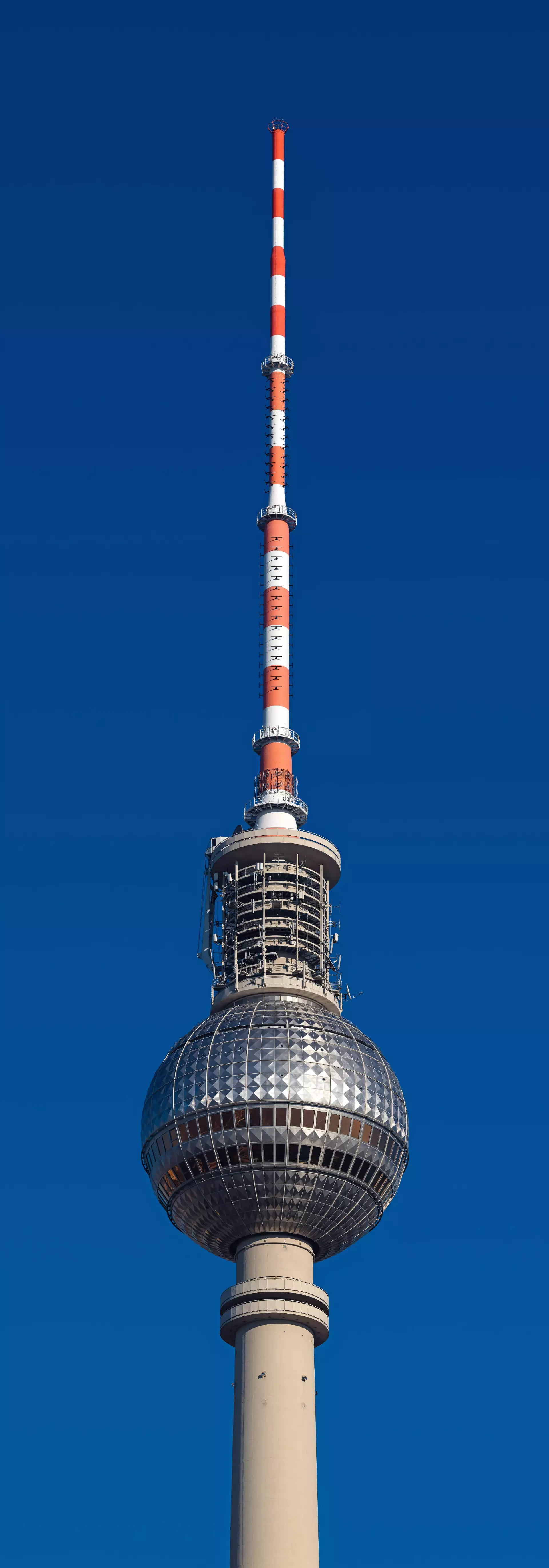
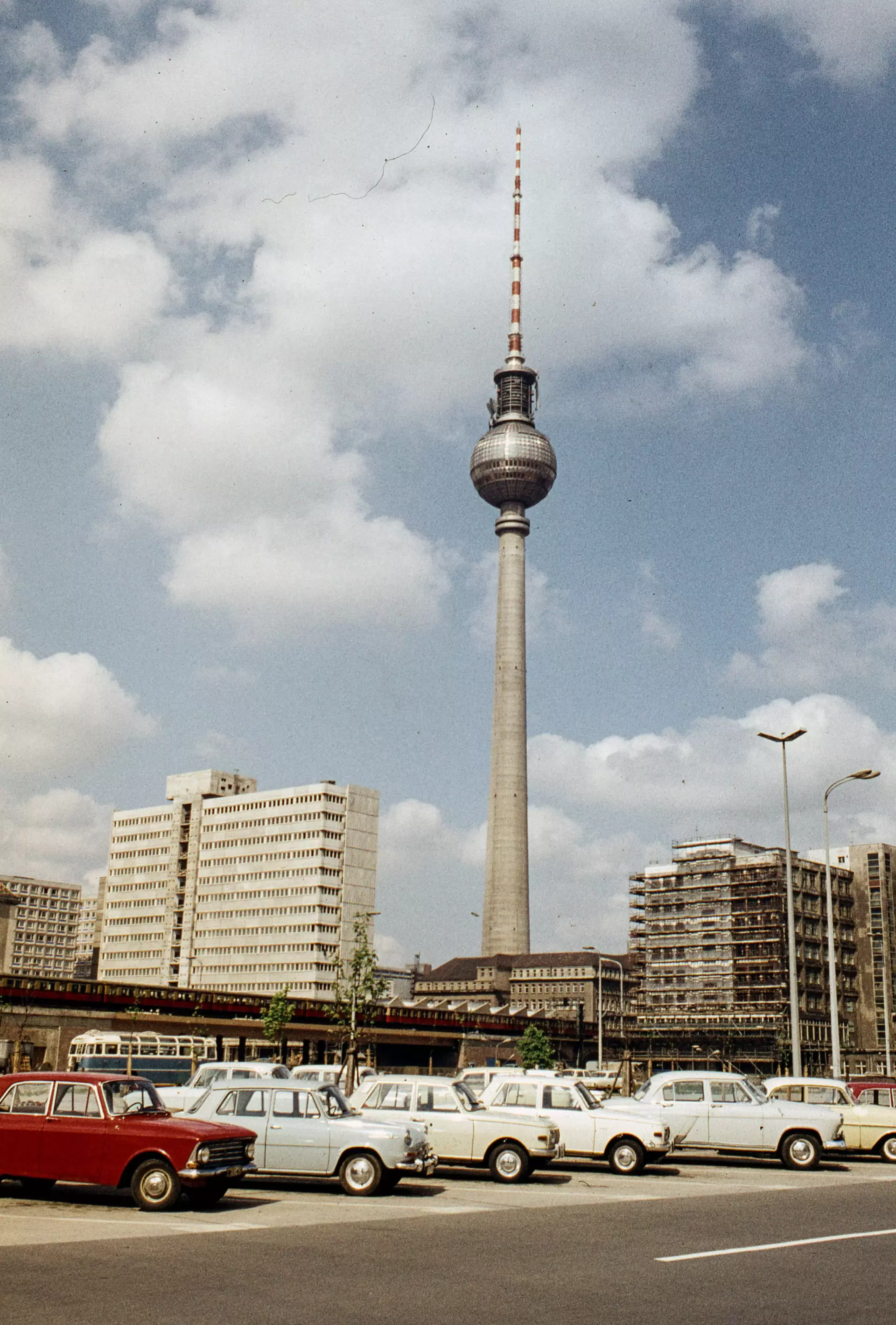
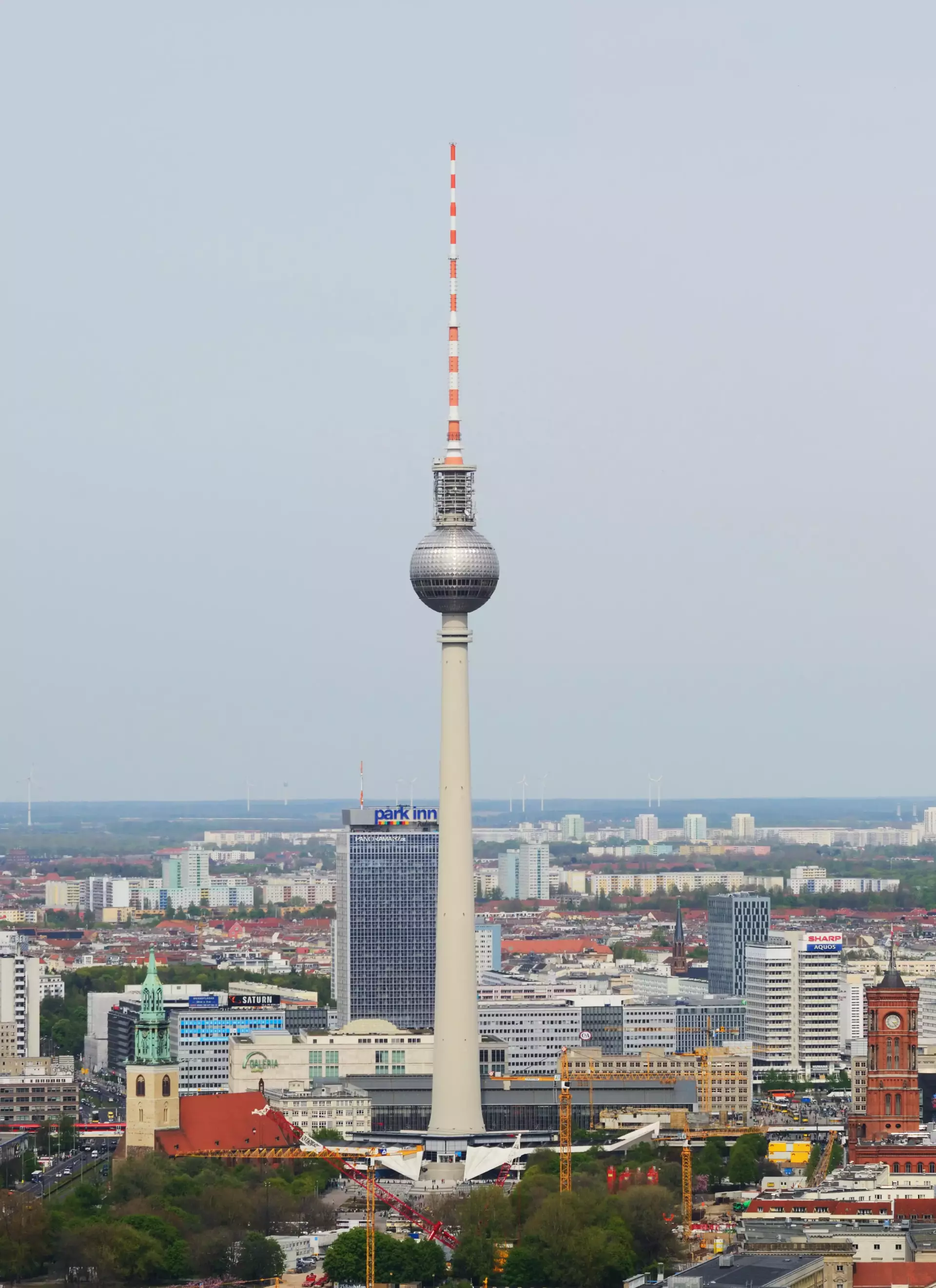
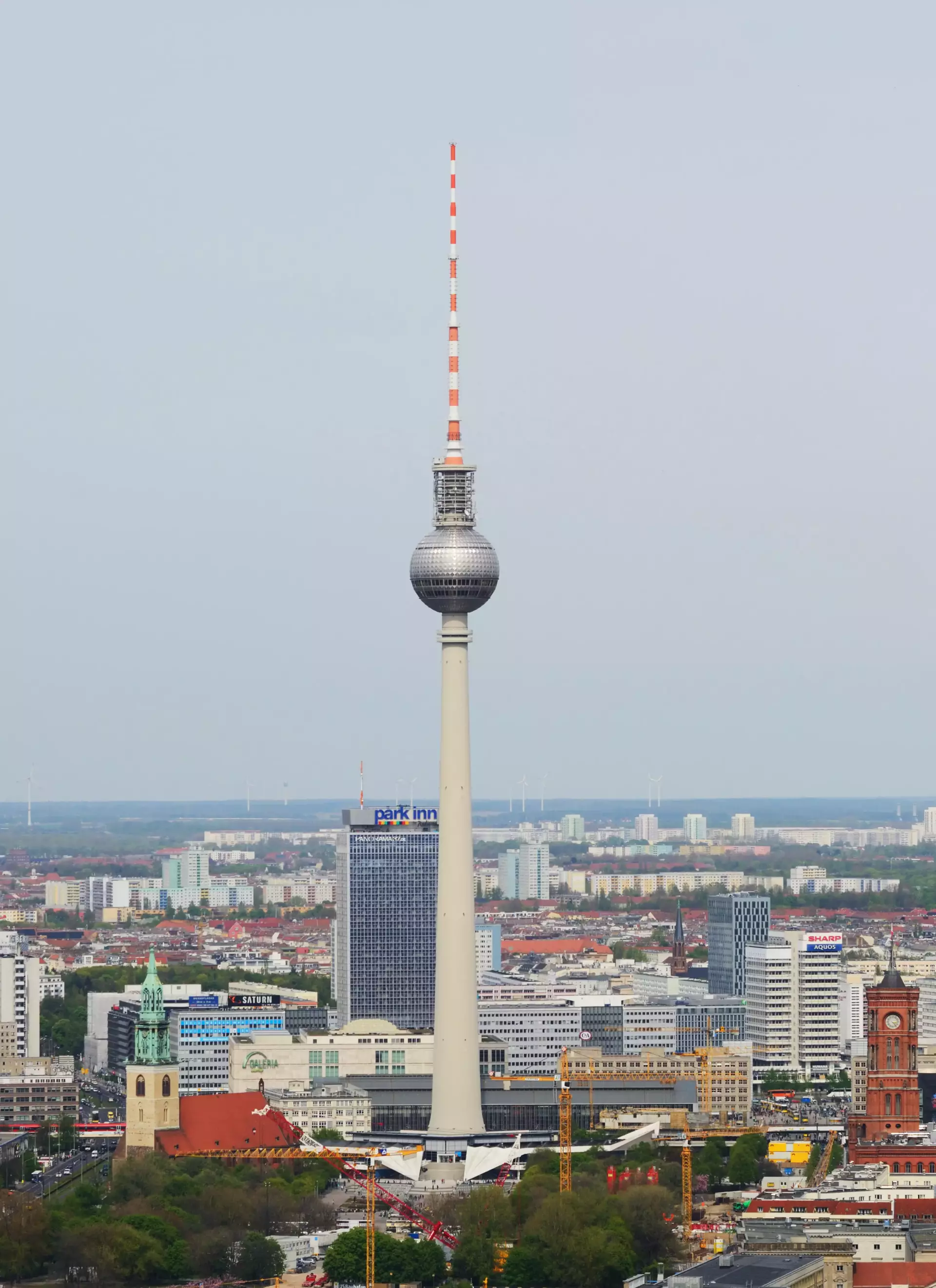
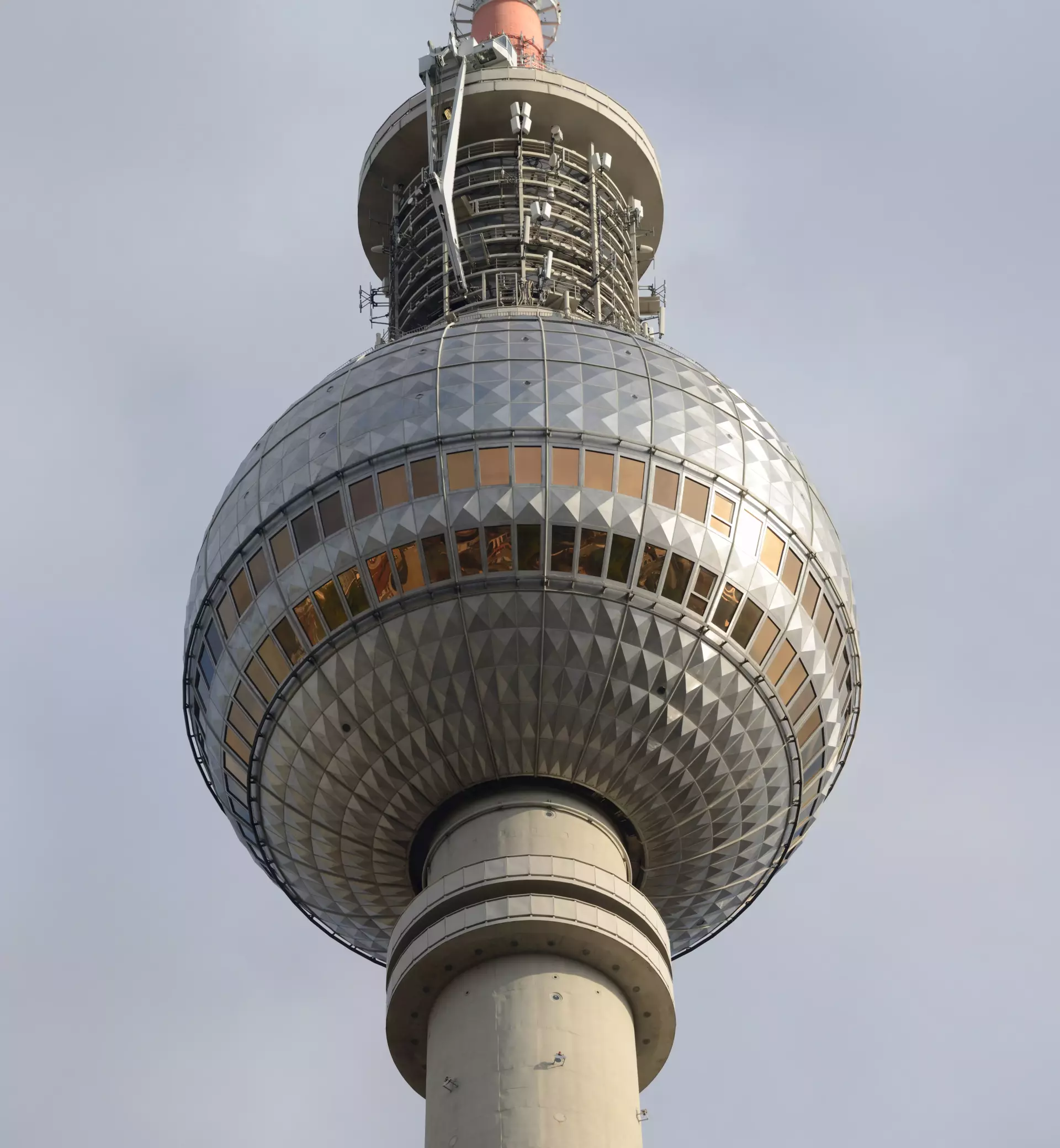
Rising to 368 metres, Berlin’s Fernsehturm dominates the skyline and ranks as the second-tallest building in the European Union. Built between 1965 and 1969, it was designed primarily for television broadcasting. Today, the gleaming sphere near the top also contains a viewing platform, a rotating restaurant, and a Berlin Tourist Information point.
The viewing platform sits 203 metres above ground and includes a bar. On clear days, visibility can reach up to 42 kilometres. Berlin’s famously flat landscape stretches out in all directions, though the view is sometimes described as less dramatic than in hillier cities. The condition of the glass can also make photography difficult.
The Sphere restaurant is just a little higher at 207 metres. It rotates gently, completing a full turn every 30 minutes, so diners can watch the cityscape glide by while they eat.
Two lifts carry visitors from the base to the viewing areas in about 40 seconds. There is also a 986-step staircase. The tower is not accessible to wheelchair users.
The tower’s place in Alexanderplatz, shaped by socialist-era planning, drew mixed reactions among Berliners. East German television tried to popularize the nickname “Telespargel” (television asparagus), but it never truly stuck.
At certain times of day, sunlight reflecting off the sphere created a striking, cross-shaped flare over the city. Locals wryly called it the Rache des Papstes—Pope’s revenge—an ironic halo for a symbol of a secular state. Rumors claimed the architect paid a professional price for the optical surprise.
After dark, lighting from the tower section can give the illusion of beams shooting outward, prompting comparisons to a Death Star straight out of Star Wars.
Source - https://en.wikipedia.org/wiki/Fernsehturm_Berlin
The meeting point of one of the leading oppositions against the GDR regime and is a great Neogothic church. Also the only ecumenical Lord's supper with Protestants and Catholics together took place in the Gethsemanekirche (2003).
With an impressive, circus-tent-like roof over its courtyard and remains of the pre-war Hotel Esplanade incorporated into the modern structure.
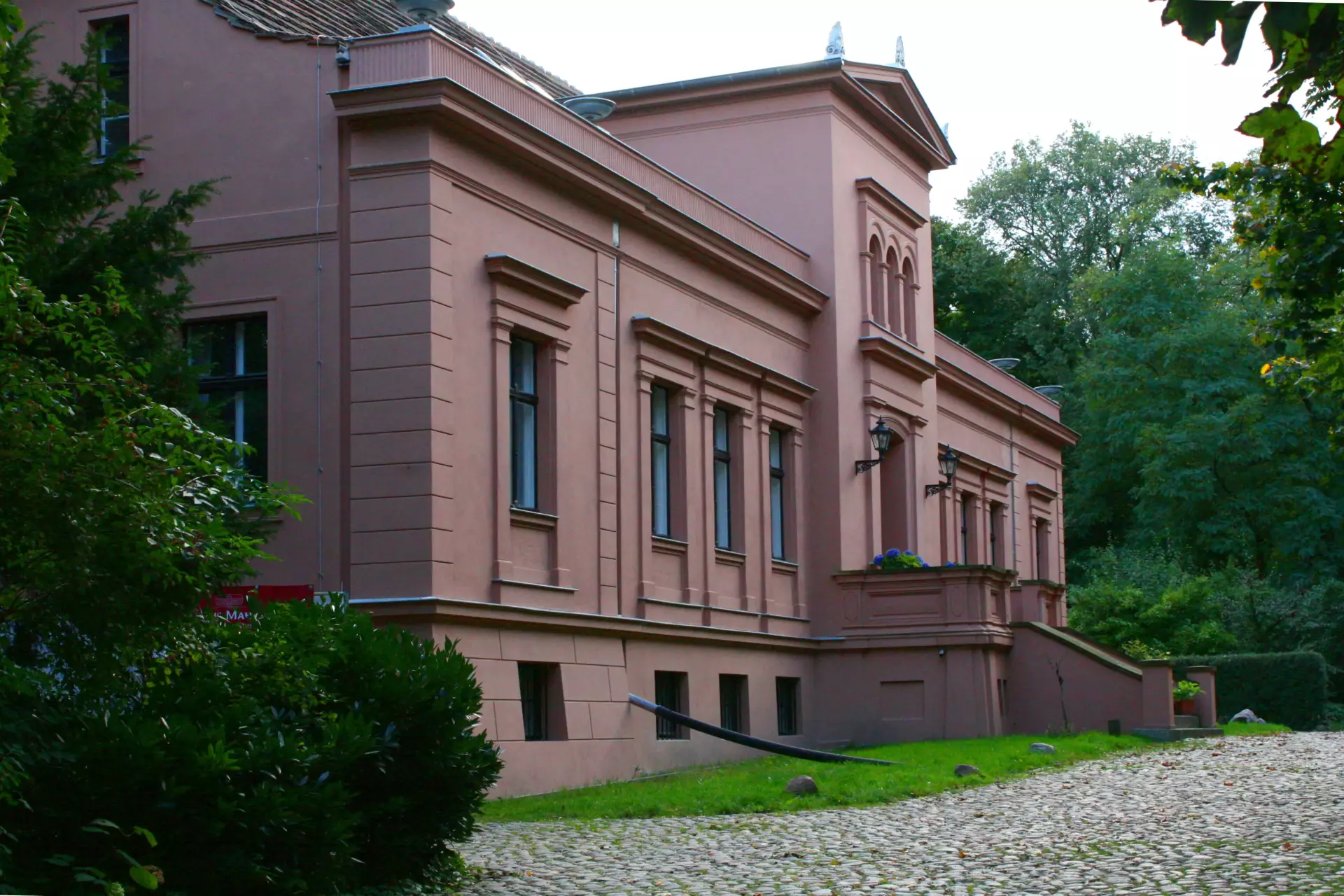
Built in 1542. An impressive traditional country estate with stately architecture, it is an enclave of untouched regional cultural history and architectonic epochs. The 80-hectare mixed forest also provides a wide network of paths for walking and rambling.
The main floor houses the antiquities collection in an ongoing exhibit called "Neue Antike im Alten Museum" (New Antiquities in the Old Museum). Directly through the front door, entering from the Lustgarten (Pleasure Garden, now under reconstruction), there is a domed rotunda with red and white cameos, Greek-style, with statues of the gods. To reach the Hildesheim silver collection, go to the back of the rotunda, turn left, walk through the long gallery and turn left into a small room at the end.
The Bendlerblock building complex has long held ties to the German military, first serving as the offices of the Imperial German Navy and today housing the Berlin offices of the Ministry of Defense. It was here where, on 20 July 1944, Colonel Claus von Stauffenberg and other officers led a coup that sought to remove Hitler and the Nazis from power. They failed and were summarily executed in the courtyard, where a memorial stands for these men who are considered German heroes by many. Inside the building you'll find the German Resistance Memorial Center, a permanent exhibit dedicated to the July 20 plot and other individuals in the German resistance.
Again one of the world's most comprehensive ones. At the museum district of Dahlem.
The Gemäldegalerie contains an astounding array of paintings, including works by Rembrandt, Rubens, Botticelli, Raphael, Titian, Goya, Velasquez and Watteau. The collection contains works from the old Bodemuseum on Museumsinsel in the East, now closed, and the former Gemäldegalerie in Dahlem. Its strong points are German paintings of the 13-16th centuries, Netherlandish painting of the 15th and 16th centuries, Flemish paintings of the 17th century, and miniature paintings of the 16th-19th centuries. In the newer section of the museum, designed by architects Heinz Hilmer and Christoph Sattler, there is enough space to display 1,150 masterpieces in the main gallery and 350 in the studio gallery - of the almost 2,900 pieces in the European painting collections. Established in 1830, the newly built gallery from 1998 has about 7,000 sq m of exhibition space (a complete tour of the 72 rooms covers almost 2 km).
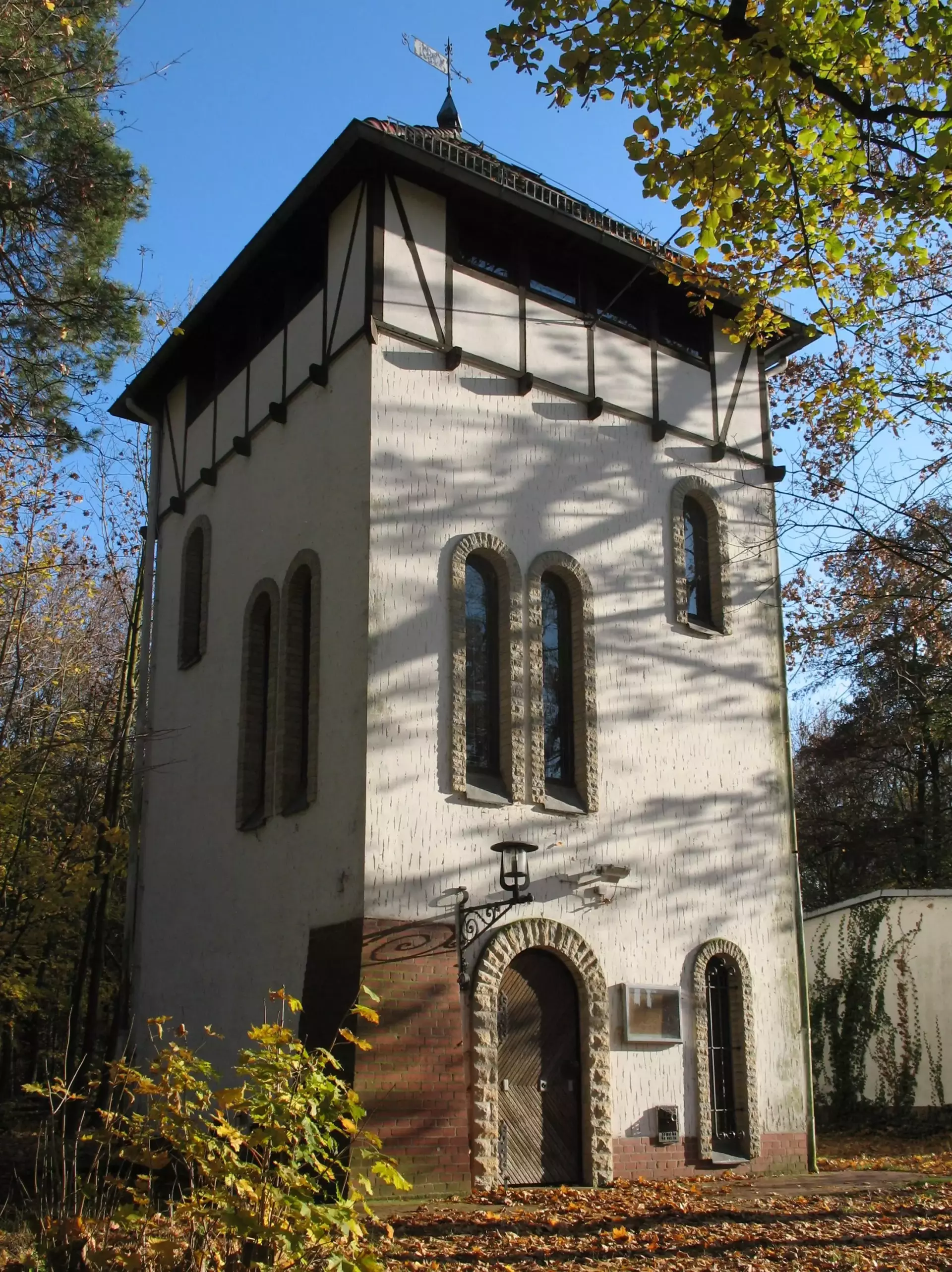
An observation tower without an elevator in Southeast Berlin, from which you can see that there is a great deal of forest around Berlin. There is a cafe at the tower.
The Bierpinsel ("beer brush") is a building in Steglitz which resembles an observation tower and is famous for its pop-art appearance. The futuristic, landmarked building was built from 1972 to 1976 and has since been used as restaurant, night club, bar, radio station and art café.
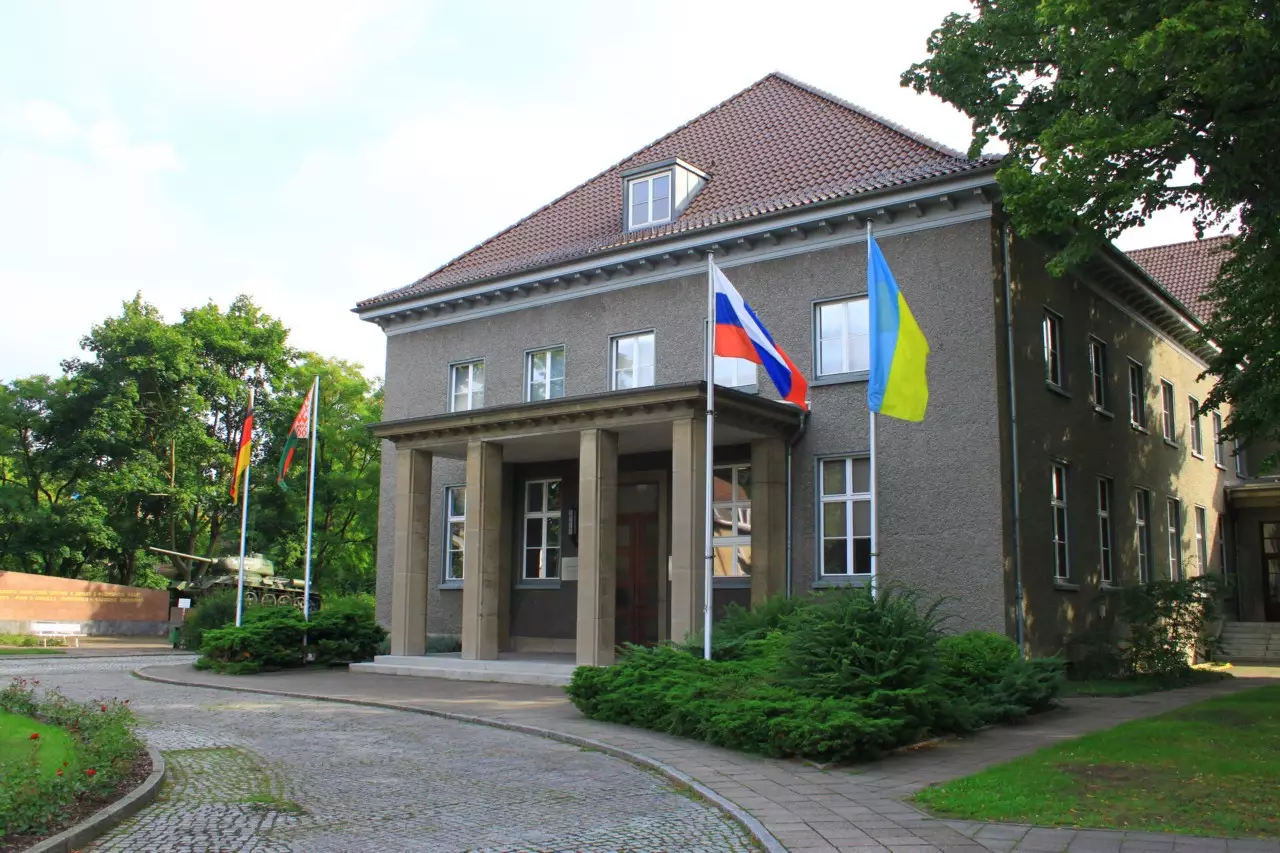
In this house the surrender of Germany was signed on May 9th, 1945, ending WWII in Europe. This museum describes the history of the war between Germany and the Soviet Union between 1941 and 1945 and the GDR/German-Russian relationship ever since. Historic rooms, permanent exhibition and special exhibits.
The museum’s treasures include the sculpture collection with works of art from the middle ages to the 18th century. The Bode museum is best known for its Byzantine art collection and the coin cabinet.
An eerie memorial to victims of the Nazi regime built on the place of a former execution room, where nearly 2900 people where put to death between 1933 and 1945.
In 1893 the authorities of Berlin issued the artistic entrance to the National Park Friedrichshain. The fountain of fairy tales was commissioned by the National Park and later designed by Ludwig Hoffmann.
The oldest museum of its kind in Germany which, despite great losses during the World War II, still possesses one of the world's primary collections of European applied art. There are two sections to the collection: one located at the Kulturforum in Tiergarten, the other at Köpenick Palace.