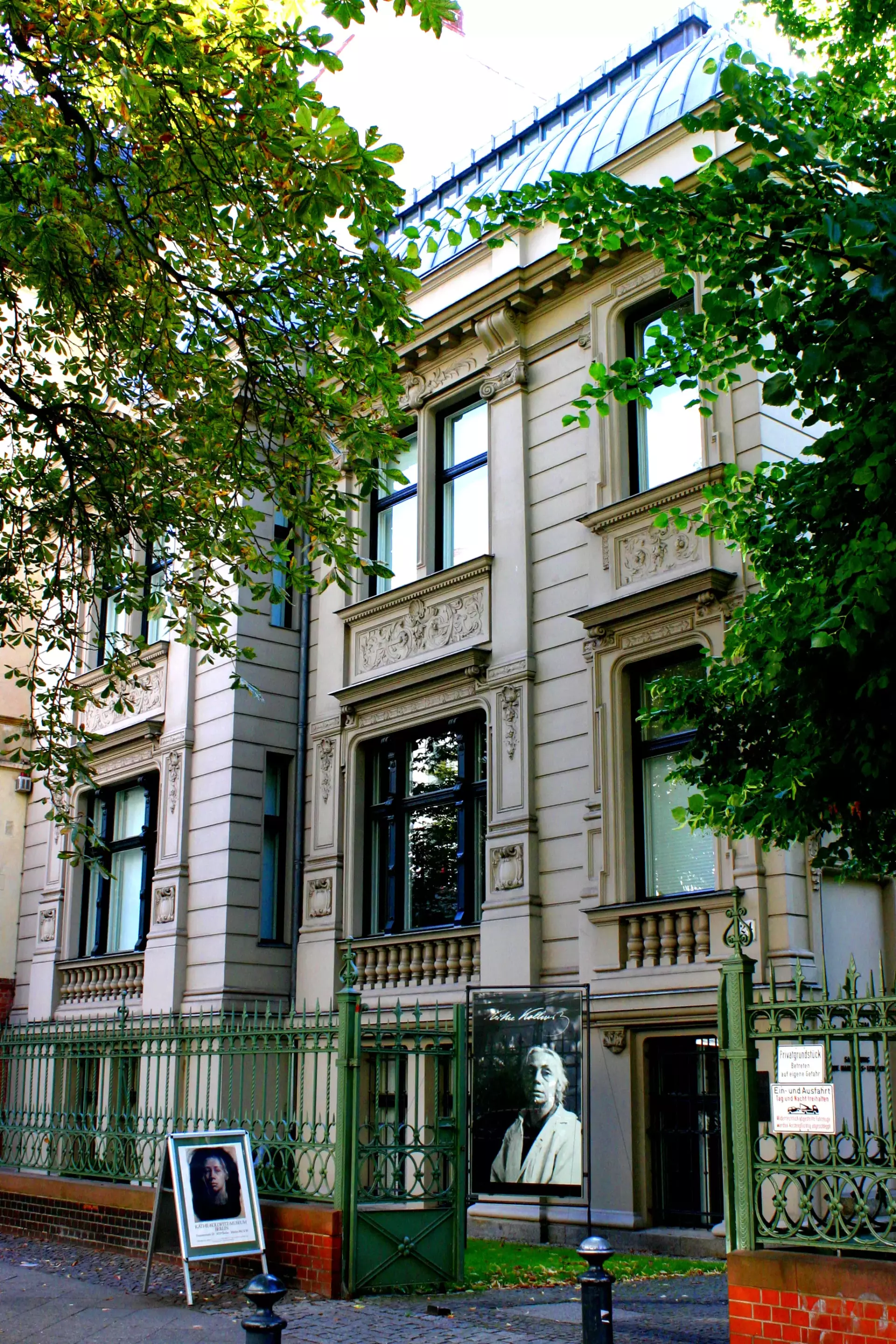
Käthe Kollwitz is remembered as an artist whose work spoke clearly about war and loss. Her reputation as a social activist and supporter of pacifism was shaped by tragedy. The death of her son in World War I marked a turning point, and the mood of her art grew darker. Years later, World War II brought another blow when her grandson was killed, deepening the somber tone in her work.
These personal losses mirrored the grief felt across Germany. Themes of death, violence, misery, guilt, and suffering became central to her art. Rather than avoiding the pain of her time, Kollwitz faced it with stark honesty and emotional depth, using visual language that is direct and human.
The Käthe Kollwitz Museum gathers this body of work in one place, showing how her ideas developed over decades. Drawings, prints, sculptures, original posters, and woodcuts trace her response to war and its aftermath. The galleries move from early pieces to later works that are heavier in tone, reflecting the toll of two world wars on both the artist and the nation.
Seen together, the works present a clear picture of an artist engaged with social reality. The lines are strong, the faces expressive, and the emotions unmistakable. Each medium—charcoal, etching, lithography, woodcut, bronze—adds a different weight and texture to the same urgent subjects. The result is a sustained, unflinching record of sorrow, resilience, and remembrance.
Source - https://en.wikipedia.org/wiki/K%C3%A4the_Kollwitz_Museum_(Berlin)
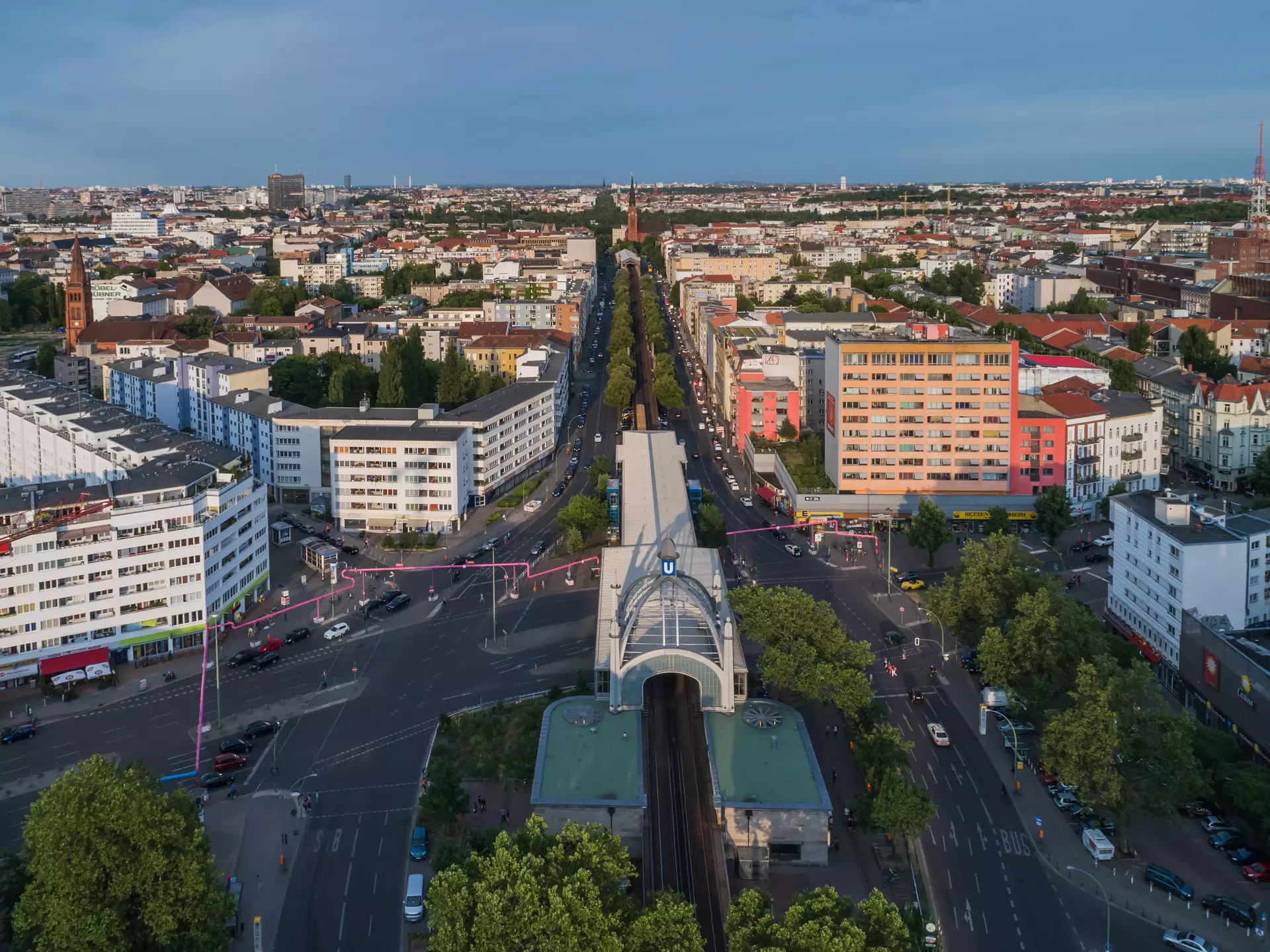
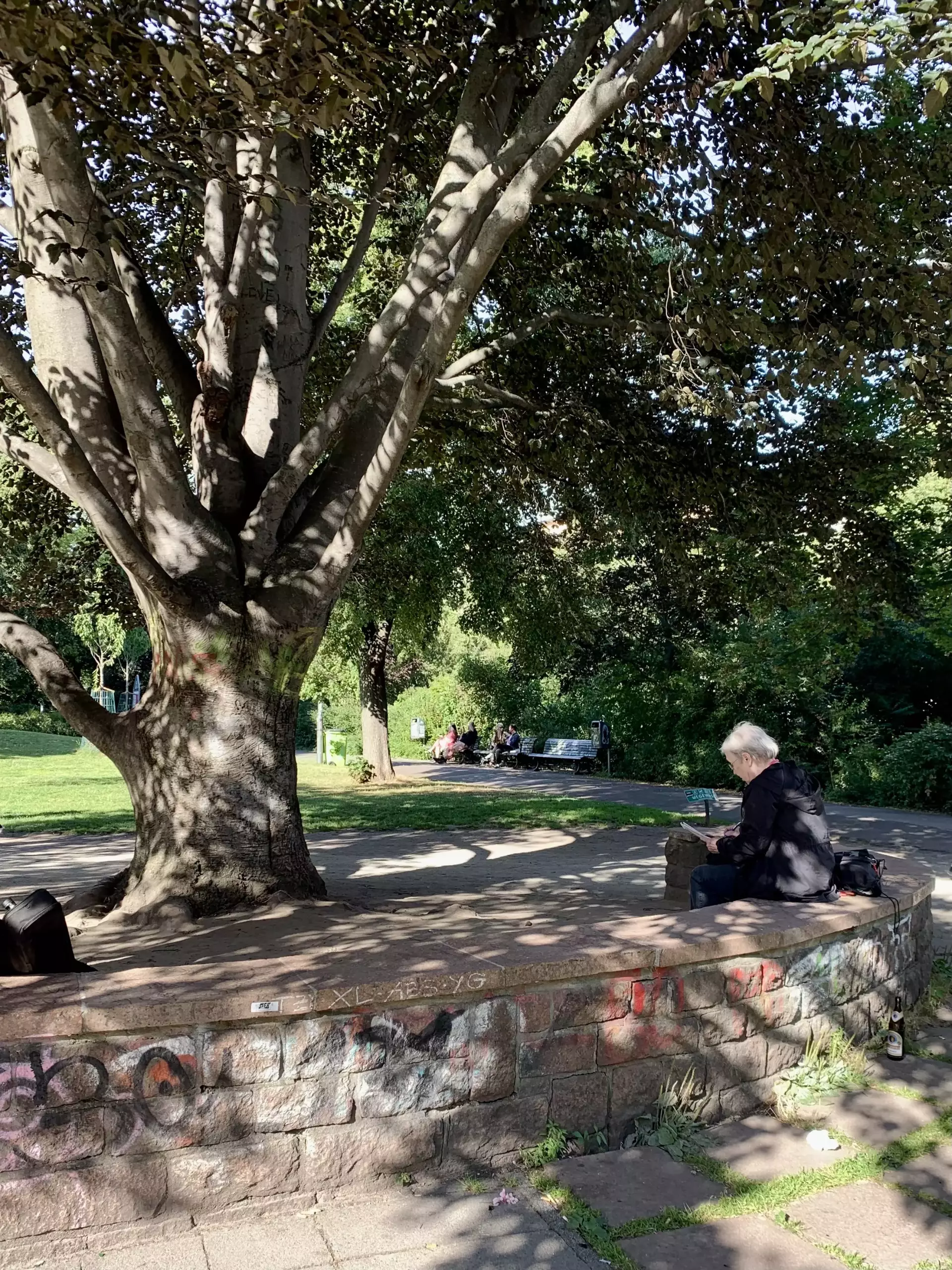
Small park in the heart of West Berlin. Great place to chill on a sunny day. There are many great cafés and restaurants nearby. Linger over a coffee here and watch people passing by.
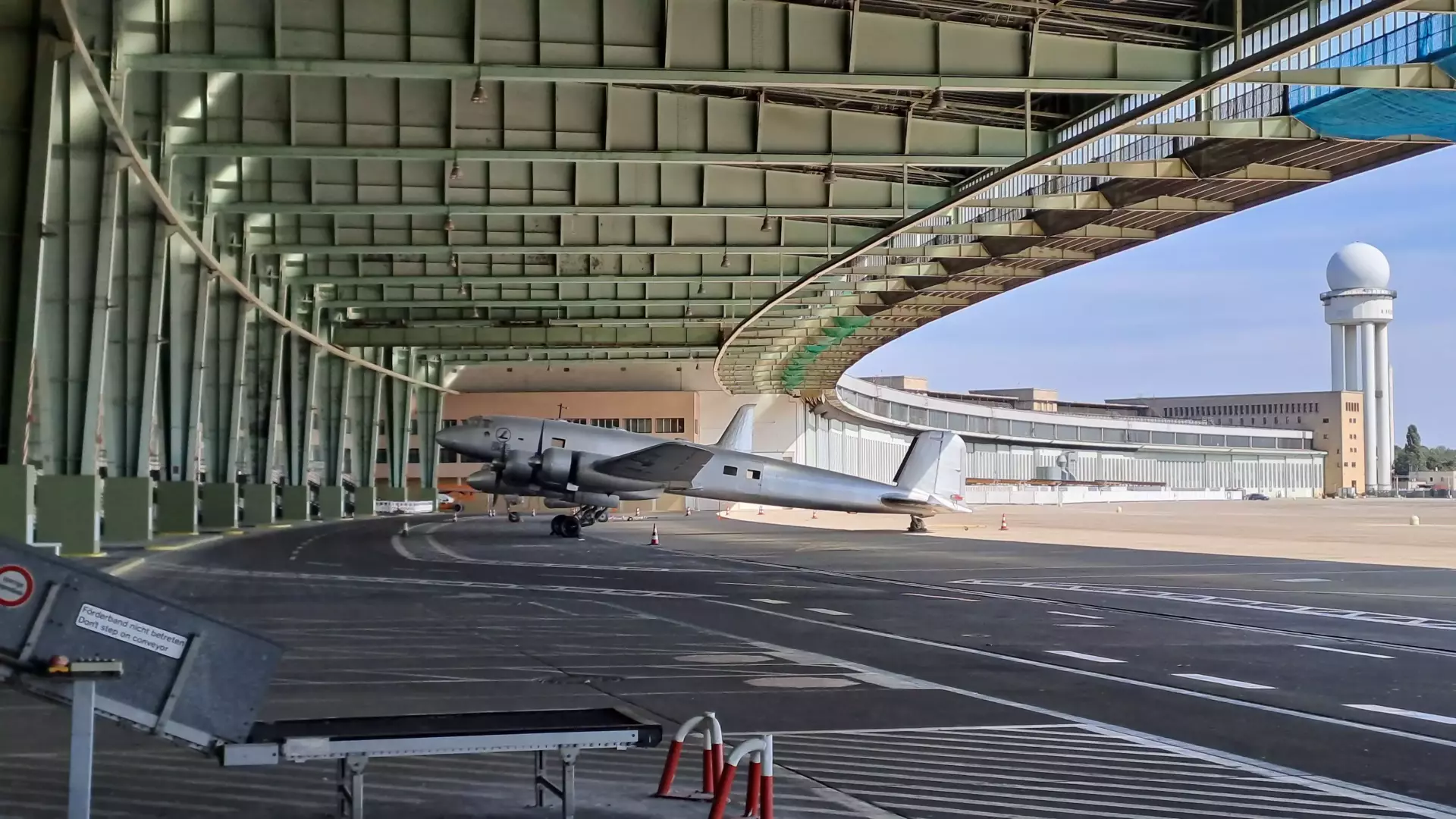
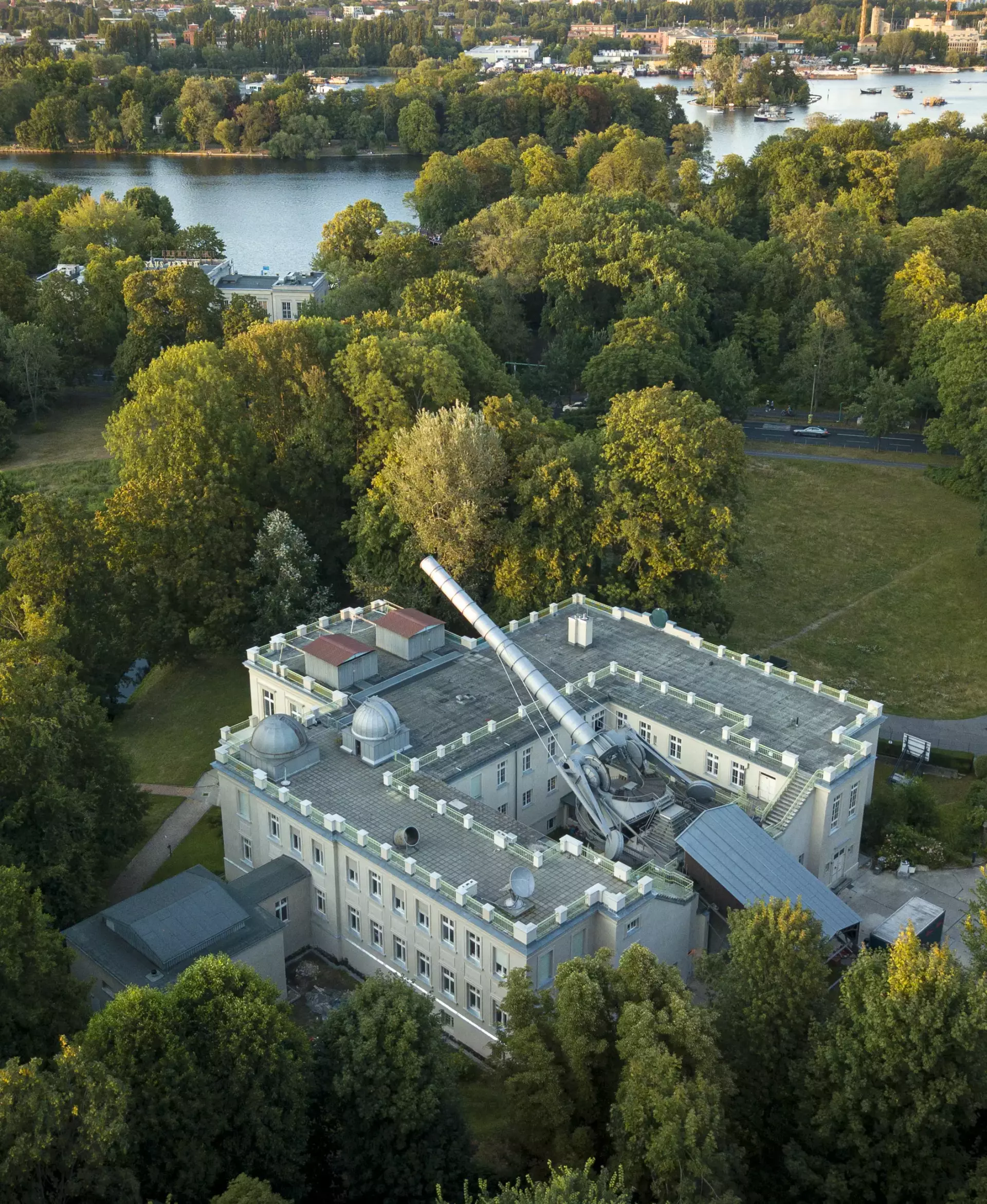
At a former Luftwaffe and Royal Air Force (RAF) airfield, RAF Gatow. The museum's focus is on military history, particularly the history of the Luftwaffe of the Bundeswehr, with a collection of more than 200,000 items, including 155 aeroplanes, 5,000 uniforms and 30,000 books. There are also displays (including aeroplanes) on the history of the airfield when it was used by the RAF. Aircraft include reproductions of Otto Lilienthal's gliders, of World War I planes such as the Fokker E.III, and World War II planes such as the Bf 109 and Me-262, as well as at least one aircraft of every type ever to serve in the air forces of East and West Germany. Most of those postwar aircraft are stored outside on the tarmac and runways, however, and many are in bad condition. There are long term restoration projects, including a Focke-Wulf Fw 190. RAF Gatow is notable as the "missing third airport" of West Berlin. Each sector used to have its own airport; the French sector had Tegel, the American sector had Tempelhof and the British had Gatow. However, RAF Gatow never saw much traffic of any kind, was more kept as a political statement than for transportation value, and thus was shut down after reunification. Tempelhof, after having been shut down for civilian traffic from 1975 to 1981, closed for all flights in 2008, while Tegel shut down in November 2020.
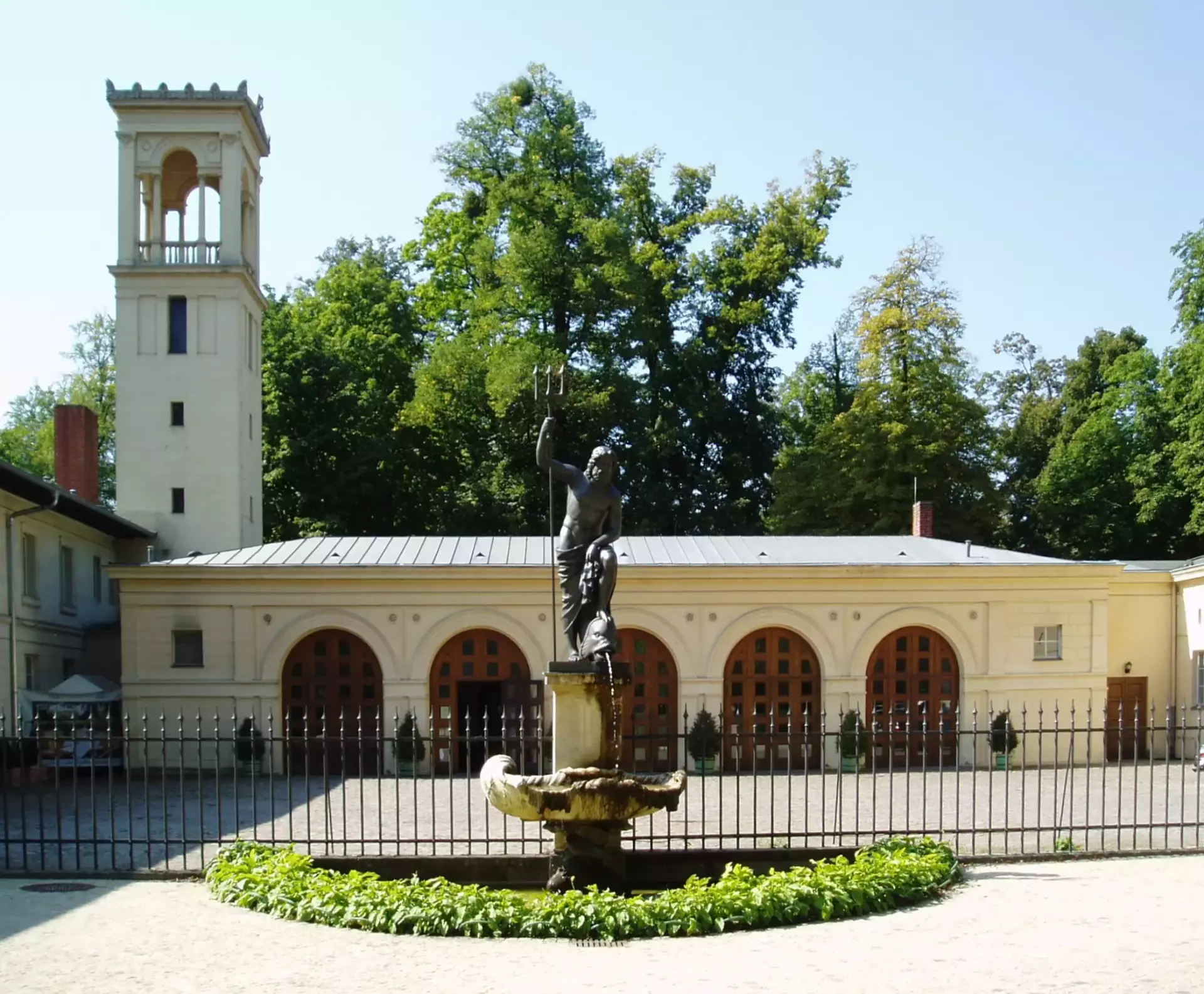
Features many objects and even whole rooms in Wilhelminian style. Only accessible by guided tour (English tours can be arranged).
This heritage-protected 120-m-long pedestrian tunnel below the river Spree was the first ferro-concrete tunnel in Germany that has been built using pneumatic caissons. Two beaches can be accessed via the tunnel which are not far from its south entrance.
With the Kreuzberg, a hill in Kreuzberg 61, the Prussian National Monument by Schinkel and a waterfall. Superb panoramic views across south Berlin.
Berlin's biggest lake and popular resort for bathing and watersports. You can also travel there by tram, which is an experience by itself.
One of the most authentic and oldest villages (1247) in the outskirts of Berlin, it looks the same way it did some hundred years ago. Take S-Bahn 1 to Waidmannslust and then bus 222 to Alt-Lübars.
Official residence of the (largely ceremonial) President of Germany since 1994. Only Roman Herzog (president 1994-1999) actually lived here, his successors have preferred a quiet apartment on the outskirts of Berlin, but this is where the president will usually host guests and do public events. Guided tours are possible, but plan to book up to nine months ahead and be prepared for having to reschedule if the president decides to hold an event on short notice which preempts tours.
A fortress built between 1560 and 1590 to Italian design on the site of a 12th-century castle. The Juliusturm housed part of the huge indemnity (in physical gold coins) France had to pay after the war of 1870/71 until what was left of it was returned to France after Germany's loss in World War I. The term "Juliusturm" remained in usage in German for a large "rainy day fund" into the 1960s. Museums housed within the citadel cover the history of the town of Spandau, monumental public art in Berlin, and artillery.
Started in the 15th century and finished in the mid-18th century, the baroque palace was the residence of electors, kings and emperors until 1918, when it became a museum. The palace was badly damaged during World War II and later razed in 1950, replaced by the GDR with a modernist Palast der Republik. The Palast was in turn gradually dismantled at the turn of the century, as it was discovered to contain asbestos and its former function of housing the GDR parliament became obsolete. Berlin has started in June 2013 construction on a new version of its historic Stadtschloss. The Schlüterhof, an inner courtyard, was also rebuilt. The building opened with a delay in 2021 with museums inside and a roof terrace with a good view. Among the Berlin museums this is perhaps the most controversial due to reconstruction of a monarchist palace being seen as a questionable political statement and due to the fact that many of the exhibits were sourced from German colonies under ethically questionable circumstances leading to demands to return some or all of them to their places of origin.
An observation tower without an elevator in Southeast Berlin, from which you can see that there is a great deal of forest around Berlin. There is a cafe at the tower.
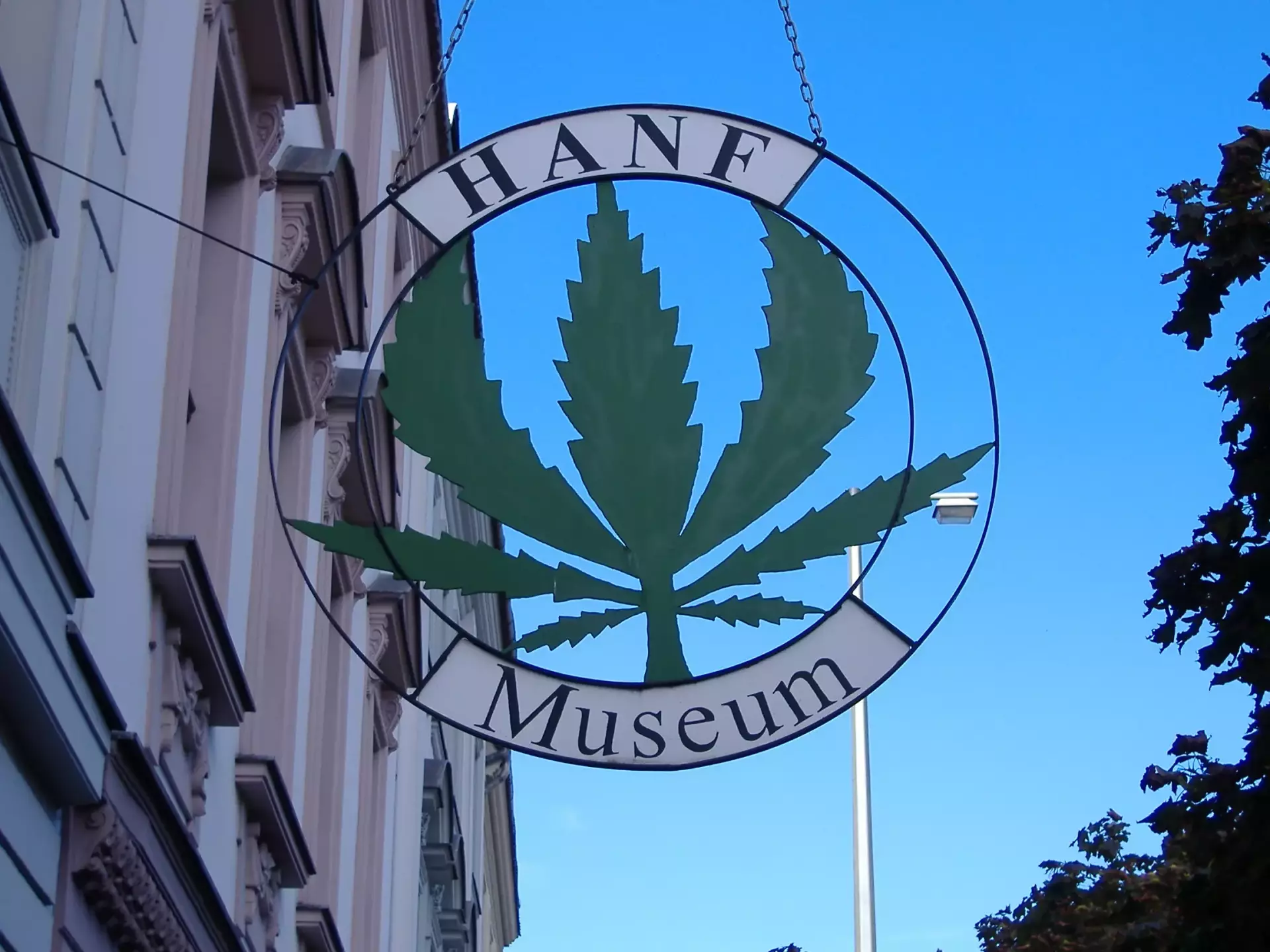
It is the only hemp museum in Germany; you can see the history of hemp, the culture and use of it. You can see hemp grow. There is a cafe downstairs, with an open WiFi access. Everything going on here is legal - including the hemp growing under artificial light (a low THC strain grown with a special permit) - but they do not refrain from political commentary on the legal situation of cannabis in their exhibits.