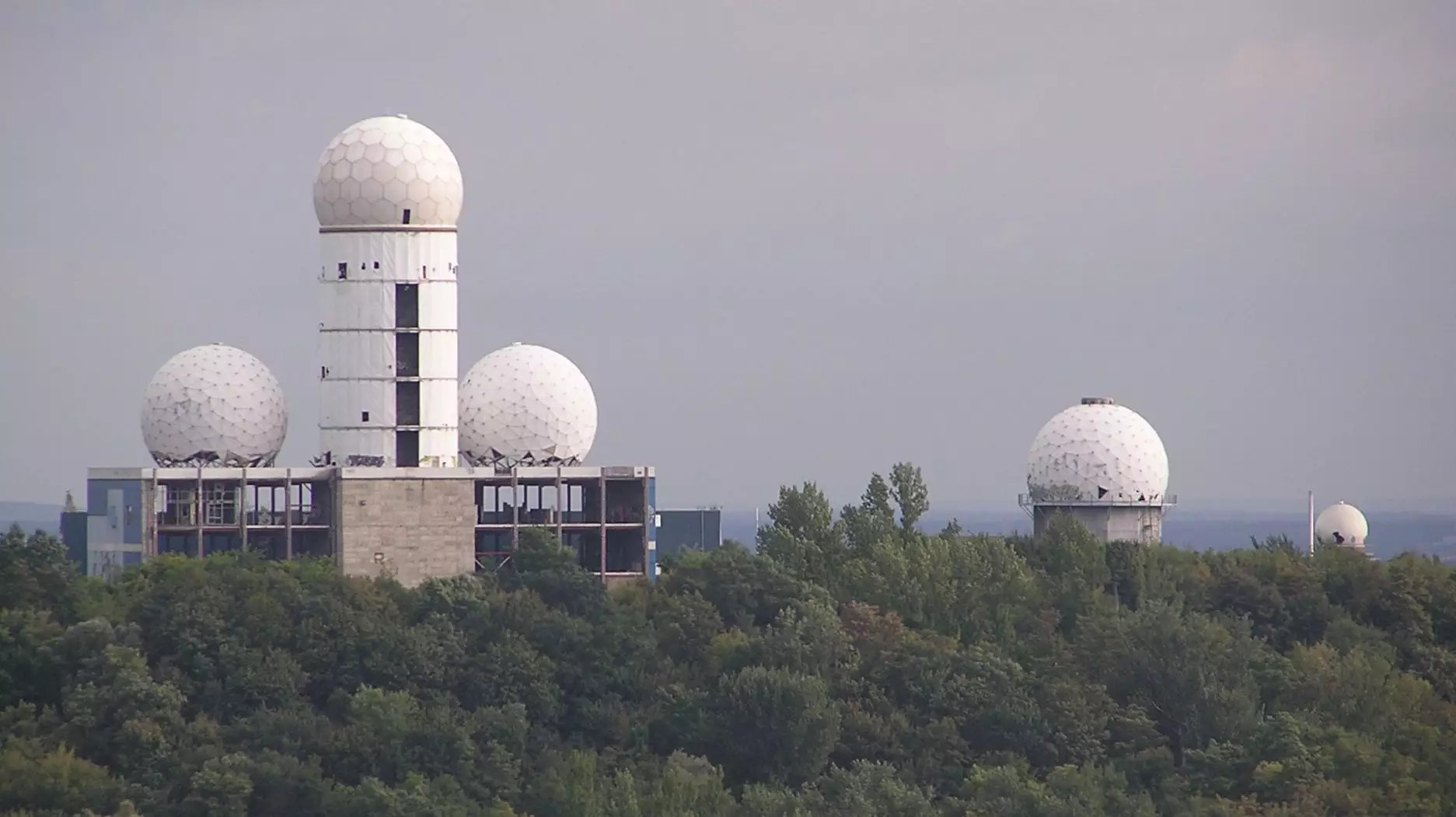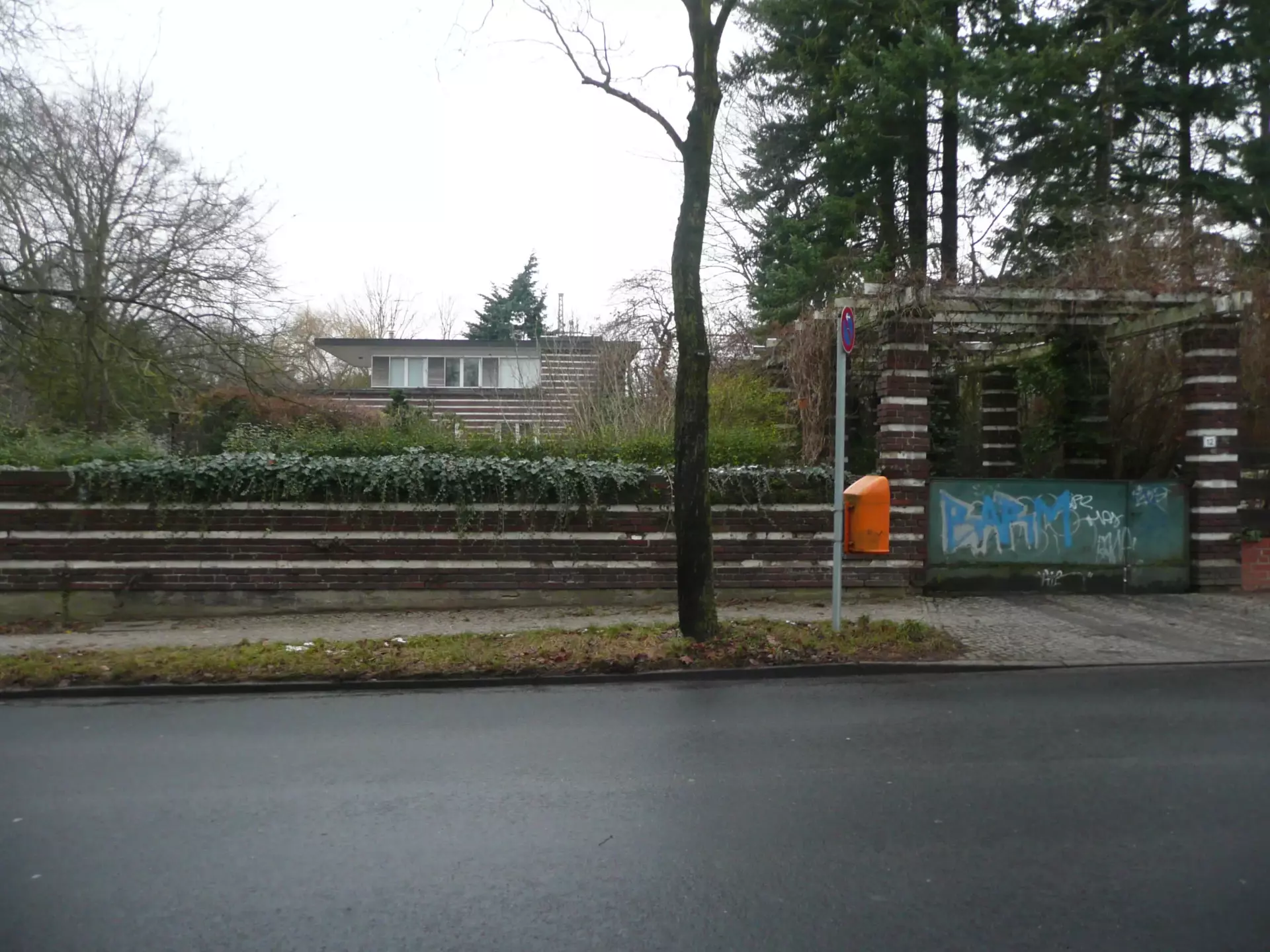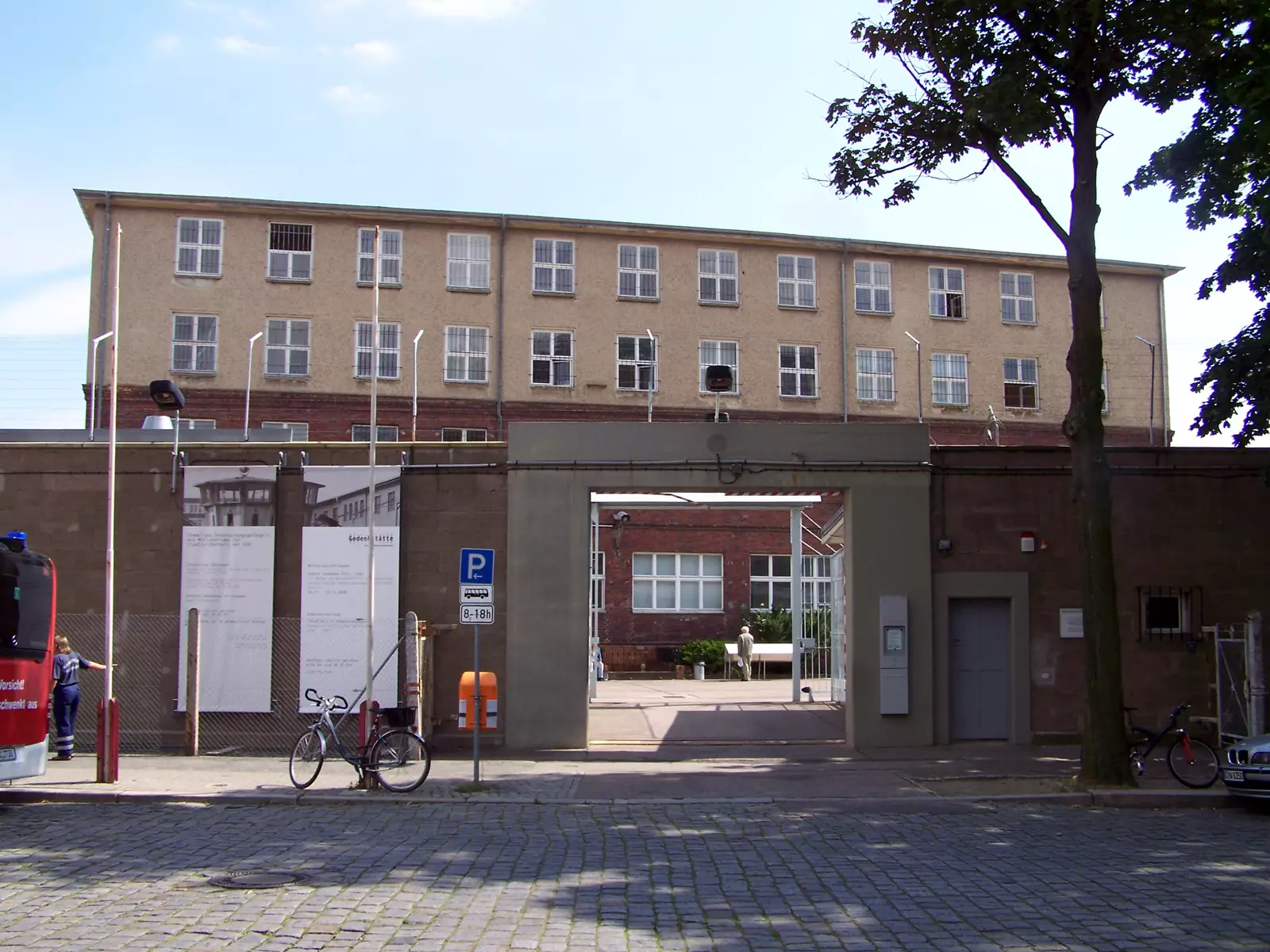
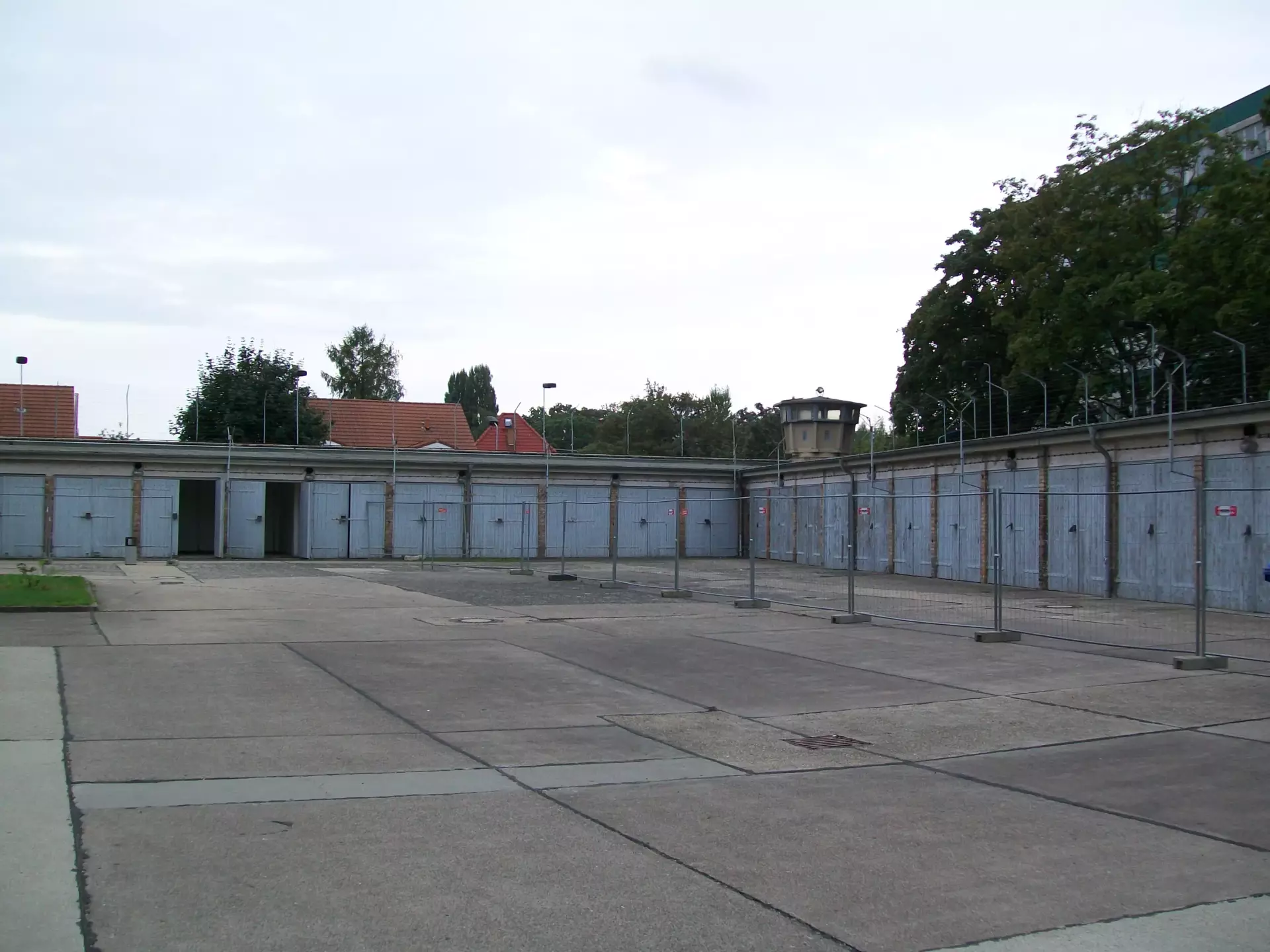
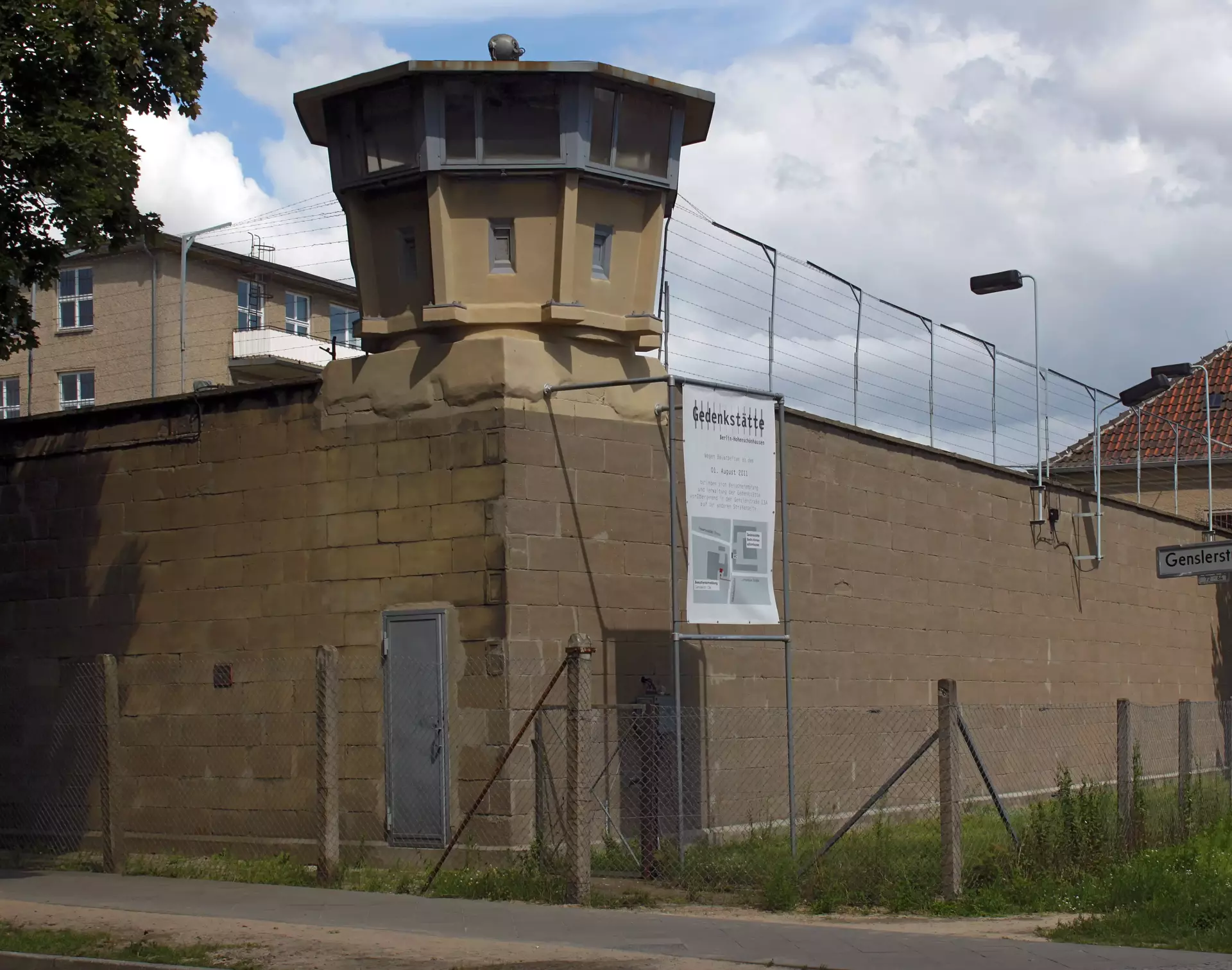
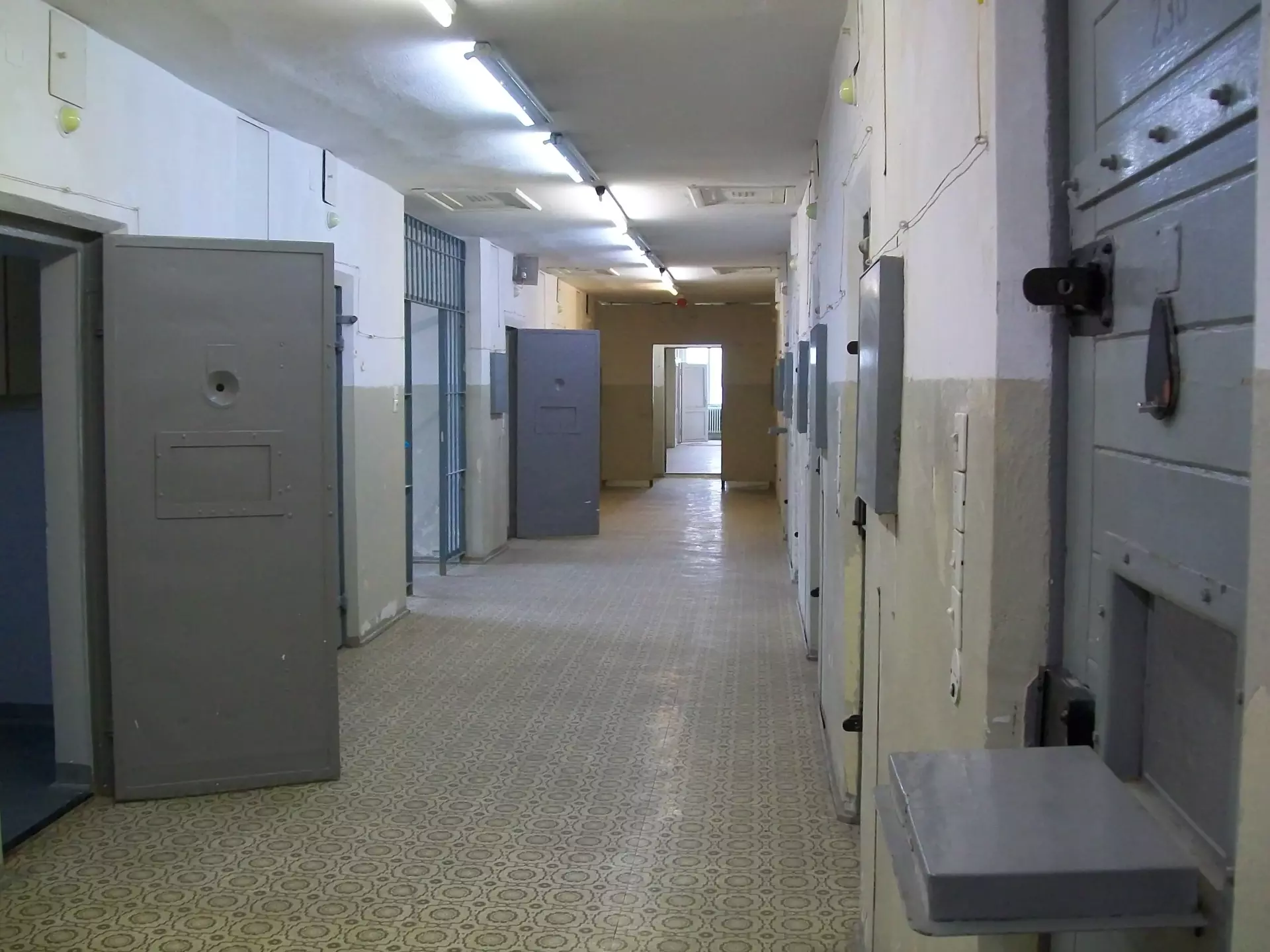
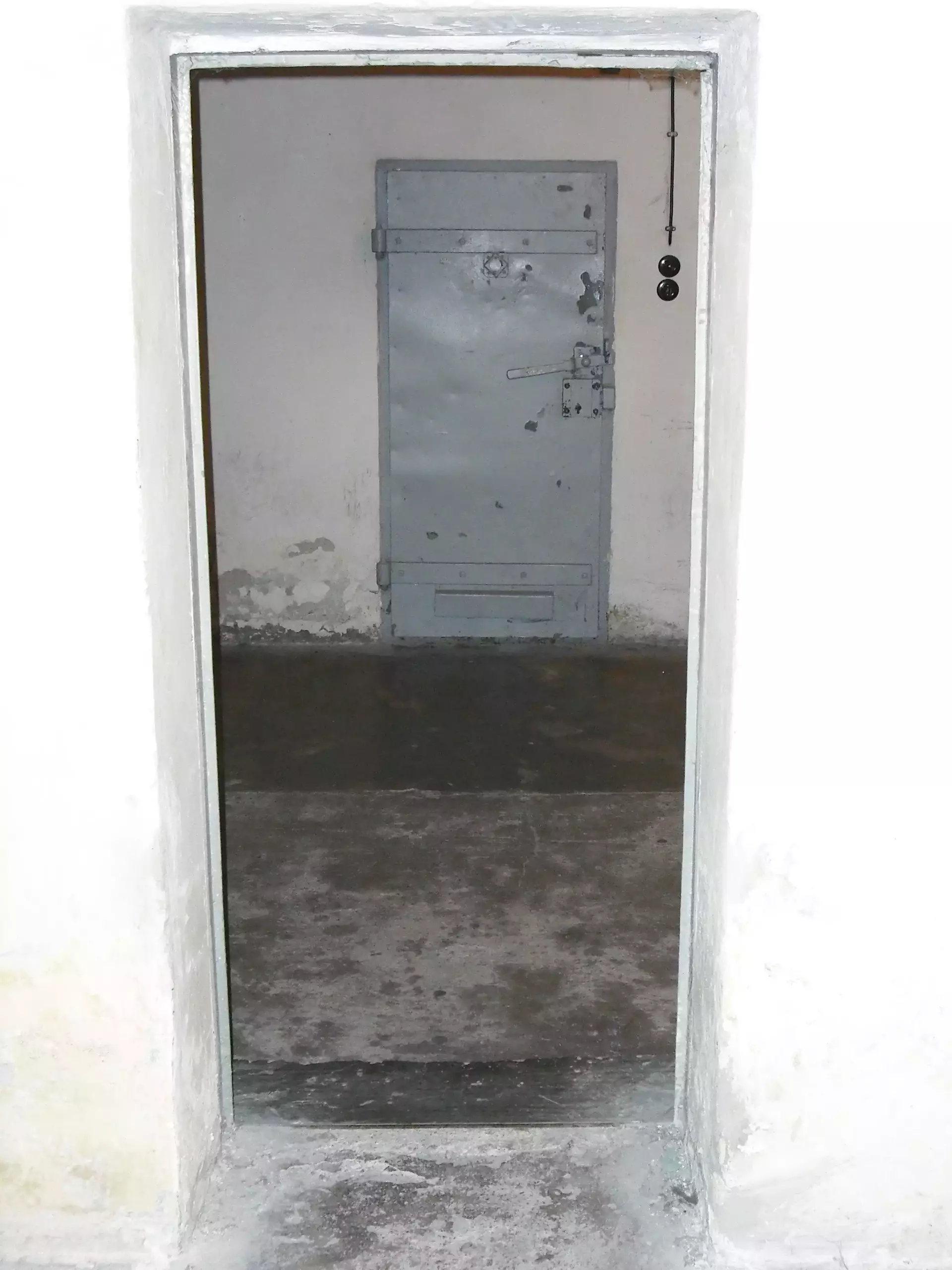
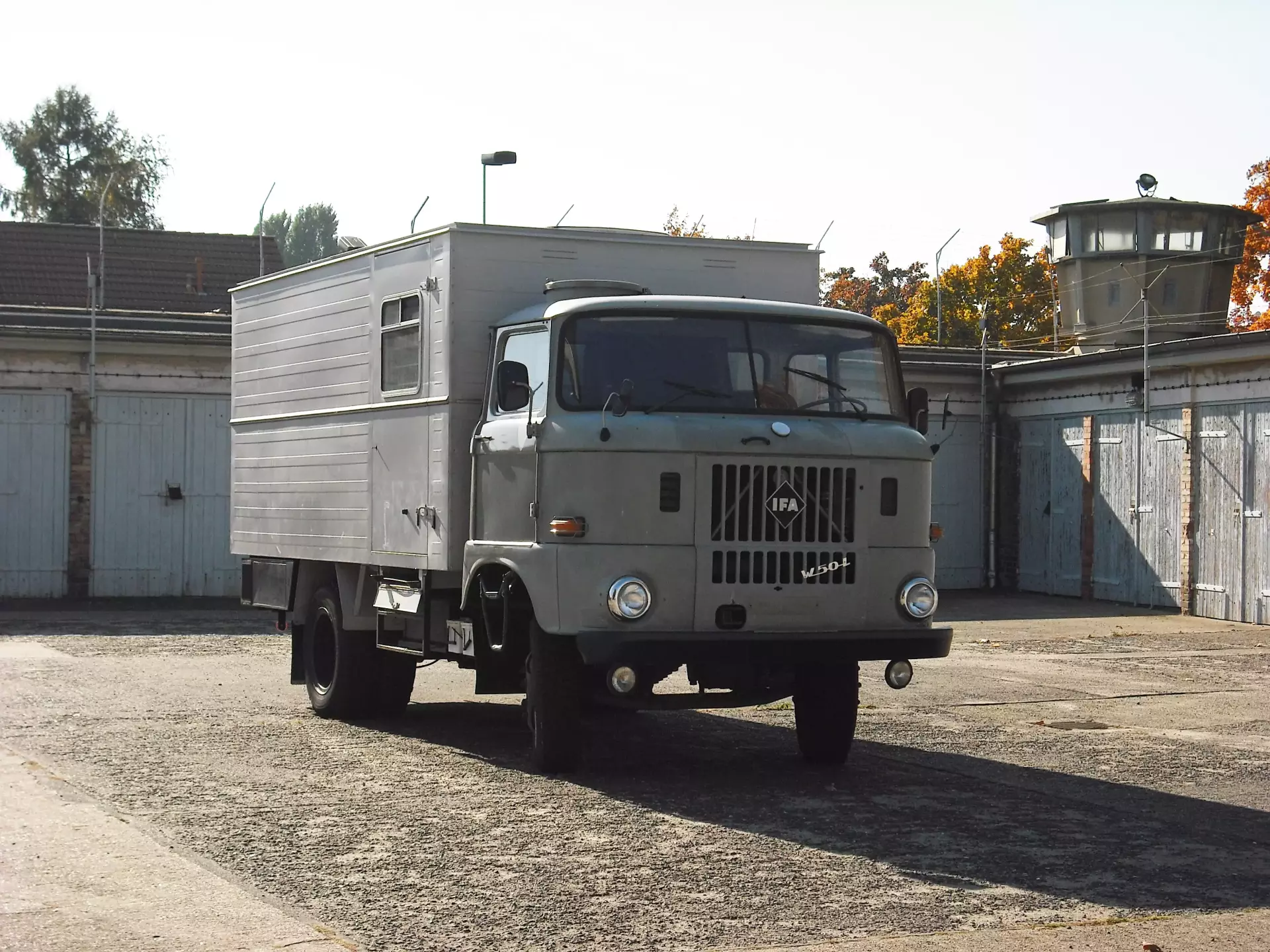
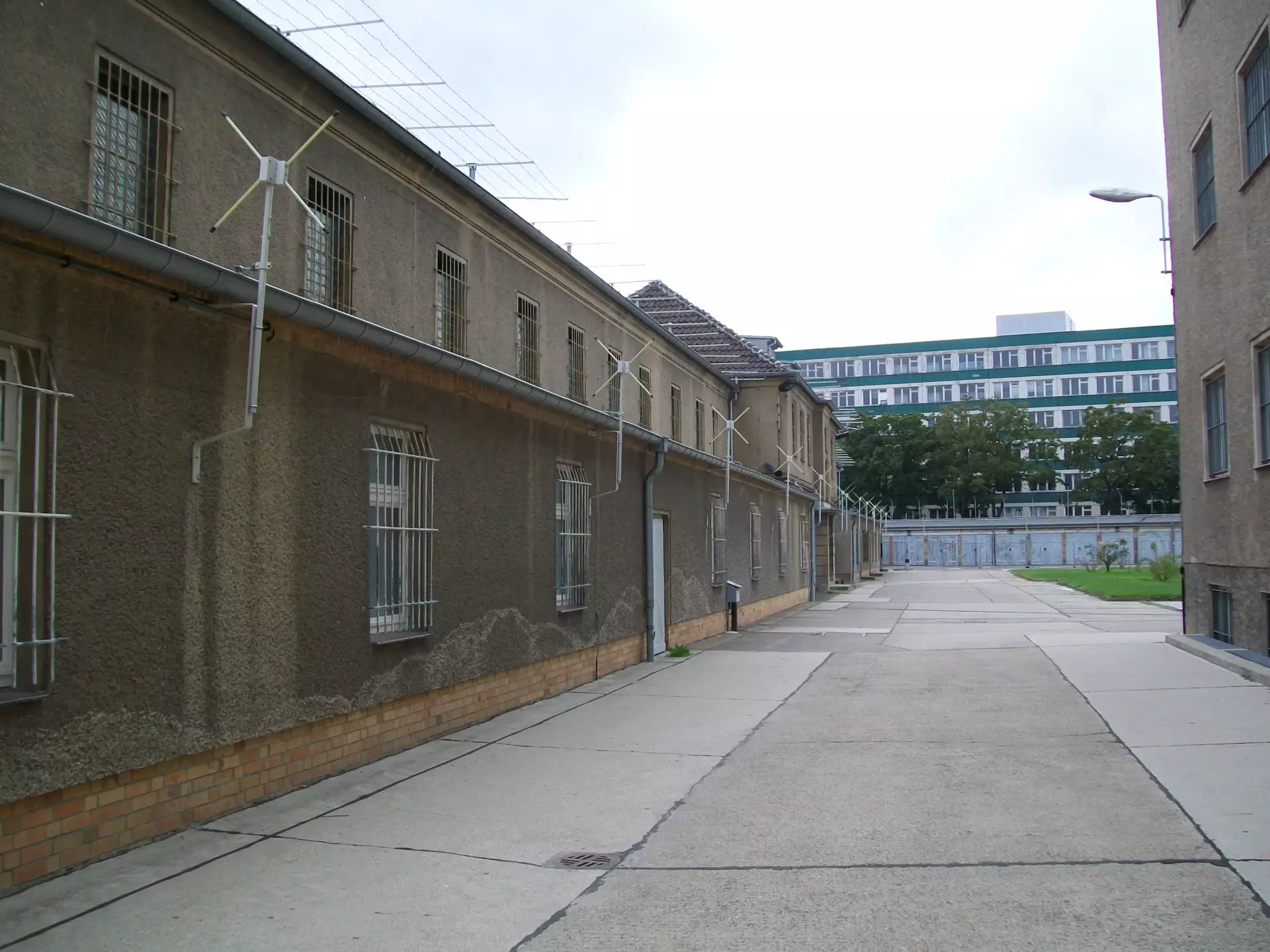
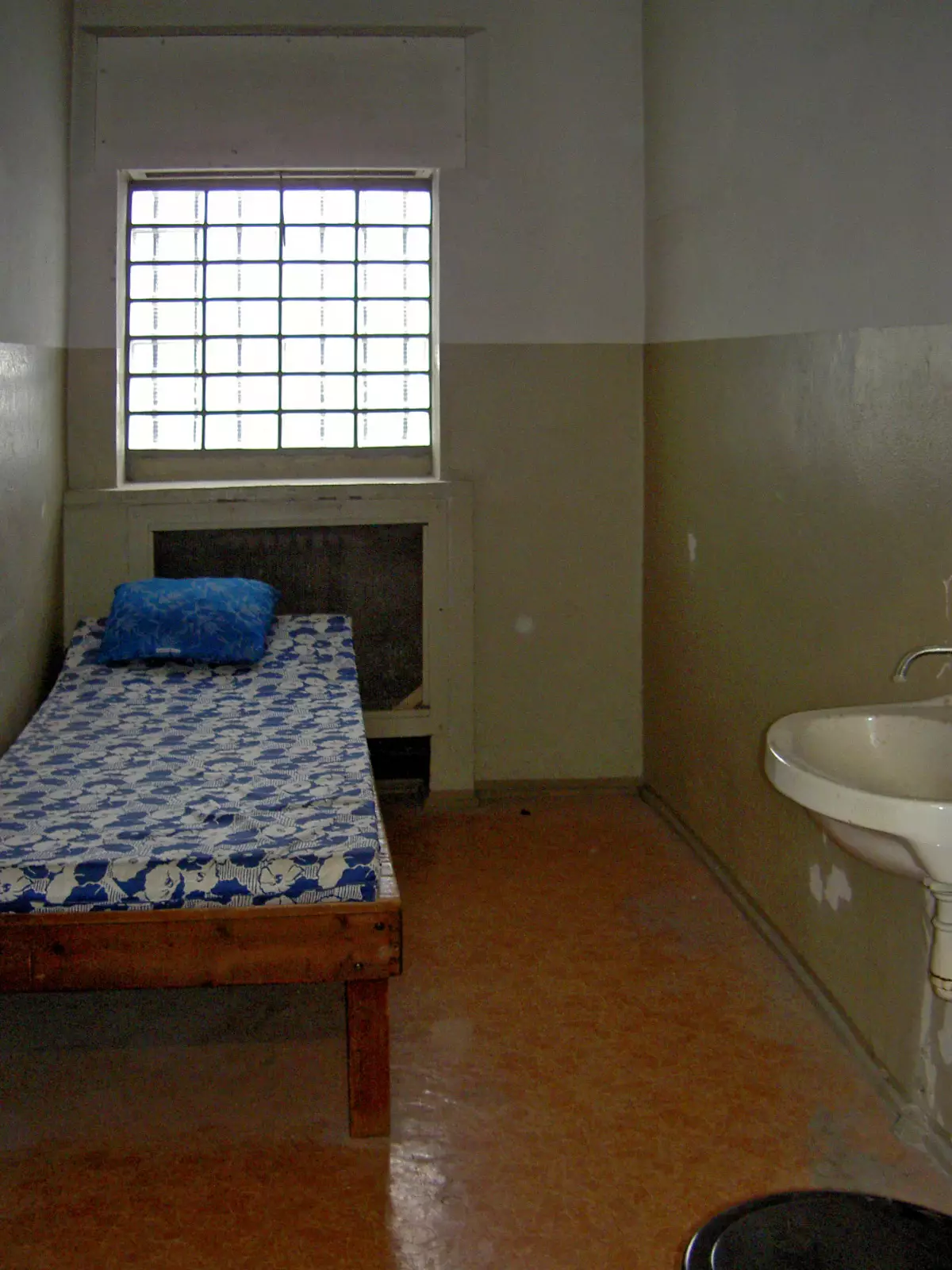
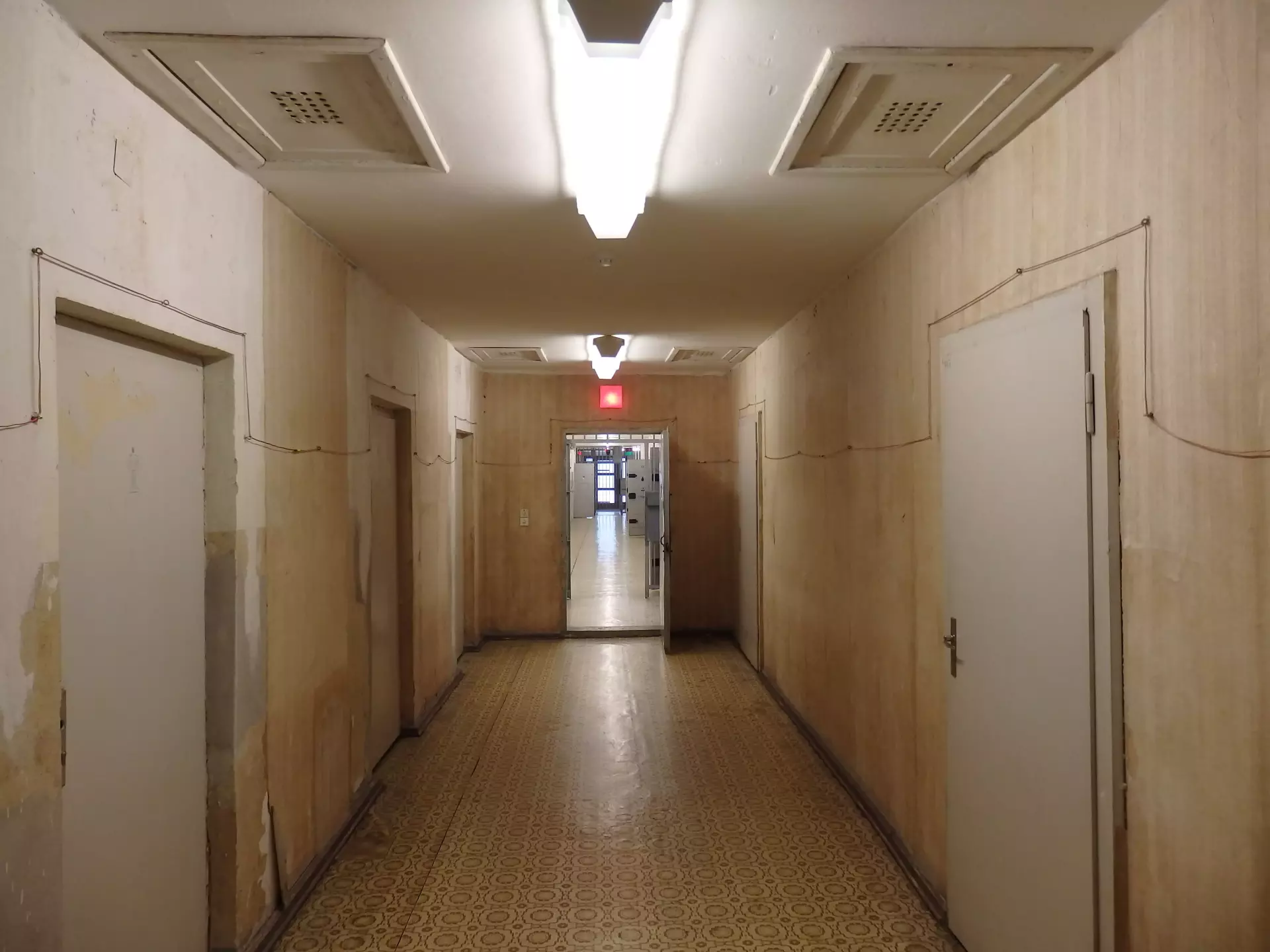
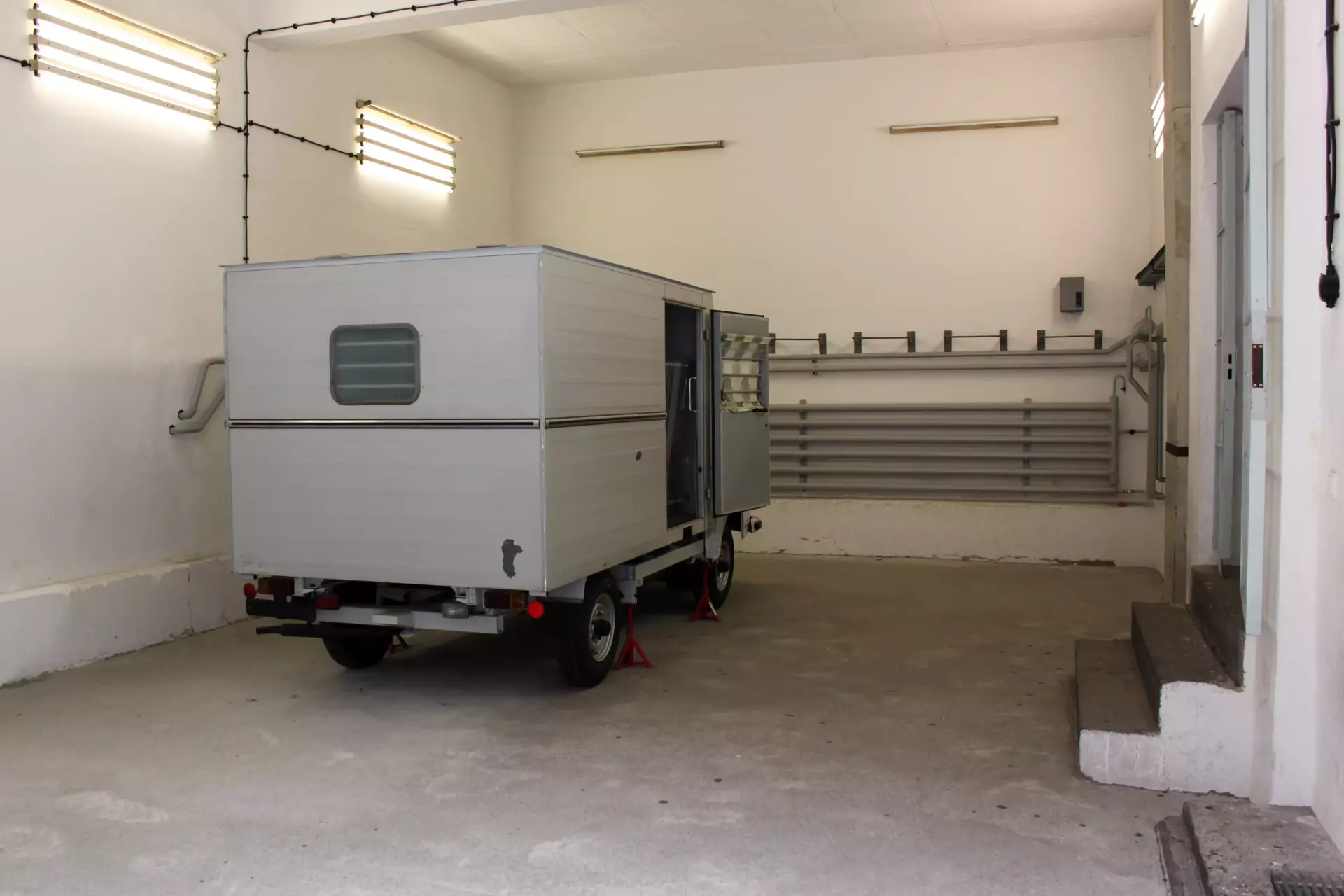
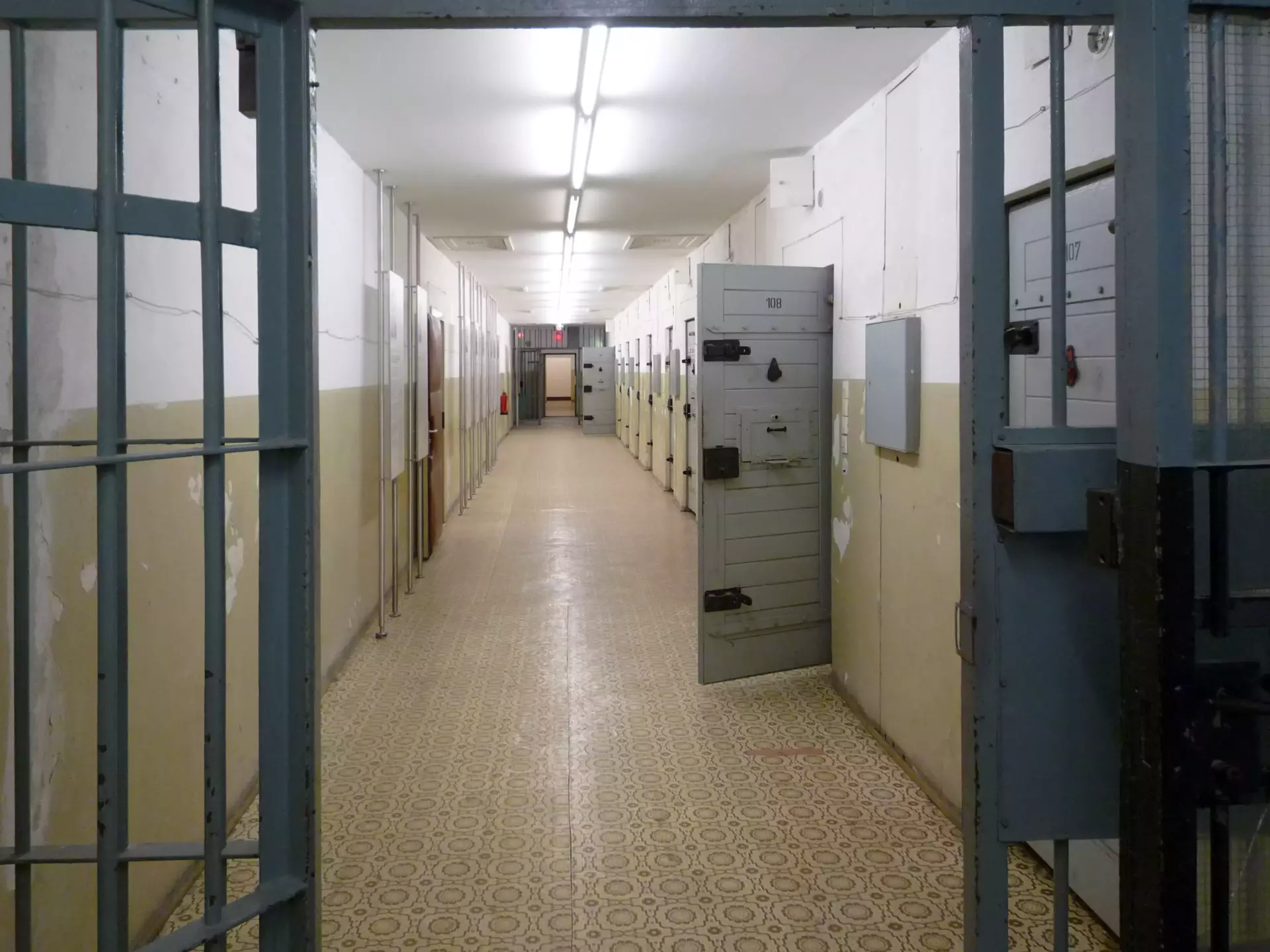
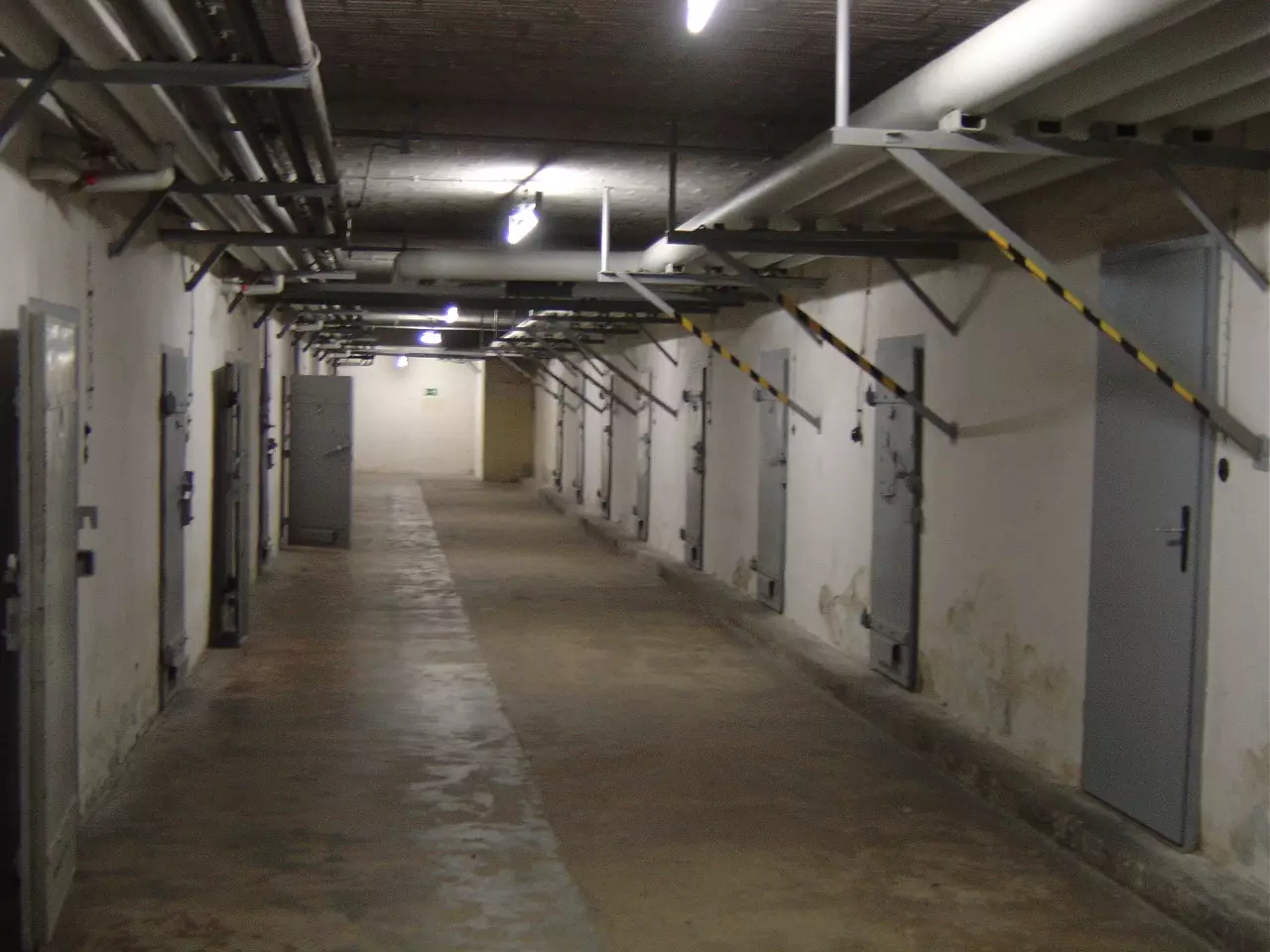
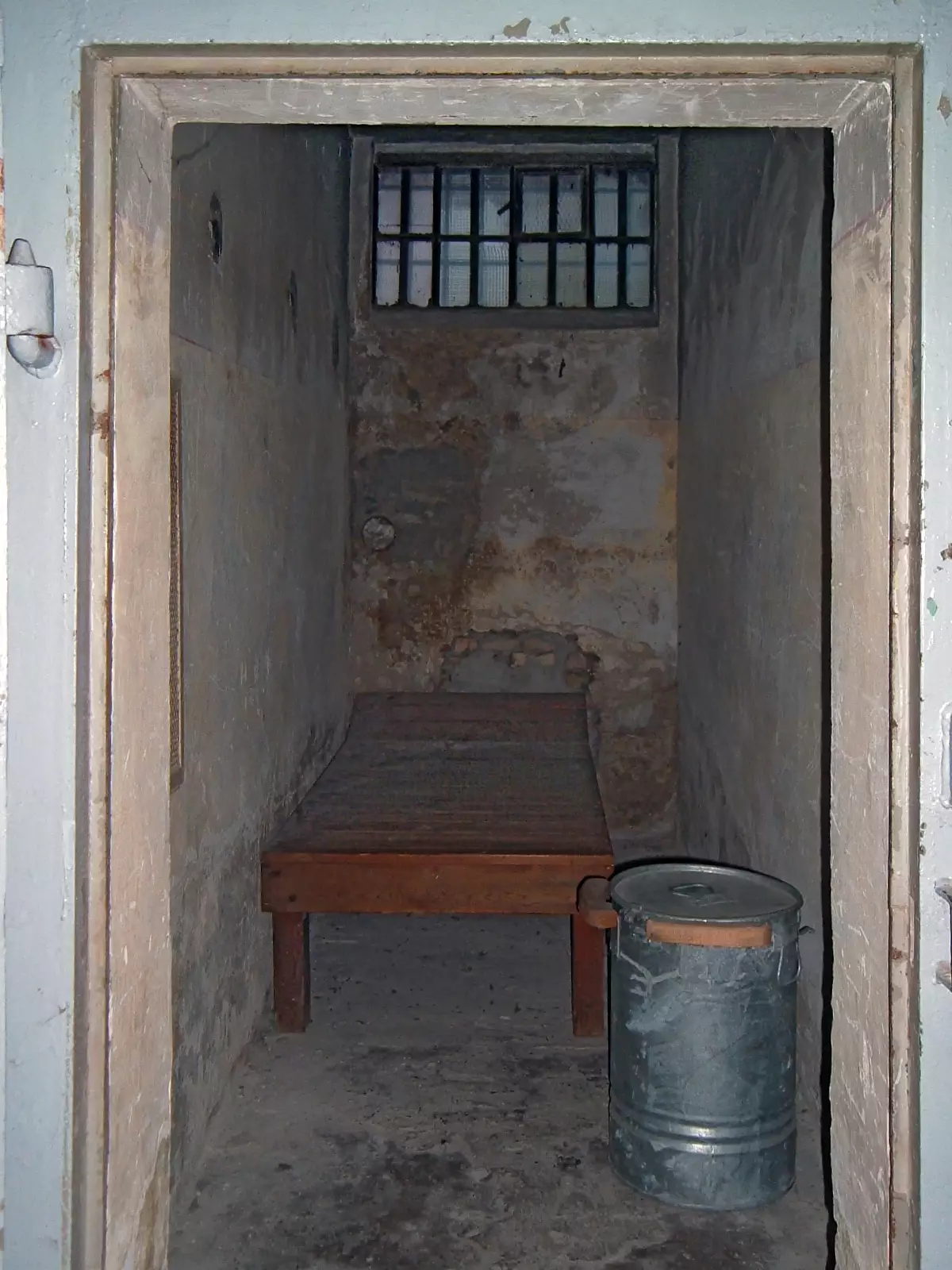
Gedenkstätte Hohenschönhausen is the former Stasi secret police prison in Berlin, preserved today as a memorial and museum. The site offers a close look at how political prisoners were detained and interrogated during the East German era. Stark corridors, sparse cells, and original facilities show the daily reality inside the compound.
Visits are guided only, ensuring context and accuracy throughout the complex. Guides explain how the prison operated, from intake and surveillance to interrogation methods and isolation practices. Some tours are led by people who were once imprisoned here, adding first-hand accounts to the historical record. Their stories highlight routines, pressures, and moments that official files do not capture.
Groups move through cell blocks, exercise yards, and administrative rooms while hearing about the broader security system that supported the Stasi. Exhibits and photographs supplement the walk, connecting individual memories to state policies and the city’s postwar division.
Source - https://en.wikipedia.org/wiki/Berlin-Hohensch%C3%B6nhausen_Memorial
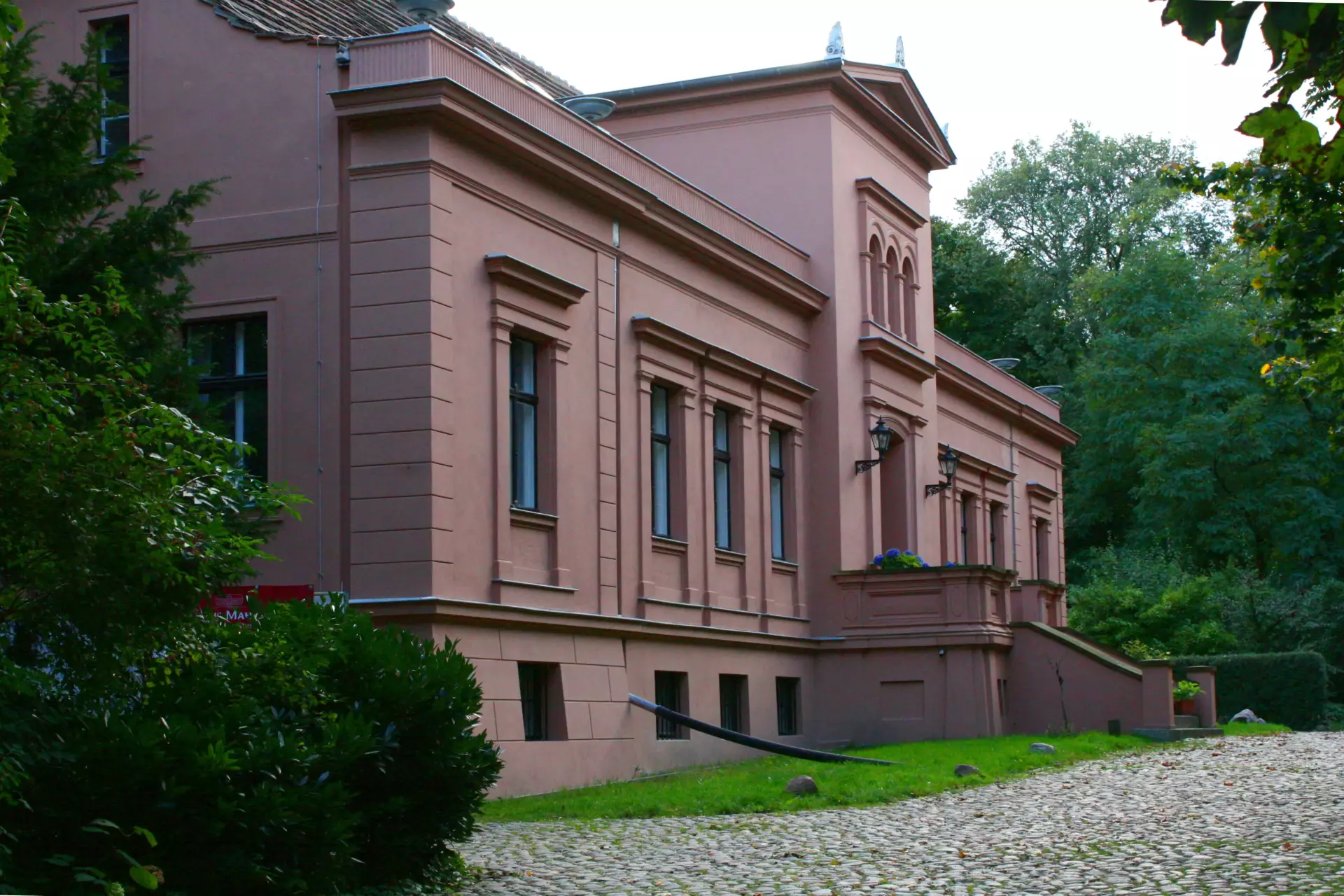
Also known as "Picasso und seine Zeit", this not so large, but precious museum hosts a very good collection of paintings and sculptures signed by Picasso, Klee, Matisse, Giacometti, and others from the first decades of the 20th century.
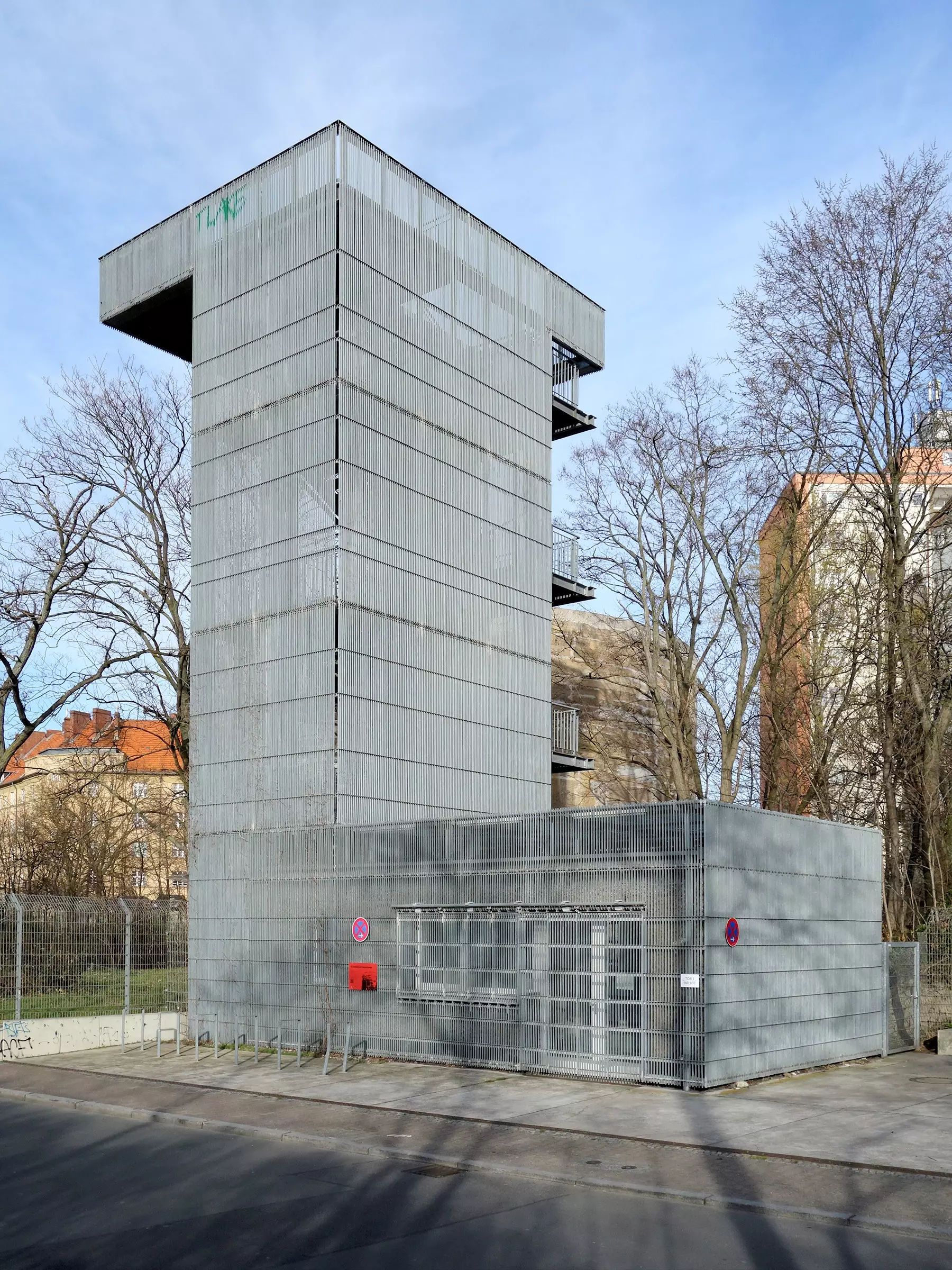
An observation tower without an elevator in Southeast Berlin, from which you can see that there is a great deal of forest around Berlin. There is a cafe at the tower.
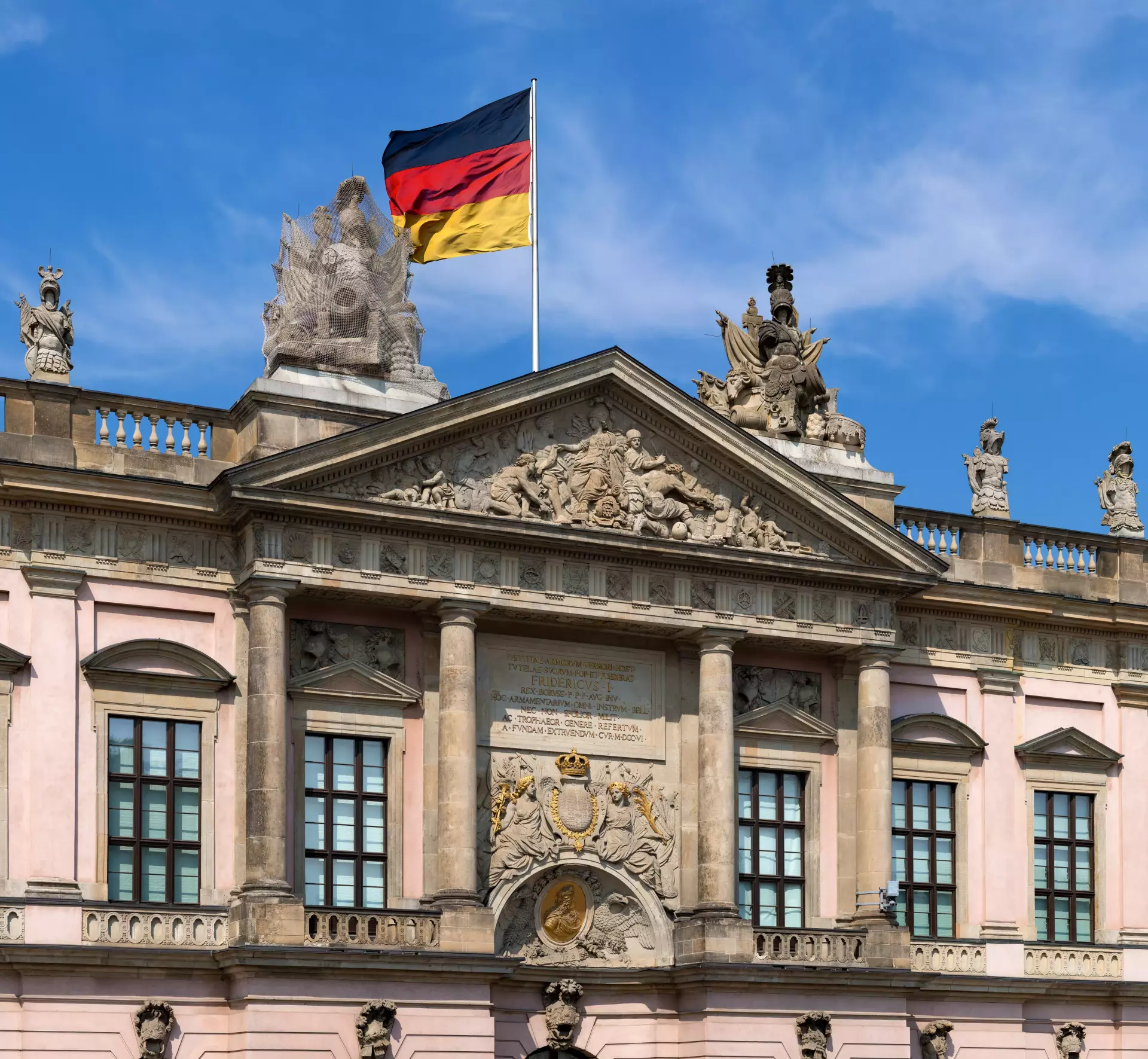
The former Imperial General Post Office, now Museum for telecommunication and post with many interesting historical objects.
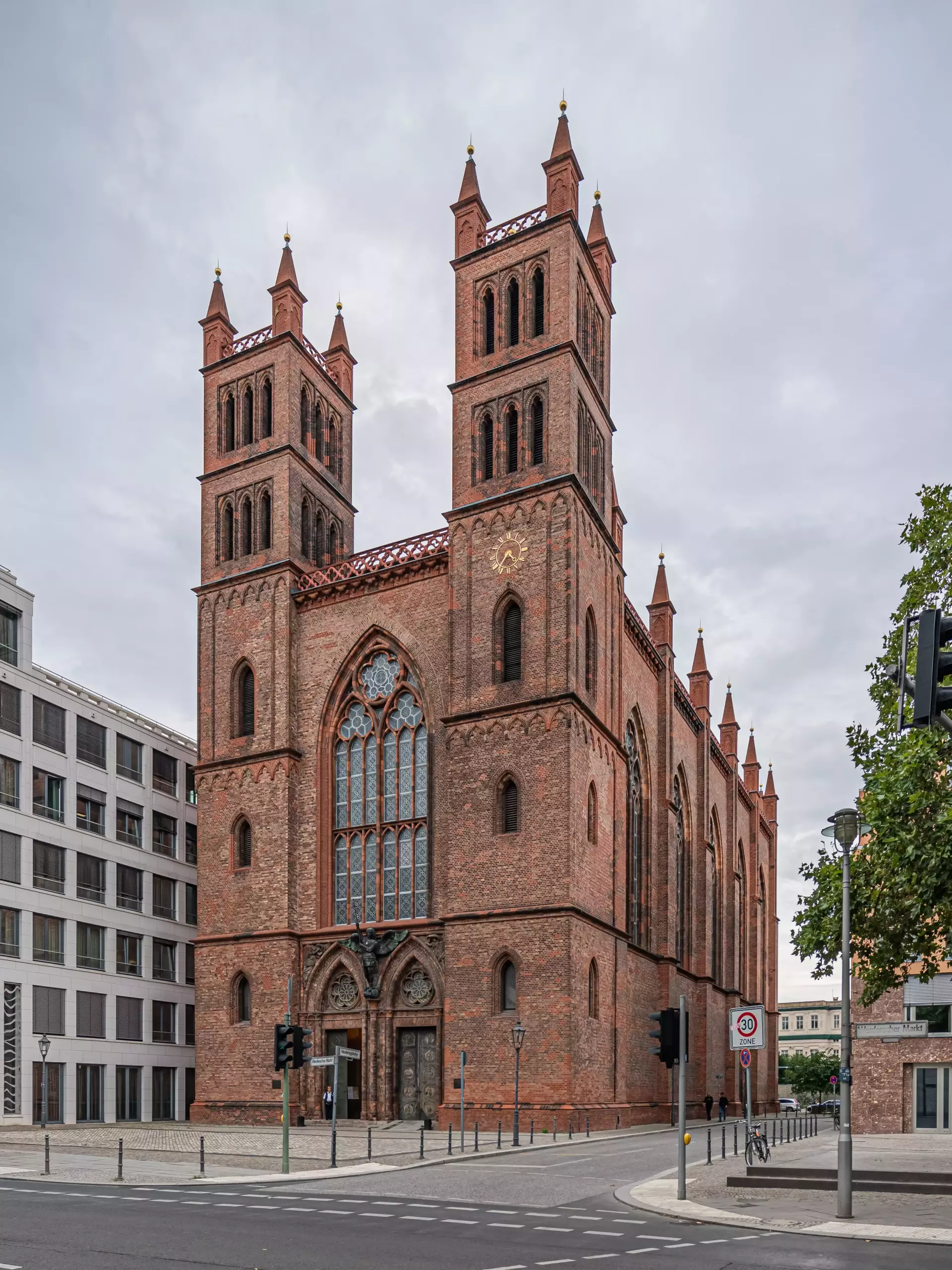
Gothic church, the second oldest (built in late 13th century) of the historical centre of Berlin. It's the highest church tower of Berlin (about 90 m), but seems rather small beneath the gigantic TV tower. The church tower was built in the late 18th century by Carl Gotthard Langhans, the architect of the Brandenburg Gate.
The Bendlerblock building complex has long held ties to the German military, first serving as the offices of the Imperial German Navy and today housing the Berlin offices of the Ministry of Defense. It was here where, on 20 July 1944, Colonel Claus von Stauffenberg and other officers led a coup that sought to remove Hitler and the Nazis from power. They failed and were summarily executed in the courtyard, where a memorial stands for these men who are considered German heroes by many. Inside the building you'll find the German Resistance Memorial Center, a permanent exhibit dedicated to the July 20 plot and other individuals in the German resistance.
This outdoor and indoor history museum documents the terror applied by the Nazi regime. It is on the site of buildings which during the Nazi regime from 1933 to 1945 were the headquarters of the Gestapo and the SS, the principal instruments of repression during the Nazi era.
Nazi Propaganda Minister Josef Goebbels made Bebelplatz (then called Opernplatz) infamous on 10 May 1933, when he used the square across from Humboldt University to burn 20,000 books by "immoral" authors of whom the Nazis did not approve. Their list included Thomas and Heinrich Mann, Arnold Zweig, Kurt Tucholsky and Sigmund Freud. Today a monument is the reminder, though it blames Nazi students for the episode. When entering the square it's easy to miss the monument. It is in that part of Bebelplatz bounded on one side by the Opera House and on the other side by Humboldt University. Look dead centre: the monument is underground. A piece of plexiglass allows the viewer to look underground into a large, white room, filled with entirely empty, blank white bookcases. The room is large enough to hold the 20,000 books that were burnt. The absence of books reminds the viewer just what was lost here: ideas. But the event did reveal things to come, as ethnically Jewish author and philosopher Heinrich Heine, whose books were burned, let one of his characters say in an 1821 play: "This was only the foreplay. Where they burn books, they will also burn people." He was correct.
This chapel was built on the site of a church built in 1894 which sat on the "death strip" and was thus blown up by the GDR authorities in 1985. The chapel is the site of occasional memorial services for victims of the wall.
The complex consists of eight interconnected courtyards. Plenty of designer boutiques can be found here.
Berlin's biggest lake and popular resort for bathing and watersports. You can also travel there by tram, which is an experience by itself.
The main street of former East Berlin. It is a big avenue, featuring neoclassical East German buildings, fountains and lakes.
Want to feel like one of the angels in Wim Wenders' classic film Der Himmel über Berlin (a.k.a. Wings of Desire)? Climb to the top of Gold-Else, as the statue of Victory on the top of the Victory Column is known. Just don't jump off if you're not actually an angel. Unfortunately there is no elevator, so be prepared for 285 steps to the platform at 50.7 m.Else was built to commemorate Prussian military prowess in the wars against Denmark (1864), Austria (1866) and France (1870-71), and moved to her present location by the Nazis. Five roads run into a traffic circle called Grosser Stern, in the centre of which is the Siegessäule. Else is visible from much of the city district known as Tiergarten. At the base of the statue are reliefs of war scenes representing the conflicts which this monument memorializes. The Allies forced Germany to take those panels down in 1945, but they were remounted in 1984 and 1987. It also served as a backdrop for a speech by then senator Obama in 2008, after his request to speak in front of Brandenburger Tor caused a political debate in Germany.
Museum of Contemporary Art located in former Hamburger Bahnhof train station. Big halls filled with artworks made since 1960s. In 2004 Rieckhallen, former Lehrter Bahnhof, was opened and now provides exhibition space for the Friedrich Christian Flick Collection. Free public guided tours (in English): Sa and Su at 12:00.
The area to the north of Tiergarten, along the bow of the river Spree (Spreebogen), is home to the German federal institutions such as the parliament (Bundestag, in the historic Reichstag building) and the federal government, as well as the new central train station (Hauptbahnhof) across the river.
Designed by Daniel Libeskind with an excellent exposition on the Jewish life in Berlin and the impact of the Holocaust. You can easily spend a day here. There is a metal scanner and other security features you'd rather expect at an airport than a museum.
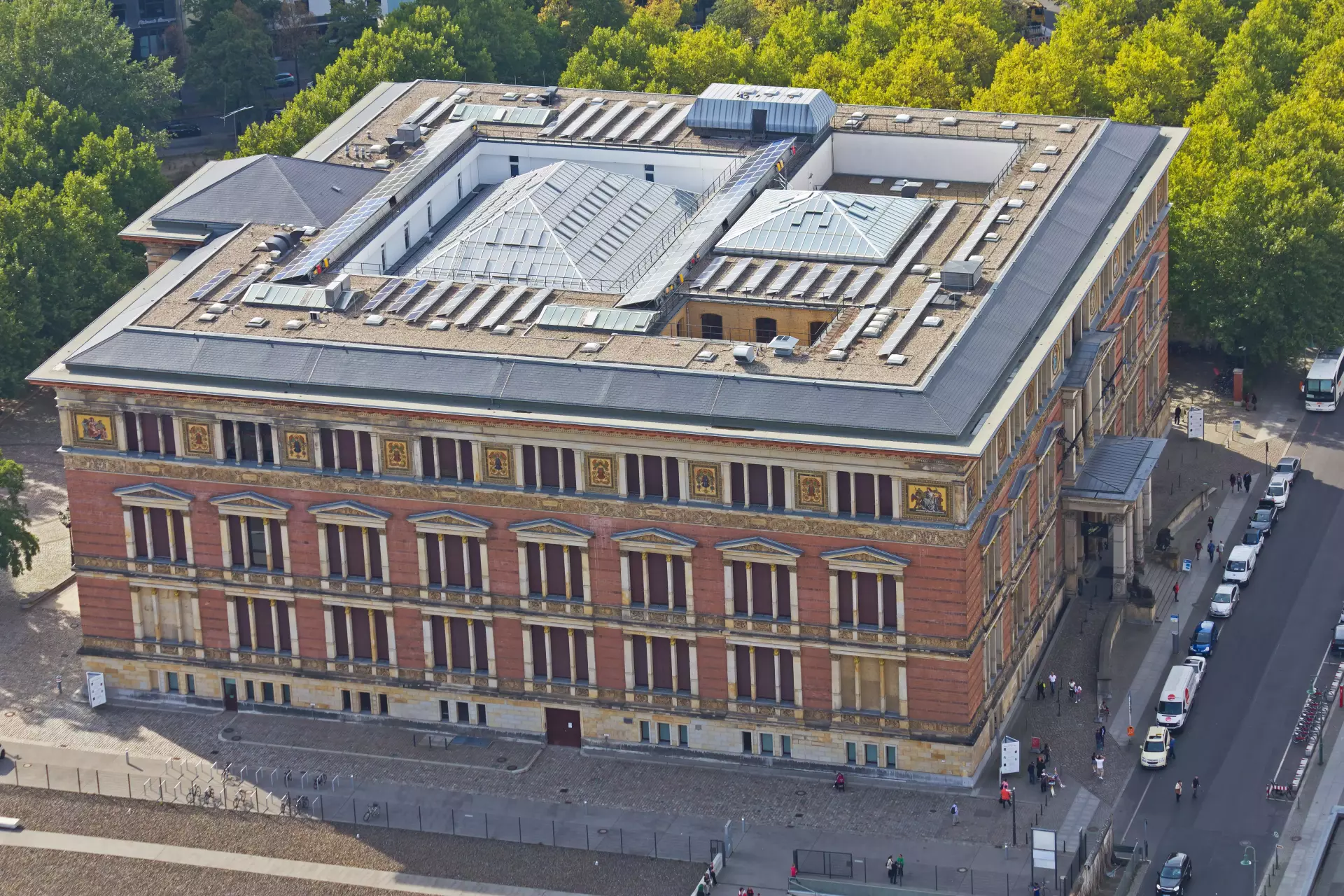
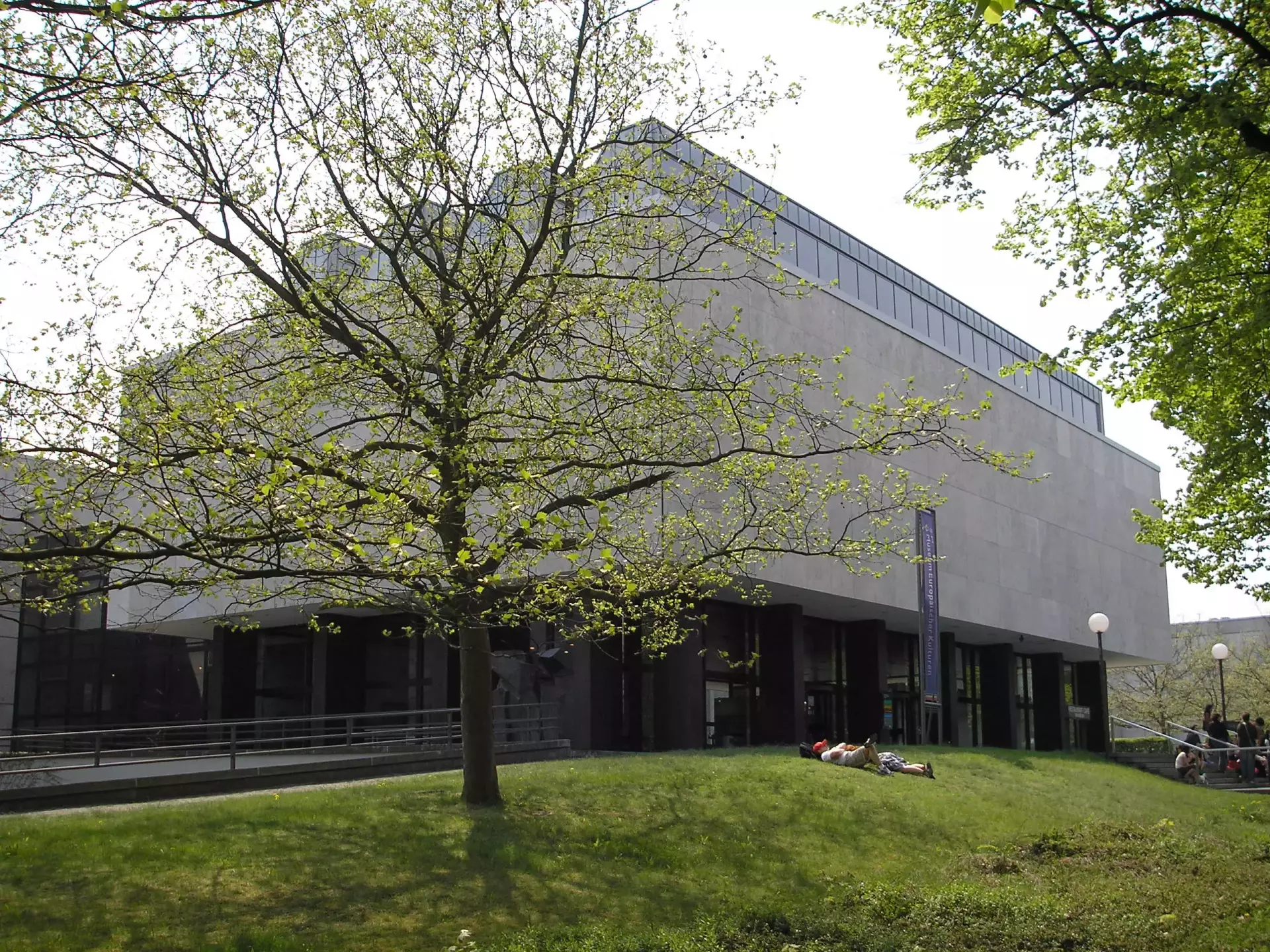
The oldest museum of its kind in Germany which, despite great losses during the World War II, still possesses one of the world's primary collections of European applied art. There are two sections to the collection: one located at the Kulturforum in Tiergarten, the other at Köpenick Palace.