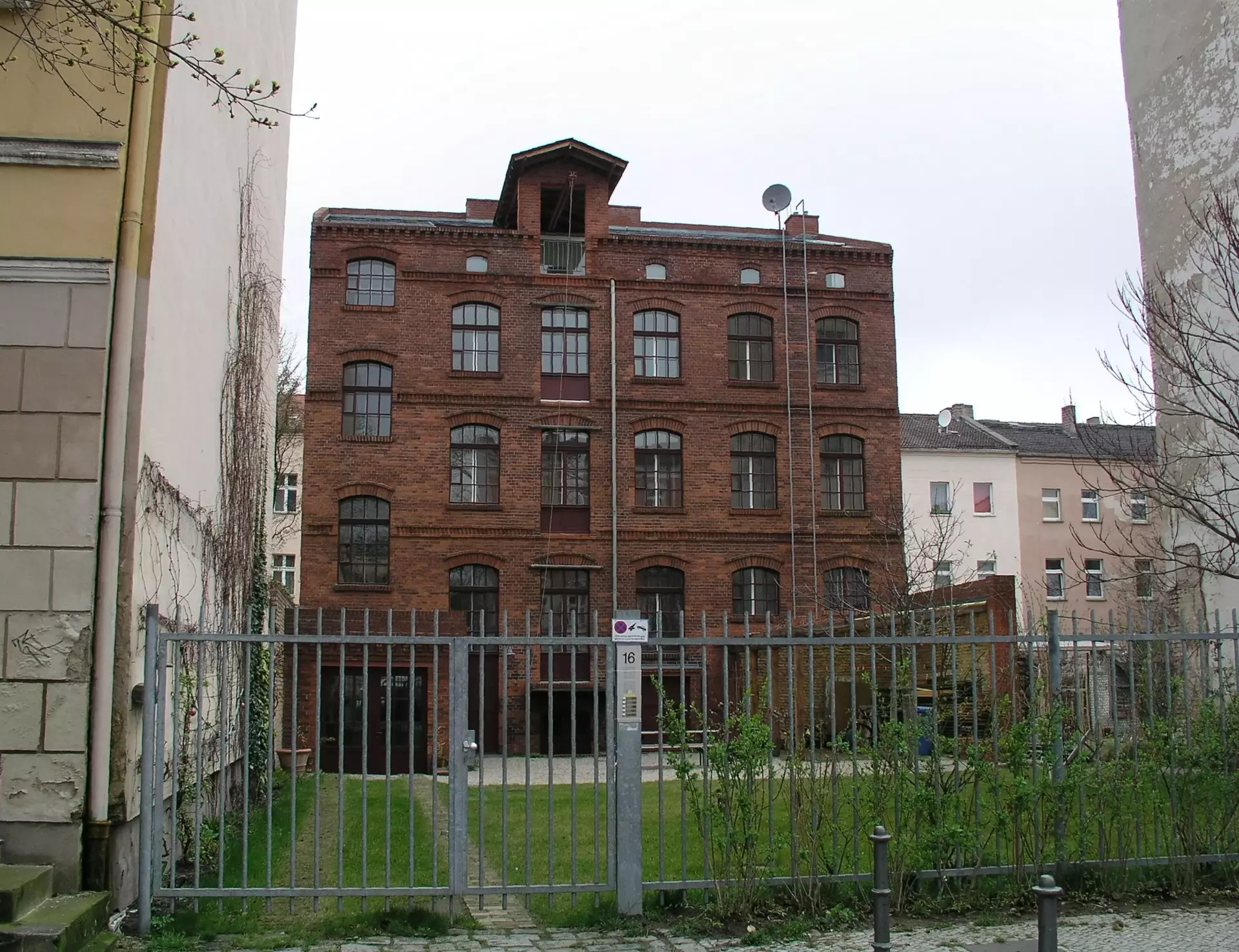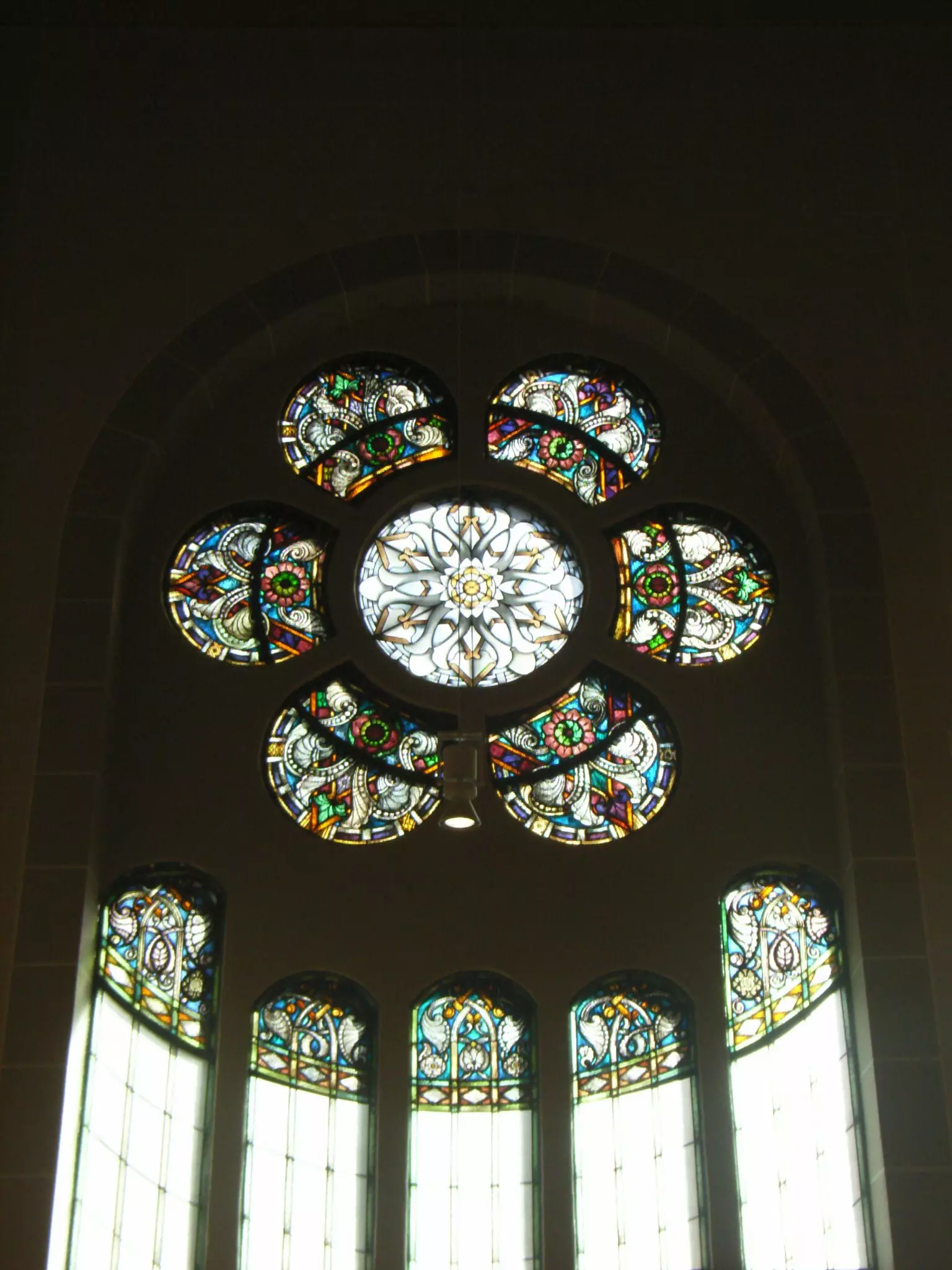
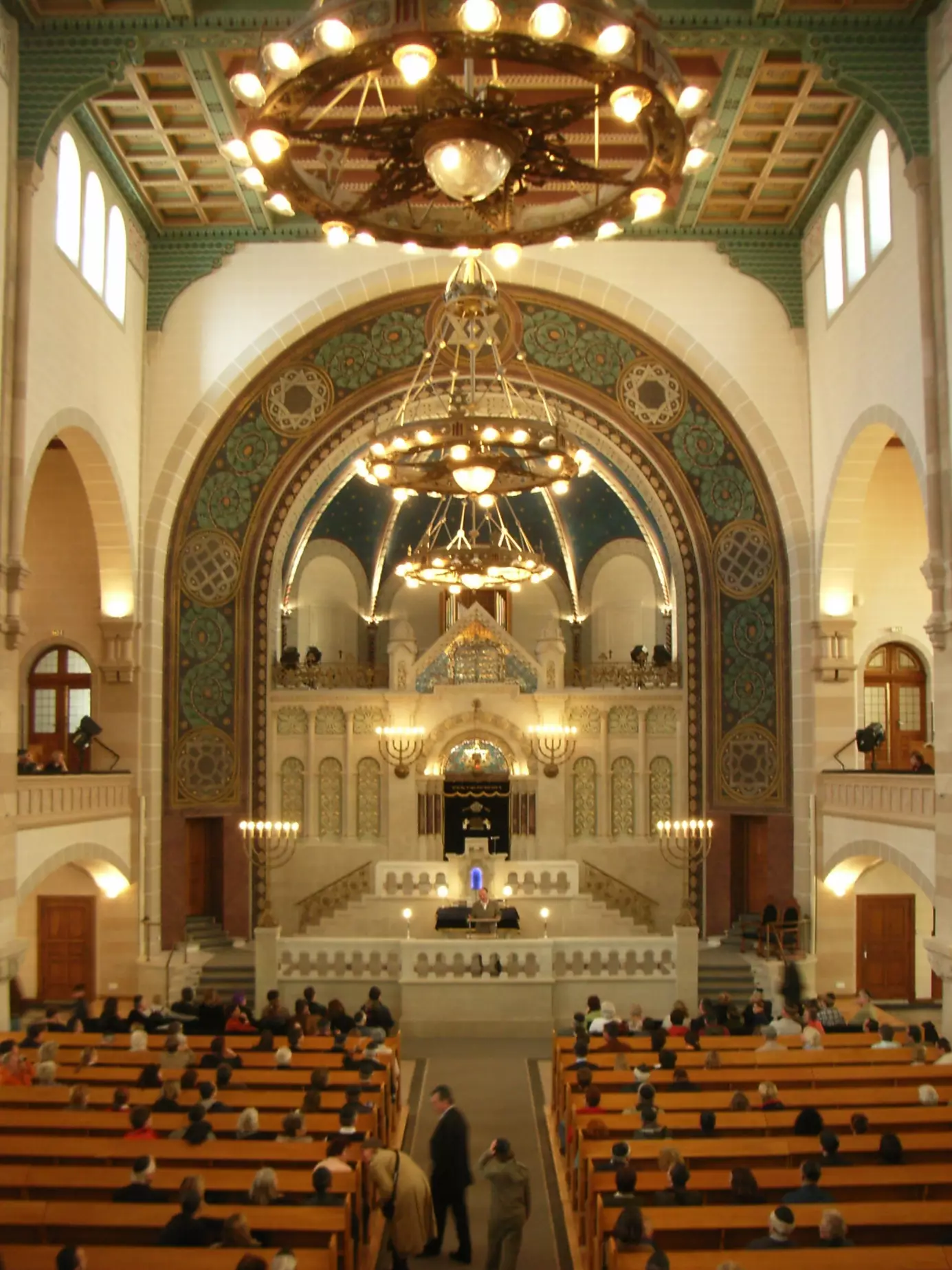
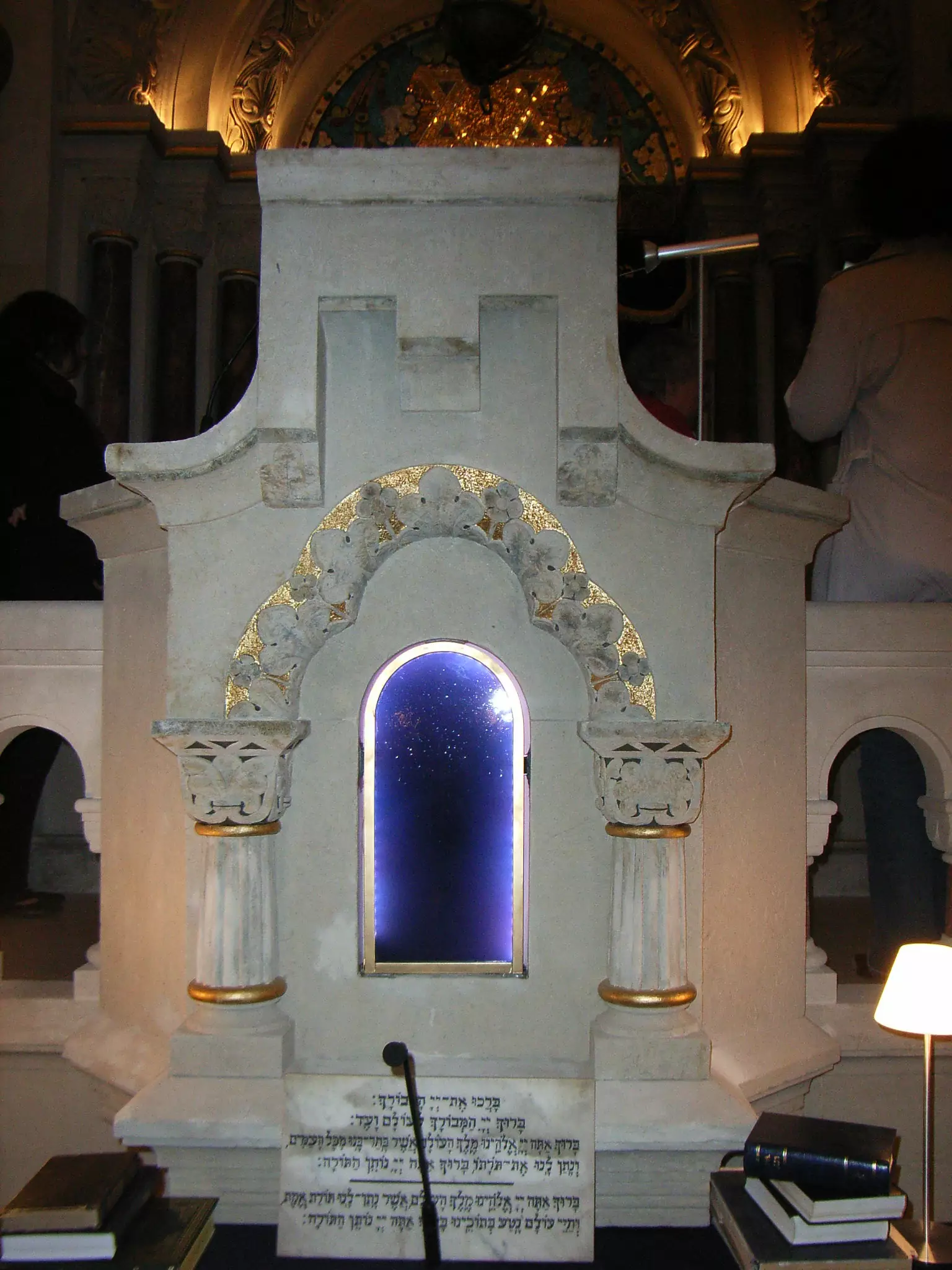
The synagogue tucked behind an apartment building on Rykestraße is among the largest in Germany. Its quiet courtyard setting contrasts with the scale of the sanctuary, creating a striking sense of calm and space. The building’s size and history make it a landmark of Jewish life in Berlin, even though it sits away from the main street.
Approached through a residential gateway, the synagogue reveals a broad, light-filled hall with elegant details. The facade and interior reflect early 20th-century design, with clean lines and thoughtful ornamentation. The courtyard location offers shelter from traffic and noise, giving the space a contemplative atmosphere.
Over the decades, the synagogue has served as a center for worship and cultural life. It has witnessed periods of upheaval and renewal, and today stands as an active place of gathering. Services, celebrations, and educational events regularly bring people through the courtyard into the main hall, connecting everyday neighborhood life with long-standing traditions.
Source - https://en.wikipedia.org/wiki/Rykestrasse_Synagogue
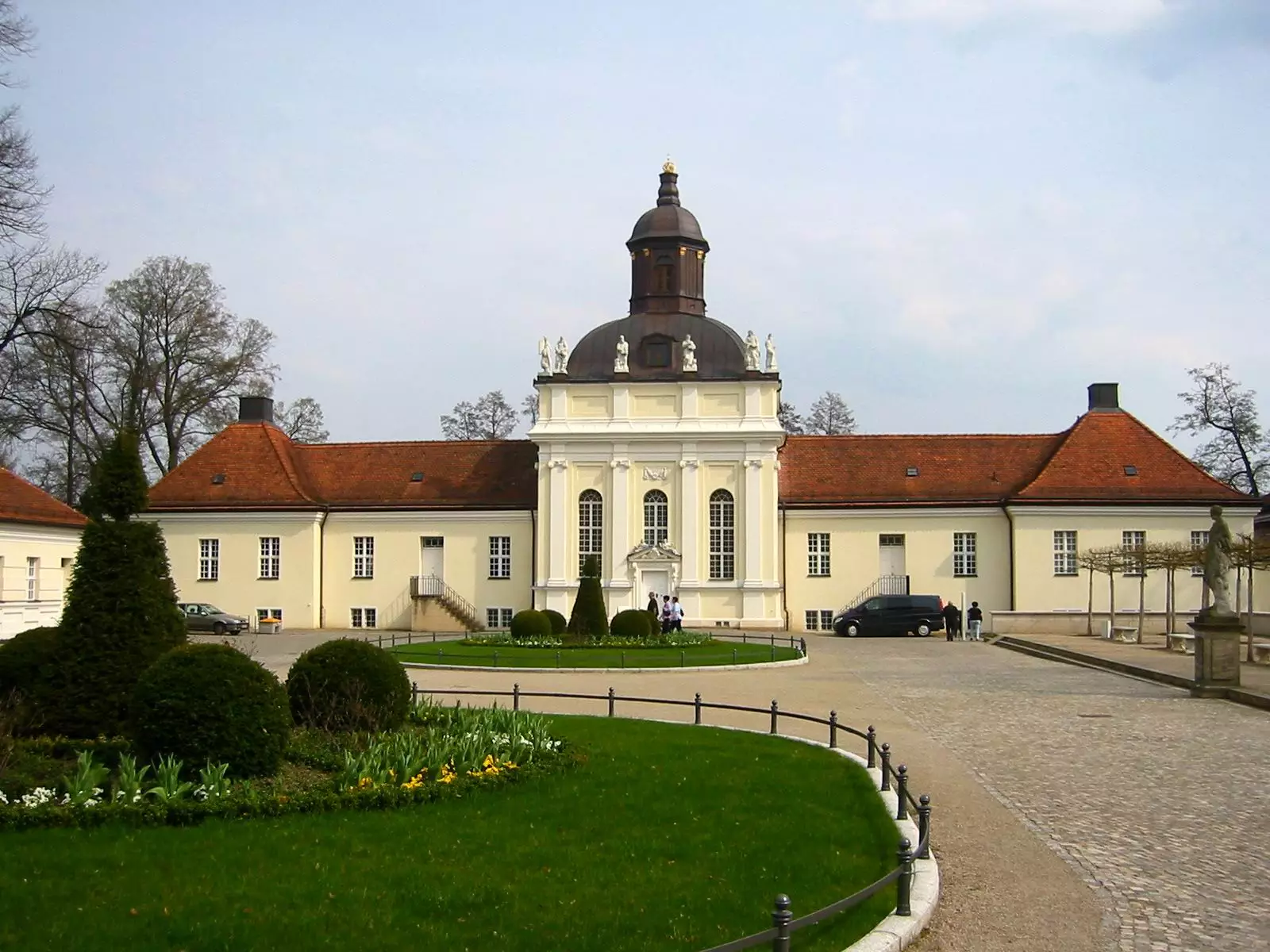
The zoo in the former East Berlin is more spacious than its West Berlin counterpart, the historic Berlin Zoo and has been open for some 50 years. The Tierpark has nearly as many animals, but fewer reptiles and aquatic animals. It appears rather like a park with animals than a classic zoo, in fact it is one of the biggest zoos in Europe. There is an old castle from the late 17th century in the northeast of the Tierpark (Schloss Friedrichsfelde).
Built by Hitler for the 1936 Olympic Games, this is one of the better examples of Nazi neoclassical architecture (laying claim to the legacy of Rome, fasces and all) and is still used for sporting events. At those Olympics, African-American athlete Jesse Owens won four gold medals, a party-spoiler for Aryan superiority. It's the home of soccer team Hertha BSC - they were relegated in 2023 and now play in 2. Bundesliga the second tier. In 2024 this stadium hosted games in the UEFA Euro Finals, including the final itself. For a glimpse of the Olympiastadion in its original state, seek out Leni Riefenstahl's movie Olympia - clips are shown in the Kinemathek and elsewhere.
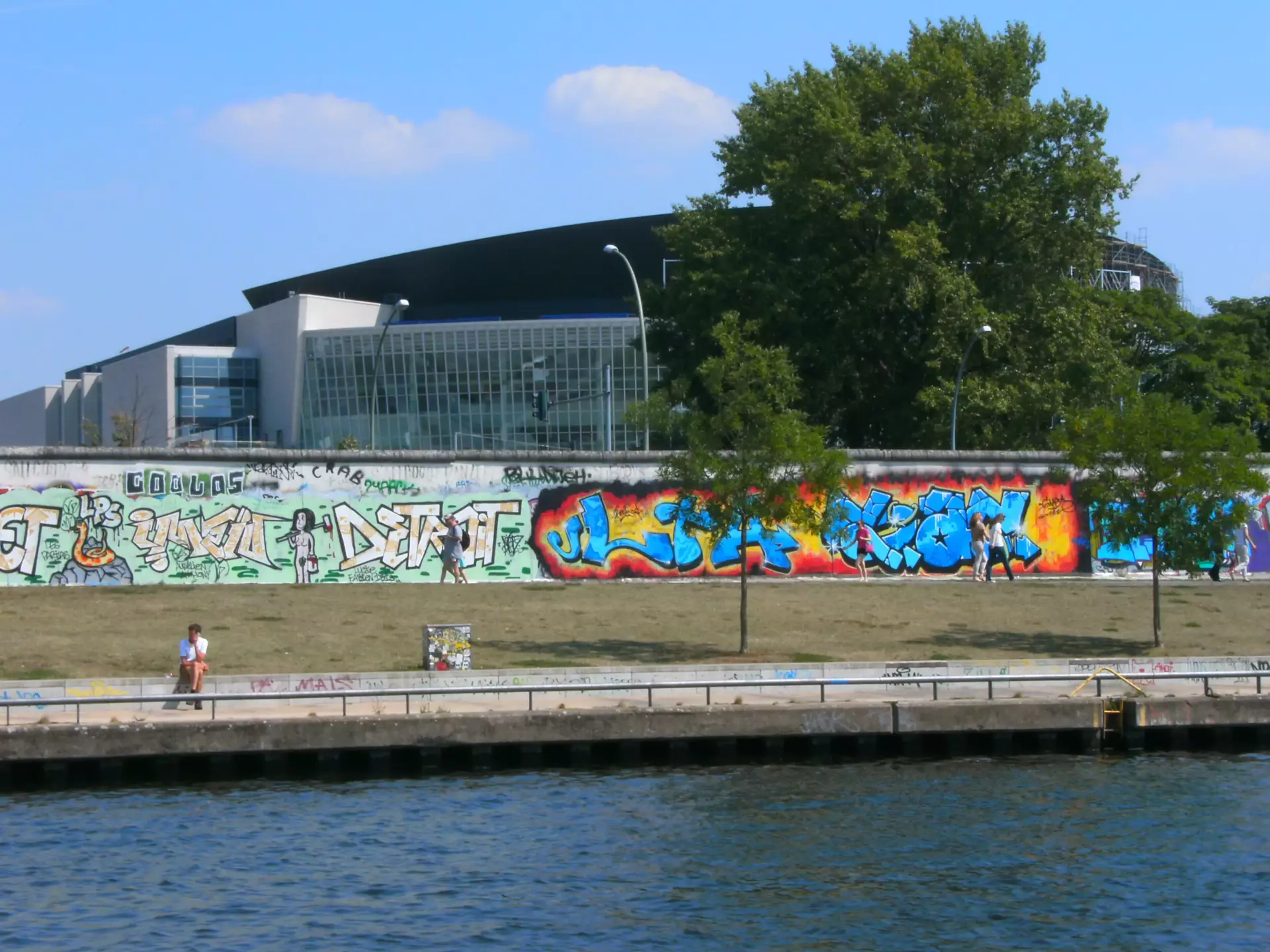
The memorial site stretches along the full 1.5-km length of Bernauer Straße. The listing marker points to the visitor centre. Various monuments can be found along the entire length of the street, documenting nearby escape attempts and tunnels; captions are in German and English. The documentation centre across the street on Bernauer Straße/Ackerstraße is excellent (although most of the documentation is in German). The viewing platform next to the documentation centre gives you a tiny hint of the true scale of the Wall and how terrifying the "no man's land" between the two sections of walls must have been. The monument (that you can see from the platform) is a complete section of 4th generation wall - both inside and outside sections, and you can peer through from the east side to see the remains of the electric fence and anti-tank devices in the death strip. It really helps you understand what an incredible feat it was to get from one side to the other -- and why so many died doing it. The memorial site is often missed by tourists but an absolute must for anyone interested in this part of the city's history. It's a memorial to those who died crossing, so you won't, fortunately, get the tackiness of the Checkpoint Charlie area; instead you will be left with a haunting feeling of what life with the wall may have been really like.Bernauer Straße is a street with a great deal of Wall history: it came to tragic prominence on August 13, 1961 when East German authorities closed the border and the street (with houses in the East but the street in the West). Border guards walled the doors and windows shut to keep Easterners from escaping by jumping out the window while Westerners (including police and fire brigades who brought life nets to help catch refugees) looked on in horror. The first recorded Wall-related death - the notorious Peter Fechter case (he bled to death in the "no-man's-land" with both sides unwilling or unable to help him) - was here, as was one of the famous tunnels and the famous photograph of the GDR border guard leaping over the barbed wire.
The area to the north of Tiergarten, along the bow of the river Spree (Spreebogen), is home to the German federal institutions such as the parliament (Bundestag, in the historic Reichstag building) and the federal government, as well as the new central train station (Hauptbahnhof) across the river.
Features many objects and even whole rooms in Wilhelminian style. Only accessible by guided tour (English tours can be arranged).
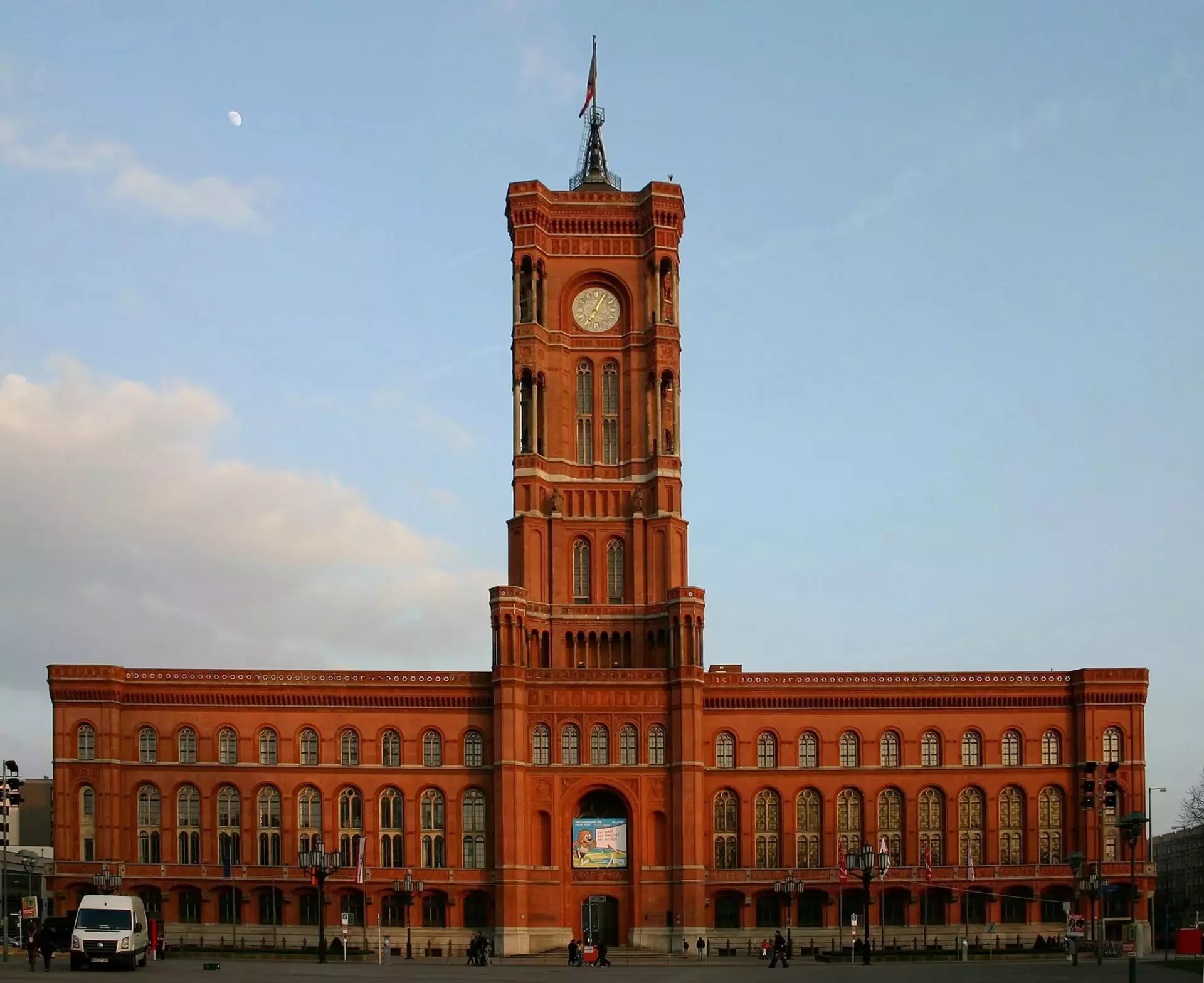
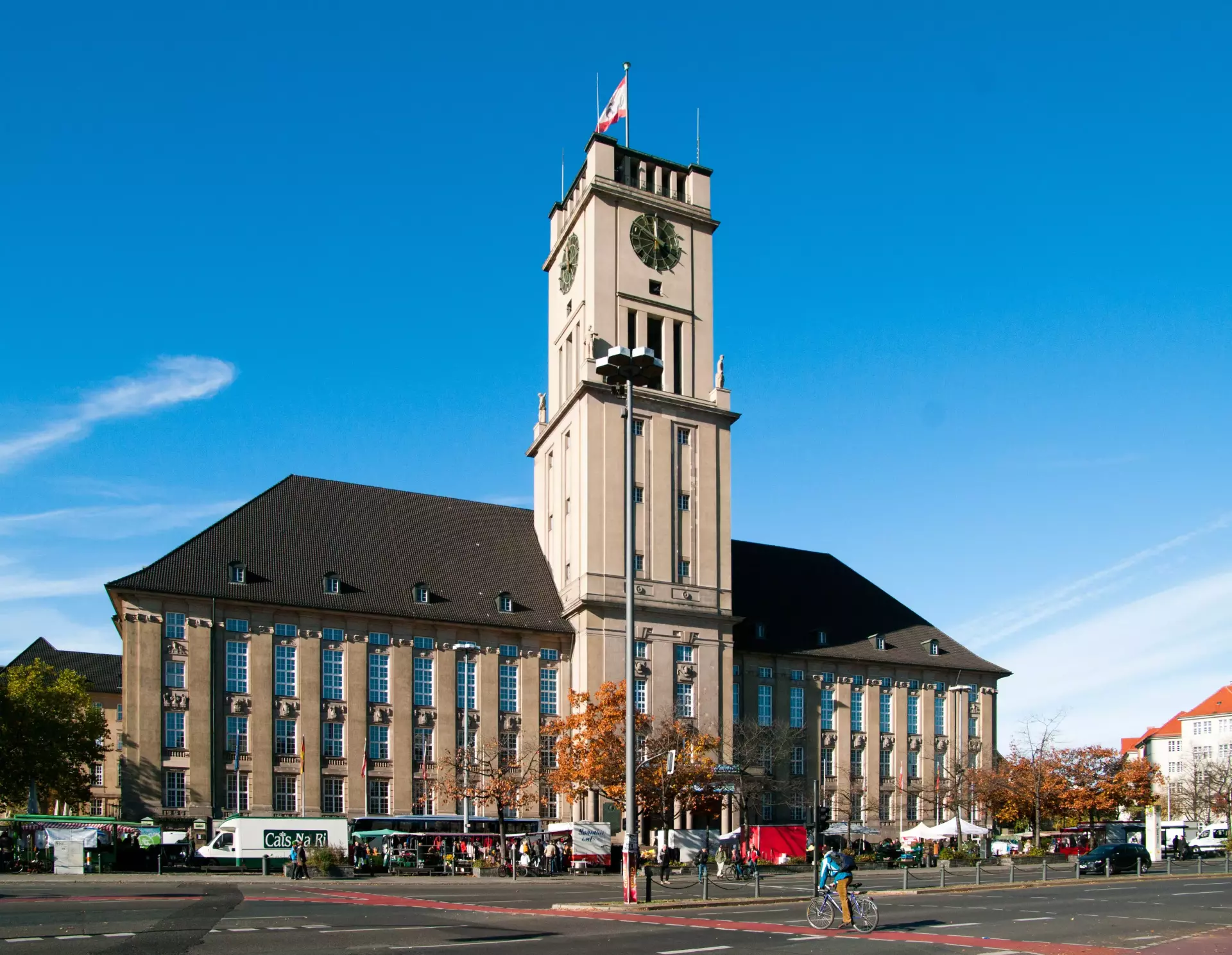
The district town hall was the main town hall for West Berlin during the Cold War. The freedom bell (a present from the American people) and several memorials from that time can be found here. On the main balcony in 1963 U.S. President John F. Kennedy made his famous statement, "All free men, wherever they may live, are citizens of Berlin, and, therefore, as a free man, I take pride in the words ‘Ich bin ein Berliner!’". On 10 November 1989 Helmut Kohl (chancellor (Bundeskanzler) 1982-1998) and Willy Brandt (former Bundeskanzler and mayor of Berlin) cheering the crowd as they saw the end of the Berlin Wall the night before. The town hall is an emotional place for most people in Berlin (especially West Berlin).
This heritage-protected public bathing beach which opened in 1907 is one of the largest inland lidos in Europe and has a 1275-m-long sand beach, a capacity for up to 30,000 guests and a popular nudist area.
Take a stroll for a few kilometers along this canal which runs right through the heart of Kreuzberg. It's peaceful and mostly traffic-free, but full of life in summer. Some parts are lined with bars and restaurants with terraces. Sit on a bench or terrace and watch the world go by on a summer evening.
One of the oldest buildings in Charlottenburg and actually the reason for the whole city to be built.
Germany's national centre for contemporary non-European art. The house is a leading centre for the contemporary arts and a venue for projects breaking through artistic boundaries. This architectural landmark was an American contribution to the international building exhibition INTERBAU 1957 as an embodiment of the free exchange of ideas. Colloquially called Schwangere Auster (Pregnant Oyster).