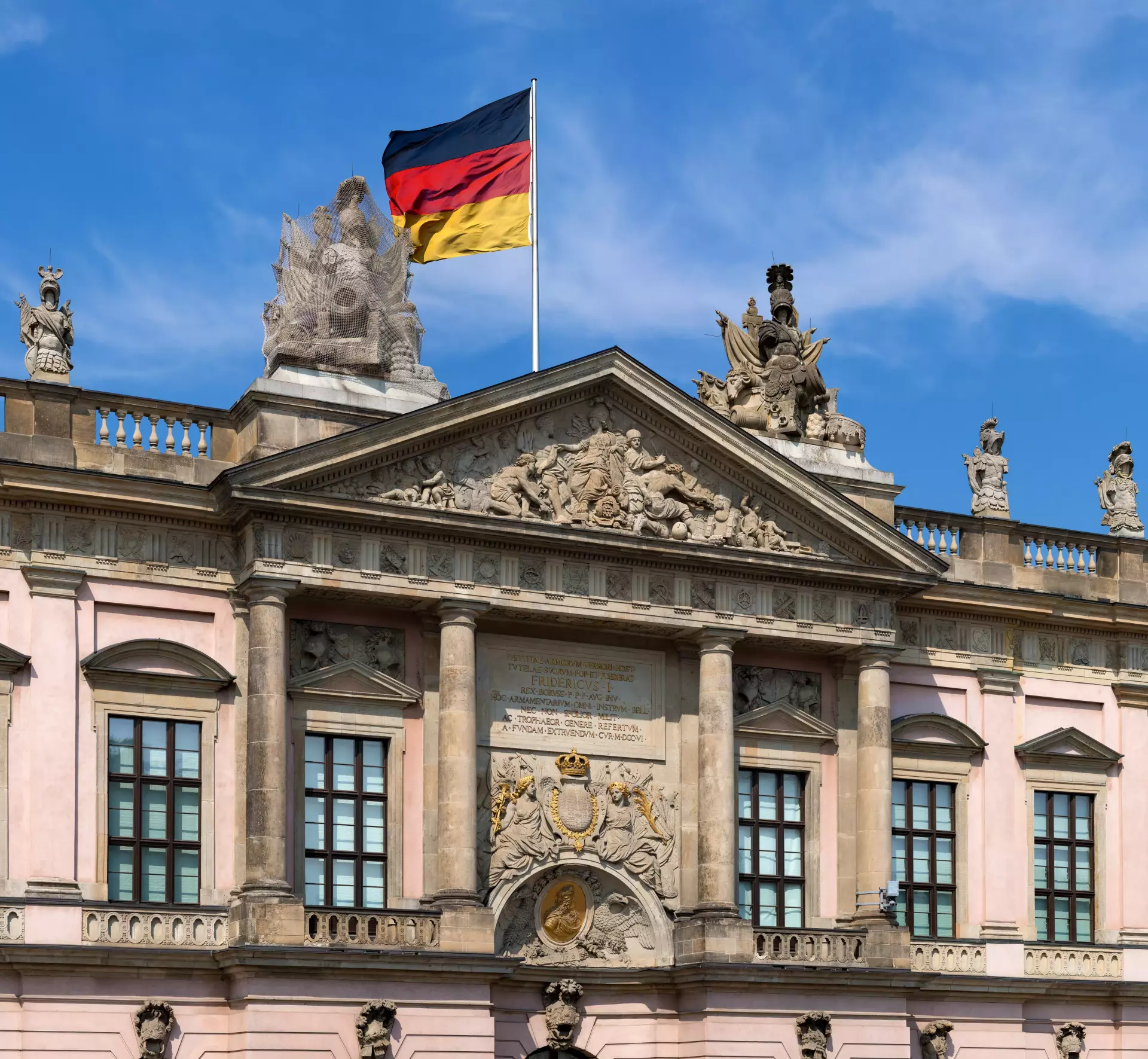
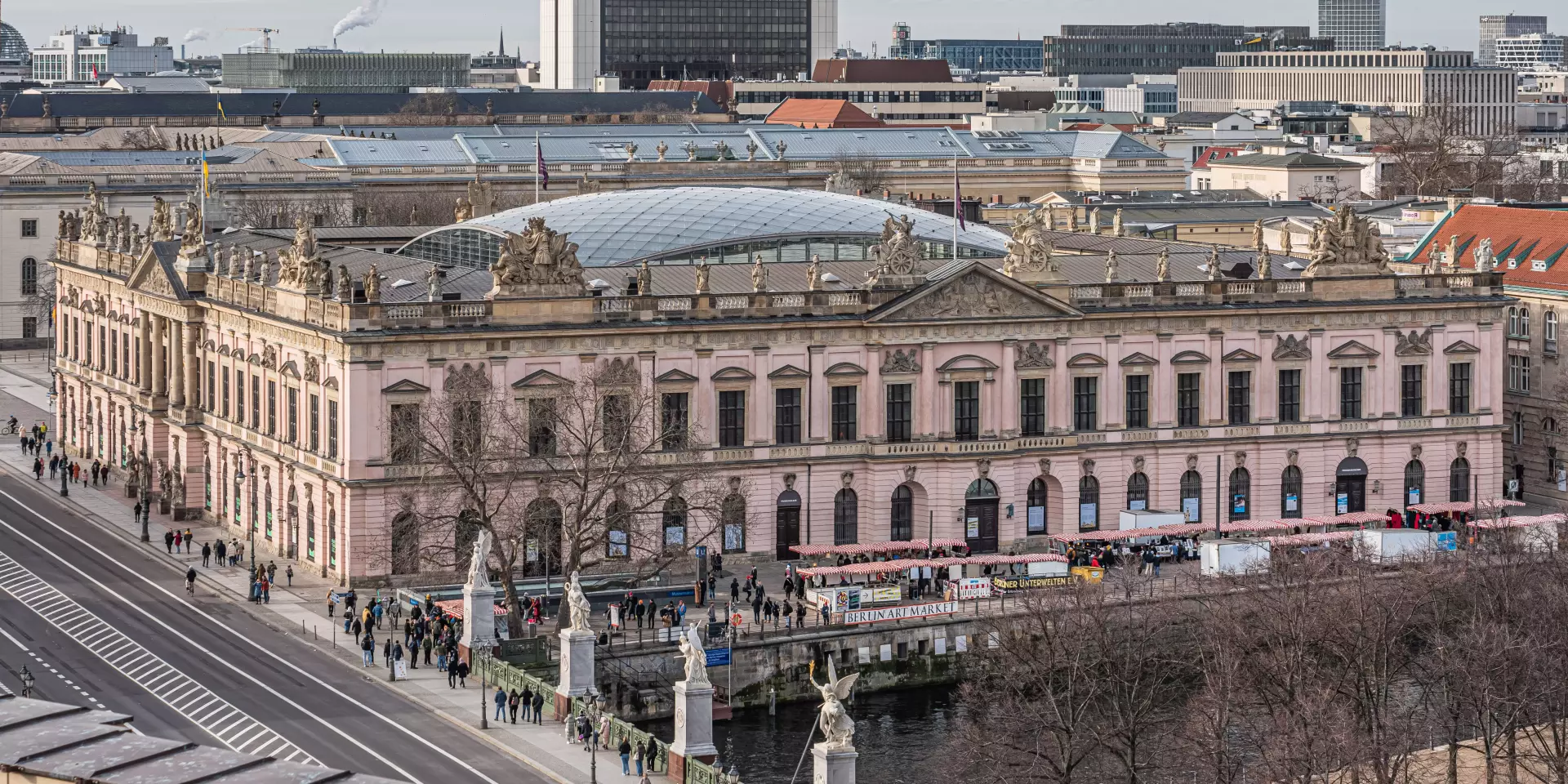
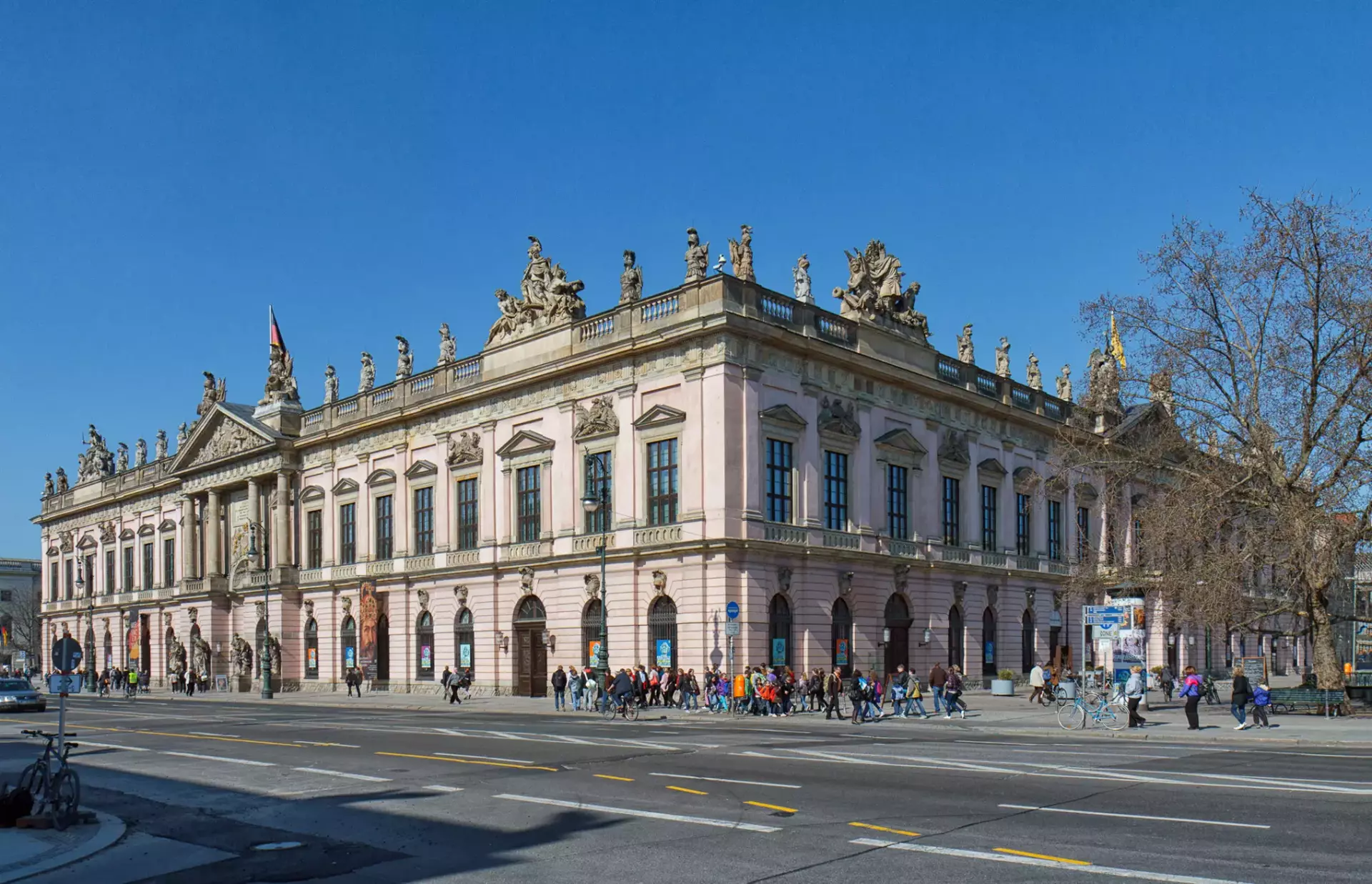
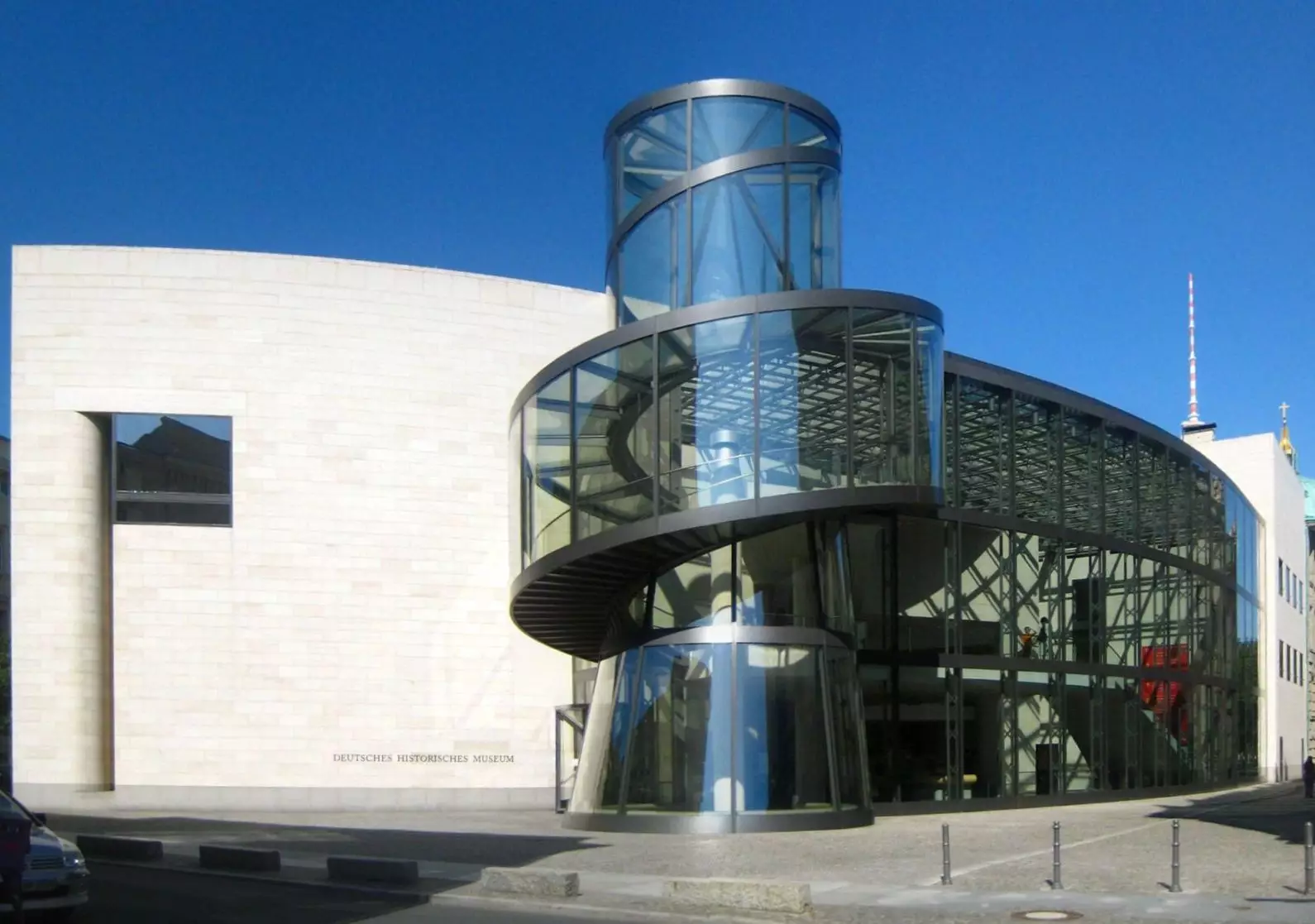
The Deutsches Historisches Museum offers a captivating journey through Germany's rich and varied history, stretching from ancient times to the modern era. Visitors can easily find themselves immersed for hours, exploring the extensive exhibits and collections.
Originally constructed between 1695 and 1730, the museum's building was once the Zeughaus, or Arsenal. This striking structure remained in use as an armory until 1876, adding another layer of historical significance to the museum's setting.
Source - https://en.wikipedia.org/wiki/German_Historical_Museum
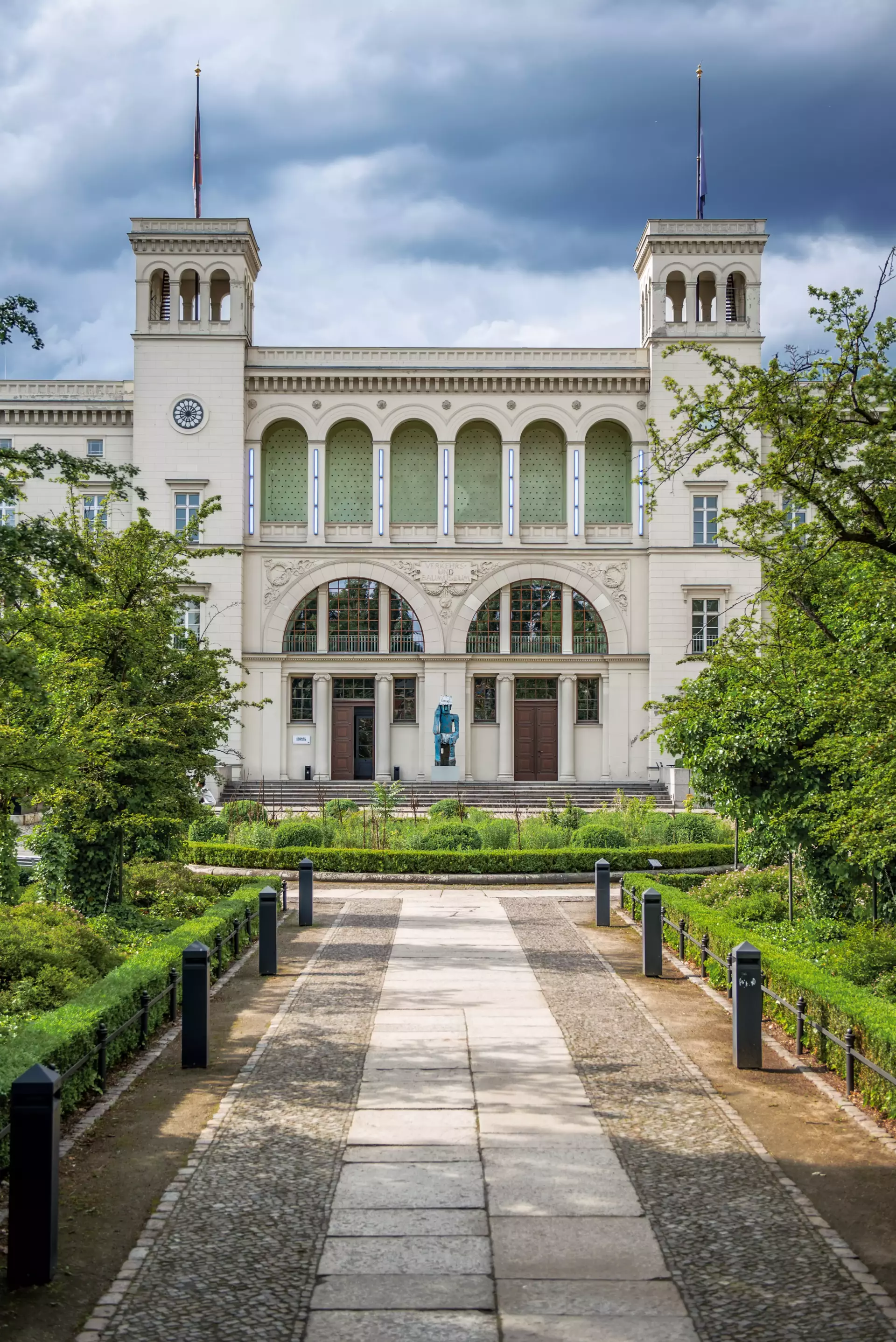
It was a museum of applied arts and a listed historical monument since 1966, and it is now a well-known Berlin exhibition hall.
One of the most authentic and oldest villages (1247) in the outskirts of Berlin, it looks the same way it did some hundred years ago. Take S-Bahn 1 to Waidmannslust and then bus 222 to Alt-Lübars.
This aeronautical experimental park on the grounds of Germany's first air field Johannisthal consists of a group of several individual technical monuments such as the walkable Großer Windkanal (High-speed wind channel, 1932–34), the Trudelturm (Fatty tower), a vertical wind tunnel for spinning tests (1934–36), the Schallgedämpfter Motorenprüfstand (Sound-insulated engine test bed, 1933–35) and the Isothermische Kugellabore (Adlershofer Busen, Isothermal spheric laboratories, 1959–1961), which are about 500 metres away from the other monuments.
The memorial site stretches along the full 1.5-km length of Bernauer Straße. The listing marker points to the visitor centre. Various monuments can be found along the entire length of the street, documenting nearby escape attempts and tunnels; captions are in German and English. The documentation centre across the street on Bernauer Straße/Ackerstraße is excellent (although most of the documentation is in German). The viewing platform next to the documentation centre gives you a tiny hint of the true scale of the Wall and how terrifying the "no man's land" between the two sections of walls must have been. The monument (that you can see from the platform) is a complete section of 4th generation wall - both inside and outside sections, and you can peer through from the east side to see the remains of the electric fence and anti-tank devices in the death strip. It really helps you understand what an incredible feat it was to get from one side to the other -- and why so many died doing it. The memorial site is often missed by tourists but an absolute must for anyone interested in this part of the city's history. It's a memorial to those who died crossing, so you won't, fortunately, get the tackiness of the Checkpoint Charlie area; instead you will be left with a haunting feeling of what life with the wall may have been really like.Bernauer Straße is a street with a great deal of Wall history: it came to tragic prominence on August 13, 1961 when East German authorities closed the border and the street (with houses in the East but the street in the West). Border guards walled the doors and windows shut to keep Easterners from escaping by jumping out the window while Westerners (including police and fire brigades who brought life nets to help catch refugees) looked on in horror. The first recorded Wall-related death - the notorious Peter Fechter case (he bled to death in the "no-man's-land" with both sides unwilling or unable to help him) - was here, as was one of the famous tunnels and the famous photograph of the GDR border guard leaping over the barbed wire.
This heritage-protected public bathing beach which opened in 1907 is one of the largest inland lidos in Europe and has a 1275-m-long sand beach, a capacity for up to 30,000 guests and a popular nudist area.
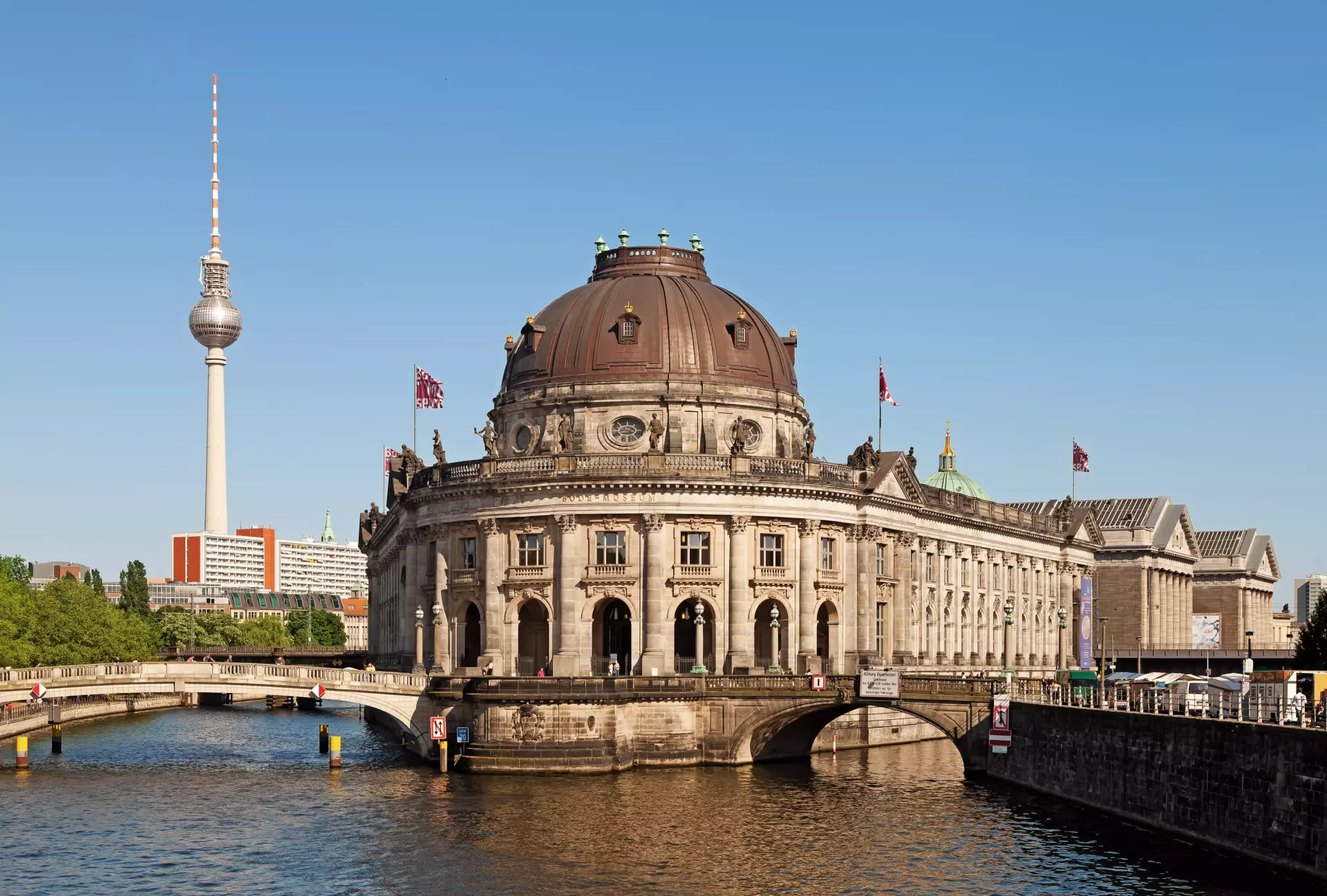
Specializes in 19th-century painting and sculpture; Monet, Manet, Cézanne, C. David Friedrich and other important 18th- and 19th-century artists are well-represented.
Berlin's biggest lake and popular resort for bathing and watersports. You can also travel there by tram, which is an experience by itself.
Features a nice fountain, stately old houses and a good night time hot spot. Many people hang out in the platz in good weather.
The building of one of Berlin’s oldest breweries is a ravishingly beautiful and heritage-protected industrial monument.
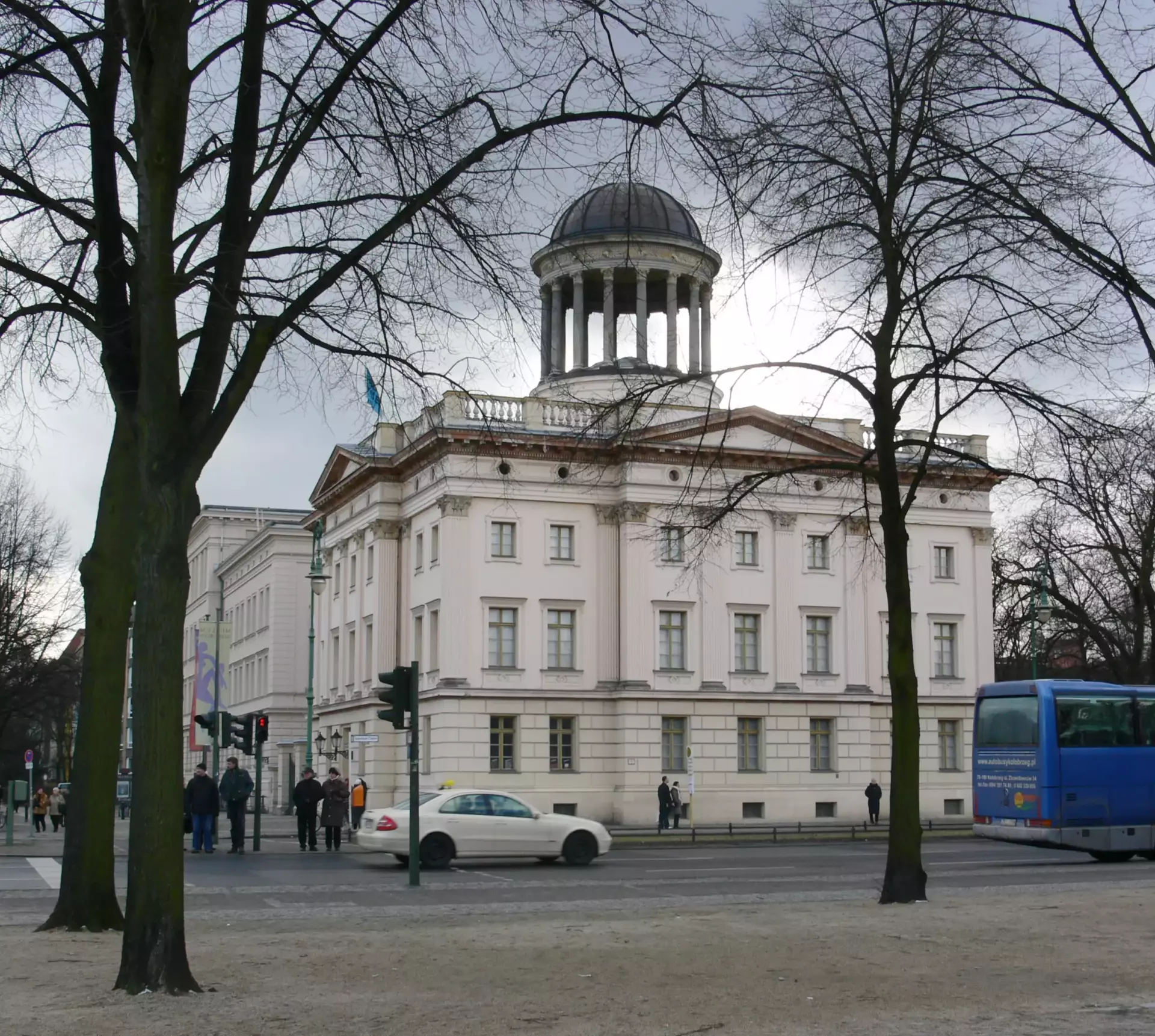
House museum on Max Liebermann, German painter and printmaker. Has about 15 Lieberman paintings.
The complex consists of eight interconnected courtyards. Plenty of designer boutiques can be found here.
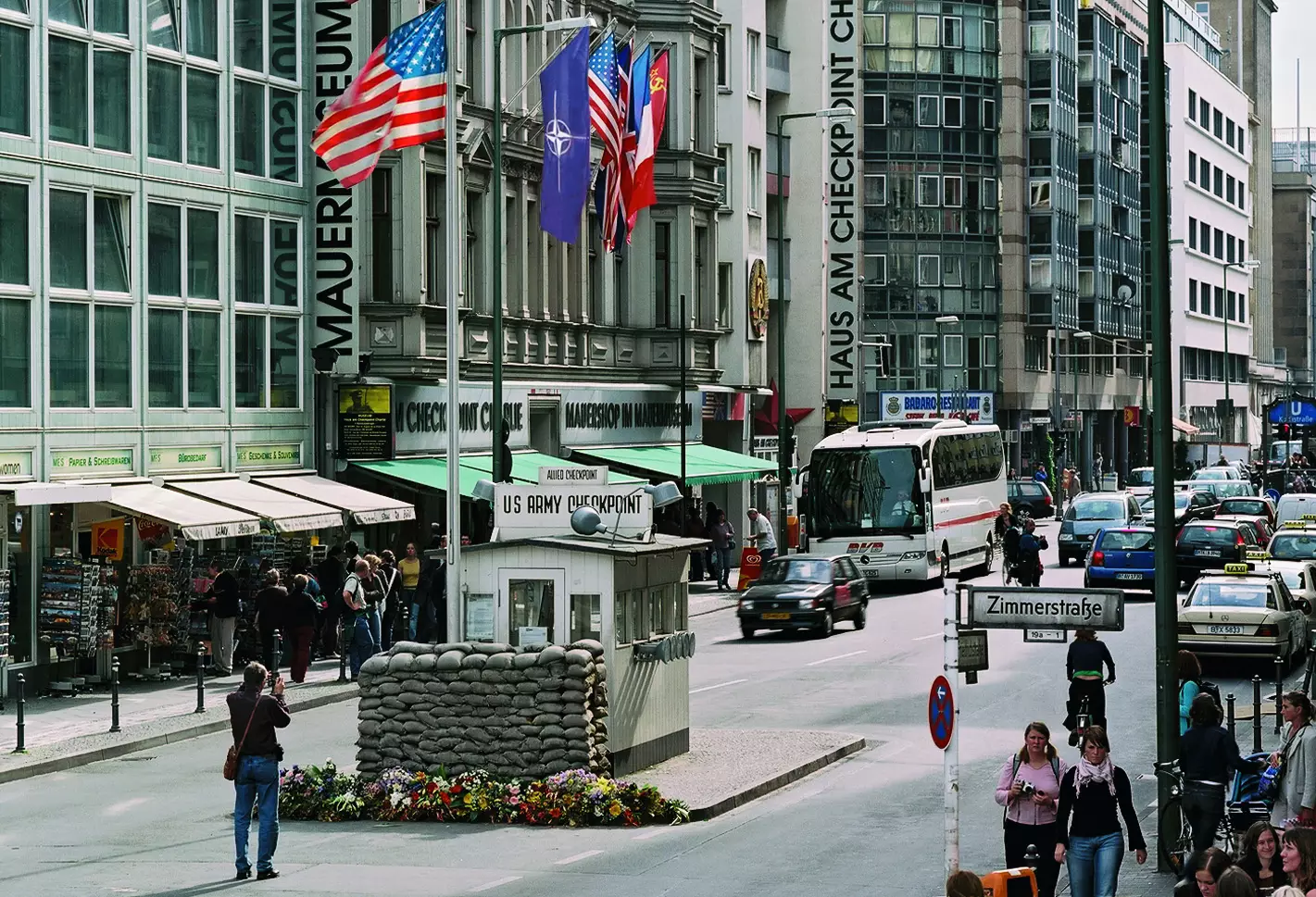
It was the only border crossing between East and West Berlin that permitted foreigners passage. Residents of East and West Berlin were not allowed to use it. This contributed to Checkpoint Charlie's mythological status as a meeting place for spies and other shady individuals. Checkpoint Charlie gained its name from the phonetic alphabet; checkpoints "Alpha" and "Bravo" were at the autobahn checkpoints Helmstedt and Dreilinden respectively. Checkpoint Charlie's atmosphere was not improved at all on 27 Oct 1961 when the two Cold War superpowers chose to face each other down for a day. Soviet and American tanks stood approximately 200 m apart, making an already tense situation worse. Now the remains of the Berlin Wall have been moved to permit building, including construction of the American Business Center and other institutions.At the intersection of Zimmerstraße and Friedrichstraße (U-Bahn Kochstraße U6) is the famous "You Are Leaving the American Sector" sign. The actual guardhouse from Checkpoint Charlie is now housed at the Allied Museum on Clayallee. For a more interesting exhibit go to the Haus am Checkpoint Charlie. This is a private museum with kitschy memorabilia from the Wall and the devices GDR residents used to escape the East (including a tiny submarine!). There are also people who set up booths here offering to stamp your passport with souvenir stamps in exchange for a small fee. You are highly advised not to put these stamps in your passport, as these are not official stamps and could invalidate it. Instead, bring along an expired passport or a small booklet to put the stamps in.
Features many objects and even whole rooms in Wilhelminian style. Only accessible by guided tour (English tours can be arranged).
In this house the surrender of Germany was signed on May 9th, 1945, ending WWII in Europe. This museum describes the history of the war between Germany and the Soviet Union between 1941 and 1945 and the GDR/German-Russian relationship ever since. Historic rooms, permanent exhibition and special exhibits.
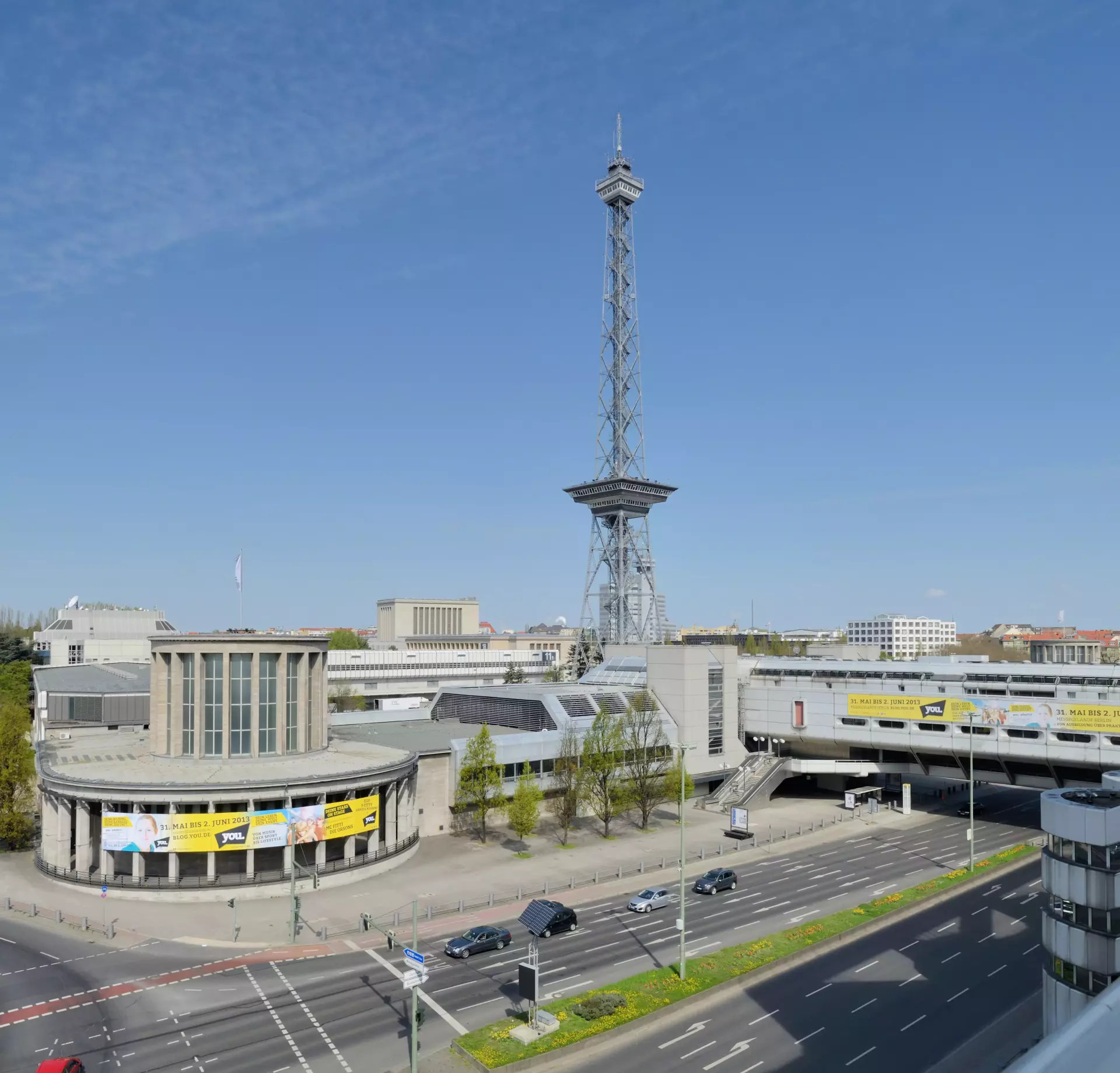
Includes the Panoramapunkt, the viewing terrace located 101 metres above ground, accessible by Europe's fastest elevator.
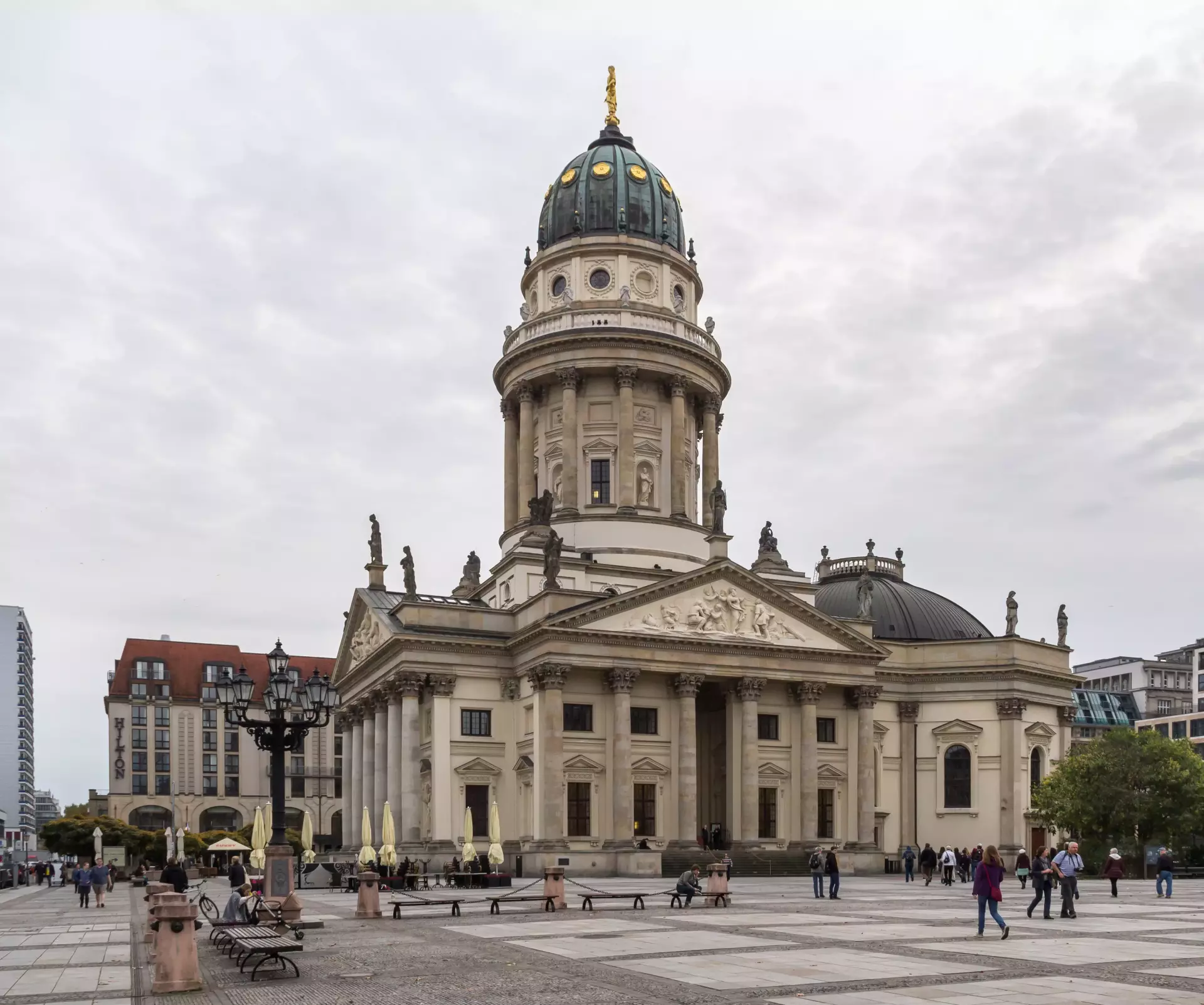
The Gendarmenmarkt is a square in the Friedrichstadt with the Konzerthaus (concert hall) and in front of the statue of Germany's poet Friedrich Schiller, the Neue Kirche (New church) and the Französischer Dom (French cathedrals). Berlin’s Deutscher Dom on the magnificent Gendarmenmarkt square is not to be confused with the Berliner Dom. It was built in 1708. Since 1992 a German Parliament exhibition can be seen here entitled “Paths, Loosing Track and Detours” or the development of parliamentary democracy in Germany – ways and roundabouts. No religious services are held here. The French cathedral houses the Hugenottenmuseum. It represents the ongoing influence on Berlin by the Huguenots who emigrated from France after the revocation of the Edict of Nantes. Crown Prince Friedrich William encouraged them to settle here because most of them were skilled workers or otherwise useful to the kingdom. One memorable artwork, in room nine of the museum, pictures Crown Princess Dorothea exclaiming "But he's a refugee!" upon being presented a very valuable set of jewels by Pierre Fromery. The generally agreed-upon view of refugees as poor, without resources let alone diamonds, was blown apart by the talented French Protestants forced to leave their country due to religion. One of the most notable effects of having such a large French population was their influence on the infamous Berlin dialect. Berlinerisch words such as Kinkerlitzchen (from French "quincaillerie" - kitchen equipment) and Muckefuck (from French "mocca faux" - artificial coffee, though that etymology is not universally accepted) are unique to the area. The Französischen Dom (cathedral) itself was built to resemble the main church of the Huguenots in Charenton, France, destroyed in 1688. It has housed the museum since 1929. Closed till 2019

The longest moving refracting telescope is 21 m long with a lens diameter of 68 cm. This giant telescope was built in 1896 by Dr. Freidrich Simon Archenhold but is now part of the Deutsches Technikmuseum Berlin. It was the place where Albert Einstein presented his Theory of Relativity to the public in 1915.