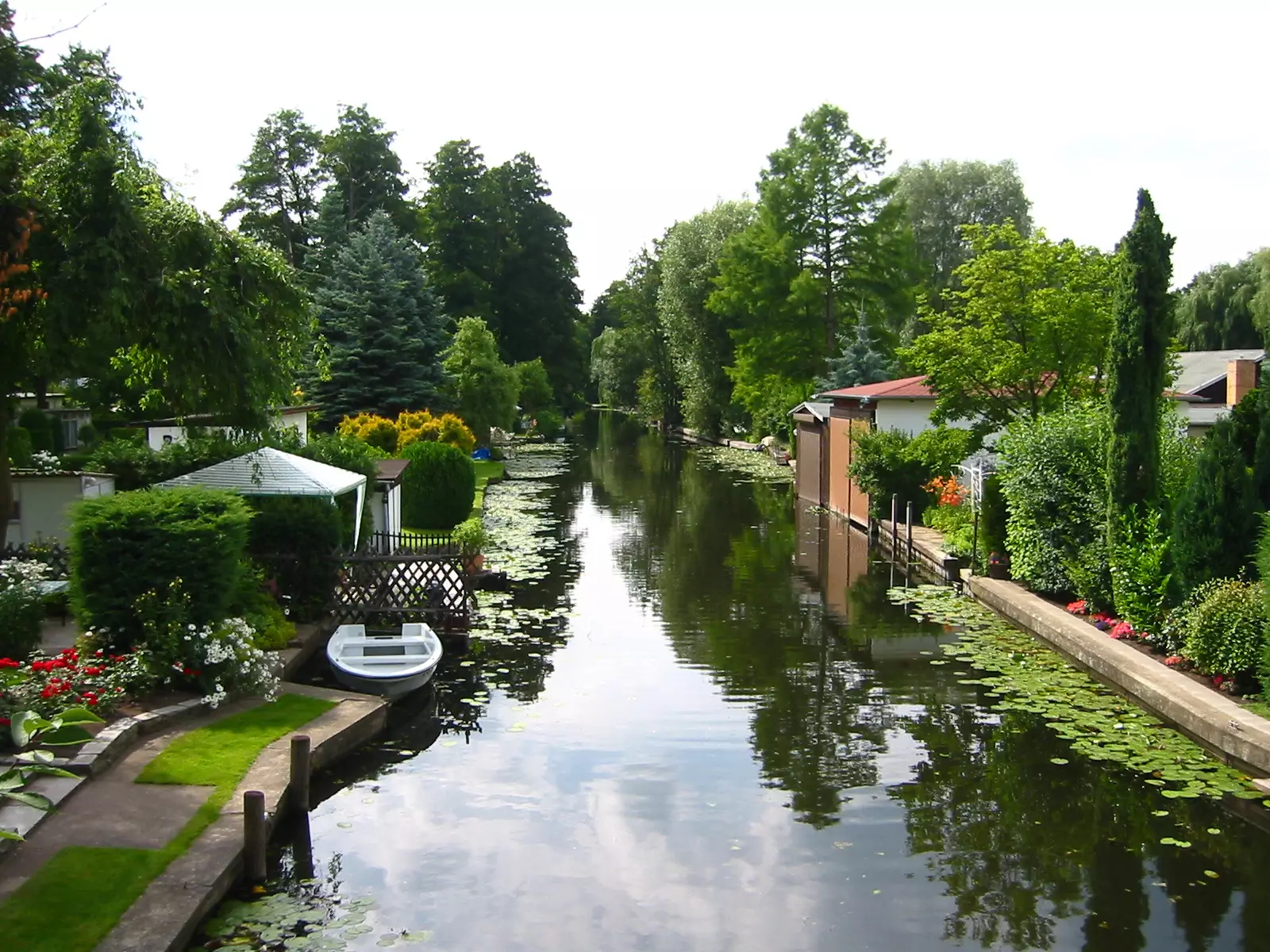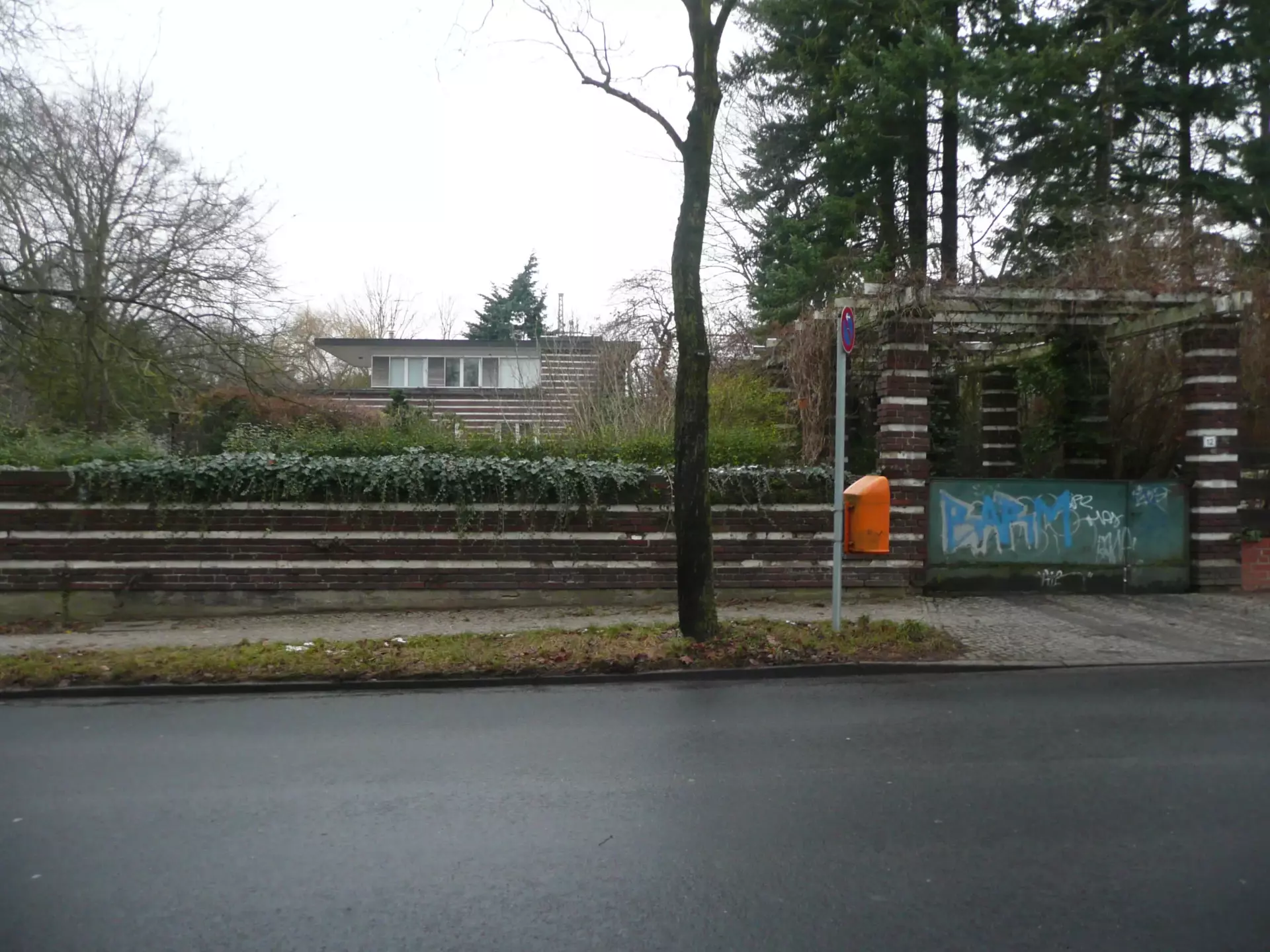
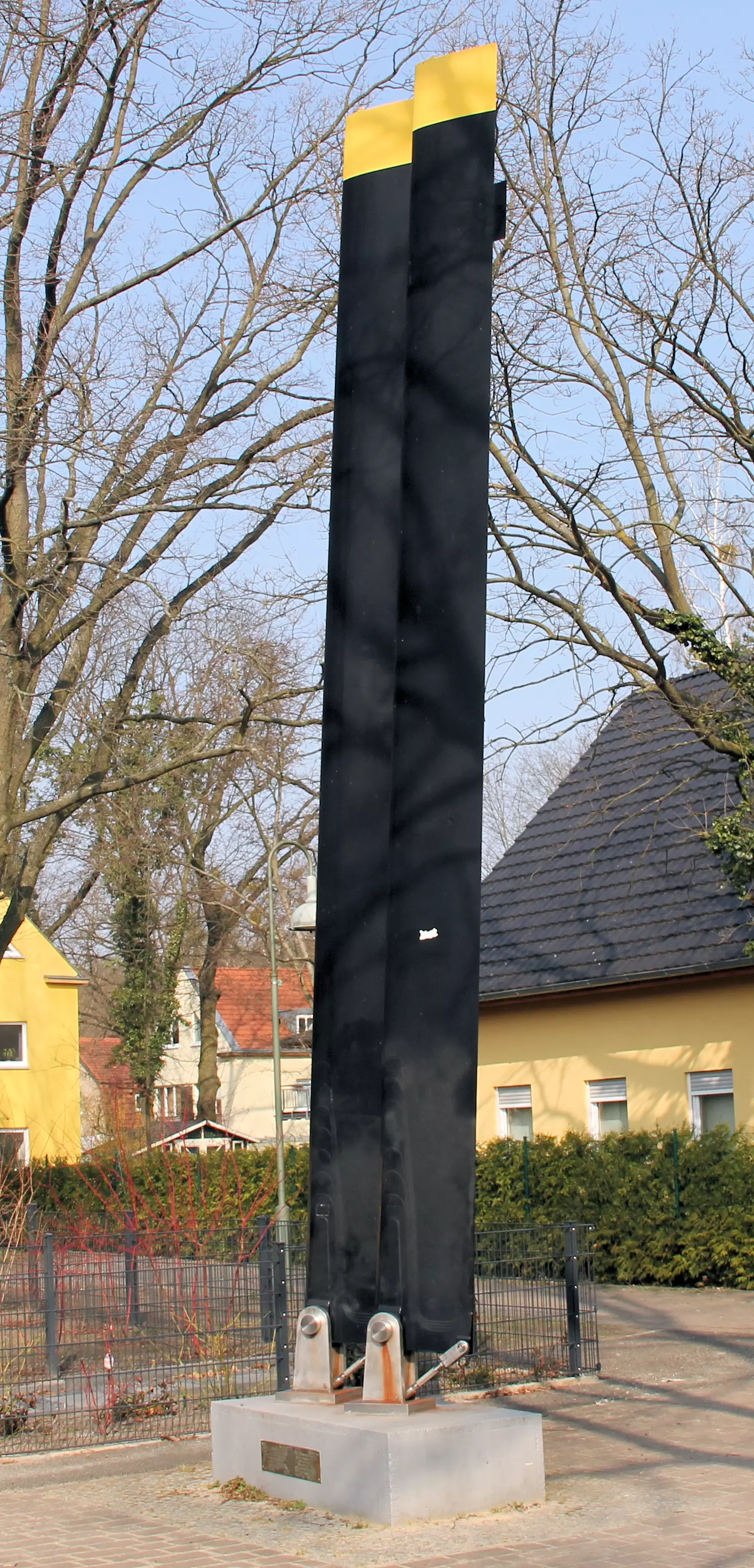
Steinstücken looks like a regular neighborhood on the edge of Berlin, close to Potsdam. On a simple city map, it blends into the suburbs. Its story, however, stands out. During the years of German division, this small area became one of the oddities of the border.
When Germany was partitioned, the Berlin border formed a patchwork of enclaves and exclaves. Steinstücken was the most unusual of them: a tiny “island” of West Berlin completely surrounded by East German territory. Around 300 residents found themselves cut off from the rest of West Berlin, living under constant attention from two systems that met at their doorstep.
To keep daily life moving, special corridor arrangements were set up so people could travel between Steinstücken and West Berlin without long border checks. These routes became lifelines, allowing work, school, and family visits to continue with fewer delays. The solutions were far from simple, but they made the enclave more livable until borders finally opened.
Today, the district is quiet again and the border has faded from view. As before the division, residents often rely on nearby Potsdam for everyday needs—shops, services, and errands—simply because it is closer. The geography that once caused complications now shapes a practical, local rhythm.
Source - https://en.wikipedia.org/wiki/Steinst%C3%BCcken
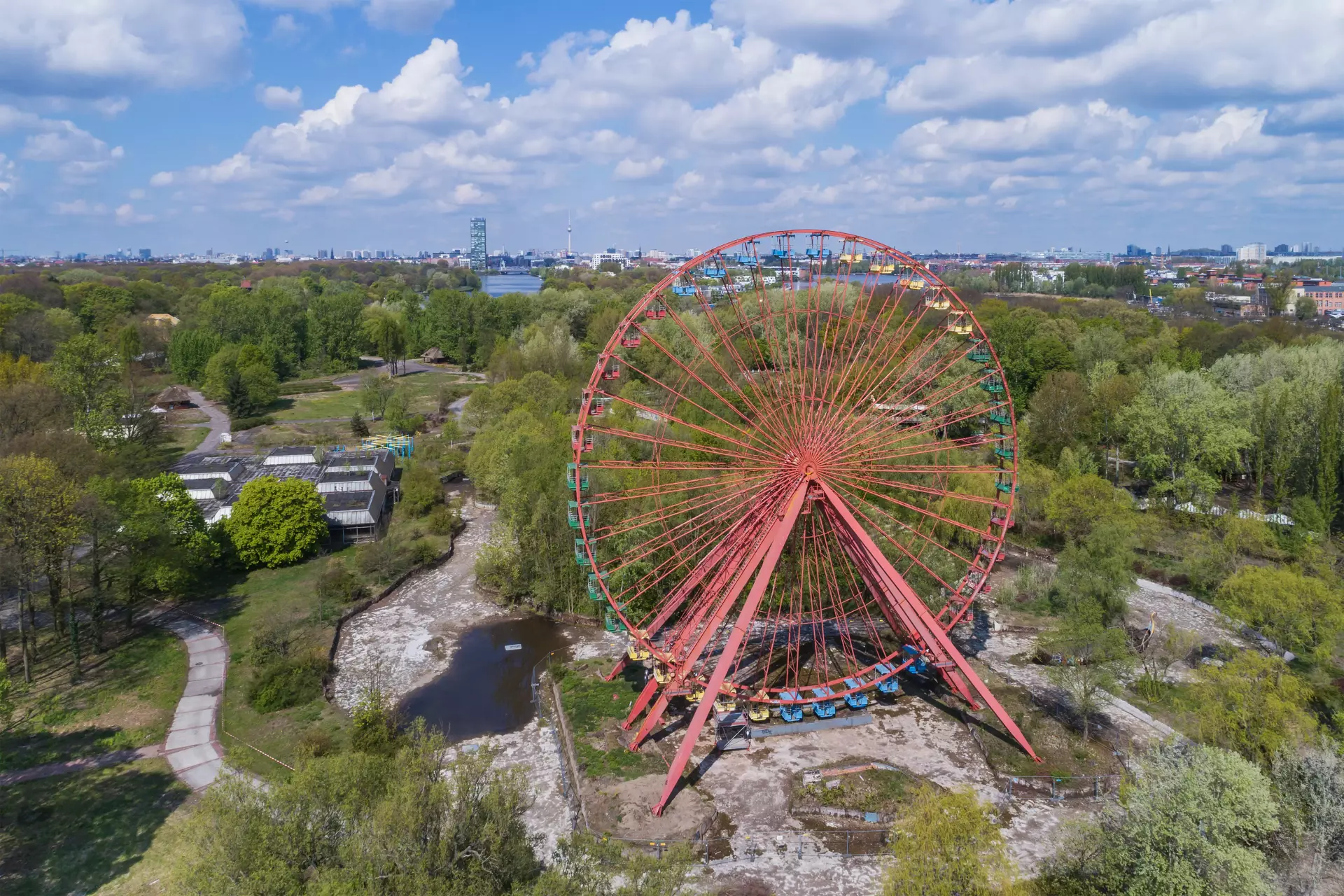
This abandoned amusement park with its iconic large Ferris wheel opened in the German Democratic Republic in 1969. After its closing in 2002 the rotting theme park and its apocalyptic atmosphere became a target of international media coverage, amongst others by the New York Times. In 2016 it was announced that the venue will be restored and reopened as an art and culture park.
Huge technical museum, on a former railroad depot, featuring from ancient water and wind mills to computer pioneer Konrad Zuse's inventions, a collection of old to new vehicles of all types -bicycles, boats, trains, etc - and the interactive Spectrum science center with various hands-on experiments. There's an actual C-17 "Candy Bomber" airplane hanging on its façade. The railroad and aeronautical sections are hard to beat.
Also known as "der hohle Zahn" (the Hollow Tooth), this church in Breitscheidplatz is a memorial to Kaiser Wilhelm, and one of Berlin's most famous landmarks. Thick walls and plain decor mark it as neo-Romanesque, but with what's left of the Gedächtniskirche, it's tough to distinguish it as any one style. Allied bombing left only one tower standing on 22 November 1943, but a new location for worship designed by Egon Eiermann was completed in December 1961 (it's the octagonal structure with blue stained glass windows). There is a small memorial museum beneath the tower filled with artifacts from the original church, which was built from 1891-95 to architect Franz Schwechten's specifications.Controversy arose after the war over the various options presented by the half-ruined cathedral - should it be torn down completely and rebuilt? Or should the destroyed sections be left standing as a memorial? The four major sections of the Kaiser-Wilhelm-Gedächtniskirche (central space, foyer, new tower and chapel) surround the ruined tower of the old church bridge and show the time gap between old and new. Mosaics and other remnants from the old church serve as a monument against war.
Oderberger Straße is known for its beautiful and generous Gründerzeit architecture, as well as its cafés and restaurants. Since before Germany's reunification the street has been the desired place for alternative folks and avant-gardists, but the area has seen continual gentrification since the early 2000s.
This heritage-protected 120-m-long pedestrian tunnel below the river Spree was the first ferro-concrete tunnel in Germany that has been built using pneumatic caissons. Two beaches can be accessed via the tunnel which are not far from its south entrance.
Not far away from Schloss Tegel (at the "große Malche") you can take a look at the oldest tree in Berlin, an oak which has been growing there since about 1192 (so it's actually older than Berlin itself). The name ("fat Mary") allegedly stems from the brother Humboldt who named the tree after their overweight cook.
150-200 m along the Wiener Straße (bypassing the fire house and the public swimming pool) from U-Bahn Görlitzer Bahnhof, the park is famous for the Turkish families barbecuing on summer weekends, failed contemporary art and relaxed atmosphere of students. It does have a reputation of being full of pickpockets and drug dealers though and the police makes regular visits to this place to check on the situation.
The Gendarmenmarkt is a square in the Friedrichstadt with the Konzerthaus (concert hall) and in front of the statue of Germany's poet Friedrich Schiller, the Neue Kirche (New church) and the Französischer Dom (French cathedrals). Berlin’s Deutscher Dom on the magnificent Gendarmenmarkt square is not to be confused with the Berliner Dom. It was built in 1708. Since 1992 a German Parliament exhibition can be seen here entitled “Paths, Loosing Track and Detours” or the development of parliamentary democracy in Germany – ways and roundabouts. No religious services are held here. The French cathedral houses the Hugenottenmuseum. It represents the ongoing influence on Berlin by the Huguenots who emigrated from France after the revocation of the Edict of Nantes. Crown Prince Friedrich William encouraged them to settle here because most of them were skilled workers or otherwise useful to the kingdom. One memorable artwork, in room nine of the museum, pictures Crown Princess Dorothea exclaiming "But he's a refugee!" upon being presented a very valuable set of jewels by Pierre Fromery. The generally agreed-upon view of refugees as poor, without resources let alone diamonds, was blown apart by the talented French Protestants forced to leave their country due to religion. One of the most notable effects of having such a large French population was their influence on the infamous Berlin dialect. Berlinerisch words such as Kinkerlitzchen (from French "quincaillerie" - kitchen equipment) and Muckefuck (from French "mocca faux" - artificial coffee, though that etymology is not universally accepted) are unique to the area. The Französischen Dom (cathedral) itself was built to resemble the main church of the Huguenots in Charenton, France, destroyed in 1688. It has housed the museum since 1929. Closed till 2019
A museum dedicated to everyday life in communist East Germany. The museum has very relaxed rules and you are allowed to touch and examine almost every object, which adds greatly to the experience.
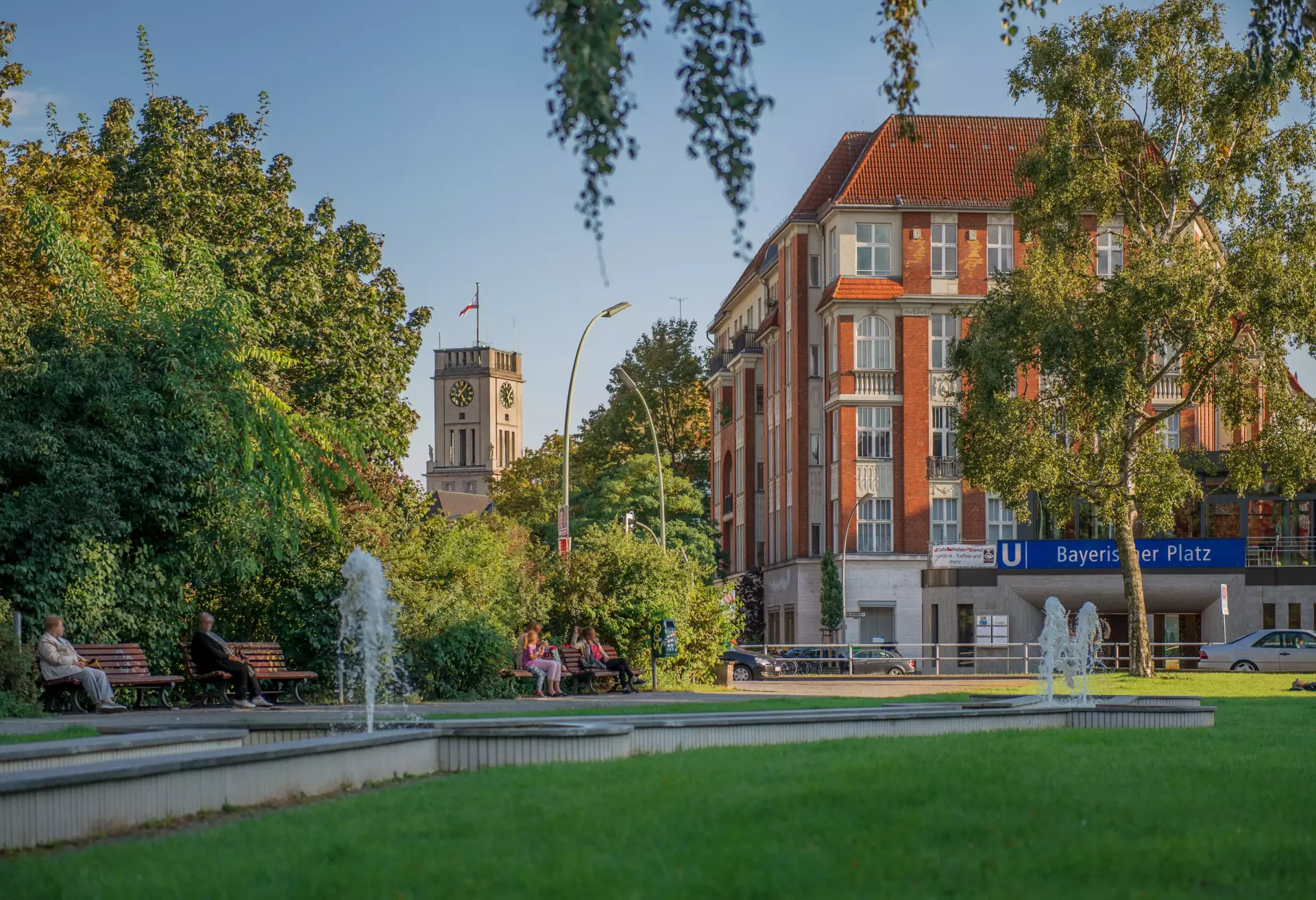
The district town hall was the main town hall for West Berlin during the Cold War. The freedom bell (a present from the American people) and several memorials from that time can be found here. On the main balcony in 1963 U.S. President John F. Kennedy made his famous statement, "All free men, wherever they may live, are citizens of Berlin, and, therefore, as a free man, I take pride in the words ‘Ich bin ein Berliner!’". On 10 November 1989 Helmut Kohl (chancellor (Bundeskanzler) 1982-1998) and Willy Brandt (former Bundeskanzler and mayor of Berlin) cheering the crowd as they saw the end of the Berlin Wall the night before. The town hall is an emotional place for most people in Berlin (especially West Berlin).
A man-made hill of about 120 m in the Grunewald, created after the Second World War from debris of the city. On top is the Field Station Berlin, a former US listening station. Inside the building complex you can see lots of graffiti art. The hill can be accessed without any restrictions and is free; however, the building complex is surrounded by fences and requires a ticket (tours are available as well).
This heritage-protected public bathing beach which opened in 1907 is one of the largest inland lidos in Europe and has a 1275-m-long sand beach, a capacity for up to 30,000 guests and a popular nudist area.
This museum describes the procedures applied by the East German secret police. Every Friday to Monday, there is a guided tour in English at 15:00 (5€).
A small but interesting collection of decorative arts from the Art Nouveau and Art Deco periods
Small park in the heart of West Berlin. Great place to chill on a sunny day. There are many great cafés and restaurants nearby. Linger over a coffee here and watch people passing by.
Features many objects and even whole rooms in Wilhelminian style. Only accessible by guided tour (English tours can be arranged).
This chapel was built on the site of a church built in 1894 which sat on the "death strip" and was thus blown up by the GDR authorities in 1985. The chapel is the site of occasional memorial services for victims of the wall.