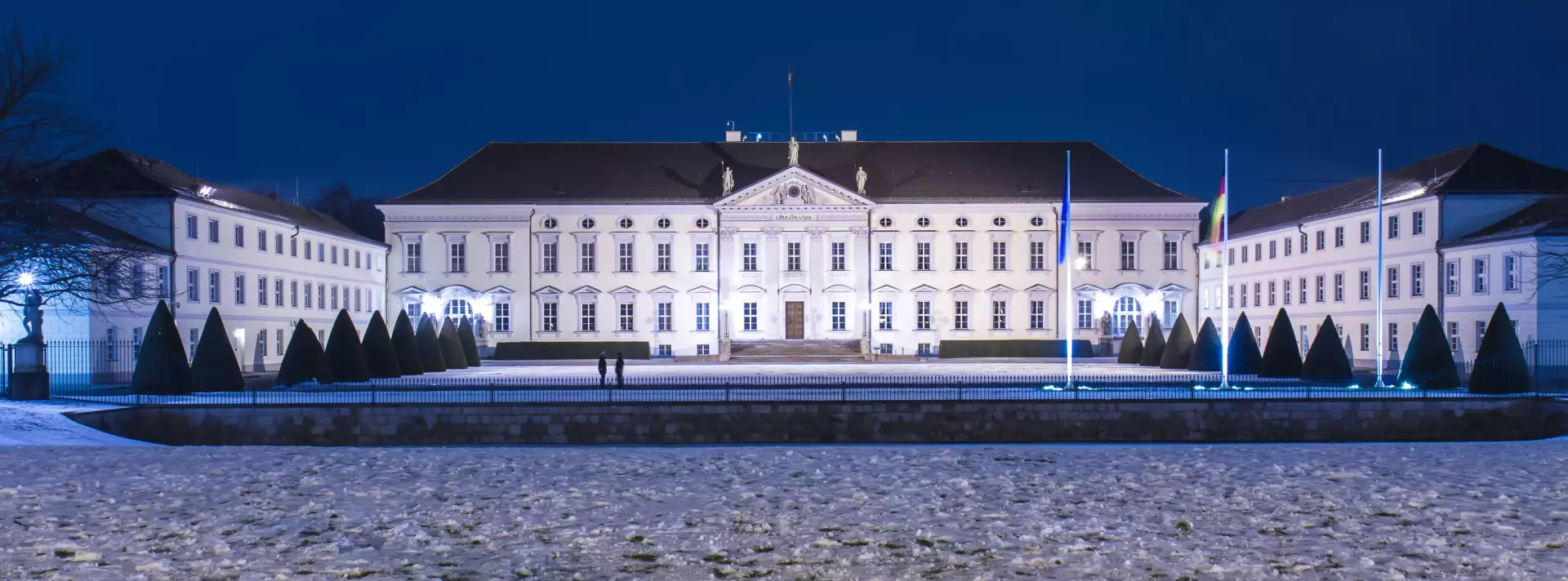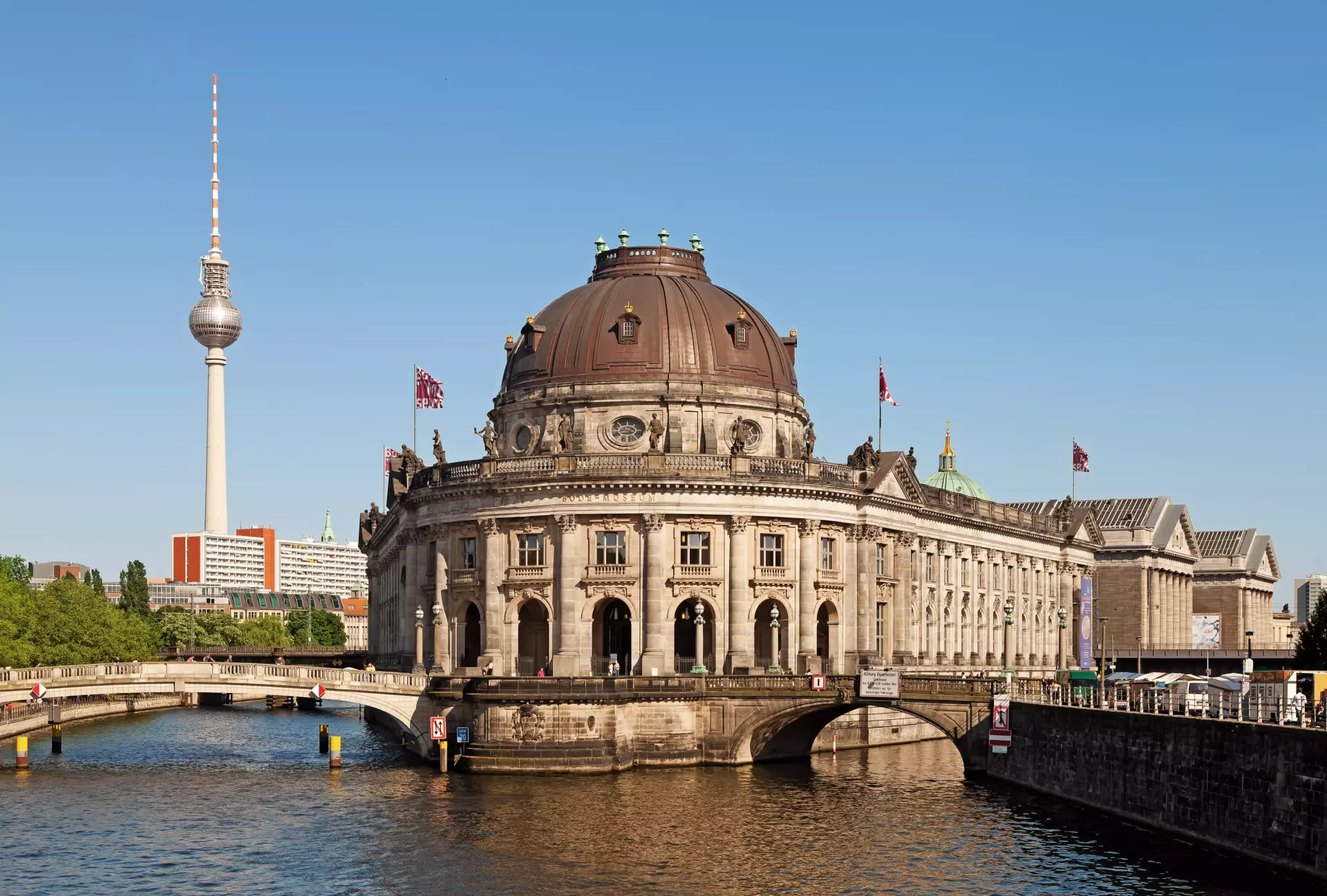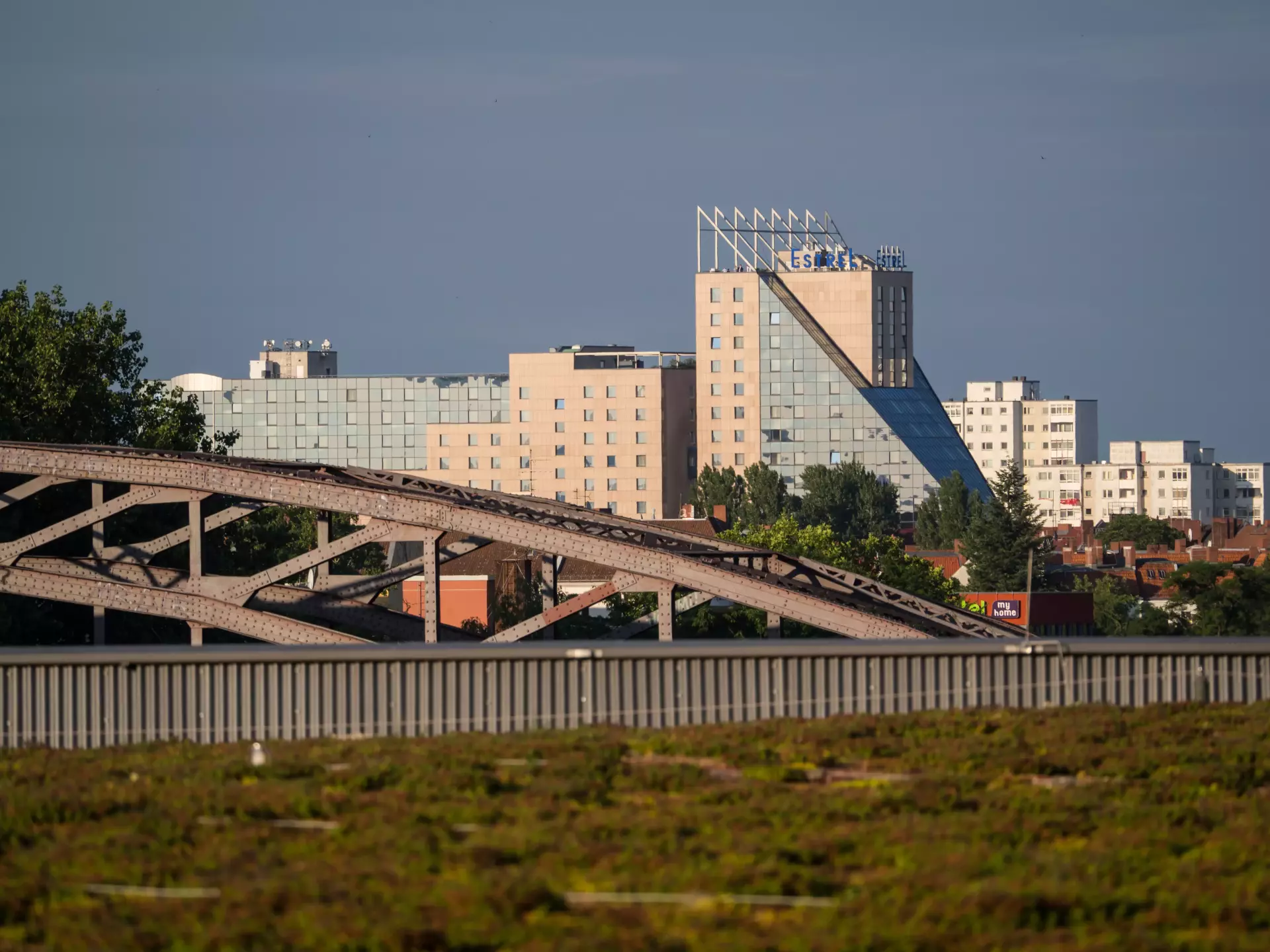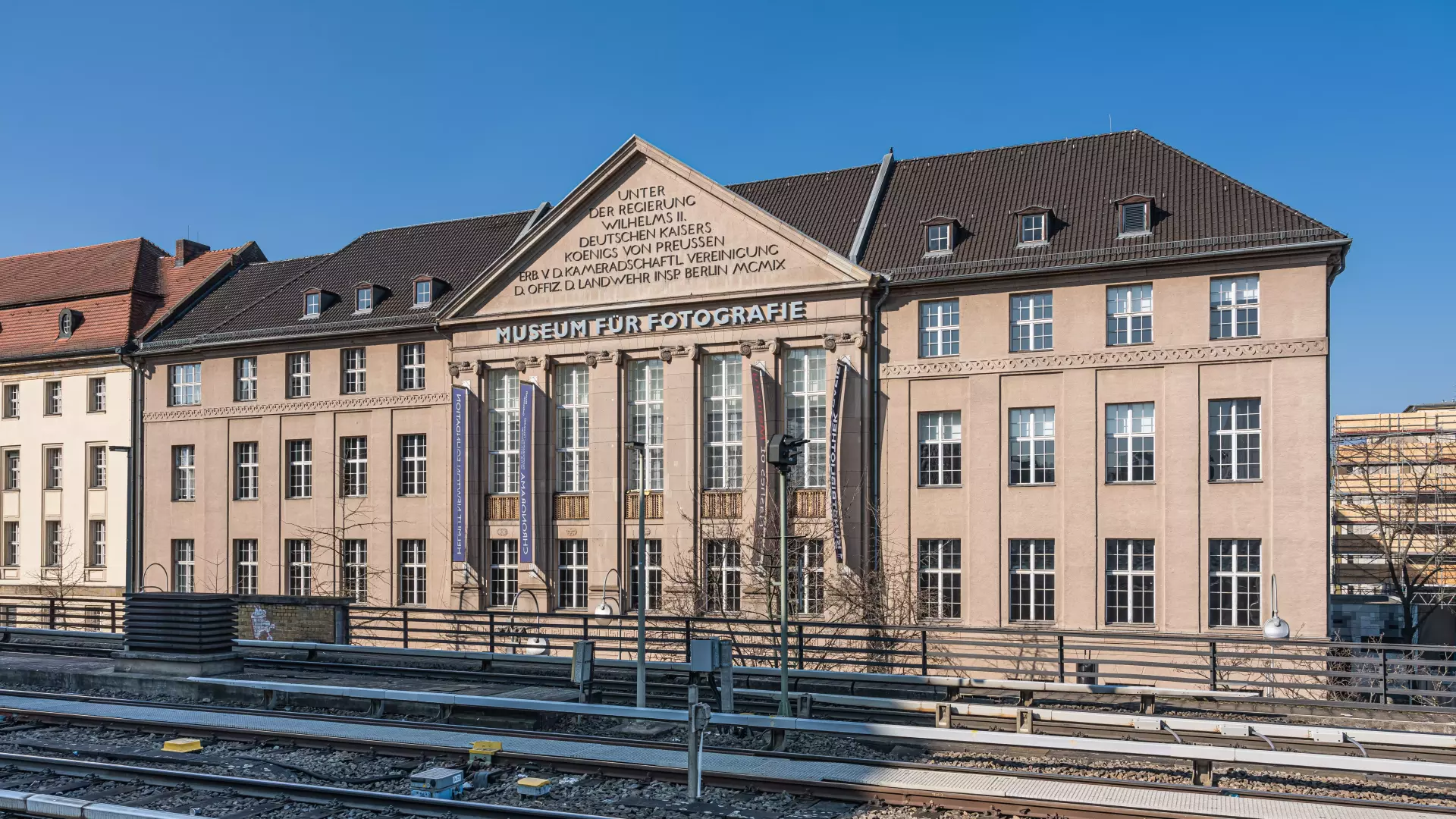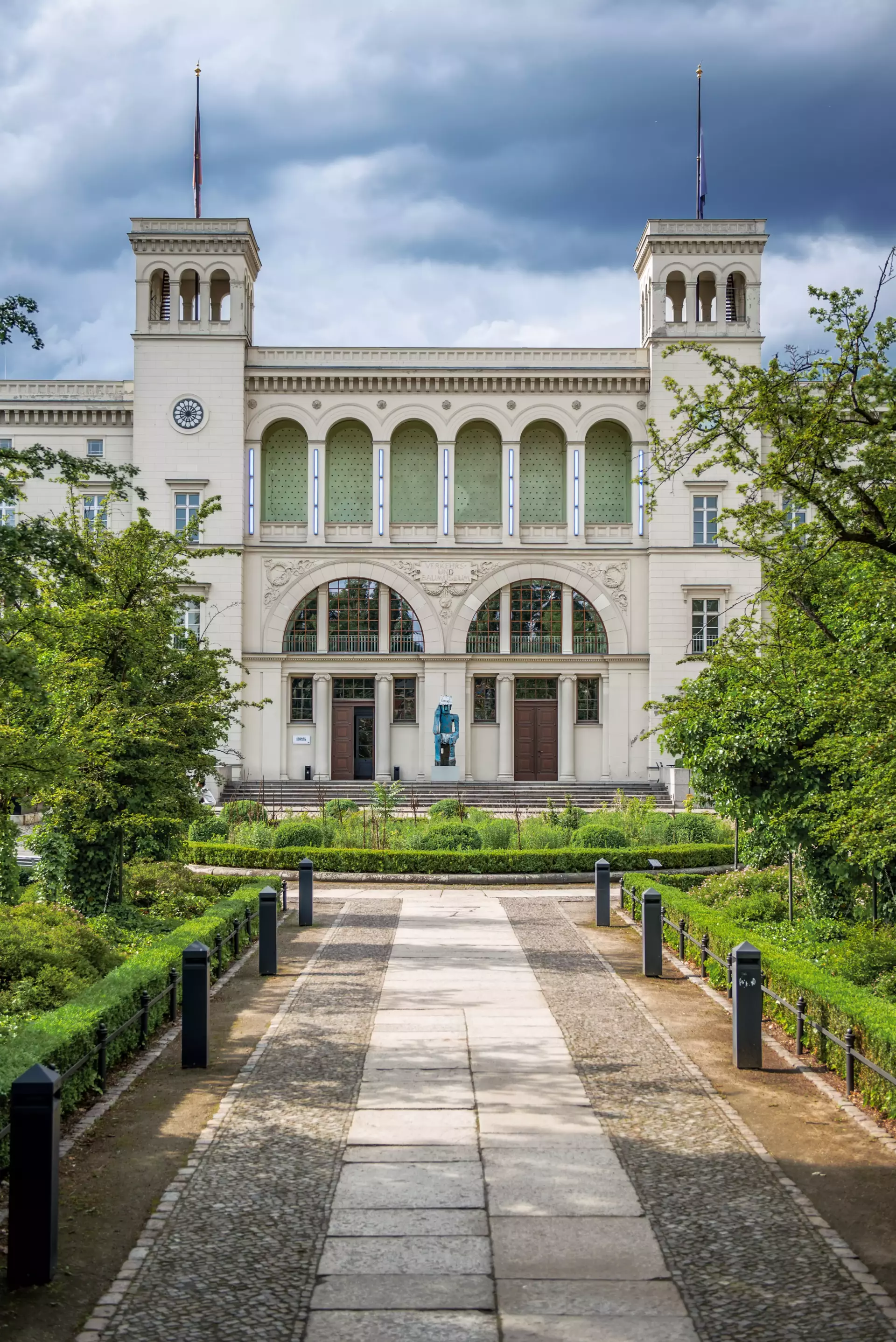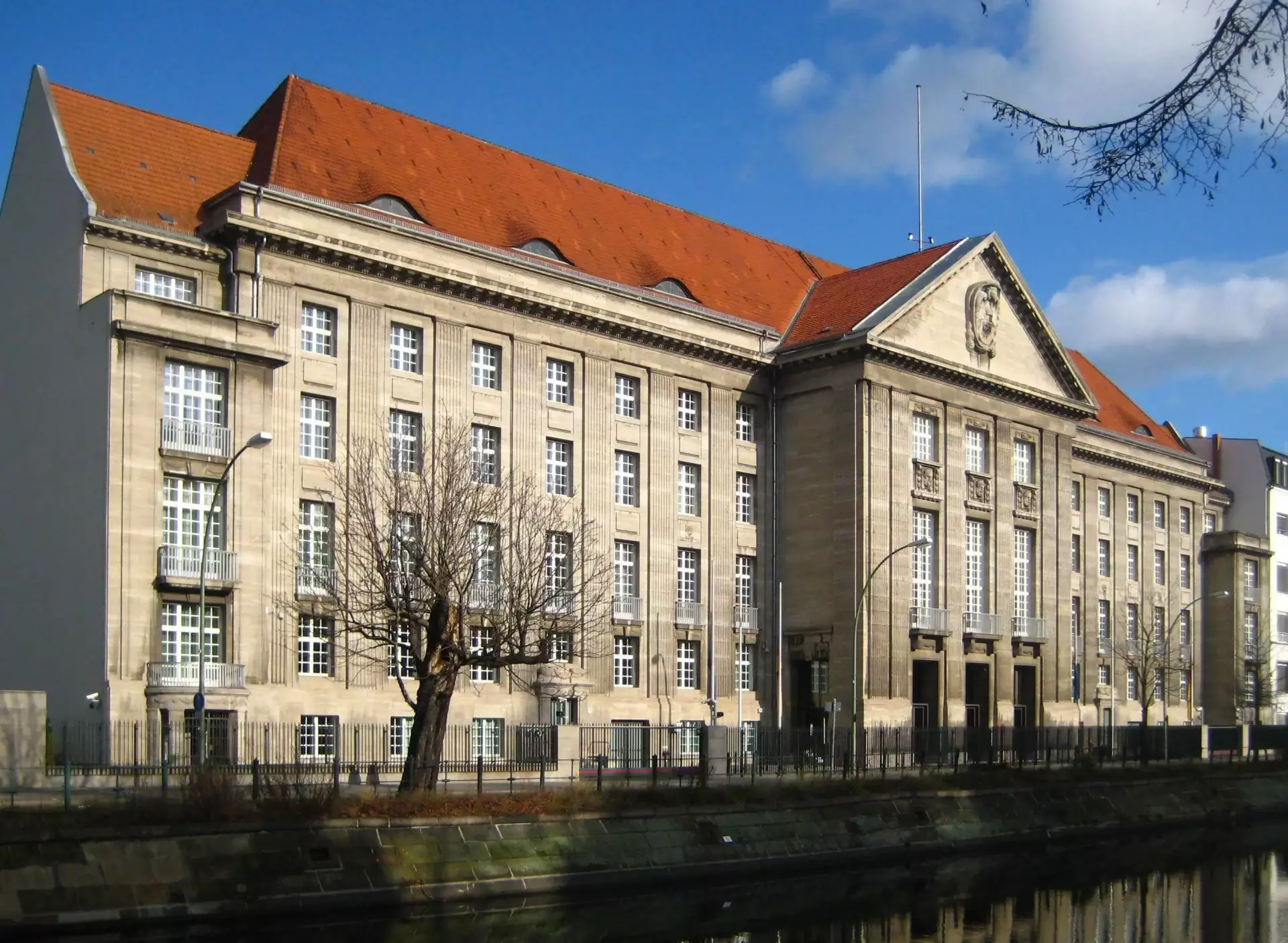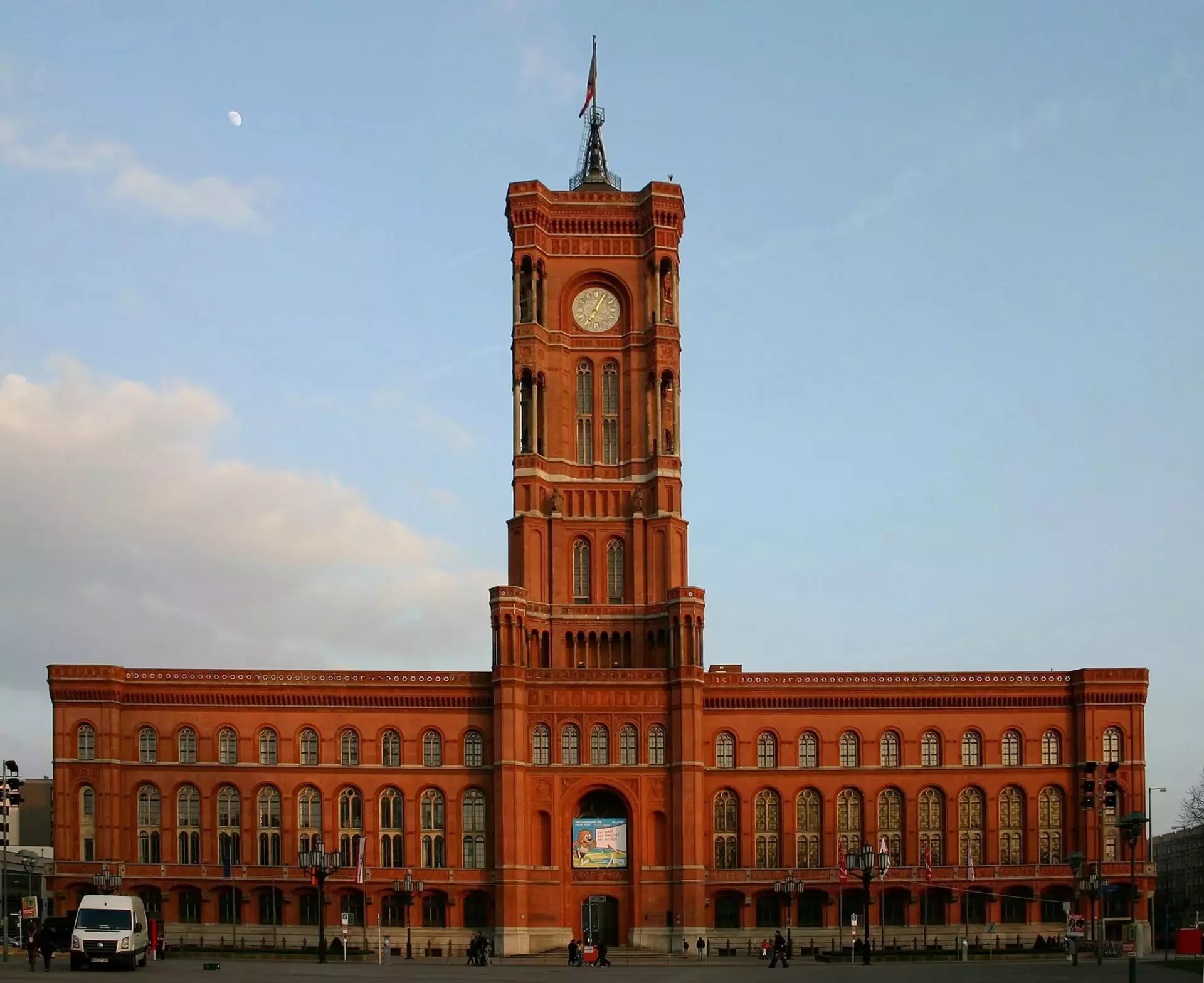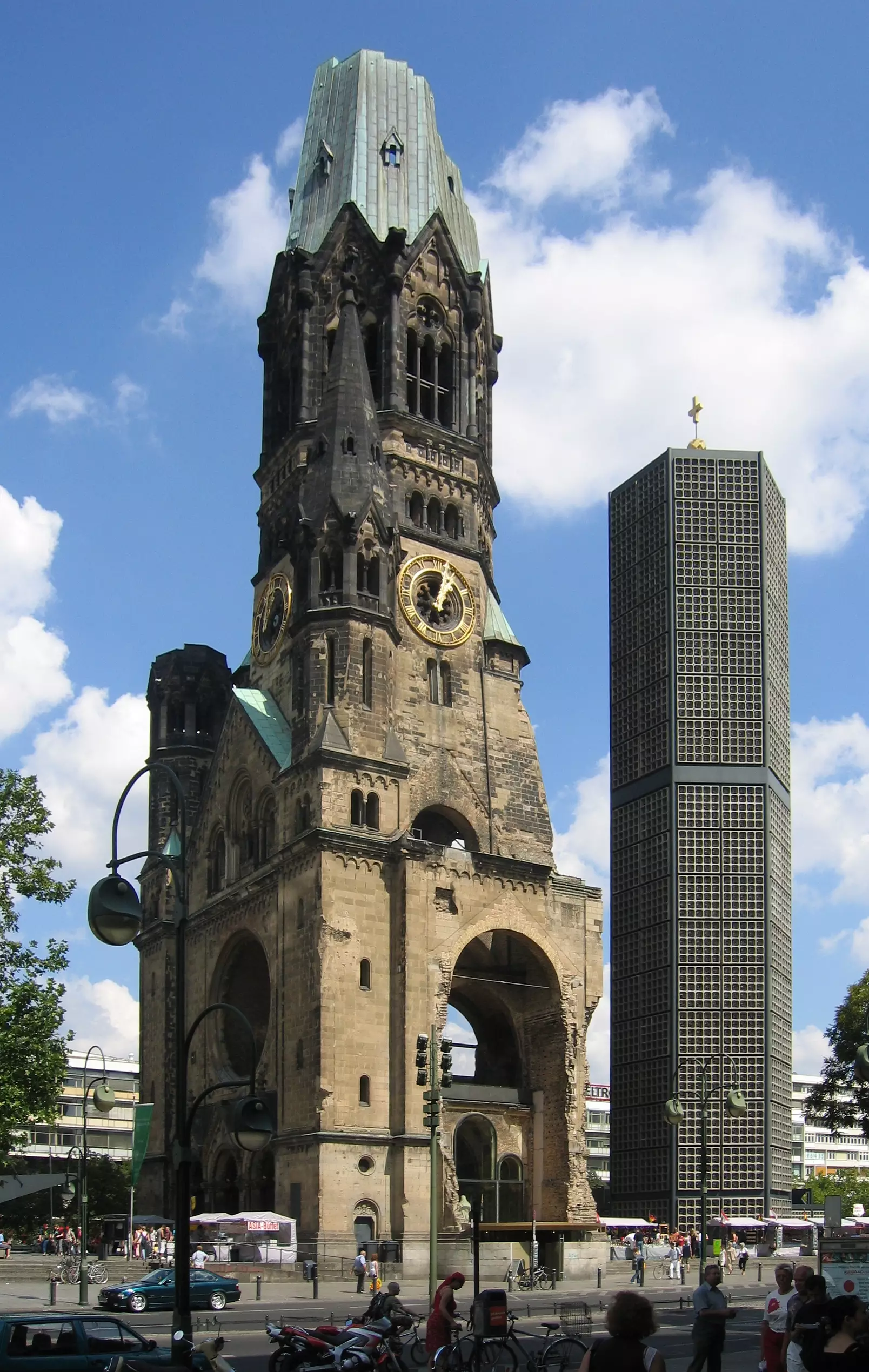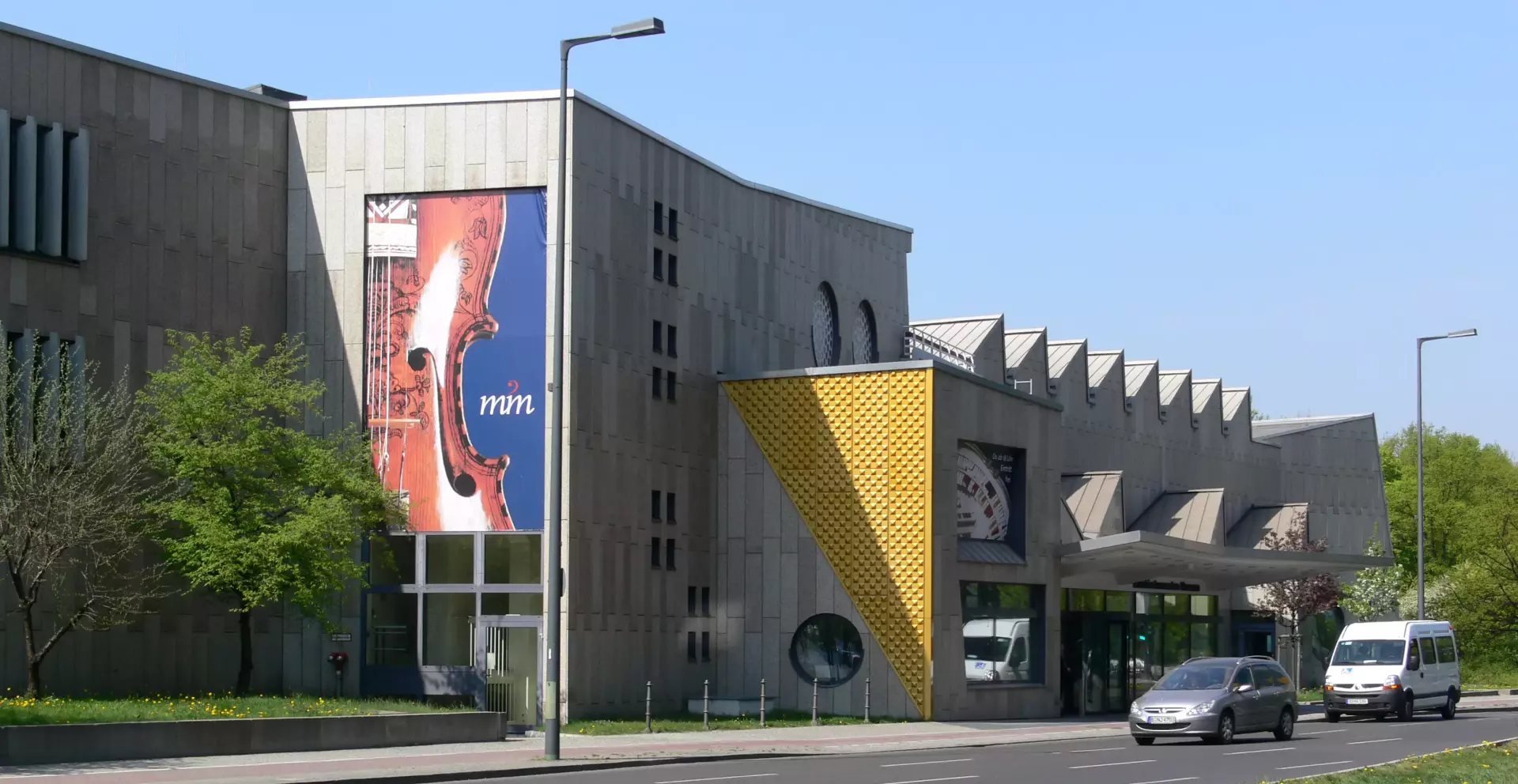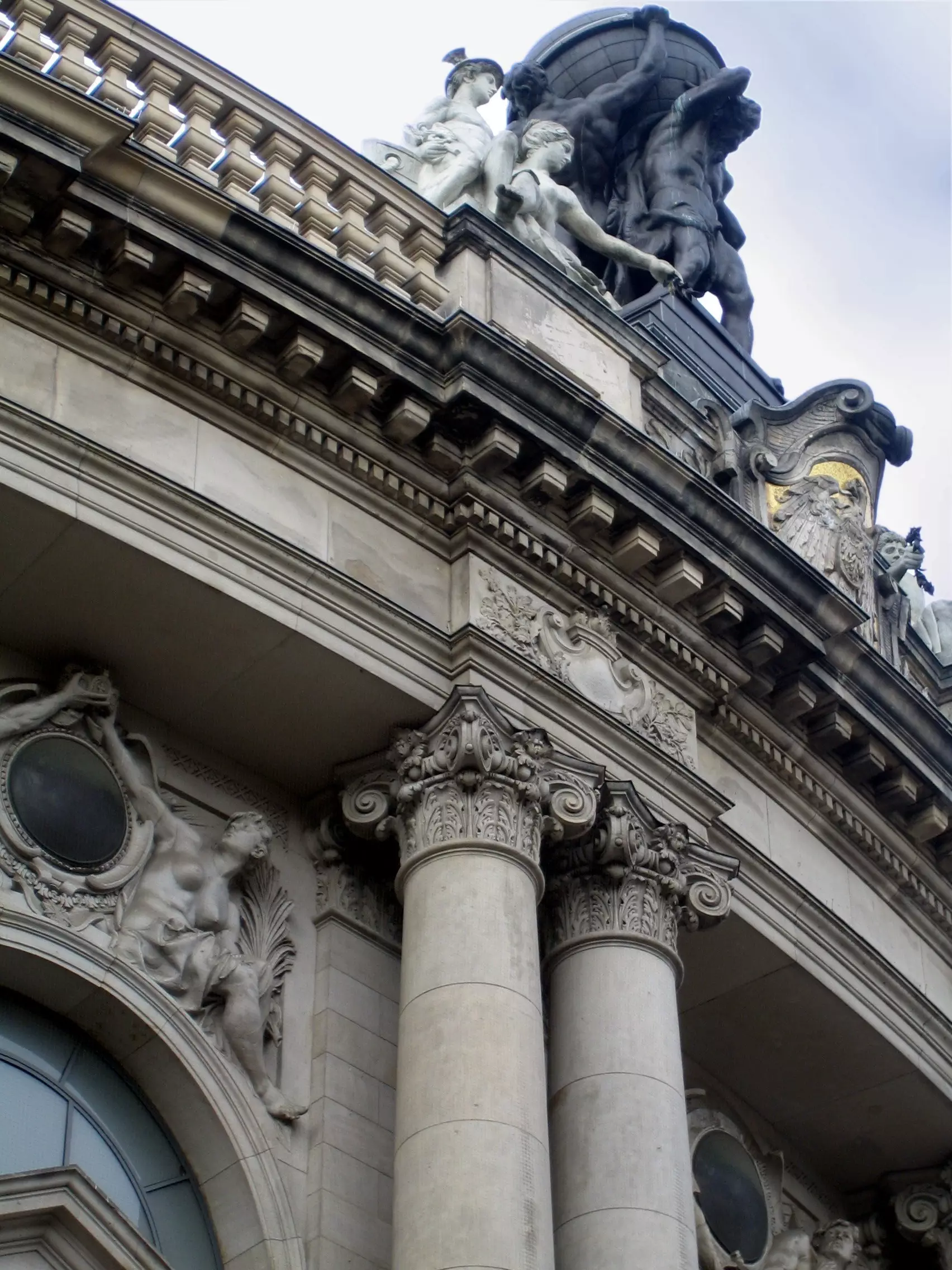
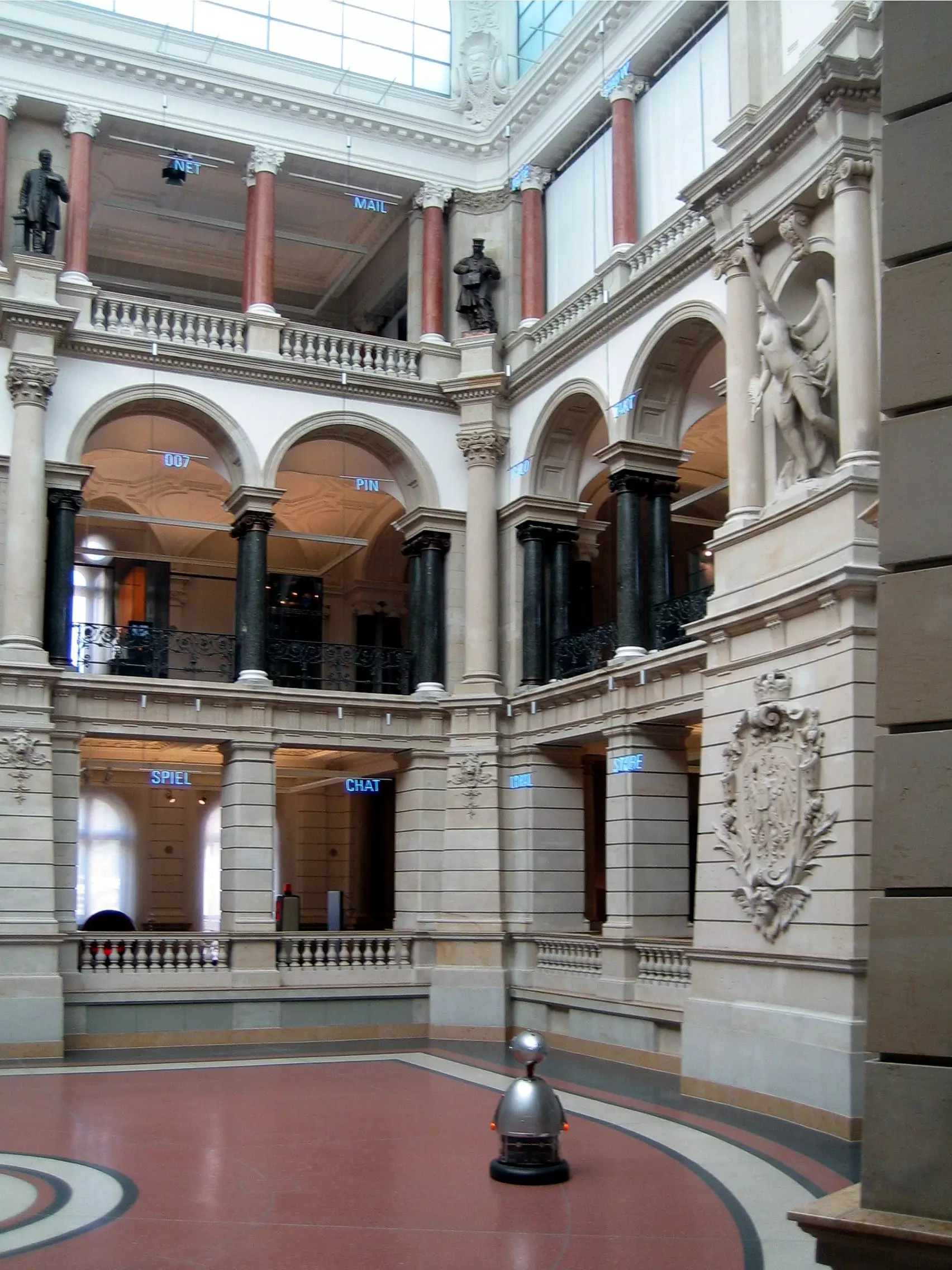
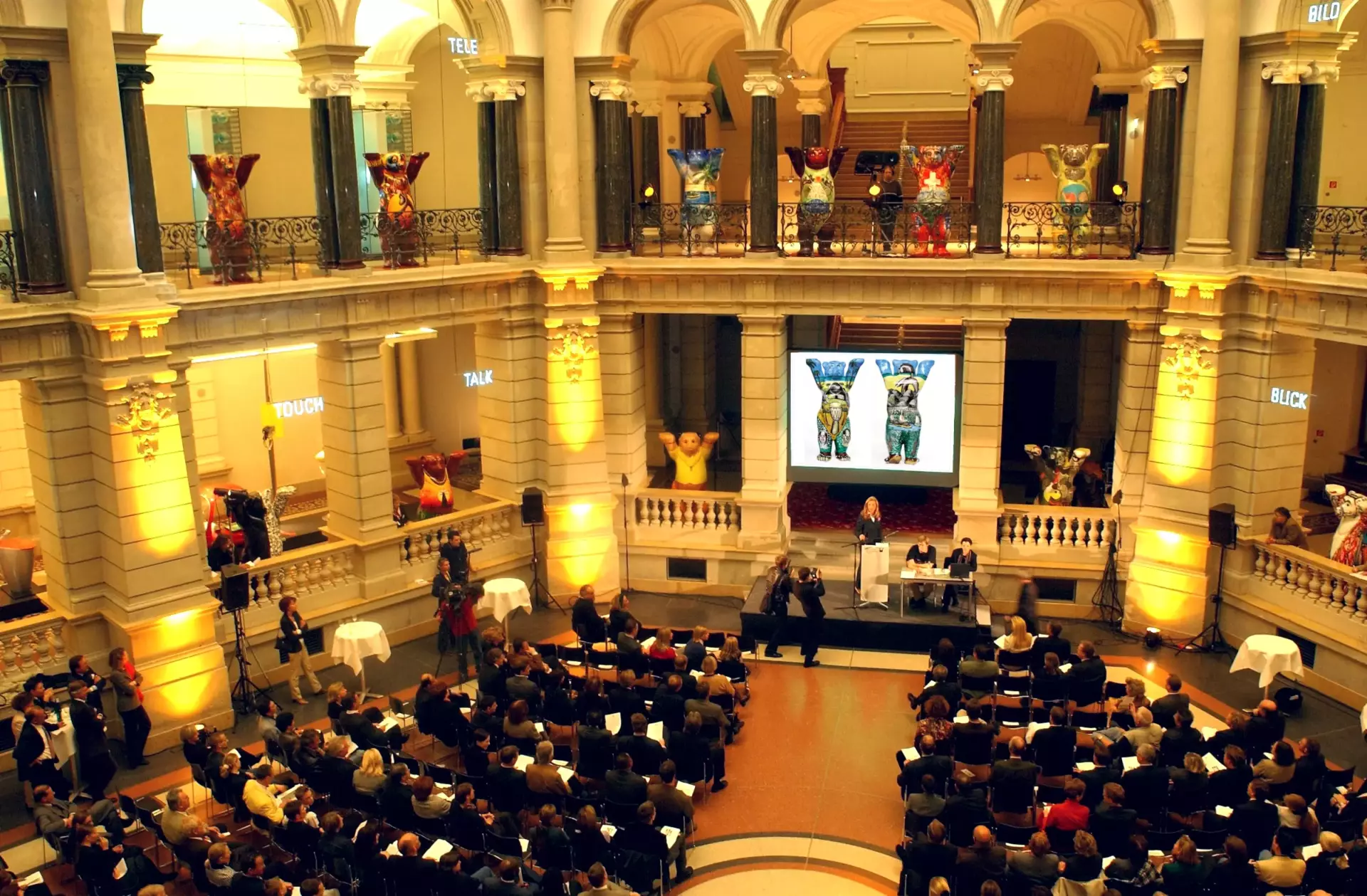
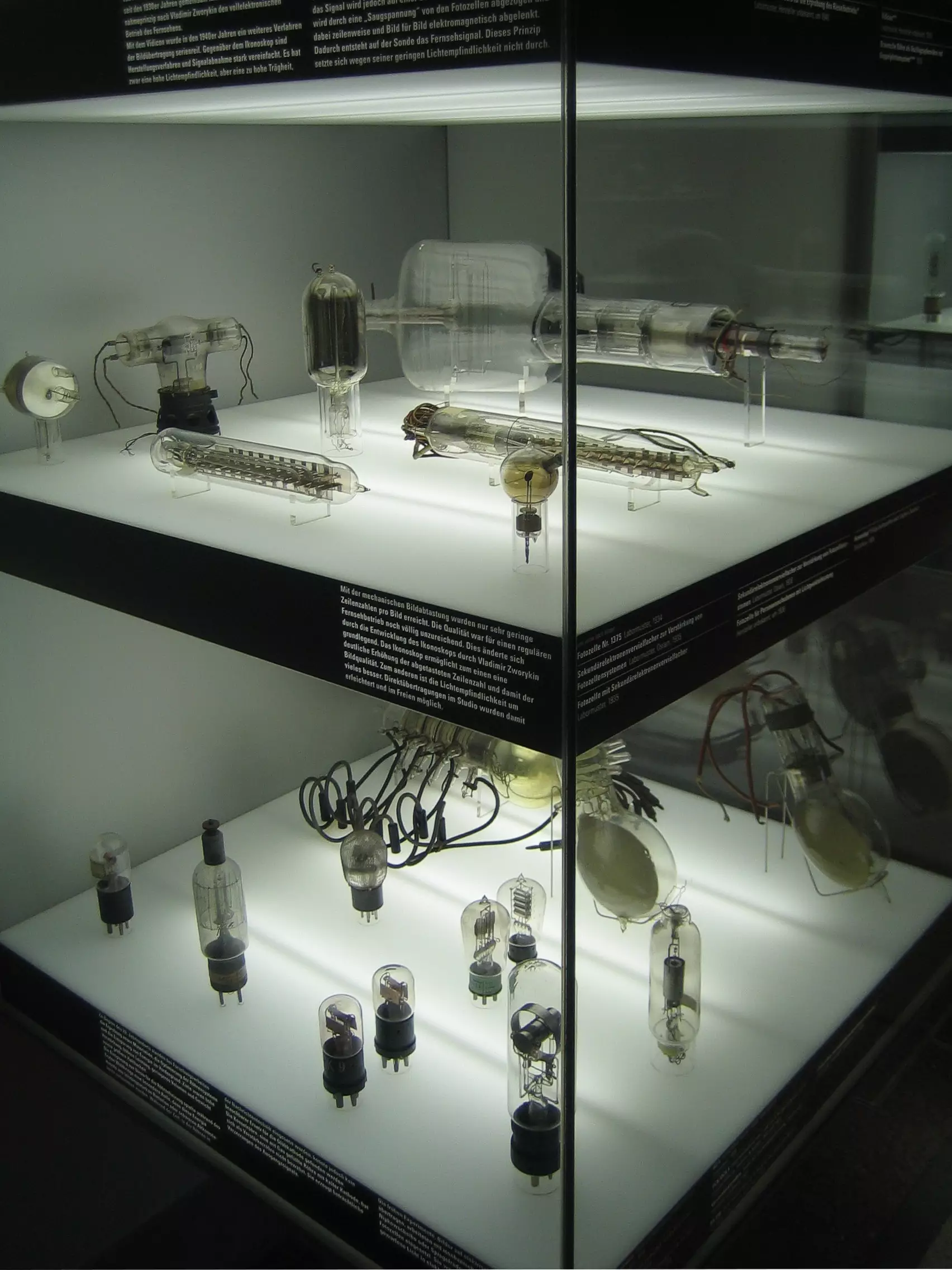
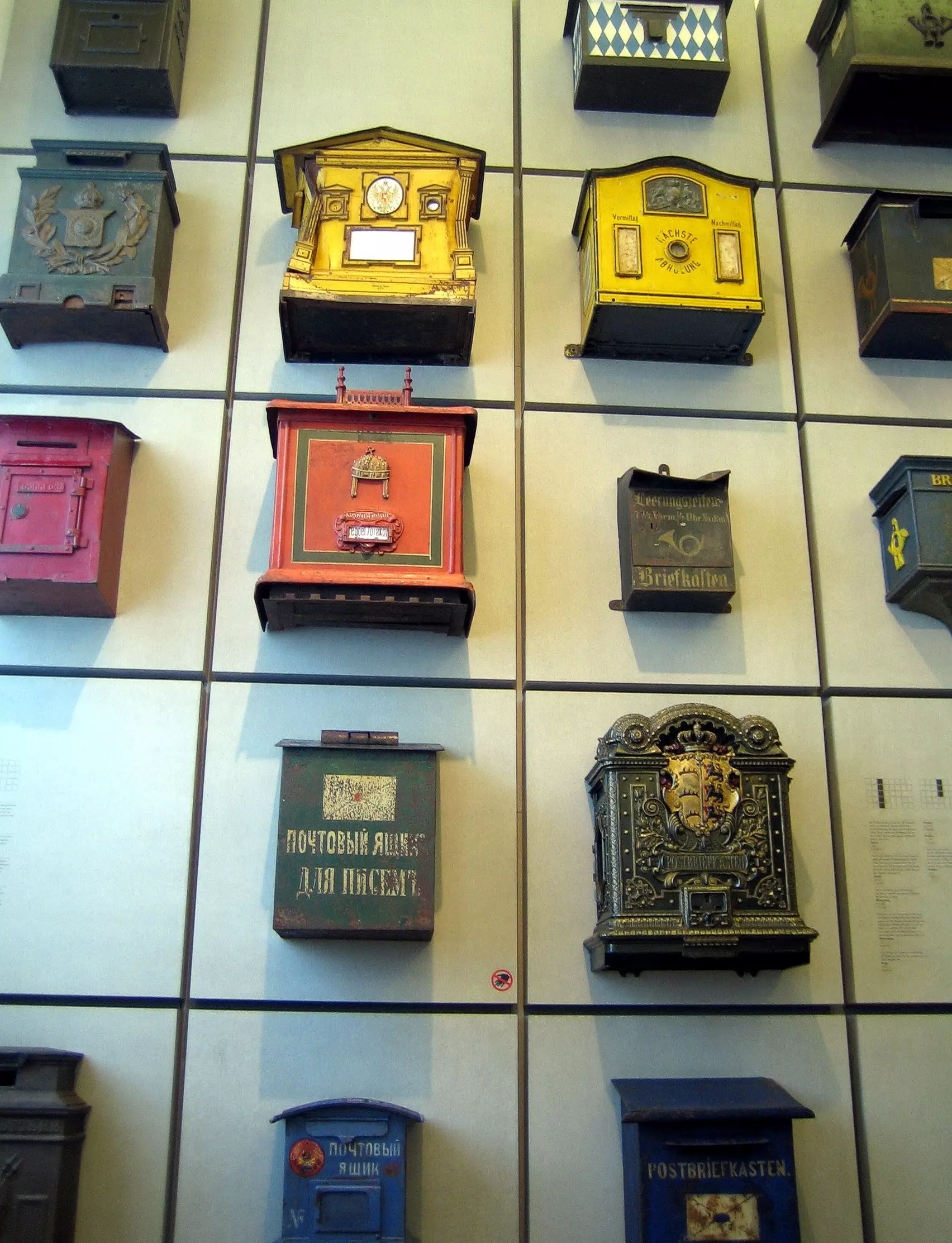
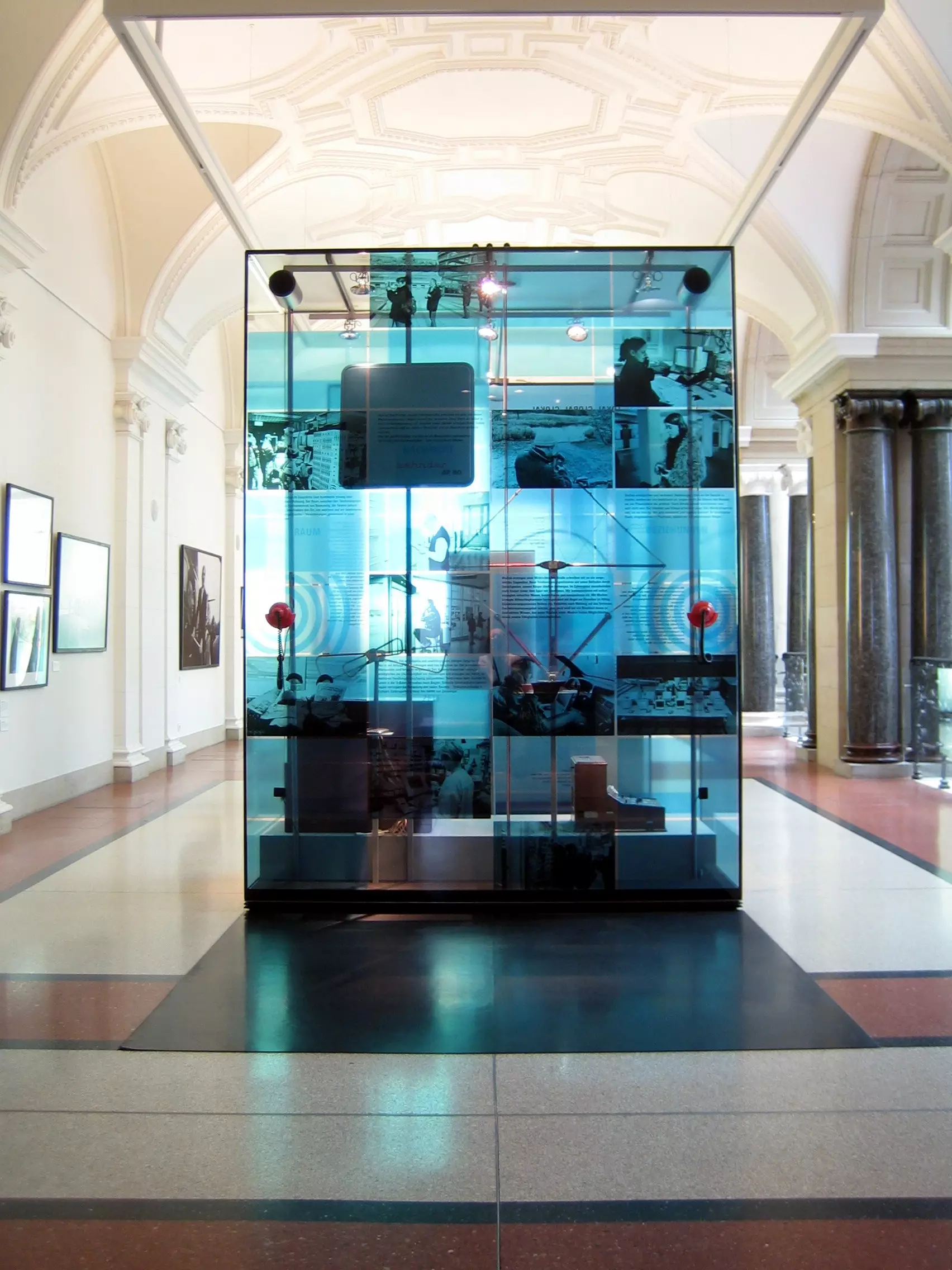
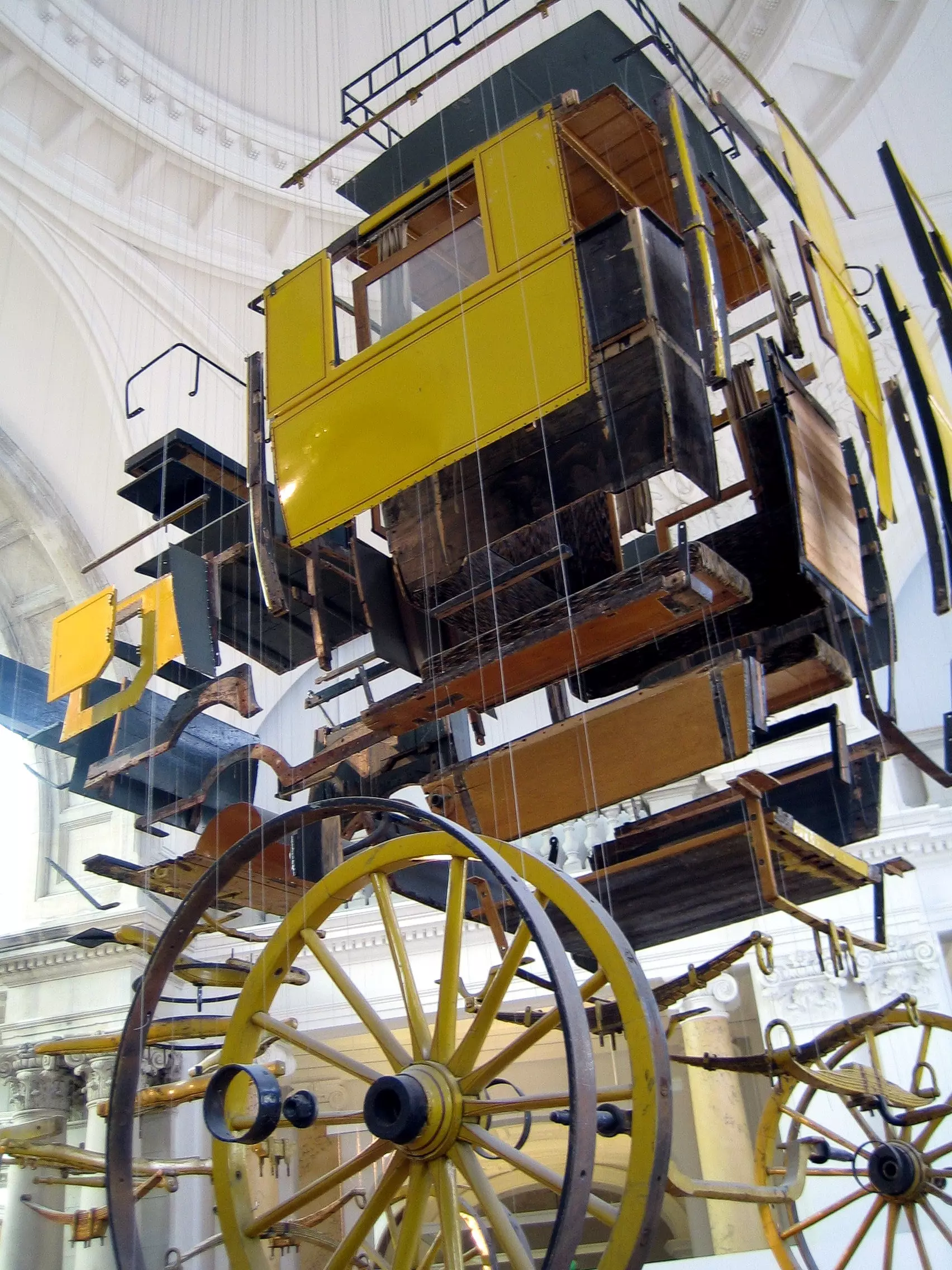
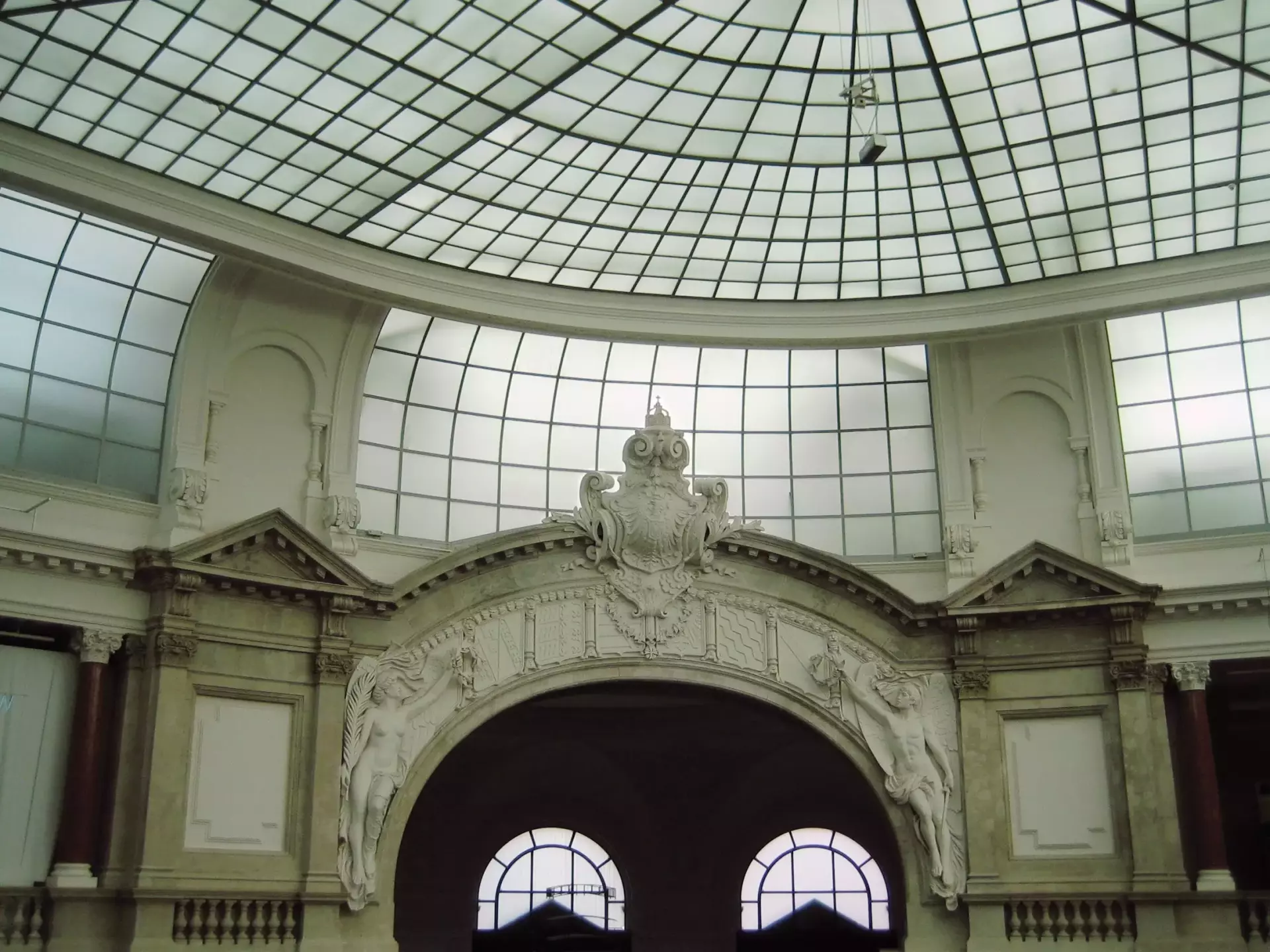
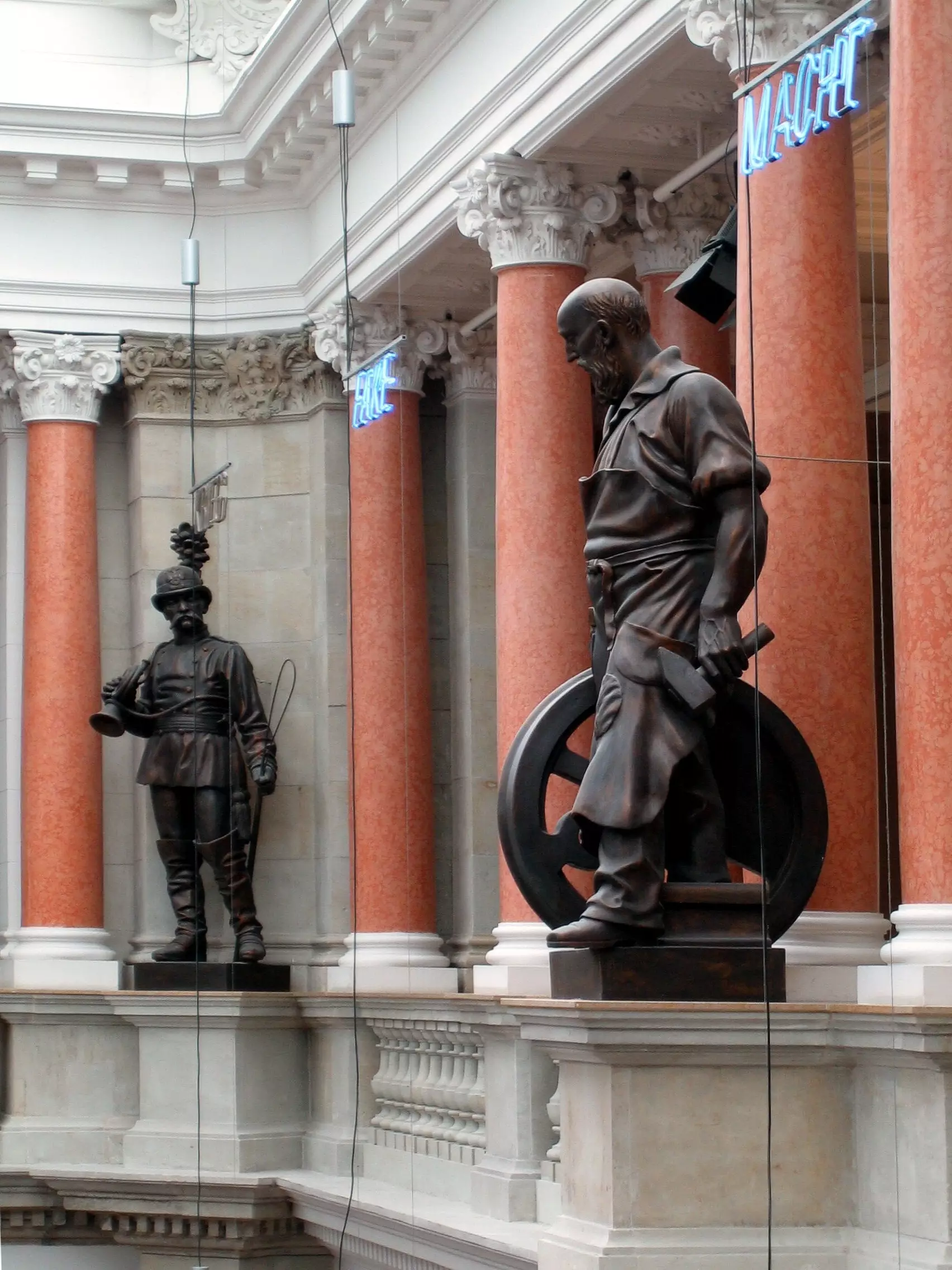
The former Imperial General Post Office now serves as the Museum for Telecommunication and Post, a place that traces how people have sent messages and shared news across centuries. Inside, rooms once dedicated to official mail routes now hold displays that show the rise of communication from letters to cables, telephones, and early digital tools.
Exhibits present many historical objects, each one tied to a moment in the evolution of communication. Classic post boxes, stamps, sorting equipment, and uniforms show how national mail systems worked behind the scenes. Early telegraphs and switchboards reveal the networks that connected cities long before mobile phones. Vintage telephones, radios, and early computers illustrate changing technology and the growing speed of information.
The museum’s setting adds to the experience. The architecture reflects its past as the Imperial General Post Office, with solid lines, large halls, and details that point to an era when post and telegraph were vital public services. Walking through the corridors hints at the bustle of clerks, messengers, and operators who once kept messages moving.
Displays track the shift from inked addresses and sealed envelopes to signal wires and wireless transmission. Visitors can compare tools from different ages, seeing how each new invention changed speed, reach, and style. The result is a clear timeline that connects the everyday act of sending a message to the wide networks that carry it.
The only surviving Berlin city gate and a potent symbol of the city. This is the point where Straße des 17. Juni becomes Unter den Linden. The gate was designed by Carl Gotthard Langhans in 1791 and was intended to resemble the Acropolis in Athens. The Brandenburg Gate now symbolizes reunification, after dividing East and West Berlin for decades. This is the site of Reagan's "Mr. Gorbachev open this gate, Mr. Gorbachev tear down this wall" speech.
A splendid 15th-century Gothic church with many fine accoutrements.
Built 1859-1866 this is one of the most architecturally stunning synagogues in Germany to survive both the Nazi era and the war.
A man-made hill of about 120 m in the Grunewald, created after the Second World War from debris of the city. On top is the Field Station Berlin, a former US listening station. Inside the building complex you can see lots of graffiti art. The hill can be accessed without any restrictions and is free; however, the building complex is surrounded by fences and requires a ticket (tours are available as well).
Small park in the heart of West Berlin. Great place to chill on a sunny day. There are many great cafés and restaurants nearby. Linger over a coffee here and watch people passing by.
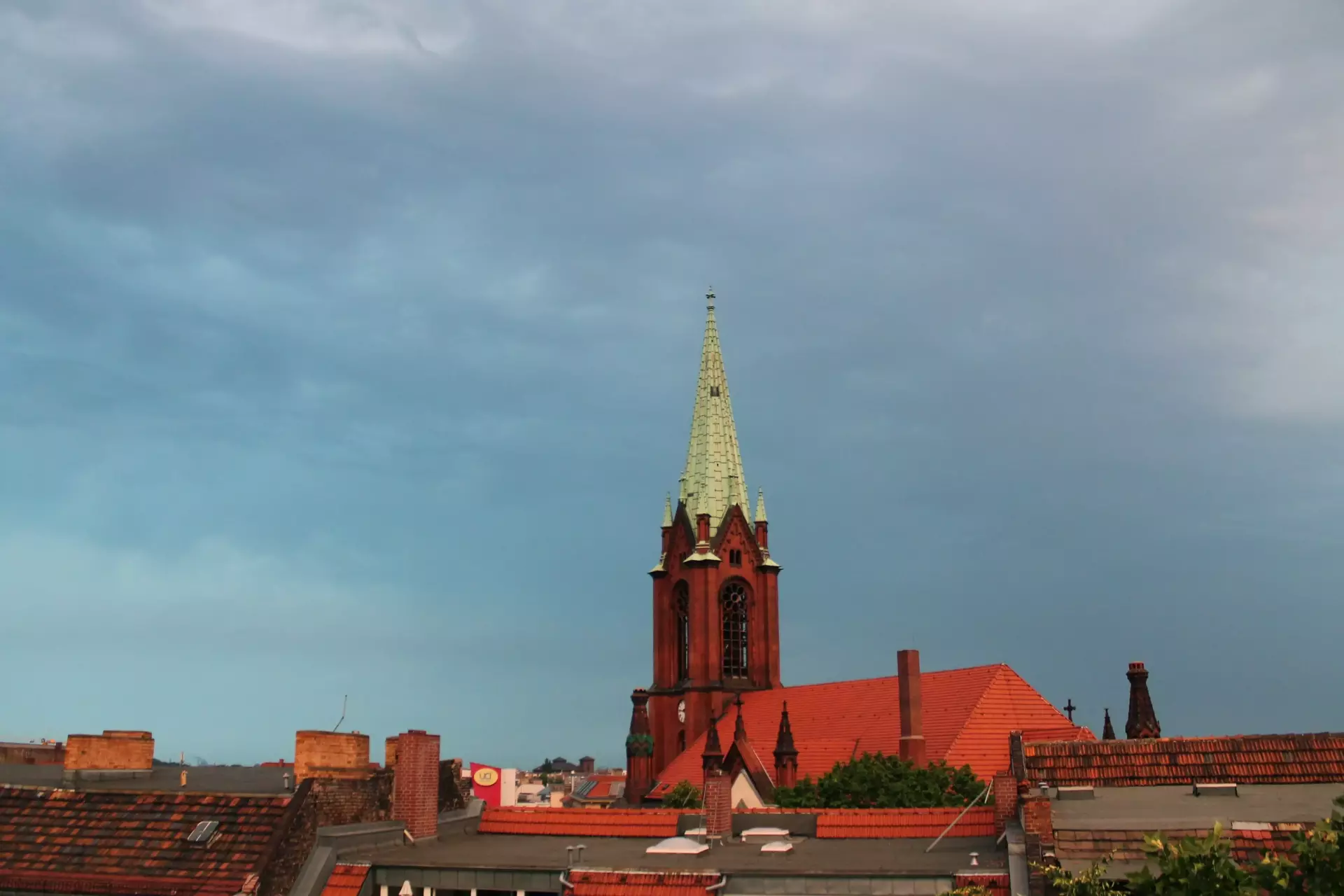
The meeting point of one of the leading oppositions against the GDR regime and is a great Neogothic church. Also the only ecumenical Lord's supper with Protestants and Catholics together took place in the Gethsemanekirche (2003).
The charming Baroque water palace of the Hohenzollern electors surrounded by the Dahme river and an English garden.
Built in 1542. An impressive traditional country estate with stately architecture, it is an enclave of untouched regional cultural history and architectonic epochs. The 80-hectare mixed forest also provides a wide network of paths for walking and rambling.
This heritage-protected public bathing beach which opened in 1907 is one of the largest inland lidos in Europe and has a 1275-m-long sand beach, a capacity for up to 30,000 guests and a popular nudist area.
The synagogue in the backyard of an apartment house is one of the biggest in Germany.
The city's Protestant cathedral and the burial place of the Prussian kings. You can climb to the top and get a view of the city.