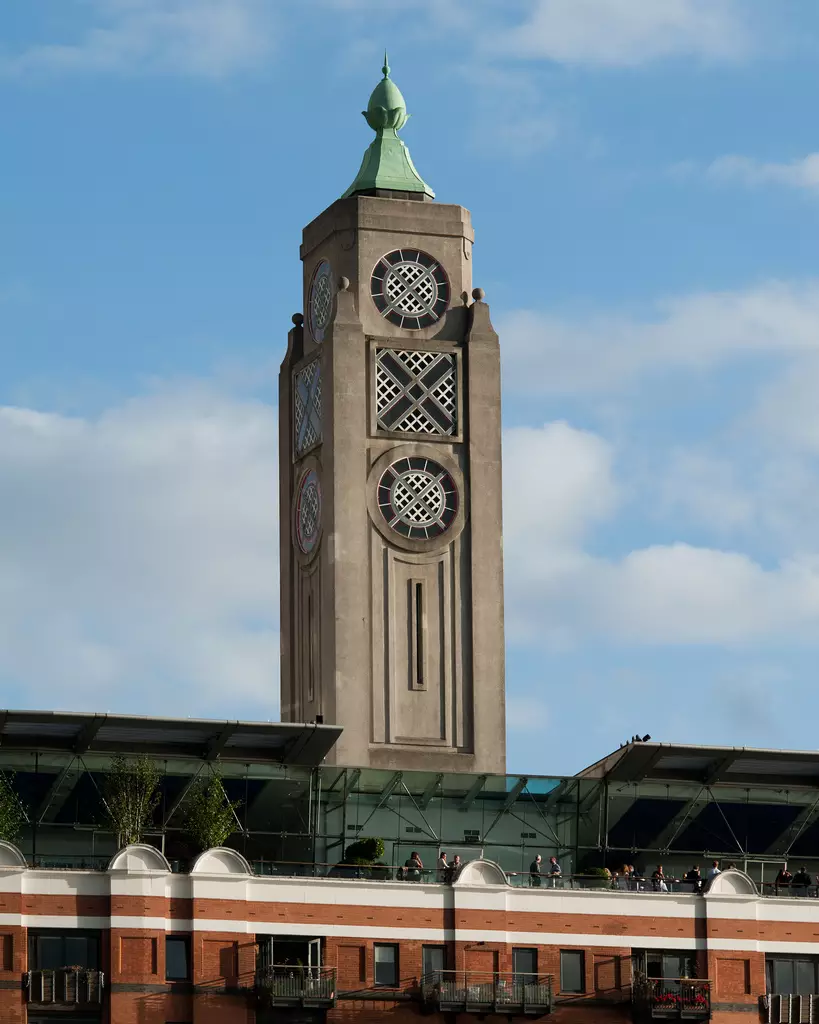
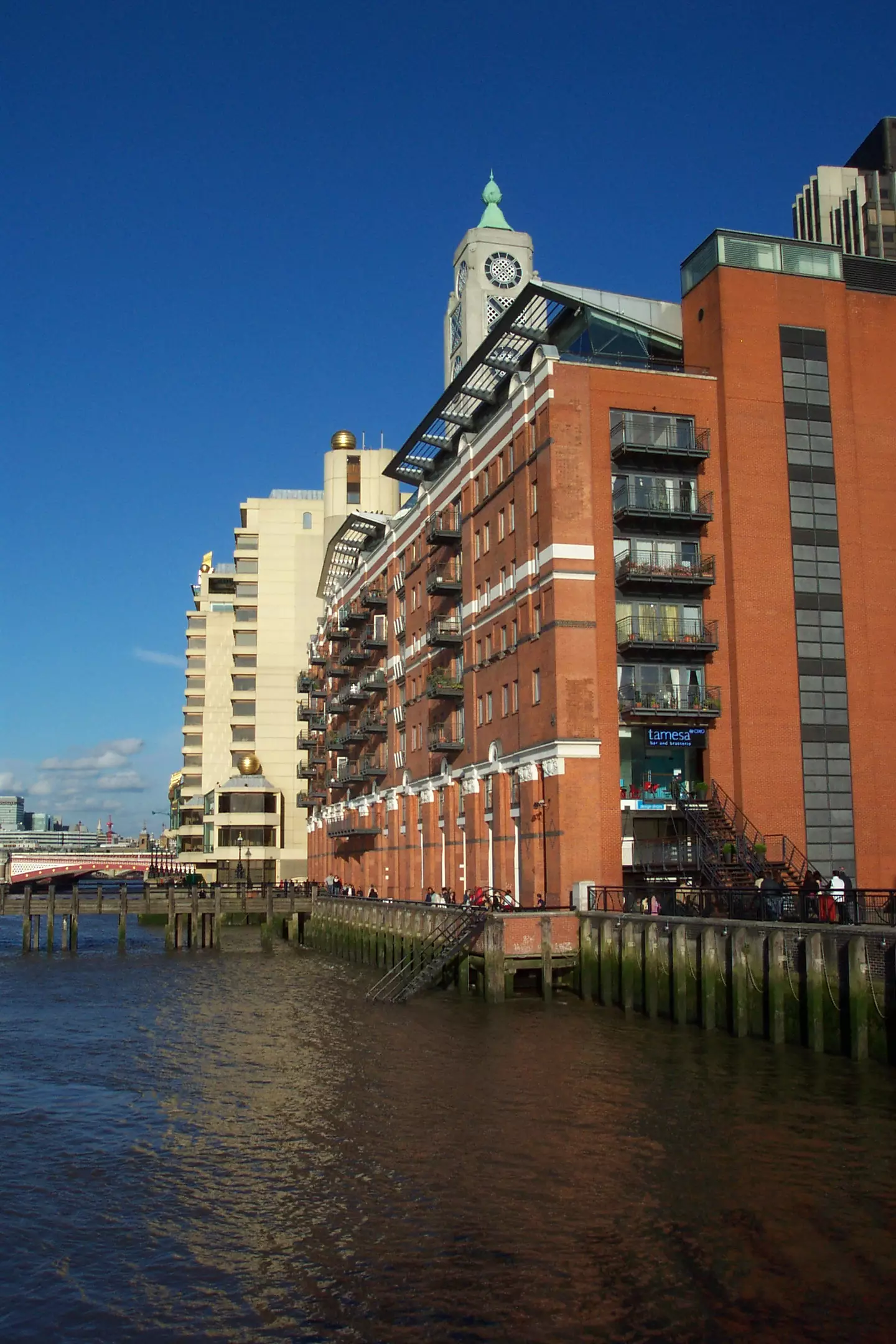
Located on London's bustling South Bank, the OXO Tower is a vibrant hub of creativity and culture. This iconic building houses an eclectic mix of designer-maker boutiques, offering everything from stylish hats and unique homeware to exquisite wedding dresses and handcrafted jewelry.
On the ground floor, visitors are greeted by a modern gallery that is free to explore daily. It's a perfect starting point before diving into the various charming shops. The tower also features quaint cafes and services like a florist and hairdresser, making it a one-stop destination for both shopping and relaxation.
For those seeking a culinary treat, the upper floors host a variety of enticing dining options. The Tamesa Brasserie and Bincho Yakitori offer diverse menus, from classic brasserie fare to Japanese tapas. The top floor is home to a sophisticated restaurant and bar, where guests can enjoy a meal paired with stunning views of the River Thames.
One of the tower’s highlights is its panoramic views. Though dining at the top comes with a cost, visitors can still access a separate balcony for free, providing breathtaking perspectives of South London and the Embankment. This makes the OXO Tower a must-visit for those keen on capturing the essence of London from a unique vantage point.
Source - https://en.wikipedia.org/wiki/Oxo_Tower

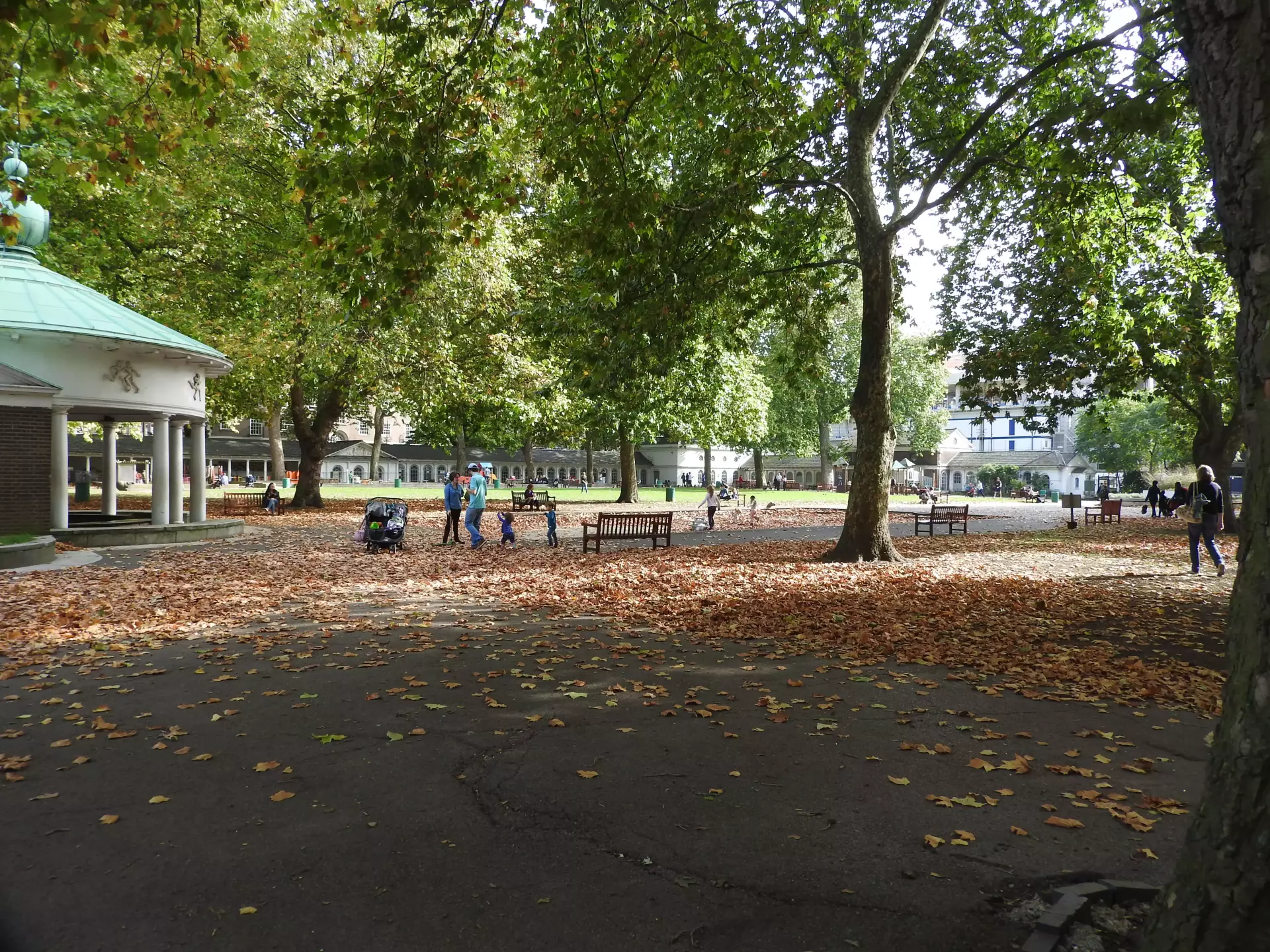
A royal residence which is still used by Prince William, Kate and their young family. Much of it is however open to the public and it is a very popular tourist attraction perhaps due as much to its association with Princess Diana as anything else. The King's Gallery here is a magnificent Regency period court drawing room and contains some impressive paintings including a Van Dyke. Also a nice restaurant on site called The Orangery.
A treasure trove of antique toys exhibited in a warren of 6 rooms above the toy shop of the same name. A very charming place indeed, though the doll rooms are a bit gruesome.
Admission by guided tour only, which must be booked in advance. The museum is housed in part of a Victorian fire station and its collections include fire engines and historical equipment.
An enormous art gallery converted from the former Bankside Power Station, a visit to Tate Modern could easily take half a day. The gallery collects together contemporary and modern art from around the world, arranged thematically. The most stunning aspect of the building, is the enormous Turbine Hall, which plays host to a single piece of work commissioned for the space each year. An extension of the gallery has opened in a ten-storey building behind the existing power station.
The National Portrait Gallery is just around the corner from the National Gallery and is an entertaining way to learn about British history since the Tudors. Visitors walk around the gallery chronologically, viewing portraits of notable figures from British history - from Henry VII, painted by Hans Holbein, to Blur, painted by Julian Opie.
This steel pedestrian bridge connecting Bankside with the City of London has all the lovely views of the Thames that you'd expect, but most of those who cross Millennium Bridge never notice its most distinctive feature. The bridge is dotted with hundreds of tiny paintings, so small that you'll probably miss them under your feet if you're not looking for them.
At 87 hectares this is the largest open green space in the district.
Probably the most colourful event in the UK's legislative calendar, this takes place in May or June every year, or after a general election, when the King travels to the Houses of Parliament to open the new parliamentary session. During this event, the Lords, Speaker of the House of Commons, and other office holders can be seen dressed in their ceremonial robes, and there is always an elaborate procession when the King makes his way to the Houses of Parliament from Buckingham Palace. This is one of the few occasions where all branches of the British government are gathered in the same place. Many traditions of the State Opening can trace their origins to a more turbulent past, when the relationship between the monarch and Parliament was sometimes antagonistic. In particular, since the English Civil War, the monarch has been banned from entering the House of Commons chamber, and instead must send a representative (the Black Rod) to summon the MPs to the Lords chamber, where he delivers his speech. Another notable tradition is the holding of a Hostage MP in Buckingham Palace, ostensibly to guarantee the safe return of the monarch, who is released once the King has returned to the palace safely after delivering his speech. While attendance at Parliament itself is limited to special guests that have been invited by the Prime Minister, it is broadcast live on the BBC, and you can also view the King's procession from Buckingham Palace to Parliament from the roadside for free.
Former offices of the Greater London Authority. A radically-designed glass fronted and rounded building, previously headquarters for London's Mayor and Assembly. City Hall has now be relocated to The Crystal, a building in Greenwich, near to the cable car. The old building is disused and not open to the public, but can be viewed from the outside.
Park overlooking the river, with the local war memorial. Be careful at high tide, as it may flood.
Old train station with an enormous office and shopping complex in glass and pale stone. A lavish hotel is also on the site. The name comes from the Queen Eleanor (13th century) gothic pillar outside the station, which is actually a Victorian-era replica. Charing Cross Road was once famous for its vintage book shops, but these have now largely disappeared due to high rents and online competition; however, the road is still home to one of London's largest bookshops, Foyle's.
A vast shopping, eating, entertainment and (primarily) business complex, home to Britain's second tallest skyscraper, One Canada Square. Now increasingly lively at weekends as well, but still at its most impressive during the week. Spectacular main exit from the Jubilee line Tube station. There is a substantial amount of information about the history and the architecture of the development on the website of Canary Wharf Group, the company that owns the development.
Islamic Cultural Centre and the main mosque in London. Visitors are welcome but must be suitably attired. The Mosque runs classes, prayers, talks and events.