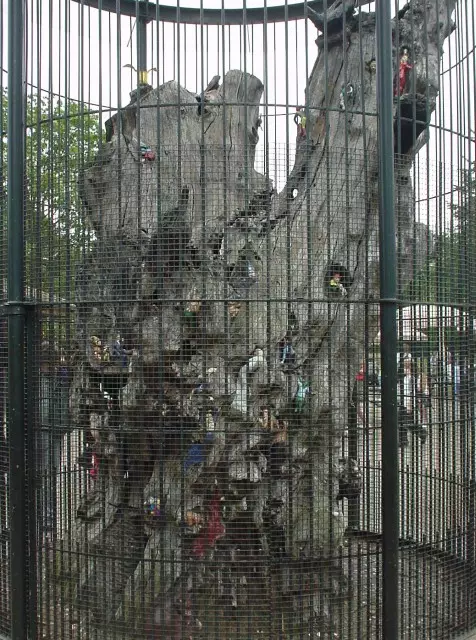
In the scenic surroundings of Kensington Gardens in London, there lies an intriguing piece of art that captures the imagination of both young and old. This is the Elfin Oak, a 900-year-old tree stump that has been transformed into a whimsical masterpiece.
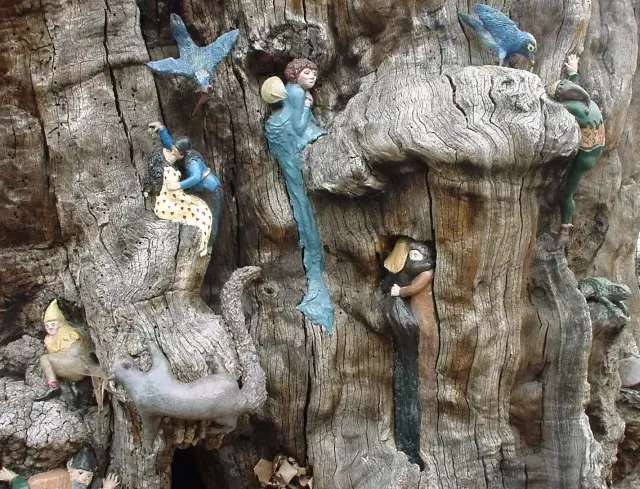
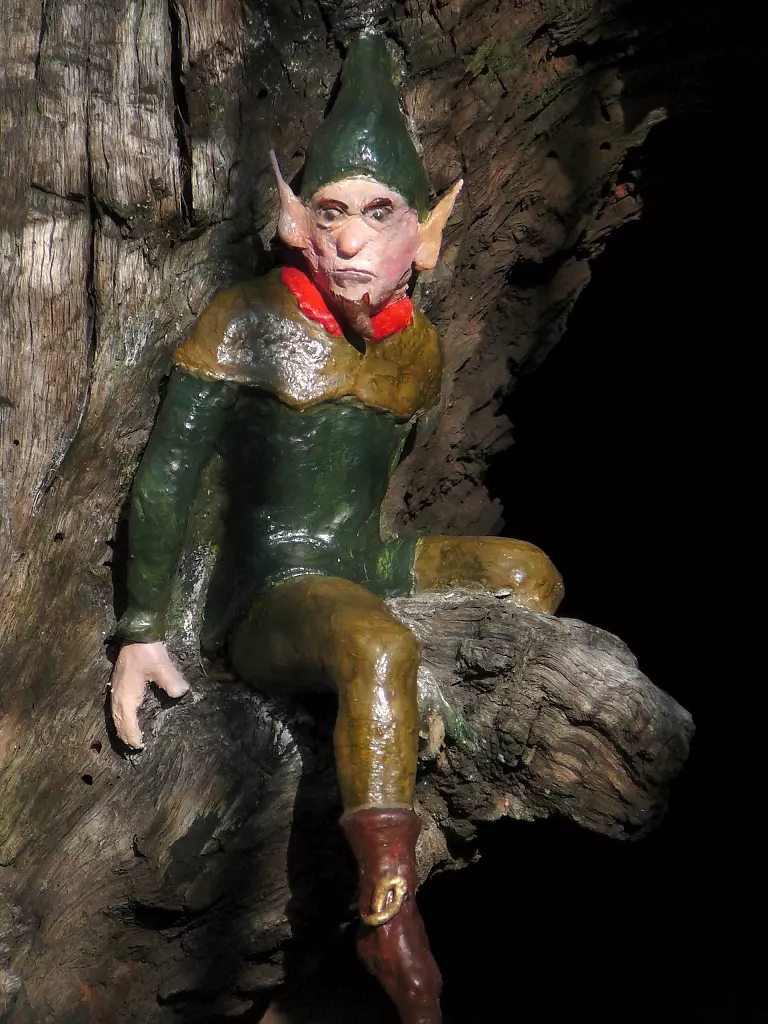
The Elfin Oak is not just an ordinary tree stump. It has been artistically carved and painted to showcase a delightful array of elves, gnomes, and tiny animals. These detailed figures appear to play and frolic around the ancient wood, bringing a sense of magic and wonder to anyone who stumbles upon it.
Originally, the oak tree stood proudly in Richmond Park. Over time, it was moved to Kensington Gardens where it was carefully sculpted into its current form. The transformation was the vision of artist Ivor Innes, who began working on the tree in 1928. Over the years, it has been maintained and restored, ensuring that its enchanting characters continue to charm visitors.
For children, the Elfin Oak is a source of endless fascination. Its myriad of tiny creatures invites them to invent stories and let their imaginations soar. It serves as a reminder of the enchantment that can be found in the natural world, if only one takes the time to look closely.
Beyond its charm, the Elfin Oak represents a piece of London's artistic history. It is a testament to the creativity and dedication of those who have preserved its magic over the decades. As it stands in Kensington Gardens, it continues to be a beloved feature, inviting visitors to step into a world of fantasy and folklore.
Source - https://en.wikipedia.org/wiki/Elfin_Oak
London Stone is a historic landmark housed in a public display case at 111 Cannon Street in the City of London. It is an irregular block of oolitic limestone measuring 53 × 43 × 30 cm (21″ × 17″ × 12″), the remnant of a once much larger object that had stood for many centuries on the south side of the street.
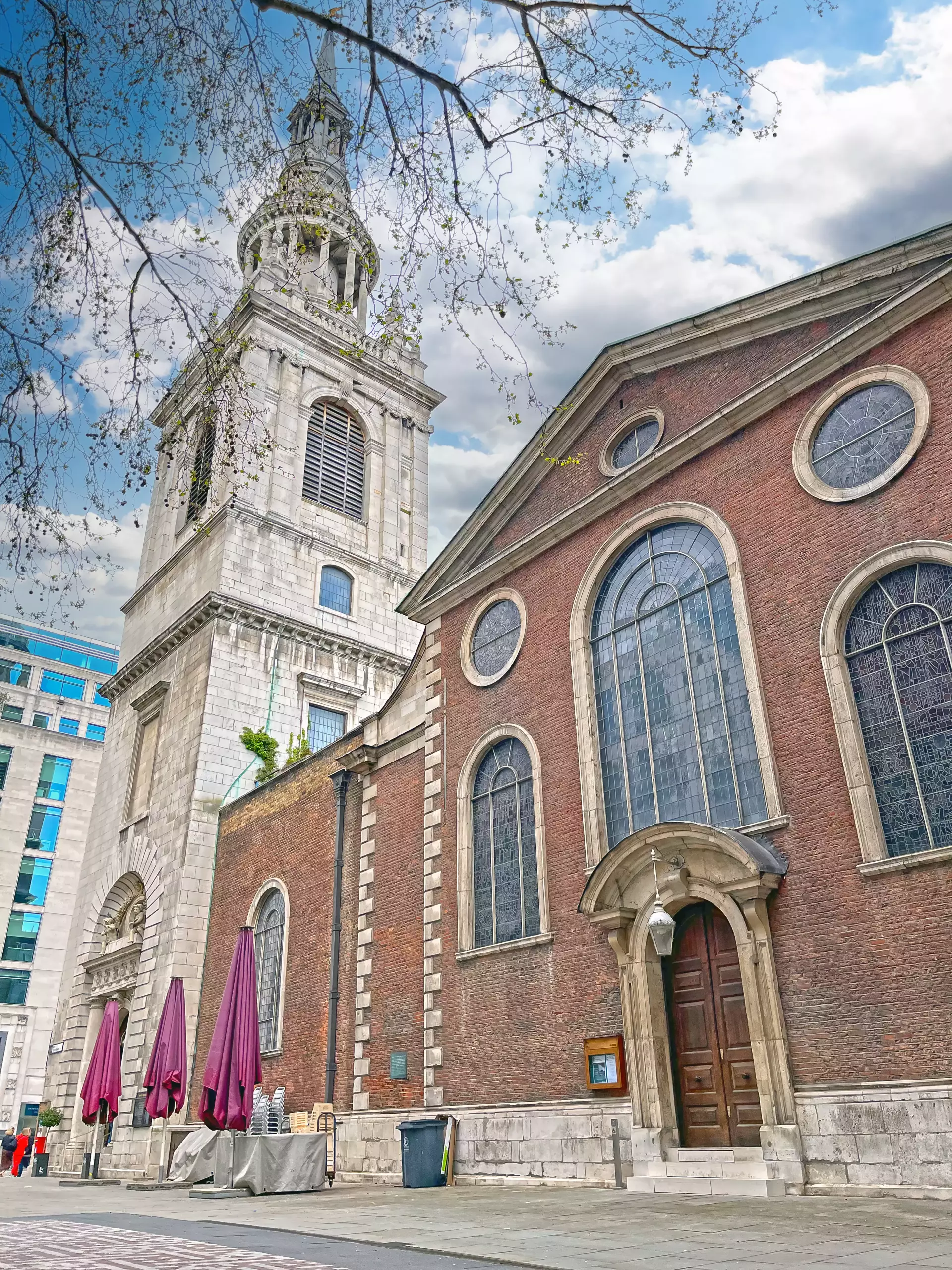
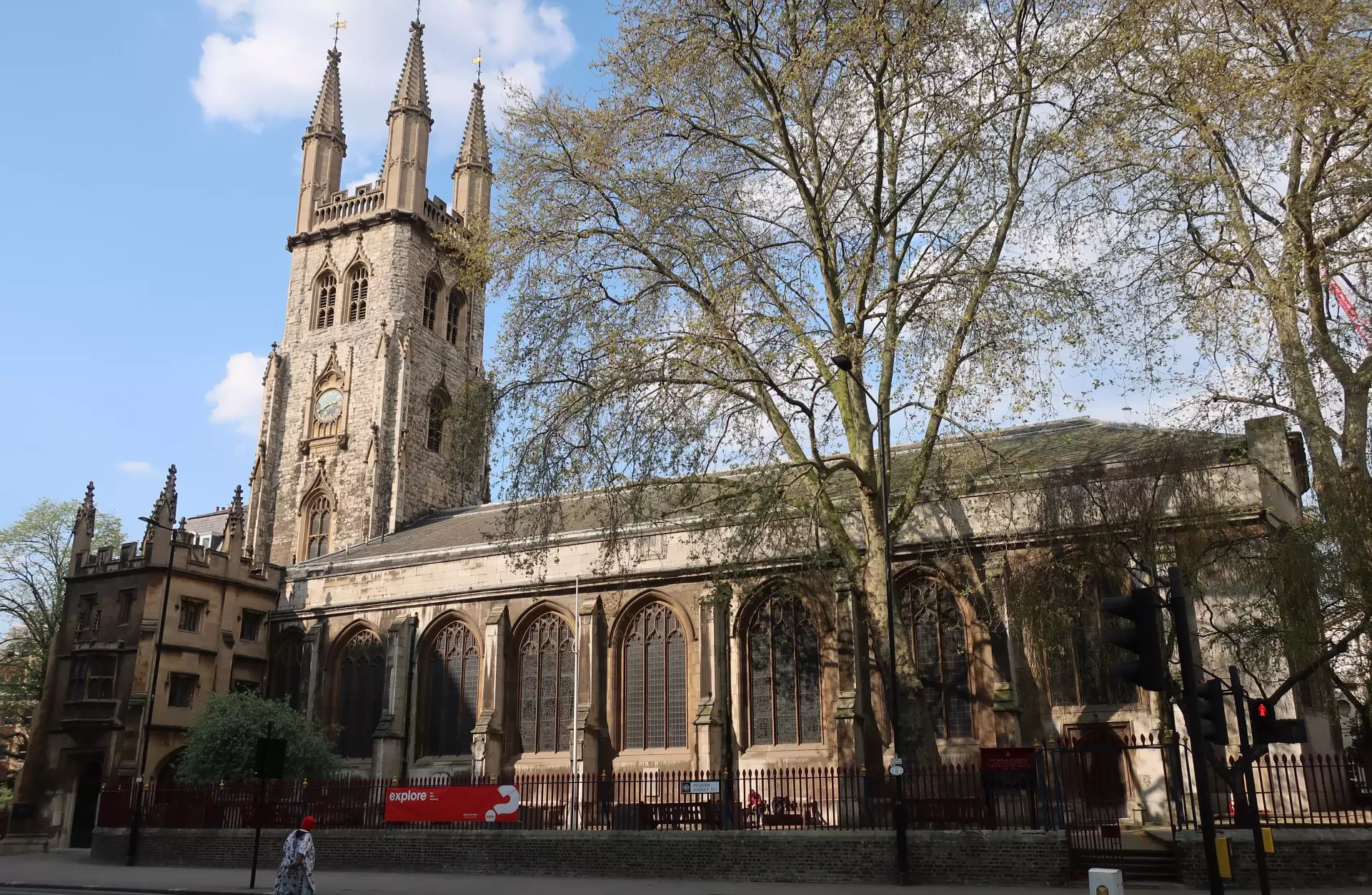
Properly St Lawrence Jewry next Guildhall, it is the official church of the Lord Mayor of London.
Museum at the former home of Dickens exhibiting writings, paintings, furniture and other items relating to the writer.
After visiting the two Houses, visitors pass back through St. Stephen's Hall, and through Westminster Hall. Westminster Hall is one of the few areas of Parliament in which photography is permitted, and it is a very impressive place, dating back to the 9th century. Plaques on the floor mark where the bodies of deceased members of the royal family and other distinguished individuals granted the privilege by the British government lay in state (most recently Queen Elizabeth II in 2022), and significant events which took place in the hall (such as the trial of King Charles I).
An intersection of seven streets in the northern part of the Covent Garden district. Lots of mid-range designer clothing and shoe stores
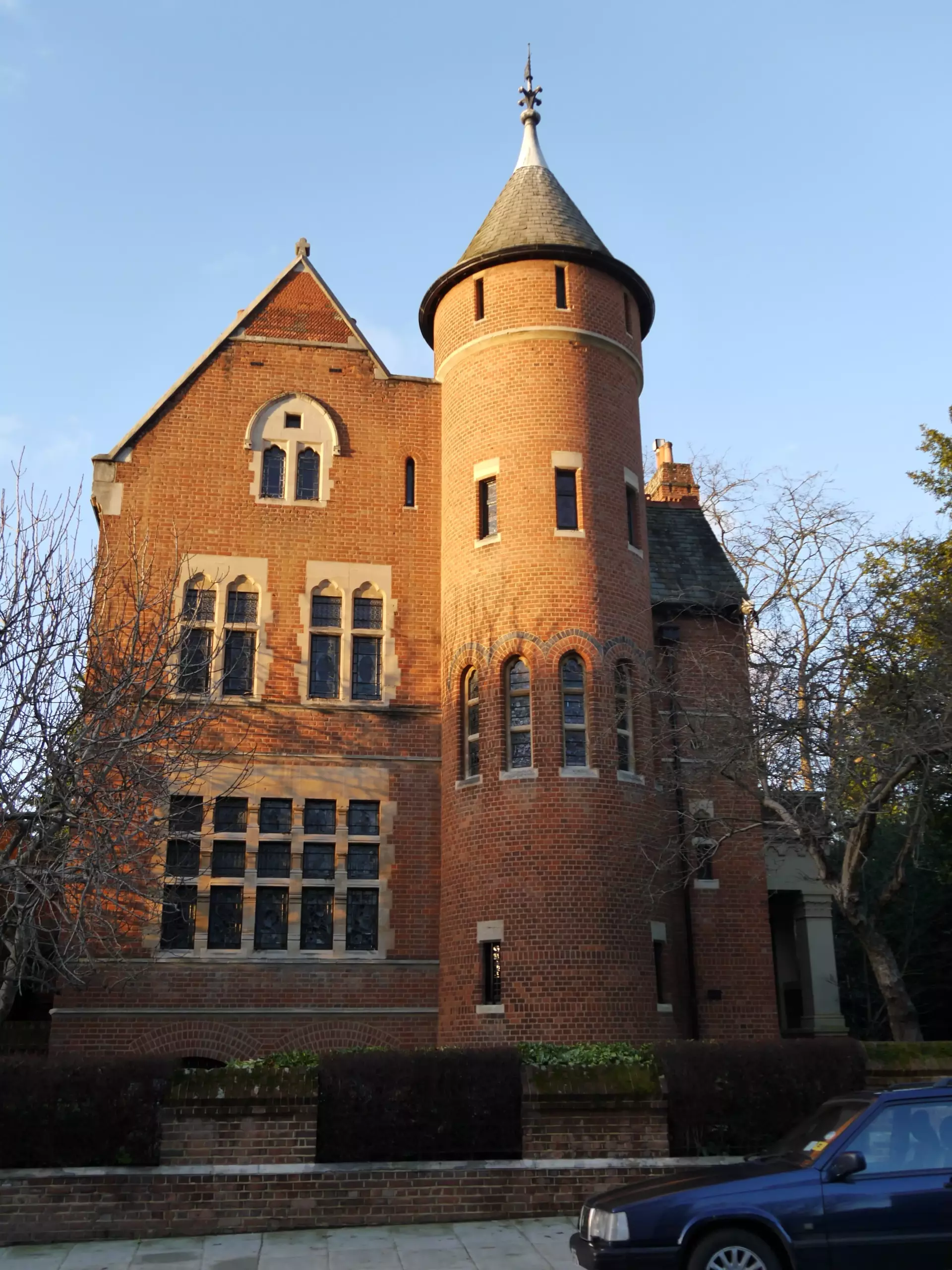
An attractive Gothic Revival church, completed in 1859 to a design by William Butterfield.
A splendid Regency house with enormous gardens and woodlands. The gardens alone are worth the visit and are a superb example of 18th-century landscaping. On show at the house is art by masters such as Rembrandt, Turner, Reynolds and Vermeer, and the gardens have a very notable sculpture by Henry Moore. A regular program of outdoor opera takes place here every summer. Movie buffs will recognise Kenwood from Mansfield Park among other famous films. Administered by English Heritage, separately from the rest of Hampstead Heath.
Includes a small but beautiful quad and an interesting Neo-Classical facade. The core buildings of UCL were built after the university's foundation in 1826.
The Duke and Duchess of Lauderdale's elegant 17th-century manor house, a mile or so upriver from Richmond riverside.
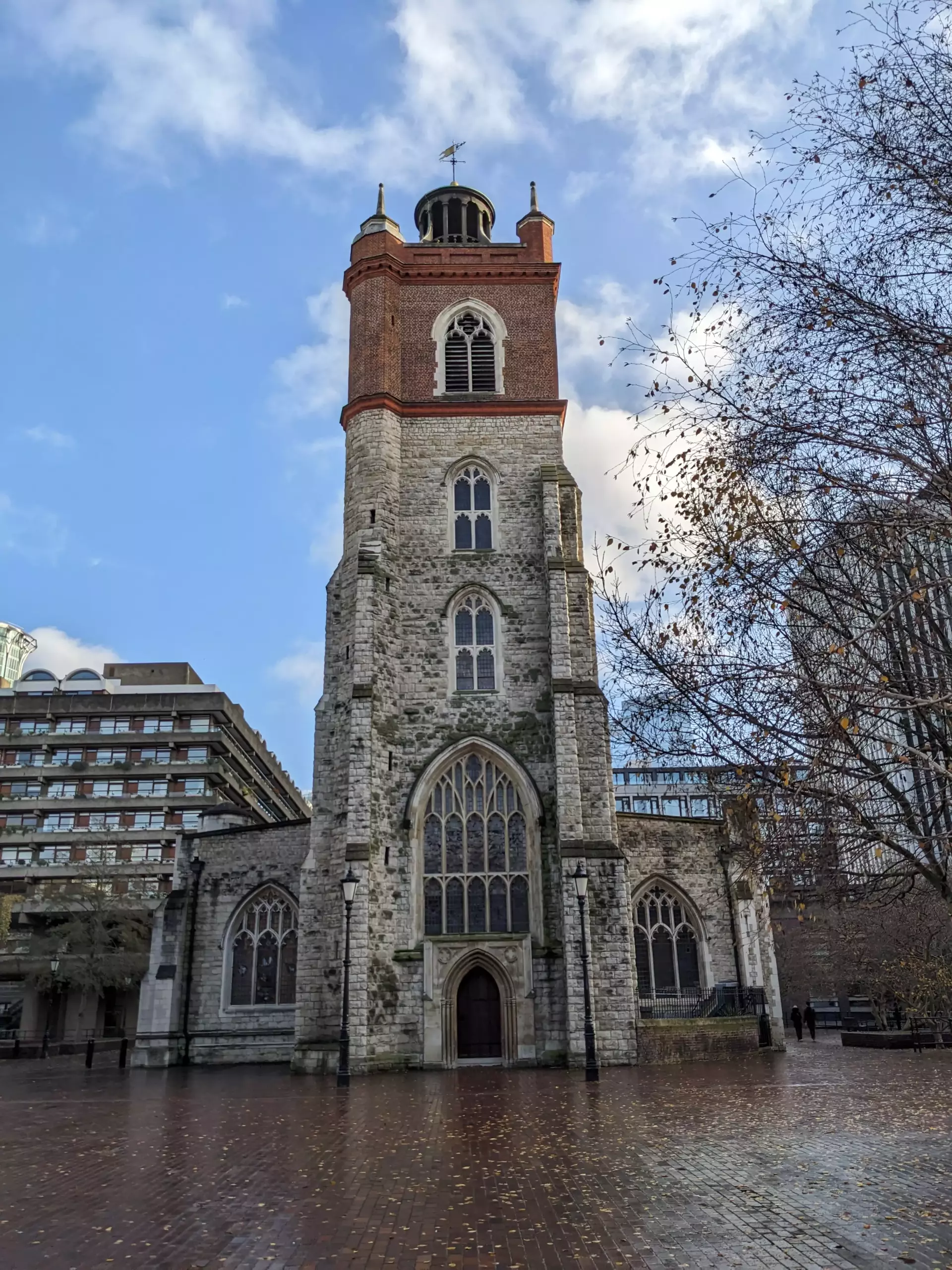
One of the oldest churches in Battersea, this church is where Christians have worshiped at the same site since 800 AD. It is protected as a Grade I listed building with its combination of heritage and architectural merit.
The unusual "walkie scorchie" profile of this skyscraper by Rafael Vinoly has seen it grab the headlines, as did the "death rays" caused by the sun's heat reflecting off the building onto the street below when it was first completed; car tyres melted and burst, and at least one man fried an egg using only the heat from the walkie talkie. Visitors can access the sky garden to see a magnificent view over the City and beyond; it's the only place you can't see the tower from! Online booking to visit during the day is essential. Alternatively, you can eat at one of the restaurants in the evening.
Admission by guided tour only, which must be booked in advance. The museum is housed in part of a Victorian fire station and its collections include fire engines and historical equipment.
The London residence of the Dukes of Wellington, which now acts as a museum for the inaugural and most famous holder of the title. It boasts an impressive collection of paintings, sculptures, medals and swords. Perhaps the most bizarre item in Wellington's collection is a nude statue of Napoleon Bonaparte, commissioned by the emperor himself and bought by the British government following his defeat at the Battle of Waterloo as a gift for the duke.