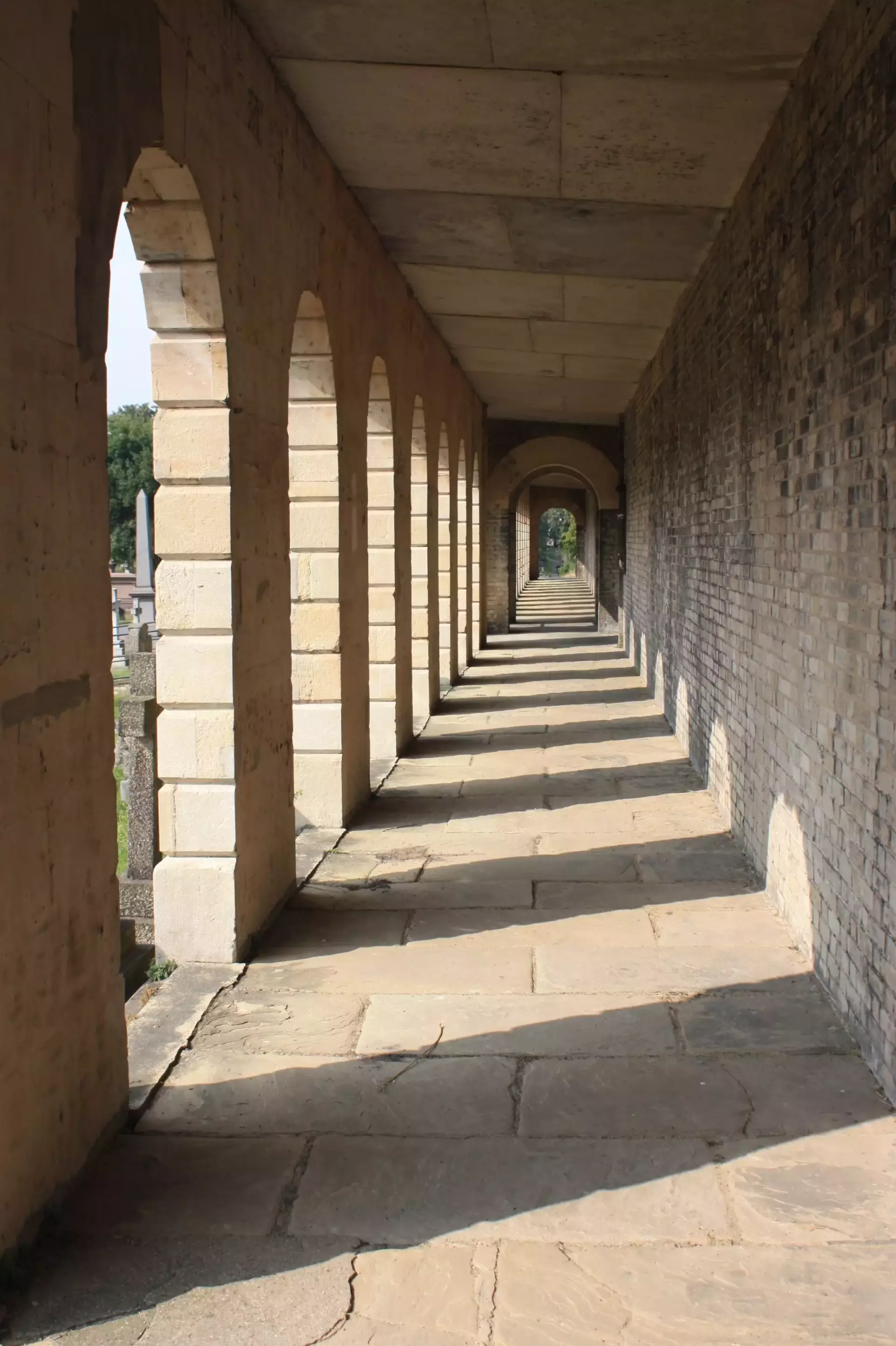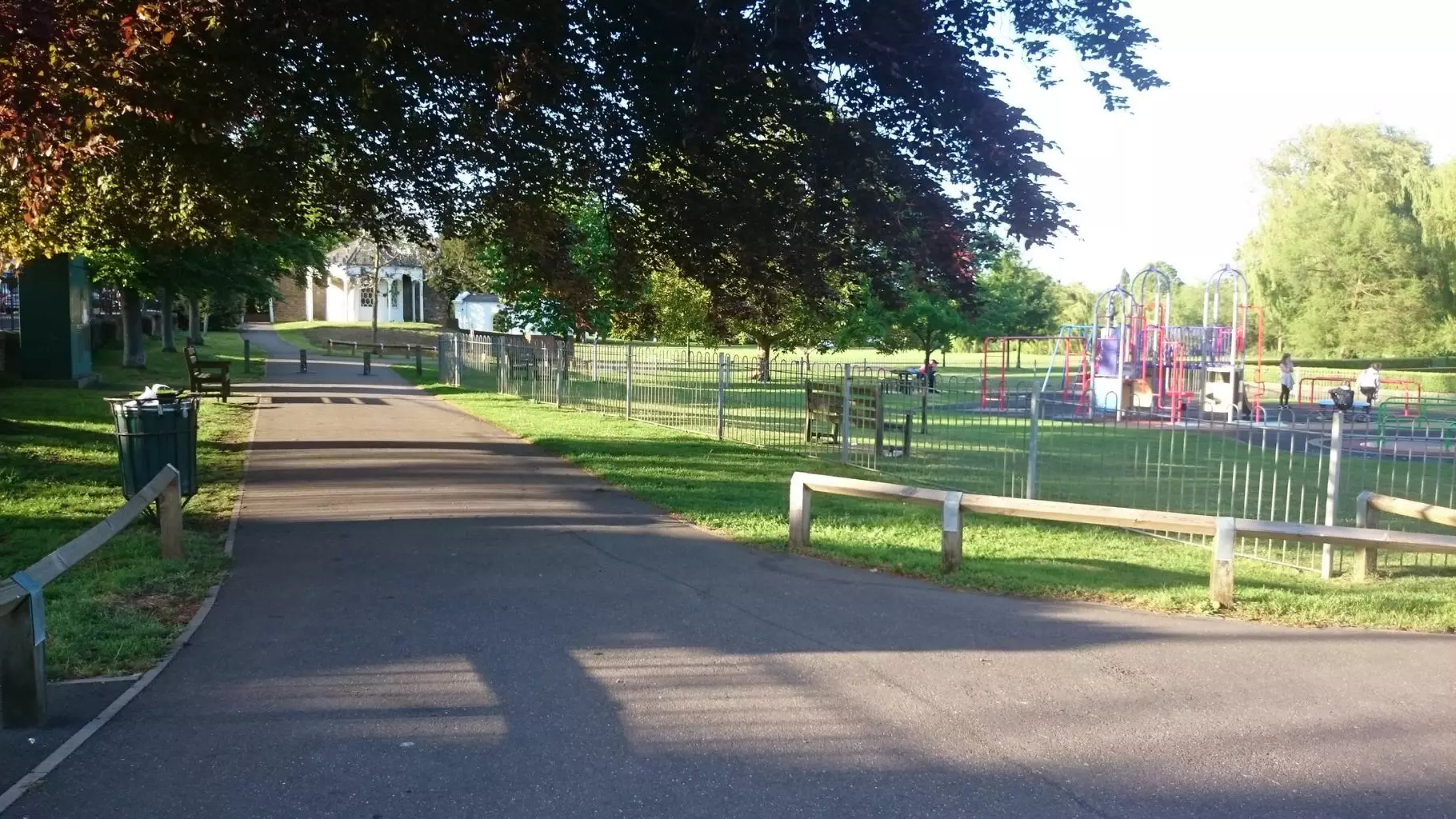
Radnor Gardens is a peaceful park that offers stunning views of the river. It is a wonderful place to take a leisurely stroll and enjoy the natural beauty of the area. The gentle sound of the water, along with the lush greenery, makes it a perfect spot to unwind.
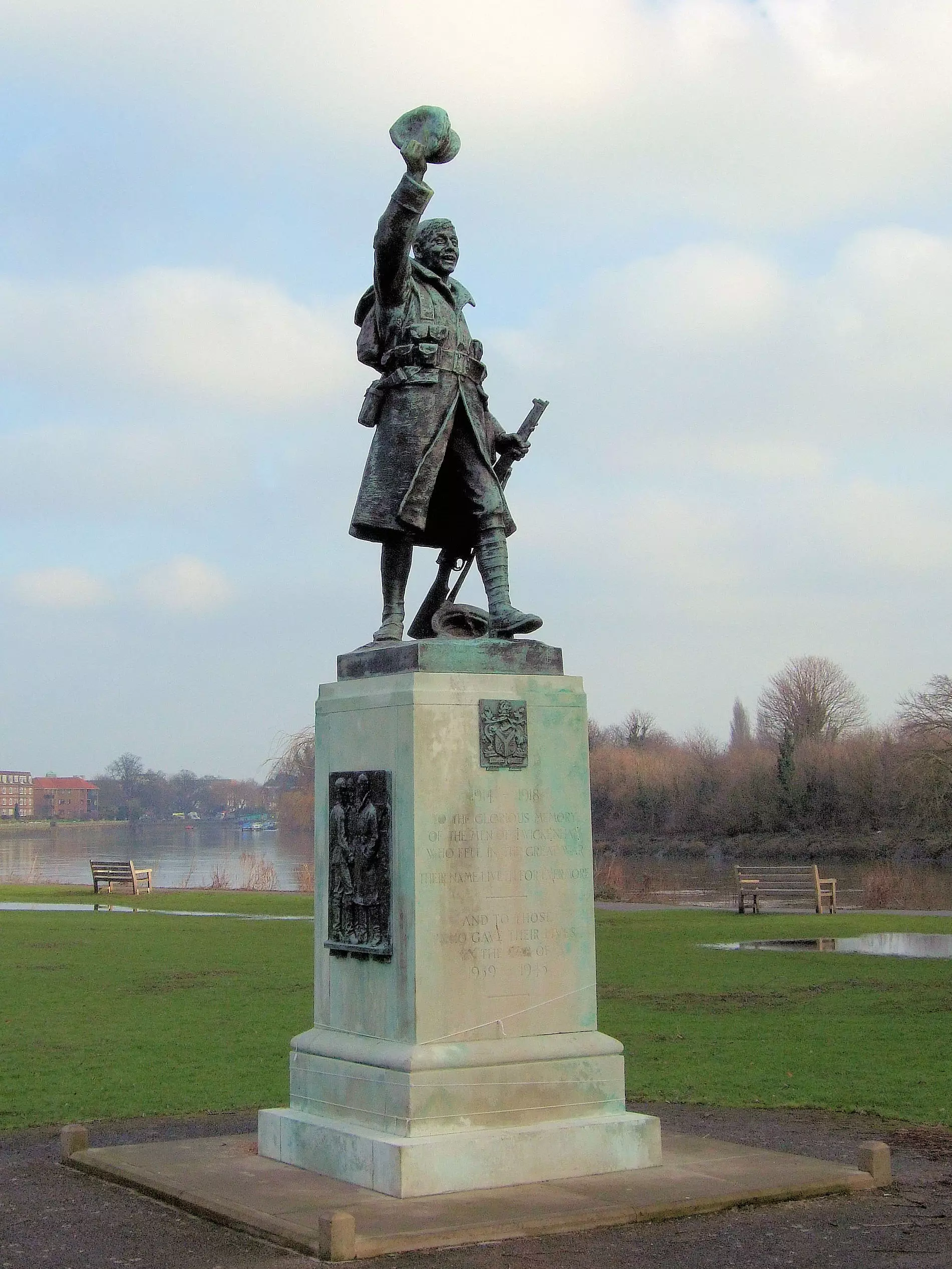
Within the gardens, visitors will find a local war memorial. This thoughtful tribute honors those who have served, adding a sense of history and reverence to the park. The memorial is a reminder of the past and a place for reflection amidst the picturesque scenery.
While visiting Radnor Gardens, it's important to be aware of the tide schedules. During high tide, parts of the park may flood, so visitors should be cautious and check local tide times before planning their visit. This ensures a safe and enjoyable experience while exploring this charming riverside retreat.
Source - https://en.wikipedia.org/wiki/Radnor_Gardens
The former home of Sigmund Freud. A wide range of exhibits, most famously including the psycho-analytic couch that all of his patients used. Freud was an avid collector of antiquities and there is a fine collection of Greek, Roman and Oriental pieces on show.
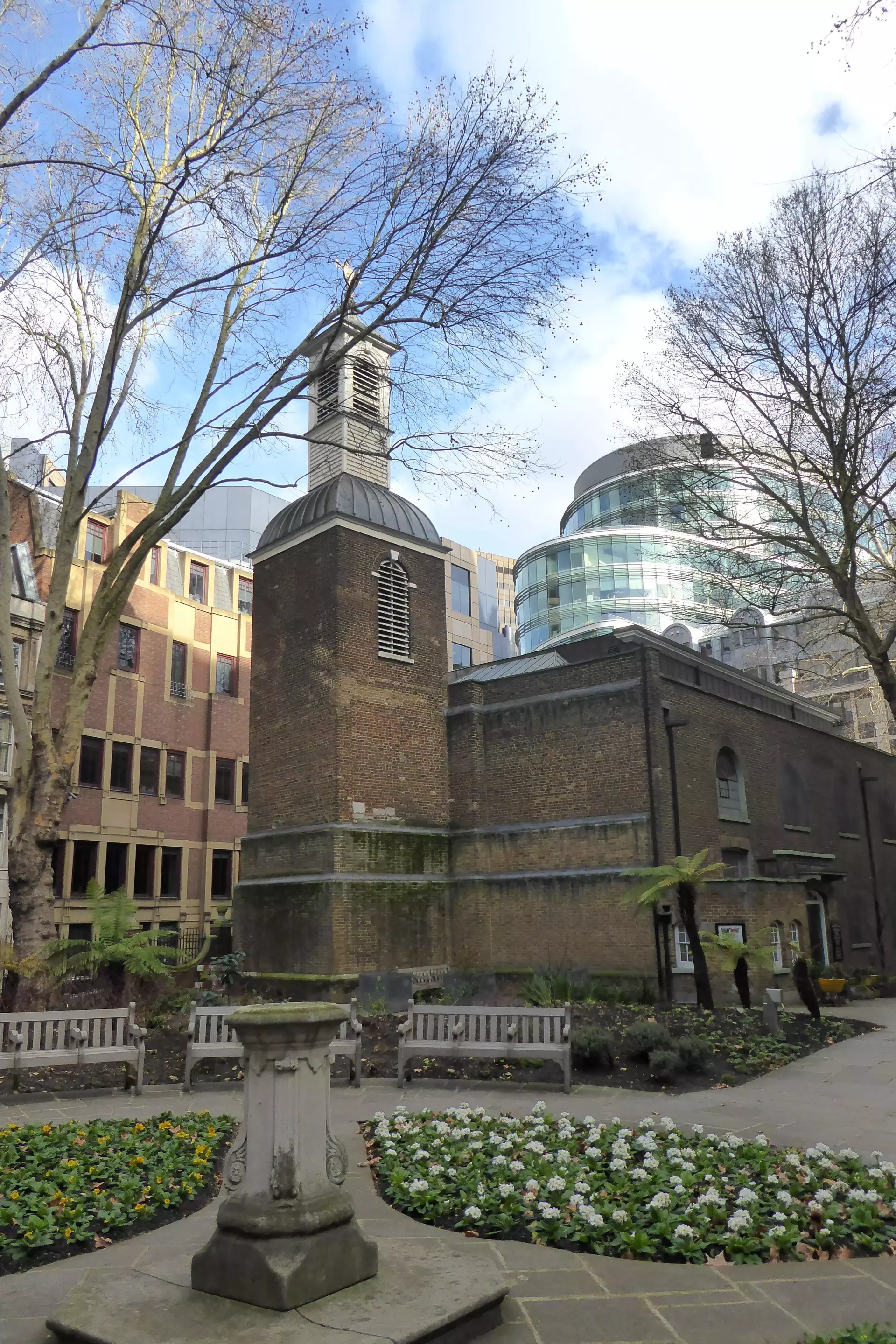
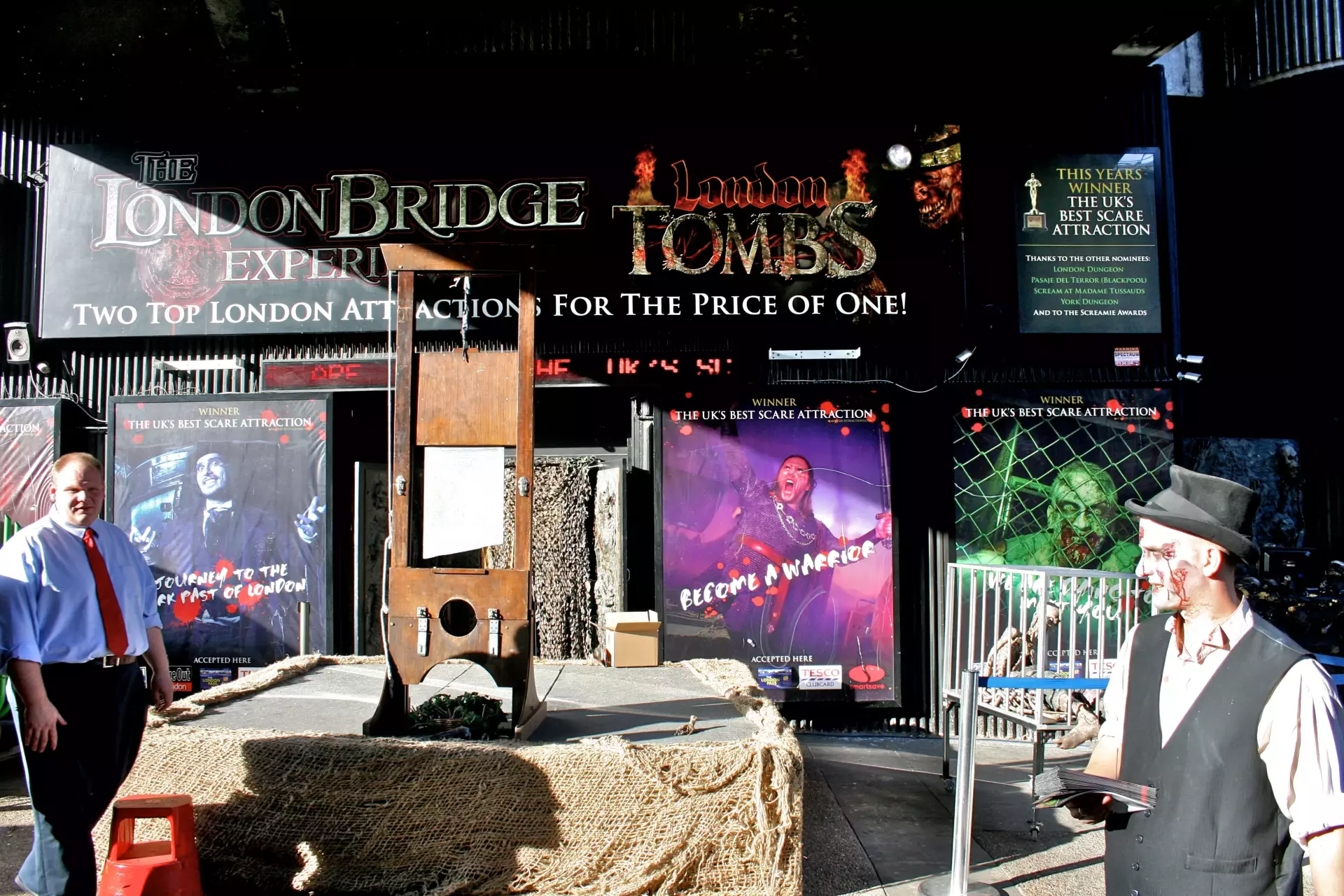
Su Catholic Church of England with bells and smells (incense). There is an impressive model of the old London Bridge.
On the UNESCO World Heritage List, the Palace of Westminster is the seat of Parliament in the United Kingdom. It's often termed the "Mother of All Parliaments" - an exaggeration, but perhaps only a slight one. The present building largely dates from the 19th century when it was rebuilt following a fire in a splendid example of Victorian neo-Gothic architecture. The House of Commons (elected Members of Parliament or MPs) is located to the north of the building and is decorated with green leather upholstery, and the House of Lords (unelected Lords) is located to the south and decorated with red leather upholstery.
Substantial nature reserve on the old disused Barn Elms Reservoirs. A major wetland habitat for wintering wildfowl and an excellent choice for any keen birders visiting London, and an entertaining place for kids to learn about nature
The Serpentine is a long, thin artificial lake within Hyde Park which contains a range of waterfowl and fish. It was first made by damming the River Westbourne but it is now fed by three boreholes. The western end of the lake is actually in Kensington Gardens, in which it is called The Long Water. Swimming and boating are popular activities on the Serpentine; see 'Do' section.
Designed and built in 1619-1622 by the Neo-Classical architect Inigo Jones, The Banqueting House is now all that remains of Whitehall Palace, the sovereign's principal residence from 1530-1698 when most of it was destroyed by fire. Renowned for its architecture and paintings (by Rubens, among others), the building is also famous for being the scene of Charles I's execution in 1649 at the end of the English Civil War.
A vast repository of the world's cultures, controversially including hundreds of items that were looted from their places of origin. Entire sections are devoted to Egyptian, Greek, and Middle Eastern artifacts, as well as the piece which united them all, the Rosetta Stone. Other items on everyone's list are the largest collection of mummies outside Egypt and the Elgin Marbles. The collection also includes some of the world's finest collections of Chinese and Sub-Saharan African art; perhaps the most famous of the latter are the Benin bronzes. A definite highlight of a trip to London. Temporary exhibitions are invariably excellent and meticulously researched, but can be expensive. It has a fine store, mainly selling replicas of items in the collection.
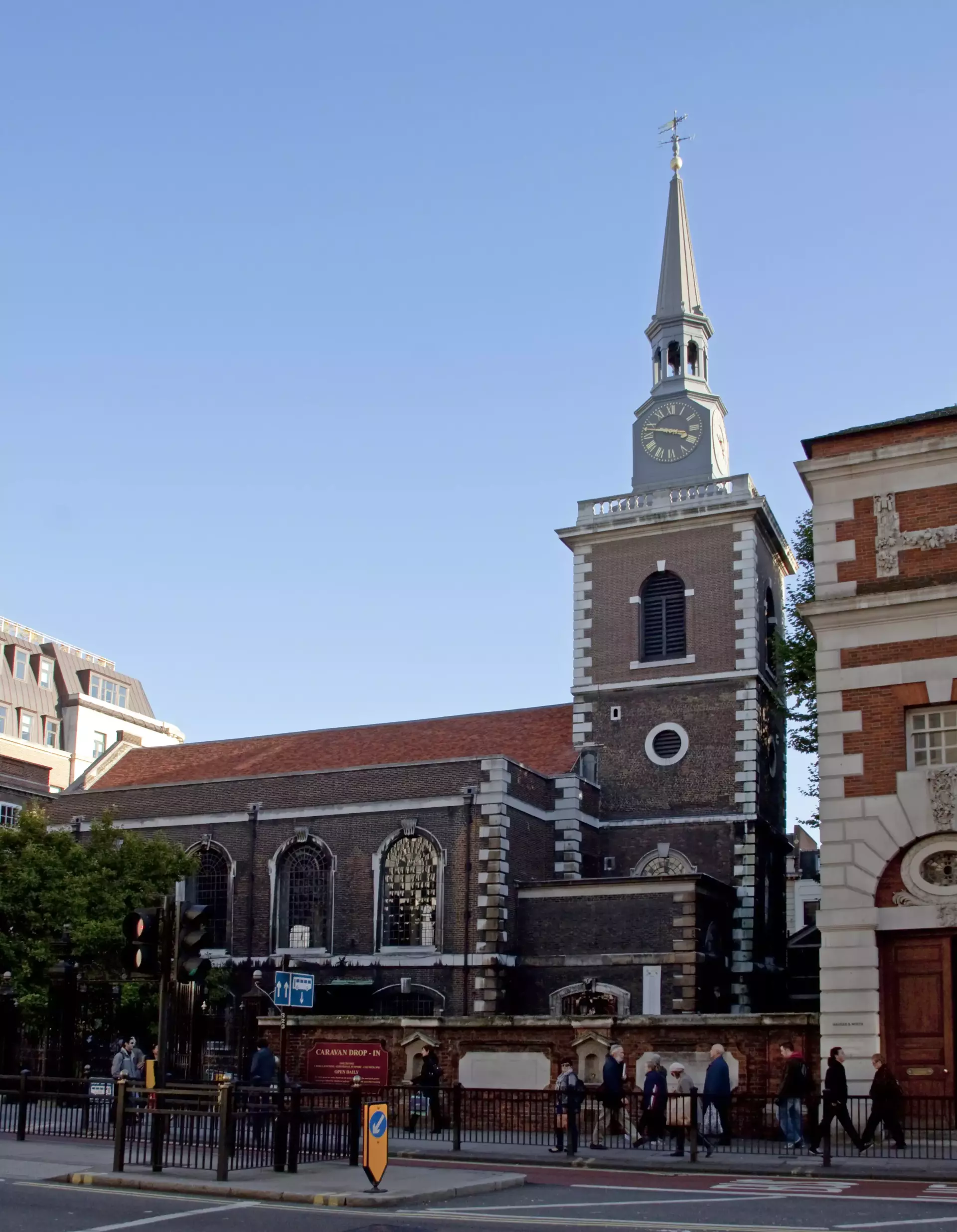
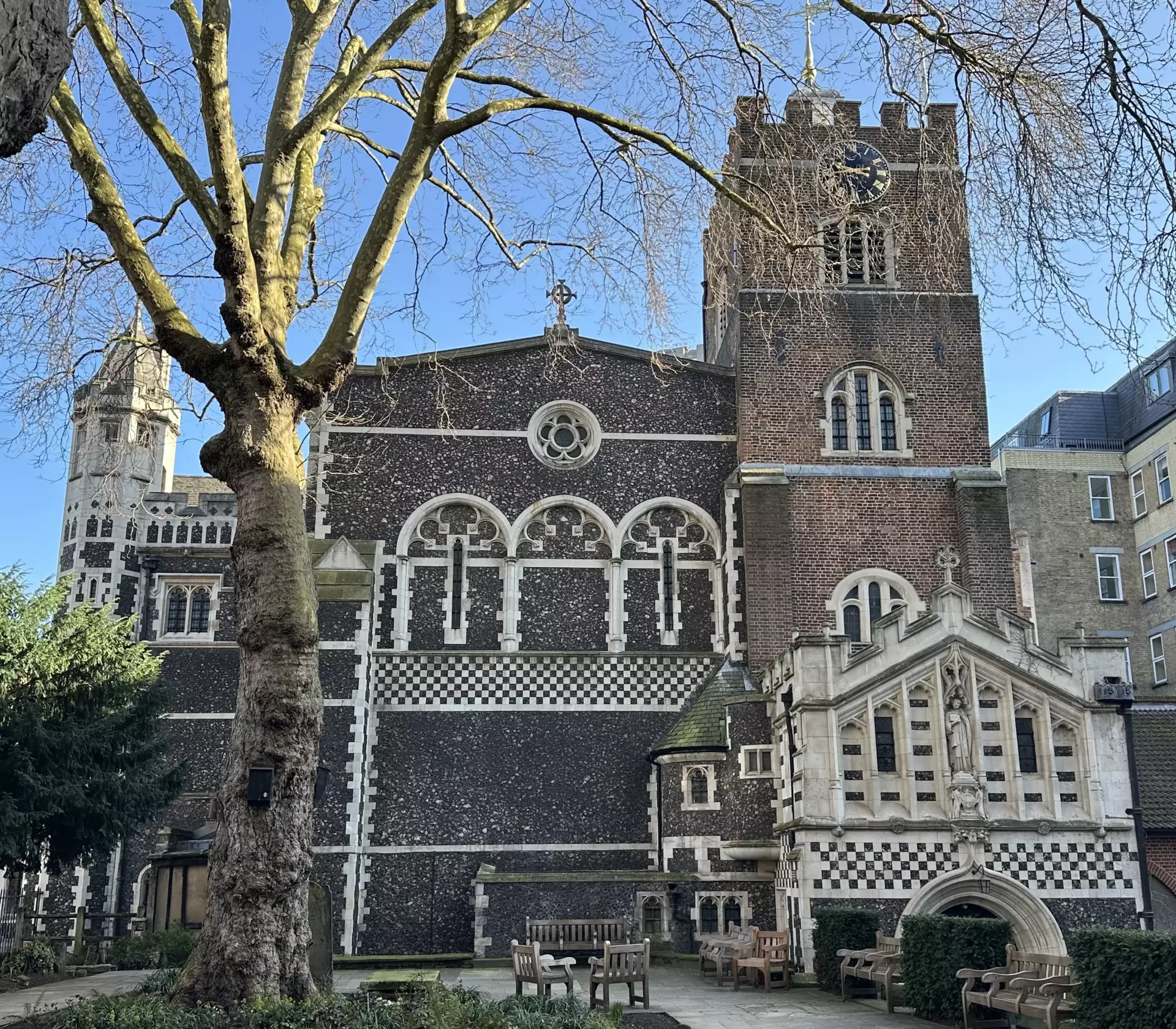
Grade I listed Saxon church founded before the 12th century. The exterior was mostly constructed in the 15th century, and the interior in the 19th. The north side of the church houses a musician's chapel opened in 1955. In addition to the services, there are often evening (chargeable) concerts.
This is probably the most famous criminal court in the world, and has been London's principal criminal court for centuries. It hears cases remitted to it from all over England and Wales as well as the Greater London area. The present building dates largely from 1907 (a new block was added from 1970 for more modern facilities) and stands on the site of the infamous medieval Newgate Gaol. The Central Criminal Court is of course best known today for its association with John Mortimer's Rumpole of the Bailey character, novels and television series. Daily case listings are available at The law pages. No bags, cameras, drinks, food or mobile phones—no facilities for safekeeping. Children under 14 are not admitted.
The ruins of a church dating back to Saxon times, rebuilt by St Dunstan in 950, destroyed in the Great Fire of London, and then rebuilt by Sir Christopher Wren in 1697. Most of the church was destroyed during the blitz, leaving only the tower (dating from Wren's time) and hollowed-out walls (from an 1817 reconstruction). The ruins are now overgrown with picturesque vines and trees, and were converted into a public garden in 1967, complete with benches.
Museum at the former home of Dickens exhibiting writings, paintings, furniture and other items relating to the writer.
Three large auditoriums, the Olivier, the Lyttelton and the Cottesloe. The Olivier theatre is the largest with an open stage and a fan shaped auditorium around it. This ensures that all seats provide a good view. Most of the more 'popular' productions are put on here as the space provided is much larger than most theatres. The Lyttelton theatre is more traditional with a proscenium arc with good views from most seats. The Cottesloe is a small studio theatre, seating around 400. Some tickets will be available on the day, either day seats (arrive before 9:30AM and queue) or standby (arrive before 6PM and queue), or you can buy online. Popular shows, especially those around Christmas in the Olivier sell out months in advance. Tickets to The National Theatre are generally better value than most other theatres. There is also the '£15 Travelex' season in the summer (as of 2019) that provides a large number (over 100,000 seats a year) at £10. Booking in advance is required for these. There is also an exhibition space in the Lyttelton theatre foyer that frequently holds popular photographic exhibitions. Free jazz is often played in the evening in the ground floor foyer. During summer there is a free daily outdoor festival of performance, music, comedy and cabaret known as Watch This Space. Deckchairs (and artificial grass) are provided to watch on. Free exhibitions. Backstage tours £5.
Peaceful gardens and interesting monuments including the daughter of Richard Cromwell, son of Oliver Cromwell.
There are three notable outdoor bathing ponds on the heath. The Men's Pond and Women's Pond are both part of the line of small lakes on the eastern edge of the heath known as Highgate Ponds, and the Mixed Pond is part of Hampstead Ponds on the opposite side. Swimming hours are seasonal, complicated, age-dependent and change frequently, so it is worth checking before making a special trip.
Constructed 1672-9 to a design by Sir Christopher Wren and regarded as one of the finest Wren churches. The 63 feet (19 m) high dome is based on Wren's original design for St Paul's Cathedral. The circular altar is by the British sculptor Henry Moore, and the kneelers are designed by Patrick Heron. Free lunchtime concerts at 1PM on Tuesdays (except August). Free Organ recitals at 12:30PM on Fridays. Occasional art exhibitions on Christian themes and other events.
A neoclassical triumphal arch, designed by Decimus Burton and first erected in 1826 as a grand entrance to Buckingham Palace. From 1846 onwards, the arch was topped with a massive equestrian statue of the Duke of Wellington - a major road widening of Piccadilly in 1882 was the opportunity to finally remove the over sized statue to Aldershot. The present magnificent statue Peace Descending on the Quadriga of War was placed on top of the Arch in 1912, and remains today the largest bronze sculpture in the United Kingdom, spectacularly lit at night. During the 1950s, the arch served as the smallest police station in the city, when it was occupied by ten constables, two sergeants and a cat! The arch was opened to the public for the first time in 2001 after a £1.5 million restoration by English Heritage. (Wellington Arch is also available for corporate and private events, with dramatic views down Constitution Hill and across central London from the Arch's spacious balconies, Wellington Arch is a novel and unique place to impress your guests).
Equestrian statue of the Iron Duke, with four soldiers at each corner of the pedestal, representing regiments that fought under him: a Grenadier, Scottish Highlander, Irish Dragoon, and Welsh Fusilier. The bronze came from melting down captured French cannons.
This venerable old institution was absorbed by the neighbouring Natural History Museum in 1985 but still has something of a separate identity. Unsurprisingly, devoted to all things geological with especially popular exhibits on vulcanology and earthquakes and fossils of all types. Very popular with kids and often underrated.
Built of Portland stone and dedicated to the aircrews of Allied nations under Bomber Command during World War II.