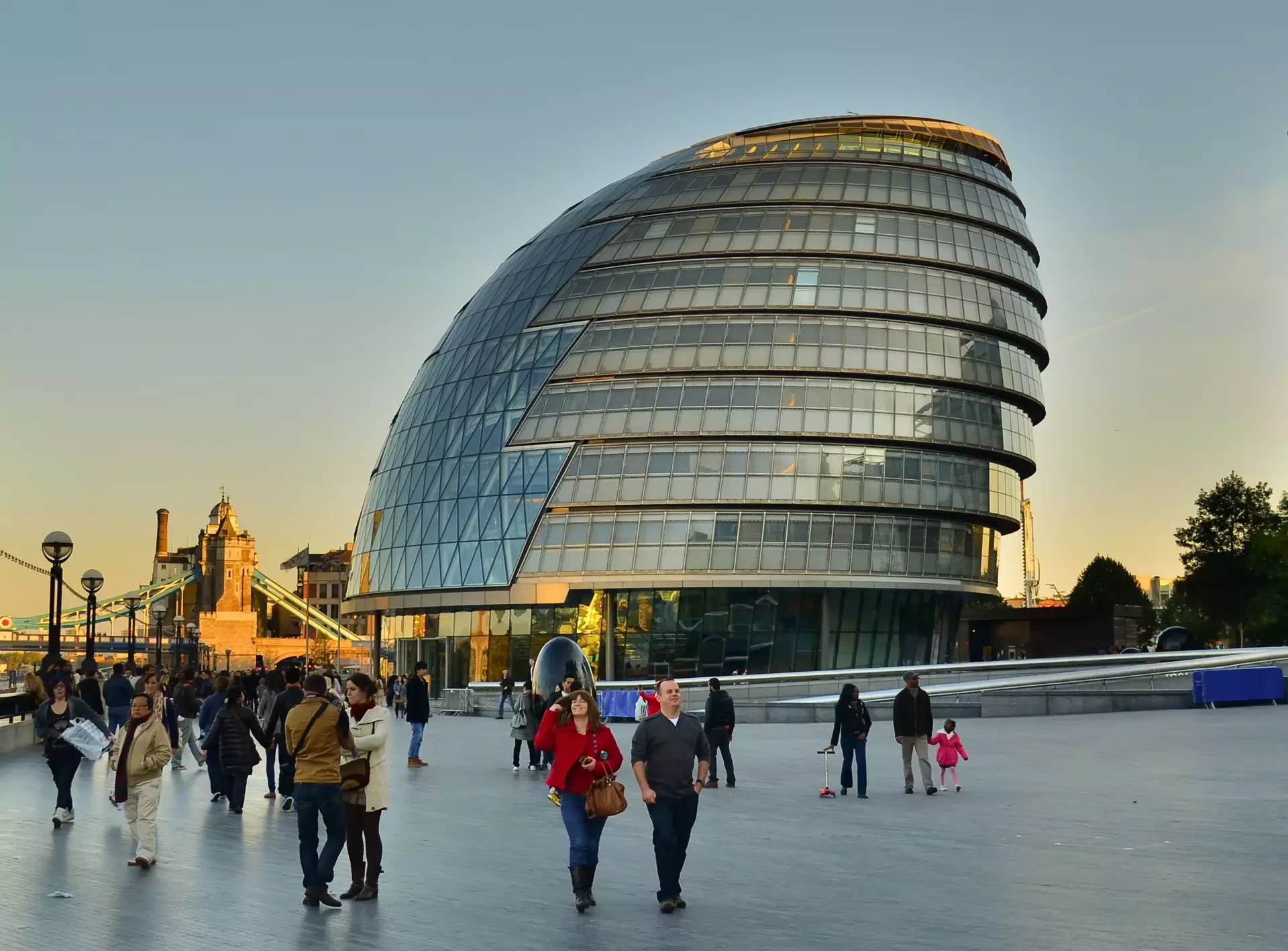
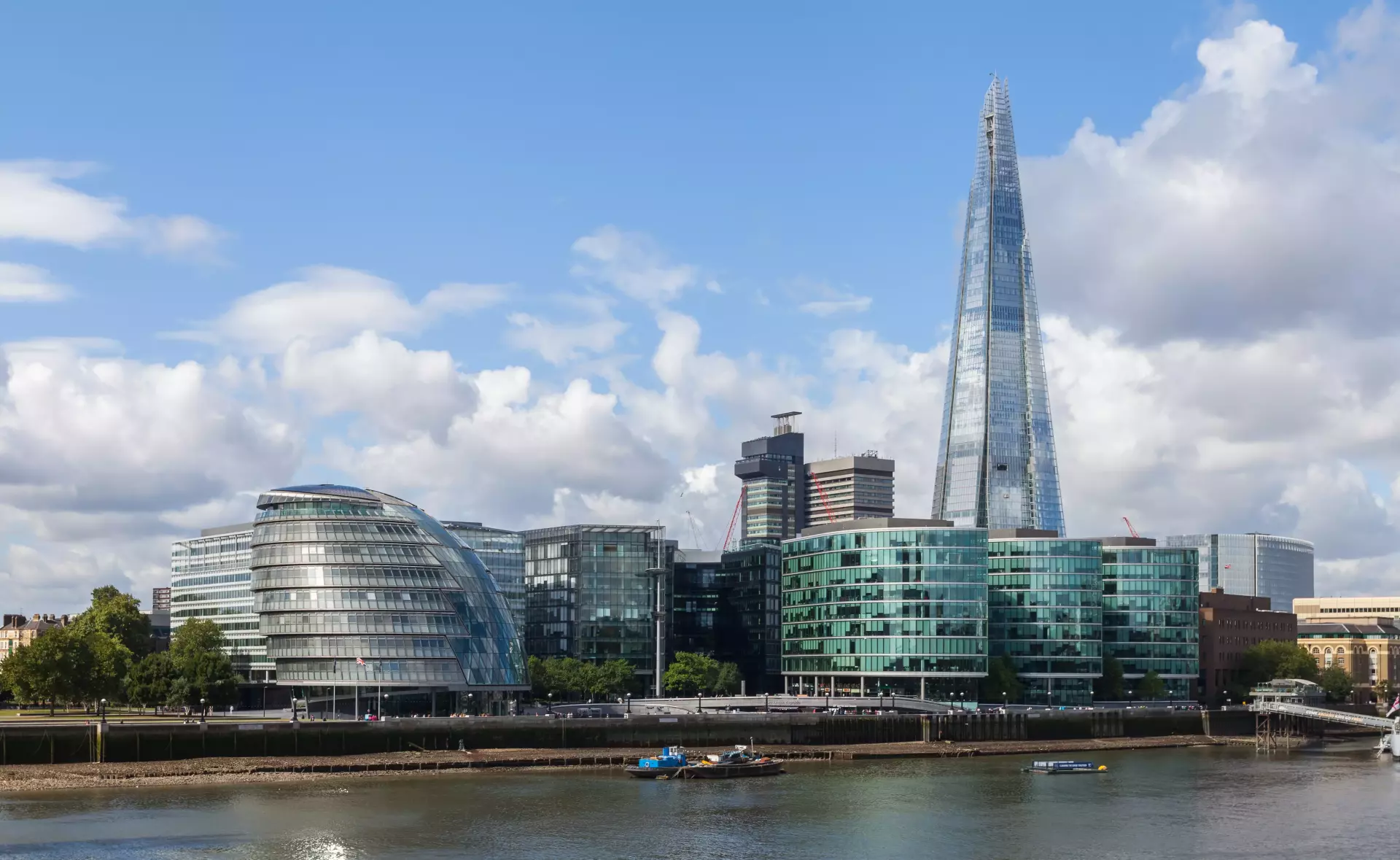
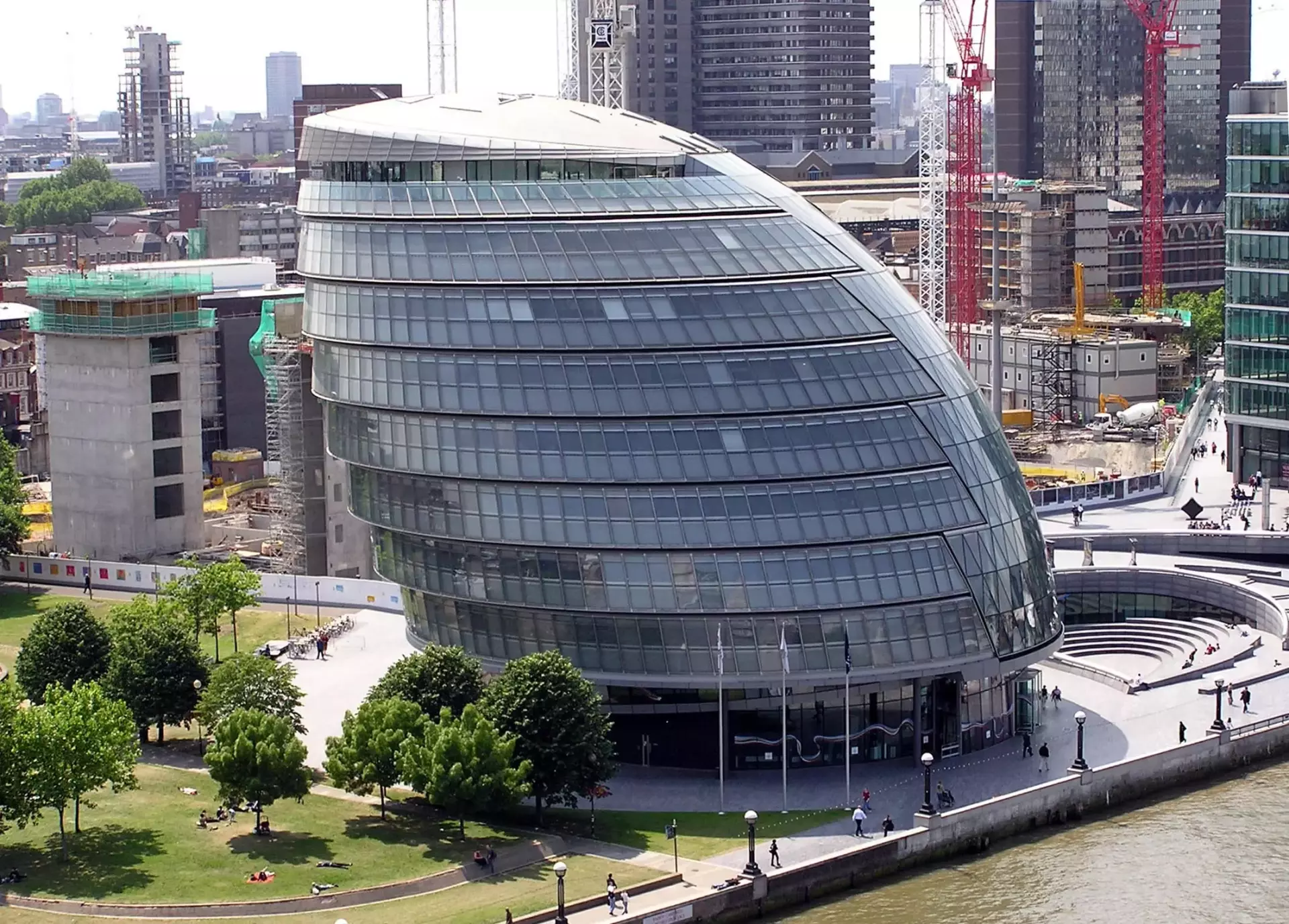
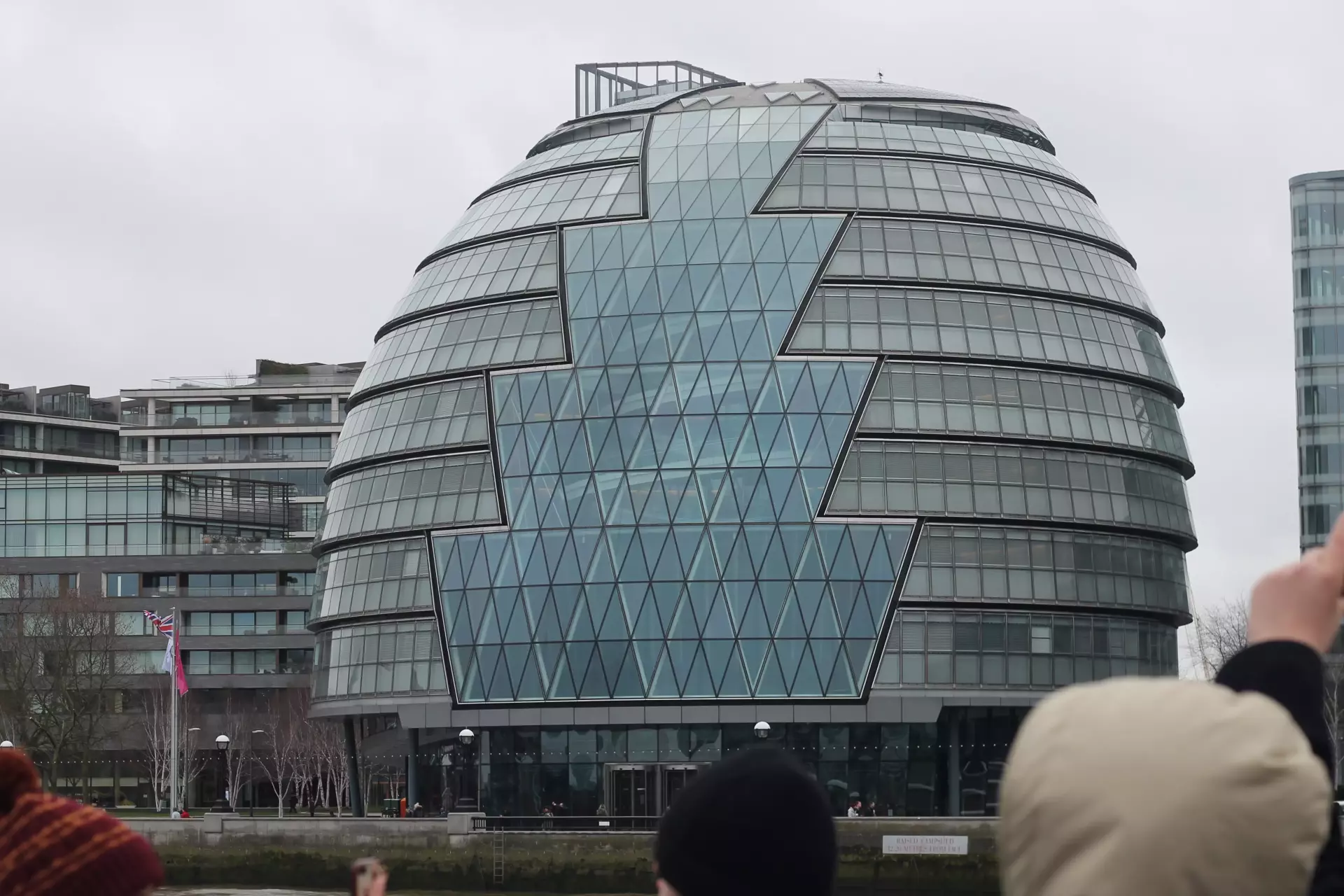
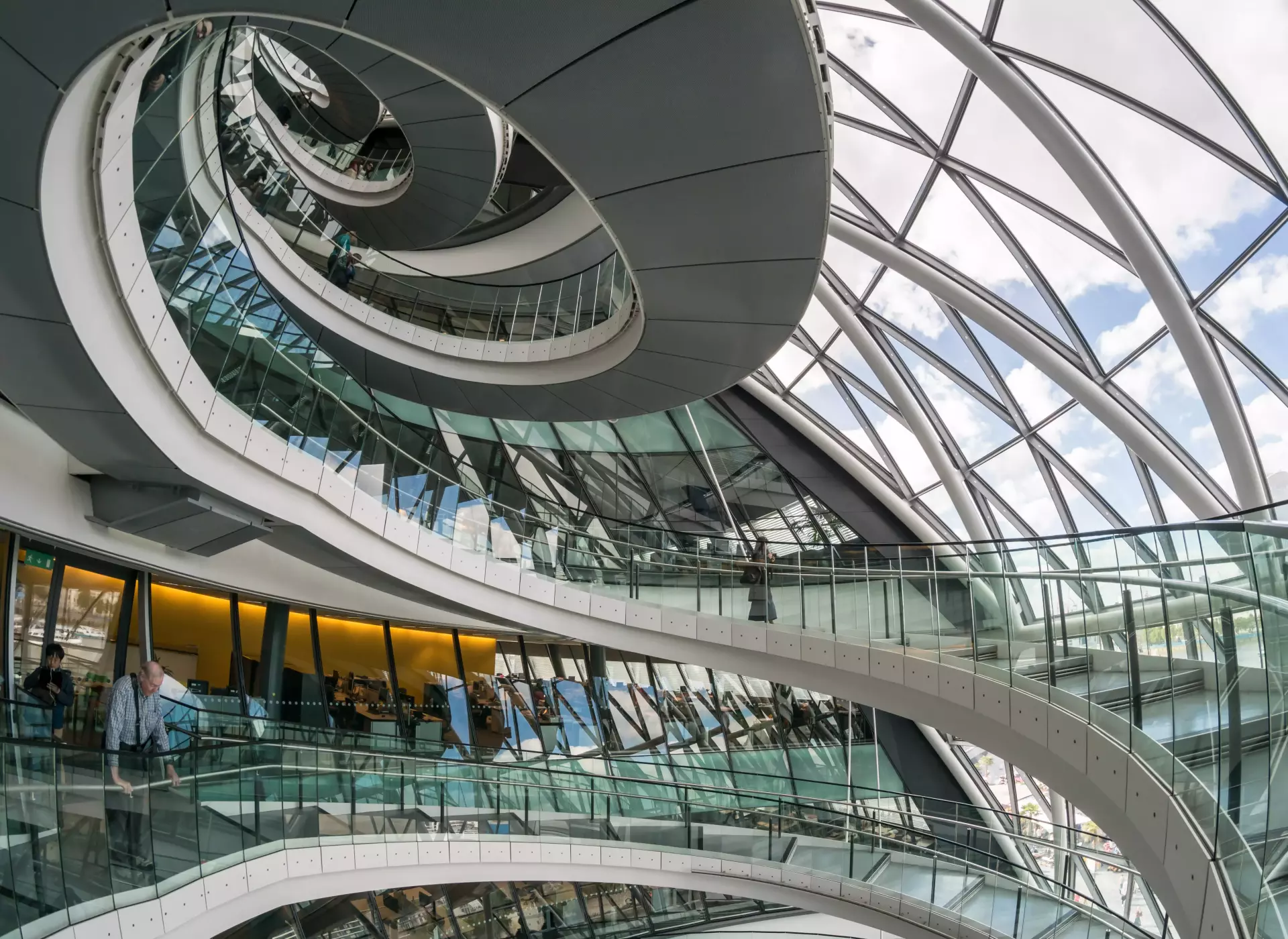
In the heart of London, a striking glass-fronted structure stands quietly, its unique rounded shape once serving as the bustling headquarters for the Greater London Authority. This iconic building, known as City Hall, was a focal point for London's Mayor and Assembly.
The operations have since moved from this notable building. City Hall's functions were relocated to The Crystal, a modern facility set in Greenwich. This move places the hub of London's governance near the famous cable car, offering a fresh start in a vibrant area.
Although the original City Hall no longer serves its former purpose, its architectural beauty remains. The building is currently not open to the public, but its distinctive design can still be admired from the outside. Its glass façade and rounded form continue to capture the attention of passersby, standing as a testament to innovative design in the city's landscape.
Source - https://en.wikipedia.org/wiki/City_Hall,_London_(Southwark)
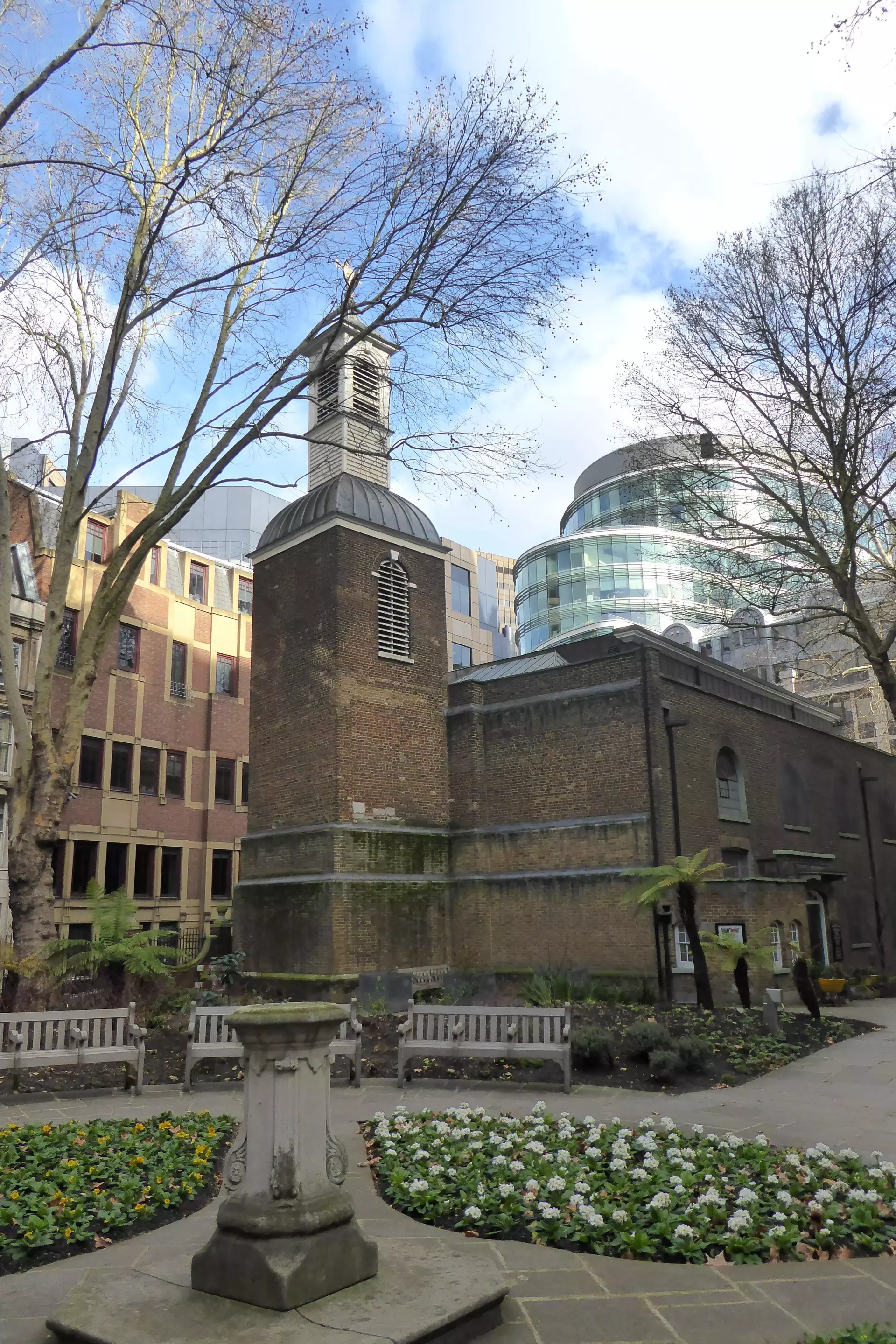
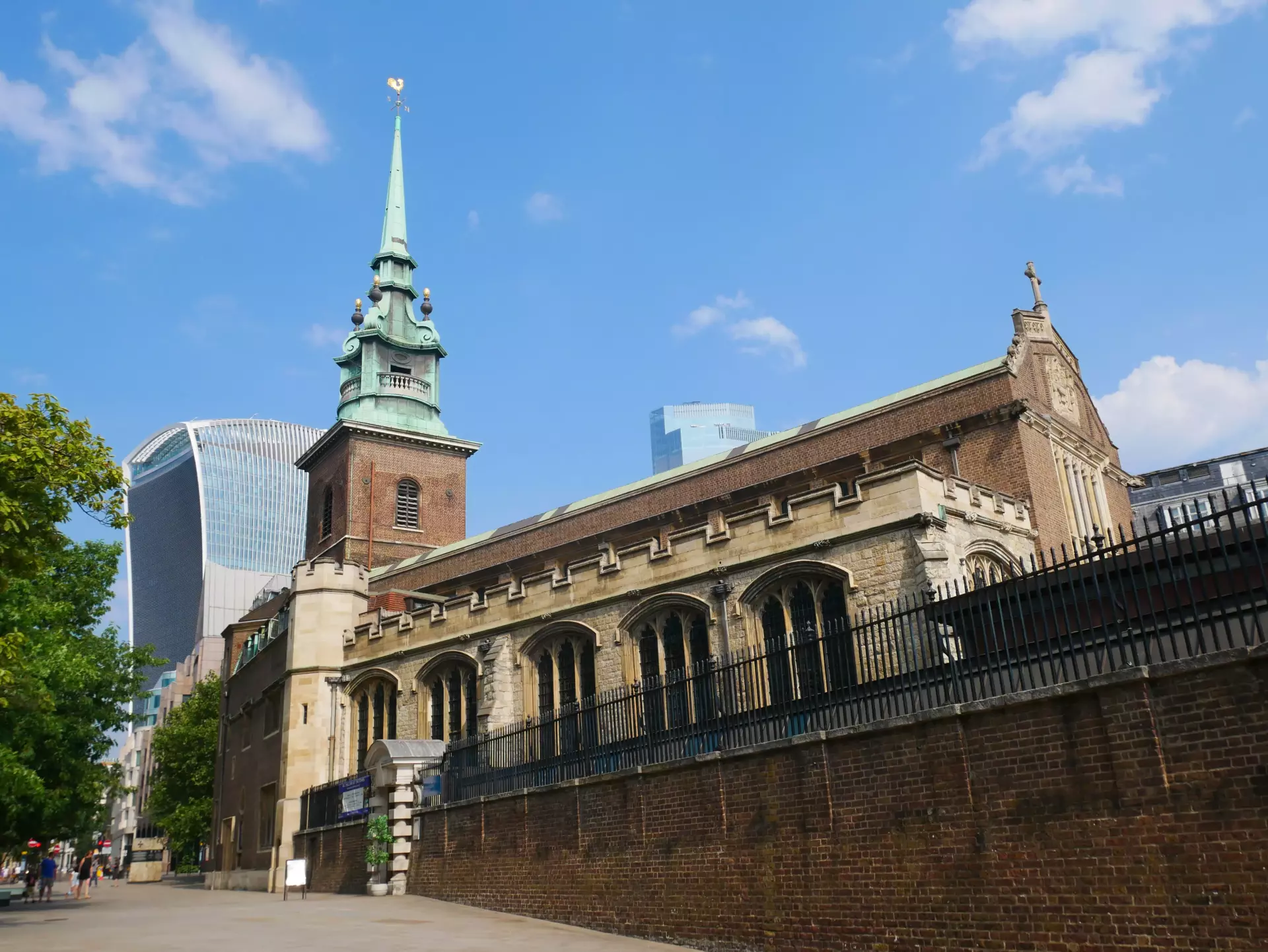
The oldest church in the City, founded by Saxon abbots in 675 AD.
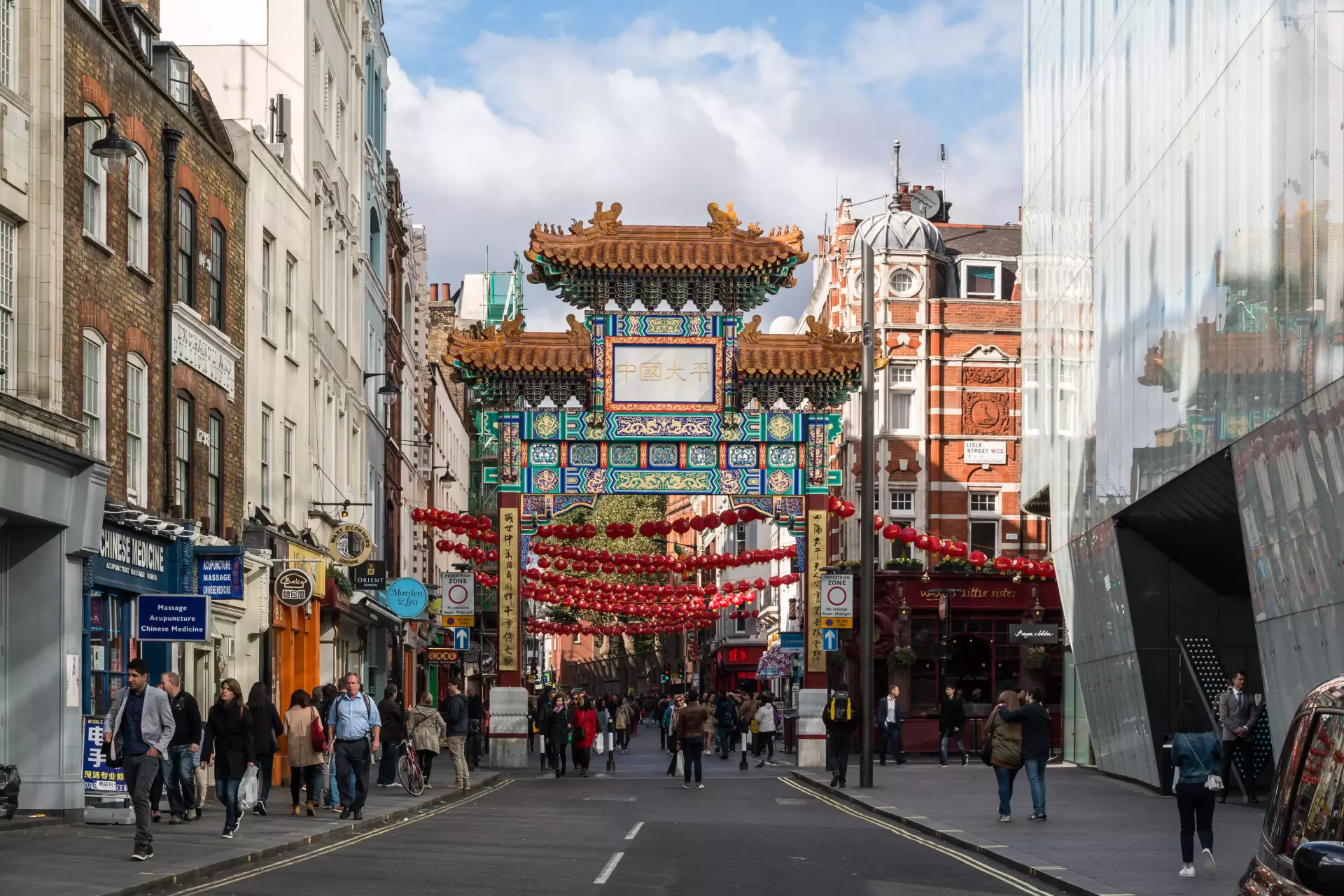
The main sights to see in London's Chinatown are the expressions of Chinese culture and Eastern ambience in Chinatown, and for a good Chinese meal. There are few souvenir shops for tourists and no museums or temples. The three ornamental Chinese arches are worth a look. Chinatown does incorporate some entertaining combinations of British and Chinese culture, such as the phone booths with pagoda-style sloping roofs.
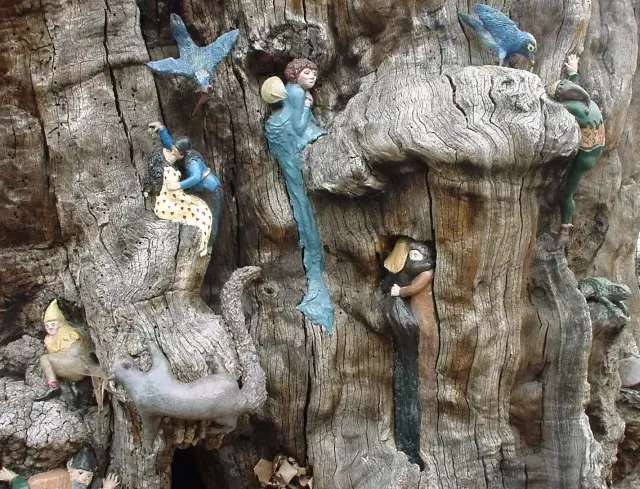
Large open space very popular with Londoners and less visited by tourists than the other great city parks. A number of lovely lakes, an open air theatre, regular puppet shows, various sporting activities and some splendid ancient trees. There is also a cafe and play area next to the boating pond. London's main zoo is in the northern reaches of Regent's Park. Takes a very conservation-driven approach these days and always has great exhibits aimed at children. Opened in 1828 for scientific study, then to the public in 1847. Islamic Cultural Centre and the main mosque in London. Visitors are welcome but must be suitably attired. The Mosque runs classes, prayers, talks and events.
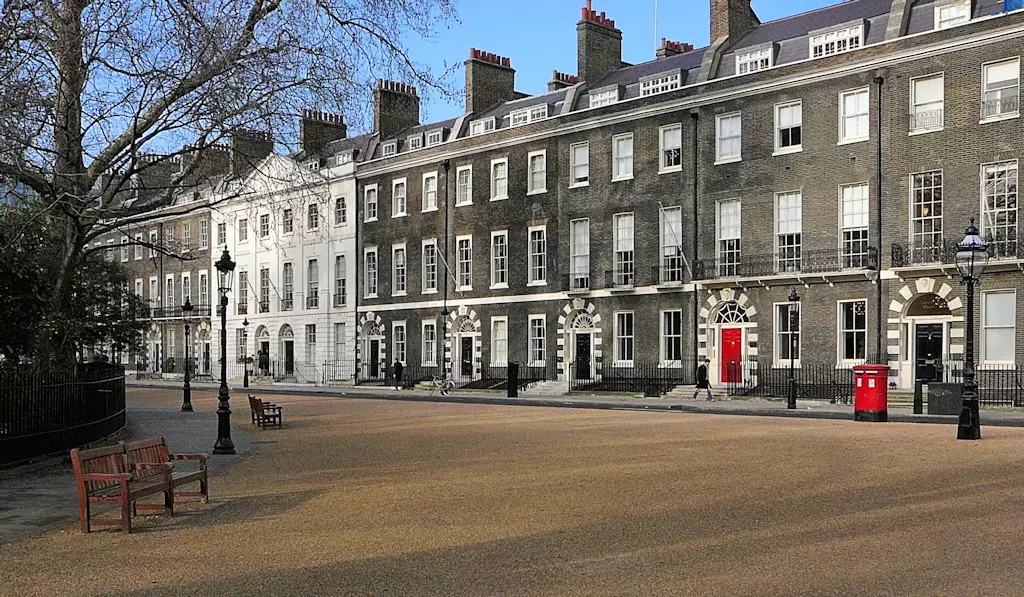
Dr Samuel Johnson was the highly distinguished 18th-century "man of letters", best known for his comprehensive English Dictionary of 1755, but also for his prolific output of poems, essays and novels. Something of a "hidden gem", this small, independent museum is dedicated to him—and, with its historic interiors, paintings and prints, personal effects and other exhibits—gives an impression of what it might have been like during his occupancy from 1748 to 1759. Built in 1700, this impressive period building—a rare example of its kind in the area—survived the brutal onslaught of the Blitz during World War II and is now maintained in excellent condition.
One of the oldest churches in Battersea, this church is where Christians have worshiped at the same site since 800 AD. It is protected as a Grade I listed building with its combination of heritage and architectural merit.
A vast shopping, eating, entertainment and (primarily) business complex, home to Britain's second tallest skyscraper, One Canada Square. Now increasingly lively at weekends as well, but still at its most impressive during the week. Spectacular main exit from the Jubilee line Tube station. There is a substantial amount of information about the history and the architecture of the development on the website of Canary Wharf Group, the company that owns the development.
A branch of the Imperial War Museum, the Cabinet War Rooms preserves the underground corridors and rooms from which Churchill and the cabinet directed the war against Hitler and the Nazis, maintained almost exactly as they were left in 1945. In 1984, IWM opened the rooms to the public for the first time. In 2005, the attached Churchill Museum was opened as the world's first permanent museum dedicated to the life and wartime achievements of Sir Winston Churchill. Audio guides are included in your admission. No cloakroom, no rucksacks, no suitcases. Café is open daily from 10am to 5pm. Hot food is served until 3pm.
The unusual "walkie scorchie" profile of this skyscraper by Rafael Vinoly has seen it grab the headlines, as did the "death rays" caused by the sun's heat reflecting off the building onto the street below when it was first completed; car tyres melted and burst, and at least one man fried an egg using only the heat from the walkie talkie. Visitors can access the sky garden to see a magnificent view over the City and beyond; it's the only place you can't see the tower from! Online booking to visit during the day is essential. Alternatively, you can eat at one of the restaurants in the evening.
Created by Tonkin Zulaikha Greer and Janet Laurence to remember the Australians who died in both world wars. Made from Australian granite.
The former home of Sigmund Freud. A wide range of exhibits, most famously including the psycho-analytic couch that all of his patients used. Freud was an avid collector of antiquities and there is a fine collection of Greek, Roman and Oriental pieces on show.
A vast collection of cartoons and comics on display with special, often topical, exhibitions.