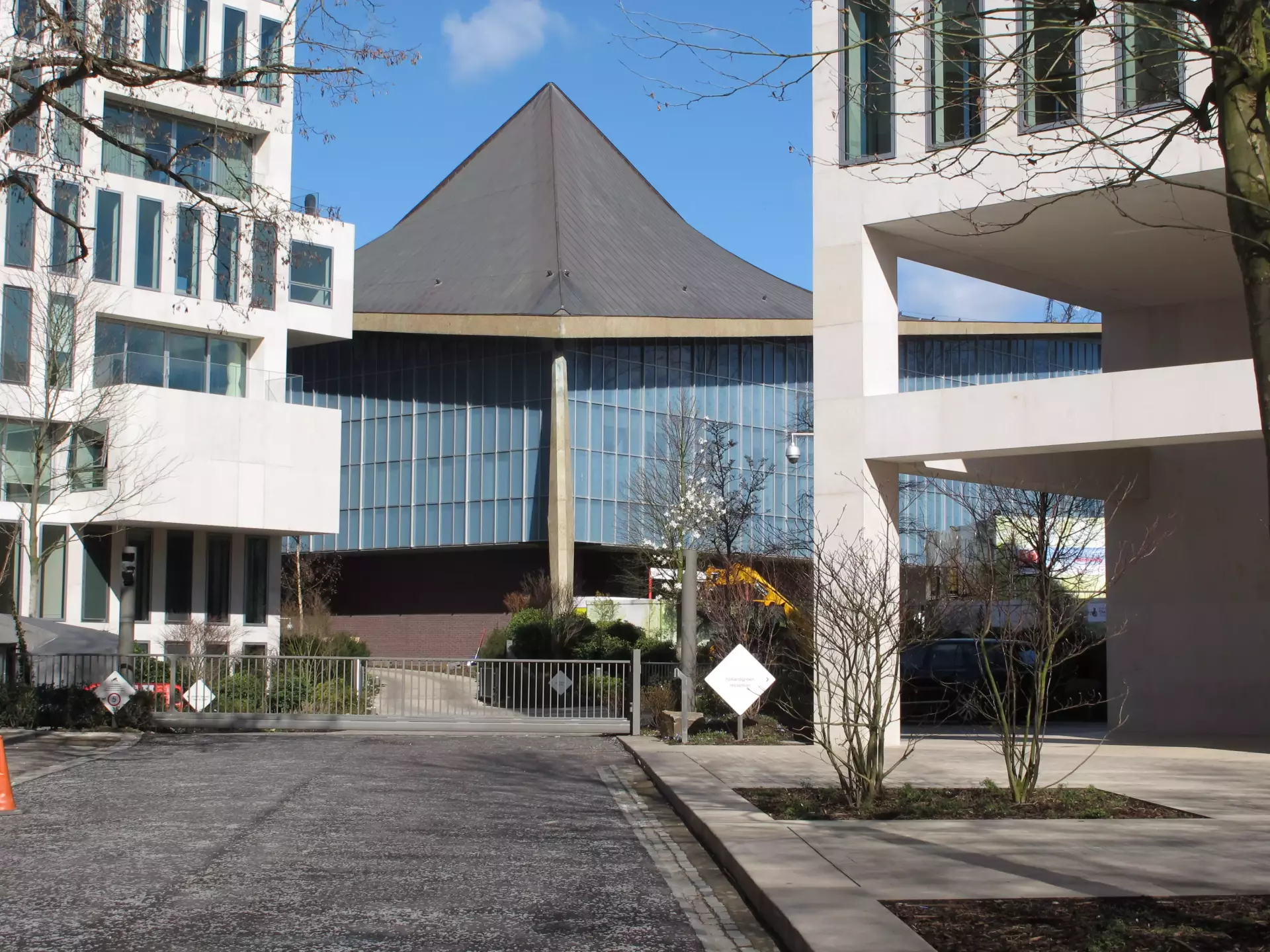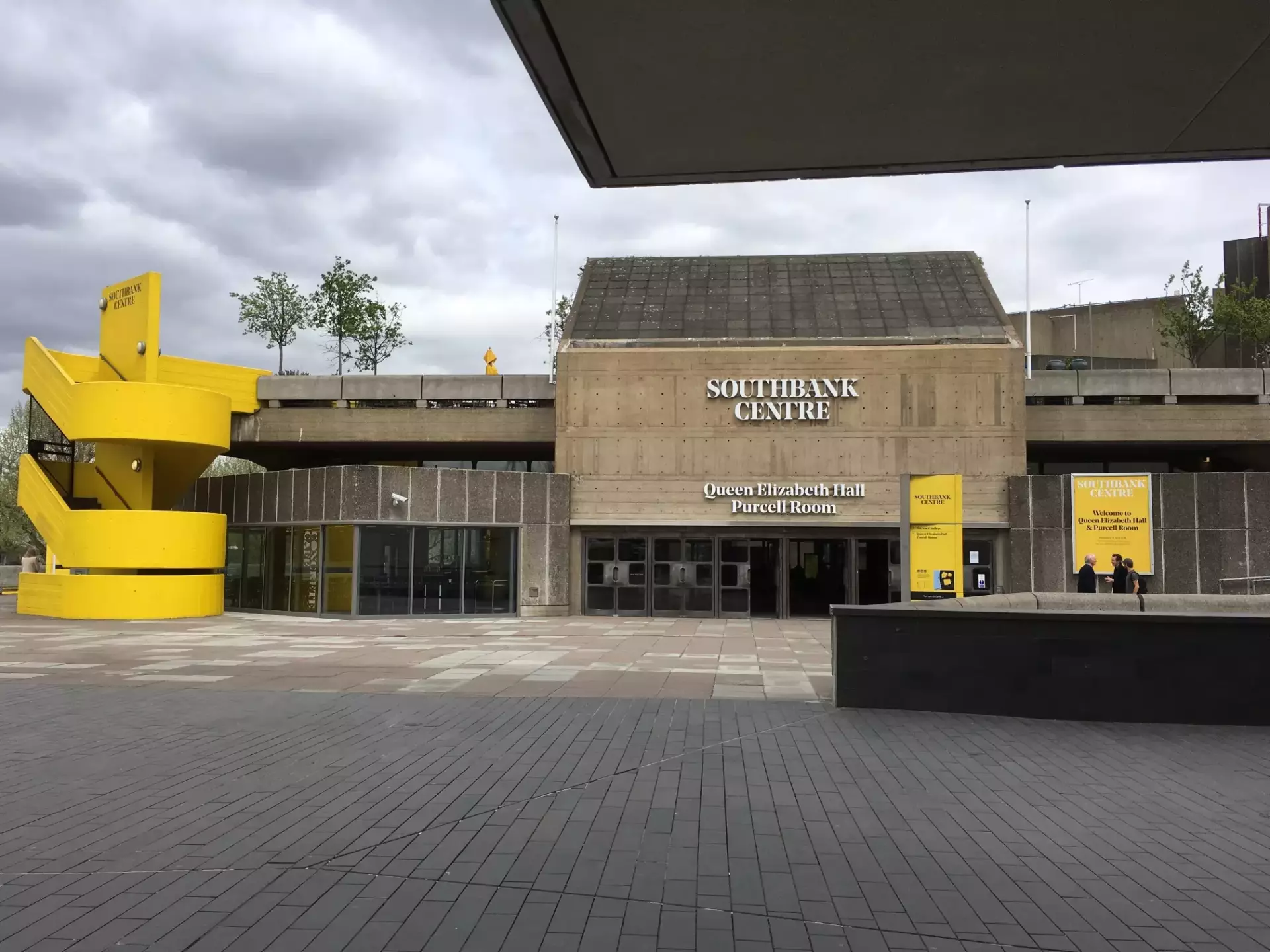
Queen Elizabeth Hall, located on the vibrant South Bank of London, is a notable music venue that delights audiences with daily performances. It is part of the Southbank Centre, a cultural complex known for its diverse artistic offerings. This venue has earned a reputation for showcasing a wide range of musical genres, from classical symphonies to contemporary jazz and everything in between.
The hall opened its doors in 1967 and has since become an integral part of London's cultural scene. Its brutalist architecture, characterized by bold concrete structures, is a striking feature that captures the attention of visitors. The design of the building reflects the modernist style of the era, making it a unique landmark along the Thames River.
Queen Elizabeth Hall hosts a variety of performances, drawing musicians and artists from around the world. With its excellent acoustics and intimate setting, the venue provides an ideal space for artists to connect with their audiences. Whether it's a solo recital or a full orchestral performance, the hall's programming offers something for every music lover.
Beyond music, Queen Elizabeth Hall is also a place for engaging talks, workshops, and cultural events. These programs are designed to inspire and educate attendees, offering insights into the creative process and the world of music. The venue frequently collaborates with artists and organizations to bring innovative and thought-provoking events to the public.
Situated near other iconic attractions like the Royal Festival Hall and the Hayward Gallery, Queen Elizabeth Hall is easy to access and explore. Its location on the South Bank makes it a convenient stop for those enjoying a day out by the river. Visitors can take in the scenic views of the Thames and enjoy the vibrant atmosphere that this area of London has to offer.
Source - https://en.wikipedia.org/wiki/Queen_Elizabeth_Hall
The headquarters of world's most famous insurance market, housed in a revolutionary (at the time) bizarre, Matrix-like glass-and-steel building designed by Richard Rogers, with all support services (lifts, ventilation, etc.) suspended outside. Recognised as a masterpiece of exoskeleton architecture.
At 87 hectares this is the largest open green space in the district.
The second largest of the London Royal Parks, covering an area of 450 hectares (1,099 acres). Lying north of Hampton Court Palace, the history of the park is inextricably linked to the palace, yet it has always had its own distinct rural character. There are herds of both Red Deer and Fallow Deer, they are wild but usually safe, just don't go too close or get between a hind and its calf. The D-Day linked bits are easiest found from the Teddington side. Go through SHAEF gate and there is an information board. You should be able to spot a flagpole a hundred yards into the park, this marks the spot where General Eisenhower had his office, if you have time, or children who are up for a challenge, there are bronze markers with combined British and Canadian and US flags at the corners where the main buildings of Camp Griffiss were. The partially restored early 18th-century baroque water gardens are a short walk from the Hampton Hill gate. The park is subdivided by Chestnut Avenue, Christopher Wren's grand approach to Hampton Court Palace which runs from Teddington Gate to Hampton Court Gate and with the gilded Diana fountain closer to the Palace end (you may have seen it as location for the finish line of some of the cycling events at the 2012 Olympics).
Islamic Cultural Centre and the main mosque in London. Visitors are welcome but must be suitably attired. The Mosque runs classes, prayers, talks and events.
Now permanently closed, will be replaced by new museum at the former Smithfield market site in 2026. The Museum of London Docklands remains open.
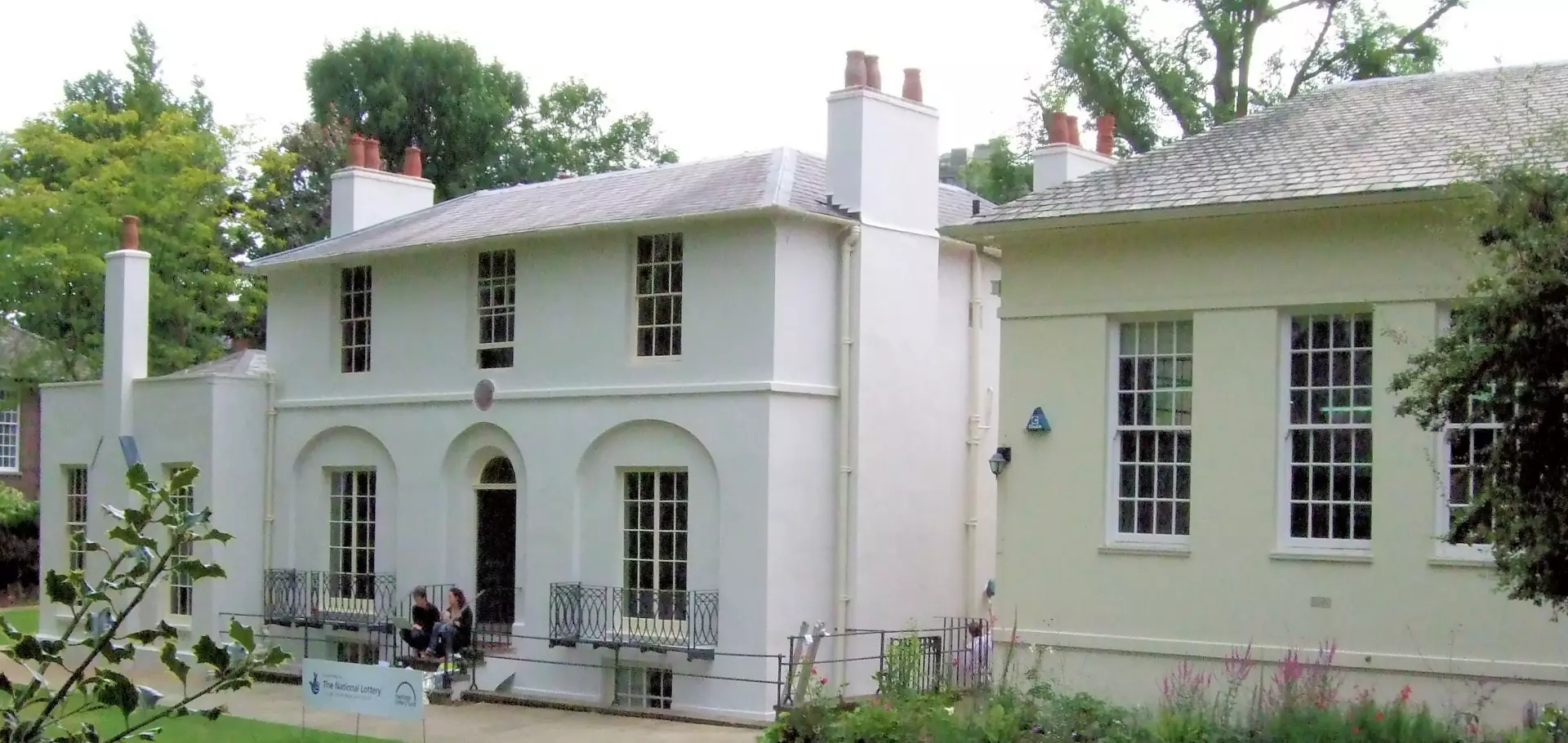
Home to the baroque composer George Frideric Handel from 1723 until his death in 1759. Some of the greatest classical music ever composed was done so at this address. The museum charts Handel's life and works and offers recitals of music in the magnificent setting of the period rooms. By contrast, next door was home to Jimi Hendrix when he lived in London in 1969, and entry to this top-floor flat is included.
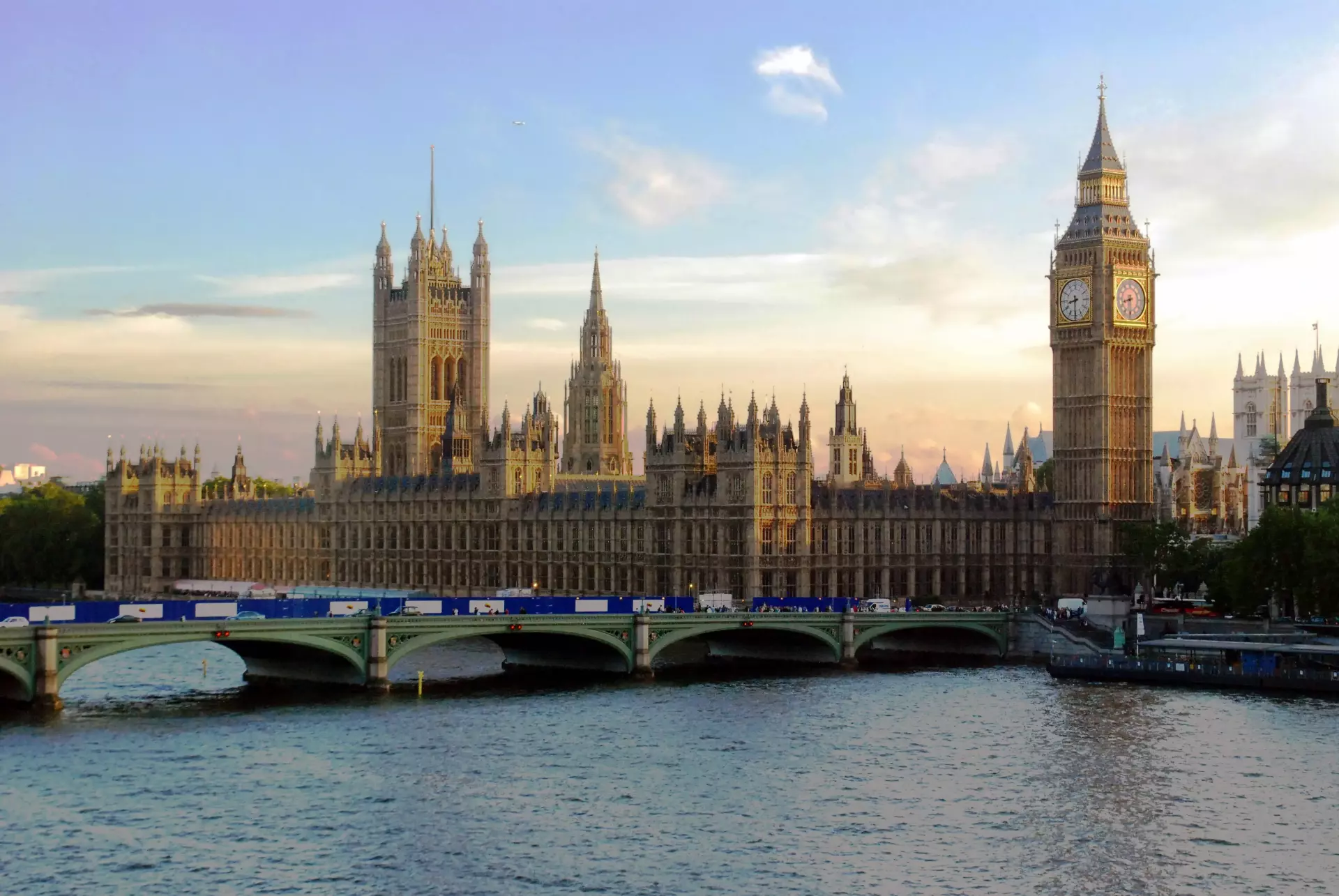
After visiting the two Houses, visitors pass back through St. Stephen's Hall, and through Westminster Hall. Westminster Hall is one of the few areas of Parliament in which photography is permitted, and it is a very impressive place, dating back to the 9th century. Plaques on the floor mark where the bodies of deceased members of the royal family and other distinguished individuals granted the privilege by the British government lay in state (most recently Queen Elizabeth II in 2022), and significant events which took place in the hall (such as the trial of King Charles I).
Old train station with an enormous office and shopping complex in glass and pale stone. A lavish hotel is also on the site. The name comes from the Queen Eleanor (13th century) gothic pillar outside the station, which is actually a Victorian-era replica. Charing Cross Road was once famous for its vintage book shops, but these have now largely disappeared due to high rents and online competition; however, the road is still home to one of London's largest bookshops, Foyle's.
Admission by guided tour only, which must be booked in advance. The museum is housed in part of a Victorian fire station and its collections include fire engines and historical equipment.
Cleopatra's Needle originated in the ancient Egyptian city of Heliopolis, in the Temple of Atum, but the Romans moved it to Alexandria in 12 BC. In 1819, viceroy Mehemet Ali presented Cleopatra's Needle to the British, commemorating military victories in Egypt, but it remained in Alexandria until 1877 when transportation was arranged to bring it to London. On the voyage, the ship capsized in a storm, killing six crewmembers. Cleopatra's Needle was thought to be lost, but Spanish trawlers found it afloat a few days later, and after some repairs, it arrived in London on 21 Jan 1878. The obelisk is flanked by two faux-sphinxes, which show the effects of bombings of London during World War II. Today, Cleopatra's Needle shows some wear from exposure to London's damp weather.
Another Richard Rogers creation, nicknamed the Cheesegrater. Completed in 2014. Also opposite Lloyd's.
After leaving its brutalist skyscraper on Old Broad St, the London Stock Exchange now resides on Paternoster Sq. Dating back to 1698, it is one of the world's oldest and largest stock markets.
This enormous arch was built in front of Buckingham Palace. In 1851 the expansion of the palace meant the arch could no longer remain where it was, so it was moved to this point on Hyde Park. It now stands rather sadly on a large traffic island, but the subway beneath the roads means you can stop off at the Marble Arch on your way from Oxford St to Hyde Park.
Eccentric Gothic home of 18th-century poet and author, Horace Walpole, son of England's first prime minister.
Equestrian statue of the Iron Duke, with four soldiers at each corner of the pedestal, representing regiments that fought under him: a Grenadier, Scottish Highlander, Irish Dragoon, and Welsh Fusilier. The bronze came from melting down captured French cannons.