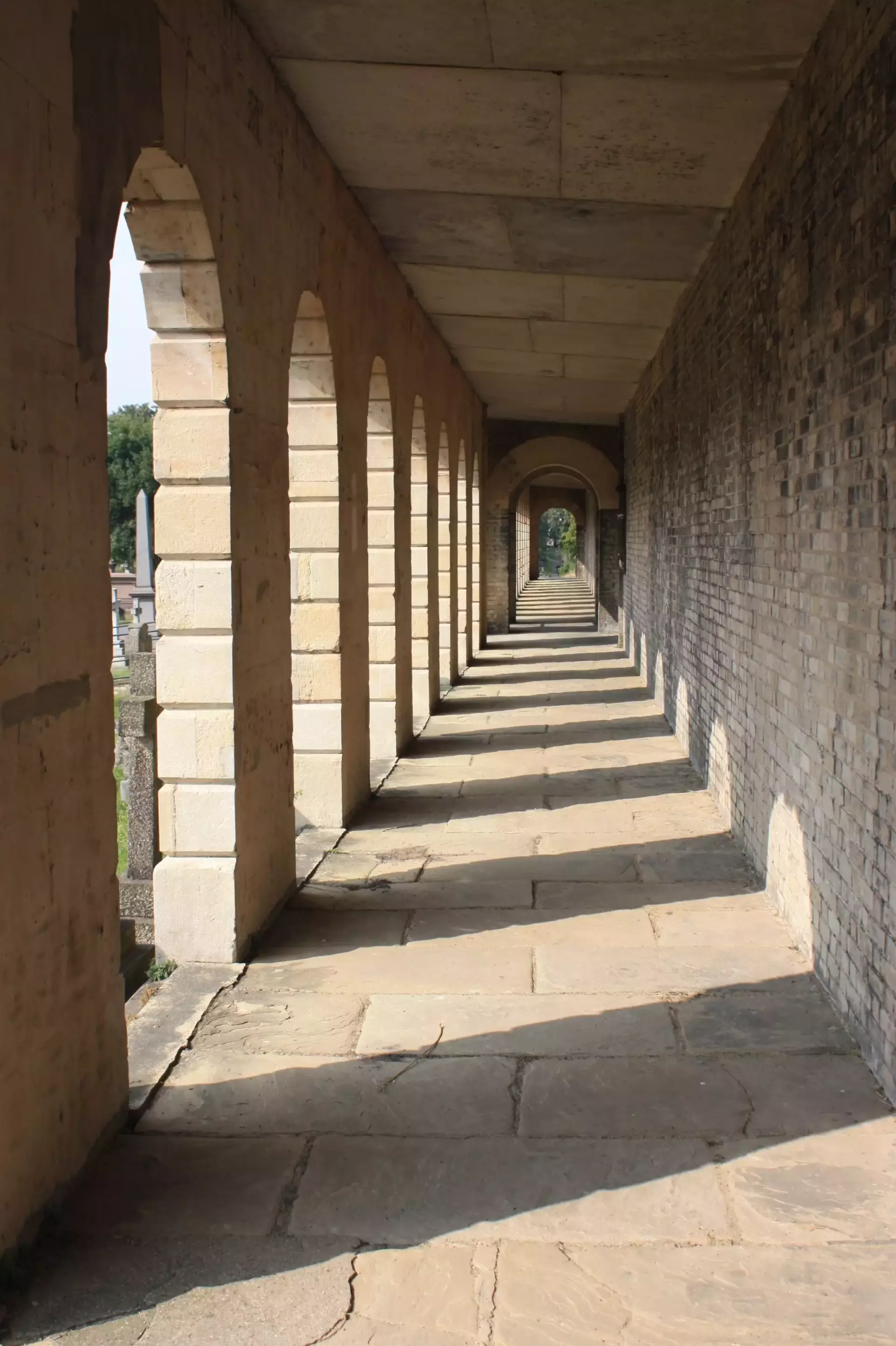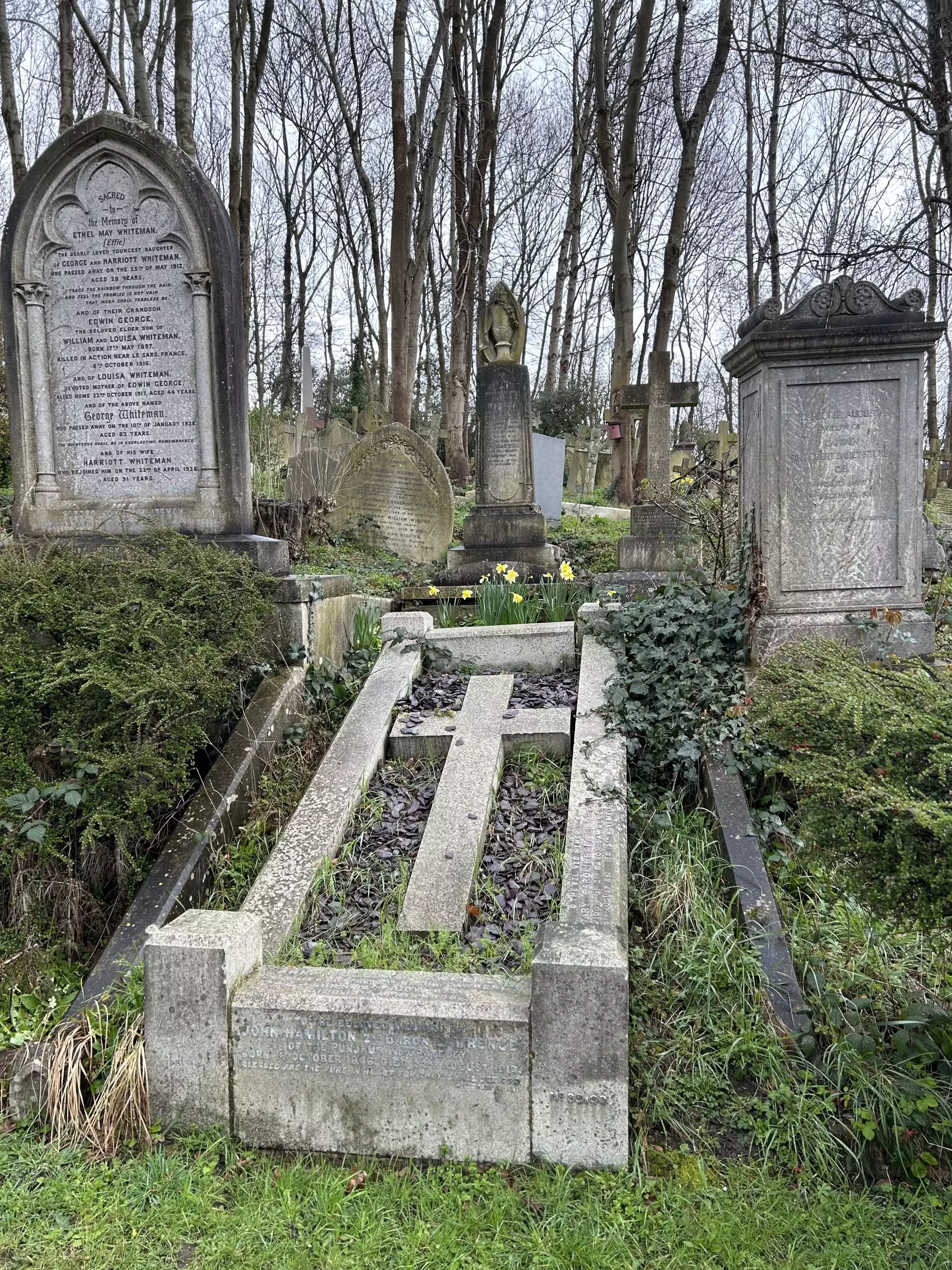
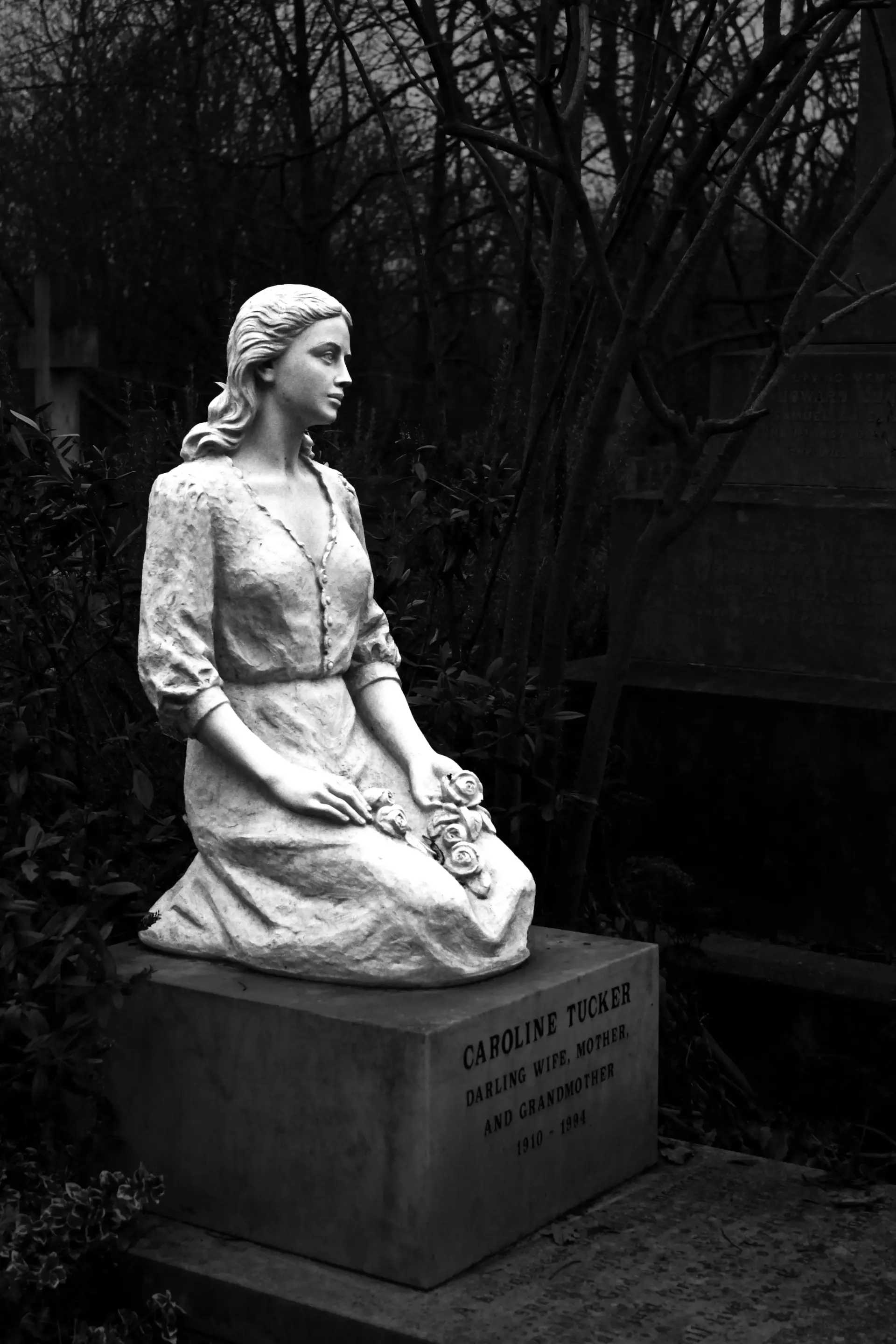
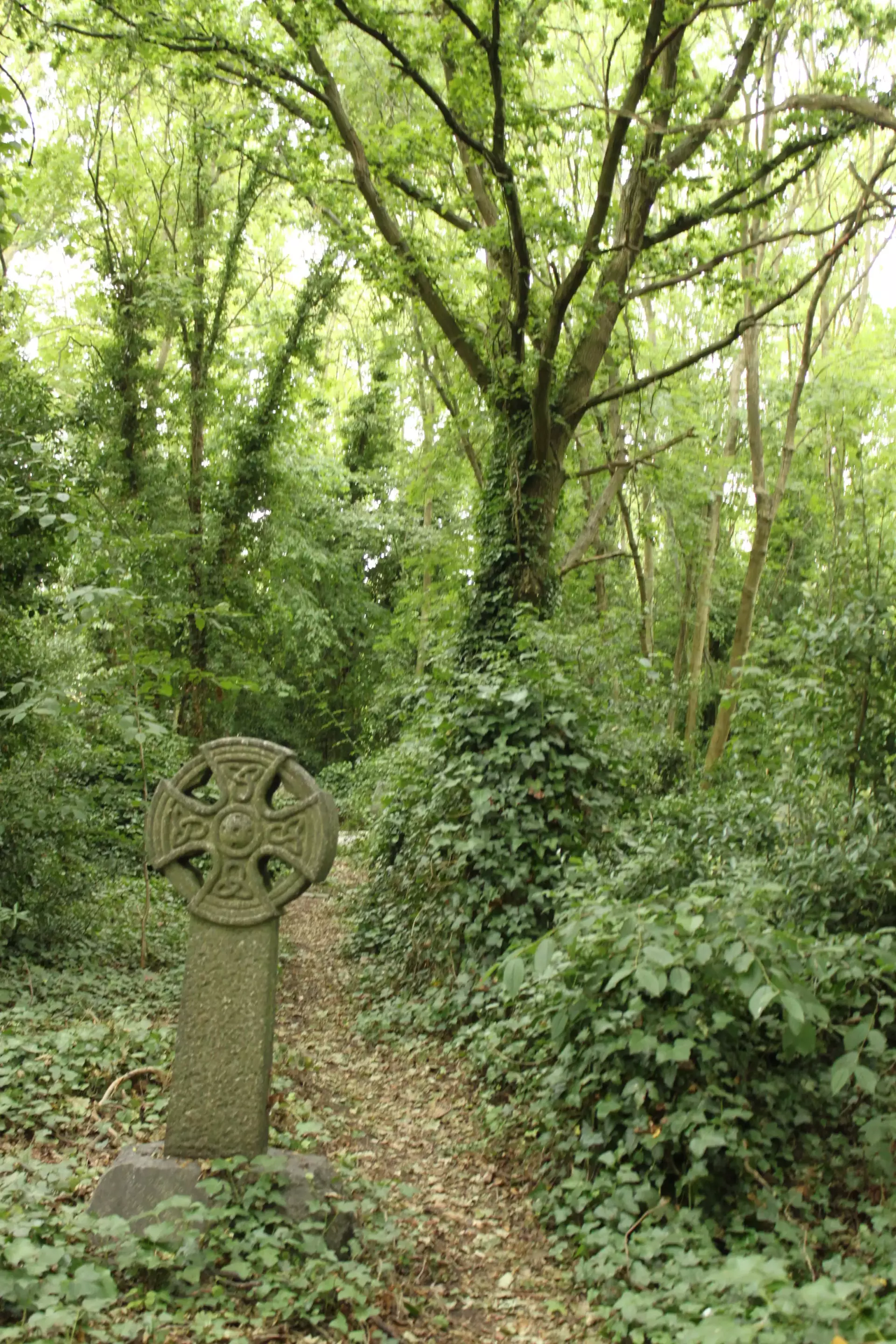
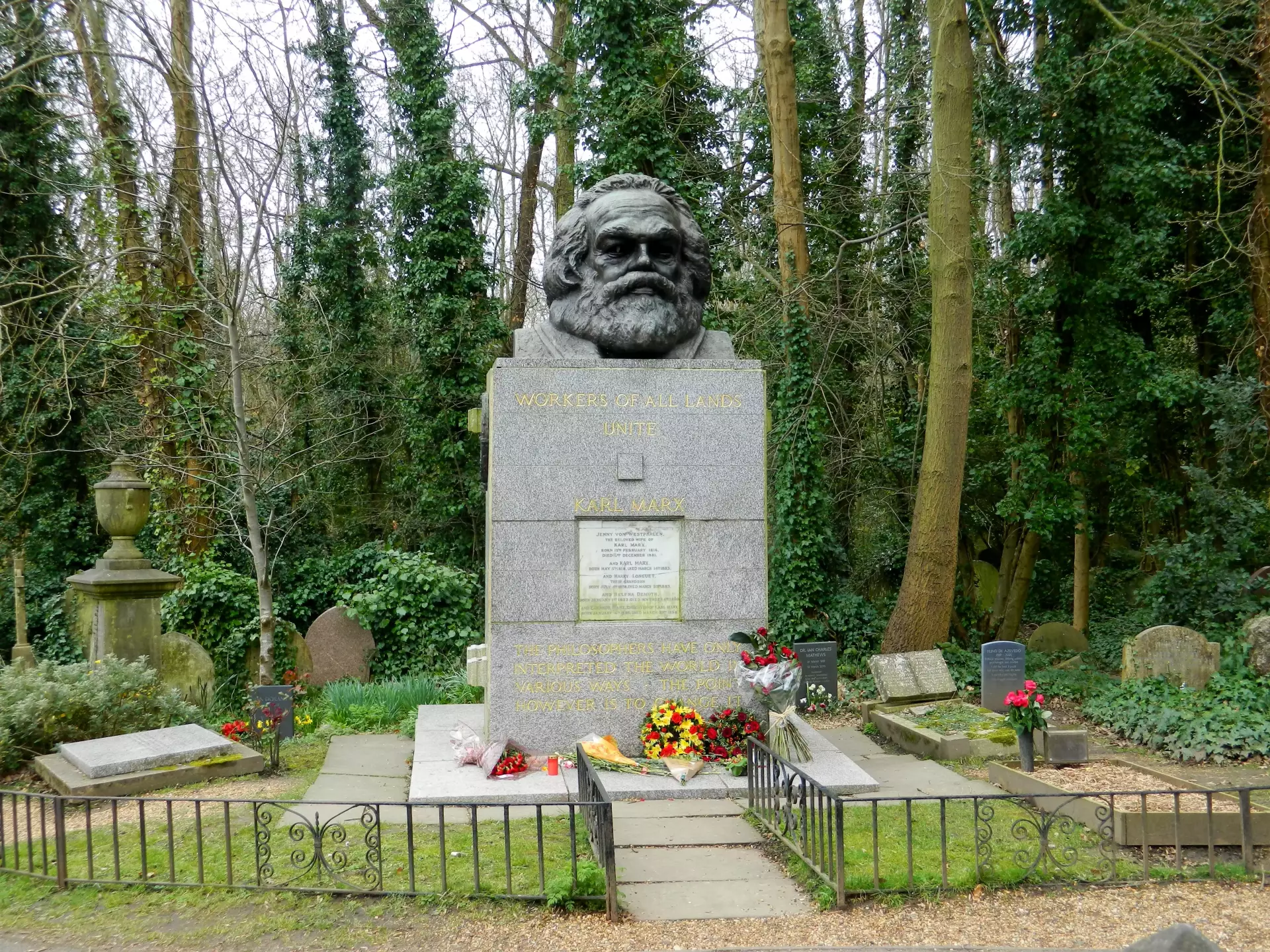
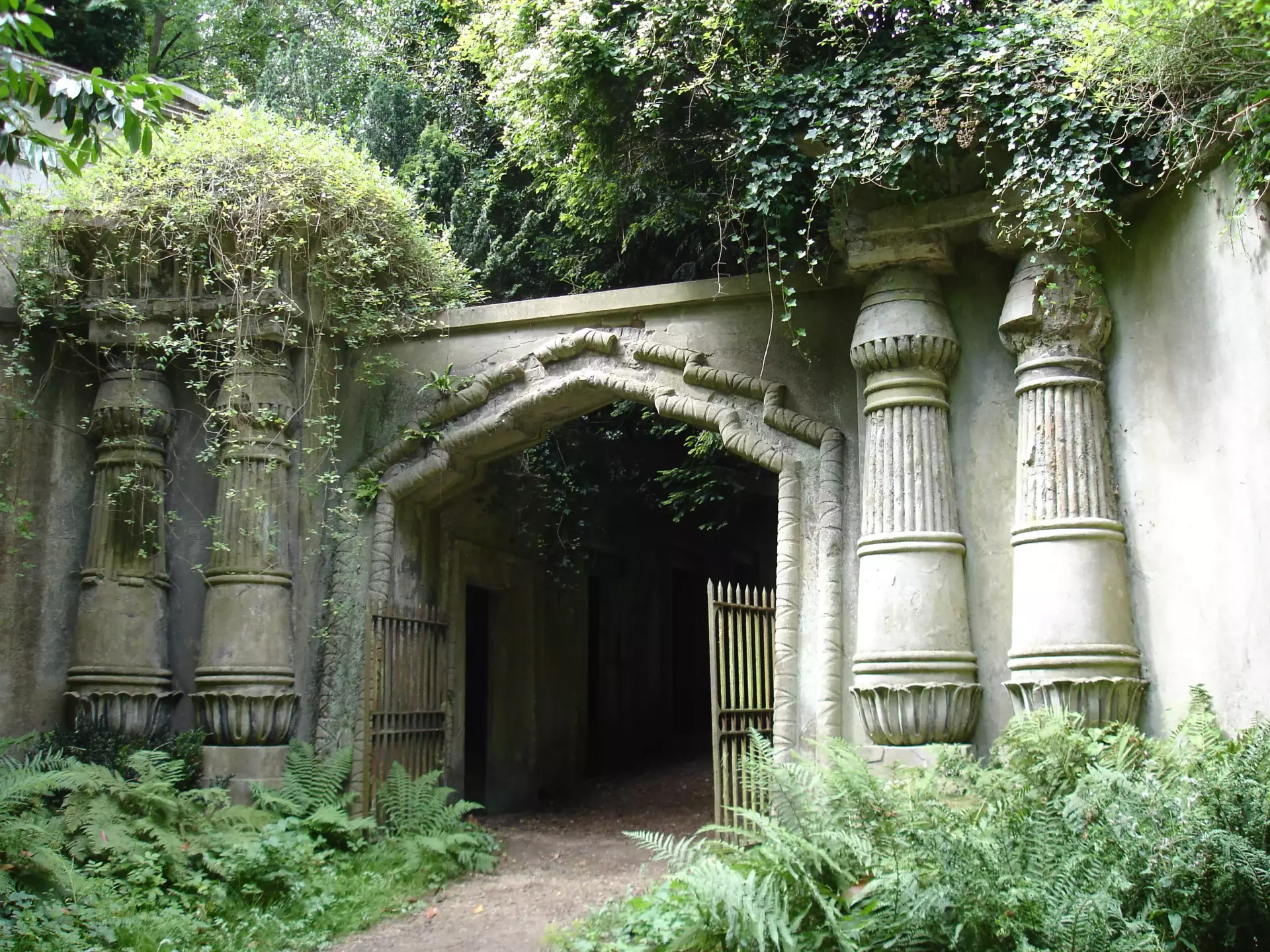
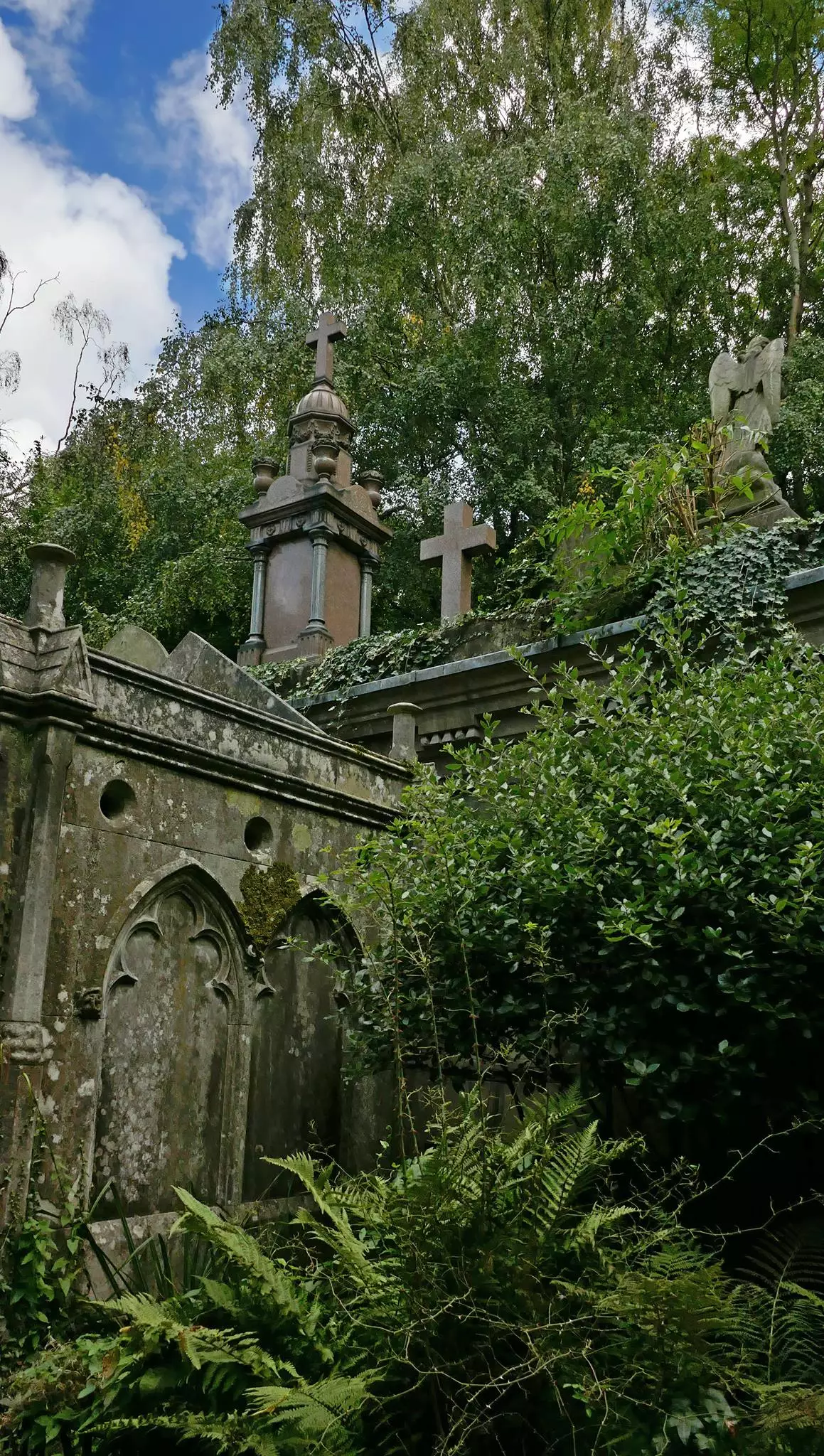
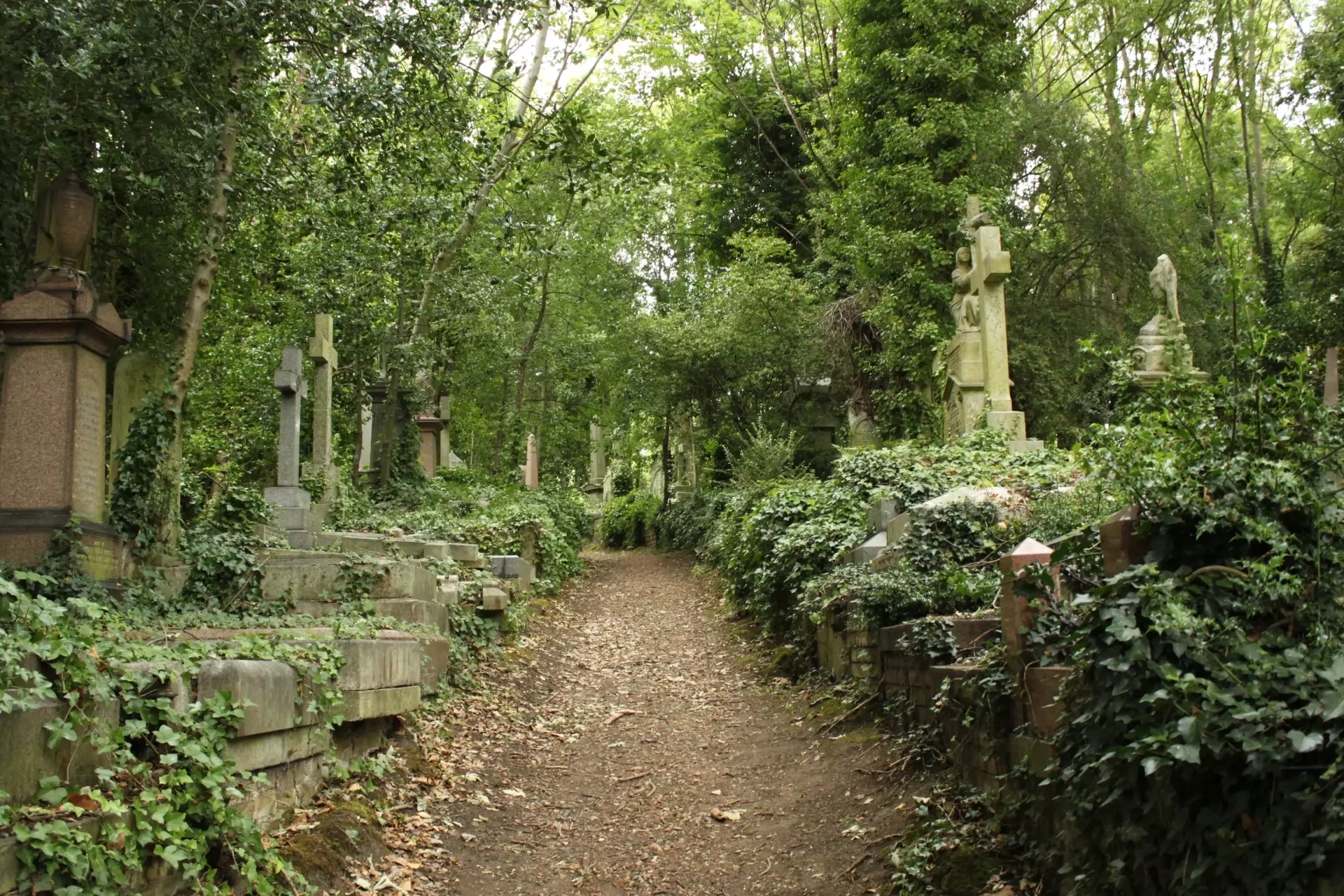
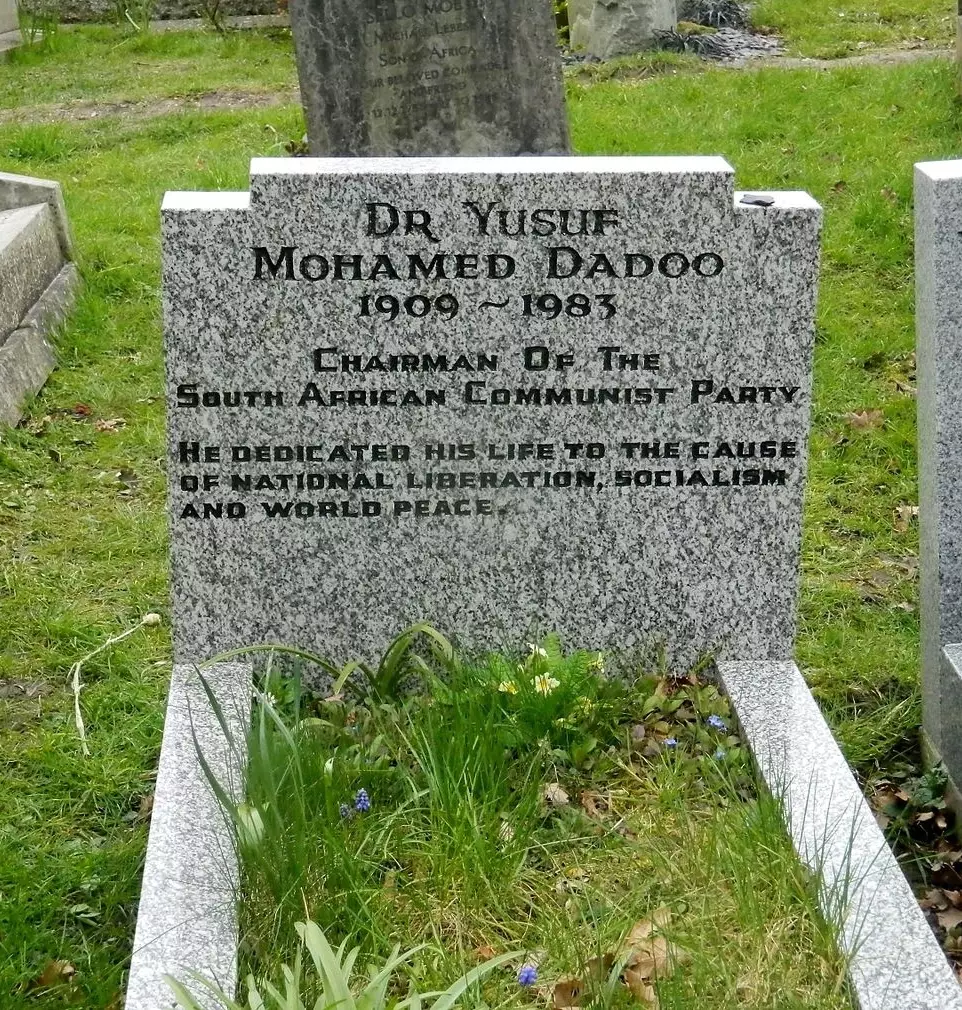
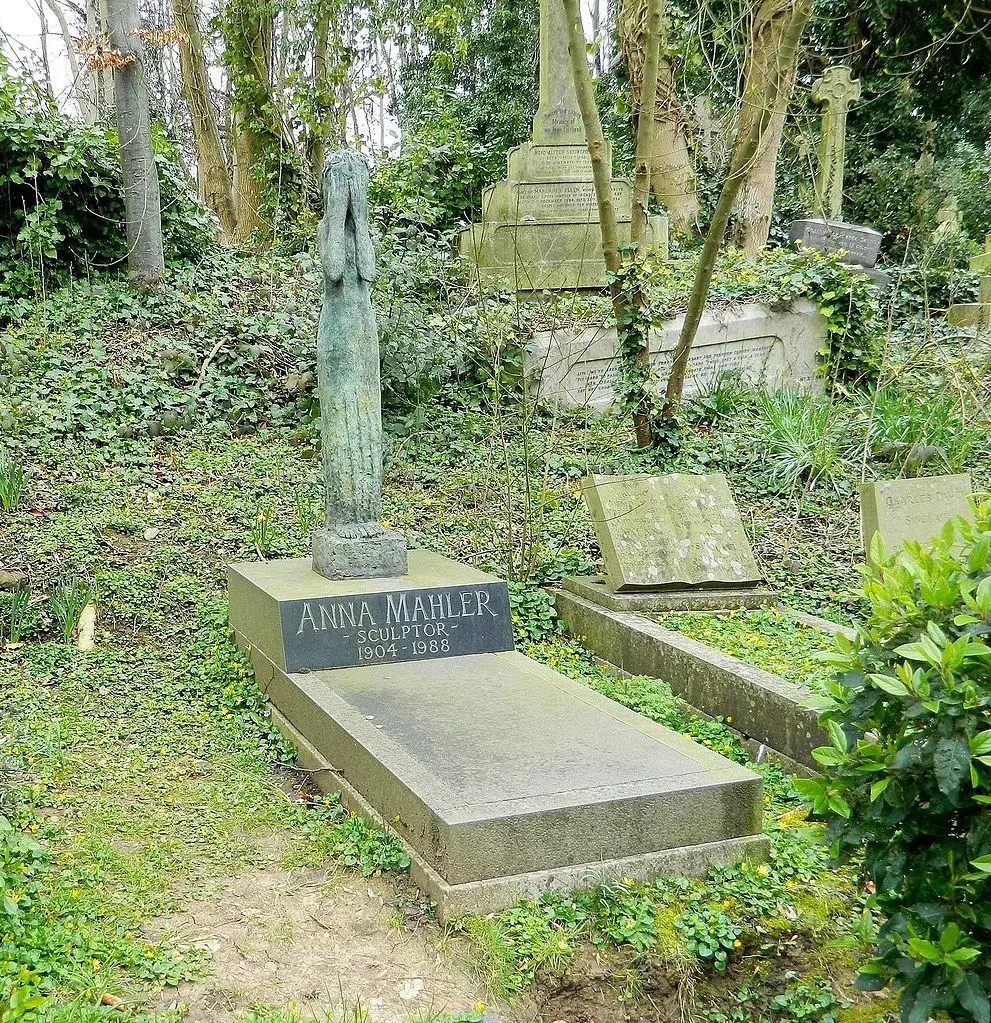
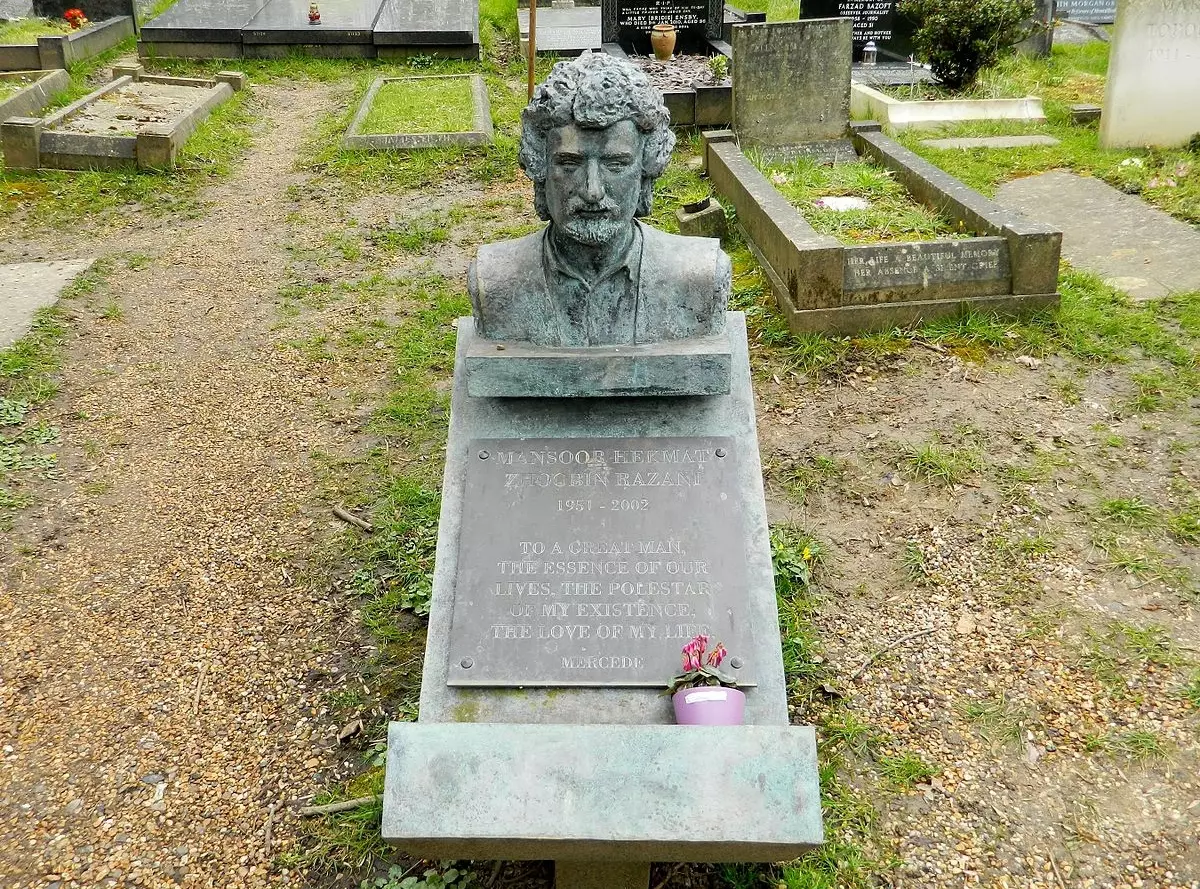
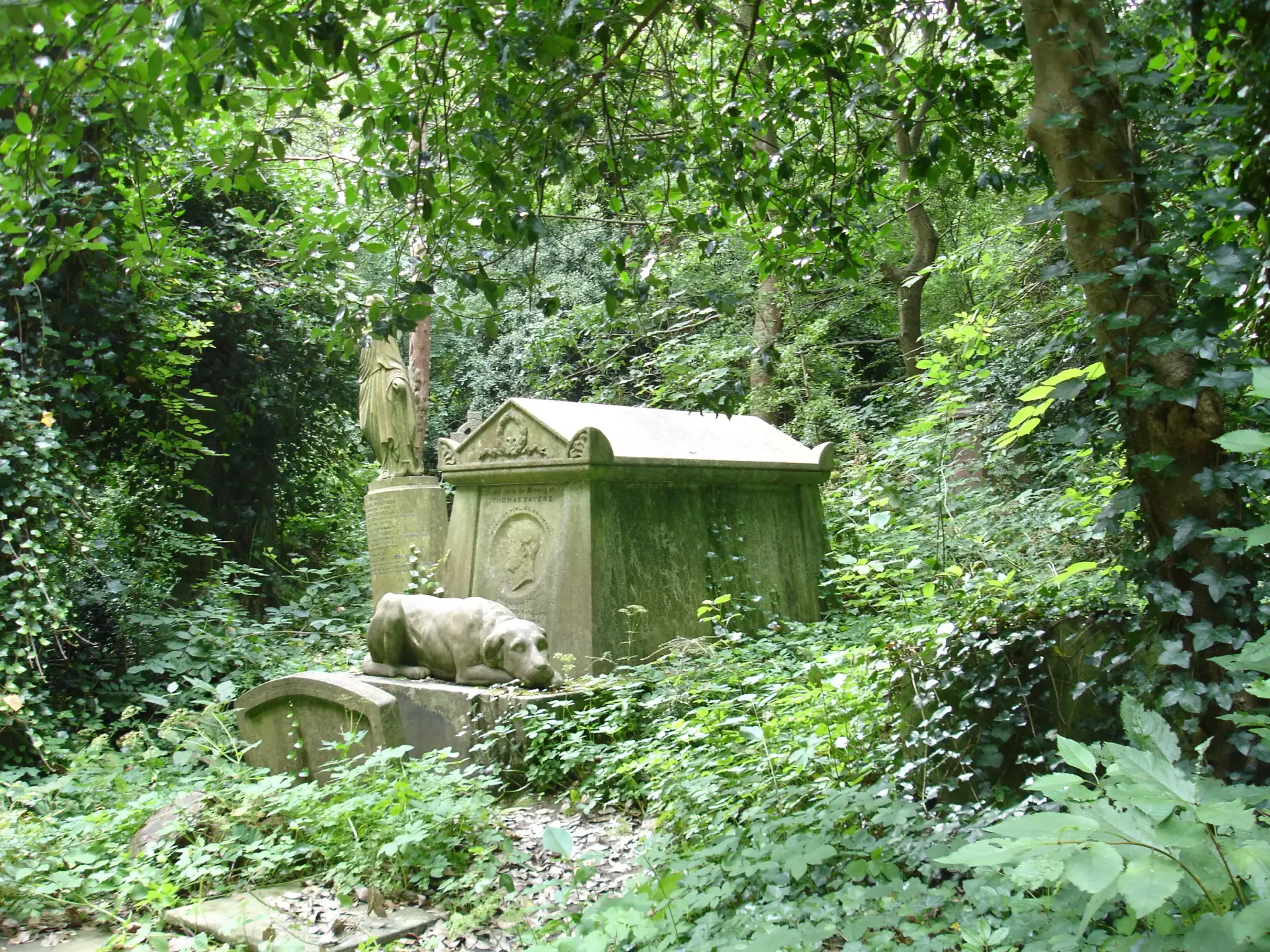
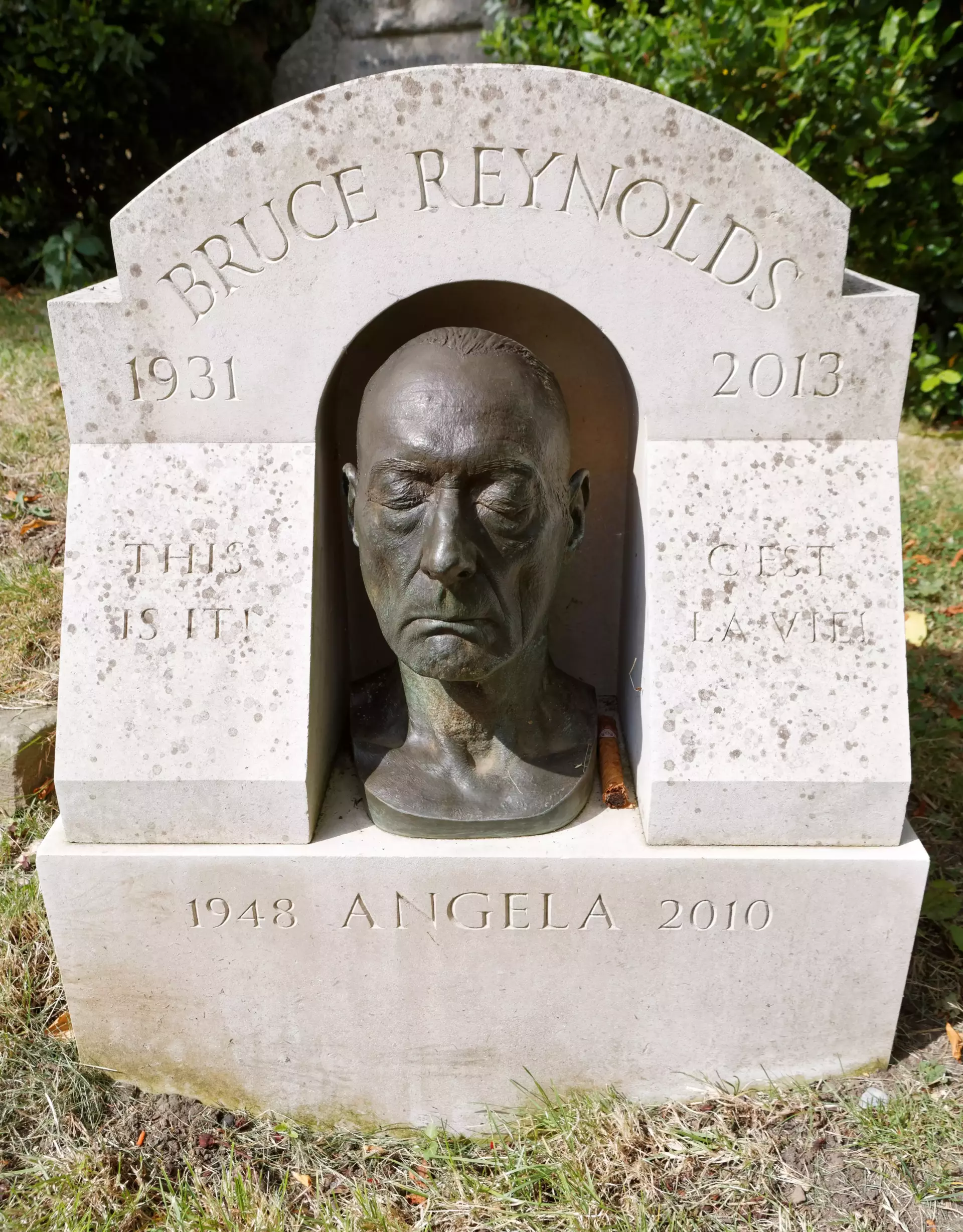
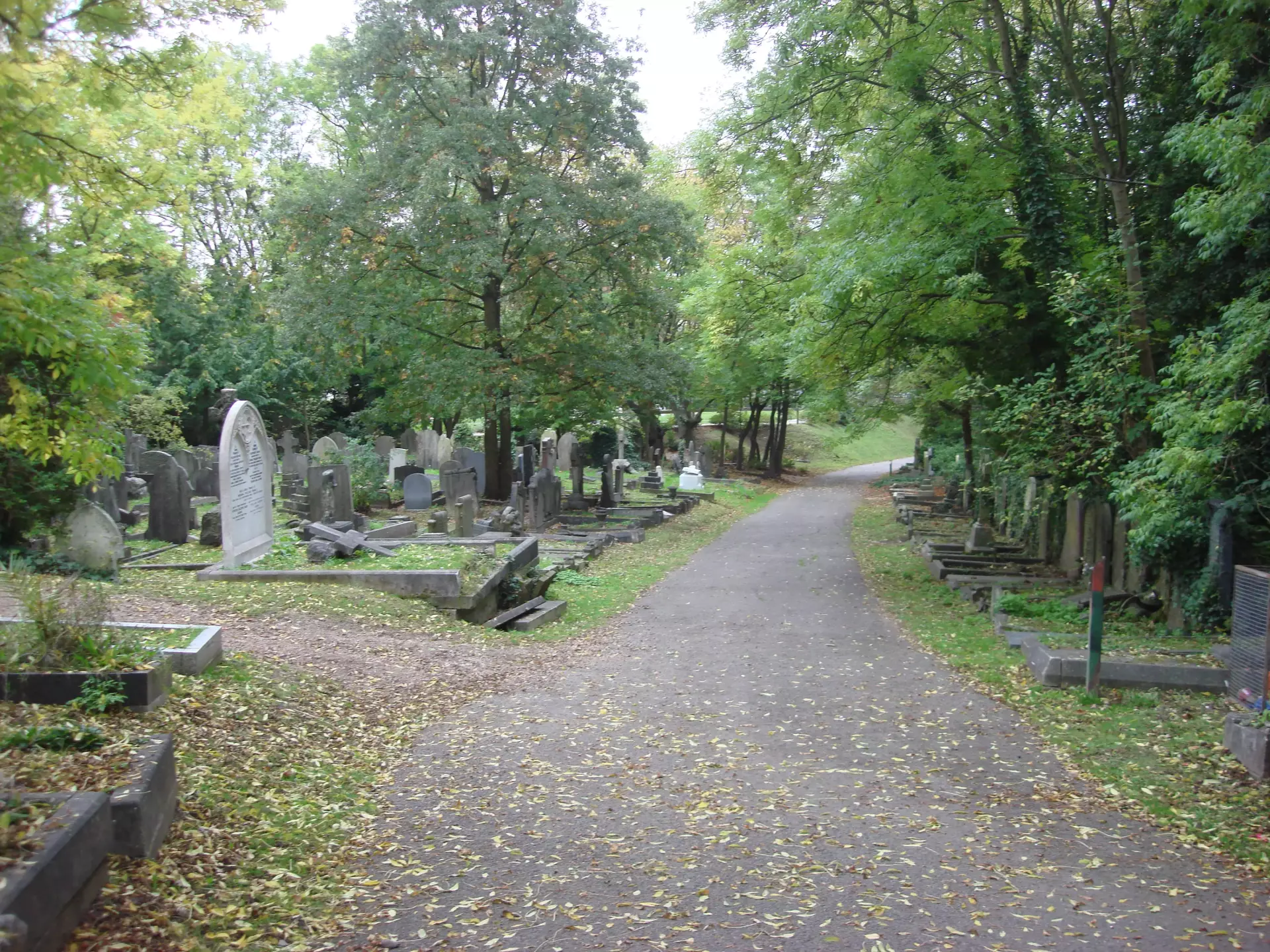
Highgate Cemetery offers a fascinating glimpse into history with its enchanting, overgrown Western Cemetery. A guided tour reveals a special beauty and charm among the ivy-clad tombstones and winding paths. Venture into the East Cemetery on your own to discover the final resting place of influential figures such as Karl Marx.
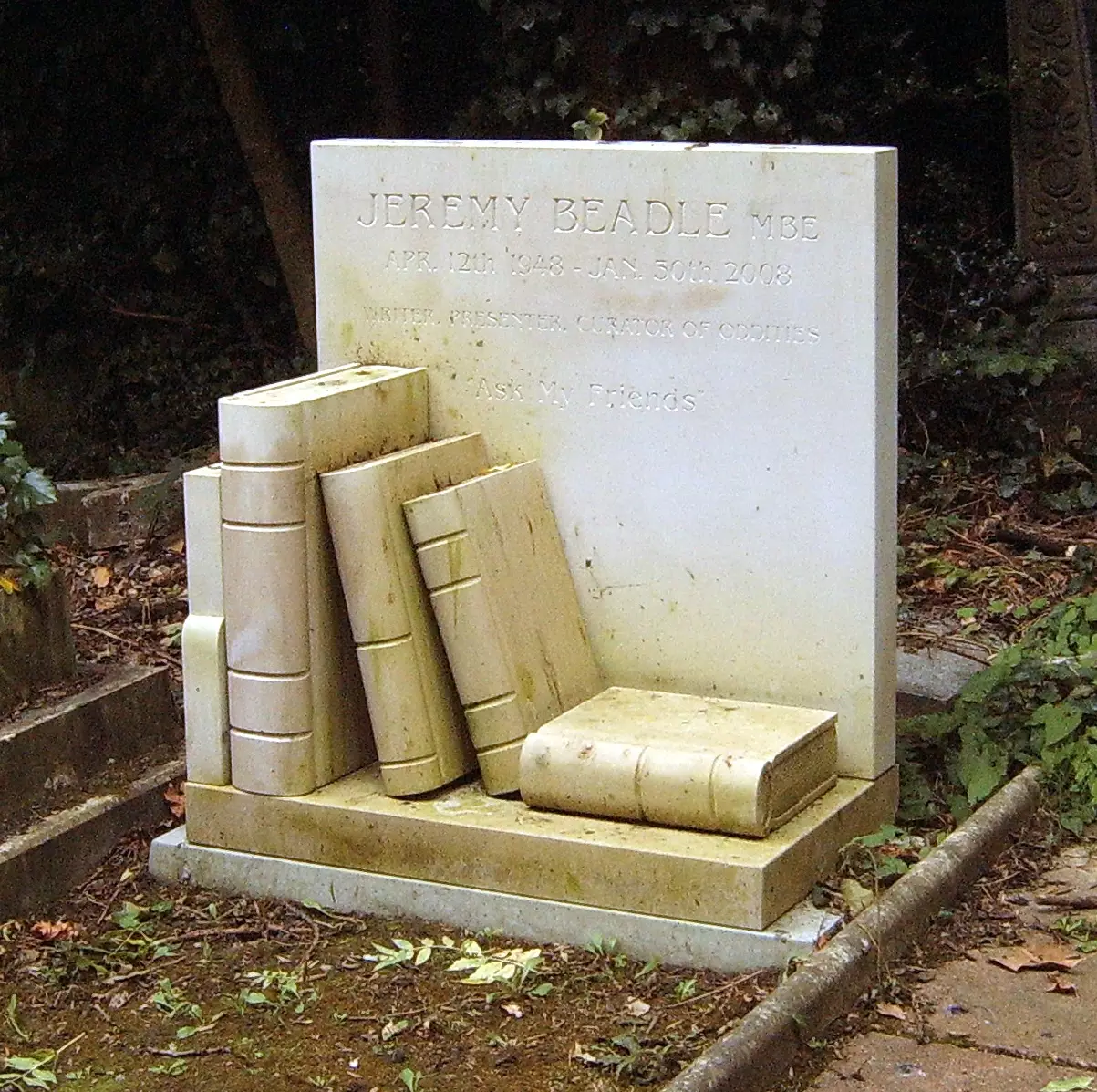
This historic cemetery is home to the graves of at least 850 notable individuals. Literary giants like Douglas Adams and George Eliot rest here, alongside the likes of actress Jean Simmons and scientist Michael Faraday. In the Victorian era, Highgate was the desired place for high society's eternal rest.
Renowned for its Victorian funerary architecture, Highgate Cemetery boasts what many consider the finest collection in the country. The impressive monuments and mausoleums evoke a sense of history and intrigue. Among the many legends, stories of ghosts and a resident vampire add an eerie allure to this tranquil site.
Source - https://en.wikipedia.org/wiki/Highgate_Cemetery
This steel pedestrian bridge connecting Bankside with the City of London has all the lovely views of the Thames that you'd expect, but most of those who cross Millennium Bridge never notice its most distinctive feature. The bridge is dotted with hundreds of tiny paintings, so small that you'll probably miss them under your feet if you're not looking for them.
Includes a small but beautiful quad and an interesting Neo-Classical facade. The core buildings of UCL were built after the university's foundation in 1826.
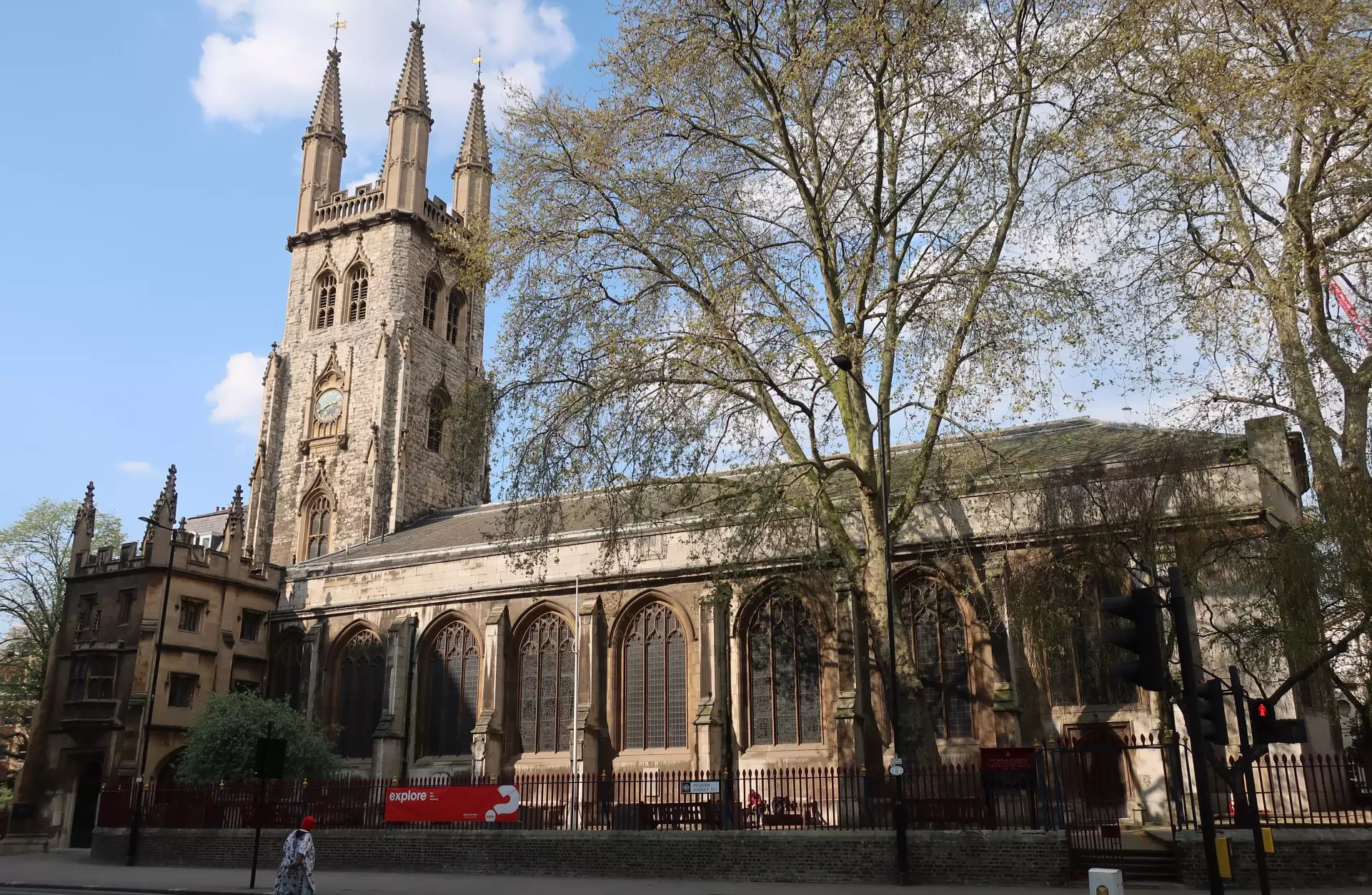
Medieval Grade I listed church. This church played a key role in the English Revolution and was the parish church of some of the most decisive Puritans: Oliver Cromwell was married and this is where John Milton was buried. It was the home of the Morning Exercises. The tower remains from the original building; the rest was destroyed in the Blitz but rebuilt based on the original plans.
Remains of the wall that surrounded the City of London for almost two thousand years. The parts around the Barbican are mostly Tudor due to maintenance (Roman remains can be seen in and around the Tower of London). Other local remains are the 51.5169-0.095833 Noble St wall fragment and the 51.5177-0.092234 St Alphage Gdns wall fragment.
The London Mithraeum is a 3rd century Roman mithraeum that was discovered in Walbrook during construction work in 1954. The entire site was relocated several times before being returned to its original site as part of the new Bloomberg building. This temple of the mystery god Mithras became perhaps the most famous 20th-century Roman discovery in London. In addition to the temple structure, there is a display of Roman artefacts found on the site and a contemporary art exhibit responding to the site. Visitor numbers are limited and timed slots are often fully booked up several weeks into the future so plan well ahead.
Madame Tussauds is a world-famous waxwork museum, best known for its Grand Hall, with a collection of international royalty, statesmen and world leaders. Visitors generally report that the entrance fee does not warrant the selection of waxworks on show, which rarely resemble celebrities. Also, there is usually a long queue stretching down the road.
Houses the British national collection of western European art dating from the 13th to 19th centuries. A truly awe-inspiring collection, notable works include Hans Holbein's The Ambassadors, Van Gogh's Sunflowers and Constable's The Haywain. The vast majority of art is free of charge to visit. Temporary exhibitions are generally fairly costly, but invariably well researched and presented. The audioguides are very comprehensive, have comments on most of the paintings in the museum, and are free though this fact is not advertised. A donation is suggested. In addition to courses, workshops, lectures and other events, the National Gallery has free talks and tours every day.
191-m (627-ft) skyscraper can be seen from far away and is the sixth highest building in UK.
One of the "Magnificent Seven" old cemeteries in London. Graves range from plain to ornate and the site can be a tranquil place to walk amid the bustle of the city. It was opened in 1840 and is still a working cemetery, although it was closed for some time in the late 20th century. Can be nice, if morbid, for an afternoon stroll, especially as a route (and cycle route) between Old Brompton Road and Fulham Road.
The oldest church in the City, founded by Saxon abbots in 675 AD.
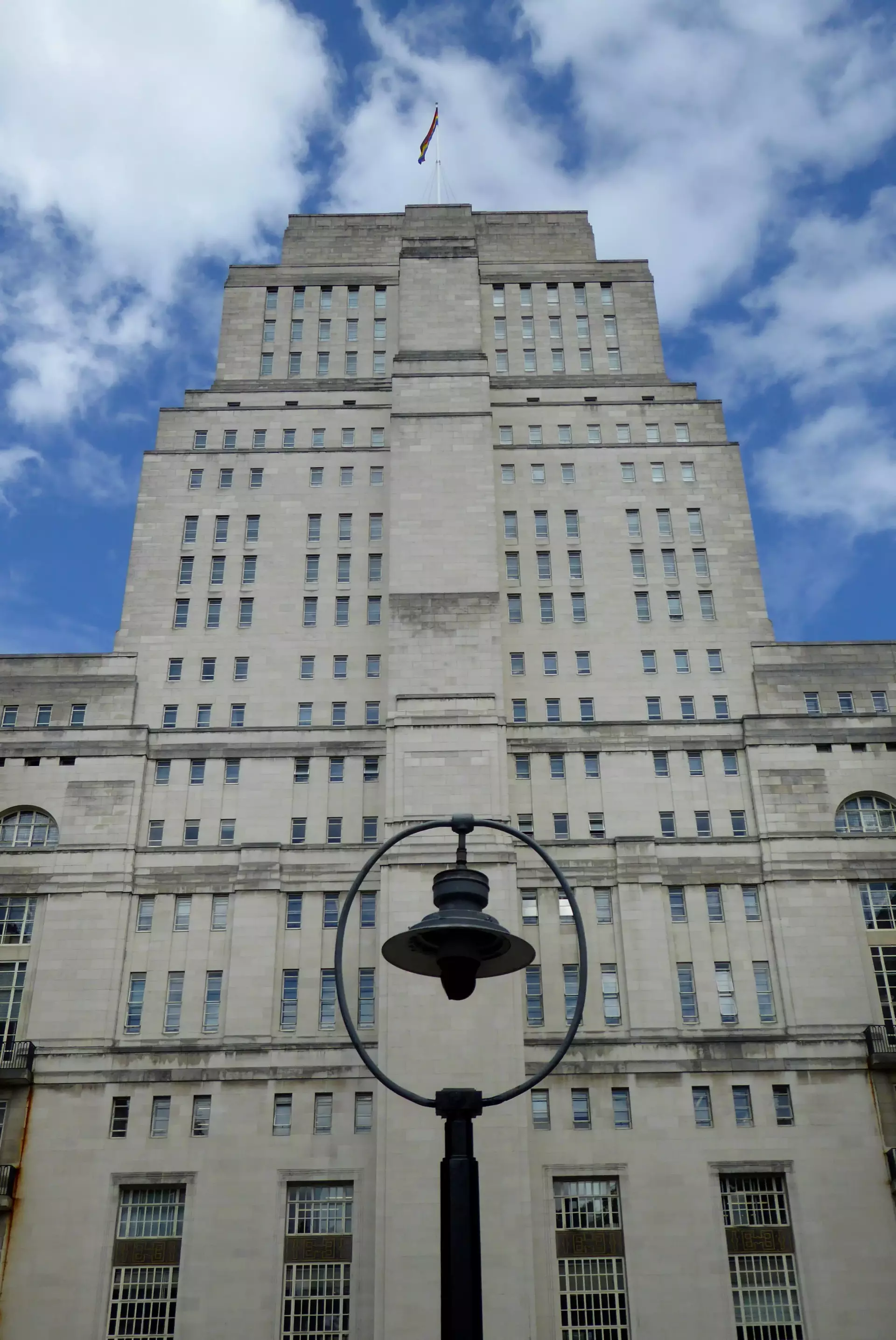
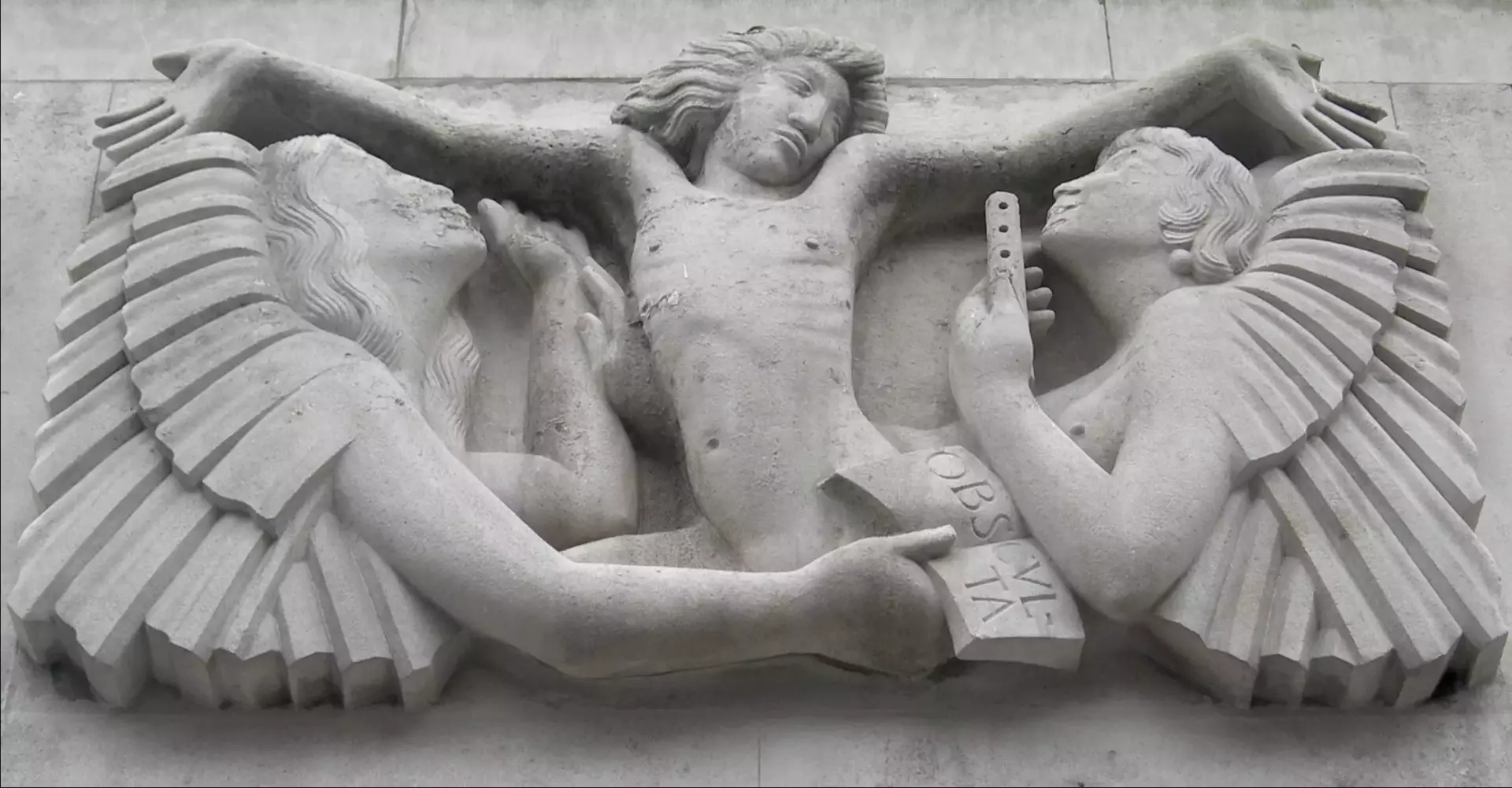
Art deco headquarters of University of London featured in the film Nineteen Eighty-Four.
The second biggest greenhouse in London, containing over 2,000 species of tropical plants as well as birds and fish.
Substantial nature reserve on the old disused Barn Elms Reservoirs. A major wetland habitat for wintering wildfowl and an excellent choice for any keen birders visiting London, and an entertaining place for kids to learn about nature
Probably the most colourful event in the UK's legislative calendar, this takes place in May or June every year, or after a general election, when the King travels to the Houses of Parliament to open the new parliamentary session. During this event, the Lords, Speaker of the House of Commons, and other office holders can be seen dressed in their ceremonial robes, and there is always an elaborate procession when the King makes his way to the Houses of Parliament from Buckingham Palace. This is one of the few occasions where all branches of the British government are gathered in the same place. Many traditions of the State Opening can trace their origins to a more turbulent past, when the relationship between the monarch and Parliament was sometimes antagonistic. In particular, since the English Civil War, the monarch has been banned from entering the House of Commons chamber, and instead must send a representative (the Black Rod) to summon the MPs to the Lords chamber, where he delivers his speech. Another notable tradition is the holding of a Hostage MP in Buckingham Palace, ostensibly to guarantee the safe return of the monarch, who is released once the King has returned to the palace safely after delivering his speech. While attendance at Parliament itself is limited to special guests that have been invited by the Prime Minister, it is broadcast live on the BBC, and you can also view the King's procession from Buckingham Palace to Parliament from the roadside for free.