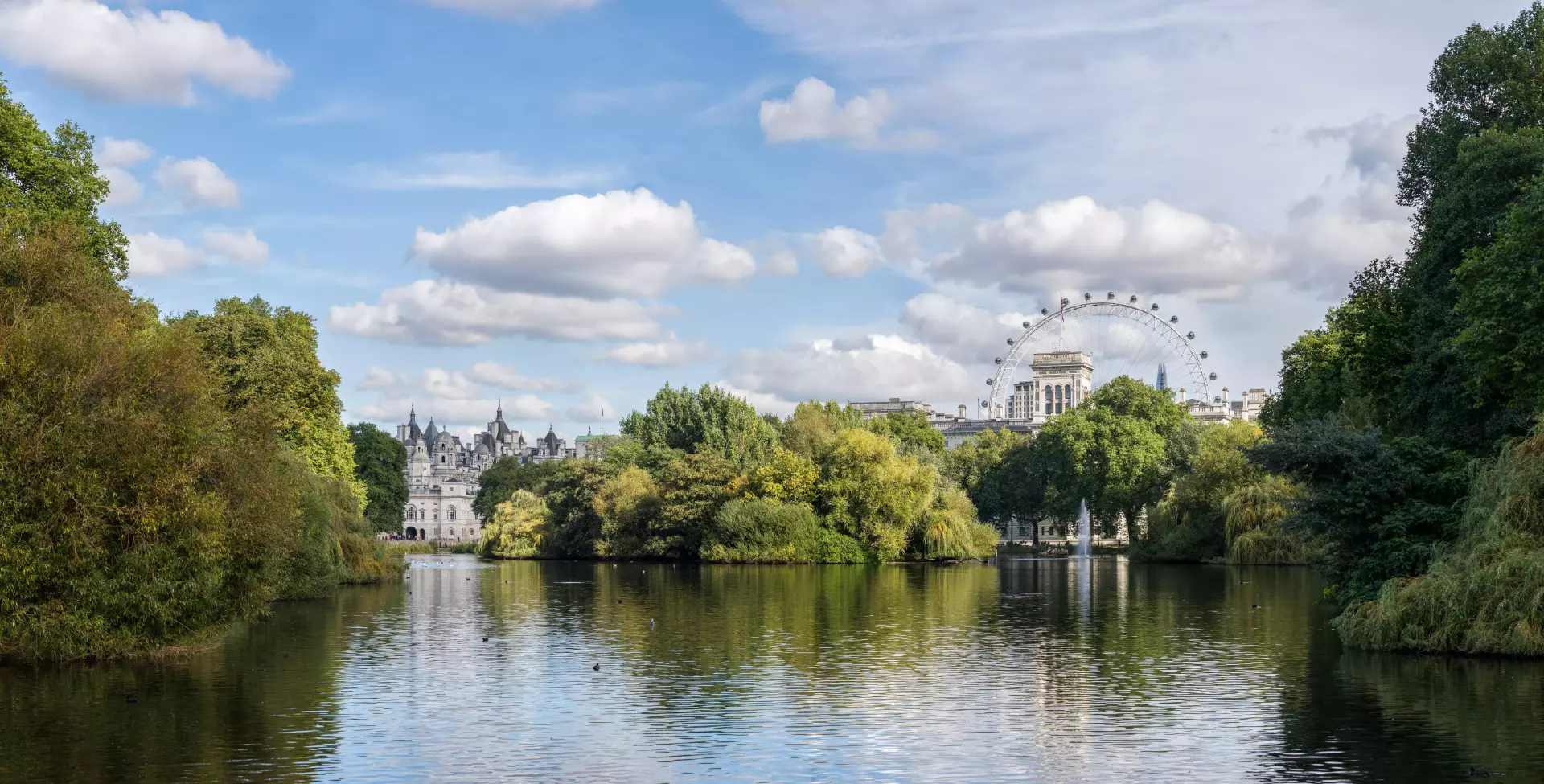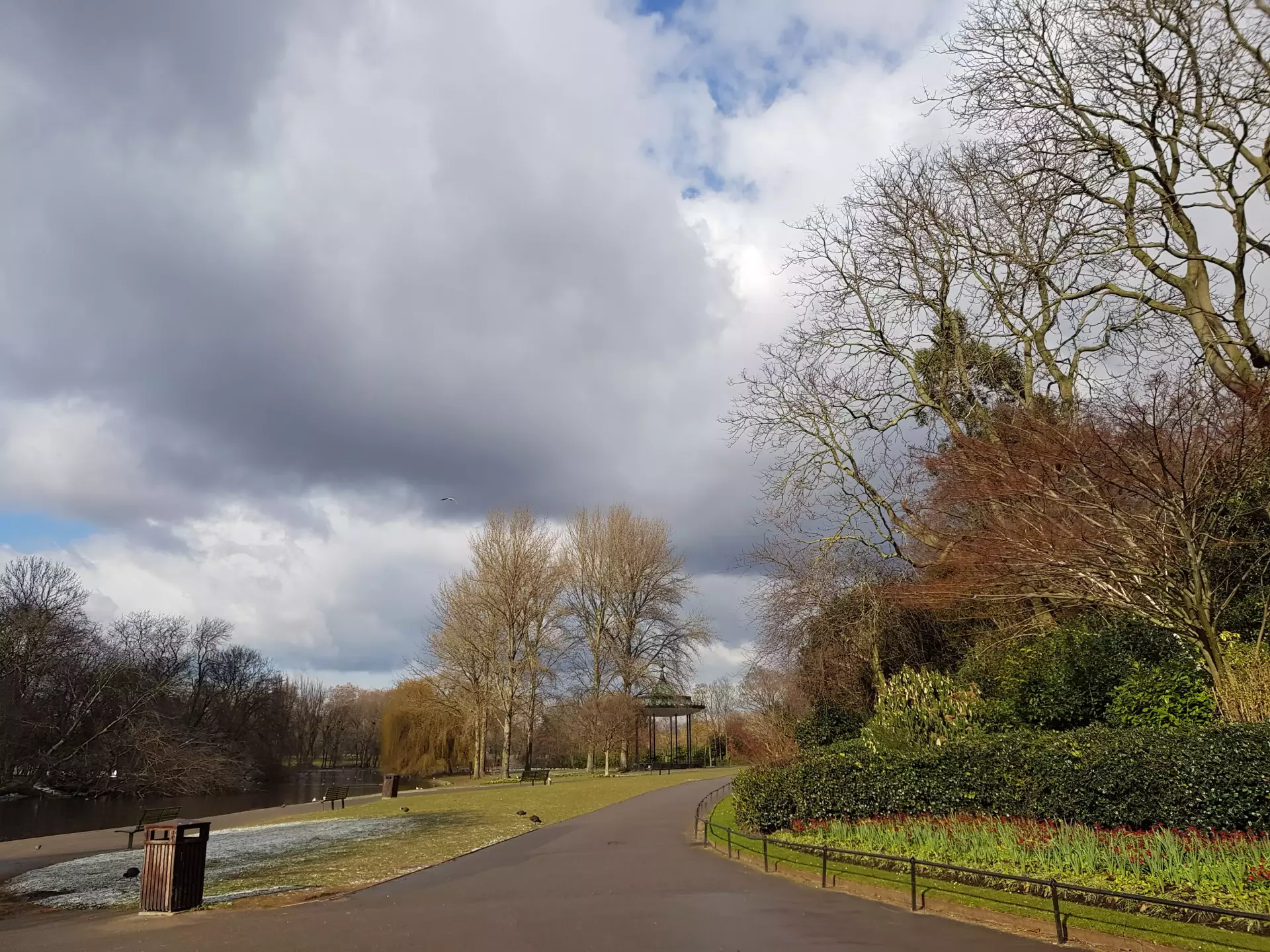
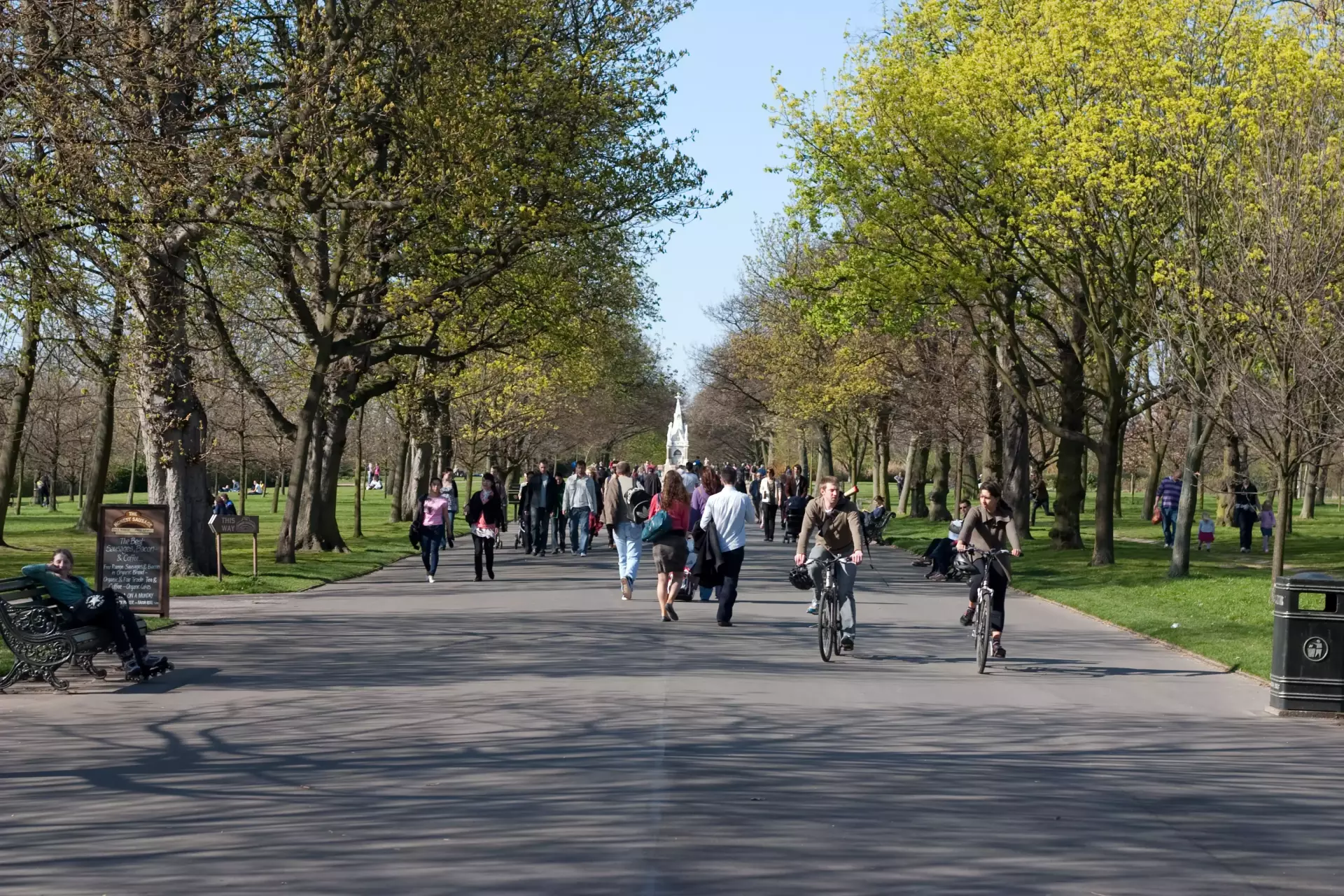
Regent's Park offers a vast expanse of greenery and is a beloved spot for Londoners seeking a peaceful escape from the bustling city. Unlike some of the more tourist-heavy parks in London, this park provides a quieter, more relaxed environment. Visitors can enjoy a leisurely stroll around the beautiful lakes, experience the magic of an open-air theatre, or spend an afternoon watching charming puppet shows. Sports enthusiasts will find various activities to engage in, alongside the backdrop of the park's splendid ancient trees.
Within Regent's Park lies a delightful cafe and a play area conveniently located next to the boating pond, making it an ideal spot for families to unwind and enjoy a day out. The park's northern reaches are home to ZSL London Zoo, a favorite among children and adults alike. This renowned zoo, which opened to the public in 1847 after its initial establishment in 1828 for scientific study, now focuses on conservation. It offers engaging exhibits designed with children in mind, providing an educational yet fun experience for all.
Adjacent to Regent's Park, the Islamic Cultural Centre and London Central Mosque serve as key cultural landmarks in the city. Welcoming visitors who are suitably attired, the mosque is not only a place of worship but also a hub for community activities. It hosts a variety of classes, prayers, talks, and events, offering a glimpse into the rich cultural and spiritual life that thrives in the heart of London.
Source - https://en.wikipedia.org/wiki/Regent%27s_Park
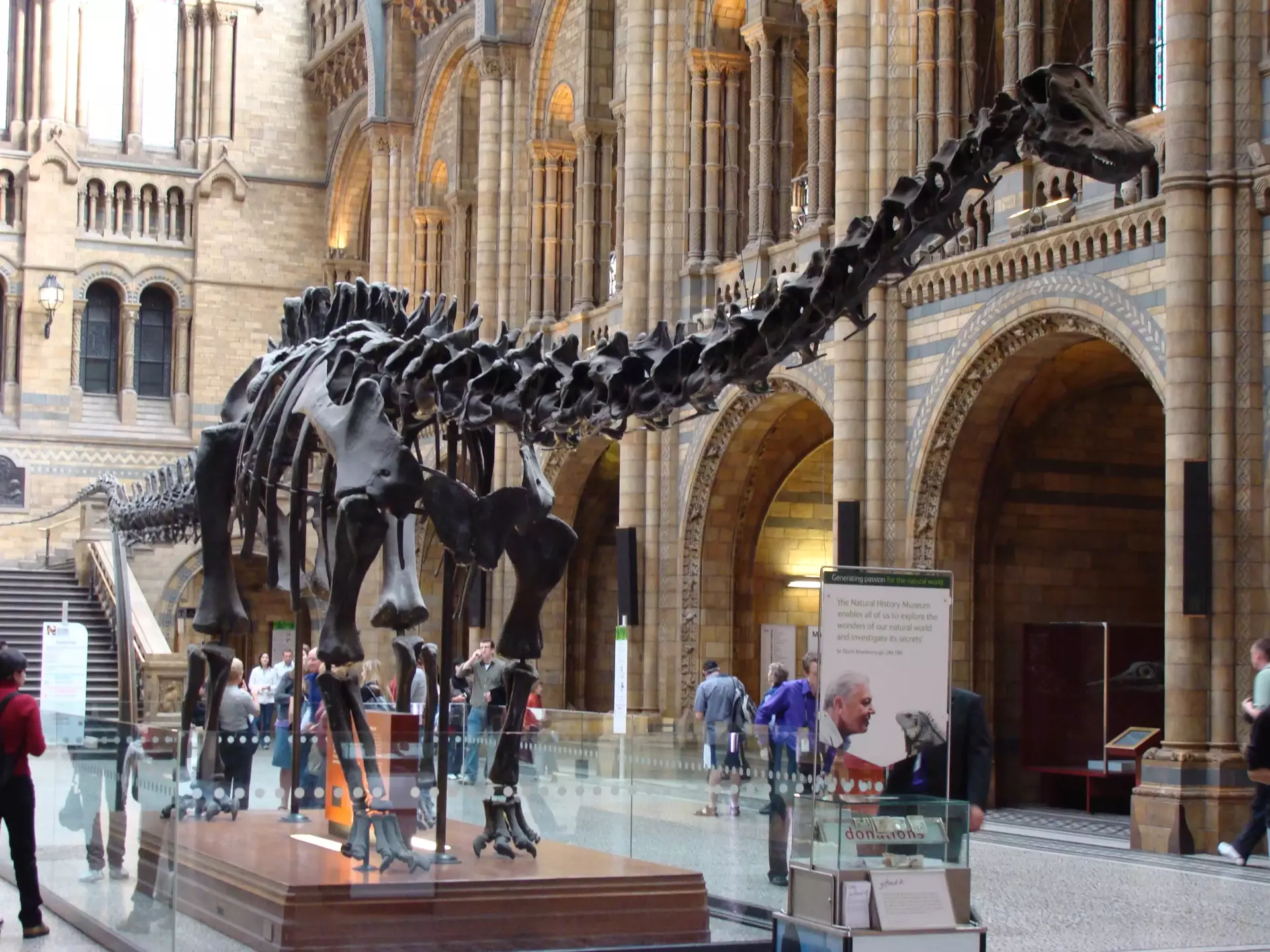
Probably the most popular of all the museums here and a must see for many visitors to London. Home to at least 70 million specimens from across all the life sciences. It's difficult to say what the most popular exhibit here is; the blue whale which towers over the entrance hall, the (now slightly tacky-looking) animatronic Tyrannosaurus rex in the dinosaur gallery, or the life-size model blue whale in the mammals gallery. Also well worth a check are the Darwin Centre (book on a free tour to see some of the most interesting, and sometimes gruesome, specimens not on public display); and the studio dedicated to BBC wildlife personality extraordinaire, David Attenborough. The NHM's "Earth Galleries" were once the adjacent Geological Museum, an independent institution until the 1980s, and still located in a separate building with a separate entrance.
The second largest of the London Royal Parks, covering an area of 450 hectares (1,099 acres). Lying north of Hampton Court Palace, the history of the park is inextricably linked to the palace, yet it has always had its own distinct rural character. There are herds of both Red Deer and Fallow Deer, they are wild but usually safe, just don't go too close or get between a hind and its calf. The D-Day linked bits are easiest found from the Teddington side. Go through SHAEF gate and there is an information board. You should be able to spot a flagpole a hundred yards into the park, this marks the spot where General Eisenhower had his office, if you have time, or children who are up for a challenge, there are bronze markers with combined British and Canadian and US flags at the corners where the main buildings of Camp Griffiss were. The partially restored early 18th-century baroque water gardens are a short walk from the Hampton Hill gate. The park is subdivided by Chestnut Avenue, Christopher Wren's grand approach to Hampton Court Palace which runs from Teddington Gate to Hampton Court Gate and with the gilded Diana fountain closer to the Palace end (you may have seen it as location for the finish line of some of the cycling events at the 2012 Olympics).
Admission by guided tour only, which must be booked in advance. The museum is housed in part of a Victorian fire station and its collections include fire engines and historical equipment.
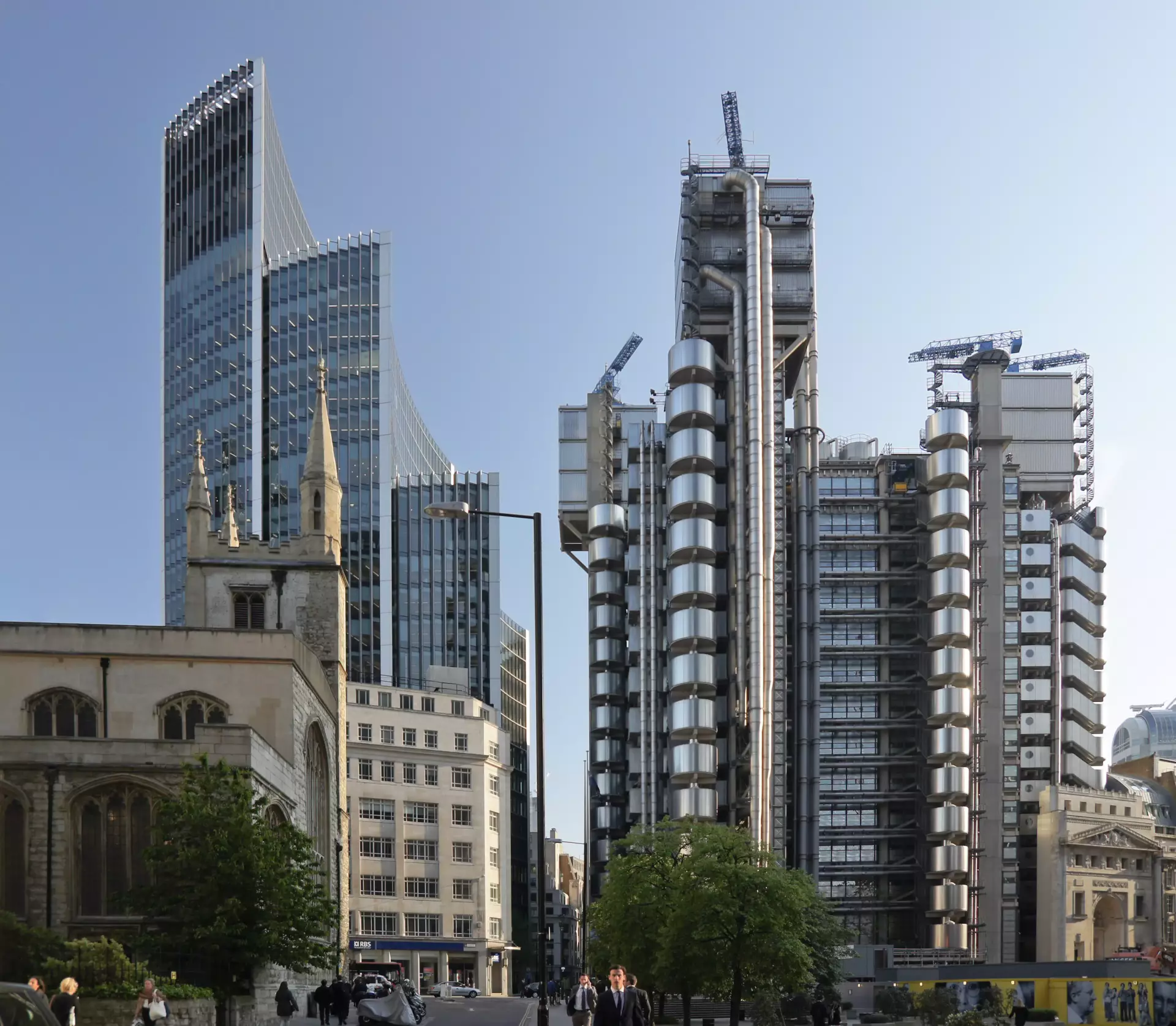
The headquarters of world's most famous insurance market, housed in a revolutionary (at the time) bizarre, Matrix-like glass-and-steel building designed by Richard Rogers, with all support services (lifts, ventilation, etc.) suspended outside. Recognised as a masterpiece of exoskeleton architecture.
A royal residence which is still used by Prince William, Kate and their young family. Much of it is however open to the public and it is a very popular tourist attraction perhaps due as much to its association with Princess Diana as anything else. The King's Gallery here is a magnificent Regency period court drawing room and contains some impressive paintings including a Van Dyke. Also a nice restaurant on site called The Orangery.
Another Richard Rogers creation, nicknamed the Cheesegrater. Completed in 2014. Also opposite Lloyd's.
Garden founded by apothecaries in the 17th century to the medicinal properties of plants. It was only opened to the public in the 1980s, when it became a charity. The heat-sink caused by its thick walls, combined with the general waste heat of London itself, keeps the garden much warmer than it would otherwise be at this latitude. Due to this, the garden contains the world's most northerly example of a grapefruit outside of a greenhouse, and the largest fruiting olive tree in the country. The collection contains thousands of different plant species.
Now preserved by the National Trust, this 18th-century house was the home of the historian Thomas Carlyle from 1834 and now houses a museum dedicated to his life and work.
Islamic Cultural Centre and the main mosque in London. Visitors are welcome but must be suitably attired. The Mosque runs classes, prayers, talks and events.
The former home of Sigmund Freud. A wide range of exhibits, most famously including the psycho-analytic couch that all of his patients used. Freud was an avid collector of antiquities and there is a fine collection of Greek, Roman and Oriental pieces on show.
Properly St Lawrence Jewry next Guildhall, it is the official church of the Lord Mayor of London.
A treasure trove of antique toys exhibited in a warren of 6 rooms above the toy shop of the same name. A very charming place indeed, though the doll rooms are a bit gruesome.
The second biggest greenhouse in London, containing over 2,000 species of tropical plants as well as birds and fish.
Houses the British national collection of western European art dating from the 13th to 19th centuries. A truly awe-inspiring collection, notable works include Hans Holbein's The Ambassadors, Van Gogh's Sunflowers and Constable's The Haywain. The vast majority of art is free of charge to visit. Temporary exhibitions are generally fairly costly, but invariably well researched and presented. The audioguides are very comprehensive, have comments on most of the paintings in the museum, and are free though this fact is not advertised. A donation is suggested. In addition to courses, workshops, lectures and other events, the National Gallery has free talks and tours every day.
A vast collection of cartoons and comics on display with special, often topical, exhibitions.