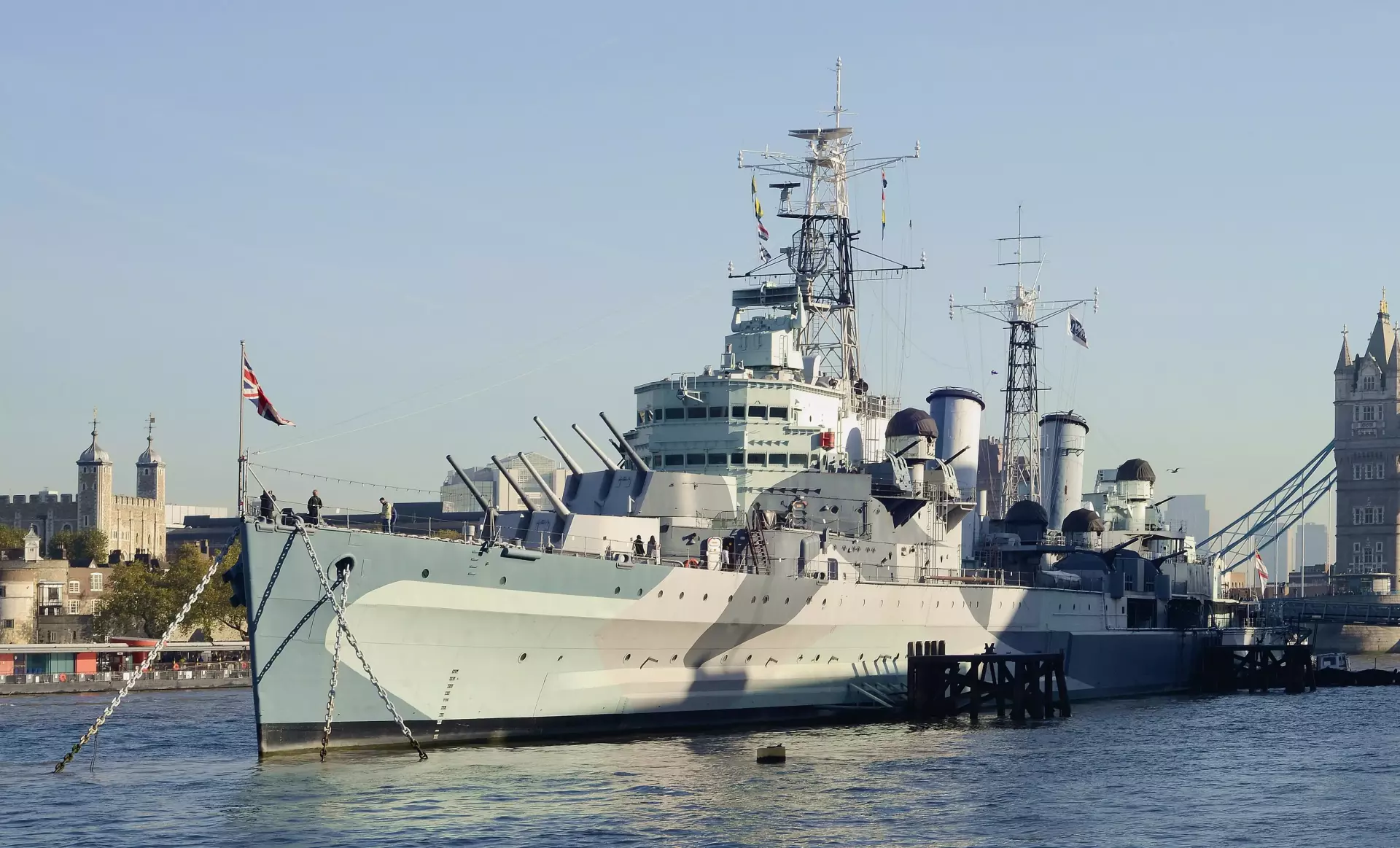
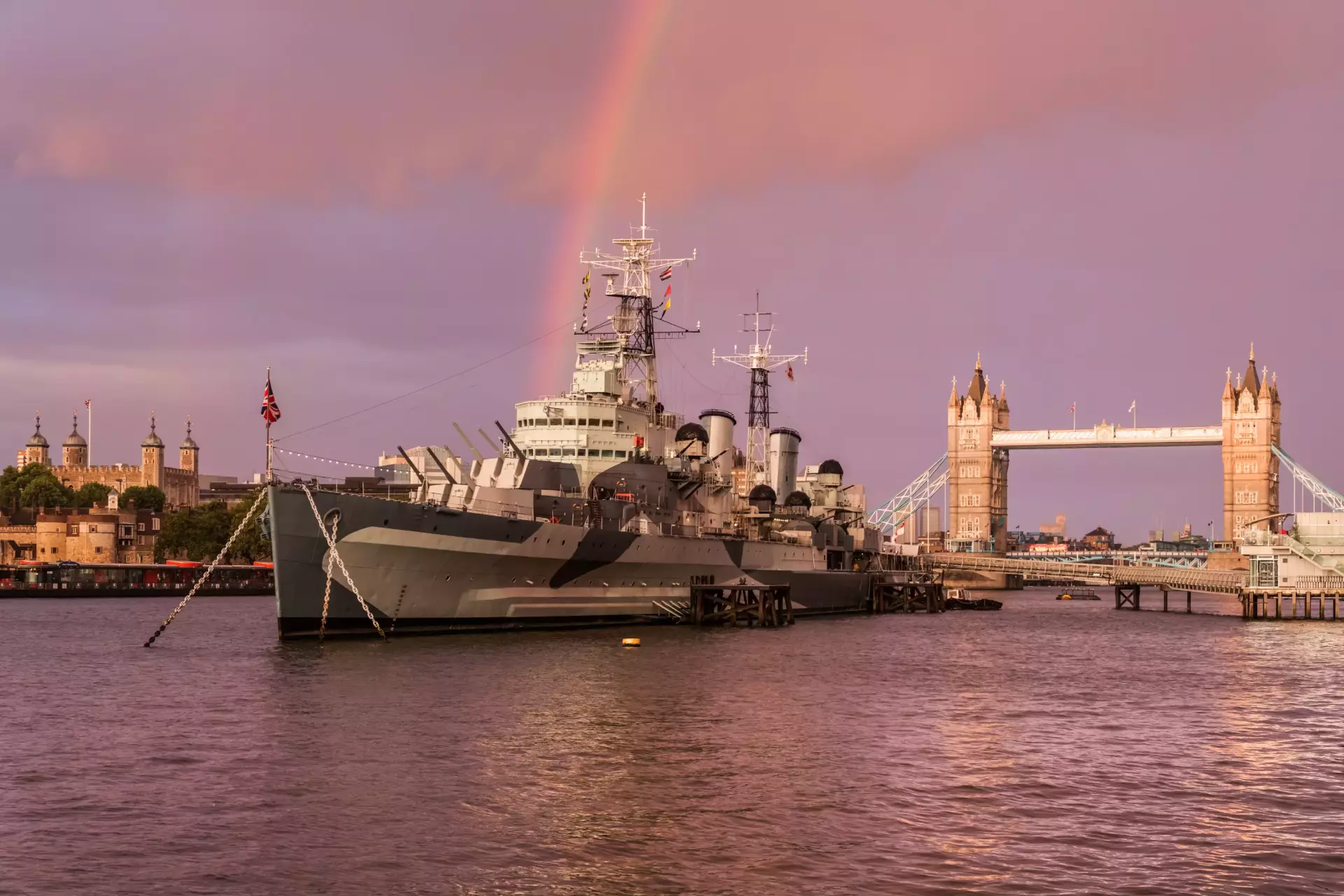
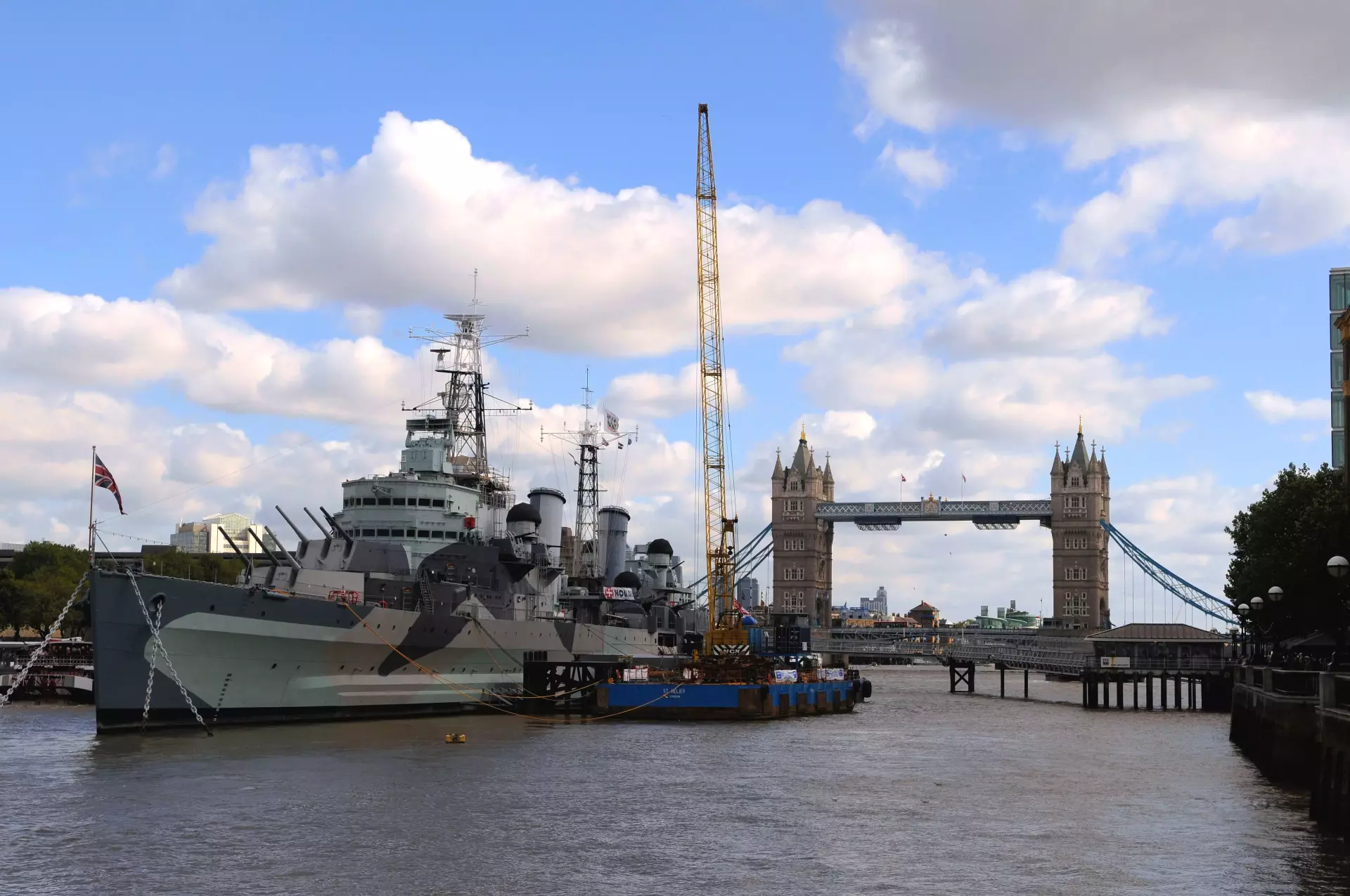
HMS Belfast, a grand old warship, is moored on the River Thames in London. This impressive vessel is a part of the Imperial War Museum and offers a fascinating glimpse into Britain's wartime history. Her towering masts and robust hull tell tales of battles fought and won, making it a unique experience for visitors of all ages. From her decks, you can enjoy stunning views of the city's skyline, adding an extra layer of charm to this historic site.
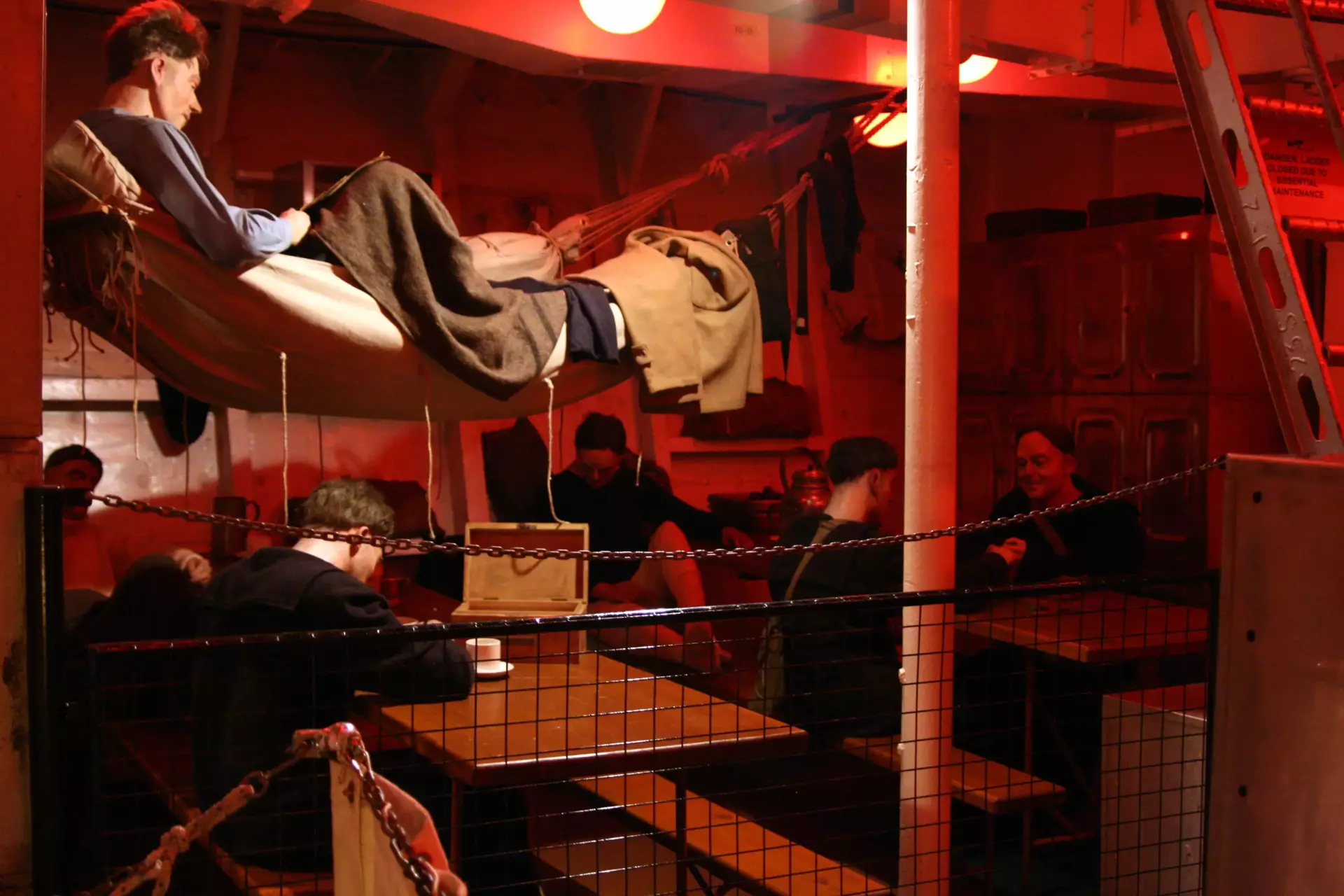
Visitors can explore nine decks filled with stories from the Second World War. The ship's cabins, engine rooms, and living quarters have been meticulously preserved, illustrating the lives of the crew who served aboard. Walking through these spaces, it's easy to imagine sailors bustling about during the heat of battle.
Interactive exhibits onboard bring history to life. These displays allow you to learn about the ship's role in the Arctic convoys and the D-Day landings. The experience provides a deeper understanding of the challenges and triumphs faced by those who served.
HMS Belfast serves as an educational resource, offering school programs and guided tours. These initiatives aim to educate younger generations about naval warfare and the broader context of world conflicts. Engaging storytelling and hands-on activities make learning both fun and informative.
The ship's location on the River Thames offers a picturesque setting for visitors. As you walk along the riverbank, you can admire HMS Belfast’s striking silhouette against the backdrop of iconic landmarks like Tower Bridge and the Tower of London. This setting enhances the historical significance of the ship, connecting past and present in a vibrant city.
Source - https://en.wikipedia.org/wiki/HMS_Belfast
Madame Tussauds is a world-famous waxwork museum, best known for its Grand Hall, with a collection of international royalty, statesmen and world leaders. Visitors generally report that the entrance fee does not warrant the selection of waxworks on show, which rarely resemble celebrities. Also, there is usually a long queue stretching down the road.
The unusual "walkie scorchie" profile of this skyscraper by Rafael Vinoly has seen it grab the headlines, as did the "death rays" caused by the sun's heat reflecting off the building onto the street below when it was first completed; car tyres melted and burst, and at least one man fried an egg using only the heat from the walkie talkie. Visitors can access the sky garden to see a magnificent view over the City and beyond; it's the only place you can't see the tower from! Online booking to visit during the day is essential. Alternatively, you can eat at one of the restaurants in the evening.
A stone howitzer by World War I veteran Charles Sargeant Jagger
Now permanently closed, will be replaced by new museum at the former Smithfield market site in 2026. The Museum of London Docklands remains open.
The largest square in London. It was established in 1806 by the 5th Duke of Bedford and his statue can still be seen in the square. There is also a café.
Discover mementoes of the famous fictional detective. In reality, this was a lodging house used in the late 1800s and has three floors. The first floor contains Sherlock Holmes' study with Watson's desk, and has bullet holes spelling the initials VR (for Victoria Regina, Latin for Queen Victoria) much to the chagrin of the landlady Mrs. Hudson. Next to that is Holmes' bedroom with a rogues' gallery containing photographs of several notable Victorian-era murderers including Lizzy Bourdain. The remaining rooms upstairs have waxwork figures and artefacts referencing the novels, as well as their adaptations to stage and screen. Photography allowed, though filming requires permission. Prebooking is recommended to circumvent long queues.
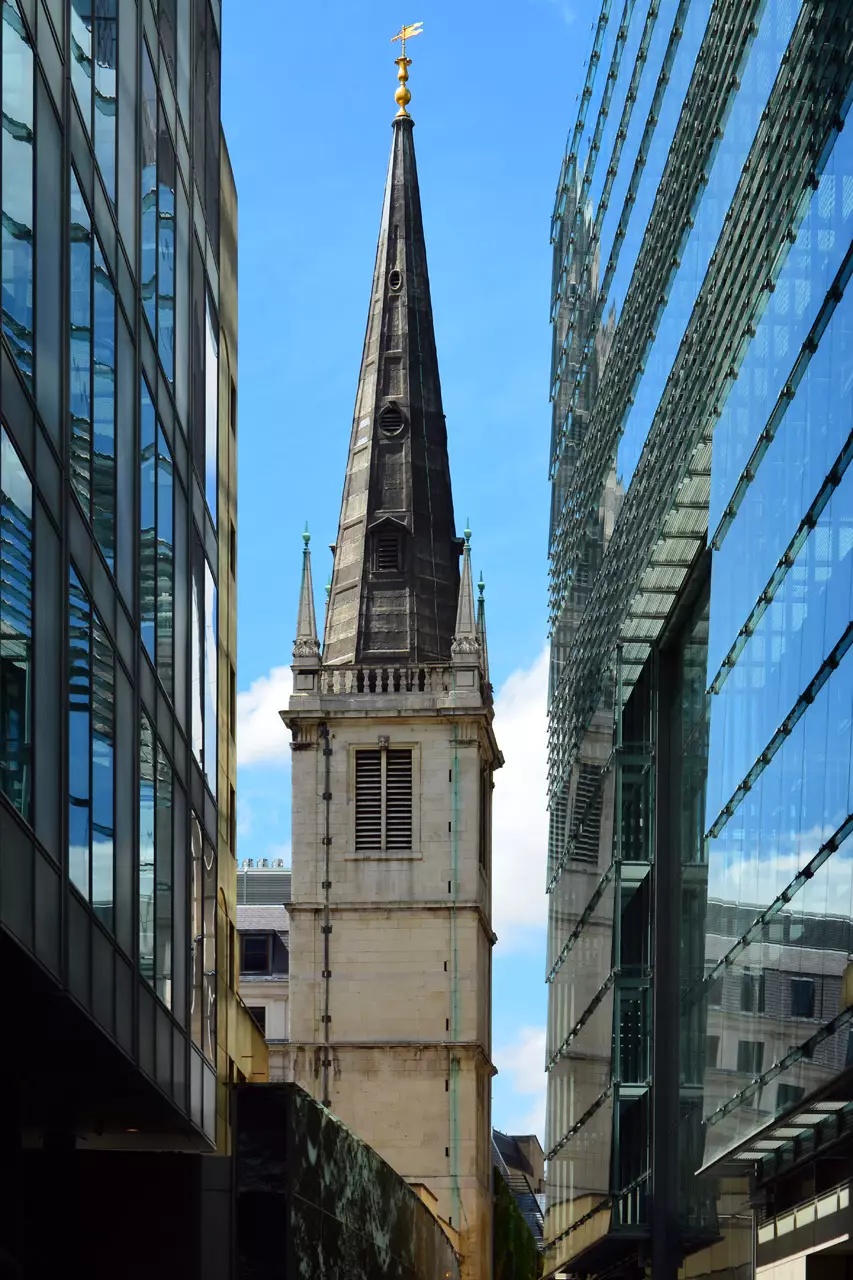
Medieval Grade I listed church. This church played a key role in the English Revolution and was the parish church of some of the most decisive Puritans: Oliver Cromwell was married and this is where John Milton was buried. It was the home of the Morning Exercises. The tower remains from the original building; the rest was destroyed in the Blitz but rebuilt based on the original plans.
191-m (627-ft) skyscraper can be seen from far away and is the sixth highest building in UK.
Home to the baroque composer George Frideric Handel from 1723 until his death in 1759. Some of the greatest classical music ever composed was done so at this address. The museum charts Handel's life and works and offers recitals of music in the magnificent setting of the period rooms. By contrast, next door was home to Jimi Hendrix when he lived in London in 1969, and entry to this top-floor flat is included.
This garden square was established by Lord Southampton in 1665 and is the oldest square in London. It was opened to the public in the 1950s. The square is surrounded by a number of beautiful 18th- and 19th-century buildings and terraces.