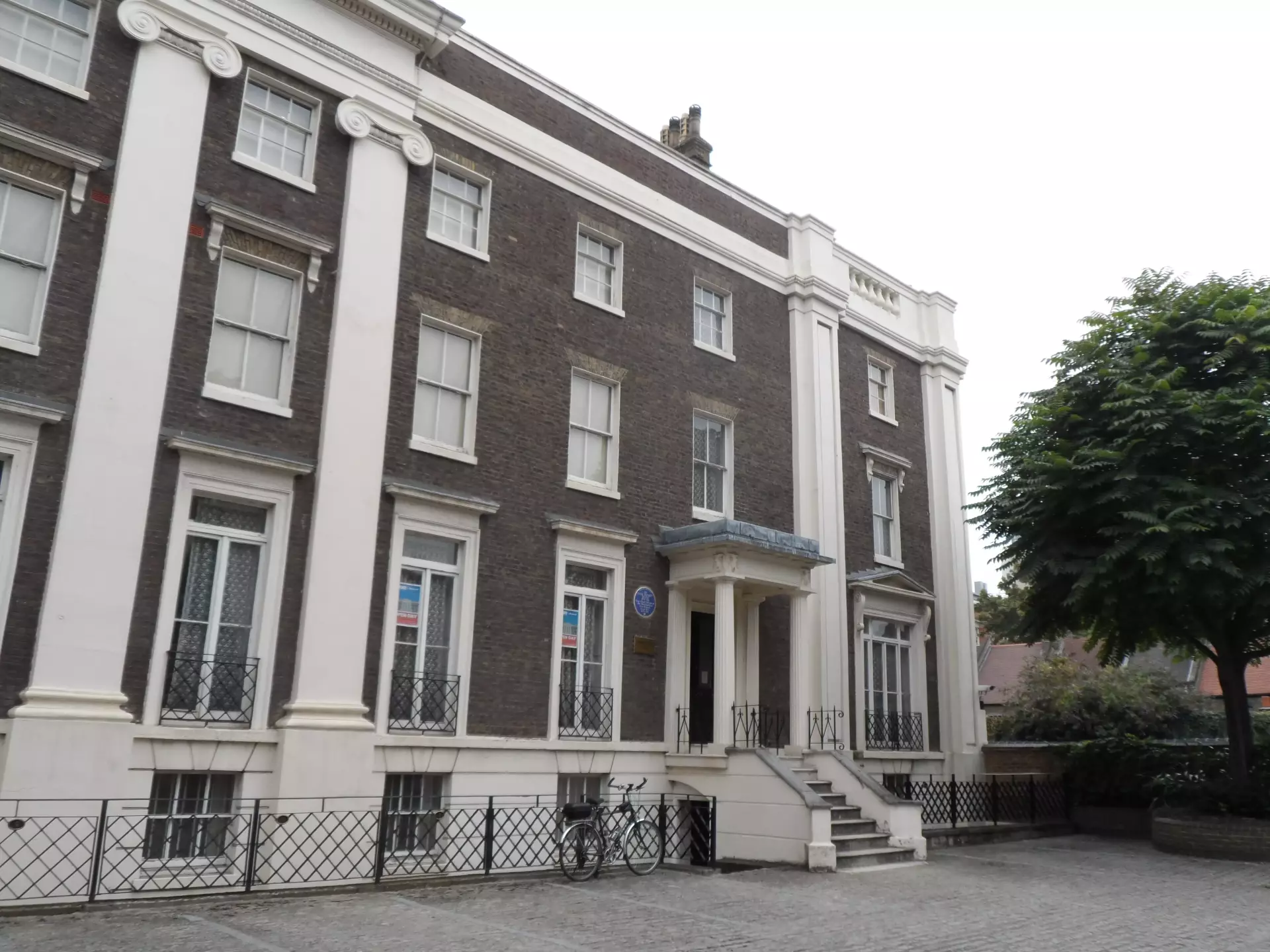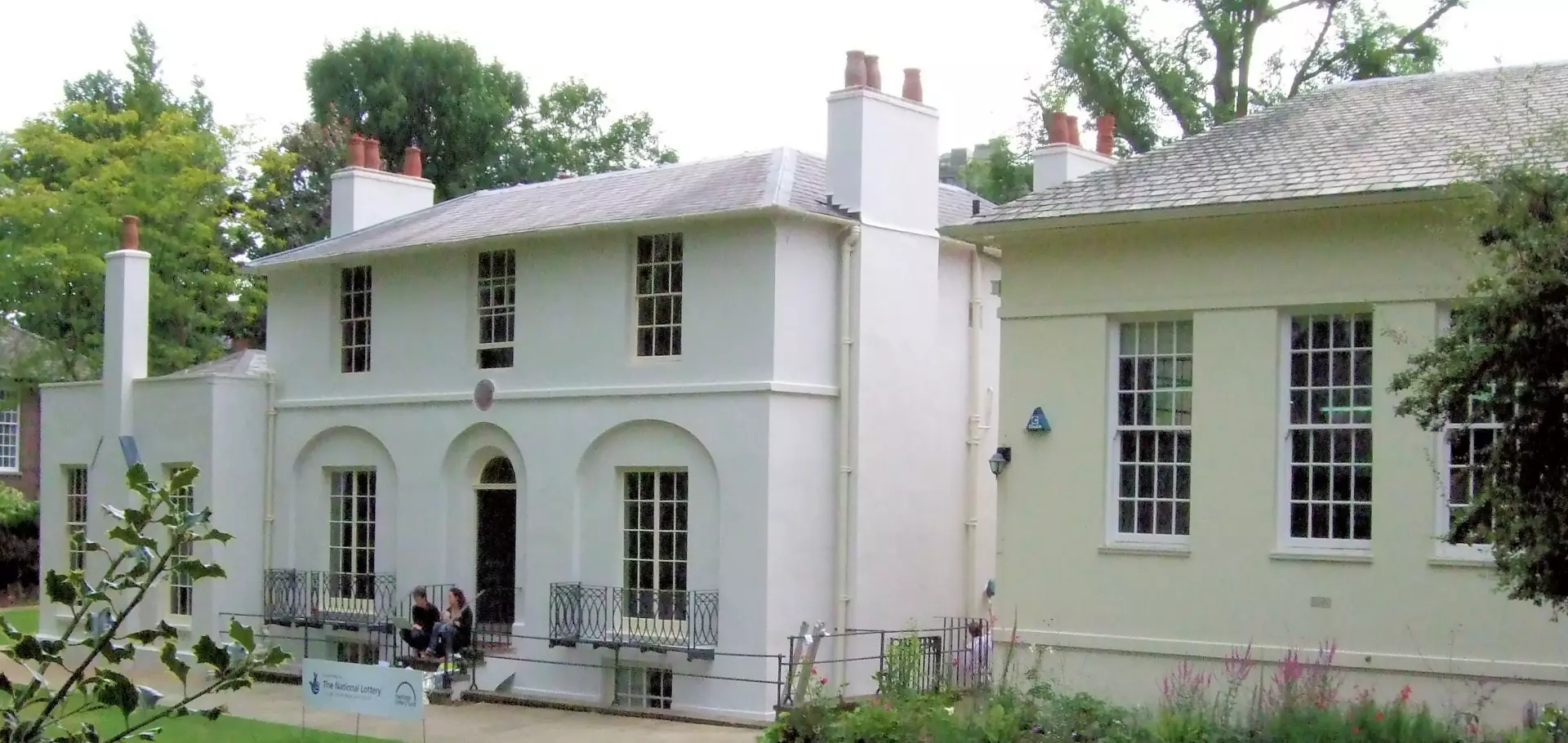
John Keats, a celebrated poet, called this place home from 1818 until 1820. It was here that he crafted some of his most enduring works before his journey to Rome, where he tragically passed away at the young age of 25 due to tuberculosis.
In 2009, the house was lovingly restored and transformed into a museum. Visitors can explore the period decor and furnishings, which offer a window into the early 19th century. The museum also houses a collection of Keatsiana, celebrating the life and work of the poet.
Beside the house, Ten Keats Grove hosts various events in a building within the grounds. This space is also home to a public library, run by dedicated volunteers. The library offers a collection of books and periodicals, along with free internet access, creating a welcoming cultural hub for the community.
Source - https://en.wikipedia.org/wiki/Keats_House
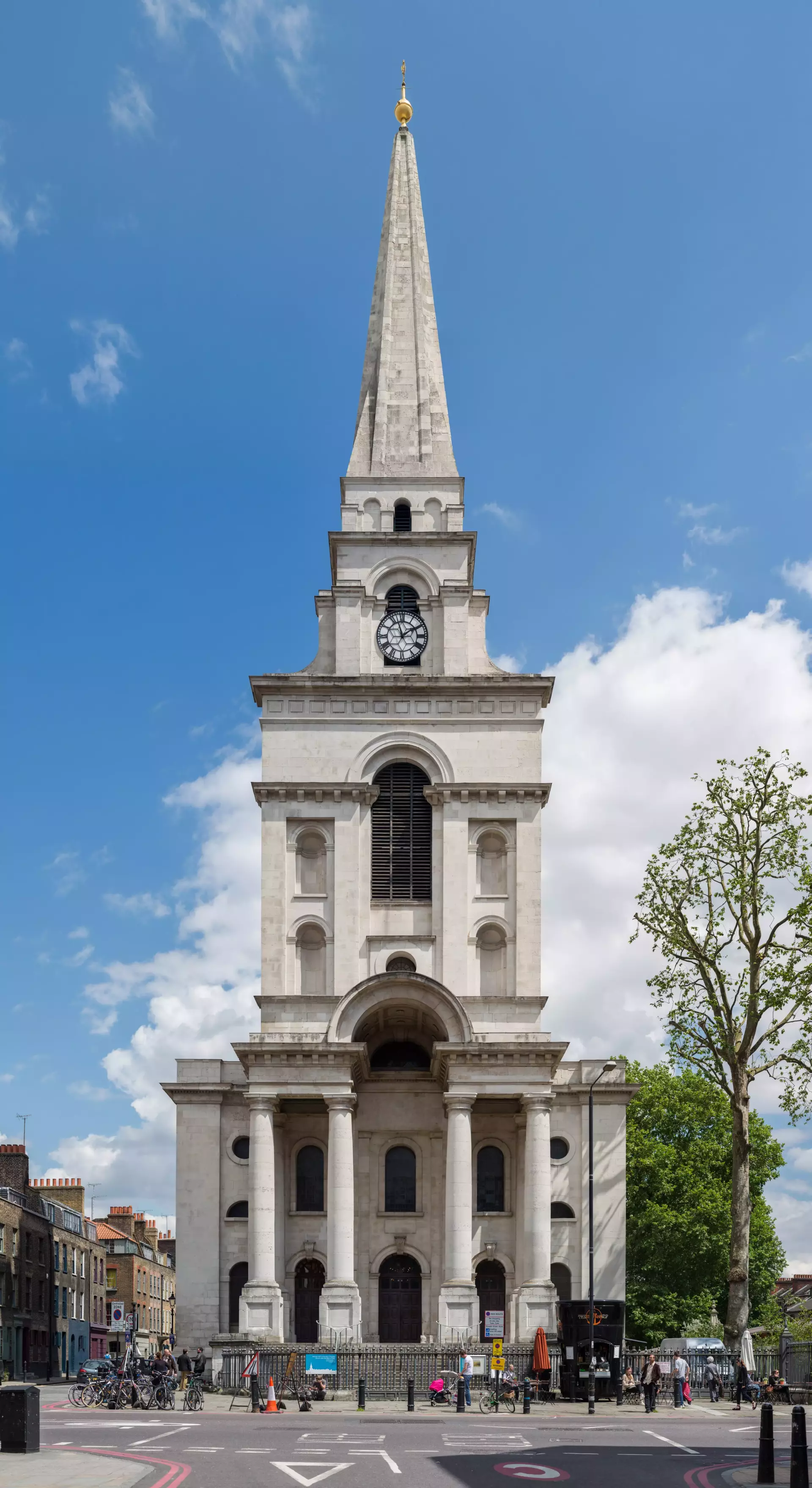
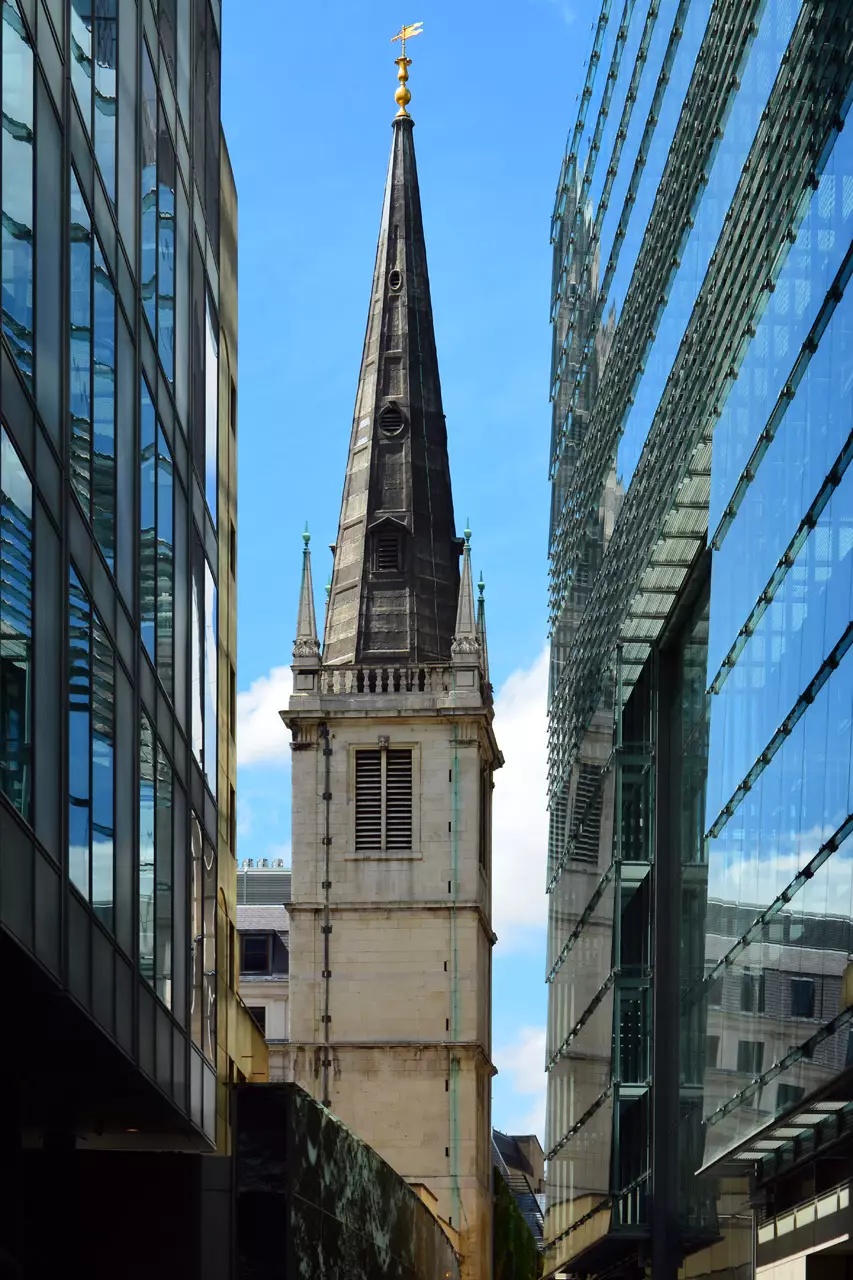
The restoration of the nave was completed in September 2004, and this church is still a striking building designed by Sir Nicholas Hawksmoor with a particularly tall, pointed spire. Hawksmoor's design was significantly altered in the 19th century, and present continuing restoration is intended to restore it to Hawksmoor's original vision. Christ Church was built as part of the 50 Churches for London project.
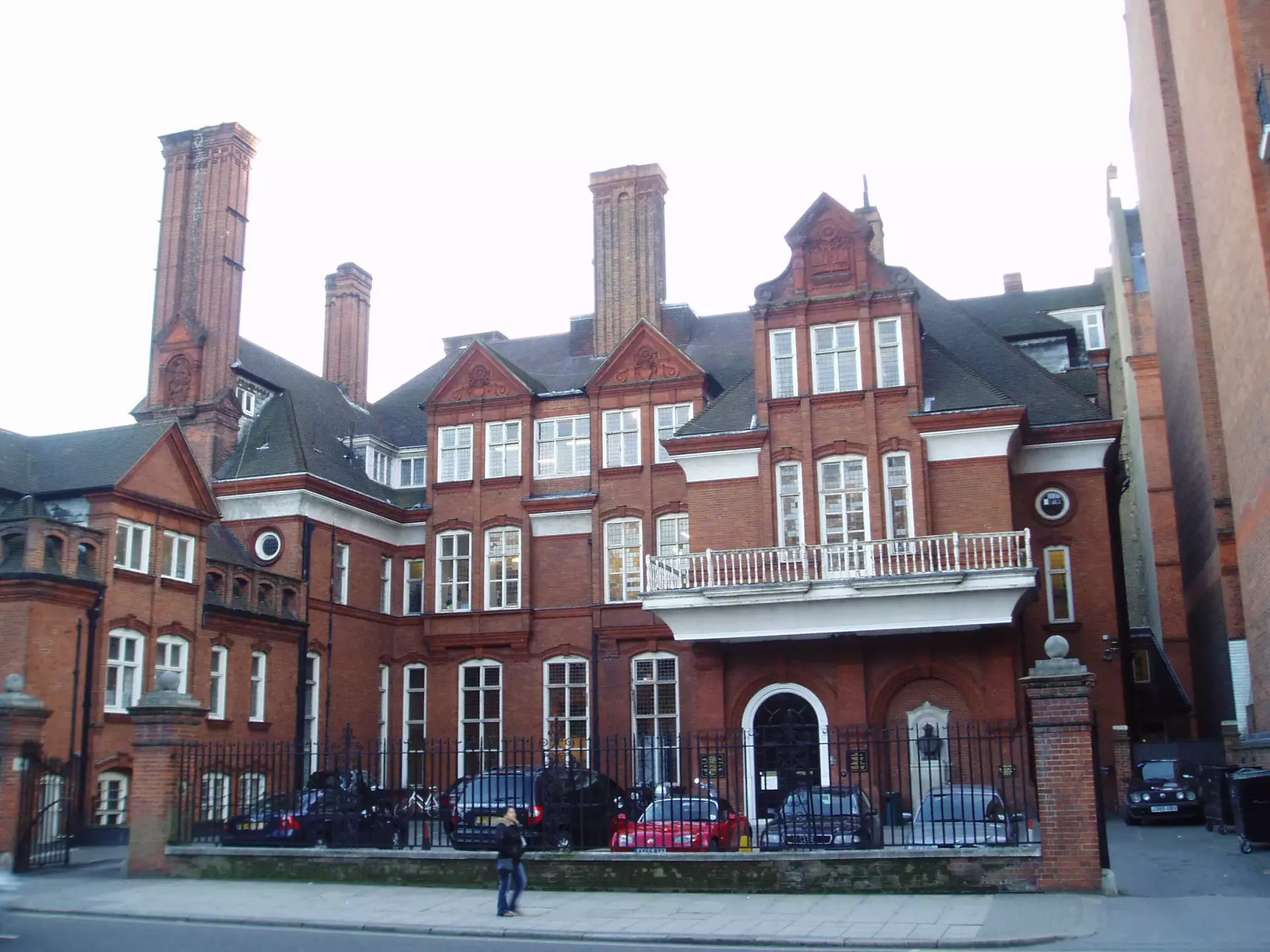
This venerable old institution was absorbed by the neighbouring Natural History Museum in 1985 but still has something of a separate identity. Unsurprisingly, devoted to all things geological with especially popular exhibits on vulcanology and earthquakes and fossils of all types. Very popular with kids and often underrated.
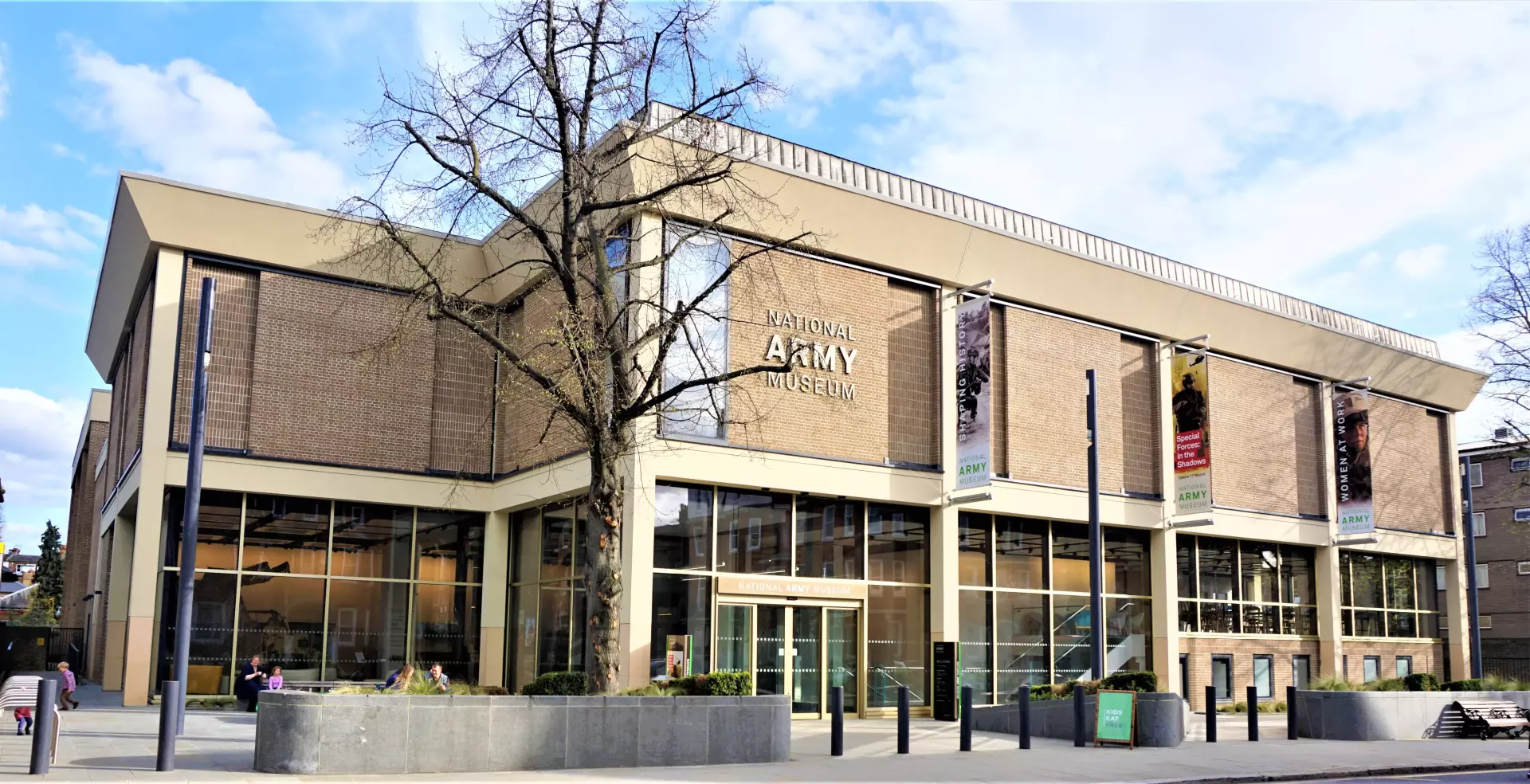
A retirement home for soldiers created by King Charles II. Tours around the listed building and grounds are regular and include the museum (which can be visited separately) whose exhibits contain military memorabilia donated by Chelsea Pensioners over the years.
The former home of Sigmund Freud. A wide range of exhibits, most famously including the psycho-analytic couch that all of his patients used. Freud was an avid collector of antiquities and there is a fine collection of Greek, Roman and Oriental pieces on show.
The Abbey charges tourists for entry, but not for worshippers. Attend a church service for free and enjoy some of the finest choral music in London from the choir. Choral Evensong at 3pm (Sa Su) or 5pm (weekdays), depending on time of year, is an especially good bet. The Abbey is the traditional scene for the coronation of British monarchs and the burial place of many past kings and queens. The Abbey contains a good gift shop and the Cellarium Café, which traces its history to the 14th century, is a good place to buy a noontime meal. Westminster Abbey is usually open to visitors from Monday to Saturday throughout the year. On Sundays and religious holidays such as Easter and Christmas, the Abbey is open for worship only. All are welcome and it is free to attend services. Visitor access to the Abbey is via the West Gate of the North Green.
Islamic Cultural Centre and the main mosque in London. Visitors are welcome but must be suitably attired. The Mosque runs classes, prayers, talks and events.
A small realm of serenity in the midst of the typical turmoil. It used to be the court of the Knights Templar. You can still visit the beautiful Romanesque church, which is one of the oldest ones in London (opened in 1185) and has connections to the order of Templars. The chancel of the church was built by Henry III. The church still serves the members of Gray's Inn and Lincoln's Inn and has frequent services open to the public. Fans of Dan Brown's The Da Vinci Code will recognise the church from both the novel and the film.
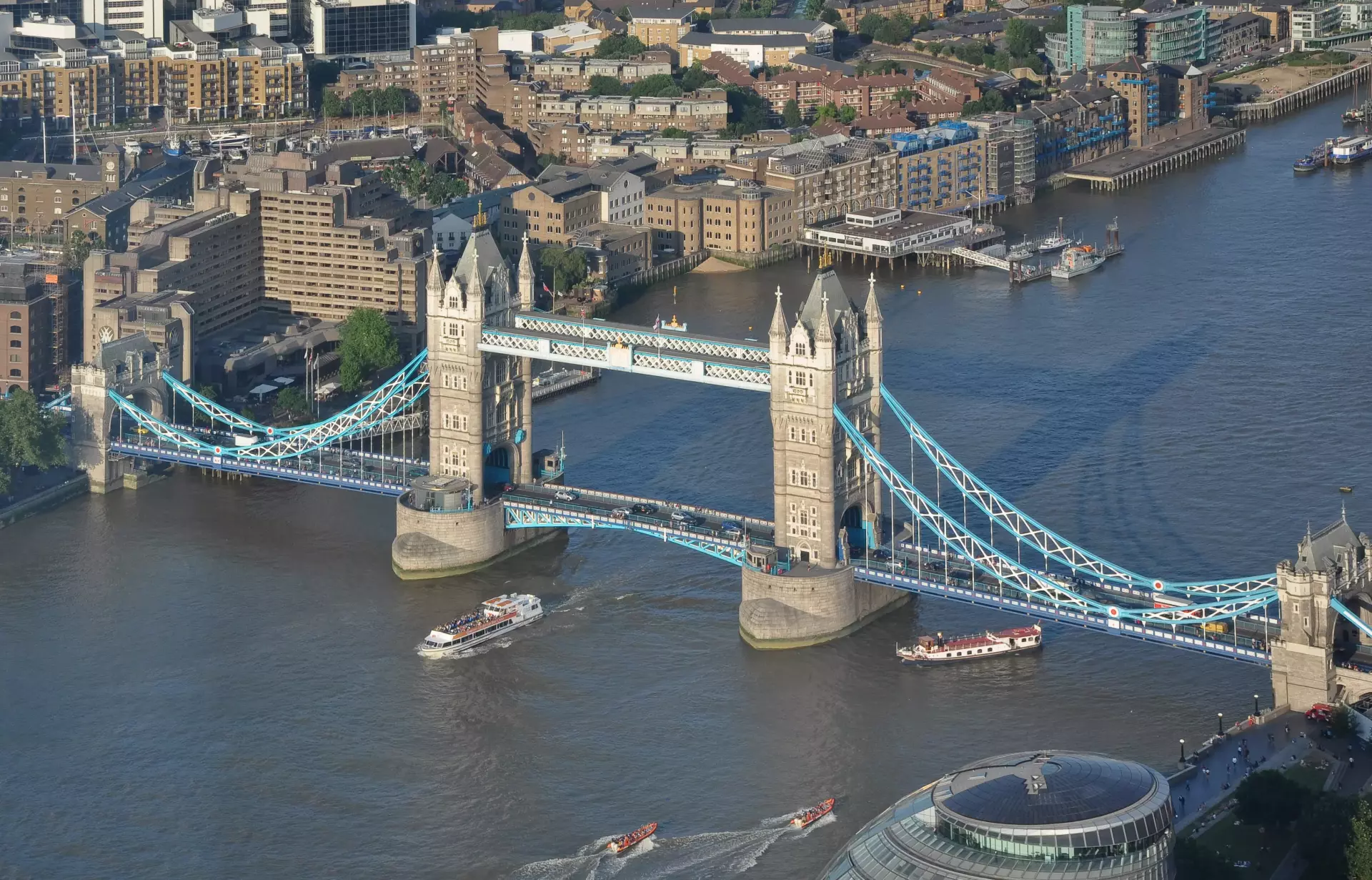
Magnificent 19th-century bridge, decorated with high towers and featuring a drawbridge. The bridge opens several times each day to permit ships to pass through – timings are dependent on demand, and are not regularly scheduled. When Tower Bridge was built, the area to the west of it was a bustling port – necessitating a bridge that could permit tall boats to pass. Now the South Bank area sits to its west, and the regenerated Butler's Wharf area of shops and riverside restaurants lie to its east. You can get the lift to the top level of the bridge and admire the view. Glass floors provide an interesting perspective for the brave. The museum highlights the bridge's history and engineering, and there are photographic exhibitions along the walkways between the towers.
The Wallace Collection is one of the world's finest private art collections, the best known of which is Frans Hals's work The Laughing Cavalier. Other artists on display include Rembrandt, Titian, Poussin, and Reynolds. This is well worth escaping to after the hustle and bustle of Oxford Street.
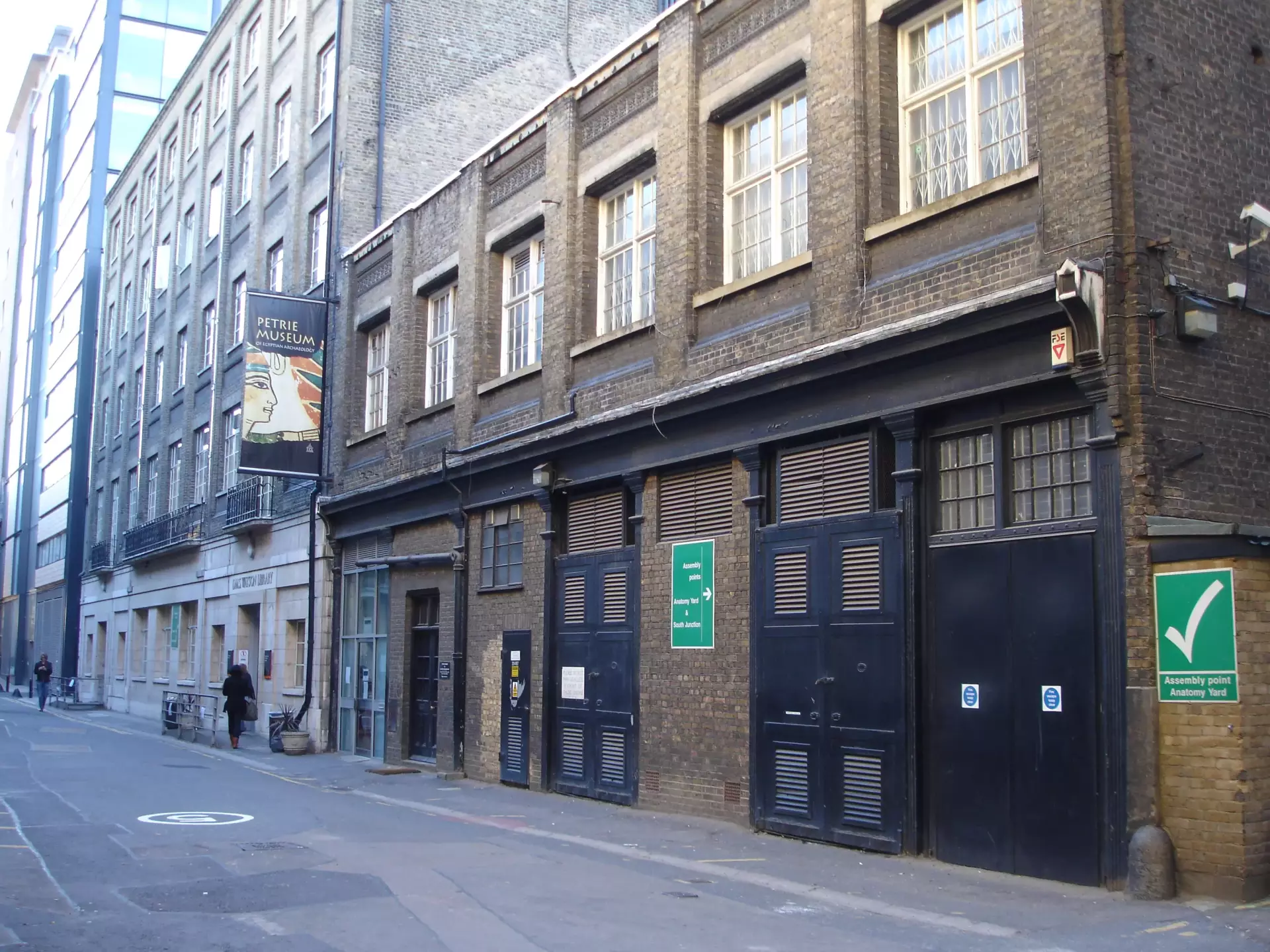
Formerly the teaching collection of Sir Flinders Petrie, one of Britain's greatest archaeologists, now preserved by University College London. Exhibits include beaded dresses, sculpture and wall reliefs, items of everyday use, papyri, cartonnage and pottery. Fascinating!
Site of the London residences for the Prime Minister (No. 10) and the Chancellor (No. 11).
A treasure trove of antique toys exhibited in a warren of 6 rooms above the toy shop of the same name. A very charming place indeed, though the doll rooms are a bit gruesome.
Old train station with an enormous office and shopping complex in glass and pale stone. A lavish hotel is also on the site. The name comes from the Queen Eleanor (13th century) gothic pillar outside the station, which is actually a Victorian-era replica. Charing Cross Road was once famous for its vintage book shops, but these have now largely disappeared due to high rents and online competition; however, the road is still home to one of London's largest bookshops, Foyle's.