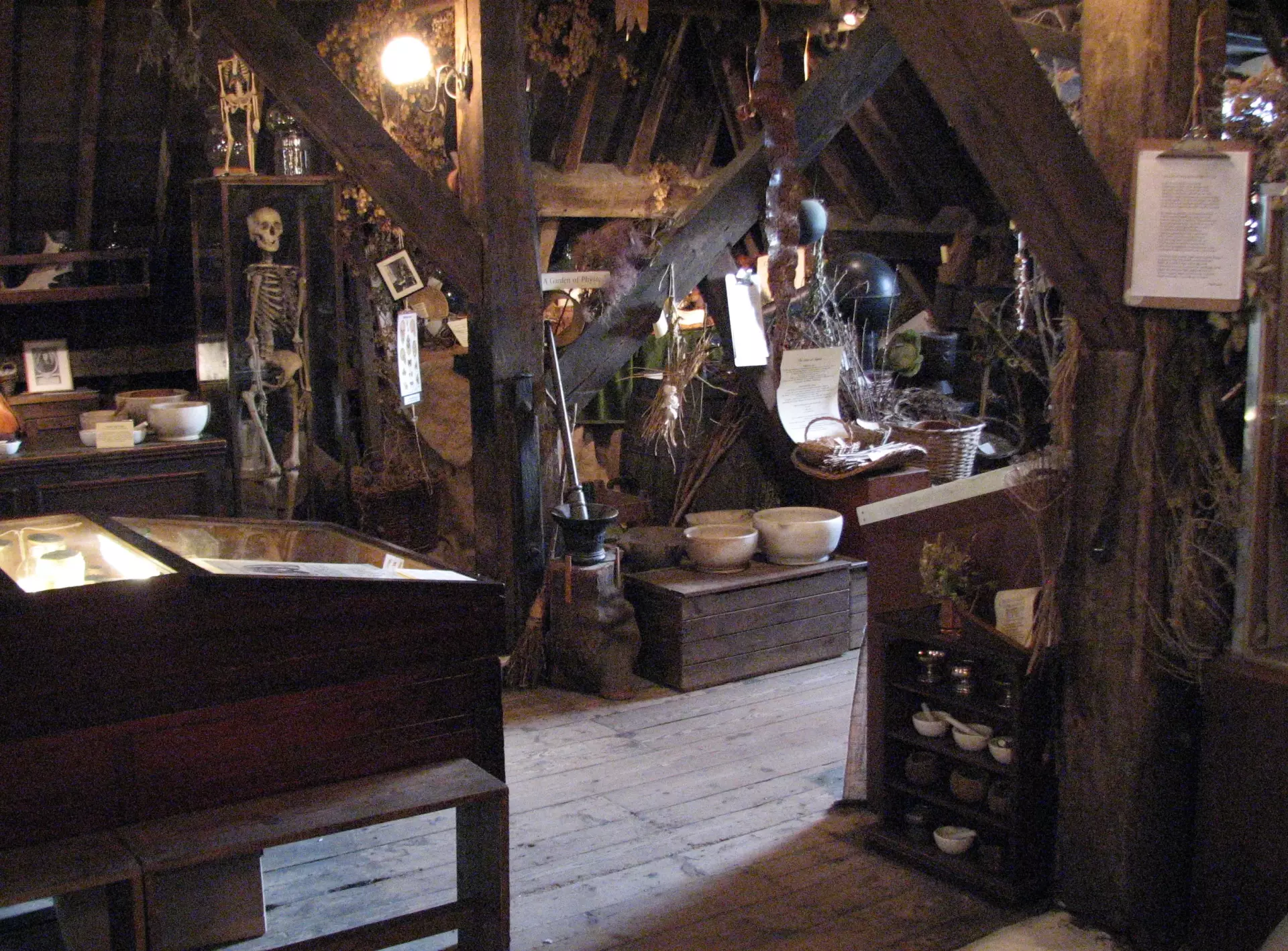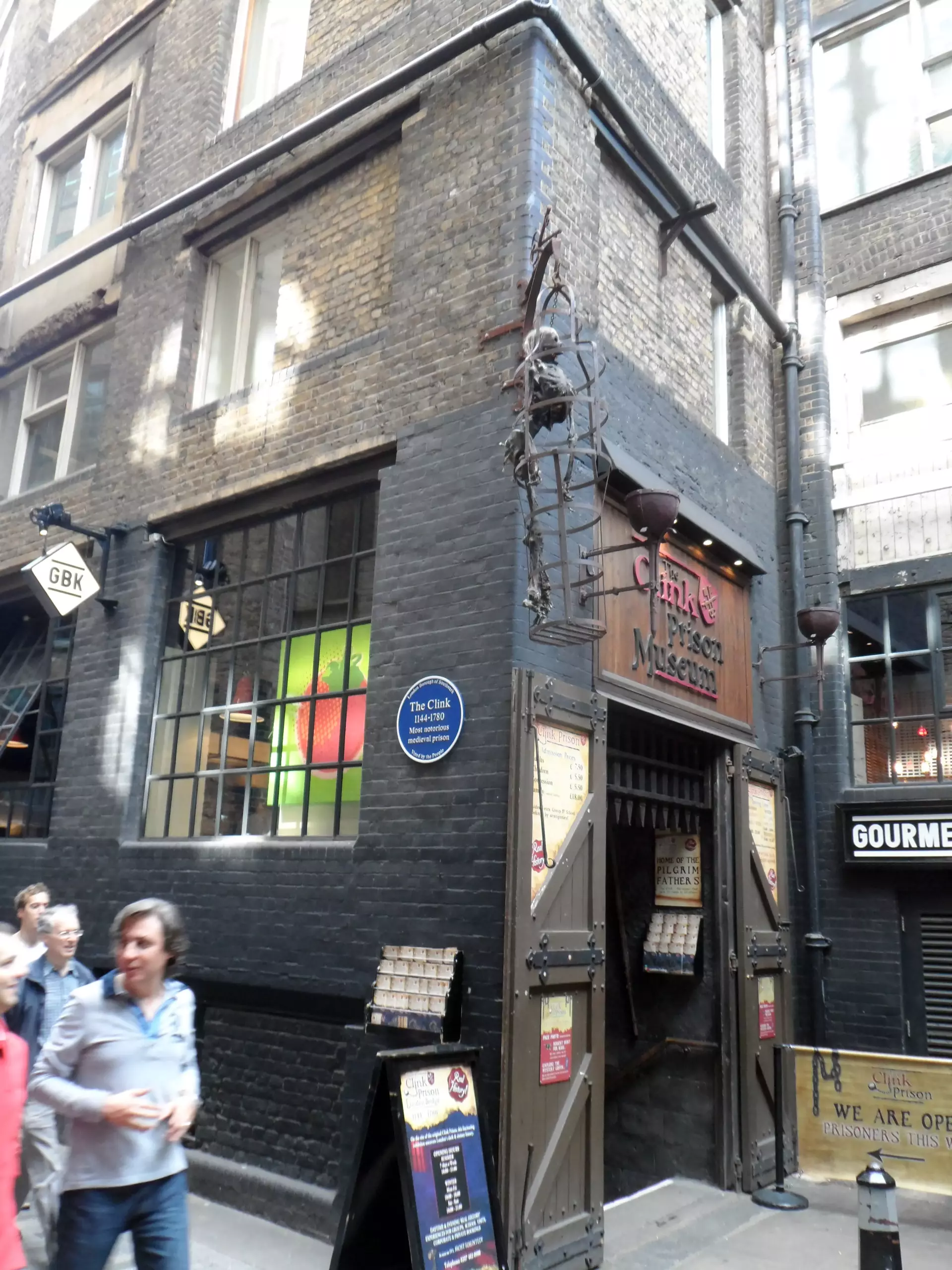
The Clink Prison Museum offers a fascinating glimpse into the gritty past of London's infamous Clink Prison, which operated from the 12th century until 1780. Known for its harsh conditions and infamous reputation, the name "Clink" has since become synonymous with jails everywhere.
Step back in time and explore the history of one of England's earliest and most notorious prisons. The museum is located on the original site, allowing visitors to walk through the corridors that once held some of the era's most infamous criminals.
Inside, the museum brings the past to life with an array of exhibits that recreate the prison's conditions. Visitors can see authentic artifacts and learn about the lives of those who were incarcerated within its walls. The exhibits are designed to engage and inform, providing an immersive historical experience.
Throughout the museum, various displays highlight the stories of the prisoners who once called The Clink home. These narratives paint a vivid picture of life in the prison, offering insights into the justice system of the time and the harsh realities faced by its inmates.
For history enthusiasts and curious minds alike, The Clink Prison Museum offers educational insights into a darker chapter of London's history. Engaging displays and detailed information panels ensure that visitors leave with a greater understanding of this historic site and its impact on modern perceptions of incarceration.
Source - https://en.wikipedia.org/wiki/The_Clink

Museum at the former home of Dickens exhibiting writings, paintings, furniture and other items relating to the writer.
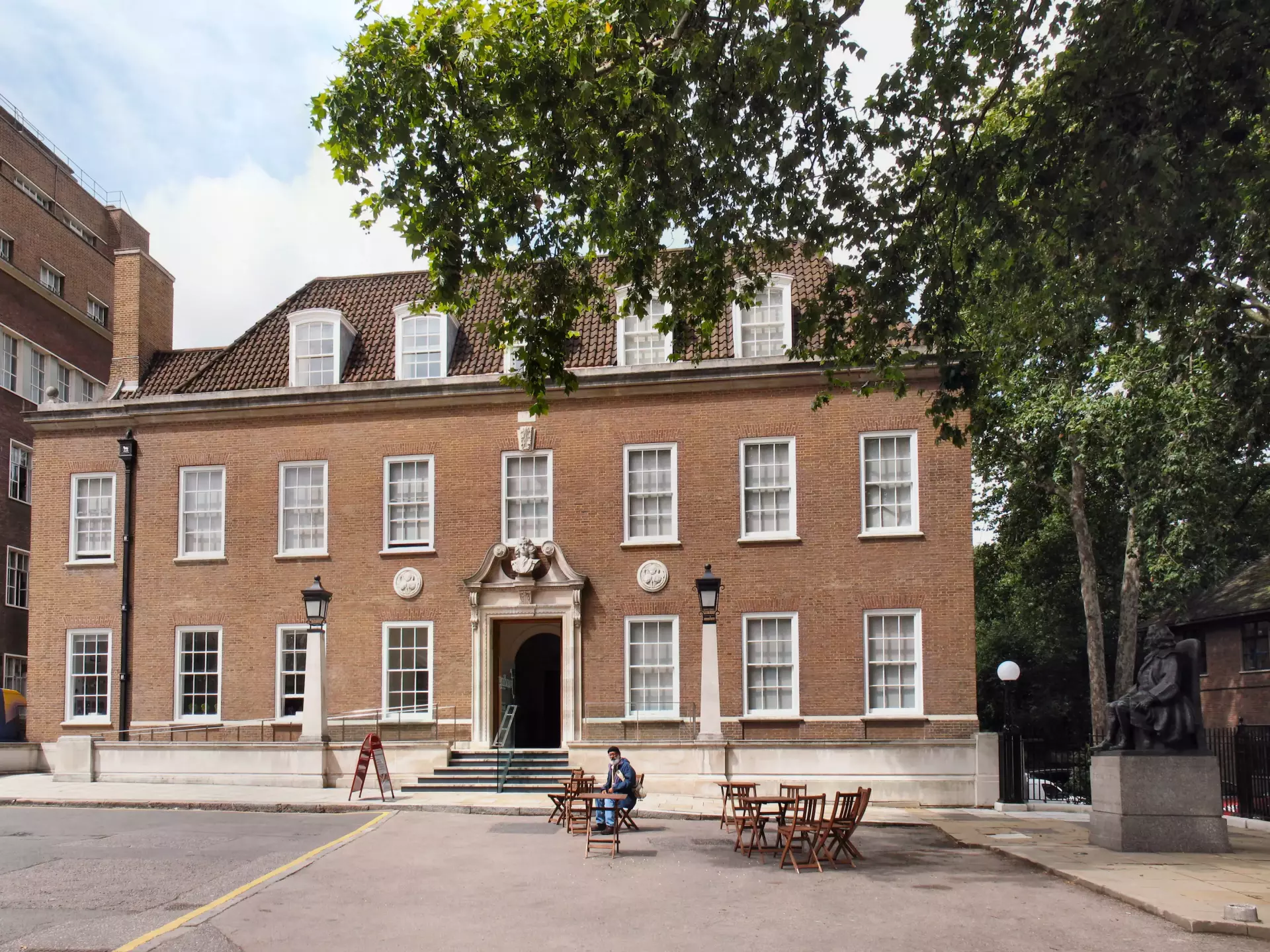
The former home of Sigmund Freud. A wide range of exhibits, most famously including the psycho-analytic couch that all of his patients used. Freud was an avid collector of antiquities and there is a fine collection of Greek, Roman and Oriental pieces on show.
Admission by guided tour only, which must be booked in advance. The museum is housed in part of a Victorian fire station and its collections include fire engines and historical equipment.
An enormous, 135-metre-high observation wheel with 32 exterior glass-walled capsules. It offers incomparable views over central London and up to 40 km (25 mi) away on a good day. Tickets are sold for specific times, so if visitors wish to go on the London Eye at a specific time, they are strongly advised to book in advance, particularly in the summer. On a busy day, you can easily spend 1-3 hr queuing just to buy a ticket. However, you can also purchase tickets in advance online. Then you can collect your tickets at the London Eye in a separate queue, which takes a few minutes or less.
All non-classified government documents can be read and photographed here, with a (free) reader's card having been obtained. There is also a small museum, which does not require the card to access.
Site of the London residences for the Prime Minister (No. 10) and the Chancellor (No. 11).
Named in honour of Queen Victoria and her consort Prince Albert, this museum has existed for over 150 years. It contains a huge collection of decorative arts from all over the world and far back in time. Trying to see everything in one day would be exhausting, so use the excellent maps the V&A provides to plan where you want to go. There are regular exhibitions concentrating on a particular theme from Chinese art to fashion designers. Frequently they put on children's activities and late DJ nights.
This church on the bank of the Thames was built in 1157. It is the only church in London with chained books. A statue of Thomas More sits in front of the church.
The restoration of the nave was completed in September 2004, and this church is still a striking building designed by Sir Nicholas Hawksmoor with a particularly tall, pointed spire. Hawksmoor's design was significantly altered in the 19th century, and present continuing restoration is intended to restore it to Hawksmoor's original vision. Christ Church was built as part of the 50 Churches for London project.
A vast shopping, eating, entertainment and (primarily) business complex, home to Britain's second tallest skyscraper, One Canada Square. Now increasingly lively at weekends as well, but still at its most impressive during the week. Spectacular main exit from the Jubilee line Tube station. There is a substantial amount of information about the history and the architecture of the development on the website of Canary Wharf Group, the company that owns the development.
A lovely park on the southern banks of the Thames known or its wildlife and some splendid examples of mature trees.
A modest museum covering local history which relocated in 2010; has an excellent cafe.
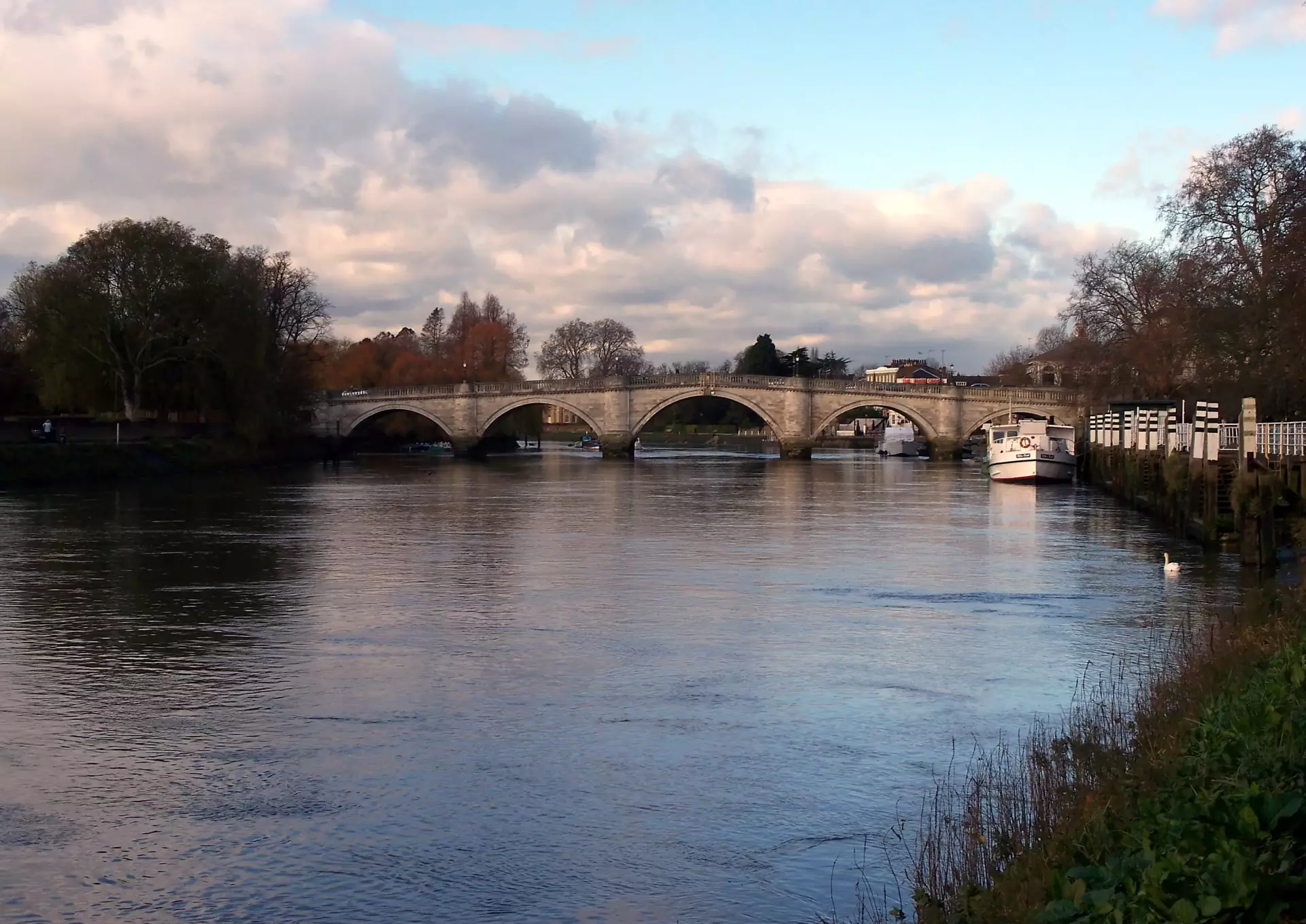
Fine stone bridge linking Twickenham/St Margarets with Richmond. It is the oldest surviving Thames bridge in London, dating from 1777.
This is a high part of the Heath with clear open vistas, and the views looking south over the city are quite wonderful. Highly recommended on a clear morning, when you can see from Canary Wharf in the east all the way to Battersea Power Station in the west.