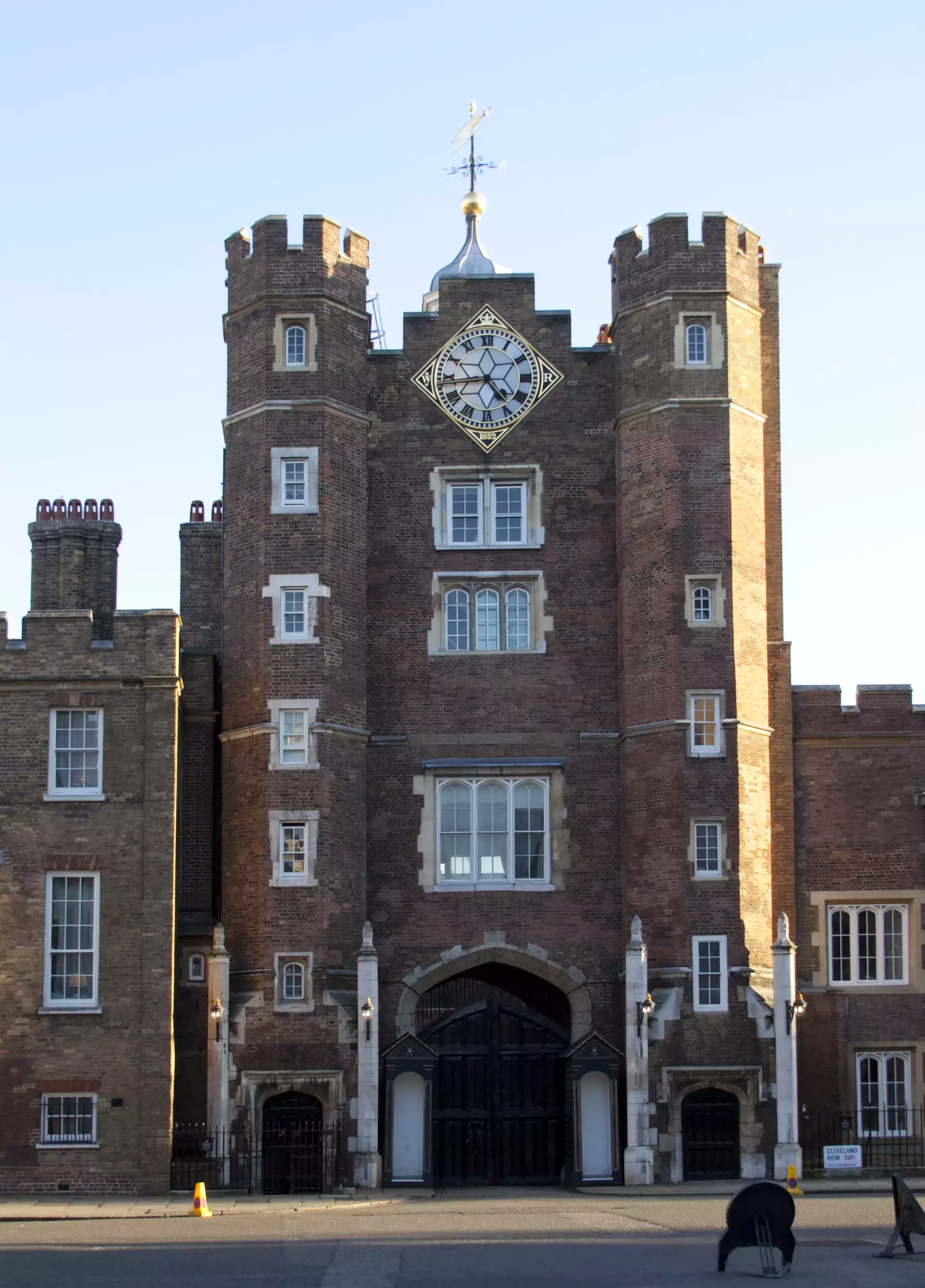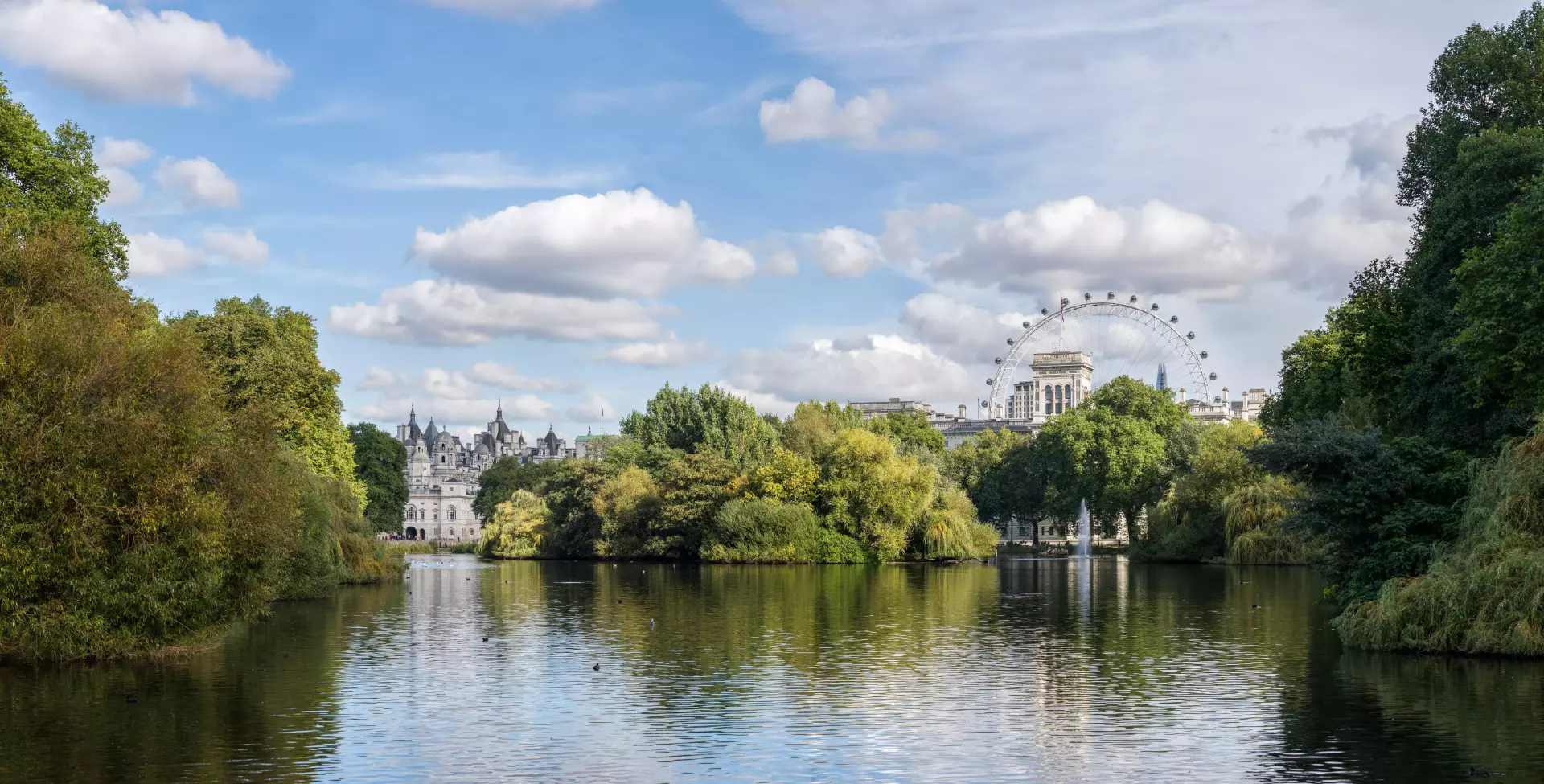
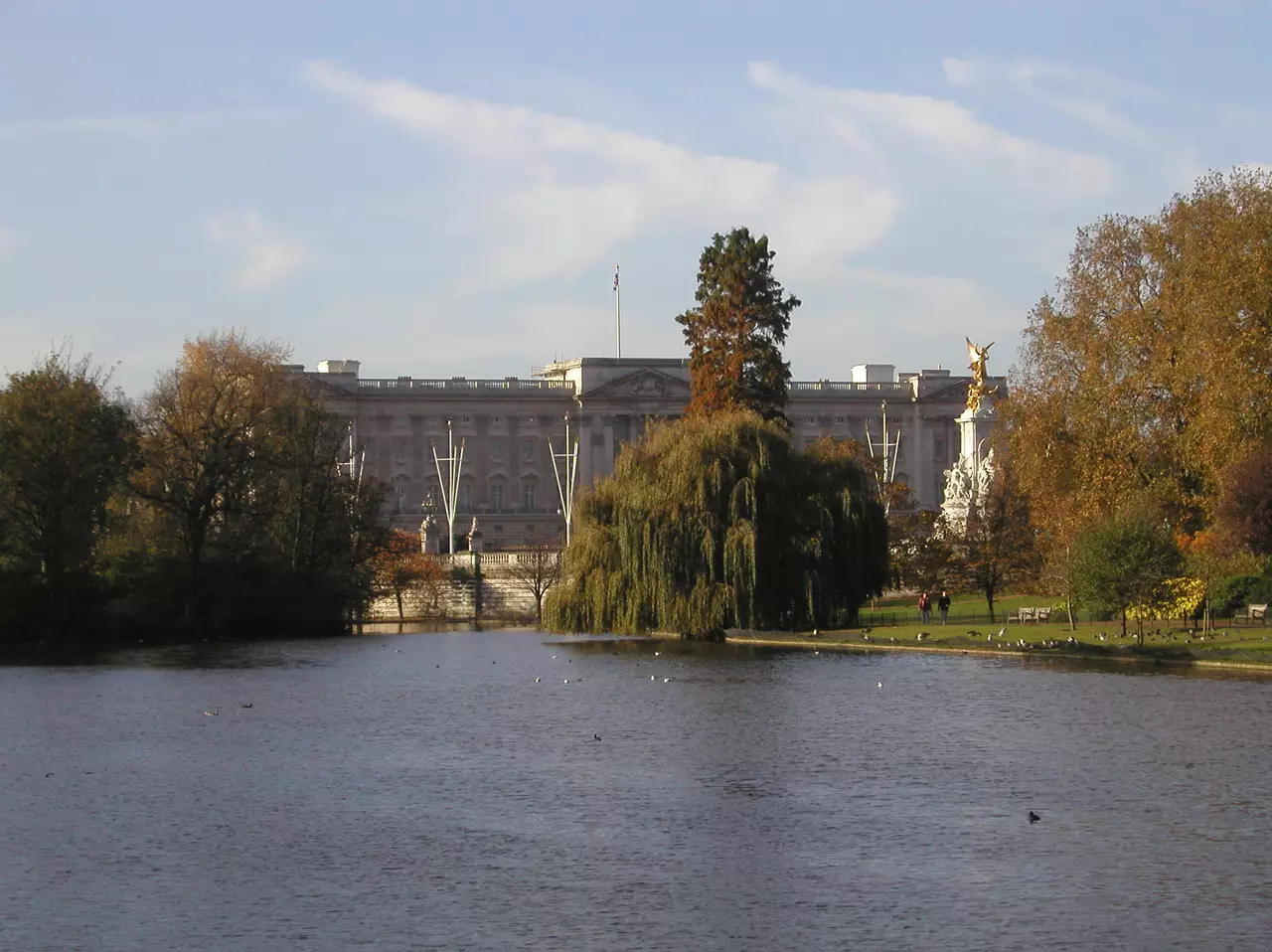
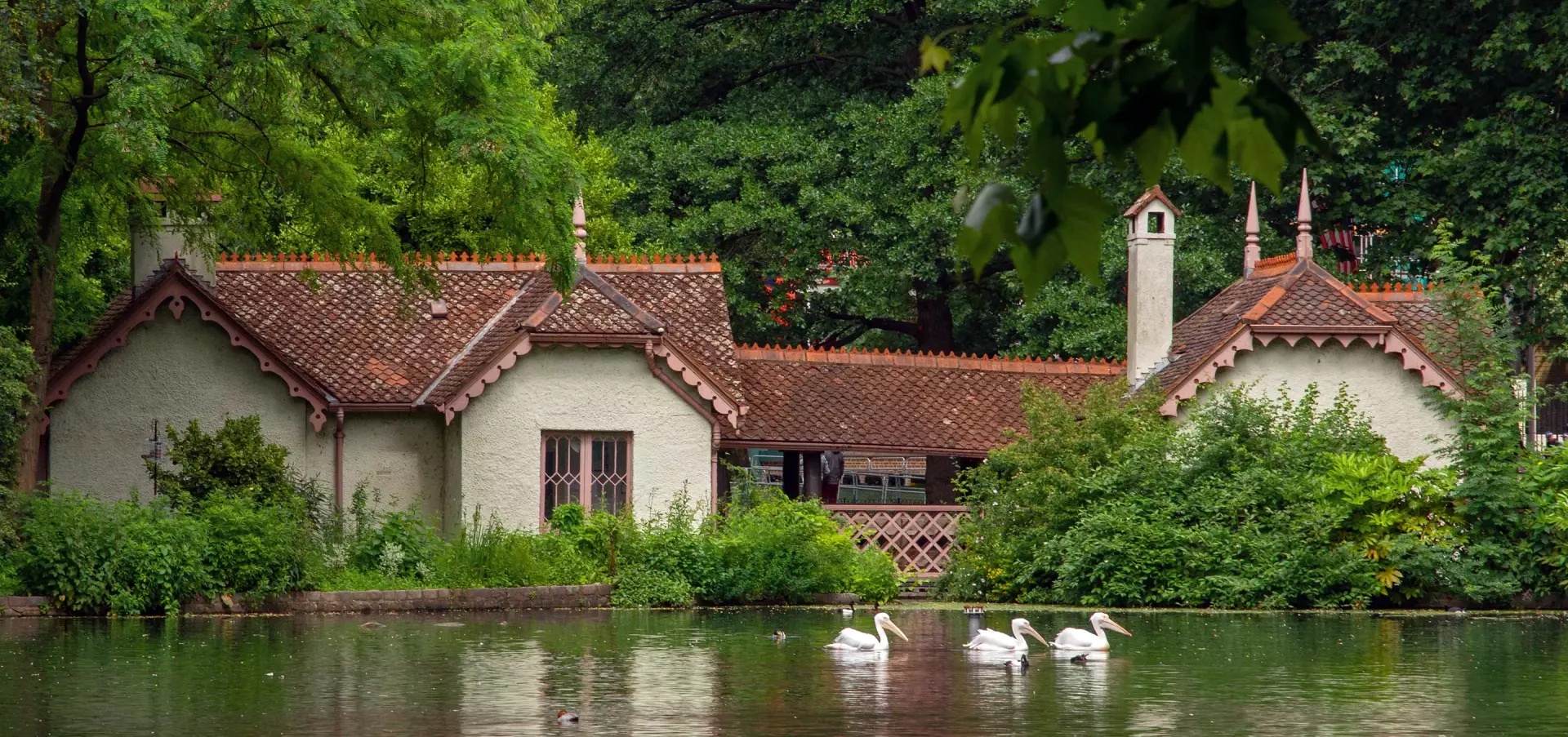
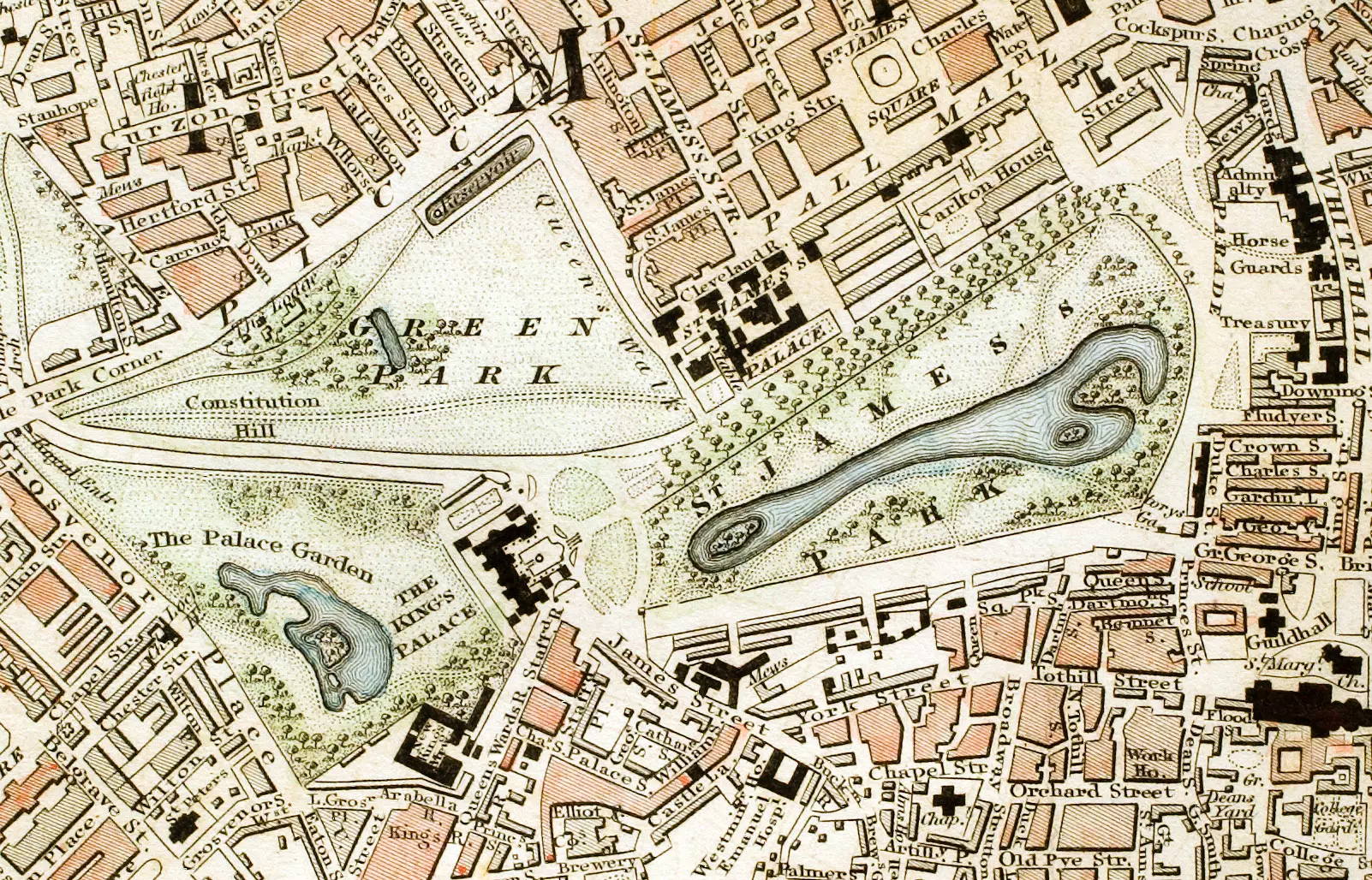
As the oldest of the Royal Parks in London, St. James's Park holds a special place in the city's history and culture. Located in the heart of the city, it offers visitors a serene escape amidst beautiful landscapes.
Established in the 1600s, St. James's Park has witnessed centuries of change. With its lush greenery and tranquil lake, the park provides a picturesque setting for leisurely walks. Visitors often find themselves charmed by the elegant views, including the iconic Blue Bridge which offers a perfect spot for photography.
The park is known for its diverse flora and fauna. Home to many species of plants and flowers, it bursts into color with each changing season. The wildlife is equally captivating, with pelicans being one of its most famous residents. These birds were first introduced in the 17th century and continue to fascinate park-goers today.
Throughout the year, St. James's Park hosts a variety of events that draw crowds from all over. From summer concerts to festive winter celebrations, the park offers something for everyone. Its open spaces are perfect for picnics, while the winding paths provide ample opportunities for jogging and cycling.
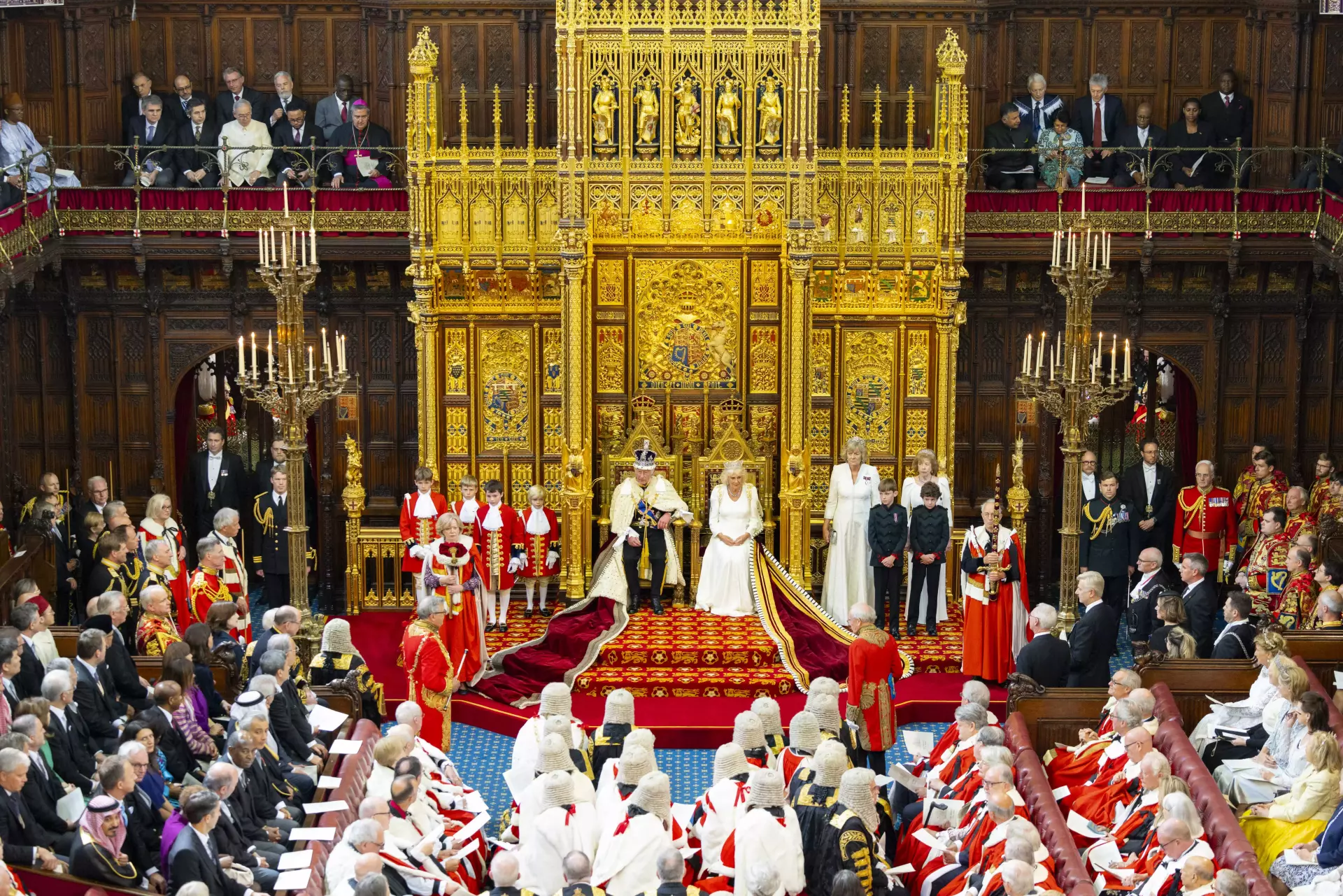
Being so close to Buckingham Palace, the park often sees ceremonial events that add to its grandeur. The Trooping the Colour parade, a highlight of the British calendar, passes right by, making it an ideal spot for those keen on experiencing royal traditions.
Source - https://en.wikipedia.org/wiki/St_James%27s_Park
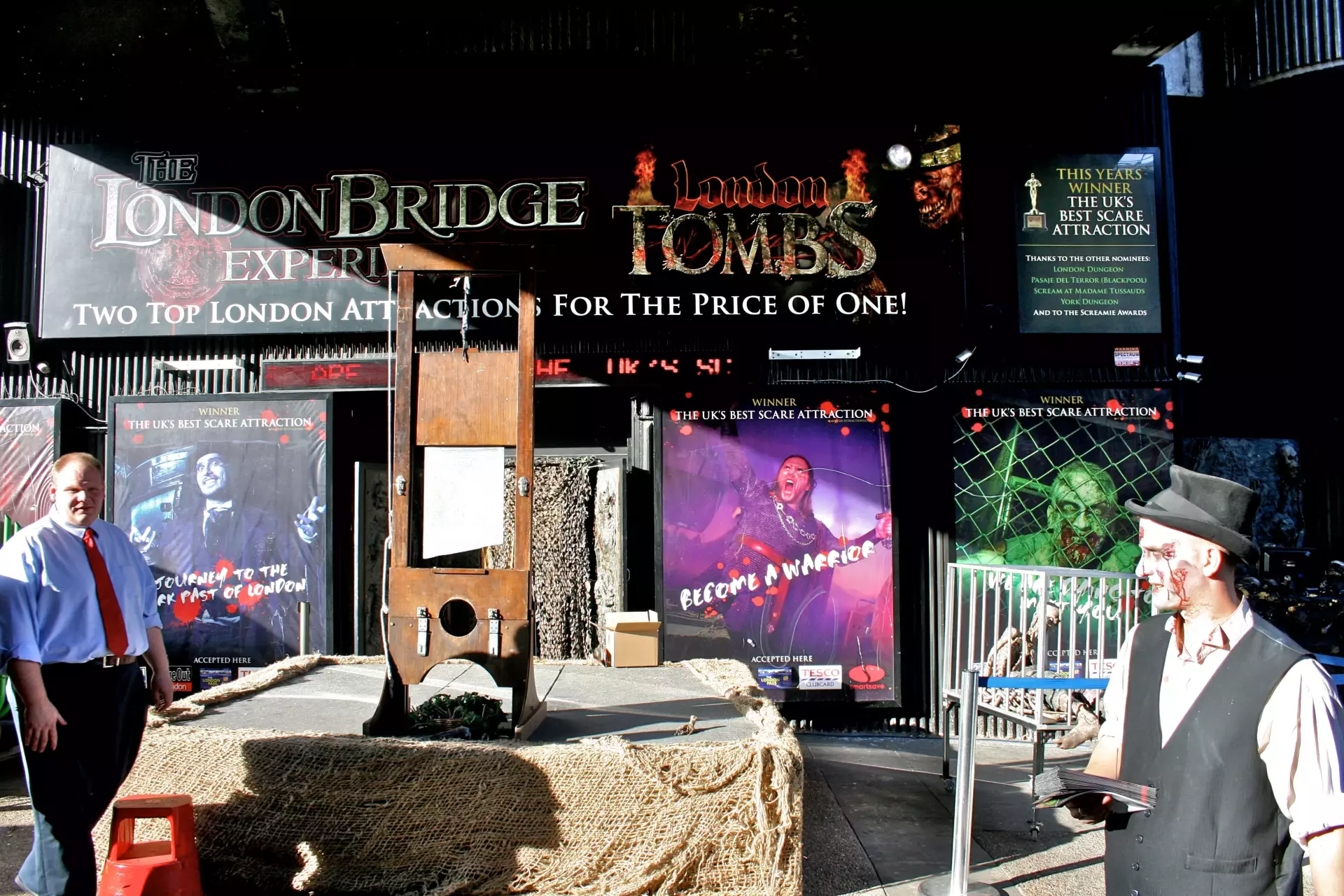
As with any Merlin attraction, it is arguably overpriced for what it is. Brings to life the gorier elements of London's past both real life and fictional. Including the execution of Charles I after the English Civil War, the bubonic plague, Jack the Ripper, Mrs. Lovett's pie shop and Sweeney Todd's barber shop with faithful recreations of disaster, disease, and torture using live actors. Younger children may be scared.
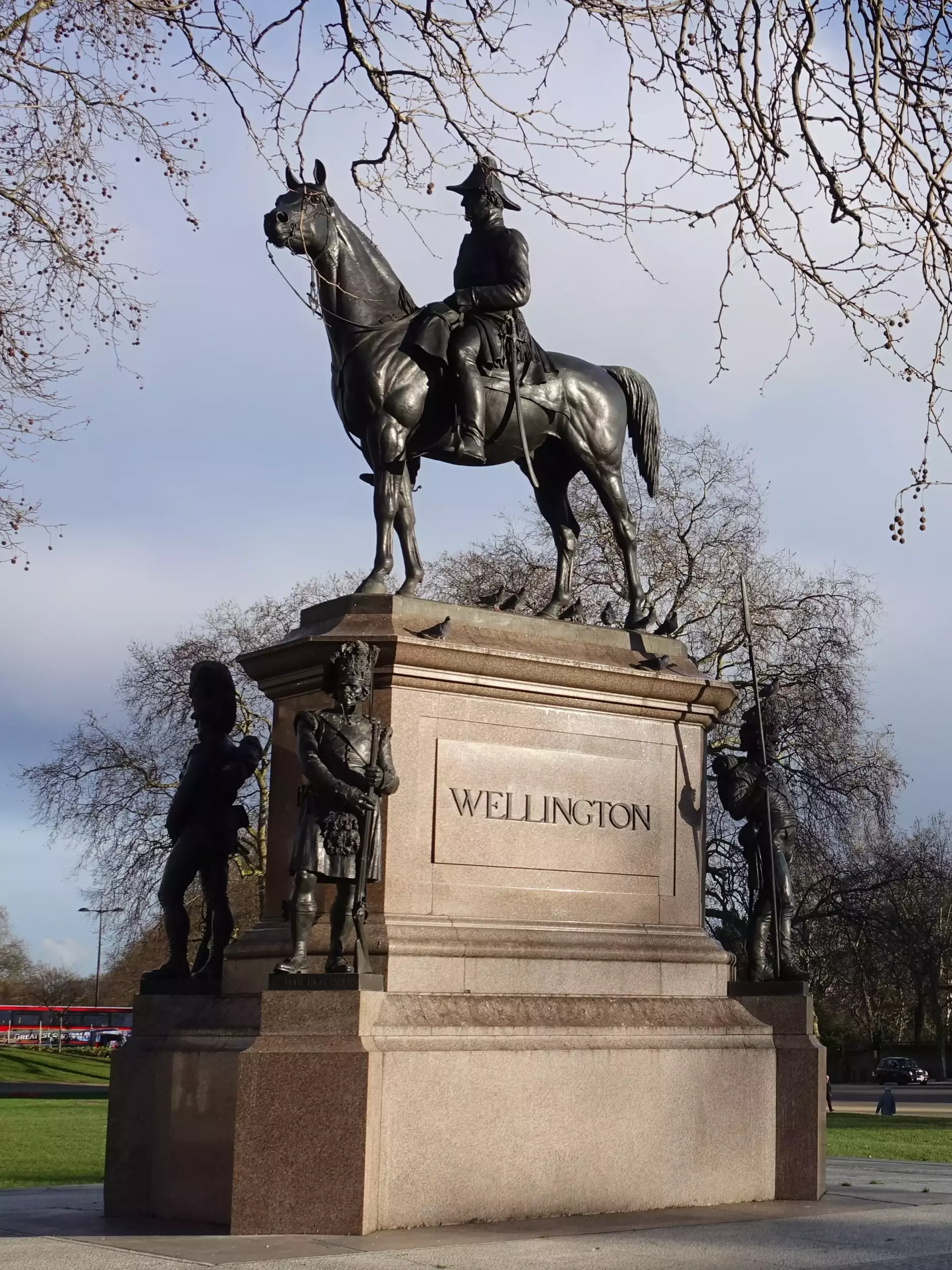
The eastern half of the twin parks. Of the two, Hyde Park is open for longer and has more open, unwooded land; it is often host to concerts, fun fairs and events. More of an artificial stream than a fountain, flowing in an oval through an open grassy area which, in normal summers, is a popular paddling spot for children and grown-ups alike.
A modest museum covering local history which relocated in 2010; has an excellent cafe.
The remains of the once-magnificent palace, home to English kings since Edward I, adjoin Richmond Green, a pleasant open green space and historic cricket ground. Only the Gate House and Wardrobe, now converted into flats, remain.
Eccentric Gothic home of 18th-century poet and author, Horace Walpole, son of England's first prime minister.
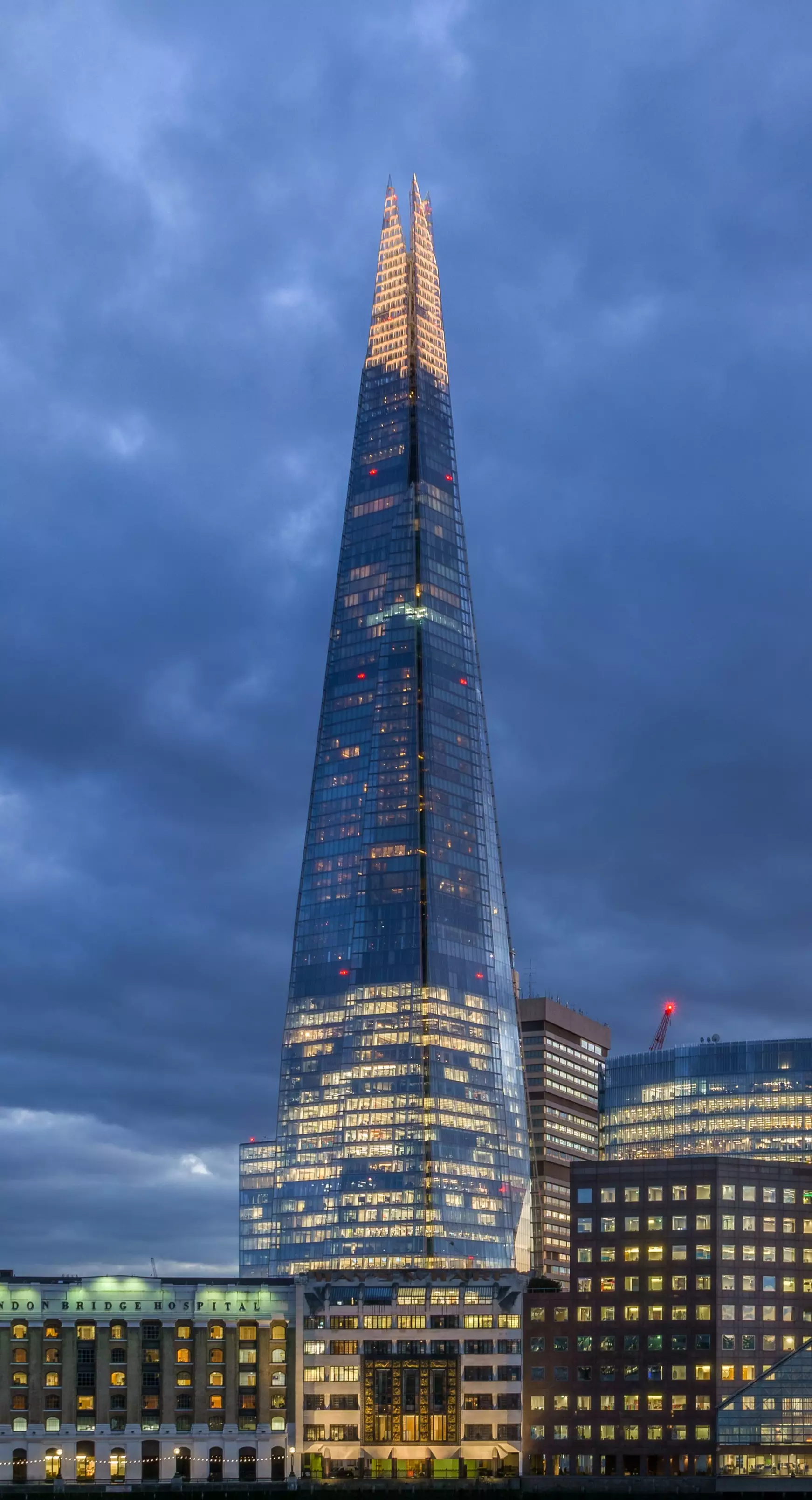
A vast shopping, eating, entertainment and (primarily) business complex, home to Britain's second tallest skyscraper, One Canada Square. Now increasingly lively at weekends as well, but still at its most impressive during the week. Spectacular main exit from the Jubilee line Tube station. There is a substantial amount of information about the history and the architecture of the development on the website of Canary Wharf Group, the company that owns the development.
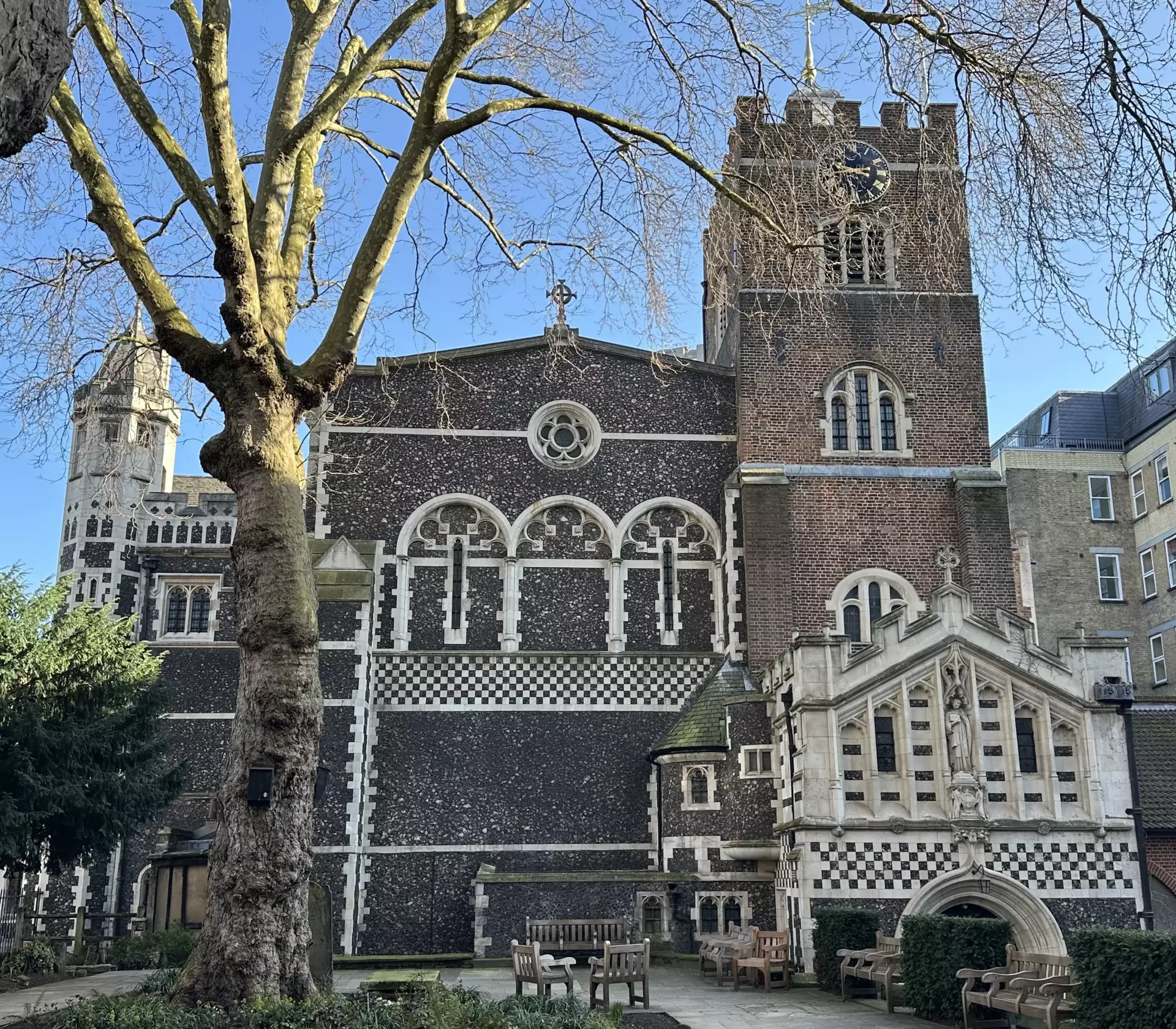
An attractive Gothic Revival church, completed in 1859 to a design by William Butterfield.
A lovely park on the southern banks of the Thames known or its wildlife and some splendid examples of mature trees.
Old train station with an enormous office and shopping complex in glass and pale stone. A lavish hotel is also on the site. The name comes from the Queen Eleanor (13th century) gothic pillar outside the station, which is actually a Victorian-era replica. Charing Cross Road was once famous for its vintage book shops, but these have now largely disappeared due to high rents and online competition; however, the road is still home to one of London's largest bookshops, Foyle's.
An enormous art gallery converted from the former Bankside Power Station, a visit to Tate Modern could easily take half a day. The gallery collects together contemporary and modern art from around the world, arranged thematically. The most stunning aspect of the building, is the enormous Turbine Hall, which plays host to a single piece of work commissioned for the space each year. An extension of the gallery has opened in a ten-storey building behind the existing power station.
Site of the London residences for the Prime Minister (No. 10) and the Chancellor (No. 11).
More of an artificial stream than a fountain, flowing in an oval through an open grassy area which, in normal summers, is a popular paddling spot for children and grown-ups alike.