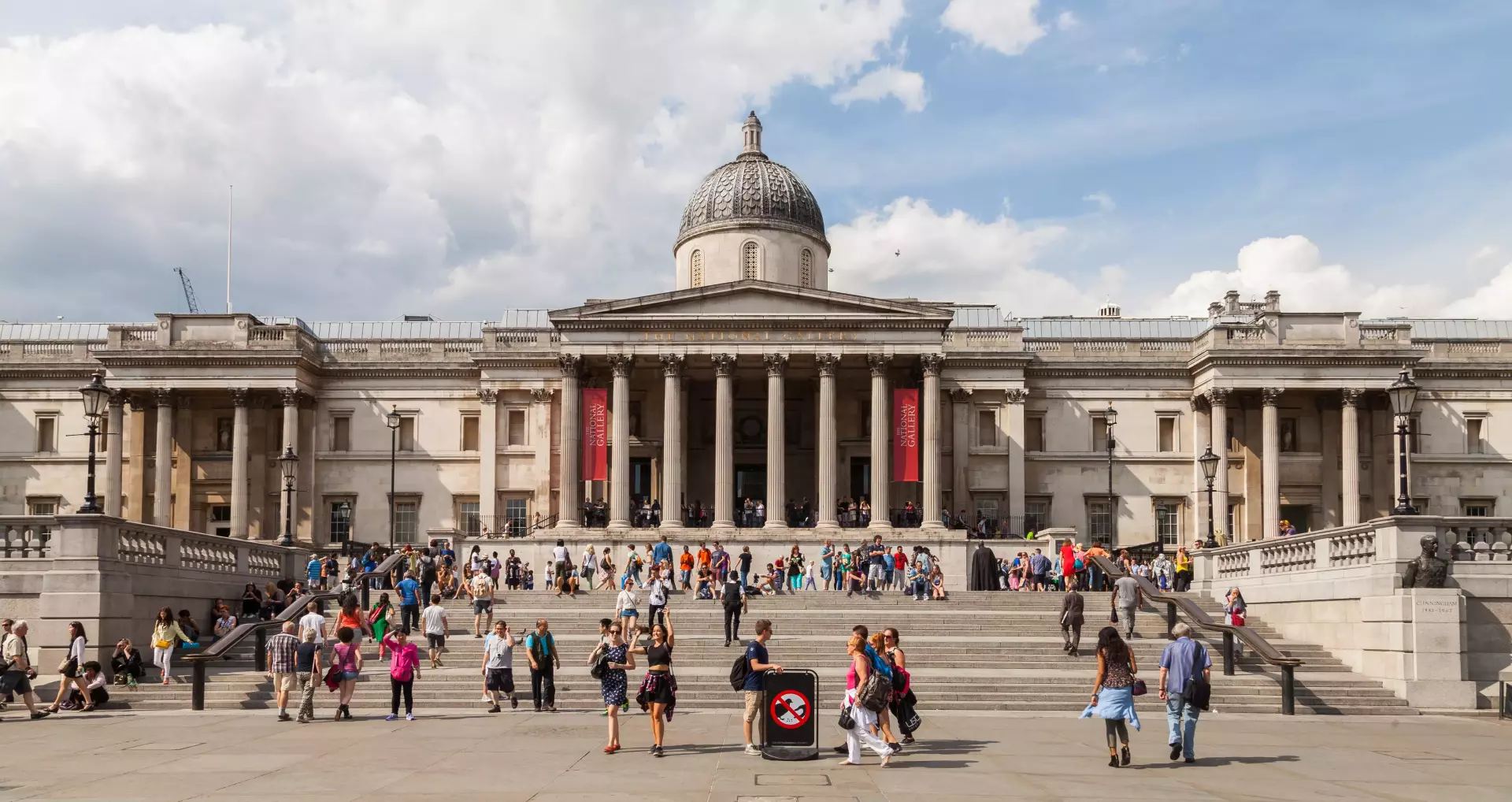
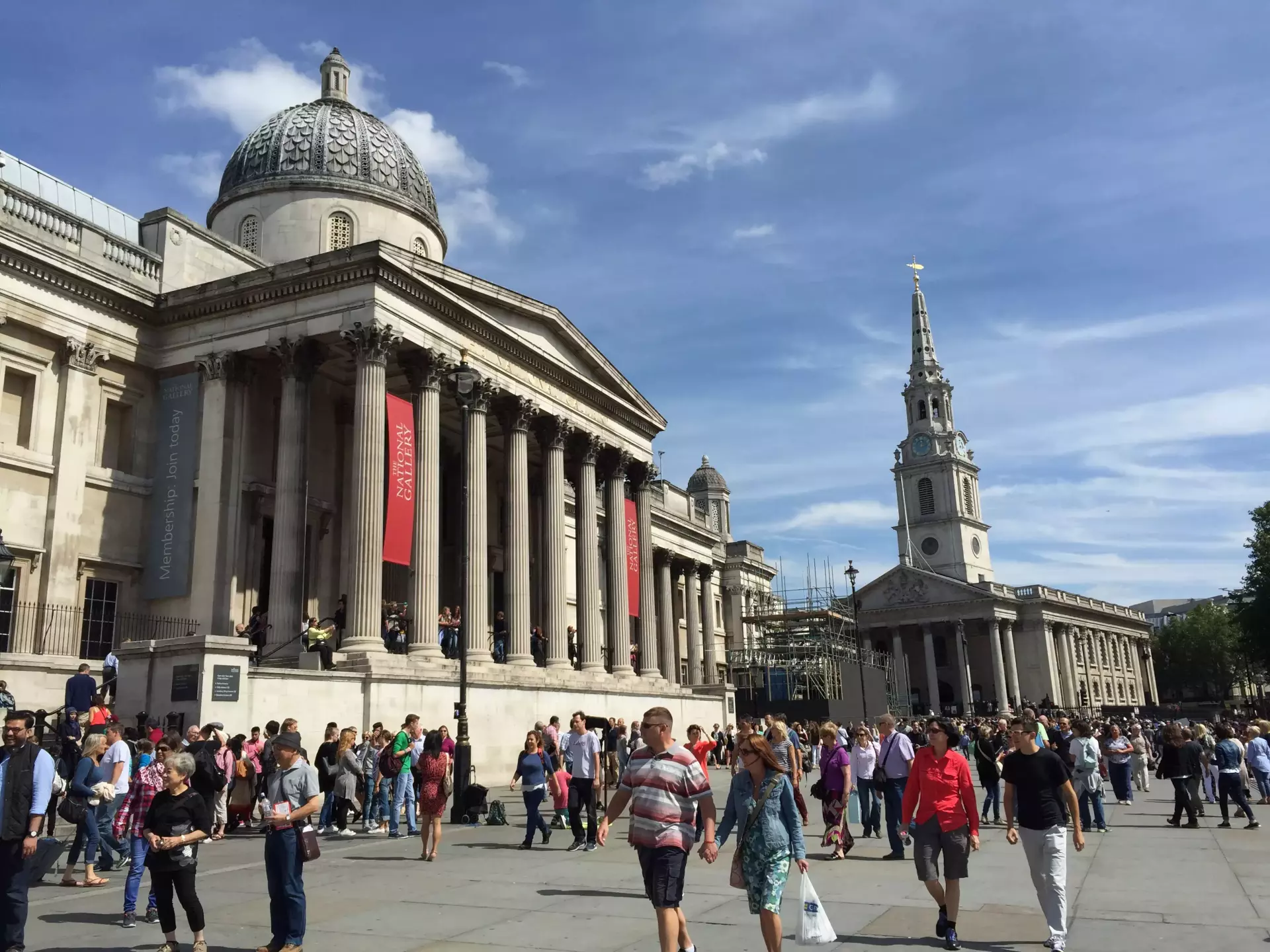
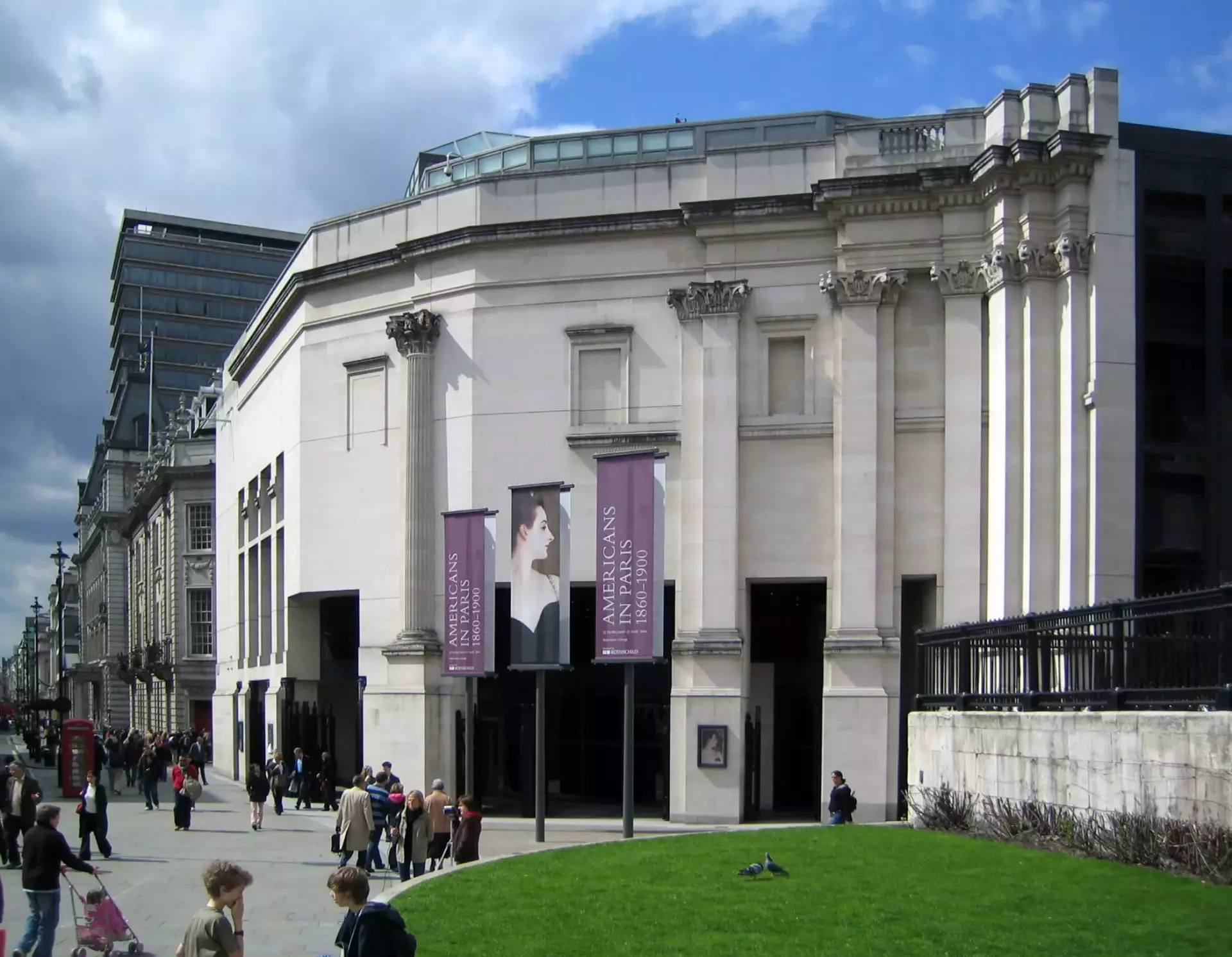
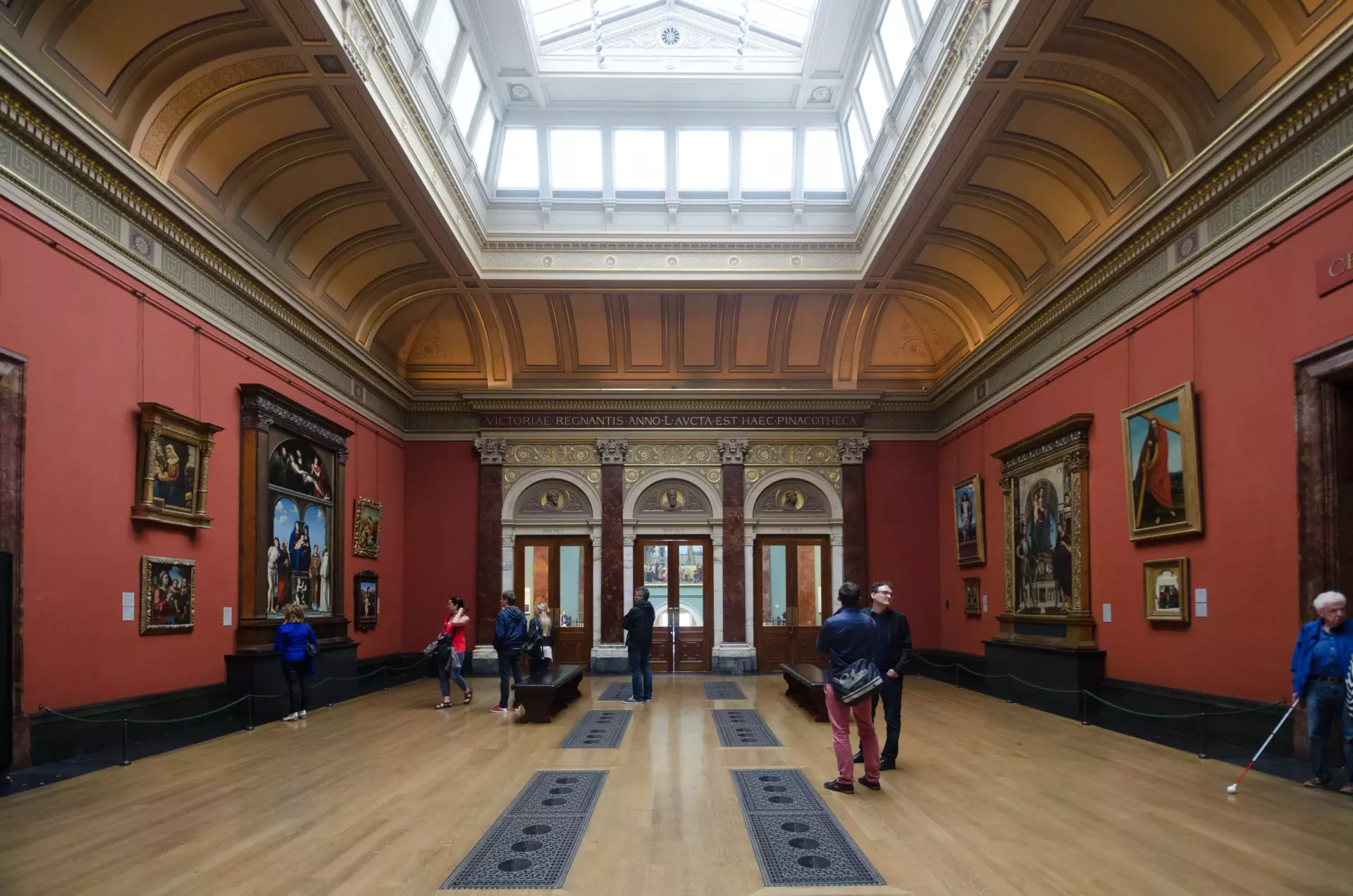
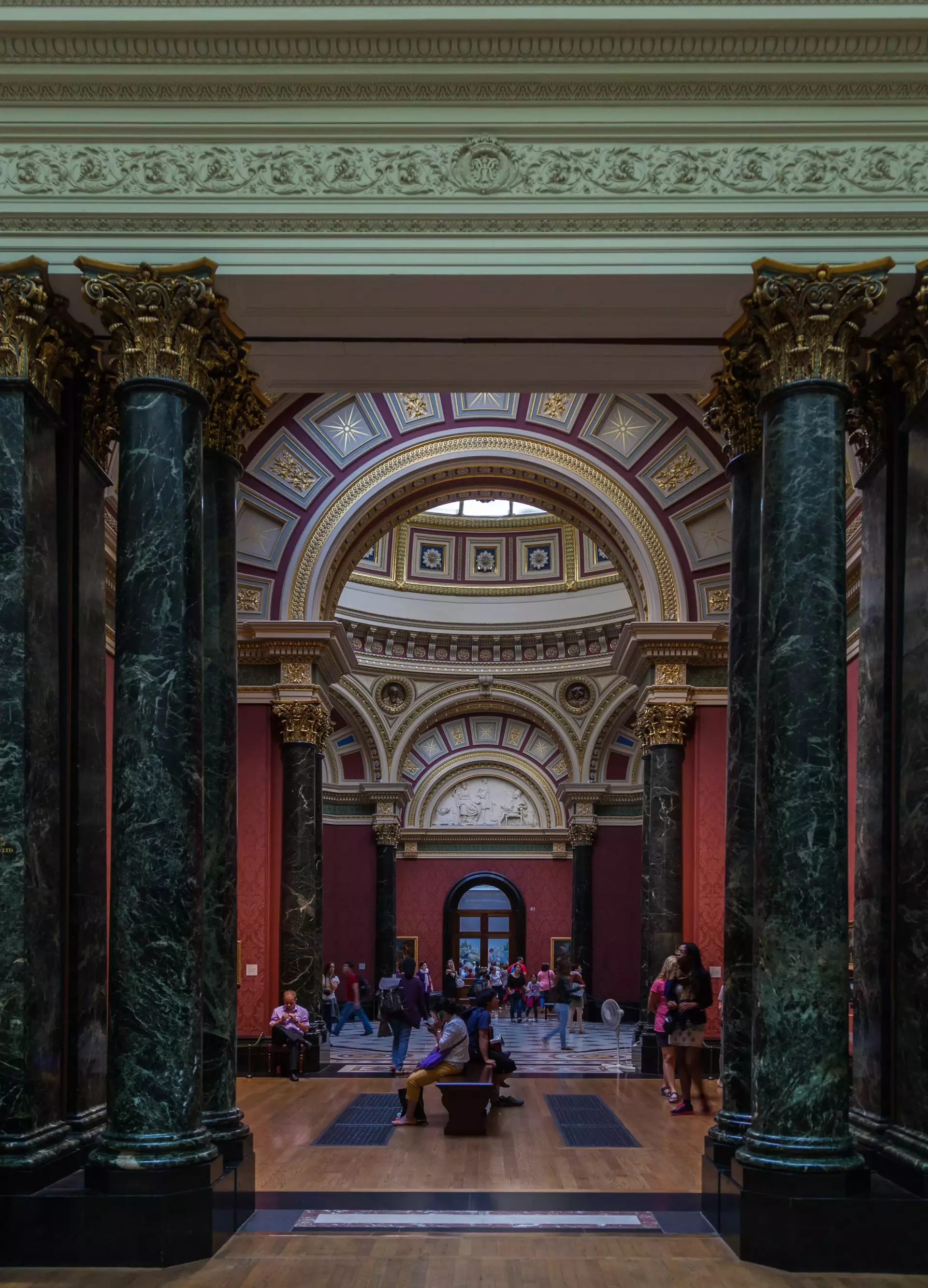
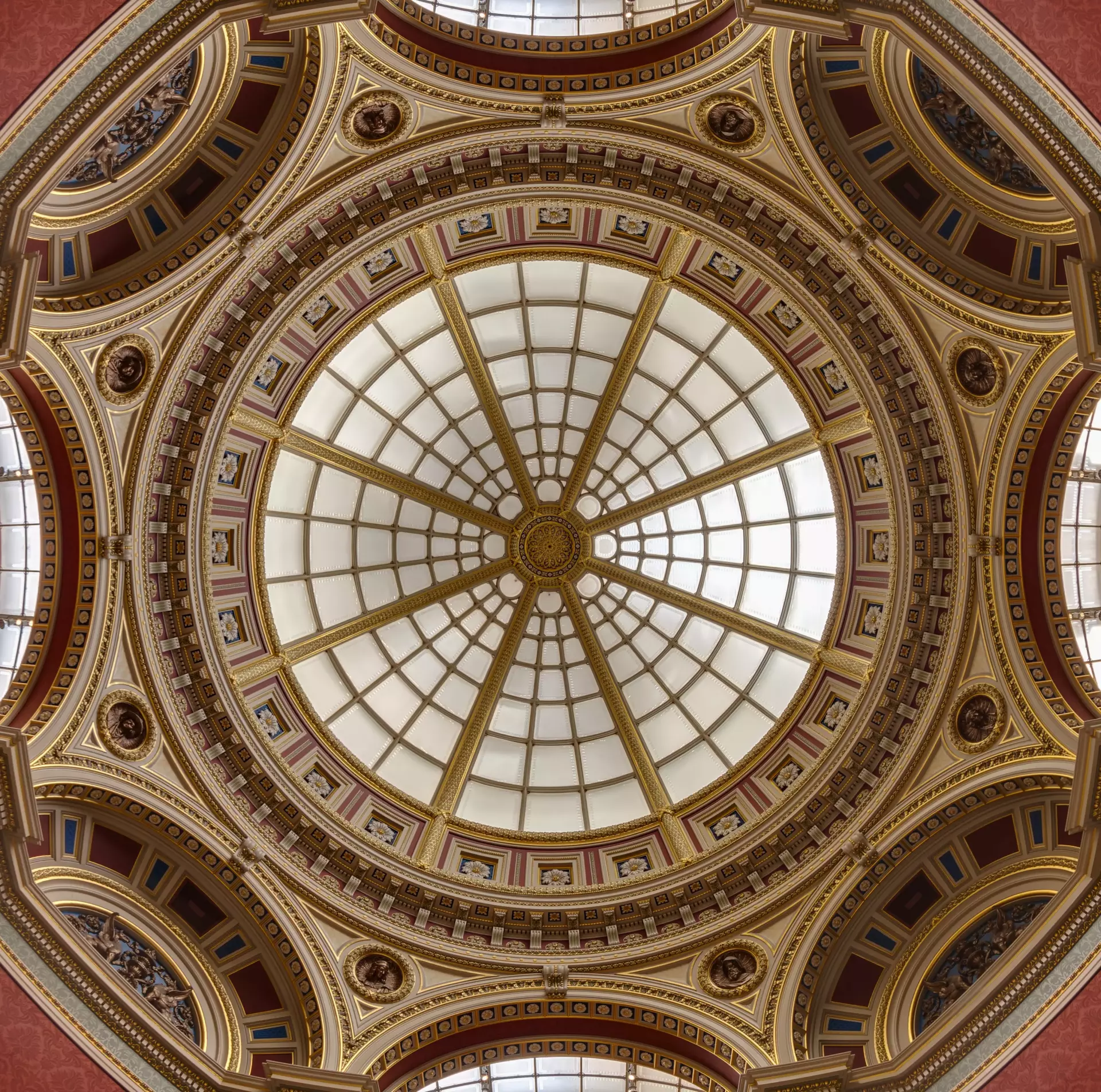
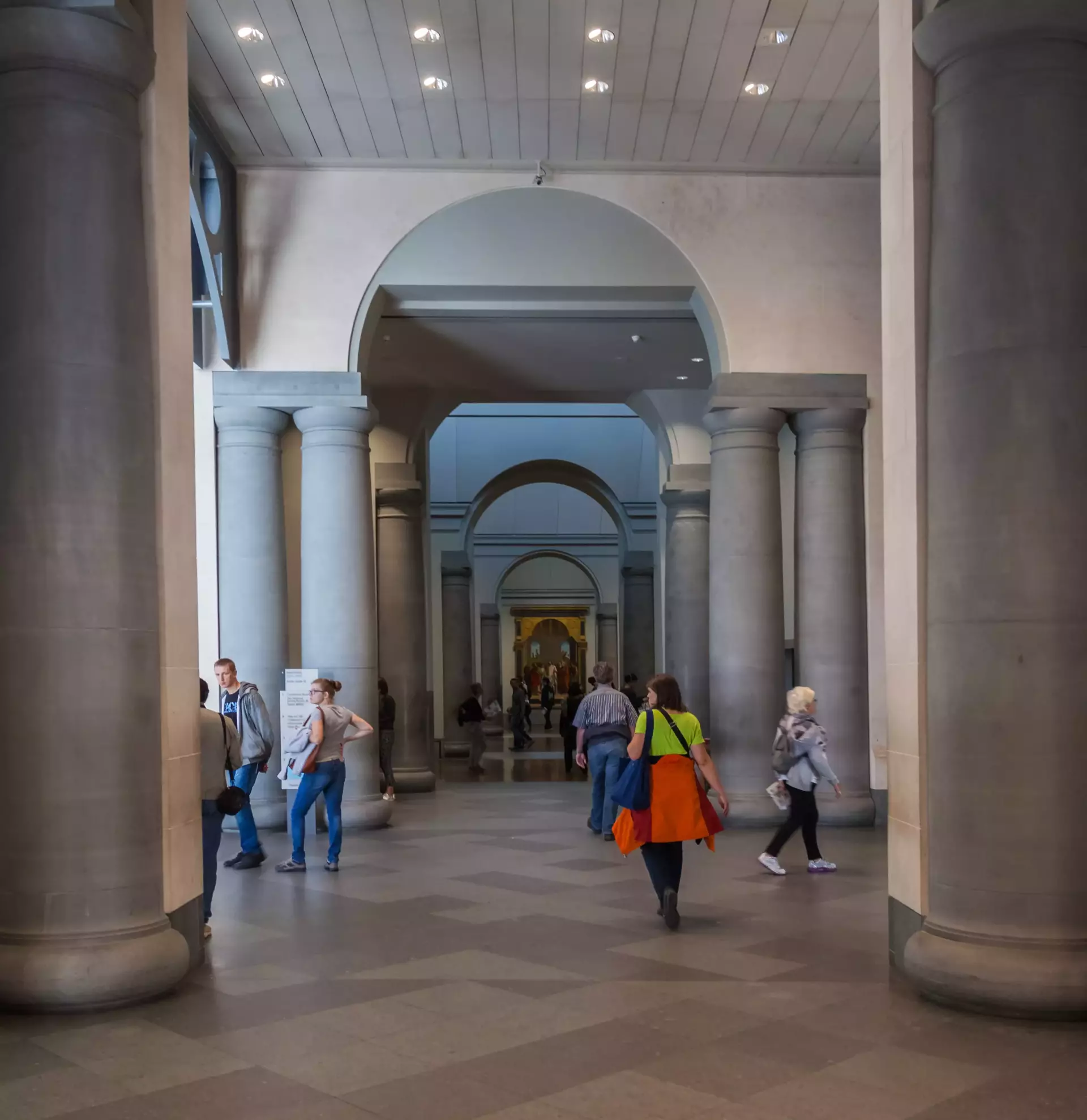
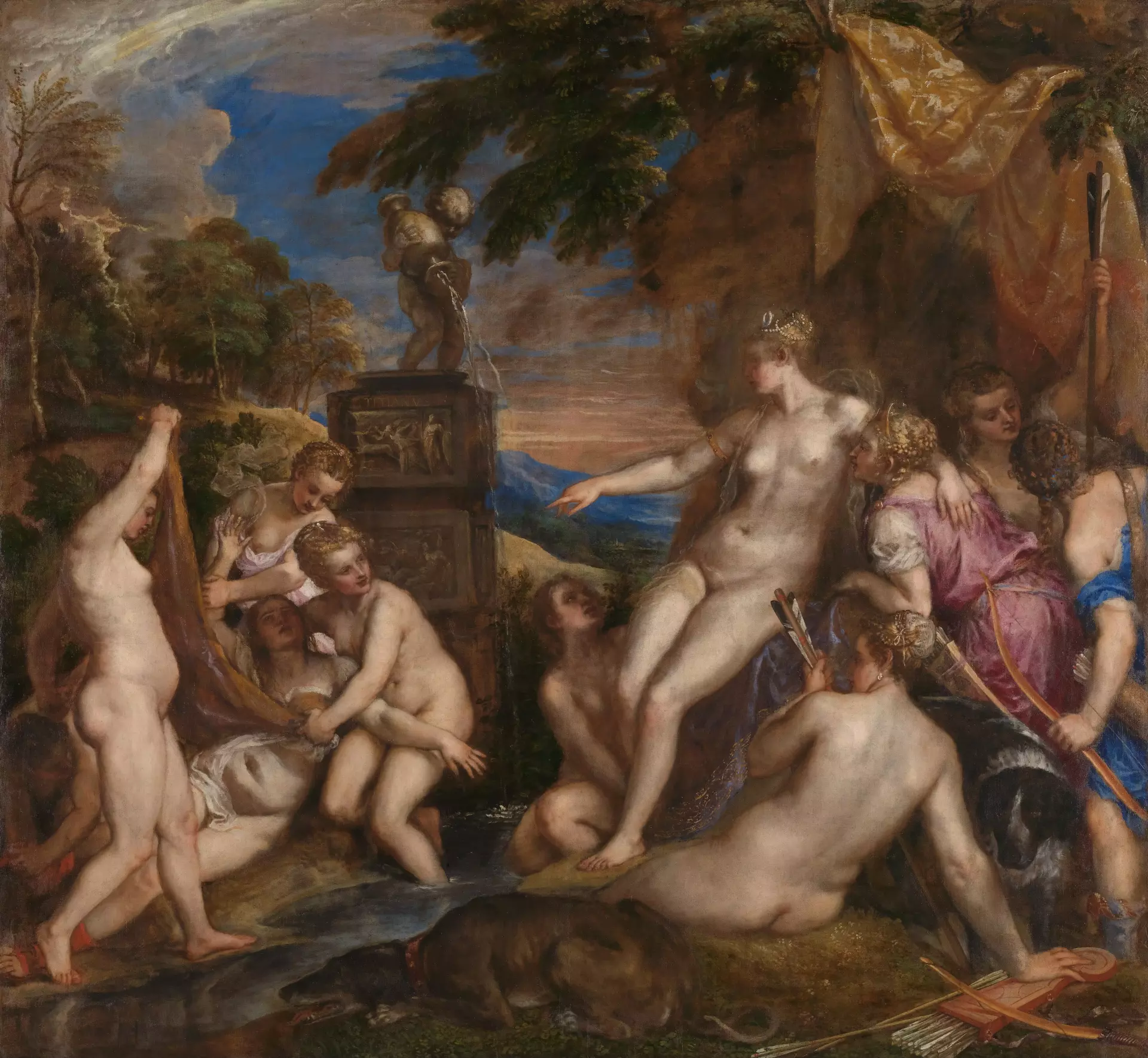
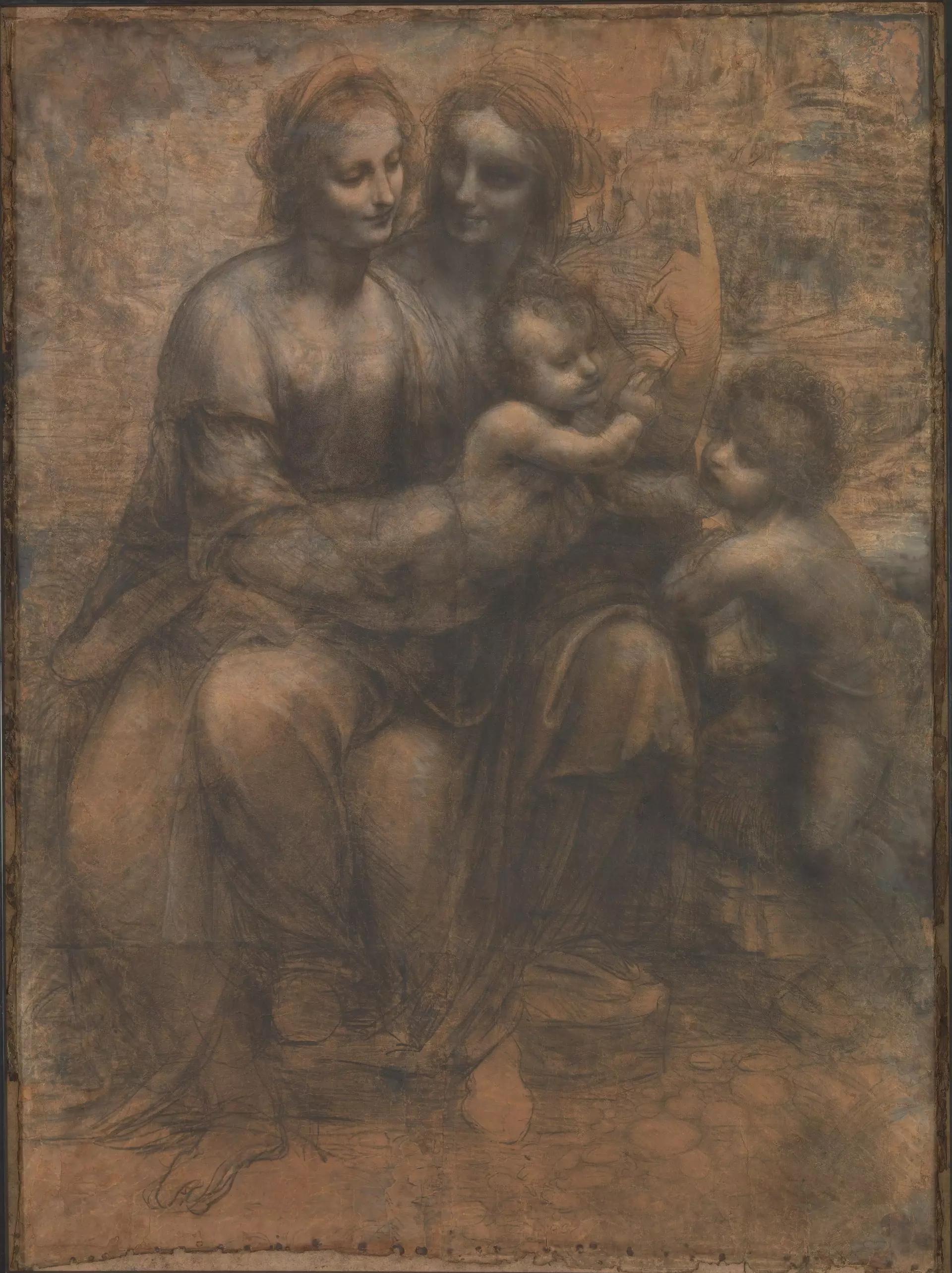
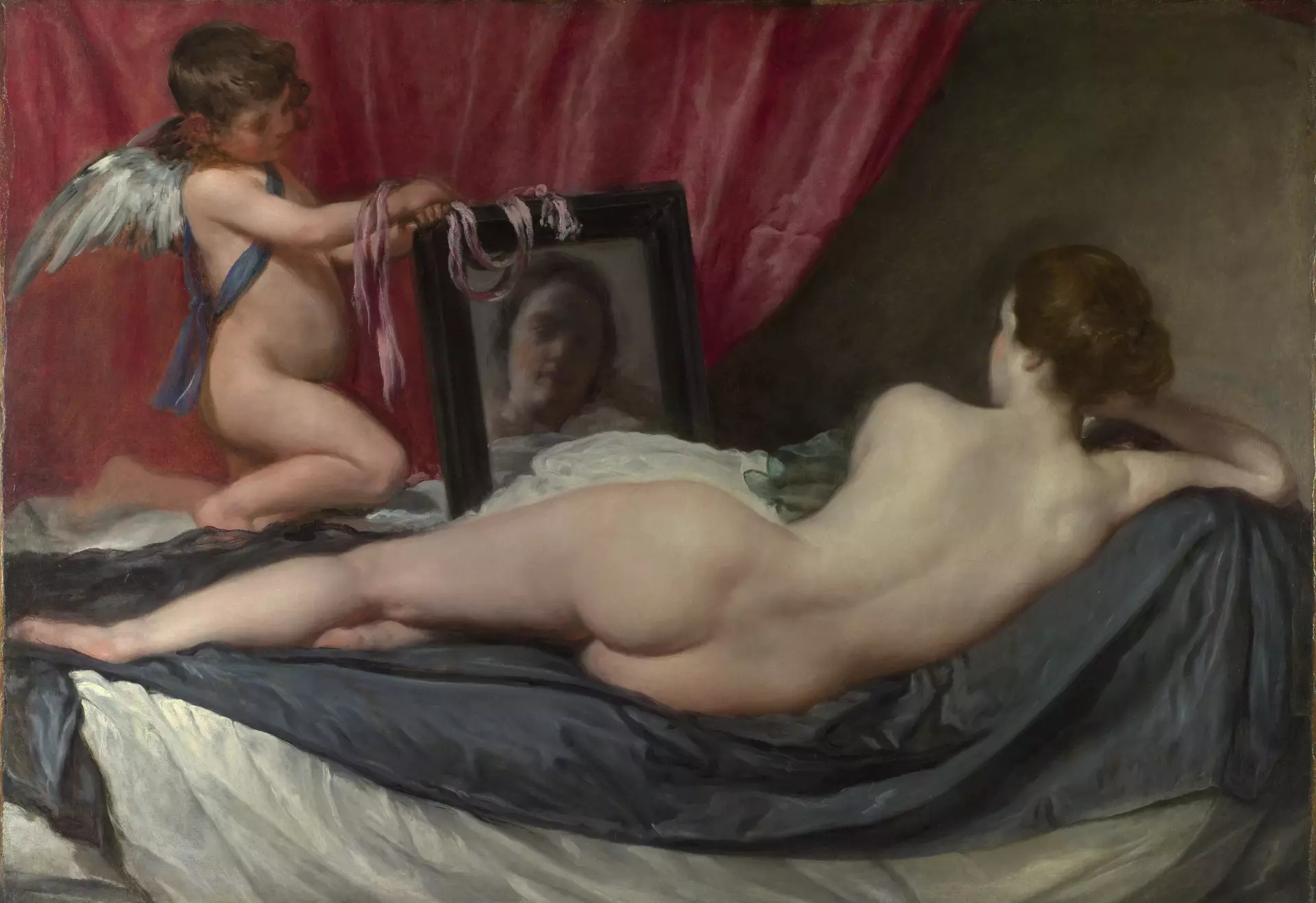
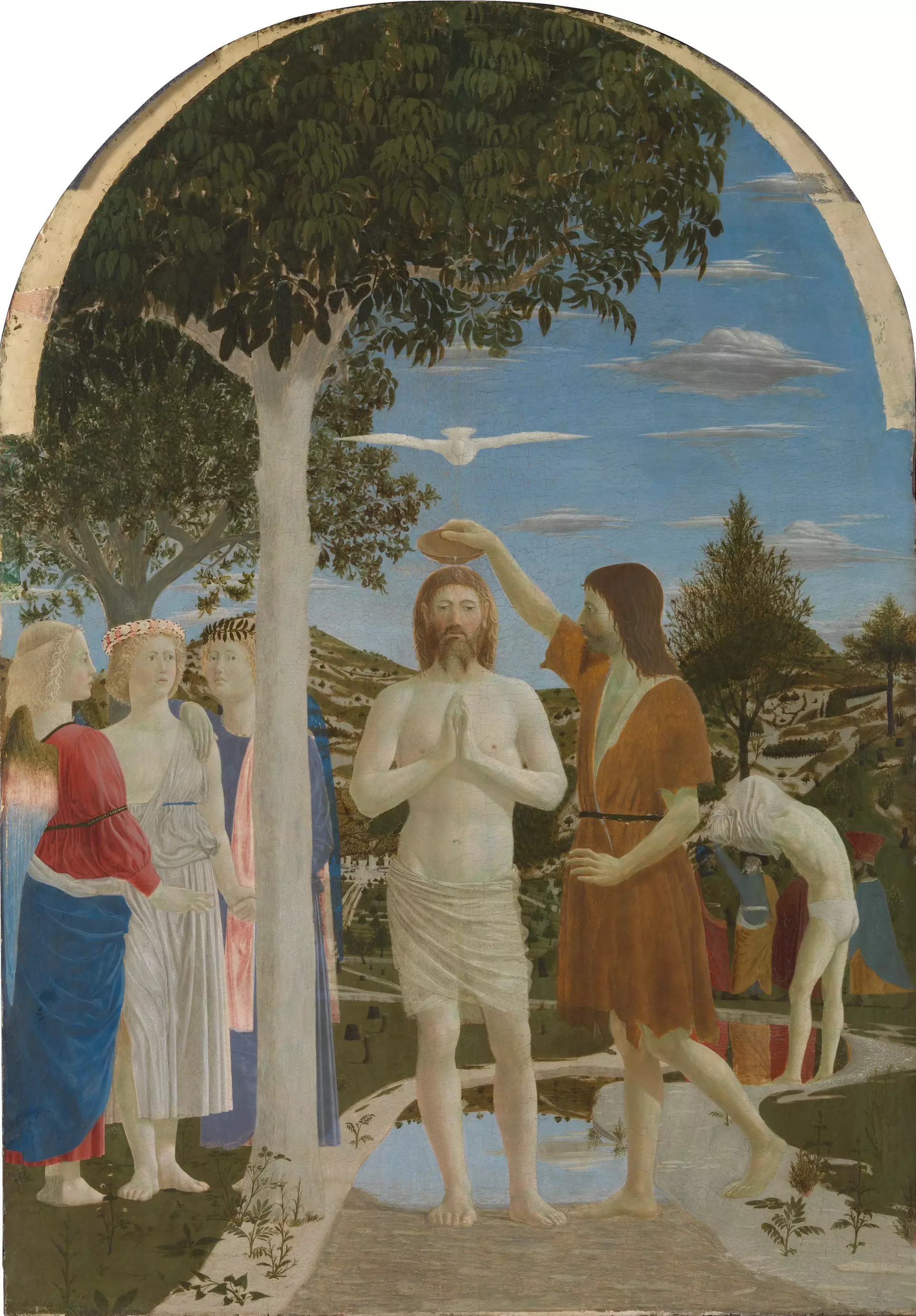
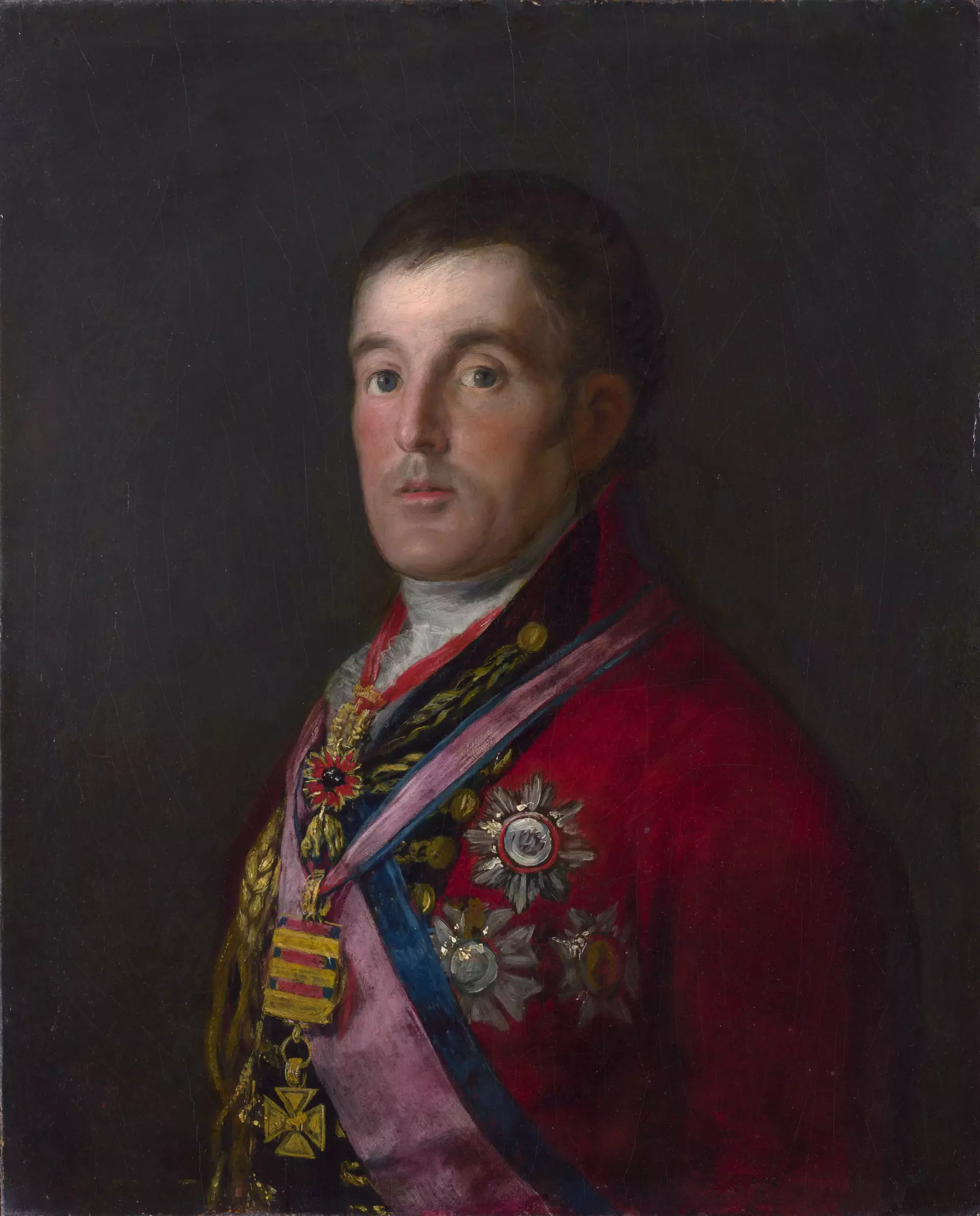
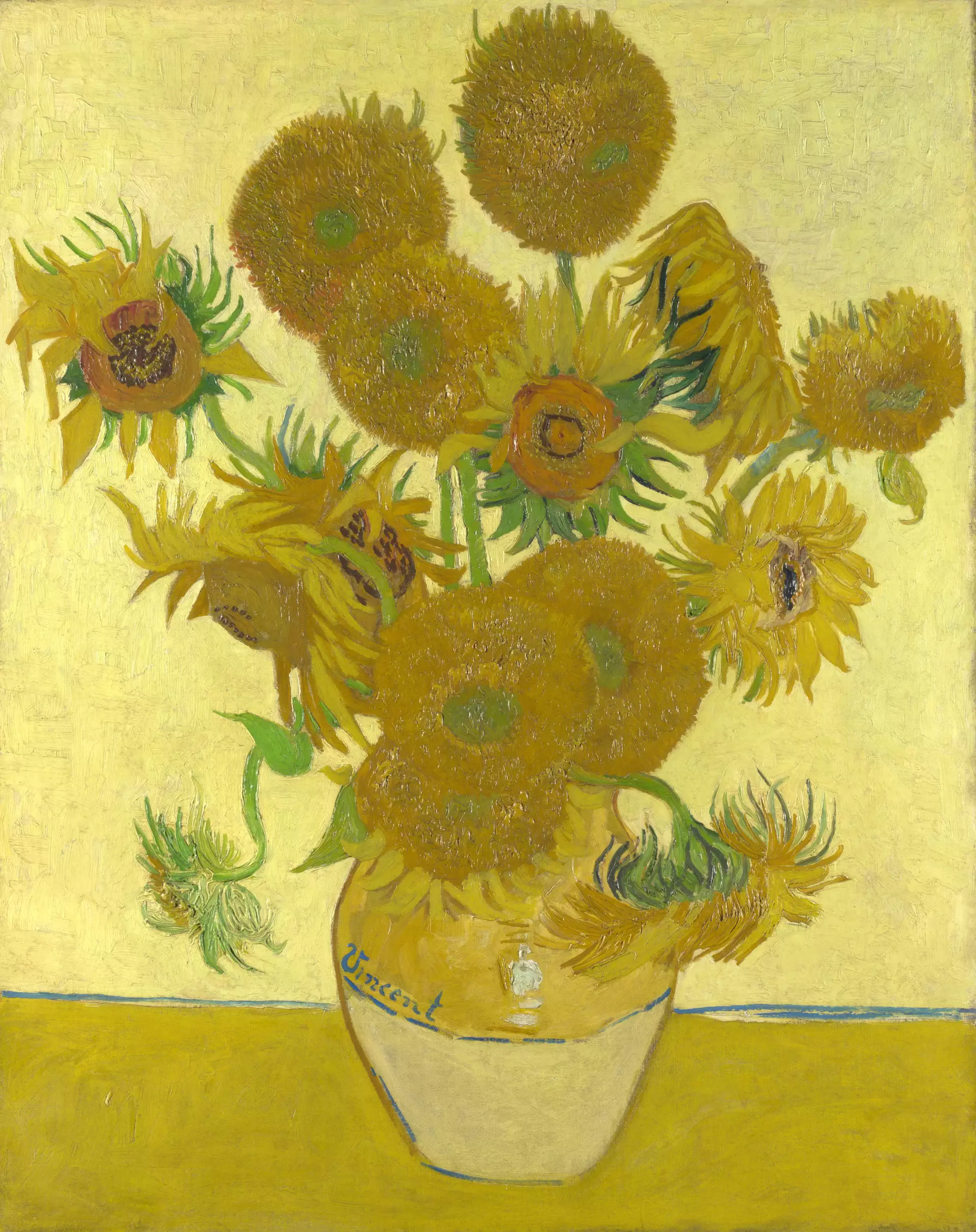
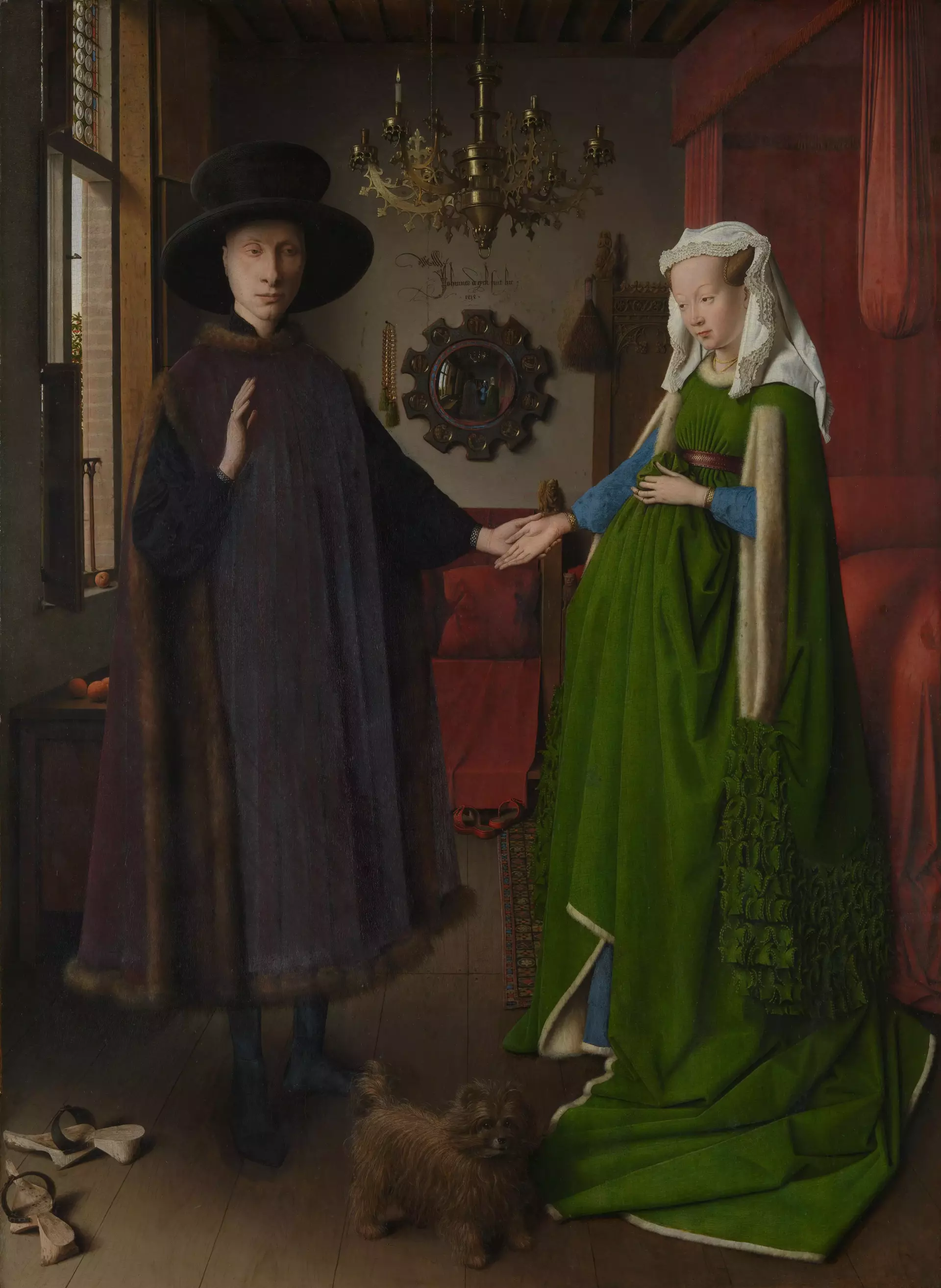
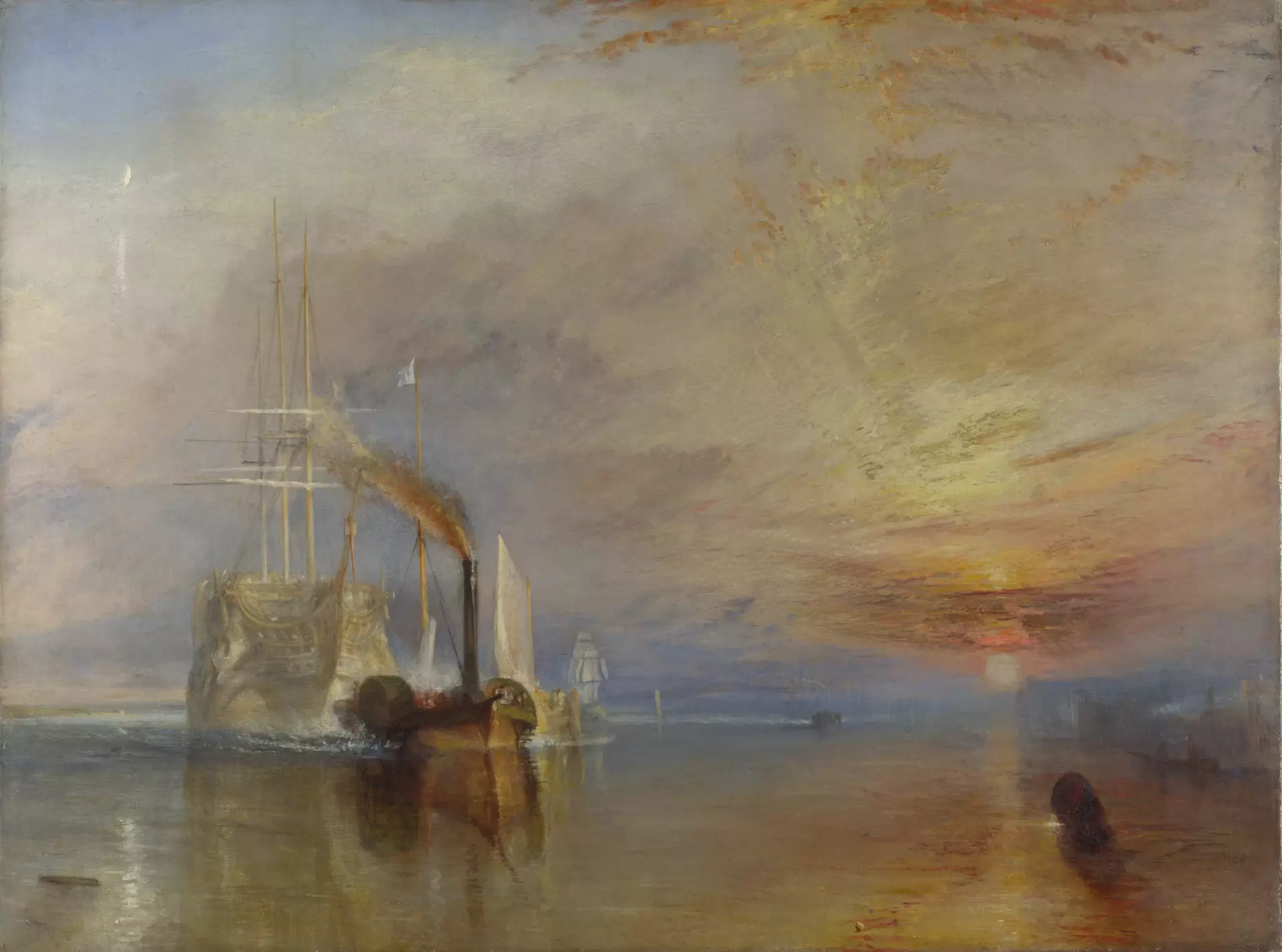
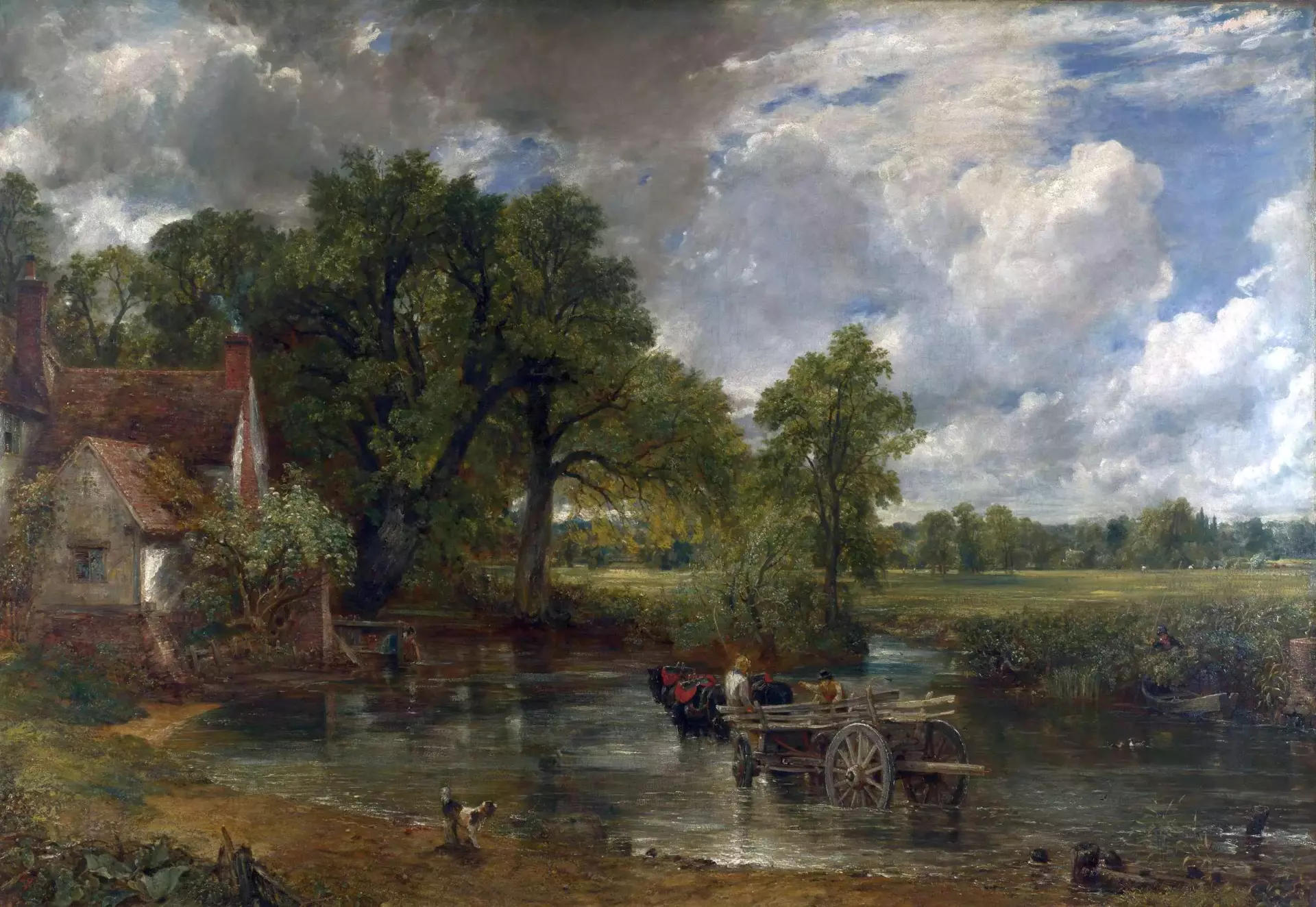
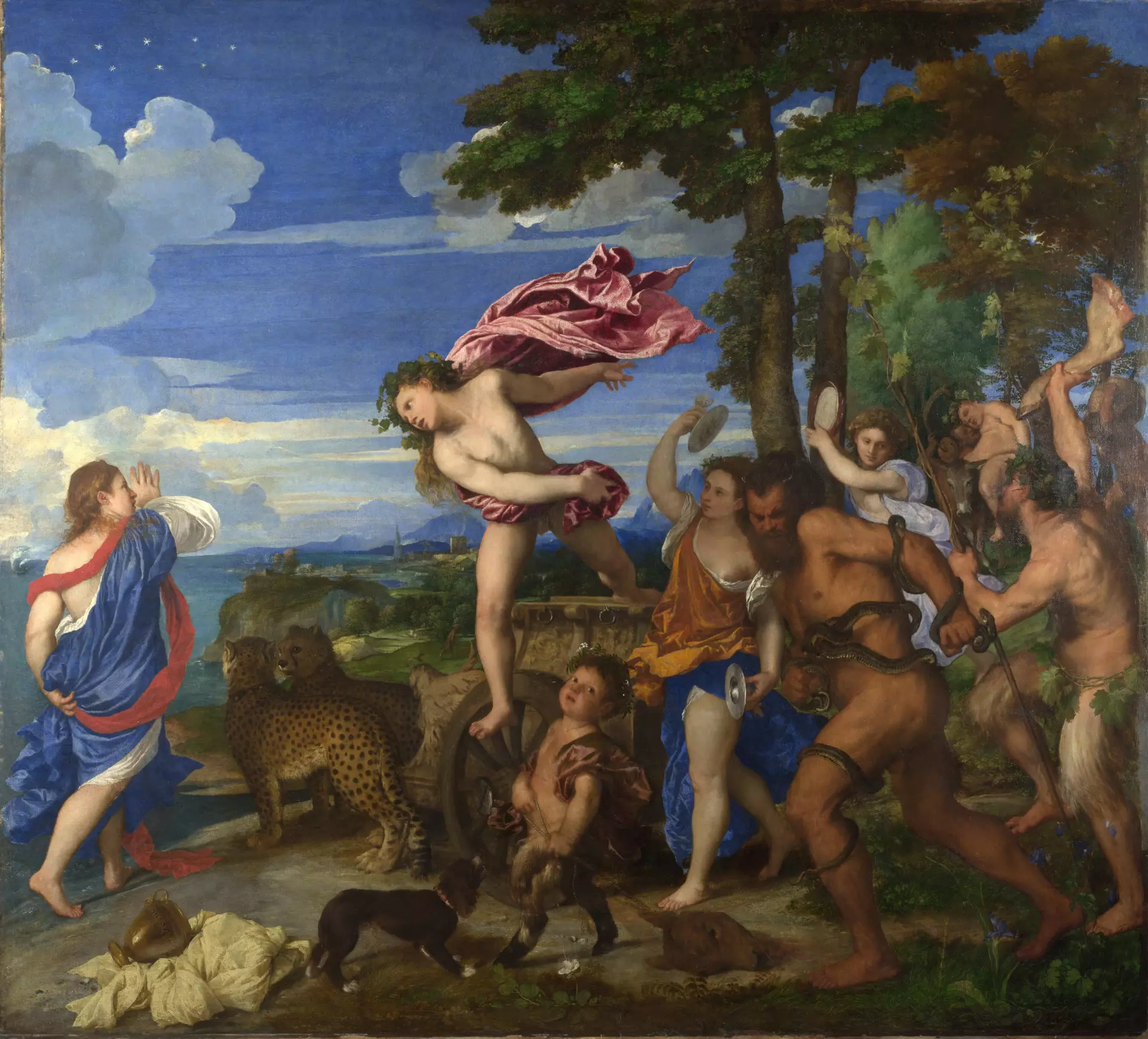
The National Gallery in London is home to the British national collection of Western European art from the 13th to 19th centuries. This stunning collection features some of the most notable works in art history, including Hans Holbein's "The Ambassadors," Van Gogh's "Sunflowers," and Constable's "The Haywain." Visitors can admire the vast majority of these masterpieces for free, making it an accessible destination for art enthusiasts and curious travelers alike.
While the permanent collection is free to view, temporary exhibitions are generally more expensive. However, they are always well-researched and presented, providing an enriching experience for those who choose to explore them. For a deeper understanding of the artworks on display, comprehensive audioguides are available. These guides cover most paintings in the museum and are offered free of charge, though visitors are encouraged to make a donation. This generous resource isn't widely advertised, making it a pleasant surprise for those who discover it.
Beyond the artworks themselves, the National Gallery offers a variety of activities to enhance the visitor experience. There are courses, workshops, lectures, and other events designed to engage art lovers and novices alike. Additionally, free talks and tours are available every day, providing insights and stories that bring the artworks to life. Whether visiting for a short while or spending an entire day, the National Gallery offers something for everyone.
Source - https://en.wikipedia.org/wiki/National_Gallery
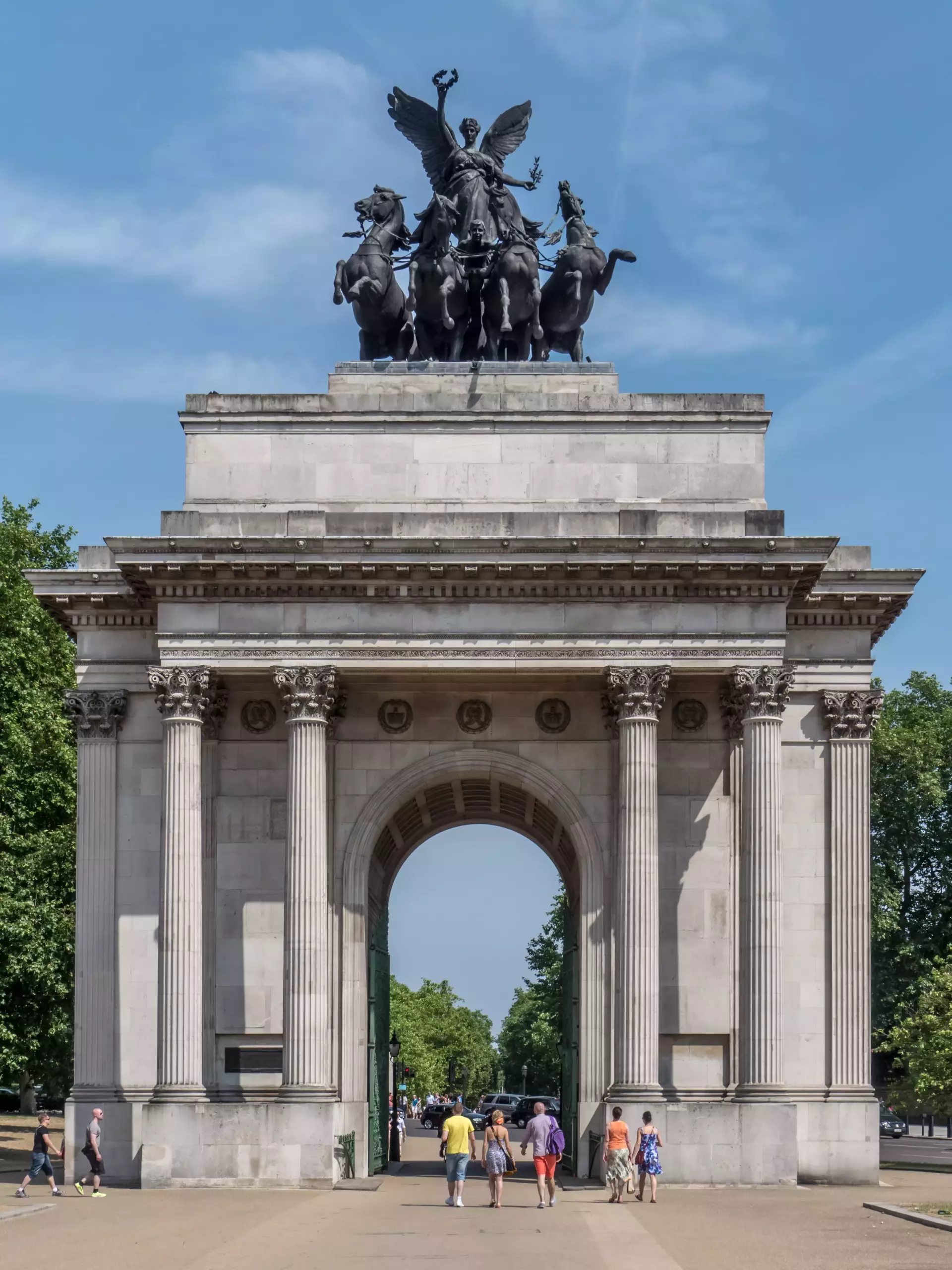
Equestrian statue of the Iron Duke, with four soldiers at each corner of the pedestal, representing regiments that fought under him: a Grenadier, Scottish Highlander, Irish Dragoon, and Welsh Fusilier. The bronze came from melting down captured French cannons.
Art deco headquarters of University of London featured in the film Nineteen Eighty-Four.
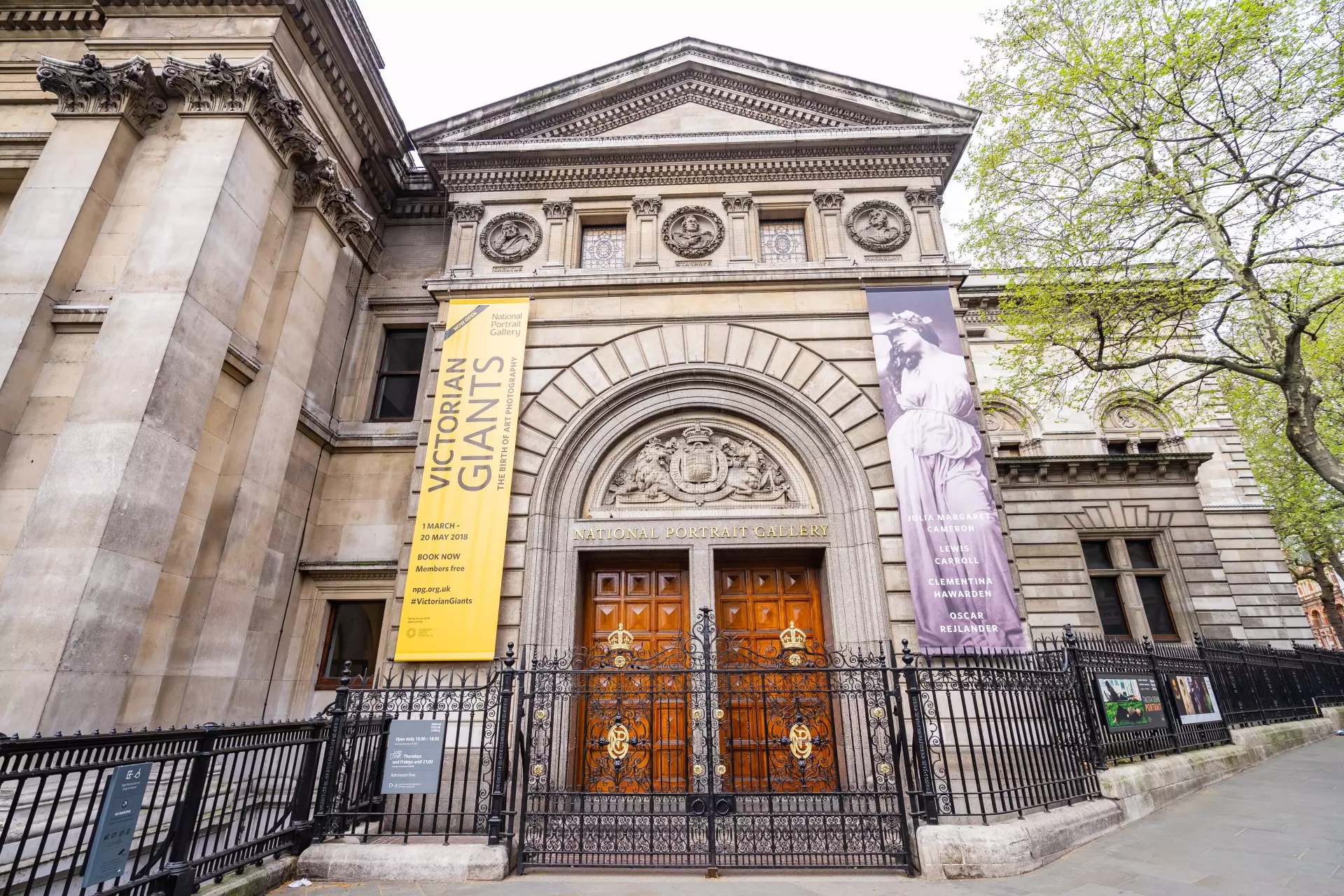
The main, central square of London, Trafalgar Square is associated with celebration and demonstration - it is the site of London's lacklustre New Year celebrations, and in 2003 was the site of the triumphant homecoming of the British Rugby team from the World Cup, and a centre for demonstration against Britain's involvement in the Iraq War. The square has been associated with the many hundreds of pigeons that used to be found here, but in 2003 a bylaw was passed to make it illegal to feed them. Nelson's Column, surrounded by the four bronze lions can be found here, on the south side of the square. The north-west plinth in the square was intended to hold an equestrian statue of William IV, but remained bare since 1841 due to insufficient funds. Since 1999, it has been used to display controversial contemporary sculpture. Houses the British national collection of western European art dating from the 13th to 19th centuries. A truly awe-inspiring collection, notable works include Hans Holbein's The Ambassadors, Van Gogh's Sunflowers and Constable's The Haywain. The vast majority of art is free of charge to visit. Temporary exhibitions are generally fairly costly, but invariably well researched and presented. The audioguides are very comprehensive, have comments on most of the paintings in the museum, and are free though this fact is not advertised. A donation is suggested. In addition to courses, workshops, lectures and other events, the National Gallery has free talks and tours every day. The National Portrait Gallery is just around the corner from the National Gallery and is an entertaining way to learn about British history since the Tudors. Visitors walk around the gallery chronologically, viewing portraits of notable figures from British history - from Henry VII, painted by Hans Holbein, to Blur, painted by Julian Opie. The High Commission of Canada immediately opposite to Trafalgar Square maintains a regular art exhibition featuring Canadian artists.
After visiting the two Houses, visitors pass back through St. Stephen's Hall, and through Westminster Hall. Westminster Hall is one of the few areas of Parliament in which photography is permitted, and it is a very impressive place, dating back to the 9th century. Plaques on the floor mark where the bodies of deceased members of the royal family and other distinguished individuals granted the privilege by the British government lay in state (most recently Queen Elizabeth II in 2022), and significant events which took place in the hall (such as the trial of King Charles I).
A Victorian school, now a university with a mission to advance knowledge of the fine arts. Exhibitions are common. Times and admission charges vary but can often be free, although visitors may need to book tickets to certain events.
Dr Samuel Johnson was the highly distinguished 18th-century "man of letters", best known for his comprehensive English Dictionary of 1755, but also for his prolific output of poems, essays and novels. Something of a "hidden gem", this small, independent museum is dedicated to him—and, with its historic interiors, paintings and prints, personal effects and other exhibits—gives an impression of what it might have been like during his occupancy from 1748 to 1759. Built in 1700, this impressive period building—a rare example of its kind in the area—survived the brutal onslaught of the Blitz during World War II and is now maintained in excellent condition.
The Wallace Collection is one of the world's finest private art collections, the best known of which is Frans Hals's work The Laughing Cavalier. Other artists on display include Rembrandt, Titian, Poussin, and Reynolds. This is well worth escaping to after the hustle and bustle of Oxford Street.
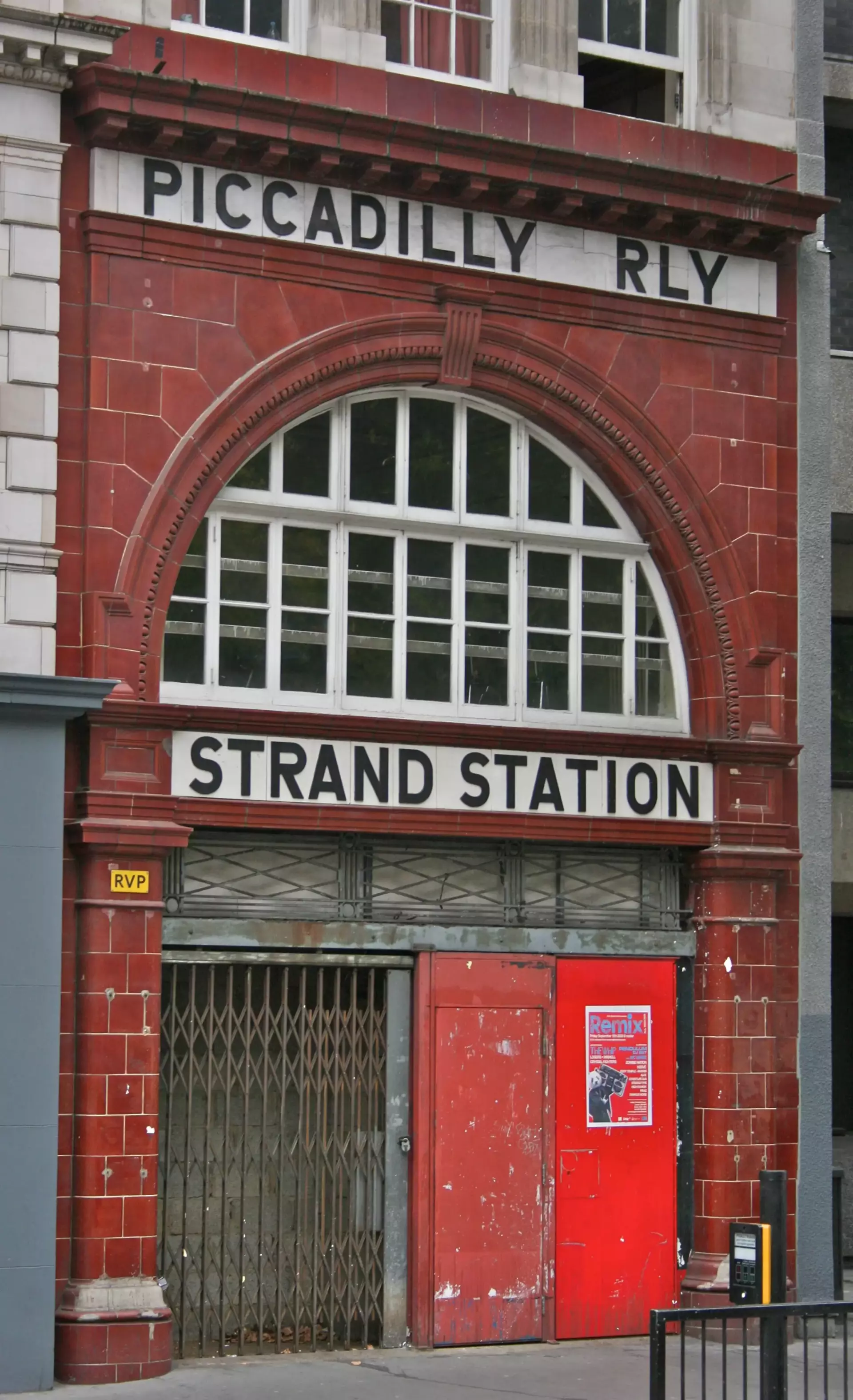
The TfL-backed Hidden London offers tours around the disused Aldwych tube station which had its own branch on the Piccadilly line. The tour explains the station's unusual history including its use for protection (for both people and historical artefacts held by the British Museum) from the Blitz during WWII. More recently, it was used as a filming location and for testing station equipment and decor. Of note, it was used for filming James Bond: Die Another Day, V for Vendetta and the Prodigy music video for Firestarter. Tours are roughly an 1 hour and 15 minutes long, wear sturdy shoes (not sandals).
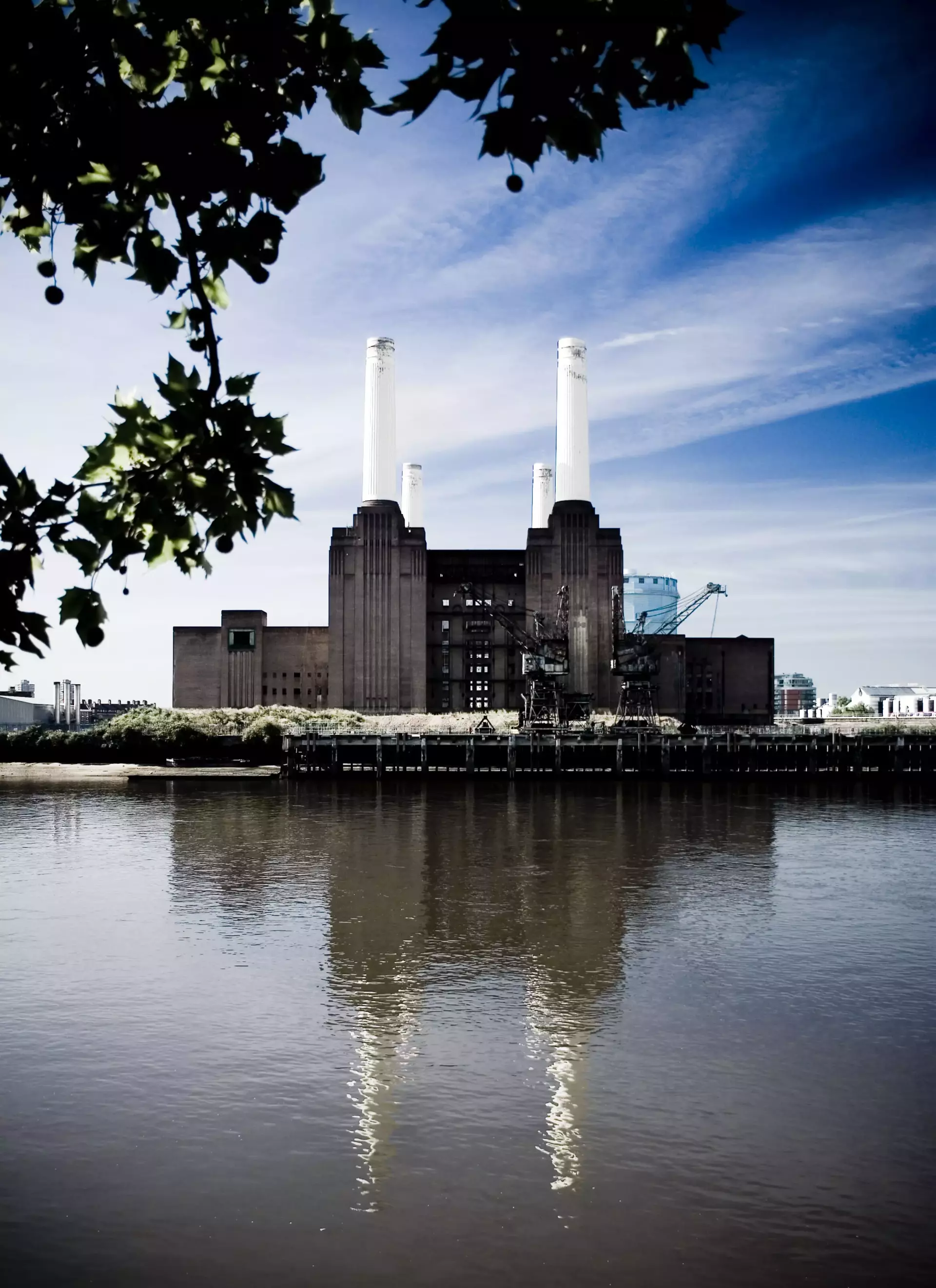
This is a high part of the Heath with clear open vistas, and the views looking south over the city are quite wonderful. Highly recommended on a clear morning, when you can see from Canary Wharf in the east all the way to Battersea Power Station in the west.
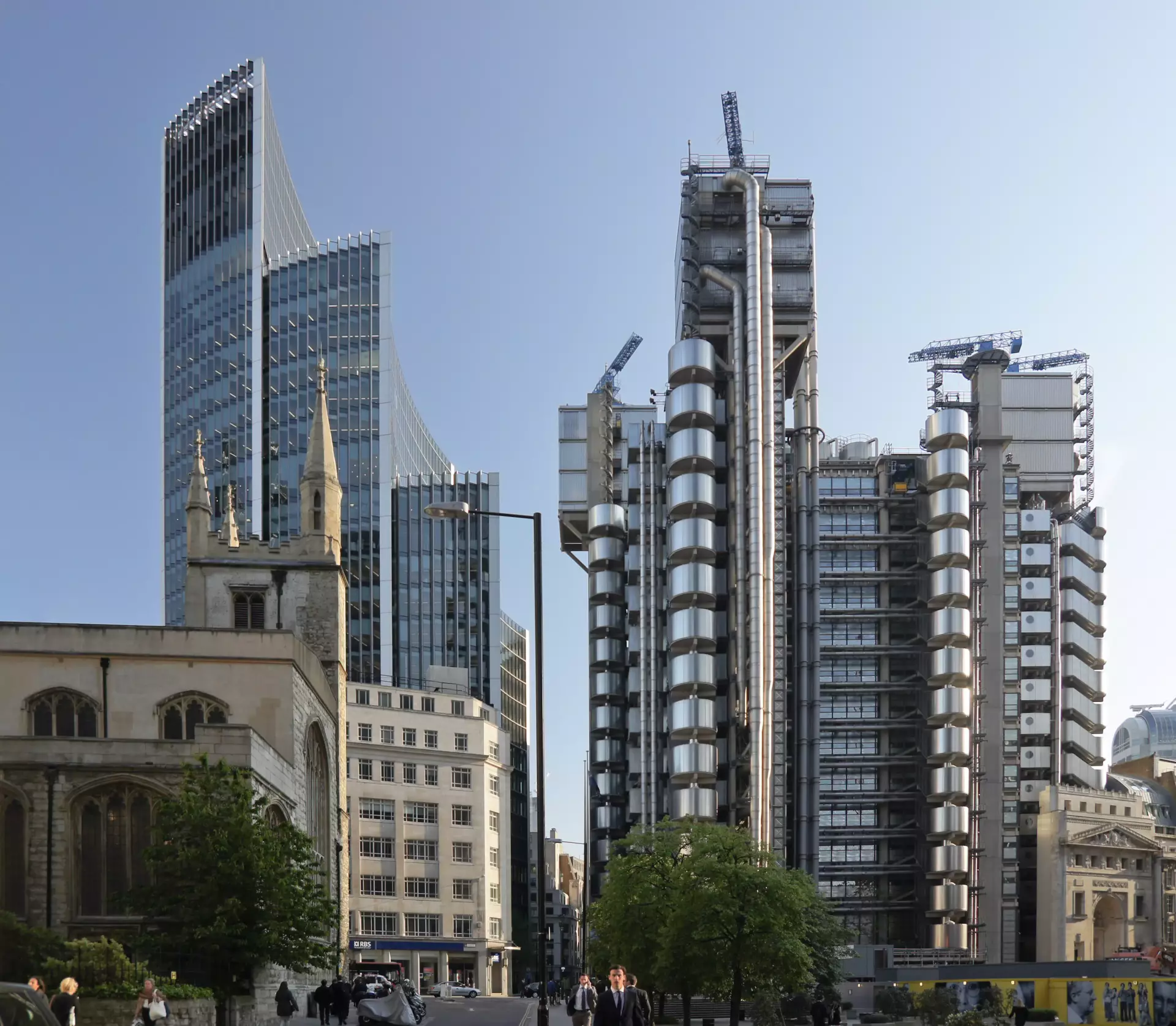
The headquarters of world's most famous insurance market, housed in a revolutionary (at the time) bizarre, Matrix-like glass-and-steel building designed by Richard Rogers, with all support services (lifts, ventilation, etc.) suspended outside. Recognised as a masterpiece of exoskeleton architecture.
A medieval church that was rebuilt in the late 18th century, noted for its well-preserved interior. The former churchyard was converted into a public space in 1880, called Postman's Park as it was frequented by workers from the nearby Post Office headquarters.
This small tower across the road from the Houses of Parliament is the only part of the original Palace of Westminster still standing. While it is overshadowed in splendour by the surrounding buildings, it's well worth a visit, and has good displays about the early history of Westminster.
Not as popular with tourists as St Paul's north of the river, Southwark Cathedral has been the site of worship since the year 852. Literally in the shadow of London Bridge, the Cathedral is a shelter from the noise of the city. Next to the Cathedral is the Borough Market open Th-Sa with a wide range of speciality food to buy, a good area for lunch.