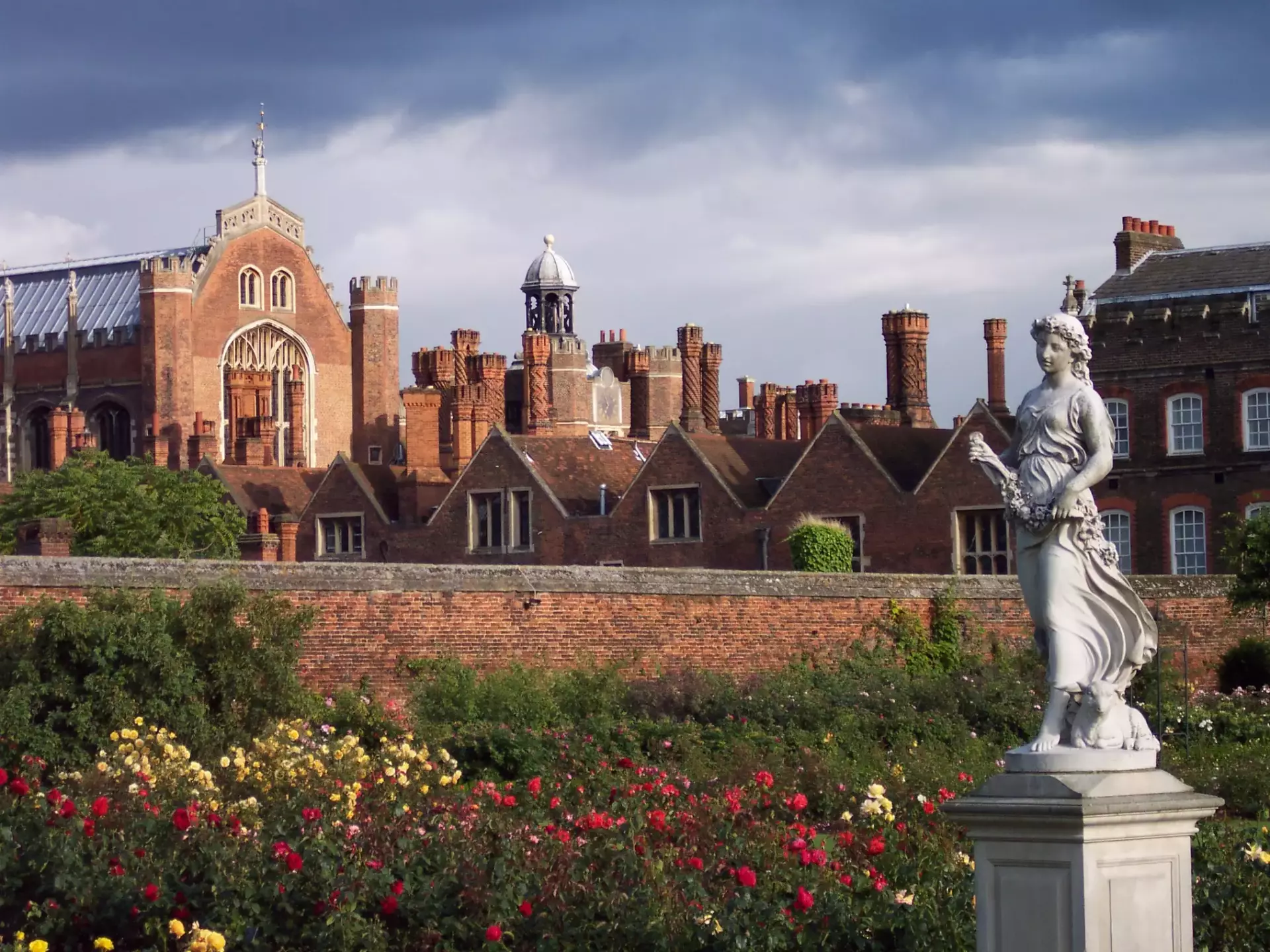
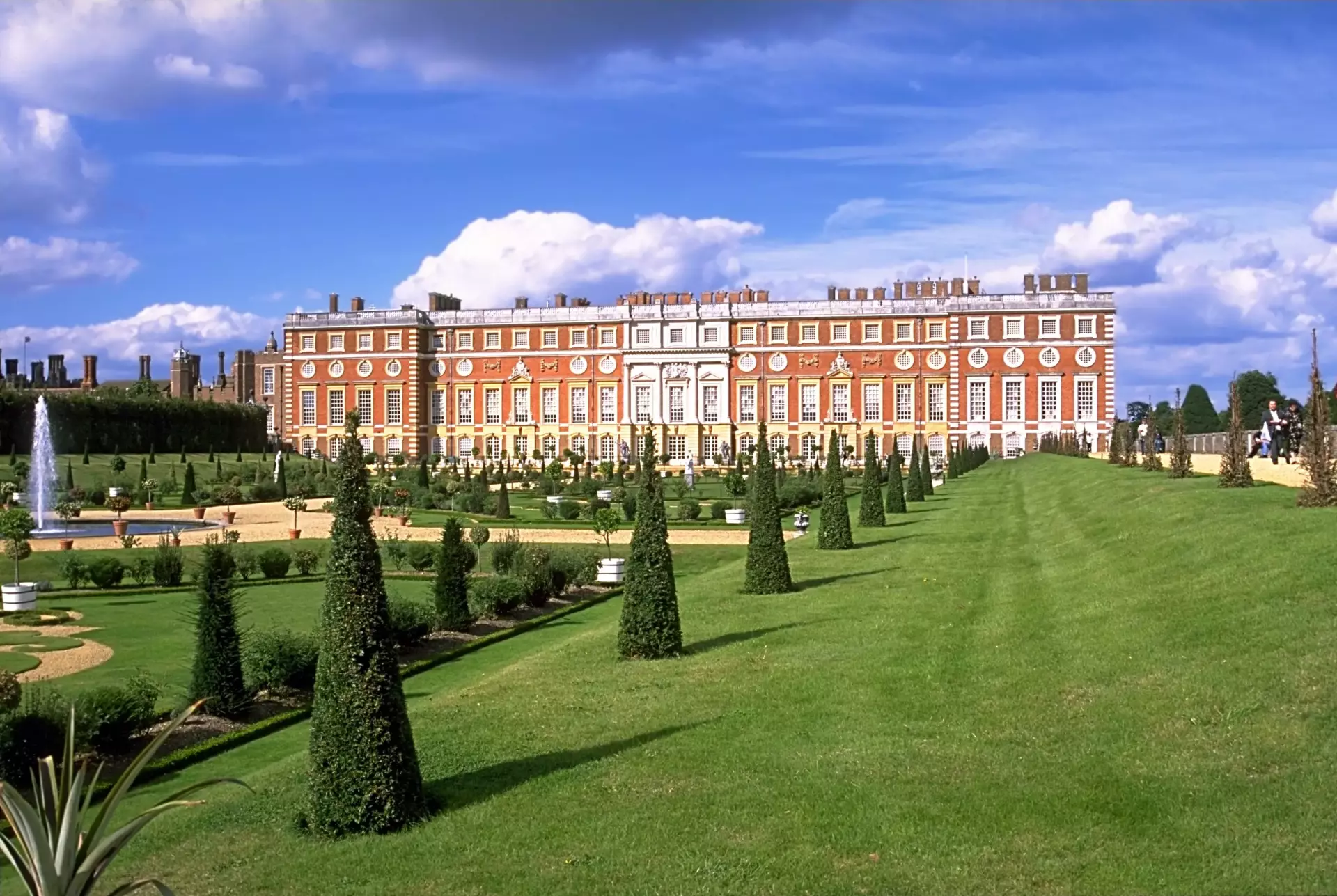
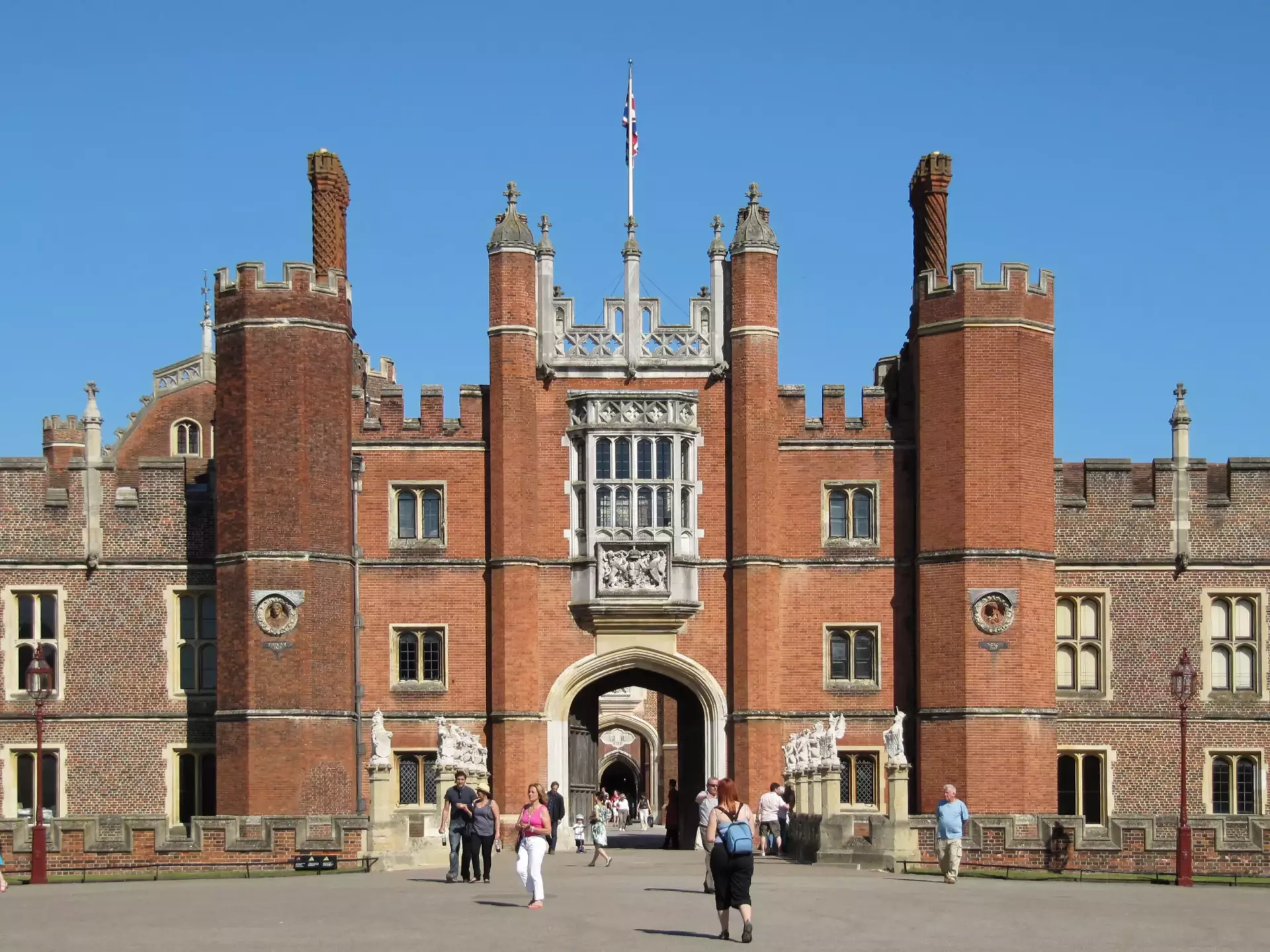
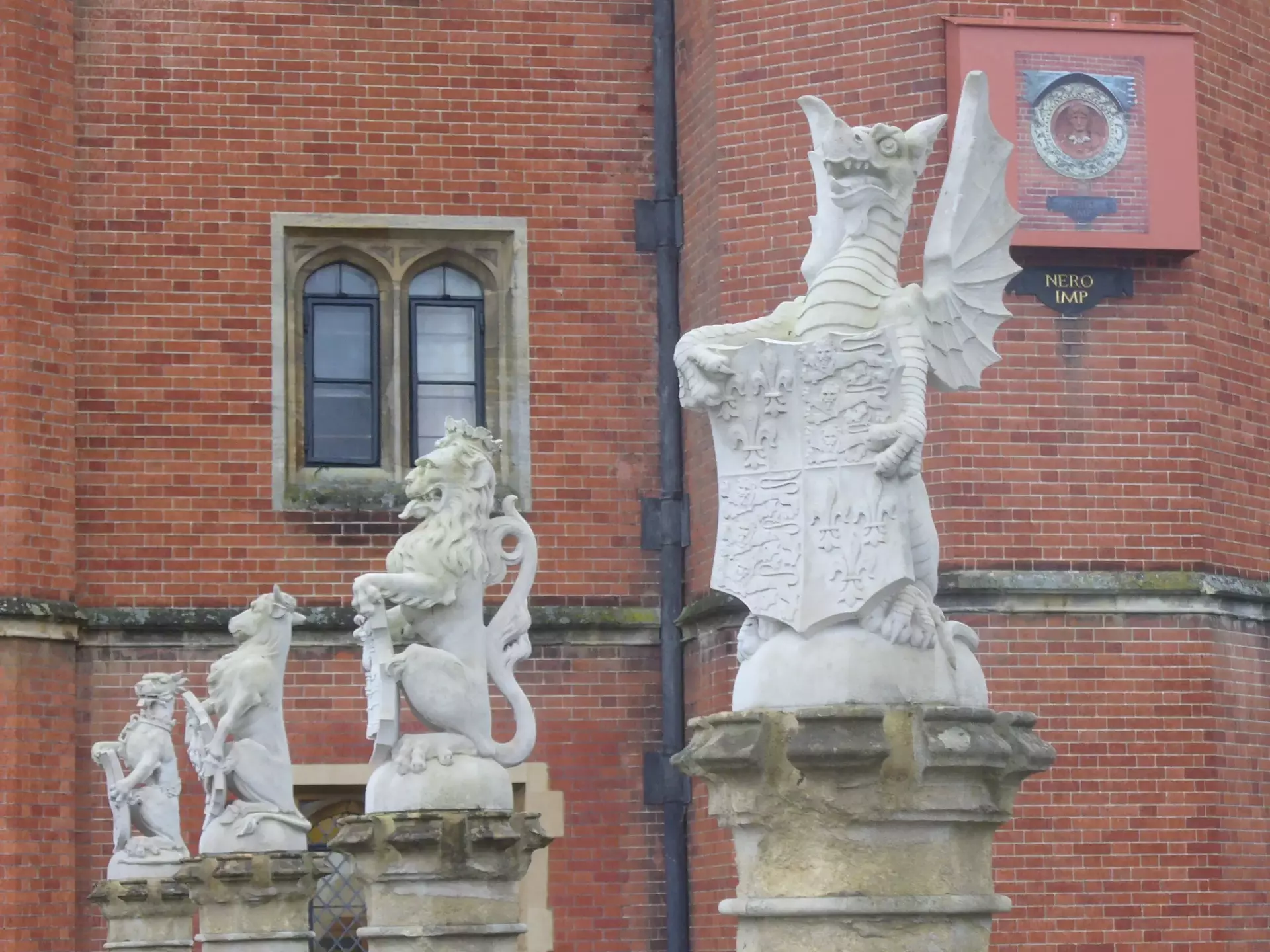
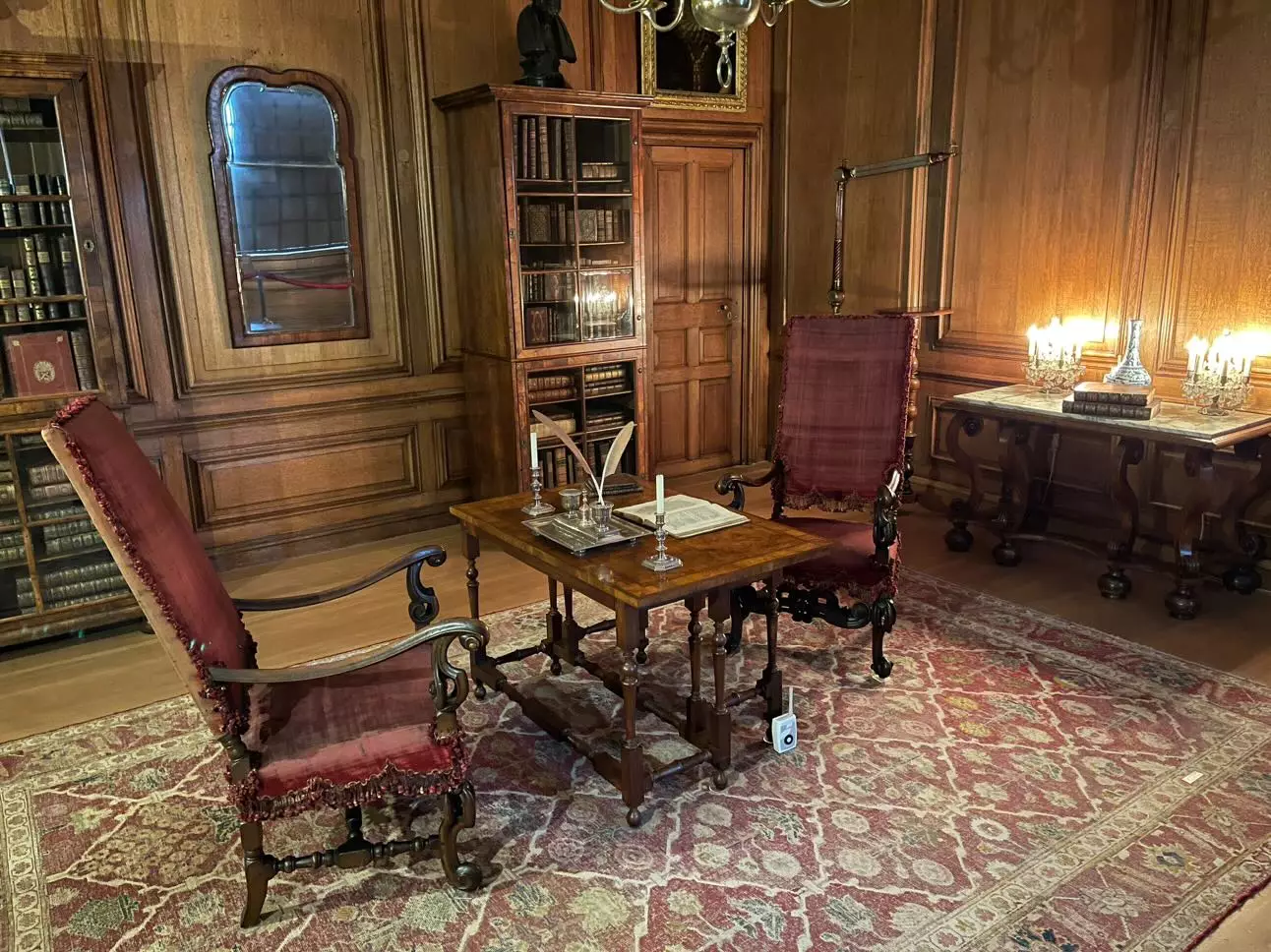
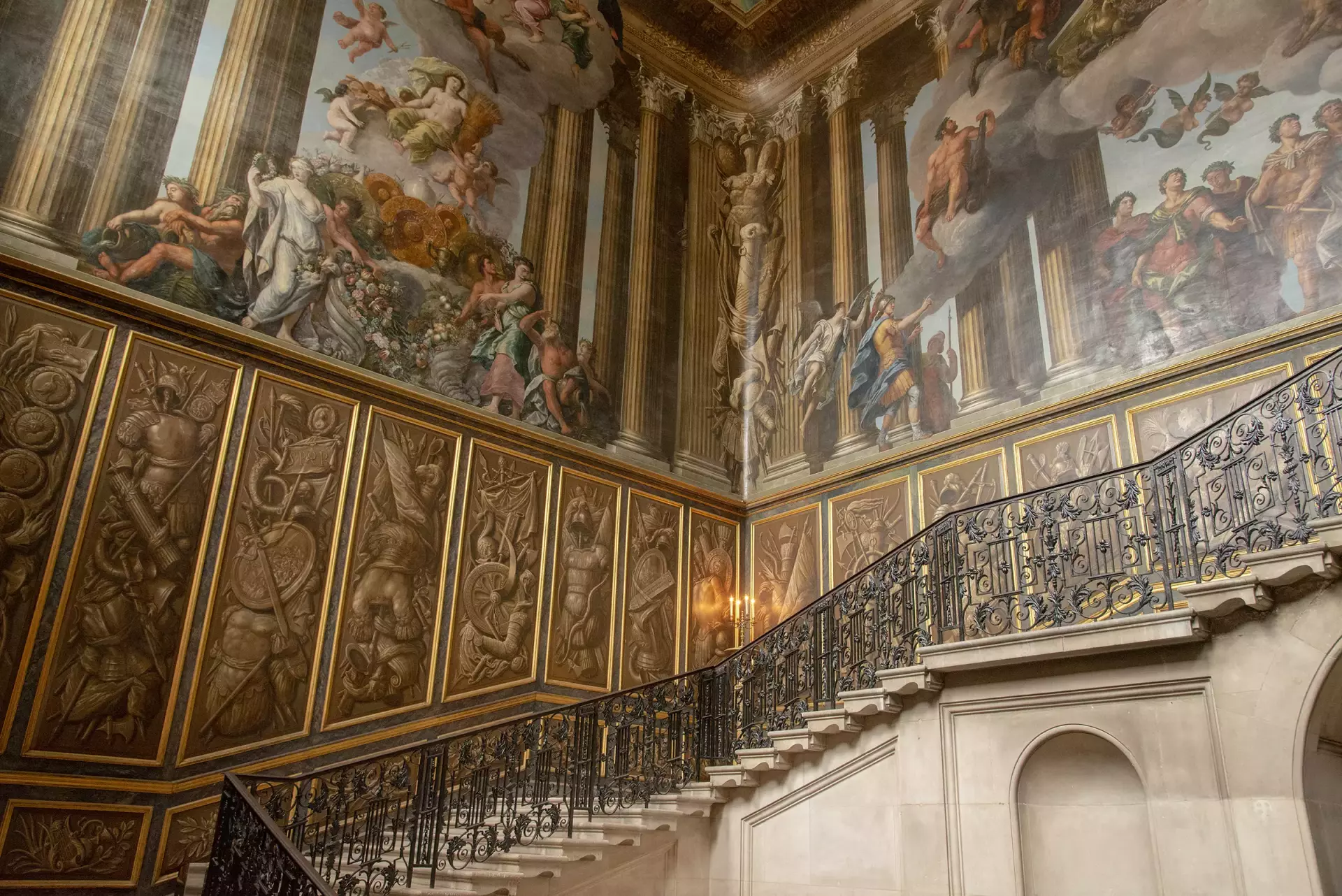
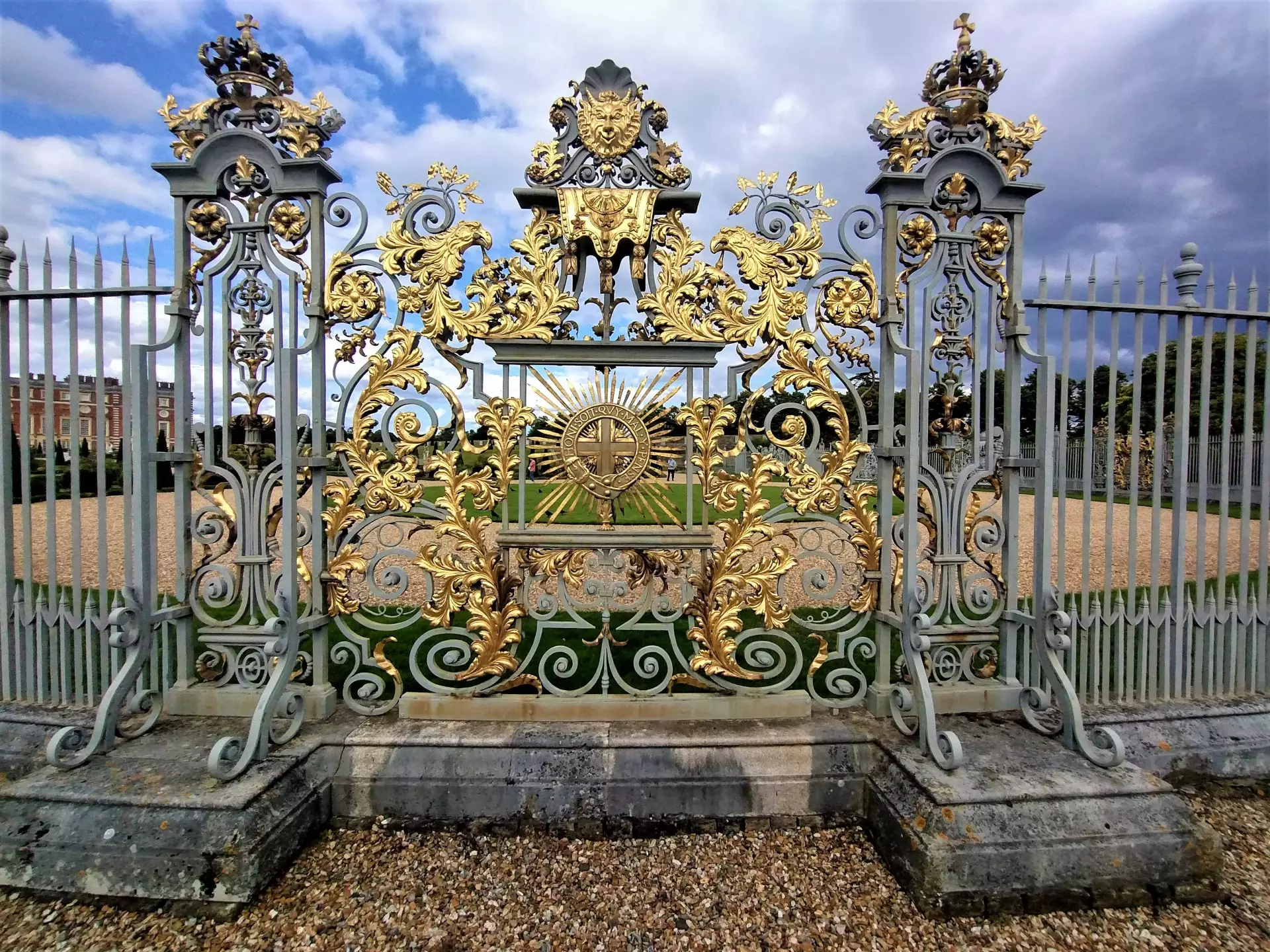
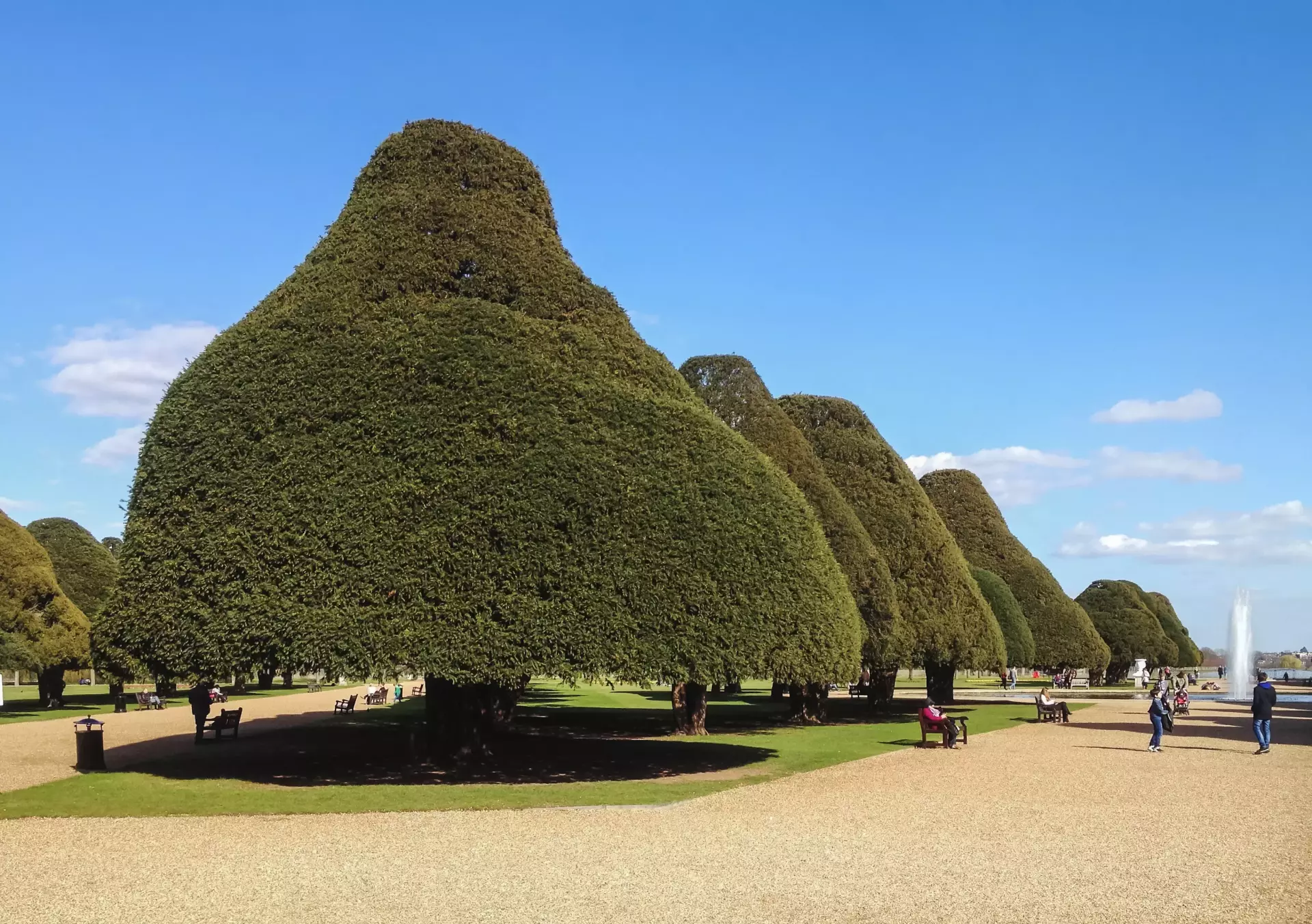
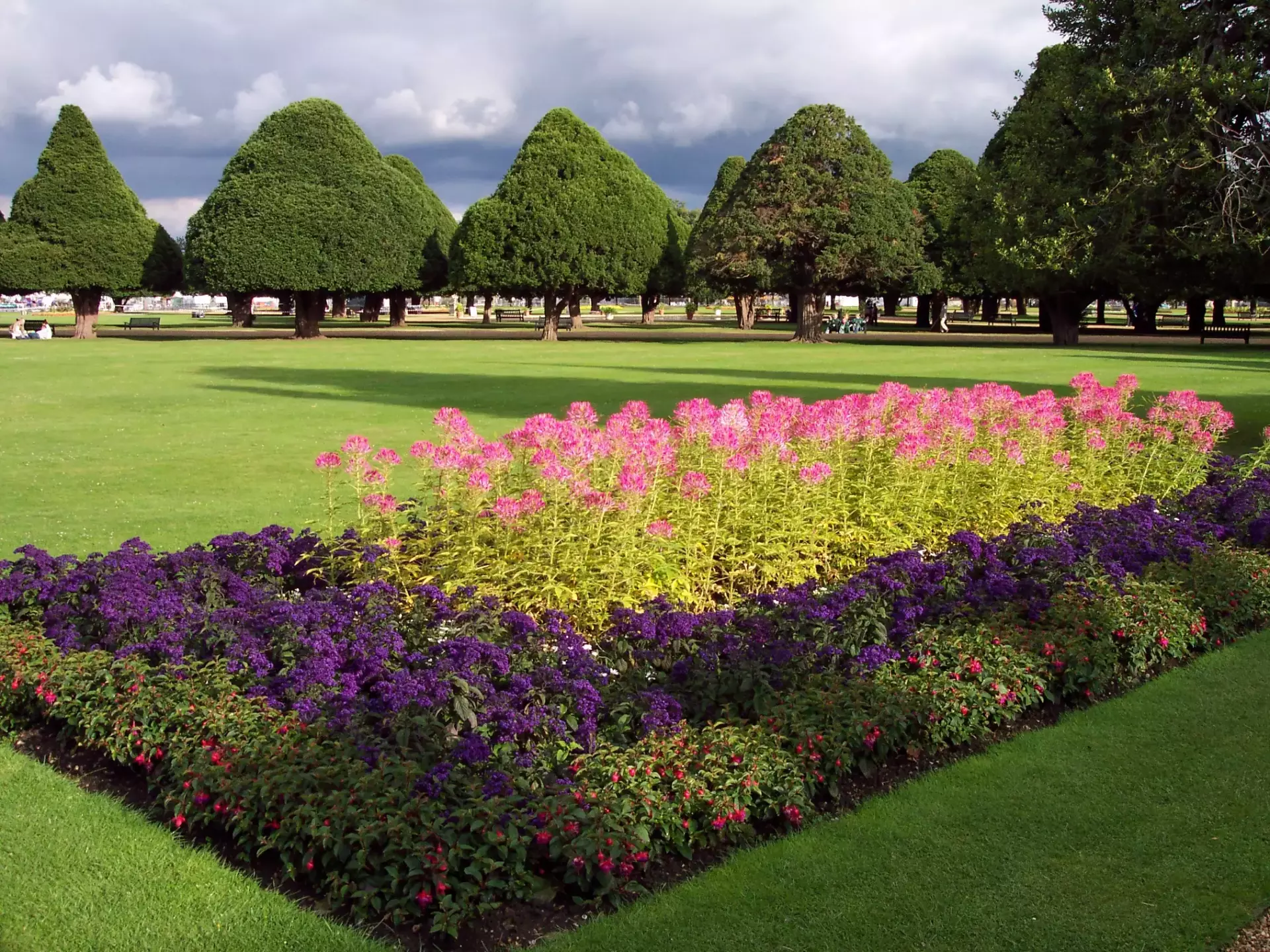
Hampton Court Palace, once the grand residence of English monarchs like Henry VIII, now invites the public to explore its remarkable history. Visitors can easily spend an entire day wandering through its numerous attractions, each offering a glimpse into the past.
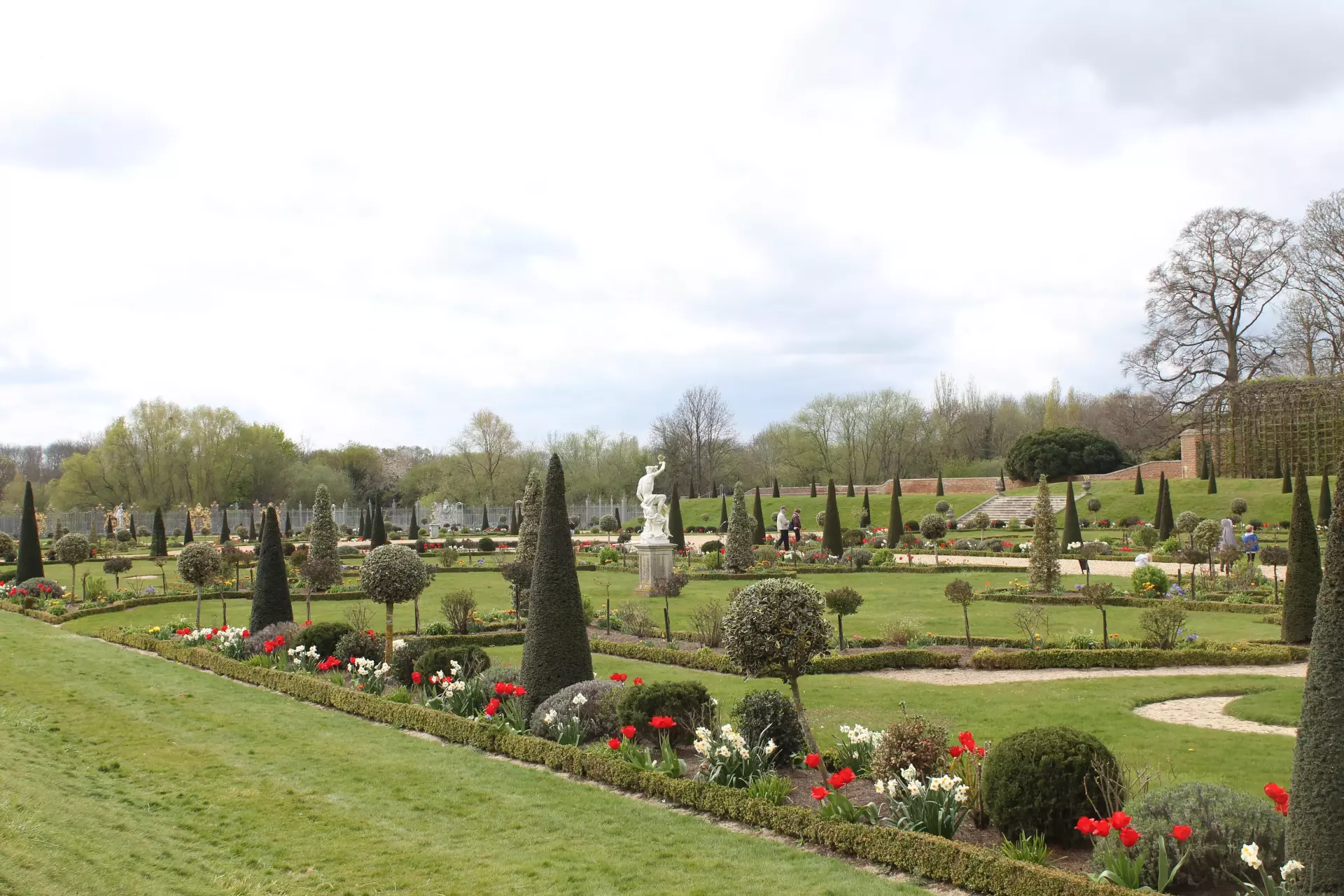
The palace boasts an impressive 60 acres of gardens, perfect for a leisurely stroll. One of the highlights is the famous maze, a challenging yet fun activity that has attracted adventurers for centuries. The gardens provide a serene backdrop to the palace's grandeur, offering both beauty and tranquility.
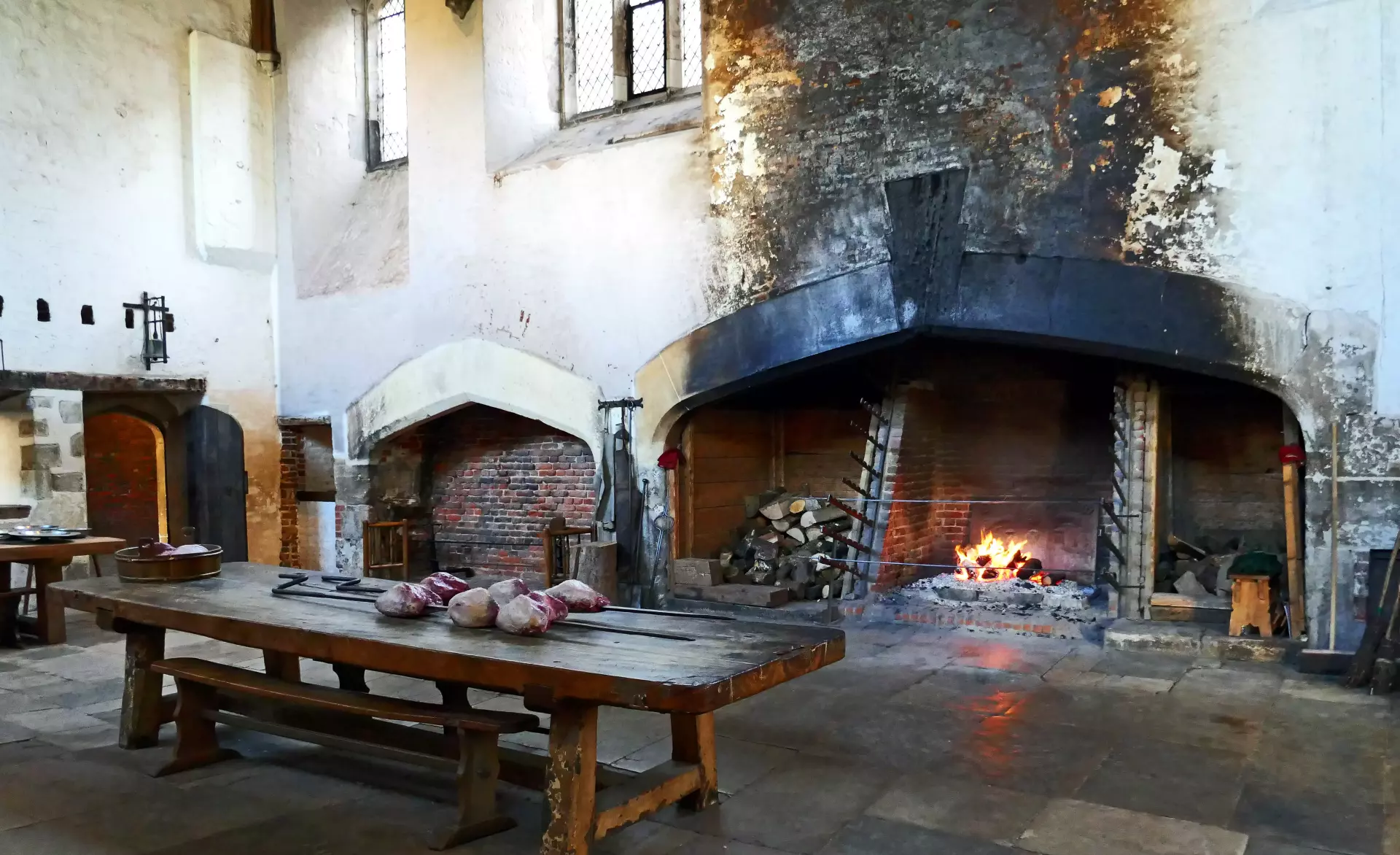
The Tudor kitchens offer a fascinating insight into the culinary world of the past. Here, the hustle and bustle of preparing grand feasts for royalty comes to life. Visitors can imagine the aromas and sounds that once filled these historic kitchens.
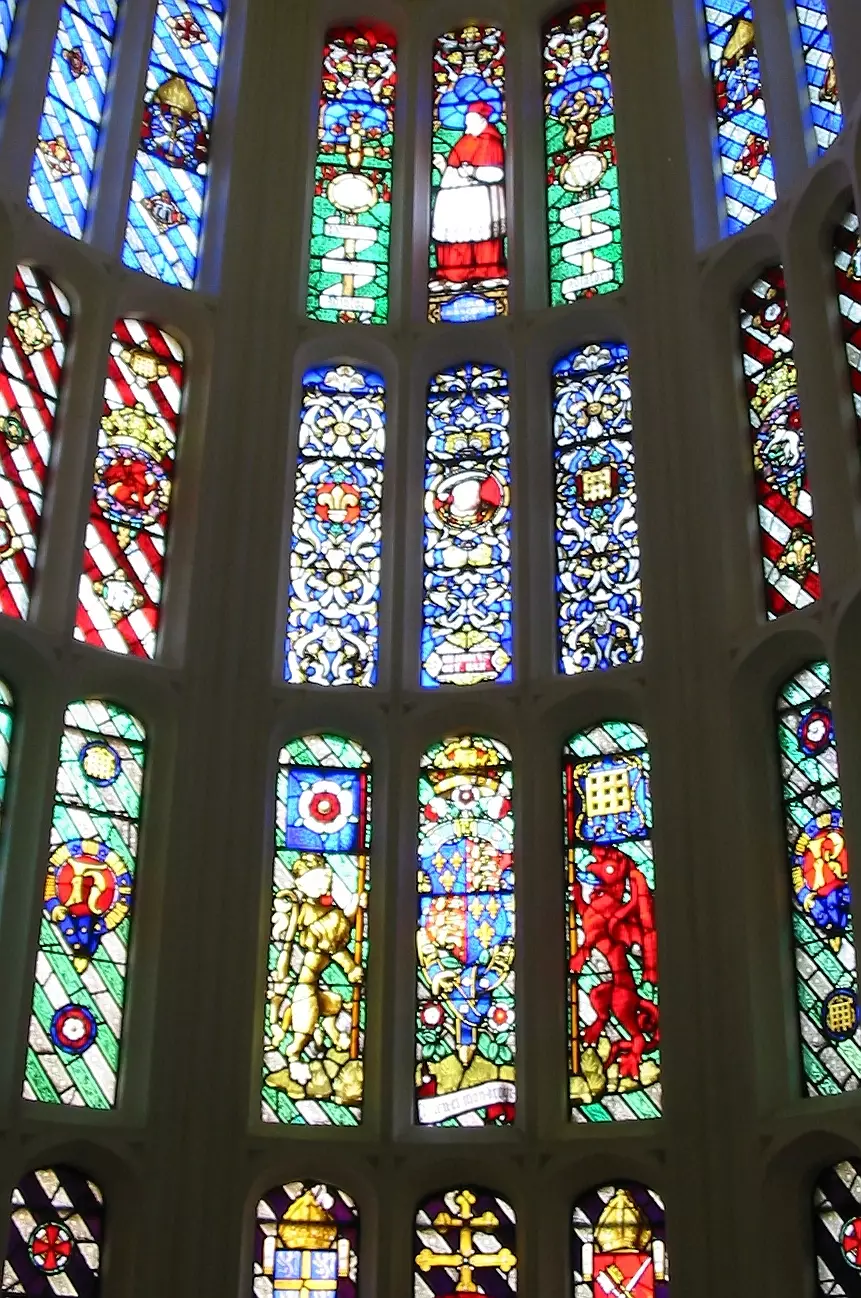
The Chapel Royal is another notable site within the palace, showcasing stunning architecture and a sense of spiritual grandeur. With its rich history, the chapel continues to be a place of reflection and awe.
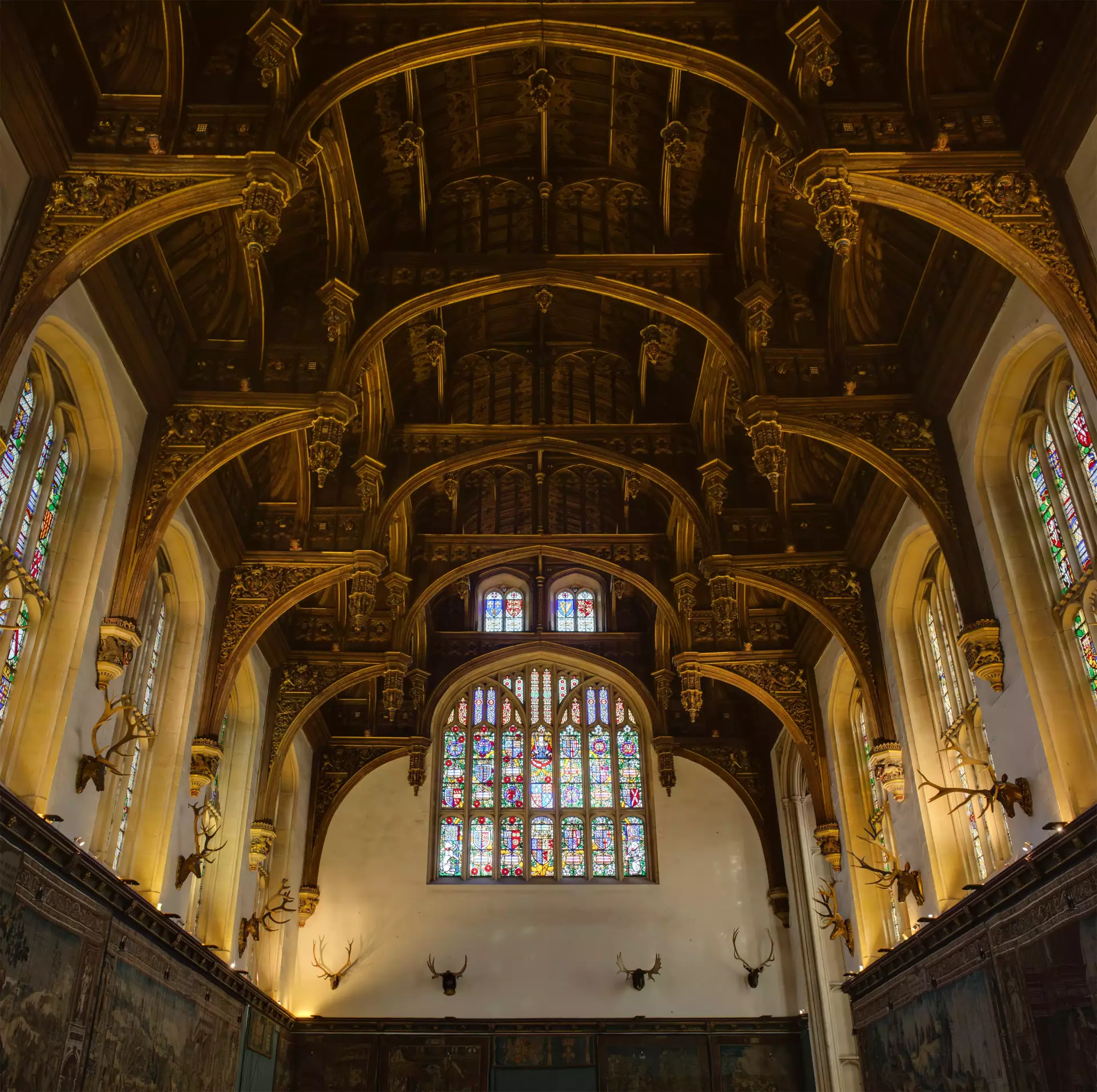
Inside the palace, the Great Hall stands as a testament to Tudor opulence. This magnificent room, once hosting extravagant banquets and royal gatherings, captivates with its impressive hammer-beam ceiling and historic tapestries.
Mantegna's Triumphs of Caesar paintings add an artistic dimension to the palace experience. These masterpieces offer a glimpse into the grandeur of past empires and the artistry of the Renaissance era.
Various exhibitions dedicated to Henry VIII provide deeper insights into the life and times of one of England's most famous kings. Through artifacts and displays, visitors can discover stories of power, politics, and personal life that shaped his reign.
Source - https://en.wikipedia.org/wiki/Hampton_Court_Palace
There are three notable outdoor bathing ponds on the heath. The Men's Pond and Women's Pond are both part of the line of small lakes on the eastern edge of the heath known as Highgate Ponds, and the Mixed Pond is part of Hampstead Ponds on the opposite side. Swimming hours are seasonal, complicated, age-dependent and change frequently, so it is worth checking before making a special trip.
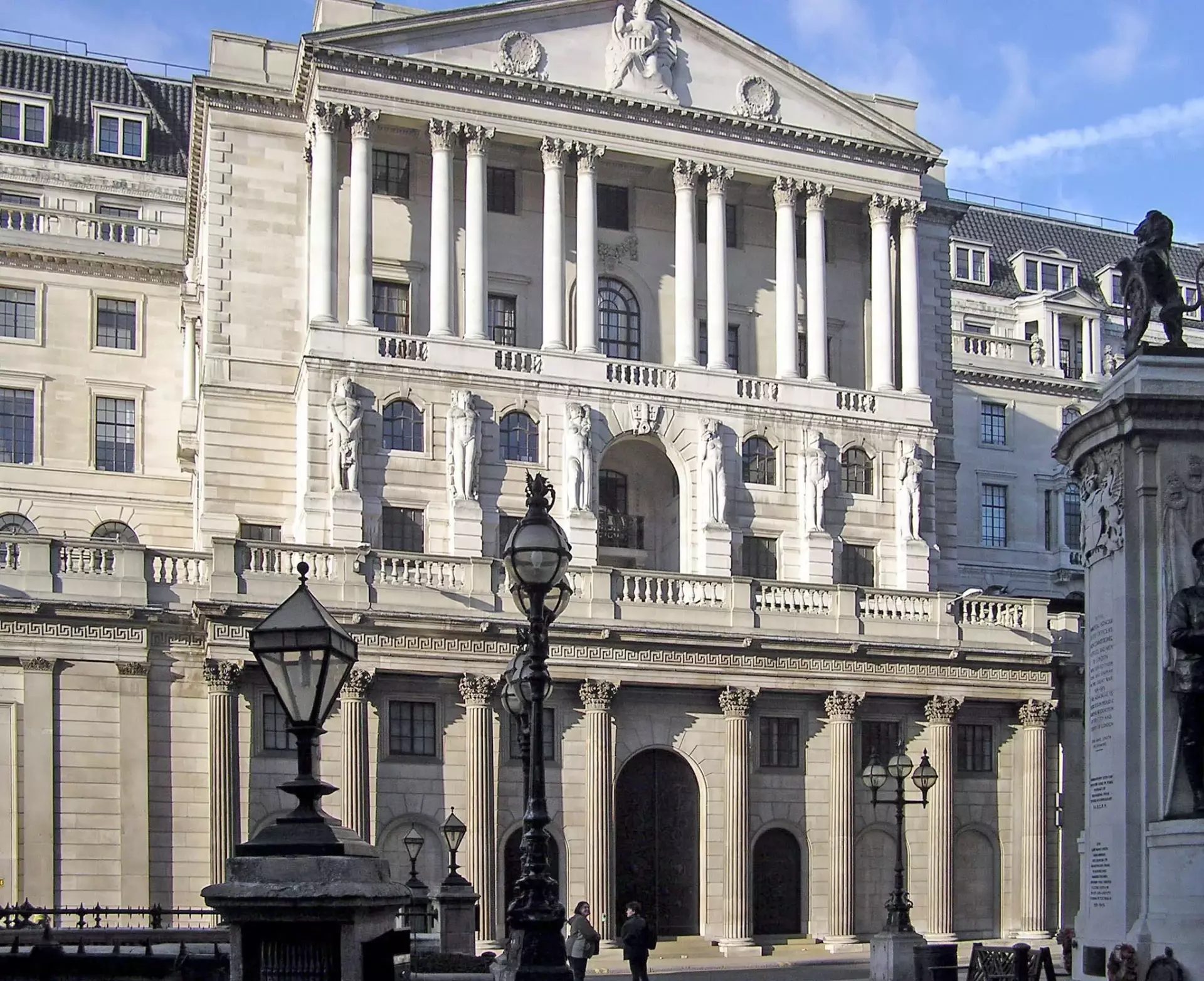
Charts the history of the bank from 1694 to the present day. A highlight is the opportunity to handle a genuine bar of gold. Photography allowed, but no flash.
A treasure trove of antique toys exhibited in a warren of 6 rooms above the toy shop of the same name. A very charming place indeed, though the doll rooms are a bit gruesome.
A memorial made out of 52 stainless steel columns representing each of the 52 victims who died in a series of terrorist attacks in the London bombings on July 7th, 2005.
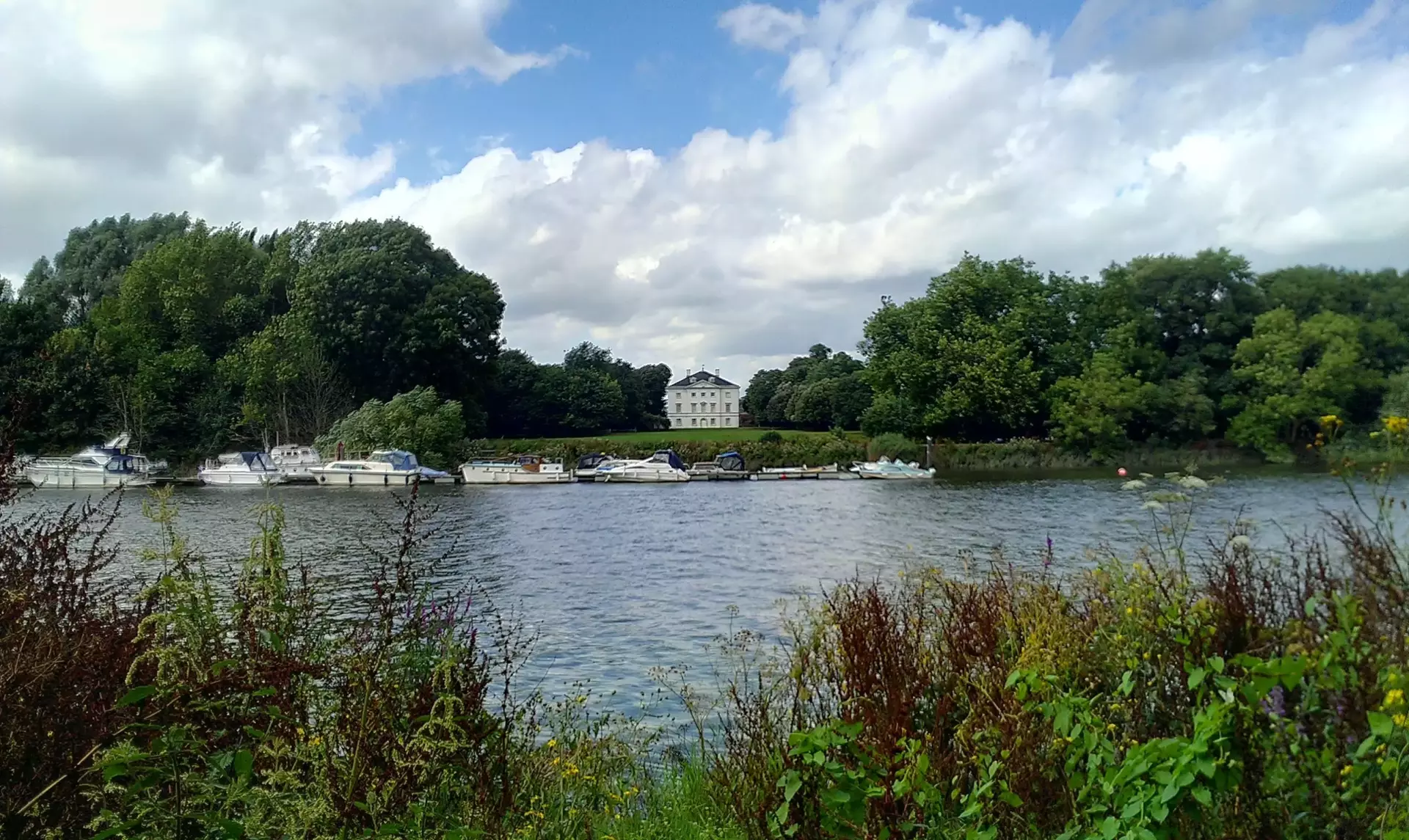
The Duke and Duchess of Lauderdale's elegant 17th-century manor house, a mile or so upriver from Richmond riverside.
Fine stone bridge linking Twickenham/St Margarets with Richmond. It is the oldest surviving Thames bridge in London, dating from 1777.
Includes a small but beautiful quad and an interesting Neo-Classical facade. The core buildings of UCL were built after the university's foundation in 1826.
A retirement home for soldiers created by King Charles II. Tours around the listed building and grounds are regular and include the museum (which can be visited separately) whose exhibits contain military memorabilia donated by Chelsea Pensioners over the years.
The National Portrait Gallery is just around the corner from the National Gallery and is an entertaining way to learn about British history since the Tudors. Visitors walk around the gallery chronologically, viewing portraits of notable figures from British history - from Henry VII, painted by Hans Holbein, to Blur, painted by Julian Opie.
The former home of Sigmund Freud. A wide range of exhibits, most famously including the psycho-analytic couch that all of his patients used. Freud was an avid collector of antiquities and there is a fine collection of Greek, Roman and Oriental pieces on show.
Site of the London residences for the Prime Minister (No. 10) and the Chancellor (No. 11).
The second biggest greenhouse in London, containing over 2,000 species of tropical plants as well as birds and fish.
An enormous, 135-metre-high observation wheel with 32 exterior glass-walled capsules. It offers incomparable views over central London and up to 40 km (25 mi) away on a good day. Tickets are sold for specific times, so if visitors wish to go on the London Eye at a specific time, they are strongly advised to book in advance, particularly in the summer. On a busy day, you can easily spend 1-3 hr queuing just to buy a ticket. However, you can also purchase tickets in advance online. Then you can collect your tickets at the London Eye in a separate queue, which takes a few minutes or less.