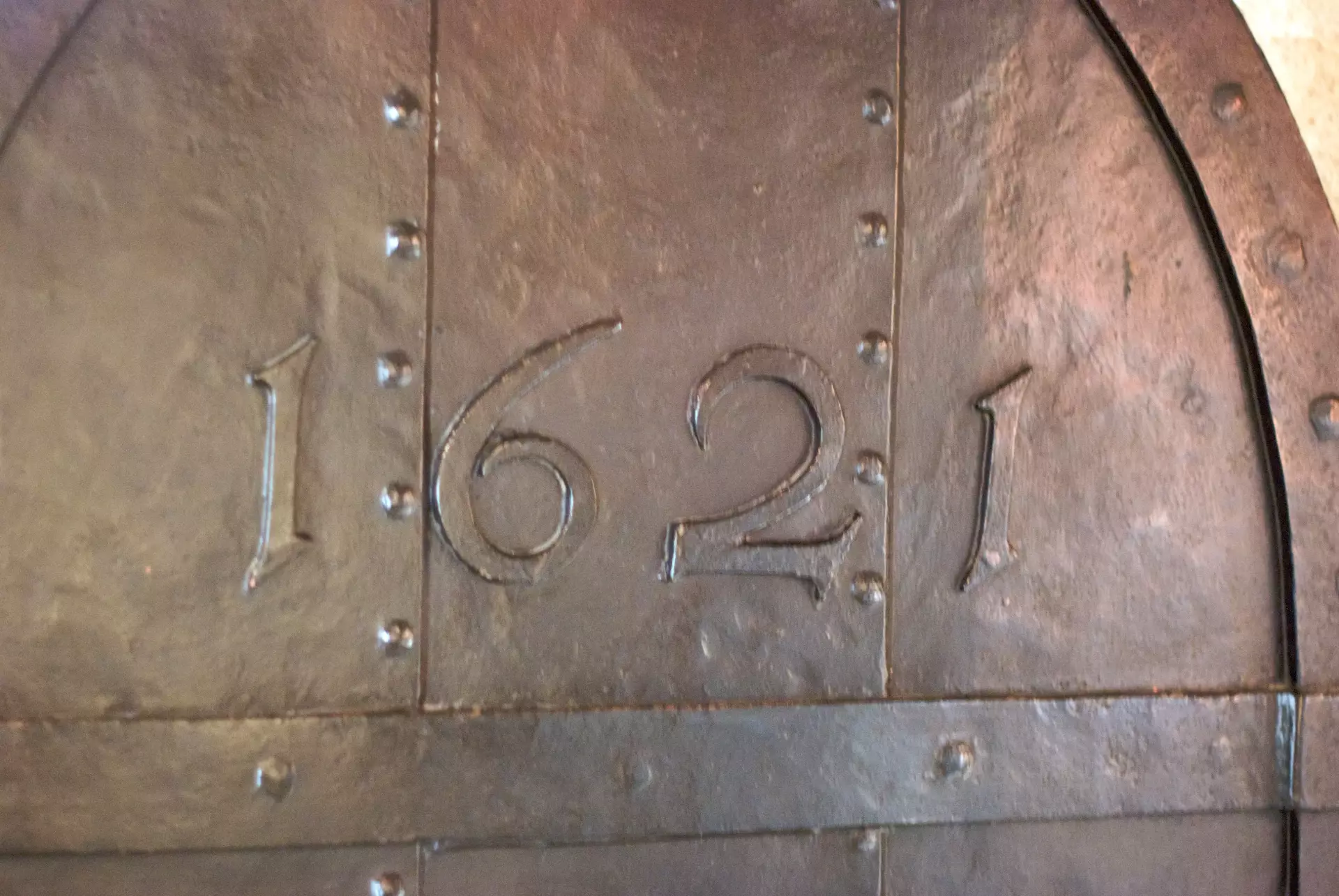
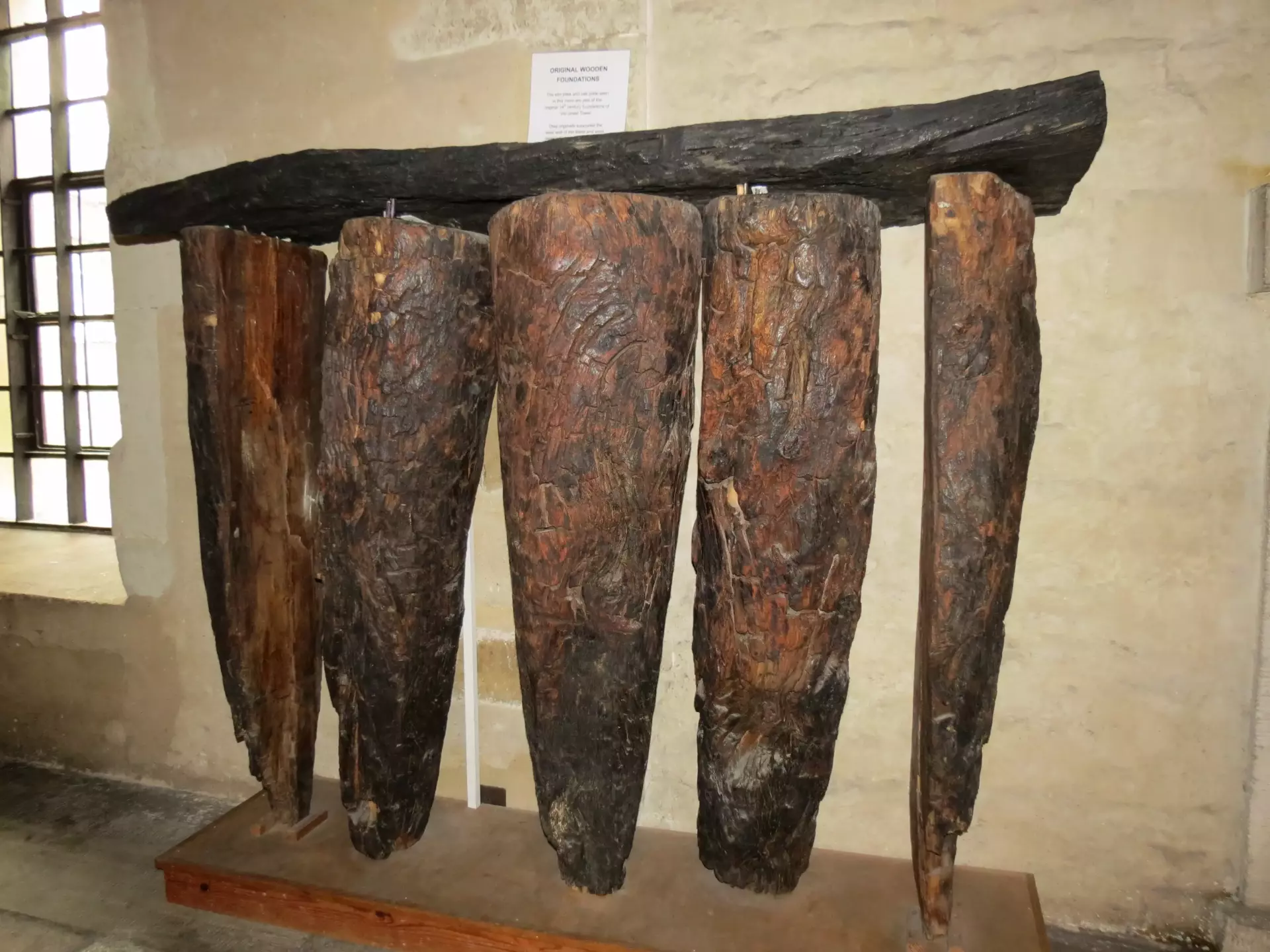
This small tower, situated just across the road from the Houses of Parliament, is one of the few surviving parts of the medieval Palace of Westminster. Although it may not match the grandeur of its surrounding buildings, it offers an intriguing glimpse into the past.
The Jewel Tower provides visitors with informative displays that explore the early history of Westminster and the development of Parliament. Managed today by English Heritage, its exhibitions bring to life the story of the medieval palace and its many transformations over the centuries. Despite being overshadowed by the more majestic structures nearby, this tower carries historical significance that is both captivating and educational.
Source - https://en.wikipedia.org/wiki/Jewel_Tower
More of an artificial stream than a fountain, flowing in an oval through an open grassy area which, in normal summers, is a popular paddling spot for children and grown-ups alike.
A vast collection of cartoons and comics on display with special, often topical, exhibitions.
The complex incorporates the Old Broad House built in 1930s. The façades of which feature the famous sculpture of Prospero and Ariel and the Ariel friezes by Eric Gill and Gilbert Bayes. BBC's The One Show is transmitted from the studio at the ground floor every weeknight starting from 7PM. The studio is quite visible from the plaza outside and some parts of the show are performed from outside of the studio – in the plaza.
Remains of the wall that surrounded the City of London for almost two thousand years. The parts around the Barbican are mostly Tudor due to maintenance (Roman remains can be seen in and around the Tower of London). Other local remains are the 51.5169-0.095833 Noble St wall fragment and the 51.5177-0.092234 St Alphage Gdns wall fragment.
Not as popular with tourists as St Paul's north of the river, Southwark Cathedral has been the site of worship since the year 852. Literally in the shadow of London Bridge, the Cathedral is a shelter from the noise of the city. Next to the Cathedral is the Borough Market open Th-Sa with a wide range of speciality food to buy, a good area for lunch.
A 900-year-old tree stump carved and painted to feature elves and small animals.
Formerly the teaching collection of Sir Flinders Petrie, one of Britain's greatest archaeologists, now preserved by University College London. Exhibits include beaded dresses, sculpture and wall reliefs, items of everyday use, papyri, cartonnage and pottery. Fascinating!
The remains of the once-magnificent palace, home to English kings since Edward I, adjoin Richmond Green, a pleasant open green space and historic cricket ground. Only the Gate House and Wardrobe, now converted into flats, remain.
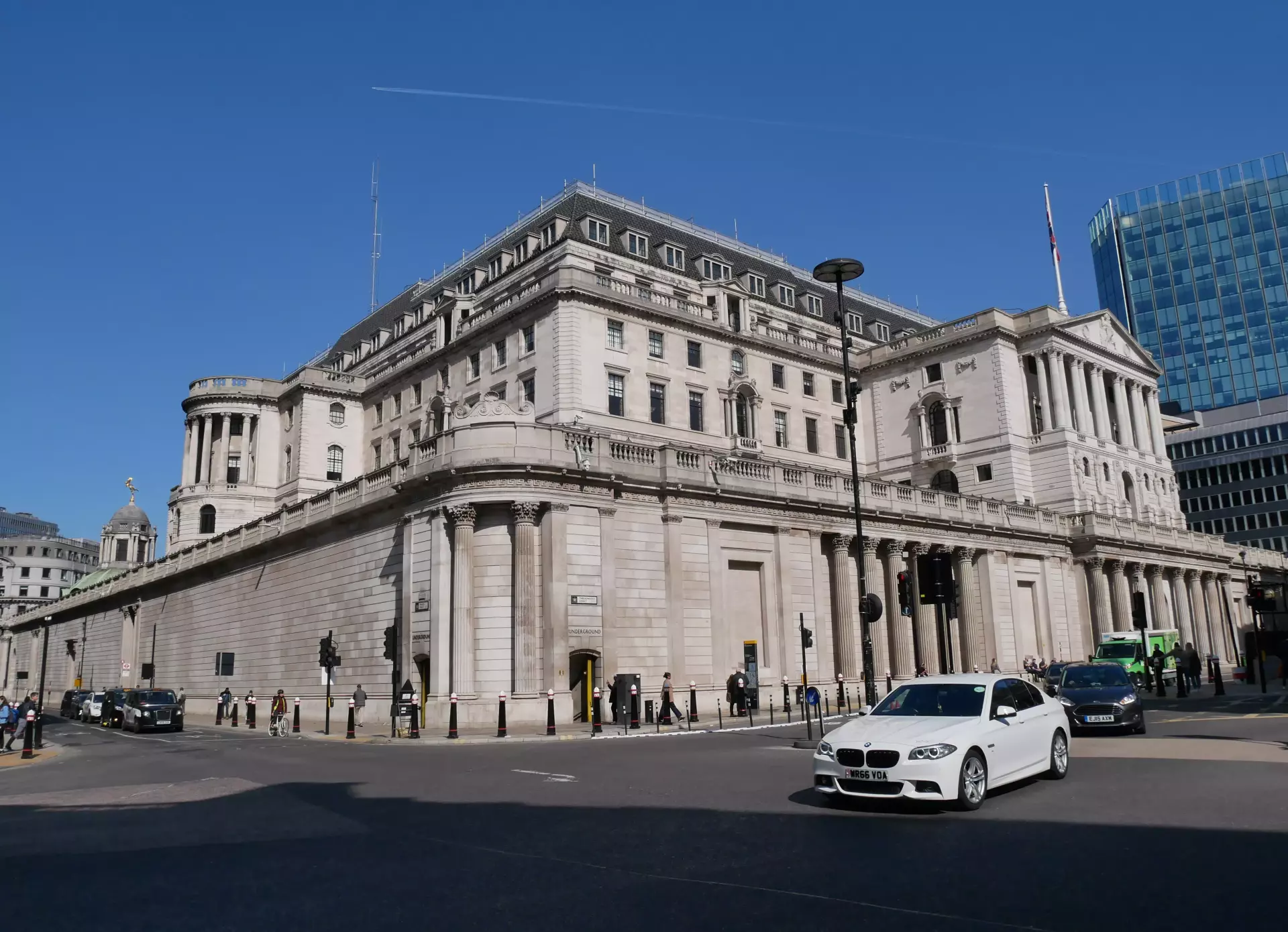
Charts the history of the bank from 1694 to the present day. A highlight is the opportunity to handle a genuine bar of gold. Photography allowed, but no flash.
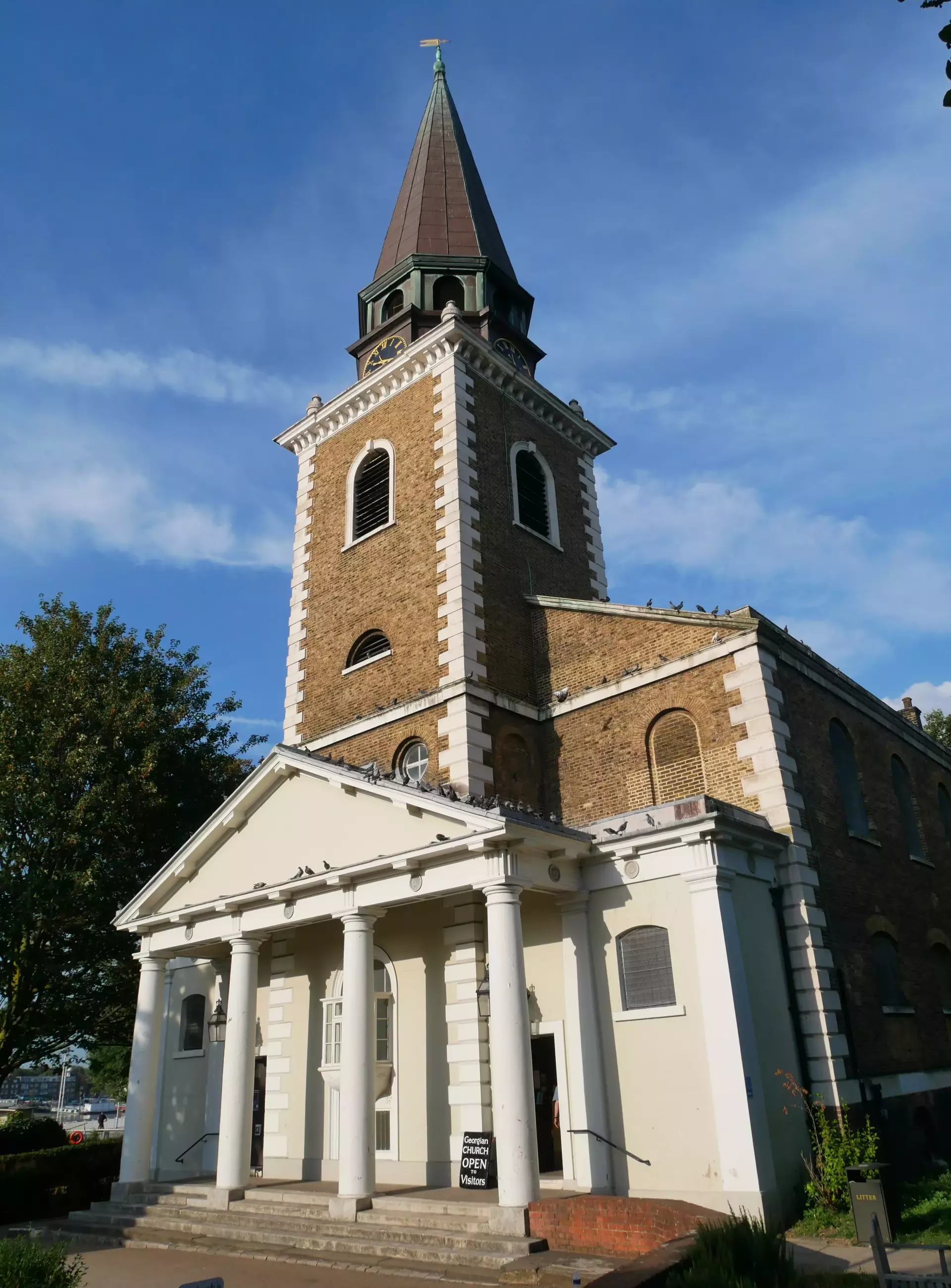
Park overlooking the river, with the local war memorial. Be careful at high tide, as it may flood.
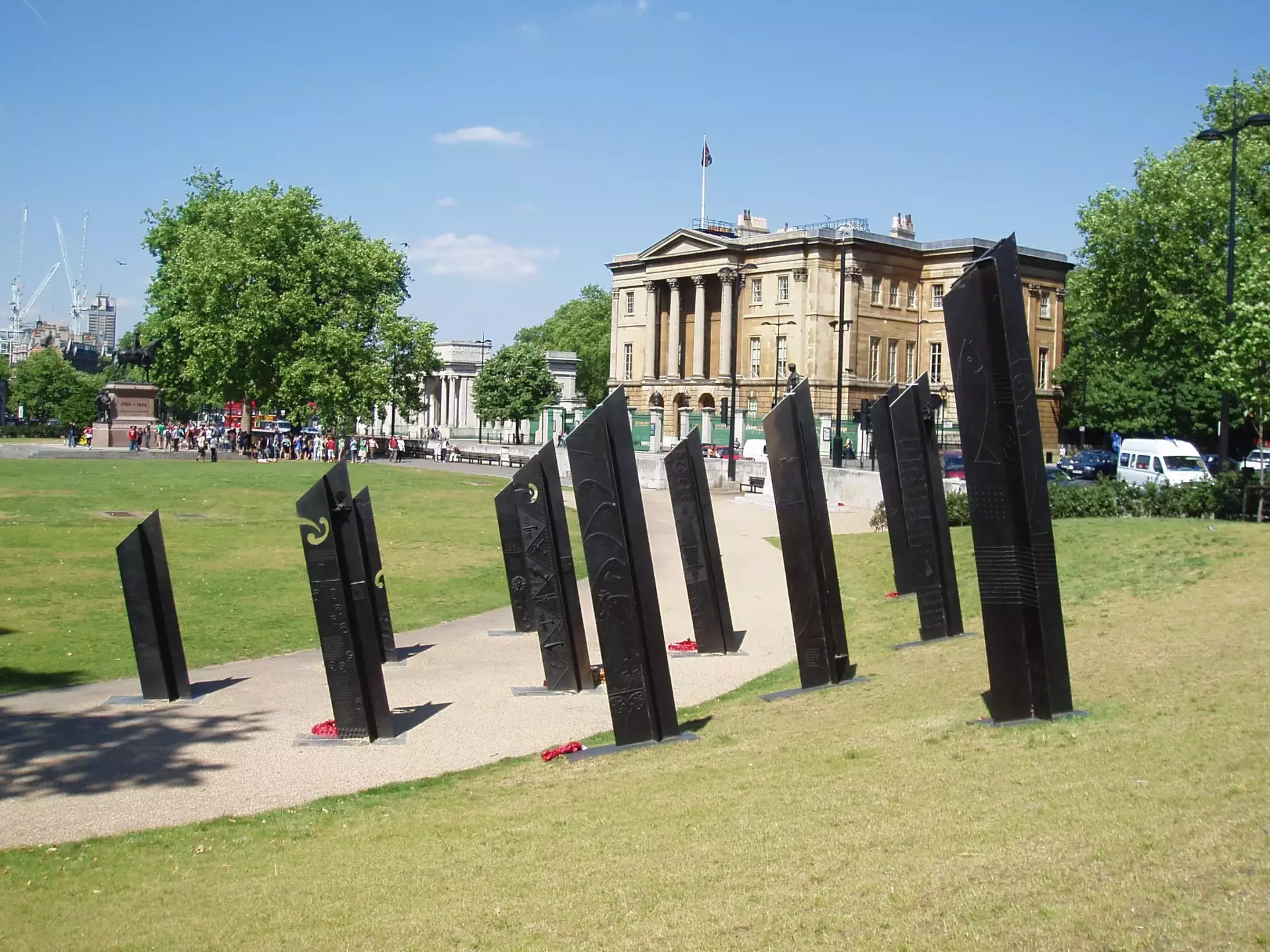
The main residence of His Majesty King Charles III, Her Royal Highness Queen Camilla, and latterly of HM Queen Elizabeth II. In the summer, 19 State Rooms are open to the public. Places are strictly limited, and it might not be possible to just turn up and get a ticket for a specific entry time, visitors should book in advance to ensure admission.
Art deco headquarters of University of London featured in the film Nineteen Eighty-Four.
Designed by Sir Christopher Wren, this tall column (which can be ascended to get a great view) marks the alleged site where the Great Fire of London broke out in September 1666.
This steel pedestrian bridge connecting Bankside with the City of London has all the lovely views of the Thames that you'd expect, but most of those who cross Millennium Bridge never notice its most distinctive feature. The bridge is dotted with hundreds of tiny paintings, so small that you'll probably miss them under your feet if you're not looking for them.