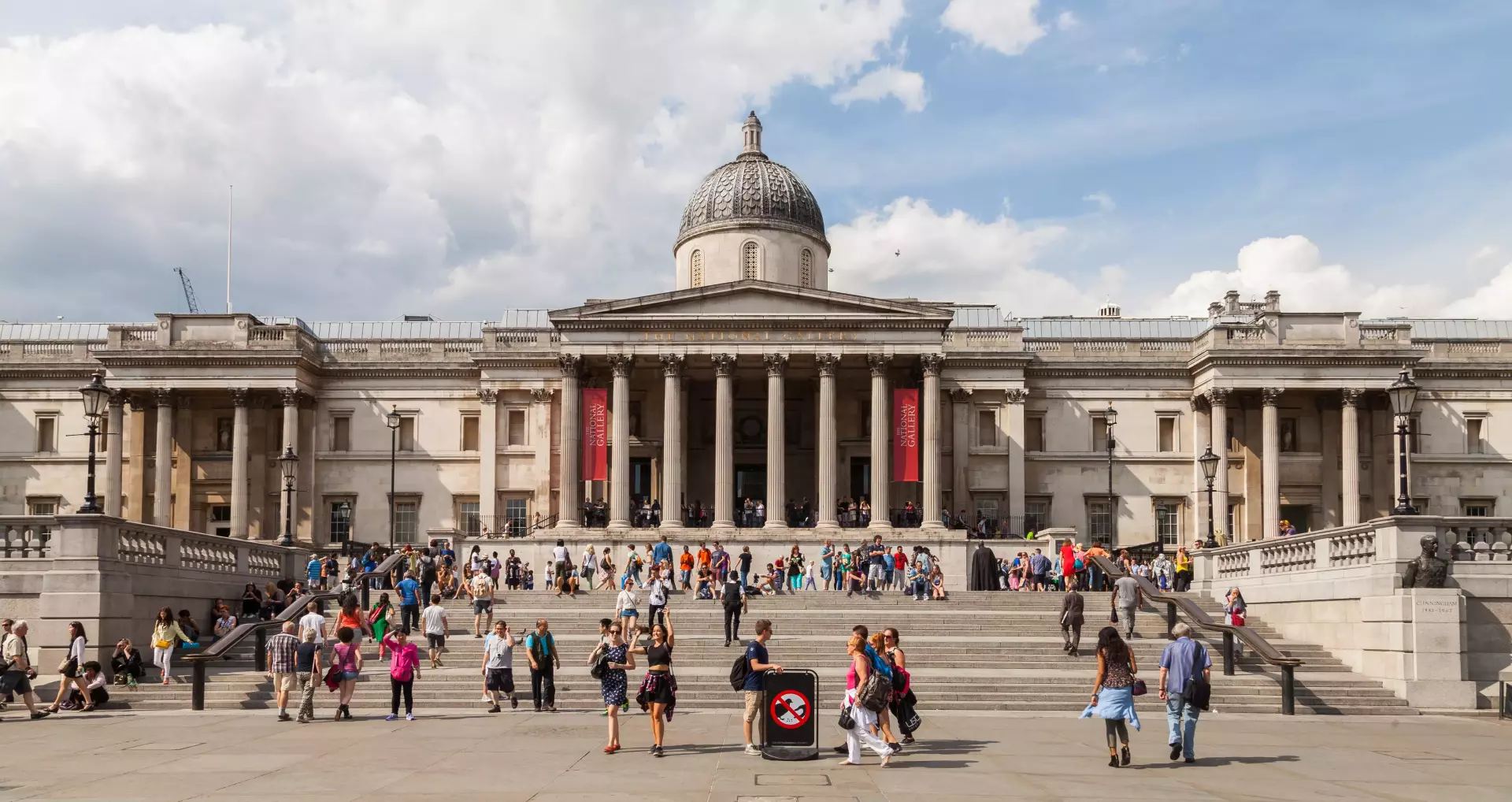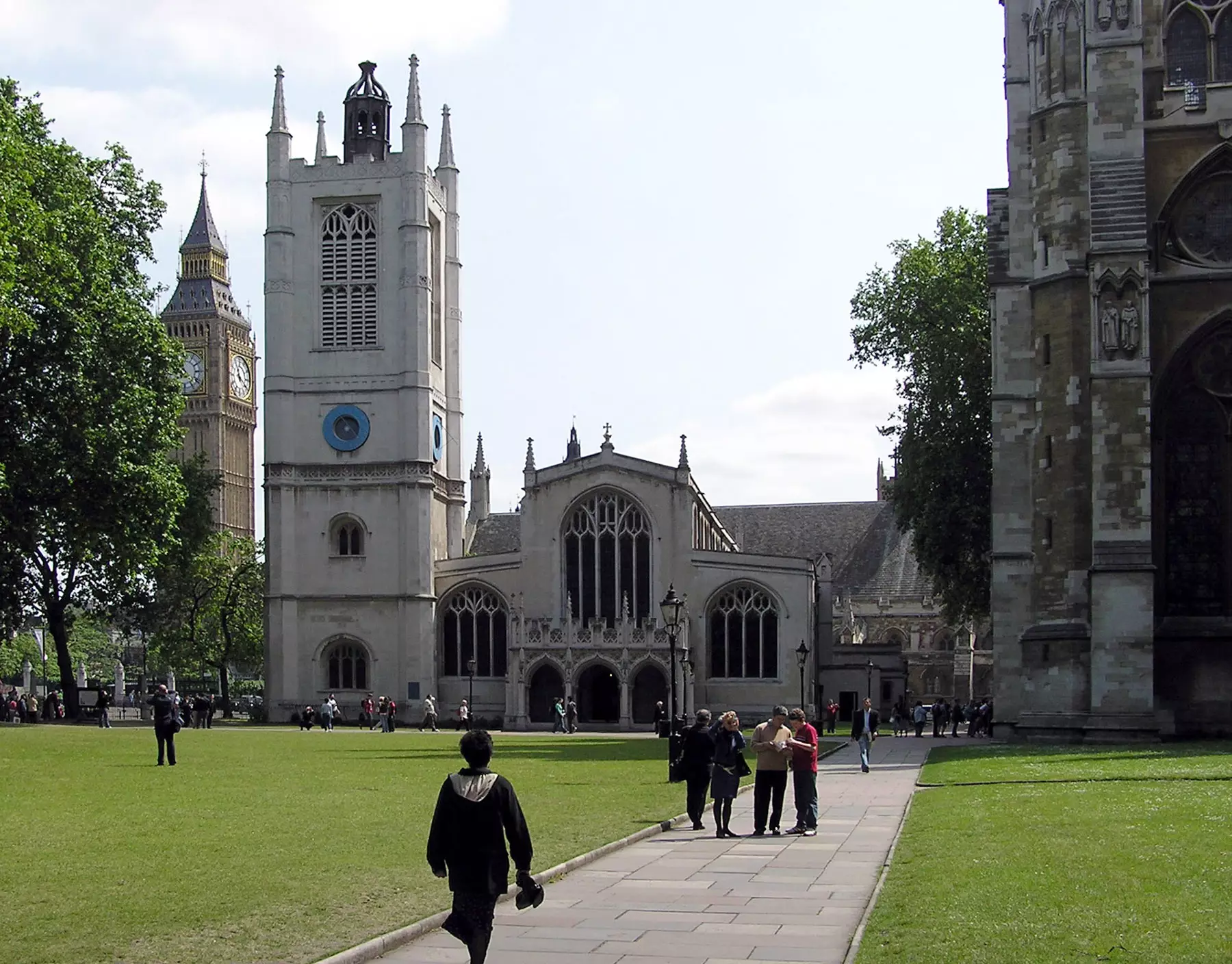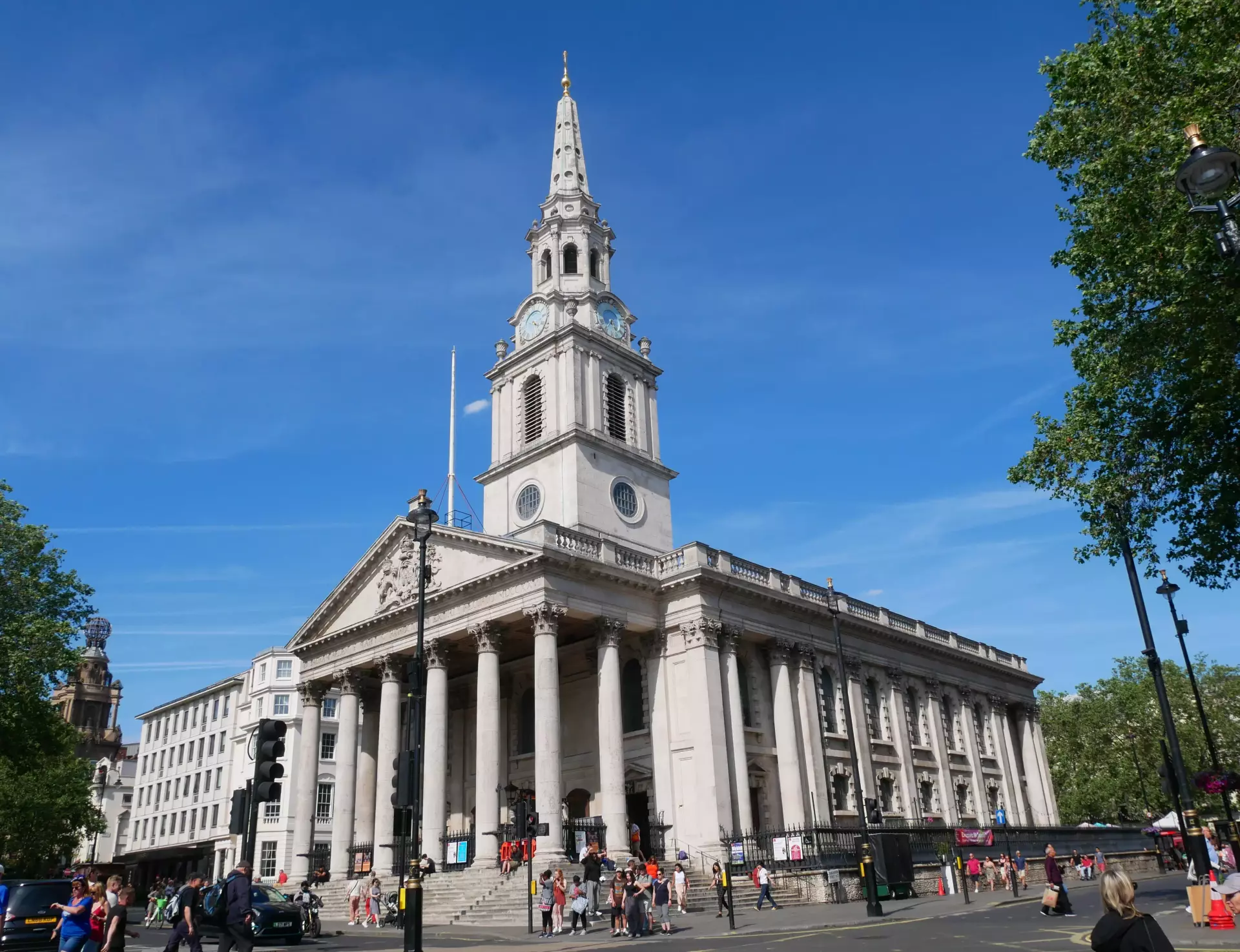
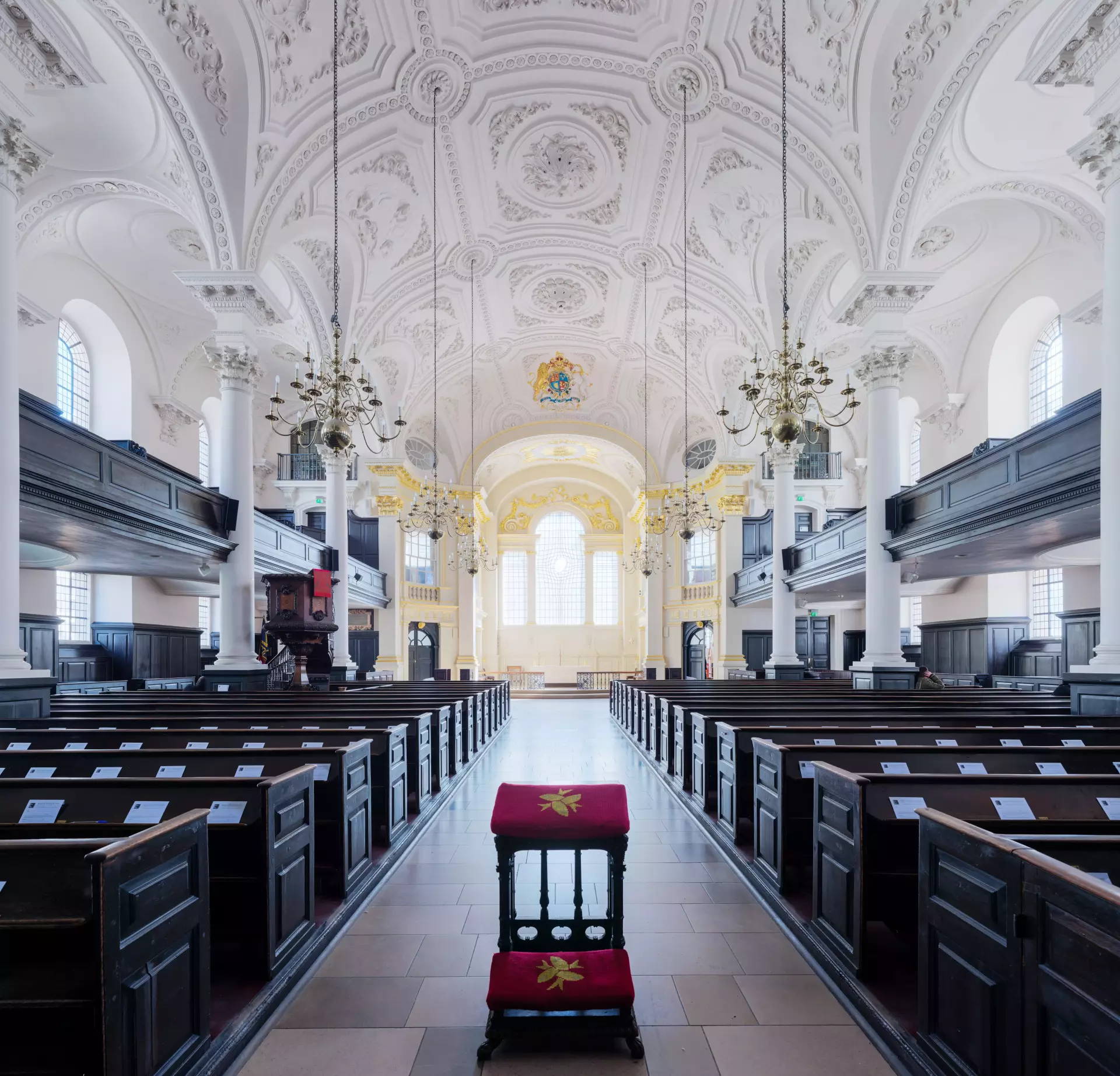
St Martins in the Fields is a neoclassical church located directly across from the National Gallery. This architectural beauty has long been a significant part of the city's landscape.
Since the days of World War I, St Martins in the Fields has opened its doors to provide refuge for those in need. This longstanding tradition of offering shelter continues, welcoming the homeless with warmth and compassion.
Source - https://en.wikipedia.org/wiki/St_Martin-in-the-Fields
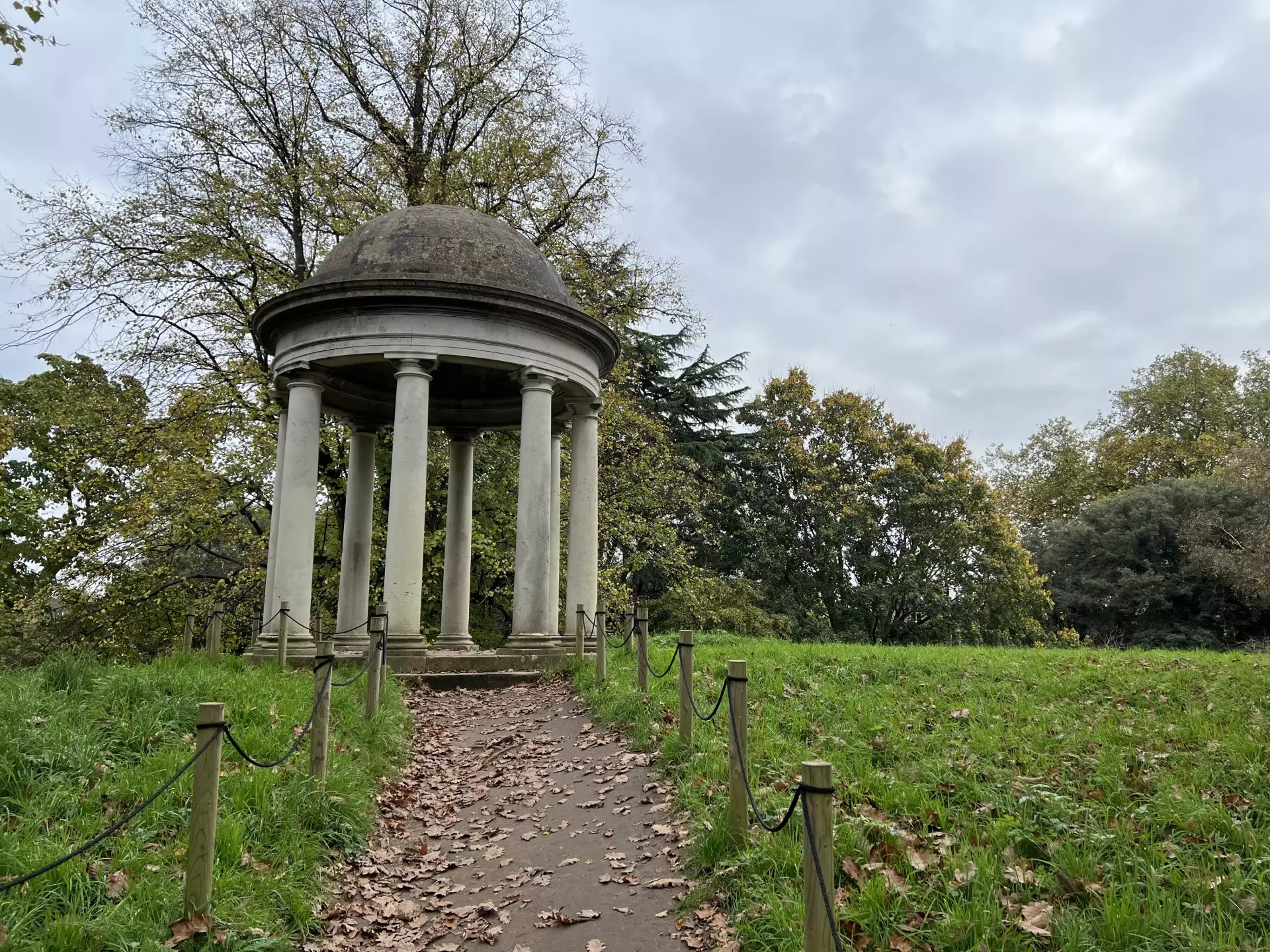
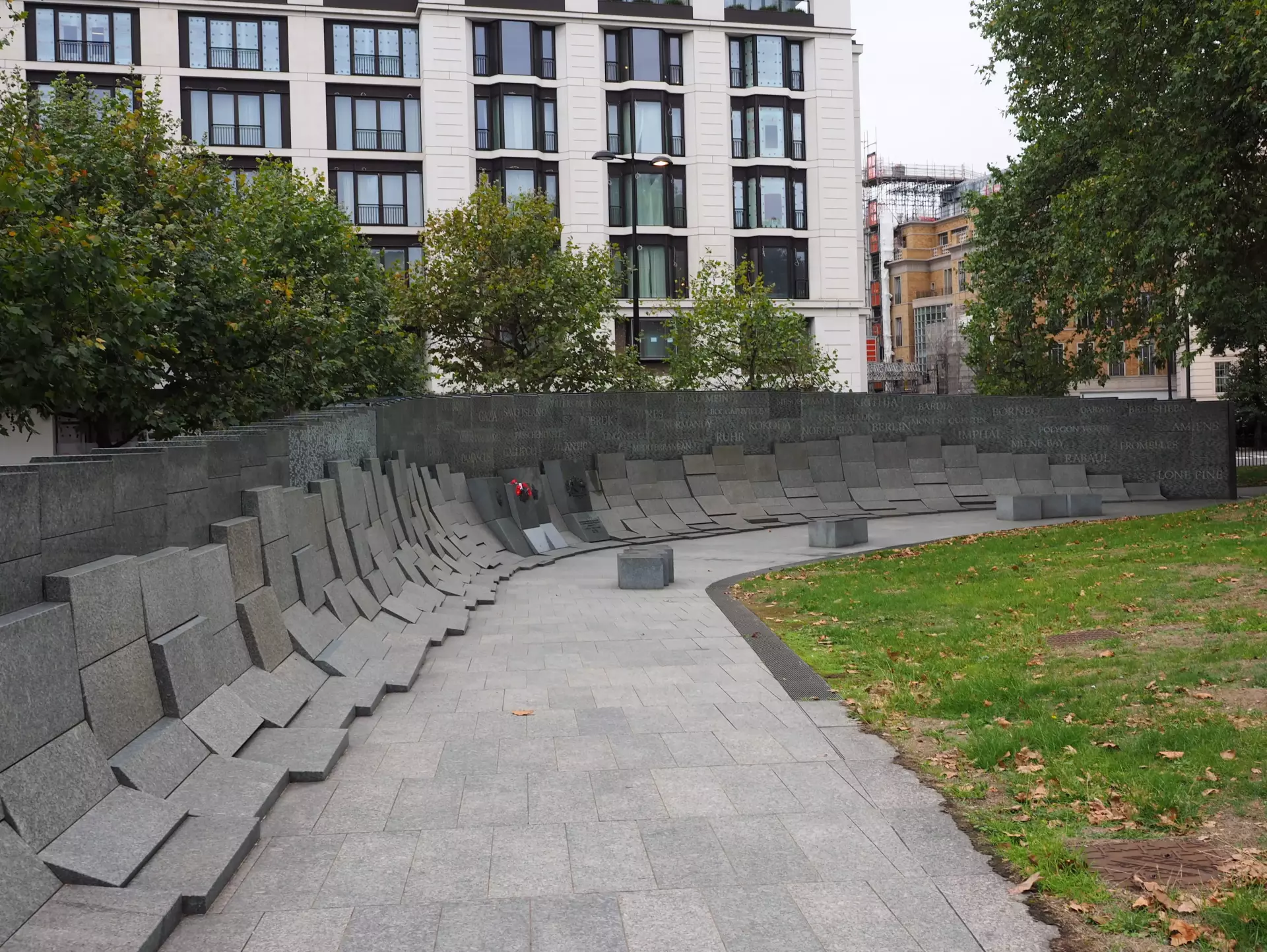
Remains of the wall that surrounded the City of London for almost two thousand years. The parts around the Barbican are mostly Tudor due to maintenance (Roman remains can be seen in and around the Tower of London). Other local remains are the 51.5169-0.095833 Noble St wall fragment and the 51.5177-0.092234 St Alphage Gdns wall fragment.
A retirement home for soldiers created by King Charles II. Tours around the listed building and grounds are regular and include the museum (which can be visited separately) whose exhibits contain military memorabilia donated by Chelsea Pensioners over the years.
The second biggest greenhouse in London, containing over 2,000 species of tropical plants as well as birds and fish.
In many cities a local transport museum would be of very narrow interest - not London, however! London's public transport is iconic, and the story of how it developed from horse and cart through early buses, Tube trains and trolleybuses to the present day is well worth coming to find out about. There is plenty of opportunity to clamber aboard the historic buses and Tube trains on display. Also, because London's transport is so well known, the museum shop contains plenty of items that make interesting and original gifts and souvenirs.
In contrast to the other Royal Parks in the area, Green Park can seem a little plain. It has no lakes or buildings and few monuments. It is still a pleasant green, lightly wooded, area in the centre of London, neighbouring two other parks and Buckingham Palace.
Probably the most popular of all the museums here and a must see for many visitors to London. Home to at least 70 million specimens from across all the life sciences. It's difficult to say what the most popular exhibit here is; the blue whale which towers over the entrance hall, the (now slightly tacky-looking) animatronic Tyrannosaurus rex in the dinosaur gallery, or the life-size model blue whale in the mammals gallery. Also well worth a check are the Darwin Centre (book on a free tour to see some of the most interesting, and sometimes gruesome, specimens not on public display); and the studio dedicated to BBC wildlife personality extraordinaire, David Attenborough. The NHM's "Earth Galleries" were once the adjacent Geological Museum, an independent institution until the 1980s, and still located in a separate building with a separate entrance.
Eccentric Gothic home of 18th-century poet and author, Horace Walpole, son of England's first prime minister.
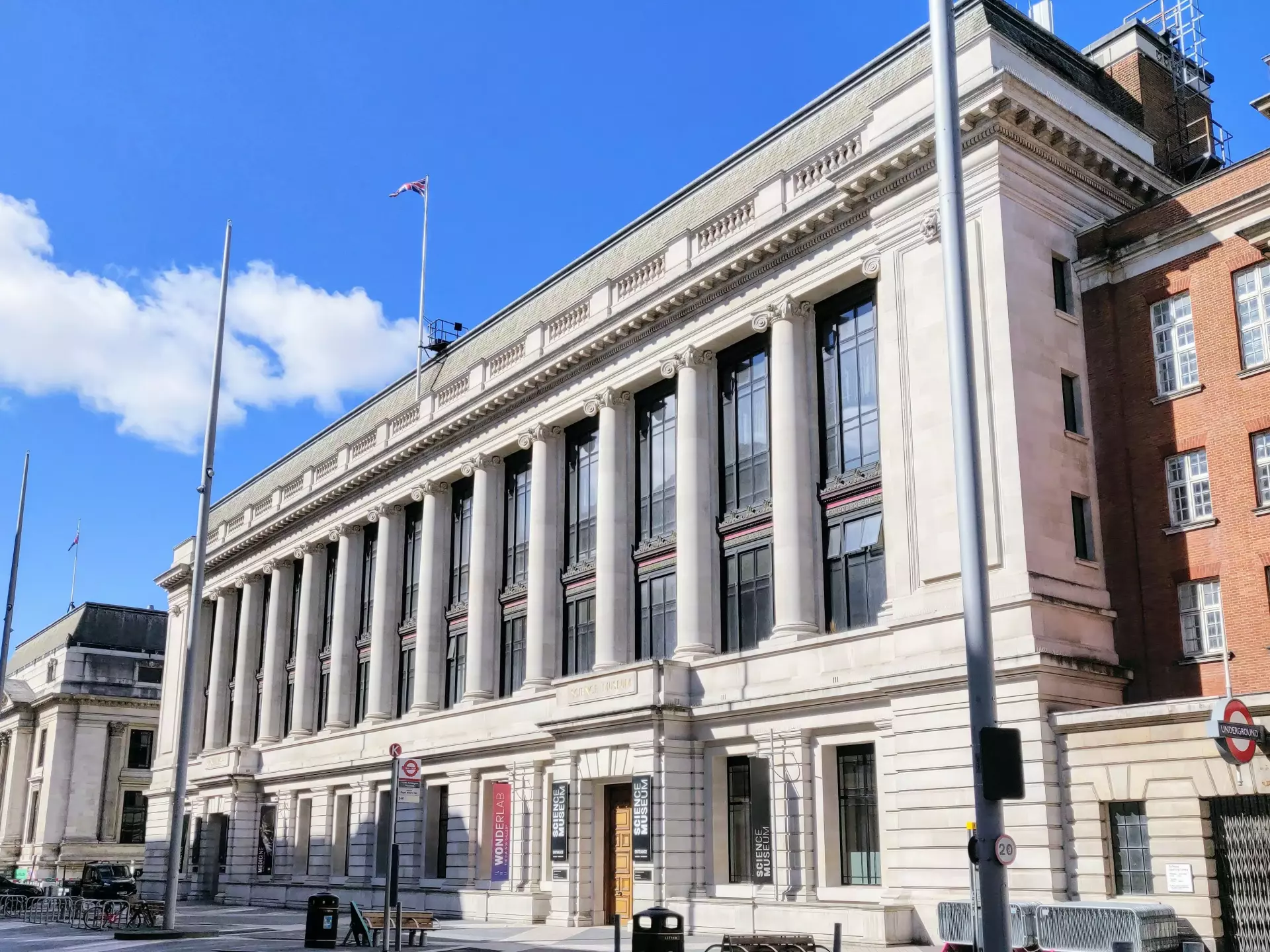
Dedicated to scientific exhibitions and collections bar those related to the life sciences. A number of famous historical machines and inventions are housed here, from steam locomotives to the Apollo 10 command module. The space exhibits are especially popular. Exhibitions tend to concentrate on explaining scientific principles with working models and there is a strong emphasis on education and attracting children. The Science Museum opened a "Children's Gallery" in the 1930s and it continues to lead the way in this area; now, there are three separate galleries aimed at all ages of younger visitor, from 5 to 16. The museum also runs "Science Nights" whereby children spend an evening learning principles and participating in experiments before spending the night sleeping in the museum with the exhibits. Also houses a vast library of scientific and medical books and journals.
Constructed 1672-9 to a design by Sir Christopher Wren and regarded as one of the finest Wren churches. The 63 feet (19 m) high dome is based on Wren's original design for St Paul's Cathedral. The circular altar is by the British sculptor Henry Moore, and the kneelers are designed by Patrick Heron. Free lunchtime concerts at 1PM on Tuesdays (except August). Free Organ recitals at 12:30PM on Fridays. Occasional art exhibitions on Christian themes and other events.
Worth a quick visit if you are passing. The brick and stone neo-Byzantine Catholic Cathedral (not to be confused with the much more famous Westminster Abbey) is near Victoria Station, just off Victoria Street. Construction started in 1895, and some of the interior is still unfinished. The Treasures of Westminster Cathedral exhibition is inexpensive and worthwhile for learning the history of the cathedral, there are interesting exhibits including a 1:28 wooden scale model uses by the architects. Has a café and gift shop.
Charts the history of the bank from 1694 to the present day. A highlight is the opportunity to handle a genuine bar of gold. Photography allowed, but no flash.
A small museum is set in a Victorian house near the infamous Battle of Cable Street. There are 5 floors including the basement, each dedicated to several aspects of famous murders starting with a recreation of Mitre Square on the first floor, Jack the Ripper's sitting room on the second floor, the police station on the third, a victim's bedroom on the fourth and the mortuary in the basement. There is also a walking tour. Book tickets online to save money, there is also a Halloween special deal.
Magnificent 19th-century bridge, decorated with high towers and featuring a drawbridge. The bridge opens several times each day to permit ships to pass through – timings are dependent on demand, and are not regularly scheduled. When Tower Bridge was built, the area to the west of it was a bustling port – necessitating a bridge that could permit tall boats to pass. Now the South Bank area sits to its west, and the regenerated Butler's Wharf area of shops and riverside restaurants lie to its east. You can get the lift to the top level of the bridge and admire the view. Glass floors provide an interesting perspective for the brave. The museum highlights the bridge's history and engineering, and there are photographic exhibitions along the walkways between the towers.
The largest square in London. It was established in 1806 by the 5th Duke of Bedford and his statue can still be seen in the square. There is also a café.