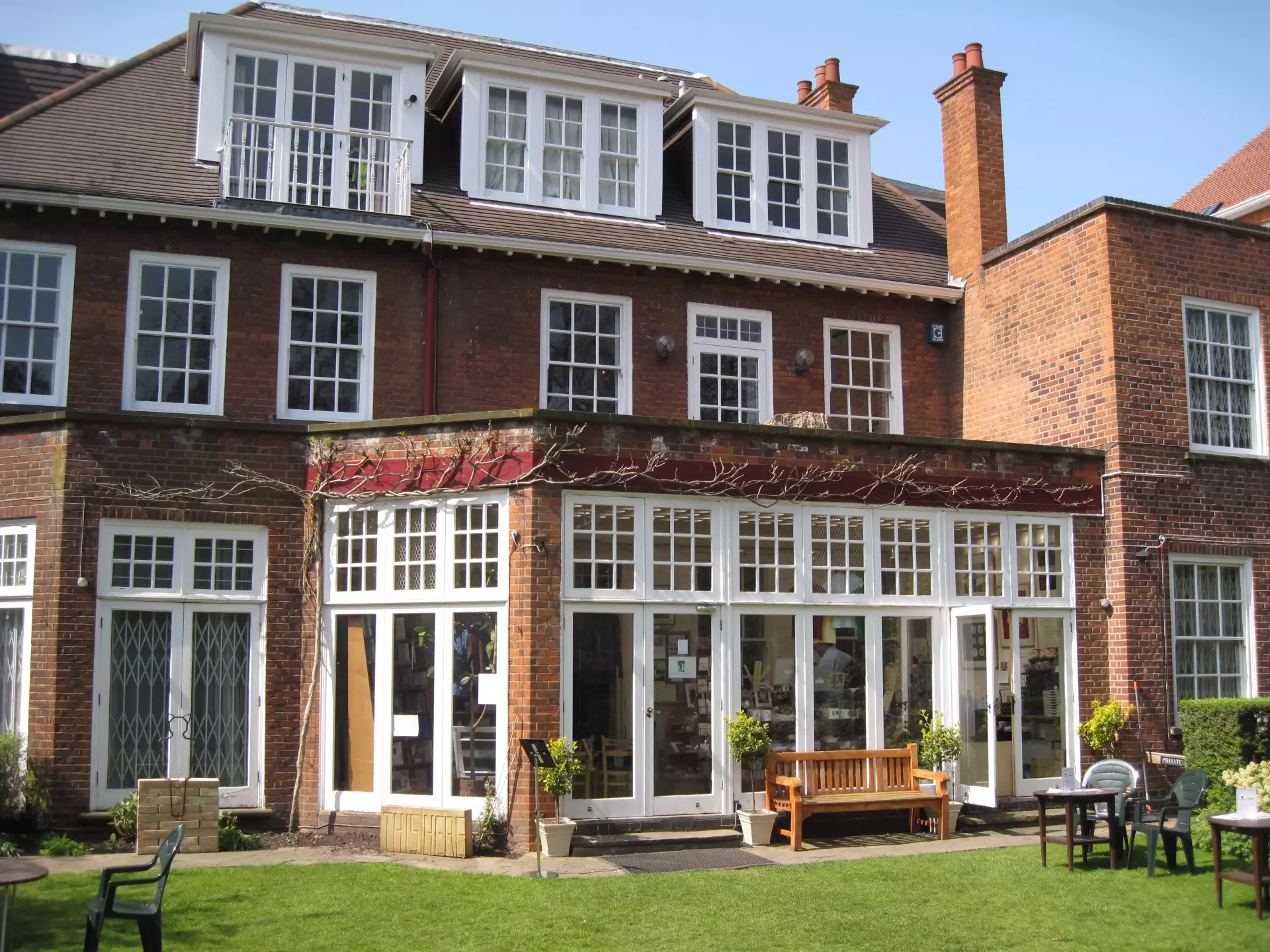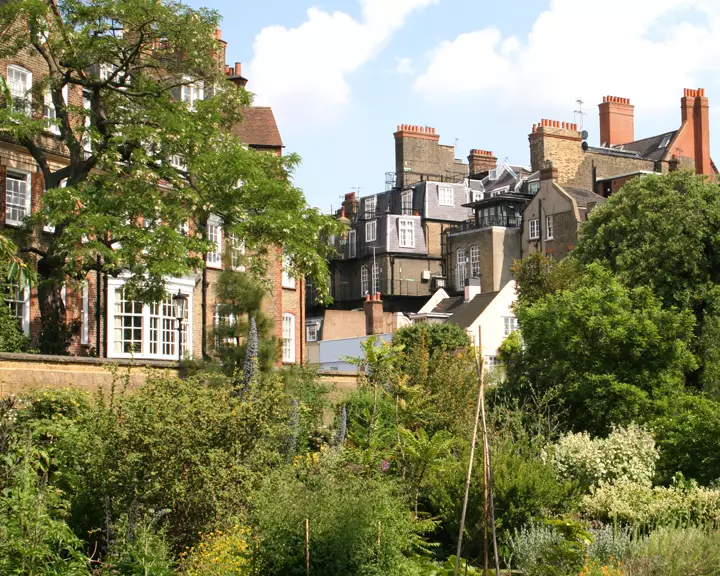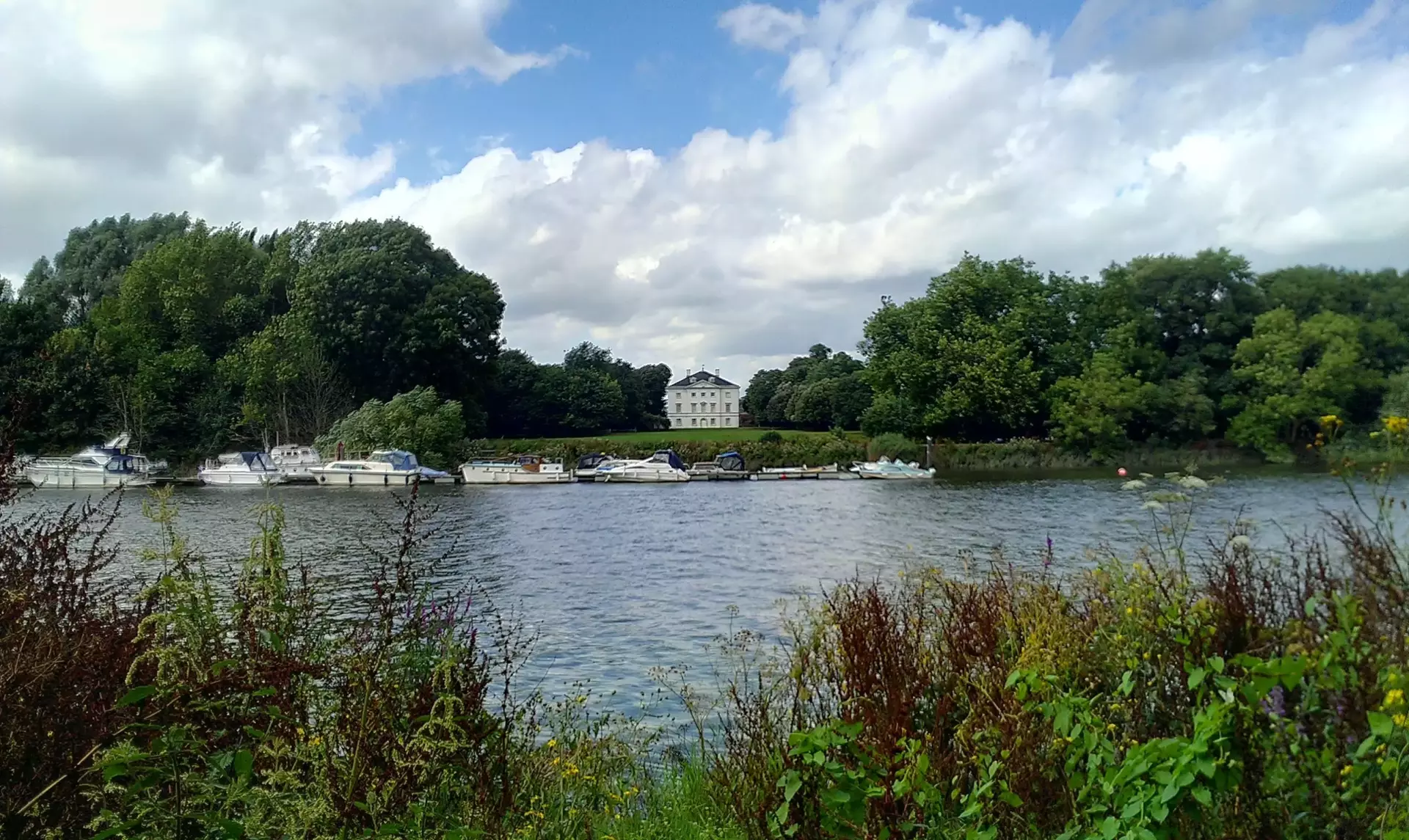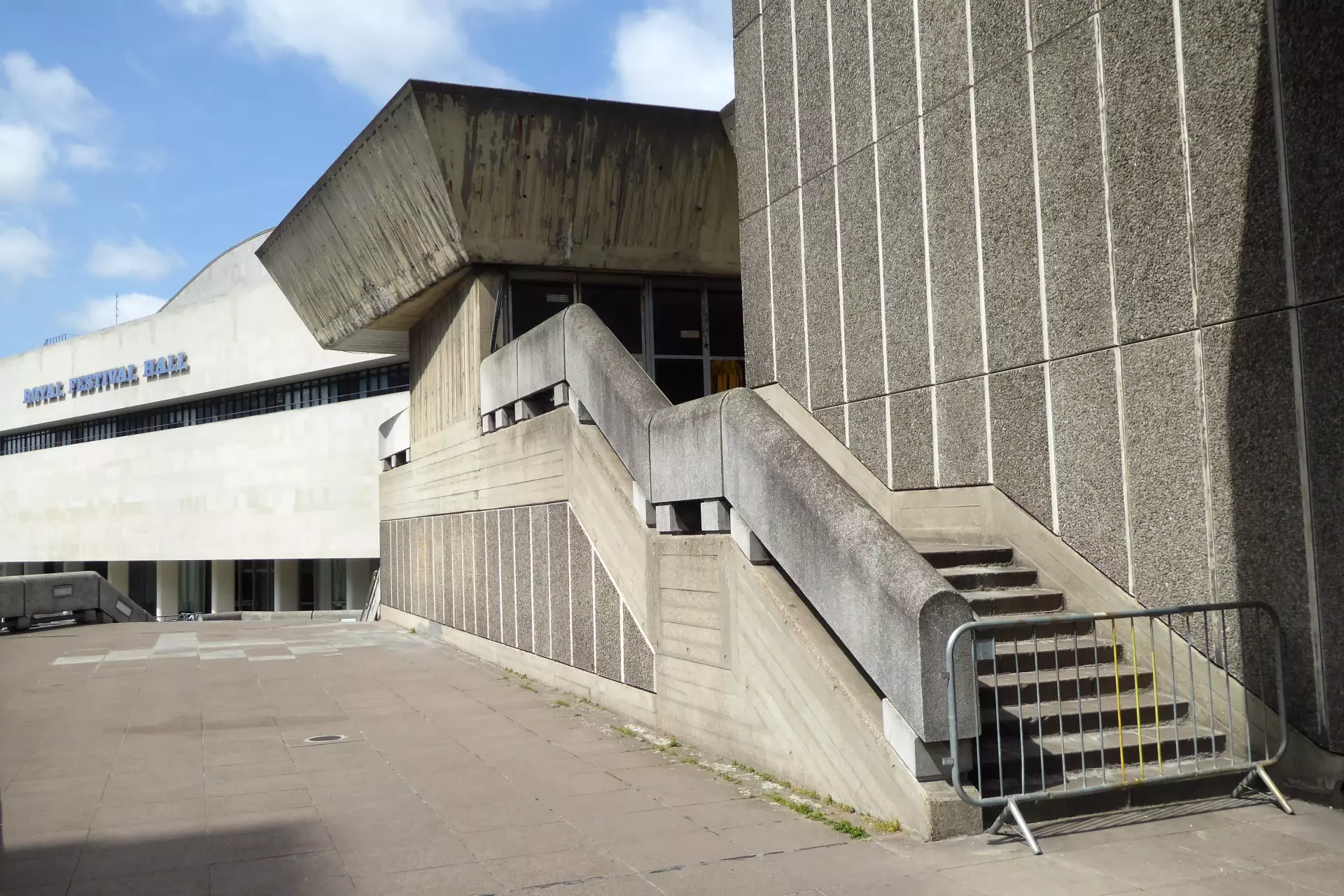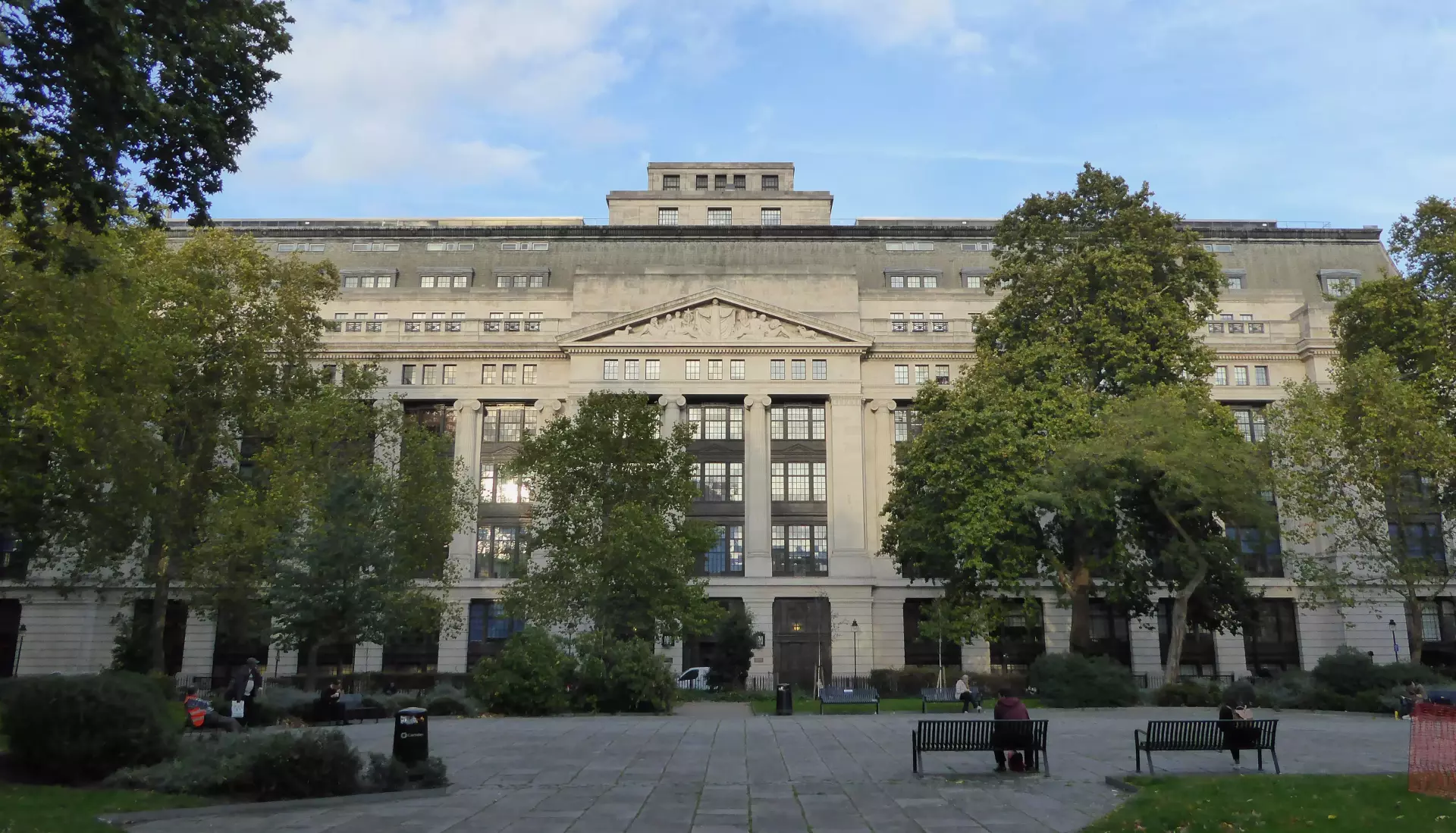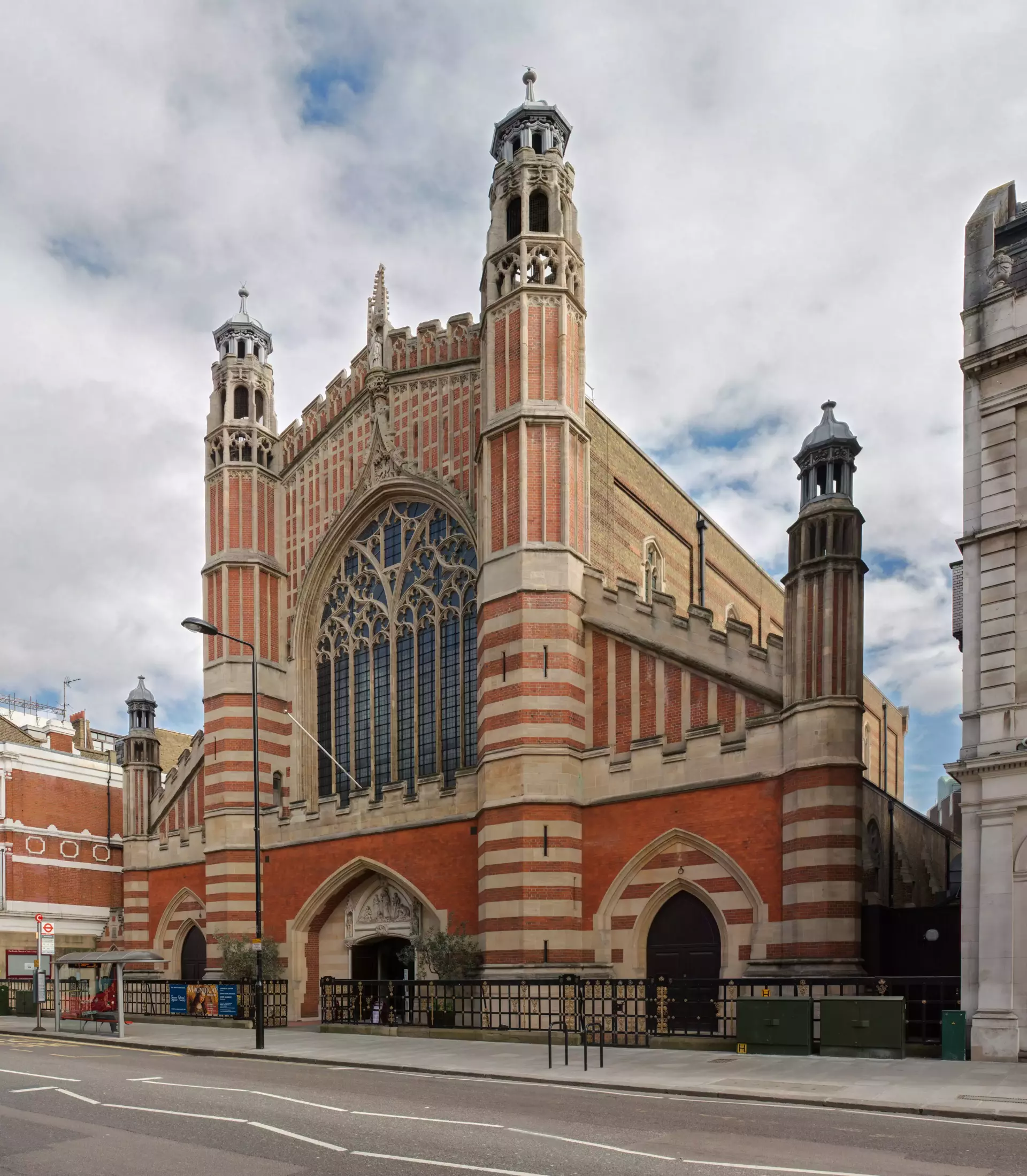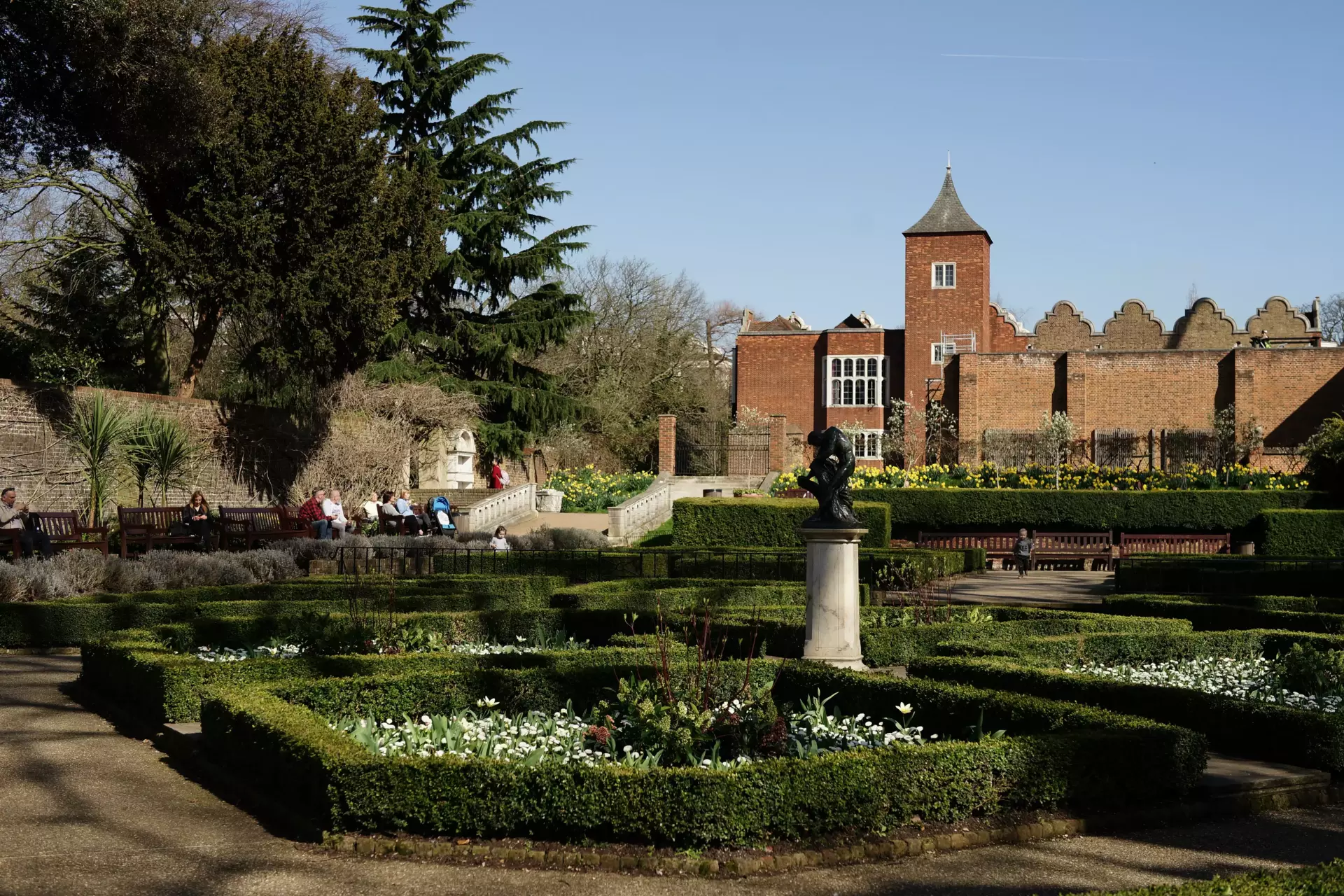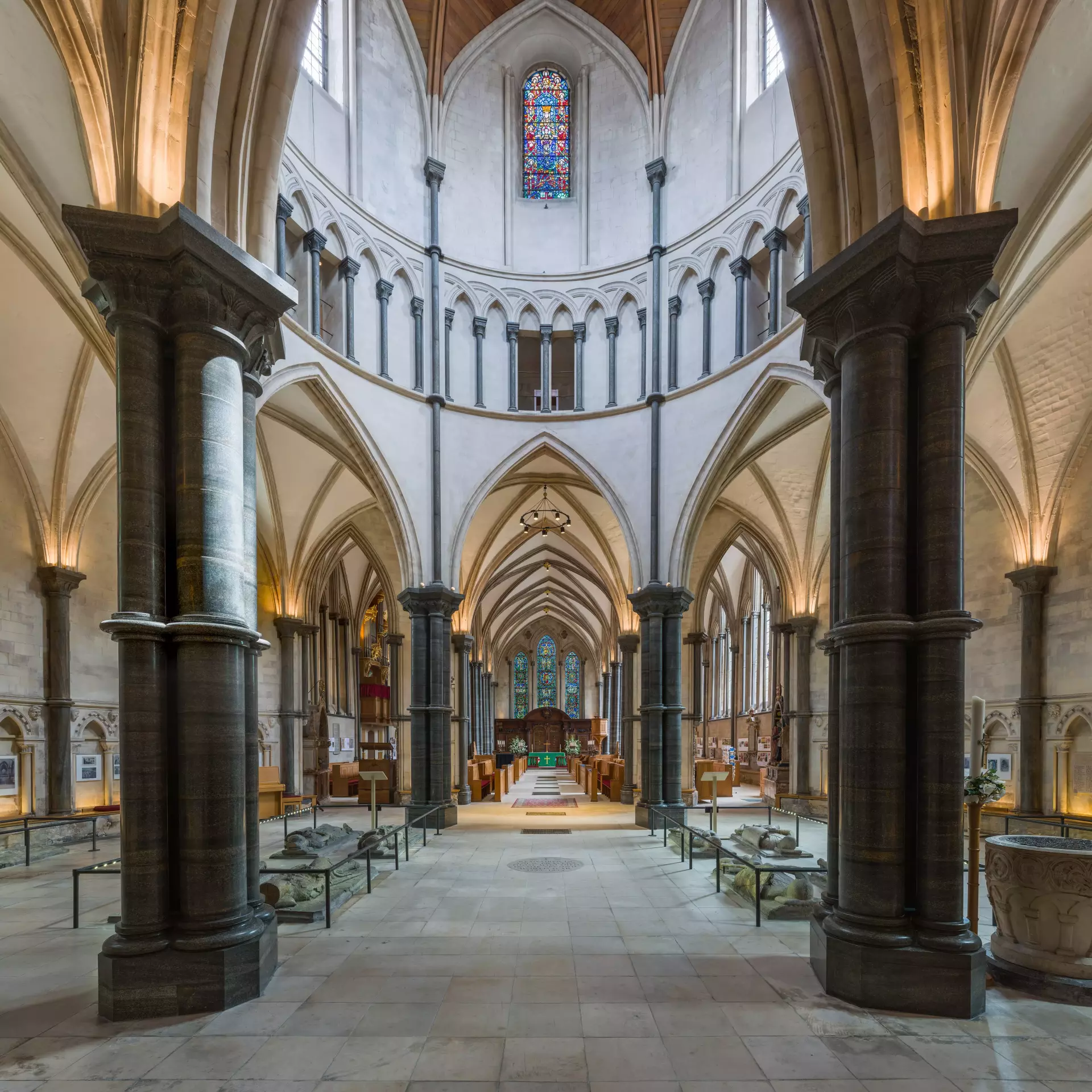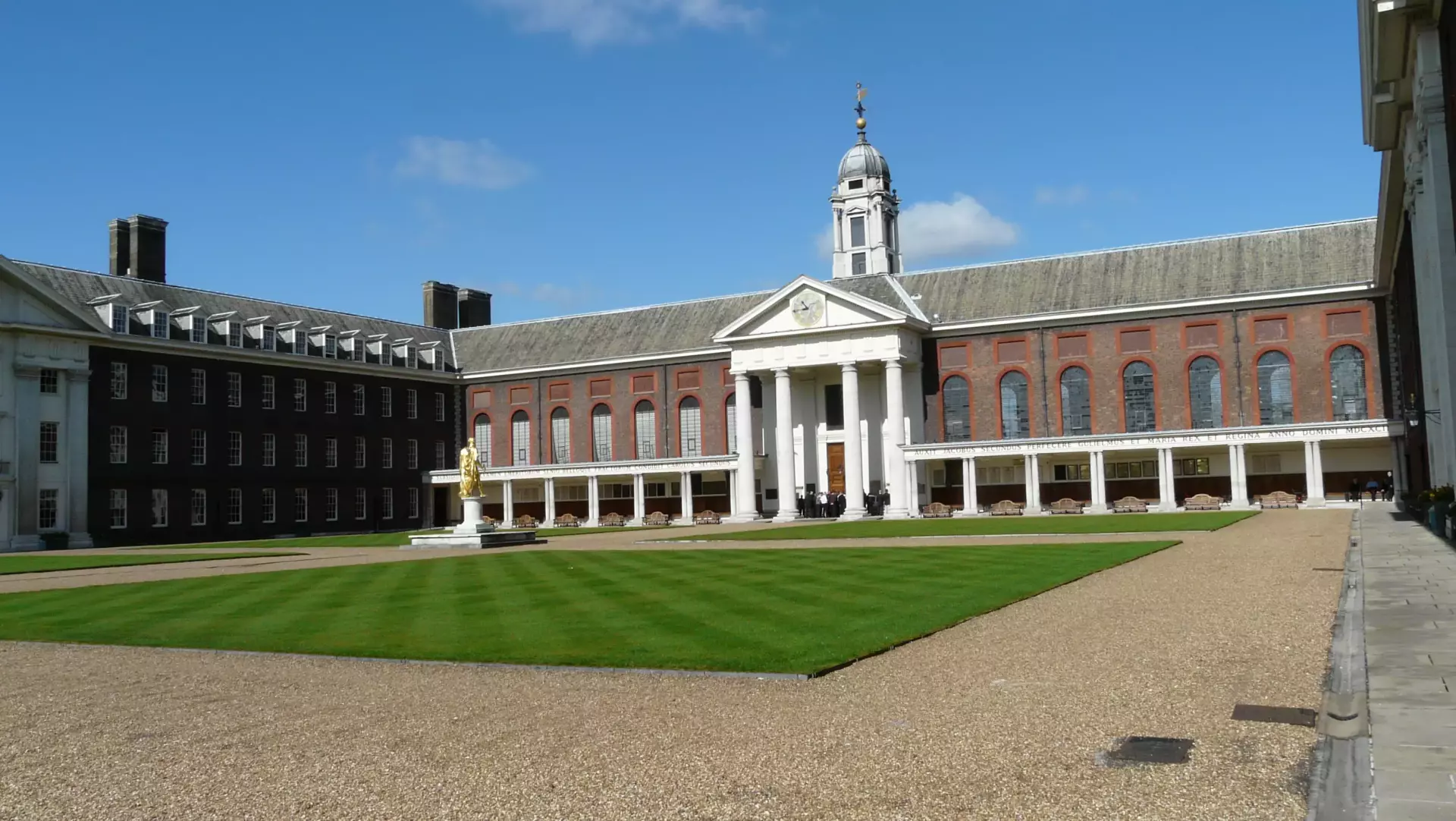
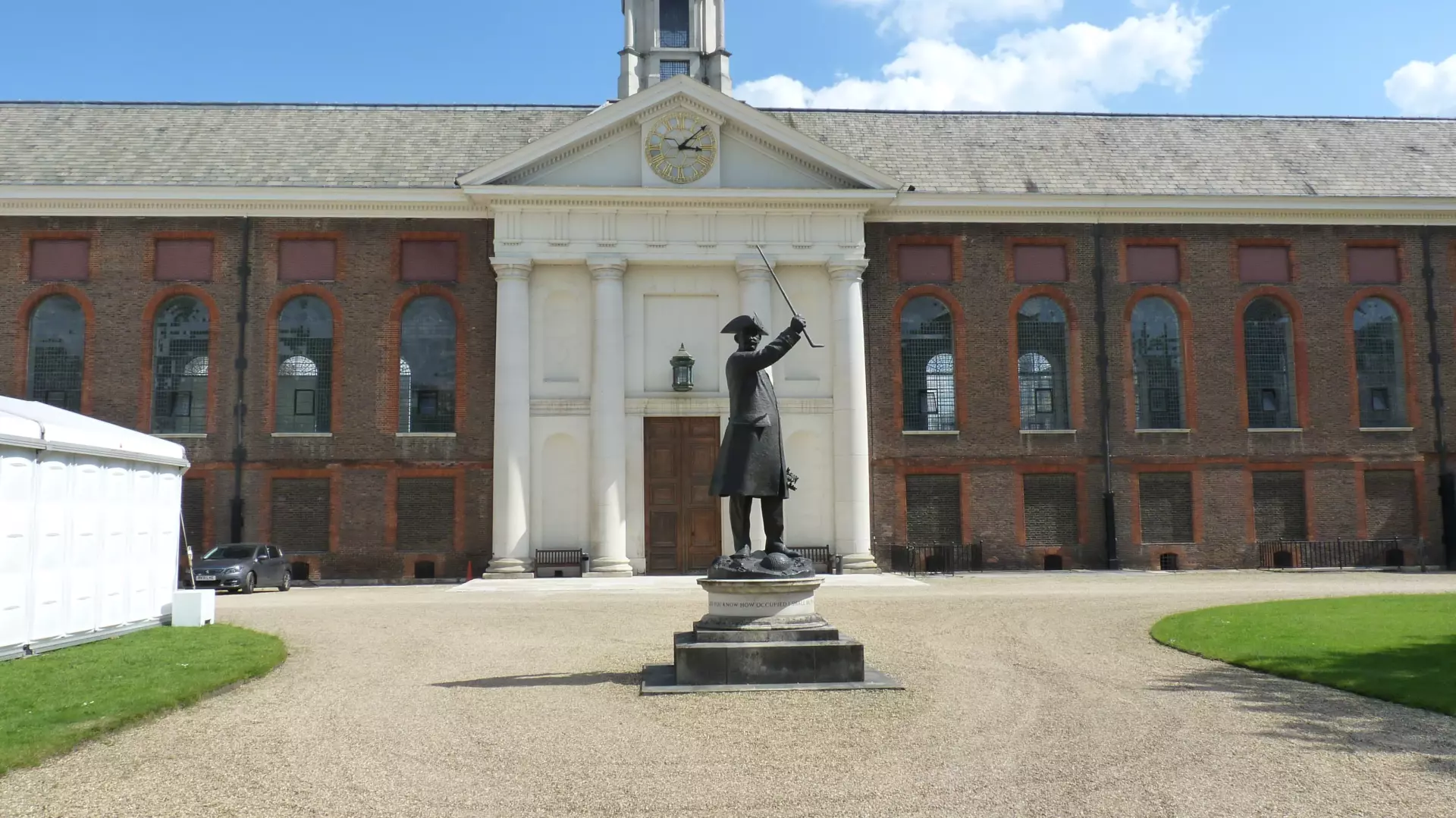
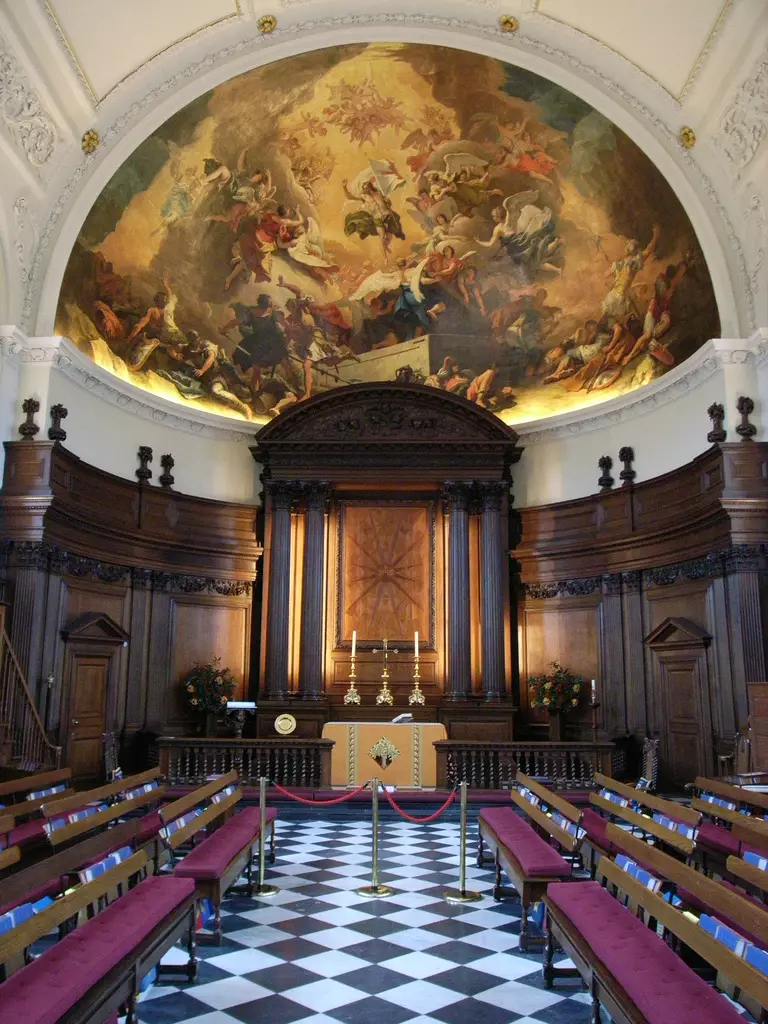
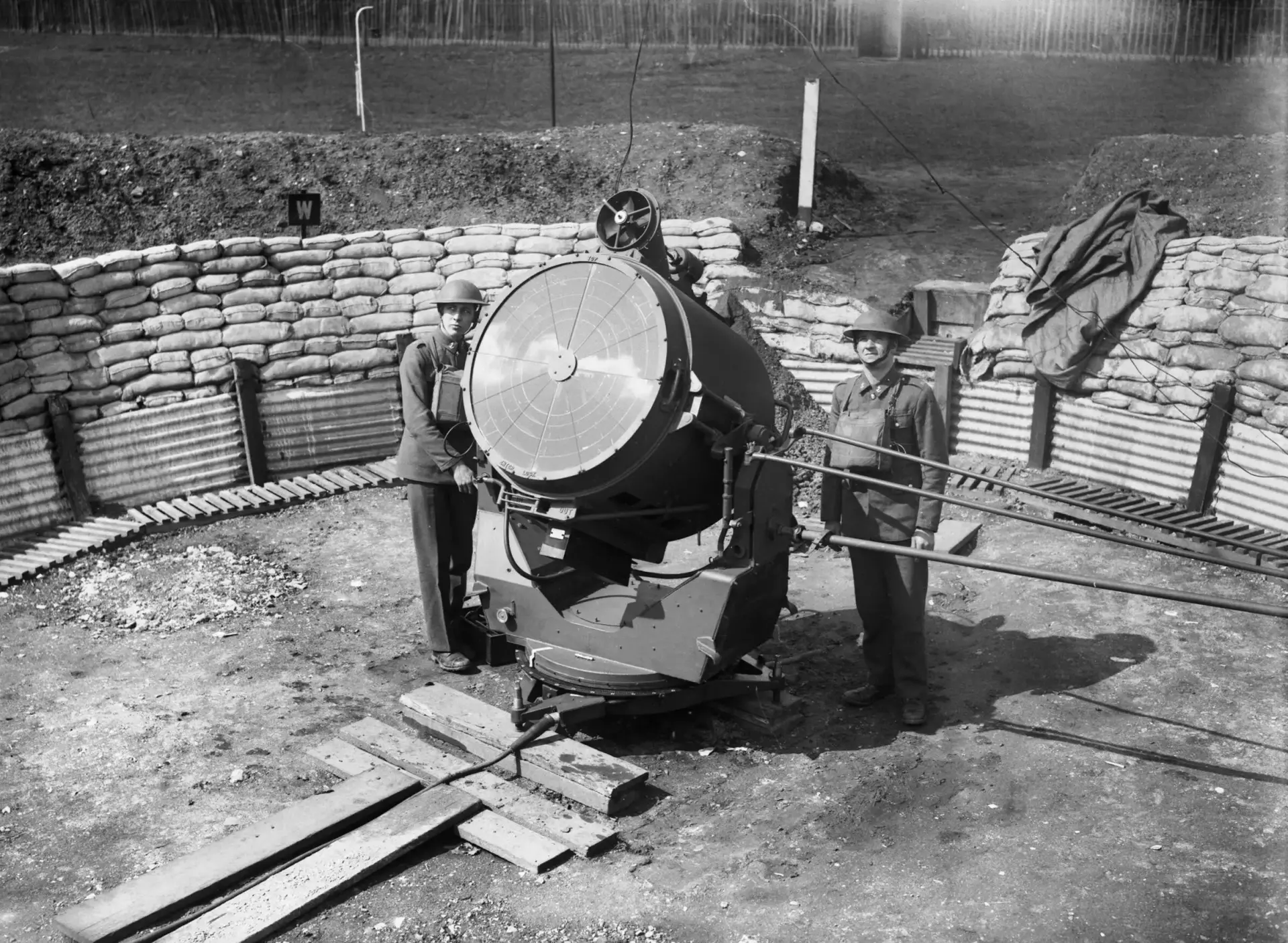
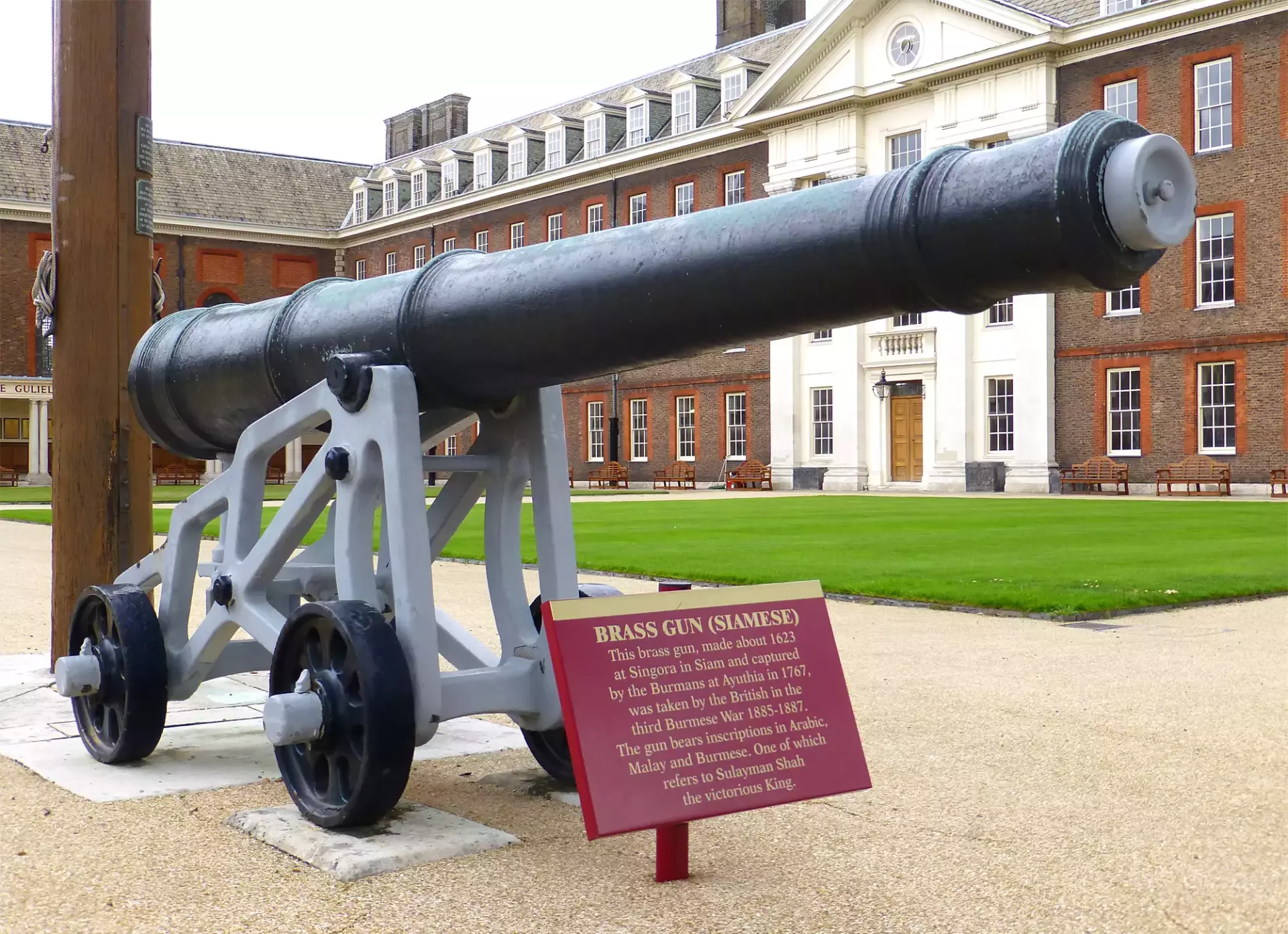
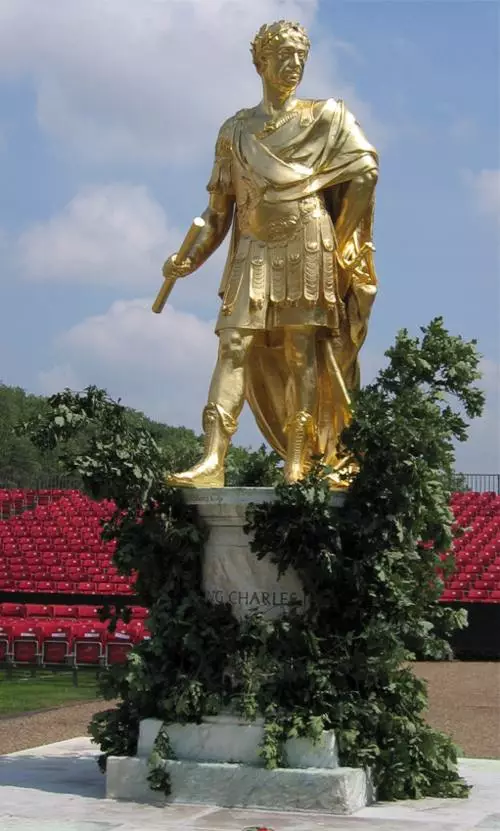
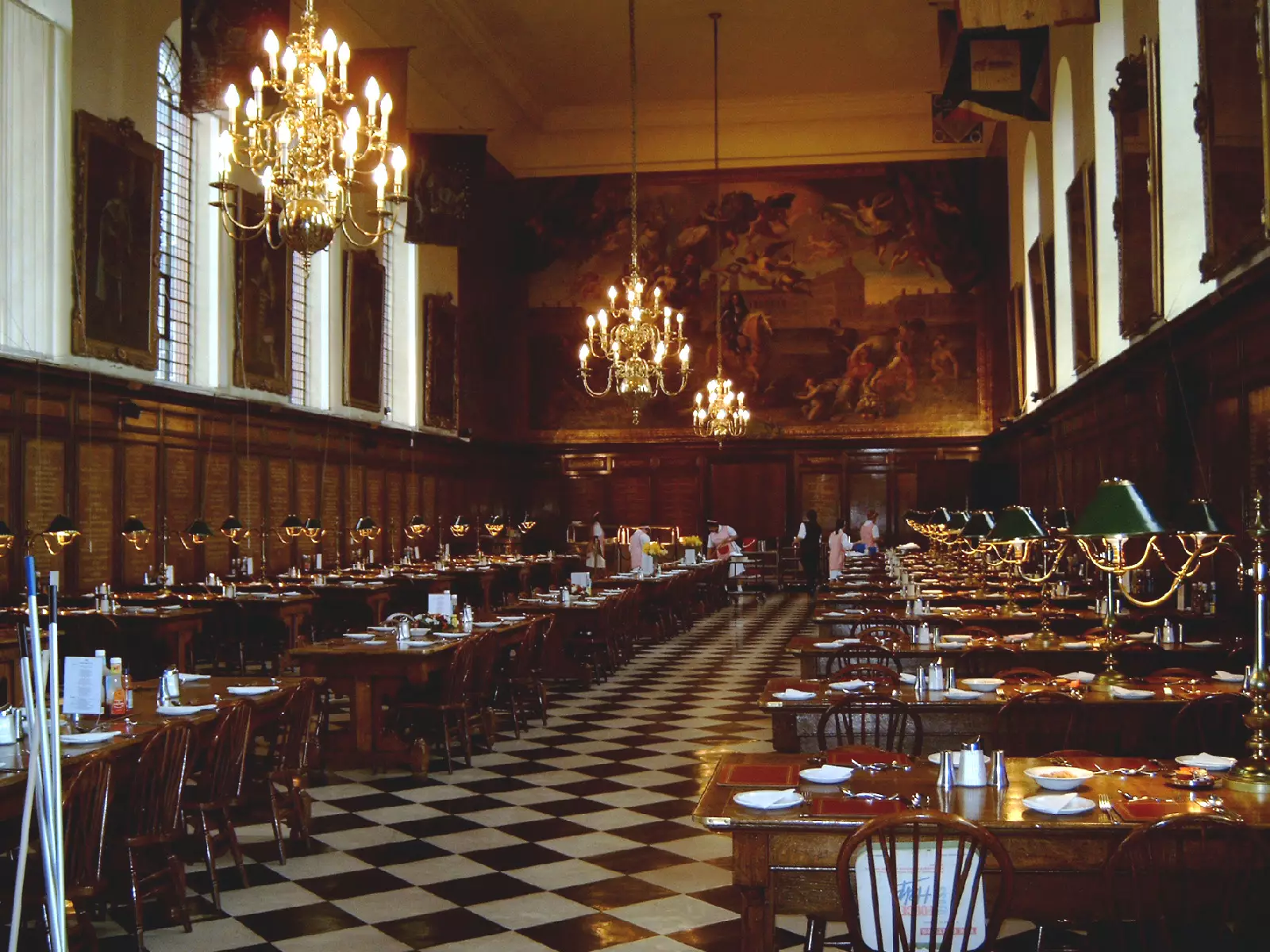
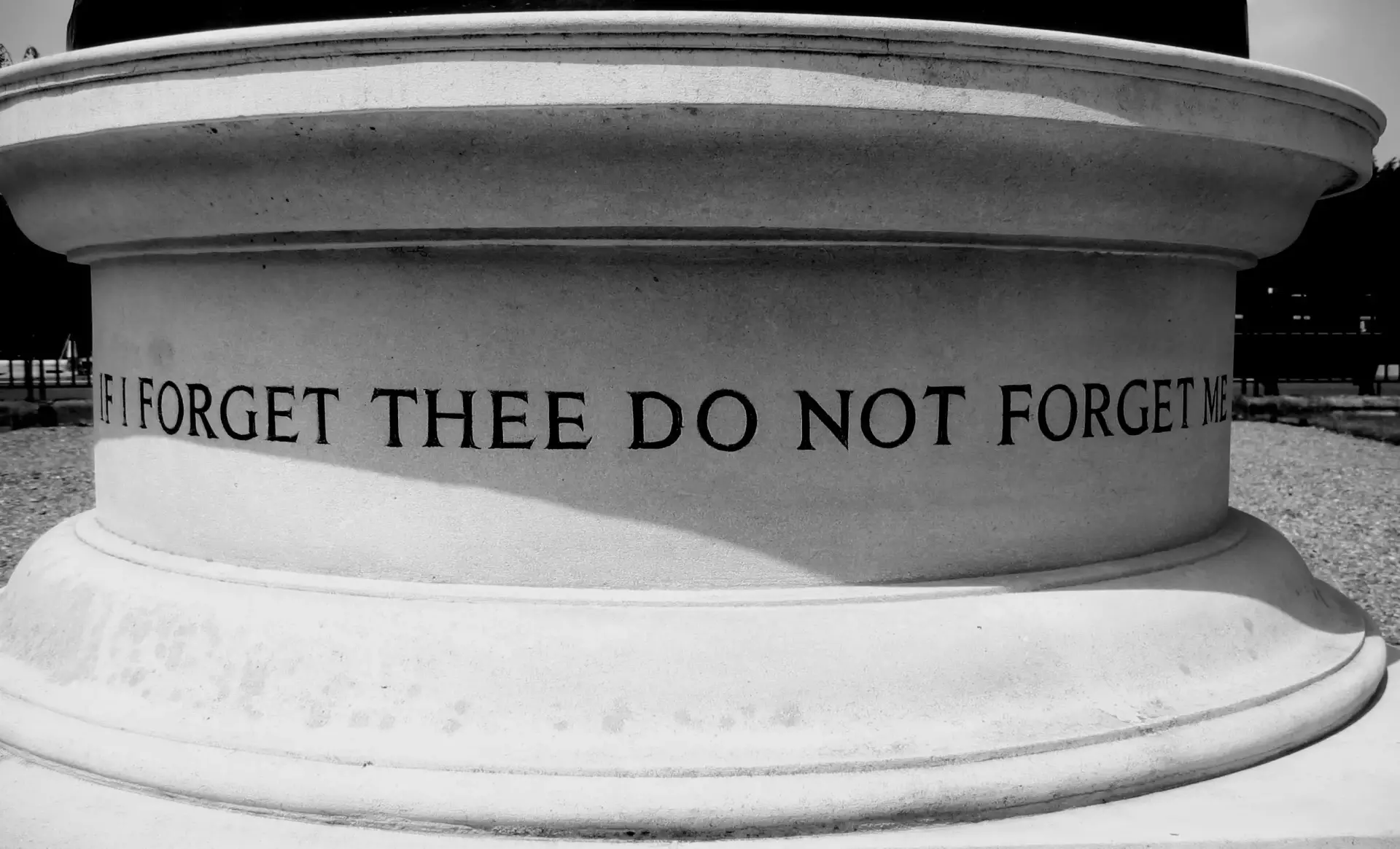
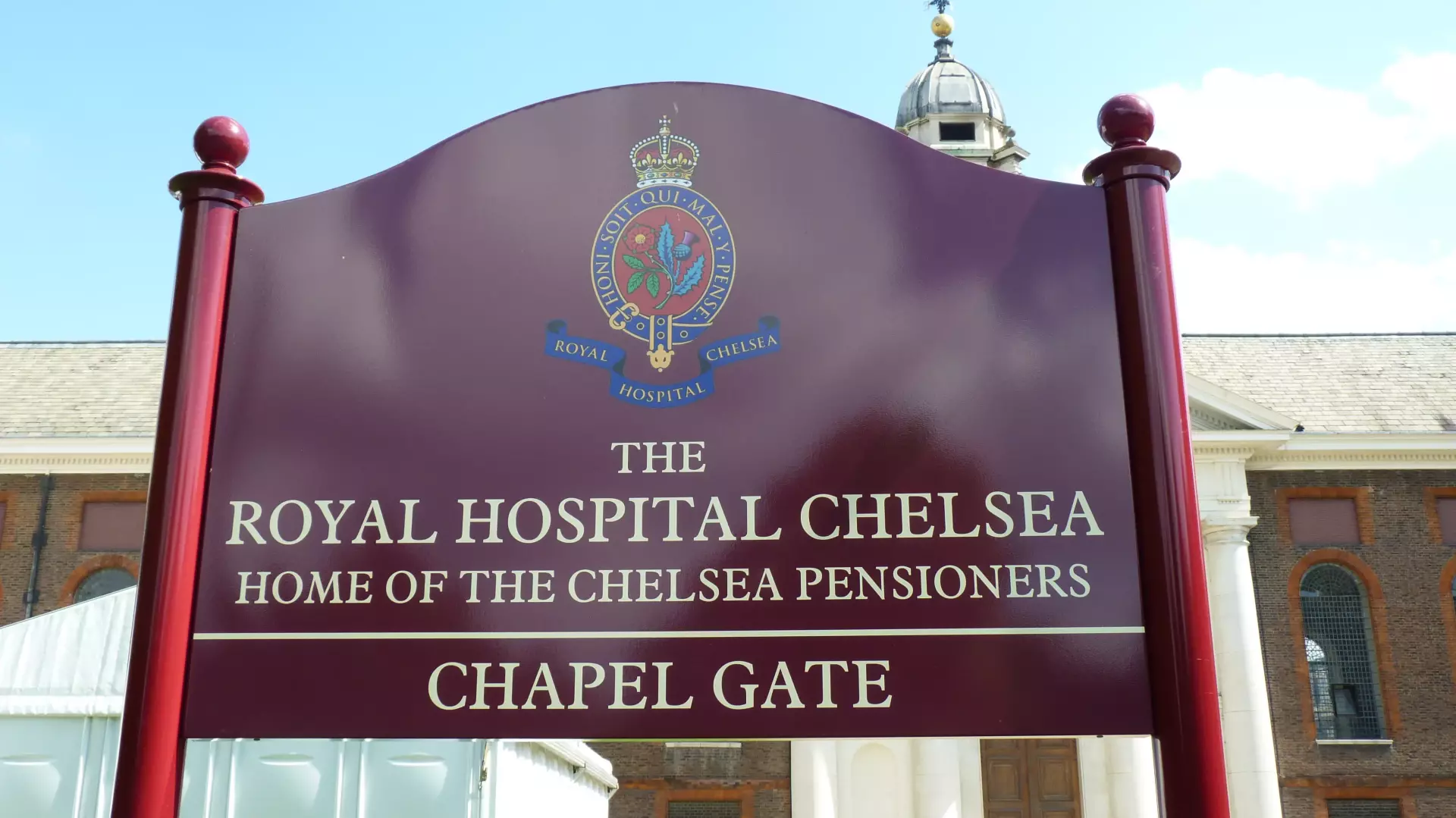
A retirement home for soldiers was established by King Charles II, offering a fascinating glimpse into history. Known as the Royal Hospital Chelsea, this listed building provides regular tours of its impressive grounds.
Visitors can explore the on-site museum, which holds a remarkable collection of military memorabilia. These exhibits have been generously donated by the Chelsea Pensioners themselves over the years, adding a personal touch to the history on display.
Source - https://en.wikipedia.org/wiki/Royal_Hospital_Chelsea
This steel pedestrian bridge connecting Bankside with the City of London has all the lovely views of the Thames that you'd expect, but most of those who cross Millennium Bridge never notice its most distinctive feature. The bridge is dotted with hundreds of tiny paintings, so small that you'll probably miss them under your feet if you're not looking for them.
The main headquarters of the Worshipful Company of Fishmongers and a Grade II* listed building.
London Stone is a historic landmark housed in a public display case at 111 Cannon Street in the City of London. It is an irregular block of oolitic limestone measuring 53 × 43 × 30 cm (21″ × 17″ × 12″), the remnant of a once much larger object that had stood for many centuries on the south side of the street.
Designed and built in 1619-1622 by the Neo-Classical architect Inigo Jones, The Banqueting House is now all that remains of Whitehall Palace, the sovereign's principal residence from 1530-1698 when most of it was destroyed by fire. Renowned for its architecture and paintings (by Rubens, among others), the building is also famous for being the scene of Charles I's execution in 1649 at the end of the English Civil War.
Home to the baroque composer George Frideric Handel from 1723 until his death in 1759. Some of the greatest classical music ever composed was done so at this address. The museum charts Handel's life and works and offers recitals of music in the magnificent setting of the period rooms. By contrast, next door was home to Jimi Hendrix when he lived in London in 1969, and entry to this top-floor flat is included.
A lovely park on the southern banks of the Thames known or its wildlife and some splendid examples of mature trees.
The former home of Sigmund Freud. A wide range of exhibits, most famously including the psycho-analytic couch that all of his patients used. Freud was an avid collector of antiquities and there is a fine collection of Greek, Roman and Oriental pieces on show.
Probably the most colourful event in the UK's legislative calendar, this takes place in May or June every year, or after a general election, when the King travels to the Houses of Parliament to open the new parliamentary session. During this event, the Lords, Speaker of the House of Commons, and other office holders can be seen dressed in their ceremonial robes, and there is always an elaborate procession when the King makes his way to the Houses of Parliament from Buckingham Palace. This is one of the few occasions where all branches of the British government are gathered in the same place. Many traditions of the State Opening can trace their origins to a more turbulent past, when the relationship between the monarch and Parliament was sometimes antagonistic. In particular, since the English Civil War, the monarch has been banned from entering the House of Commons chamber, and instead must send a representative (the Black Rod) to summon the MPs to the Lords chamber, where he delivers his speech. Another notable tradition is the holding of a Hostage MP in Buckingham Palace, ostensibly to guarantee the safe return of the monarch, who is released once the King has returned to the palace safely after delivering his speech. While attendance at Parliament itself is limited to special guests that have been invited by the Prime Minister, it is broadcast live on the BBC, and you can also view the King's procession from Buckingham Palace to Parliament from the roadside for free.
The remains of the once-magnificent palace, home to English kings since Edward I, adjoin Richmond Green, a pleasant open green space and historic cricket ground. Only the Gate House and Wardrobe, now converted into flats, remain.
The TfL-backed Hidden London offers tours around the disused Aldwych tube station which had its own branch on the Piccadilly line. The tour explains the station's unusual history including its use for protection (for both people and historical artefacts held by the British Museum) from the Blitz during WWII. More recently, it was used as a filming location and for testing station equipment and decor. Of note, it was used for filming James Bond: Die Another Day, V for Vendetta and the Prodigy music video for Firestarter. Tours are roughly an 1 hour and 15 minutes long, wear sturdy shoes (not sandals).
This church on the bank of the Thames was built in 1157. It is the only church in London with chained books. A statue of Thomas More sits in front of the church.
A branch of the Imperial War Museum, the Cabinet War Rooms preserves the underground corridors and rooms from which Churchill and the cabinet directed the war against Hitler and the Nazis, maintained almost exactly as they were left in 1945. In 1984, IWM opened the rooms to the public for the first time. In 2005, the attached Churchill Museum was opened as the world's first permanent museum dedicated to the life and wartime achievements of Sir Winston Churchill. Audio guides are included in your admission. No cloakroom, no rucksacks, no suitcases. Café is open daily from 10am to 5pm. Hot food is served until 3pm.