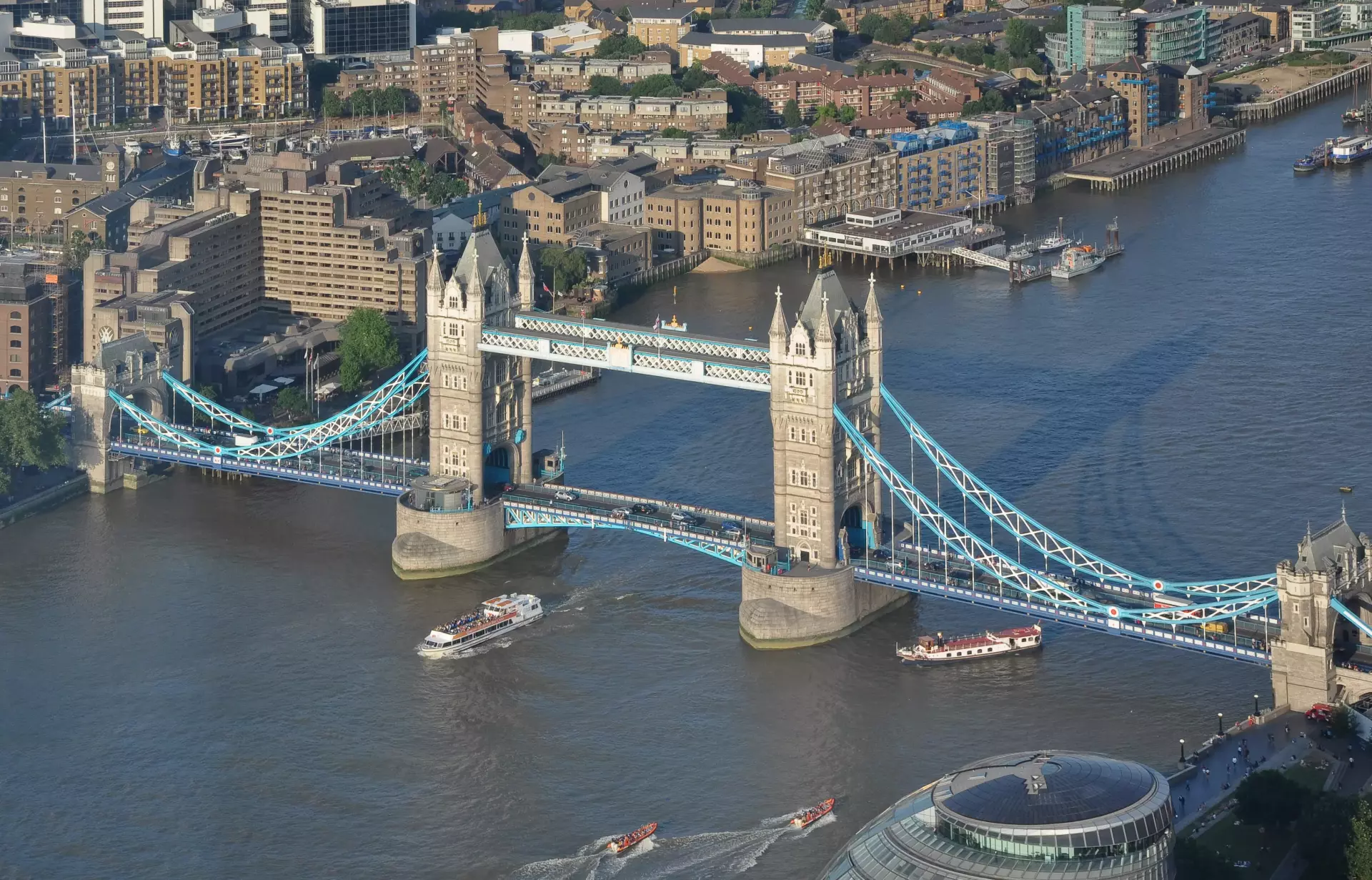
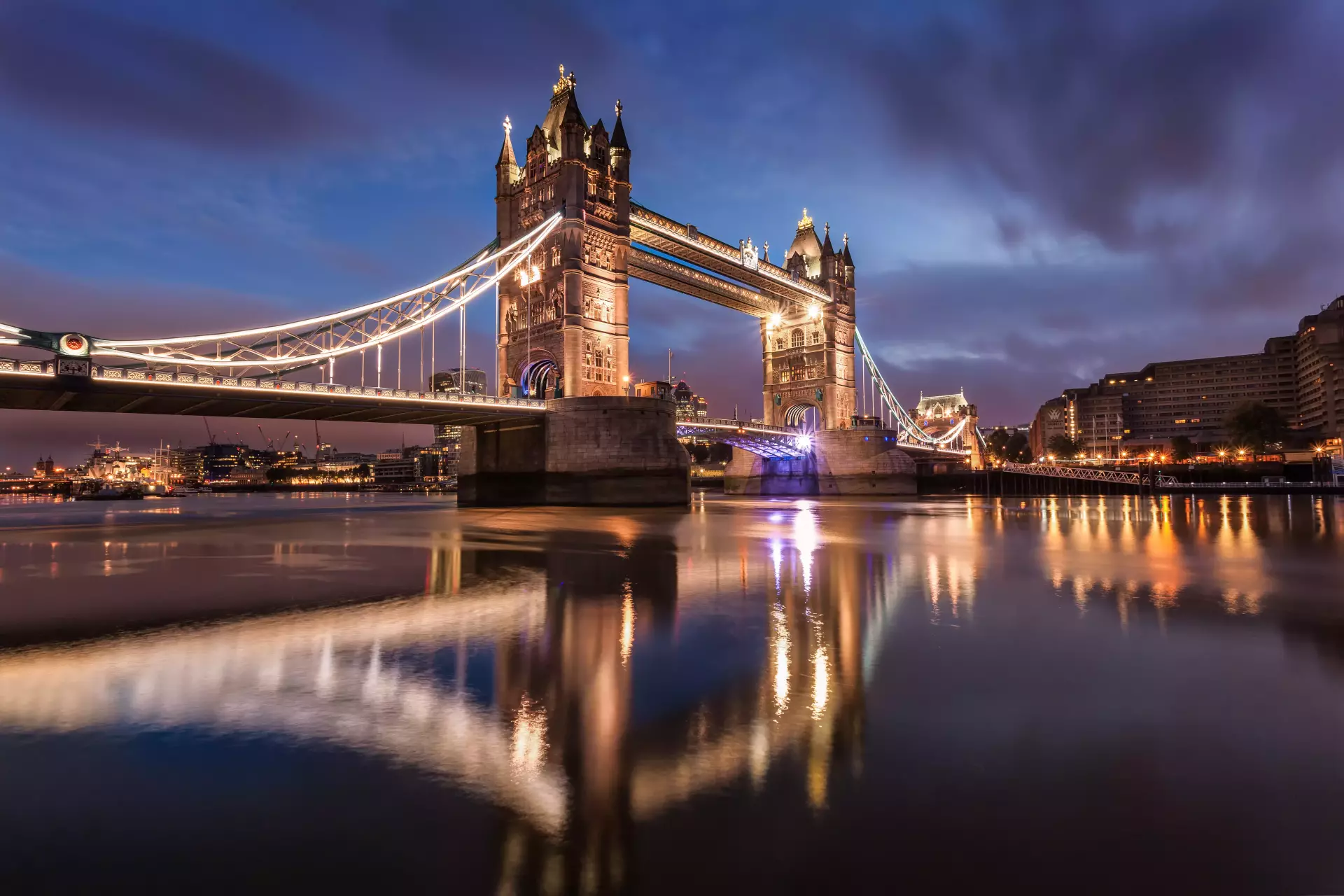
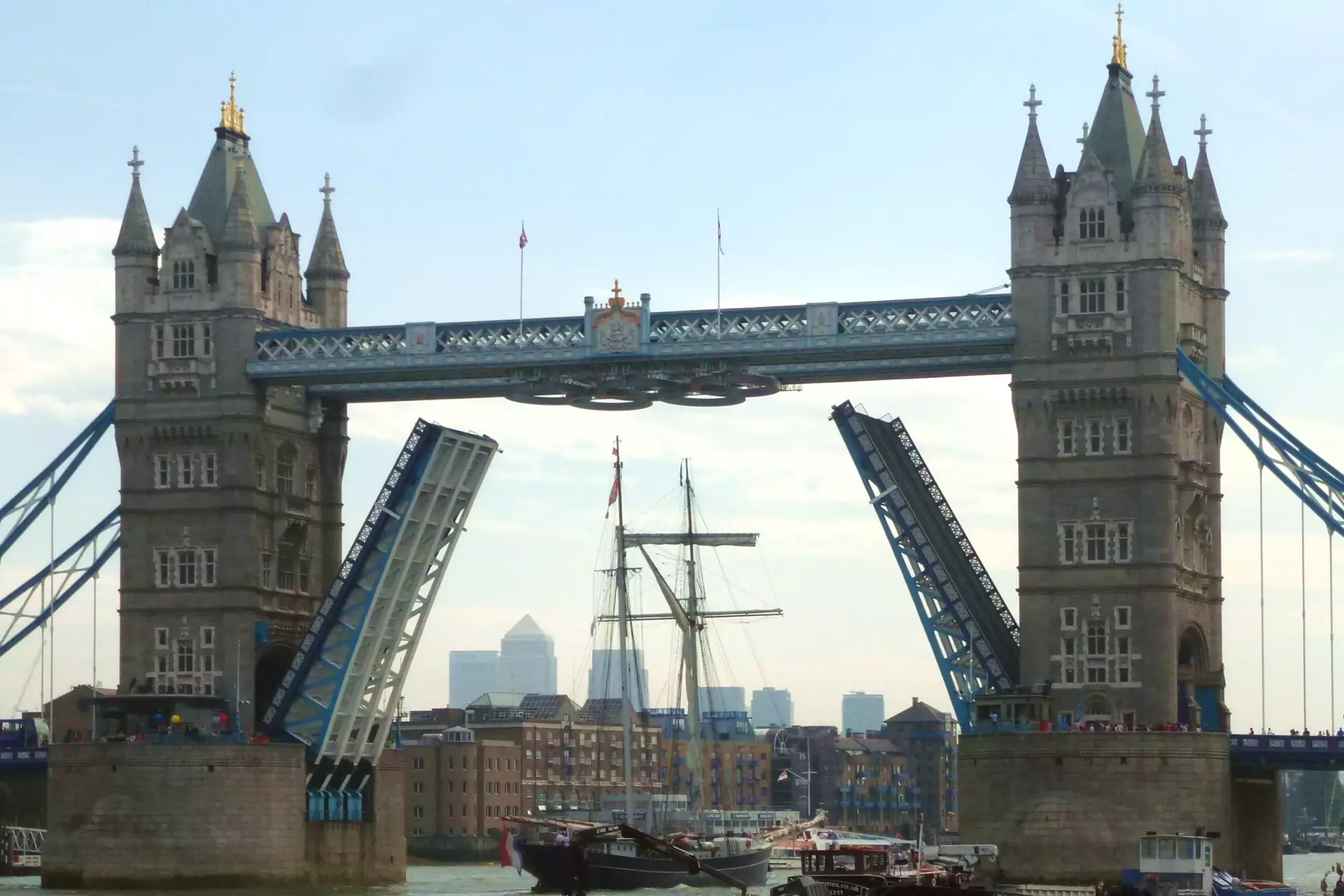
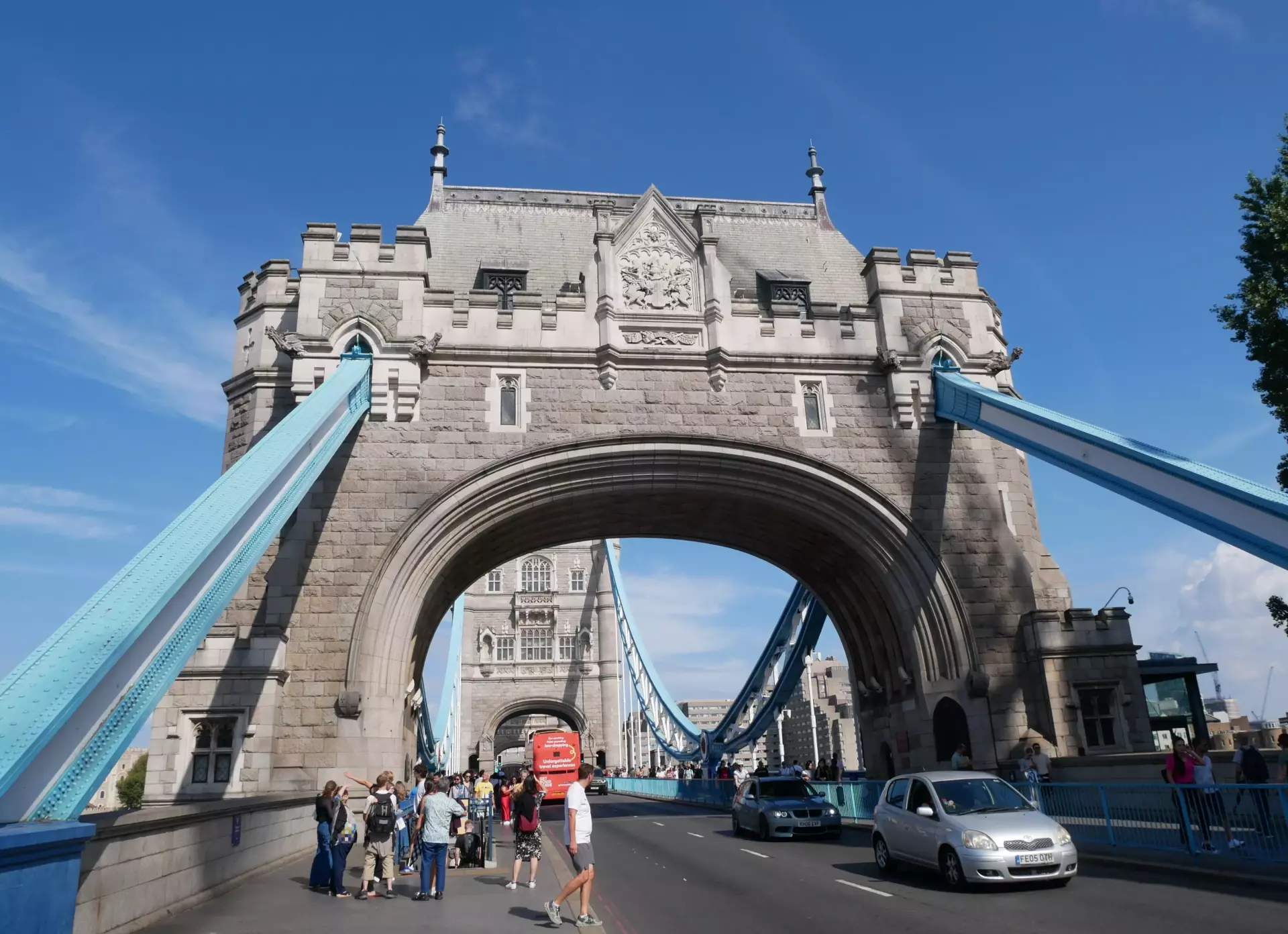
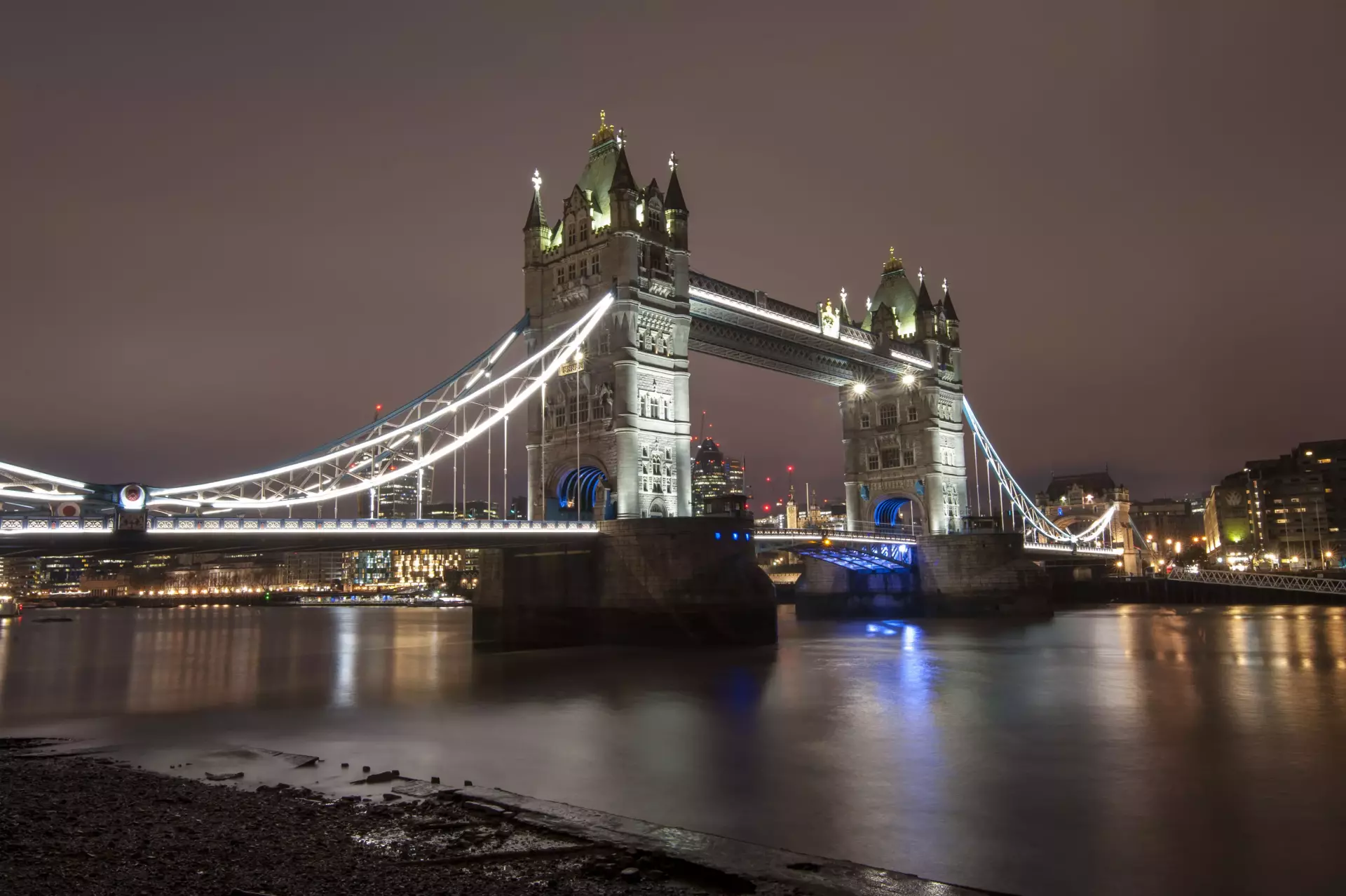
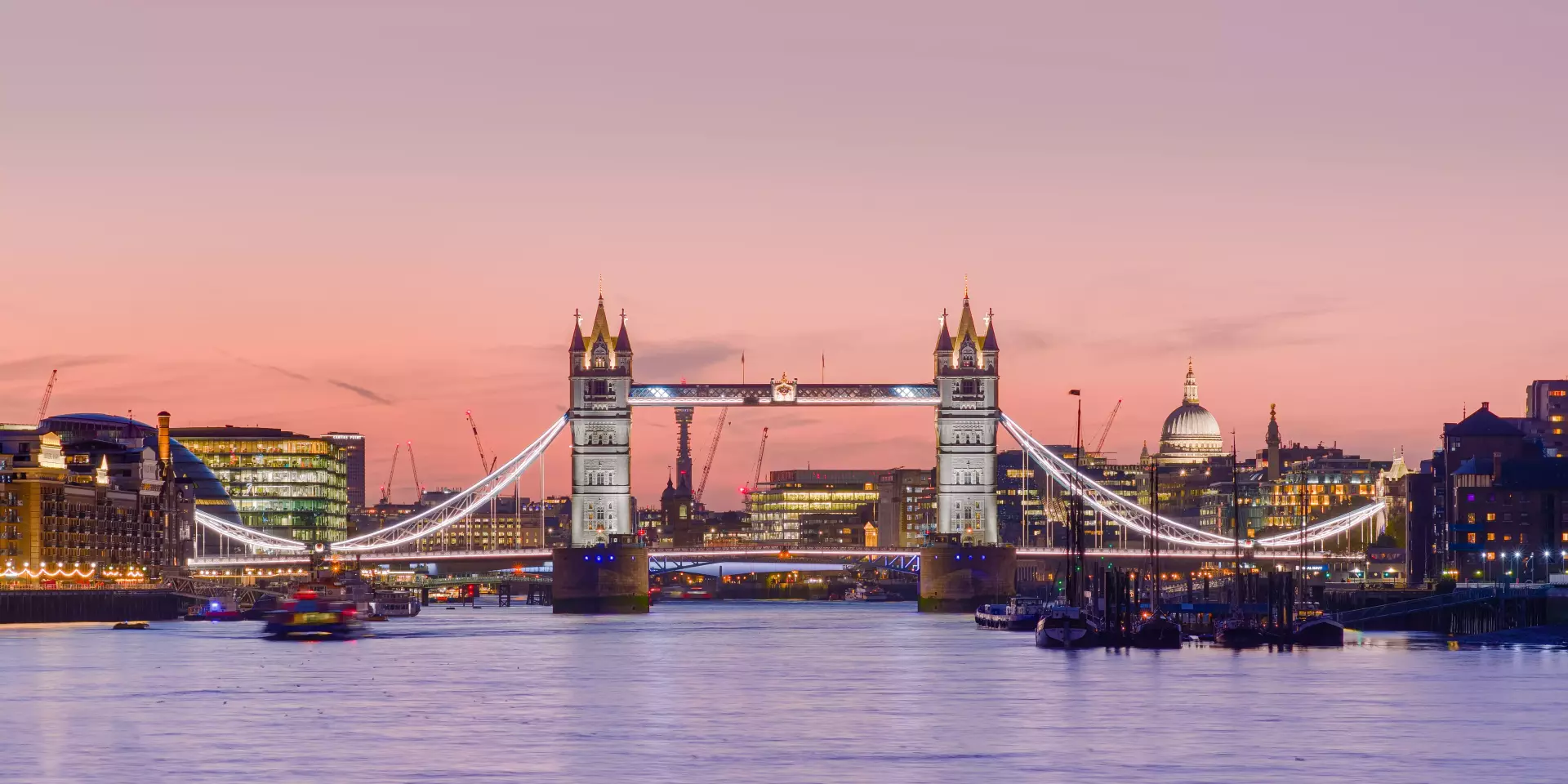
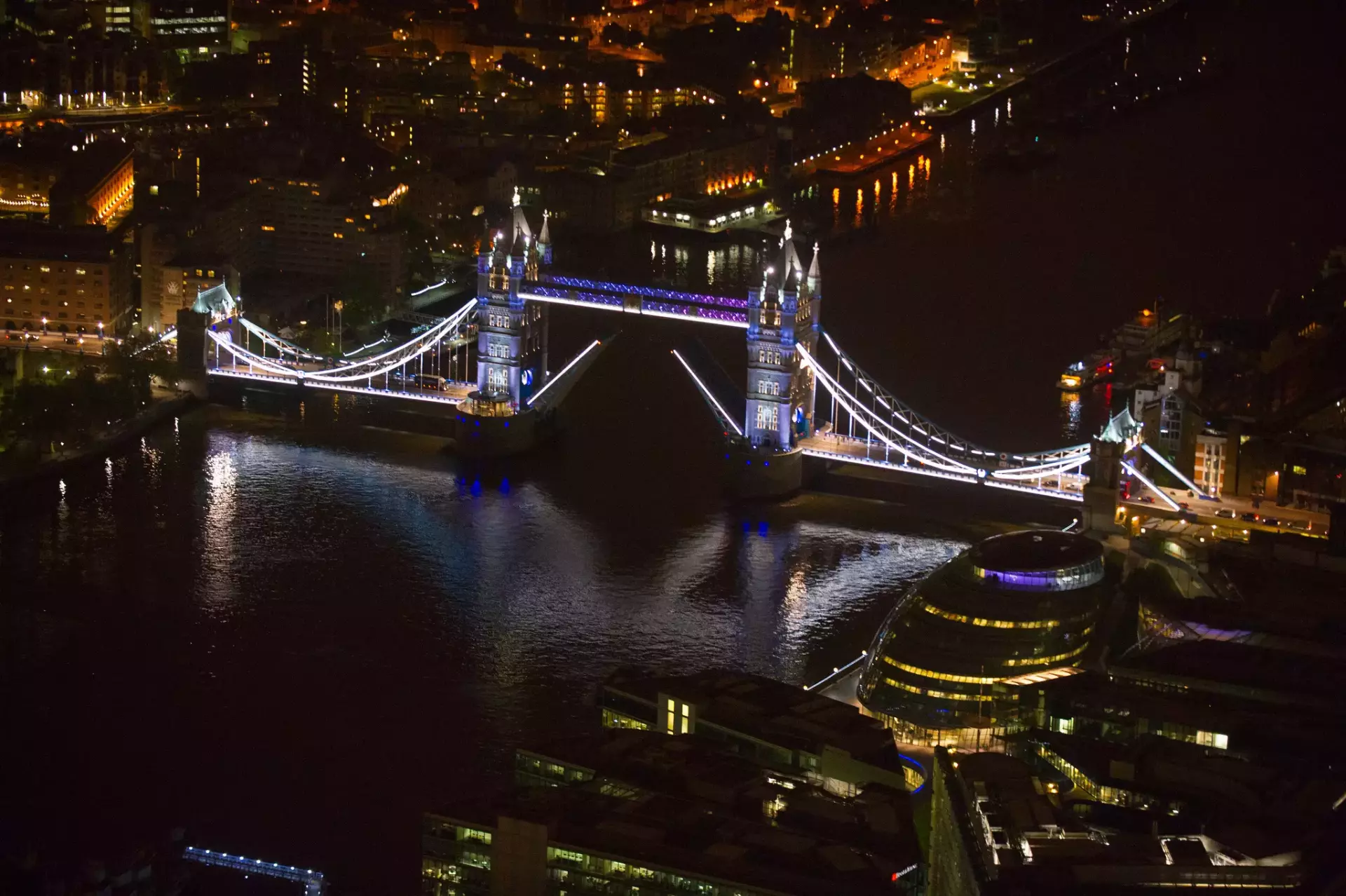
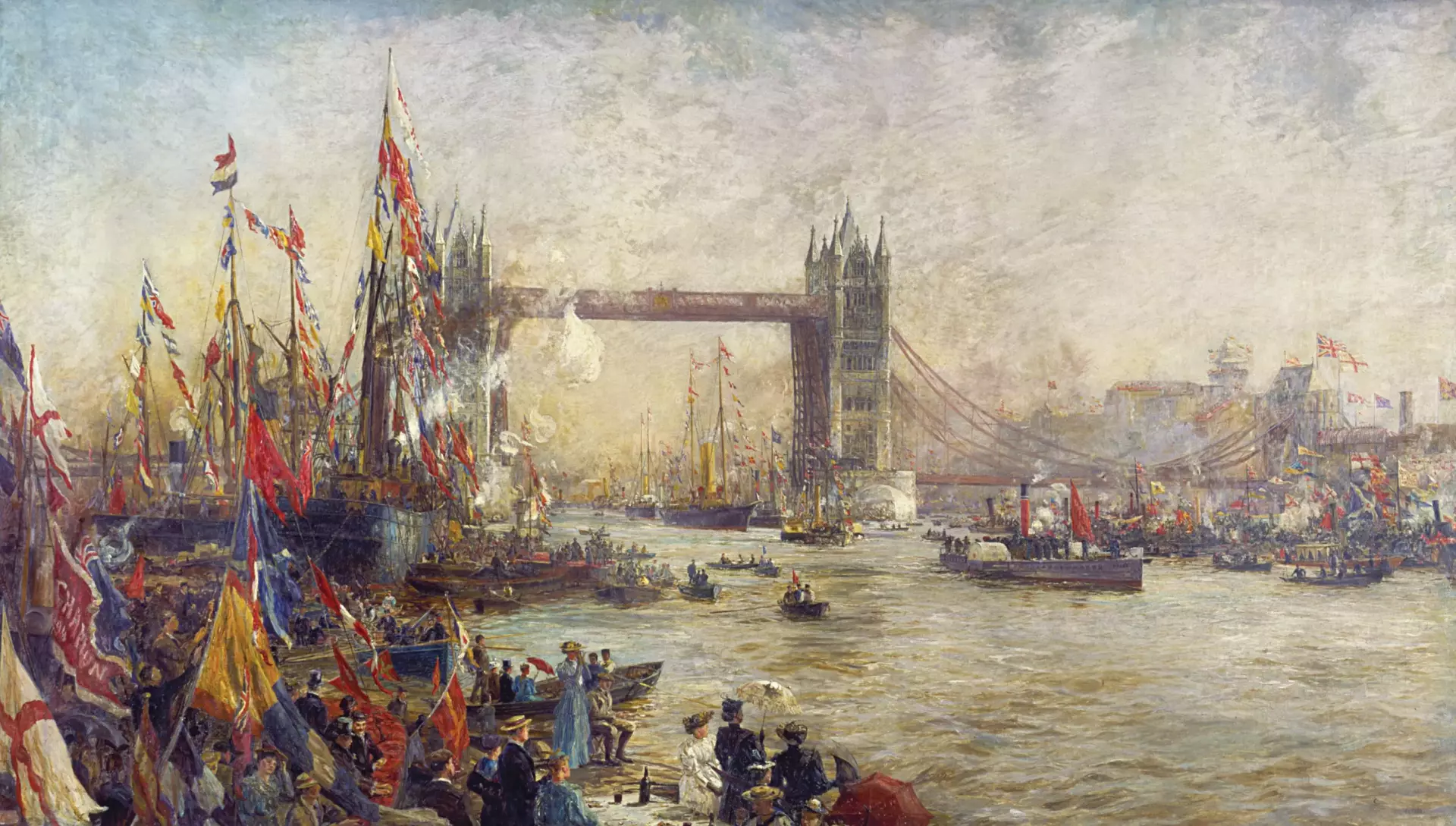
Tower Bridge, with its impressive 19th-century architecture, stands as an iconic symbol of London. The bridge, adorned with its towering structures, also features a drawbridge that opens several times a day to allow ships to pass through. Unlike a regular schedule, the opening times vary based on demand.
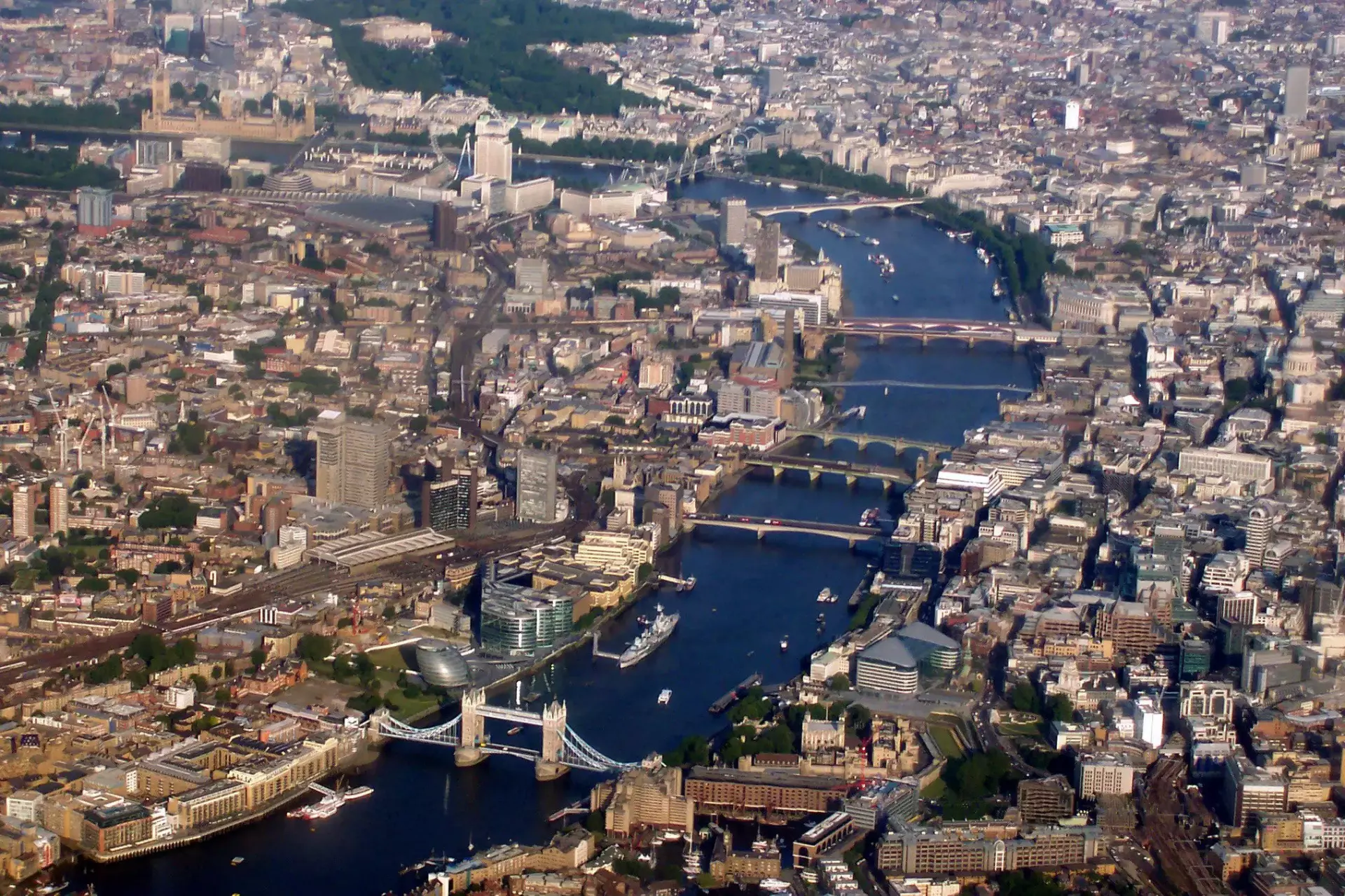
When Tower Bridge was first constructed, it served a critical role. Located to the west was a bustling port that required a bridge capable of allowing tall ships to navigate the waters. This function remains important today, though the surroundings of the bridge have transformed significantly.
To the west of Tower Bridge now lies the vibrant South Bank area, known for its cultural landmarks and attractions. On the eastern side, visitors can explore the regenerated Butler's Wharf area, home to a selection of shops and charming riverside restaurants that offer delightful views of the Thames.
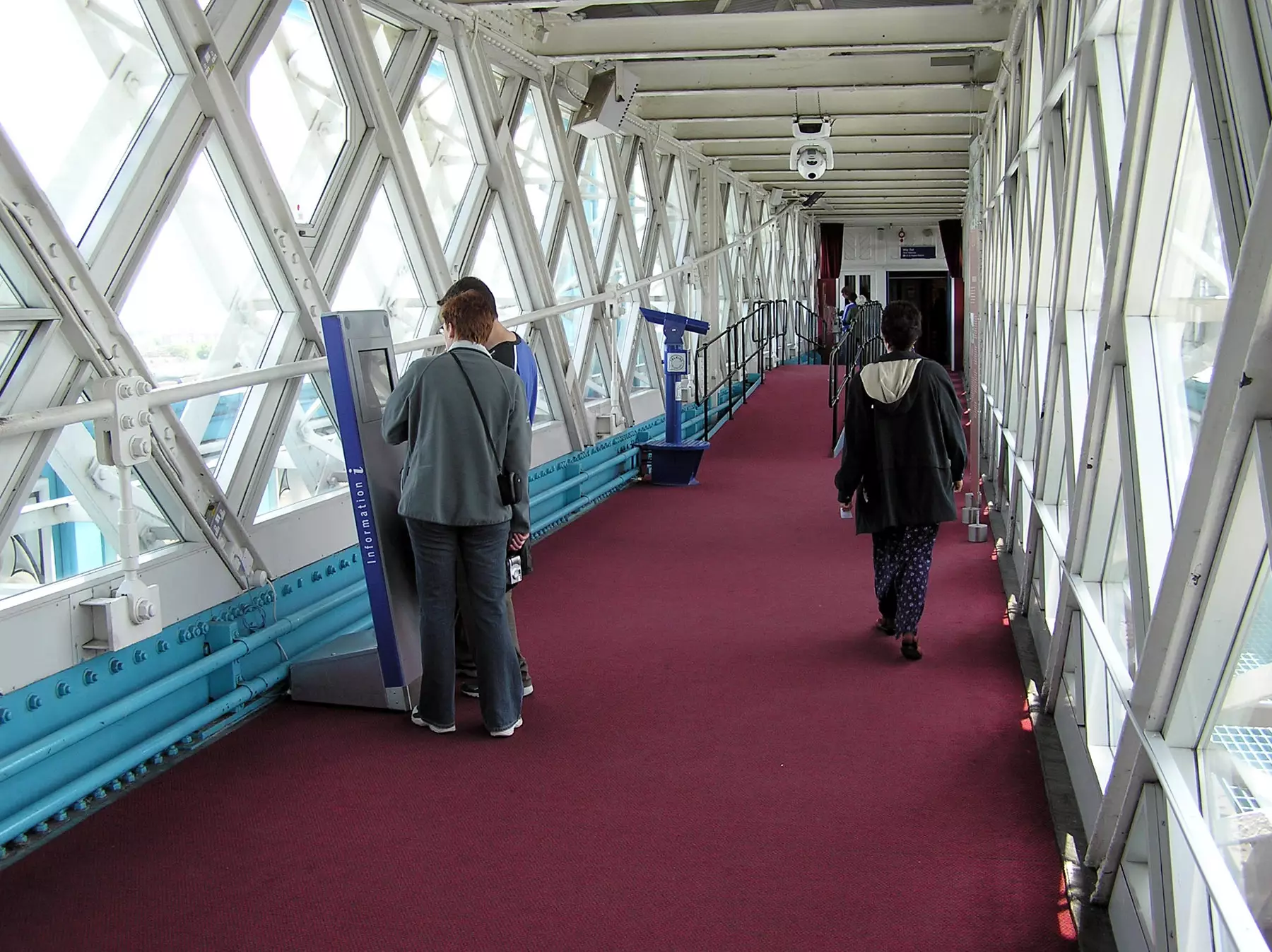
A visit to Tower Bridge wouldn't be complete without taking the lift to the top level. From there, visitors can enjoy stunning vistas of the city. For those who dare, glass floors provide a unique perspective of the bridge and the river below.
The bridge also houses a museum that details its fascinating history and engineering feats. Additionally, photographic exhibitions on the walkways between the towers offer a visual journey through time, showcasing the bridge's significance and evolution over the years.
Source - https://en.wikipedia.org/wiki/Tower_Bridge

Properly St Lawrence Jewry next Guildhall, it is the official church of the Lord Mayor of London.
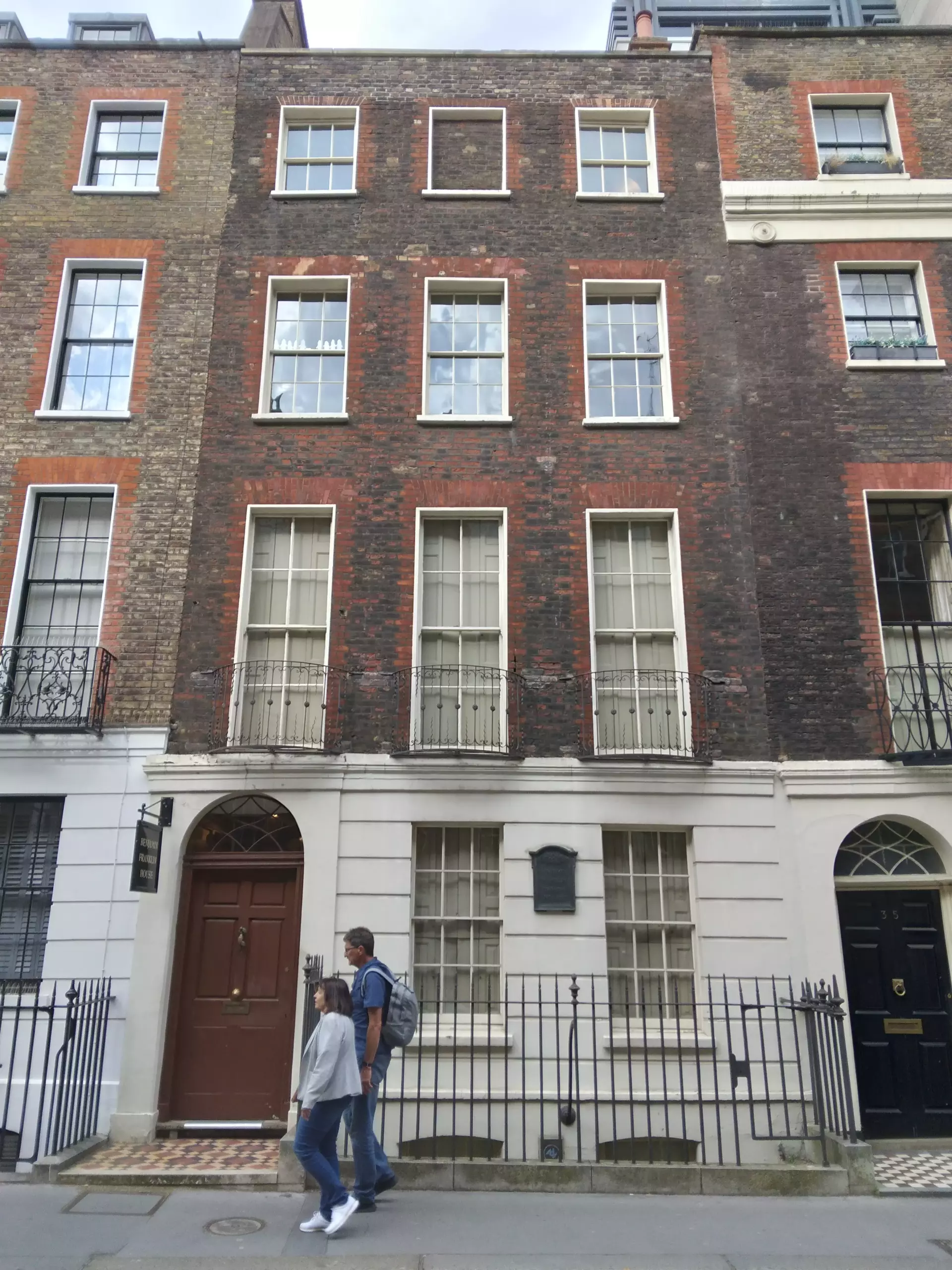
Museum at the former home of Dickens exhibiting writings, paintings, furniture and other items relating to the writer.
The Abbey charges tourists for entry, but not for worshippers. Attend a church service for free and enjoy some of the finest choral music in London from the choir. Choral Evensong at 3pm (Sa Su) or 5pm (weekdays), depending on time of year, is an especially good bet. The Abbey is the traditional scene for the coronation of British monarchs and the burial place of many past kings and queens. The Abbey contains a good gift shop and the Cellarium Café, which traces its history to the 14th century, is a good place to buy a noontime meal. Westminster Abbey is usually open to visitors from Monday to Saturday throughout the year. On Sundays and religious holidays such as Easter and Christmas, the Abbey is open for worship only. All are welcome and it is free to attend services. Visitor access to the Abbey is via the West Gate of the North Green.
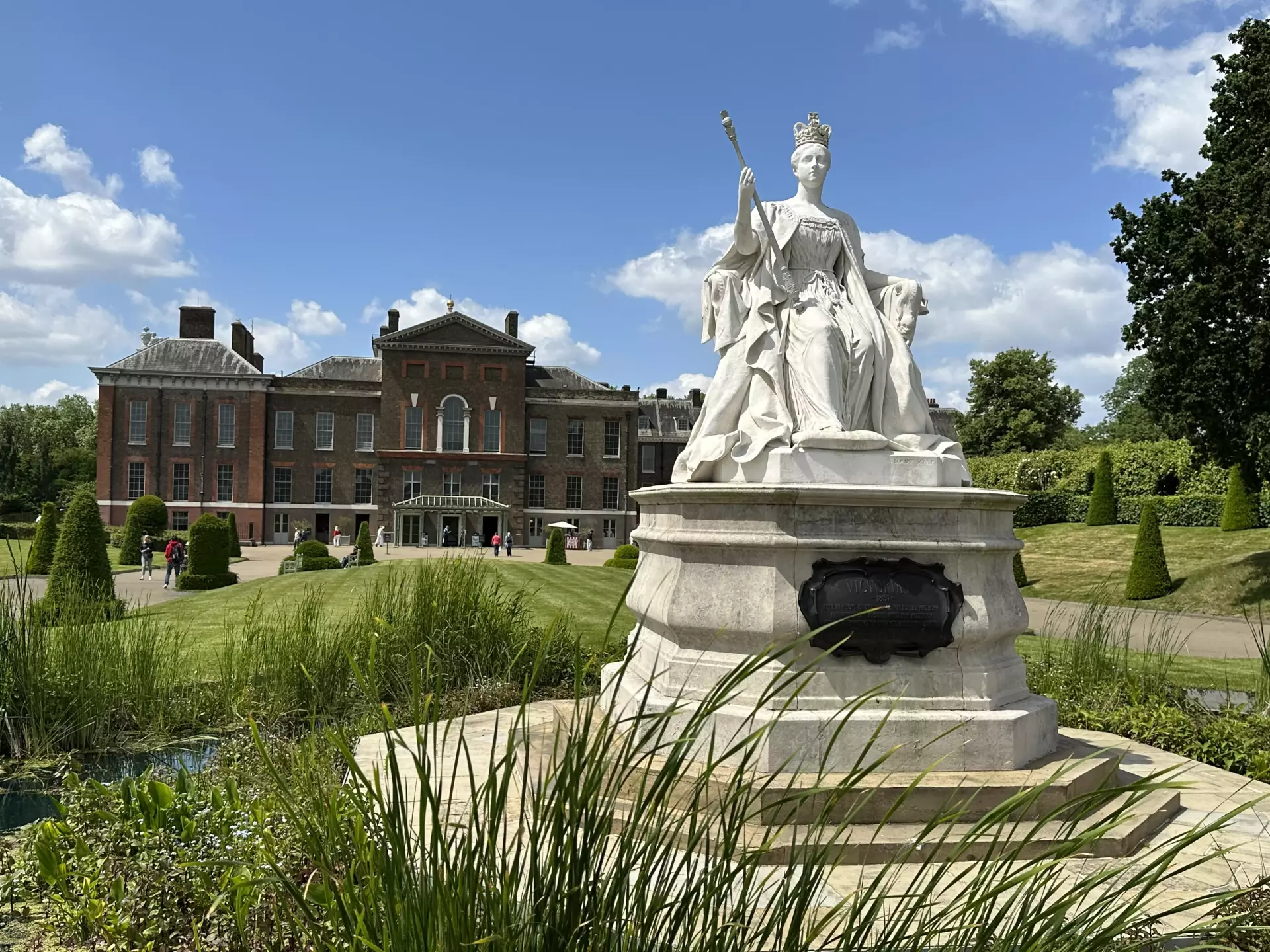
The most senior of the Royal palaces in London (built between 1531 and 1536) and the official seat of the monarch.
The Guildhall Art Gallery houses the City Corporation's art collection, and also runs special exhibitions throughout the year. During construction of the modern gallery, workers discovered the ruins of London's Roman amphitheatre. The gallery was redesigned, and now the Amphitheatre is open to the public within the Guildhall Art Gallery itself and also free of charge.
A stone howitzer by World War I veteran Charles Sargeant Jagger
Site of the London residences for the Prime Minister (No. 10) and the Chancellor (No. 11).
One of the "Magnificent Seven" old cemeteries in London. Graves range from plain to ornate and the site can be a tranquil place to walk amid the bustle of the city. It was opened in 1840 and is still a working cemetery, although it was closed for some time in the late 20th century. Can be nice, if morbid, for an afternoon stroll, especially as a route (and cycle route) between Old Brompton Road and Fulham Road.
The eastern half of the twin parks. Of the two, Hyde Park is open for longer and has more open, unwooded land; it is often host to concerts, fun fairs and events. More of an artificial stream than a fountain, flowing in an oval through an open grassy area which, in normal summers, is a popular paddling spot for children and grown-ups alike.
This is probably the most famous criminal court in the world, and has been London's principal criminal court for centuries. It hears cases remitted to it from all over England and Wales as well as the Greater London area. The present building dates largely from 1907 (a new block was added from 1970 for more modern facilities) and stands on the site of the infamous medieval Newgate Gaol. The Central Criminal Court is of course best known today for its association with John Mortimer's Rumpole of the Bailey character, novels and television series. Daily case listings are available at The law pages. No bags, cameras, drinks, food or mobile phones—no facilities for safekeeping. Children under 14 are not admitted.
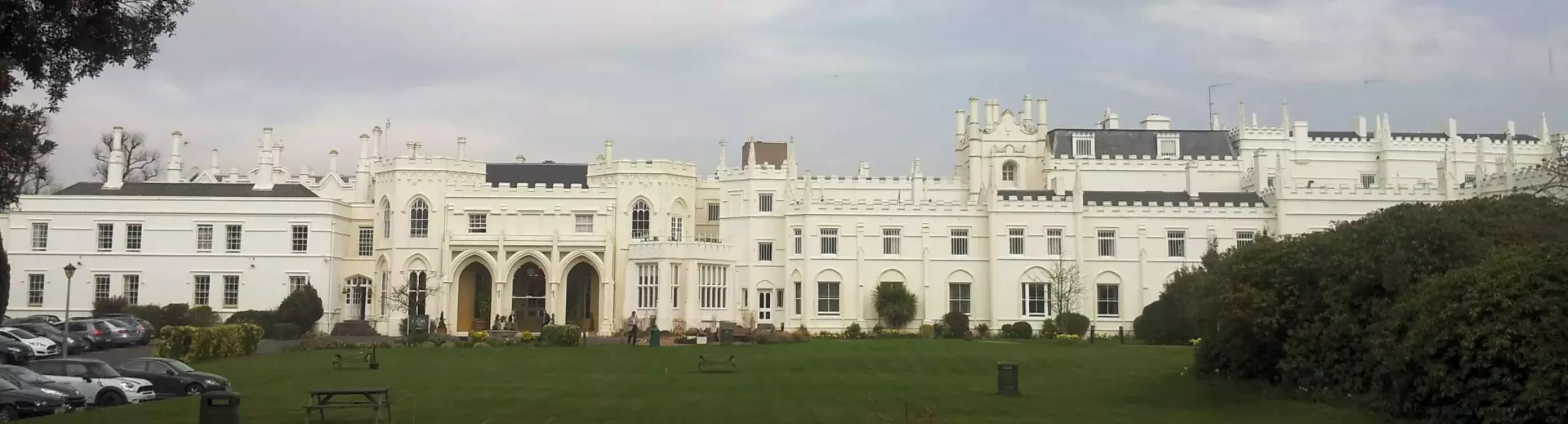
Eccentric Gothic home of 18th-century poet and author, Horace Walpole, son of England's first prime minister.
The headquarters of world's most famous insurance market, housed in a revolutionary (at the time) bizarre, Matrix-like glass-and-steel building designed by Richard Rogers, with all support services (lifts, ventilation, etc.) suspended outside. Recognised as a masterpiece of exoskeleton architecture.