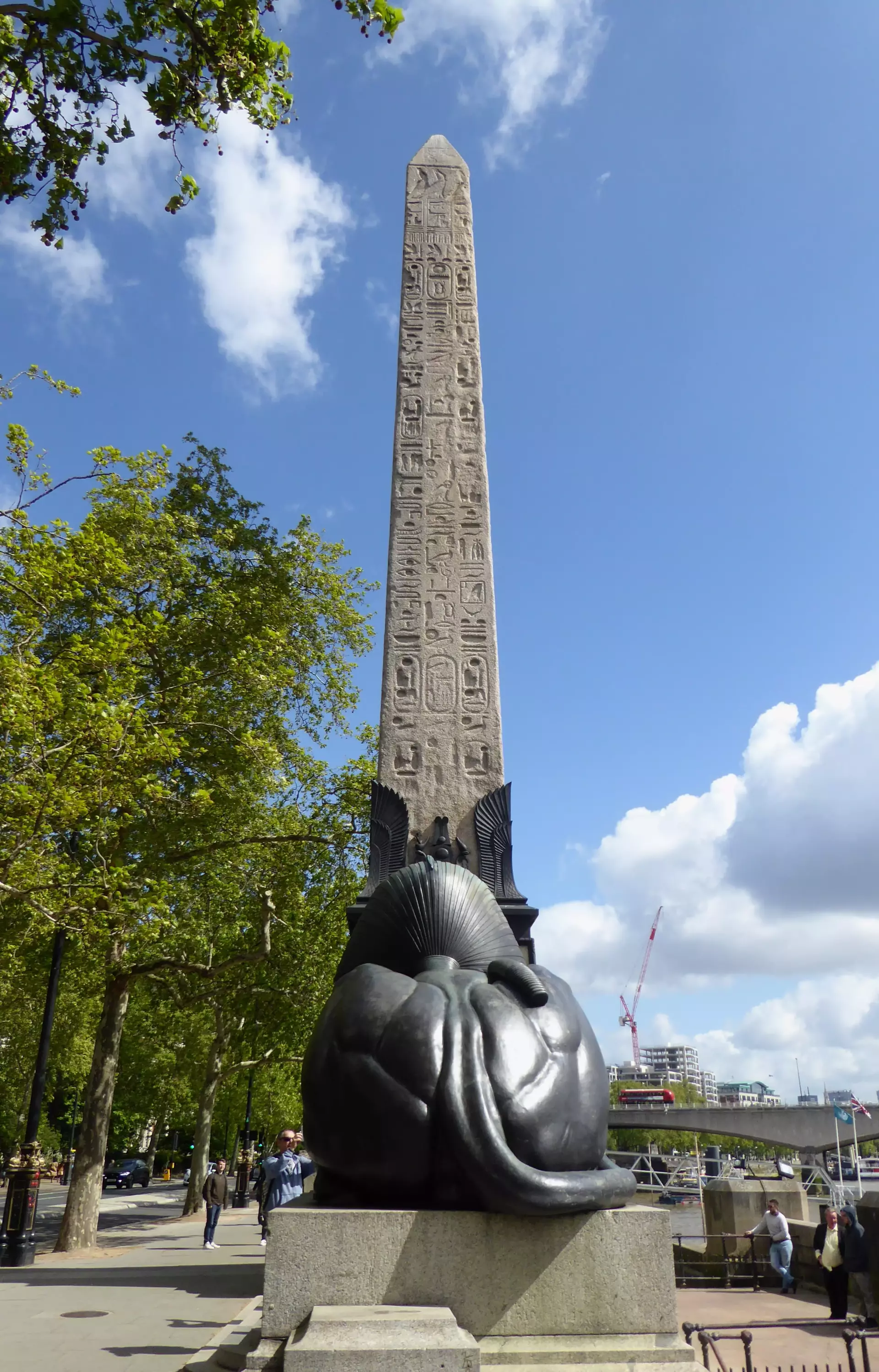
Cleopatra's Needle has a fascinating journey that dates back to the ancient Egyptian city of Heliopolis, where it originally stood in the Temple of Atum. This grand obelisk was later moved by the Romans to Alexandria in 12 BC, marking the start of its long, storied travels.
In 1819, the obelisk was gifted to the British by viceroy Mehemet Ali. This act was a gesture to commemorate Britain's military victories in Egypt. However, despite this generous gift, Cleopatra's Needle stayed in Alexandria for several decades before any plans were made to transport it to London.
In 1877, arrangements were finally made for its transport to London. The journey was not without its perils; during the voyage, the ship carrying the obelisk capsized in a storm, tragically claiming the lives of six crew members. For a brief time, Cleopatra's Needle was believed lost at sea. However, Spanish trawlers discovered it floating a few days later. Following some necessary repairs, the obelisk completed its journey and reached London on January 21, 1878.
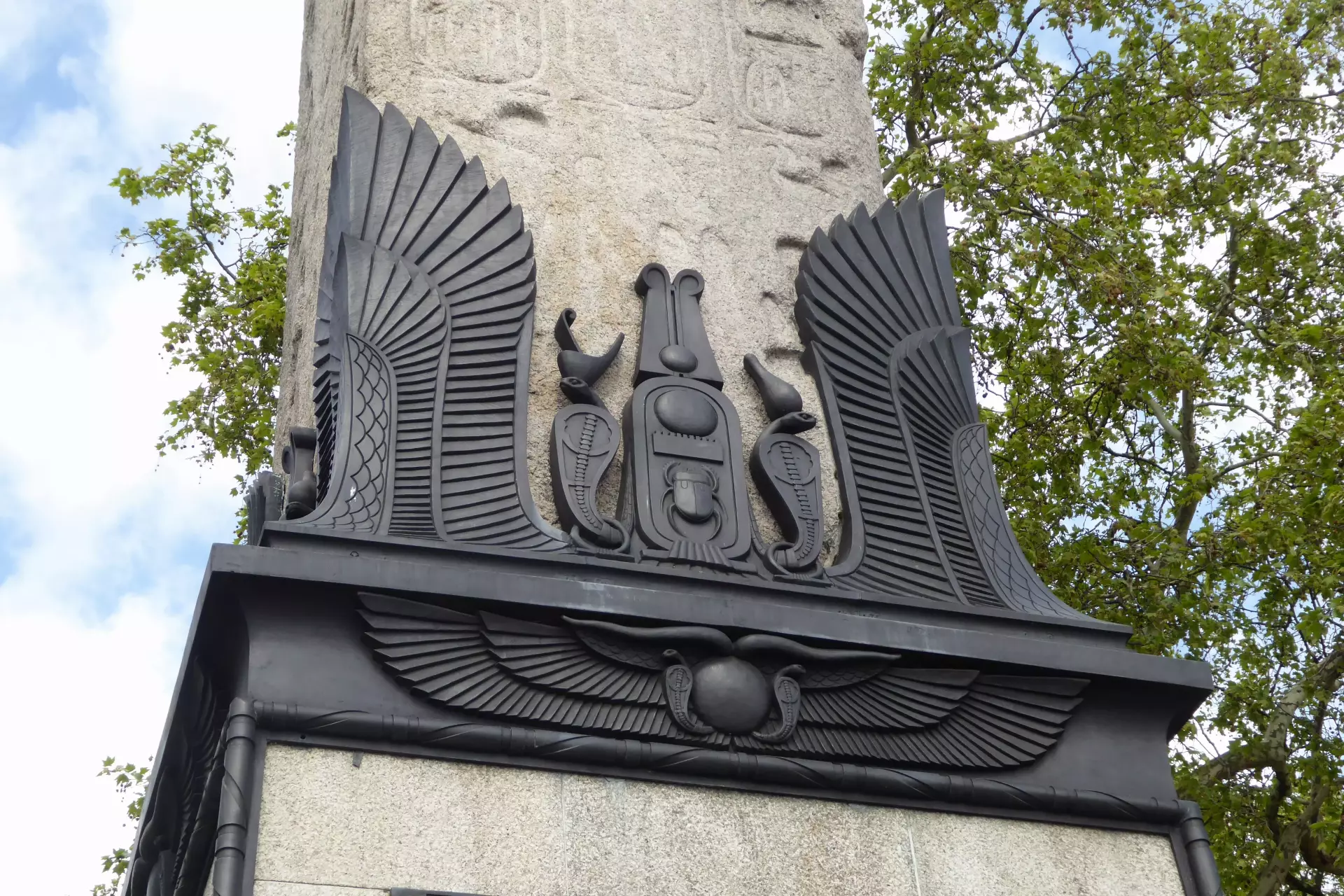
Now a part of London's landscape, Cleopatra's Needle stands proudly along the River Thames. It is flanked by two faux-sphinxes, which bear visible signs of London’s turbulent history, showing the scars left by bombings during World War II. As time passes, Cleopatra's Needle endures the impact of London's damp weather, adding another layer to its rich and varied history.
Source - https://en.wikipedia.org/wiki/Cleopatra%27s_Needle,_London
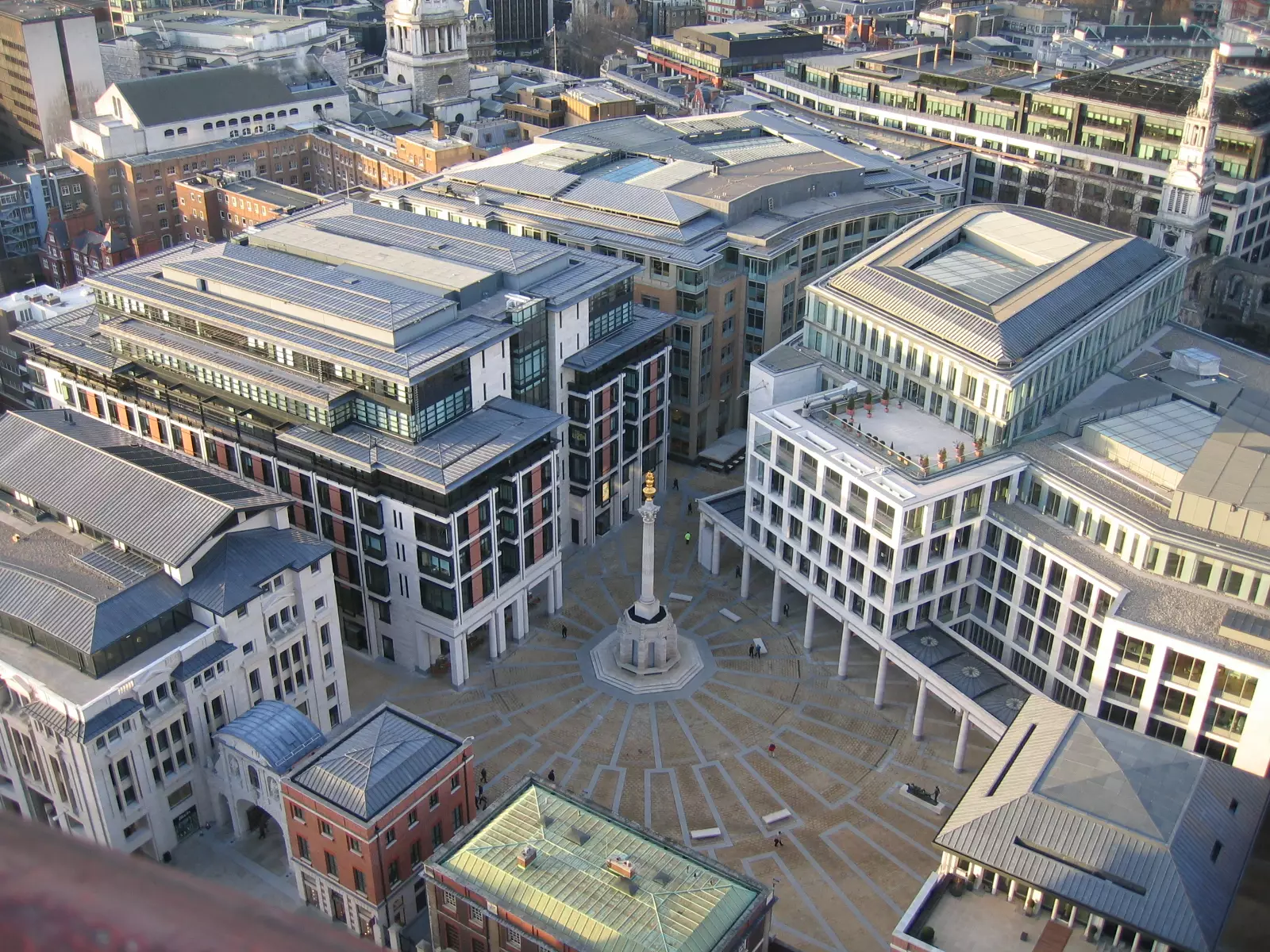
London Stone is a historic landmark housed in a public display case at 111 Cannon Street in the City of London. It is an irregular block of oolitic limestone measuring 53 × 43 × 30 cm (21″ × 17″ × 12″), the remnant of a once much larger object that had stood for many centuries on the south side of the street.
The remains of the once-magnificent palace, home to English kings since Edward I, adjoin Richmond Green, a pleasant open green space and historic cricket ground. Only the Gate House and Wardrobe, now converted into flats, remain.
Dr Samuel Johnson was the highly distinguished 18th-century "man of letters", best known for his comprehensive English Dictionary of 1755, but also for his prolific output of poems, essays and novels. Something of a "hidden gem", this small, independent museum is dedicated to him—and, with its historic interiors, paintings and prints, personal effects and other exhibits—gives an impression of what it might have been like during his occupancy from 1748 to 1759. Built in 1700, this impressive period building—a rare example of its kind in the area—survived the brutal onslaught of the Blitz during World War II and is now maintained in excellent condition.
A private residence which can only be seen from the street. Designed and built in a French neo-Gothic style by William Burges, it features a handsome cone-roofed tower. Legendary guitarist Jimmy Page has been the house's proud owner since he bought it from actor Richard Harris in 1972.
This is probably the most famous criminal court in the world, and has been London's principal criminal court for centuries. It hears cases remitted to it from all over England and Wales as well as the Greater London area. The present building dates largely from 1907 (a new block was added from 1970 for more modern facilities) and stands on the site of the infamous medieval Newgate Gaol. The Central Criminal Court is of course best known today for its association with John Mortimer's Rumpole of the Bailey character, novels and television series. Daily case listings are available at The law pages. No bags, cameras, drinks, food or mobile phones—no facilities for safekeeping. Children under 14 are not admitted.
The Abbey charges tourists for entry, but not for worshippers. Attend a church service for free and enjoy some of the finest choral music in London from the choir. Choral Evensong at 3pm (Sa Su) or 5pm (weekdays), depending on time of year, is an especially good bet. The Abbey is the traditional scene for the coronation of British monarchs and the burial place of many past kings and queens. The Abbey contains a good gift shop and the Cellarium Café, which traces its history to the 14th century, is a good place to buy a noontime meal. Westminster Abbey is usually open to visitors from Monday to Saturday throughout the year. On Sundays and religious holidays such as Easter and Christmas, the Abbey is open for worship only. All are welcome and it is free to attend services. Visitor access to the Abbey is via the West Gate of the North Green.
The second biggest greenhouse in London, containing over 2,000 species of tropical plants as well as birds and fish.
A 900-year-old tree stump carved and painted to feature elves and small animals.
The Guildhall Art Gallery houses the City Corporation's art collection, and also runs special exhibitions throughout the year. During construction of the modern gallery, workers discovered the ruins of London's Roman amphitheatre. The gallery was redesigned, and now the Amphitheatre is open to the public within the Guildhall Art Gallery itself and also free of charge.
At 87 hectares this is the largest open green space in the district.
The Duke and Duchess of Lauderdale's elegant 17th-century manor house, a mile or so upriver from Richmond riverside.
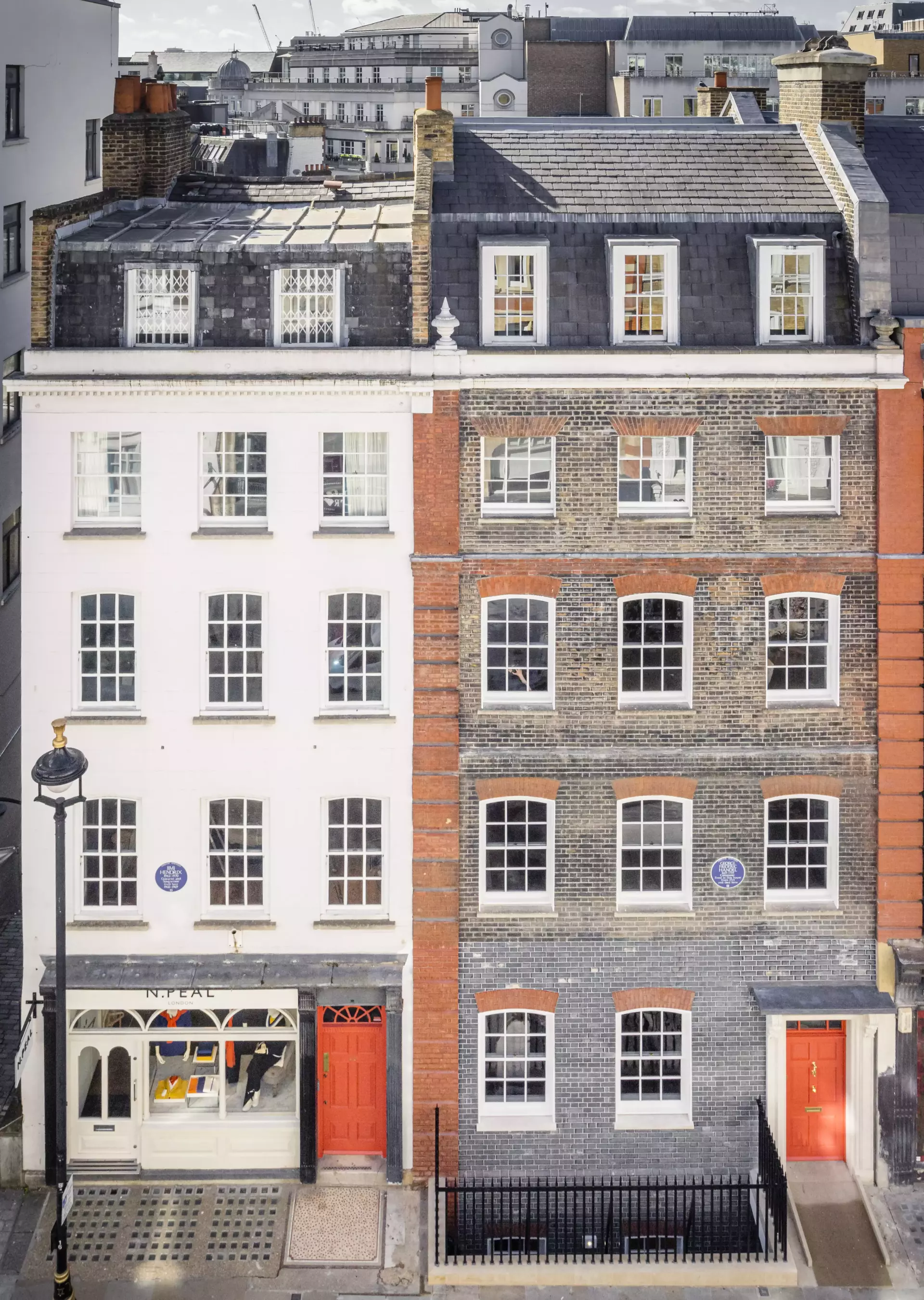
Home to the baroque composer George Frideric Handel from 1723 until his death in 1759. Some of the greatest classical music ever composed was done so at this address. The museum charts Handel's life and works and offers recitals of music in the magnificent setting of the period rooms. By contrast, next door was home to Jimi Hendrix when he lived in London in 1969, and entry to this top-floor flat is included.
St. Margaret's is the church of the British Parliament, more specifically, the parish church of the House of Commons.
Now permanently closed, will be replaced by new museum at the former Smithfield market site in 2026. The Museum of London Docklands remains open.
Art deco headquarters of University of London featured in the film Nineteen Eighty-Four.
This church on the bank of the Thames was built in 1157. It is the only church in London with chained books. A statue of Thomas More sits in front of the church.