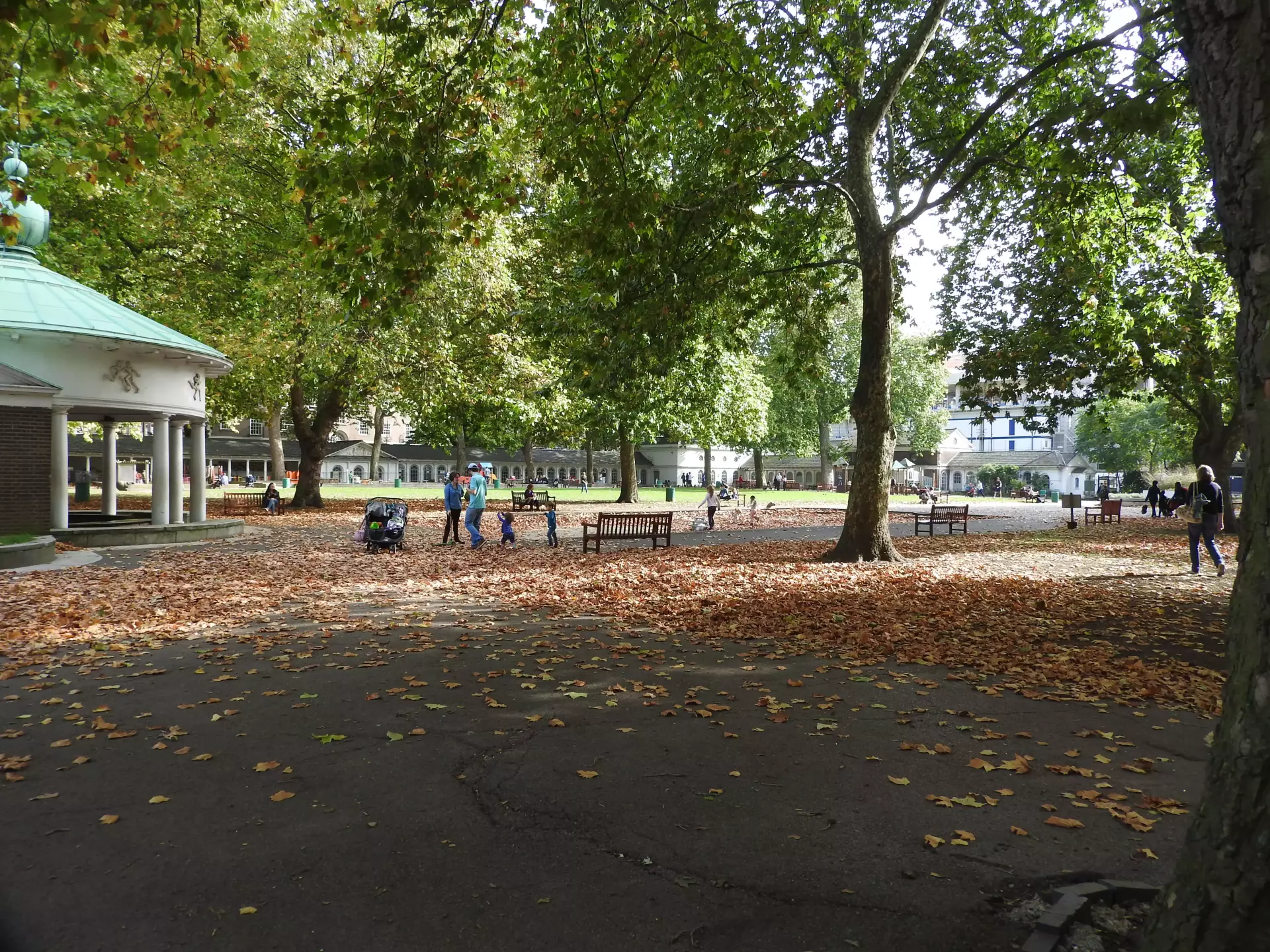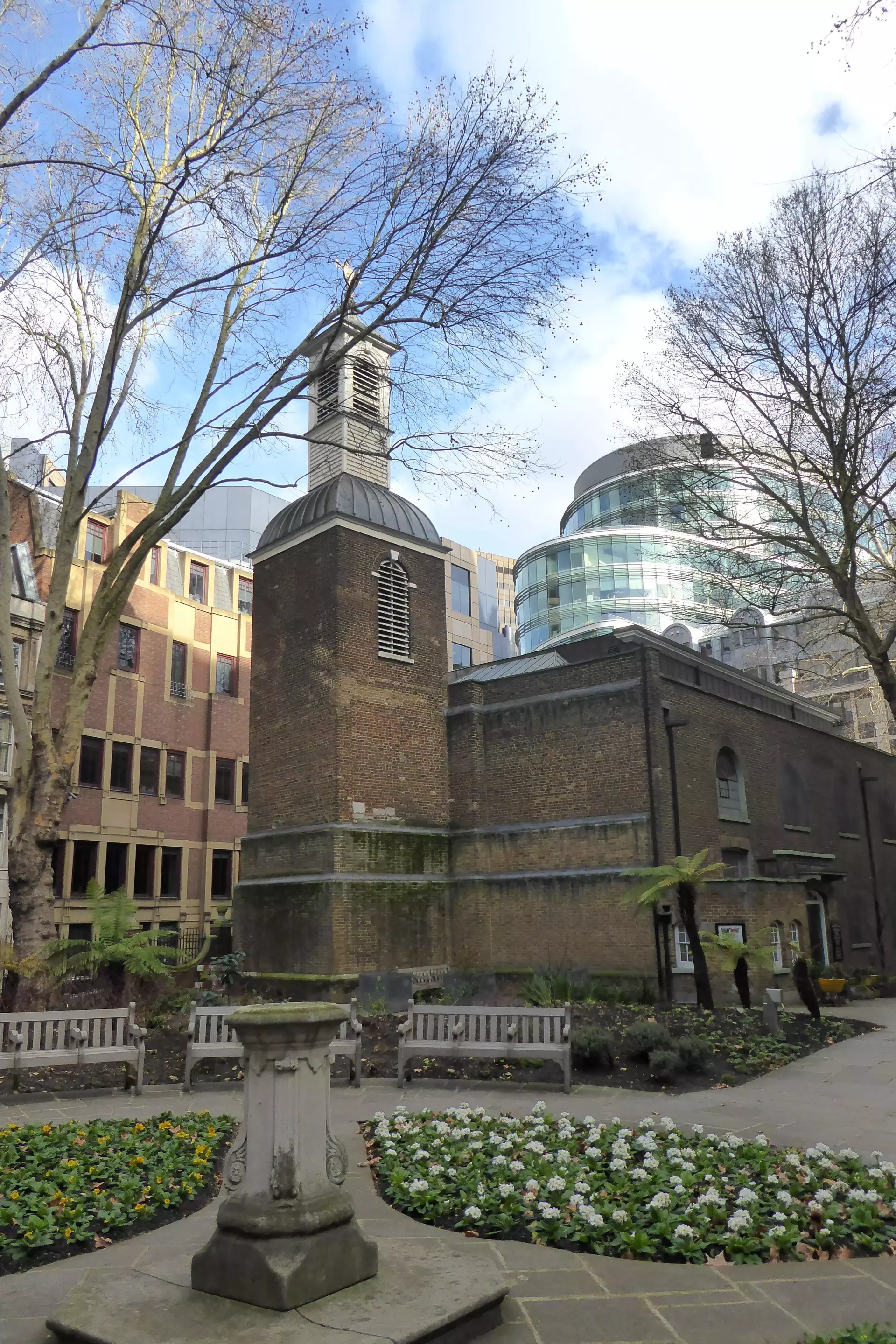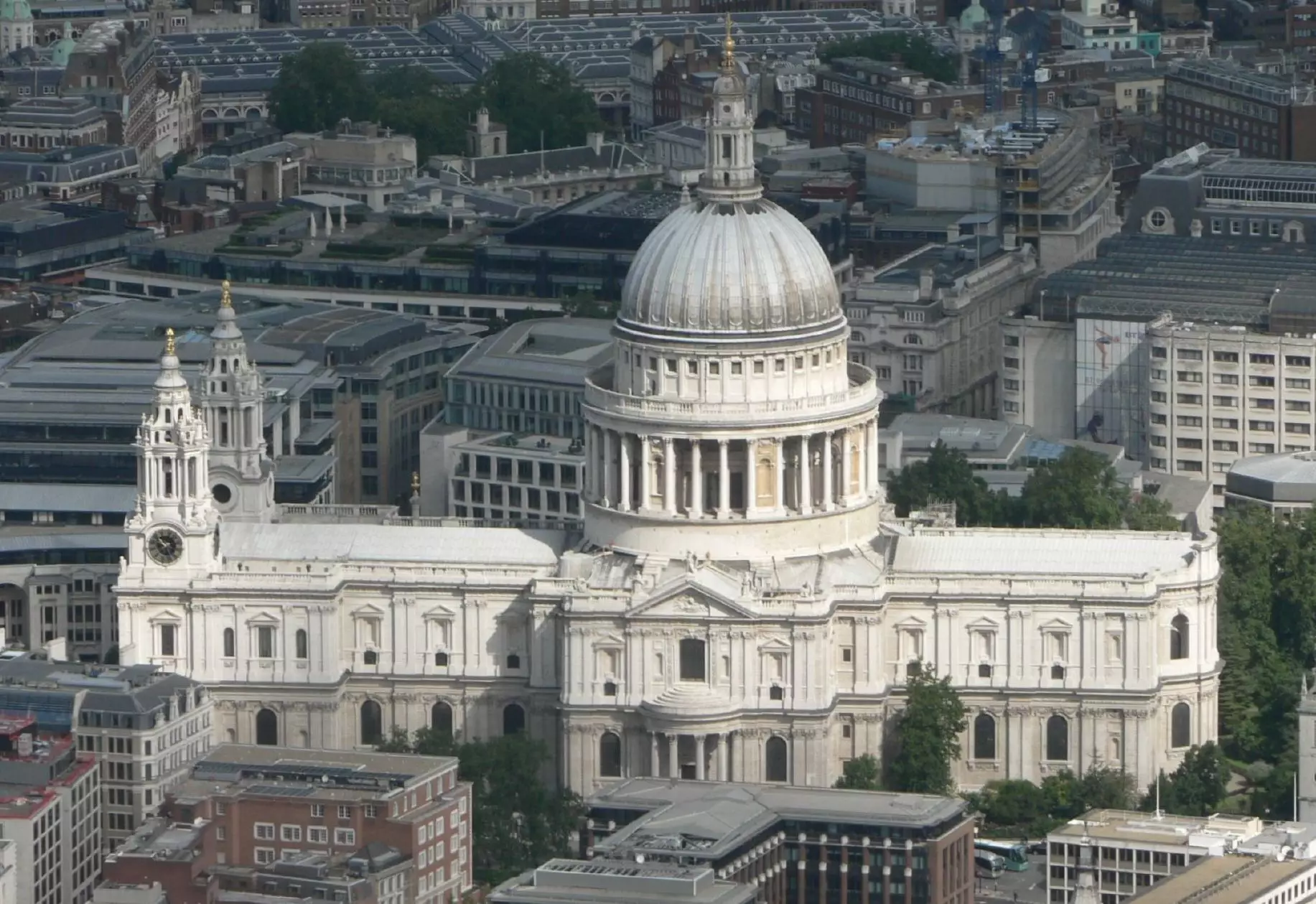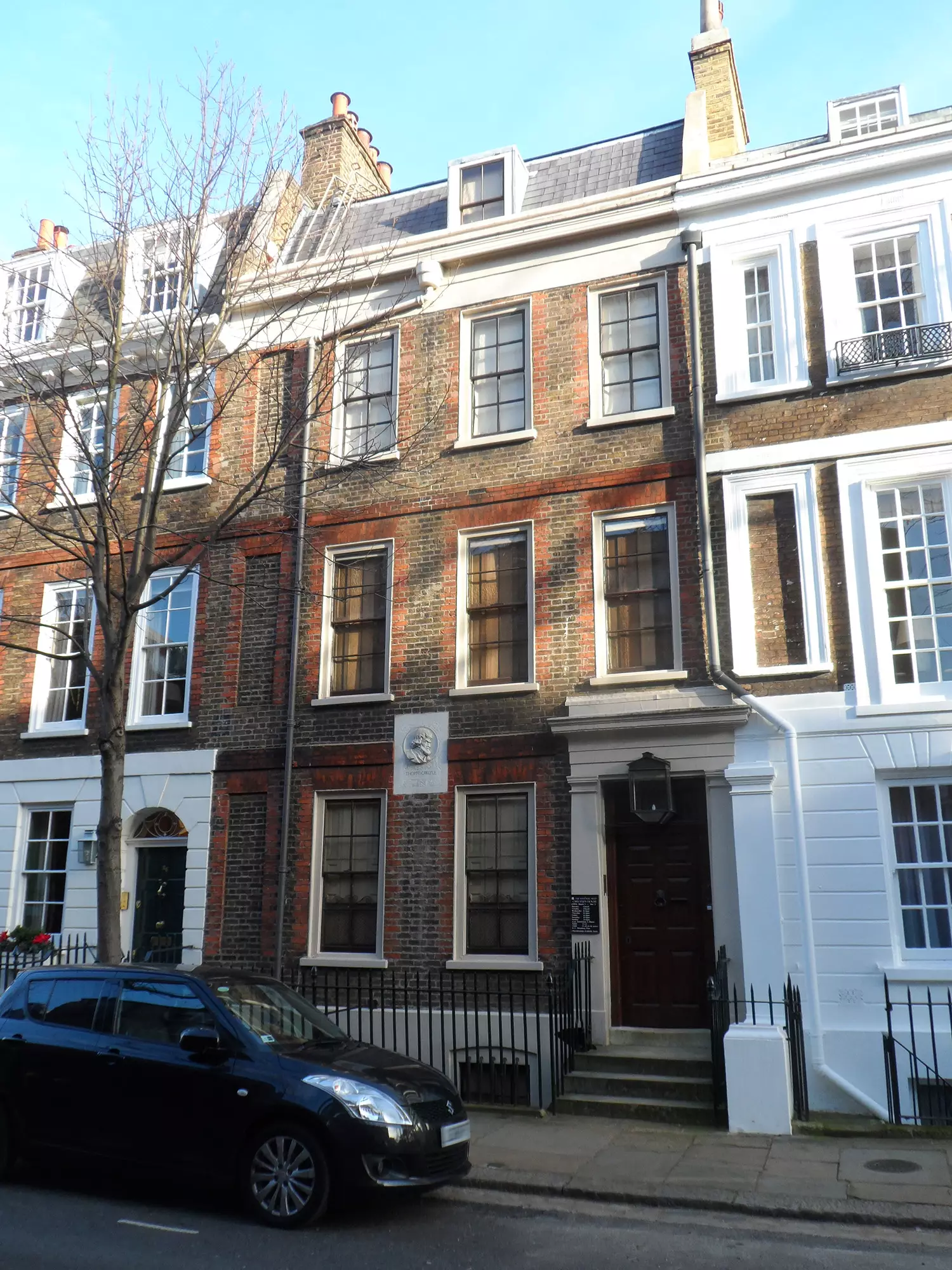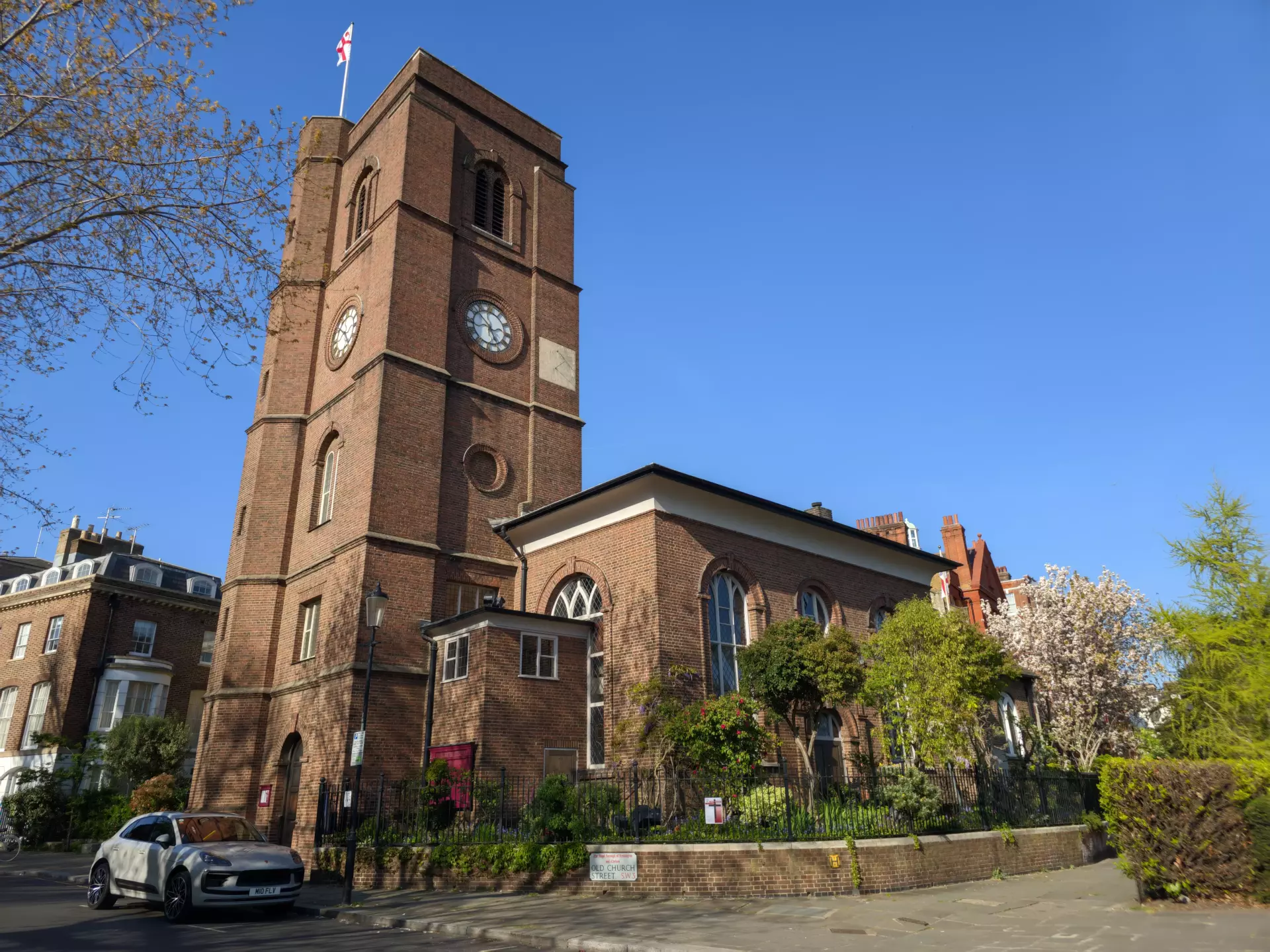
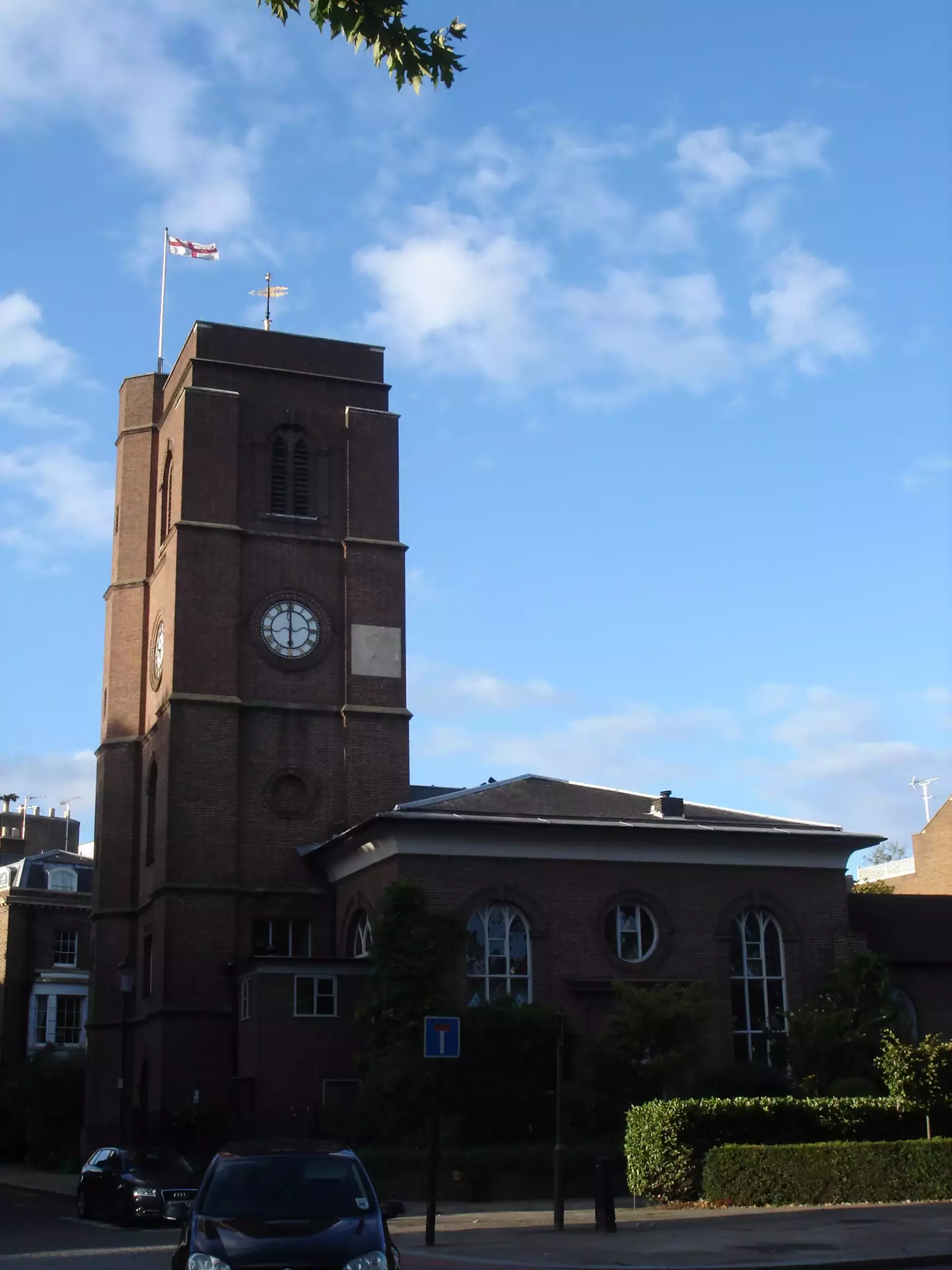
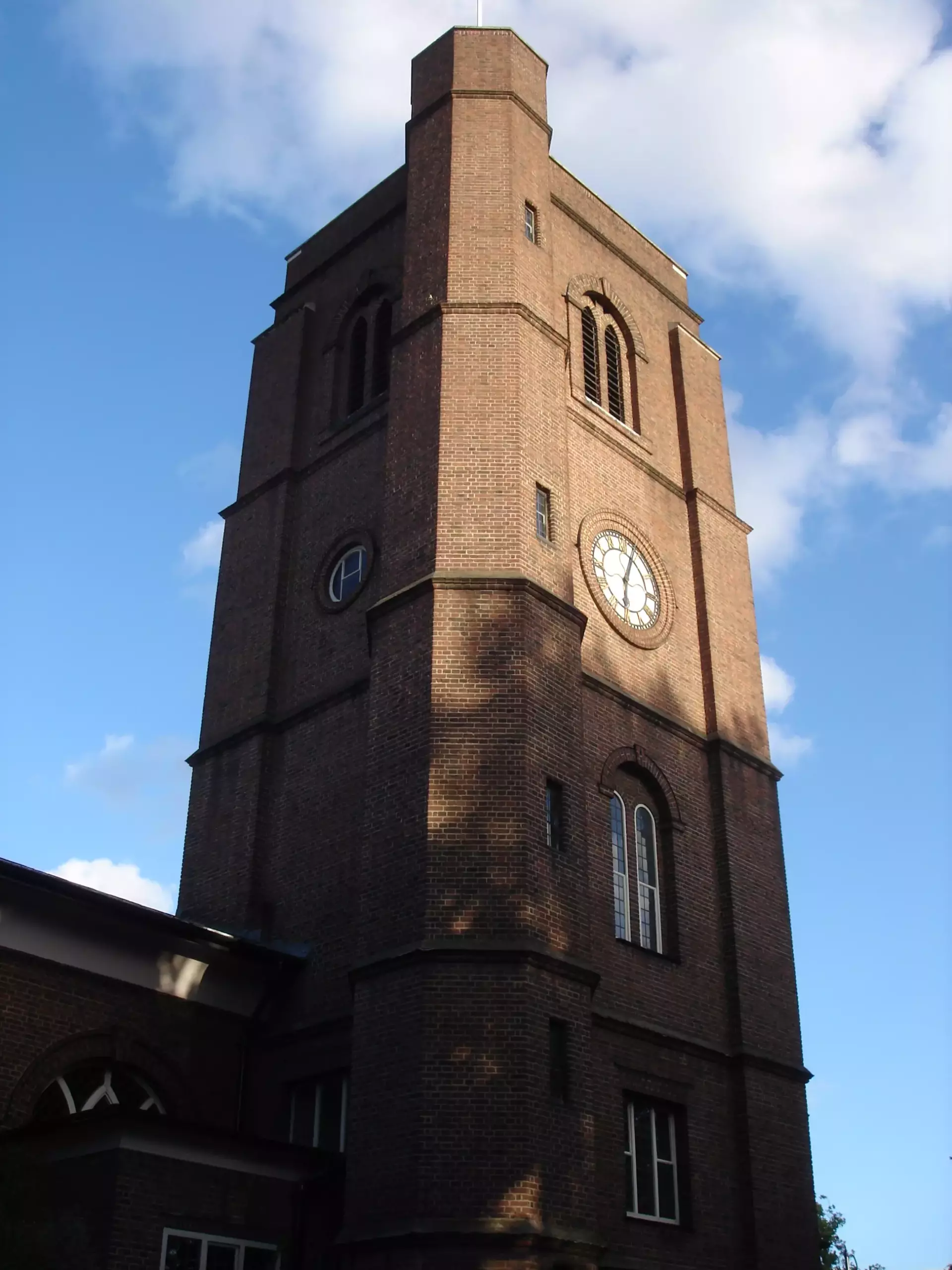
On the scenic bank of the River Thames stands Chelsea Old Church, a historic structure built in 1157. This venerable church holds a unique distinction in London, being the sole church to house chained books. These books, secured with chains, offer a glimpse into the past when literacy and learning were safeguarded treasures.
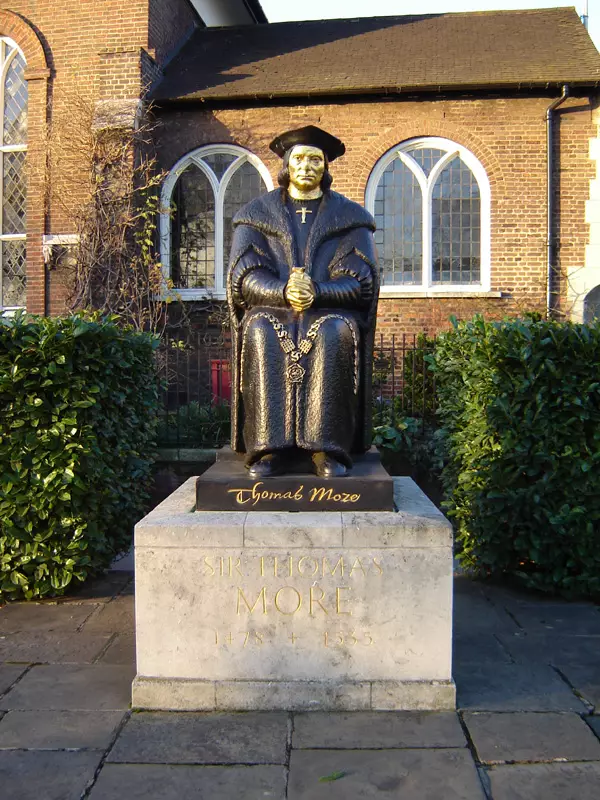
Outside the church, a statue of Sir Thomas More, a significant figure in English history, commands attention. This statue serves as a nod to the church's long-standing connection to notable historical personalities. Chelsea Old Church, with its blend of history and serene riverside location, invites exploration and reflection on times gone by.
Source - https://en.wikipedia.org/wiki/Chelsea_Old_Church
Substantial nature reserve on the old disused Barn Elms Reservoirs. A major wetland habitat for wintering wildfowl and an excellent choice for any keen birders visiting London, and an entertaining place for kids to learn about nature
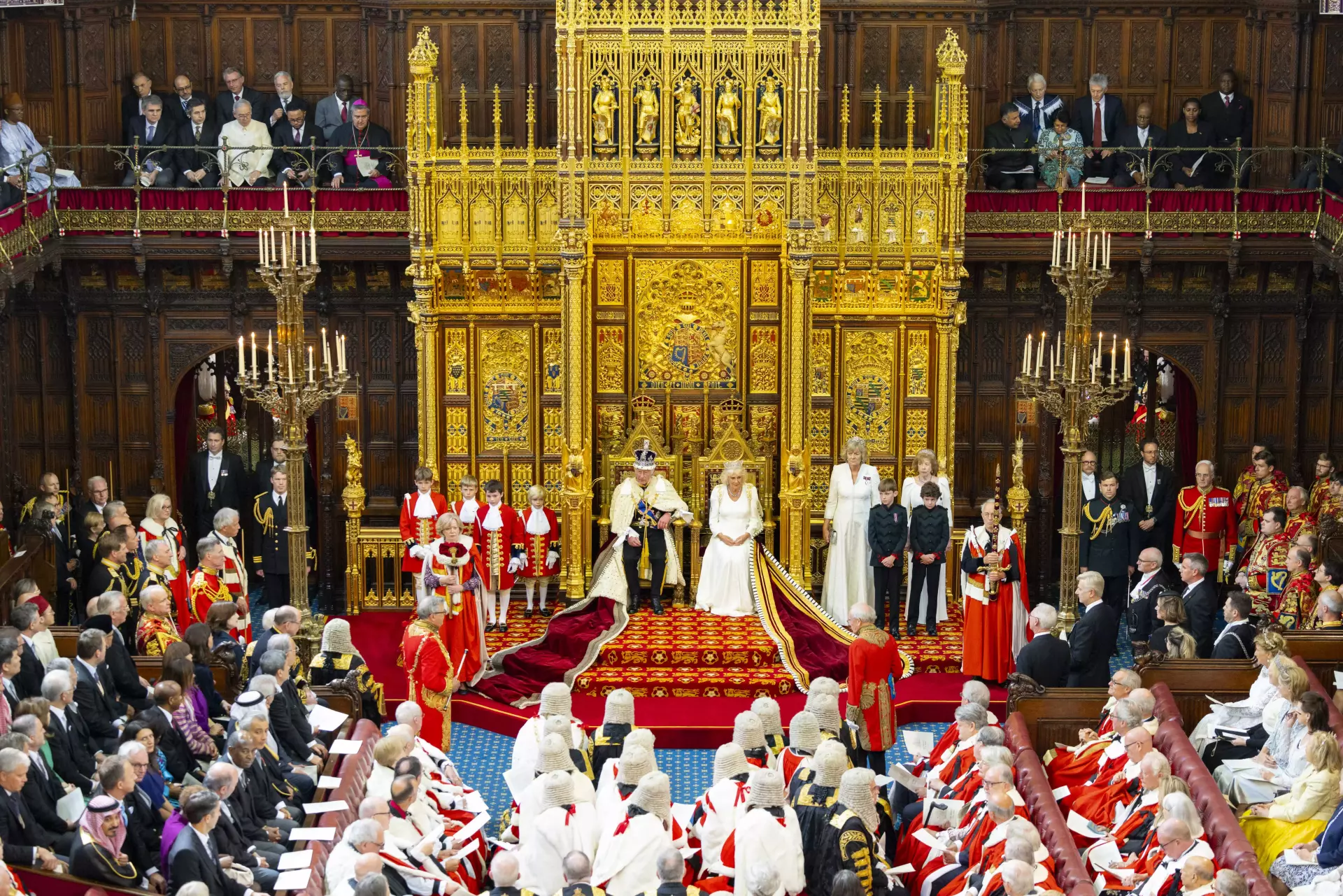
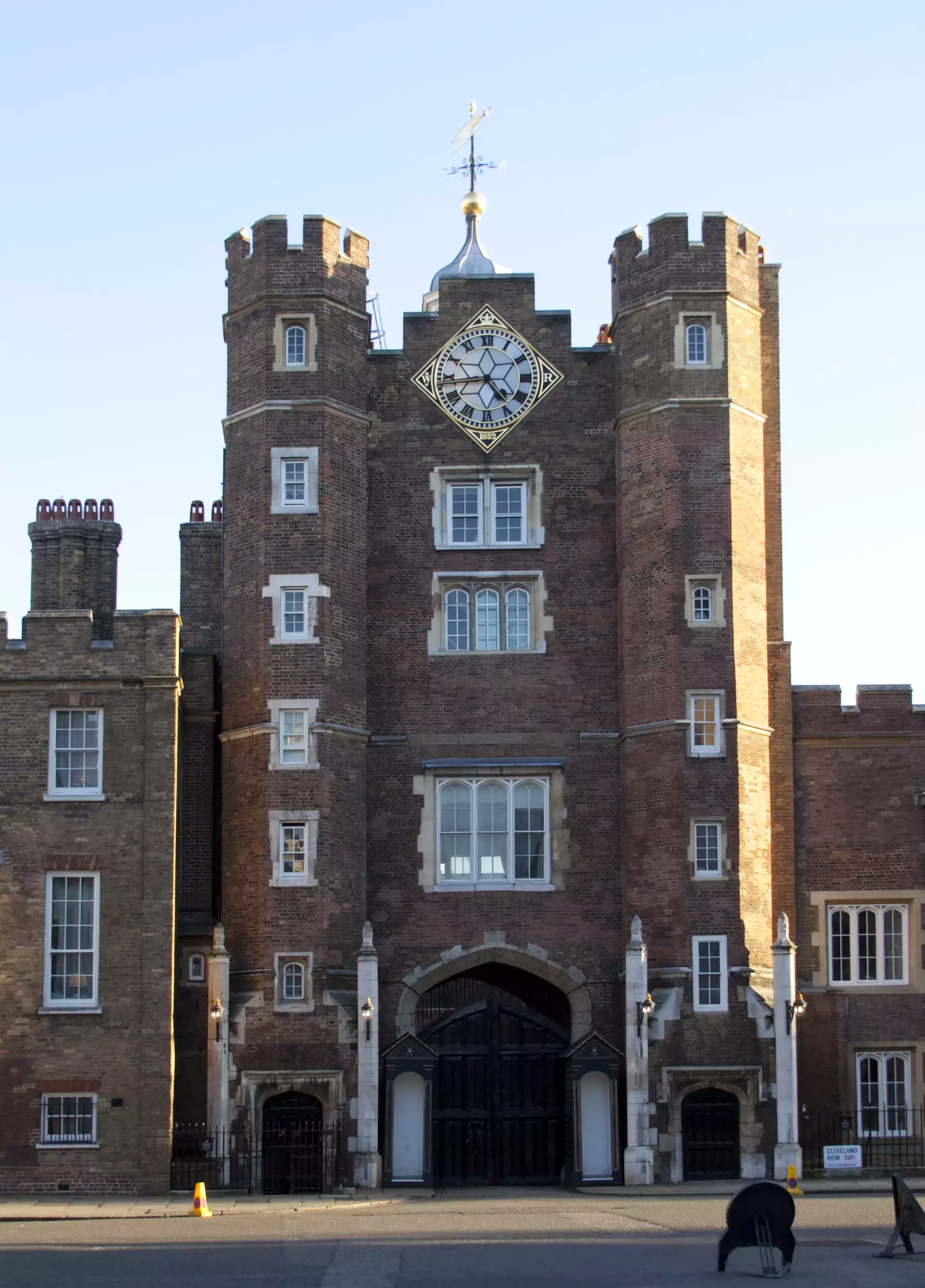
The most senior of the Royal palaces in London (built between 1531 and 1536) and the official seat of the monarch.
Magnificent 19th-century bridge, decorated with high towers and featuring a drawbridge. The bridge opens several times each day to permit ships to pass through – timings are dependent on demand, and are not regularly scheduled. When Tower Bridge was built, the area to the west of it was a bustling port – necessitating a bridge that could permit tall boats to pass. Now the South Bank area sits to its west, and the regenerated Butler's Wharf area of shops and riverside restaurants lie to its east. You can get the lift to the top level of the bridge and admire the view. Glass floors provide an interesting perspective for the brave. The museum highlights the bridge's history and engineering, and there are photographic exhibitions along the walkways between the towers.
The largest open space in London, covering almost 1,000 hectares (2,500 acres) and home to a huge array of wildlife, including 400 wild deer. Also contains the lush Isabella Plantation, which is full of trees and flowers, and the Royal Ballet School, seen in the film Billy Elliot. Popular with cyclists, both for the on-road perimeter circuit and the off-road trails. There are several car parks for walkers and picnickers.
A retirement home for soldiers created by King Charles II. Tours around the listed building and grounds are regular and include the museum (which can be visited separately) whose exhibits contain military memorabilia donated by Chelsea Pensioners over the years.
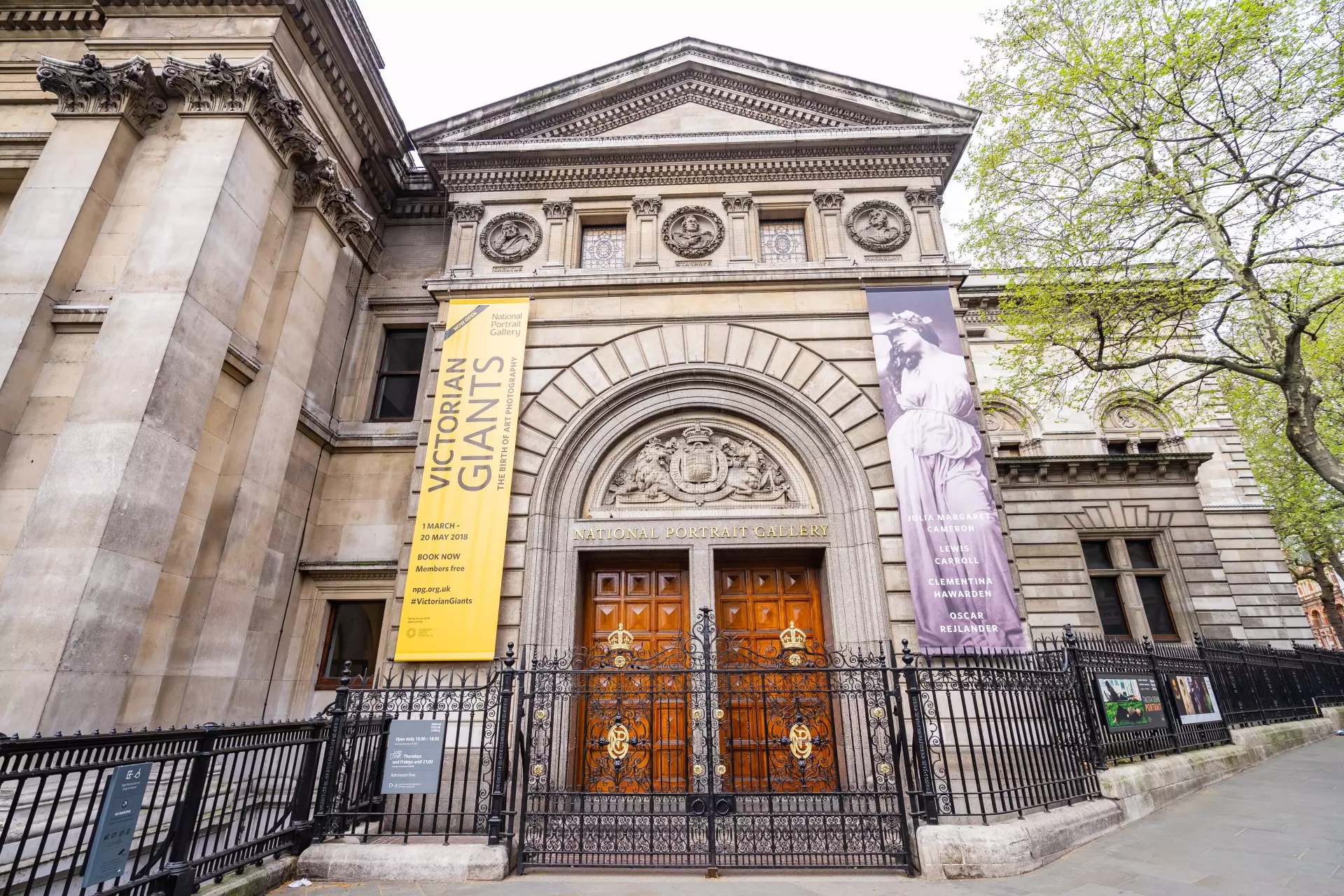
Houses the British national collection of western European art dating from the 13th to 19th centuries. A truly awe-inspiring collection, notable works include Hans Holbein's The Ambassadors, Van Gogh's Sunflowers and Constable's The Haywain. The vast majority of art is free of charge to visit. Temporary exhibitions are generally fairly costly, but invariably well researched and presented. The audioguides are very comprehensive, have comments on most of the paintings in the museum, and are free though this fact is not advertised. A donation is suggested. In addition to courses, workshops, lectures and other events, the National Gallery has free talks and tours every day.
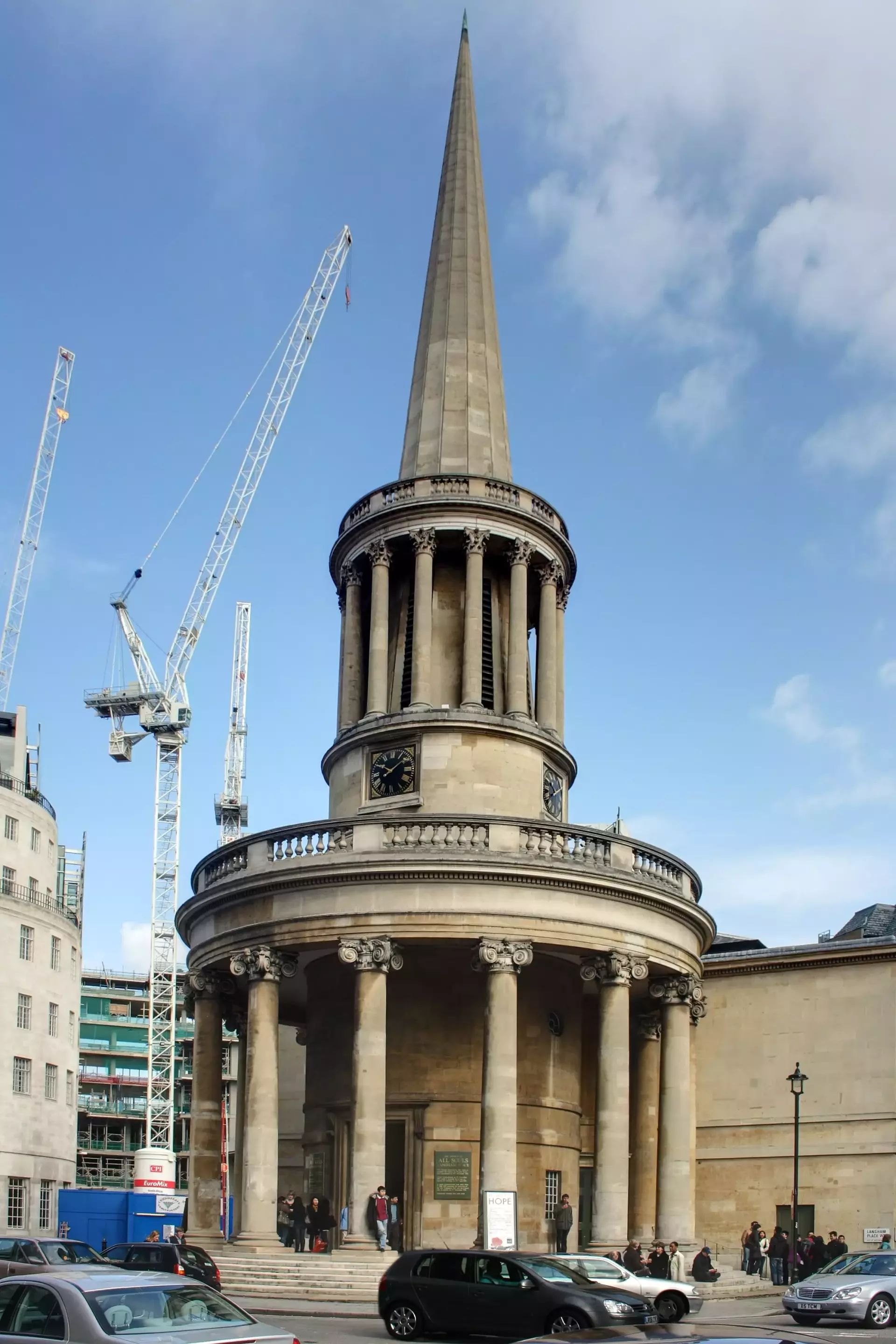
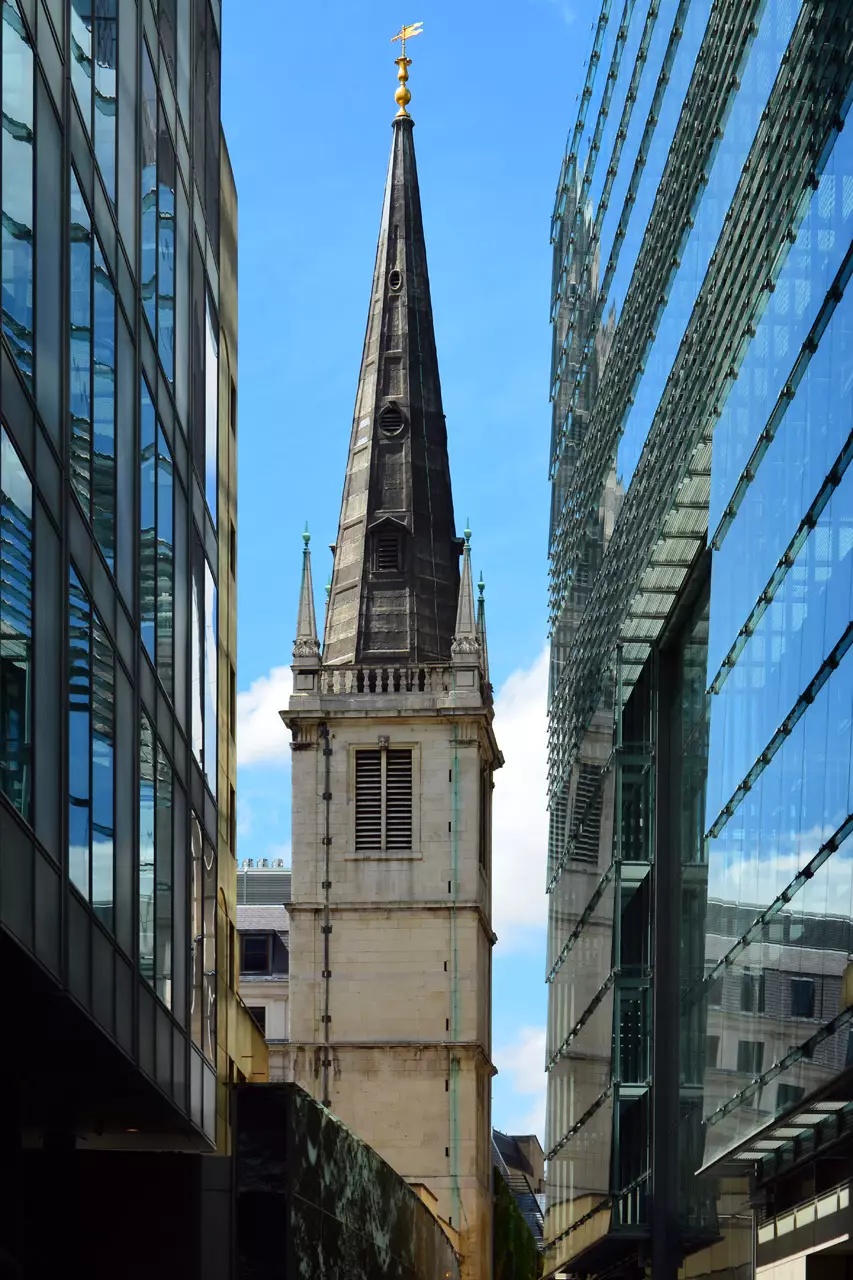
The oldest church in the City, founded by Saxon abbots in 675 AD.
The second biggest greenhouse in London, containing over 2,000 species of tropical plants as well as birds and fish.
Historic home to English kings such as Henry VIII, now open to the public. There are many attractions which can occupy a whole day visit, including 60 acres of gardens with the famous maze, the Tudor kitchens, the Chapel Royal, the Great Hall, Mantegna's Triumphs of Caesar paintings, and various exhibitions about Henry VIII.
Art deco headquarters of University of London featured in the film Nineteen Eighty-Four.
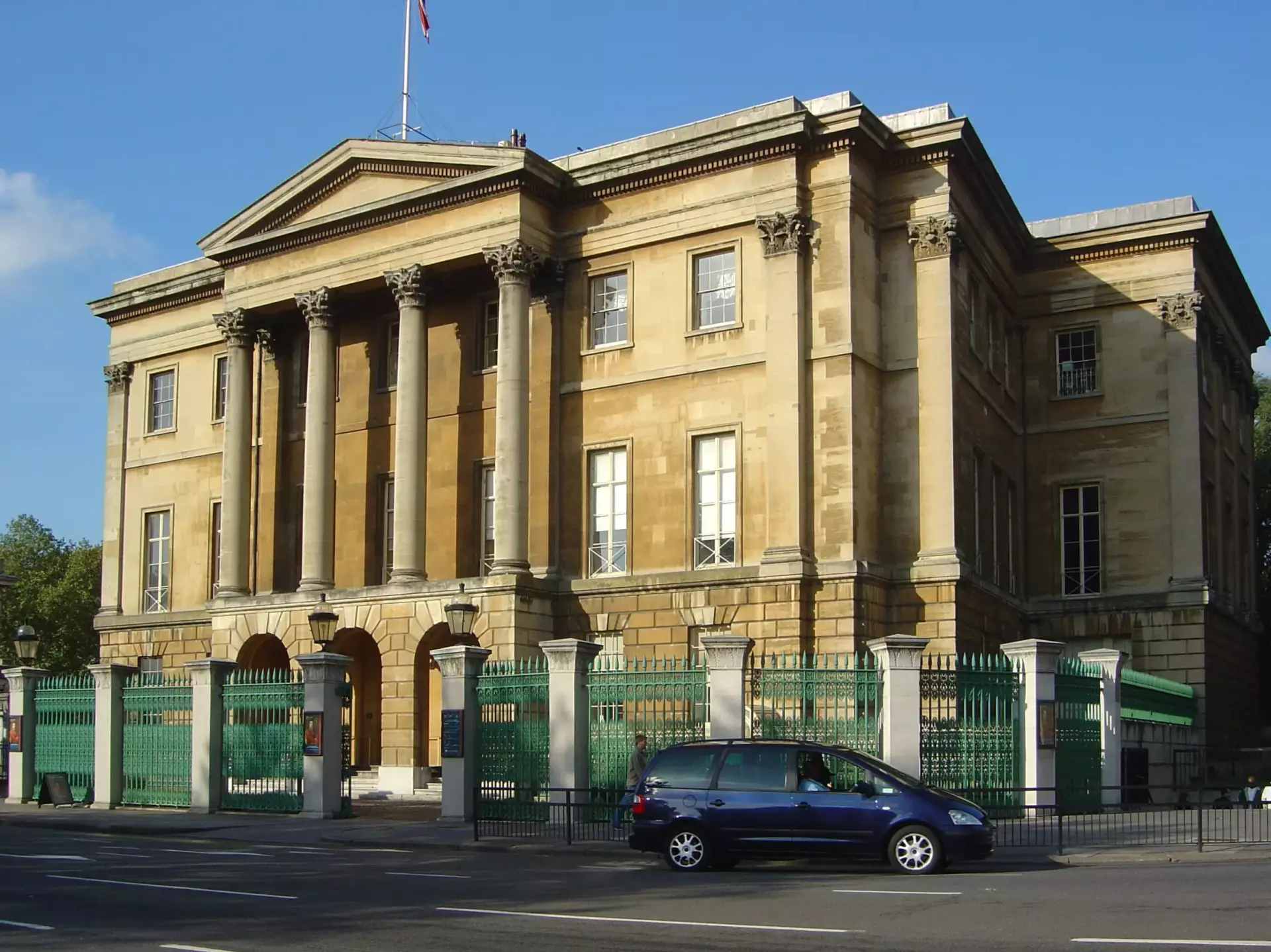
The London residence of the Dukes of Wellington, which now acts as a museum for the inaugural and most famous holder of the title. It boasts an impressive collection of paintings, sculptures, medals and swords. Perhaps the most bizarre item in Wellington's collection is a nude statue of Napoleon Bonaparte, commissioned by the emperor himself and bought by the British government following his defeat at the Battle of Waterloo as a gift for the duke.
In many cities a local transport museum would be of very narrow interest - not London, however! London's public transport is iconic, and the story of how it developed from horse and cart through early buses, Tube trains and trolleybuses to the present day is well worth coming to find out about. There is plenty of opportunity to clamber aboard the historic buses and Tube trains on display. Also, because London's transport is so well known, the museum shop contains plenty of items that make interesting and original gifts and souvenirs.
The headquarters of world's most famous insurance market, housed in a revolutionary (at the time) bizarre, Matrix-like glass-and-steel building designed by Richard Rogers, with all support services (lifts, ventilation, etc.) suspended outside. Recognised as a masterpiece of exoskeleton architecture.