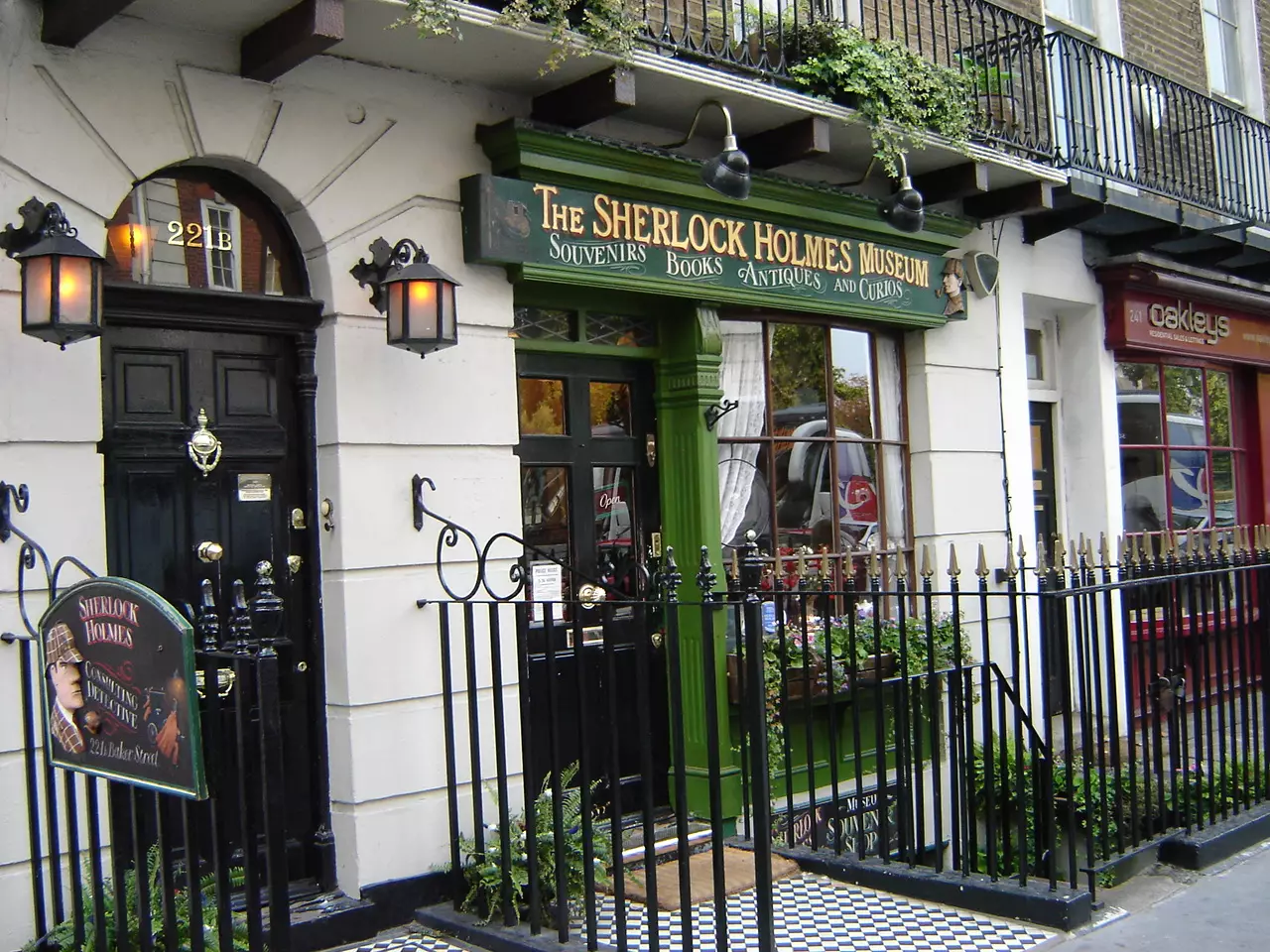
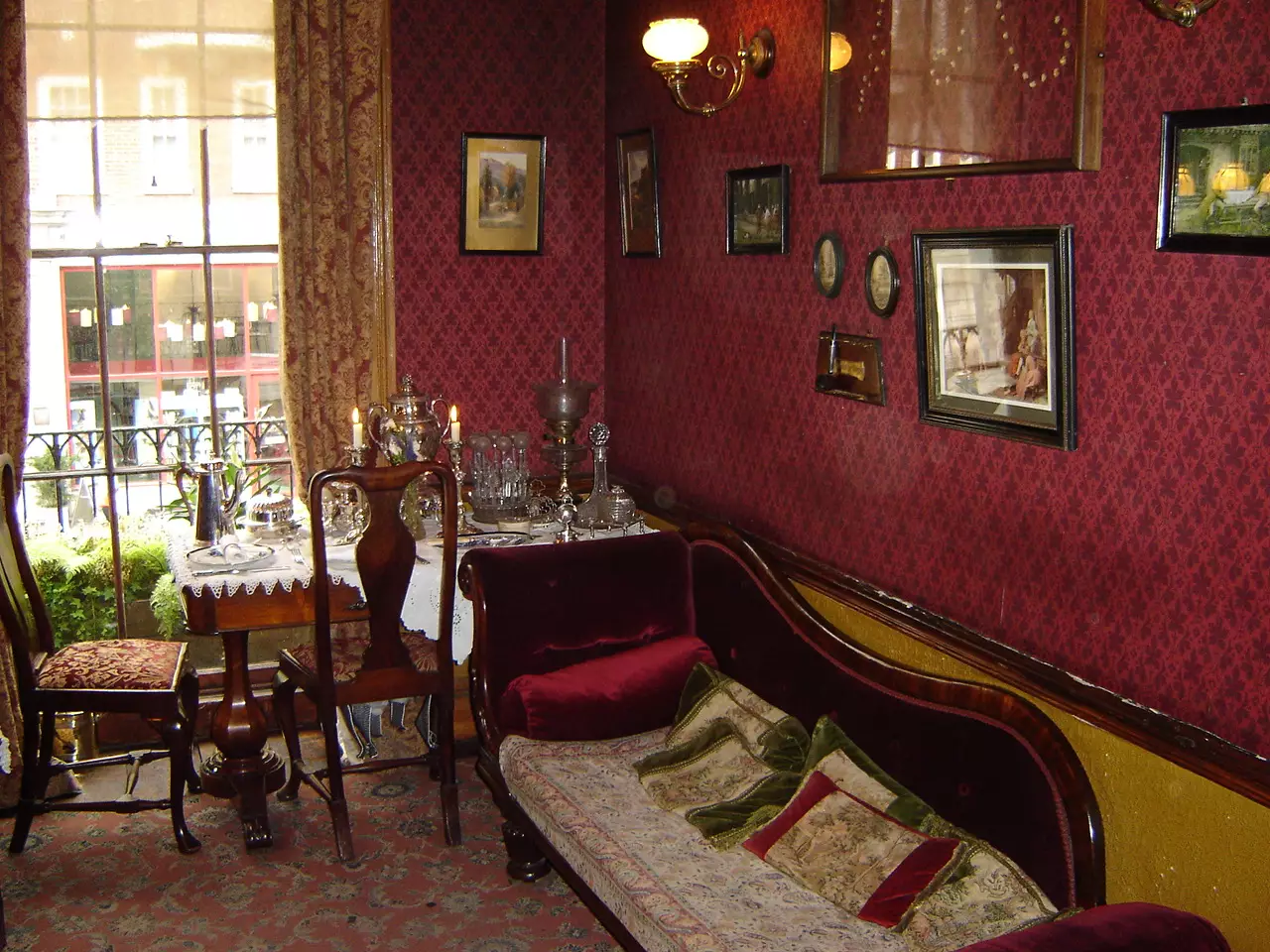
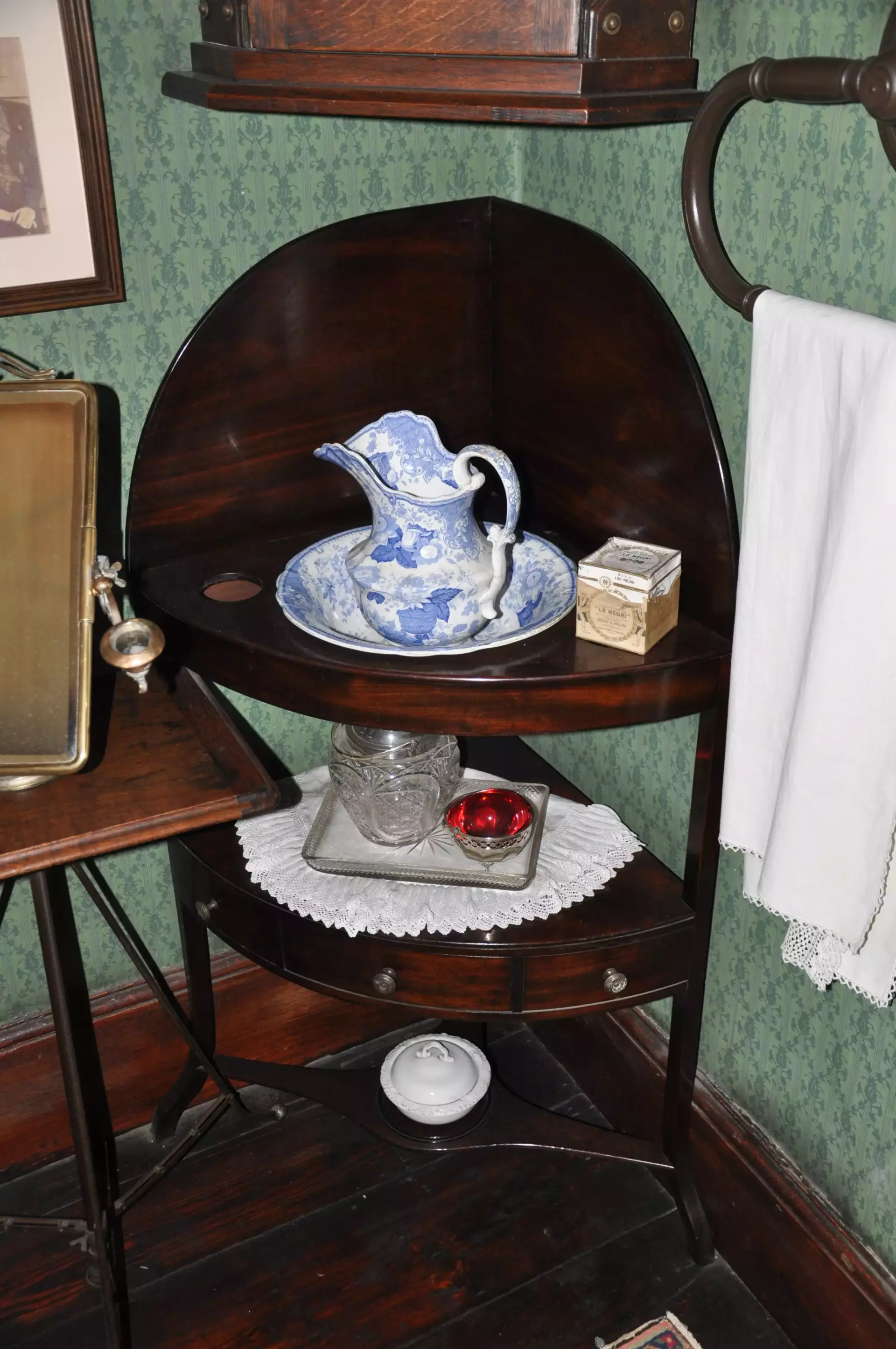
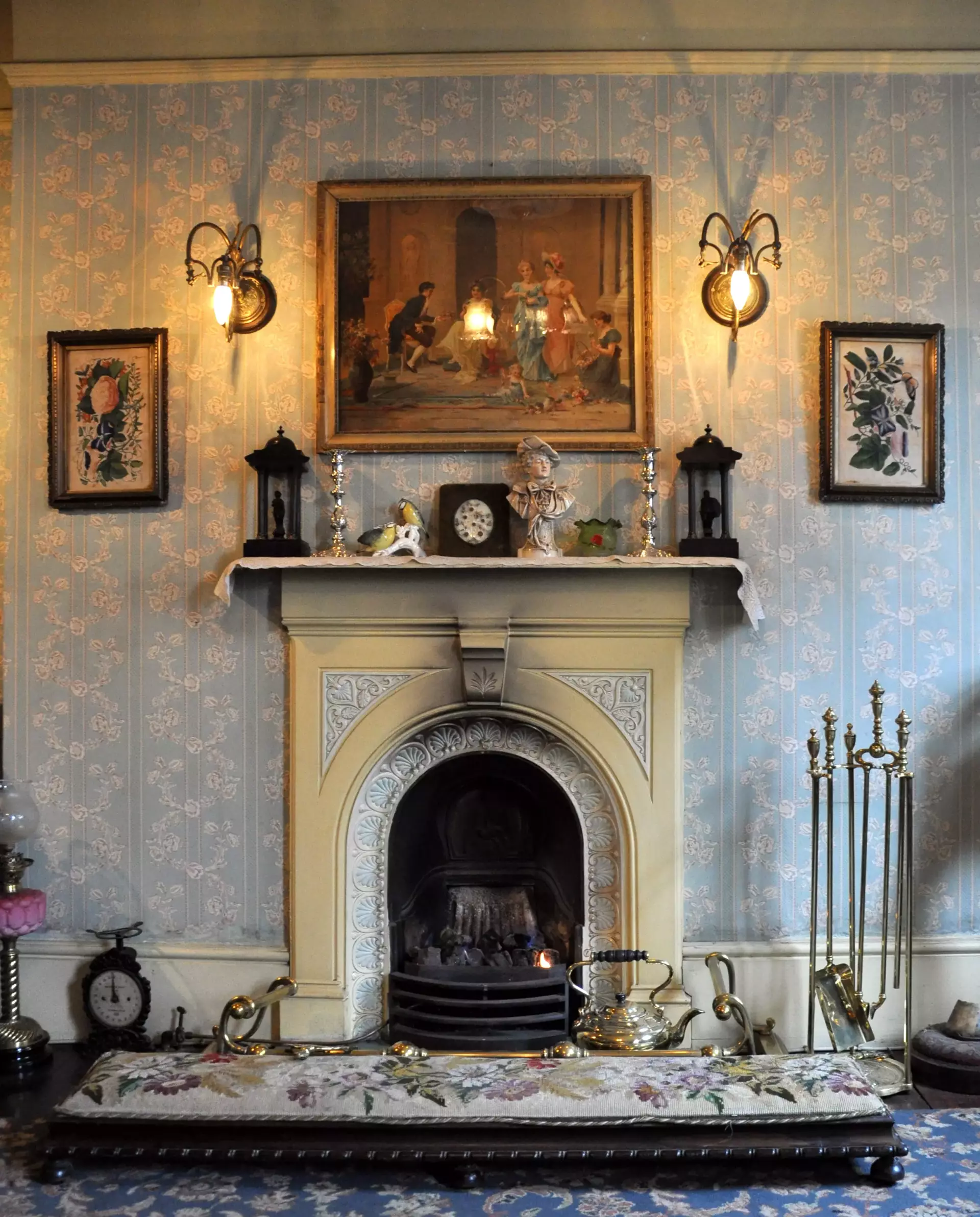
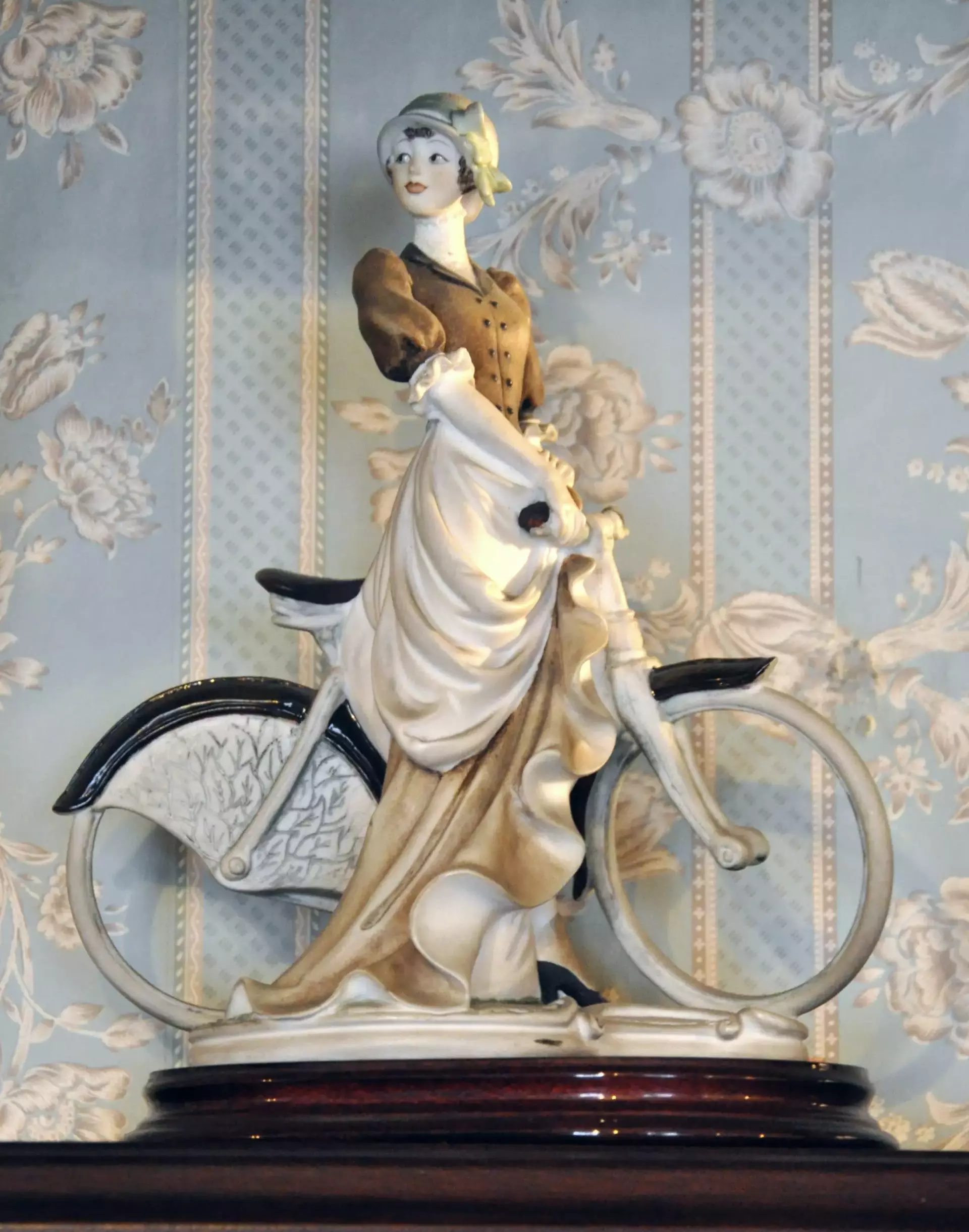
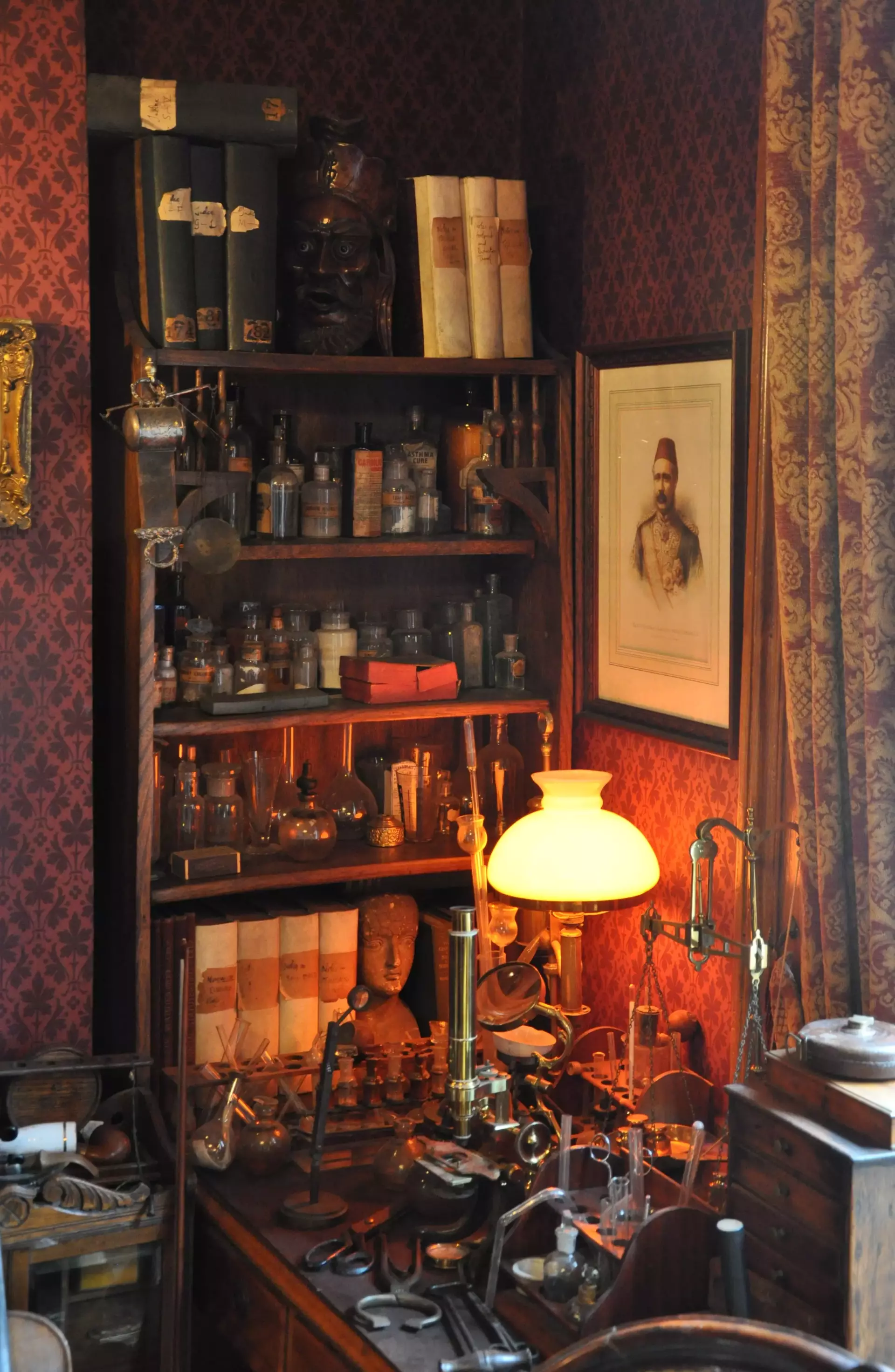
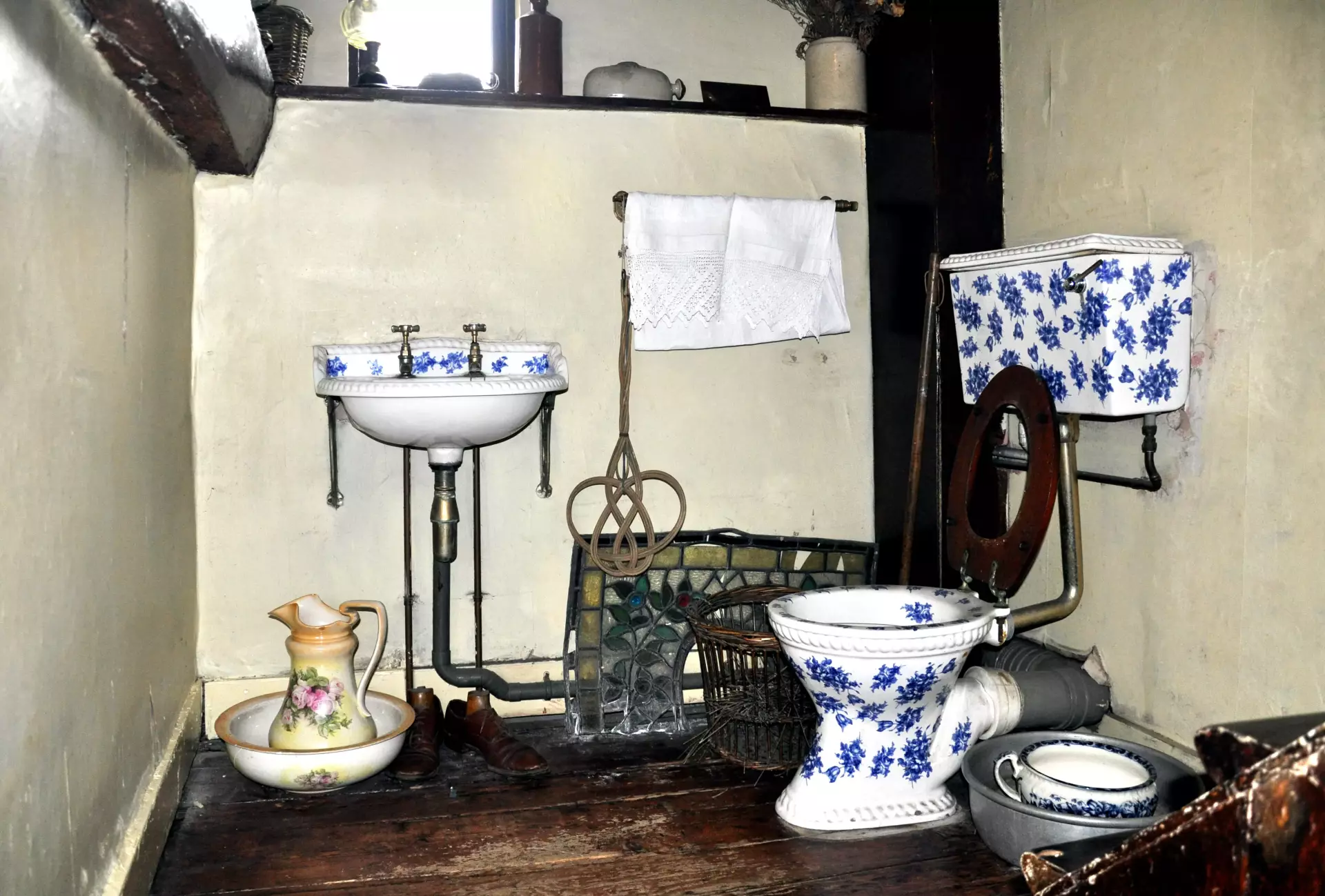
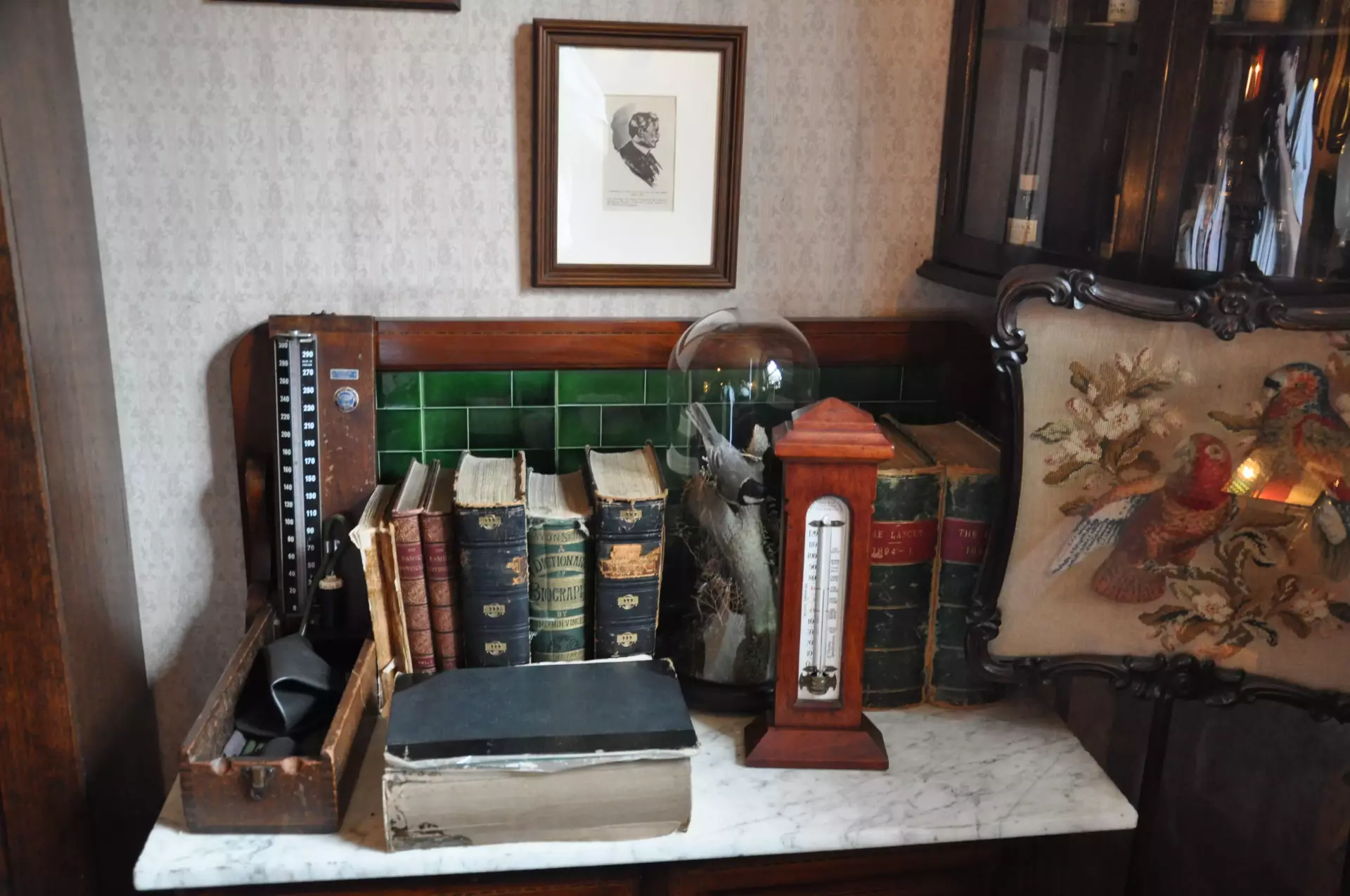
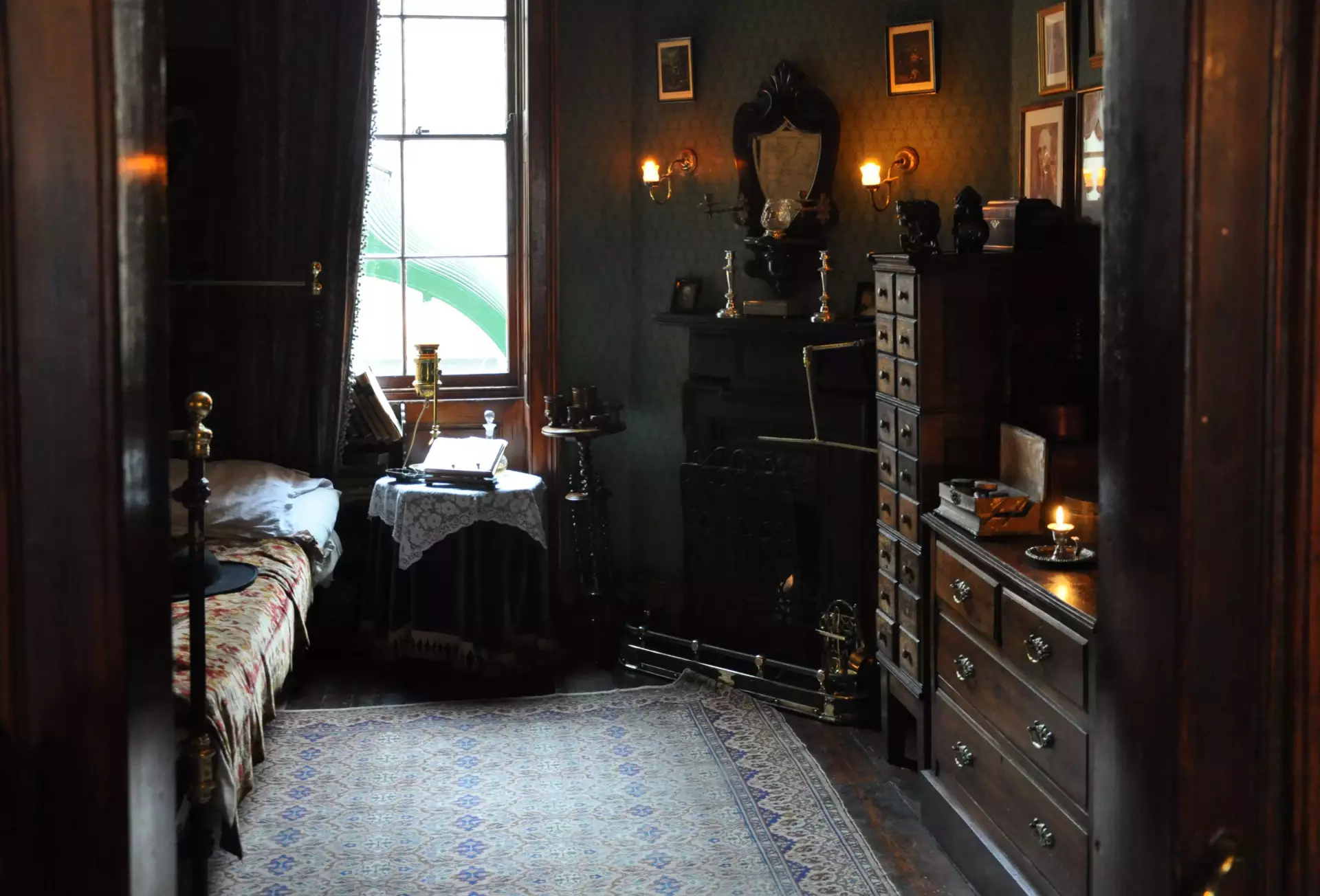
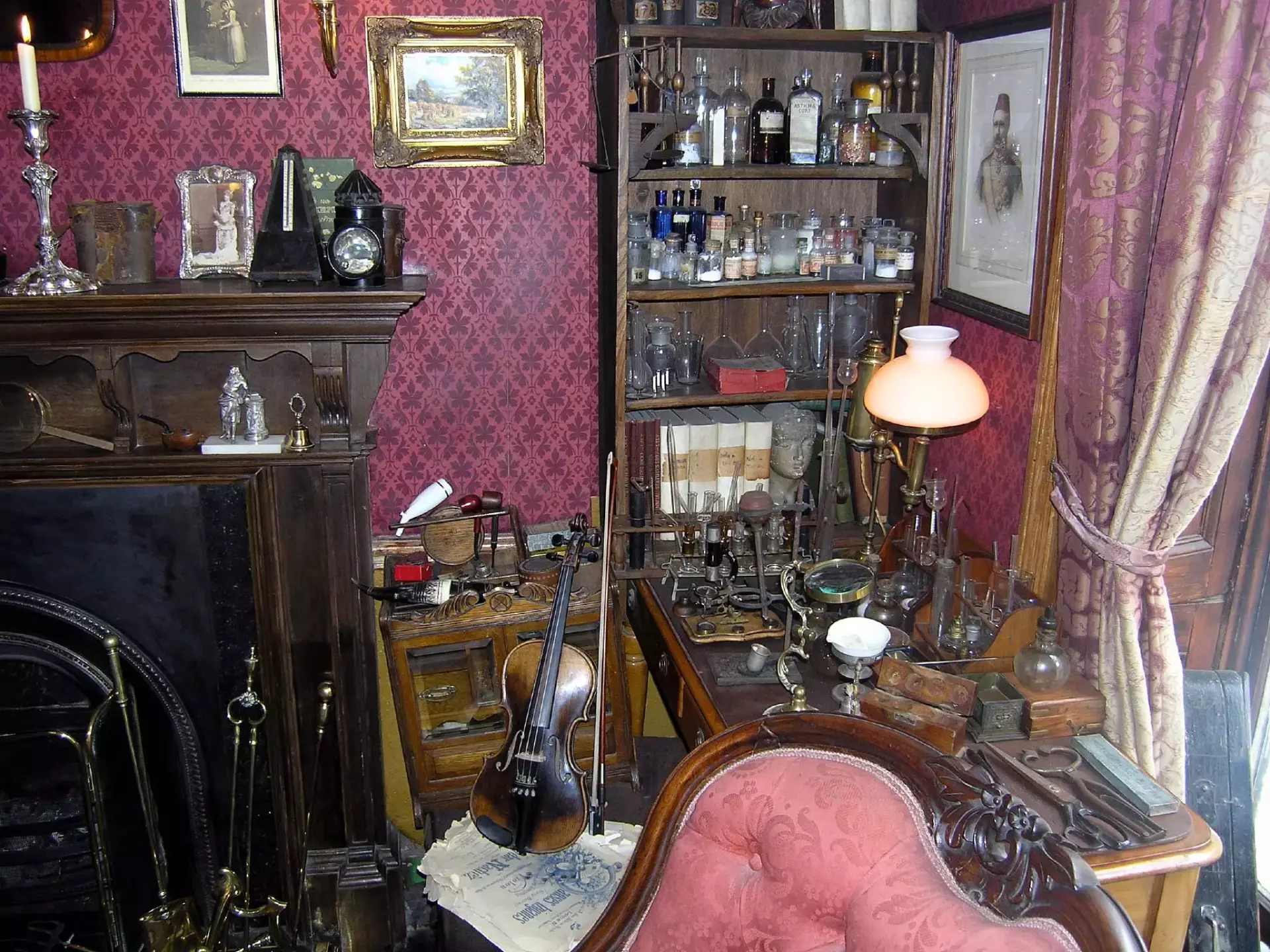
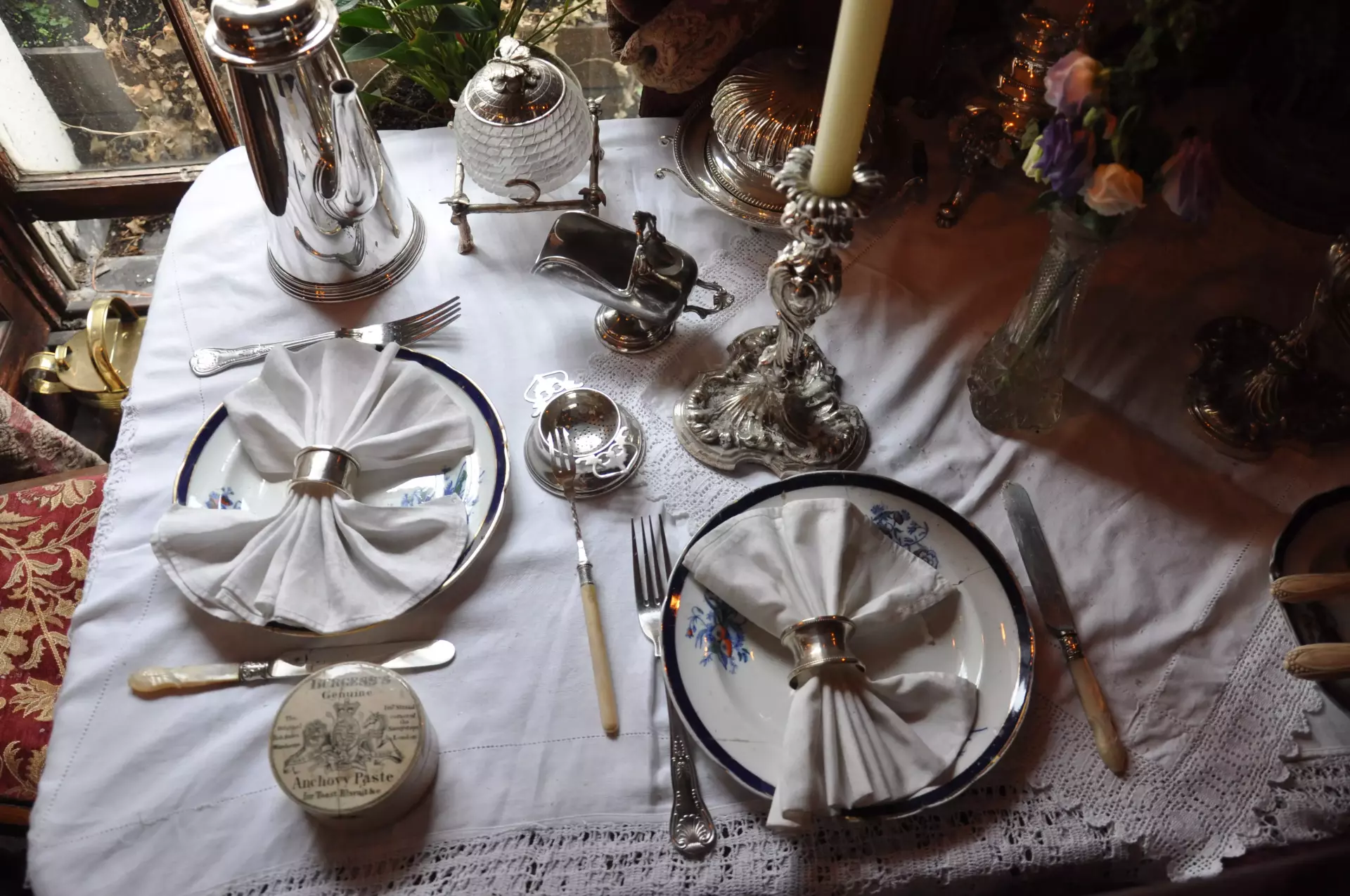
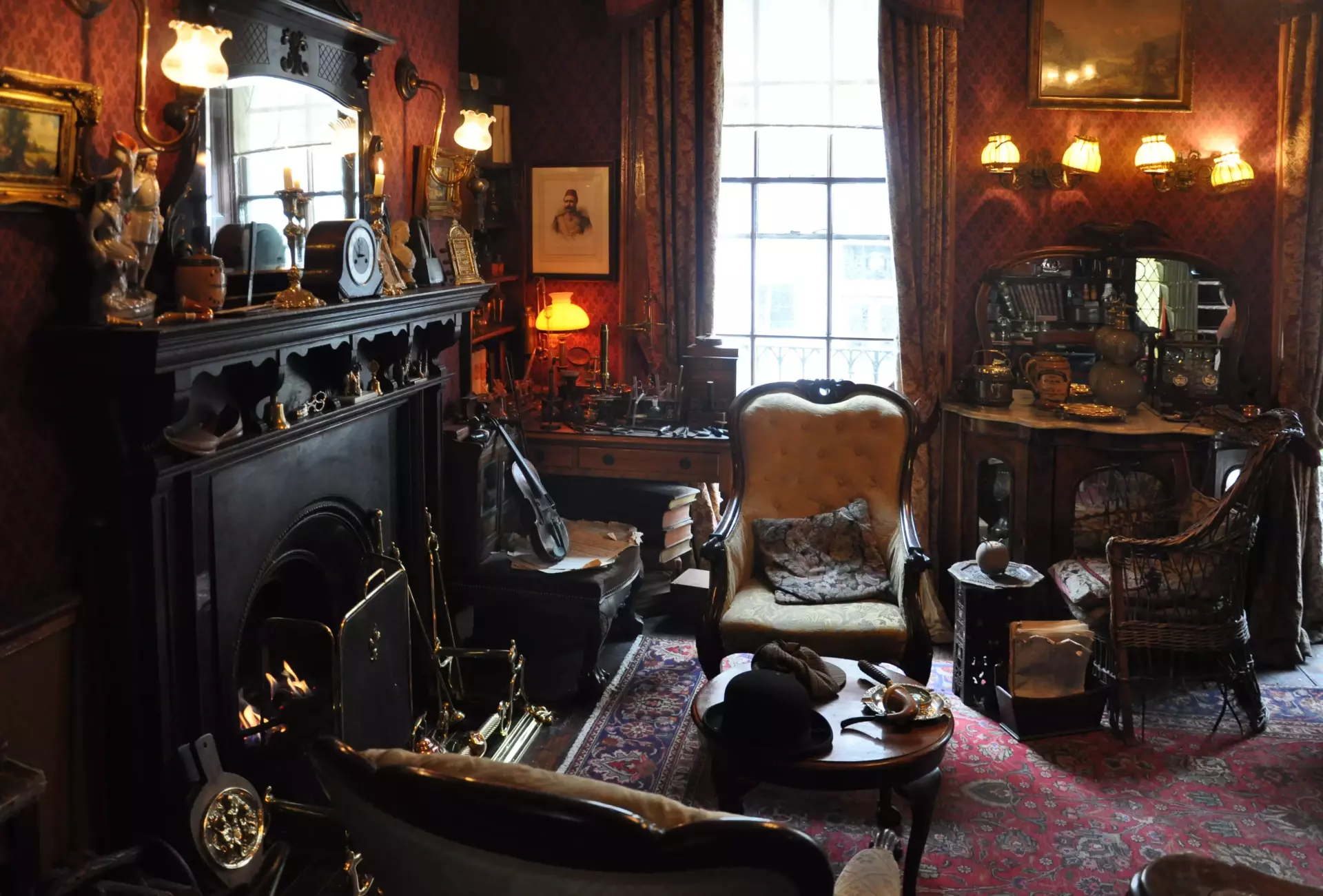
Step back in time and explore the world of Sherlock Holmes at the museum dedicated to the famous fictional detective. Originally a lodging house from the late 1800s, this historic location boasts three intriguing floors filled with memorabilia and artifacts.
On the first floor, visitors can peek into Sherlock Holmes' study, complete with Watson's desk. The study is famously adorned with bullet holes spelling out the initials "VR" for Victoria Regina, a nod to Queen Victoria, which always irked the landlady, Mrs. Hudson. Adjacent to the study, Holmes' bedroom showcases a rogues' gallery featuring photographs of notorious Victorian-era criminals, including the infamous Lizzy Bourdain.
Venture upstairs to find rooms filled with waxwork figures and various artifacts that pay homage to the classic novels and their adaptations for stage and screen. These exhibits bring to life the stories and characters that have captivated audiences for generations.
Visitors are welcome to capture their experience with photographs, though filming requires prior permission. To avoid long queues, it's advisable to book tickets in advance.
Source - https://en.wikipedia.org/wiki/Sherlock_Holmes_Museum
This enormous arch was built in front of Buckingham Palace. In 1851 the expansion of the palace meant the arch could no longer remain where it was, so it was moved to this point on Hyde Park. It now stands rather sadly on a large traffic island, but the subway beneath the roads means you can stop off at the Marble Arch on your way from Oxford St to Hyde Park.
More of an artificial stream than a fountain, flowing in an oval through an open grassy area which, in normal summers, is a popular paddling spot for children and grown-ups alike.
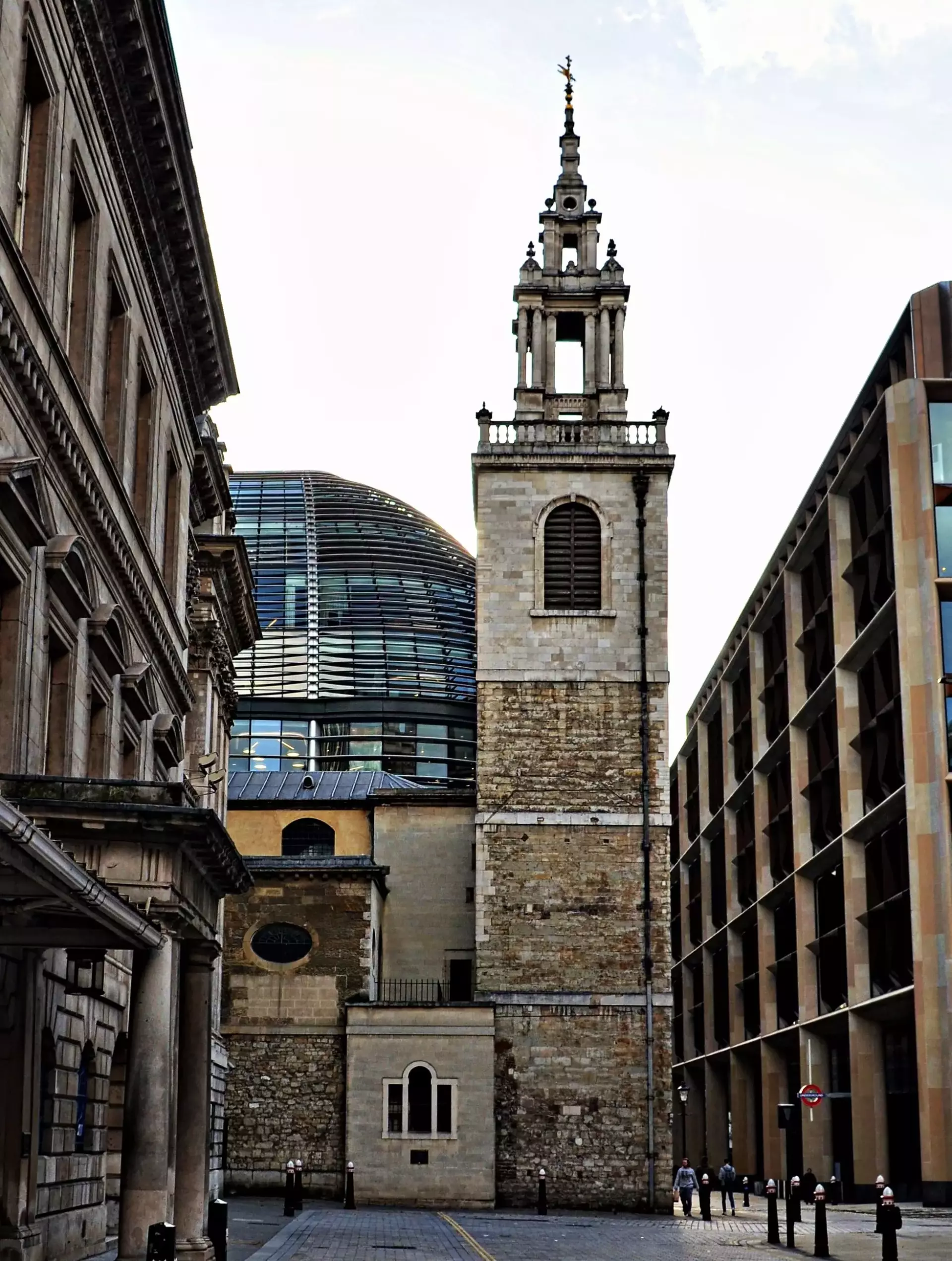
After leaving its brutalist skyscraper on Old Broad St, the London Stock Exchange now resides on Paternoster Sq. Dating back to 1698, it is one of the world's oldest and largest stock markets.
Old train station with an enormous office and shopping complex in glass and pale stone. A lavish hotel is also on the site. The name comes from the Queen Eleanor (13th century) gothic pillar outside the station, which is actually a Victorian-era replica. Charing Cross Road was once famous for its vintage book shops, but these have now largely disappeared due to high rents and online competition; however, the road is still home to one of London's largest bookshops, Foyle's.
Founded by William the Conqueror in 1066, enlarged and modified by successive sovereigns, the Tower is today one of the world's most famous and spectacular fortresses and a UNESCO World Heritage Site. Discover its 900-year history as a royal palace and fortress, prison and place of execution, mint, arsenal, menagerie and jewel house. In the winter you can skate on the dry moat. The Tower contains enough buildings and exhibits to keep a family busy for a full day, with plenty of both warlike and domestic contents. Some areas, such as the St John's Chapel in the White Tower, do not allow photography, but these are clearly signposted. Beefeaters, who are all retired sergeant majors from the British Army, provide guided tours for free as well as ceremonial security. See history come alive – go to the Ceremony of the Keys at the Tower of London. This ceremony, the locking up of the Tower, has been performed every night at 10PM for 800 years. Tickets for the ceremony are £5 and must be prebooked.
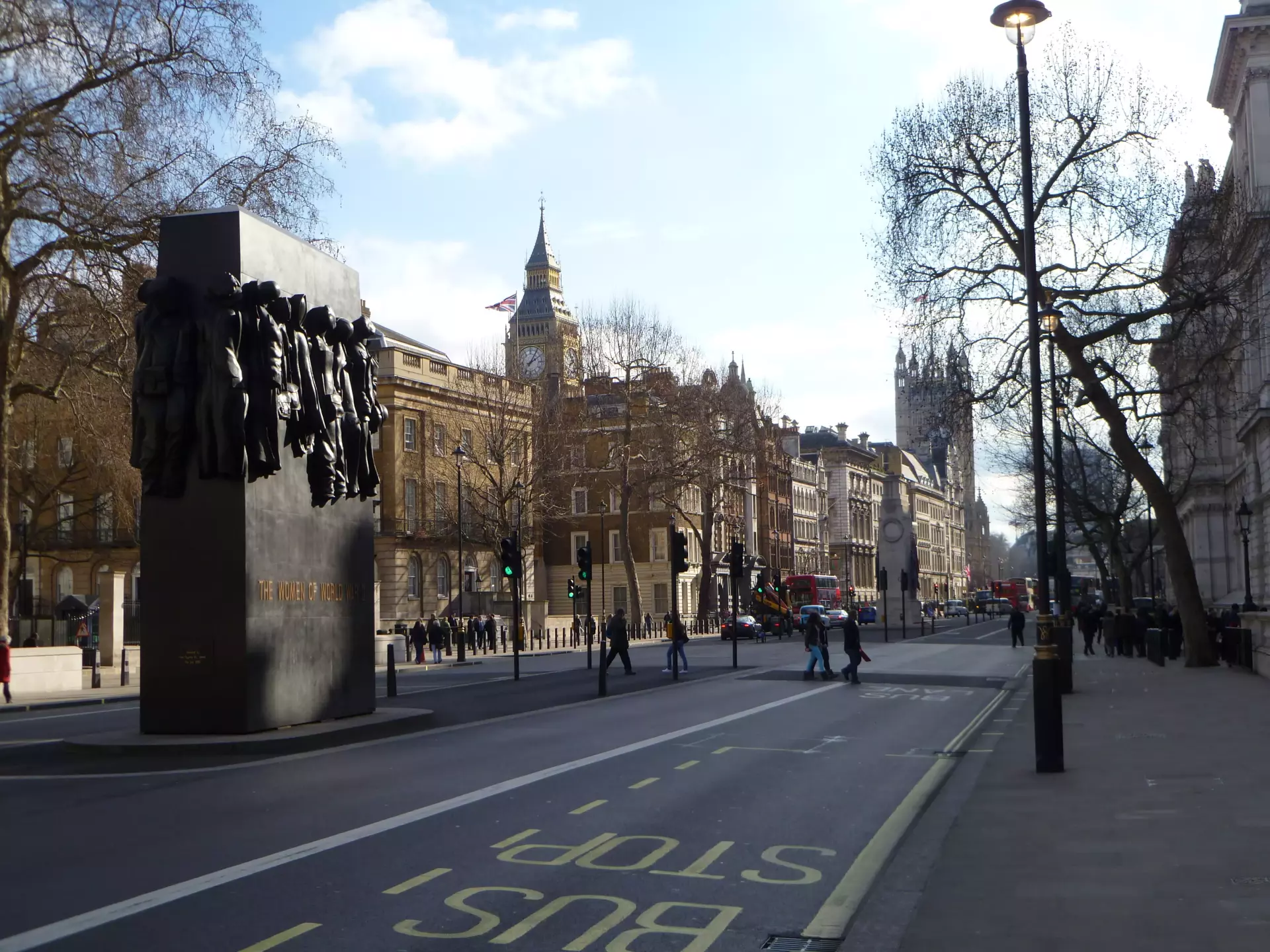
This small tower across the road from the Houses of Parliament is the only part of the original Palace of Westminster still standing. While it is overshadowed in splendour by the surrounding buildings, it's well worth a visit, and has good displays about the early history of Westminster.
At 87 hectares this is the largest open green space in the district.
Remains of the wall that surrounded the City of London for almost two thousand years. The parts around the Barbican are mostly Tudor due to maintenance (Roman remains can be seen in and around the Tower of London). Other local remains are the 51.5169-0.095833 Noble St wall fragment and the 51.5177-0.092234 St Alphage Gdns wall fragment.
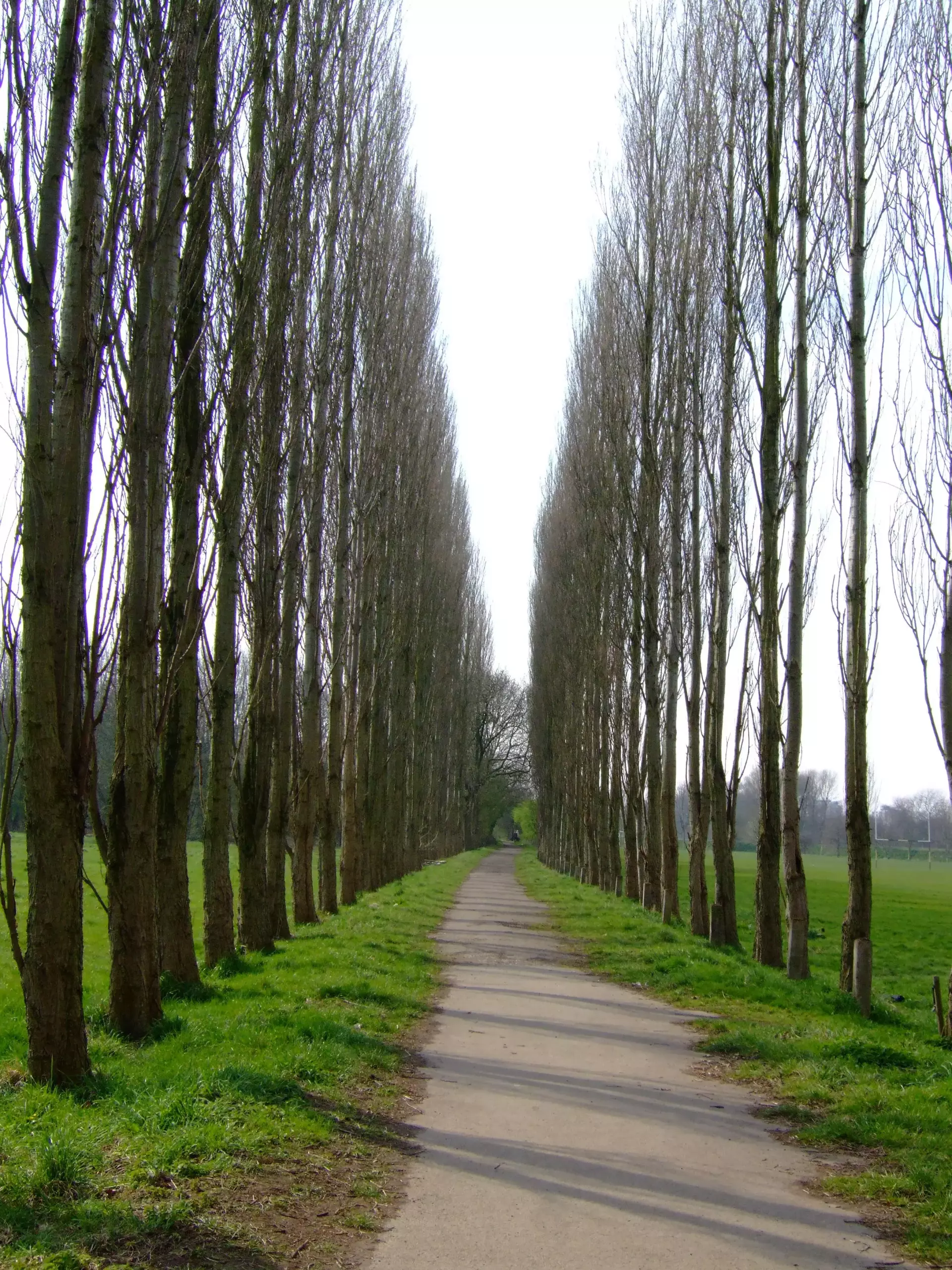
The second largest of the London Royal Parks, covering an area of 450 hectares (1,099 acres). Lying north of Hampton Court Palace, the history of the park is inextricably linked to the palace, yet it has always had its own distinct rural character. There are herds of both Red Deer and Fallow Deer, they are wild but usually safe, just don't go too close or get between a hind and its calf. The D-Day linked bits are easiest found from the Teddington side. Go through SHAEF gate and there is an information board. You should be able to spot a flagpole a hundred yards into the park, this marks the spot where General Eisenhower had his office, if you have time, or children who are up for a challenge, there are bronze markers with combined British and Canadian and US flags at the corners where the main buildings of Camp Griffiss were. The partially restored early 18th-century baroque water gardens are a short walk from the Hampton Hill gate. The park is subdivided by Chestnut Avenue, Christopher Wren's grand approach to Hampton Court Palace which runs from Teddington Gate to Hampton Court Gate and with the gilded Diana fountain closer to the Palace end (you may have seen it as location for the finish line of some of the cycling events at the 2012 Olympics).
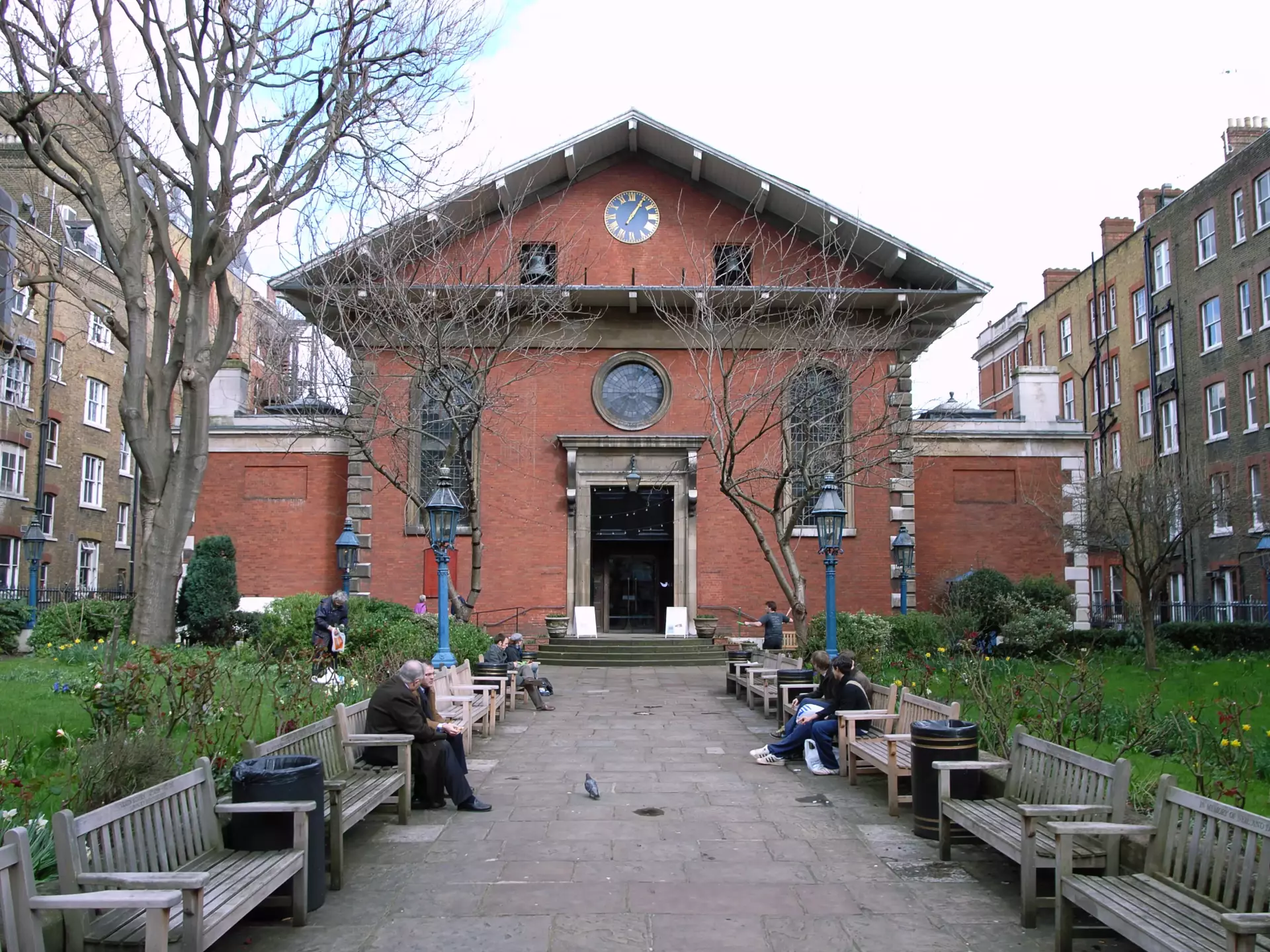
Church in Piccadilly designed by Sir Christopher Wren in 1684. It has a magnificent organ case and baptismal font by Grinling Gibbons.
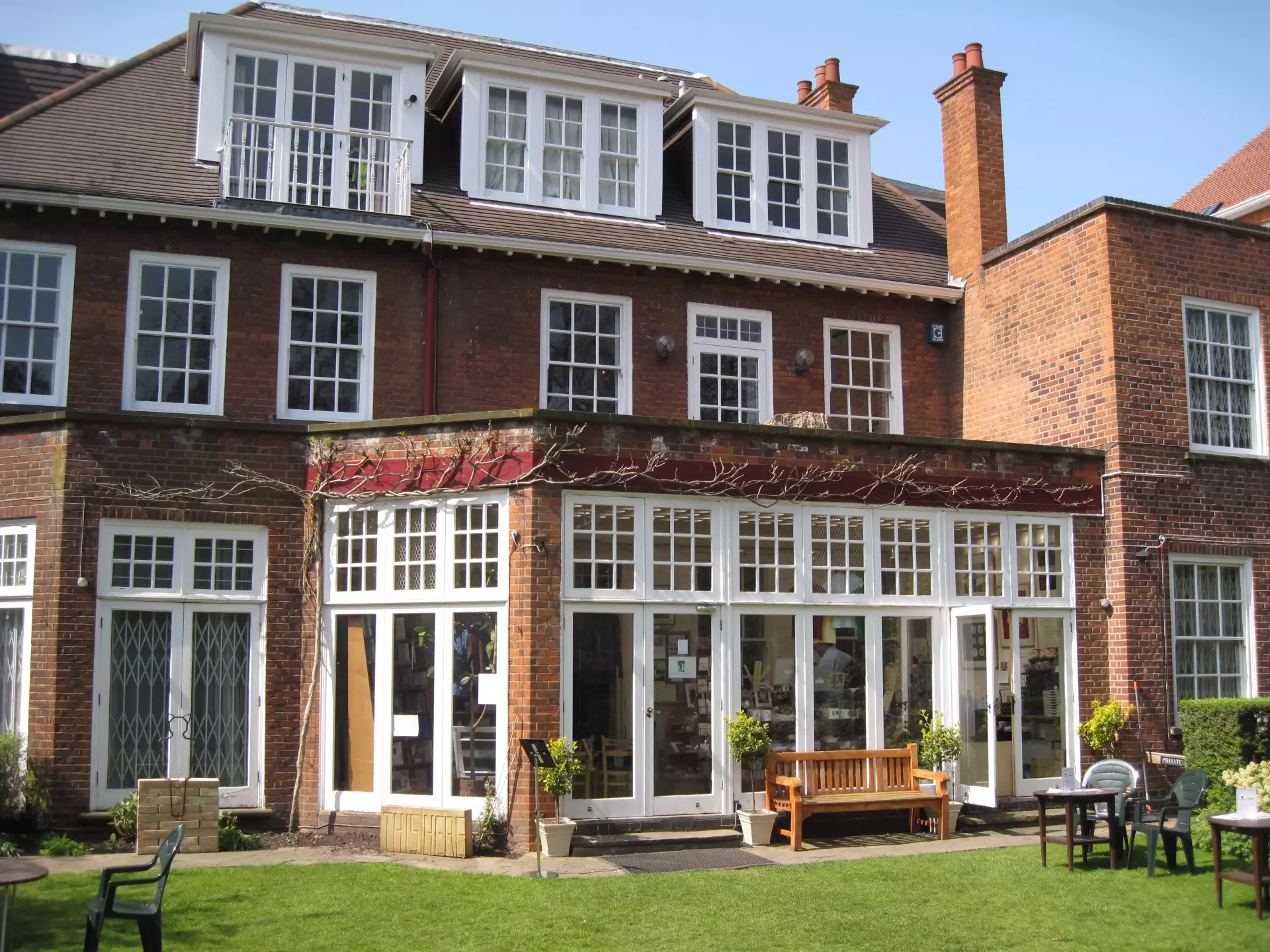
Museum at the former home of Dickens exhibiting writings, paintings, furniture and other items relating to the writer.