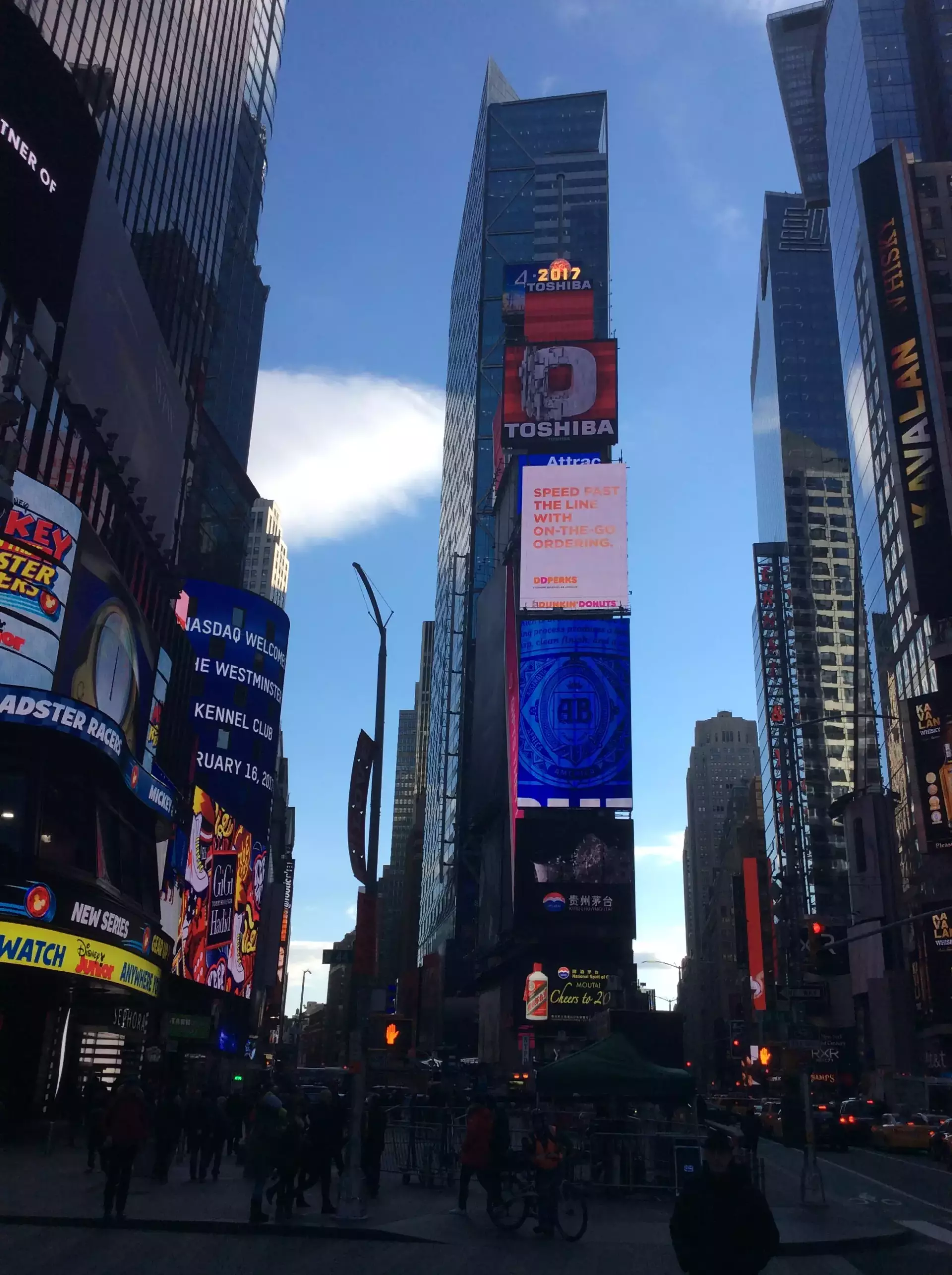
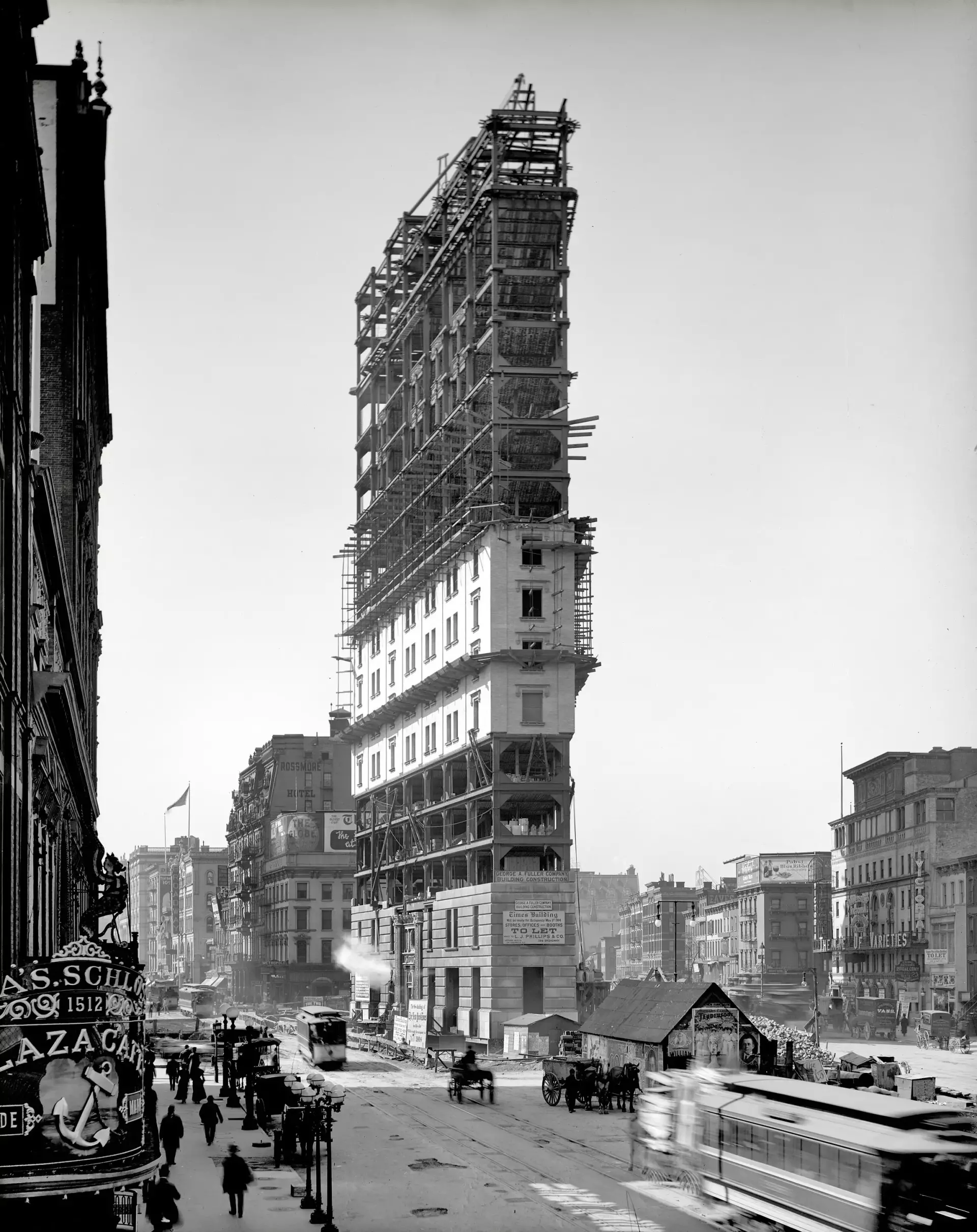
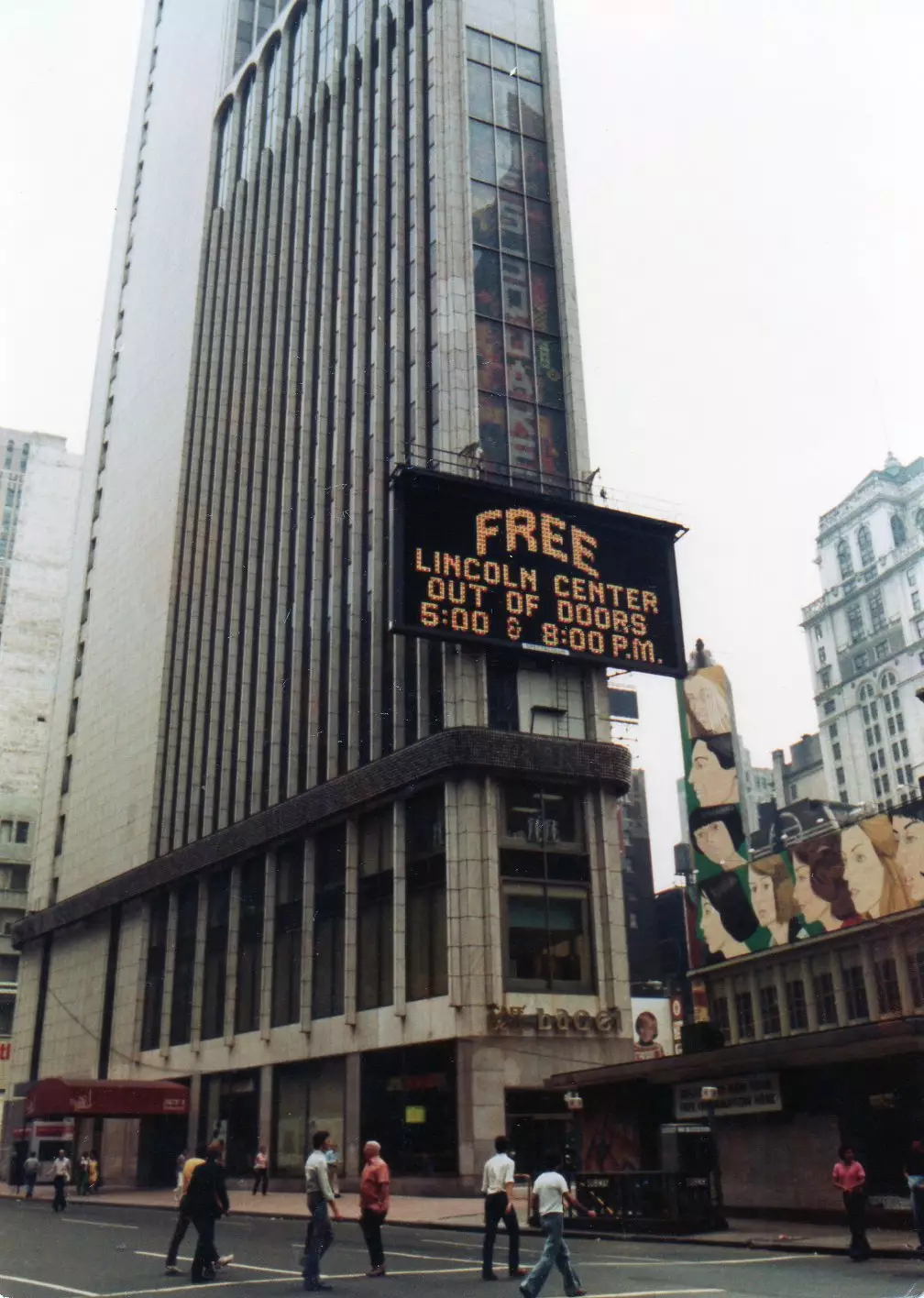
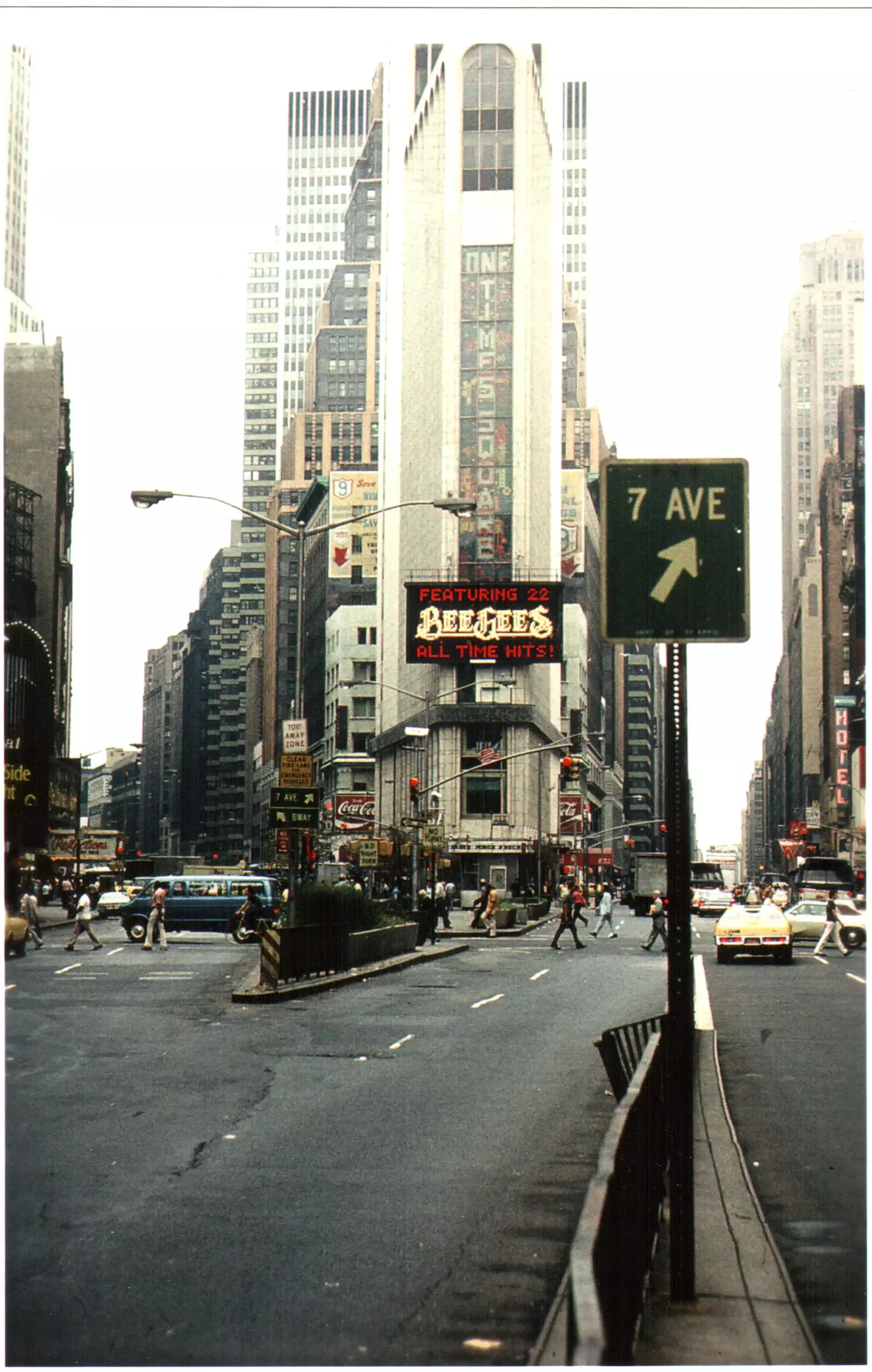
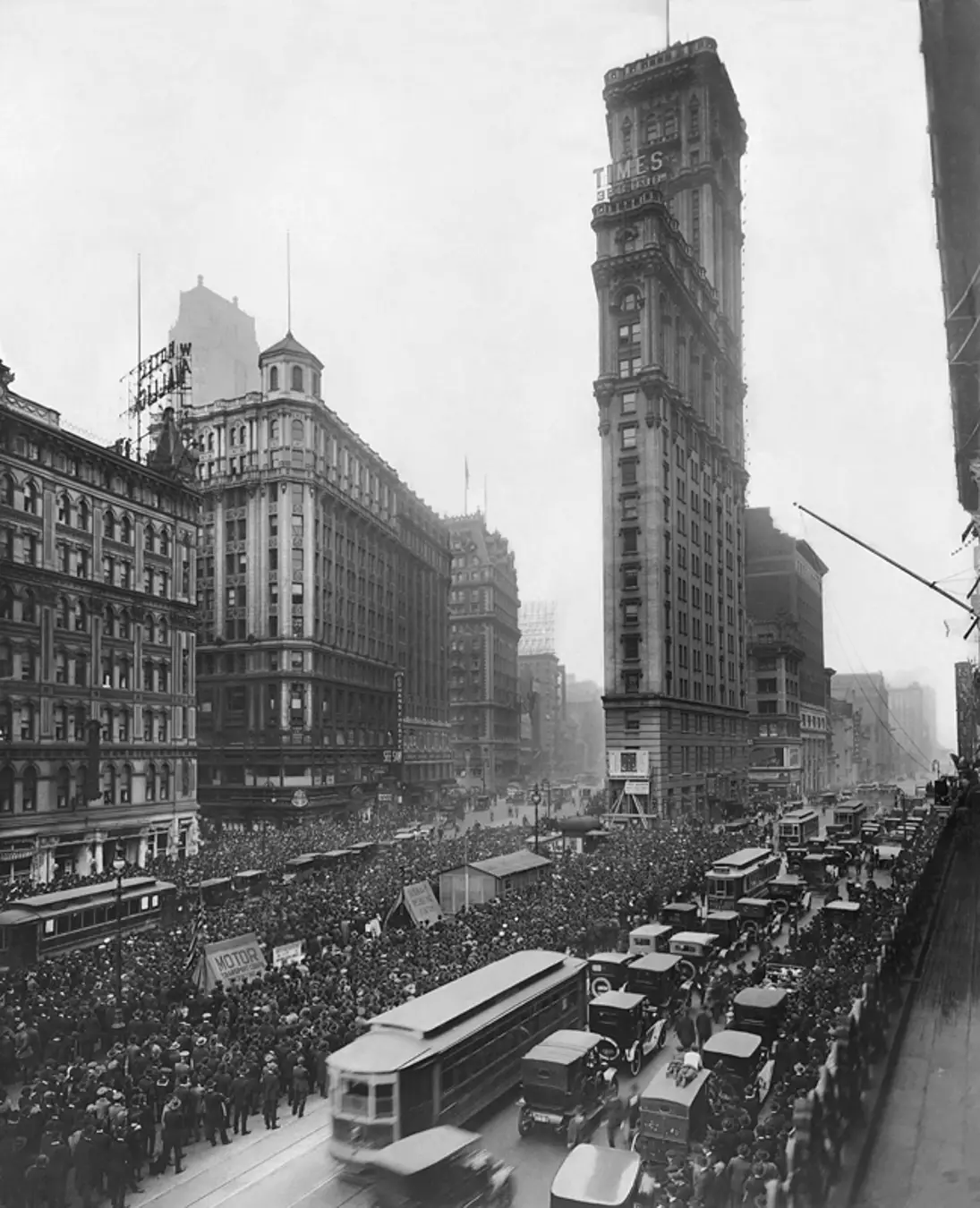
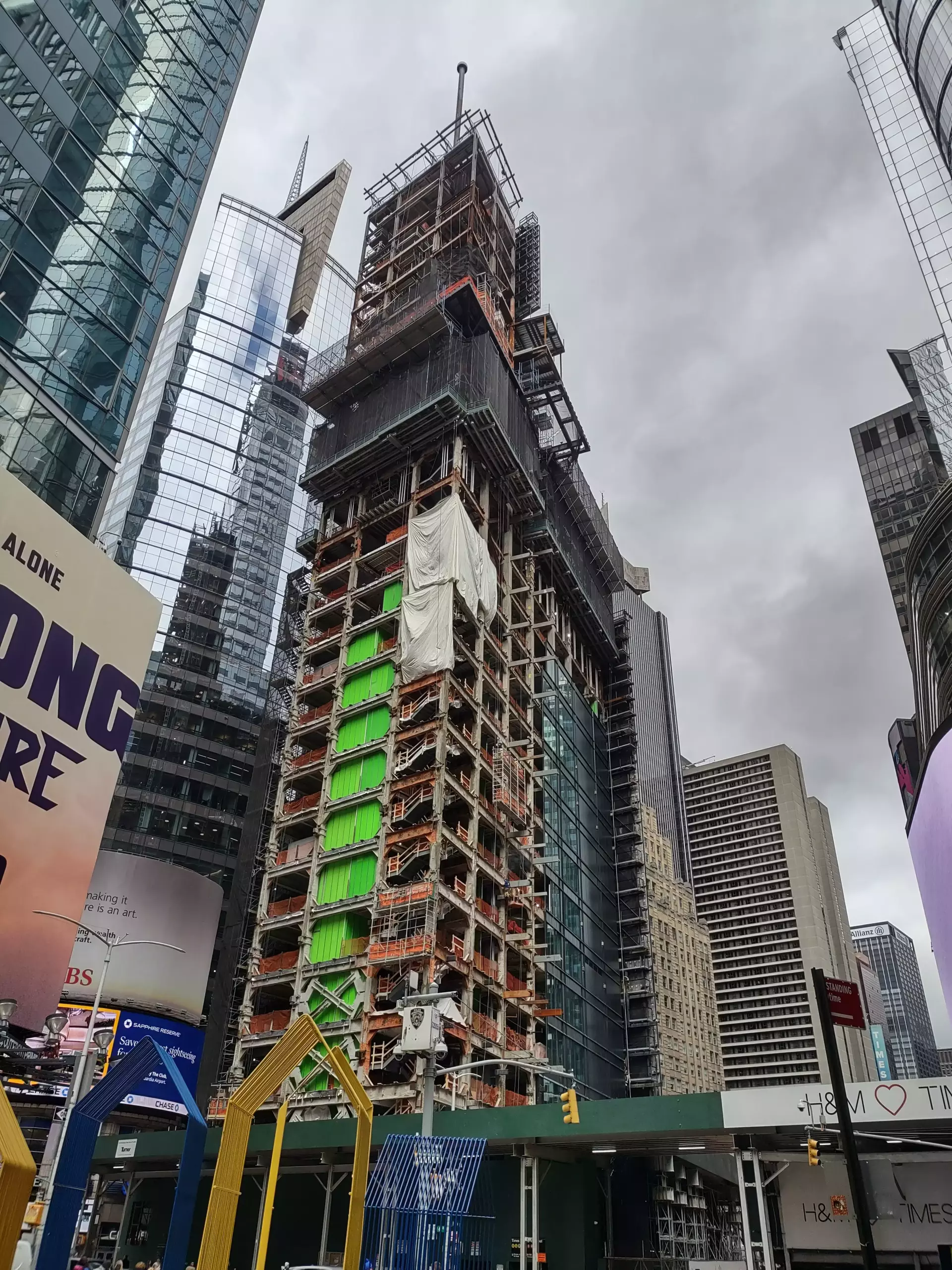
When it first opened its doors in 1905, One Times Square was the second-tallest building in the world. It was built to be the headquarters for The New York Times, although it served this purpose for less than a decade. Today, this historic skyscraper is best known for hosting the annual Times Square ball drop, a celebrated event that rings in the New Year from its rooftop.
Visitors to One Times Square are drawn not only by its history but also by its iconic features. Prominent among these is the Dow Jones news and sports zipper, proudly displayed on the building's lower facade. This was the first news ticker in the world, revolutionizing how information was presented to the public.
Source - https://en.wikipedia.org/wiki/One_Times_Square
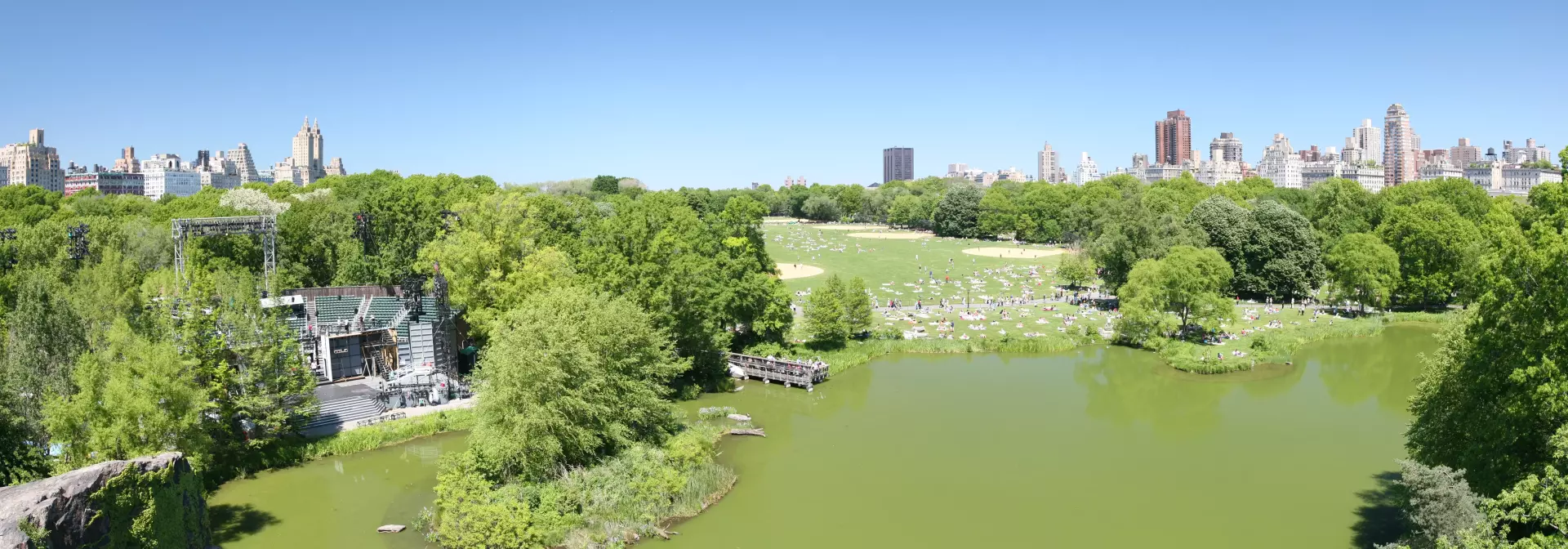
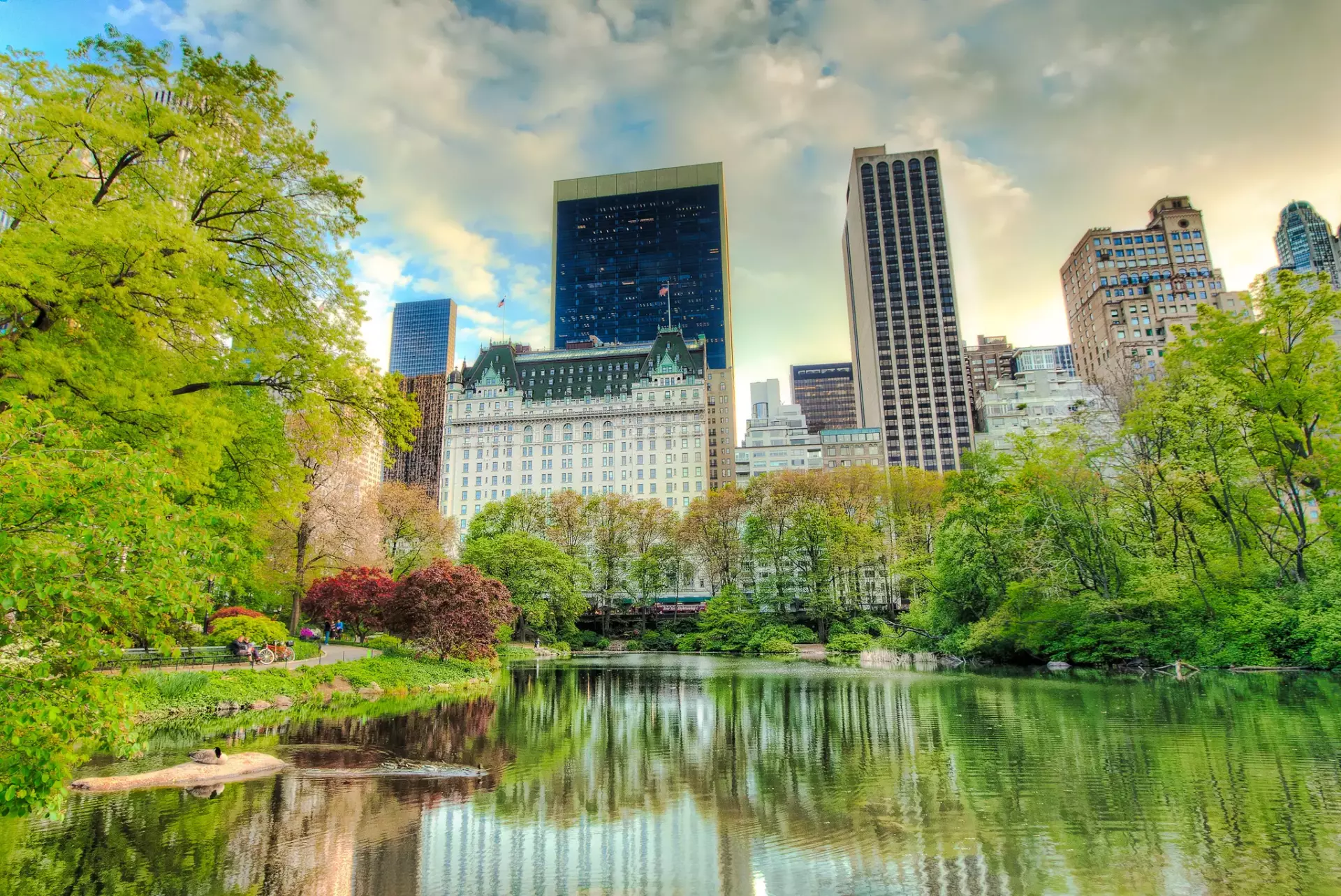
This 11 acre lake is one of Central Park's finest spots; surrounded by flowering trees and inhabited by several fish and turtle species.
Housed in a 560,000-square-foot, Beaux-Arts building, the Brooklyn is the 2nd largest art museum in New York City and one of the largest in the USA. Its world-renowned permanent collections include more than one million objects, from ancient Egyptian masterpieces to contemporary art, and represent a wide range of cultures. It is a 30-minute subway ride from Midtown Manhattan, and has its own subway station (renovated in 2019-20), the museum is part of a complex of 19th-century parks and gardens that also includes Prospect Park, the Brooklyn Botanic Garden, and the Prospect Park Zoo. On the first Saturday of each month, the museum is open until 11PM with free admission and special events.
The lesser-known historic district on the other side of the Park. It was developed at the turn of the 20th century by Dean Alvord as one of the first suburbs.
A large and historically important Protestant church and center of progressive social activism. Also neo-Gothic.
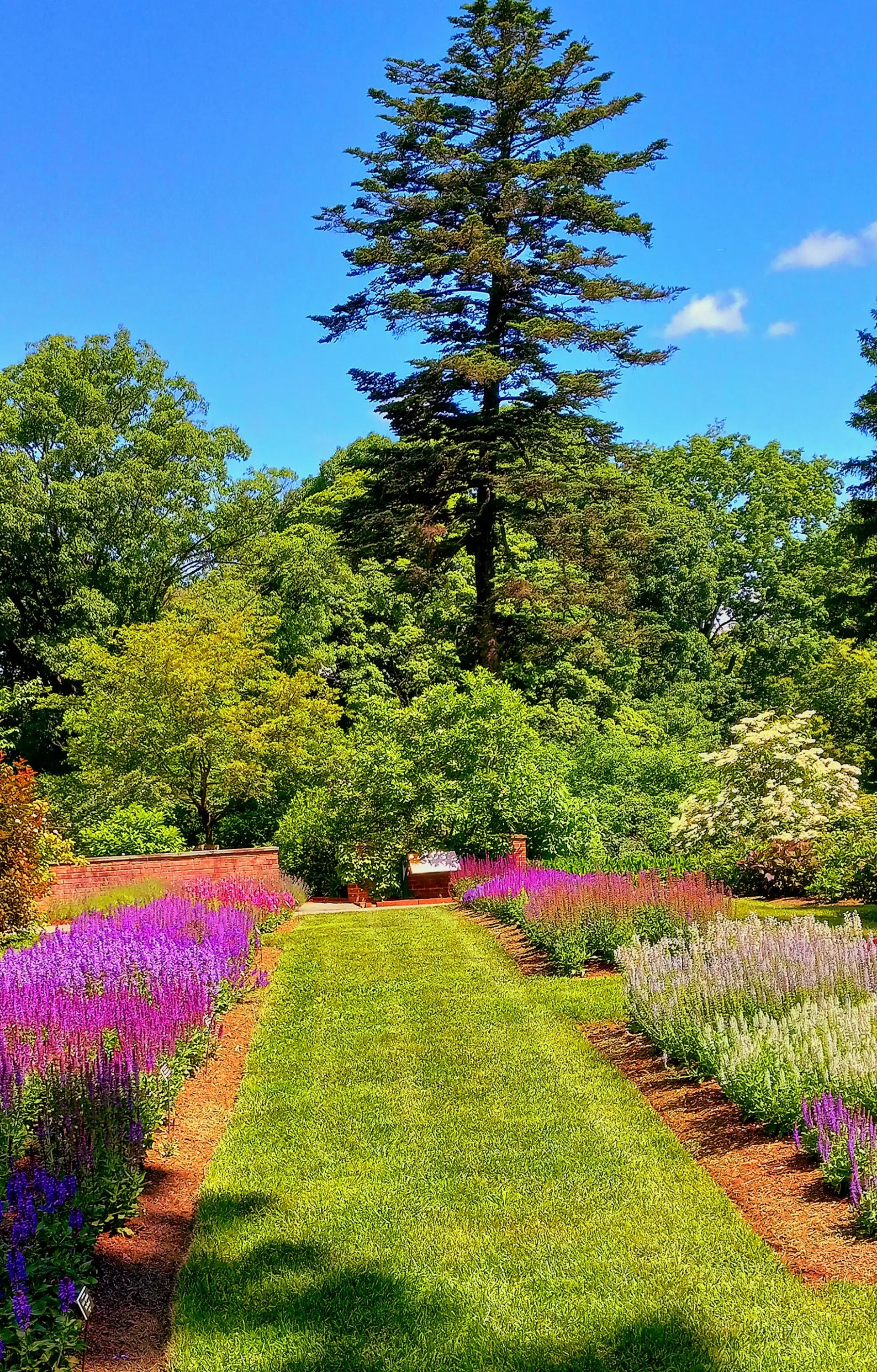
The garden is 52 acres and the layout was well planned. It is definitely worth a visit. Designed by the Olmsted Brothers in 1910 and open to the public since 1911, the garden includes an authentic Japanese garden, a Children's Garden, and the Cranford Rose Garden. The garden has the largest cherry blossom trees in one place outside of Japan. There are 42 gorgeous varieties. The Brooklyn Botanic Garden hosts various festivities throughout the year, including Hanami Sakura in May and the Chile Pepper Festival in October.
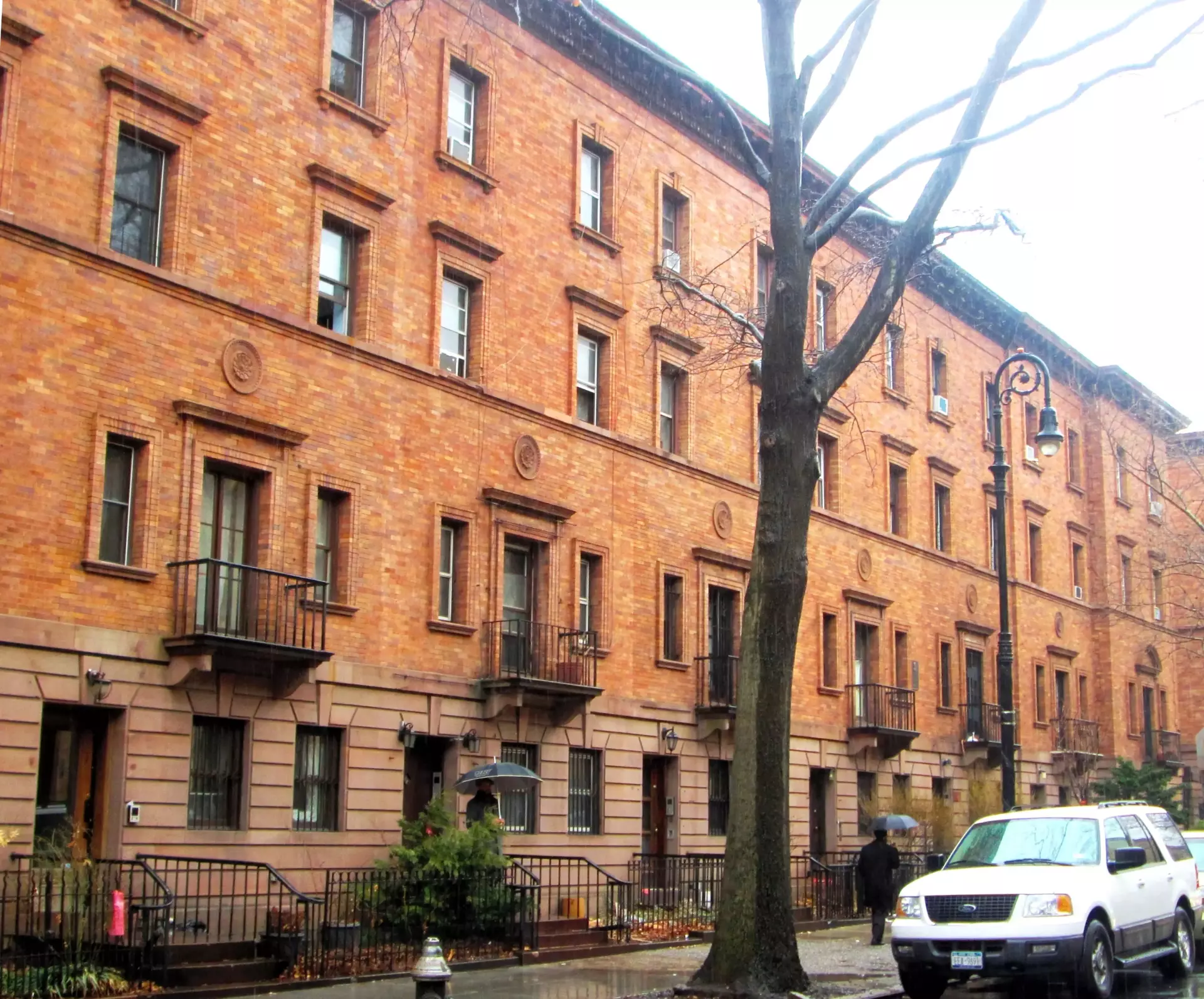
One of Brooklyn's most prized brownstone neighborhoods. It is predominantly residential, characterized by late 19th- and early 20th-century rowhouses with architectural significance. Street signs in the Historic District are brown rather than green.
Probably the most famous of the Guggenheim foundations (others found in Bilbao and Venice), which hold avant-garde modern art by artists such as Kandinsky and Mondrian, the New York branch is housed in a unique and famous building designed by Frank Lloyd Wright and rendered in a rounded, organic form and completed in 1959. Be sure to take the elevator to the top floor, then follow the spiral viewing floors downwards to the street level. One of eight buildings by Wright to be listed as a world heritage site.
See the Rockettes, another show, or just tour the famous Art Deco masterpiece.
Small and gem-like, New York's "oldest, newest zoo" opened in its current guise in 1988, although animals in various zoo incarnations have resided here since the 1860s. This zoo is fairly small and doesn't have as many large animals as you might expect, but this zoo does include sea lions, snow leopards, penguins, polar bears, monkeys, red pandas and exotic birds in pleasant exhibits. Next door is a children's zoo, covered in the cost of admission, which has a barnyard animals you can pet, a duck pond, and lots of play areas for kids.
The Asia Society is a unique educational organization like no other in the area promoting relationships and understanding among and of leaders, people, and organizations of Asia. It features a vast array of Asian art including art, business, culture, and education, promoting collaboration and a new, progressive understanding of Asian relations. The opportunities for discovery here are endless, with lessons about art, calligraphy, language, literature, politics, and religion.
Established in 1867 and laid out by Olmsted and Vaux, the designers of Manhattan's Central Park.
This pretty 17-story Beaux Arts building was completed in 1904 and designed to be New York City's first air conditioned hotel. It was a residential hotel, and housed a number of very famous people, including the Hall of Fame baseball player, Babe Ruth; the Italian tenor, Enrico Caruso; the modernist composer, Igor Stravinsky; the Italian conductor of the NBC Symphony, Arturo Toscanini; and writers Theodore Dreiser and Isaac Bashevis Singer. The building is now a condominium.
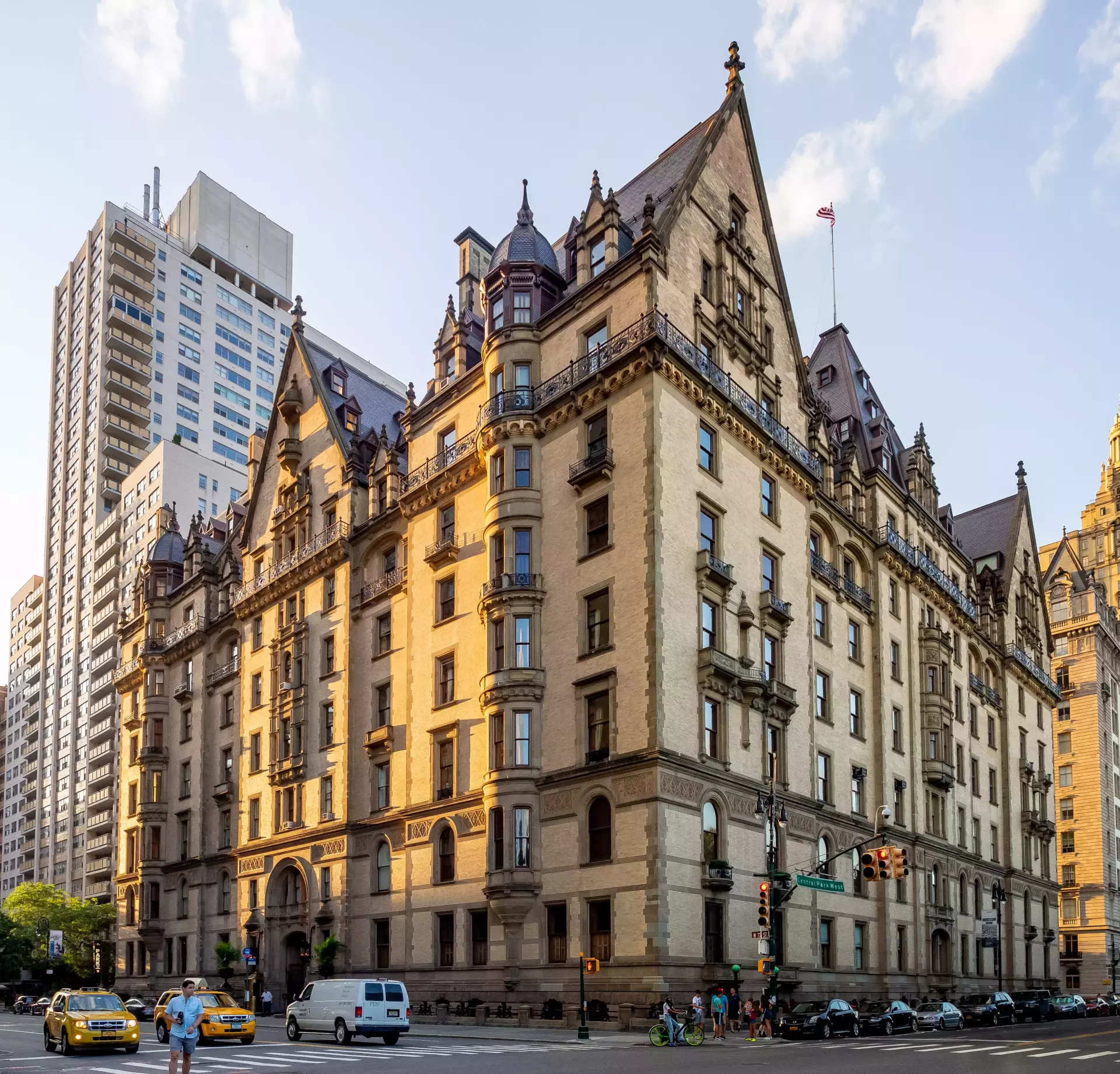
So named in 1981 in memory of John Lennon, the former Beatle, who was murdered close by outside his home in the Dakota building. Lennon's widow Yoko Ono, who still lives in the Dakota, subsequently donated $1 million to upgrade the area with hundreds of tree and flower species, including strawberries. The area serves as a Garden of Peace and includes a memorial floor mosaic (donated by the Italian city of Naples) that says simply "Imagine", referring to the title of one of Lennon's evocative songs.