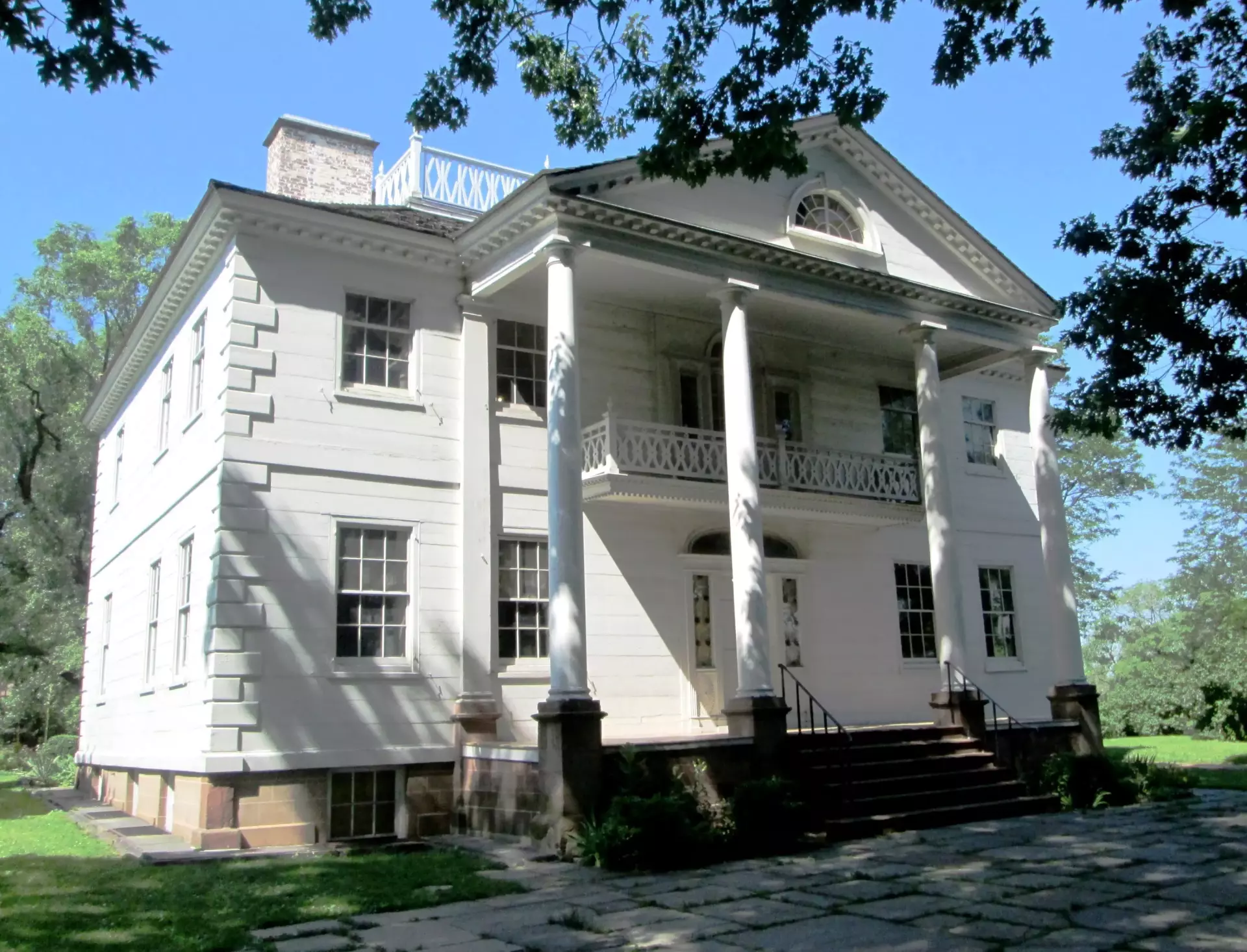
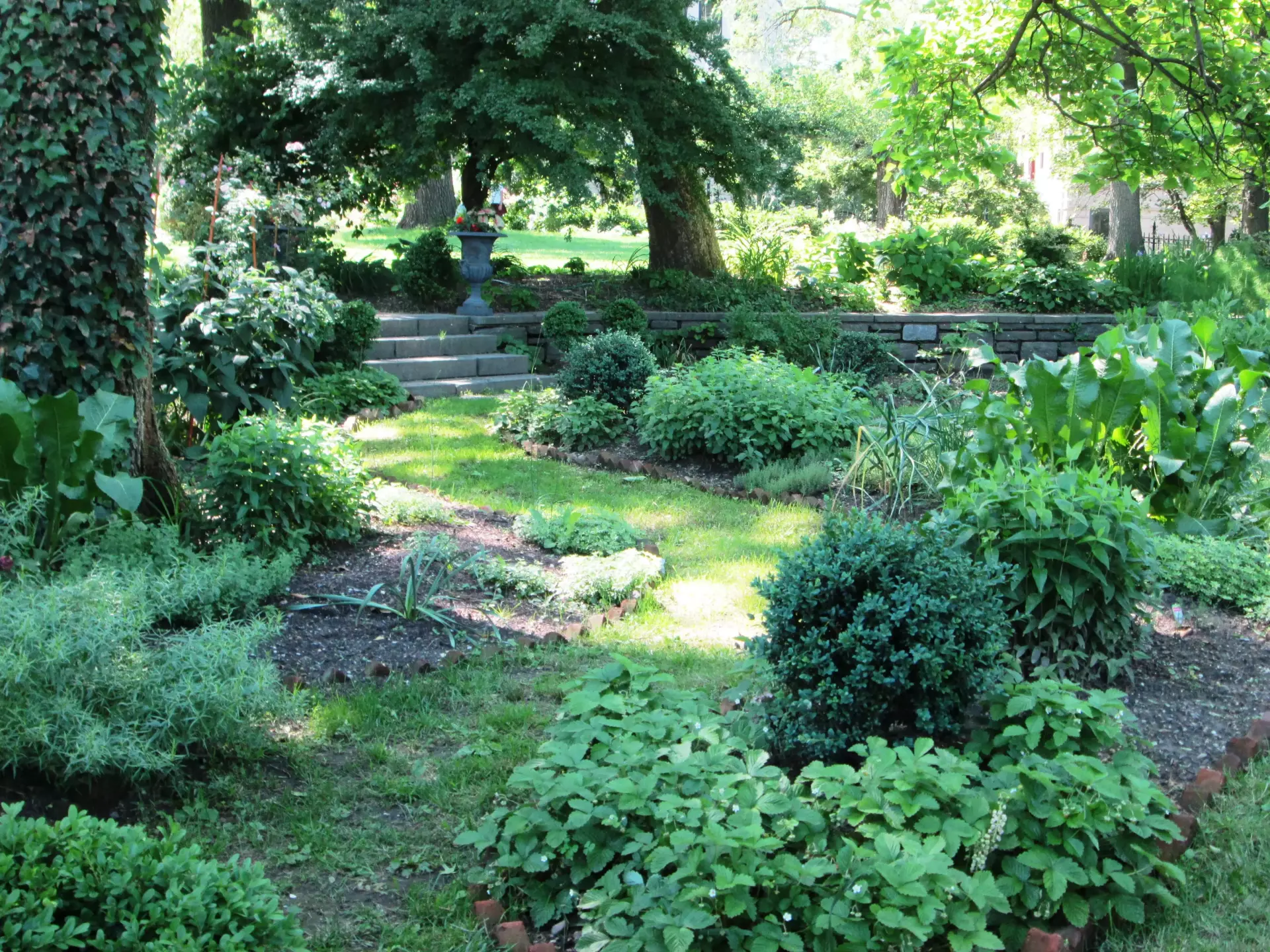
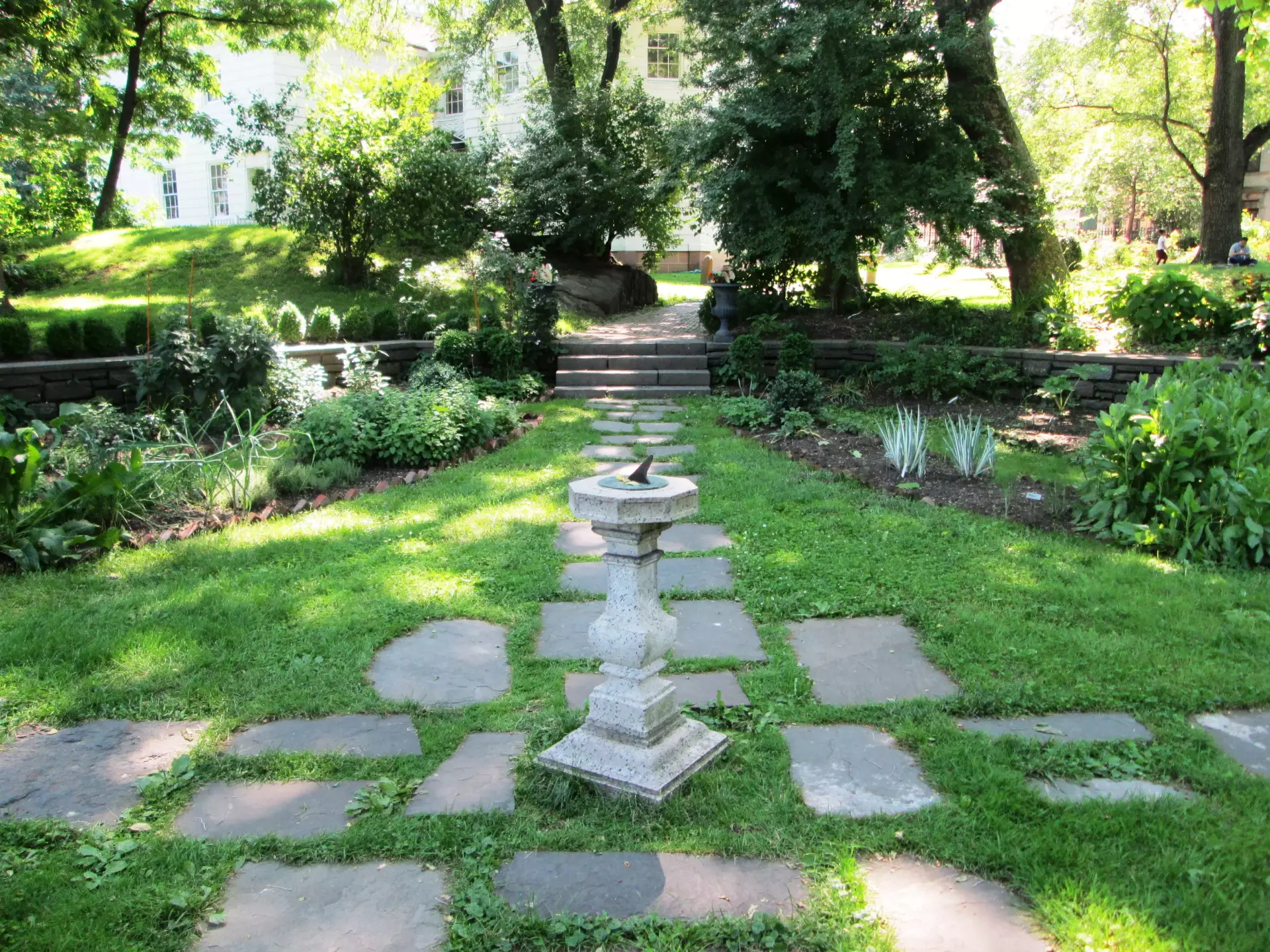
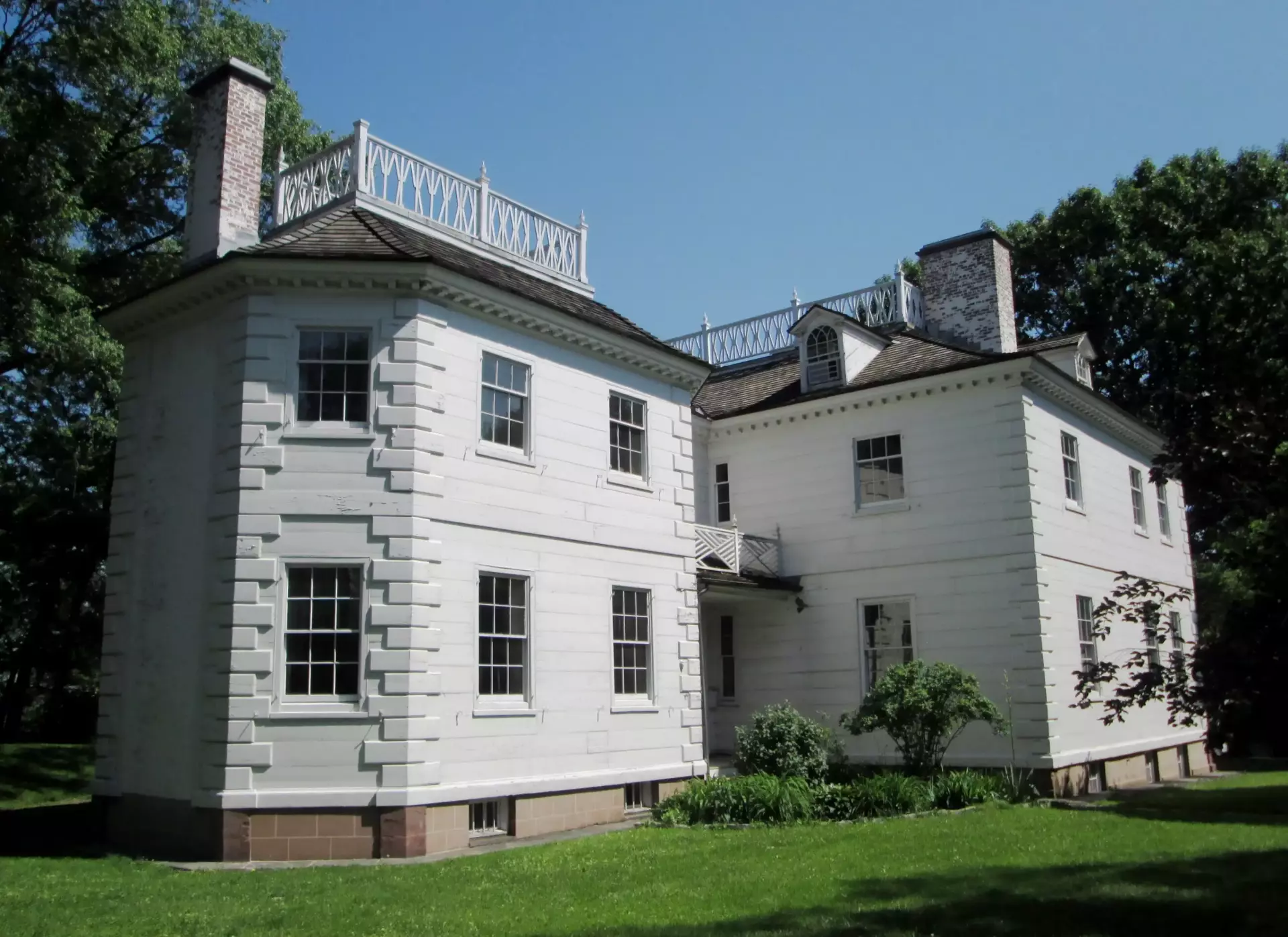
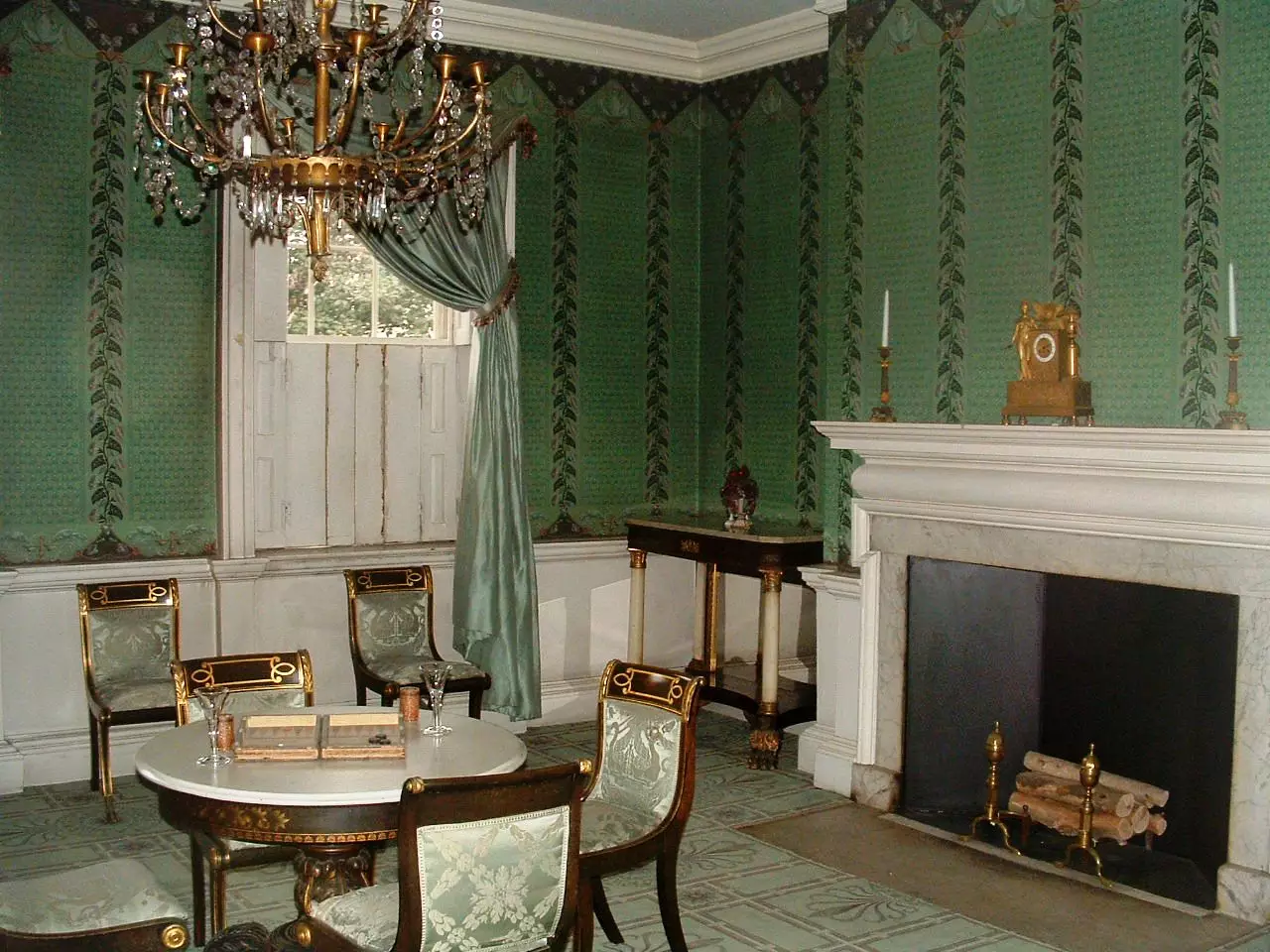
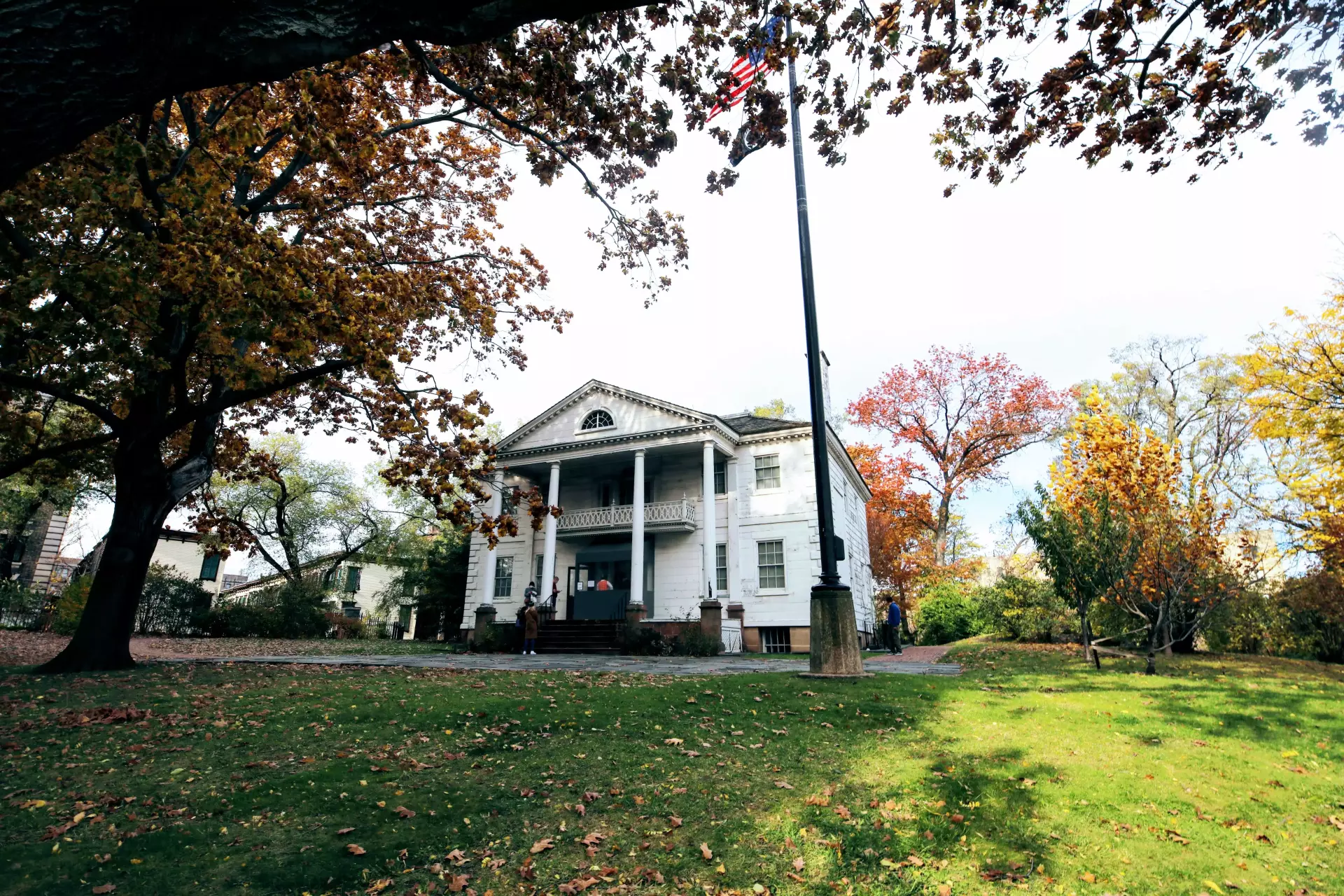
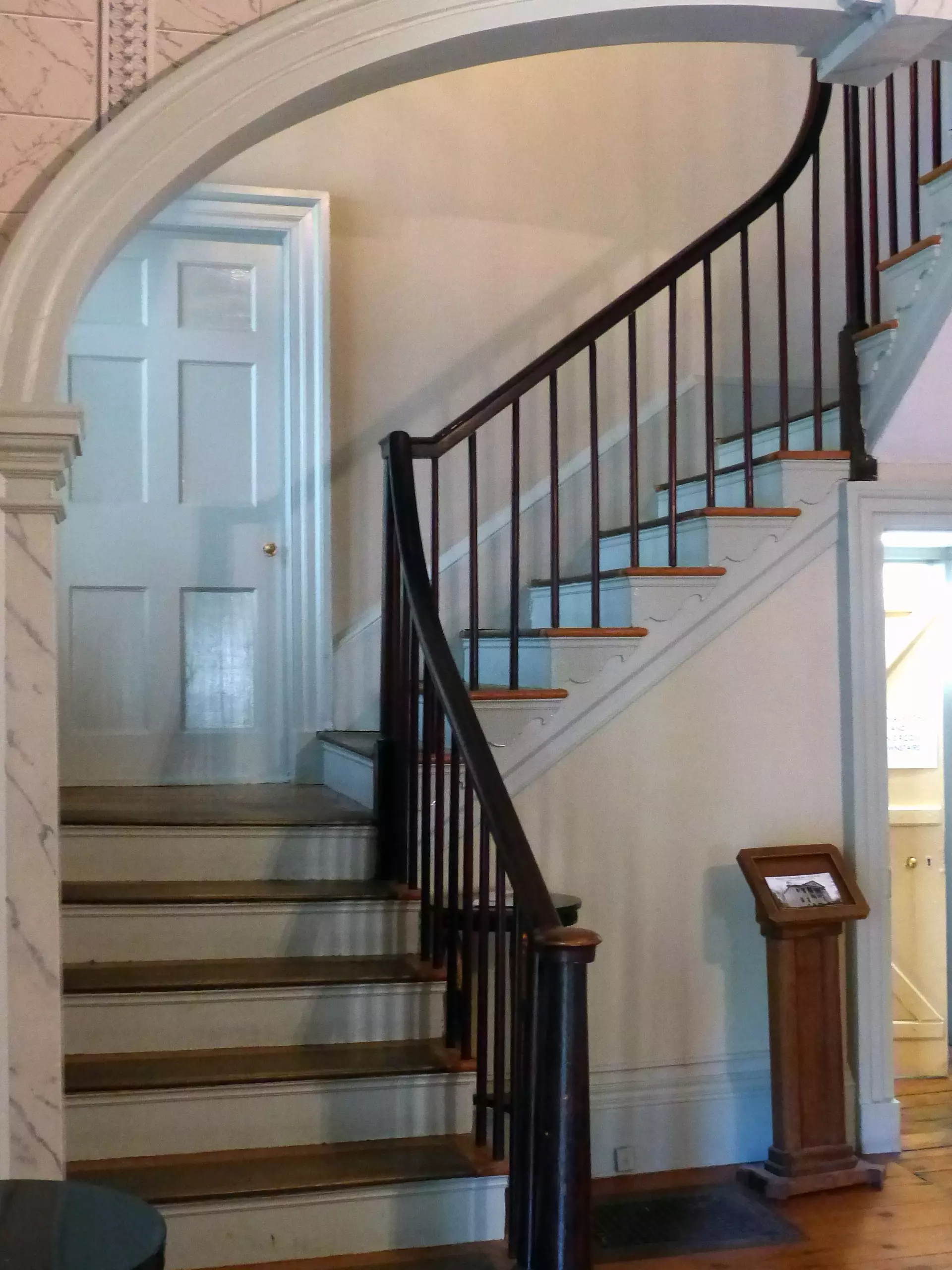
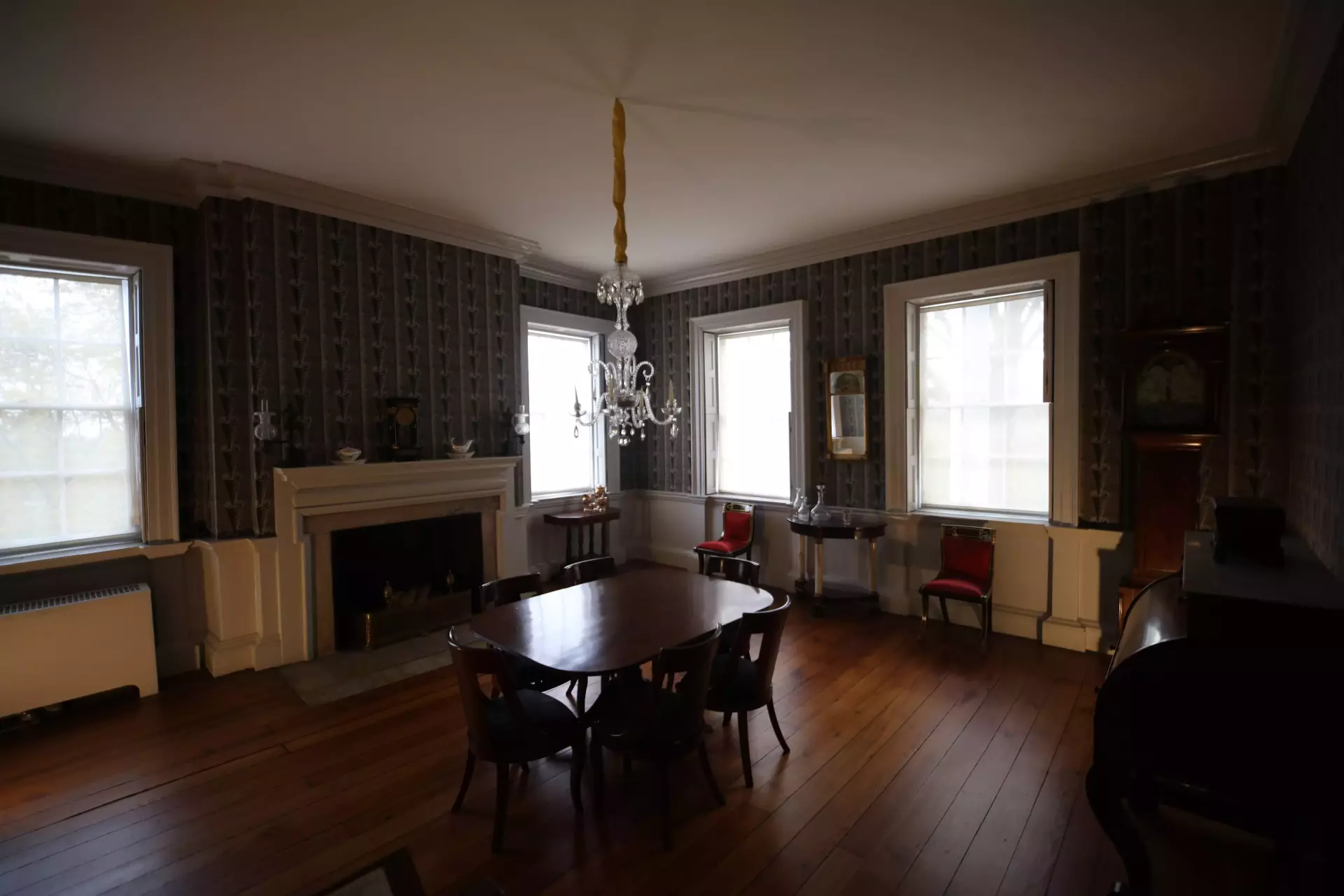
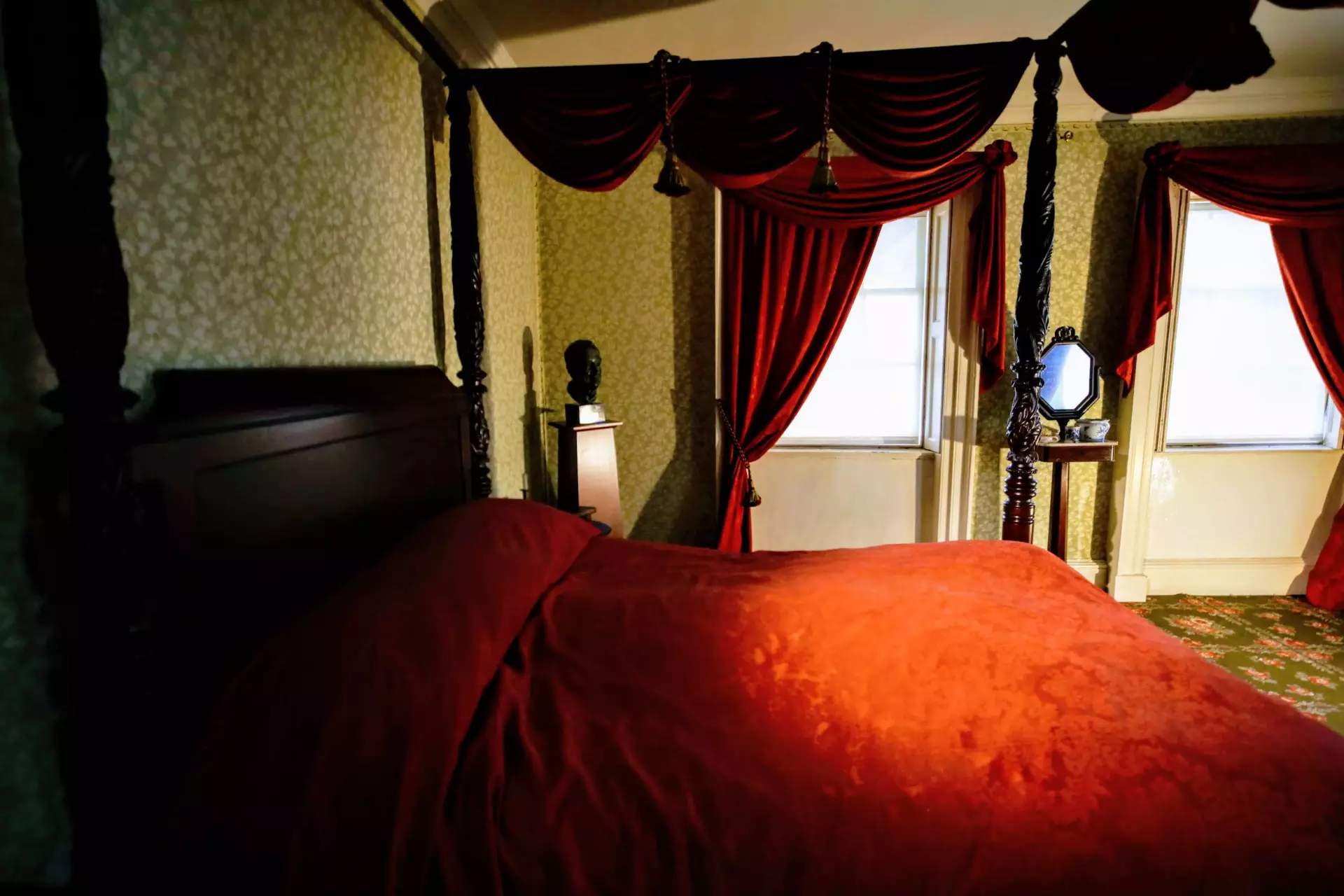
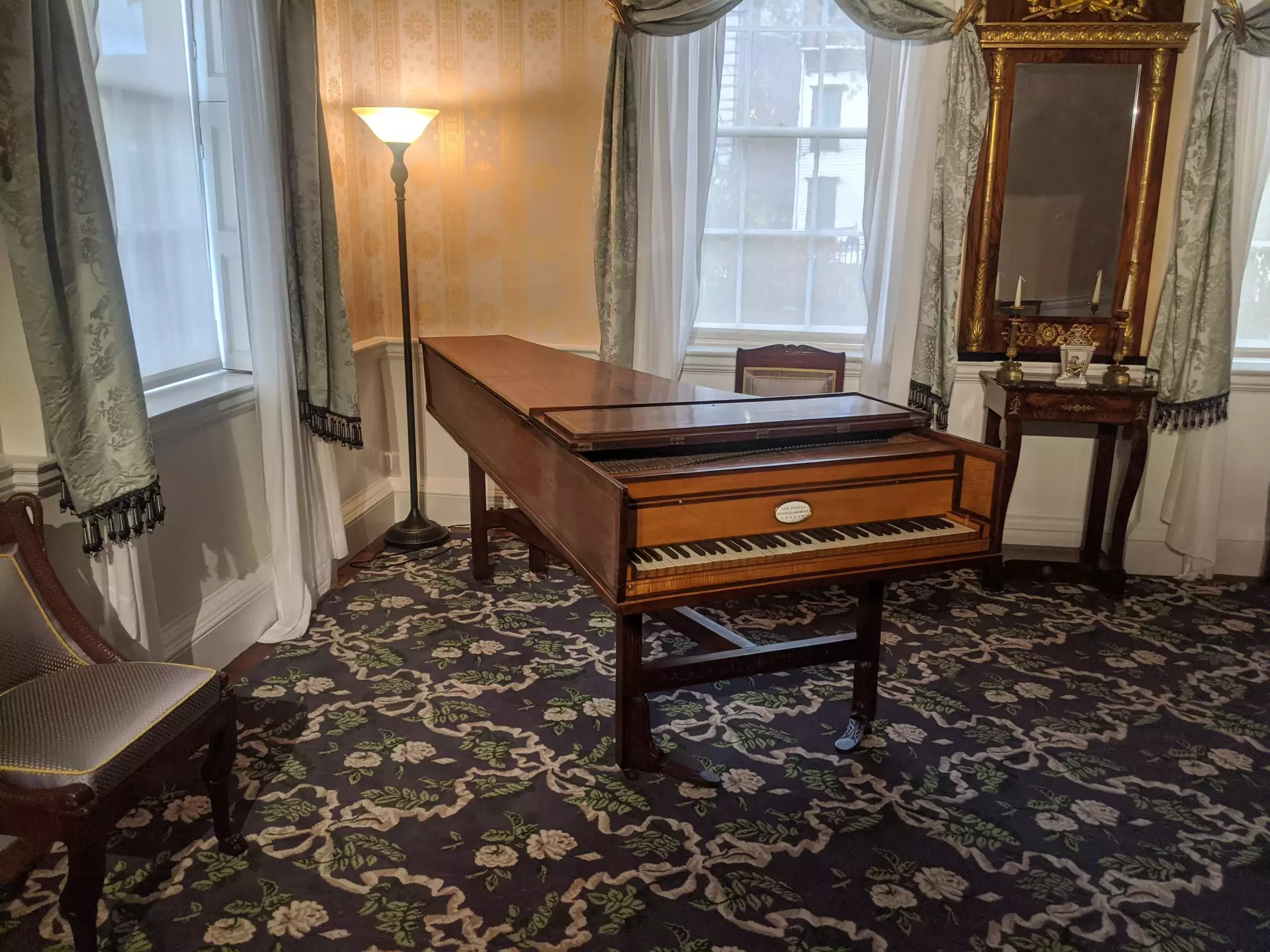
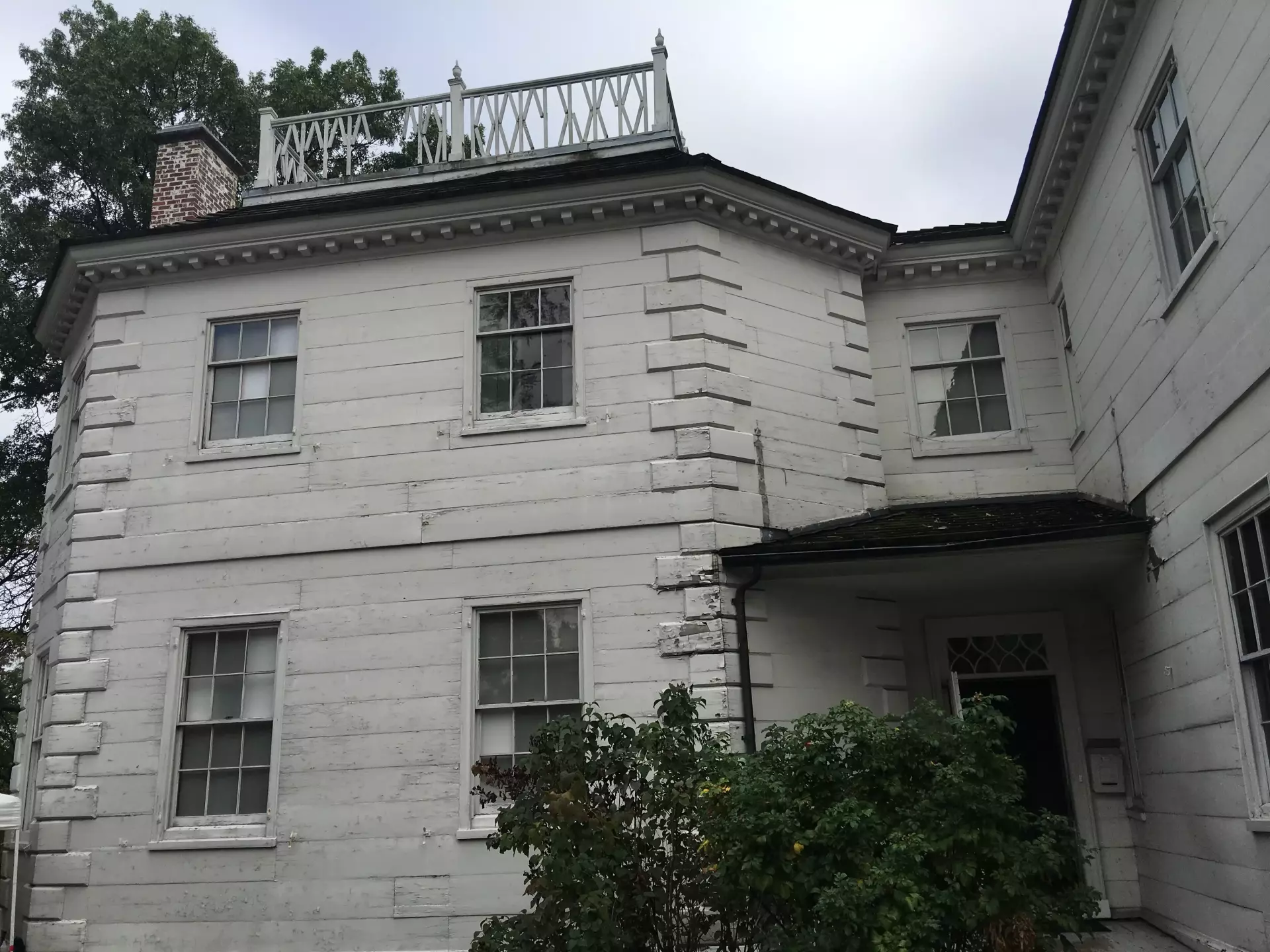
Built in 1765, the Morris-Jumel Mansion stands as the oldest house on Manhattan Island. During the year 1776, it served as the headquarters for George Washington. Today, this historic building has been transformed into a museum surrounded by a 1.5-acre park. Visitors can explore a decorative arts collection that showcases pieces from the colonial and Revolutionary War periods. Among the 12 meticulously restored rooms, Washington's former office remains a highlight.
Source - https://en.wikipedia.org/wiki/Morris%E2%80%93Jumel_Mansion
A 2011 addition to the Lower Manhattan skyline, this 76-story residential skyscraper by the noted Frank Gehry has a distinctive rippled, "wavy" facade that is quite eye-catching. It is best viewed from City Hall Park and the Brooklyn Bridge.
Once the Audubon Ballroom where Malcolm X was assassinated with 21 gunshots. Only a part of the facade of the original building remains (Columbia University demolished the building in 1992). The location now houses a memorial to Malcolm X and Betty Shabazz, with a stated goal of advancing human rights and social justice. It also features a 63-foot mural depicting Malcolm X's life.
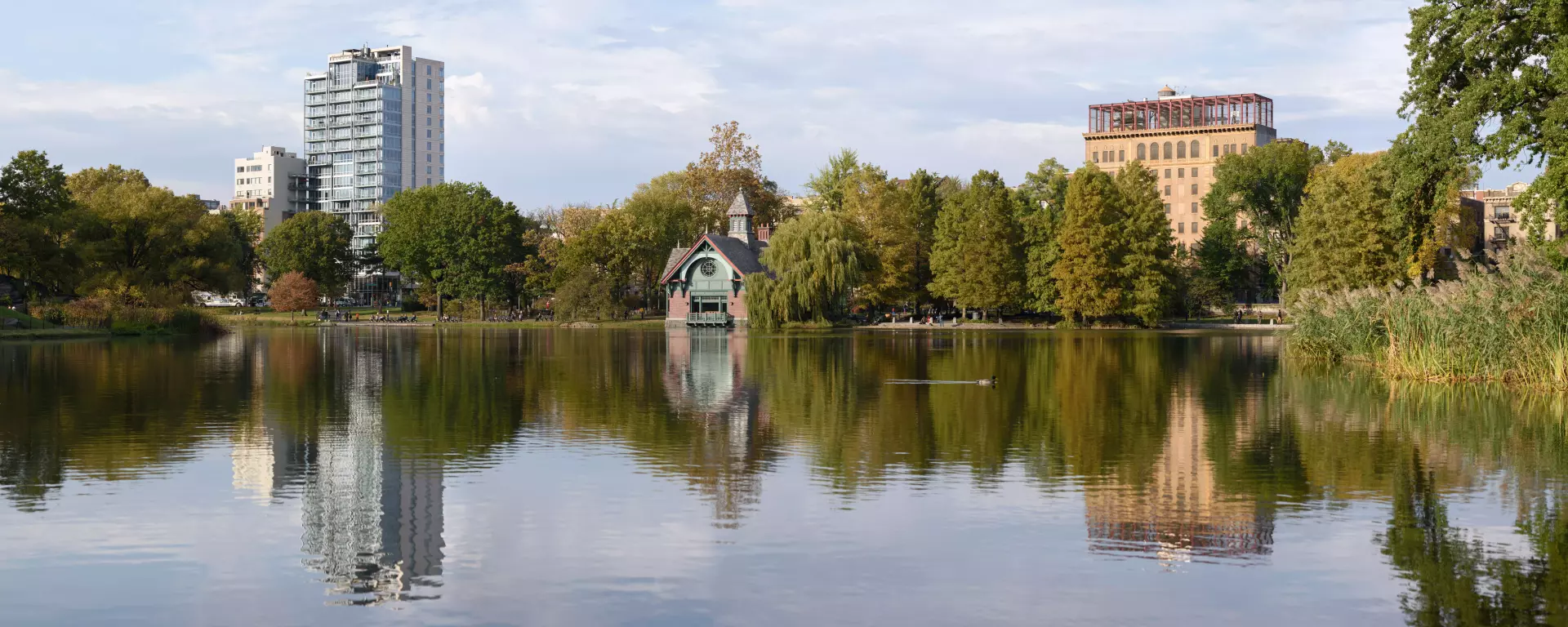
This is historic home that was built by local businessman James Bouton in 1891. Eight years later, Conrad Voelcker bought the house, and the Voelcker family lived in the house for three generations. Today, it is a museum, and there is a Victorian garden and a bird sanctuary outside.
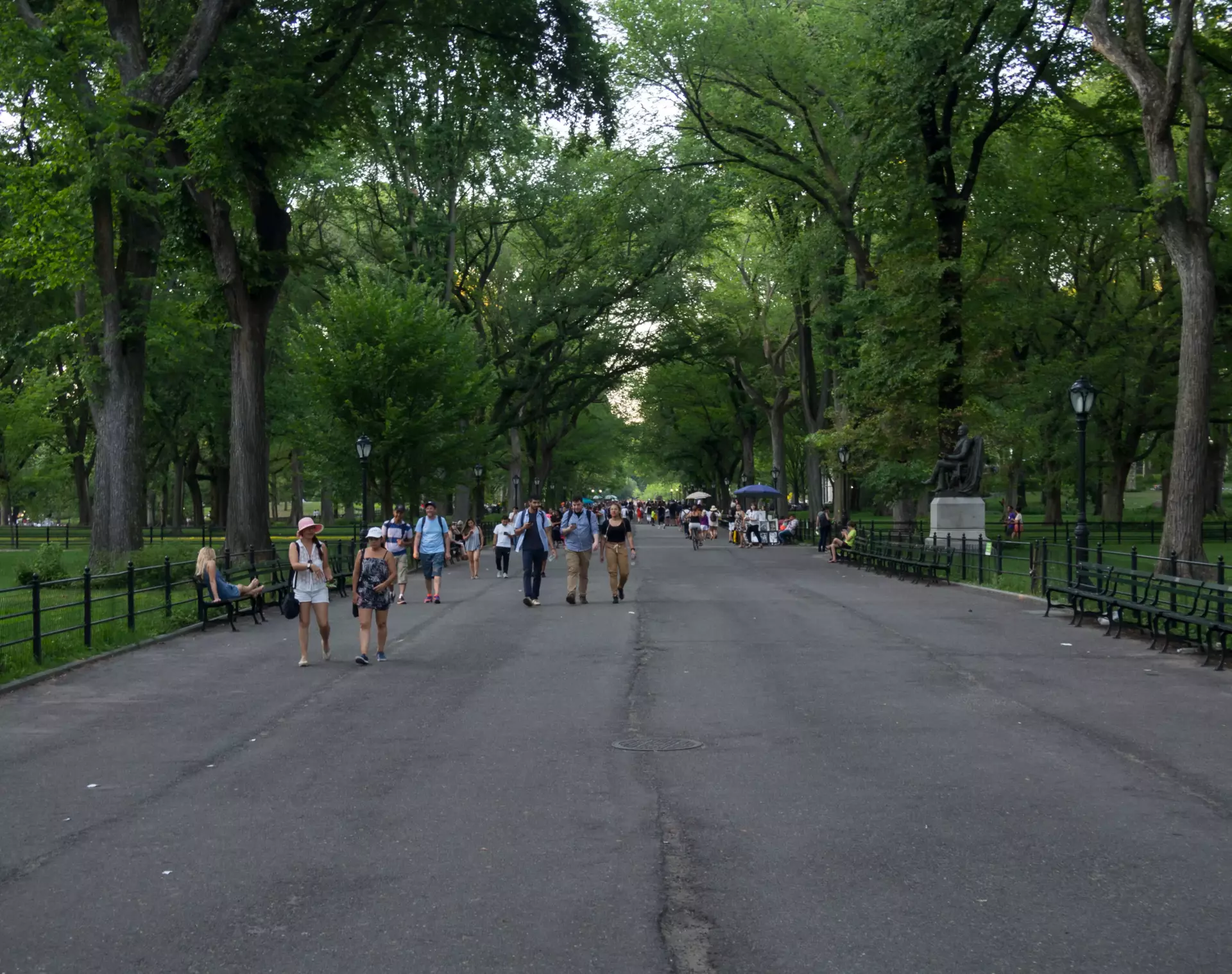
None of Central Park is actual virgin forest, but this is the closest any part of the park gets to feeling like genuine forest. It is beautiful and cool in hot weather. However, like a real forest, it is a mosquito habitat, so make sure to use insect repellent before walking through this part of the park.
Governors Island has a long military history, home to headquarters and military posts of the United States Army from 1794 until 1966, then a complex for the U.S. Coast Guard before becoming a historic district open to tours.
This pretty 17-story Beaux Arts building was completed in 1904 and designed to be New York City's first air conditioned hotel. It was a residential hotel, and housed a number of very famous people, including the Hall of Fame baseball player, Babe Ruth; the Italian tenor, Enrico Caruso; the modernist composer, Igor Stravinsky; the Italian conductor of the NBC Symphony, Arturo Toscanini; and writers Theodore Dreiser and Isaac Bashevis Singer. The building is now a condominium.
A picturesque brick building that actually predates the park. It was built in 1851 to serve as a munitions supply depot for the New York State National Guard, and was designed to look like a medieval fortress, with battlements overlooking the area. Today the building holds a refreshment stand and a small art gallery with rotating/seasonal exhibits.
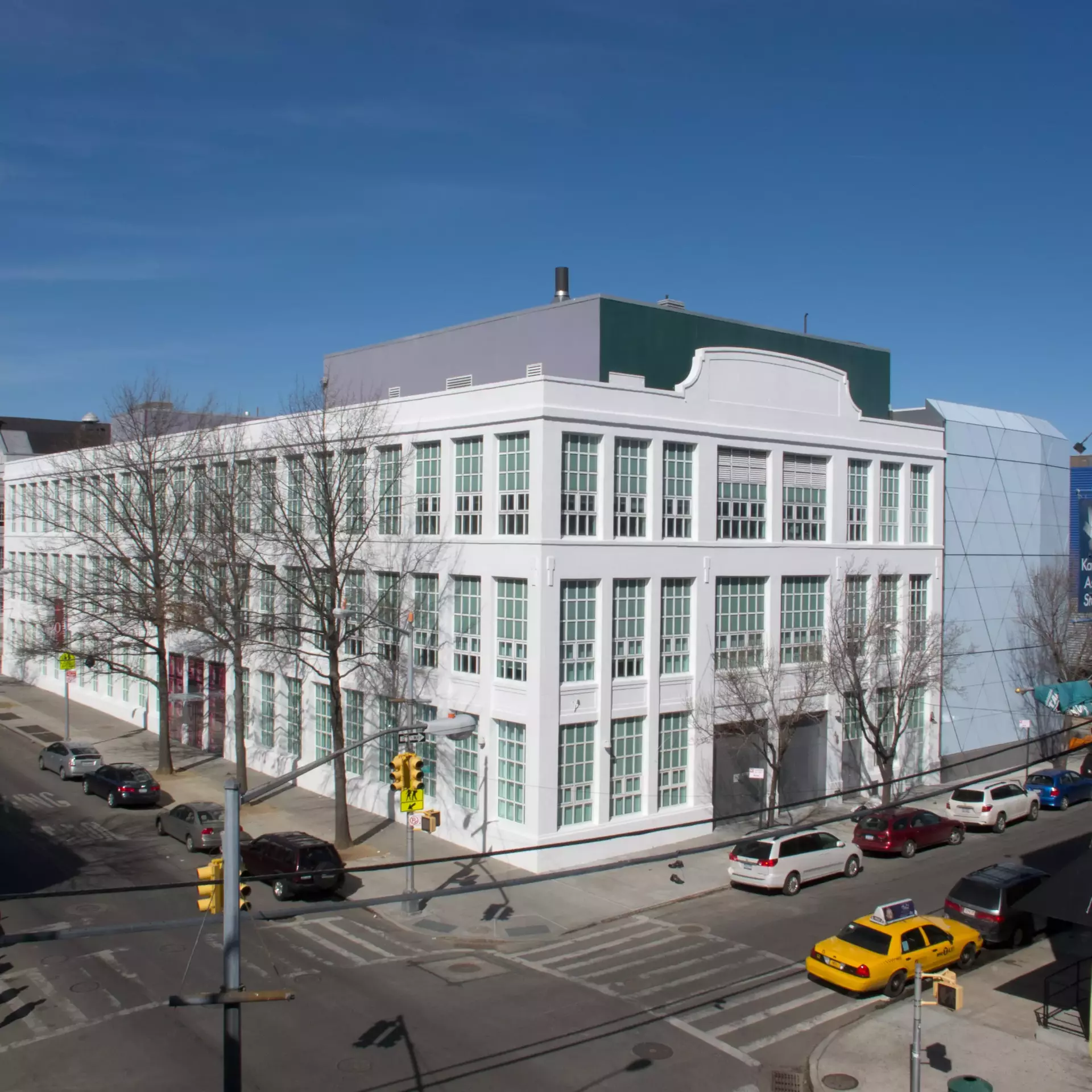
Supported by the Museum of Modern Art, this innovative (and cheap) contemporary art museum is in a former public school building. The conversion left most of the original features of the school - the large ex-classrooms are perfect for installations - and the bathrooms are a blast from the past. P.S.1 is a few blocks south on Jackson Avenue from the Citibank tower; the entrance is a concrete slab (how fitting) which occludes view of the school itself. P.S.1 also has a nice cafe and outdoor seats.
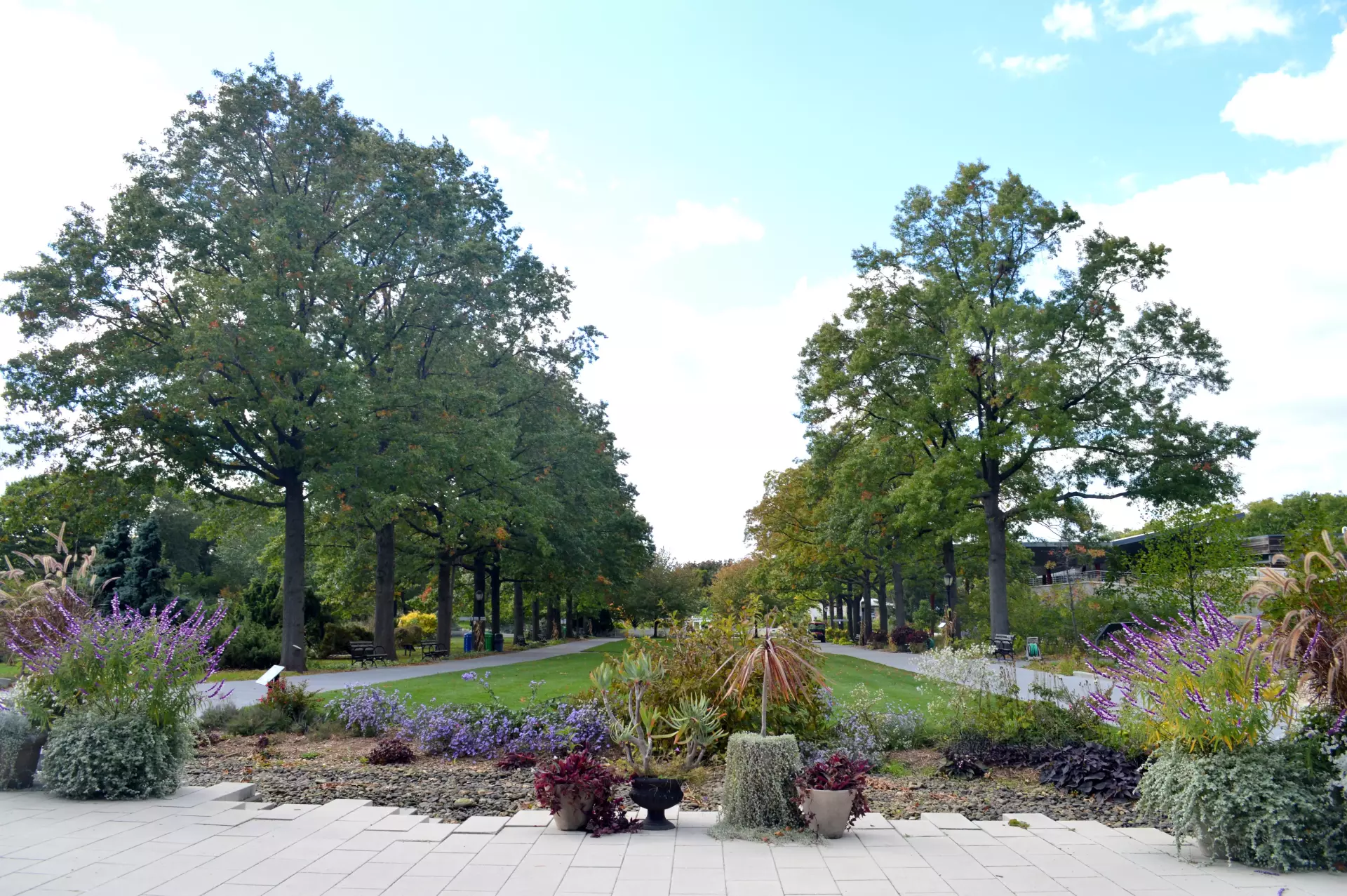
Established in 1867 and laid out by Olmsted and Vaux, the designers of Manhattan's Central Park.
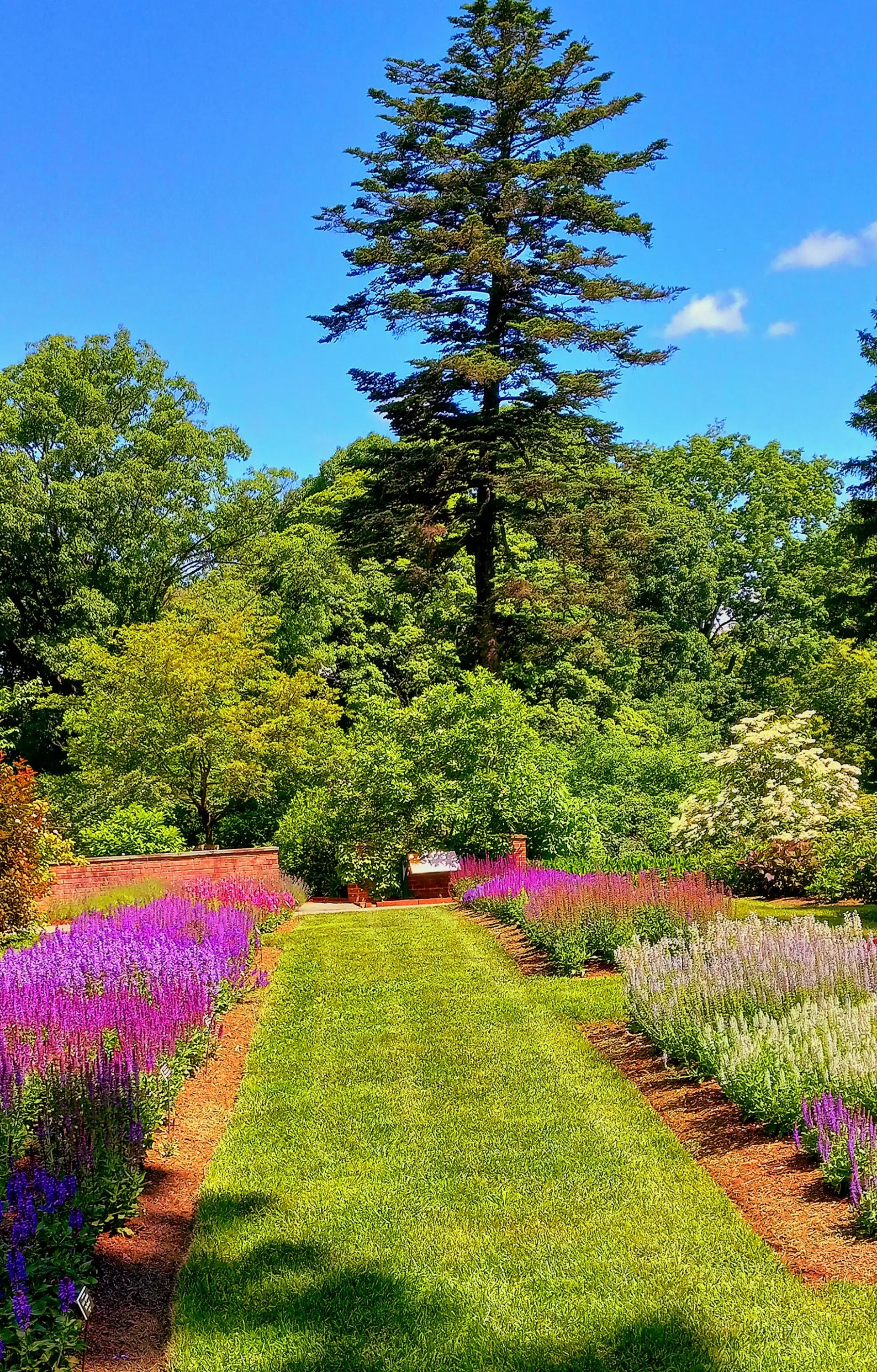
Large garden and arboretum featuring a variety of plants, and also a Victorian-style wedding garden.
Collection of more than 200 paintings of the artist, exhibited on three floors of a classic townhouse.
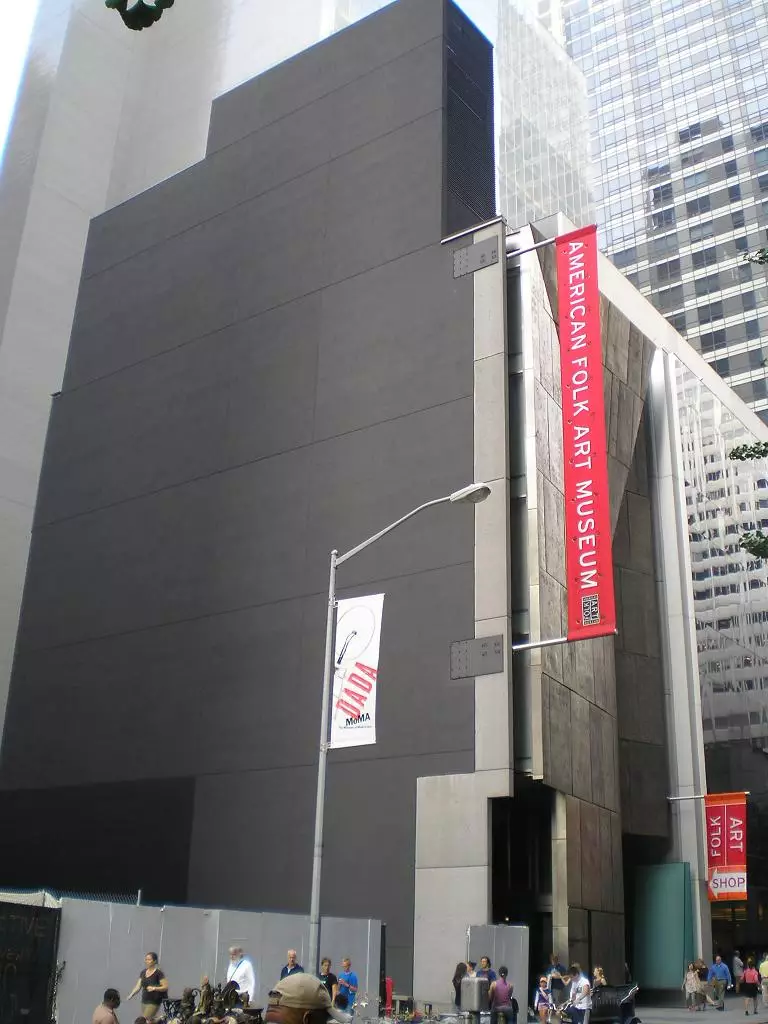
Americana including Audubon’s watercolors of birds.
Exhibits on the history of highrise and skyscraper construction.
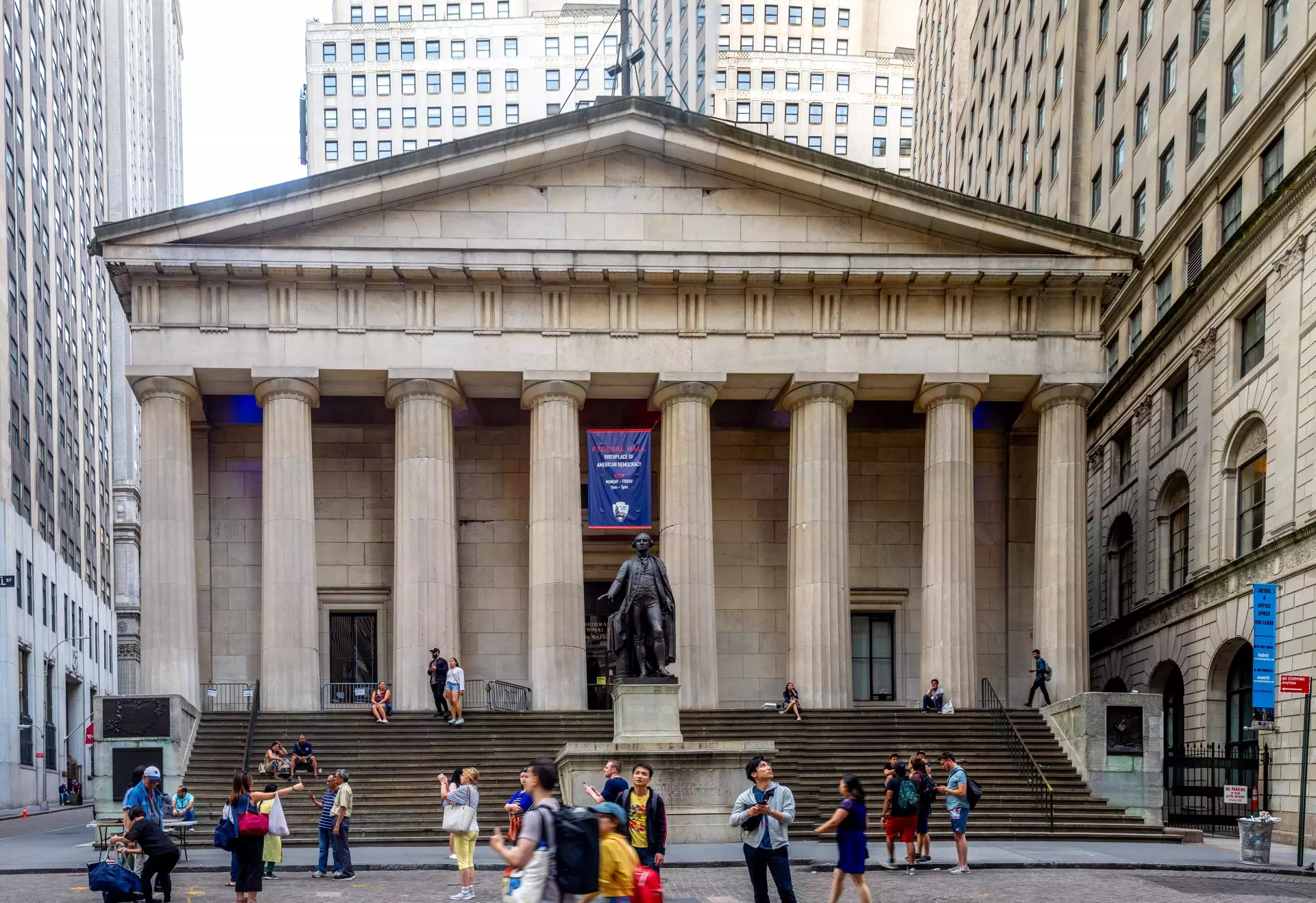
Dates back to 1680, and held an abortive peace conference during the Revolutionary War.
Yet another unique but rich treat on 5th Avenue, the AIHS is a non-profit organization that educates visitors on Irish American culture and history. Immersive and traditional events are held often along with exhibits showcasing the array of unique art and music. If performing and visual arts aren't your thing, you can visit the library instead with over 10,000 books, newsletters, newspapers, and pieces of literature dating back to the 1700s that feature a wide variety of otherwise unknown topics that are great for anyone interested in European culture and history.
This 11 acre lake is one of Central Park's finest spots; surrounded by flowering trees and inhabited by several fish and turtle species.
A spacious green lawn that was originally home to a herd of sheep, which grazed in the meadow and tended to in their nearby pen - a Victorian style building which today is the Tavern on the Green restaurant (see Eat below).