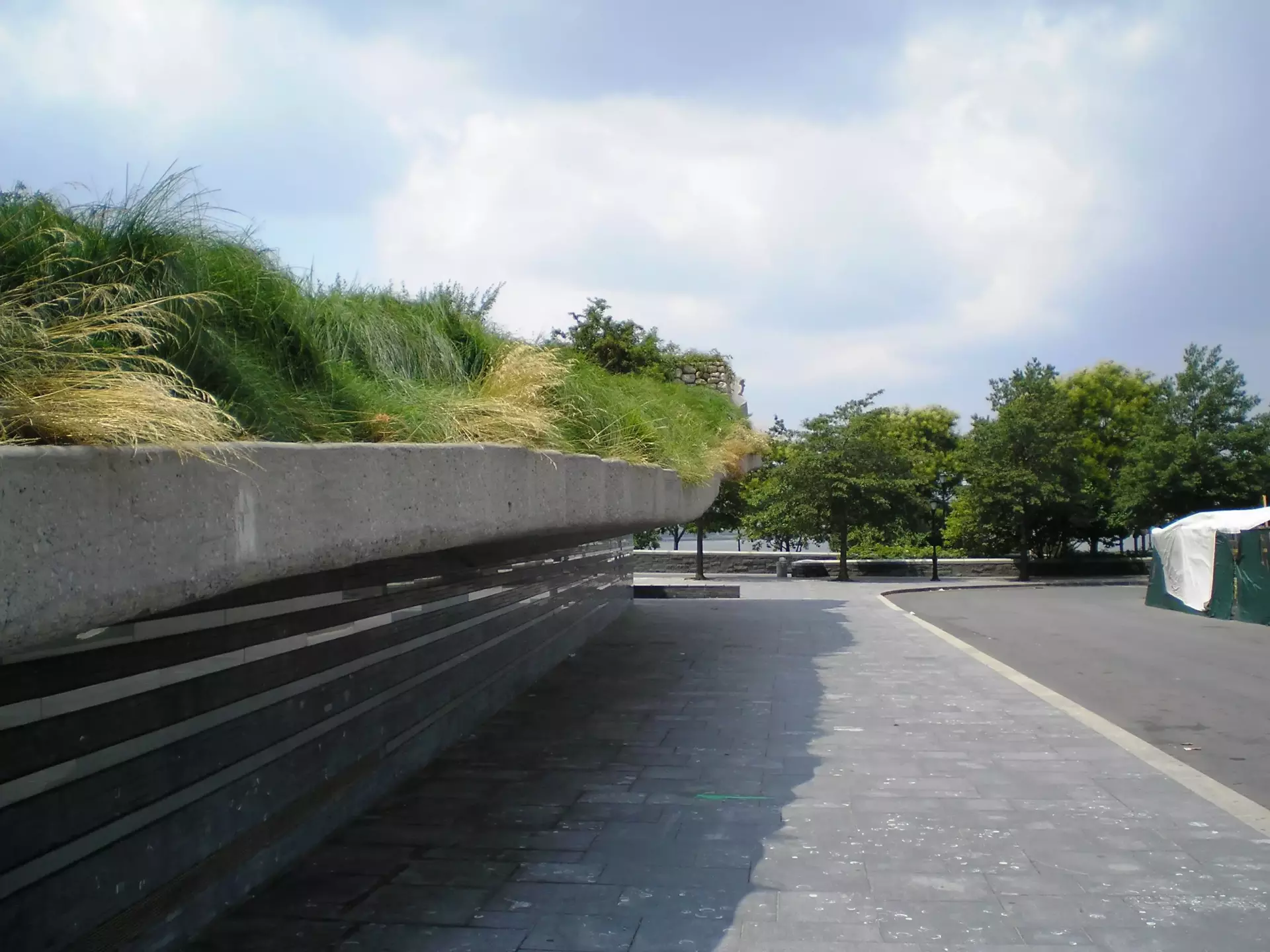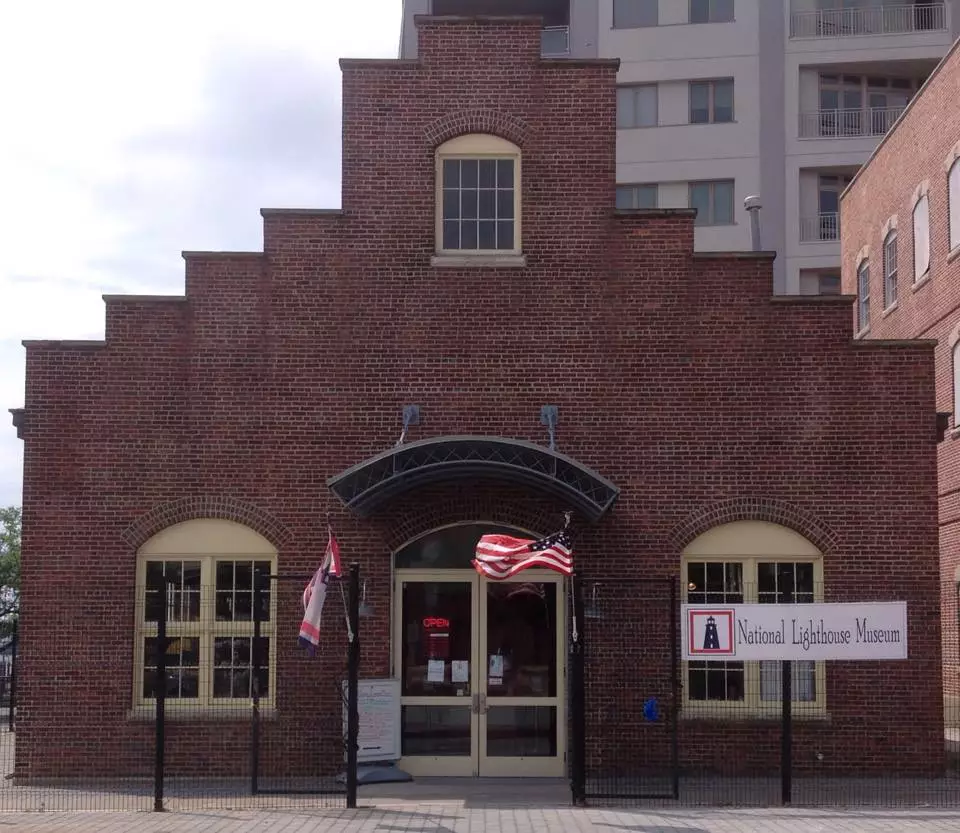
The National Lighthouse Museum, located on Staten Island, New York, offers a fascinating glimpse into the rich maritime history of the United States. Situated along the waterfront, the museum provides an engaging experience for visitors of all ages, featuring a variety of exhibits that showcase the essential role lighthouses have played in navigation and safety over the years.
The museum is home to an extensive collection of lighthouse lenses, models, and artifacts that tell the story of these iconic structures. Visitors can explore displays that detail the evolution of lighthouse technology and the everyday lives of the keepers who maintained them. Interactive exhibits make learning engaging, inviting guests to delve into the engineering marvels and historical significance of lighthouses.
Throughout the year, the National Lighthouse Museum hosts a range of educational programs and events designed to deepen understanding of maritime history. School groups and families alike can enjoy guided tours that provide in-depth insights into the exhibits. Special events, such as lectures and workshops, offer opportunities to learn more about nautical navigation and the preservation of these historical landmarks.
Conveniently situated near the Staten Island Ferry terminal, the museum is easily accessible for those traveling from Manhattan or other parts of New York City. The scenic location along the waterfront provides a beautiful backdrop for a day of exploration and learning. Visitors can enjoy a leisurely walk along the shore after their museum visit, taking in views of the harbor and the iconic New York City skyline.
Source - https://en.wikipedia.org/wiki/National_Lighthouse_Museum_(New_York_City)
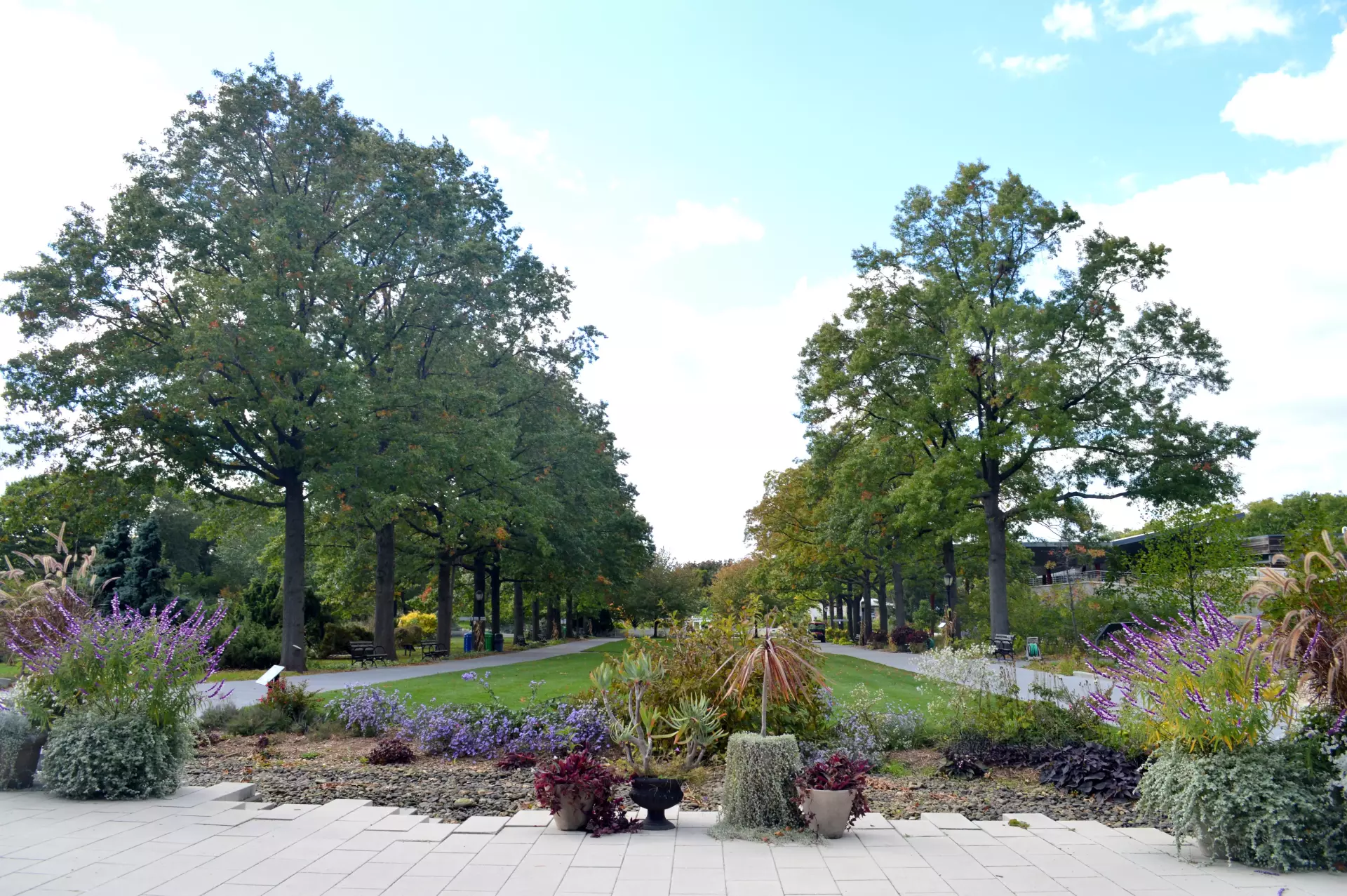
Large garden and arboretum featuring a variety of plants, and also a Victorian-style wedding garden.
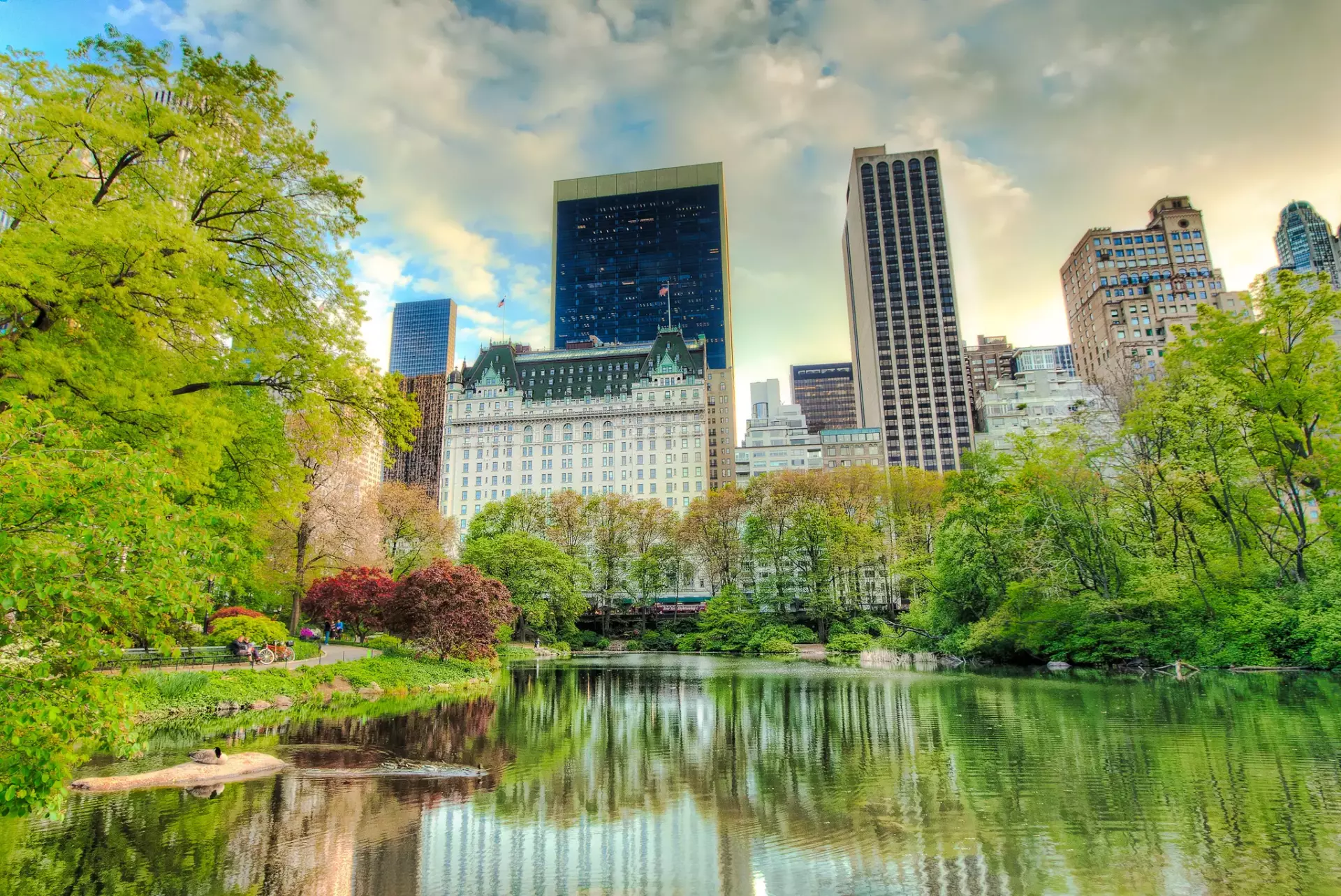
Near Grand Army Plaza, the Pond offers a tranquil setting just within the boundaries of the park. A rustic wood structure, "Cop Cot," overlooks the pond from an outcrop near the Sixth Avenue entrance.
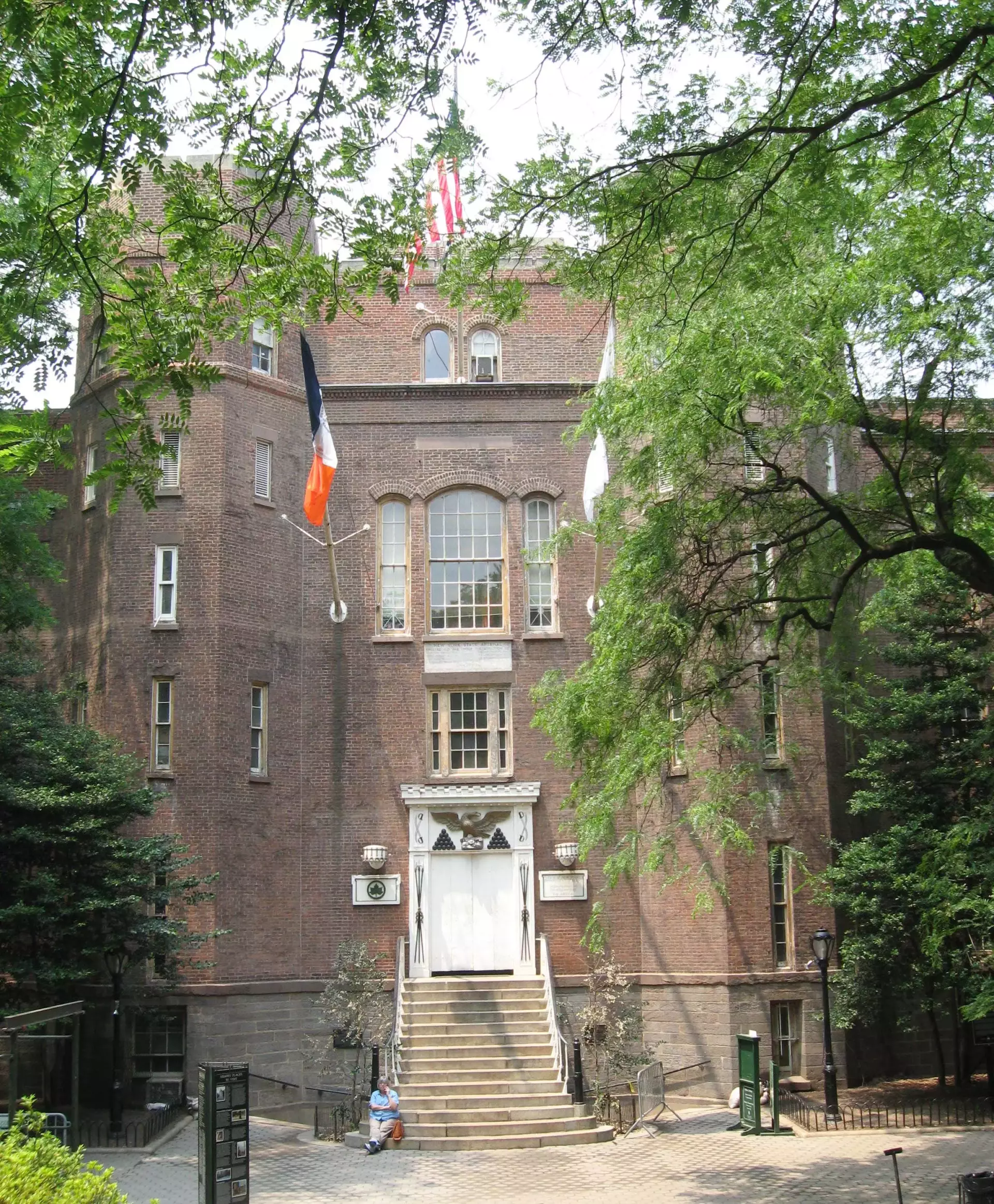
A picturesque brick building that actually predates the park. It was built in 1851 to serve as a munitions supply depot for the New York State National Guard, and was designed to look like a medieval fortress, with battlements overlooking the area. Today the building holds a refreshment stand and a small art gallery with rotating/seasonal exhibits.
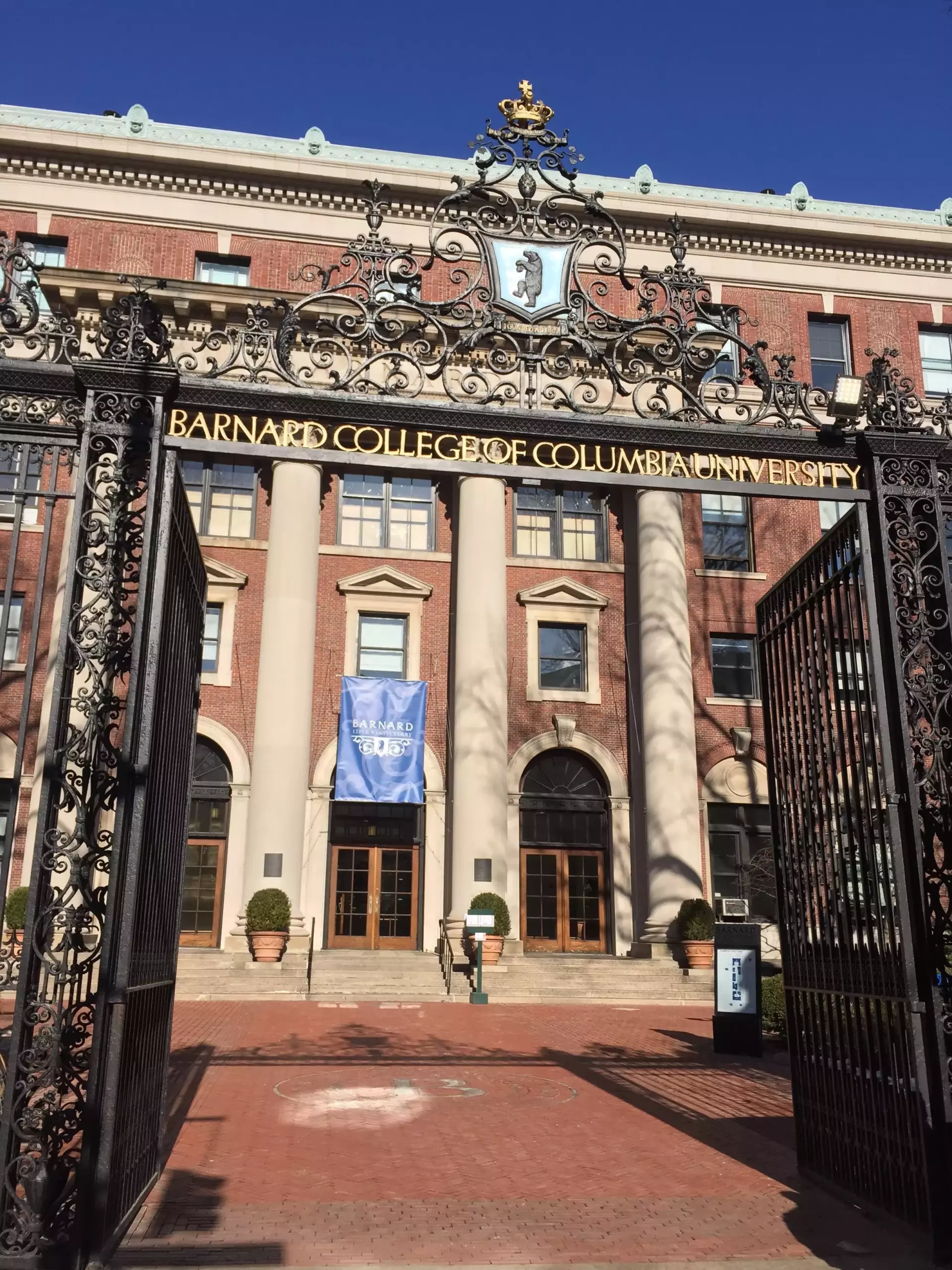
One of the Seven Sisters colleges, and is affiliated with Columbia University.
A large and historically important Protestant church and center of progressive social activism. Also neo-Gothic.
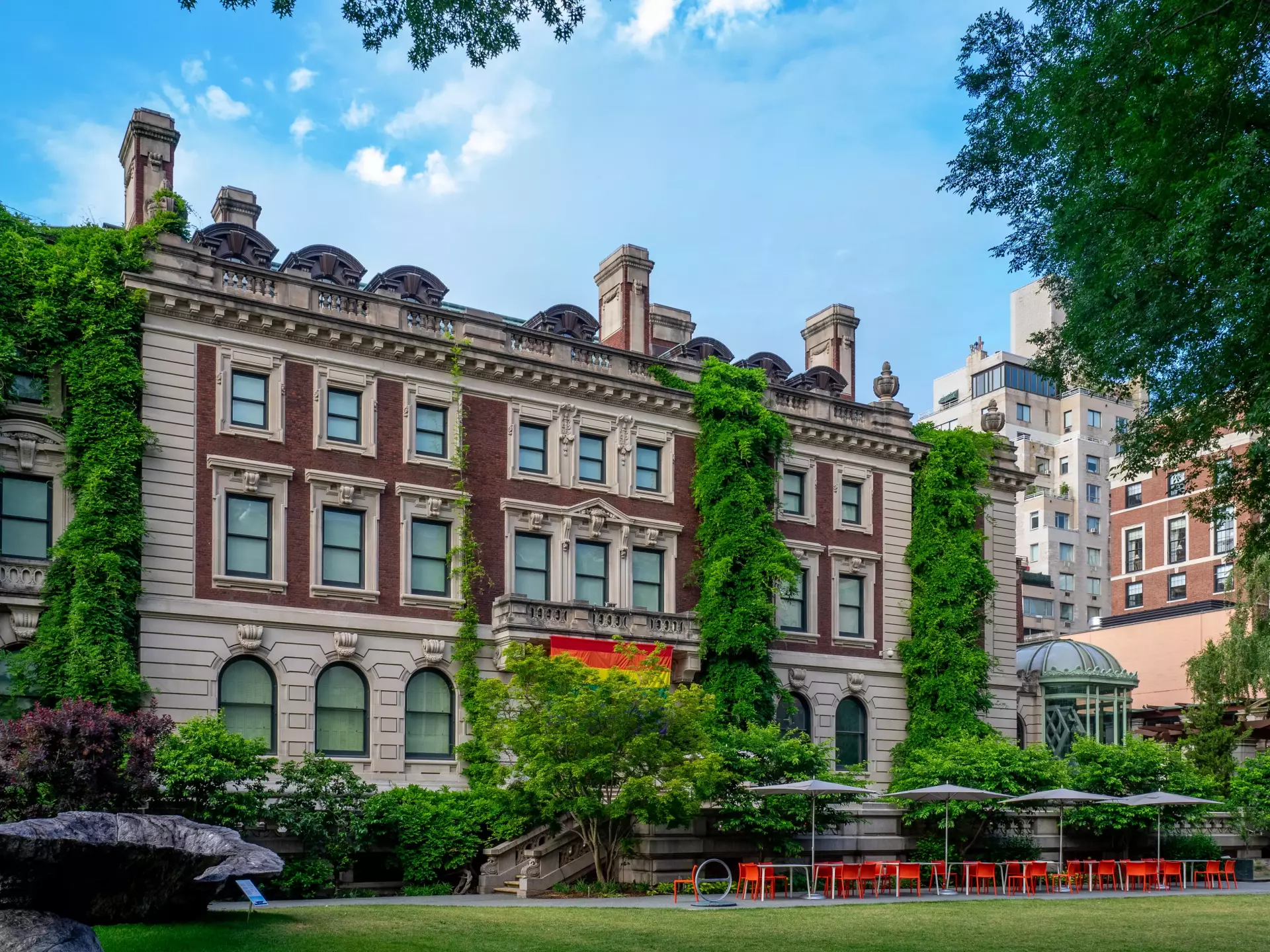
A branch of the Smithsonian Institution, the Cooper Hewitt is devoted to over 240 years of contemporary and historic design, with changing exhibits.
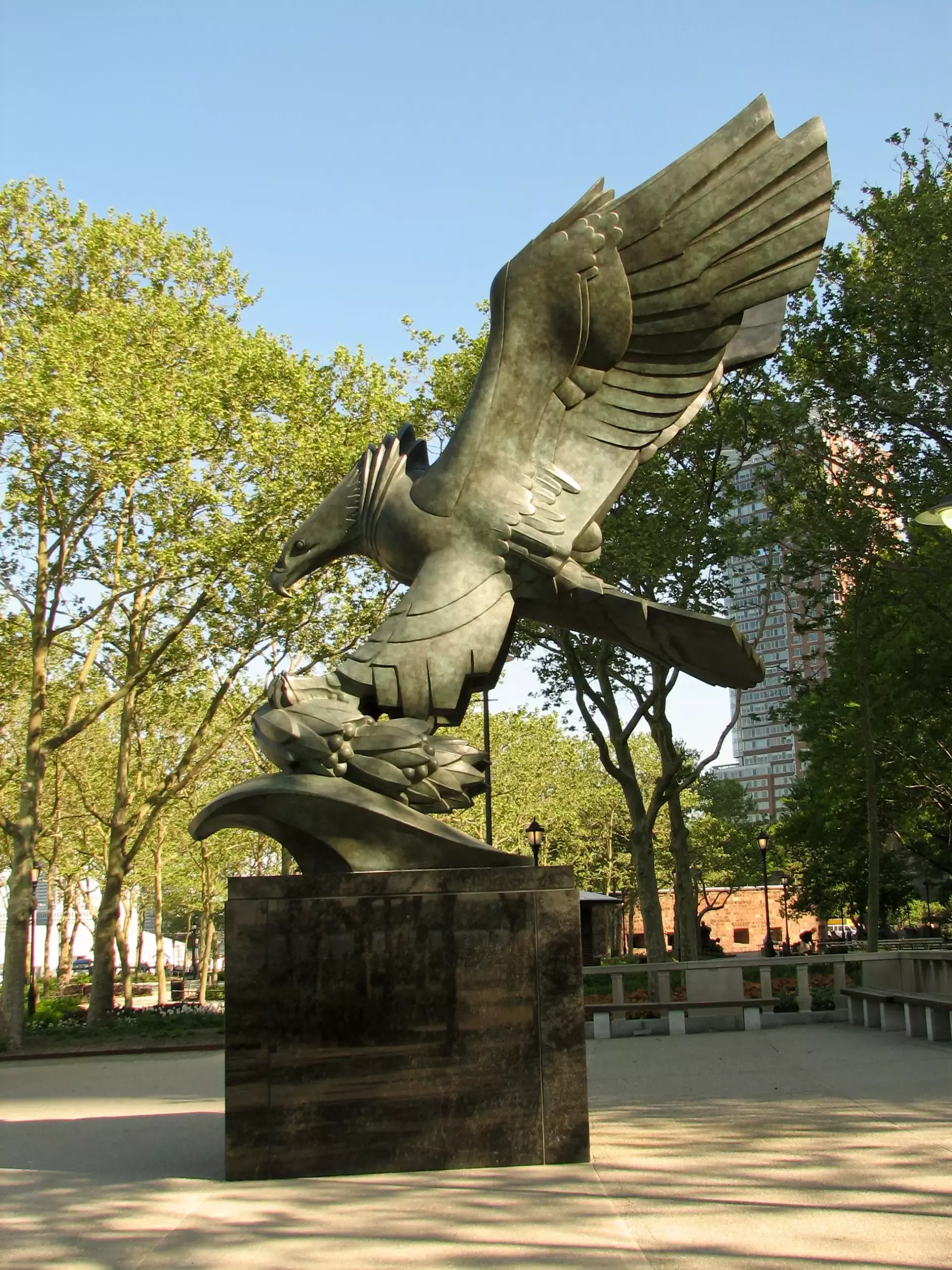
At the southern tip of Manhattan, Battery Park is a waterfront green space, named for the artillery batteries which were installed here to protect the settlement of New York when it was under Dutch, then British rule. In the lead-up to the War of 1812, 40.70343-74.0168214 Castle Clinton was constructed as a fort to protect the city, and is now operated as a small museum. There are several memorials in the park, including 40.70387-74.0172715 The Sphere, a public art piece originally housed on the World Trade Center site which survived the events of September 11 and was moved to Battery Park. Ferries departing to the Statue of Liberty and Ellis Island (see below) depart from here.
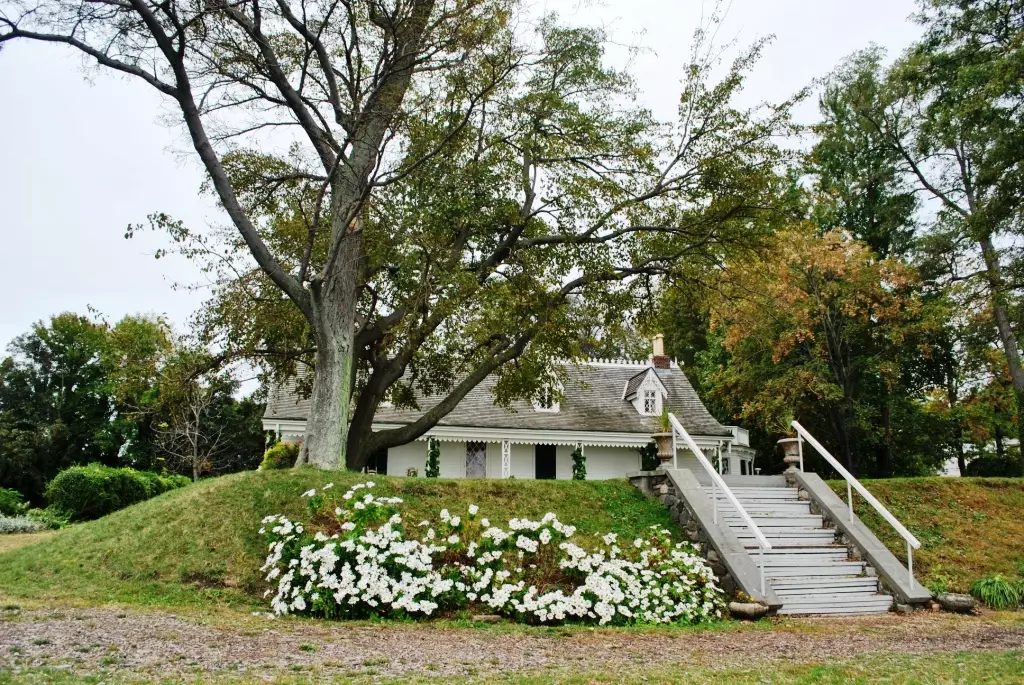
The former residence of William Dyckman, who owned several hundred acres of farmland covering much of what is now Inwood and Washington heights. Nestled incongruously at the otherwise unremarkable corner of 204th and Broadway, the farmhouse has been converted into a small museum of life in early Manhattan and hosts various programs for the neighborhood. The "Hessian Huts" in the back yard are a leftover from the British occupation of Manhattan during the Revolutionary War!
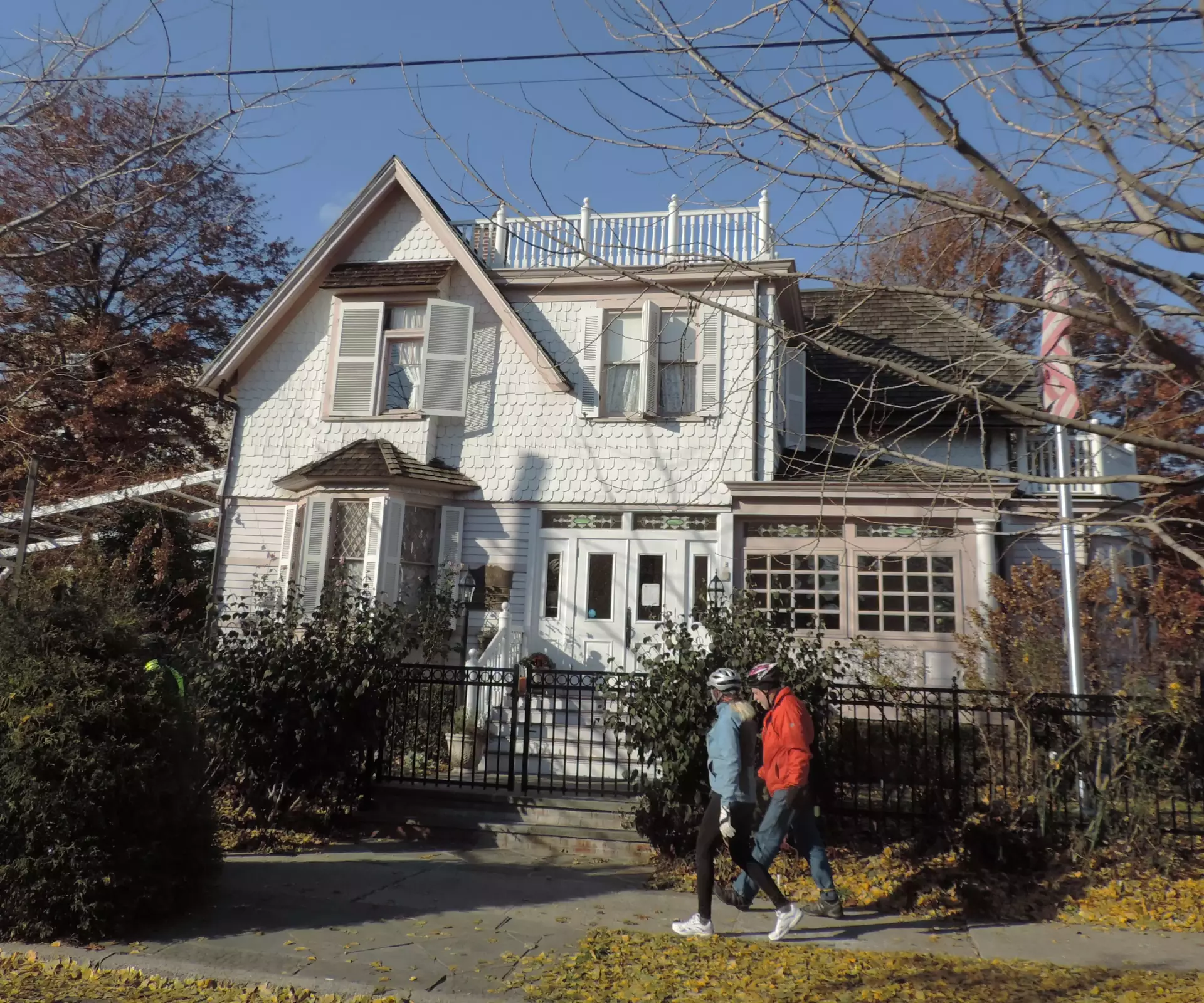
This is historic home that was built by local businessman James Bouton in 1891. Eight years later, Conrad Voelcker bought the house, and the Voelcker family lived in the house for three generations. Today, it is a museum, and there is a Victorian garden and a bird sanctuary outside.
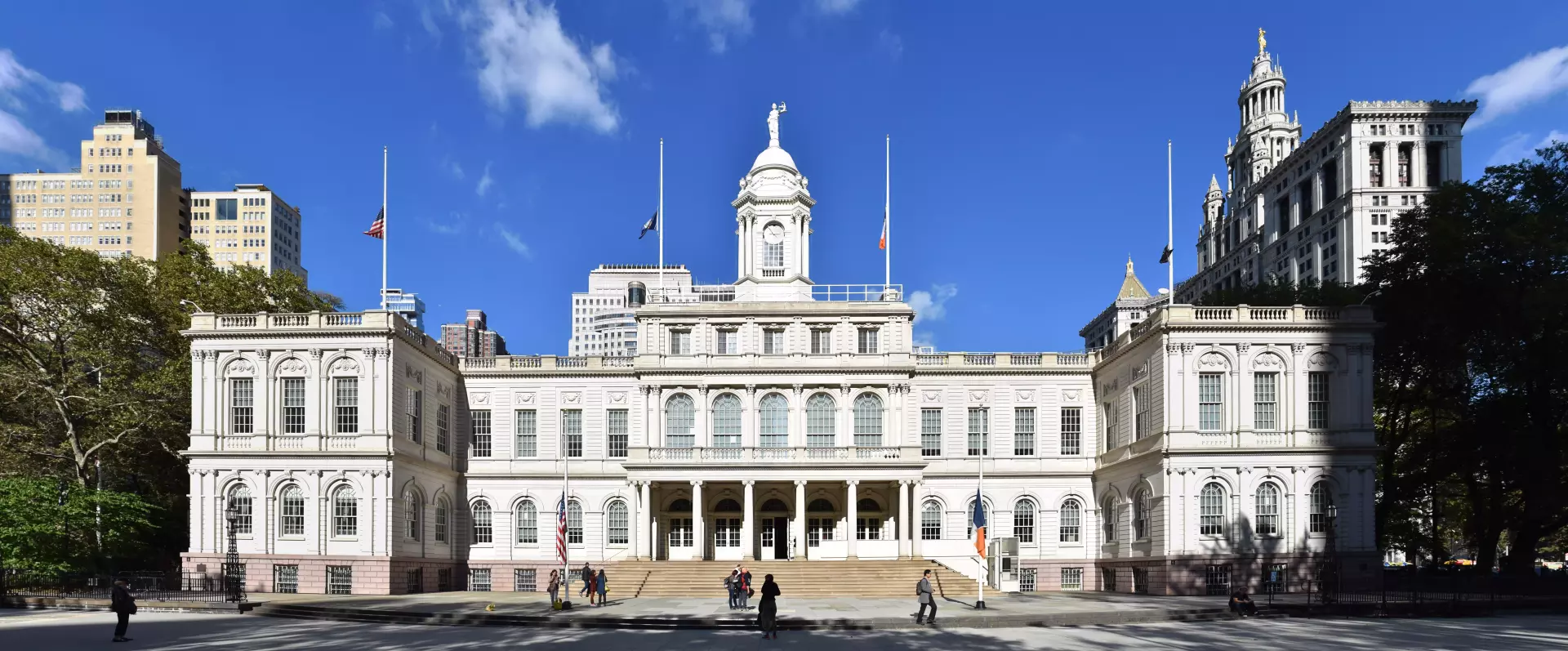
On a triangular city block between Broadway, Park Row and Chambers Street sits City Hall, a gorgeous gleaming white building completed in 1812, which still hosts the mayor's office and the New York City Council chambers. The building itself is fenced off and only accessible by tour, but there is a lovely park surrounding the building, with plenty of shady trees and a pleasant fountain just to the south of the building. Just north of City Hall and on the same block is the 40.71337-74.005552 Tweed Courthouse, a gorgeous government structure and the legacy of Tammany Hall boss William M. Tweed, who used the courthouse project to embezzle large sums of money from the city budget and was convicted in a courtroom in this building.
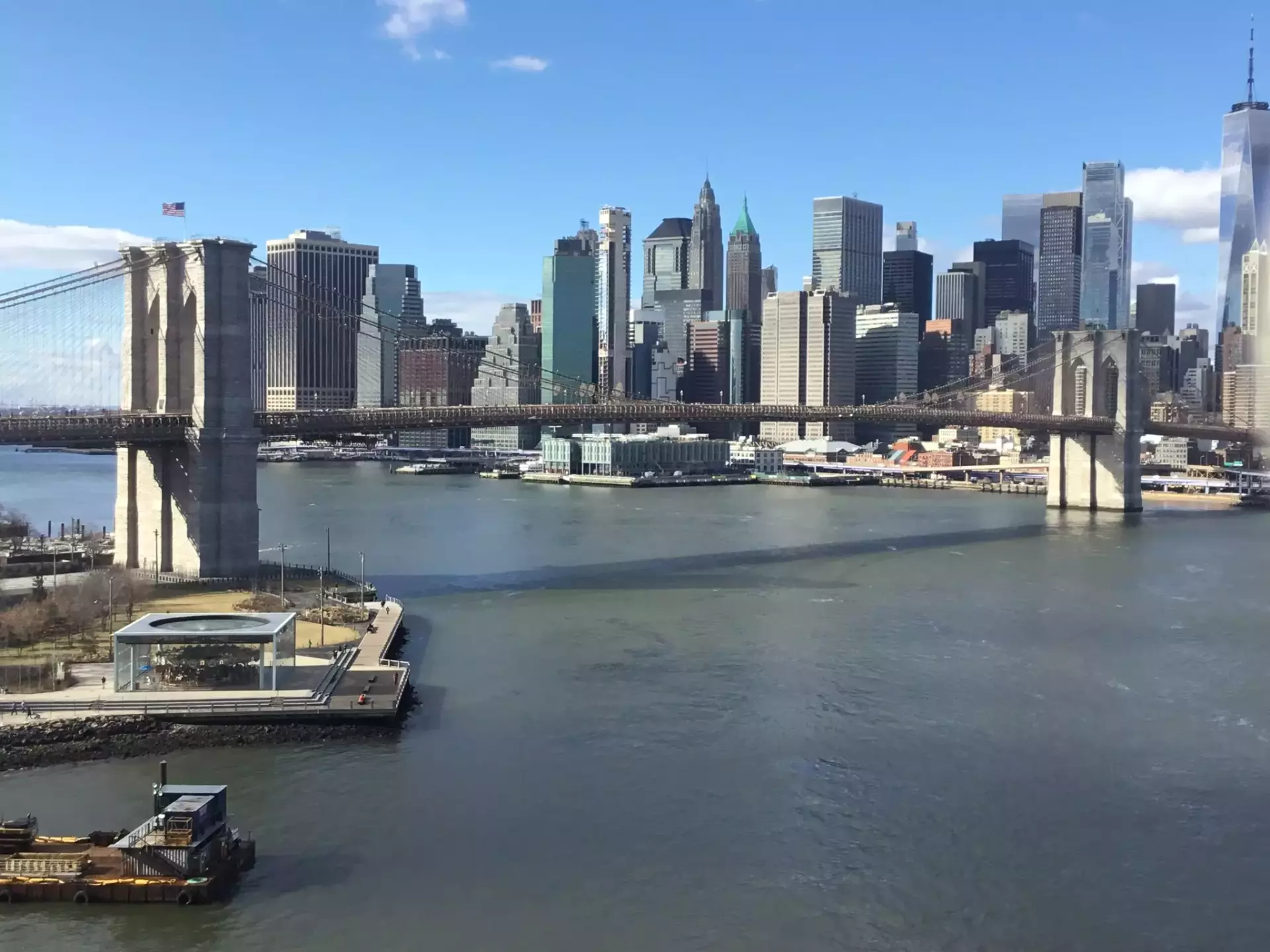
From its intersection with Park Row (just east of City Hall) you can walk (takes about 20-30 minutes each way), bike, or drive across the historic and iconic bridge to Brooklyn. The view from the bridge is quite lovely, with excellent views of Lower Manhattan and Downtown Brooklyn and good views of Midtown and the New York Harbor in the distance.
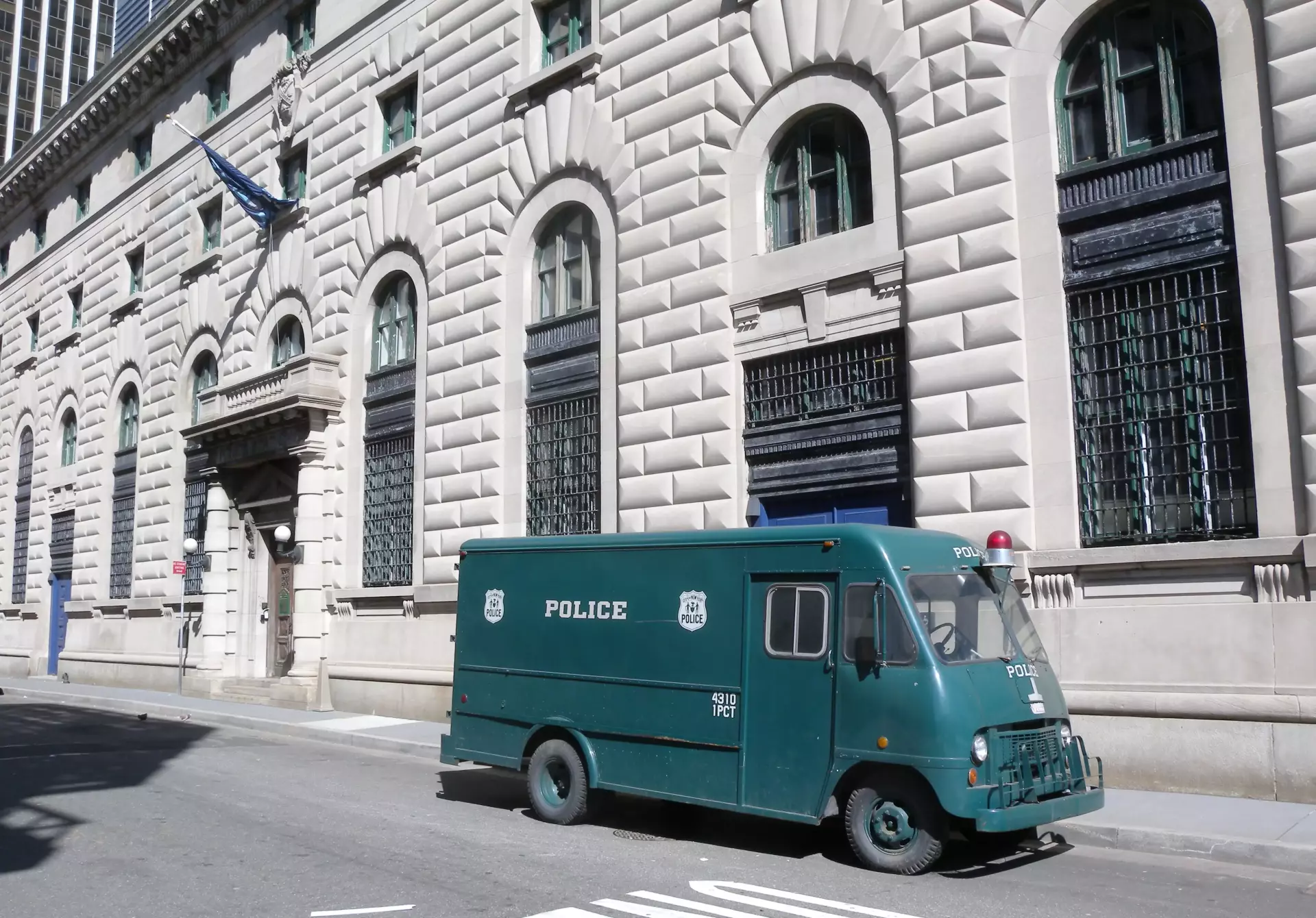
A museum dedicated to the history of the NYPD.
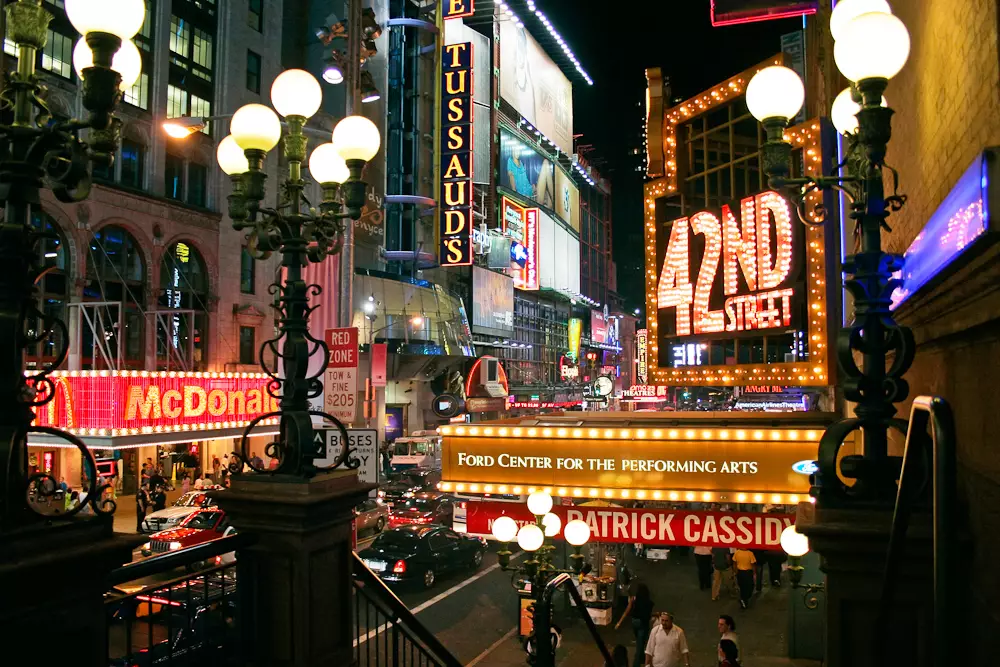
Get up close to over 200 lifelike wax figures of the biggest stars and icons in entertainment, sports and history.
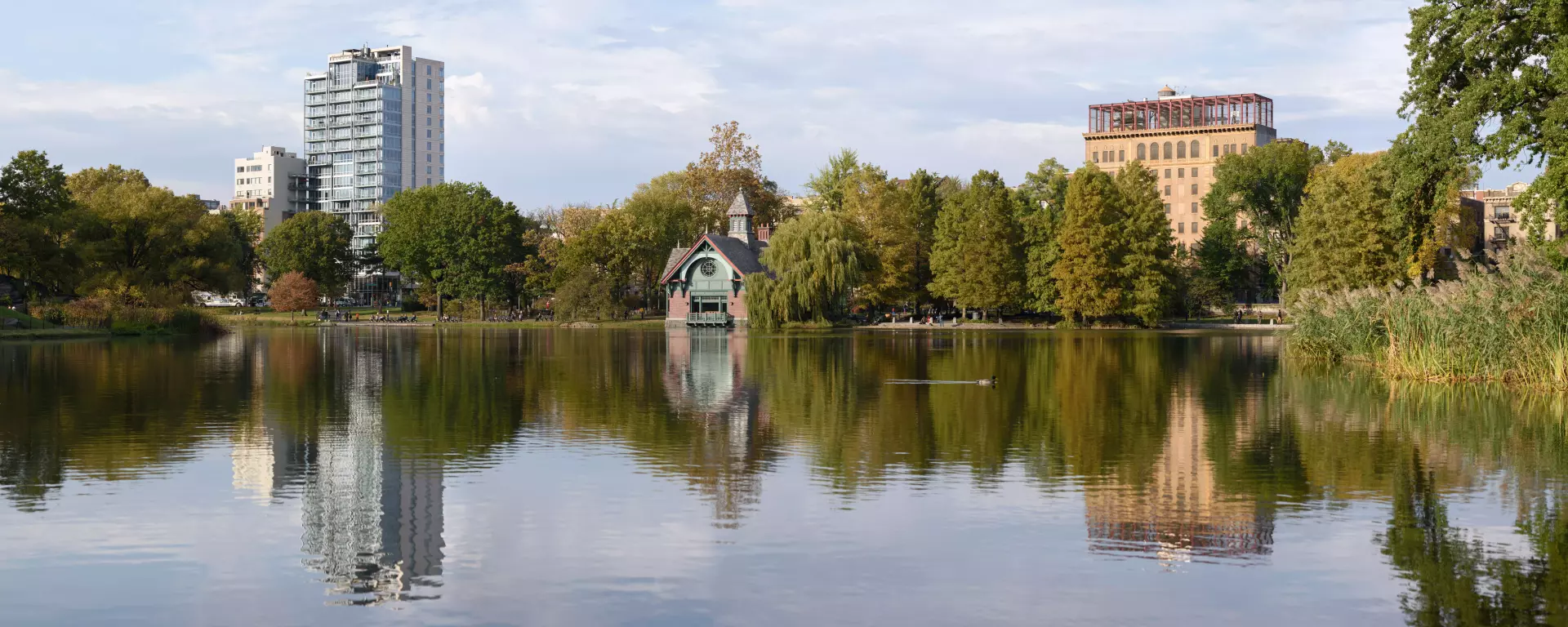
This 11 acre lake is one of Central Park's finest spots; surrounded by flowering trees and inhabited by several fish and turtle species.