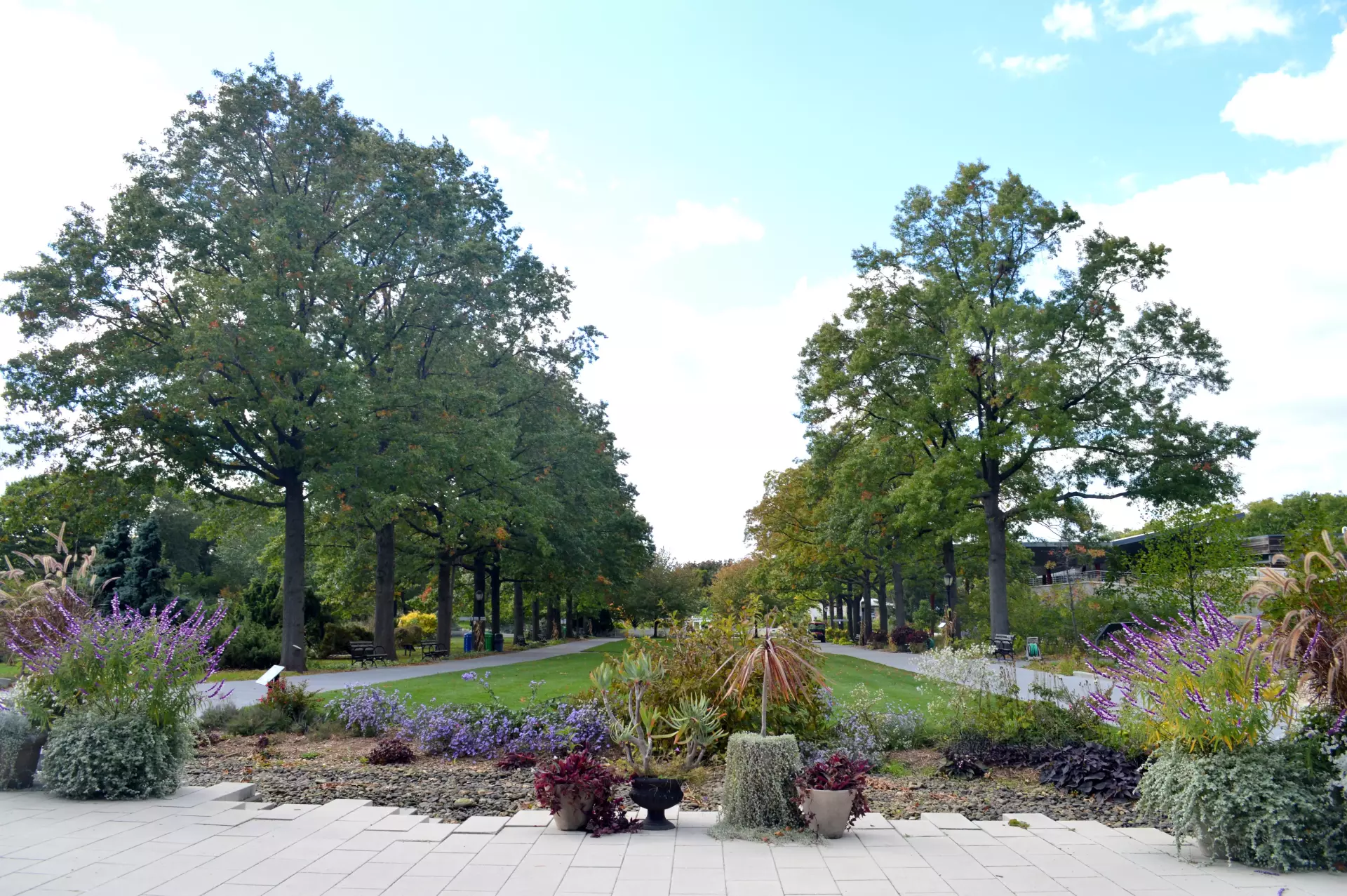
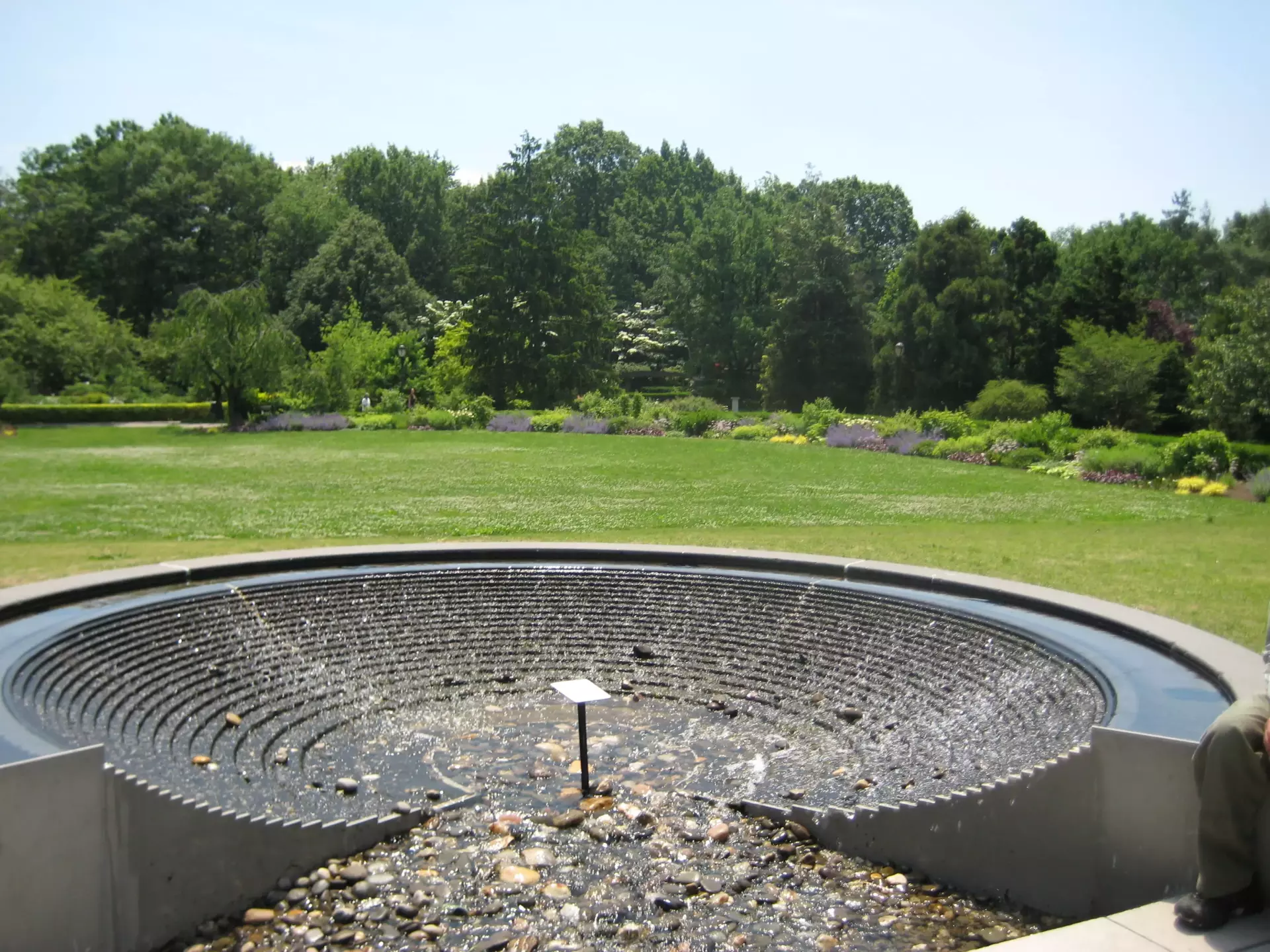
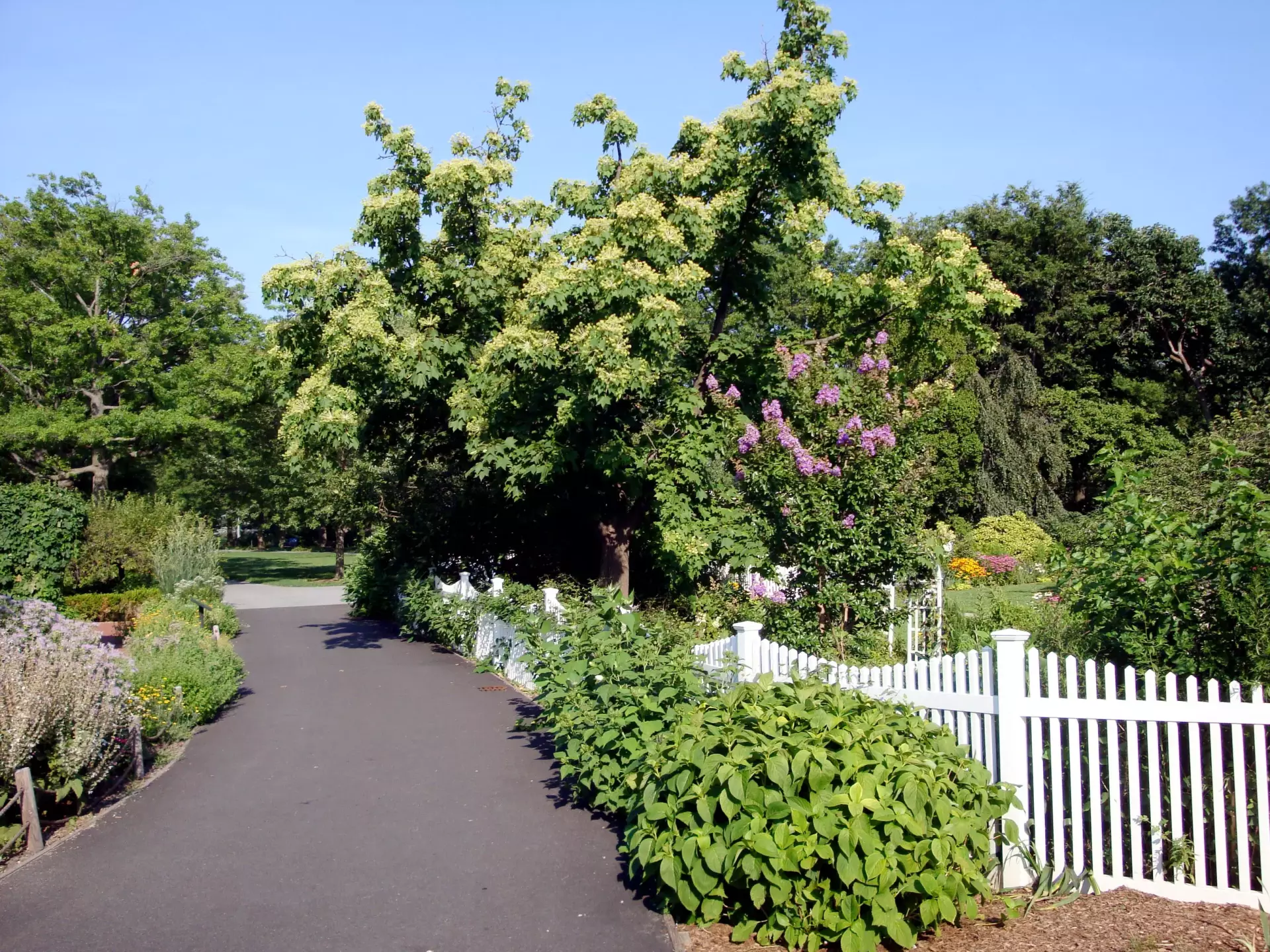
Queens Botanical Garden spans 39 acres and is home to an impressive collection of diverse plant species. Visitors can explore a range of themed gardens and landscapes, each offering a unique glimpse into the beauty of nature. From vibrant flowers to towering trees, the garden showcases an array of botanical wonders.
One of the standout features is the Victorian-style wedding garden, a charming and romantic setting that transports visitors back in time. This elegant space is designed to resemble classic Victorian gardens, with carefully manicured lawns, ornate pathways, and a delightful selection of blooms. It serves as a popular spot for weddings and special events, providing a picturesque backdrop for memorable occasions.
Source - https://en.wikipedia.org/wiki/Queens_Botanical_Garden
For most of the 18th century, Africans in New York City were buried in a graveyard outside the city. The graveyard was eventually forgotten and was rediscovered in 1991. This museum and memorial site commemorate the estimated 15,000 Africans that were interred on the site of the memorial. Note that the museum is located inside of a Federal building so airport-style security should be expected.
Housed in the Alexander Hamilton US Custom House, this Smithsonian museum is the New York branch of the National Museum of the American Indian (the other branches are in Washington, D.C. and Maryland).
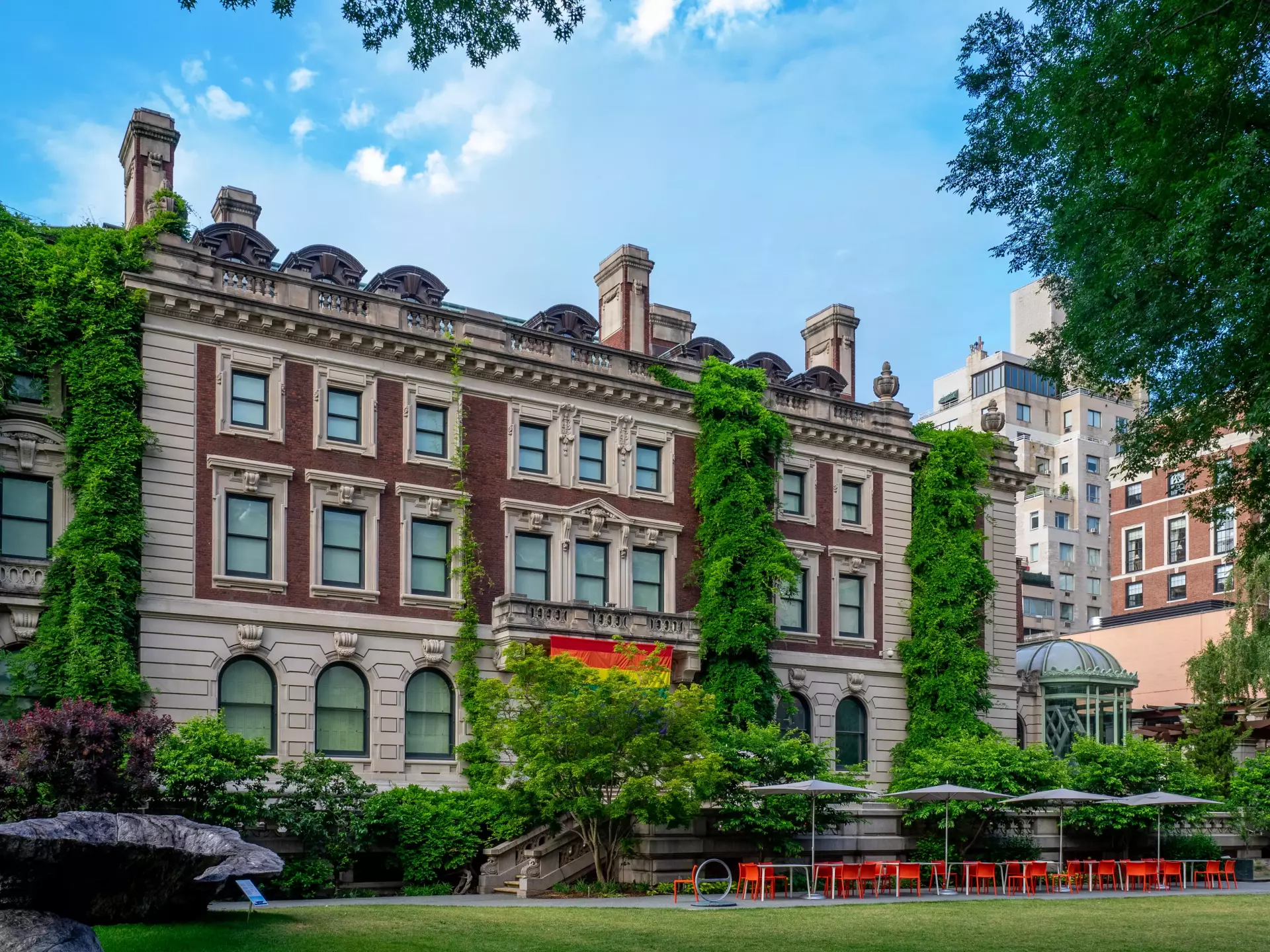
A branch of the Smithsonian Institution, the Cooper Hewitt is devoted to over 240 years of contemporary and historic design, with changing exhibits.
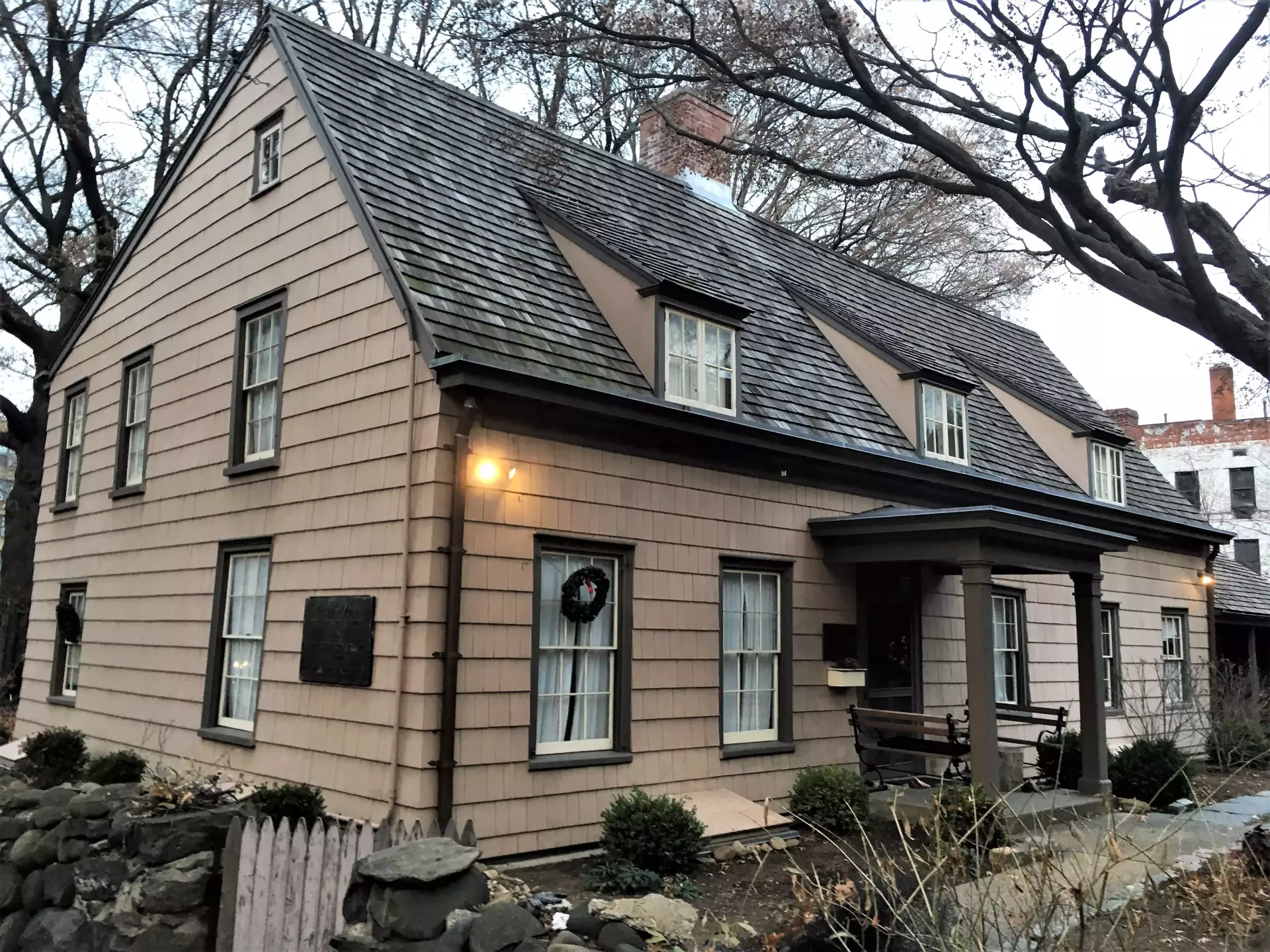
The John Bowne House was built by John Bowne in 1661. It is the oldest building in Queens, and it is one of the oldest buildings in New York City. John Bowne was a Quaker who advocated religious freedom, which was later written into the Bill of Rights. John Bowne's great-grandson, Robert Bowne, strongly advocated for the end of slavery in America. The house was the home of several generations of the Bowne House until 1945, when it was donated and converted into a museum.
The garden is 52 acres and the layout was well planned. It is definitely worth a visit. Designed by the Olmsted Brothers in 1910 and open to the public since 1911, the garden includes an authentic Japanese garden, a Children's Garden, and the Cranford Rose Garden. The garden has the largest cherry blossom trees in one place outside of Japan. There are 42 gorgeous varieties. The Brooklyn Botanic Garden hosts various festivities throughout the year, including Hanami Sakura in May and the Chile Pepper Festival in October.
Small and gem-like, New York's "oldest, newest zoo" opened in its current guise in 1988, although animals in various zoo incarnations have resided here since the 1860s. This zoo is fairly small and doesn't have as many large animals as you might expect, but this zoo does include sea lions, snow leopards, penguins, polar bears, monkeys, red pandas and exotic birds in pleasant exhibits. Next door is a children's zoo, covered in the cost of admission, which has a barnyard animals you can pet, a duck pond, and lots of play areas for kids.
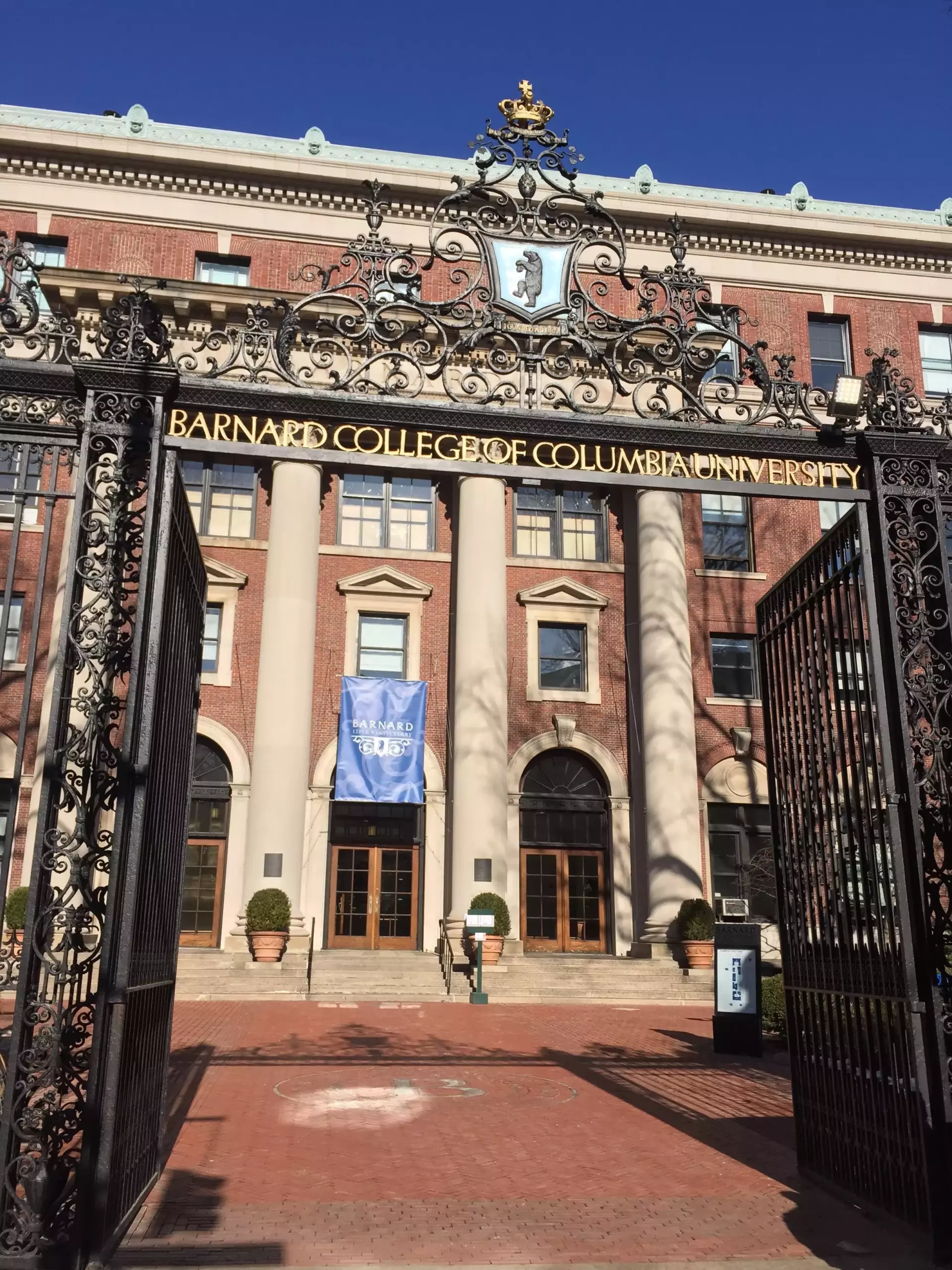
One of the Seven Sisters colleges, and is affiliated with Columbia University.
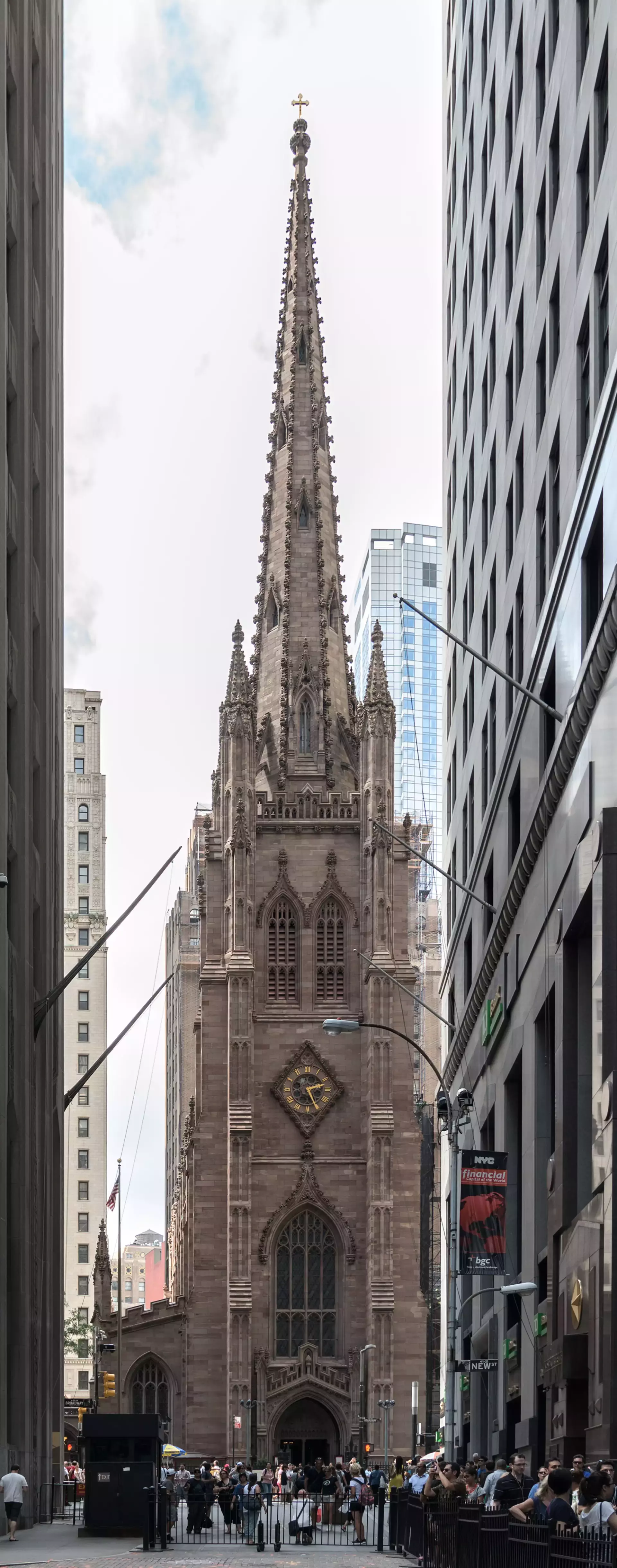
An Episcopalian (Anglican) church and parish was first established on this site in 1697 under charter by King William III. The present Neo-Gothic Revival church building (the third incarnation) dates from 1846 and remains a significant landmark within Downtown. The original burial ground at Trinity Church includes the graves and memorials of many historic figures, including Alexander Hamilton, William Bradford, Robert Fulton, and Albert Gallatin.
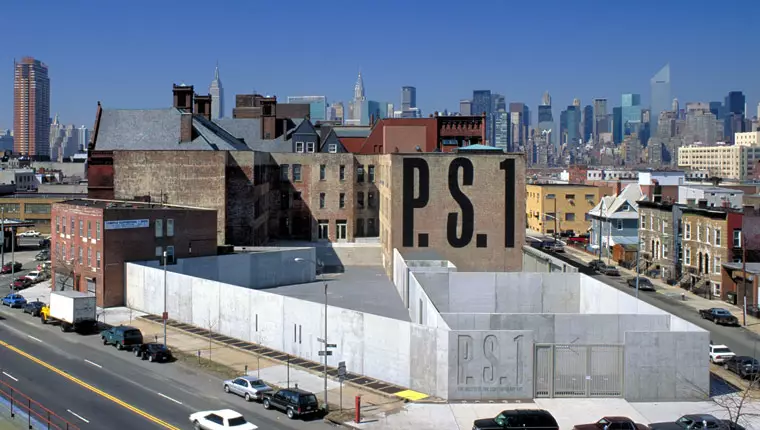
Supported by the Museum of Modern Art, this innovative (and cheap) contemporary art museum is in a former public school building. The conversion left most of the original features of the school - the large ex-classrooms are perfect for installations - and the bathrooms are a blast from the past. P.S.1 is a few blocks south on Jackson Avenue from the Citibank tower; the entrance is a concrete slab (how fitting) which occludes view of the school itself. P.S.1 also has a nice cafe and outdoor seats.
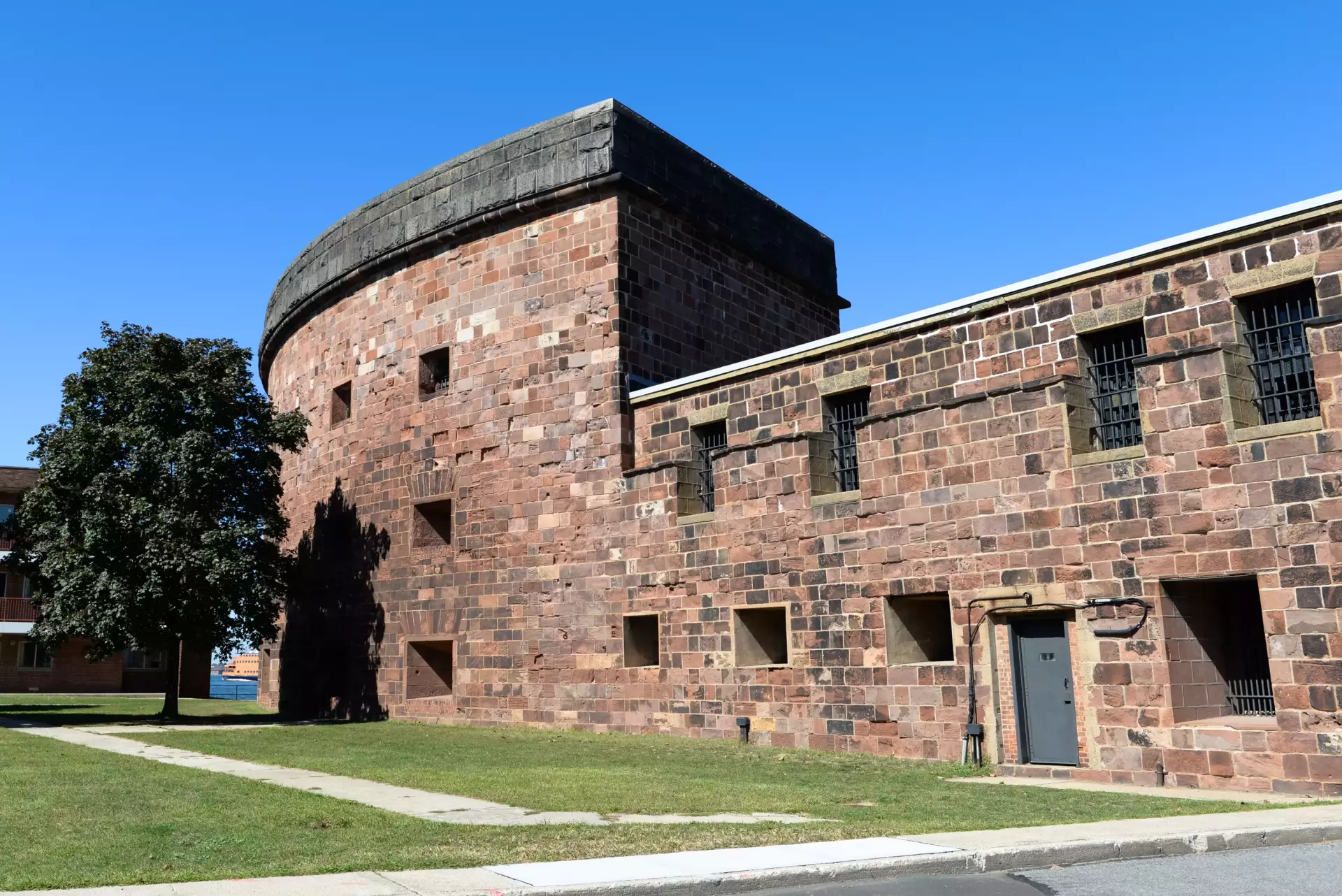
Governors Island has a long military history, home to headquarters and military posts of the United States Army from 1794 until 1966, then a complex for the U.S. Coast Guard before becoming a historic district open to tours.
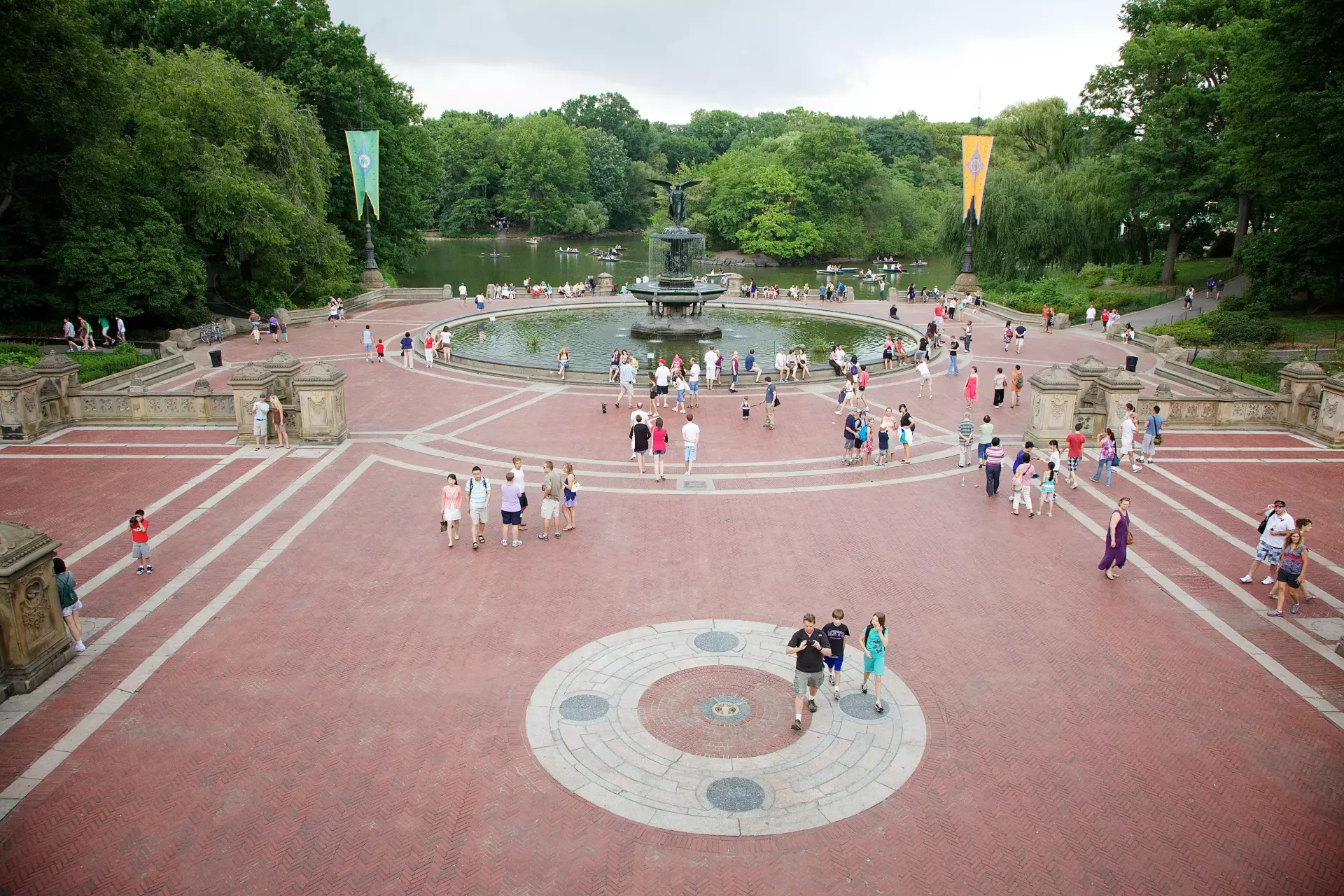
One of Manhattan's favorite meeting points, the centerpiece of this Terrace is the Angel of the Waters fountain, dedicated in 1873 and an enduring icon of the park.
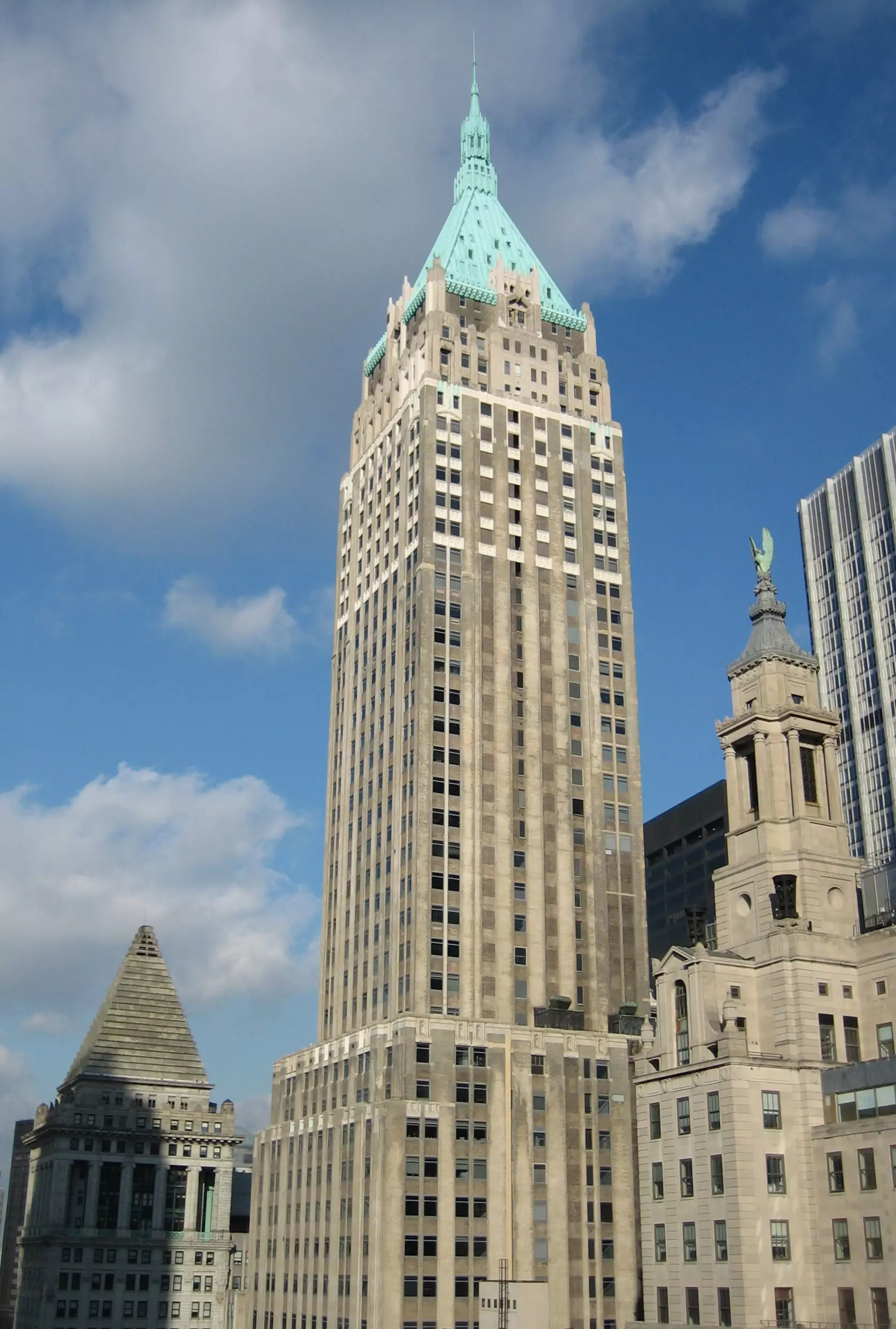
A very impressive skyscraper with a green spire which was completed in 1930 and surpassed the height of the nearby Woolworth Building (see Manhattan/TriBeCa#See), making it the tallest building in the world until the Chrysler Building was completed just a month later (which in turn lost that title to the Empire State Building less than a year later). The building was leased by Donald Trump in 1995, hence its current name.
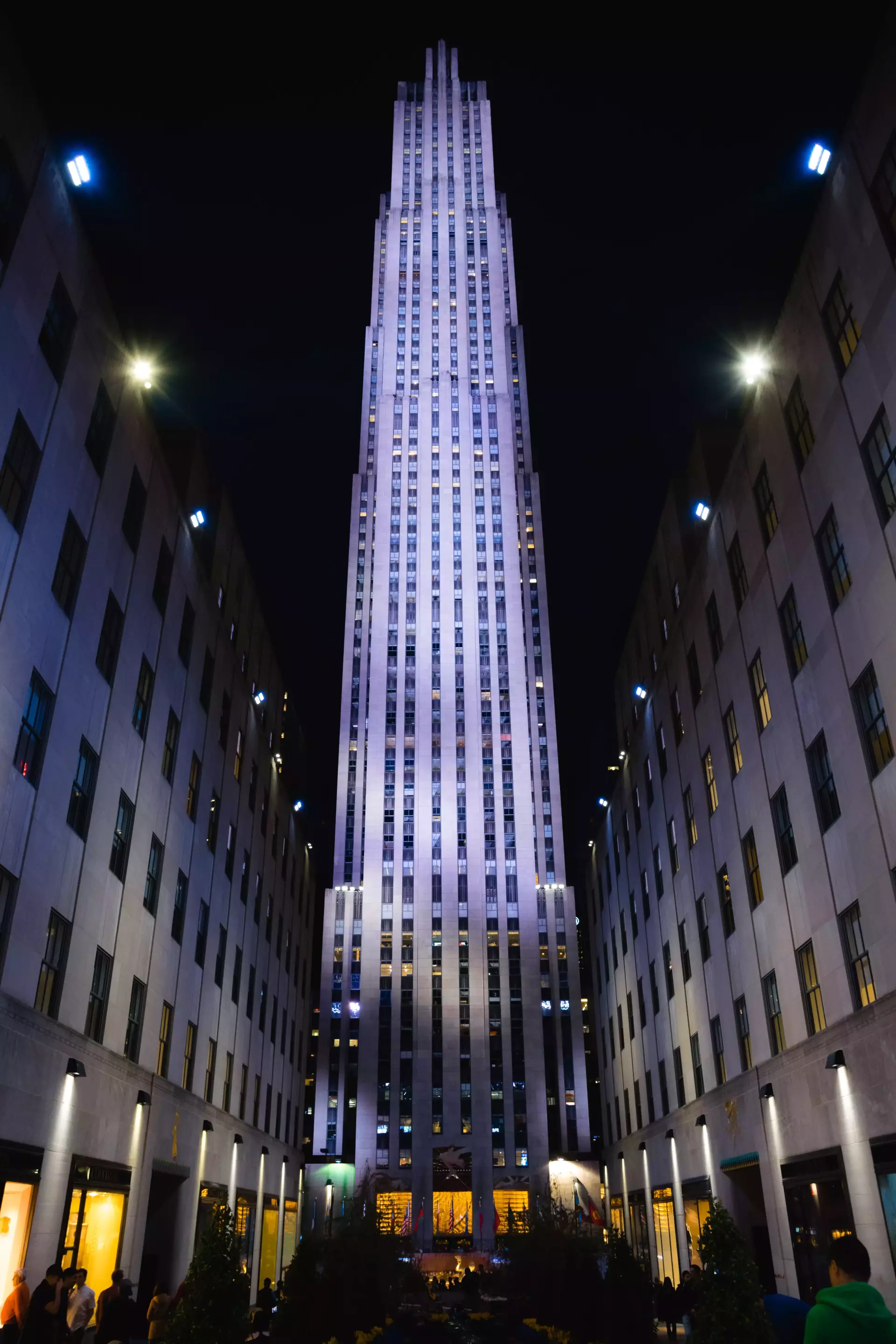
On the 70th floor of the Comcast Building (better known by some as "30 Rock") is this narrow observation deck, built to resemble the deck of a cruise ship. The deck affords uninterrupted views over Central Park to the north and across Midtown to the south.
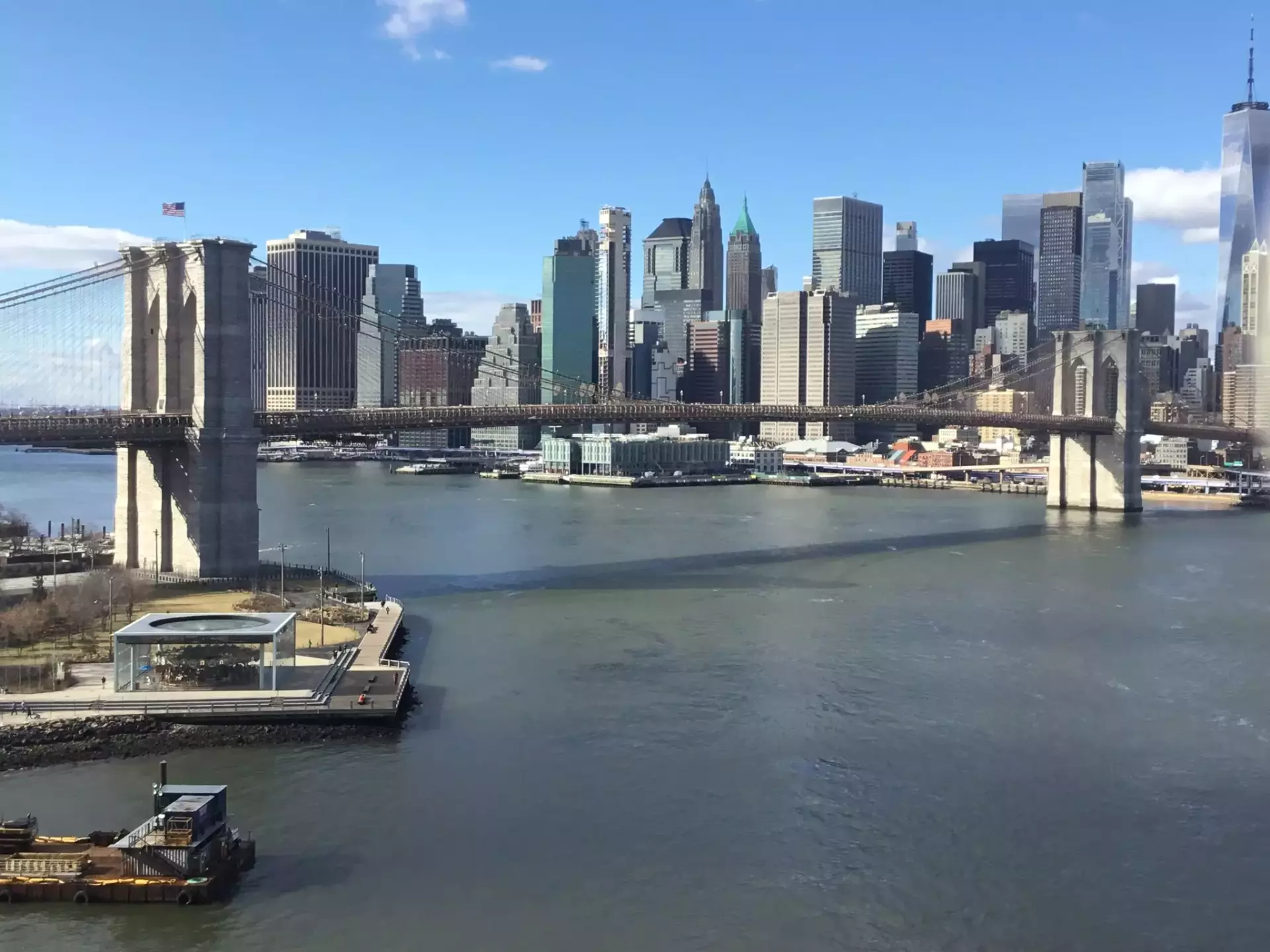
From its intersection with Park Row (just east of City Hall) you can walk (takes about 20-30 minutes each way), bike, or drive across the historic and iconic bridge to Brooklyn. The view from the bridge is quite lovely, with excellent views of Lower Manhattan and Downtown Brooklyn and good views of Midtown and the New York Harbor in the distance.
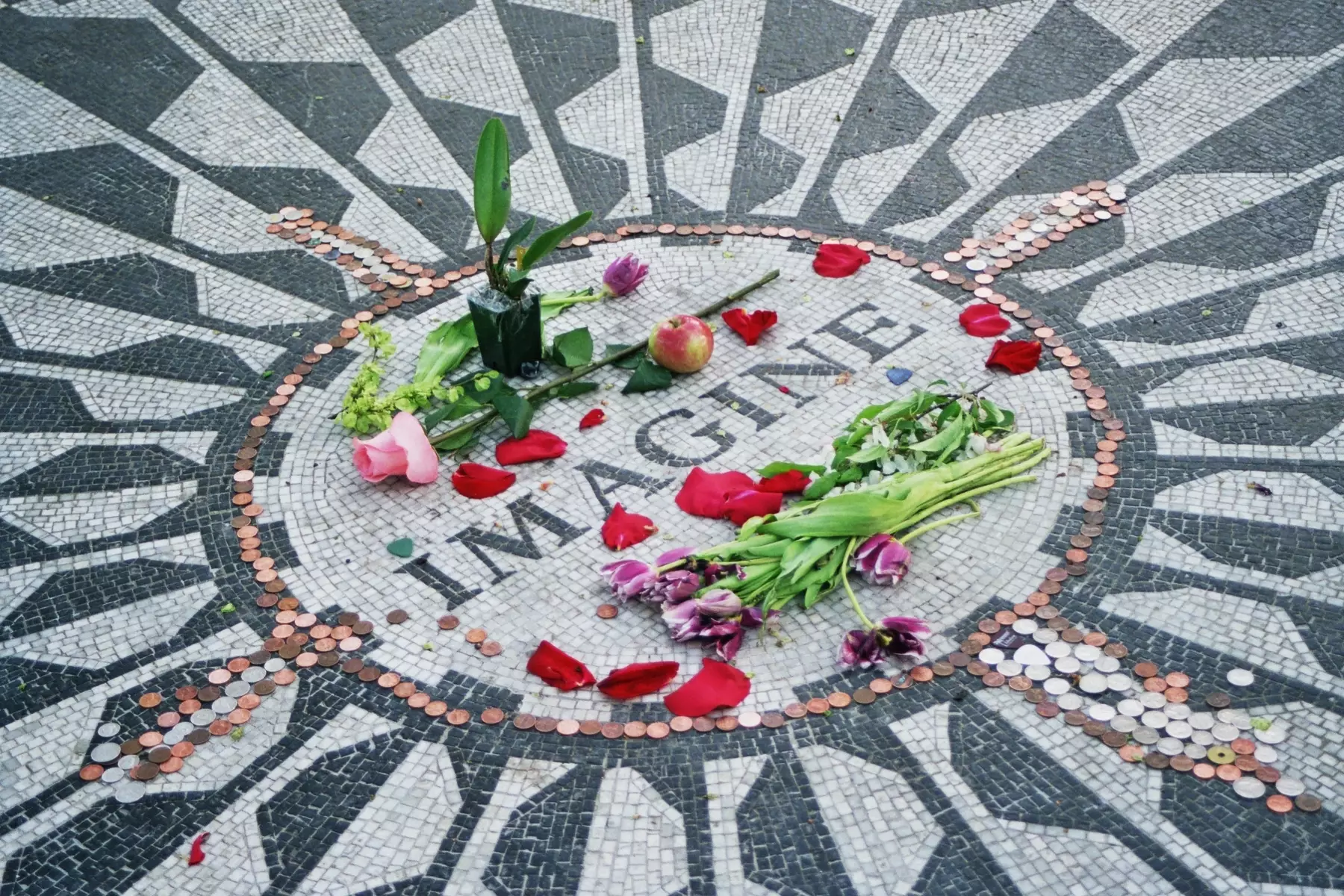
So named in 1981 in memory of John Lennon, the former Beatle, who was murdered close by outside his home in the Dakota building. Lennon's widow Yoko Ono, who still lives in the Dakota, subsequently donated $1 million to upgrade the area with hundreds of tree and flower species, including strawberries. The area serves as a Garden of Peace and includes a memorial floor mosaic (donated by the Italian city of Naples) that says simply "Imagine", referring to the title of one of Lennon's evocative songs.