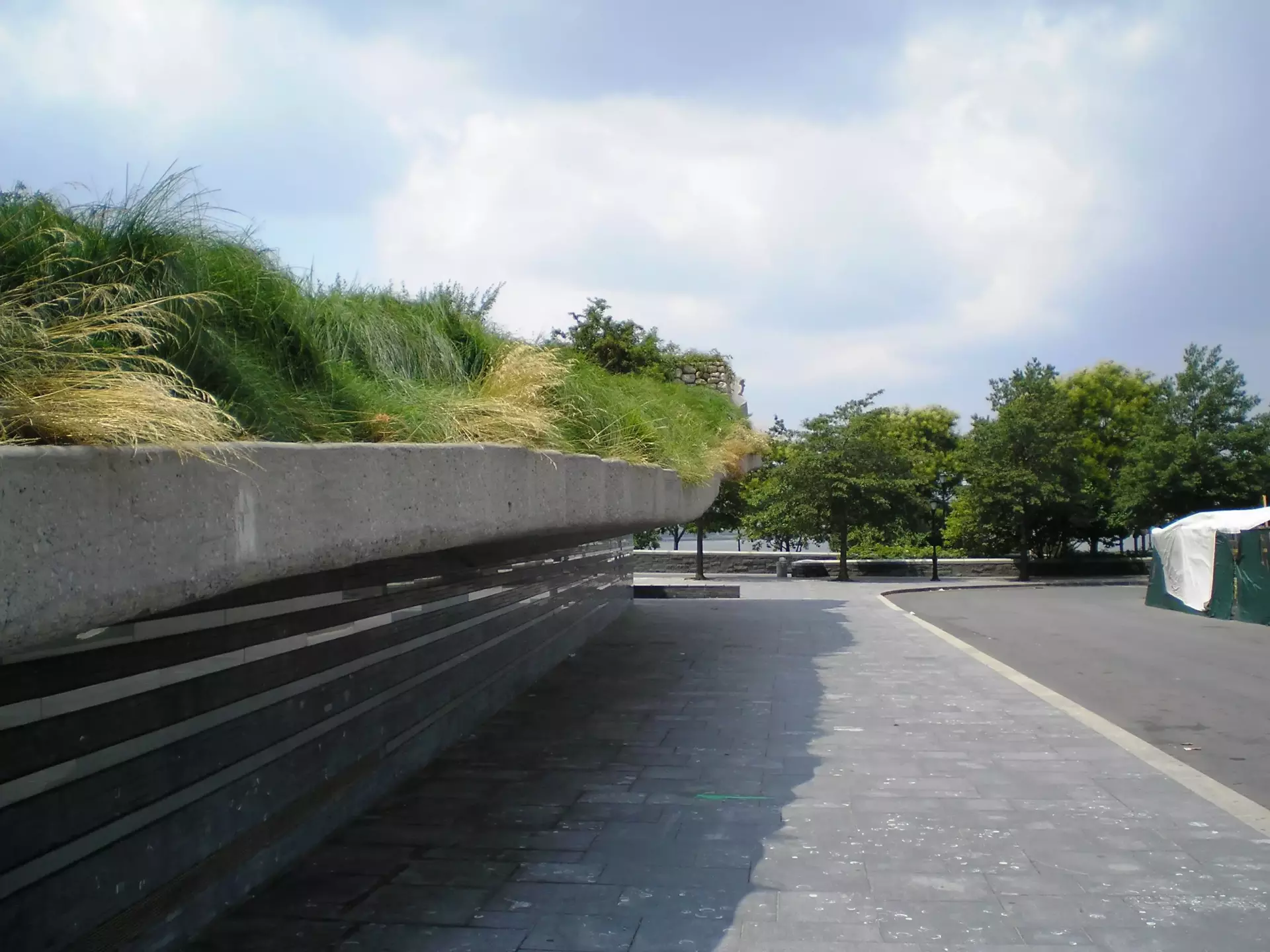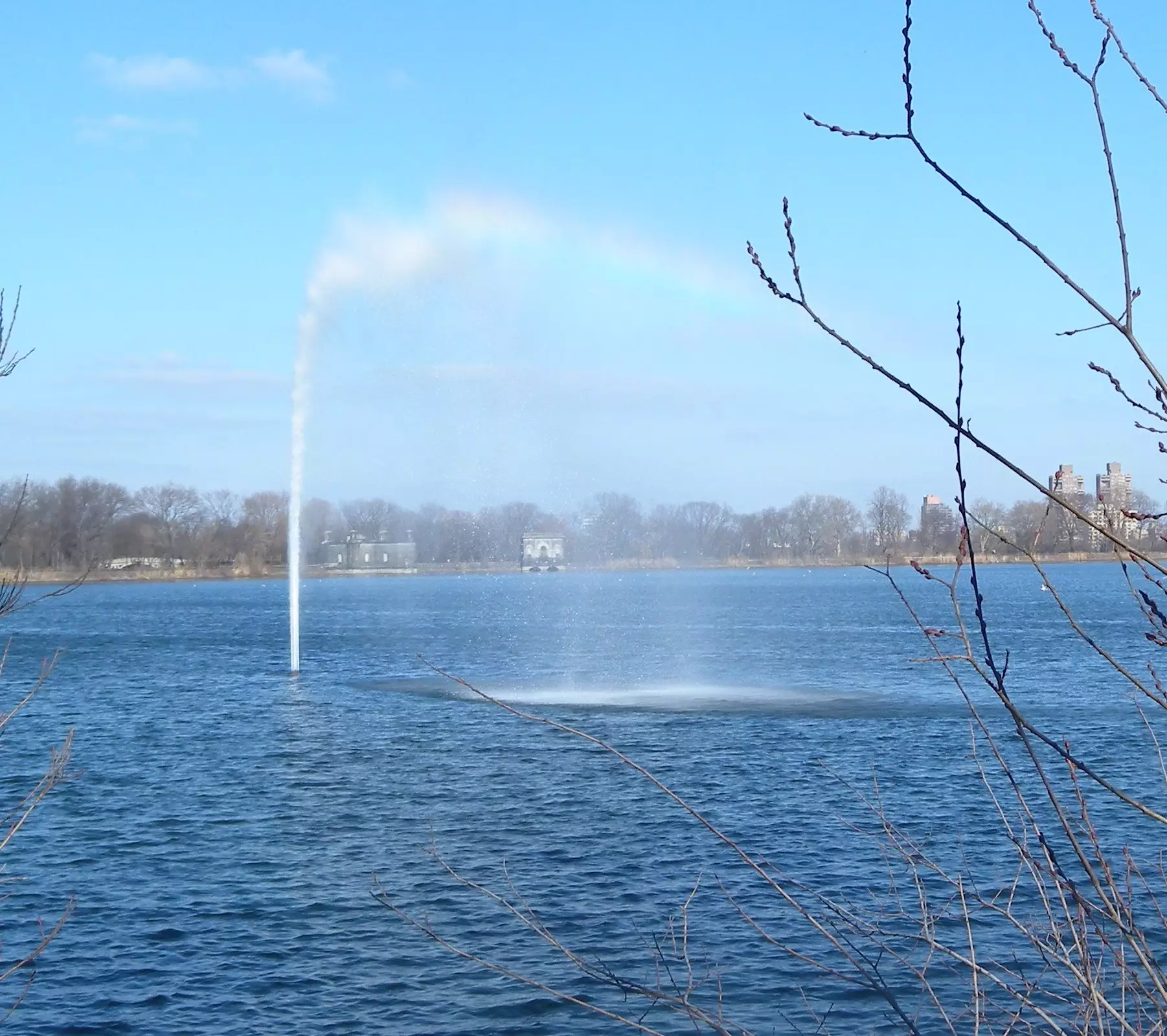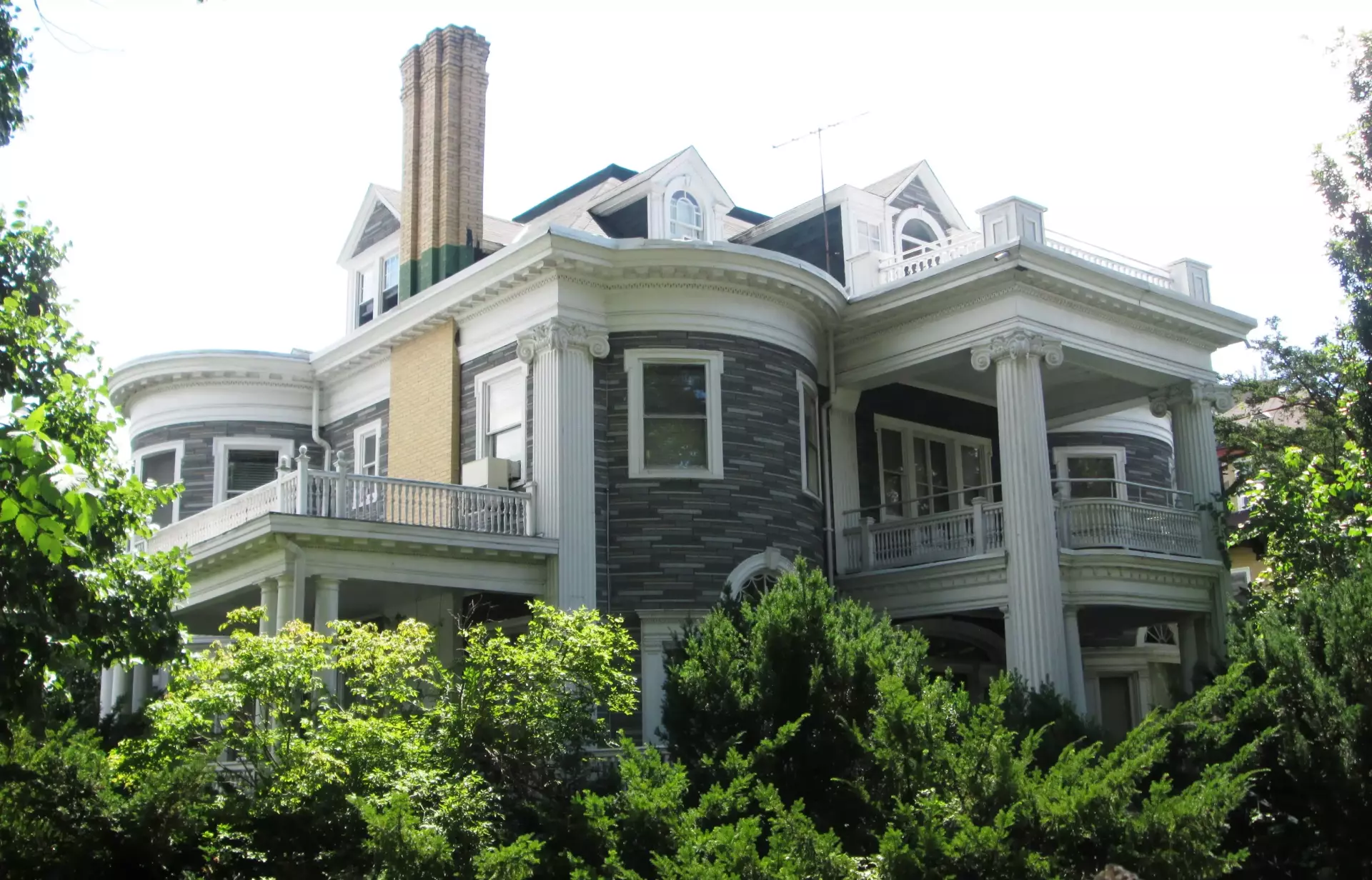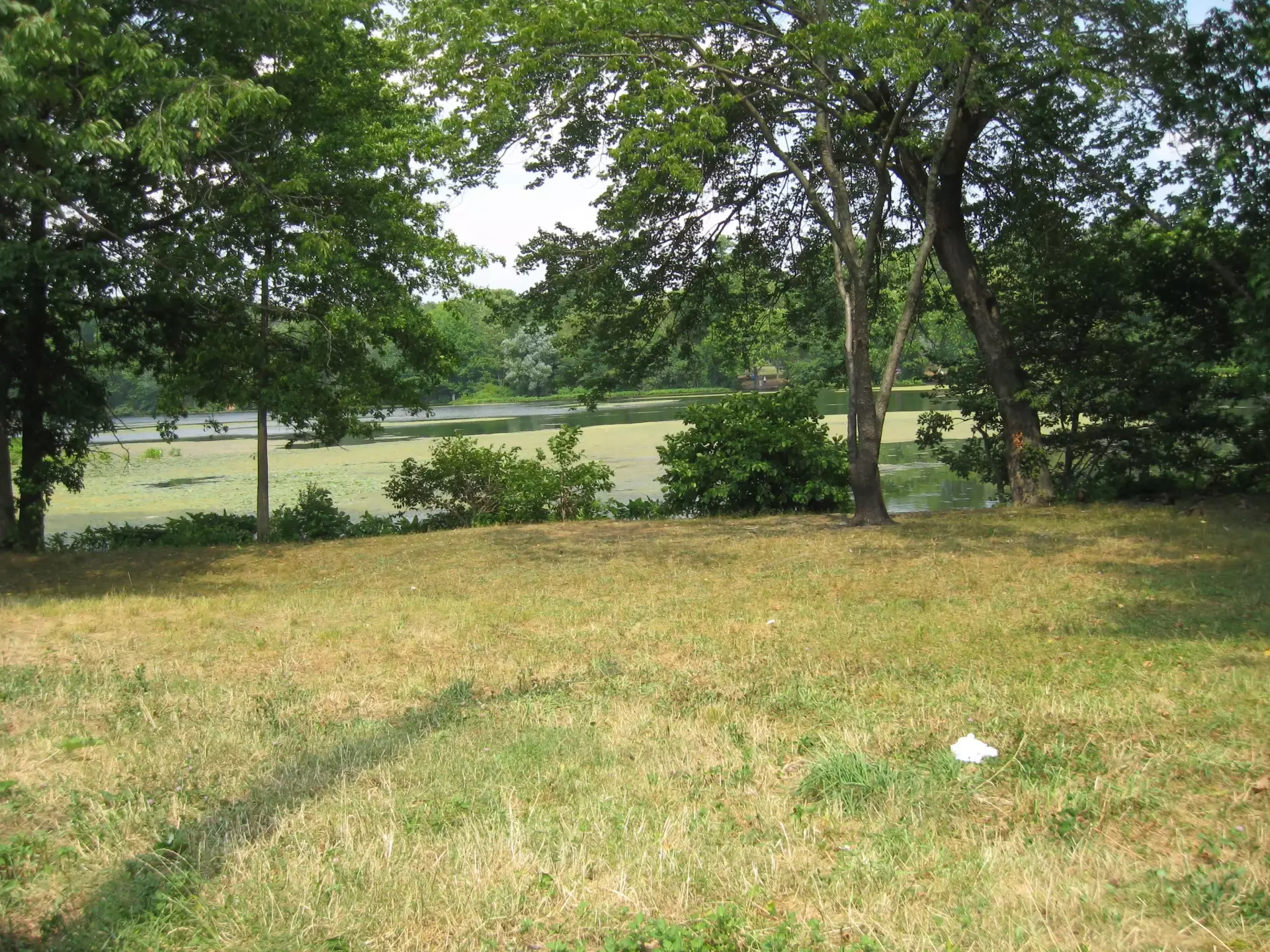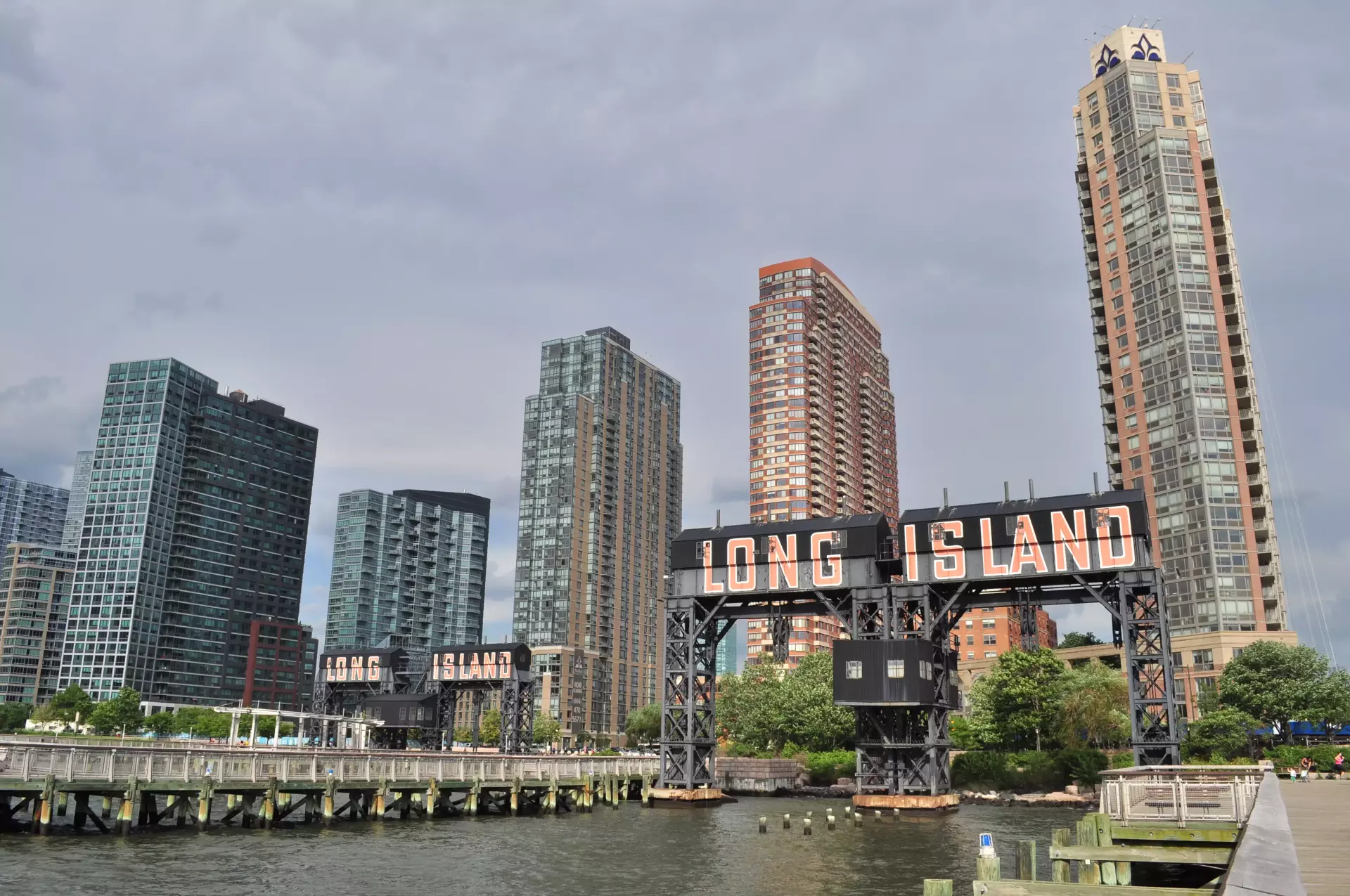
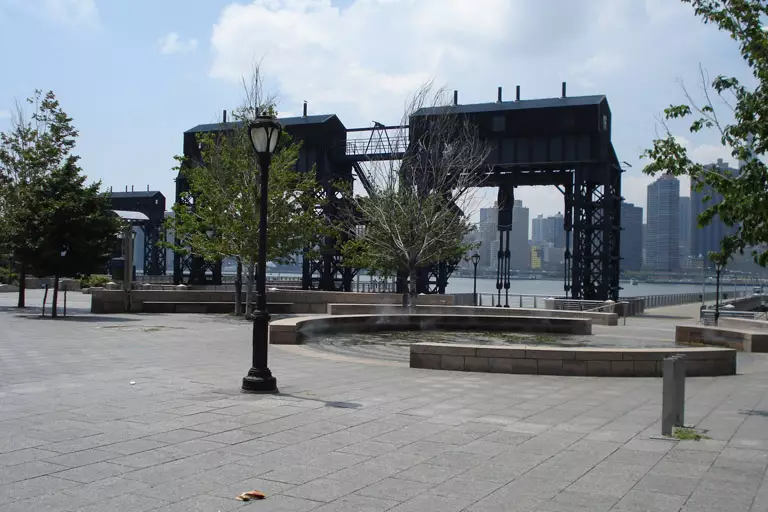
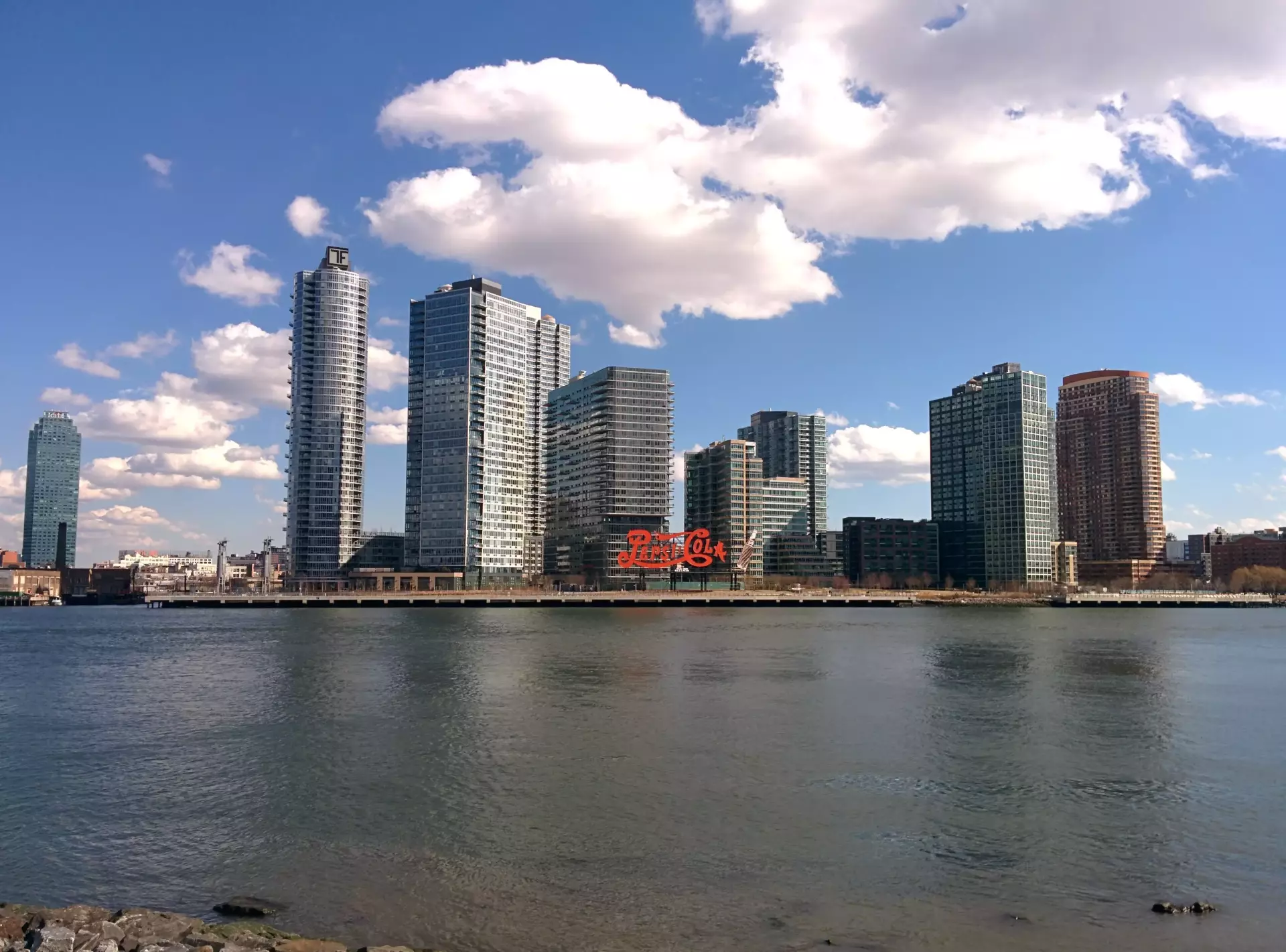
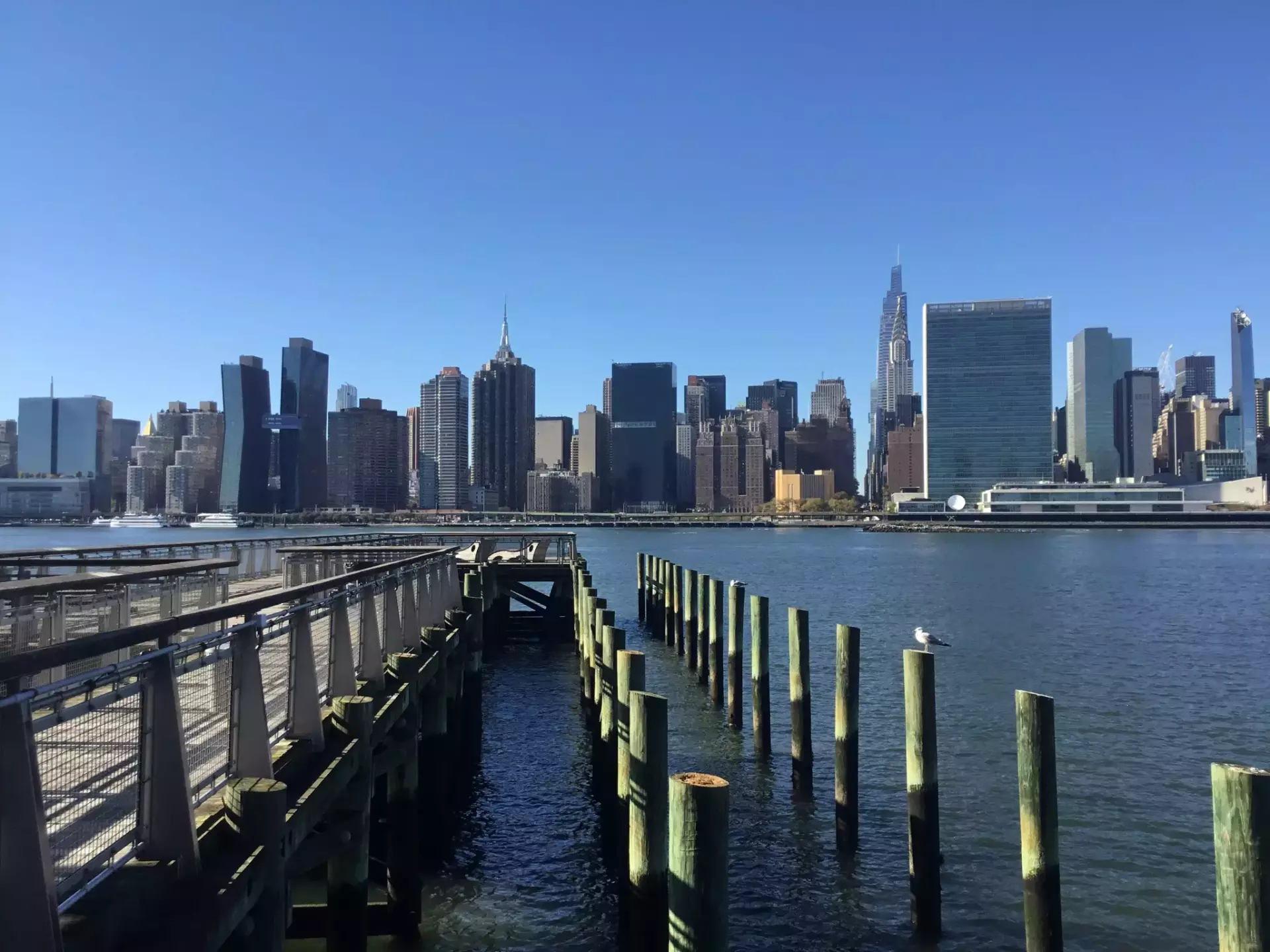
Gantry Plaza State Park in Long Island City, Queens, offers a remarkable escape from the city’s hustle and bustle. This scenic waterfront park stretches along the East River, providing breathtaking views of the Manhattan skyline. Originally an industrial site, the area has been transformed into a beautiful urban oasis with lush green lawns, playful fountains, and restored gantries that hint at its rich history.
Visitors can enjoy a leisurely stroll along the park’s well-maintained paths, which wind along the water’s edge. Benches are strategically placed for those who wish to relax and take in the view. As the sun sets, the lights of Manhattan begin to twinkle, creating a magical atmosphere that is hard to find elsewhere in New York City.
The park is also a family-friendly destination, offering playgrounds for children of all ages. Kids can enjoy climbing structures, swings, and slides while parents relax nearby. The interactive fountains are a big hit during warm weather, providing endless fun for children and a refreshing experience for all.
The park’s gantries, once used to load and unload rail cars, are now iconic landmarks. They have been preserved and integrated into the park's design, offering a glimpse into the area's industrial past. These structures provide a striking contrast against the natural beauty of the park and the modern skyline beyond.
In addition to walking and playing, the park offers plenty of spots for picnicking or simply lounging on the grass. With ample open space, it’s perfect for some light exercise or a game of catch. Visitors can also take advantage of the fishing pier, where they can cast a line and enjoy the tranquility of the river.
Throughout the park, art installations and sculptures add to the cultural experience. These pieces, often created by local artists, bring an additional layer of interest and creativity to the park. The combination of art, history, and nature makes Gantry Plaza State Park a unique destination in the heart of Queens.
Source - https://en.wikipedia.org/wiki/Gantry_Plaza_State_Park
An elevated walkway and jetty provides access to the only natural salt marsh remaining in Manhattan, and expansive views of the Hudson River and the cliffs of Spuyten Duyvil in the Bronx across the river.
Located on four acres overlooking the Hudson River in Fort Tryon Park, the building incorporates elements from five medieval French cloisters – quadrangles enclosed by a roofed or vaulted passageway, or arcade – and from other monastic sites in southern France. There are various artworks on display in the museum, with the Unicorn Tapestries being the most famous.
An Episcopalian (Anglican) church and parish was first established on this site in 1697 under charter by King William III. The present Neo-Gothic Revival church building (the third incarnation) dates from 1846 and remains a significant landmark within Downtown. The original burial ground at Trinity Church includes the graves and memorials of many historic figures, including Alexander Hamilton, William Bradford, Robert Fulton, and Albert Gallatin.
American woman Jacques Marchais had a dream of traveling to Tibet. While she never made it, her extensive collection of Tibetan artifacts was made into a museum in 1947. The museum now holds over 120 pieces of beautiful Tibetan art. The museum's authenticity was praised by the Dalai Lama.
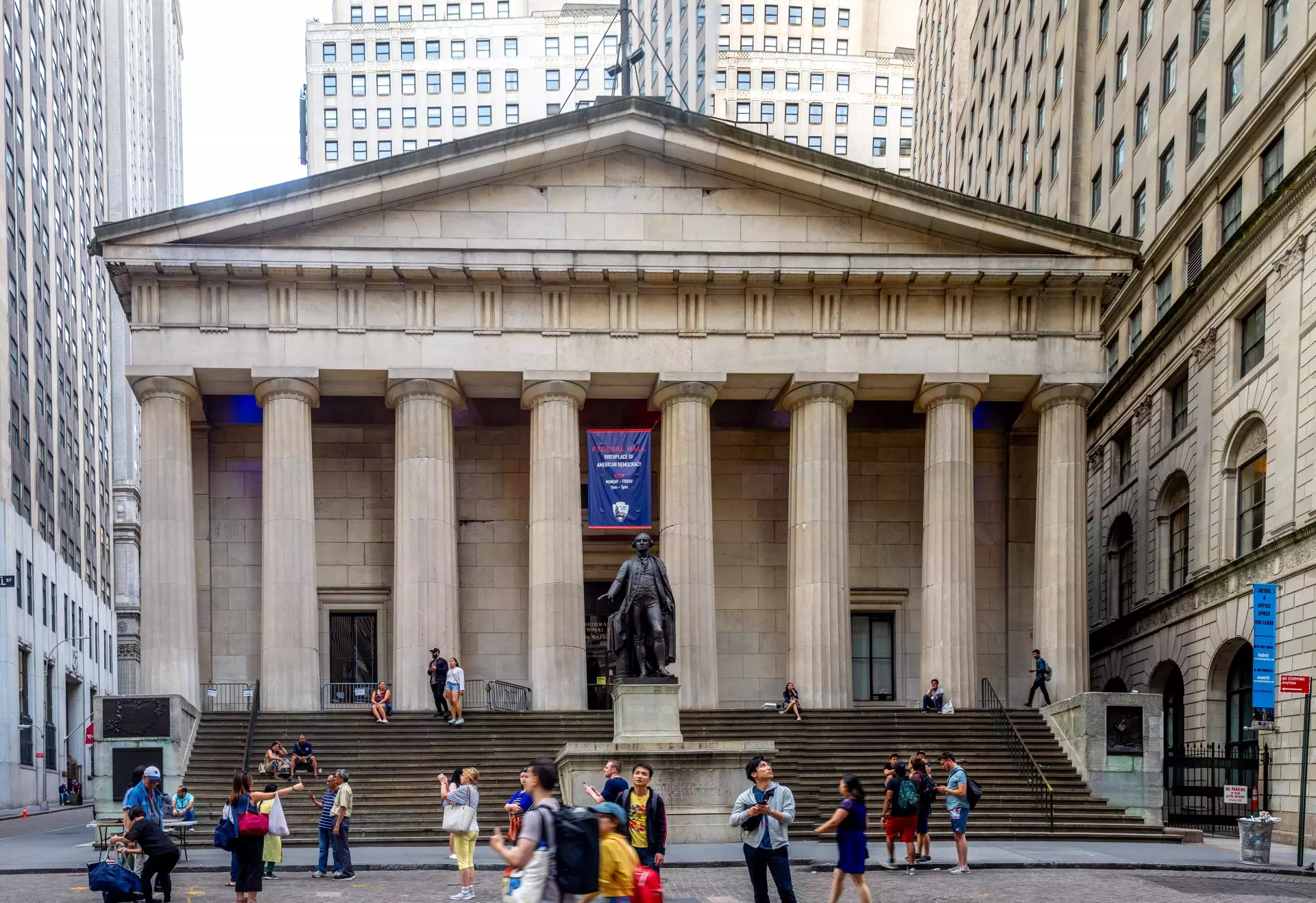
On this site on April 30, 1789, George Washington stood on a balcony overlooking Wall Street and was inaugurated as the first president of the United States. The old building on the site had been used as New York's city hall and had hosted some of the first congregations of the colonies in the lead-up to the American Revolution, such as the Stamp Act Congress. After the revolution the building, now Federal Hall, briefly housed Congress, the Supreme Court, and Executive Branch offices before the national capital moved to Philadelphia. The current building dates to 1842 and was used first as a Customs House, then later the US Sub-Treasury (millions of dollars of gold and silver were kept in the basement vaults). Today the building is maintained by the National Park Service as a museum dedicated to the history of the site. Guided tours of the building are available, or you can just walk in and look up at the rotunda and view some of the artifacts, such as the bible Washington used in his inauguration ceremony.
A famous Ivy League college that has existed since British colonial times, when it was called King's College.
General Ulysses S. Grant and his wife are buried in this imposing mausoleum, the largest tomb in North America. If you come when it is closed, you can still see the impressive facade, but coming during open hours gives you the opportunity to view the murals, the tomb and various documentation inside. Across Riverside Drive, there is a viewpoint to look across the Hudson River, a museum, gift shop and restrooms.
A very impressive skyscraper with a green spire which was completed in 1930 and surpassed the height of the nearby Woolworth Building (see Manhattan/TriBeCa#See), making it the tallest building in the world until the Chrysler Building was completed just a month later (which in turn lost that title to the Empire State Building less than a year later). The building was leased by Donald Trump in 1995, hence its current name.
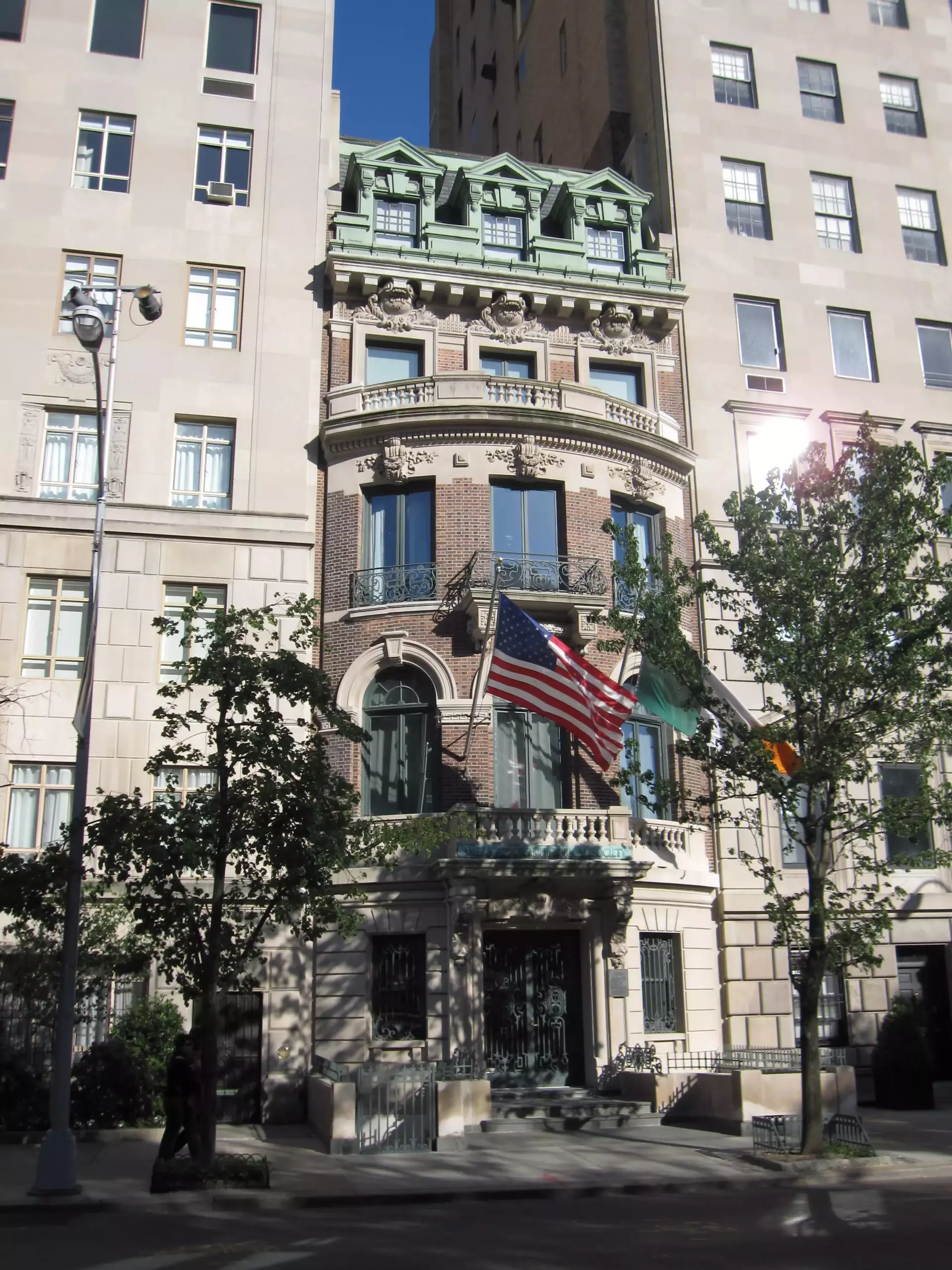
The Society of Illustrators is one of the many off the beaten path museums in New York City, and while it may not have as many visitors, it certainly isn't a place to miss. Certainly don't miss the art of illustration featured here, with countless historical galleries since the museum's opening in 1901. It's even the origin of the famous "I Want You For U.S. Army" poster of World War I and II.
For most of the 18th century, Africans in New York City were buried in a graveyard outside the city. The graveyard was eventually forgotten and was rediscovered in 1991. This museum and memorial site commemorate the estimated 15,000 Africans that were interred on the site of the memorial. Note that the museum is located inside of a Federal building so airport-style security should be expected.
A branch of the Smithsonian Institution, the Cooper Hewitt is devoted to over 240 years of contemporary and historic design, with changing exhibits.
This beautiful park extends along the Hudson River north of Riverside Park and features wonderful views of the George Washington Bridge and New Jersey and a community feel.
From its intersection with Park Row (just east of City Hall) you can walk (takes about 20-30 minutes each way), bike, or drive across the historic and iconic bridge to Brooklyn. The view from the bridge is quite lovely, with excellent views of Lower Manhattan and Downtown Brooklyn and good views of Midtown and the New York Harbor in the distance.
A spacious green lawn that was originally home to a herd of sheep, which grazed in the meadow and tended to in their nearby pen - a Victorian style building which today is the Tavern on the Green restaurant (see Eat below).
Kingsland Homestead is a historic home, built by Charles Doughty around 1774. It is now a museum with exhibits about the Victorian era, the slavery in Queens, and how Queens was affected by World War II.
The garden is 52 acres and the layout was well planned. It is definitely worth a visit. Designed by the Olmsted Brothers in 1910 and open to the public since 1911, the garden includes an authentic Japanese garden, a Children's Garden, and the Cranford Rose Garden. The garden has the largest cherry blossom trees in one place outside of Japan. There are 42 gorgeous varieties. The Brooklyn Botanic Garden hosts various festivities throughout the year, including Hanami Sakura in May and the Chile Pepper Festival in October.
This neo-Romanesque fairy castle was built in 1891, and a northern addition in very similar style was built in 1933. The older building is a busy post office serving Downtown Brooklyn and the northern addition houses the United States Bankruptcy Court for the Eastern District of New York.