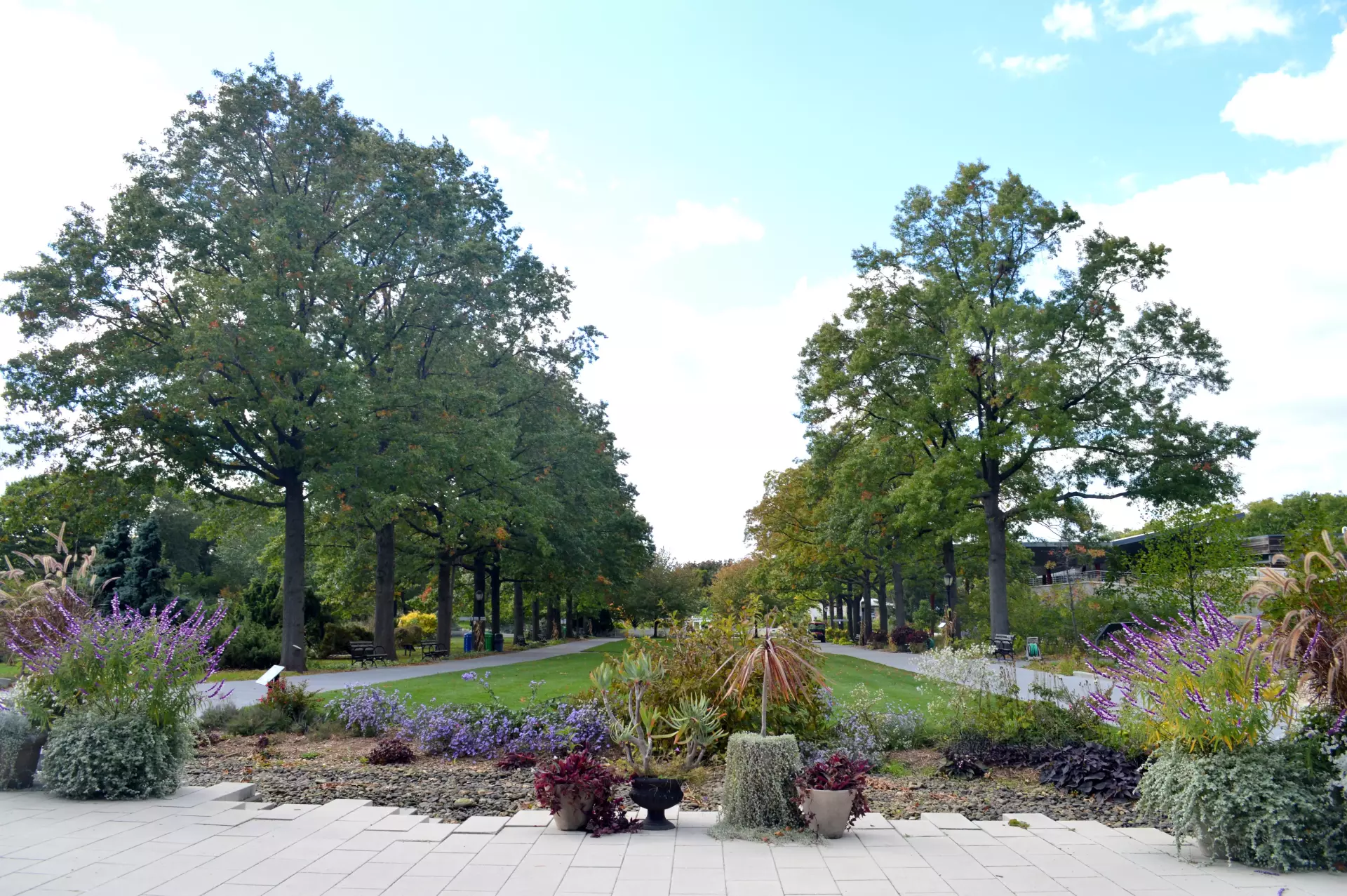
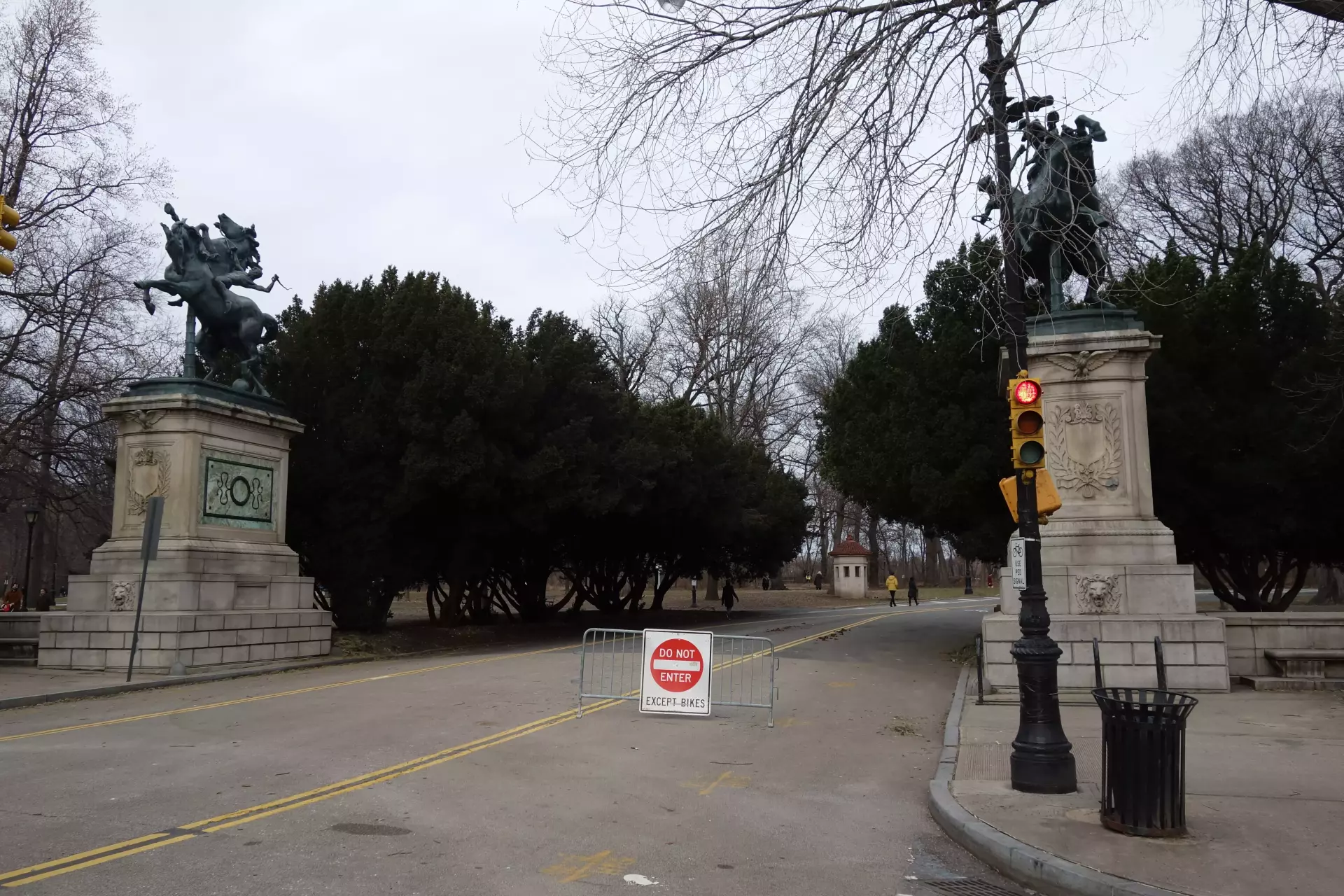
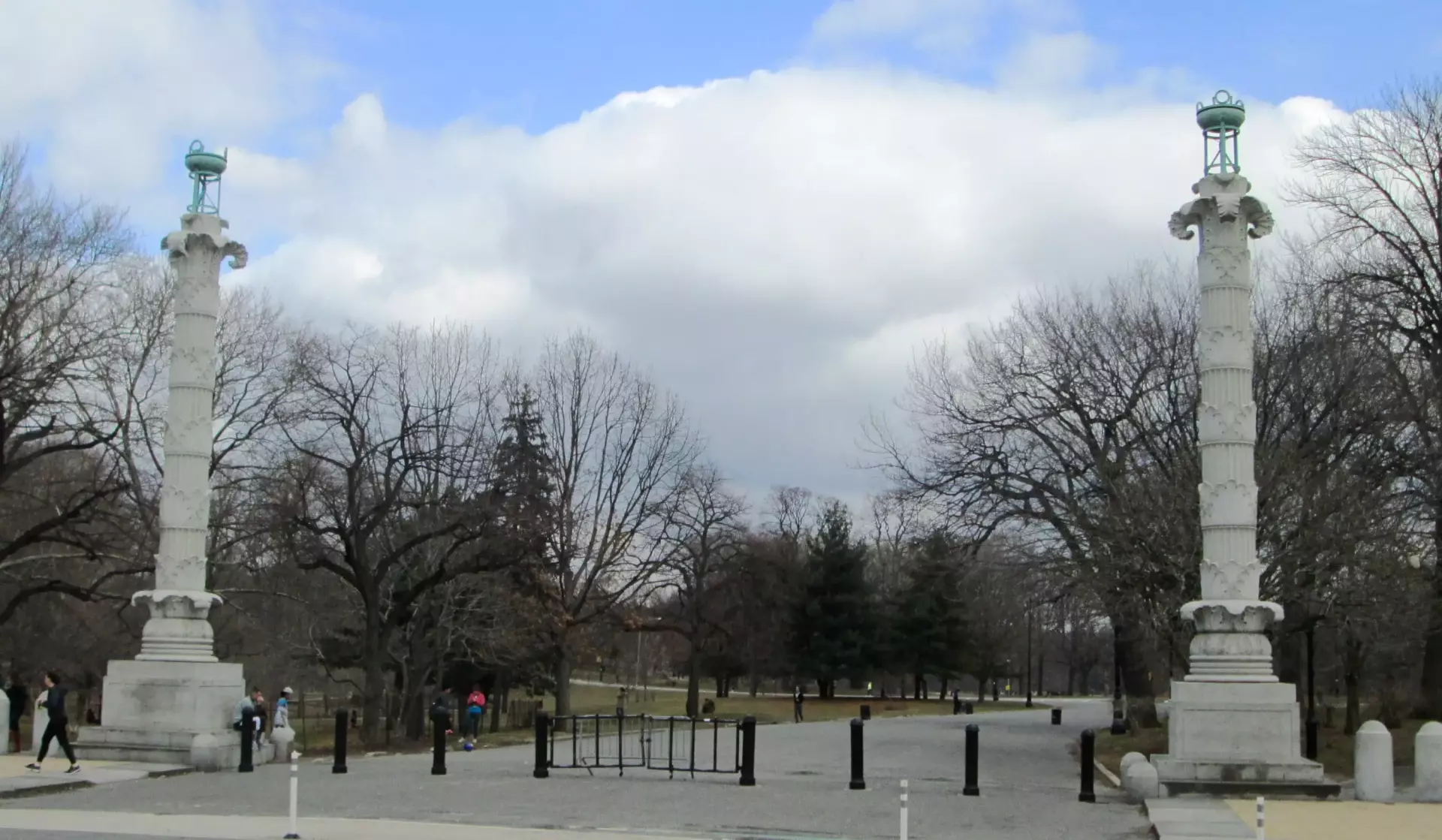
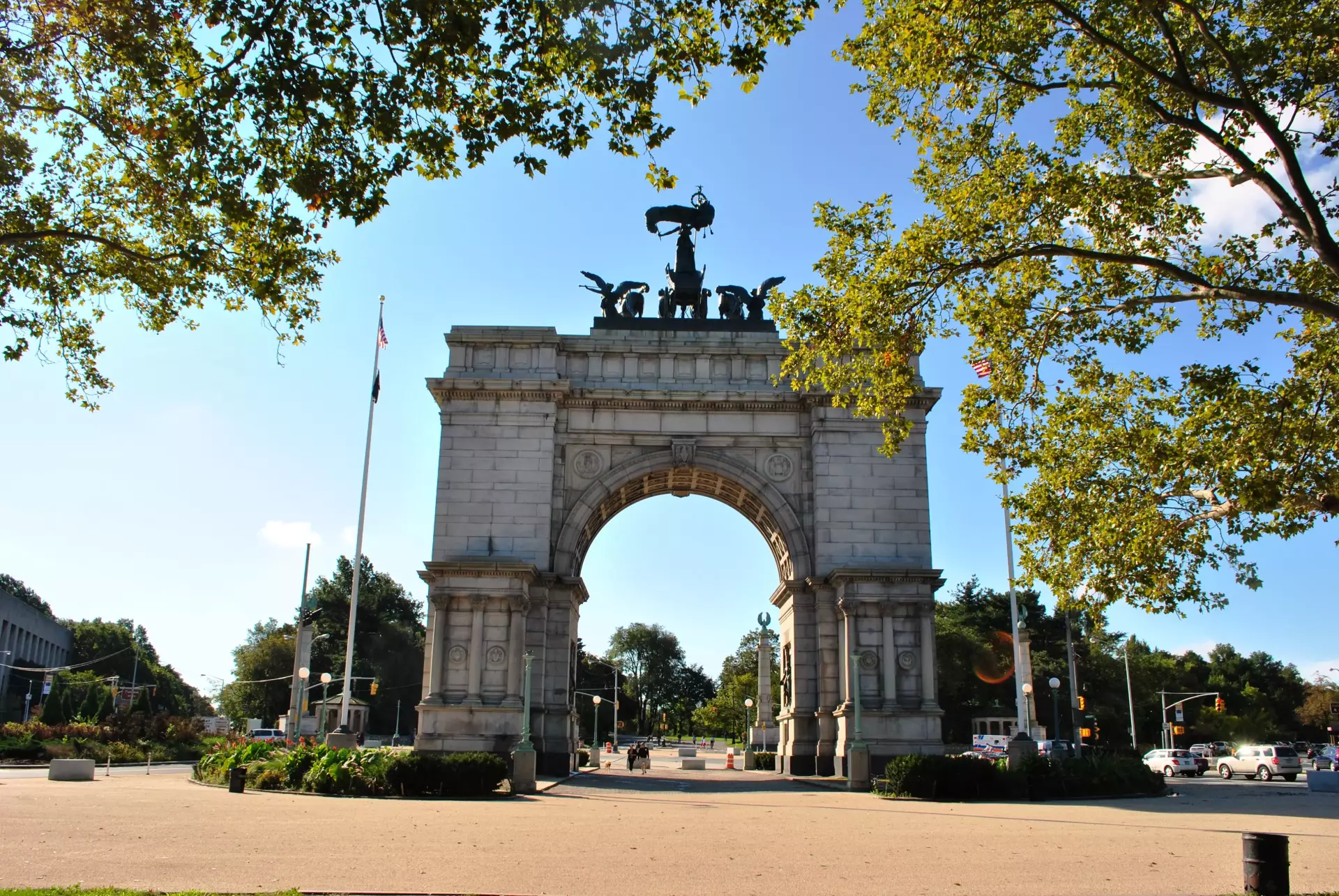
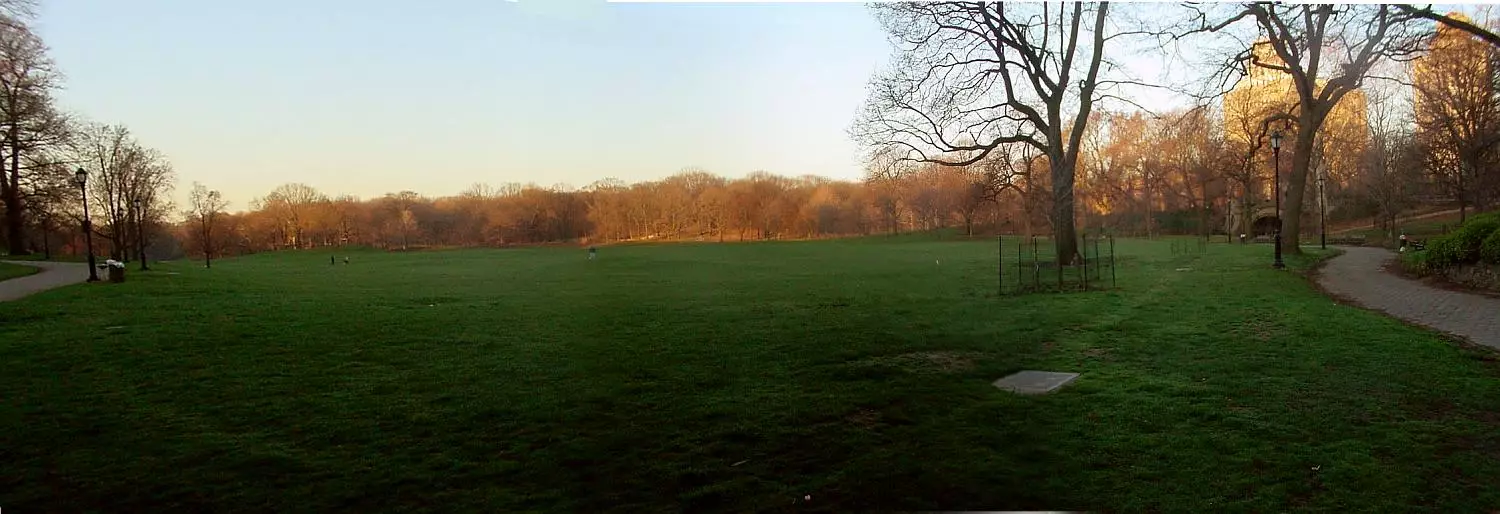
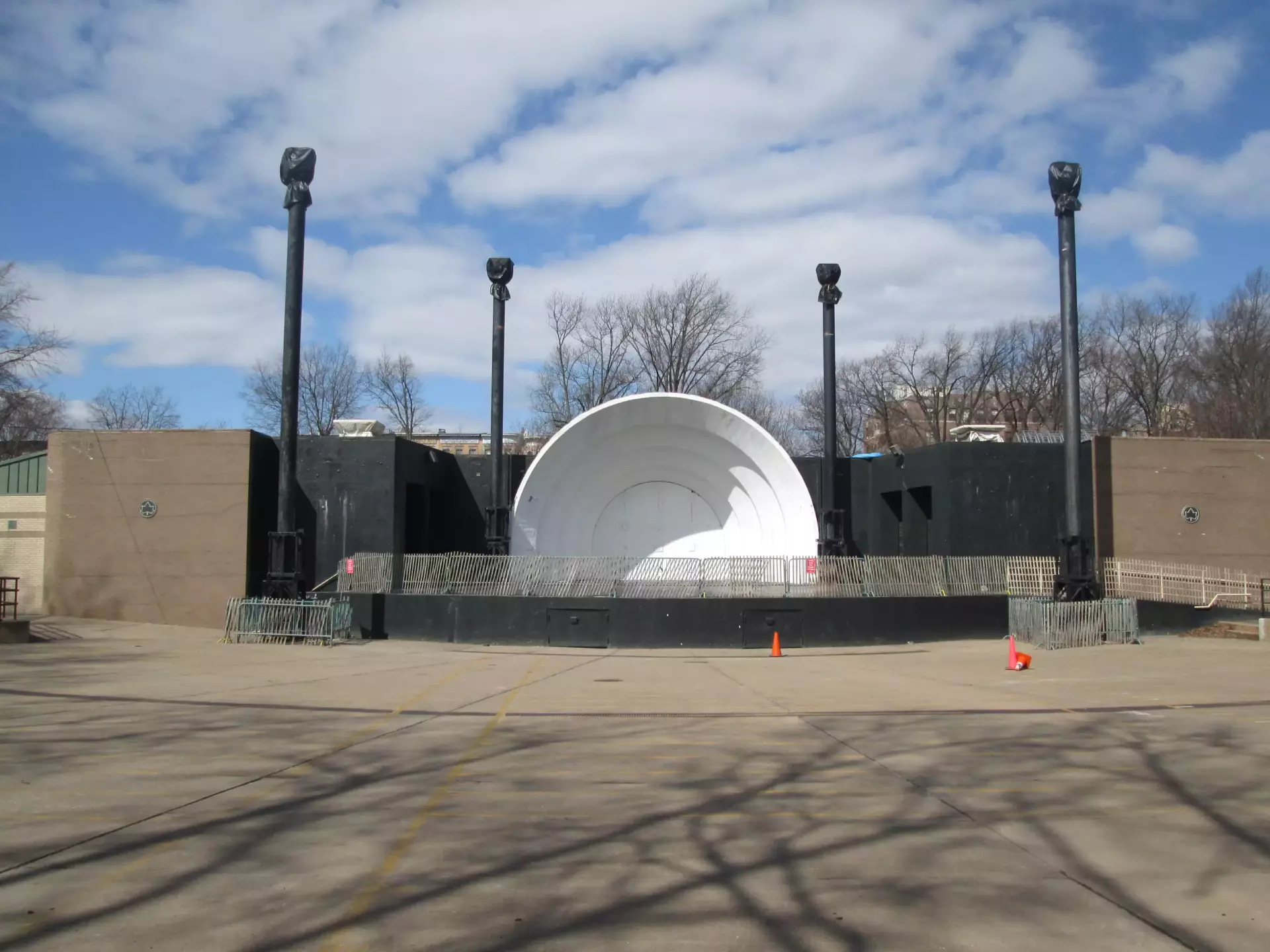
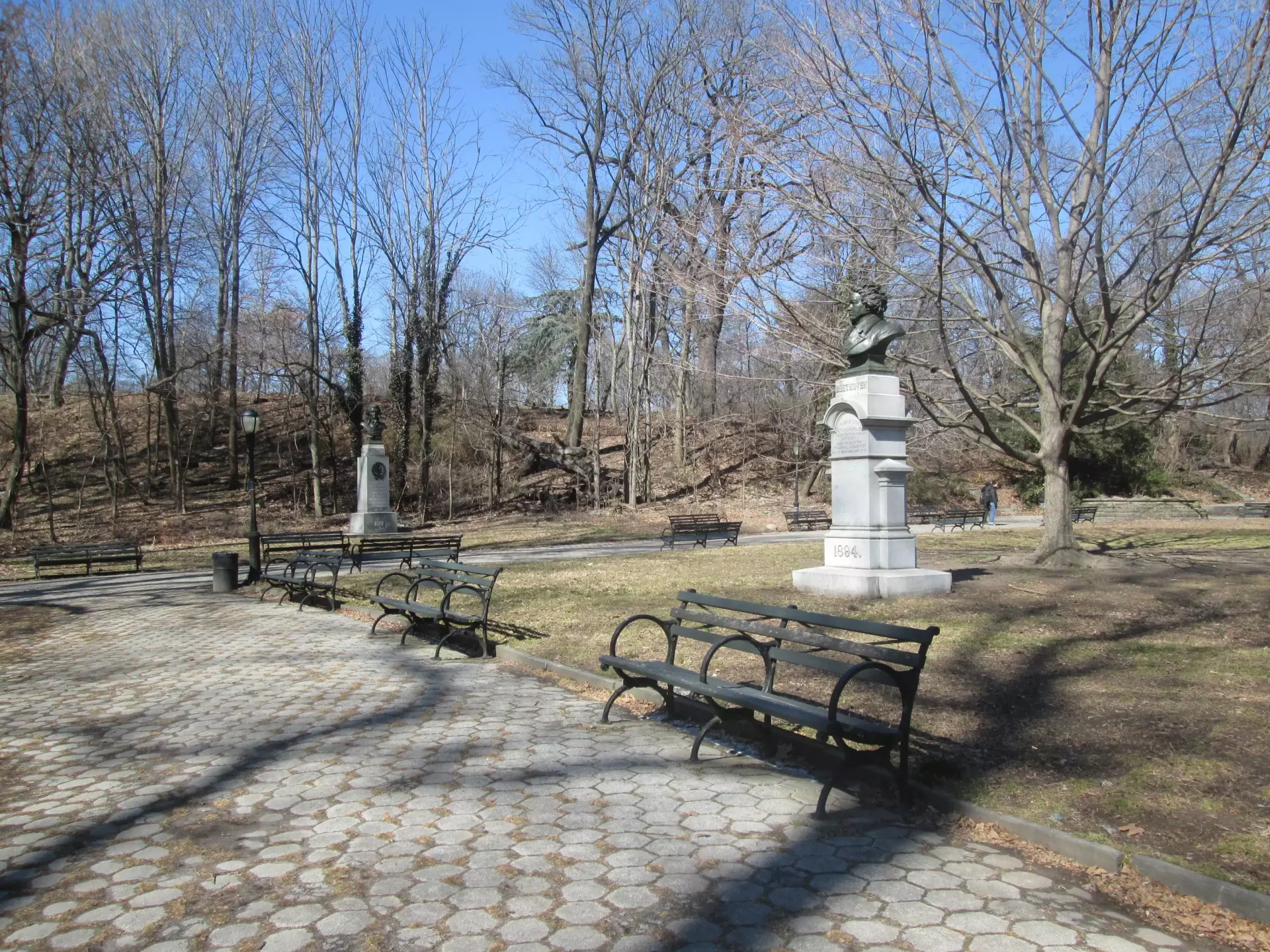
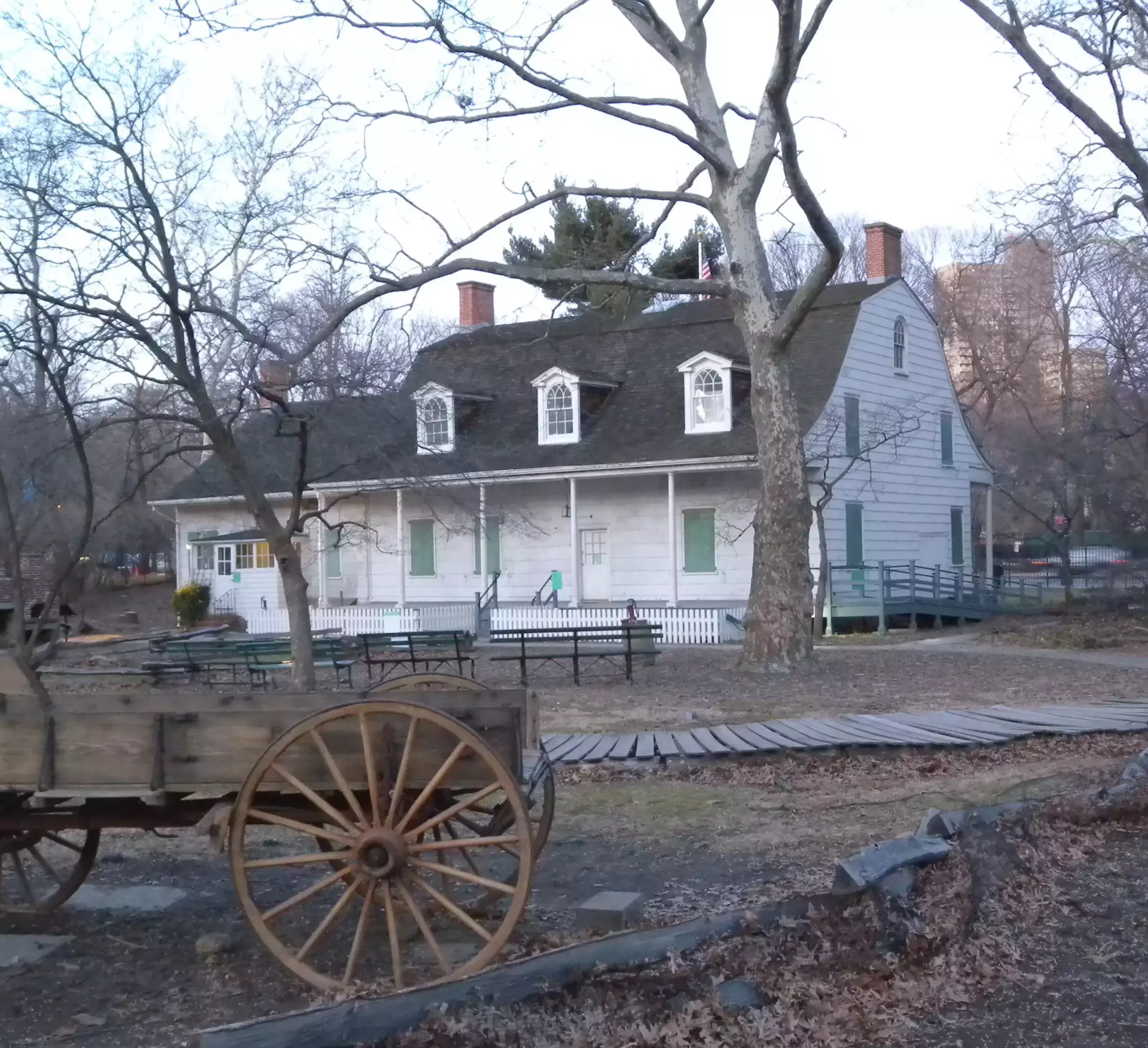
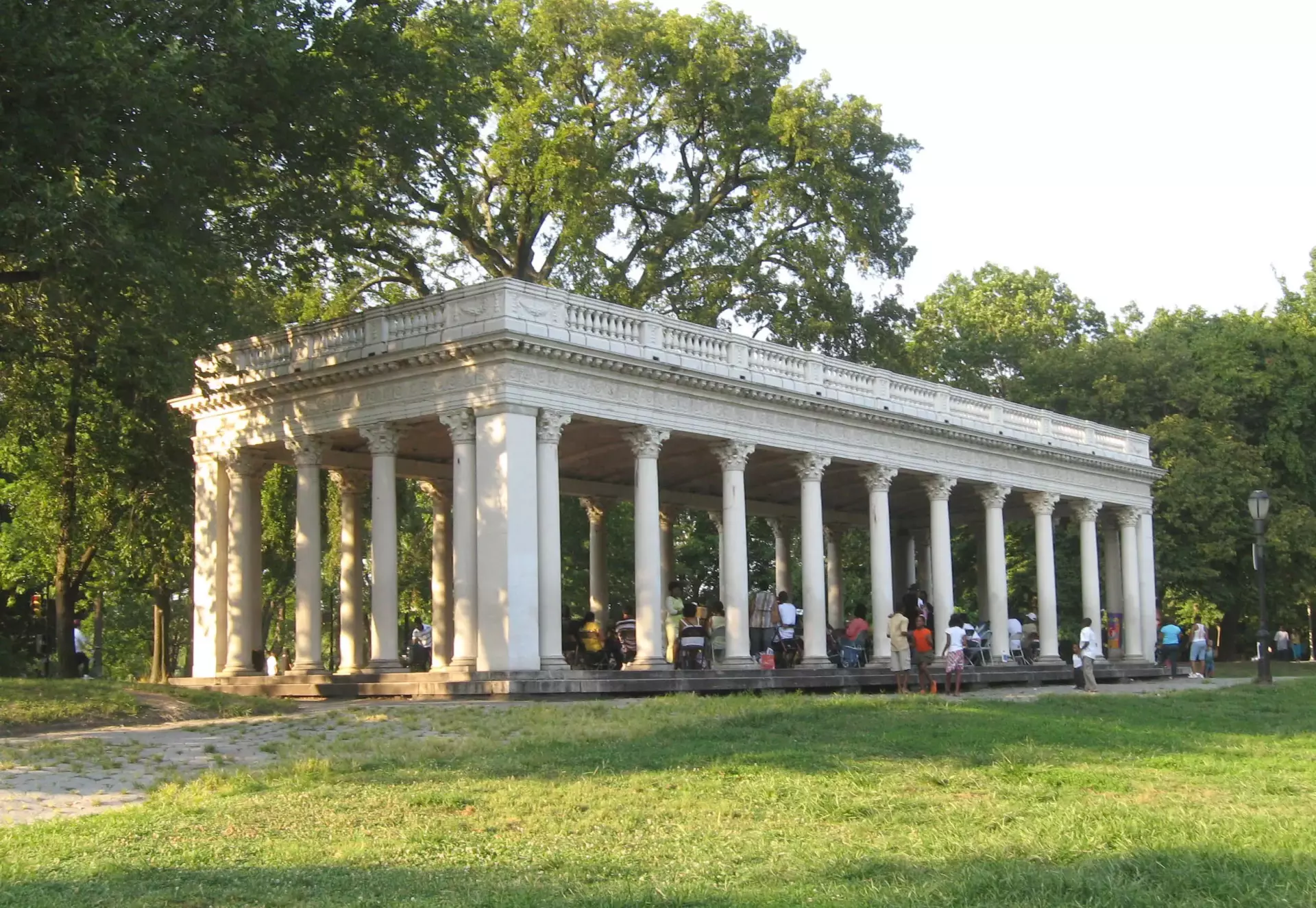
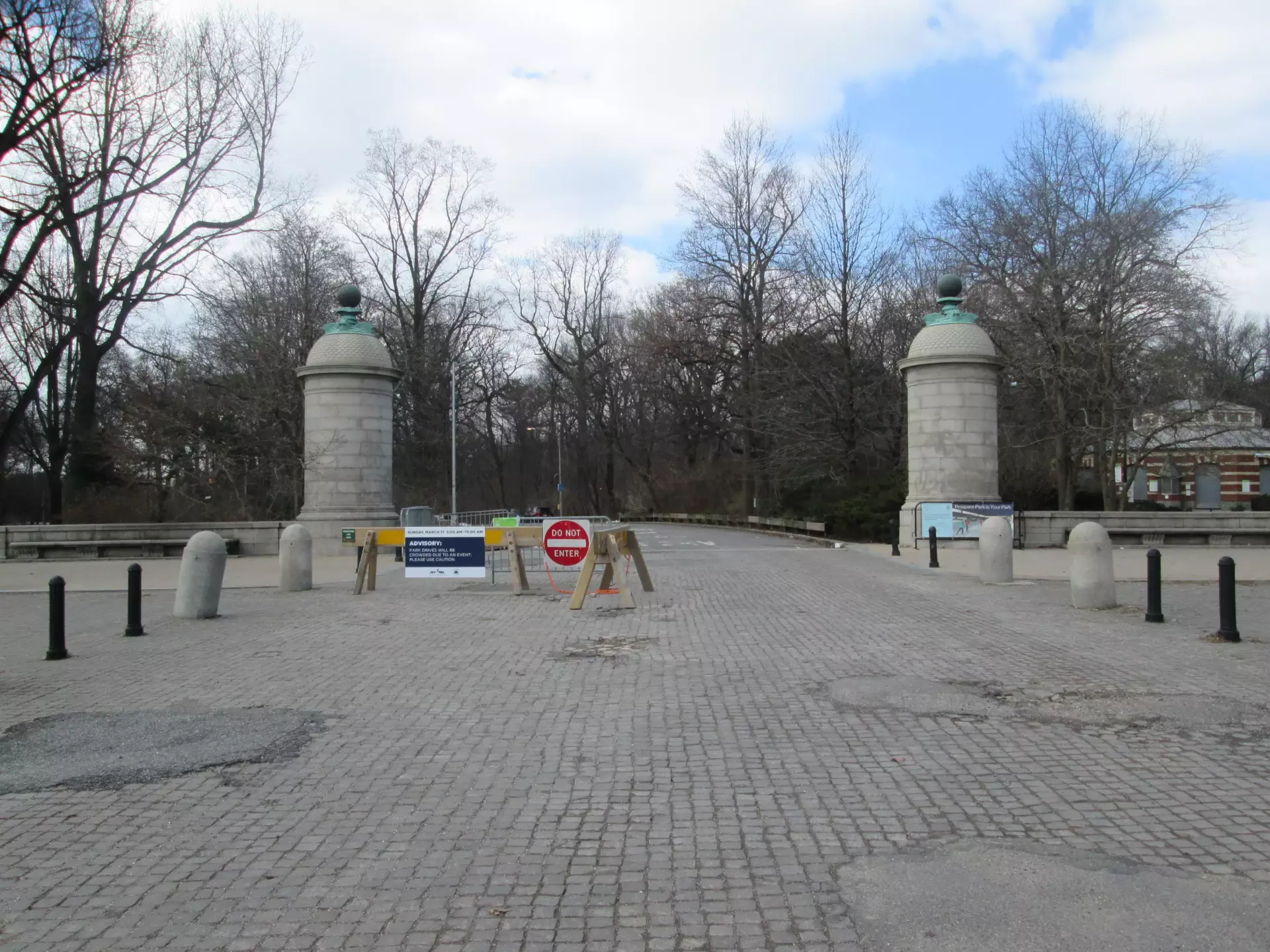
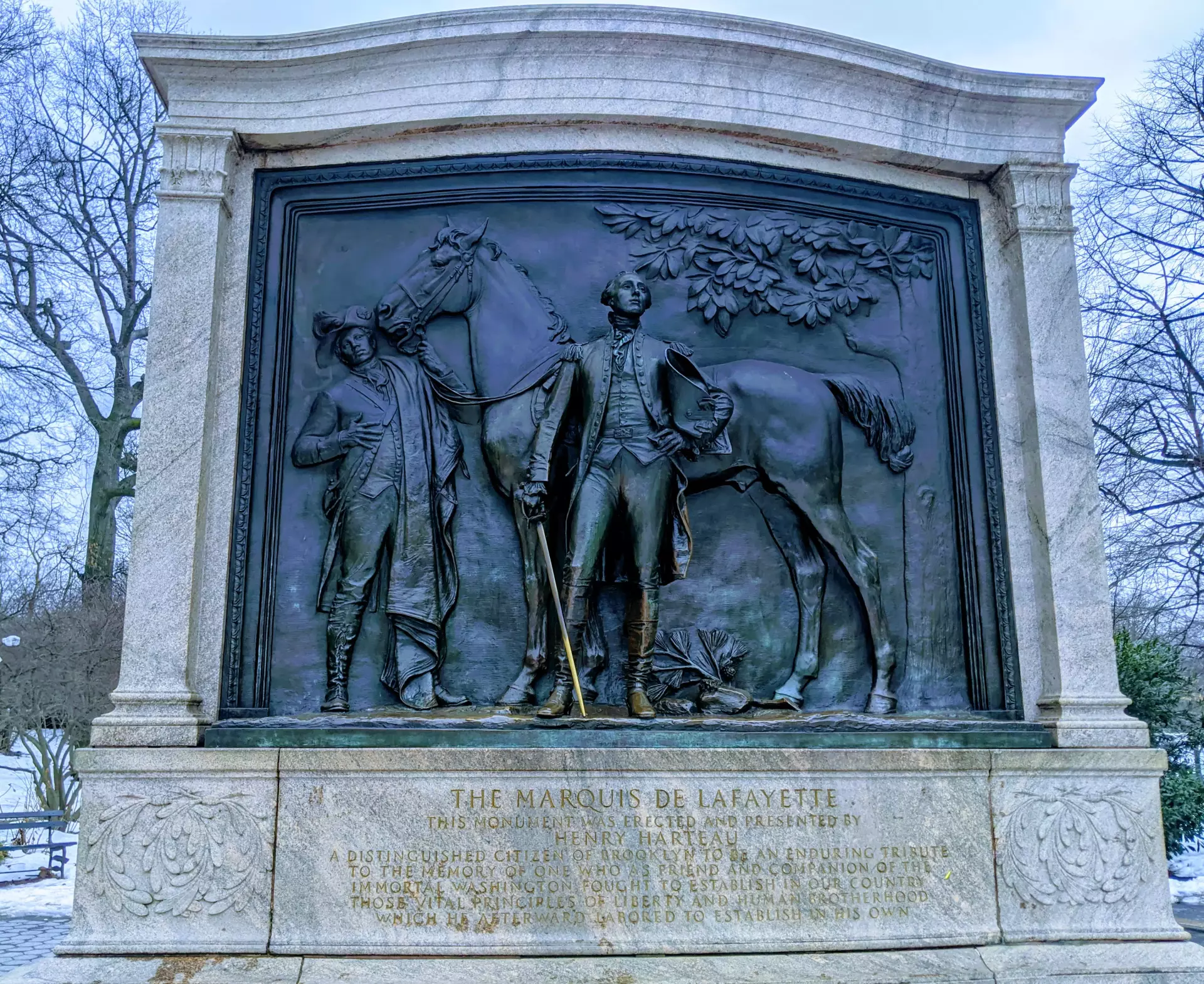
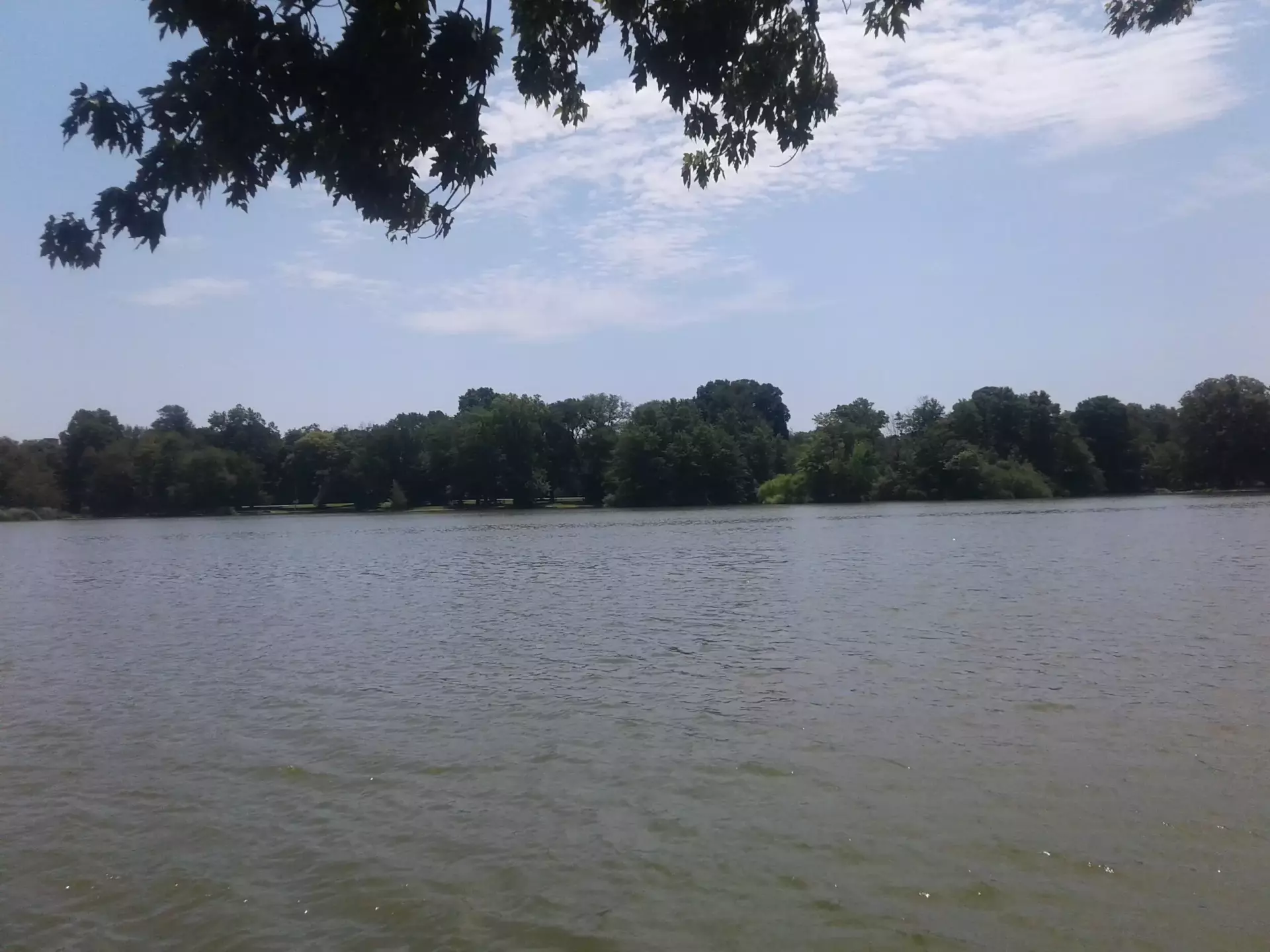
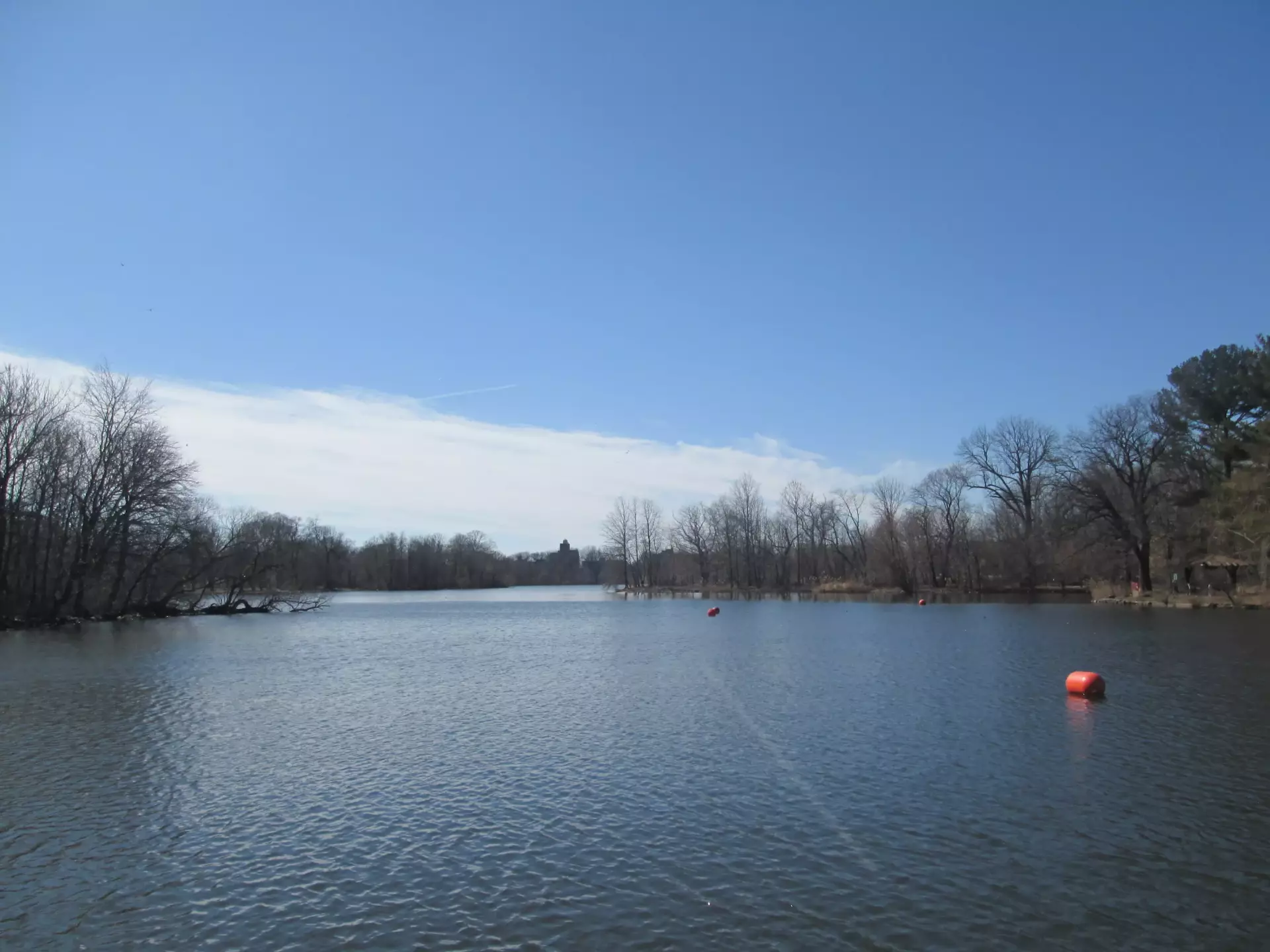
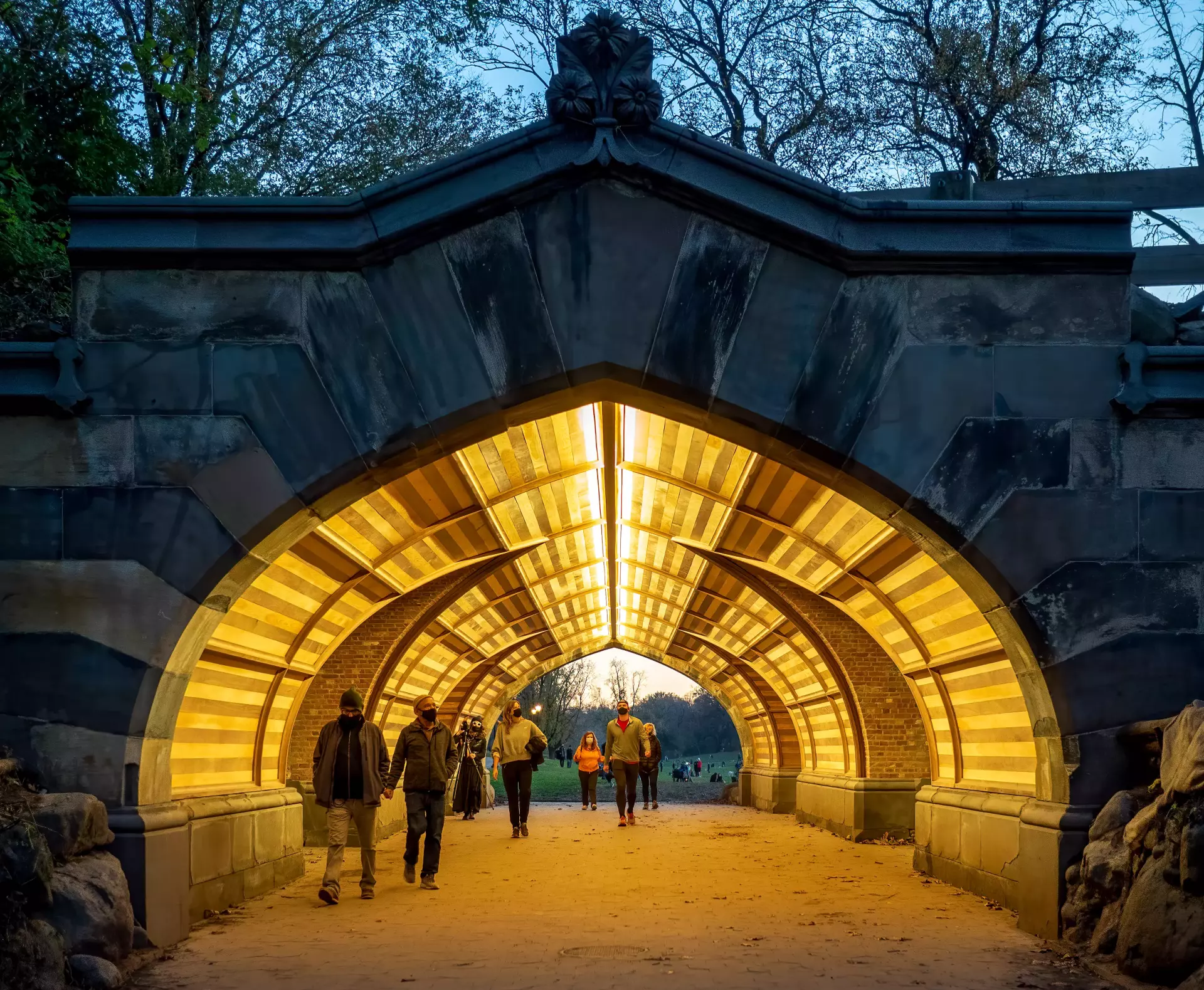
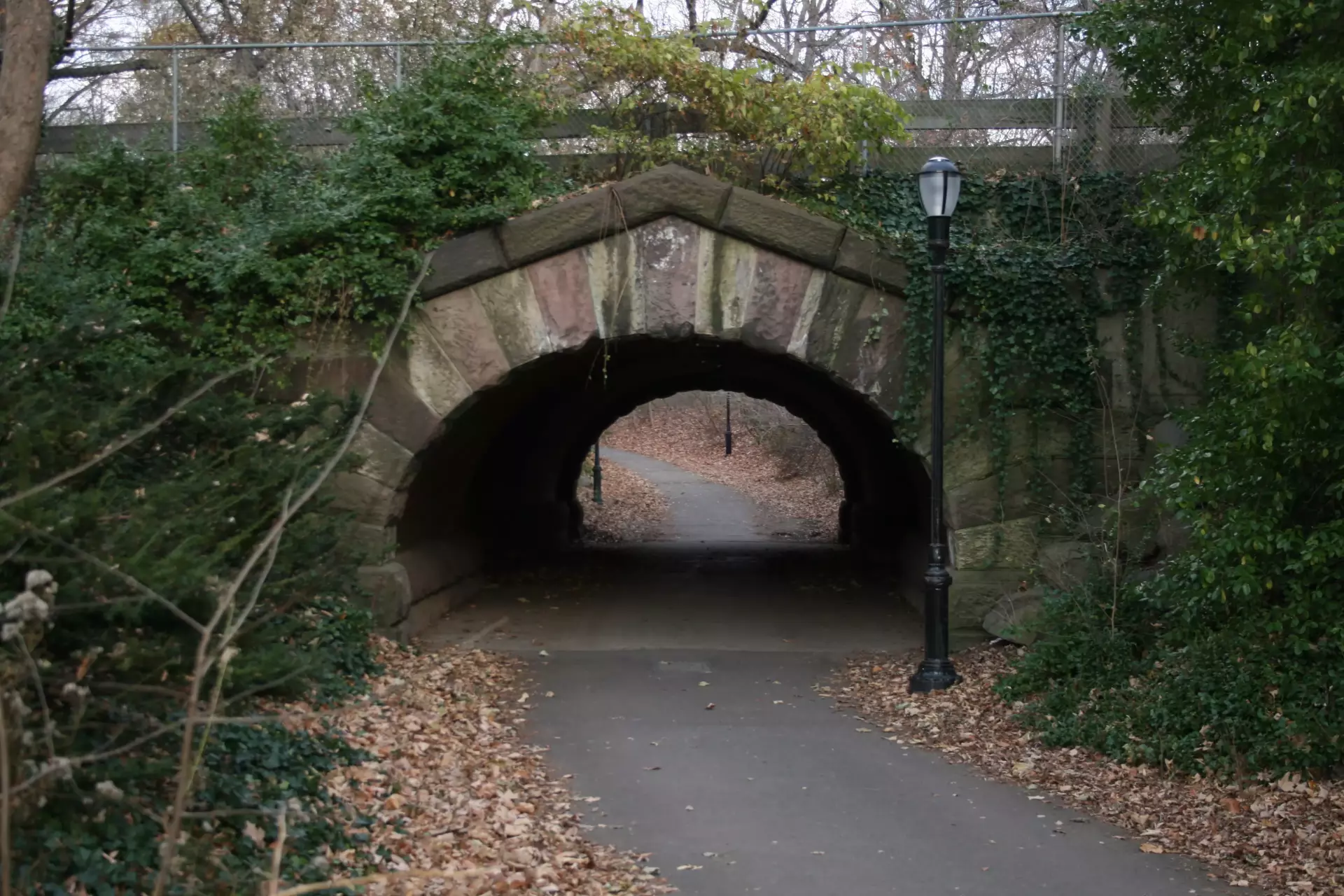
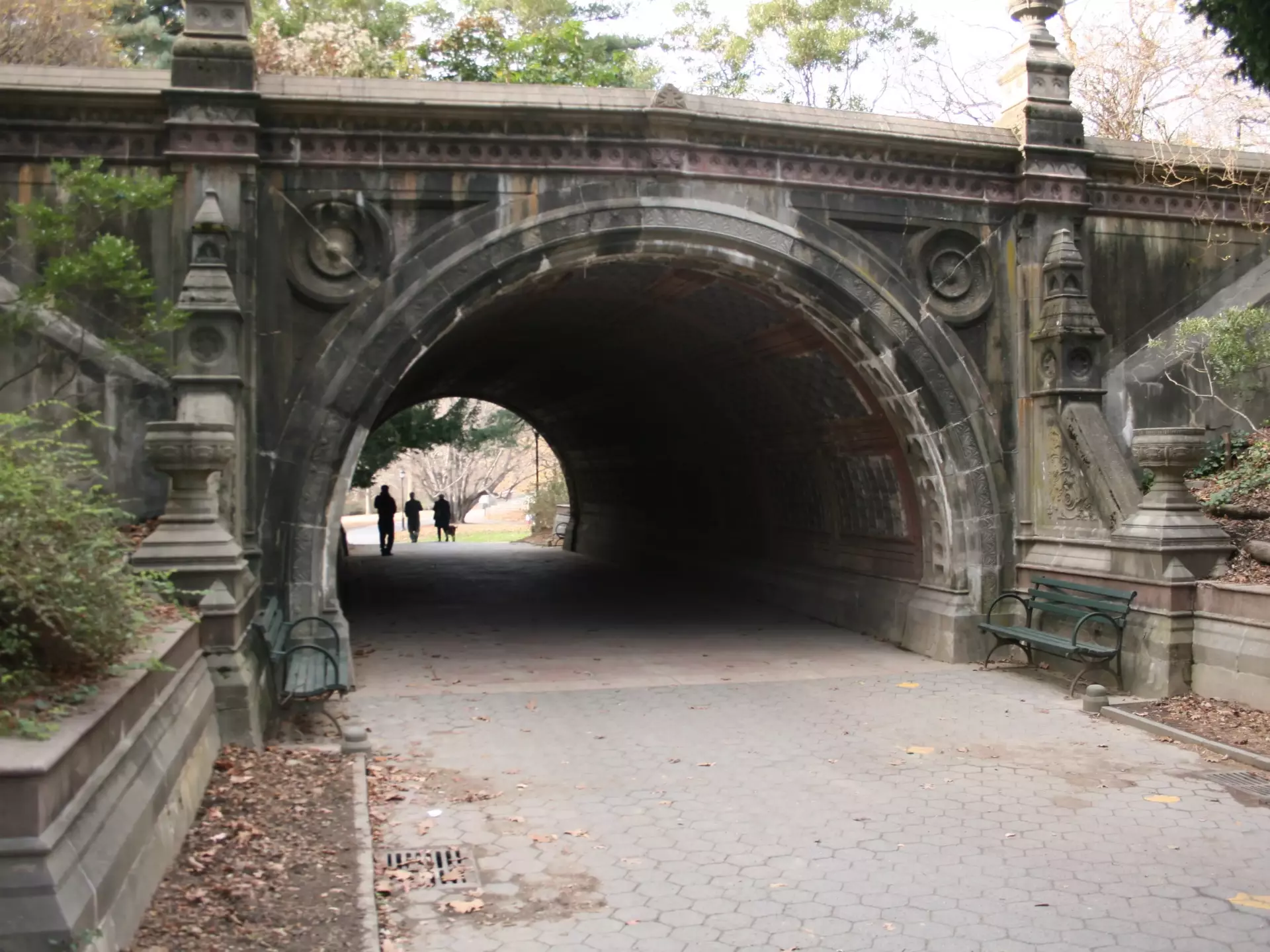
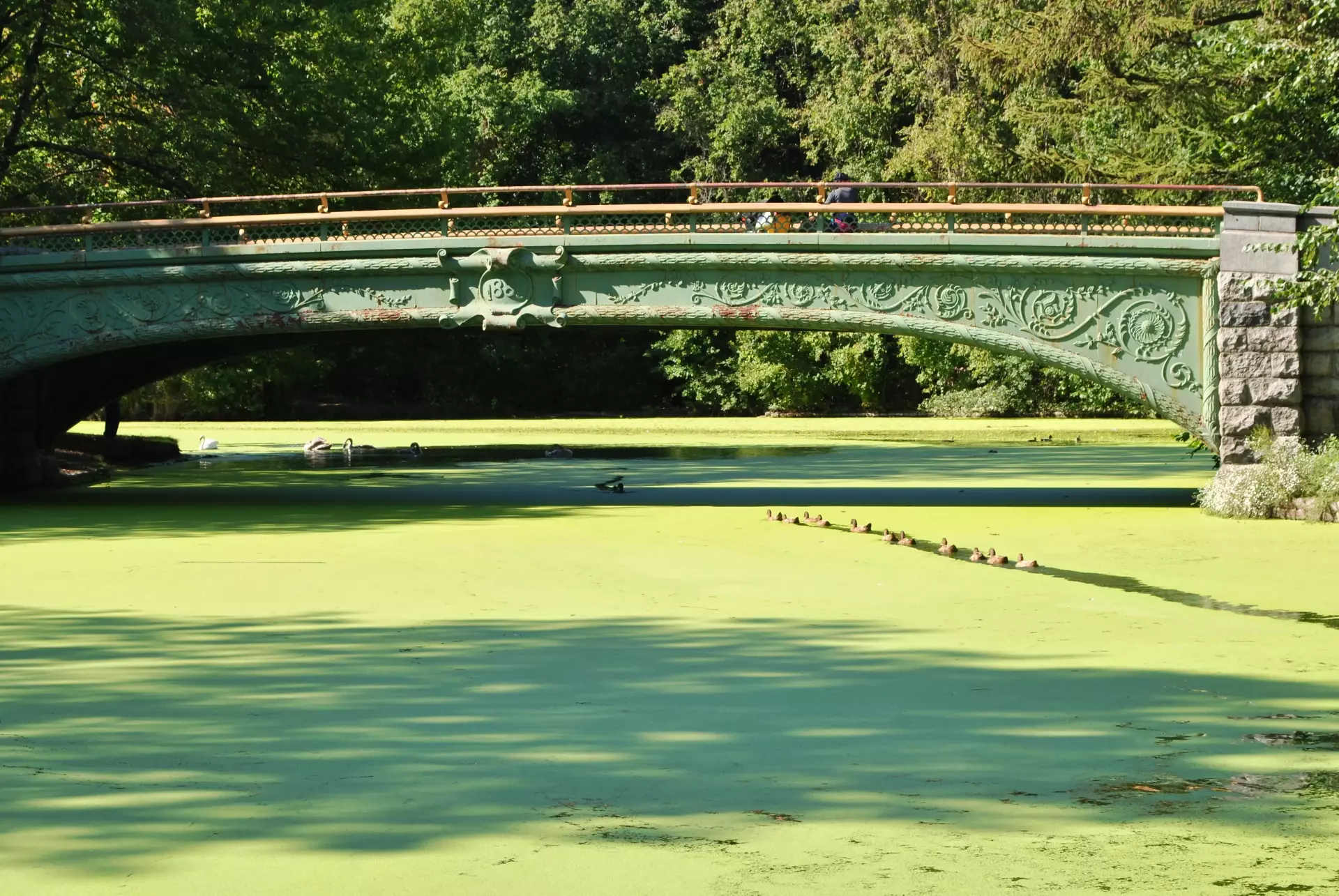
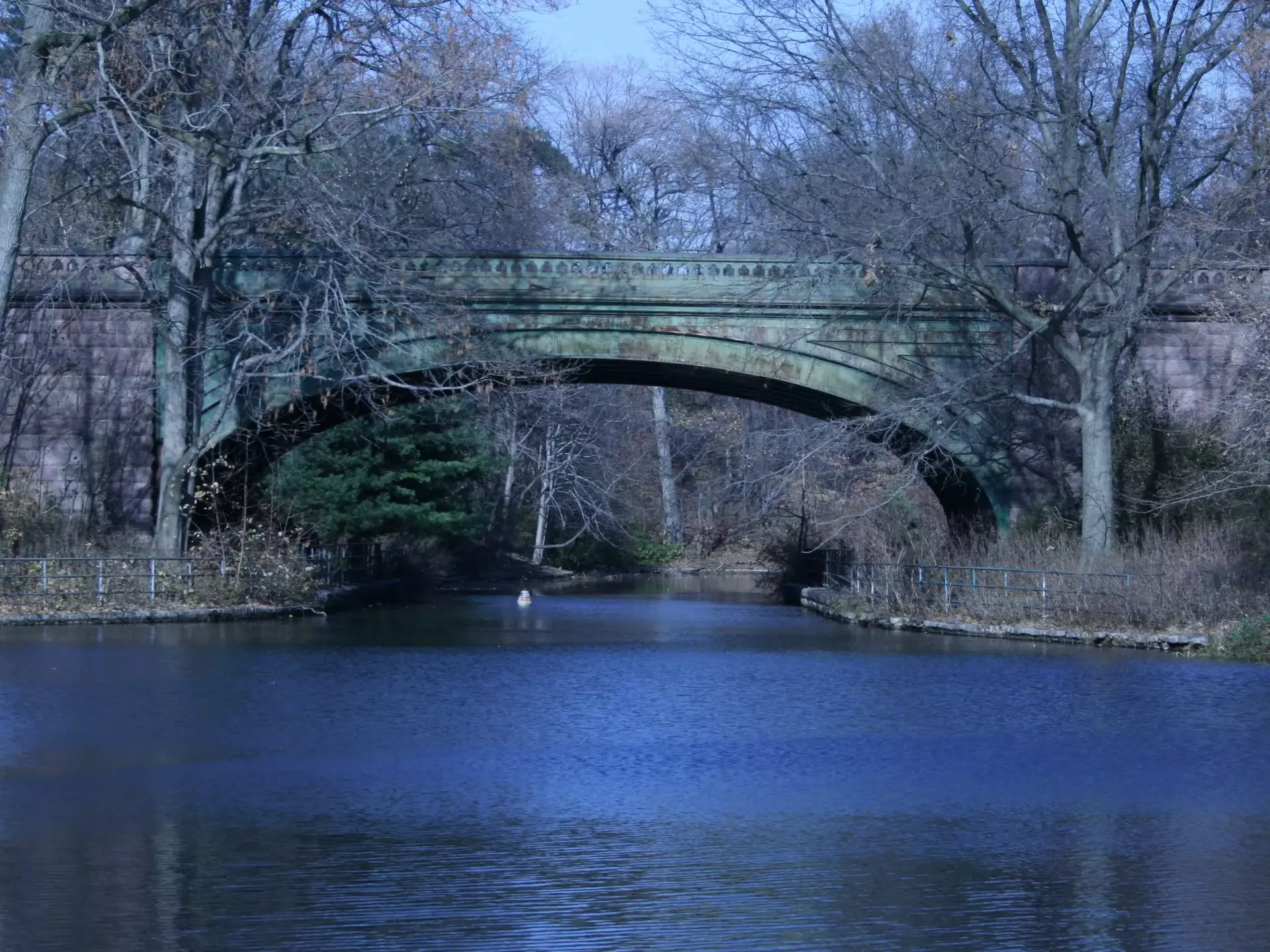
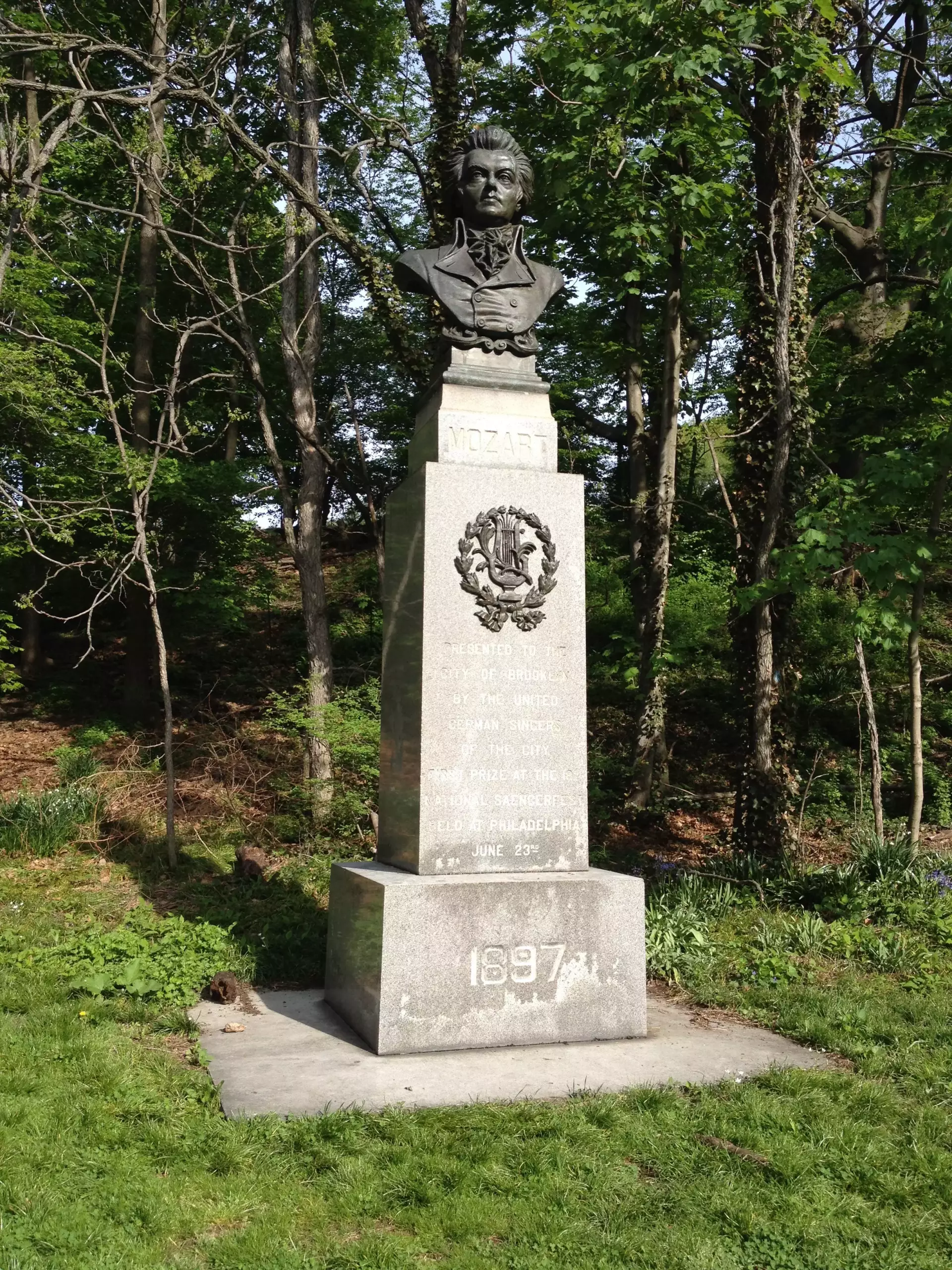
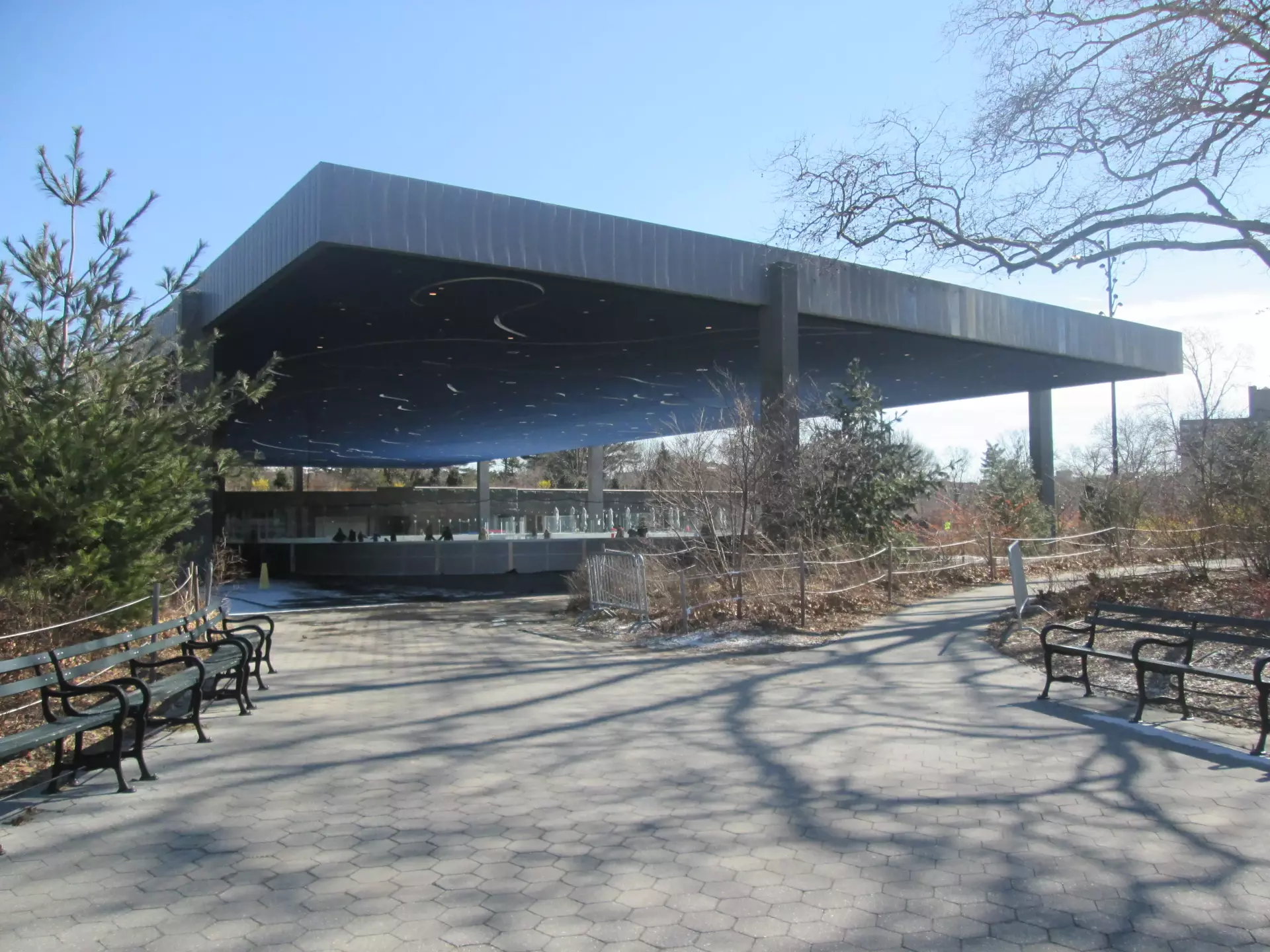
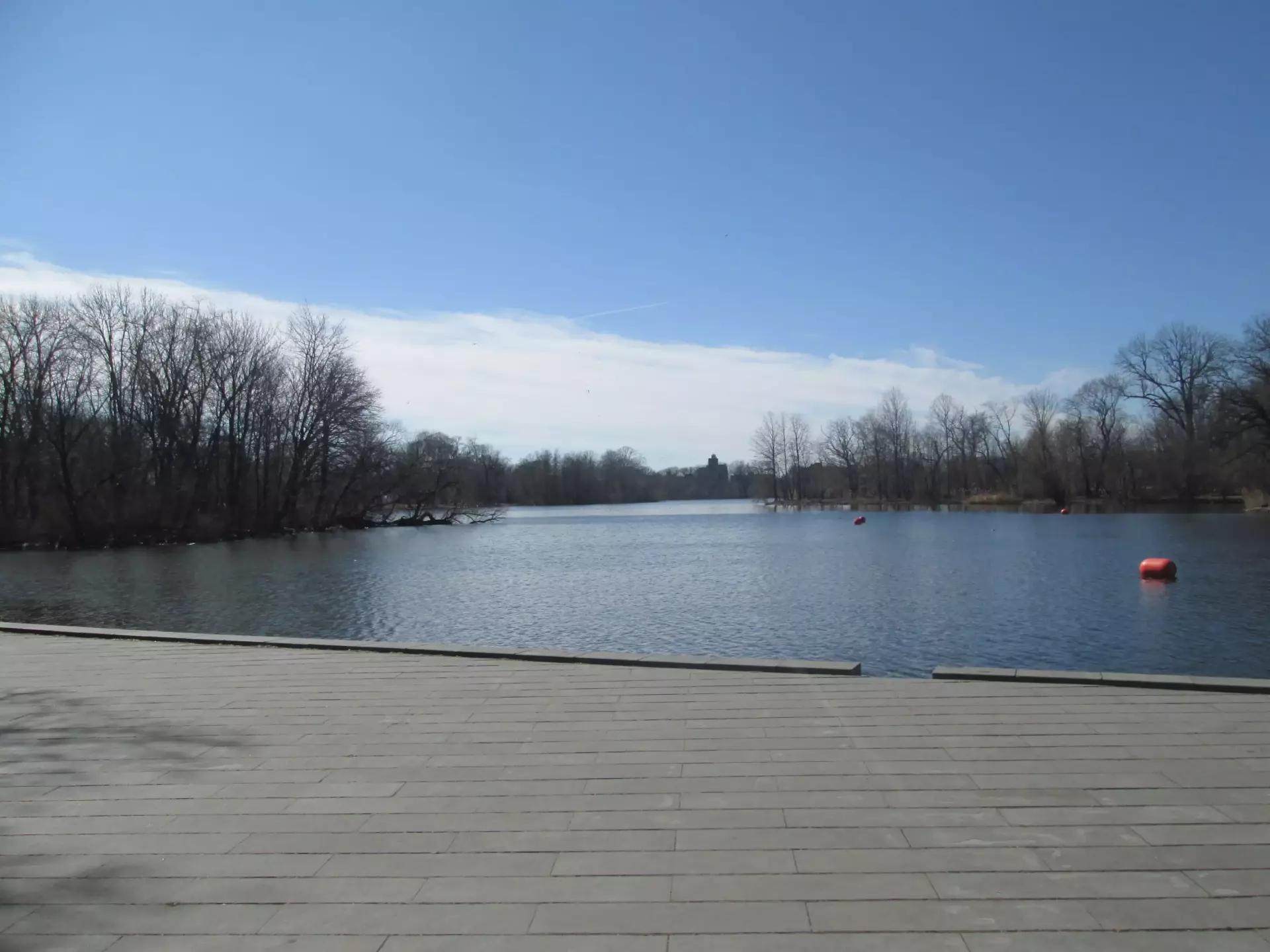
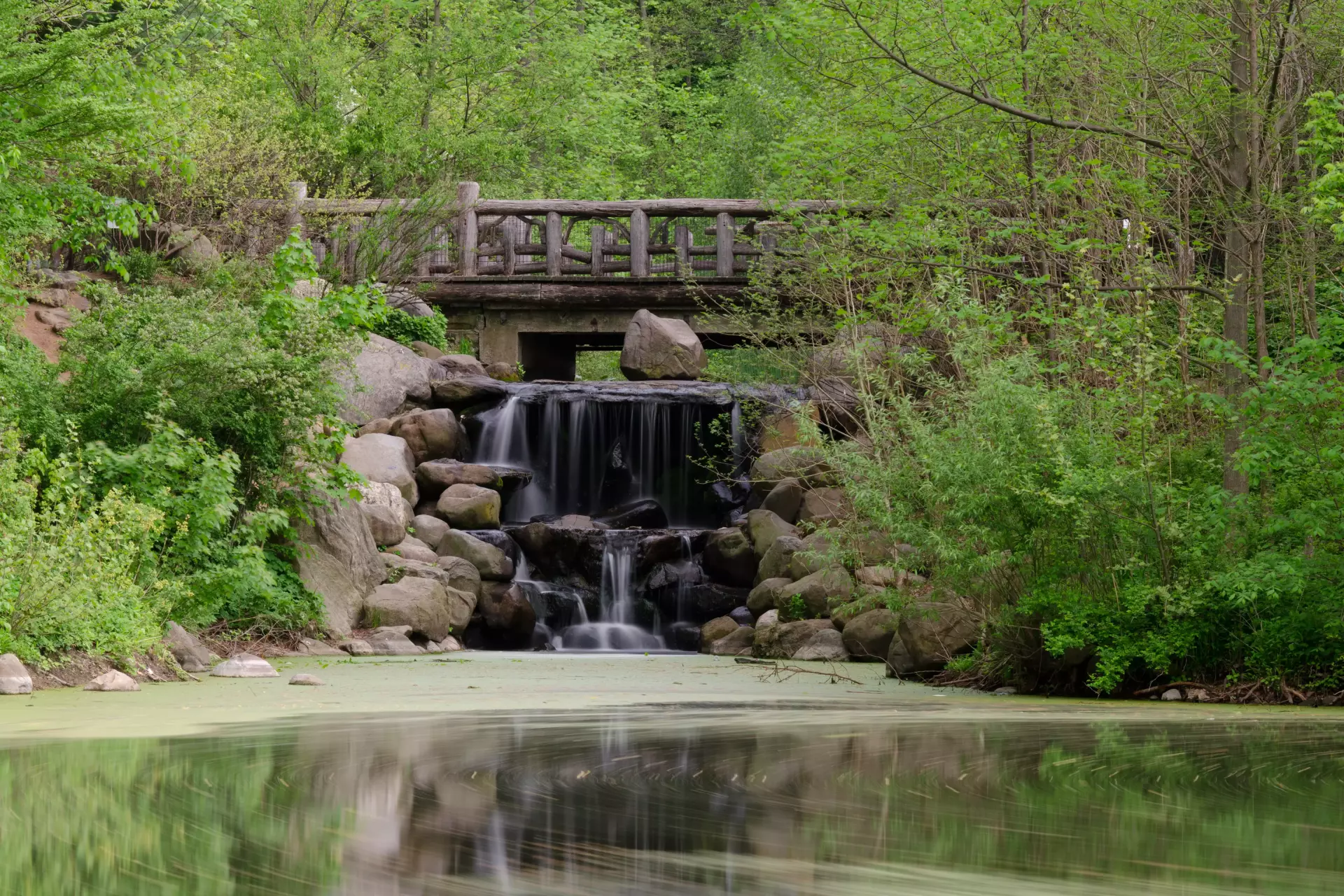
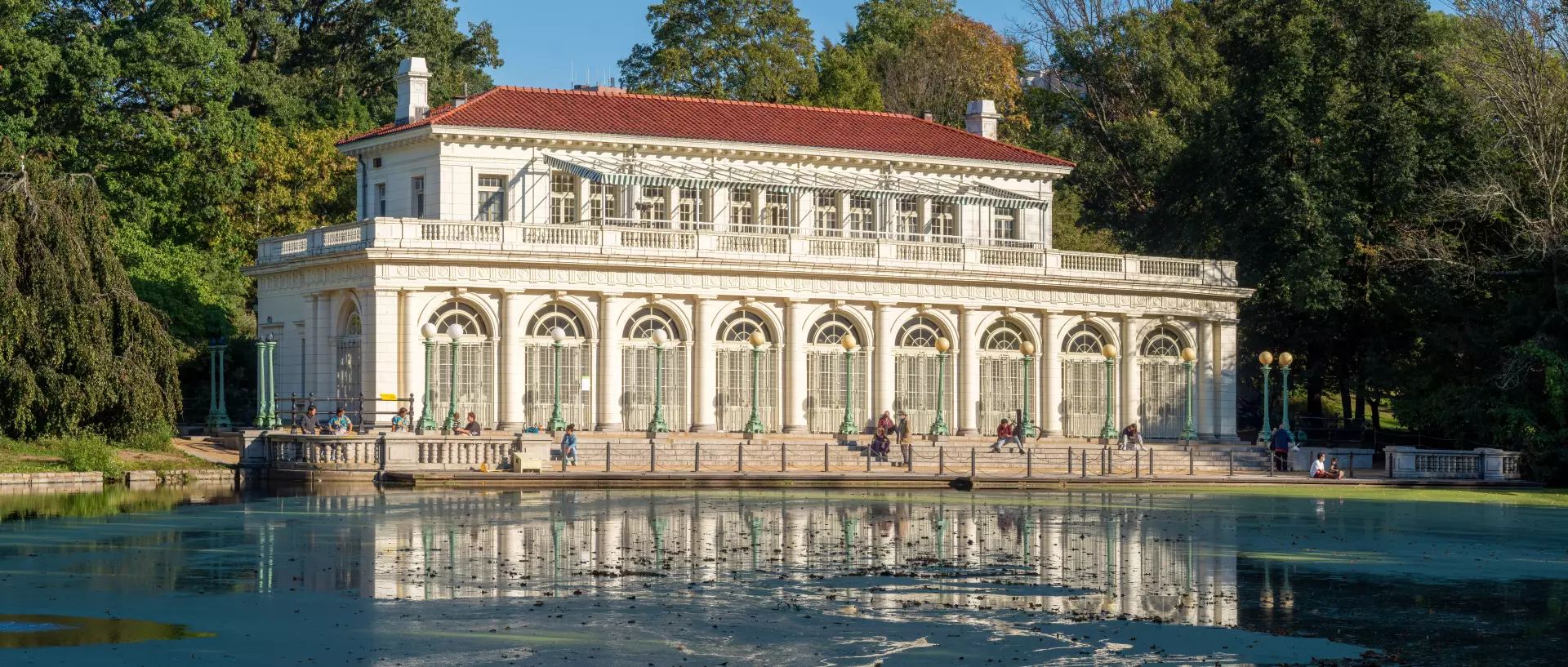
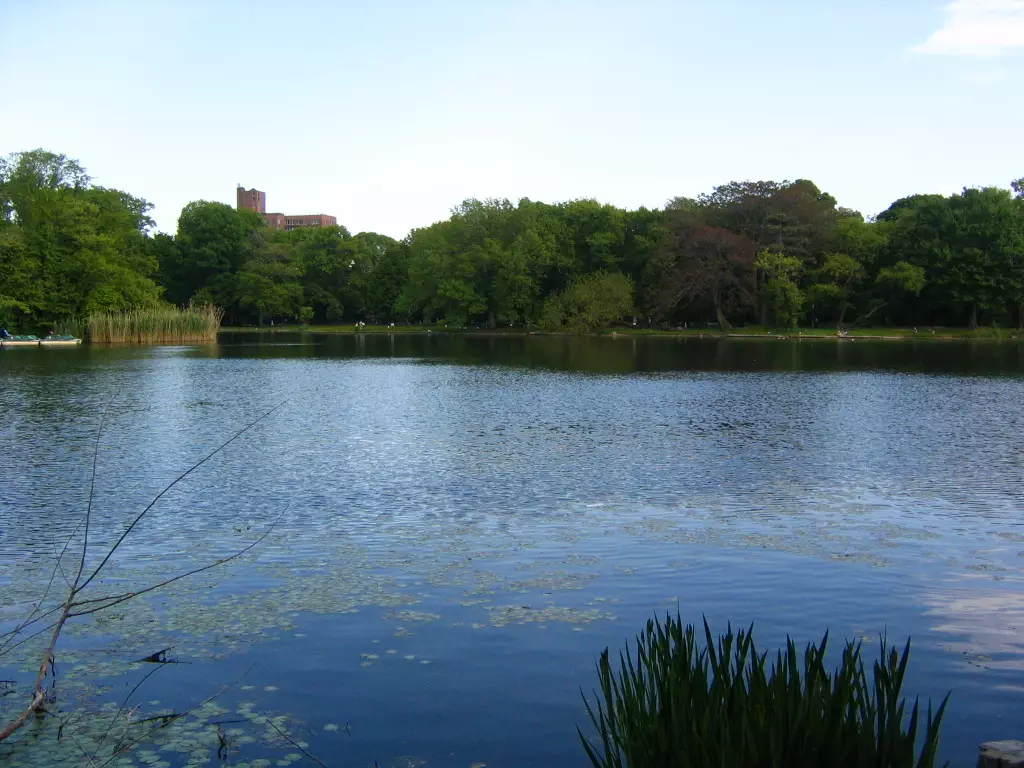
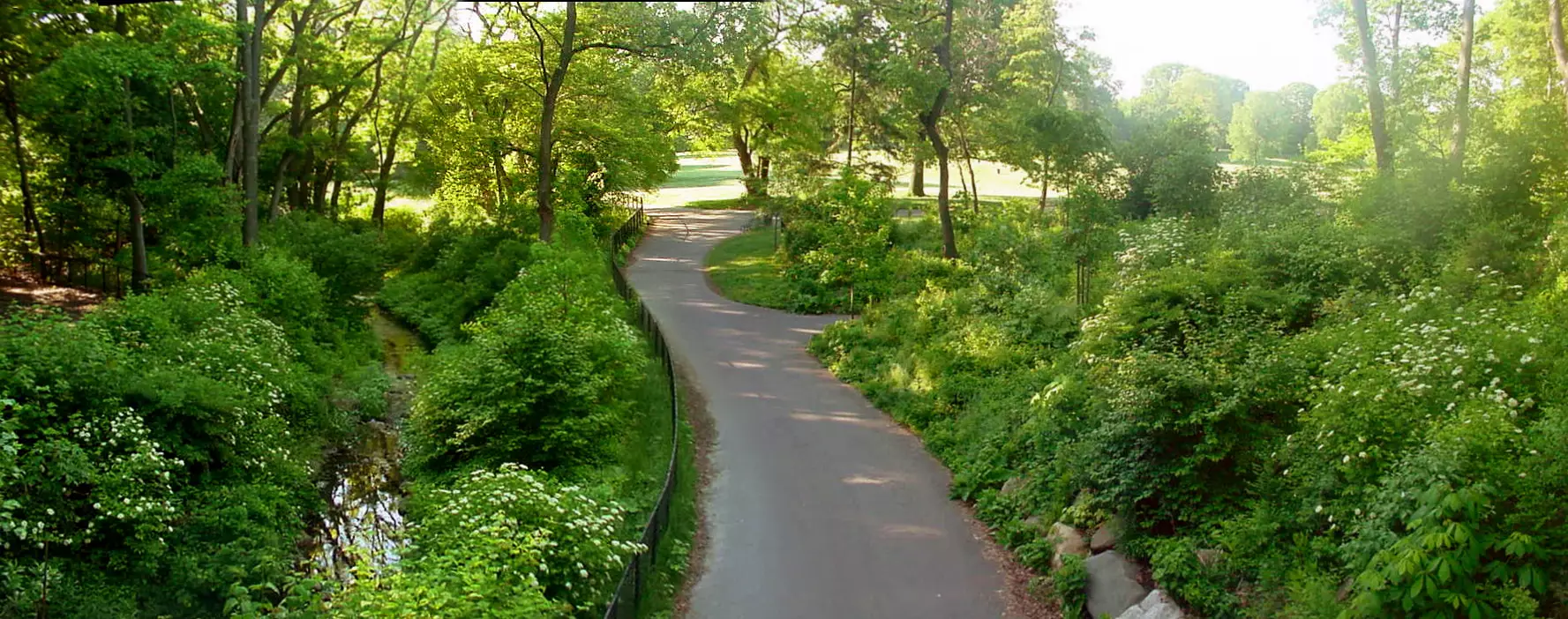
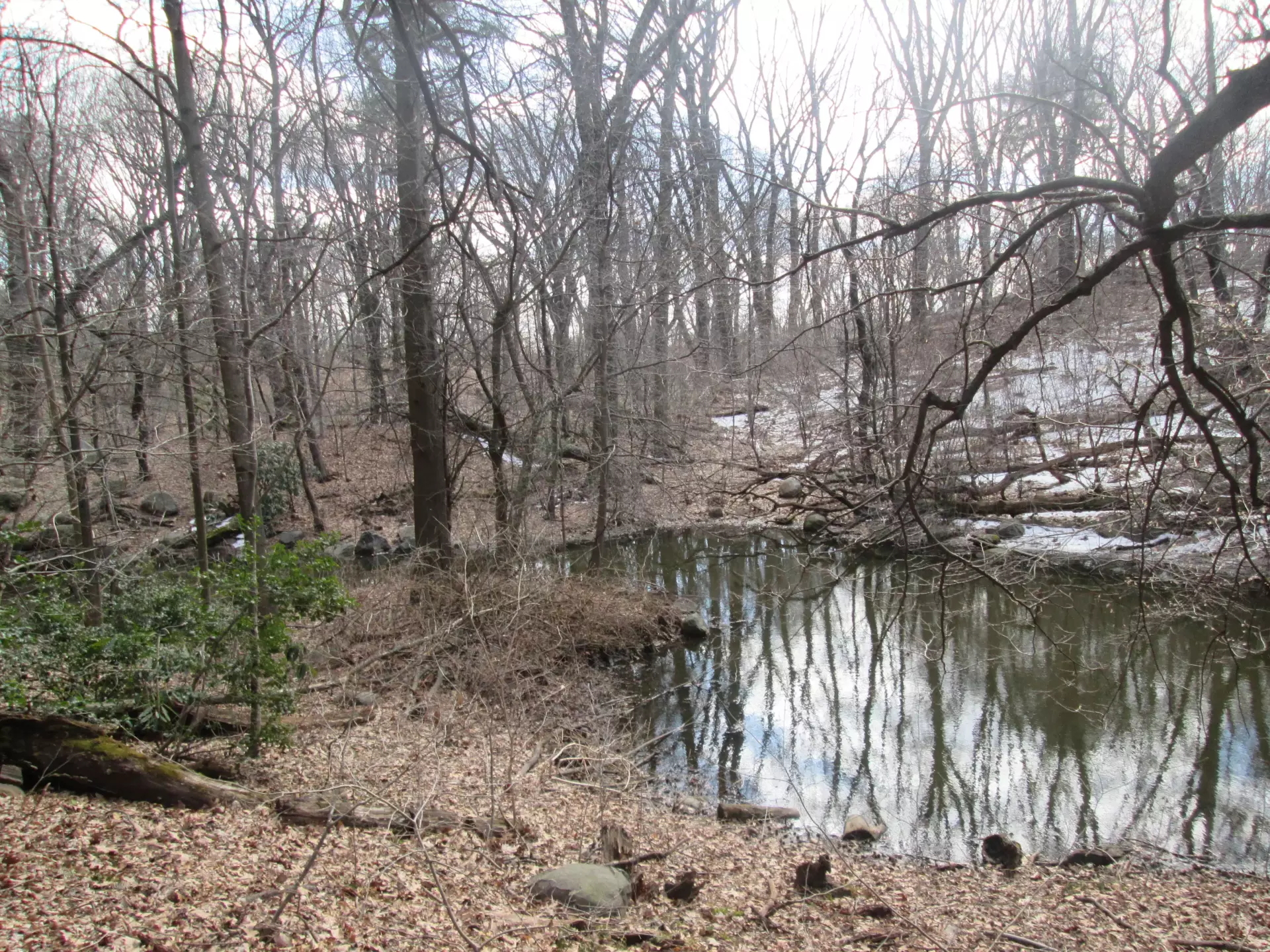
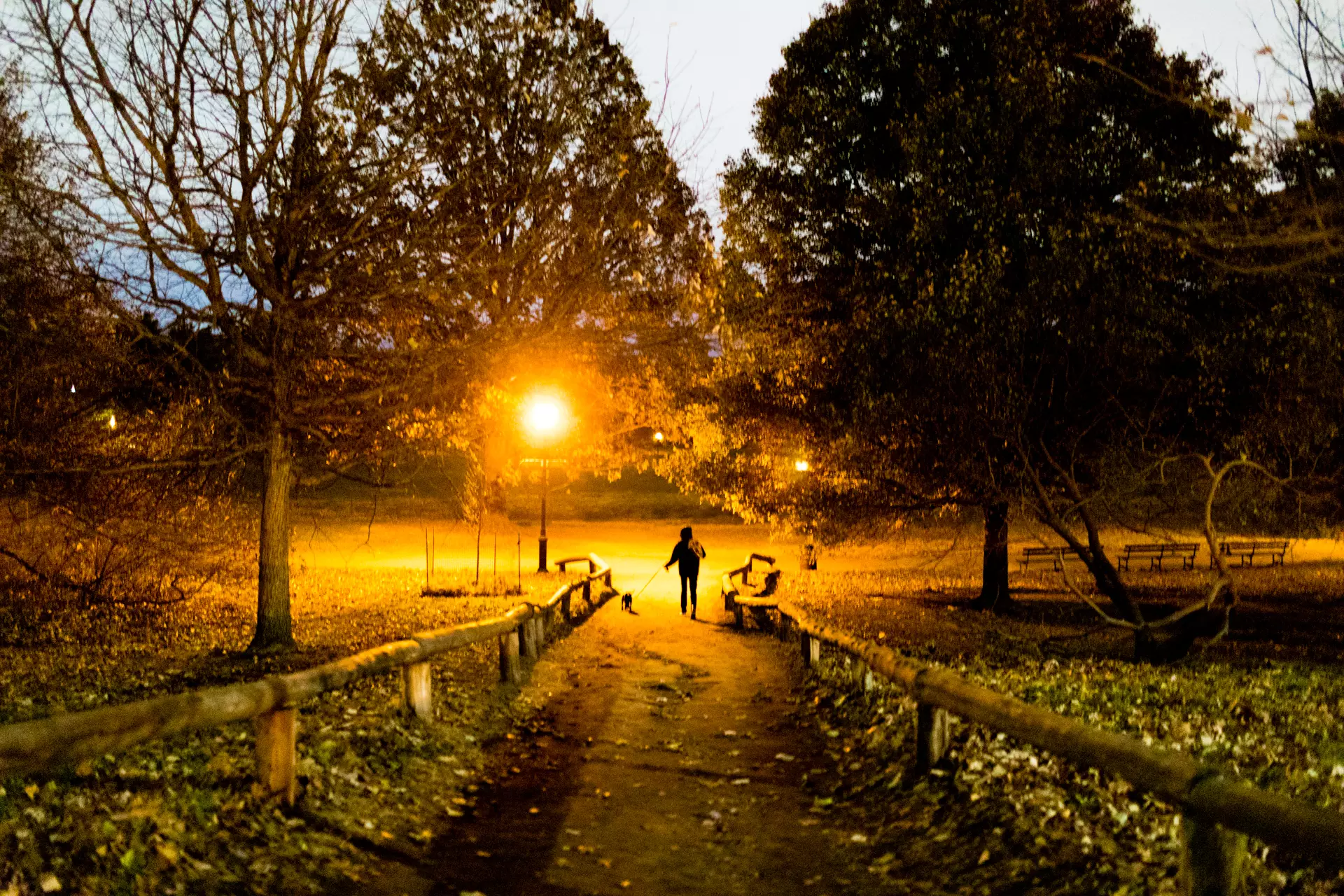
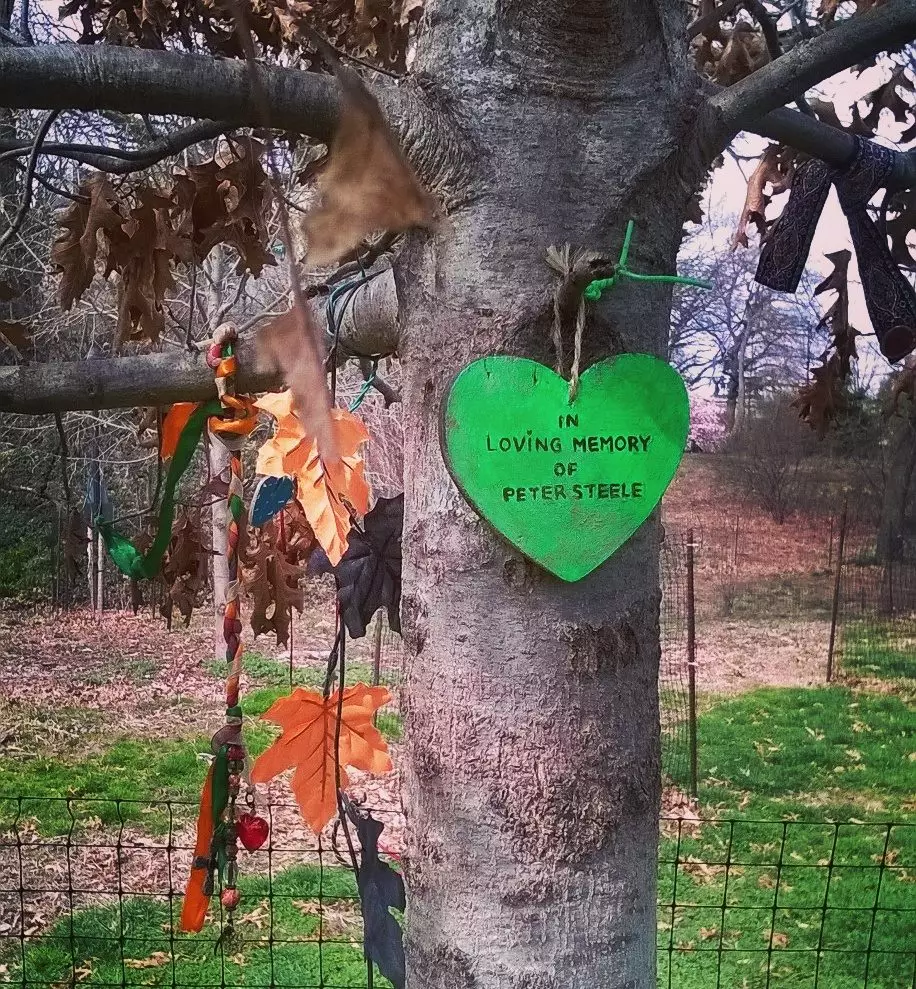
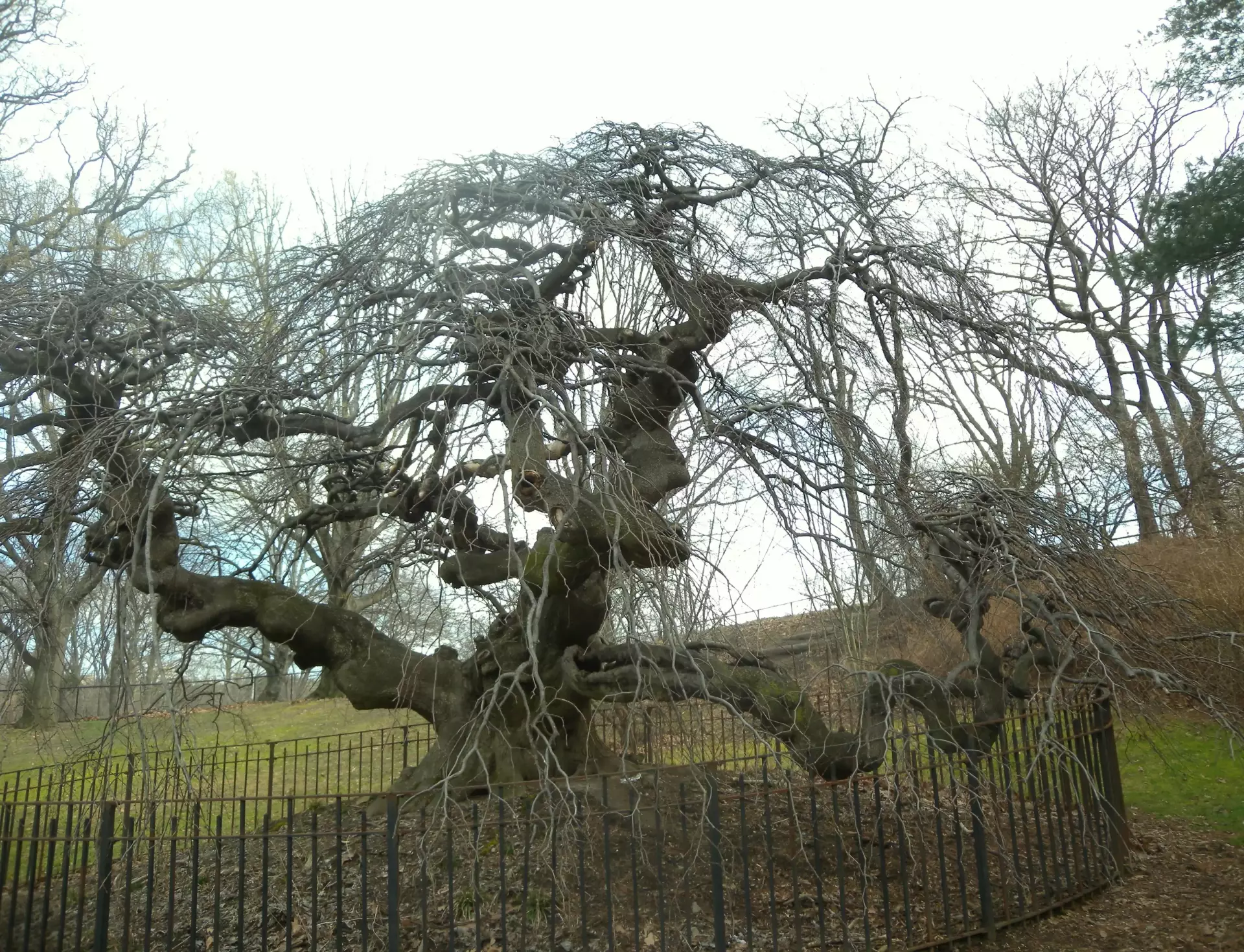

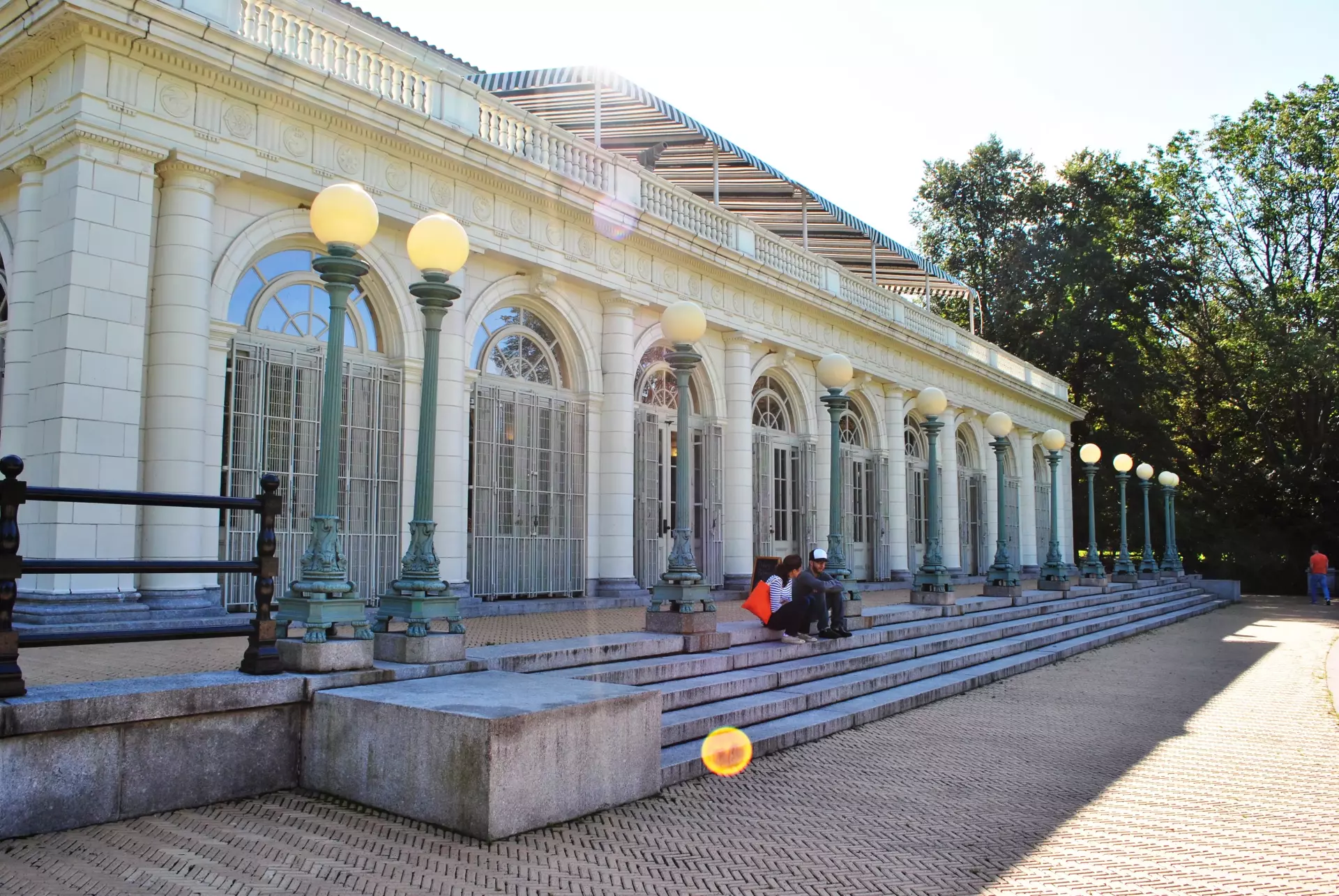
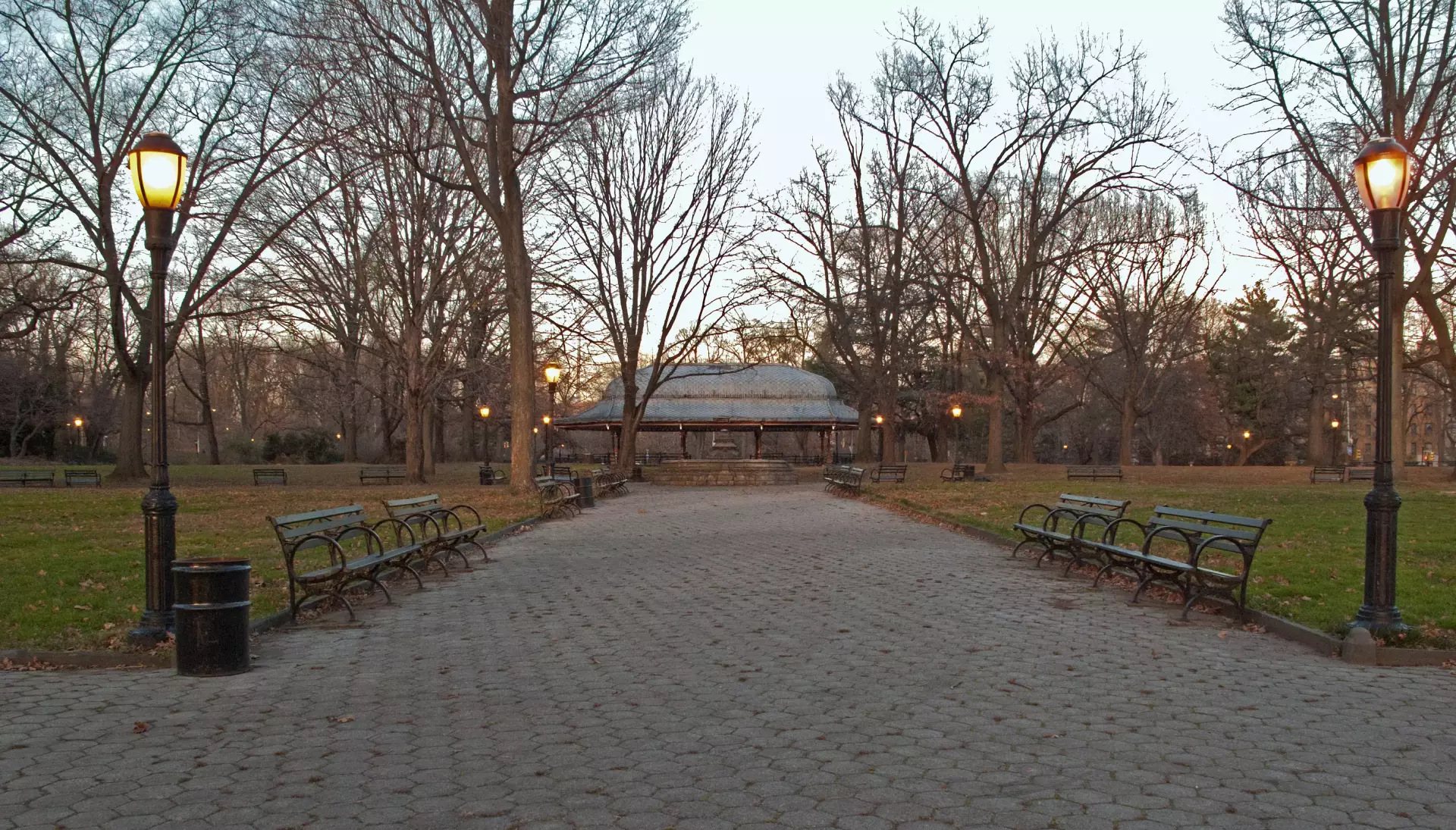
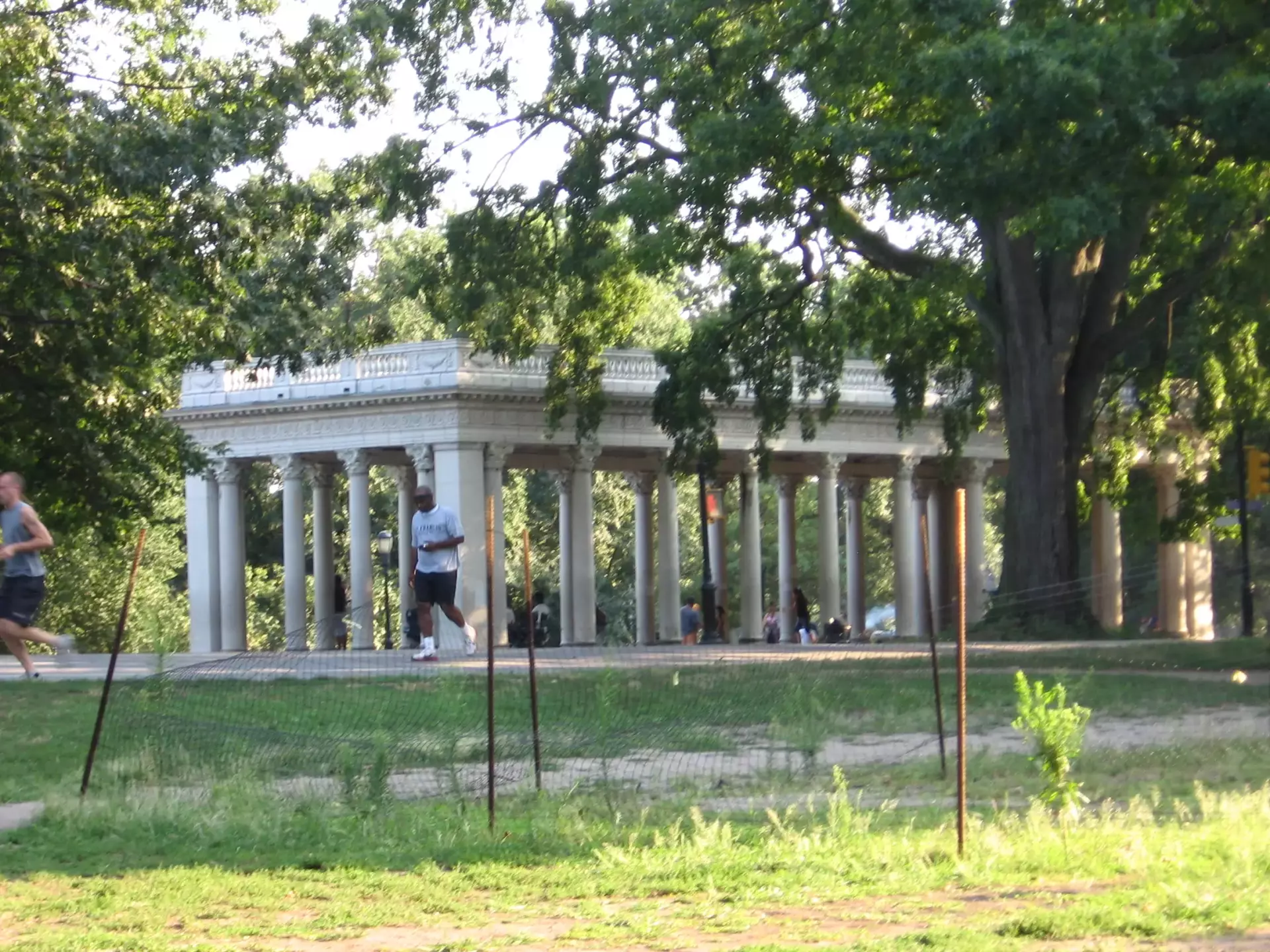
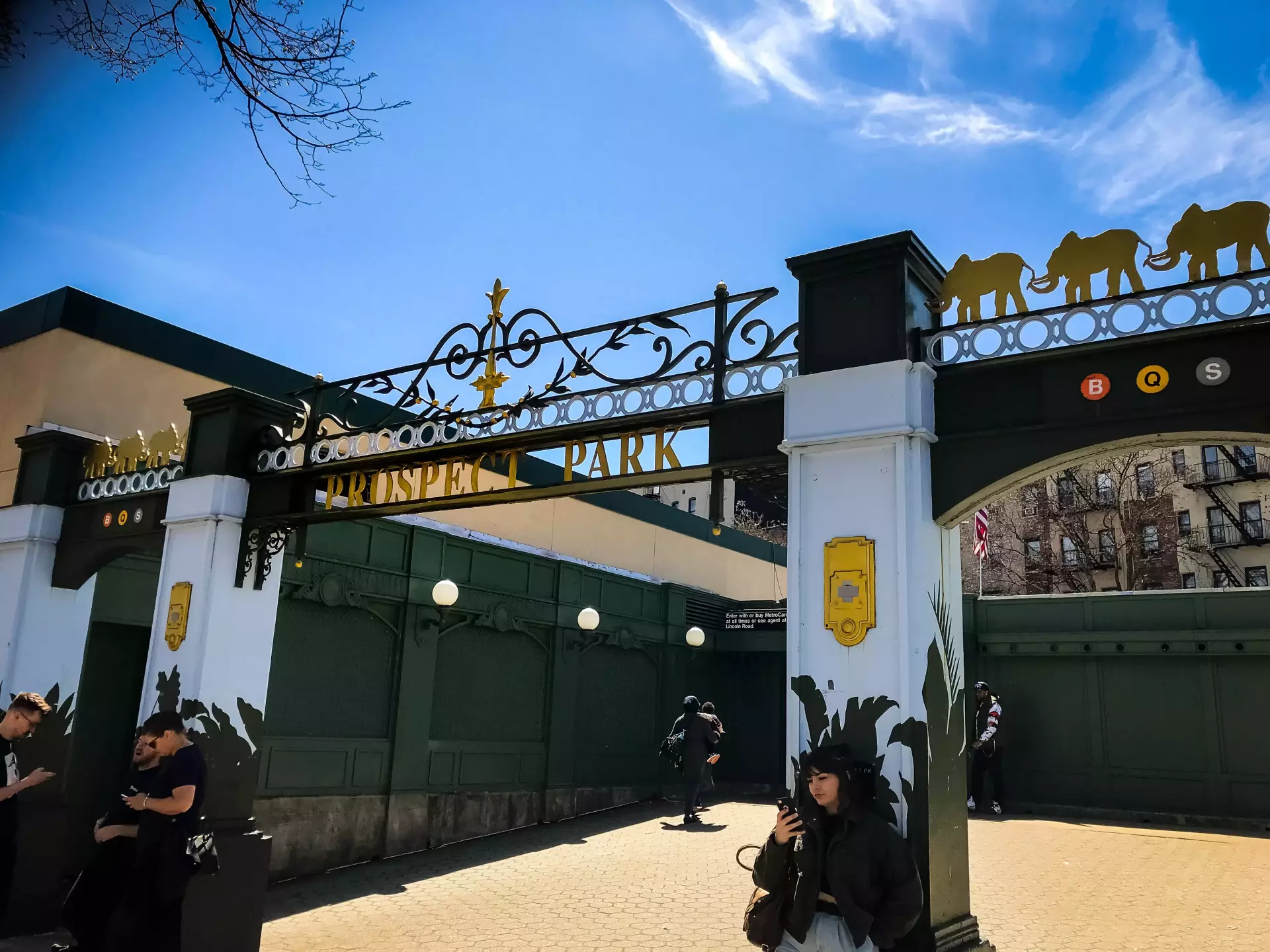
Prospect Park, designed by the renowned landscape architects Frederick Law Olmsted and Calvert Vaux, was established in 1867. These visionary designers are also credited with creating Manhattan's Central Park. Located in Brooklyn, this expansive and scenic park offers a serene escape from the city's hustle and bustle.
Source - https://en.wikipedia.org/wiki/Prospect_Park_(Brooklyn)
Get up close to over 200 lifelike wax figures of the biggest stars and icons in entertainment, sports and history.
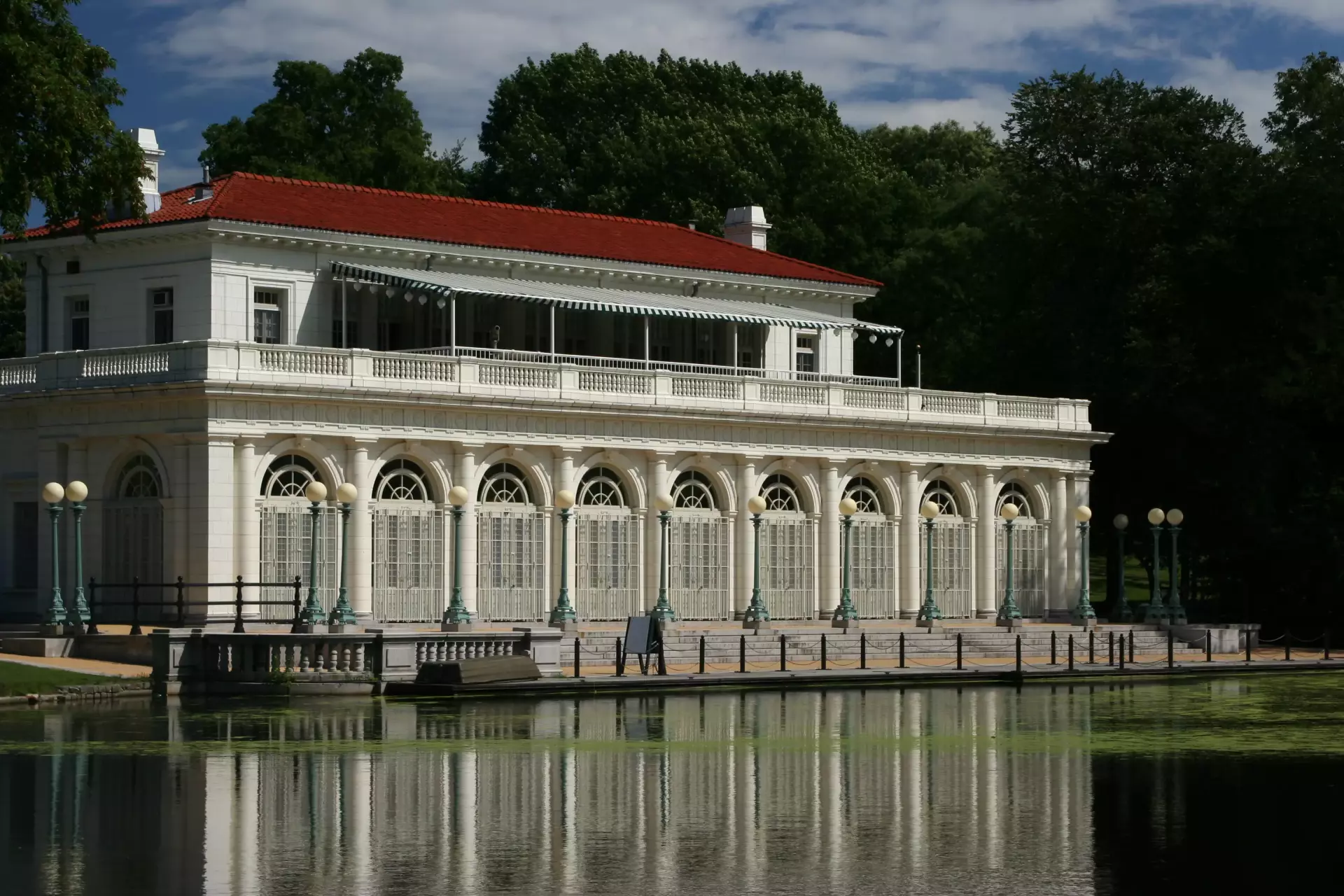
This 11 acre lake is one of Central Park's finest spots; surrounded by flowering trees and inhabited by several fish and turtle species.
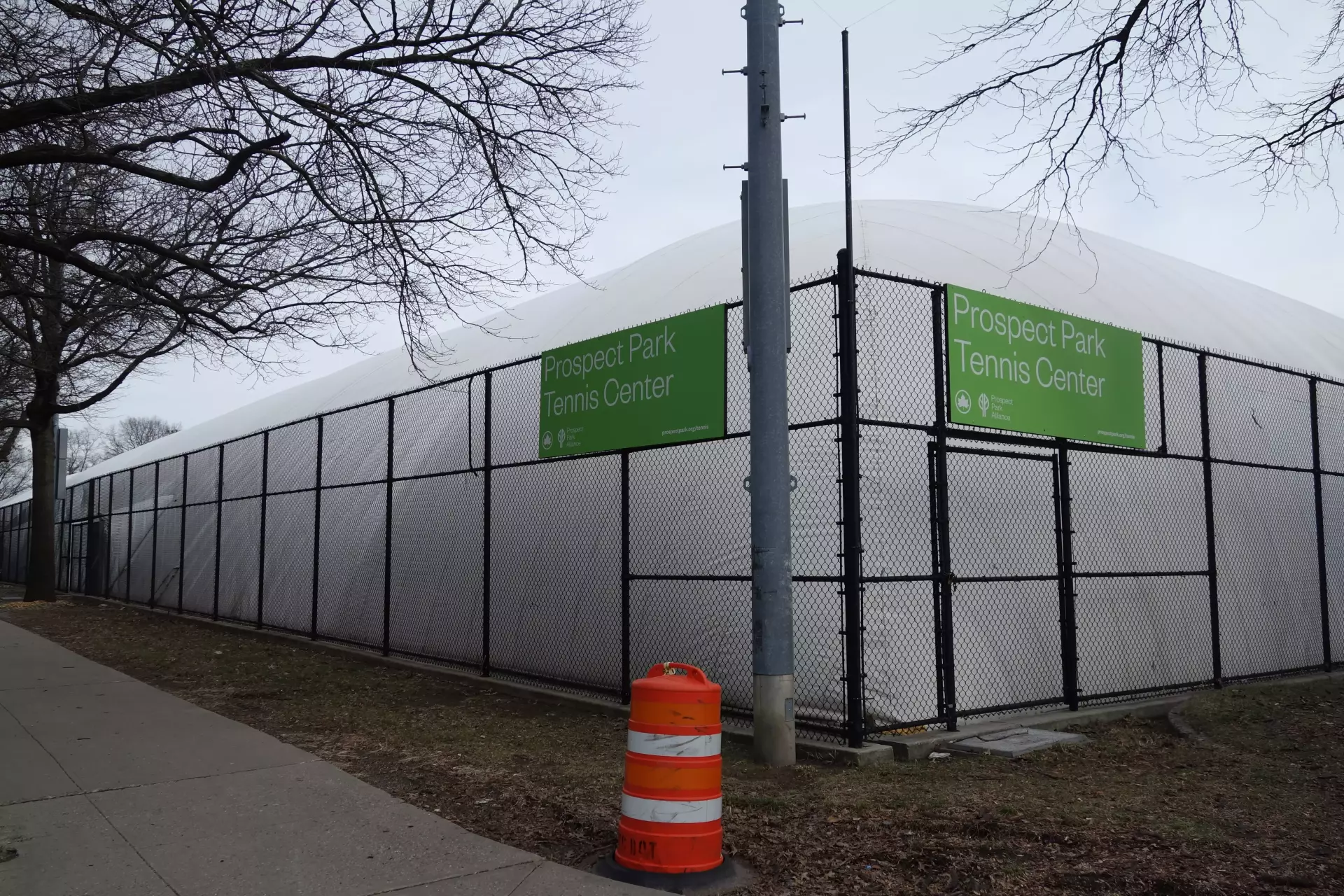
Home of the US Open and also the largest public tennis facility in the world. It features 3 stadium courts, 9 indoor courts, and 14 outdoor courts that are available to the public year-round.
One of Manhattan's favorite meeting points, the centerpiece of this Terrace is the Angel of the Waters fountain, dedicated in 1873 and an enduring icon of the park.
The former home of steel baron Henry Clay Frick, this sprawling mansion is filled with Frick's enormous personal art collection, displayed as he left it. It's worth a visit for the house alone, which is explained nicely in the audio tour. The collection is impressive, including works by Whistler, Corot, El Greco, Turner, Renoir and Rembrandt.
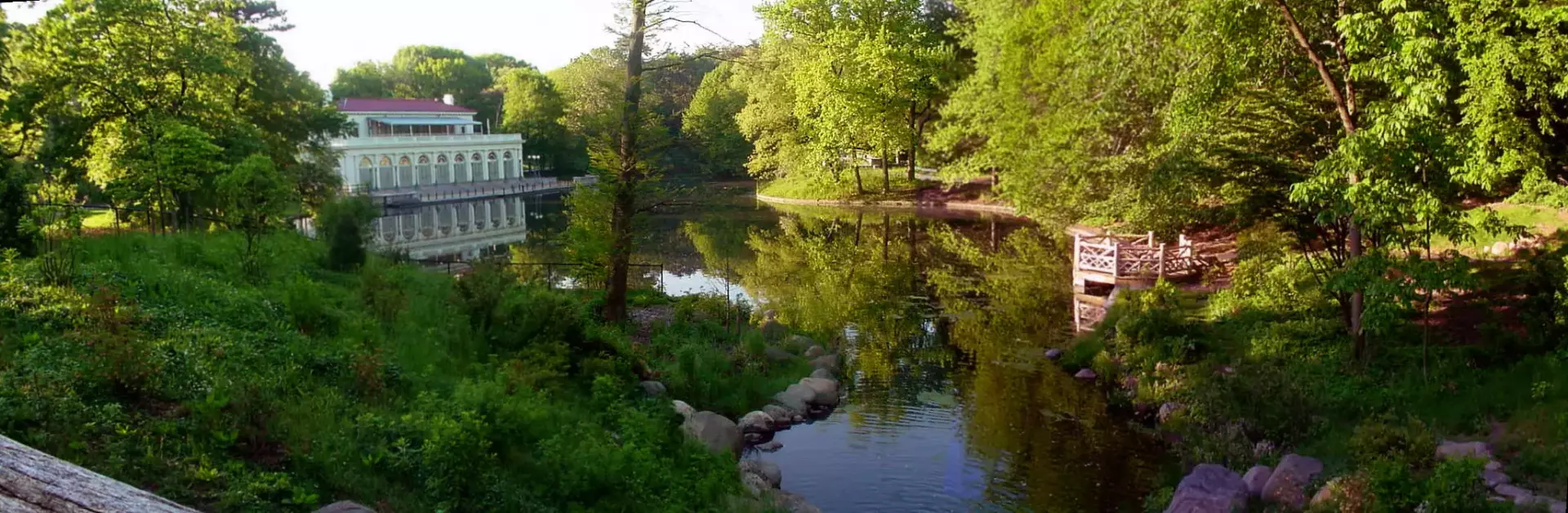
Near Grand Army Plaza, the Pond offers a tranquil setting just within the boundaries of the park. A rustic wood structure, "Cop Cot," overlooks the pond from an outcrop near the Sixth Avenue entrance.
A 2011 addition to the Lower Manhattan skyline, this 76-story residential skyscraper by the noted Frank Gehry has a distinctive rippled, "wavy" facade that is quite eye-catching. It is best viewed from City Hall Park and the Brooklyn Bridge.
A spacious green lawn that was originally home to a herd of sheep, which grazed in the meadow and tended to in their nearby pen - a Victorian style building which today is the Tavern on the Green restaurant (see Eat below).
Probably the most famous of the Guggenheim foundations (others found in Bilbao and Venice), which hold avant-garde modern art by artists such as Kandinsky and Mondrian, the New York branch is housed in a unique and famous building designed by Frank Lloyd Wright and rendered in a rounded, organic form and completed in 1959. Be sure to take the elevator to the top floor, then follow the spiral viewing floors downwards to the street level. One of eight buildings by Wright to be listed as a world heritage site.
The One World Trade Center skyscraper rises 1,776 feet above the street and is the tallest building in the United States (and for that matter, the Western Hemisphere). Despite its colossal size, its simple design allows it to blend remarkably well into the Lower Manhattan skyline. An observation deck on the top floors offers 360-degree views of the city.
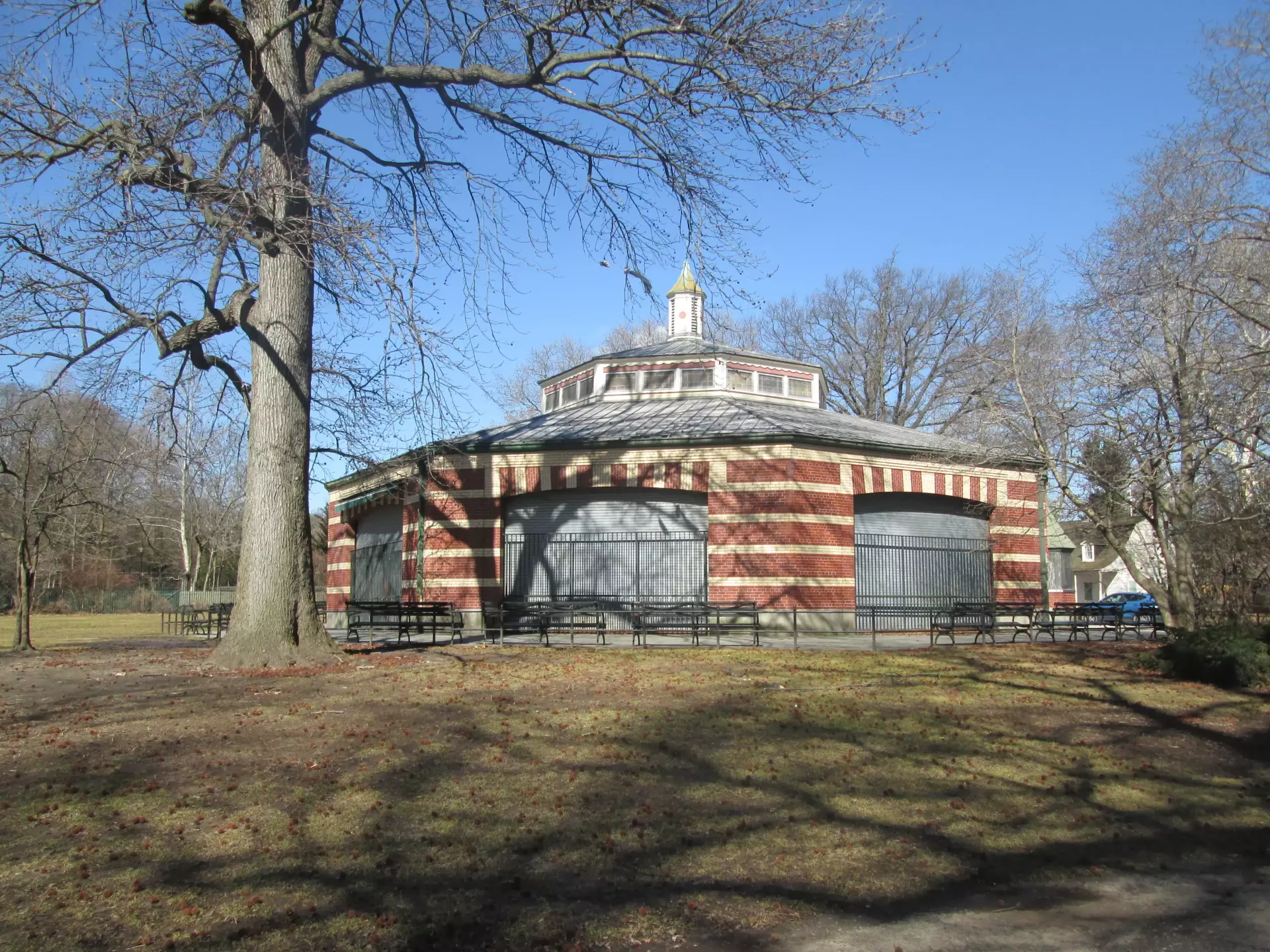
A vintage carousel built in 1908 and situated on this spot since the 1950s, it's the fourth carousel to inhabit this location and is beautifully painted.
American woman Jacques Marchais had a dream of traveling to Tibet. While she never made it, her extensive collection of Tibetan artifacts was made into a museum in 1947. The museum now holds over 120 pieces of beautiful Tibetan art. The museum's authenticity was praised by the Dalai Lama.
The historic building with the distinctive, iconic twin towers and a star-studded housing cooperative board. Built in 1930 in a vaguely Art Deco style to the design of Emery Roth, the San Remo actually has two separate addresses, lobbies and sets of shafts, each for a half of the building topped with a tower.
Containing artifacts spanning 4,000 years of art and Jewish culture, with a collection of 26,000 objects – paintings, sculpture, works on paper, photographs, archaeological artifacts, ceremonial objects and broadcast media. The museum also hosts the annual SummerNights concert series and the annual New York Jewish Film Festival.
Rather large, interesting museum with all kinds of documentation of events in the 400-year history of this city and delightful artifacts of life in earlier periods, such as the extensive collection of 19th-century dollhouses complete with miniature furniture.
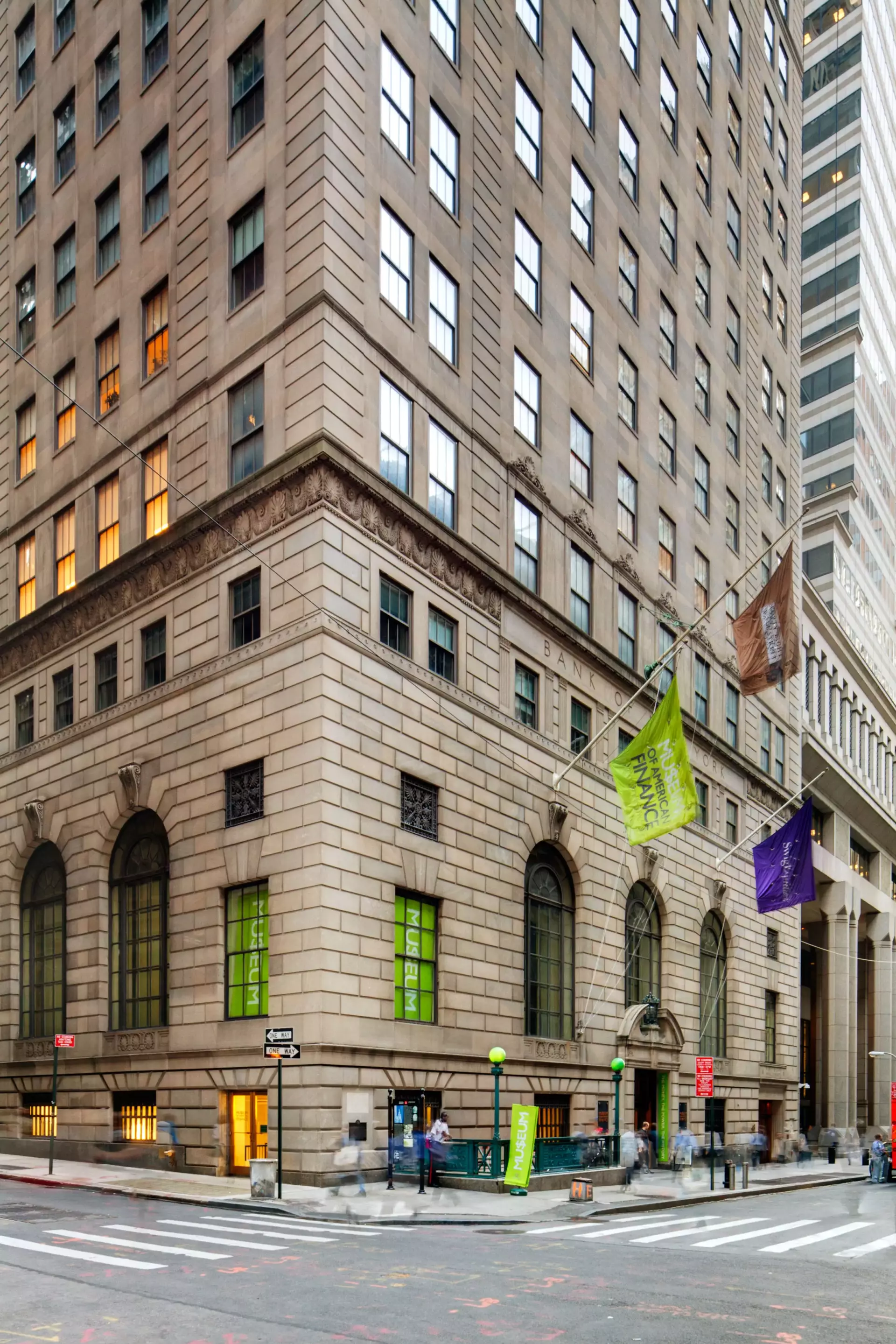
A small park at the foot of Broadway which is the oldest public park in the city and is the site of the Charging Bull sculpture created after the 1987 stock market crash. Bowling Green is also the origin point for the Broadway ticker-tape parades; if you walk up Broadway, you can view plaques in the sidewalk honoring the people or events celebrated in these parades.
A museum dedicated to folk & self-taught artists.