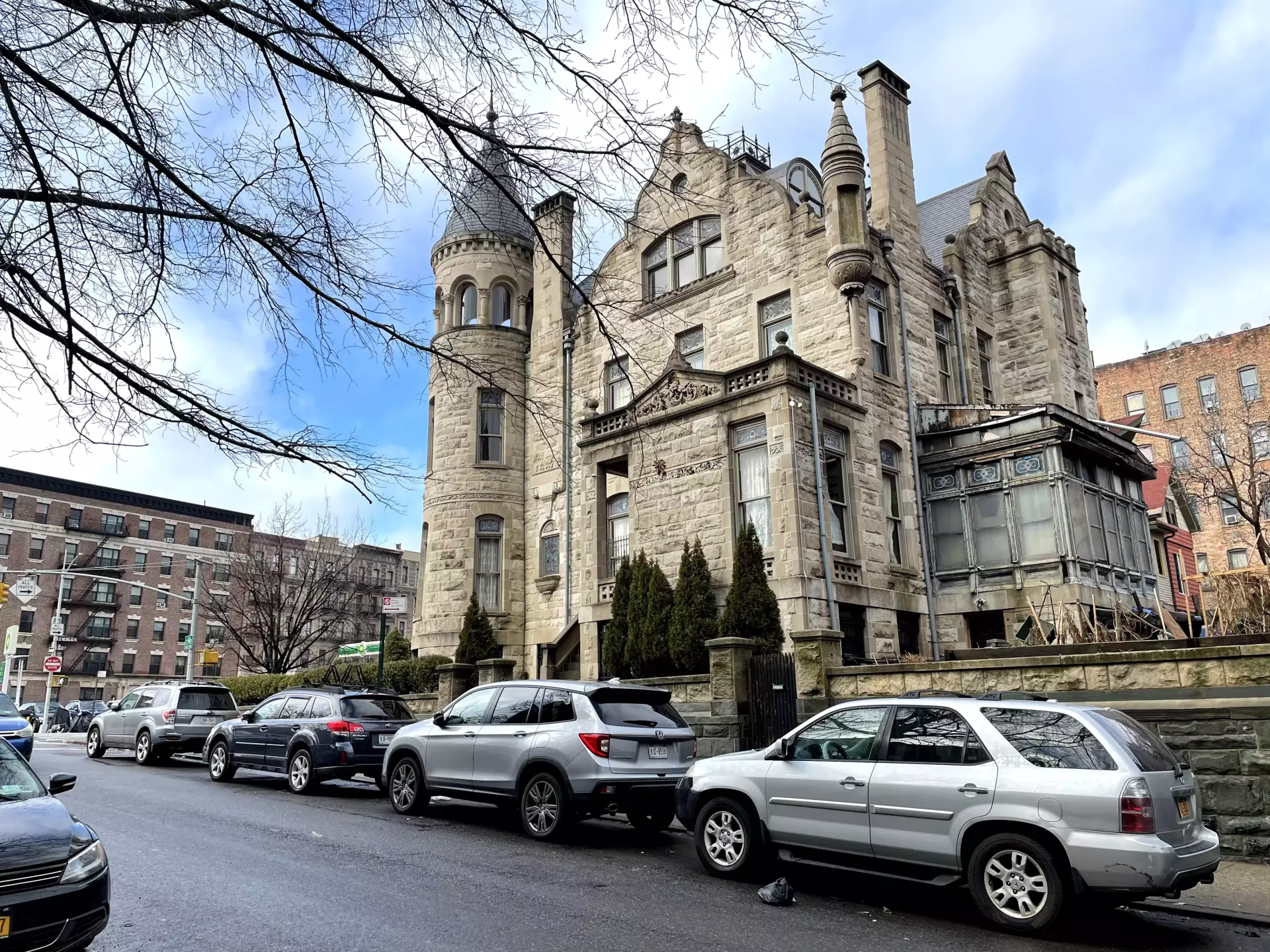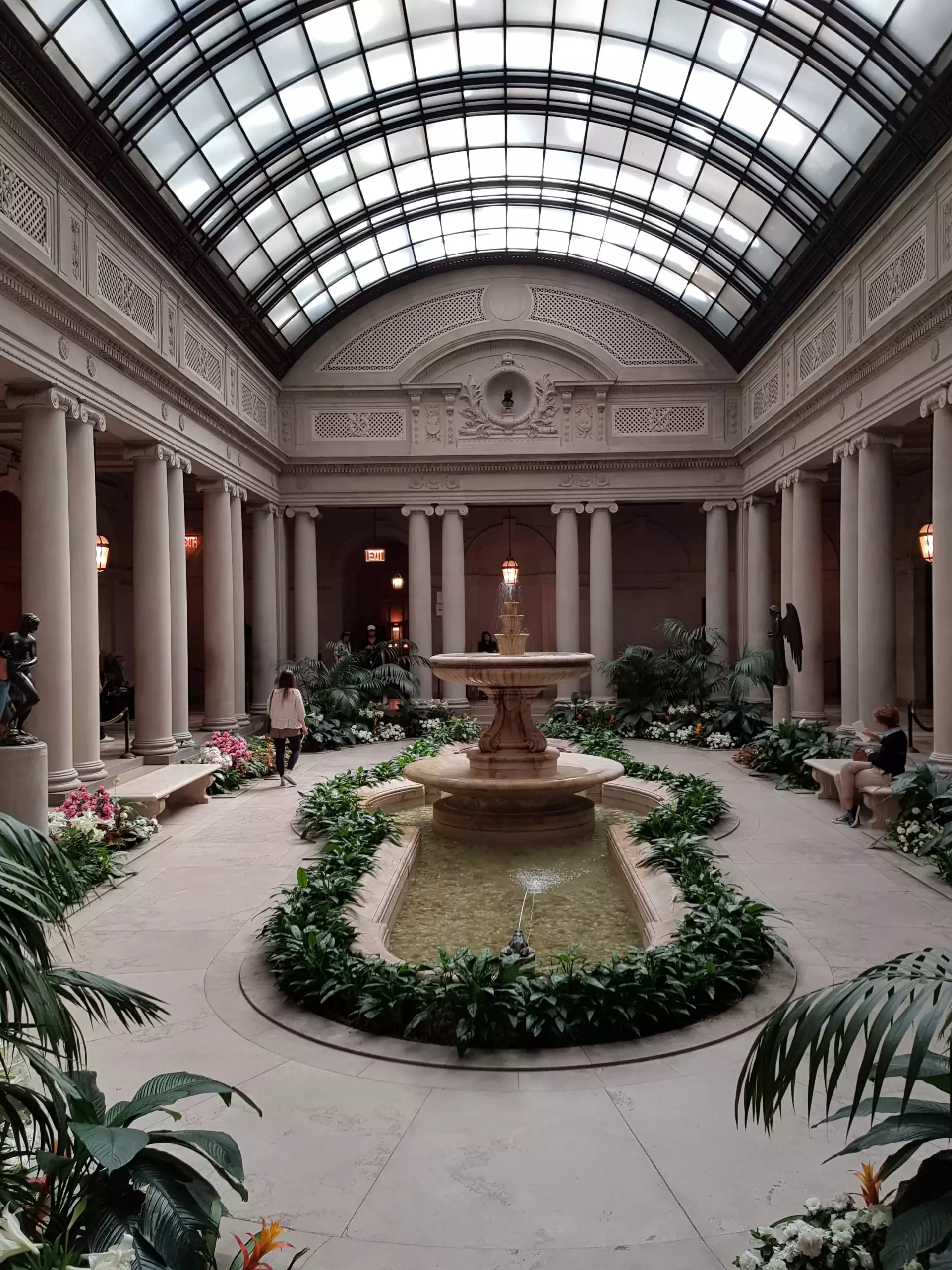
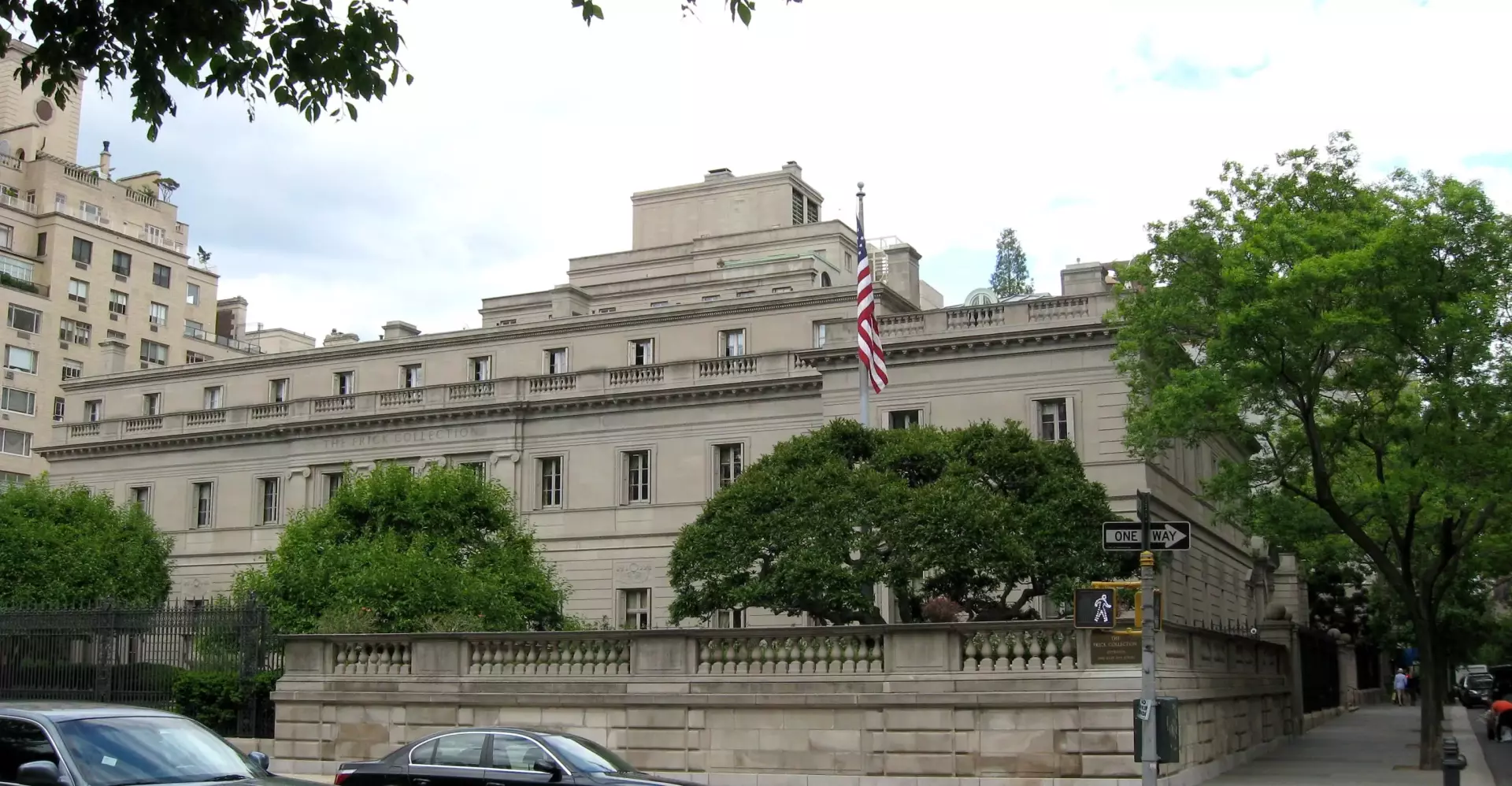
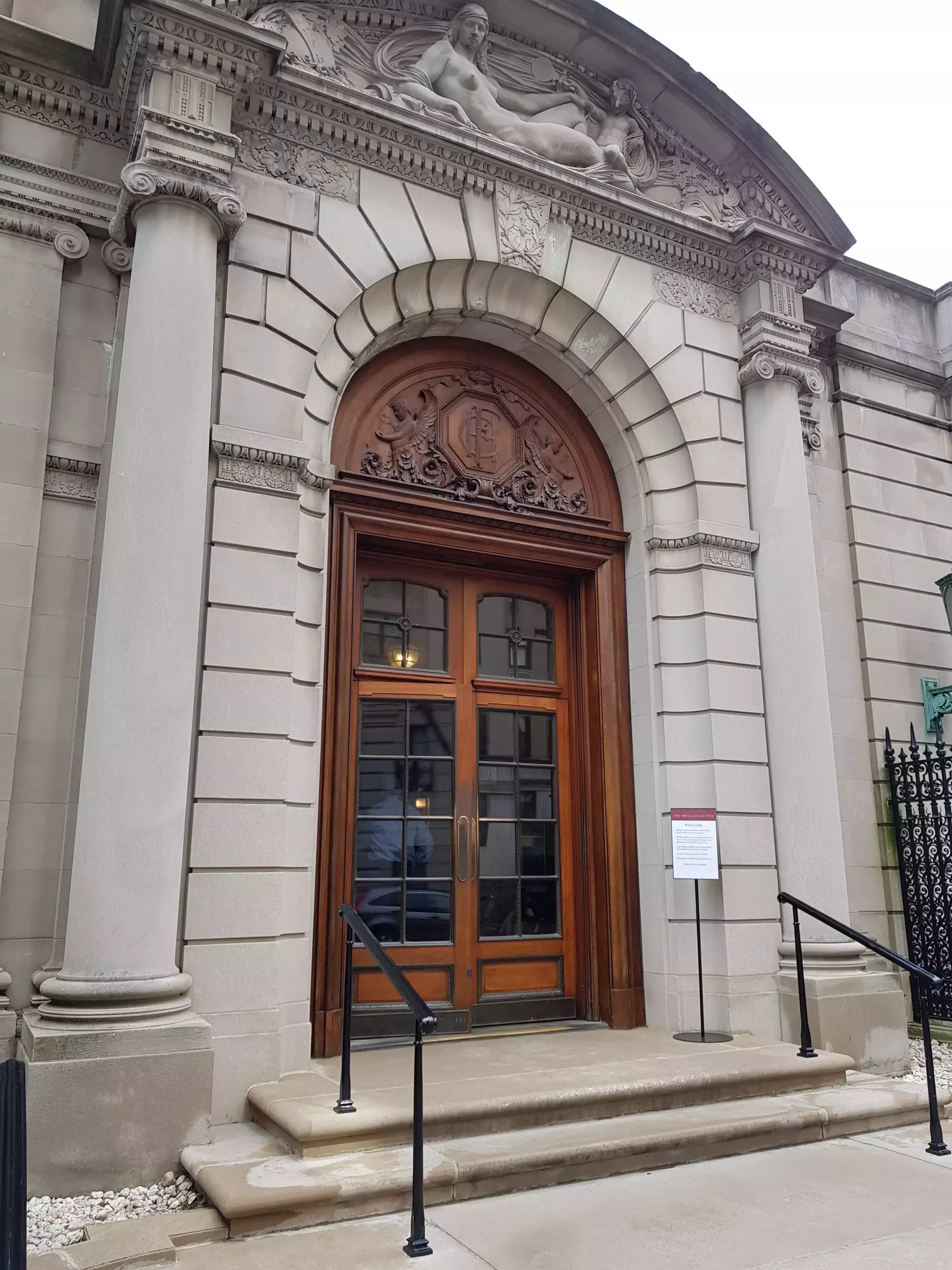
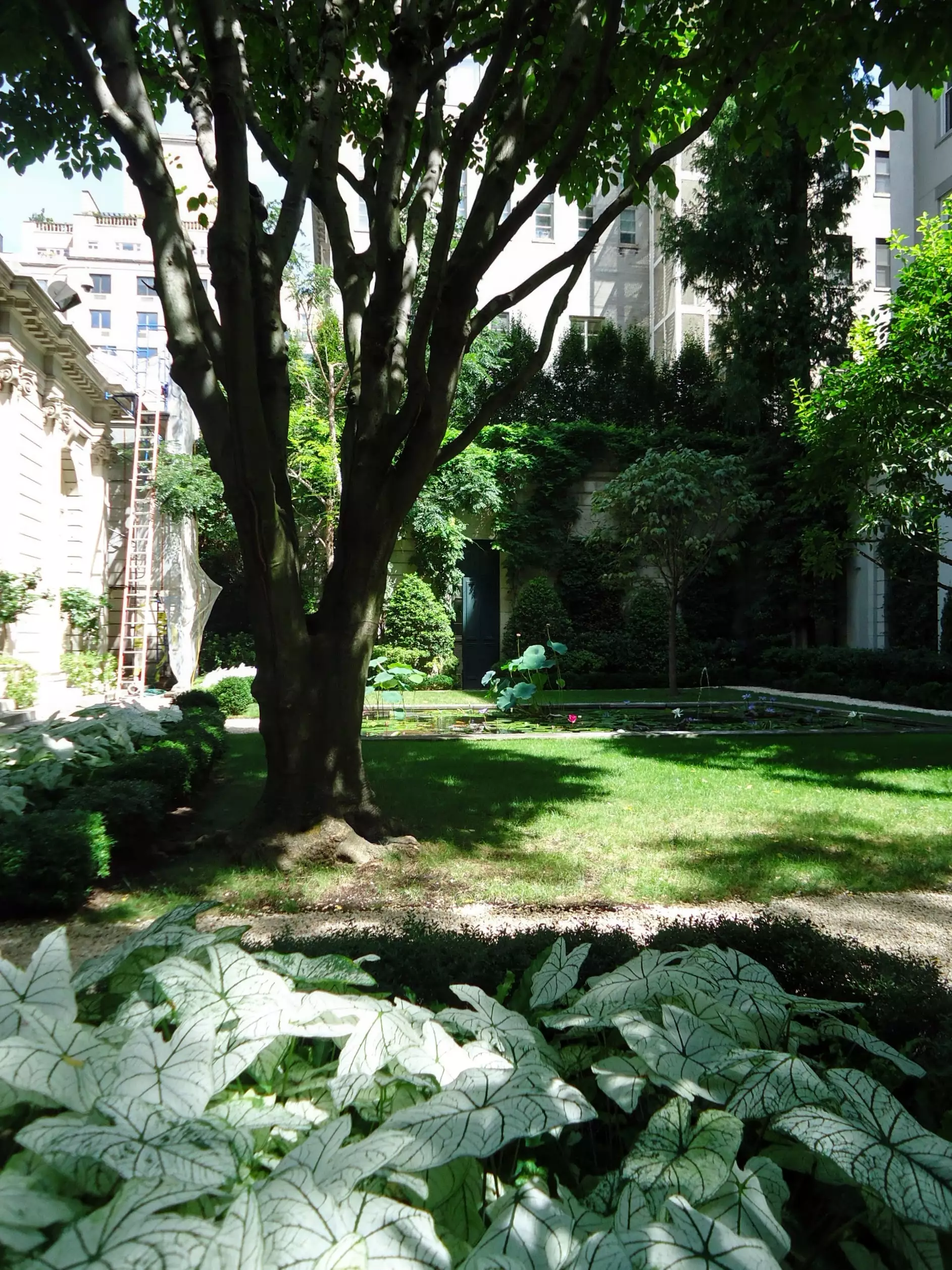
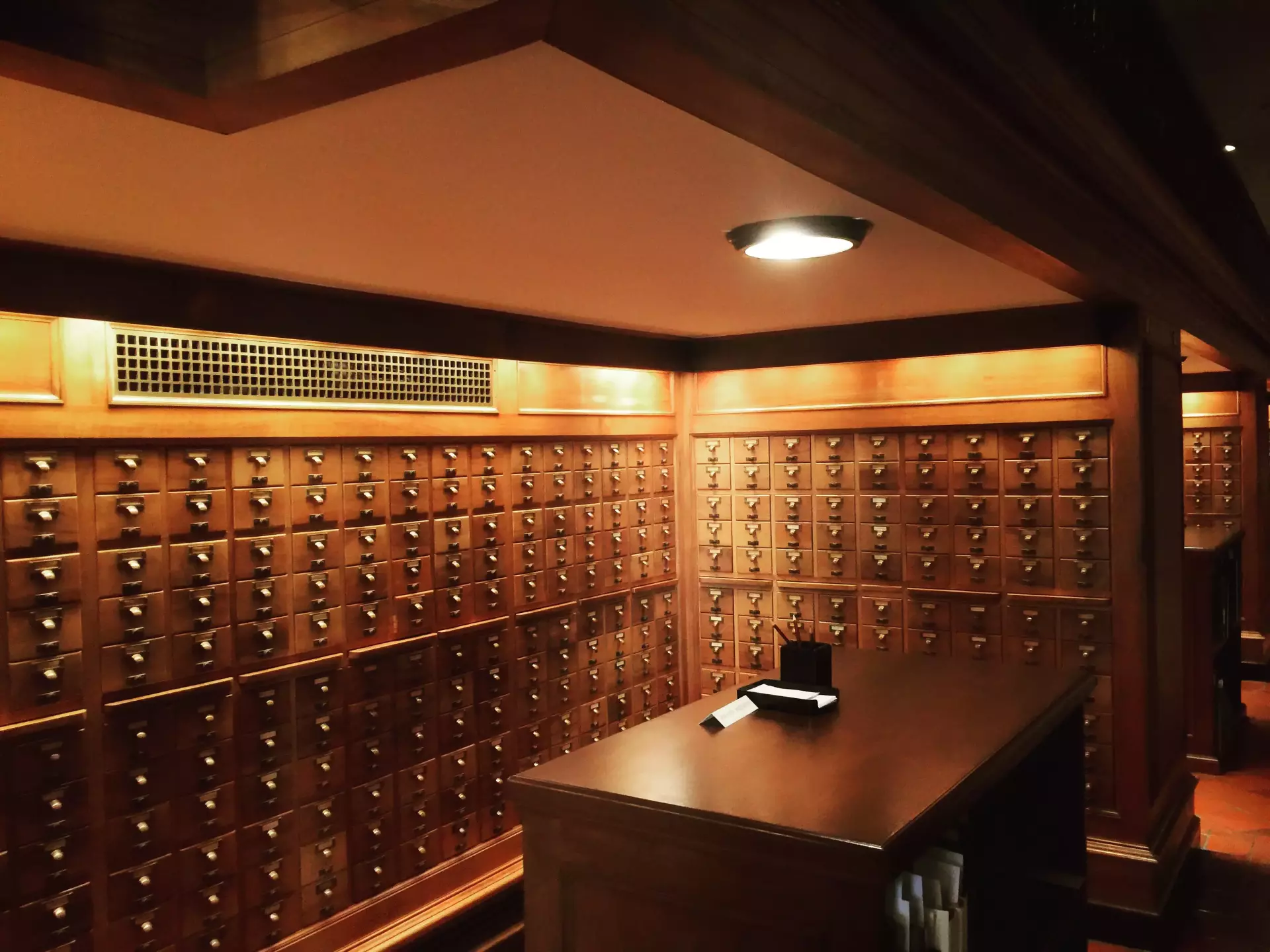
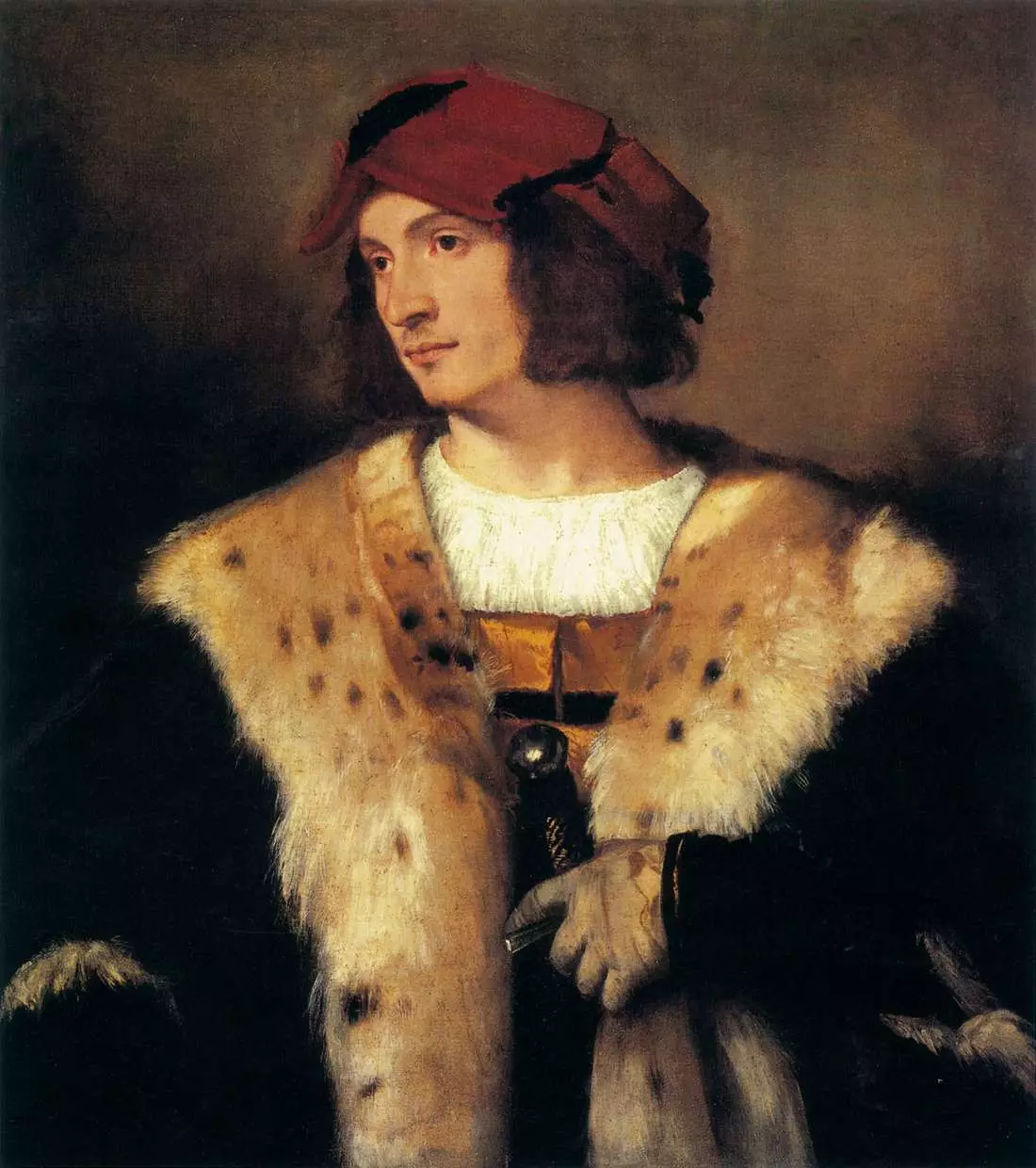
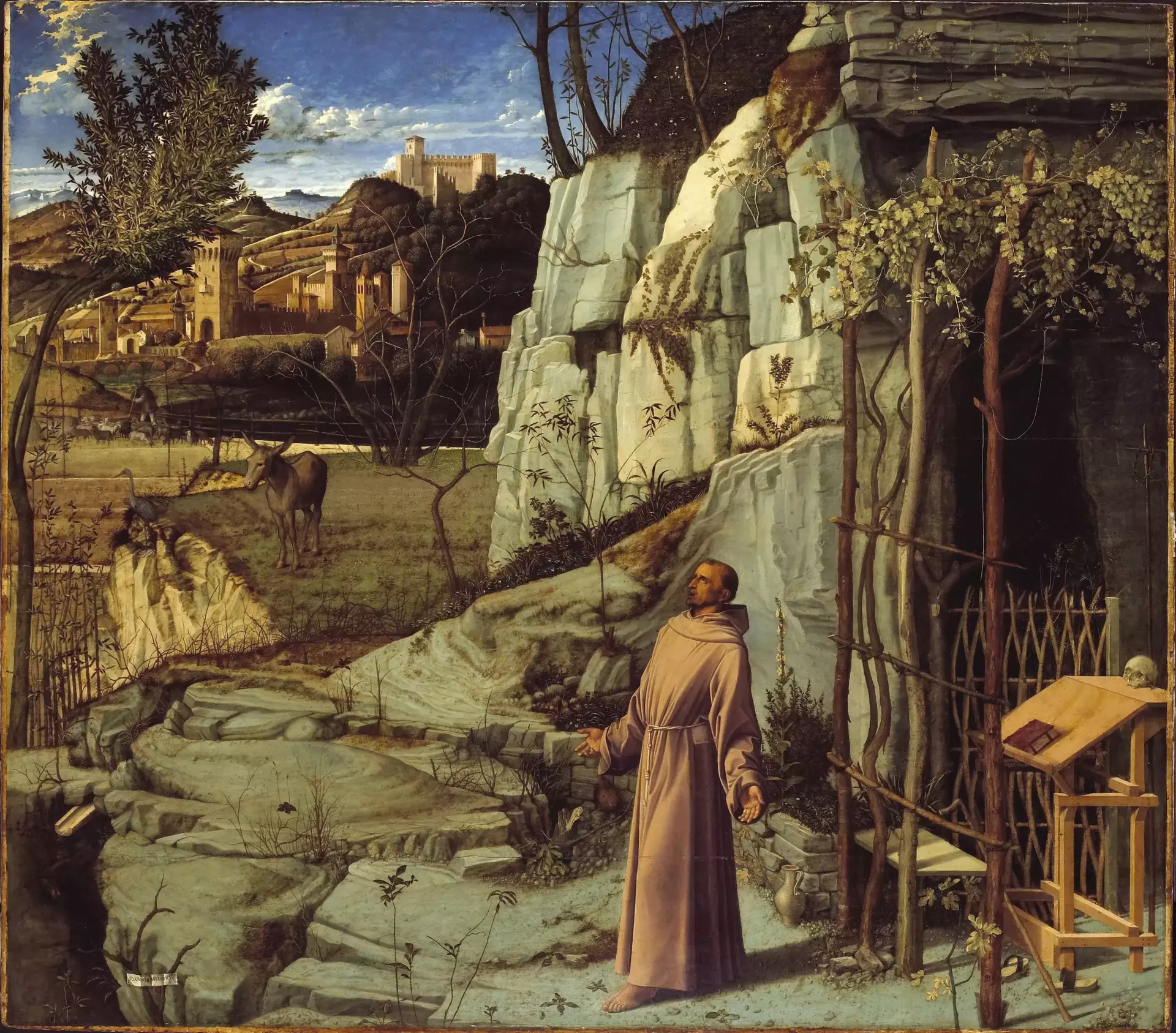
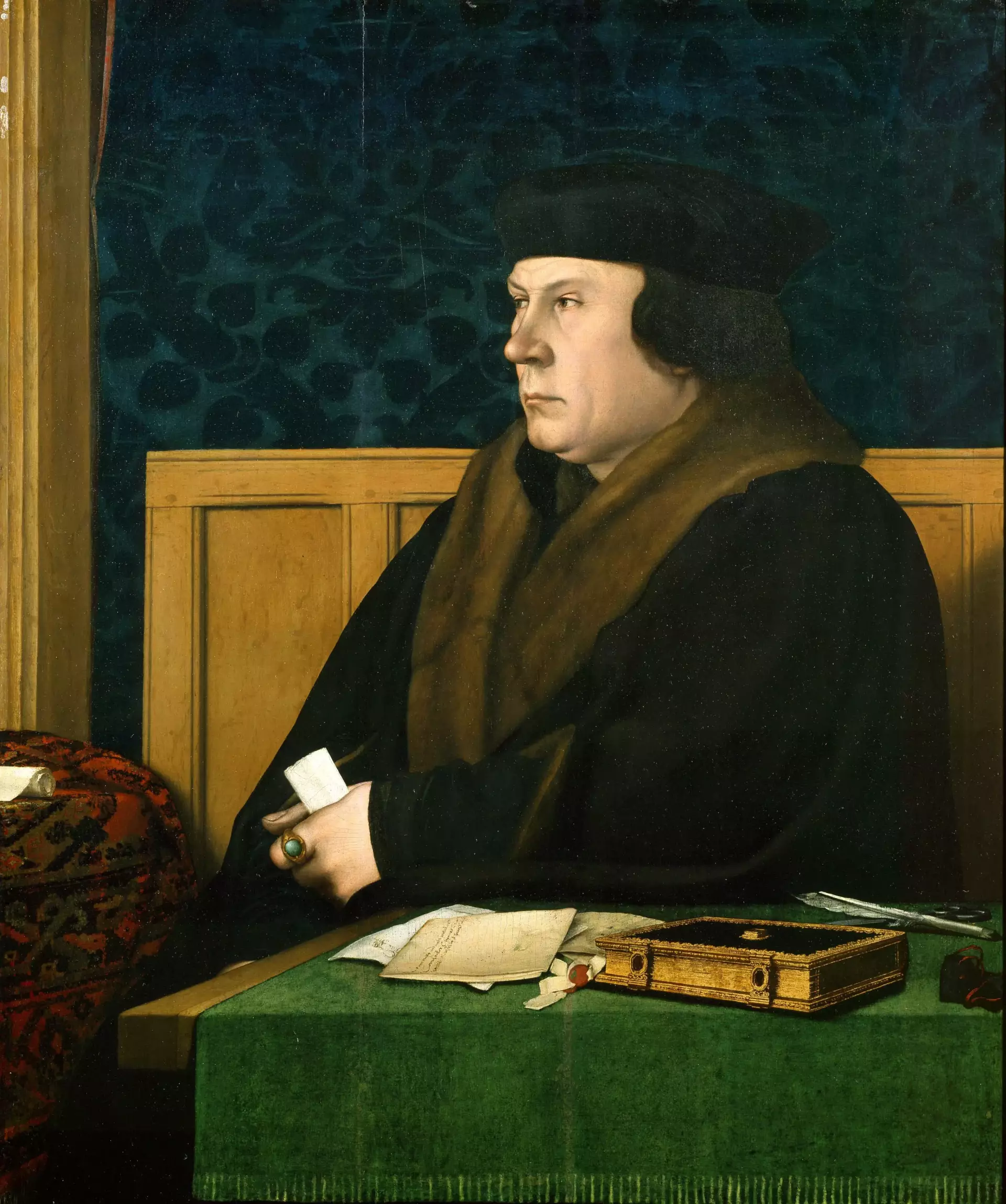
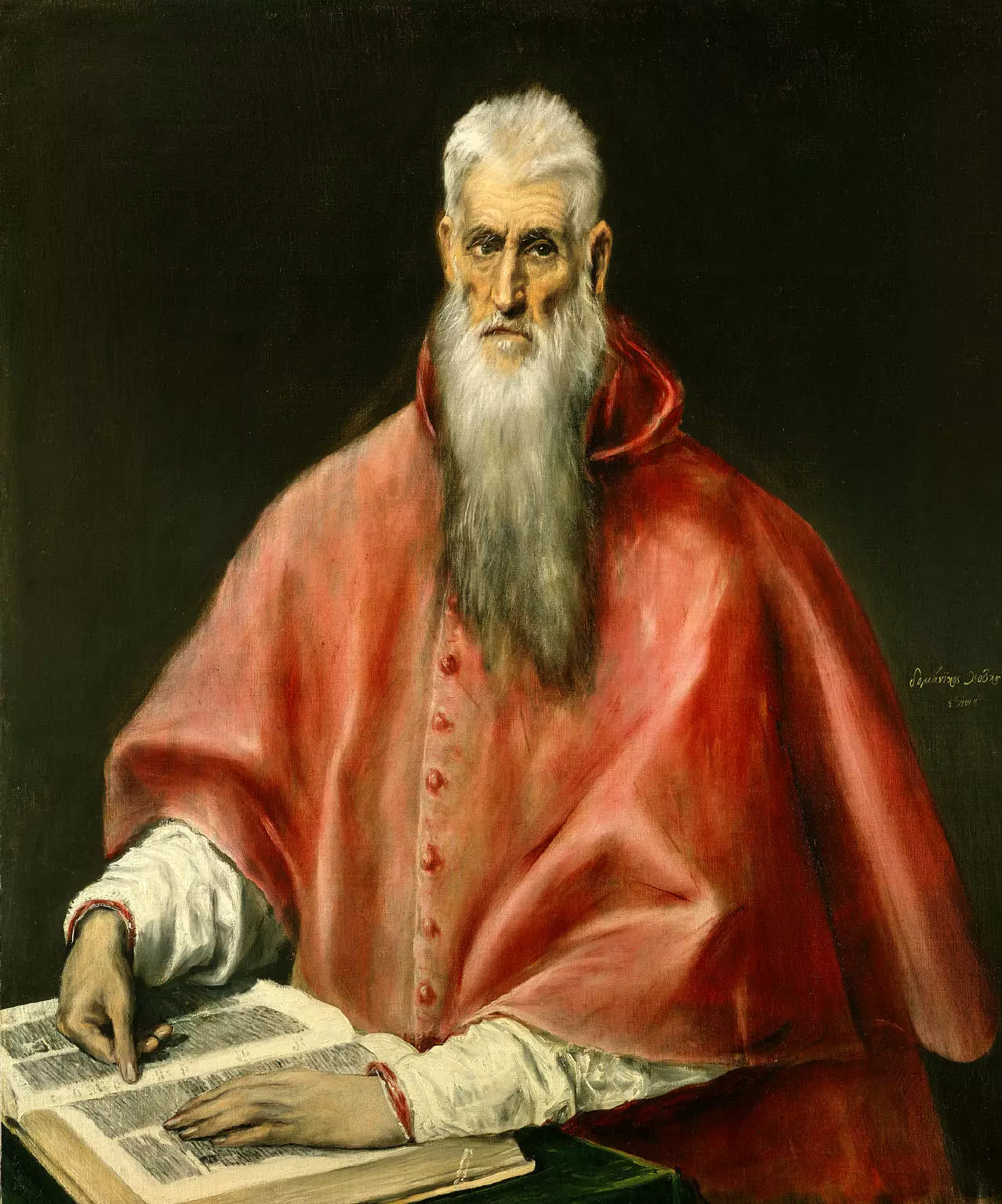
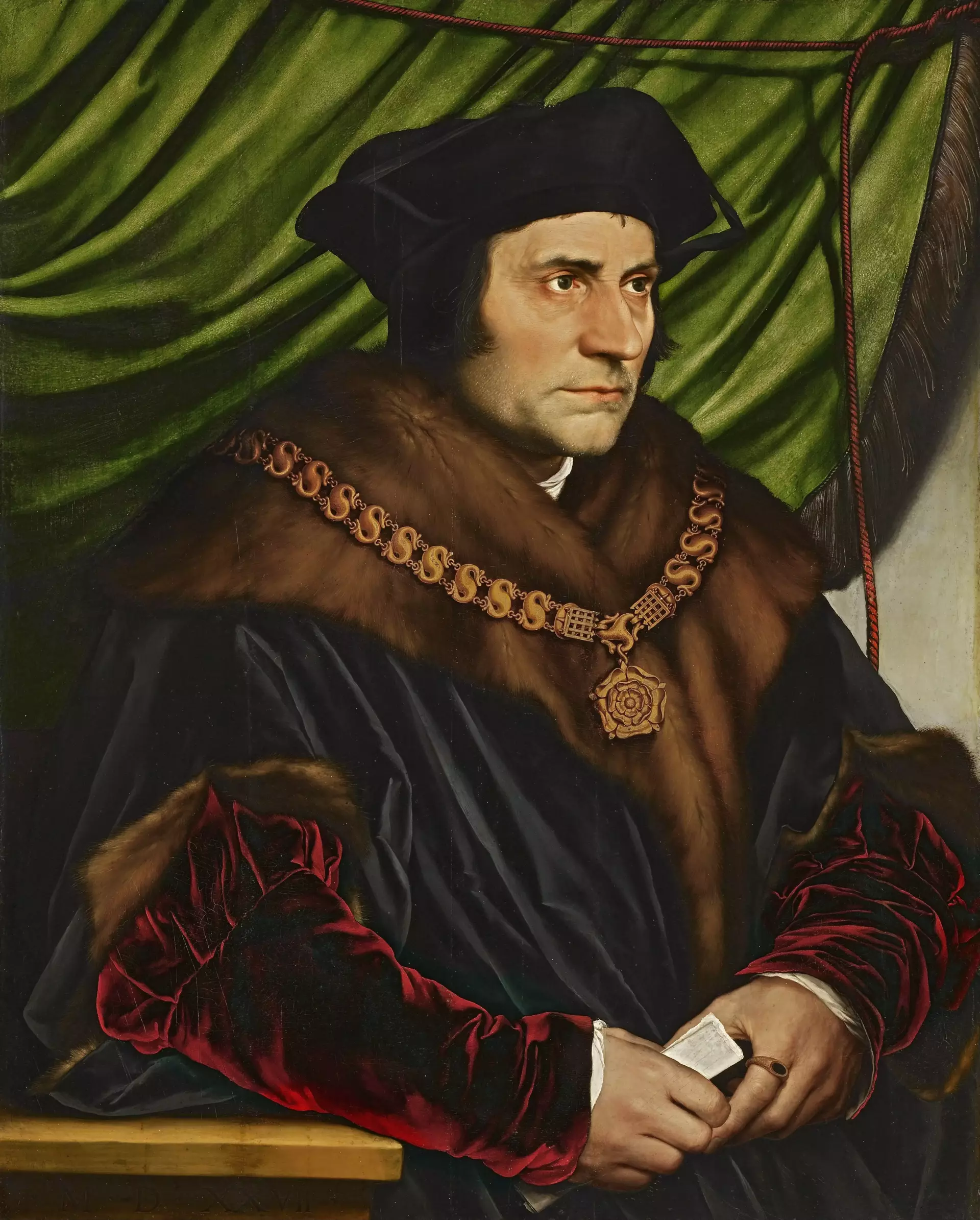
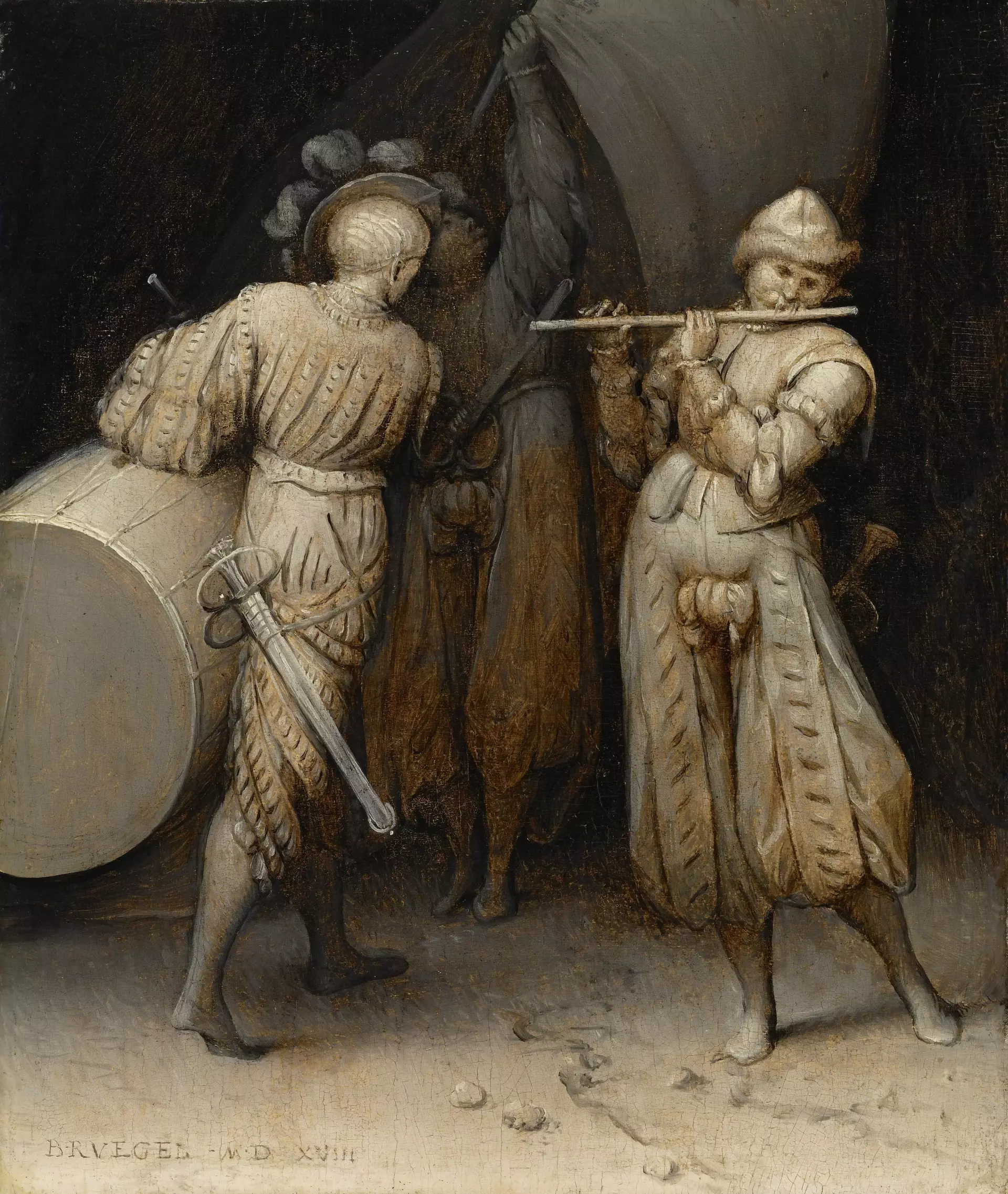
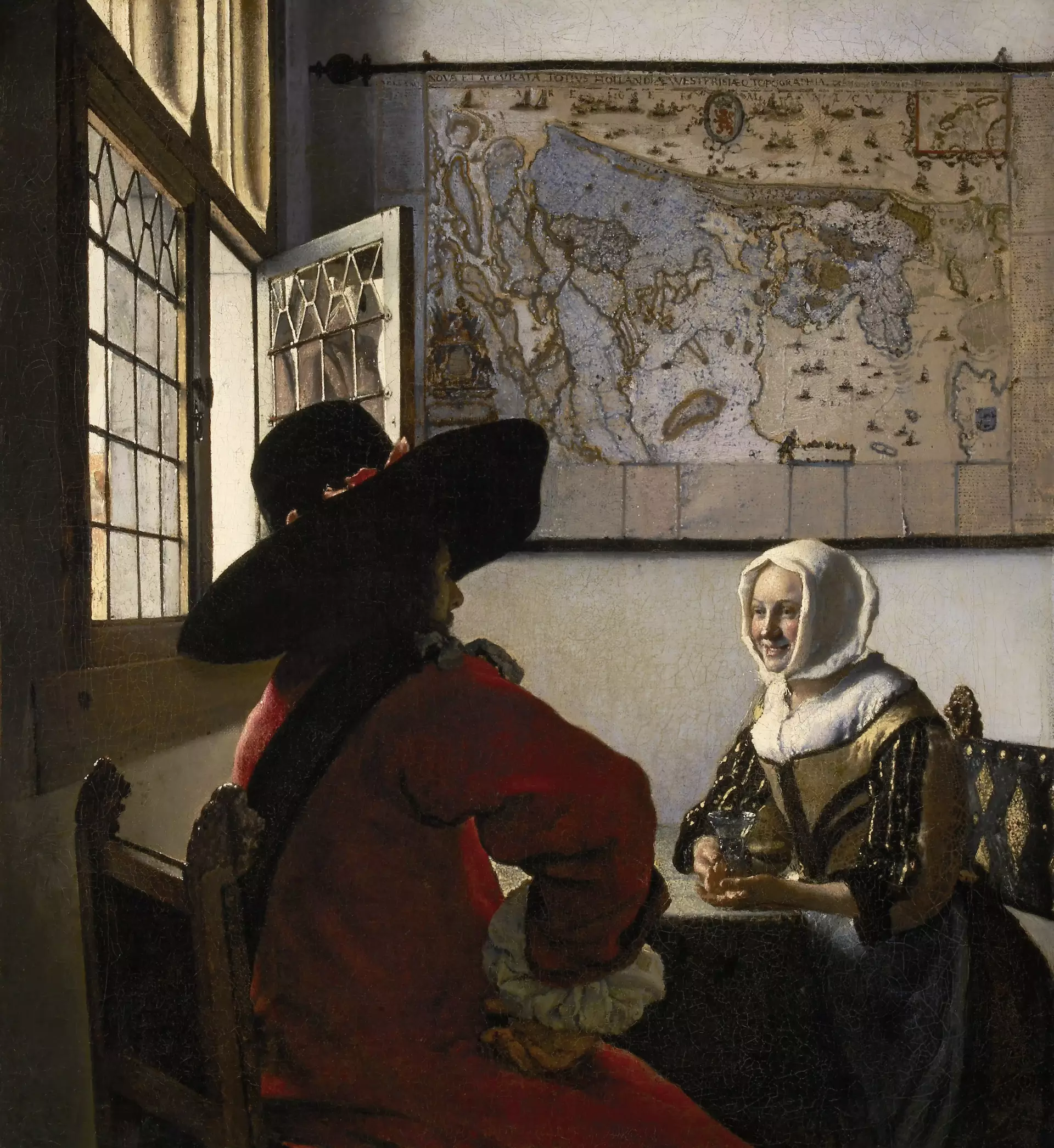
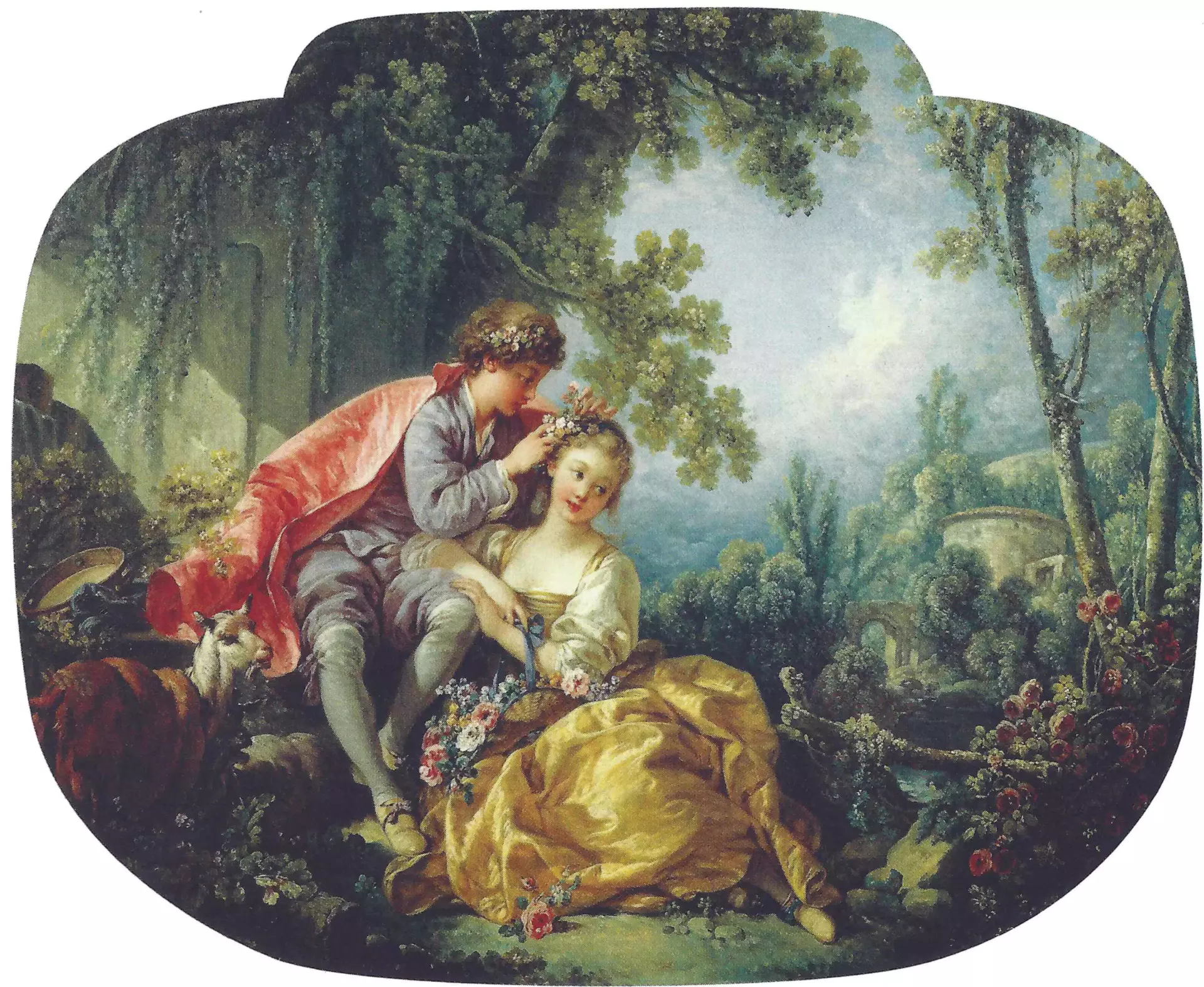

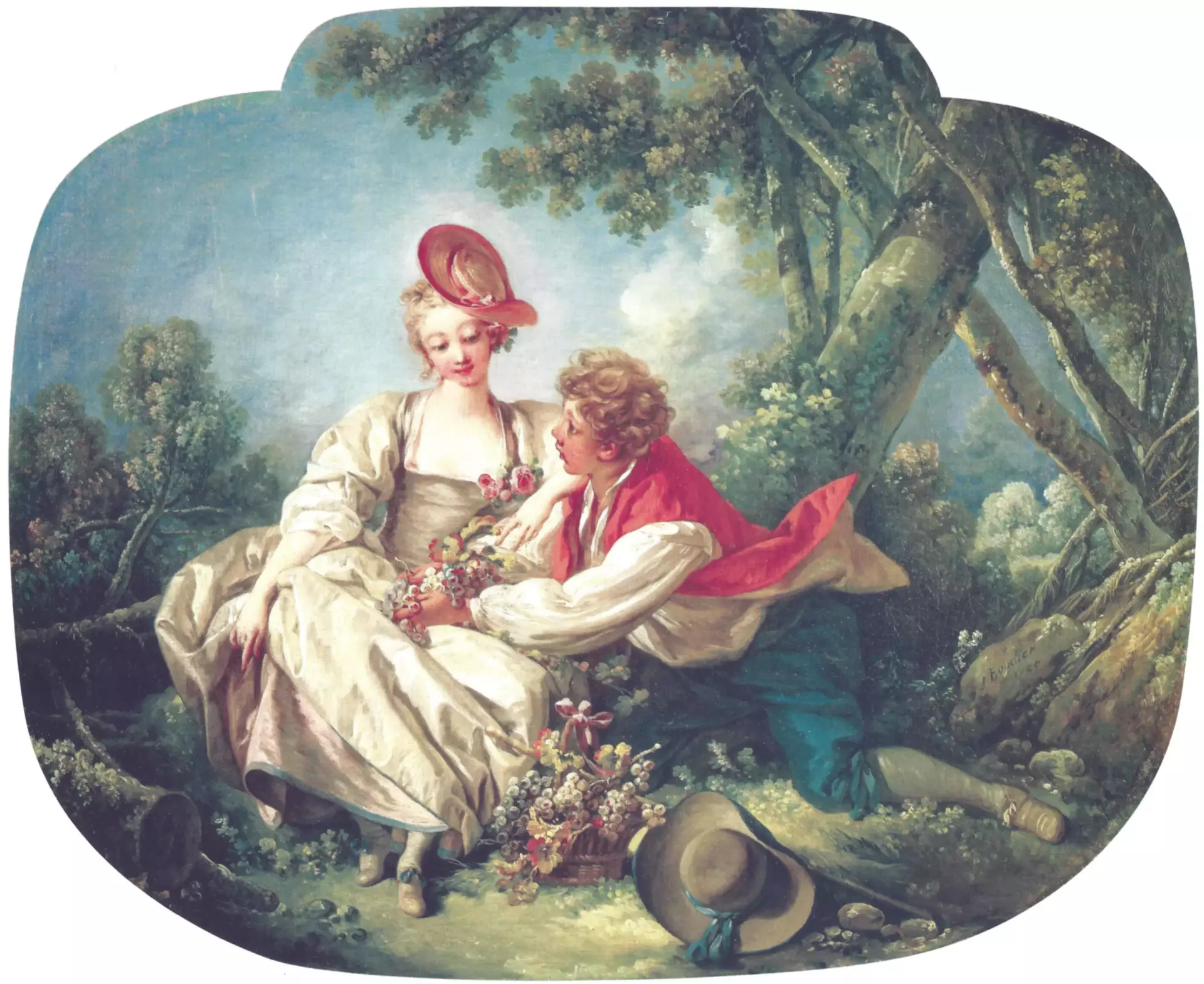
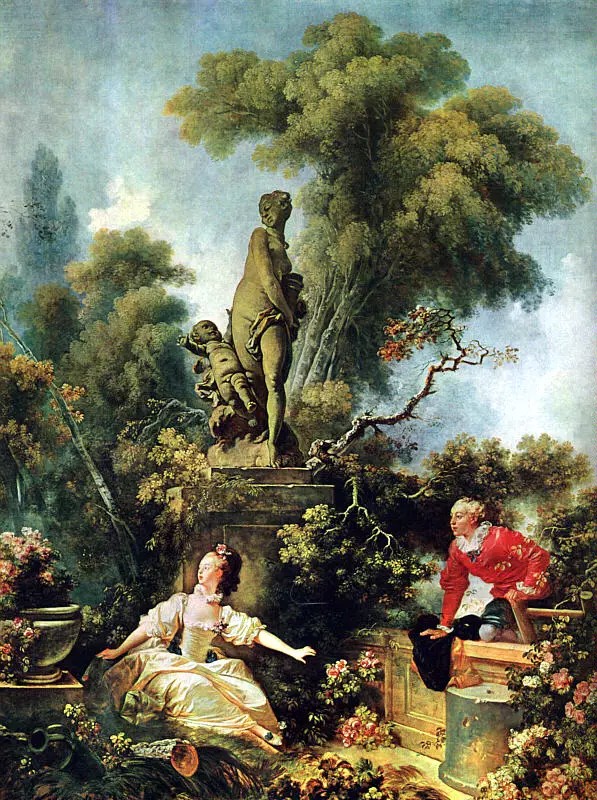
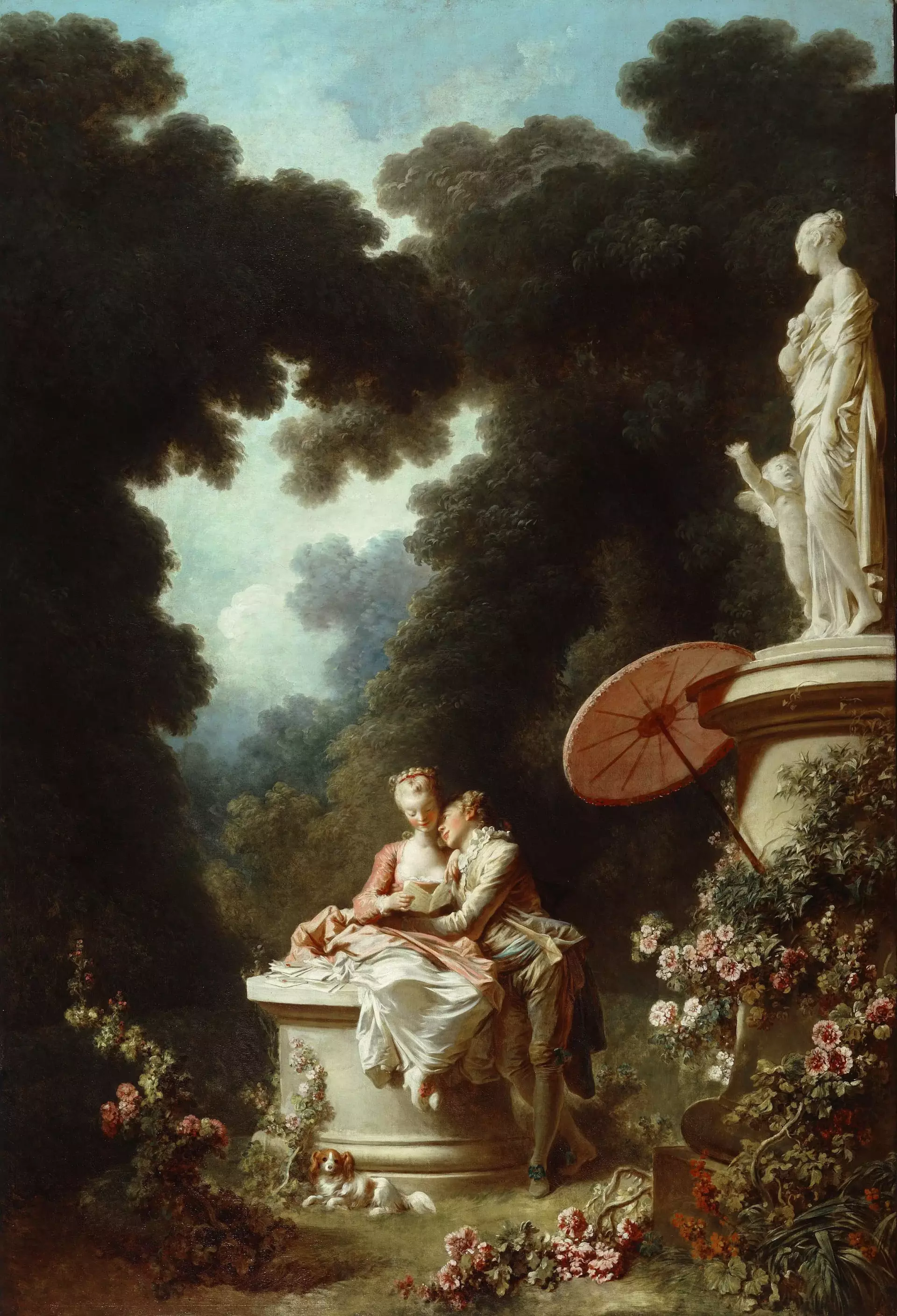
The Frick Collection, once the residence of steel magnate Henry Clay Frick, offers a captivating glimpse into a world of opulence and art. This grand mansion stands as a testament to Frick's life and his passion for art, showcasing his vast personal collection just as he arranged it.
Visitors are often drawn to the mansion itself, an impressive structure that exudes history and elegance. The audio tour provides insightful commentary, enhancing the experience by unraveling the stories behind the house and its stunning interiors.
Among the treasures in this collection are masterpieces by celebrated artists such as Whistler, Corot, El Greco, Turner, Renoir, and Rembrandt. Each piece reflects Frick's discerning taste and his dedication to collecting works of profound beauty and significance.
Source - https://en.wikipedia.org/wiki/Frick_Collection
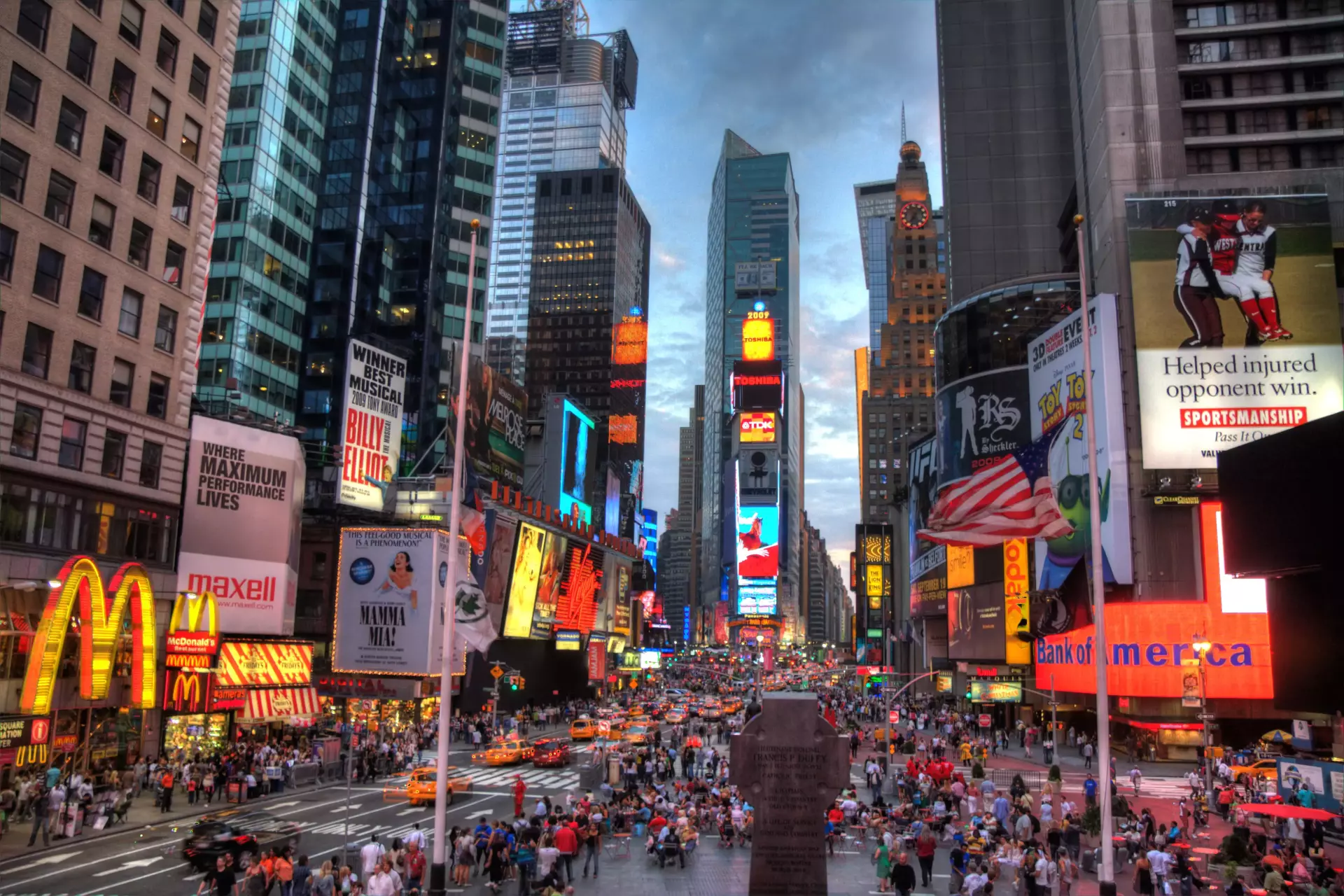
The Society of Illustrators is one of the many off the beaten path museums in New York City, and while it may not have as many visitors, it certainly isn't a place to miss. Certainly don't miss the art of illustration featured here, with countless historical galleries since the museum's opening in 1901. It's even the origin of the famous "I Want You For U.S. Army" poster of World War I and II.
A museum and library devoted to Spanish, Portuguese, and Latin American art and culture.
On the site of the former World Trade Center towers, the memorial consists of two enormous waterfalls and reflecting pools set within the footprints of the twin towers, lined with bronze panels with the names of the nearly 3,000 victims of that fateful day inscribed. The surrounding plaza holds a grove of trees. The museum, which sits underground right next to the memorial, contains exhibits which explain the events of 9/11 and their aftermath, with remnants of the original towers and artifacts from that day. If you see a white rose on one of the names, it's because today is that victim's birthday.
The Manhattan Bridge, just a bit to the east of the Brooklyn Bridge, with signposted access from Jay St. slightly over 4 blocks north (toward the river) of Tillary St., can also be crossed by pedestrians and cyclists, but if you do so, you will be rattled by passing subway trains that traverse the bridge, your view will be partly obstructed by mesh, and you won't be in a position to see much to the north of the bridge (so no great views of the Midtown skyline like you get from the Brooklyn Bridge walkway). It's still worth doing if you have enough time, though, partly because of the views of the Brooklyn Bridge that you can see from the Manhattan Bridge. As of November 2021, construction is taking place on the bridge; it narrows the path pedestrians and cyclists share in places, but access is otherwise unimpeded.
A small museum dedicated to finance and the markets, with exhibits that change periodically. Closed to find a new location as of Mar 2024.
Holding a remarkably large collection, each of the 5 floors of this massive building has expansive and well-designed exhibits devoted to astronomy, biology, geology, anthropology, climatology, and paleontology. You will want to allow a full day if you hope to see the entirety of the museum. Some of the highlights are the Rose Center for Earth and Space on the northeast corner of the building, which contains a seven-story glass cube holding the Hayden Planetarium, a huge sphere suspended above the exhibit halls below and holding a "cosmic pathway" exhibit; the numerous habitat diorama halls on the first, second and third floors, with recreations of African, Asian, North American, and ocean plants and animals, including a full-size model of a Blue Whale suspended above the Ocean Life Hall; a Hall of Minerals and Gems, which contains many rare and beautiful specimens, including the largest star sapphire in the world and a chunk of a massive meteorite; extensive anthropology halls on the first, second, and third floors, with exhibits devoted to people of Asia, Africa, Central America, the Pacific, and Native Americans; and the natural history halls on the fourth floor, with one of the largest collections of dinosaur skeletons in the world.
Americana including Audubon’s watercolors of birds.
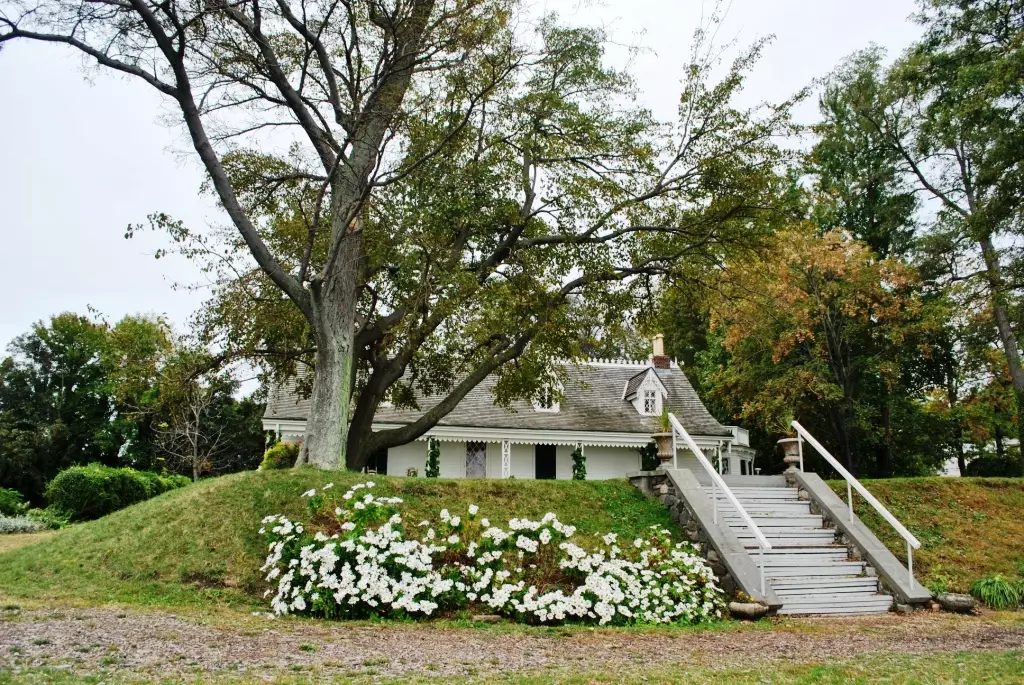
Kingsland Homestead is a historic home, built by Charles Doughty around 1774. It is now a museum with exhibits about the Victorian era, the slavery in Queens, and how Queens was affected by World War II.
Exhibits on the history of highrise and skyscraper construction.
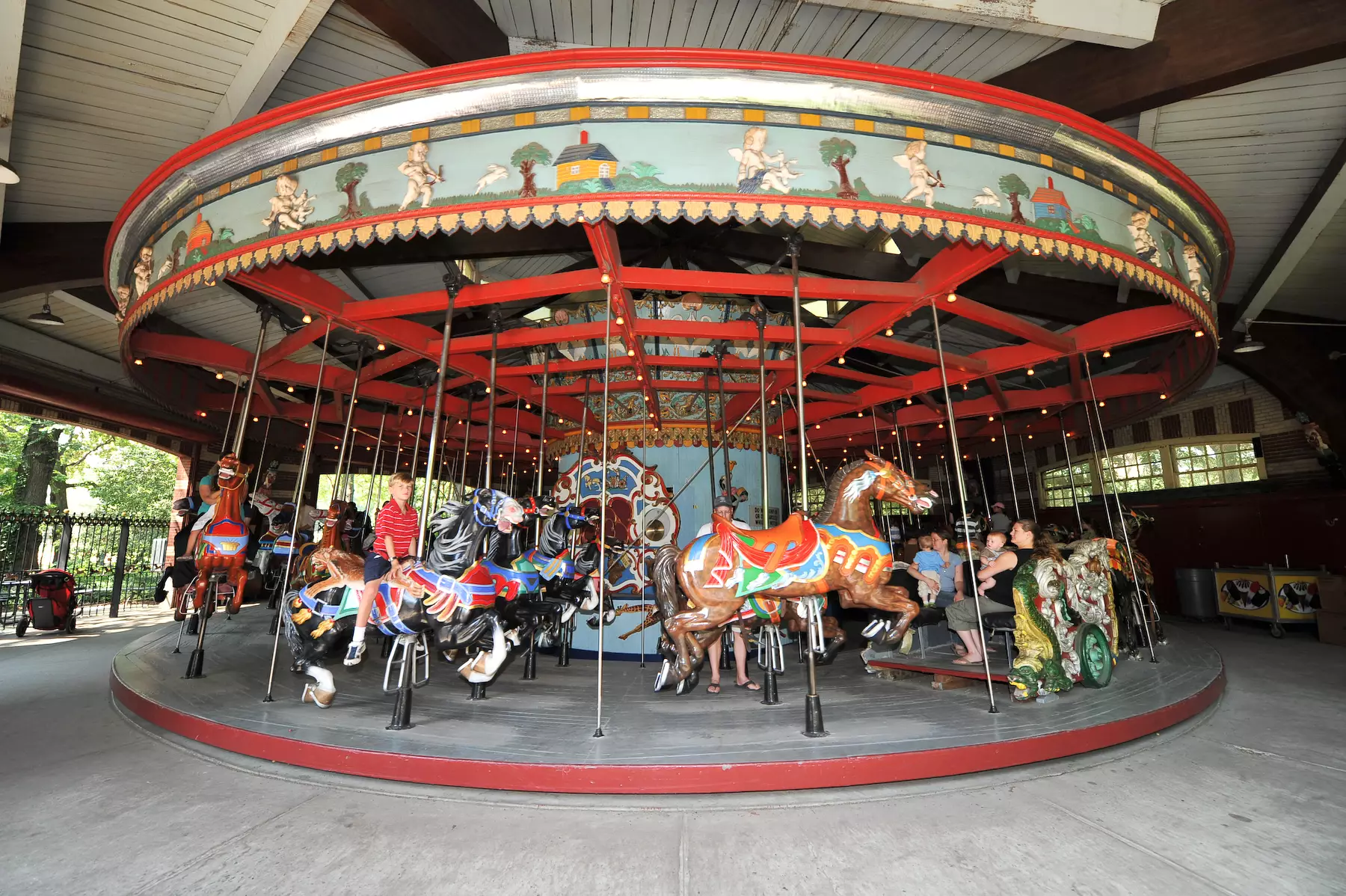
A vintage carousel built in 1908 and situated on this spot since the 1950s, it's the fourth carousel to inhabit this location and is beautifully painted.
Housed in the Alexander Hamilton US Custom House, this Smithsonian museum is the New York branch of the National Museum of the American Indian (the other branches are in Washington, D.C. and Maryland).
A museum dedicated to folk & self-taught artists.